1. Search Result
Search Result
Pathways Recommended: Stem Cell/Wnt Cell Cycle/DNA Damage
Results for "

C6 cells

" in MedChemExpress (MCE) Product Catalog:

118

Inhibitors & Agonists

7

Fluorescent Dye

3

Peptides

4

Inhibitory Antibodies

12

Natural
Products

1

Recombinant Proteins

60

Isotope-Labeled Compounds

1

Antibodies

1

Oligonucleotides

Cat. No. Product Name Target Research Areas Chemical Structure
  • HY-N7140
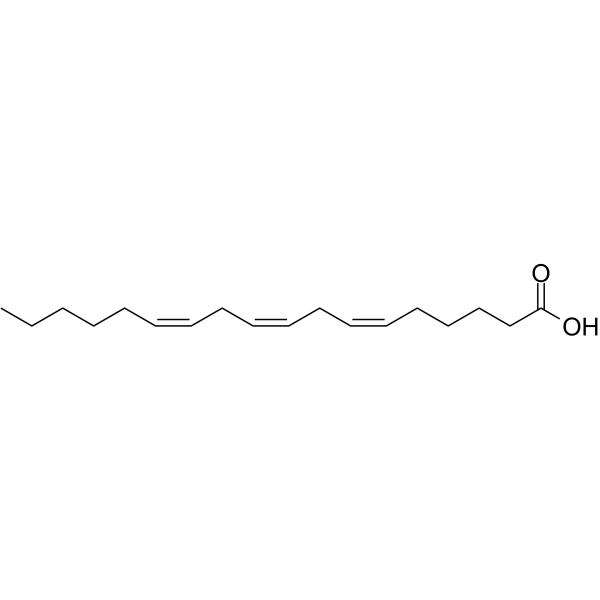
    Gamma-Linolenic acid
    5+ Cited Publications

    γ-Linolenic acid

    Endogenous Metabolite Apoptosis NF-κB ERK JNK Neurological Disease Inflammation/Immunology Cancer
    Gamma-linolenic acid (γ-Linolenic acid) is an orally active unsaturated fatty acid. Gamma-linolenic acid exerts anti-inflammatory effects by inhibiting the NF-κB pathway and the phosphorylation of ERK1/2 and JNK. At the same time, it exerts anticancer effects by inducing apoptosis (Apoptosis) in cancer cells. Additionally, Gamma-linolenic acid also has antioxidant and memory-improving effects. It holds promise for research in the fields of inflammation, neurology, and cancer diseases .
    Gamma-Linolenic acid
  • HY-N7264
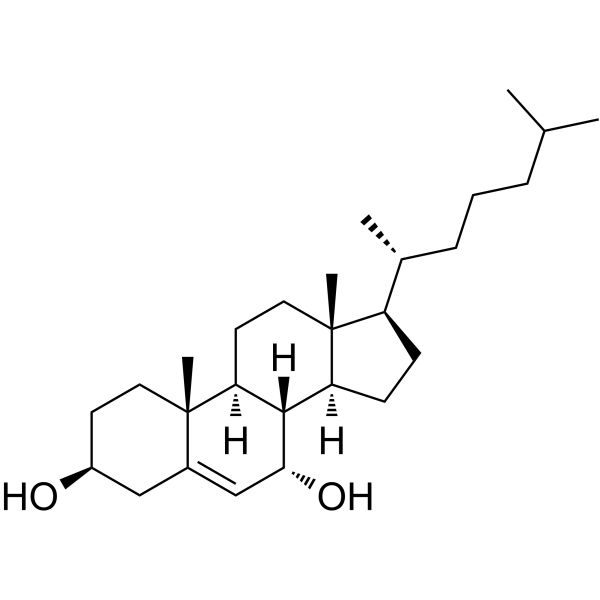
    7α-Hydroxycholesterol
    3 Publications Verification

    HMG-CoA Reductase (HMGCR) Toll-like Receptor (TLR) Akt Src ERK MDM-2/p53 Metabolic Disease Inflammation/Immunology
    7α-Hydroxycholesterol is a cholesterol oxide and can serve as a biomarker for oxidative stress and lipid peroxidation. 7α-Hydroxycholesterol has cytotoxic and pro-inflammatory activities. 7α-Hydroxycholesterol can also inhibit sterol synthesis and reduce the activity of HMG-CoA reductase. 7α-Hydroxycholesterol can be used in the research of diseases such as diabetes and atherosclerosis .
    7α-Hydroxycholesterol
  • HY-N0455AS8

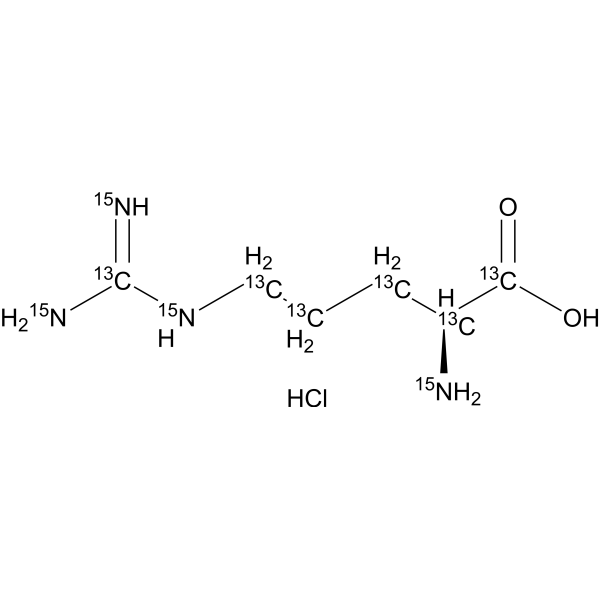
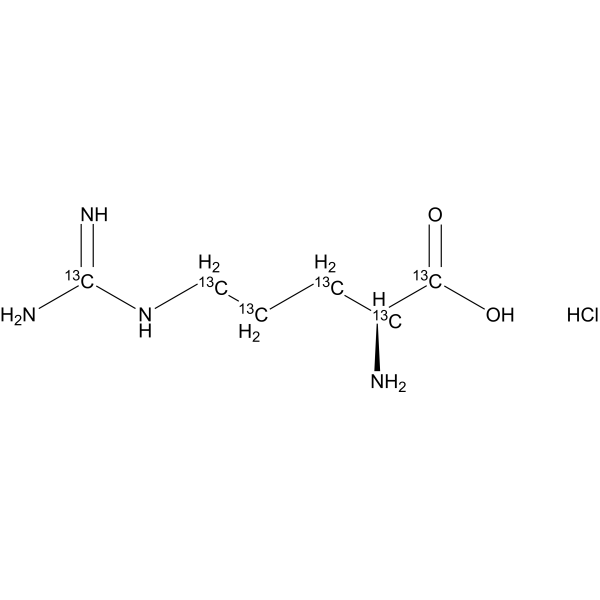
    (S)-(+)-Arginine-13C6,15N4 hydrochloride

    NO Synthase Endogenous Metabolite Others
    L-Arginine- 13C6, 15N4 (hydrochloride) is the 13C- and 15N-labeled L-Arginine hydrochloride. L-Arginine hydrochloride ((S)-(+)-Arginine hydrochloride) is the nitrogen donor for synthesis of nitric oxide, a potent vasodilator that is deficient during times of sickle cell crisis.
    L-Arginine-13C6,15N4 hydrochloride
  • HY-N1127
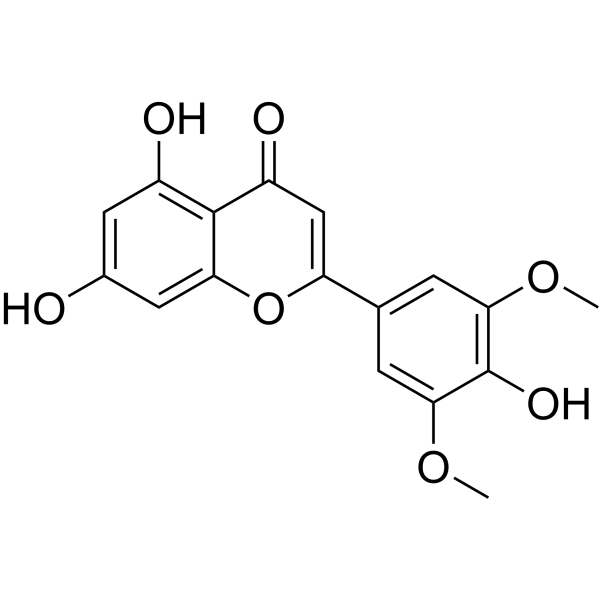
    Tricin
    Maximum Cited Publications
    7 Publications Verification

    CMV Infection Cancer
    Tricin is a natural flavonoid found in large amounts in wheat. Tricin inhibits HCMV replication by inhibiting CDK9. Tricin inhibits the proliferation and invasion of C6 glioma cells by upregulating the expression of FAK-targeting microRNA-7 .
    Tricin
  • HY-19542
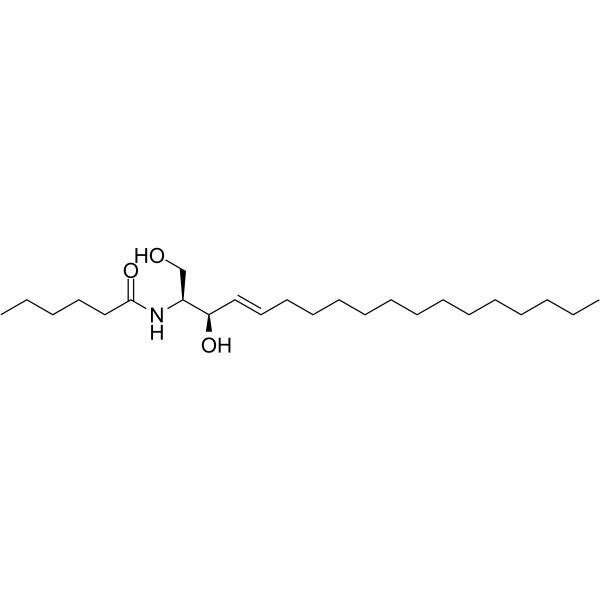
    C6 Ceramide
    3 Publications Verification

    C6-Cer; N-Hexanoylsphingosine

    Apoptosis Cancer
    C6 Ceramide (C6-Cer) is a short-chain, cell-permeable ceramide pathway activator with anticancer activity. C6 Ceramide-mediated miR-29b expression participates in the progression of multiple myeloma through suppressing the proliferation, migration and angiogenesis of endothelial cells by targeting Akt signal pathway. C6 Ceramide exhibits multiple anti-cancer properties including cell cycle arrest, Apoptosis, inhibition of tumor growth and enhances the effects of chemotherapy in drug-resistant cancer cells. C6-ceramide can be used as an adjuvant for chemotherapeutic agents, to enhance anti-tumor effects .
    C6 Ceramide
  • HY-N1428S1

    Isotope-Labeled Compounds Endogenous Metabolite Apoptosis Bacterial Infection Cardiovascular Disease Metabolic Disease Inflammation/Immunology Cancer
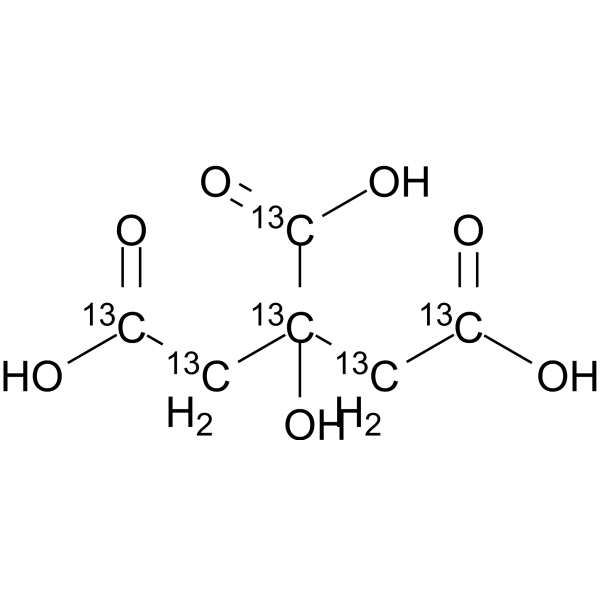
    Citric acid- 13C6 is the 13C-labeled Citric acid (HY-N1428). Citric acid is a natural preservative and food tartness enhancer. Citric acid induces apoptosis and cell cycle arrest at G2/M phase and S phase in HaCaT cells. Citric acid cause oxidative damage of the liver by means of the decrease of antioxidative enzyme activities. Citric acid is also an acidulant, emulsifier, sequestrant and buffering agent widely used across many industries .
    Citric acid-13C6
  • HY-129420

    Fluorescent Dye Cancer
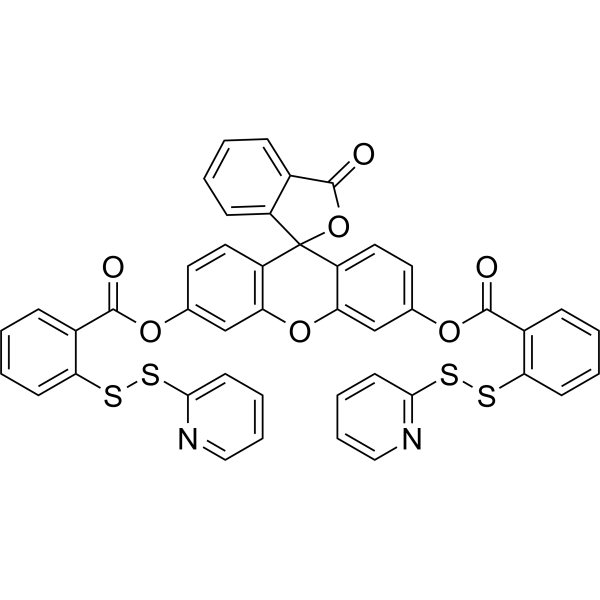
    WSP-5 is a H2S-selective fluorescent probe (Ex/Em = 502/525 nm). WSP-5 enables visual monitoring of H2S released and accumulated from peptide-H2S donor conjugates in glioma cells. WSP-5 is applicable to glioma research .
    WSP-5
  • HY-N0455AS6

    (S)-(+)-Arginine-13C6 hydrochloride

    Isotope-Labeled Compounds NO Synthase Endogenous Metabolite Others
    L-Arginine- 13C6 (hydrochloride) is the 13C-labeled L-Arginine hydrochloride. L-Arginine hydrochloride ((S)-(+)-Arginine hydrochloride) is the nitrogen donor for synthesis of nitric oxide, a potent vasodilator that is deficient during times of sickle cell crisis.
    L-Arginine-13C6 hydrochloride
  • HY-W356116

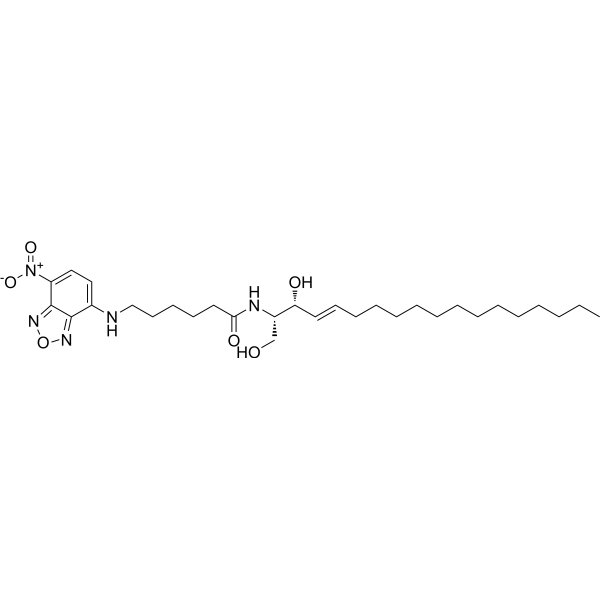
    Nbd-ceramide

    Fluorescent Dye Others
    C6 NBD Ceramide is a Golgi apparatus fluorescent probe with cell membrane permeability. C6 NBD Ceramide can be used for fast and convenient green fluorescent labeling of Golgi in living and fixed cells, and can be used to observe changes in Golgi morphology in living cells (Ex=466 nm, Em=536 nm). C6-NBD-ceramide is metabolized to fluorescent sphingomyelin and glucosylceramide, can be used for the study of sphingolipid transport and metabolic mechanism .
    C6 NBD Ceramide
  • HY-N2038

    Phosphodiesterase (PDE) Neurological Disease Cancer
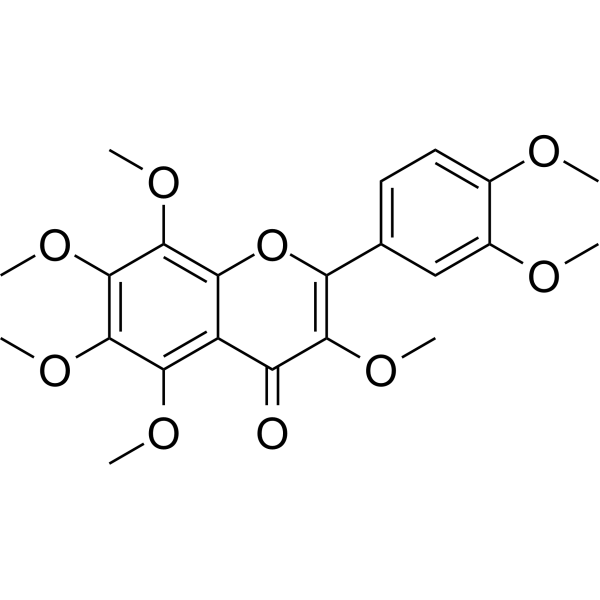
    3,5,6,7,8,3',4'-Heptemthoxyflavone, a flavonoid from satsuma peel, is an orally available CREB activator with anti-tumor and anti-neuroinflammatory activity. 3,5,6,7,8,3',4'-Heptemthoxyflavone inhibits collagenase activity and increases the content of type I procollagen in human dermal fibroblast neoblast (HDFn) cells. 3,5,6,7,8,3',4'-Heptemthoxyflavone induces brain-derived neurotrophic factor (BDNF) expression through the cAMP/ERK/CREB signaling pathway and reduces phosphodiesterase activity in C6 glioma .
    3,​5,​6,​7,​8,​3',​4'-​Heptemthoxyflavone
  • HY-N6076

    ERK Neurological Disease
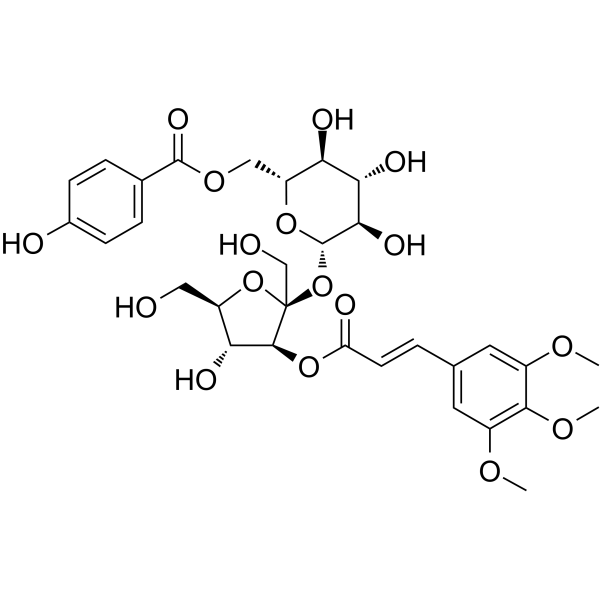
    Tenuifoliside A is isolated from Polygala tenuifolia, has anti-apoptotic and antidepressant-like effects. Tenuifoliside A exhibits its neneurotrophic effects and promotes cell proliferation through the ERK/CREB/BDNF signal pathway in C6 cells .
    Tenuifoliside A
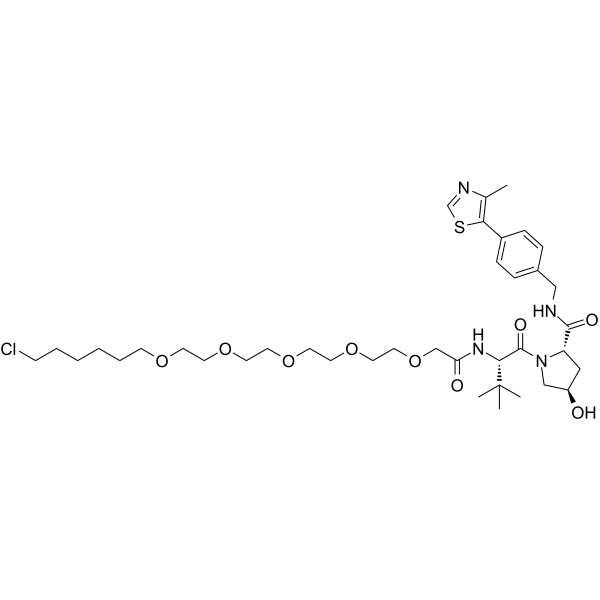
  • HY-112495
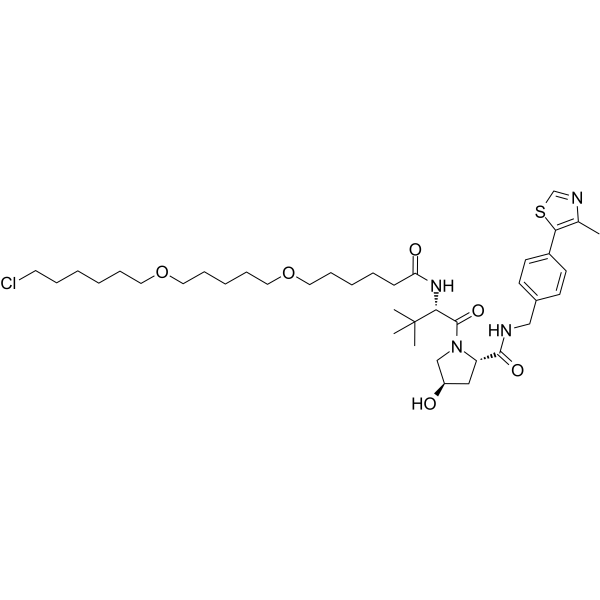
    VH032-PEG5-C6-Cl
    2 Publications Verification

    HaloPROTAC 2

    E3 Ligase Ligand-Linker Conjugates Cancer
    VH032-PEG5-C6-Cl (HaloPROTAC 2) is a conjugate of ligands for E3 and 21-atom-length linker. The connector of linker is Halogen group. VH032-PEG5-C6-Cl incorporates the VH032 based VHL ligand and 5-unit PEG linker. VH032-PEG5-C6-Cl is capable of inducing the degradation of GFP-HaloTag7 in cell-based assays .
    VH032-PEG5-C6-Cl
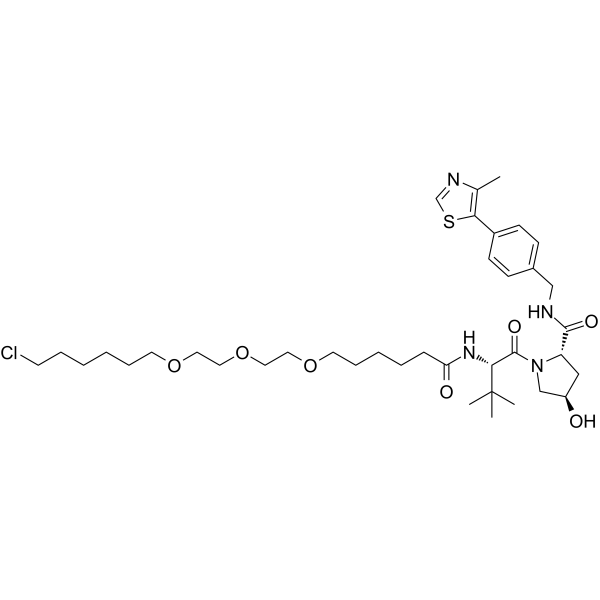
  • HY-103608

    VHL Ligand-Linker Conjugates 11; E3 ligase Ligand-Linker Conjugates 11

    E3 Ligase Ligand-Linker Conjugates Cancer
    (S,R,S)-AHPC-(C3-​PEG)​2-​C6-​Cl is a small molecule HaloPROTAC that incorporates the (S,R,S)-AHPC based VHL ligand and 2-unit PEG linker. (S,R,S)-AHPC-(C3-​PEG)​2-​C6-​Cl is capable of inducing the degradation of GFP-HaloTag7 in cell-based assays .
    (S,R,S)-AHPC-(C3-​PEG)​2-​C6-​Cl
  • HY-18569S4

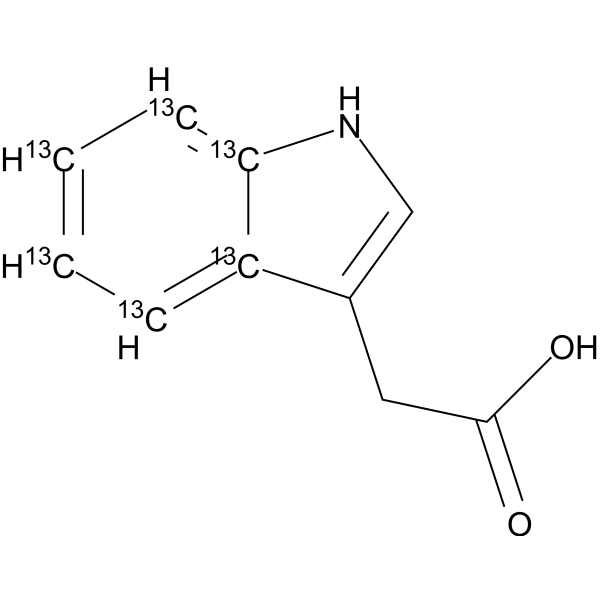
    Indole-3-acetic acid-13C6; 3-IAA-13C6

    Isotope-Labeled Compounds Endogenous Metabolite Metabolic Disease
    3-Indoleacetic acid- 13C6 is the 13C labeled 3-Indoleacetic acid (HY-18569). 3-Indoleacetic acid (Indole-3-acetic acid) is the most common natural plant growth hormone of the auxin class. It can be added to cell culture medium to induce plant cell elongation and division .
    3-Indoleacetic acid-13C6
  • HY-B0166S8

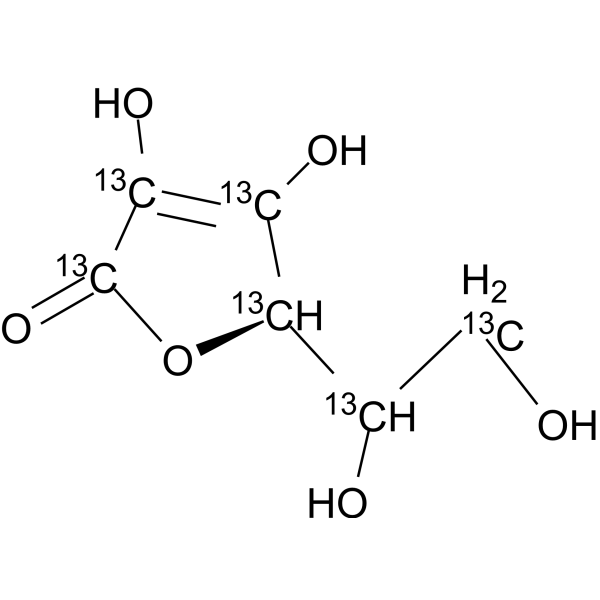
    L-Ascorbate-1; Vitamin C-13C6-1

    Isotope-Labeled Compounds Endogenous Metabolite Reactive Oxygen Species (ROS) Calcium Channel Apoptosis Cancer
    L-Ascorbic acid- 13C6-1 (L-Ascorbate-1; Vitamin C- 13C6-1) is a 13C labeled L-Ascorbic acid (HY-B0166) . L-Ascorbic acid (L-Ascorbate), an electron donor, is an endogenous antioxidant agent. L-Ascorbic acid inhibits selectively Cav3.2 channels with an IC50 of 6.5 μM. L-Ascorbic acid is also a collagen deposition enhancer and an elastogenesis inhibitor . L-Ascorbic acid exhibits anti-cancer effects through the generation of reactive oxygen species (ROS) and selective damage to cancer cells .
    L-Ascorbic acid-13C6-1
  • HY-167851

    CXCR Neurological Disease Cancer
    CCX662 is a selective CXCR7 inhibitor with human IC50 values of 9 nM (buffer) and 18 nM (100% human serum), and rat IC50 of 14 nM (100% rat serum). CCX662 blocks CXCL12 binding to CXCR7, inhibits CXCR4-directed trans-endothelial migration of CXCR4 +/CXCR7 + cells. CCX662 can be used for the research of glioblastoma multiforme .
    CCX662
  • HY-103605
    (S,R,S)-AHPC-C6-PEG3-C4-Cl
    1 Publications Verification

    VH032-C6-PEG3-C4-Cl; VHL Ligand-Linker Conjugates 12; E3 ligase Ligand-Linker Conjugates 8

    E3 Ligase Ligand-Linker Conjugates Cancer
    (S,R,S)-AHPC-C6-PEG3-C4-Cl (VH032-C6-PEG3-C4-Cl) is a conjugate of ligands for E3 and 20-atom-length linker. The connector of linker is Halogen group. (S,R,S)-AHPC-C6-PEG3-C4-Cl incorporates the (S,R,S)-AHPC based VHL ligand and an alkyl/ether-based linker. (S,R,S)-AHPC-C6-PEG3-C4-Cl is capable of inducing the degradation of GFP-HaloTag7 in cell-based assays .
    (S,R,S)-AHPC-C6-PEG3-C4-Cl
  • HY-103471

    FAK Interleukin Related Cancer
    Y11 inhibits the autophosphorylation of FAK1 by blocking the phosphorylation of Y397. Y11 increases the expression level of IL-6. Y11 is applicable for cancer research .
    Y11
  • HY-D1432

    Fluorescent Dye Cancer
    FITC-C6-DEVD-FMK, a fluorescently labeled caspase-3 inhibitor, can be used for detection of active caspase-3 in mammalian cells undergoing apoptosis. FITC-C6-DEVD-FMK provides a convenient means for sensitive detection of activated caspase-3 in living cells. Z-DEVD-FMK is a specific caspase-3 inhibitor .
    FITC-C6-DEVD-FMK
  • HY-15036S1

    Isotope-Labeled Compounds COX Apoptosis Inflammation/Immunology
    Diclofenac- 13C6 is the 13C6 labeled Diclofenac. Diclofenac is a potent and nonselective anti-inflammatory agent, acts as a COX inhibitor, with IC50s of 4 and 1.3 nM for human COX-1 and COX-2 in CHO cells, and 5.1 and 0.84 μM for ovine COX-1 and COX-2, respectively. Diclofenac induces apoptosis of neural stem cells (NSCs) via the activation of the caspase cascade.
    Diclofenac-13C6
  • HY-B0150S2

    Niacinamide-13C6; Nicotinic acid amide-13C6

    Endogenous Metabolite Sirtuin Neurological Disease Cancer
    Nicotinamide- 13C6 is the 13C-labeled Nicotinamide. Nicotinamide is a form of vitamin B3 that plays essential roles in cell physiology through facilitating NAD+ redox homeostasis and providing NAD+ as a substrate to a class of enzymes that catalyze non-redox reactions. Nicotinamide is an inhibitor of SIRT1.
    Nicotinamide-13C6
  • HY-W014375S4

    (±)-Arginine-13C6,15N4 hydrochloride

    Isotope-Labeled Compounds Endogenous Metabolite Cardiovascular Disease
    DL-Arginine- 13C6, 15N4 hydrochloride is 13C and 15N-labeled DL-Arginine hydrochloride (HY-W014375). DL-Arginine ((±)-Arginine) hydrochloride is the racemic compound of L-Arginine (HY-N0455) and D-Arginine (HY-W016781). Arginine is an essential amino acid that requires additional supplementation in traumatic or diseased conditions. Arginine is involved in T cell activation, proliferation, and differentiation, and affects the function of immune cells .
    DL-Arginine-13C6,15N4 hydrochloride
  • HY-19542S1

    C6-Cer-d11; N-Hexanoylsphingosine-d11

    Apoptosis Isotope-Labeled Compounds Cancer
    C6 Ceramide-d11 is deuterated labeled C6 Ceramide (HY-19542). C6-ceramide, a ceramide pathway activator, shows activity against a variety of cancer cell lines. C6-ceramide can be used as an adjuvant for chemotherapeutic agents, to enhance anti-tumor effects .
    C6 Ceramide-d11
  • HY-15037S2

    GP 45840-13C6

    Isotope-Labeled Compounds COX Apoptosis Inflammation/Immunology
    Diclofenac- 13C6 (Sodium) is the 13C6 labeled Diclofenac (Sodium). Diclofenac Sodium (GP 45840) is a potent and nonselective anti-inflammatory agent, acts as a COX inhibitor, with IC50s of 4 and 1.3 nM for human COX-1 and COX-2 in CHO cells, and 5.1 and 0.84 μM for ovine COX-1 and COX-2, respectively. Diclofenac Sodium induces apoptosis of neural stem cells (NSCs) via the activation of the caspase cascade.
    Diclofenac-13C6 sodium
  • HY-78131S3

    (±)-Ibuprofen-13C6

    Isotope-Labeled Compounds Apoptosis Parasite COX Cancer
    Ibuprofen- 13C6 ((±)-Ibuprofen- 13C6) is a 13C labeled Ibuprofen (HY-78131). Ibuprofen ((±)-Ibuprofen) is a potent, orally active, selective COX-1 inhibitor with an IC50 value of 13 μM. Ibuprofen inhibits cell proliferation, angiogenesis, and induces cell apoptosis. Ibuprofen is a nonsteroidal anti-inflammatory agent and a nitric oxide (NO) donor. Ibuprofen ((±)-Ibuprofen) can be used in the research of pain, swelling, inflammation, infection, immunology, cancers .
    Ibuprofen-13C6
  • HY-N0349S1

    Methyl 4-hydroxybenzoate-13C6

    Isotope-Labeled Compounds Bacterial Endogenous Metabolite Infection
    Methyl Paraben- 13C6 (Methyl 4-hydroxybenzoate- 13C6) is a 13C labeled Methyl Paraben (HY-N0349) . Methyl Paraben, isolated from the barks of Tsuga dumosa the methyl ester of p-hydroxybenzoic acid, is a standardized chemical allergen. Methyl Paraben is a stable, non-volatile compound used as an antimicrobial preservative in foods, agents and cosmetics. The physiologic effect of Methyl Paraben is by means of increased histamine release, and cell-mediated immunity .
    Methyl paraben-13C6
  • HY-113046S1

    5-Methyl THF-13C6; 5-MTHF-13C6

    Isotope-Labeled Compounds Endogenous Metabolite Cardiovascular Disease Metabolic Disease
    5-Methyltetrahydrofolic acid- 13C6 (5-Methyl THF- 13C6) is 13C labeled 5-Methyltetrahydrofolic acid. 5-Methyltetrahydrofolic acid (5-Methyl THF) is the main circulating form of folic acid in the body and is involved in a variety of biochemical reactions. 5-Methyltetrahydrofolic acid regulates cardiovascular function by increasing the production of endothelin-1 (ET-1) in low-density lipoprotein-treated endothelial cells and can be used in the study of cardiovascular diseases .
    5-Methyltetrahydrofolic acid-13C6
  • HY-W768912

    Isotope-Labeled Compounds Microtubule/Tubulin ADC Payload Apoptosis Autophagy Cancer
    Paclitaxel- 13C6 is the 13C-labeled Paclitaxel. Paclitaxel is a naturally occurring antineoplastic agent and stabilizes?tubulin?polymerization. Paclitaxel can cause both mitotic arrest and?apoptotic?cell death. Paclitaxel also induces?autophagy .
    Paclitaxel-13C6
  • HY-173076A

    HDAC YAP Inflammation/Immunology
    HDAC11-IN-1 (Compound 14-N C6OH) TFA is a selective macrocyclic inhibitor of HDAC11 with a Ki of 40 nM. HDAC11-IN-1 TFA exhibits good cell permeability and can inhibit the expression of YAP1 and SOX2 .
    HDAC11-IN-1 TFA
  • HY-111543

    Parasite Infection
    AN11251 is a potent and oral active anti-Wolbachia agent with potential for treatment of onchocerciasis and lymphatic filariasis, with EC50 values of 1.5 nM in LDW1 cell lines and 15 nM in C6/36 cell lines .
    AN11251
  • HY-133685S

    C6-HSL-d3

    Isotope-Labeled Compounds Bacterial Infection Metabolic Disease
    N-Hexanoyl-L-Homoserine lactone-d3 (C6-HSL-d3) is deuterium labeled N-Hexanoyl-L-homoserine lactone. N-Hexanoyl-L-homoserine lactone is a short-chained N-acyl homoserine lactone (AHL). Diatoms are frequently found in association with Proteobacteria, many members of which employ cell-to-cell communication via AHLs in aquatic habitats .
    N-Hexanoyl-L-Homoserine lactone-d3
  • HY-139062

    C6 Ceramide (d18:1/6:0) Urea; Cer(d18:1/6:0) Urea; D-erythro-Urea-C6-Ceramide

    Apoptosis Ceramidase Autophagy β-catenin Cancer
    C6 Urea Ceramide (Cer(d18:1/6:0) Urea) is an inhibitor of neutral ceramidase. C6 Urea Ceramide increases total ceramide levels in wild-type mouse embryonic fibroblasts (MEFs) and HT-29 colon cancer cells. C6 Urea Ceramide (5-10 μM) inhibits proliferation of HT-29 cells and induces apoptosis and autophagy, but is not toxic to non-cancerous cells. C6 Urea Ceramide decreases total and phosphorylated β-catenin levels in HT-29 and HCT116 cells, and induces colocalization of β-catenin with the 20S proteasome. C6 Urea Ceramide (1.25, 2.5, and 5 mg/kg) reduced tumor growth and increased C16, C18, C20, and C24 ceramide levels in tumor tissues in the HT-29 mouse xenograft model.
    C6 Urea Ceramide
  • HY-B0497S1

    BAY2353-13C6

    Isotope-Labeled Compounds STAT Parasite Antibiotic Infection Cancer
    Niclosamide- 13C6 is the 13C6 labeled Niclosamide. Niclosamide (BAY2353) is an orally bioavailable chlorinated salicylanilide, with anthelmintic and potential antineoplastic activity. Niclosamide (BAY2353) inhibits STAT3 with IC50 of 0.25 μM in HeLa cells and inhibits DNA replication in a cell-free assay.
    Niclosamide-13C6
  • HY-175010

    STAT Apoptosis Bcl-2 Family Caspase Cancer
    STAT3-IN-44 is a potent STAT3 inhibitor with IC50s of 1.84 (C6 cells) and 4.81 μM (A549 cells). STAT3-IN-44 inhibits STAT3 phosphorylation, downregulates Bcl-2, and upregulates Caspase-3 to promote late-stage apoptosis. STAT3-IN-44 significantly suppresses tumor cell proliferation and migration. STAT3-IN-44 can be used for the study of cancers such as glioma and lung cancer .
    STAT3-IN-44
  • HY-106950S1

    Diphosphofructose-13C6 tetrasodium hydrate; Esafosfan-13C6 tetrasodium hydrate; FDP-13C6 tetrasodium hydrate

    Endogenous Metabolite Cardiovascular Disease
    Fosfructose- 13C6 (tetrasodium hydrate) is the 13C labeled Fosfructose (HY-106950). Fosfructose is a cytoprotective natural sugar phosphate for the potential treatment of cardiovascular ischemia, sickle cell anemia and asthma .
    Fosfructose-13C6 tetrasodium hydrate
  • HY-W654020

    Propyl parahydroxybenzoate-13C6; Propyl 4-hydroxybenzoate-13C6

    Isotope-Labeled Compounds Apoptosis Endogenous Metabolite Bacterial Infection
    Propyl paraben- 13C6 (Propyl parahydroxybenzoate- 13C6) is 13C labeled Propylparaben. Propylparaben (Propyl parahydroxybenzoate) is an antibacterial preservative that can be produced by plants and bacteria. Propylparaben is commonly used in cosmetics, pharmaceuticals and foods. Propylparaben disrupts follicular growth and steroidogenic function by altering cell cycle, apoptosis and steroidogenic pathways. Propylparaben also reduced sperm count and motility in rats .
    Propyl paraben-13C6
  • HY-119402
    TP-021
    1 Publications Verification

    BCL6-IN-8c

    Bcl-2 Family Cancer
    TP-021 (BCL6-IN-8c), a chemical probe, is a potent and orally active B-cell lymphoma 6 (BCL6)-corepressor interaction inhibitor with an IC50 of 0.10 μM in cell-free enzyme-linked immunosorbent assay .
    TP-021
  • HY-N0455AS4

    (S)-(+)-Arginine-13C6,15N4,d7 hydrochloride

    Isotope-Labeled Compounds NO Synthase Endogenous Metabolite Others
    L-Arginine- 13C6, 15N4,d7 (hydrochloride) is the deuterium, 13C-, and 15-labeled L-Arginine hydrochloride. L-Arginine hydrochloride ((S)-(+)-Arginine hydrochloride) is the nitrogen donor for synthesis of nitric oxide, a potent vasodilator that is deficient during times of sickle cell crisis.
    L-Arginine-13C6,15N4,d7 hydrochloride
  • HY-P1624S1

    ALX-0600-Leu(13C6,15N) sodium

    Isotope-Labeled Compounds Nuclear Hormone Receptor 4A/NR4A FXR Inflammation/Immunology
    Teduglutide-Leu( 13C6, 15N) (ALX-0600-Leu( 13C6, 15N)) sodium is the 13C- and 15N-labeled Teduglutide (HY-P1624). Teduglutide (ALX-0600) is an analog of human glucagon like peptide-2 (GLP-2). Teduglutide can activate the expression of nuclear receptor subfamily 4 group a member 1 (NR4a1)/nur77 and intestinal FXR signaling in human hepatic stellate cells, thereby improving liver inflammation and fibrosis in mice with sclerosing cholangitis. Teduglutide can alleviate intestinal dysfunction in mice, improve lung injury, alleviate obesity related neuroinflammation and cell apoptosis .
    Teduglutide-Leu(13C6,15N) sodium
  • HY-N1127R

    Reference Standards CMV Infection Cancer
    Tricin (Standard) is the analytical standard of Tricin. This product is intended for research and analytical applications. Tricin is a natural flavonoid found in large amounts in wheat. Tricin inhibits HCMV replication by inhibiting CDK9. Tricin inhibits the proliferation and invasion of C6 glioma cells by upregulating the expression of FAK-targeting microRNA-7 .
    Tricin (Standard)
  • HY-178178

    PARP Reactive Oxygen Species (ROS) DNA/RNA Synthesis Apoptosis Cancer
    PARP1-IN-46 is a potent PARP-1 inhibitor with an IC50 of 2.4 nM. PARP1-IN-46 demonstrates remarkable anti-proliferative activity in both rat (C6) and human (U87MG) glioma cells. PARP1-IN-46 promotes PARP cleavage, triggers DNA damage, and increases ROS. PARP1-IN-46 effectively inhibits the migration, invasion and colony formation of glioma cells, and ultimately induces cell apoptosis. PARP1-IN-46 can be used to the study of glioma .
    PARP1-IN-46
  • HY-170448

    PROTACs Androgen Receptor Endocrinology
    PROTAC AR Degrader-9 (Compound c6) is a PROTAC degrader for androgen receptor, that degrades AR in human hair follicle papilla cells (HDPCs) with a DC50 of 262.38 nM. PROTAC AR Degrader-9 promotes the expressions of paracrine factors, such as TGF-β1 and β-catenin, exhibits hair regenerating efficacy in mouse models . (Pink: ligand for target protein AR ligand-38 (HY-170450); Black: linker; Blue: ligand for E3 ligase Cereblon (HY-170449))
    PROTAC AR Degrader-9
  • HY-168722

    PARP PROTACs Cancer
    PROTAC PARP1 degrader-3 (Compound C6) is a PROTAC degrader for PARP1 with a DC50 of 58.14 nM. PROTAC PARP1 degrader-3 exhibits cytotoxicity in cancer cell SW-620 and LOVO with IC50 of 1.63 μM and 2.84 μM. PROTAC PARP1 degrader-3 exhibits a synergistic effect with SN-38 (HY-13704) in BRCA-mutated colon cancer cell with a combination index (CI) of 0.487. (Blue: Ligand for E3 ligase Cereblon (HY-23095); Pink: Ligand for target protein (HY-10619); Black: Linker (HY-16872))
    PROTAC PARP1 degrader-3
  • HY-145517

    Apoptosis Neurological Disease
    C6-Phytoceramide is a cell-permeable analog of Phytoceramide. C6-Phytoceramide induces higher levels of apoptosis than C6-Ceramide (HY-19542) in neuroblastoma cells .
    C6-Phytoceramide
  • HY-D1749

    Fluorescent Dye Others
    C6 NBD L-threo-ceramide is a cell-permeable analog of ceramides that is tagged with a fluorescent group C6 nitrobenzoxadiazole (C6 NBD). It is rapidly transferred between liposomes, labels the Golgi apparatus, and is metabolized to C6 NBD sphingomyelin in BHK cells and V79 fibroblasts.
    C6 NBD L-threo-ceramide
  • HY-19542S

    Isotope-Labeled Compounds Apoptosis Cancer
    Ceramide C6-d7 is the deuterium labeled Ceramide C6. Ceramide C6, a Ceramide pathway activator, is an exogenous short-chain ceramide which can induce apoptosis of multiple cancer cells .
    Ceramide C6-d7
  • HY-116609

    Interleukin Related Inflammation/Immunology
    C6 L-threo Ceramide is a bioactive sphingolipid and cell-permeable analog of naturally occurring ceramides . C6 L-threo Ceramide significantly inhibits IL-4 production in T cells. Anti-allergic agents .
    C6 L-threo Ceramide
  • HY-N7264R

    Reference Standards Others HMG-CoA Reductase (HMGCR) Toll-like Receptor (TLR) Akt Src ERK MDM-2/p53 Metabolic Disease Inflammation/Immunology
    7α-Hydroxycholesterol is a cholesterol oxide and can serve as a biomarker for oxidative stress and lipid peroxidation. 7α-Hydroxycholesterol has cytotoxic and pro-inflammatory activities. 7α-Hydroxycholesterol can also inhibit sterol synthesis and reduce the activity of HMG-CoA reductase. 7α-Hydroxycholesterol can be used in the research of diseases such as diabetes and atherosclerosis .
    7α-Hydroxycholesterol (Standard)
  • HY-171896

    Liposome Inflammation/Immunology Cancer
    A28-C6B2 is an ionizable cationic lipid with a pKa of 6.43, and can be used to generate lipid nanoparticles (LNPs) for mRNA delivery in vivo. A28-C6B2 can be studied in research for enhancing the selective delivery of mRNA to the spleen, particularly to antigen-presenting cells .
    A28-C6B2
  • HY-171509

    Drug-Linker Conjugates for ADC Apoptosis Cancer
    Mal-N(Me)-C6-N(Me)-PNU-159682 (Compound 27), an agent-linker conjugate for ADC, consists the ADC linker Mal-N(Me)-C6-N(Me) and a potent ADC cytotoxin PNU-159682. Mal-N(Me)-C6-N(Me)-PNU-159682 (Compound 27) selectively delivers the payload to CD46-expressing cells, where the linker is cleaved by cathepsin B to release PNU-159682, inducing DNA damage and apoptosis. Mal-N(Me)-C6-N(Me)-PNU-159682 shows durable tumor regression in xenograft (PDX) models of non-small cell lung cancer (NSCLC) and colorectal cancer (CRC) .
    Mal-N(Me)-C6-N(Me)-PNU-159682

Inquiry Online

Your information is safe with us. * Required Fields.

Salutation


Country or Region *

Applicant Name *


Organization Name *

Department *


Email Address *


Product Name *

Cat. No.


Requested quantity *

Phone Number *


Remarks

Inquiry Online

Inquiry Information

Product Name:
Cat. No.:
Quantity:
MCE Japan Authorized Agent:

