1. Search Result
Search Result
Results for "

Colchicine

" in MedChemExpress (MCE) Product Catalog:

113

Inhibitors & Agonists

1

Screening Libraries

1

Biochemical Assay Reagents

1

Peptides

10

Natural
Products

4

Isotope-Labeled Compounds

2

Click Chemistry

Cat. No. Product Name Target Research Areas Chemical Structure
  • HY-16569
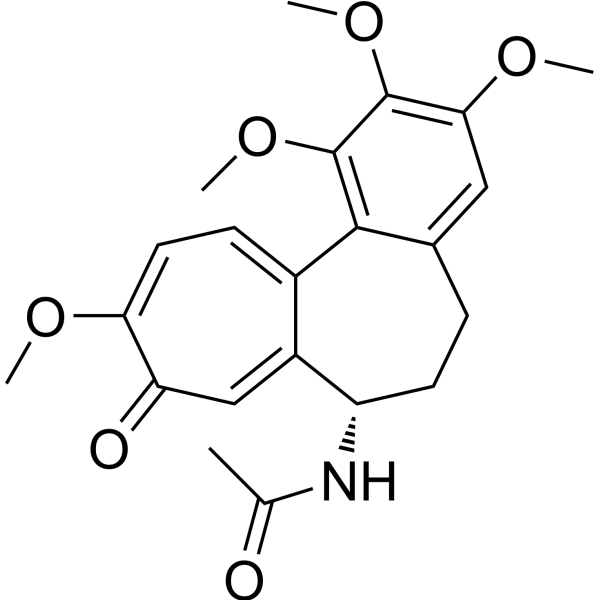
    Colchicine
    60+ Cited Publications

    Environmental Pollutants Apoptosis Autophagy Microtubule/Tubulin NOD-like Receptor (NLR) Cancer
    Colchicine, an orally active alkaloid, is a potent tubulin inhibitor and a microtubule disrupting agent. Colchicine inhibits microtubule polymerization with an IC50 of 3 nM. Colchicine is also a competitive antagonist of the α3 glycine receptors (GlyRs). Colchicine prevents non-steroidal anti-inflammatory drug (NSAID)-induced small intestinal injury by inhibiting activation of the NLRP3 inflammasome. Colchicine has extensive anti-inflammatory, immunosuppressive and strong anti-fibrosis effects and has the potential for gouty arthritis research .
    Colchicine
  • HY-13270

    E7010

    Microtubule/Tubulin Autophagy Apoptosis Cancer
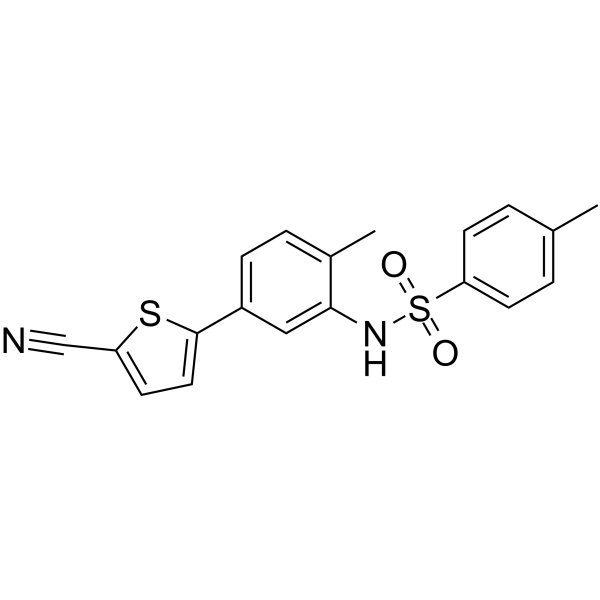
    ABT-751 (E7010) is a novel, highly orally bioavailable sulfonamides antimitotic compound and tubulin binder. It prevents tubulin aggregation by binding to the colchicine site on β-tubulin, leading to cell cycle arrest in G2/M phase and inducing apoptosis, thus effectively preventing cell division. ABT-751 induces autophagy by inhibiting the AKT/MTOR signaling pathway. ABT-751 showed significant inhibition against various types of cancer cells, including lung, gastric, colon, and breast cancer .
    ABT-751
  • HY-14444
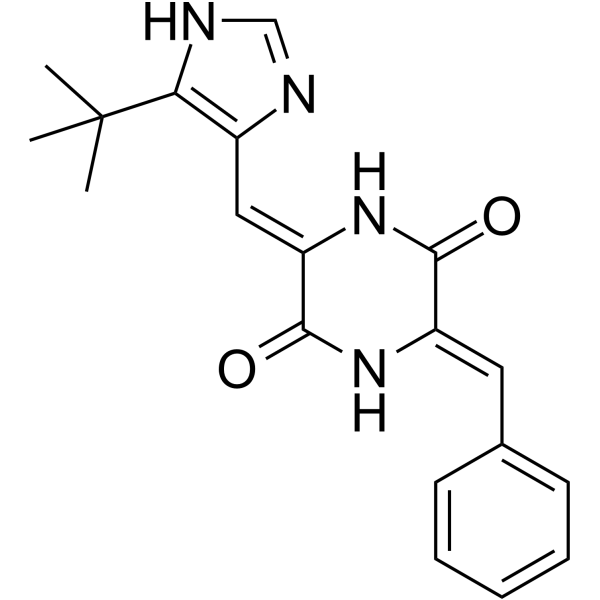
    Plinabulin
    2 Publications Verification

    NPI-2358

    Microtubule/Tubulin Cancer
    Plinabulin (NPI-2358) is a vascular disrupting agen (VDA) against tubulin-depolymerizing with an IC50 of 9.8 nM against HT-29 cells . Plinabulin binds the colchicine binding site of β-tubulin preventing polymerization and has potent inhibitory to tumor cells .
    Plinabulin
  • HY-106008

    BAL27862

    Microtubule/Tubulin Cancer
    Avanbulin (BAL27862) is a potent, Colchicine site-binding, tubulin assembly inhibitor. Avanbulin inhibits tubulin assembly at 37 °C with an IC50 of 1.4 μM. Avanbulin binds to tubulin with an apparent Kd value of 244 nM. Avanbulin can be used for the research of cancer and cell division .
    Avanbulin
  • HY-121993
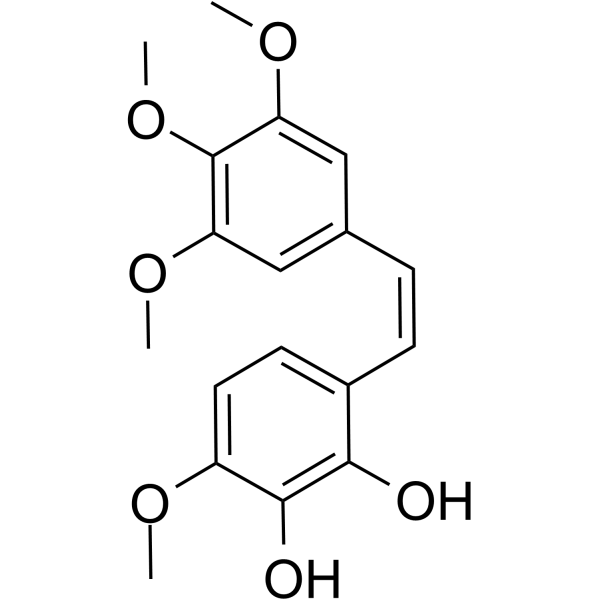
    Combretastatin A-1
    1 Publications Verification

    Wnt Microtubule/Tubulin Cancer
    Combretastatin A-1 is a microtubule polymerization inhibitor that binds to the colchicine-binding site of tubulin. Combretastatin A-1 inhibits the Wnt/β-catenin pathway through tubulin depolymerization mediated AKT deactivation. Combretastatin A-1 exhibits anti-tumor and anti-vascular effects .
    Combretastatin A-1
  • HY-W021267

    Reactive Oxygen Species (ROS) Inflammation/Immunology
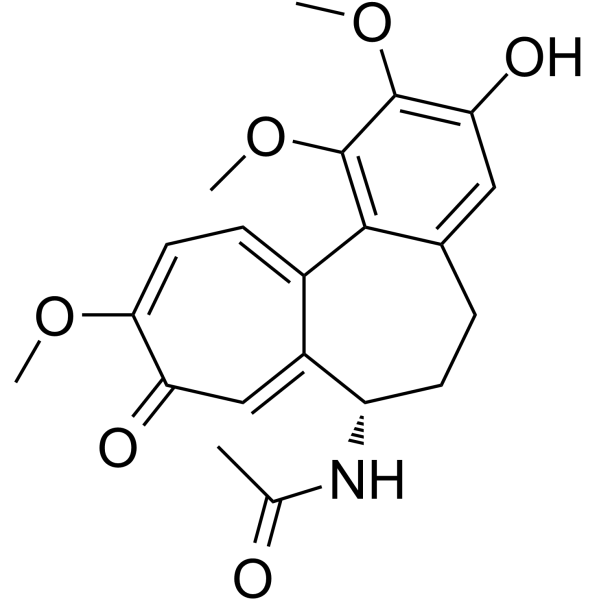
    3-Demethylcolchicine, a colchicine metabolite and anti-inflammatory agent, exhibits potent tubulin-binding activity. 3-Demethylcolchicine inhibits carrageenan-induced rat paw edema. 3-Demethylcolchicine bears a hydroxyl group on its carbocyclic ring; this group participates in free radical scavenging processes, allowing it to act as a free radical scavenger. 3-Demethylcolchicine is applicable to studies related to carrageenan-induced paw edema .
    3-Demethylcolchicine
  • HY-16569R

    Reference Standards Microtubule/Tubulin NOD-like Receptor (NLR) Autophagy Apoptosis Cancer
    Colchicine (Standard) is the analytical standard of Colchicine. This product is intended for research and analytical applications. Colchicine, an orally active alkaloid, is a potent tubulin inhibitor and a microtubule disrupting agent. Colchicine inhibits microtubule polymerization with an IC50 of 3 nM. Colchicine is also a competitive antagonist of the α3 glycine receptors (GlyRs). Colchicine prevents non-steroidal anti-inflammatory drug (NSAID)-induced small intestinal injury by inhibiting activation of the NLRP3 inflammasome. Colchicine has extensive anti-inflammatory, immunosuppressive and strong anti-fibrosis effects and has the potential for gouty arthritis research .
    Colchicine (Standard)
  • HY-16569B

    Biochemical Assay Reagents Microtubule/Tubulin Inflammation/Immunology Cancer
    Colchicine,suitable for plant cell culture, an orally active alkaloid, is a potent tubulin inhibitor and a microtubule disrupting agent. Colchicine inhibits microtubule polymerization with an IC50 of 3 nM. Colchicine is also a competitive antagonist of the α3 glycine receptors (GlyRs). Colchicine prevents non-steroidal anti-inflammatory drug (NSAID)-induced small intestinal injury by inhibiting activation of the NLRP3 inflammasome. Colchicine,suitable for plant cell culture can be used for plant cell culture .
    Colchicine,suitable for plant cell culture
  • HY-137974
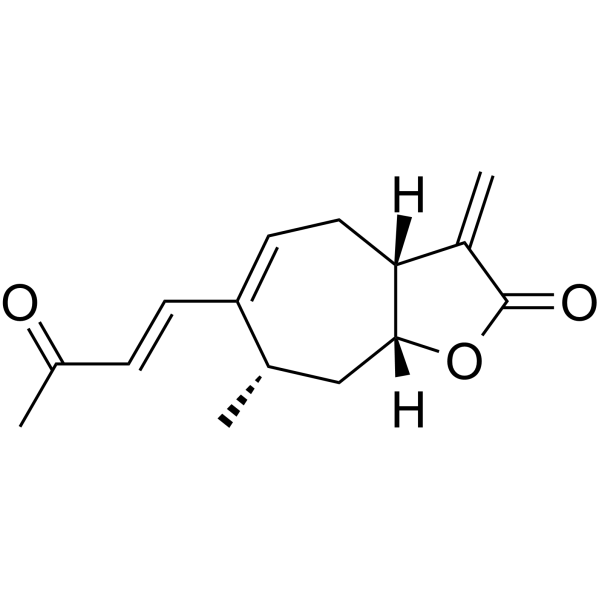
    8-Epixanthatin
    1 Publications Verification

    STAT Apoptosis Cancer
    8-Epixanthatin is a potential colchicine binding site inhibitor isolated from Xanthium chinese Mill. 8-Epixanthatin can inhibit the activation of STAT3, induce apoptosis, and has anti-tumor activity .
    8-Epixanthatin
  • HY-170505

    Microtubule/Tubulin Herbicide Others
    Icafolin-methyl is a herbicide and plant β-tubulin (Microtubule/Tubulin) inhibitor. Icafolin-methyl binds to the β-tubulin region of the Colchicine (HY-16569) binding site, thereby blocking the polymerization of plant tubulin. As a non-selective herbicide, Icafolin-methyl exhibits post-emergence activity against weeds in both cool-season and warm-season cropping systems, including resistant ryegrass and darnel biotypes. Icafolin-methyl can be used for herbicide research .
    Icafolin-methyl
  • HY-176537

    Microtubule/Tubulin Cancer
    RGN6024 is a brain-penetrant, orally active and reversible small molecule tubulin destabilizer. RGN6024 inhibits microtubule polymerization both in biochemical and cellular assays, binds to the colchicine binding pocket of β-tubulin (SPR: Kd = 6.7 μM; tryptophan assay: Kd = 7.4 μM), and triggers G2/M arrest in glioblastoma (GB) cells. RGN6024 retains activity in βIII-tubulin overexpressing cells. RGN6024 inhibits tumor growth in a GB xenograft mouse model. RGN6024 can be used for the study of glioblastoma (GB) .
    RGN6024
  • HY-150761
    MY-875
    1 Publications Verification

    Microtubule/Tubulin Apoptosis Cancer
    MY-875 is a competitive microtubulin polymerization inhibitor with an IC50 value of 0.92 μM. MY-875 inhibits microtubulin polymerization by targeting colchicine binding sites and activates the Hippo pathway. MY-875 induces apoptosis and has anticancer activity .
    MY-875
  • HY-149414

    Microtubule/Tubulin Apoptosis ERK TGF-beta/Smad Cancer
    MY-673 is a colchicine binding site inhibitor (CBSI), that inhibits tubulin polymerization. MY-673 inhibits the ERK signaling pathway, which in turn affects SMAD4 protein expression levels in the TGF-β/SMAD pathway. MY-673 inhibited cell proliferation, migration and induced apoptosis in vivo and in vitro .
    MY-673
  • HY-132866

    P-glycoprotein Cancer
    YS-370 (compound 44) is a potent, high selective, and orally active inhibitor of P-glycoprotein (P-gp). YS-370 stimulates the P-gp ATPase activity and has moderate inhibition against CYP3A4. YS-370 effectively reverses multidrug resistance (MDR) to paclitaxel and colchicine in SW620/AD300 and HEK293T-ABCB1 cells. YS-370 in combination with paclitaxel achieves much stronger antitumor activity .
    YS-370
  • HY-121524

    Microtubule/Tubulin Cancer
    DJ101 is a potent and metabolically stable tubulin inhibitor. DJ101 targets the colchicine binding site and overcomes taxane resistance. DJ101 also inhibits melanoma tumor growth and lung metastasis. DJ101 can be used for prostate cancer research .
    DJ101
  • HY-124479A

    Drug Derivative Cancer
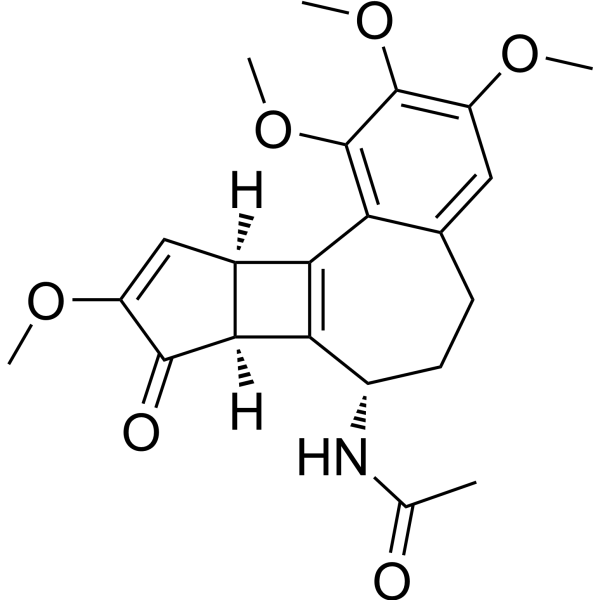
    γ-Lumicolchicine is an inactive analogue of Colchicine (HY-16569) that can be used as an experimental control for Colchicine action .
    γ-Lumicolchicine
  • HY-116852

    Microtubule/Tubulin Apoptosis Cancer
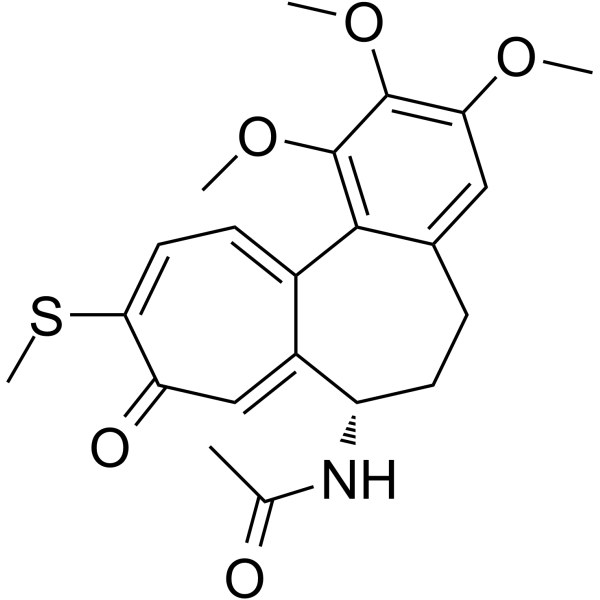
    Thiocolchicine, a derivative modified in the C Ring of Colchicine (HY-16569) with enhanced biological properties. Thiocolchicine is a potent inhibitor of tubulin polymerization (IC50=2.5 µM) and competitively binds to tubulin with a Ki of 0.7 µM. Thiocolchicine induces cell apoptosis . Thiocolchicine can be used as an ADC cytotoxin in ADC technology.
    Thiocolchicine
  • HY-143251

    Microtubule/Tubulin Apoptosis Cancer
    Tubulin inhibitor 13 (E27) is a potent tubulin inhibitor with an IC50 value of 16.1 μM for the tubulin polymerization inhibition. Tubulin inhibitor 13 inhibits migration and invasion of cancer cells, induces apoptosis and has anticancer activity .
    Tubulin inhibitor 13
  • HY-16569S

    Isotope-Labeled Compounds Microtubule/Tubulin NOD-like Receptor (NLR) Autophagy Apoptosis Cancer
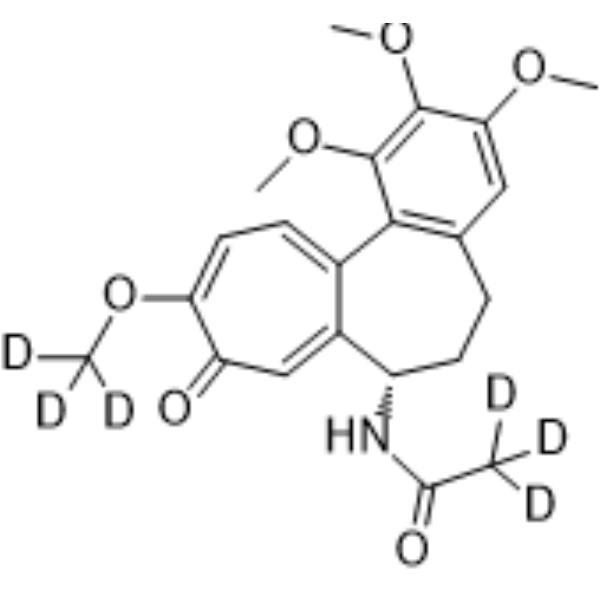
    Colchicine-d6 is the deuterium labeled Colchicine. Colchicine is a tubulin inhibitor and a microtubule disrupting agent. Colchicine inhibits microtubule polymerization with an IC50 of 3 nM . Colchicine is also a competitive antagonist of the α3 glycine receptors (GlyRs) .
    Colchicine-d6
  • HY-16569S1

    Isotope-Labeled Compounds Microtubule/Tubulin NOD-like Receptor (NLR) Autophagy Apoptosis Cancer
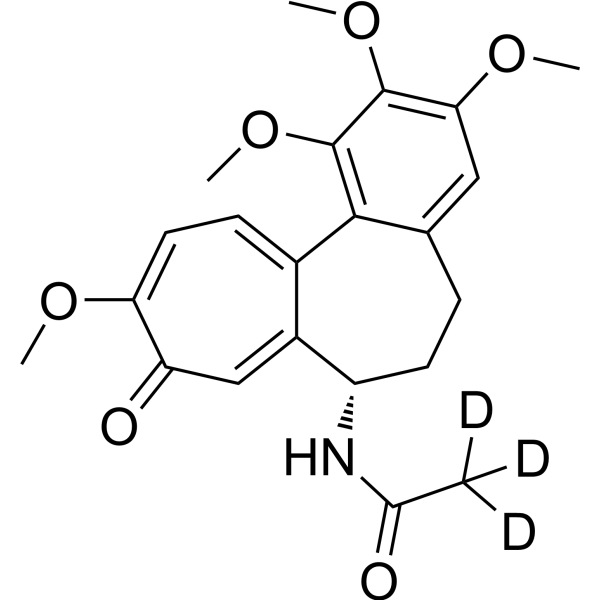
    Colchicine-d3 is the deuterium labeled Colchicine. Colchicine is a tubulin inhibitor and a microtubule disrupting agent. Colchicine inhibits microtubule polymerization with an IC50 of 3 nM . Colchicine is also a competitive antagonist of the α3 glycine receptors (GlyRs) .
    Colchicine-d3
  • HY-127166

    O10-DemethylColchicine

    Microtubule/Tubulin Inflammation/Immunology
    Colchiceine is one of several metabolites of the anti-gout medication Colchicine (HY-16569). Colchicine is a tubulin inhibitor and a microtubule disrupting agent, and may protect rats from developing liver injury and fibrosis .
    Colchiceine
  • HY-175698

    ACSL Family Ferroptosis Microtubule/Tubulin COX Glutathione Peroxidase Cancer
    Ferroptosis inducer-9 is a ferroptosis inducer and colchicine site tubulin polymerization inhibitor. Ferroptosis inducer-9 inhibits MCF-7 cell growth with an IC50 of 14 nM and inhibits [ 3H]colchicine binding. Ferroptosis inducer-9 reduces expression of GPX4 and FTH, increases COX2 and ACSL4, lowers GSH, NADP+, and NADPH levels, increases LPO, MDA, and Fe(II) levels, and decreases SOD concentrations. Ferroptosis inducer-9 demonstrates significant anti-tumor efficacy in HCT116 CRC xenograft model. Ferroptosis inducer-9 can be used for the study of triple negative breast cancer (TNBC) and colorectal cancer (CRC) .
    Ferroptosis inducer-9
  • HY-152156

    Microtubule/Tubulin Apoptosis Cancer
    Tubulin inhibitor 11 is a potent and orally active tubulin inhibitor. Tubulin inhibitor 11 targets the Colchicine binding site on tubulin, inhibits tubulin polymerization, promotes mitotic blockade and apoptosis .
    Tubulin inhibitor 11
  • HY-106825

    Microtubule/Tubulin Cancer
    Clanfenur is a substituted benzoylphenylurea, an analogue of the pesticide fenfluramide, with potential antineoplastic activity. Clanfenur can bind to the colchicine-binding site on β-tubulin, inhibit microtubule polymerization, and thus prevent tumor cell replication .
    Clanfenur
  • HY-W674149

    Microtubule/Tubulin Cancer
    ABI-274 is a tubulin and colchicine binding site inhibitor. ABI-274 significantly promotes cancer cell apoptosis in vitro when combined with vemurafenib (HY-12057). ABI-274 exhibits potent synergistic efficacy in the vemurafenib-resistant xenograft model in nude mice. ABI-274 can be studied in research on melanoma .
    ABI-274
  • HY-Z8644

    N-Formyl-N-deacetylColchicine

    Microtubule/Tubulin Apoptosis Cancer
    N-Deacetyl-N-formylcolchicine (N-Formyl-N-deacetylcolchicine, Compound 11) is a selective inhibitor targeting the colchicine-binding site of tubulin. N-Deacetyl-N-formylcolchicine shows antiproliferative activity against various cancer cell lines with IC50 values of 32.61-100.28 nM. N-Deacetyl-N-formylcolchicine inhibits microtubule polymerization to block cell division, induces cancer cell apoptosis and suppresses migration. N-Deacetyl-N-formylcolchicine is promising for research of cancers such as lung cancer and various solid tumors .
    N-Deacetyl-N-formylcolchicine
  • HY-127166R

    O10-DemethylColchicine (Standard)

    Microtubule/Tubulin Reference Standards Inflammation/Immunology
    Colchiceine (Standard) is the analytical standard of Colchiceine. This product is intended for research and analytical applications. Colchiceine is one of several metabolites of the anti-gout medication Colchicine (HY-16569). Colchicine is a tubulin inhibitor and a microtubule disrupting agent, and may protect rats from developing liver injury and fibrosis .
    Colchiceine (Standard)
  • HY-W355463

    Microtubule/Tubulin Neurological Disease Inflammation/Immunology Cancer
    3-Demethylthiocolchicine is a colchicine (HY-16569) analog with broad-spectrum antitumor activity. 3-Demethylthiocolchicine has the same effects and activities as colchicine in blocking casein-induced amyloidosis, microtubule binding, and anti-inflammatory effects, with significantly lower toxicity .
    3-Demethylthiocolchicine
  • HY-151398

    Microtubule/Tubulin Cancer
    Tubulin polymerization-IN-37 is a tubulin polymerization inhibitor (IC50: 2.3 μΜ). Tubulin polymerization-IN-37 binds to the colchicine site of tubulin and inhibits colchicine binding. Tubulin polymerization-IN-37 can be used in the research of cancers, such as lymphomas .
    Tubulin polymerization-IN-37
  • HY-151397

    Microtubule/Tubulin Cancer
    Tubulin polymerization-IN-36 is a tubulin polymerization inhibitor (IC50: 2.8 μΜ). Tubulin polymerization-IN-36 binds to the colchicine site of tubulin and inhibits colchicine binding. Tubulin polymerization-IN-36 can be used in the research of cancers, such as lymphomas .
    Tubulin polymerization-IN-36
  • HY-163270

    Microtubule/Tubulin Cancer
    PM534, tubulin targeting agent, inhibits tubulin assembly with IC50 values of 0.8-3.2 nM. PM534 binds to the colchicine site of tubulin, which has high antitumor activity .
    PM534
  • HY-P10589

    Microtubule/Tubulin Cancer
    Phomopsinamine A is a derivative of Phomopsin A (HY-N6793). Phomopsinamine A is an inhibitor for tubulin polymerization with IC50 of 0.53 μM. Phomopsinamine A inhibits the binding of Vinblastine (HY-13780) to tubulin (IC50 =0.56 μM), promotes the the binding of Colchicine (HY-16569) to tubulin (IC50 =0.32 μM) .
    Phomopsinamine A
  • HY-W021267R

    Reference Standards Reactive Oxygen Species (ROS) Inflammation/Immunology
    3-Demethylcolchicine (Standard) is the analytical standard of 3-Demethylcolchicine. This product is intended for research and analytical applications. 3-Demethylcolchicine, a colchicine metabolite, possesses a hydroxy-group on its carbon ring that could participate in radical scavenging and markedly inhibits the carrageenin edema .
    3-Demethylcolchicine (Standard)
  • HY-149363

    Microtubule/Tubulin Apoptosis Cancer
    Tubulin polymerization-IN-43 (compound 15h) is a tubulin polymerization inhibitor. Tubulin polymerization-IN-43 disrupts cellular microtubule networks by targeting the Colchicine (HY-16569) site, and promots cell cycle arrest of leukemia cells at G2/M phase and cell apoptosis, as well as inhibiting angiogenesis .
    Tubulin polymerization-IN-43
  • HY-149020

    Microtubule/Tubulin Apoptosis Cancer
    Tubulin polymerization-IN-26 (compound 12h) can inhibit the polymerization of microtubulin by binding to the colchicine binding site of microtubulin with an IC50 value of 4.64 μM. Tubulin polymerization-IN-26 can induce apoptosis and inhibit cell metastasis or migration, and can be used as a potential compound for lung cancer research .
    Tubulin polymerization-IN-26
  • HY-157543

    Microtubule/Tubulin Apoptosis Cancer
    Tubulin polymerization-IN-59 is a tubulin polymerization inhibitor and colchicine binding site inhibitor (CBSI) (IC50 = 6.1 μM). Tubulin polymerization-IN-59 exerts potent antiproliferative activity against cancer cells, while showing lower cytotoxicity to normal cells. Tubulin polymerization-IN-59 arrests colorectal cancer HCT 116 cells in G2/M phase, induces cell apoptosis, and suppresses tumor cell colony formation and migration. Tubulin polymerization-IN-59 can be used for the study of colorectal cancer (CRC) .
    Tubulin polymerization-IN-59
  • HY-155139

    Microtubule/Tubulin Apoptosis Cancer
    Tubulin polymerization-IN-45, a tubulin-targeting agent, is a tubulin polymerization inhibitor. Tubulin polymerization-IN-45 binds to the colchicine site of tubulin. Tubulin polymerization-IN-45 induces apoptotic cell death in hepatocellular cancer (HCC) cells .
    Tubulin polymerization-IN-45
  • HY-155362

    Microtubule/Tubulin Apoptosis Cancer
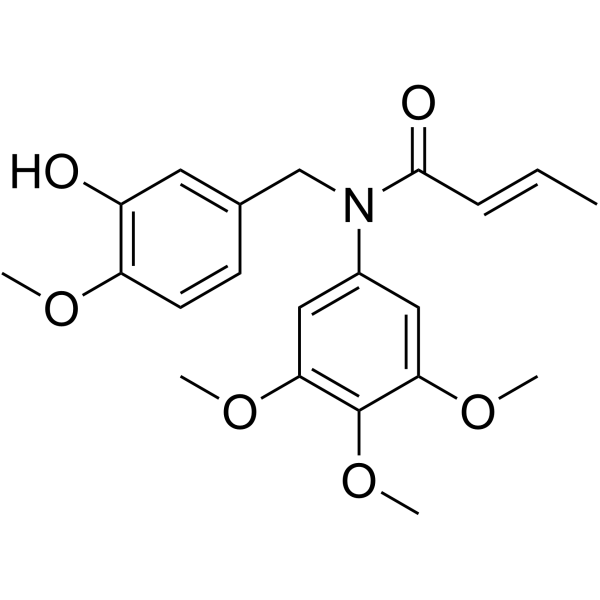
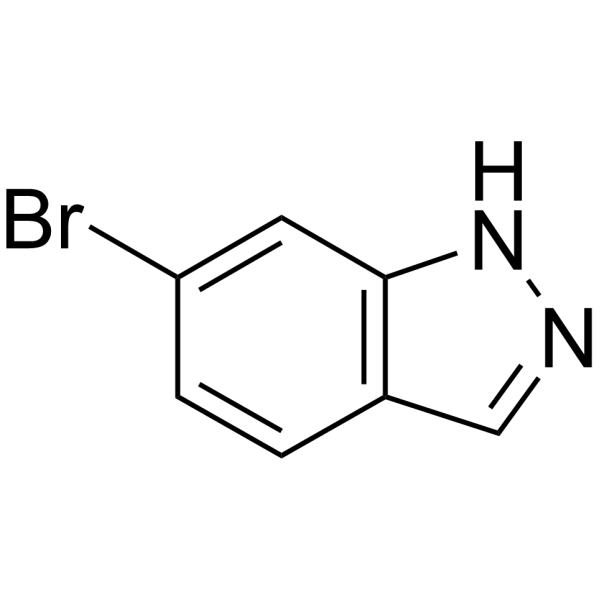
    Tubulin polymerization-IN-56 (compound 8l), an indazole derivative, is a potent tubulin polymerization inhibitor through interacting with the colchicine site, resulting in cell cycle arrest and cellular apoptosis. polymerization-IN-56 reduces cell migration and leads to more potent inhibition of tumor growth in vivo .
    Tubulin polymerization-IN-56
  • HY-147888

    Microtubule/Tubulin Cancer
    Tubulin inhibitor 29 (compound 3c) is a potent tubulin inhibitor with an IC50 value of 1.2 µM. Tubulin inhibitor 29 shows antiproliferative effects with an IC50 value of 7.5 µM for MCF-7 cells. Tubulin inhibitor 29 inhibits tubulin assembly and bounds in the colchicine site .
    Tubulin inhibitor 29
  • HY-162089

    Microtubule/Tubulin Apoptosis Cancer
    MY-1442 (I-3) is a microtubulin polymerization inhibitor. MY-875 inhibits tubulin polymerization by targeting colchicine binding sites. MY-1442 has anticancer activity. MY-1442 can induce apoptosis of MGC-803 cells and inhibit cell migration .
    MY-1442
  • HY-156737

    Microtubule/Tubulin Cancer
    Tubulin polymerization-IN-49 (compound 12d) is a potent tubulin polymerization inhibitor. Tubulin polymerization-IN-49 bound to colchicine site on tubulin and inhibited tubulin polymerization. Tubulin polymerization-IN-49 induces cell cycle arrest at G2/M phase and apoptosis. Tubulin polymerization-IN-49 has anticancer active and prevents tumor generation, inhibits tumor proliferation and angiogenesis .
    Tubulin polymerization-IN-49
  • HY-16146

    OXi-4503 tetrasodium

    Wnt Microtubule/Tubulin Cancer
    Combretastatin A-1 phosphate (OXi-4503) tetrasodium, a proagent of Combretastatin A-1, is a microtubule polymerization inhibitor that binds to the colchicine-binding site of tubulin. Combretastatin A-1 phosphate tetrasodium inhibits the Wnt/β-catenin pathway through tubulin depolymerization mediated AKT deactivation. Combretastatin A-1 phosphate tetrasodium exhibits anti-tumor and anti-vascular effects .
    Combretastatin A-1 phosphate tetrasodium
  • HY-121993R

    Wnt Microtubule/Tubulin Reference Standards Cancer
    Combretastatin A-1 (Standard) is the analytical standard of Combretastatin A-1. This product is intended for research and analytical applications. Combretastatin A-1 is a microtubule polymerization inhibitor that binds to the colchicine-binding site of tubulin. Combretastatin A-1 inhibits the Wnt/β-catenin pathway through tubulin depolymerization mediated AKT deactivation. Combretastatin A-1 exhibits anti-tumor and anti-vascular effects .
    Combretastatin A-1 (Standard)
  • HY-164510

    Cytochrome P450 Others
    N-Formyldemecolcine is a colchicine precursor that contains the characteristic tropolone ring and pharmacophore of colchicine. N-Formyldemecolcine can be synthesized de novo by genetically engineering transgenic Nicotiana benthamiana and atypical cytochrome P450s that catalyze the production of colchicine's unique carbon scaffold .
    N-Formyldemecolcine
  • HY-147947

    Microtubule/Tubulin Cancer
    Tubulin polymerization-IN-30 (compound 6e) is a potent Tubulin polymerization inhibitor. Tubulin polymerization-IN-30 is a colchicine binding site inhibitor. Tubulin polymerization-IN-30 can disrupt intracellular microtubule organization, arrest cell cycle at the G2/M phase. Tubulin polymerization-IN-30 exhibits the high potency against the cancer cell lines including SGC-7901, A549 and HeLa, with IC50 values of 2.16, 2.21, and 0.403 μM .
    Tubulin polymerization-IN-30
  • HY-N1098R

    Reference Standards HIF/HIF Prolyl-Hydroxylase Inflammation/Immunology
    Colchiceine (Standard) is the analytical standard of Colchiceine. This product is intended for research and analytical applications. Colchiceine is one of several metabolites of the anti-gout medication Colchicine (HY-16569). Colchicine is a tubulin inhibitor and a microtubule disrupting agent, and may protect rats from developing liver injury and fibrosis .
    Velutin (Standard)
  • HY-16372

    OSI-461

    Apoptosis Microtubule/Tubulin Cancer
    CP-461 (OSI-461) is a selective apoptotic antineoplastic drug (SAAND) by engaging tubulin on colchicine site
    CP 461
  • HY-161734

    Microtubule/Tubulin Cancer
    Microtubule inhibitor 11 (compound 33) is a microtubule inhibitor with a mechanism of action similar to colchicine (HY-N0282). Microtubule inhibitor 11 can be used in cancer-related research .
    Microtubule inhibitor 11
  • HY-182795

    MMP Interleukin Related TGF-beta/Smad Metabolic Disease
    Colchicine derivative-1 is a colchicine derivative. Colchicine derivative-1 exhibits cytotoxicity against various cells. Colchicine derivative-1 arrests cancer cells at the G2/M phase of the cell cycle. Colchicine derivative-1 increases the levels of MMP-2, MMP-8, MMP-9, IL-2, IL-6, IL-17A, IL-22, IL-4, and IL-5 in the blood, inhibits the gene expression of hepatic fibrinogen α, β, γ and TGF-β1, and alleviates hepatic fibrosis symptoms in mice. Colchicine derivative-1 has antifibrotic activity and can be used in studies related to hepatic fibrosis .
    Colchicine derivative-1
  • HY-162594

    Microtubule/Tubulin Cancer
    Antitumor agent-164 (compound 60c) is a colchicine-binding site inhibitor (CBSI) with potency against taxane-sensitive TNBC. Antitumor agent-164 is a next-generation derivative of VERU-111 .
    Antitumor agent-164

Inquiry Online

Your information is safe with us. * Required Fields.

Salutation


Country or Region *

Applicant Name *


Organization Name *

Department *


Email Address *


Product Name *

Cat. No.


Requested quantity *

Phone Number *


Remarks

Inquiry Online

Inquiry Information

Product Name:
Cat. No.:
Quantity:
MCE Japan Authorized Agent:

