From 11:00 pm to 12:00 pm EST ( 8:00 pm to 9:00 pm PST ) on January 6th, the website will be under maintenance. We are sorry for the inconvenience. Please arrange your schedule properly.
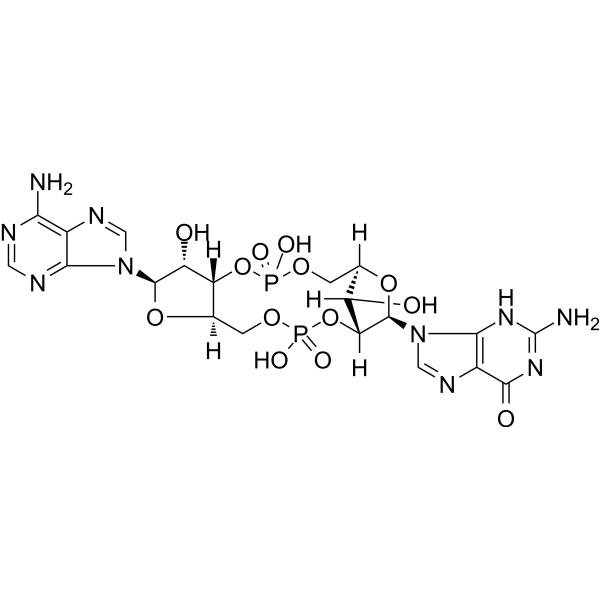
2',3'-cGAMP (2'-3'-cyclicGMP-AMP) is a endogenous cGAMP in mammalian cells. 2',3'-cGAMP binds to STING with a high affinity and is a potent inducer of interferon-β (IFNβ). 2',3'-cGAMP is produced in mammalian cells in response to DNA in the cytoplasm .
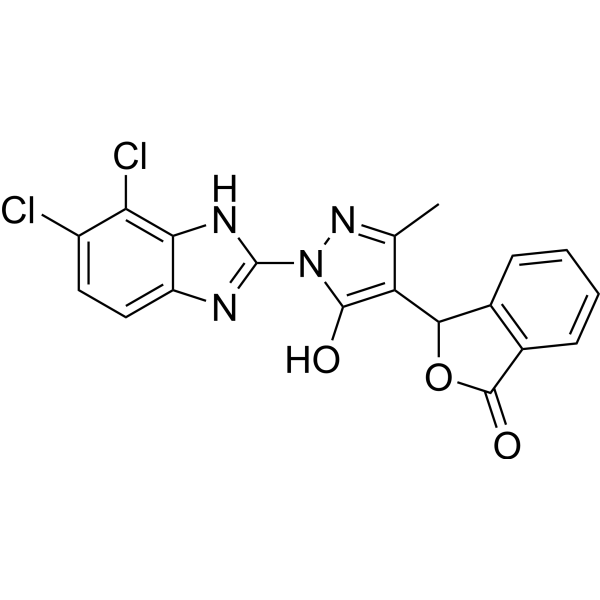
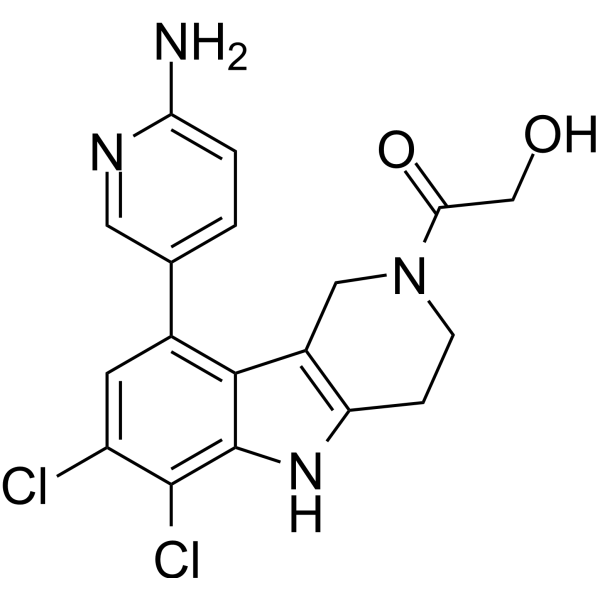
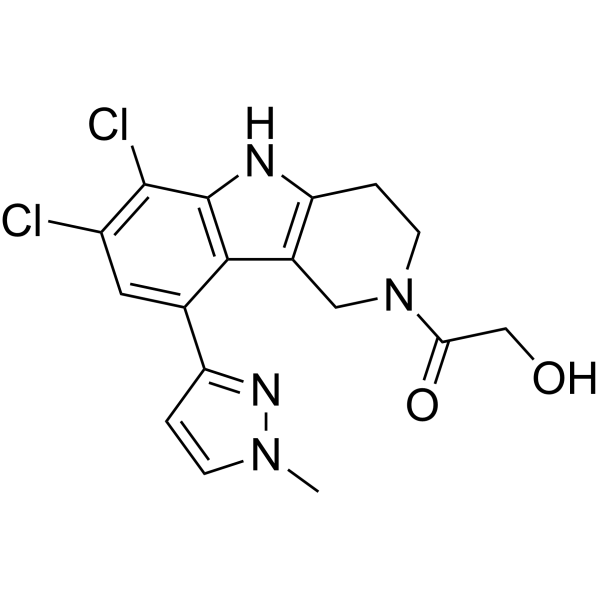
RU.521 (RU320521) is a potent and selective cyclicGMP-AMP synthase (cGAS) inhibitor and inhibits cGAS-mediated interferon upregulation. RU.521 suppresses dsDNA-activated reporter activity with an IC50 of 0.7 μM. RU.521 reduces constitutive expression of interferon in macrophages from a mouse model of Aicardi-Goutières syndrome (AGS) .
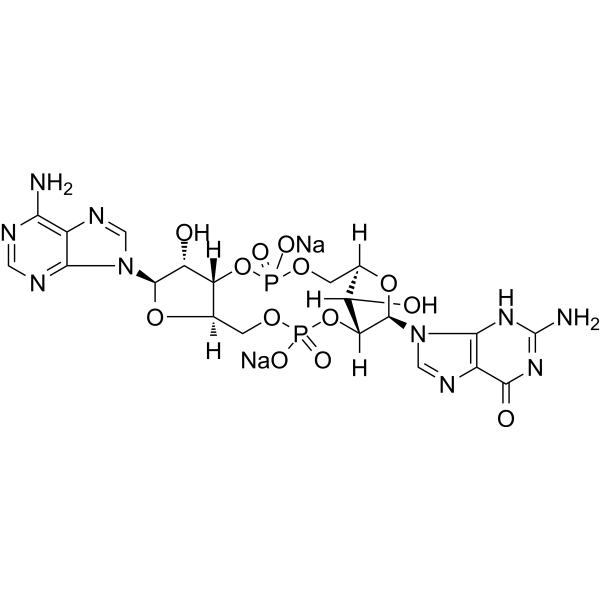
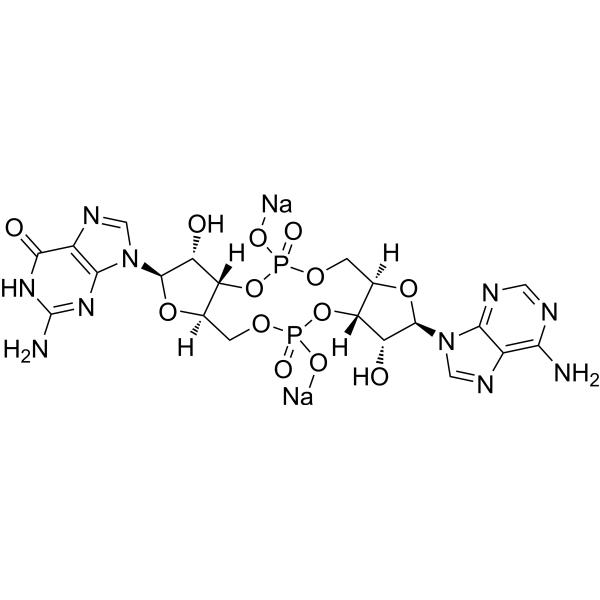
2',3'-cGAMP sodium (2'-3'-cyclicGMP-AMP sodium) is a endogenous cGAMP in mammalian cells. 2',3'-cGAMP sodium binds to STING with a high affinity and is a potent inducer of interferon-β (IFNβ). 2',3'-cGAMP sodium is produced in mammalian cells in response to DNA in the cytoplasm .
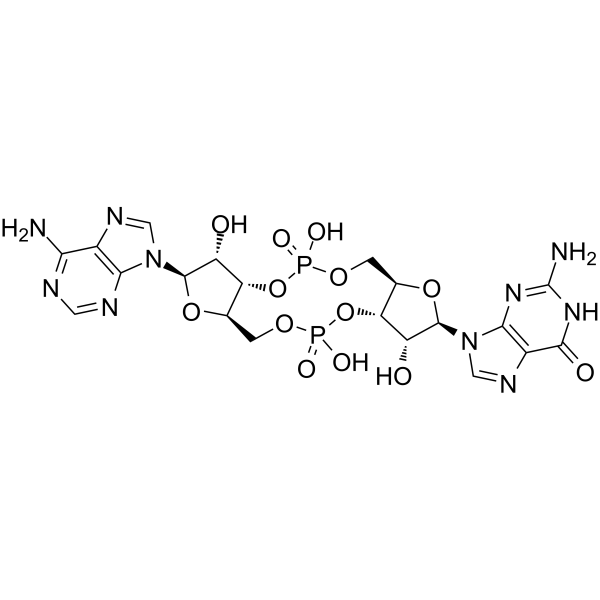
cGAMP (CyclicGMP-AMP) functions as an endogenous second messenger in metazoans and triggers interferon production in response to cytosolic DNA. cGAMP activates stimulator of interferon genes (STING), which activates a signaling cascade leading to the production of type I interferons and other immune mediators .
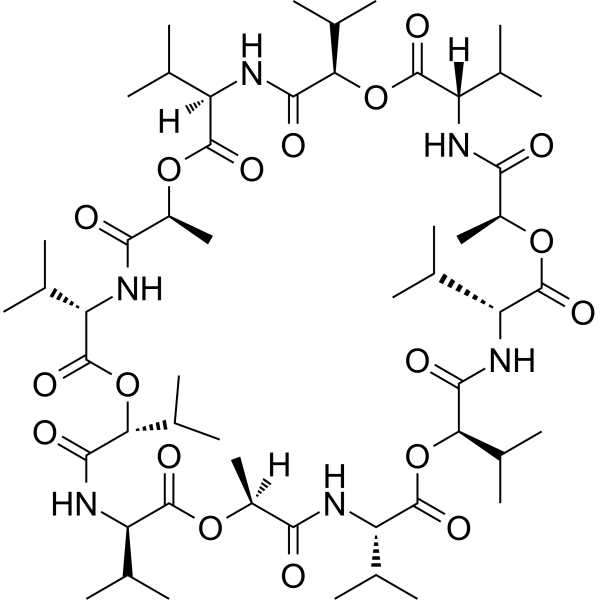
Valinomycin is a potassium-specific ionophore, the valinomycin-K + complex can be incorporated into biological bilayer membranes with the hydrophobic surface of valinomycin, destroys the normal K + gradient across the membrane, and as a result kills the cells, incorporating into liposomes can significantly reduces the cytotoxicity and enhances the targeting effect. Valinomycin exhibits antibiotic, antifungal, antiviral, antitumor and insecticidal efficacy, thus can be used for relevant research .
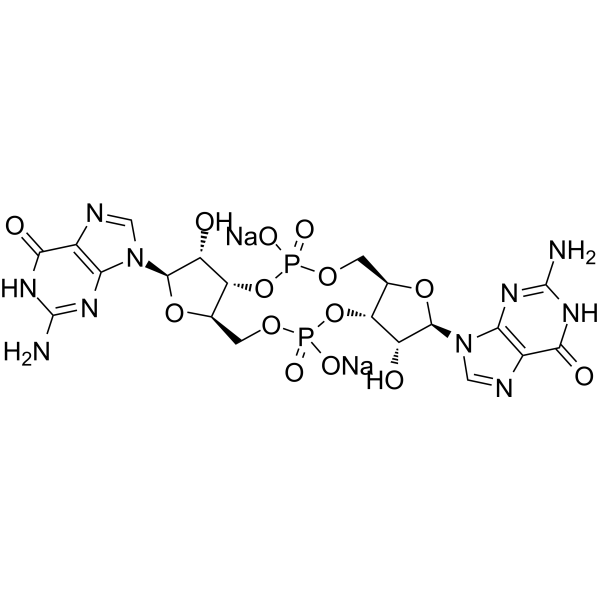
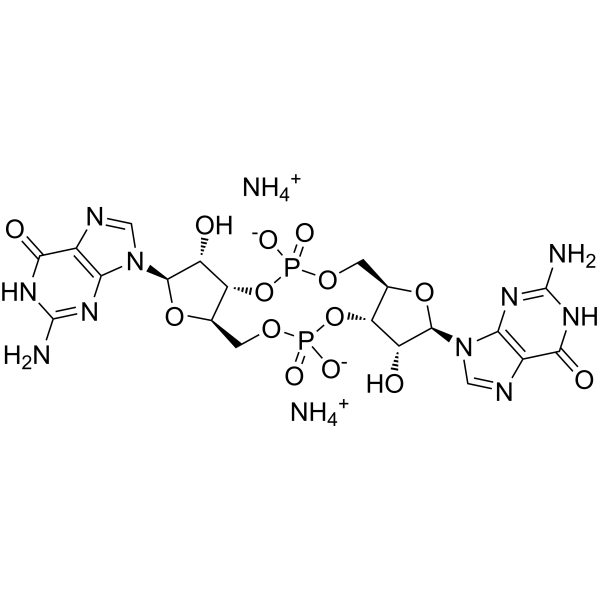
Cyclic-di-GMP disodium is a STING agonist and a bacterial second messenger that coordinates different aspects of bacterial growth and behavior, including motility, virulence, biofilm formation, and cell cycle progression. Cyclic-di-GMP disodium has anti-cancer cell proliferation activity and also induces elevated CD4 receptor expression and cell cycle arrest. Cyclic-di-GMP disodium can be used in cancer research .
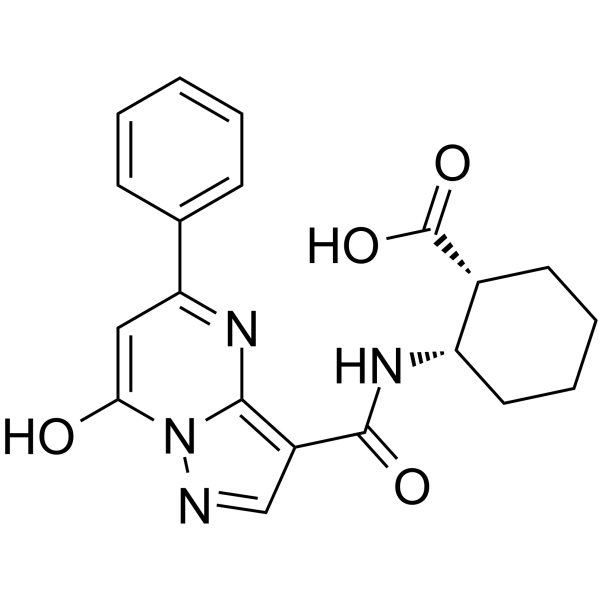
G140 is a potent and selective inhibitor of cyclicGMP-AMP synthase (cGAS), with IC50s of 14.0 nM and 442 nM for h-cGAS and m-cGAS, respectively. G140 has anti-inflammatory activity .
G150 is a highly selective human cyclicGMP-AMP synthase (h-cGAS) inhibitor with an IC50 of 10.2 nM. G150 represses dsDNA-triggered interferon expression, and G150 can be used for the research of inflammatory .
D(+)-Raffinose pentahydrate is an orally active inhibitor of LecA (Kd = 32 μM) and GtfC. D(+)-Raffinose pentahydrate reduces cyclic diguanylate (c-di-GMP) by increased activity of a c-di-GMP specific phosphodiesterase. D(+)-Raffinose pentahydrate interferes with GTF function. D(+)-Raffinose pentahydrate decreases IL-4 and IL-5 mRNA. D(+)-Raffinose pentahydrate exhibits biofilm-inhibitory activity against Pseudomonas aeruginosa and Streptococcus mutans and inhibits allergic airway eosinophilia .
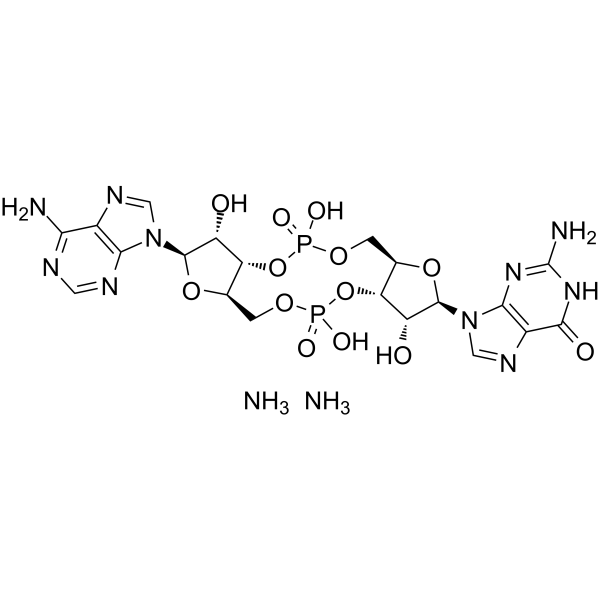
cGAMP (CyclicGMP-AMP) disodium functions as an endogenous second messenger in metazoans and triggers interferon production in response to cytosolic DNA. cGAMP diammonium activates stimulator of interferon genes (STING), which activates a signaling cascade leading to the production of type I interferons and other immune mediators .
SFTI-1 is a cyclic peptide trypsin inhibitor consisting of 14 amino acid residues. SFTI-1 belongs to the Bowman-Birk class of inhibitors. Characterized by its small size, high stability, and potent activity, SFTI-1 can be used for research on peptide drug design platforms .
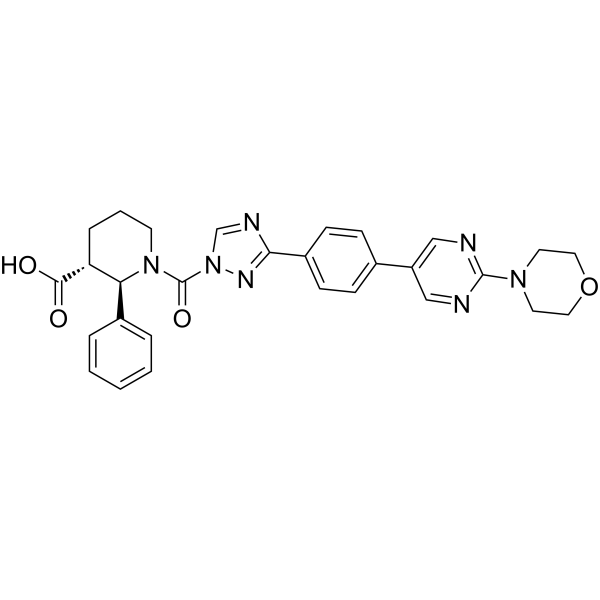
LYPLAL1-IN-1 (compound 11) is a selective, covalent, and irreversible inhibitor of the lysophospholipase-like enzyme LYPLAL1 (IC50 = 6 nM). LYPLAL1-IN-1 shows selectivity against other serine hydrolases such as carboxylesterase CES1 (IC50 > 50 μM for CES1). LYPLAL1-IN-1 inhibits the depalmitoylation function of LYPLAL1, blocking its depalmitoylation modification of cyclicGMP-AMP synthase (cGAS), thereby promoting cGAS dimerization and activation, and initiating the cGAS-STING pathway-mediated innate immune response. LYPLAL1-IN-1 can enhance DNA-induced type I interferon production, upregulate PD-L1 expression in tumor cells, and promote the accumulation of tumor-infiltrating CD8 + T cells, with the core function of strengthening the anti-tumor immune response. LYPLAL1-IN-1 is primarily used in tumor immunology research, especially in combination with PD-1/PD-L1 inhibitors .
CyclicGMP (cGMP), an important second messenger, is a major intracellular mediator of extracellular signals such as nitric oxide (NO) and natriuretic peptides (NPs). Effects of CyclicGMP occur through three main groups of cellular targets: cGMP-dependent protein kinases (PKGs), cGMP-gated cation channels, and PDEs. CyclicGMP can inhibit both platelet adhesion and aggregation. cGAMP (Cyclic-GMP-AMP) (HY-12512), a conjugate of CyclicGMP and AMP, can induce IRF3 phosphorylation and nuclear translocation, enhancing antiviral immune responses .
8-CPT-Cyclic AMP (8-CPT-cAMP) sodium is a selective activator of cyclic AMP-dependent protein kinase (PKA). 8-CPT-Cyclic AMP sodium is also a potent inhibitor of the cyclicGMP-specific phosphodiesterase (PDE VA) with an IC50 of 0.9 μM. 8-CPT-Cyclic AMP sodium also inhibits PDE III and PDE IV with IC50Cyclic AMP sodium is a very high affinity for Epac and is a potent Epac activator .
Cyclic-di-GMP is a STING agonist and a bacterial second messenger that coordinates different aspects of bacterial growth and behavior, including motility, virulence, biofilm formation, and cell cycle progression. Cyclic-di-GMP has anti-cancer cell proliferation activity and also induces elevated CD4 receptor expression and cell cycle arrest. Cyclic-di-GMP can be used in cancer research .
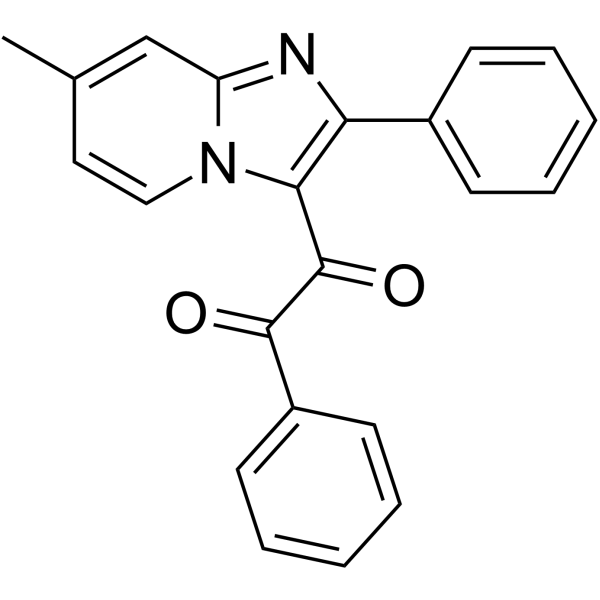
Ataciguat (HMR-1766) is a nitric oxide-independent soluble guanylate cyclase (sGC) activator. Ataciguat is able to activate the ferric heme-iron redox form of sGC that stimulate the production of cyclicGMP (cGMP). Ataciguat exhibits vasodilator effects .
5'-Phosphoguanylyl-(3',5')-guanosine (pGpG) is an intermediate molecule produced by the pathway for enzymatic cyclic diguanylate (c-di-GMP) degradation. 5'-Phosphoguanylyl-(3',5')-guanosine can be used to detect the metabolism of nucleic acids .
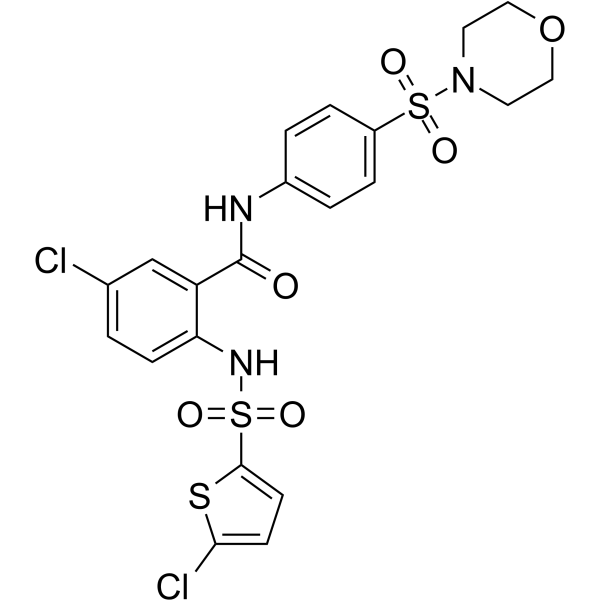
IRAK4-IN-4 (Compound 15) is an interleukin-1 receptor-associated kinase 4 (IRAK4) inhibitor, with an IC50 of 2.8 nM. IRAK4-IN-4 also inhibits cyclicGMP-AMP synthase (cGAS) with an IC50 of 2.1 nM. IRAK4-IN-4 can be used for research of autoimmune diseases .
NS-2028 is a highly selective soluble Guanylyl Cyclase (sGC) inhibitor with IC50 values of 30 nM and 200 nM for basal and NO-stimulated enzyme activity . NS-2028 inhibits soluble Guanylyl Cyclase activity in homogenates of mouse cerebellum and neuronal NO synthase with IC50 values of 17 nM and 20 nM . NS-2028 inhibits 3-morpholino-sydnonimine (SIN-1)-elicited formation of cyclicGMP in human cultured umbilical vein endothelial cells with an IC50 of 30 nM . NS-2028 is commonly used in the research of nitric oxide signaling pathways, it inhibits NO-dependent relaxant responses in non-vascular smooth muscle completely (1 μM) . NS-2028 reduces vascular endothelial growth factor-induced angiogenesis and permeability .
CyclicGMP (cGMP) sodium, an important second messenger, is a major intracellular mediator of extracellular signals such as nitric oxide (NO) and natriuretic peptides (NPs). Effects of CyclicGMP sodium occur through three main groups of cellular targets: cGMP-dependent protein kinases (PKGs), cGMP-gated cation channels, and PDEs. CyclicGMP can inhibit both platelet adhesion and aggregation. cGAMP (Cyclic-GMP-AMP) (HY-12512), a conjugate of CyclicGMP and AMP, can induce IRF3 phosphorylation and nuclear translocation, enhancing antiviral immune responses .
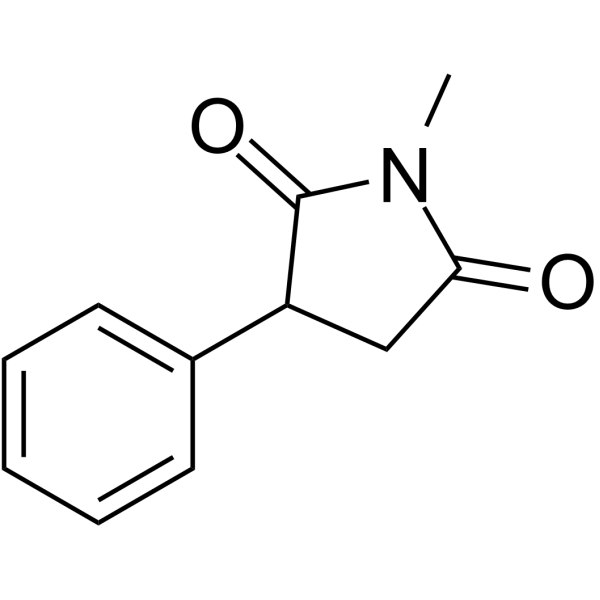
Phensuximide is an orally active succinimide antiepileptic and anticonvulsant agent. Phensuximide inhibits cyclic AMP and cyclicGMP accumulation in depolarized brain tissue. Phensuximide can be used for the study of seizure and petit mal .
Cyclic-di-GMP diammonium is a STING agonist and a bacterial second messenger that coordinates different aspects of bacterial growth and behavior, including motility, virulence, biofilm formation, and cell cycle progression. Cyclic-di-GMP diammonium has anti-cancer cell proliferation activity and also induces elevated CD4 receptor expression and cell cycle arrest. Cyclic-di-GMP diammonium can be used in cancer research .
CH 275 is a peptide analog of somatostatin and binds preferably to somatostatin receptor 1 (sst1) with a Ki of 52 nM . CH 275 acts as a potent and selective sst1 agonist (IC50=30.9 nM) and also displays IC50 values of 345 nM, >1 μM, >10 μM, >10 μM for human sst3, sst4, sst2 and sst5, respectively . CH 275 can be used for the research of alzheimer’s disease .
3-Methylxanthine, a xanthine derivative, is a cyclic guanosine monophosphate (GMP) inhibitor, with an IC50 of 920 μM on guinea-pig isolated trachealis muscle.
cGAS-IN-1 (Compound C20) is a cyclicGMP-AMP synthase (cGAS) inhibitor with IC50s of 2.28 μM (human cGAS, h-cGAS FL) and 1.44 μM (mouse cGAS, m-cGAS CD). cGAS-IN-1 can be used for the studies of autoimmune diseases and chronic inflammation .
Ribonulease T1, Aspergillus oryzae (Rnase T1), is commonly used in biochemical research. Ribonuclease T1 is an endonuclease that can specifically degrade single stranded RNA. Ribonuclease T1 can form nucleoside 2 ', 3 '-cyclic phosphoric acid intermediates to cut the phosphodiester bond between 3' -guanosine residues and adjacent nucleoside 5 '-OH groups to produce 3' -GMP terminal oligonucleotides .
Guanosine (Standard) is the analytical standard of Guanosine. This product is intended for research and analytical applications. Guanosine (DL-Guanosine) is a purine nucleoside comprising guanine attached to a ribose (ribofuranose) ring via a β-N9-glycosidic bond. Guanosine possesses anti-HSV activity.
In Vitro: Guanosine can be phosphorylated to become guanosine monophosphate (GMP), cyclic guanosine monophosphate (cGMP), guanosine diphosphate (GDP), and guanosine triphosphate (GTP). These forms play important roles in various biochemical processes such as synthesis of nucleic acids and proteins, photosynthesis, muscle contraction, and intracellular signal transduction (cGMP).
CyclicGMP (Standard) is the analytical standard of CyclicGMP (HY-113469). This product is intended for research and analytical applications. CyclicGMP (cGMP), an important second messenger, is a major intracellular mediator of extracellular signals such as nitric oxide (NO) and natriuretic peptides (NPs). Effects of CyclicGMP occur through three main groups of cellular targets: cGMP-dependent protein kinases (PKGs), cGMP-gated cation channels, and PDEs. CyclicGMP can inhibit both platelet adhesion and aggregation. cGAMP (Cyclic-GMP-AMP) (HY-12512), a conjugate of CyclicGMP and AMP, can induce IRF3 phosphorylation and nuclear translocation, enhancing antiviral immune responses .
CyclicGMP (cGMP) TBAOH, an important second messenger, is a major intracellular mediator of extracellular signals such as nitric oxide (NO) and natriuretic peptides (NPs). Effects of CyclicGMP TBAOH occur through three main groups of cellular targets: cGMP-dependent protein kinases (PKGs), cGMP-gated cation channels, and PDEs. CyclicGMP can inhibit both platelet adhesion and aggregation. cGAMP (Cyclic-GMP-AMP) (HY-12512), a conjugate of CyclicGMP and AMP, can induce IRF3 phosphorylation and nuclear translocation, enhancing antiviral immune responses .
Guanylin(human), a 15-amino acid peptide, is an endogenous intestinal guanylate cyclase activator. Guanylin(human) is mainly found in gastrointestinal tract which regulates electrolytead water transport in intestinal and renal epithelia through cyclicGMP-dependent mechanism .
Guanylin(human) TFA, a 15-amino acid peptide, is an endogenous intestinal guanylate cyclase activator. Guanylin(human) TFA is mainly found in gastrointestinal tract which regulates electrolytead water transport in intestinal and renal epithelia through cyclicGMP-dependent mechanism .
Bucladesine (Dibutyryl cAMP; DBcAMP) sodium (GMP) is a Bucladesine sodium (HY-B0764) produced by using GMP guidelines. Bucladesine (Dibutyryl cAMP; DBcAMP) is a membrane-permeable 3′, 5′-cyclic adenosine monophosphate (cAMP) analog. Bucladesine selectively activates cAMP dependent protein kinase (PKA) by increasing the intracellular level of cAMP. Bucladesine significantly attenuates MDMA-induced increases in hippocampal mitochondrial ROS formation, mitochondrial outer membrane damage, cytochrome c release, and hippocampal ADP/ATP ratio, thereby improving spatial learning and memory impairments. Bucladesine exhibit anti-nociceptive and anti-inflammation effect. Bucladesine can inhibit cancer cells proliferation, induce apoptosis. Bucladesine can be used for the researches of neurological disease, cancer, inflammation .
MY-5445 is a specific inhibitor of the cyclicGMP phosphodiesterase, phosphodiesterase type 5 (PDE5), with a Ki of 1.3 μM. MY-5445 inhibits human platelet aggregation. MY-5445 is a selective modulator of ATP-binding cassette (ABC) transporter ABCG2, with anti-proliferative effect .
Rp-8-Br-PET-cGMPS sodium (Rp-8-Bromo-PET-cGMPS) is an analog of cyclicGMP (cGMP). It is a cell permeable, competitive, and reversible inhibitor of cGMP-dependent protein kinases (cGKs) that blocks activation of cGKI and cGKII by cGMP (Kis=35 and 30 nM). It less potently inhibits protein kinase A (Ki=11 μM) and cGMP-induced activation of cyclic nucleotide-gated channels (IC50=25 μM). In the absence of cGMP stimulation, Rp-8-bromo-PET-cGMPS can act as a partial agonist of cGKI (Ki=1 μM). Rp-8-bromo-PET-cGMPS is resistant to hydrolysis by phosphodiesterase 11.
cGAS-IN-4 (Compound 36) is an orally active inhibitor for cyclicGMP-AMP synthase (cGAS) with IC50 of 32 nM and 5.8 nM for h-cGAS and m-cGAS. cGAS-IN-4 inhibits the cGAMP in THP-1 cell with an IC50 of 60 nM, which improves the cellular potency. cGAS-IN-4 exhibits anti-inflammatory efficacy in Concanavalin A (HY-P2149)-induced acute liver injury in mouse models .
orally active, THP-1, C57Bl/6 mouse, orally active
XL-3158 is a selective and cross-species CyclicGMP-AMP synthase (cGAS) inhibitor (IC50: 11.1 μM for human cGAS, 2.19 μM for mouse cGAS). XL-3158 simultaneously occupy allosteric and orthosteric sites, stabilizing the activation loop in a closed, inactive conformation and thereby attenuating the cGAS-DNA interactions. XL-3158 inhibits cGAS by targeting phase separation. XL-3158 efficiently penetrates cells by inhibiting aggregate formation, effectively reducing the local concentration of cGAS within cells. XL-3158 can be used for the study of cGAS-dependent inflammatory diseases.
cGAMP (CyclicGMP-AMP) diammonium functions as an endogenous second messenger in metazoans and triggers interferon production in response to cytosolic DNA. cGAMP diammonium activates stimulator of interferon genes (STING), which activates a signaling cascade leading to the production of type I interferons and other immune mediators .
SDZ-MKS 492 (MKS 492) is a selective inhibitor of cyclicGMP-inhibited phosphodiesterase (type III PDE). SDZ-MKS 492 inhibits antigen- or platelet activating factor (PAF)-induced bronchoconstriction and allergic reactions in guinea pigs and rats .
cGAS-IN-3 (compound 30d-S) is an orally active cyclicGMP-AMP synthase (CyclicGMP-AMP Synthase/cGAS) inhibitor with good plasma exposure and low clearance. cGAS-IN-3 has anti-inflammatory activity and can significantly reduce lung inflammation in rats .
HA-1004 is a selective inhibitor of PKA, which can inhibit lipolysis and induce vascular relaxation. HA-1004 is also a dual inhibitor of cyclicGMP-dependent protein kinase and cyclic AMP-dependent protein, and is involved in smooth muscle, second messenger, cyclic AMP and cyclicGMP regulation mechanisms. HA-1004 is an antagonist for calcium, that can be used as a vasodilator to inhibit the contraction of rabbit aortic strips, or to antagonize ERK and tyrosine hydroxylase (TH) phosphorylation in morphine abstinence rat models .
Cyclic-di-GMP sodium is a STING agonist and a bacterial second messenger that coordinates different aspects of bacterial growth and behavior, including motility, virulence, biofilm formation, and cell cycle progression. Cyclic-di-GMP sodium has anti-cancer cell proliferation activity and also induces elevated CD4 receptor expression and cell cycle arrest. Cyclic-di-GMP sodium can be used in cancer research .
3-Methylxanthine (Standard) is the analytical standard of 3-Methylxanthine. This product is intended for research and analytical applications. 3-Methylxanthine, a xanthine derivative, is a cyclic guanosine monophosphate (GMP) inhibitor, with an IC50 of 920 μM on guinea-pig isolated trachealis muscle.
Cladophorol A is a cyclicGMP-AMP synthase (cGAS) inhibitor. Cladophorol A binds to the conserved adenosine nucleobase binding site within the cGAS active site to inhibit its catalytic activity. Cladophorol A effectively inhibits the overactivation of the cGAS-STING pathway with an IC50 of 370 nM. Cladophorol A inhibits asexual blood-stage Plasmodium falciparum with an EC50 of 0.7 μg/mL. Cladophorol A can be used for the researches of inflammatory disease and malaria .
Rp-8-Br-cGMPS (Rp-8-bromo-CyclicGMPS) sodium salt is a potent Ca 2+-ATPase activator. Rp-8-Br-cGMPS is also an agonist of the rod CNG channel and an inhibitor of PKG. Rp-8-Br-cGMPS sodium salt mediates cytosolic Ca 2+ reduction by activating Ca 2+-ATPase and subsequently removing Ca 2+ from the cell .
CyclicGMP sodium- 13C5 is the 13C-labeled CyclicGMP sodium (HY-113469A). CyclicGMP (cGMP) sodium, an important second messenger, is a major intracellular mediator of extracellular signals such as nitric oxide (NO) and natriuretic peptides (NPs). Effects of CyclicGMP sodium occur through three main groups of cellular targets: cGMP-dependent protein kinases (PKGs), cGMP-gated cation channels, and PDEs. CyclicGMP can inhibit both platelet adhesion and aggregation. cGAMP (Cyclic-GMP-AMP) (HY-12512), a conjugate of CyclicGMP and AMP, can induce IRF3 phosphorylation and nuclear translocation, enhancing antiviral immune responses .
(R)-cGAS-IN-4 (Compound 77A*) is the R-enantiomer of cGAS-IN-4 (HY-170362). cGAS-IN-4 is an orally active inhibitor for cyclicGMP-AMP synthase (cGAS) .
Thioquinapiperifil dihydrochloride (KF31327), a potent, selective and non-competitive phosphodiesterase-5 (PDE-5, IC50 of 0.074 nM) inhibitor, is used for sexual enhancement study .
CU-76 is an inhibitor for human cyclicGMP-AMP synthase (hcGAS) with an IC50 of 0.24 μM. CU-76 selectively inhibits the DNA pathway in human cells, and can be used in autoimmune research .
Clovibactin is an antibiotic for drug-resistant bacterial pathogens without detectable resistance. Clovibactin TFA inihibits cell wall synthesis by targeting pyrophosphate of peptidoglycan precursors .
Clovibactin TFA is the TFA salt form of Clovibactin (HY-P10027). Clovibactin TFA is an antibiotic for drug-resistant bacterial pathogens without detectable resistance. Clovibactin TFA inihibits cell wall synthesis by targeting pyrophosphate of peptidoglycan precursors .
L-Arginyl-L-alanine is a dipeptide, is a vascular smooth muscle-derived relaxing factor. L-Arginyl-L-alanine increases the smooth muscle levels of cyclicGMP and nitrite in endothelium-denuded arterial rings .
Calmodulin antagonist-1 (A-5) is a calmodulin (CaM) antagonist. Calmodulin antagonist-1 inhibits calmodulin-activated Ca 2+-phosphodiesterase (PDE) (IC50=66 μM). Calmodulin antagonist-1 also inhibits trypsin-treated Ca 2+-PDE (IC50=560 μM) in a competitive fashion with respect to cyclicGMP .
CyclicGMP sodium (Standard) is the analytical standard of CyclicGMP sodium (HY-113469A). This product is intended for research and analytical applications. CyclicGMP (cGMP) sodium, an important second messenger, is a major intracellular mediator of extracellular signals such as nitric oxide (NO) and natriuretic peptides (NPs). Effects of CyclicGMP sodium occur through three main groups of cellular targets: cGMP-dependent protein kinases (PKGs), cGMP-gated cation channels, and PDEs. CyclicGMP can inhibit both platelet adhesion and aggregation. cGAMP (Cyclic-GMP-AMP) (HY-12512), a conjugate of CyclicGMP and AMP, can induce IRF3 phosphorylation and nuclear translocation, enhancing antiviral immune responses .
HA-1004 hydrochloride is a selective inhibitor of PKA, which can inhibit lipolysis and induce vascular relaxation. HA-1004 hydrochloride is also a dual inhibitor of cyclicGMP-dependent protein kinase and cyclic AMP-dependent protein (CyclicGMP-AMP Synthase), and is involved in smooth muscle, second messenger, cyclic AMP and cyclicGMP regulation mechanisms. HA-1004 hydrochloride an antagonist for calcium, that can be used as a vasodilator to inhibit the contraction of rabbit aortic strips, or to antagonize ERK and tyrosine hydroxylase (TH) phosphorylation in morphine abstinence rat models .
Thioquinapiperifil (KF31327 free base), a potent, selective and non-competitive phosphodiesterase-5 (PDE-5, IC50 of 0.074 nM) inhibitor, is used for sexual enhancement study .
3-Methylxanthine-d3 is deuterated labeled 3-Methylxanthine (HY-50723). 3-Methylxanthine, a xanthine derivative, is a cyclic guanosine monophosphate (GMP) inhibitor, with an IC50 of 920 μM on guinea-pig isolated trachealis muscle.
CyclicGMP- 13C, 15N2 is 13C and 15N labeled CyclicGMP (HY-113469). CyclicGMP (cGMP), an important second messenger, is a major intracellular mediator of extracellular signals such as nitric oxide (NO) and natriuretic peptides (NPs). Effects of CyclicGMP occur through three main groups of cellular targets: cGMP-dependent protein kinases (PKGs), cGMP-gated cation channels, and PDEs. CyclicGMP can inhibit both platelet adhesion and aggregation. cGAMP (Cyclic-GMP-AMP) (HY-12512), a conjugate of CyclicGMP and AMP, can induce IRF3 phosphorylation and nuclear translocation, enhancing antiviral immune responses .
13C20, 15N10-Cyclic di-GMP ( 13C20, 15N10-c-di-GMP) is 13C and 15N labeled Cyclic-di-GMP (disodium). Cyclic-di-GMP disodium is a STING agonist and a bacterial second messenger that coordinates different aspects of bacterial growth and behavior, including motility, virulence, biofilm formation, and cell cycle progression. Cyclic-di-GMP disodium has anti-cancer cell proliferation activity and also induces elevated CD4 receptor expression and cell cycle arrest. Cyclic-di-GMP disodium can be used in cancer research .
3’,5’-DiOA-dC is a hydrophobic nucleotide lipid and a ligand for the STING agonist c-di-GMP (CDG). 3’,5’-DiOA-dC can assemble with CDG and form stable cyclic dinucleotide nanoparticles via various supramolecular forces driven by molecular recognition. 3’,5’-DiOA-dC can decrease tumor weight and volume, increase CD8 T cell, neutrophils as well as NK cell counts in tumor microenvironment in combination with CDG. 3’,5’-DiOA-dC also increases the levels of TNF-α and IFN-γ in murine melanoma model .
Cyclic AMP (GMP) (Cyclic adenosine monophosphate (GMP)) is Cyclic AMP (HY-B1511) produced by using GMP guidelines. GMP small molecules works appropriately as an auxiliary reagent for cell therapy manufacture. Cyclic AMP (Cyclic adenosine monophosphate), adenosine triphosphate derivative, is an intracellular signaling molecule responsible for directing cellular responses to extracellular signals. Cyclic AMP is an important second messenger in many biological processes .
HA-1004 dihydrochloride is a selective inhibitor of PKA, which can inhibit lipolysis and induce vascular relaxation. HA-1004 dihydrochloride is also a dual inhibitor of cyclicGMP-dependent protein kinase and cyclic AMP-dependent protein, and is involved in smooth muscle, second messenger, cyclic AMP and cyclicGMP regulation mechanisms. HA-1004 dihydrochloride is an antagonist for calcium, that can be used as a vasodilator to inhibit the contraction of rabbit aortic strips, or to antagonize ERK and tyrosine hydroxylase (TH) phosphorylation in morphine abstinence rat models .
Phensuximide (Standard) is the analytical standard of Phensuximide. This product is intended for research and analytical applications. Phensuximide is an orally active succinimide antiepileptic and anticonvulsant agent. Phensuximide inhibits cyclic AMP and cyclicGMP accumulation in depolarized brain tissue. Phensuximide can be used for the study of seizure and petit mal .
OP-2507 is a prostacyclin analog. OP-2507 can increase brain glucose levels in mice, suppress the breakdown of energy metabolism under hypoxic conditions, and has a protective effect against changes in cyclic nucleotides in hypoxic brain tissue (specifically, an increase in cyclic AMP and a decrease in cyclicGMP). OP-2507 provides protective effects against brain hypoxia and edema .
Kaurenoic acid (Standard) is the analytical standard of Kaurenoic acid. This product is intended for research and analytical applications. Kaurenoic acid is a diterpene from Sphagneticola trilobata, inhibits Inflammatory Pain by the inhibition of cytokine production and activation of the NO–cyclicGMP–PKG–ATP-sensitive potassium channel signaling pathway .
Ribonuclease T1 (animal free) (Rnase T1 (animal free)) (EC 4.6.1.24) is an endonuclease that specifically degrades single-stranded RNA. Ribonuclease T1 forms a nucleoside 2′, 3′-cyclic phosphate intermediate to cleave the phosphodiester bond between the 3′-guanosine residue and the 5′-OH group of the adjacent nucleoside to produce a 3′-GMP-terminated oligonucleotide. This product does not contain ingredients of animal origin .
2'-O-MB-cGMP (2′-O-Monobutyryl-cGMP) sodium is a cyclicGMP-specific phosphodiesterase inhibitor with an I50 value of 35 µM. 2'-O-MB-cGMP (2′-O-Monobutyryl-cGMP) sodium inhibits Ca 2+ dependent phosphodiesterase hydrolysis using cAMP or cGMP as substrate .
KMUP-1 is a xanthine derivative with vasodilator activity. KMUP-1 is a inhibitor of phosphodiesterase (PDE) and activator of soluble guanylyl cyclase (sGC). KMUP-1 stimulates NO/sGC/cyclicGMP pathway. KMUP-1 has K + channels opening activity. KMUP-1 ameliorates ischemia-induced cardiomyocyte apoptosis. KMUP-1 can be used for cardiovascular and anti-inflammatory study .
Rp-8-Br-cGMPS (Rp-8-bromo-CyclicGMPS) sodium salt is a potent Ca 2+-ATPase activator. Rp-8-Br-cGMPS is also an agonist of the rod CNG channel and an inhibitor of PKG. Rp-8-Br-cGMPS sodium salt mediates cytosolic Ca 2+ reduction by activating Ca 2+-ATPase and subsequently removing Ca 2+ from the cell .
SDZ-MKS 492 (Standard) is the analytical standard of SDZ-MKS 492 (HY-100164). This product is intended for research and analytical applications. SDZ-MKS 492 (MKS 492) is a selective inhibitor of cyclicGMP-inhibited phosphodiesterase (type III PDE). SDZ-MKS 492 inhibits antigen- or platelet activating factor (PAF)-induced bronchoconstriction and allergic reactions in guinea pigs and rats .
cGAS-IN-7 is a cyclicGMP-AMP synthase (cGAS) inhibitor with an IC50 of 0.66 μM for human cGAS. cGAS-IN-7 modestly decreases cGAMP levels in THP1 cells. cGAS-IN-7 can be used for the research of Alzheimer's disease .
5'-Phosphoguanylyl-(3',5')-guanosine trisodium (pGpG trisodium) is an intermediate molecule produced by the pathway for enzymatic cyclic diguanylate (c-di-GMP) degradation. 5'-Phosphoguanylyl-(3',5')-guanosine trisodium can be used to detect the metabolism of nucleic acids .
cGAS-IN-8 is an indazole cyclicGMP-AMP synthase (cGAS) inhibitor with an IC50 of 6 nM for human cGAS. cGAS-IN-8 inhibits cGAMP production in THP-1 cells with an IC50 of 0.12 µM. cGAS-IN-8 does not inhibits hERG activity. cGAS-IN-8 can be used for the research of autoimmune diseases .
Trequinsin (HL 725 free base) is a PDE inhibitor, CatSper channel activator, and sperm potassium channel modulator. Trequinsin targets PDE3 with an IC50 of <1 nM. Trequinsin enhances currents and elevates intracellular calcium and cGMP levels via direct activation of the CatSper channel, while inhibiting the outward current conductance of sperm potassium channels. Without inducing premature acrosome reaction, Trequinsin significantly enhances sperm hyperactivated motility, forward motility, and the ability to penetrate viscous media. Trequinsin exerts age-specific positive inotropic and positive lusitropic effects on rabbit ventricular papillary muscles. Trequinsin has been used in studies on the mechanisms underlying male infertility (e.g., asthenozoospermia) .
Cyclic AMP (GMP) (Cyclic adenosine monophosphate (GMP)) is Cyclic AMP (HY-B1511) produced by using GMP guidelines. GMP small molecules works appropriately as an auxiliary reagent for cell therapy manufacture. Cyclic AMP (Cyclic adenosine monophosphate), adenosine triphosphate derivative, is an intracellular signaling molecule responsible for directing cellular responses to extracellular signals. Cyclic AMP is an important second messenger in many biological processes .
Valinomycin is a potassium-specific ionophore, the valinomycin-K + complex can be incorporated into biological bilayer membranes with the hydrophobic surface of valinomycin, destroys the normal K + gradient across the membrane, and as a result kills the cells, incorporating into liposomes can significantly reduces the cytotoxicity and enhances the targeting effect. Valinomycin exhibits antibiotic, antifungal, antiviral, antitumor and insecticidal efficacy, thus can be used for relevant research .
SFTI-1 is a cyclic peptide trypsin inhibitor consisting of 14 amino acid residues. SFTI-1 belongs to the Bowman-Birk class of inhibitors. Characterized by its small size, high stability, and potent activity, SFTI-1 can be used for research on peptide drug design platforms .
CH 275 is a peptide analog of somatostatin and binds preferably to somatostatin receptor 1 (sst1) with a Ki of 52 nM . CH 275 acts as a potent and selective sst1 agonist (IC50=30.9 nM) and also displays IC50 values of 345 nM, >1 μM, >10 μM, >10 μM for human sst3, sst4, sst2 and sst5, respectively . CH 275 can be used for the research of alzheimer’s disease .
Guanylin(human), a 15-amino acid peptide, is an endogenous intestinal guanylate cyclase activator. Guanylin(human) is mainly found in gastrointestinal tract which regulates electrolytead water transport in intestinal and renal epithelia through cyclicGMP-dependent mechanism .
Guanylin(human) TFA, a 15-amino acid peptide, is an endogenous intestinal guanylate cyclase activator. Guanylin(human) TFA is mainly found in gastrointestinal tract which regulates electrolytead water transport in intestinal and renal epithelia through cyclicGMP-dependent mechanism .
Cyclic PSAP peptide is a cyclic pentapeptide (DWLPK). Cyclic PSAP peptide exhibits agent-like properties and could inhibit metastatic spread and restrain tumor development in general in vivo .
Clovibactin is an antibiotic for drug-resistant bacterial pathogens without detectable resistance. Clovibactin TFA inihibits cell wall synthesis by targeting pyrophosphate of peptidoglycan precursors .
Clovibactin TFA is the TFA salt form of Clovibactin (HY-P10027). Clovibactin TFA is an antibiotic for drug-resistant bacterial pathogens without detectable resistance. Clovibactin TFA inihibits cell wall synthesis by targeting pyrophosphate of peptidoglycan precursors .
2',3'-cGAMP (2'-3'-cyclicGMP-AMP) is a endogenous cGAMP in mammalian cells. 2',3'-cGAMP binds to STING with a high affinity and is a potent inducer of interferon-β (IFNβ). 2',3'-cGAMP is produced in mammalian cells in response to DNA in the cytoplasm .
2',3'-cGAMP sodium (2'-3'-cyclicGMP-AMP sodium) is a endogenous cGAMP in mammalian cells. 2',3'-cGAMP sodium binds to STING with a high affinity and is a potent inducer of interferon-β (IFNβ). 2',3'-cGAMP sodium is produced in mammalian cells in response to DNA in the cytoplasm .
Valinomycin is a potassium-specific ionophore, the valinomycin-K + complex can be incorporated into biological bilayer membranes with the hydrophobic surface of valinomycin, destroys the normal K + gradient across the membrane, and as a result kills the cells, incorporating into liposomes can significantly reduces the cytotoxicity and enhances the targeting effect. Valinomycin exhibits antibiotic, antifungal, antiviral, antitumor and insecticidal efficacy, thus can be used for relevant research .
Cyclic-di-GMP disodium is a STING agonist and a bacterial second messenger that coordinates different aspects of bacterial growth and behavior, including motility, virulence, biofilm formation, and cell cycle progression. Cyclic-di-GMP disodium has anti-cancer cell proliferation activity and also induces elevated CD4 receptor expression and cell cycle arrest. Cyclic-di-GMP disodium can be used in cancer research .
D(+)-Raffinose pentahydrate is an orally active inhibitor of LecA (Kd = 32 μM) and GtfC. D(+)-Raffinose pentahydrate reduces cyclic diguanylate (c-di-GMP) by increased activity of a c-di-GMP specific phosphodiesterase. D(+)-Raffinose pentahydrate interferes with GTF function. D(+)-Raffinose pentahydrate decreases IL-4 and IL-5 mRNA. D(+)-Raffinose pentahydrate exhibits biofilm-inhibitory activity against Pseudomonas aeruginosa and Streptococcus mutans and inhibits allergic airway eosinophilia .
cGAMP (CyclicGMP-AMP) disodium functions as an endogenous second messenger in metazoans and triggers interferon production in response to cytosolic DNA. cGAMP diammonium activates stimulator of interferon genes (STING), which activates a signaling cascade leading to the production of type I interferons and other immune mediators .
CyclicGMP (cGMP), an important second messenger, is a major intracellular mediator of extracellular signals such as nitric oxide (NO) and natriuretic peptides (NPs). Effects of CyclicGMP occur through three main groups of cellular targets: cGMP-dependent protein kinases (PKGs), cGMP-gated cation channels, and PDEs. CyclicGMP can inhibit both platelet adhesion and aggregation. cGAMP (Cyclic-GMP-AMP) (HY-12512), a conjugate of CyclicGMP and AMP, can induce IRF3 phosphorylation and nuclear translocation, enhancing antiviral immune responses .
Cyclic-di-GMP is a STING agonist and a bacterial second messenger that coordinates different aspects of bacterial growth and behavior, including motility, virulence, biofilm formation, and cell cycle progression. Cyclic-di-GMP has anti-cancer cell proliferation activity and also induces elevated CD4 receptor expression and cell cycle arrest. Cyclic-di-GMP can be used in cancer research .
CyclicGMP (cGMP) sodium, an important second messenger, is a major intracellular mediator of extracellular signals such as nitric oxide (NO) and natriuretic peptides (NPs). Effects of CyclicGMP sodium occur through three main groups of cellular targets: cGMP-dependent protein kinases (PKGs), cGMP-gated cation channels, and PDEs. CyclicGMP can inhibit both platelet adhesion and aggregation. cGAMP (Cyclic-GMP-AMP) (HY-12512), a conjugate of CyclicGMP and AMP, can induce IRF3 phosphorylation and nuclear translocation, enhancing antiviral immune responses .
Cyclic-di-GMP diammonium is a STING agonist and a bacterial second messenger that coordinates different aspects of bacterial growth and behavior, including motility, virulence, biofilm formation, and cell cycle progression. Cyclic-di-GMP diammonium has anti-cancer cell proliferation activity and also induces elevated CD4 receptor expression and cell cycle arrest. Cyclic-di-GMP diammonium can be used in cancer research .
3-Methylxanthine, a xanthine derivative, is a cyclic guanosine monophosphate (GMP) inhibitor, with an IC50 of 920 μM on guinea-pig isolated trachealis muscle.
Guanosine (Standard) is the analytical standard of Guanosine. This product is intended for research and analytical applications. Guanosine (DL-Guanosine) is a purine nucleoside comprising guanine attached to a ribose (ribofuranose) ring via a β-N9-glycosidic bond. Guanosine possesses anti-HSV activity.
In Vitro: Guanosine can be phosphorylated to become guanosine monophosphate (GMP), cyclic guanosine monophosphate (cGMP), guanosine diphosphate (GDP), and guanosine triphosphate (GTP). These forms play important roles in various biochemical processes such as synthesis of nucleic acids and proteins, photosynthesis, muscle contraction, and intracellular signal transduction (cGMP).
CyclicGMP (Standard) is the analytical standard of CyclicGMP (HY-113469). This product is intended for research and analytical applications. CyclicGMP (cGMP), an important second messenger, is a major intracellular mediator of extracellular signals such as nitric oxide (NO) and natriuretic peptides (NPs). Effects of CyclicGMP occur through three main groups of cellular targets: cGMP-dependent protein kinases (PKGs), cGMP-gated cation channels, and PDEs. CyclicGMP can inhibit both platelet adhesion and aggregation. cGAMP (Cyclic-GMP-AMP) (HY-12512), a conjugate of CyclicGMP and AMP, can induce IRF3 phosphorylation and nuclear translocation, enhancing antiviral immune responses .
cGAMP (CyclicGMP-AMP) diammonium functions as an endogenous second messenger in metazoans and triggers interferon production in response to cytosolic DNA. cGAMP diammonium activates stimulator of interferon genes (STING), which activates a signaling cascade leading to the production of type I interferons and other immune mediators .
Cyclic-di-GMP sodium is a STING agonist and a bacterial second messenger that coordinates different aspects of bacterial growth and behavior, including motility, virulence, biofilm formation, and cell cycle progression. Cyclic-di-GMP sodium has anti-cancer cell proliferation activity and also induces elevated CD4 receptor expression and cell cycle arrest. Cyclic-di-GMP sodium can be used in cancer research .
3-Methylxanthine (Standard) is the analytical standard of 3-Methylxanthine. This product is intended for research and analytical applications. 3-Methylxanthine, a xanthine derivative, is a cyclic guanosine monophosphate (GMP) inhibitor, with an IC50 of 920 μM on guinea-pig isolated trachealis muscle.
Cladophorol A is a cyclicGMP-AMP synthase (cGAS) inhibitor. Cladophorol A binds to the conserved adenosine nucleobase binding site within the cGAS active site to inhibit its catalytic activity. Cladophorol A effectively inhibits the overactivation of the cGAS-STING pathway with an IC50 of 370 nM. Cladophorol A inhibits asexual blood-stage Plasmodium falciparum with an EC50 of 0.7 μg/mL. Cladophorol A can be used for the researches of inflammatory disease and malaria .
CyclicGMP sodium (Standard) is the analytical standard of CyclicGMP sodium (HY-113469A). This product is intended for research and analytical applications. CyclicGMP (cGMP) sodium, an important second messenger, is a major intracellular mediator of extracellular signals such as nitric oxide (NO) and natriuretic peptides (NPs). Effects of CyclicGMP sodium occur through three main groups of cellular targets: cGMP-dependent protein kinases (PKGs), cGMP-gated cation channels, and PDEs. CyclicGMP can inhibit both platelet adhesion and aggregation. cGAMP (Cyclic-GMP-AMP) (HY-12512), a conjugate of CyclicGMP and AMP, can induce IRF3 phosphorylation and nuclear translocation, enhancing antiviral immune responses .
Kaurenoic acid (Standard) is the analytical standard of Kaurenoic acid. This product is intended for research and analytical applications. Kaurenoic acid is a diterpene from Sphagneticola trilobata, inhibits Inflammatory Pain by the inhibition of cytokine production and activation of the NO–cyclicGMP–PKG–ATP-sensitive potassium channel signaling pathway .
cGAS is a cytosolic DNA sensor. cGAS binds double-stranded DNA (dsDNA) and catalyzes the generation of cyclic guanosine-adenylate (cGAMP), which in turn activates the STING protein. cGAS induces the production of type I interferon (IFN-I) and pro-inflammatory cytokines. cGAS Protein, Human (His) is a recombinant cGAS protein expressed in E. coli with a C-6*His tag.
The cGAS protein is a nucleotidyl transferase that crucially mediates innate immunity by catalyzing the formation of 2',3'-cGAMP from ATP and GTP upon binding to double-stranded DNA (dsDNA). As a DNA sensor, cGAS detects exogenous and endogenous DNA, triggering STING1 activation and type I interferon production. cGAS Protein, Human (His-SUMO) is the recombinant human-derived cGAS protein, expressed by E. coli , with N-6*His, N-SUMO labeled tag.
CyclicGMP sodium- 13C5 is the 13C-labeled CyclicGMP sodium (HY-113469A). CyclicGMP (cGMP) sodium, an important second messenger, is a major intracellular mediator of extracellular signals such as nitric oxide (NO) and natriuretic peptides (NPs). Effects of CyclicGMP sodium occur through three main groups of cellular targets: cGMP-dependent protein kinases (PKGs), cGMP-gated cation channels, and PDEs. CyclicGMP can inhibit both platelet adhesion and aggregation. cGAMP (Cyclic-GMP-AMP) (HY-12512), a conjugate of CyclicGMP and AMP, can induce IRF3 phosphorylation and nuclear translocation, enhancing antiviral immune responses .
3-Methylxanthine-d3 is deuterated labeled 3-Methylxanthine (HY-50723). 3-Methylxanthine, a xanthine derivative, is a cyclic guanosine monophosphate (GMP) inhibitor, with an IC50 of 920 μM on guinea-pig isolated trachealis muscle.
CyclicGMP- 13C, 15N2 is 13C and 15N labeled CyclicGMP (HY-113469). CyclicGMP (cGMP), an important second messenger, is a major intracellular mediator of extracellular signals such as nitric oxide (NO) and natriuretic peptides (NPs). Effects of CyclicGMP occur through three main groups of cellular targets: cGMP-dependent protein kinases (PKGs), cGMP-gated cation channels, and PDEs. CyclicGMP can inhibit both platelet adhesion and aggregation. cGAMP (Cyclic-GMP-AMP) (HY-12512), a conjugate of CyclicGMP and AMP, can induce IRF3 phosphorylation and nuclear translocation, enhancing antiviral immune responses .
13C20, 15N10-Cyclic di-GMP ( 13C20, 15N10-c-di-GMP) is 13C and 15N labeled Cyclic-di-GMP (disodium). Cyclic-di-GMP disodium is a STING agonist and a bacterial second messenger that coordinates different aspects of bacterial growth and behavior, including motility, virulence, biofilm formation, and cell cycle progression. Cyclic-di-GMP disodium has anti-cancer cell proliferation activity and also induces elevated CD4 receptor expression and cell cycle arrest. Cyclic-di-GMP disodium can be used in cancer research .
Cyclic AMP (GMP) (Cyclic adenosine monophosphate (GMP)) is Cyclic AMP (HY-B1511) produced by using GMP guidelines. GMP small molecules works appropriately as an auxiliary reagent for cell therapy manufacture. Cyclic AMP (Cyclic adenosine monophosphate), adenosine triphosphate derivative, is an intracellular signaling molecule responsible for directing cellular responses to extracellular signals. Cyclic AMP is an important second messenger in many biological processes .
Bucladesine (Dibutyryl cAMP; DBcAMP) sodium (GMP) is a Bucladesine sodium (HY-B0764) produced by using GMP guidelines. Bucladesine (Dibutyryl cAMP; DBcAMP) is a membrane-permeable 3′, 5′-cyclic adenosine monophosphate (cAMP) analog. Bucladesine selectively activates cAMP dependent protein kinase (PKA) by increasing the intracellular level of cAMP. Bucladesine significantly attenuates MDMA-induced increases in hippocampal mitochondrial ROS formation, mitochondrial outer membrane damage, cytochrome c release, and hippocampal ADP/ATP ratio, thereby improving spatial learning and memory impairments. Bucladesine exhibit anti-nociceptive and anti-inflammation effect. Bucladesine can inhibit cancer cells proliferation, induce apoptosis. Bucladesine can be used for the researches of neurological disease, cancer, inflammation .
Inquiry Online
Your information is safe with us. * Required Fields.
Western blot analysis of extracts from THP-1(lane 2(20μg), Jurkat (lane 3(20μg) and NIH3T3(lane 4(20μg) using FOXO1A (HY-P80132) Rabbit mAb. Proteins were transferred
to a PVDF membrane and blocked with 5% non-fat milk in TBST for 2 hour at room temperature. The primary antibody (1/1000) and Loading control antibody (Beta Actin, HY-P80438, 1/10000) was
used in 5% non-fat milk in TBST at 4°C overnight. Goat Anti-Mouse/Rabbit IgG-HRP Secondary Antibody (1/10000) was used for 1 hour at room temperature.
Western blot analysis of extracts from THP-1(lane 2(20μg), Jurkat (lane 3(20μg) and NIH3T3(lane 4(20μg) using FOXO1A (HY-P80132) Rabbit mAb. Proteins were transferred
to a PVDF membrane and blocked with 5% non-fat milk in TBST for 2 hour at room temperature. The primary antibody (1/1000) and Loading control antibody (Beta Actin, HY-P80438, 1/10000) was
used in 5% non-fat milk in TBST at 4°C overnight. Goat Anti-Mouse/Rabbit IgG-HRP Secondary Antibody (1/10000) was used for 1 hour at room temperature.
Western blot analysis of extracts from THP-1(lane 2(20μg), Jurkat (lane 3(20μg) and NIH3T3(lane 4(20μg) using FOXO1A (HY-P80132) Rabbit mAb. Proteins were transferred
to a PVDF membrane and blocked with 5% non-fat milk in TBST for 2 hour at room temperature. The primary antibody (1/1000) and Loading control antibody (Beta Actin, HY-P80438, 1/10000) was
used in 5% non-fat milk in TBST at 4°C overnight. Goat Anti-Mouse/Rabbit IgG-HRP Secondary Antibody (1/10000) was used for 1 hour at room temperature.
Western blot analysis of extracts from THP-1(lane 2(20μg), Jurkat (lane 3(20μg) and NIH3T3(lane 4(20μg) using FOXO1A (HY-P80132) Rabbit mAb. Proteins were transferred
to a PVDF membrane and blocked with 5% non-fat milk in TBST for 2 hour at room temperature. The primary antibody (1/1000) and Loading control antibody (Beta Actin, HY-P80438, 1/10000) was
MedchemExpress Validation 03
Western blot analysis of extracts from THP-1(lane 2(20μg), Jurkat (lane 3(20μg) and NIH3T3(lane 4(20μg) using FOXO1A (HY-P80132) Rabbit mAb. Proteins were transferred
MedchemExpress Validation 04
Western blot analysis of extracts from THP-1(lane 2(20μg), Jurkat (lane 3(20μg) and NIH3T3(lane 4(20μg) using FOXO1A (HY-P80132) Rabbit mAb. Proteins were transferred
to a PVDF membrane and blocked with 5% non-fat milk in TBST for 2 hour at room temperature. The primary antibody (1/1000) and Loading control antibody (Beta Actin, HY-P80438, 1/10000) was
used in 5% non-fat milk in TBST at 4°C overnight. Goat Anti-Mouse/Rabbit IgG-HRP Secondary Antibody (1/10000) was used for 1 hour at room temperature.
MedchemExpress Validation
Western blot analysis of extracts from THP-1(lane 2(20μg), Jurkat (lane 3(20μg) and NIH3T3(lane 4(20μg) using FOXO1A (HY-P80132) Rabbit mAb. Proteins were transferred
to a PVDF membrane and blocked with 5% non-fat milk in TBST for 2 hour at room temperature. The primary antibody (1/1000) and Loading control antibody (Beta Actin, HY-P80438, 1/10000) was
used in 5% non-fat milk in TBST at 4°C overnight. Goat Anti-Mouse/Rabbit IgG-HRP Secondary Antibody (1/10000) was used for 1 hour at room temperature.
Western blot analysis of extracts from THP-1(lane 2(20μg), Jurkat (lane 3(20μg) and NIH3T3(lane 4(20μg) using FOXO1A (HY-P80132) Rabbit mAb. Proteins were transferred
to a PVDF membrane and blocked with 5% non-fat milk in TBST for 2 hour at room temperature. The primary antibody (1/1000) and Loading control antibody (Beta Actin, HY-P80438, 1/10000) was
used in 5% non-fat milk in TBST at 4°C overnight. Goat Anti-Mouse/Rabbit IgG-HRP Secondary Antibody (1/10000) was used for 1 hour at room temperature.
MedchemExpress Validation
Western blot analysis of extracts from THP-1(lane 2(20μg), Jurkat (lane 3(20μg) and NIH3T3(lane 4(20μg) using FOXO1A (HY-P80132) Rabbit mAb. Proteins were transferred
to a PVDF membrane and blocked with 5% non-fat milk in TBST for 2 hour at room temperature. The primary antibody (1/1000) and Loading control antibody (Beta Actin, HY-P80438, 1/10000) was
used in 5% non-fat milk in TBST at 4°C overnight. Goat Anti-Mouse/Rabbit IgG-HRP Secondary Antibody (1/10000) was used for 1 hour at room temperature.
MedchemExpress Validation
Western blot analysis of extracts from THP-1(lane 2(20μg), Jurkat (lane 3(20μg) and NIH3T3(lane 4(20μg) using FOXO1A (HY-P80132) Rabbit mAb. Proteins were transferred
to a PVDF membrane and blocked with 5% non-fat milk in TBST for 2 hour at room temperature. The primary antibody (1/1000) and Loading control antibody (Beta Actin, HY-P80438, 1/10000) was
used in 5% non-fat milk in TBST at 4°C overnight. Goat Anti-Mouse/Rabbit IgG-HRP Secondary Antibody (1/10000) was used for 1 hour at room temperature.
MedchemExpress Validation
Western blot analysis of extracts from THP-1(lane 2(20μg), Jurkat (lane 3(20μg) and NIH3T3(lane 4(20μg) using FOXO1A (HY-P80132) Rabbit mAb. Proteins were transferred
to a PVDF membrane and blocked with 5% non-fat milk in TBST for 2 hour at room temperature. The primary antibody (1/1000) and Loading control antibody (Beta Actin, HY-P80438, 1/10000) was
used in 5% non-fat milk in TBST at 4°C overnight. Goat Anti-Mouse/Rabbit IgG-HRP Secondary Antibody (1/10000) was used for 1 hour at room temperature.
MedchemExpress Validation
Western blot analysis of extracts from THP-1(lane 2(20μg), Jurkat (lane 3(20μg) and NIH3T3(lane 4(20μg) using FOXO1A (HY-P80132) Rabbit mAb. Proteins were transferred
to a PVDF membrane and blocked with 5% non-fat milk in TBST for 2 hour at room temperature. The primary antibody (1/1000) and Loading control antibody (Beta Actin, HY-P80438, 1/10000) was
used in 5% non-fat milk in TBST at 4°C overnight. Goat Anti-Mouse/Rabbit IgG-HRP Secondary Antibody (1/10000) was used for 1 hour at room temperature.
MedchemExpress Validation
Western blot analysis of extracts from THP-1(lane 2(20μg), Jurkat (lane 3(20μg) and NIH3T3(lane 4(20μg) using FOXO1A (HY-P80132) Rabbit mAb. Proteins were transferred
to a PVDF membrane and blocked with 5% non-fat milk in TBST for 2 hour at room temperature. The primary antibody (1/1000) and Loading control antibody (Beta Actin, HY-P80438, 1/10000) was
used in 5% non-fat milk in TBST at 4°C overnight. Goat Anti-Mouse/Rabbit IgG-HRP Secondary Antibody (1/10000) was used for 1 hour at room temperature.
MedchemExpress Validation
Western blot analysis of extracts from THP-1(lane 2(20μg), Jurkat (lane 3(20μg) and NIH3T3(lane 4(20μg) using FOXO1A (HY-P80132) Rabbit mAb. Proteins were transferred
to a PVDF membrane and blocked with 5% non-fat milk in TBST for 2 hour at room temperature. The primary antibody (1/1000) and Loading control antibody (Beta Actin, HY-P80438, 1/10000) was
used in 5% non-fat milk in TBST at 4°C overnight. Goat Anti-Mouse/Rabbit IgG-HRP Secondary Antibody (1/10000) was used for 1 hour at room temperature.
MedChemExpress values your privacy and your trust is important to us. We use cookies to enhance your website experience. Some cookies are necessary to run the website.
Privacy and Cookie Policy

