1. Search Result
Search Result
Results for "

Cytoplasmic

" in MedChemExpress (MCE) Product Catalog:

191

Inhibitors & Agonists

1

Screening Libraries

7

Fluorescent Dye

10

Biochemical Assay Reagents

37

Peptides

2

MCE Kits

8

Inhibitory Antibodies

21

Natural
Products

35

Recombinant Proteins

7

Isotope-Labeled Compounds

28

Antibodies

3

Oligonucleotides

1

GMP Molecules

Cat. No. Product Name Target Research Areas Chemical Structure
  • HY-138170
    ALC-0315
    35+ Cited Publications

    Liposome SARS-CoV Infection
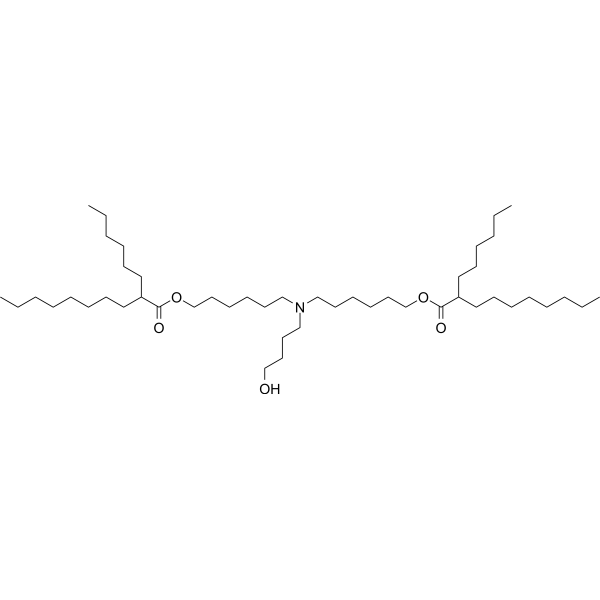
    ALC-0315 is an ionisable aminolipid that is responsible for mRNA compaction and aids mRNA cellular delivery and its cytoplasmic release through suspected endosomal destabilization. ALC-0315 can be used to form lipid nanoparticle (LNP) delivery vehicles. Lipid-Nanoparticles have been used in the research of mRNA COVID-19 vaccine .
    ALC-0315
  • HY-113313
    Aldosterone
    5+ Cited Publications

    Endogenous Metabolite Cardiovascular Disease
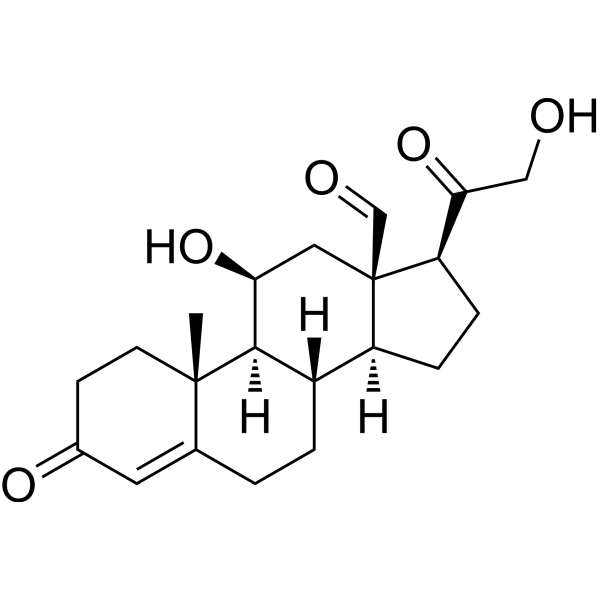
    Aldosterone is the primary mineralocorticoid. Aldosterone is a steroid hormone, and it is synthesized and secreted in response to renin-angiotensin system activation (RAS) or high dietary potassium by the zona glomerulosa (ZG) of the adrenal cortex. Aldosterone activity is dependent by the binding and activation of the cytoplasmic/nuclear mineralocorticoid receptor (MR) at cellular level .
    Aldosterone
  • HY-101872
    GSK-872
    Maximum Cited Publications
    100 Publications Verification

    RIP kinase Inflammation/Immunology
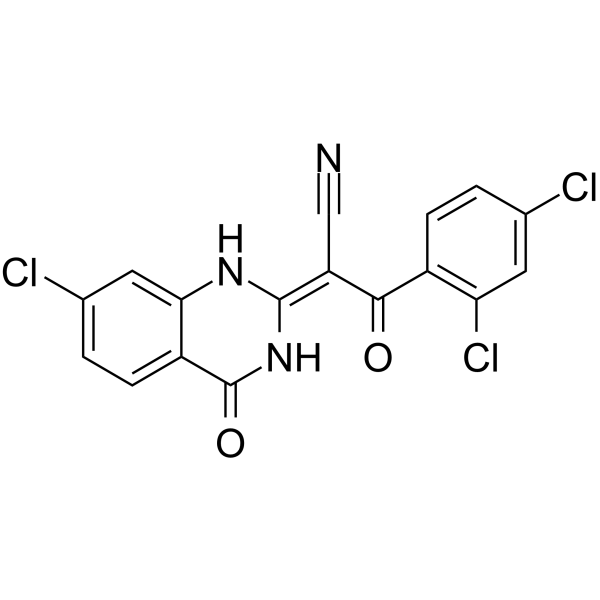
    GSK-872 is a RIPK3 inhibitor, which binds RIP3 kinase domain with an IC50 of 1.8 nM, and inhibits kinase activity with an IC50 of 1.3 nM. GSK-872 decreases the RIPK3-mediated necroptosis and subsequent cytoplasmic translocation and expression of HMGB1, as well as ameliorates brain edema and neurological deficits in early brain injury .
    GSK-872
  • HY-N0157
    Orotic acid
    3 Publications Verification

    6-Carboxyuracil; Vitamin B13

    Nucleoside Antimetabolite/Analog Endogenous Metabolite Metabolic Disease
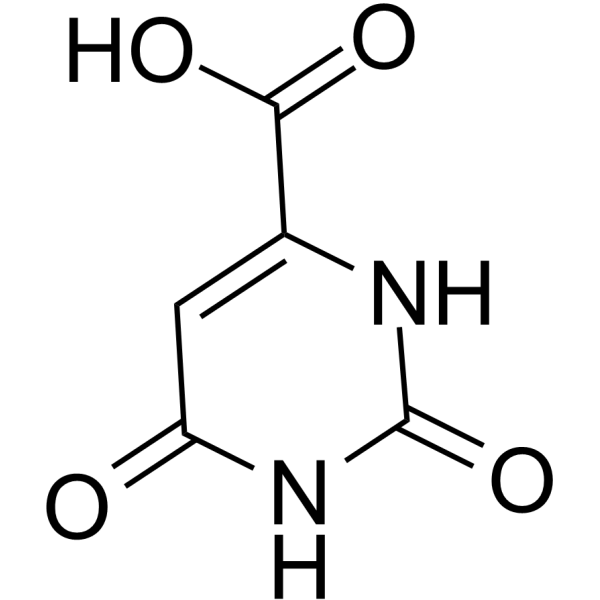
    Orotic acid (6-Carboxyuracil), a precursor in biosynthesis of pyrimidine nucleotides and RNA, is released from the mitochondrial dihydroorotate dehydrogenase (DHODH) for conversion to UMP by the cytoplasmic UMP synthase enzyme. Orotic acid is a marker for measurement in routine newborn screening for urea cycle disorders. Orotic acid can induce hepatic steatosis and hepatomegaly in rats .
    Orotic acid
  • HY-122632
    Ciliobrevin D
    4 Publications Verification

    Hedgehog Cancer
    Ciliobrevin D is a cell-permeable, reversible and specific inhibitor of AAA+ ATPase motor cytoplasmic dynein. Ciliobrevin D inhibits Hedgehog (Hh) signaling and primary cilia formation. Ciliobrevin D inhibits dynein-dependent microtubule gliding and ATPase activity in vitro .
    Ciliobrevin D
  • HY-N12634

    PMSG

    Endogenous Metabolite Endocrinology
    Pregnant mare serum gonadotropin (PMSG) is a gonadotropin used to promote follicular development and ovulation in animals. PMSG exerts its regulatory effects by stimulating changes in blood hormones, gonadotropins, and cytoplasmic estradiol receptors in the anterior pituitary and hypothalamus. PMSG is commonly used in livestock to improve reproductive efficiency and can also be utilized for research on estrous cycle regulation .
    Pregnant mare serum gonadotropin
  • HY-10007
    NPS-2143
    25+ Cited Publications

    SB-262470A

    CaSR Metabolic Disease
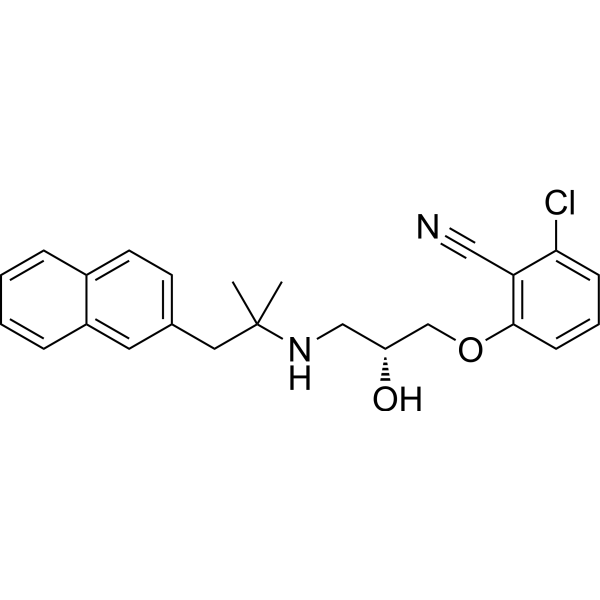
    NPS-2143 (SB-262470A), an orally active calcilytic agent, is a selective and potent calcium ion-sensing receptor (CaSR) antagonist. NPS-2143 (SB-262470A) blocks increases in cytoplasmic Ca 2+ concentrations (IC50=43 nM) elicited by activating the Ca 2+ receptor in HEK 293 cells expressing the human Ca 2+ receptor .
    NPS-2143
  • HY-D0944
    Giemsa stain
    2 Publications Verification

    Fluorescent Dye Others
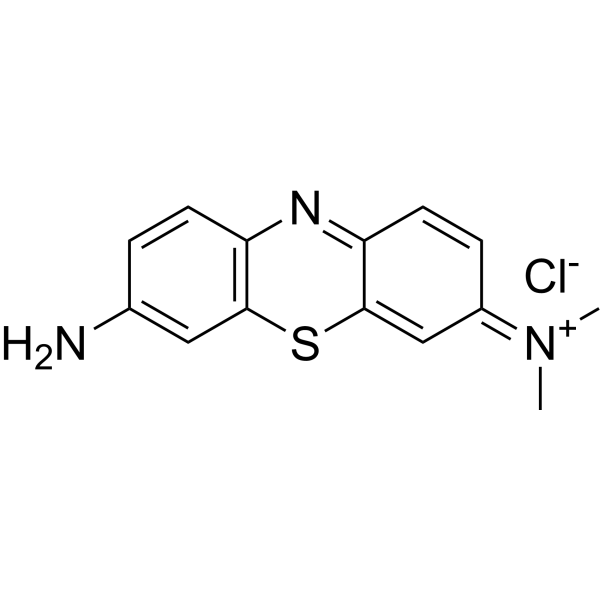
    Giemsa stain is a composite dye composed of methylene azure, methylene blue, eosin and other components. Giemsa stain stains chromatin, nuclear membranes, specific cytoplasmic components and microorganisms. Giemsa stain is used in research on cytological and parasitological staining .
    Giemsa stain
  • HY-100685
    MS-444
    2 Publications Verification

    BE-34776

    HuR Apoptosis COX Neurological Disease Cancer
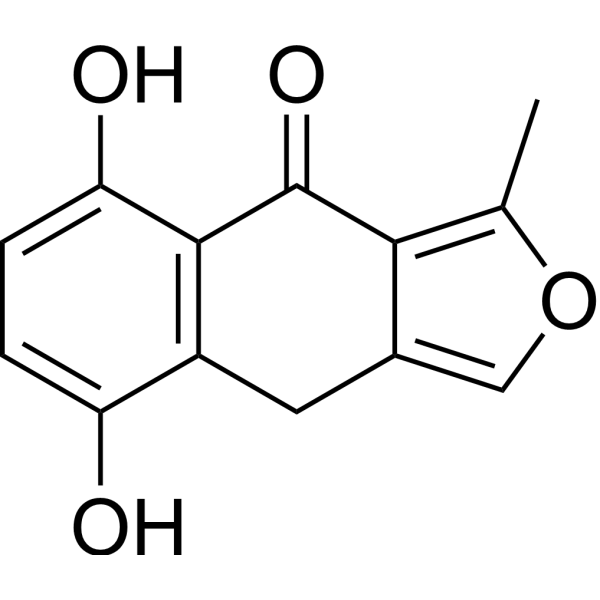
    MS-444 (BE-34776) is a HuR (ELAVL1) inhibitor that blocks the cytoplasmic translocation of HuR and inhibits its dimerization. MS-444 reduces cytoplasmic HuR levels by preventing the binding of HuR to ARE-mRNA, without altering the total expression of HuR. MS-444 induces apoptosis, inhibits cell growth, angiogenesis and invasion, and also regulates immune function and microbiota. MS-444 effectively alters the number, size and invasiveness of tumors in various cancer models. MS-444 is tolerable to intraperitoneal injection in vivo and can be applied to research related to colorectal cancer, familial adenomatous polyposis, colitis-associated cancer and glioblastoma .
    MS-444
  • HY-101872A
    GSK-872 hydrochloride
    Maximum Cited Publications
    100 Publications Verification

    RIP kinase Inflammation/Immunology
    GSK-872 hydrochloride is a RIPK3 inhibitor, which binds RIP3 kinase domain with an IC50 of 1.8 nM, and inhibits kinase activity with an IC50 of 1.3 nM. GSK-872 hydrochloride decreases the RIPK3-mediated necroptosis and subsequent cytoplasmic translocation and expression of HMGB1, as well as ameliorates brain edema and neurological deficits in early brain injury .
    GSK-872 hydrochloride
  • HY-132222
    SET2
    1 Publications Verification

    TRP Channel Cancer
    SET2 is a selective TRPV2 antagonist (IC50=0.46 μM). SET2 blocks the TRP channel and suppresses prostate cancer cells migration. SET2 reduces the lysophosphatidic acid (LPA, a TRPV2 activator)-induced cytoplasmic calcium increases .
    SET2
  • HY-121802
    Dynarrestin
    4 Publications Verification

    Hedgehog Cancer
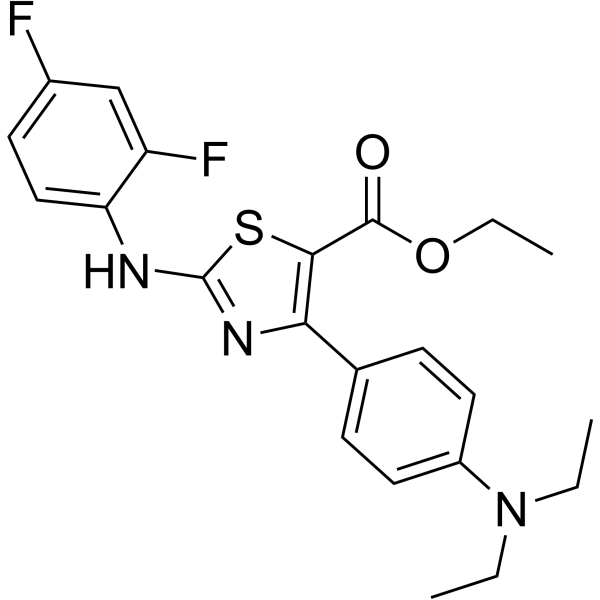
    Dynarrestin is a aminothiazole inhibitor of cytoplasmic dyneins 1 and 2. Dynarrestin rapidly and reversibly inhibits dynein 1-driven microtubule gliding in vitro plus a range of dynein 1- and 2-dependent processes in cells without affecting ATP hydrolysis and interfering with ciliogenesis. Dynarrestin suppresses hedgehog (Hh)-dependent proliferation of neuronal precursors and tumor cells .
    Dynarrestin
  • HY-P1136
    Gap19
    5 Publications Verification

    Gap Junction Protein Cardiovascular Disease
    Gap19, a peptide derived from nine amino acids of the Cx43 cytoplasmic loop (CL), is a potent and selective connexin 43 (Cx43) hemichannel blocker. Gap19 inhibits hemichannels caused by preventing intramolecular interactions of the C-terminus (CT) with the CL. Gap19 is not blocking GJ channels or Cx40/pannexin-1 hemichannels. Gap19 has protective effects against myocardial .
    Gap19
  • HY-10171
    NPS-2143 hydrochloride
    25+ Cited Publications

    SB-262470A hydrochloride

    CaSR Metabolic Disease
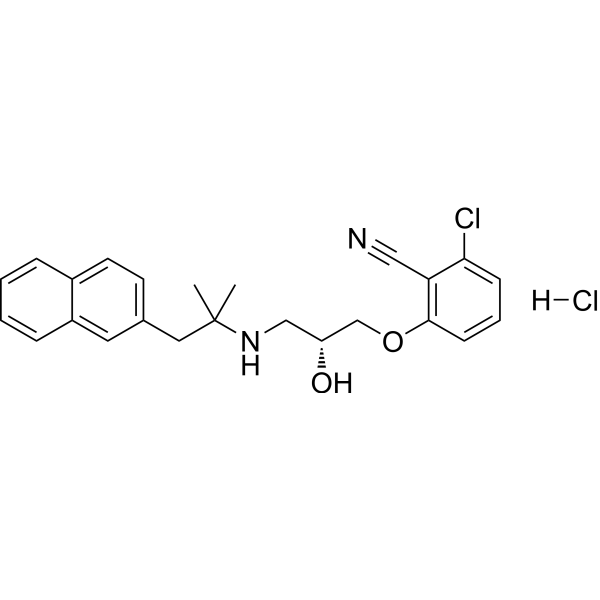
    NPS-2143 hydrochloride (SB-262470A hydrochloride), an orally active calcilytic agent, is a selective and potent calcium ion-sensing receptor (CaSR) antagonist. NPS-2143 hydrochloride (SB-262470A hydrochloride) blocks increases in cytoplasmic Ca 2+ concentrations (IC50=43 nM) elicited by activating the Ca 2+ receptor in HEK 293 cells expressing the human Ca 2+ receptor .
    NPS-2143 hydrochloride
  • HY-P10352A

    Bacterial Infection
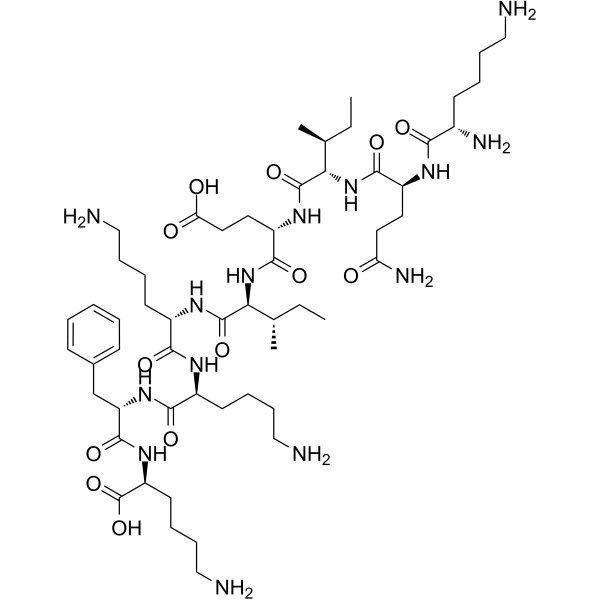
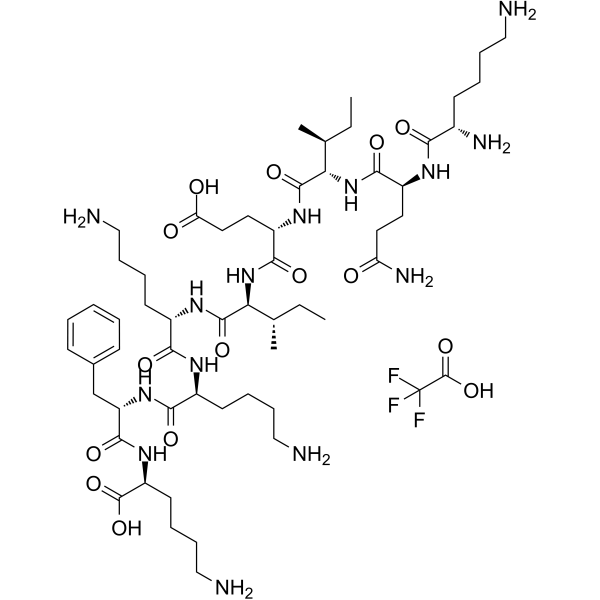
    Pediocin PA-1 TFA is a class IIa bacteriocin that specifically binds to membrane proteins of susceptible Gram-positive bacteria (such as Listeria monocytogenes) to form voltage-independent hydrophilic pores, leading to dissipation of proton motive force, ATP depletion and cell death. Pediocin PA-1 TFA shows no significant activity against intact Gram-negative bacteria, strains carrying immunity genes and obligate anaerobic commensal gut microbiota, and its bactericidal function depends on the integrity of disulfide bonds, with activity lost upon reduction. Pediocin PA-1 TFA can be used not only as a food biopreservative but also for research on listeriosis .
    Pediocin PA 1 TFA
  • HY-NP181
    Testosterone/BSA
    1 Publications Verification

    Biochemical Assay Reagents Others
    Testosterone/BSA, a conjugate of Testosterone (HY-113415) and bovine serum albumin (BSA), acts as a nuclear transporter and cytoplasmic accumulator. Testosterone/BSA can enter the nuclei of rat testicular spermatocytes, spermatids and rat liver endothelial cells, while the antigenicity of BSA remains intact. Testosterone/BSA accumulates in the cytoplasm of rat hepatocytes in granular form. Testosterone/BSA can be used to investigate the membrane-initiated or non-genomic activities of steroid hormones .
    Testosterone/BSA
  • HY-P0261

    Bacterial Infection
    Indolicidin is a potent antimicrobial peptide purified from the cytoplasmic granules of bovine neutrophils.
    Indolicidin
  • HY-138877

    Endogenous Metabolite Infection
    Phosphoglycolic acid is a metabolite and a bacterial cytoplasmic component. Phosphoglycolic acid acts as a by-product generated during the preparation of phosphoglycolohydroxamic acid via hydrolysis of ethyl phosphoglycolate. Phosphoglycolic acid also functions as an active component of postbiotics .
    Phosphoglycolic acid
  • HY-D2318

    Fluorescent Dye Others
    Flipper-TR 5 is a Flipper probe containing a terminal carboxylate for retention on the plasma membrane. Flipper-TR 5 selectively labels the cytoplasmic membrane, and exhibits excellent mechanical sensitivity, negligible cytotoxicity and controllable phototoxicity .
    Flipper-TR 5
  • HY-113313S1

    Endogenous Metabolite Cardiovascular Disease
    Aldosterone-d7 is the deuterium labeled Aldosterone. Aldosterone is the primary mineralocorticoid. Aldosterone is a steroid hormone, and it is synthesized and secreted in response to renin-angiotensin system activation (RAS) or high dietary potassium by the zona glomerulosa (ZG) of the adrenal cortex. Aldosterone activity is dependent by the binding and activation of the cytoplasmic/nuclear mineralocorticoid receptor (MR) at cellular level .
    Aldosterone-d7
  • HY-147329

    Transmembrane Glycoprotein Metabolic Disease
    RAGE 229 is an orally active ctRAGE-DIAPH1 inhibitor. RAGE 229 can inhibit the intracellular RAGE signaling by inhibiting the interaction between the cytoplasmic tail of RAGE(ctRAGE) and Diaphanous-1(DIAPH1) .
    RAGE 229
  • HY-126810A

    Fungal Infection
    NP213 TFA is a rapidly acting, novel, first-in-class synthetic antimicrobial peptide (AMP), has anti-fungal activities. NP213 TFA targets the fungal cytoplasmic membrane and plays it role via membrane perturbation and disruption. NP213 TFA is effective and well-tolerated in resolving nail fungal infections .
    NP213 TFA
  • HY-158045

    PROTACs PARP Cancer
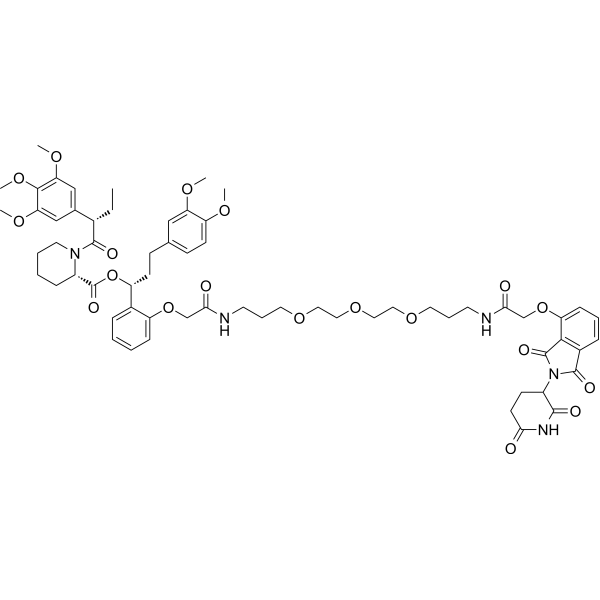
    PROTAC PARP1 degrader-1 is a PARP1 PROTAC degrader with a DC50 value of 252.5 nM. PROTAC PARP1 degrader-1, combined with Daunorubicin (HY-13062A), induces the accumulation of cytoplasmic DNA fragments, activates the cGAS/STING innate immune pathway, and remodels the tumor microenvironment. PROTAC PARP1 degrader-1 can be used in research related to breast cancer .
    PROTAC PARP1 degrader-1
  • HY-P10352

    Bacterial Infection
    Pediocin PA 1 is a class IIa bacteriocin that specifically binds to membrane proteins of susceptible Gram-positive bacteria (such as Listeria monocytogenes) to form voltage-independent hydrophilic pores, leading to dissipation of proton motive force, ATP depletion and cell death. Pediocin PA 1 shows no significant activity against intact Gram-negative bacteria, strains carrying immunity genes and obligate anaerobic commensal gut microbiota, and its bactericidal function depends on the integrity of disulfide bonds, with activity lost upon reduction. Pediocin PA 1 can be used not only as a food biopreservative but also for research on listeriosis .
    Pediocin PA 1
  • HY-W110793

    Diphenylthiocarbazone

    Biochemical Assay Reagents Metabolic Disease
    Dithizone can be toxic to pancreatic islet cells and cause experimental diabetes. Dithizone can be used for in vitro in vivo staining of transplanted islets and cytoplasmic granules of bone marrow cells. Dithizone can be used as a chelating agent and colorimetric indicator for the detection and extraction of various heavy metals, including lead and mercury, in analytical and biochemical applications. Dithizone forms stable colored complexes with metal ions and can be quantitatively analyzed by methods such as spectrophotometry .
    Dithizone
  • HY-P1136A
    Gap19 TFA
    5 Publications Verification

    Gap Junction Protein Cardiovascular Disease
    Gap19 TFA, a peptide derived from nine amino acids of the Cx43 cytoplasmic loop (CL), is a potent and selective connexin 43 (Cx43) hemichannel blocker. Gap19 TFA inhibits hemichannels caused by preventing intramolecular interactions of the C-terminus (CT) with the CL. Gap19 TFA is not blocking GJ channels or Cx40/pannexin-1 hemichannels. Gap19 TFA has protective effects against myocardial .
    Gap19 TFA
  • HY-W083373A

    Bacterial Autophagy Cancer
    3,4-Dimethoxychalcone is a Caloric restriction mimetics (CRMs). 3,4-Dimethoxychalcone induces the deacetylation of cytoplasmic proteins and stimulates autophagy flux. 3,4-Dimethoxychalcone can be used for cardiac and cancer diseases research .
    3,4-Dimethoxychalcone
  • HY-136767

    Antibiotic Fungal Bacterial Parasite DNA/RNA Synthesis Infection
    Cladosporin is an antibiotic and an an antifungal metabolite that can be produced in good yield in the mycelium of Cladosporium cladosporioid. Cladosporin exhibits inhibitory activity against various dermatophytes, plant pathogens, and bacteria. Cladosporin also exhibits antimalarial activity through inhibition of cytoplasmic lysine-tRNA synthetase of Plasmodium (PfKrs1) .
    Cladosporin
  • HY-P2997
    γ-glutamyltransferase, Porcine kidney
    1 Publications Verification

    GGT, Porcine kidney

    Endogenous Metabolite Cancer
    γ-glutamyltransferase, Porcine kidney (GGT, Porcine kidney) is an enzyme located on the outer surface of the cell membrane. γ-glutamyltransferase, Porcine kidney maintains the physiological concentration of cytoplasmic glutathione and the cell's defense against oxidative stress by cleaving extracellular glutathione and increasing the availability of amino acids. γ-glutamyltransferase, Porcine kidney is used for pancreatic cancer research .
    γ-glutamyltransferase, Porcine kidney
  • HY-D1746
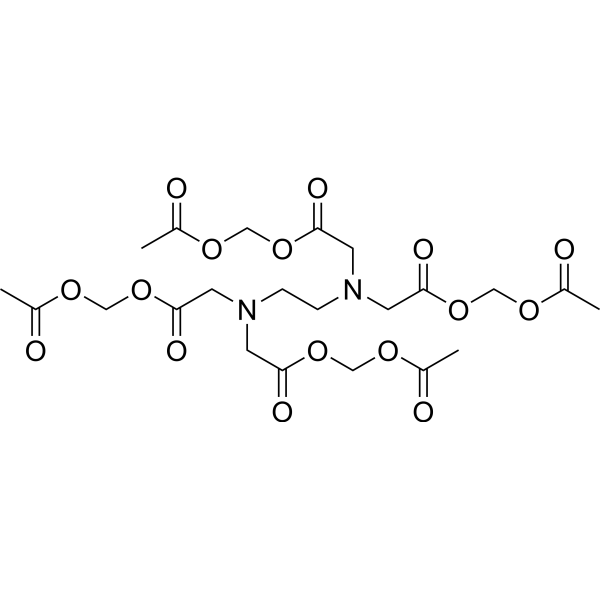
    EDTA-AM
    2 Publications Verification

    EDTA acetoxymethyl ester; Ethylenediaminetetraacetic acid acetoxymethyl ester

    Biochemical Assay Reagents Mitosis Others
    EDTA-AM (ethylenediaminetetraacetic acid, acetoxymethyl ester) is the membrane-permeant form of the metal chelator EDTA (HY-Y0682). Live cells passively load EDTA-AM by incubating with EDTA-AM. Once internalized, cytoplasmic esterase decomposes AM esters, releasing the active ligand EDTA, which isolates metal ions within the cell. EDTA-AM induces an arrest of mitotic progression and chromosome decondensation .
    EDTA-AM
  • HY-N0157R

    6-Carboxyuracil (Standard); Vitamin B13 (Standard)

    Reference Standards Nucleoside Antimetabolite/Analog Endogenous Metabolite Metabolic Disease
    Orotic acid (Standard) is the analytical standard of Orotic acid. This product is intended for research and analytical applications. Orotic acid (6-Carboxyuracil), a precursor in biosynthesis of pyrimidine nucleotides and RNA, is released from the mitochondrial dihydroorotate dehydrogenase (DHODH) for conversion to UMP by the cytoplasmic UMP synthase enzyme. Orotic acid is a marker for measurement in routine newborn screening for urea cycle disorders. Orotic acid can induce hepatic steatosis and hepatomegaly in rats .
    Orotic acid (Standard)
  • HY-P0261A

    Bacterial Infection
    Indolicidin acetate is a potent antimicrobial peptide purified from the cytoplasmic granules of bovine neutrophils .
    Indolicidin acetate
  • HY-P10310A

    HIV Infection
    F9170 TFA is an amphipathic peptide with an activity of inactivate HIV-1 virions. F9170 TFA targets the conserved cytoplasmic tail of HIV-1 env and disrupts the integrity of the viral membrane. F9170 TFA is able to cross the blood-brain barrier (BBB) .
    F9170 TFA
  • HY-126810

    Fungal Infection
    NP213 is a rapidly acting, novel, first-in-class synthetic antimicrobial peptide (AMP), has anti-fungal activities. NP213 targets the fungal cytoplasmic membrane and plays it role via membrane perturbation and disruption. NP213 is effective and well-tolerated in resolving nail fungal infections .
    NP213
  • HY-P10281

    Bacterial Infection Cardiovascular Disease
    RW3 (MP196) is a small cationic antimicrobial hexapeptide. RW3 targets the bacterial cytoplasmic membrane and inhibits cellular respiration and cell wall synthesis. RW3 exhibits high bioactivity against Gram-positive bacteria such as Bacillus subtilis 168 (MIC of 2 µg/mL). RW3 causes shrinking of murine erythrocytes. RW3 can be used in antimicrobial and antifungal research .
    RW3
  • HY-134963

    PKC Cancer
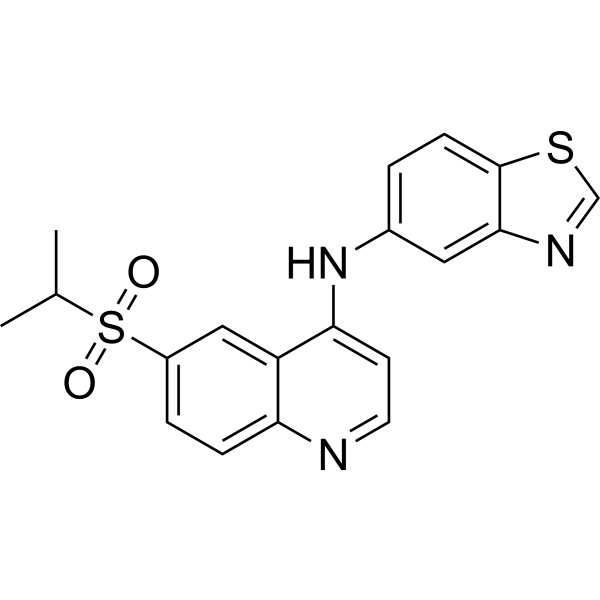
    SBI-0087702 promots the cytoplasmic localization of ATF2 in melanoma cells. SBI-0087702-induced translocation of ATF2 to the mitochondria results in increased apoptosis due to loss of mitochondrial membrane integrity. SBI-0087702 also inhibits growth and motility of melanoma cells. SBI-0087702 was shown to inhibit ATF2 phosphorylation on Thr52 by PKCε .
    SBI-0087702
  • HY-155587

    Carbonyl Reductase Src Cancer
    Hydroxy-PP is a potent carbonyl reductase 1 (CBR1) inhibitor with an IC50 value of 0.78 μM. Hydroxy-PP also potently inhibits the cytoplasmic tyrosine kinase Fyn with an IC50 value of 5 nM .
    Hydroxy-PP
  • HY-N0157A
    Orotic acid zinc
    3 Publications Verification

    6-Carboxyuracil zinc; Vitamin B13 zinc

    Nucleoside Antimetabolite/Analog Endogenous Metabolite Metabolic Disease
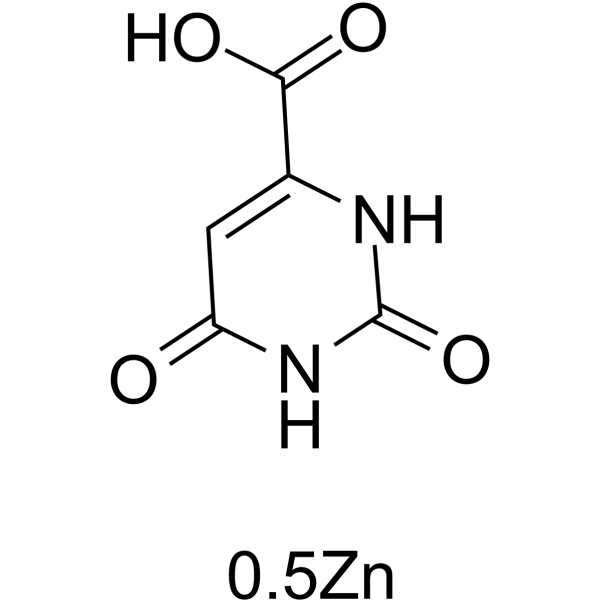
    Orotic acid (zinc), a precursor in biosynthesis of pyrimidine nucleotides and RNA, is released from the mitochondrial dihydroorotate dehydrogenase (DHODH) for conversion to UMP by the cytoplasmic UMP synthase enzyme. Orotic acid (zinc) is a marker for measurement in routine newborn screening for urea cycle disorders. Orotic acid (zinc) can induce hepatic steatosis and hepatomegaly in rats .
    Orotic acid zinc
  • HY-113313R

    Reference Standards Endogenous Metabolite Cardiovascular Disease
    Aldosterone (Standard) is the analytical standard of Aldosterone. This product is intended for research and analytical applications. Aldosterone is the primary mineralocorticoid. Aldosterone is a steroid hormone, and it is synthesized and secreted in response to renin-angiotensin system activation (RAS) or high dietary potassium by the zona glomerulosa (ZG) of the adrenal cortex. Aldosterone activity is dependent by the binding and activation of the cytoplasmic/nuclear mineralocorticoid receptor (MR) at cellular level .
    Aldosterone (Standard)
  • HY-129502

    P-23924C

    HIF/HIF Prolyl-Hydroxylase Others
    Fibrostatin C (P-23924C) is an orally active prolyl hydroxylase inhibitor that also inhibits collagen biosynthesis. Fibrostatin C also increases the number of cytoplasmic granules immunoreactive with antibodies to collagen I or III. Fibrostatin C inhibits the secretion of type I collagen in Tenon's capsule fibroblasts. Fibrostatin C is promising for research of the wound fibrotic response in the wound of glaucoma filtering surgery .
    Fibrostatin C
  • HY-122029

    Mitochondrial Metabolism Metabolic Disease
    BRD6897 is a mitochondrial content inducer. BRD6897 does not alter the percent of cytoplasmic area occupied by mitochondria, but instead, induces a striking increase in the electron density of existing mitochondria .
    BRD6897
  • HY-P3892

    PKC Inflammation/Immunology
    Protein Kinase C (19-35) Peptide is the PKC pseudosubstrate inhibitor/region. Protein Kinase C (19-35) Peptide possibly blocks the substrate-binding site in its kinase domain, makes the cytoplasmic form of PKC inactive .
    Protein Kinase C (19-35) Peptide
  • HY-170327
    ZCL279
    1 Publications Verification

    Ras Cancer
    ZCL279 is a small molecule modulator (SMM) that inhibits Cdc42-intersectin (ITSN) interaction. ZCL279 can activate Cdc42 (a cytoplasmic small GTPase in the Ras superfamily) at lower concentrations (<10 μM) and significantly inhibit it at higher concentrations (<10 μM) .
    ZCL279
  • HY-N0157S1

    6-Carboxyuracil-13C,15N2 monohydrate; Vitamin B13-13C,15N2 monohydrate

    Nucleoside Antimetabolite/Analog Endogenous Metabolite Metabolic Disease
    Orotic acid- 13C, 15N2 (monohydrate) is the 13C and 15N labeled Orotic acid . Orotic acid (6-Carboxyuracil), a precursor in biosynthesis of pyrimidine nucleotides and RNA, is released from the mitochondrial dihydroorotate dehydrogenase (DHODH) for conversion to UMP by the cytoplasmic UMP synthase enzyme. Orotic acid is a marker for measurement in routine newborn screening for urea cycle disorders. Orotic acid can induce hepatic steatosis and hepatomegaly in rats .
    Orotic acid-13C,15N2 monohydrate
  • HY-N15548

    Armeniaspirole A

    Bacterial Infection
    Armeniaspirol A (Armeniaspirole A) is an antibacterial agent targeting Helicobacter pylori cell membranes. Armeniaspirol A induces membrane permeabilization, cytoplasmic leakage, and biofilm inhibition/eradication. Armeniaspirol A is promising for research of H. pylori infection .
    Armeniaspirol A
  • HY-139987A

    Bacterial Infection
    LeuRS-IN-1 hydrochloride is a potent, orally active M. tuberculosis leucyl-tRNA synthetase (M.tb LeuRS) inhibitor. LeuRS-IN-1 hydrochloride has IC50 and Kd values of 0.06 μM, 0.075 μM for M.tb LeuRS, respectively . LeuRS-IN-1 hydrochloride inhibits human cytoplasmic LeuRS (IC50=38.8 μM), and HepG2 protein synthesis (EC50=19.6 μM) .
    LeuRS-IN-1 hydrochloride
  • HY-D1636

    Fluorescent Dye Others
    5-Nitro BAPTA is a calcium chelator, combinded with 2-Me-substituted TM ( as a fluorescent moiety), can be used to form a red fluorescent probe (CaTM-2 AM), for imaging of cytoplasmic Ca 2+ in cultured living cells. 5-Nitro BAPTA is a building block used in the synthesis of Ca 2+ specific chelators, Ca 2+ buffers, and fluorescent Ca 2+ indicators .
    5-Nitro BAPTA
  • HY-177483

    Oxaliplatin-artesunate

    Ferroptosis Mitochondrial Metabolism Glutathione Peroxidase Transferrin Receptor MMP Dihydroorotate Dehydrogenase Cancer
    OART (Oxaliplatin-artesunate) is a ferroptosis inducer. OART significantly inhibits tumor cell proliferation. OART induces cytoplasmic and mitochondrial LPO to promote tumor ferroptosis, via destroying glutathione-mediated ferroptosis defense system and enhancing iron-dependent Fenton reaction. OART enhances tumor immunogenicity, transforming tumor environment from immunosuppressive to immunosensitive. OART has strong tumor regression in tumor-bearing mouse models. OART can be used for cancer immunotherapy research .
    OART
  • HY-P5727

    Bacterial Infection
    HR1 is a mastoid protease. HR1 can increase the permeability of human erythrocyte membrane. HR1 can induce cytoplasmic membrane permeation in bacteria and mast cells .
    HR1
  • HY-P10310

    HIV Infection
    F9170 is an amphipathic peptide with an activity of inactivate HIV-1 virions. F9170 targets the conserved cytoplasmic tail of HIV-1 env and disrupts the integrity of the viral membrane. F9170 is able to cross the blood-brain barrier (BBB) .
    F9170

Inquiry Online

Your information is safe with us. * Required Fields.

Salutation


Country or Region *

Applicant Name *


Organization Name *

Department *


Email Address *


Product Name *

Cat. No.


Requested quantity *

Phone Number *


Remarks

Inquiry Online

Inquiry Information

Product Name:
Cat. No.:
Quantity:
MCE Japan Authorized Agent:

