Search Result
Results for "
Enantiomer
" in MedChemExpress (MCE) Product Catalog:
1
Biochemical Assay Reagents
6
Isotope-Labeled Compounds
| Cat. No. |
Product Name |
Target |
Research Areas |
Chemical Structure |
-
- HY-W048449
-
-
-
- HY-B0105B
-
|
(-)-Ketoconazole; (-)-Ketoconazol; (-)-R 41400
|
Cytochrome P450
|
Infection
Inflammation/Immunology
|
|
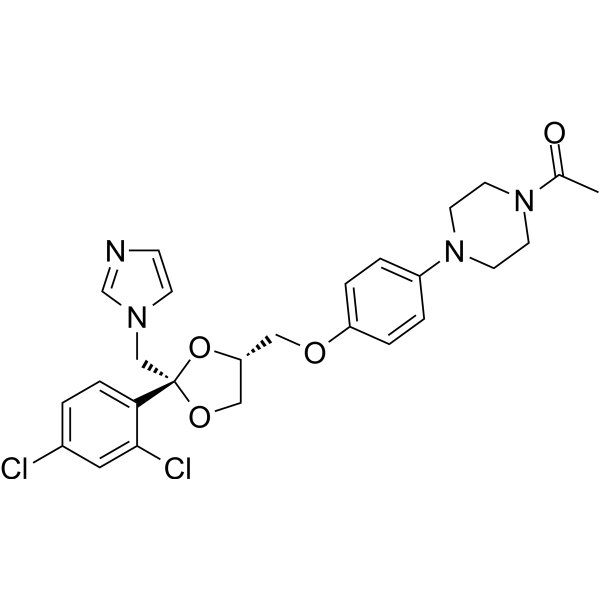
Levoketoconazole ((-)-Ketoconazole) is the 2S,4R enantiomer derived from racemic Ketoconazole (HY-B0105). Levoketoconazole is a potent and orally active cortisol synthesis inhibitor. Levoketoconazole inhibits key steps in cortisol and testosterone synthesis by inhibiting CYP11B1, CYP11A1, and CYP17A1. Levoketoconazole can be used for research on endogenous Cushing’s syndrome .
|
-
-
- HY-A0295
-
-
-
- HY-D1314
-
|
6-FAM azide
|
Fluorescent Dye
|
Others
|
|
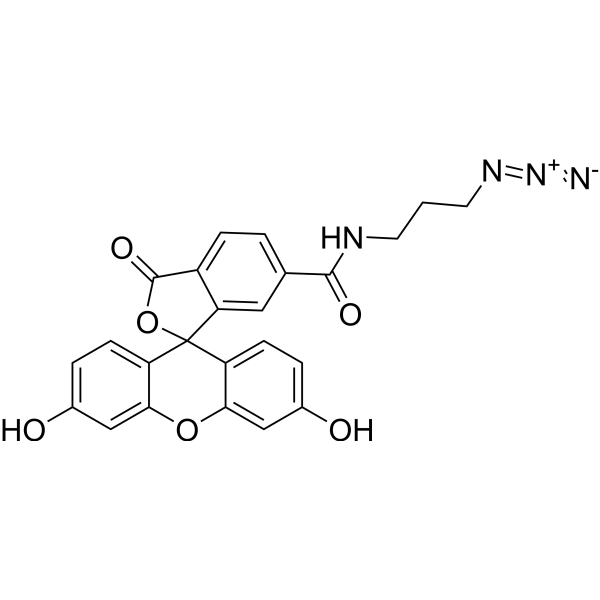
FAM azide, 6-isomer (6-FAM azide) is a 6-carboxyfluorescein derivative with an azide functional group and coupling partner in copper-catalyzed azide-alkyne cycloaddition. FAM azide, 6-isomer participates in synthesis of fluorescently tagged disparlure enantiomers for pheromone-binding protein binding assays. FAM azide, 6-isomer is widely used for labeling oligonucleotides (Ex/Em = 493/517 nm) .
|
-
-
- HY-107647
-
|
|
mAChR
Histamine Receptor
|
Inflammation/Immunology
|
|
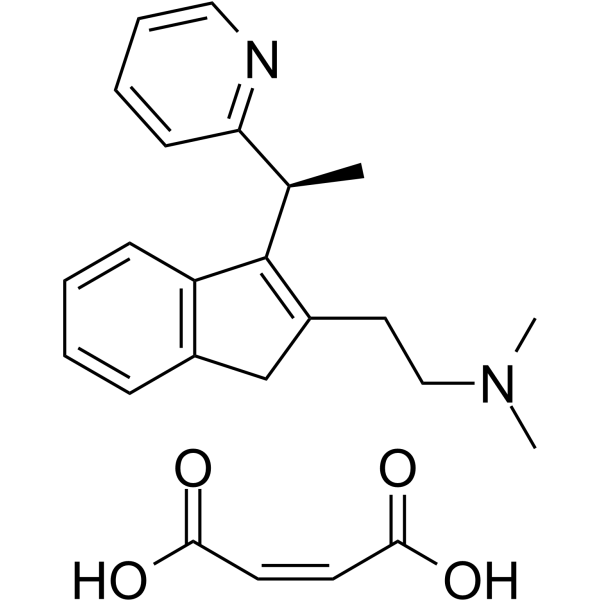
(S)-(+)-Dimethindene maleate, an enantiomer, is a potent M2-selective muscarinic receptor antagonist (pA2 = 7.86/7.74; pKi = 7.78). (S)-(+)-Dimethindene maleate shows lower affinities for the muscarinic M1 (pA2 = 6.83/6.36; pKi = 7.08), the M3 (pA2 = 6.92/6.96; pKi = 6.70) and the M4 receptors (pKi = 7.00), respectively. (S)-(+)-Dimethindene maleate also is a histamine H1 receptor antagonist (pA2 = 7.48) .
|
-
-
- HY-14658A
-
-
-
- HY-14507
-
YK-4-279
Maximum Cited Publications
7 Publications Verification
|
DNA/RNA Synthesis
Apoptosis
|
Cancer
|
|
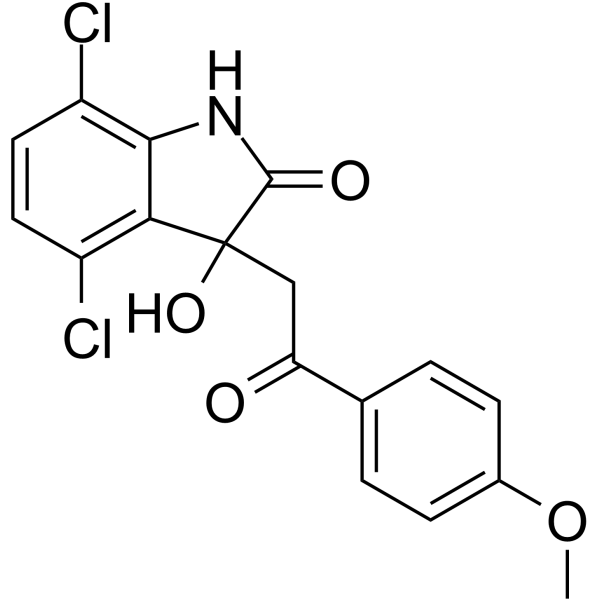
YK-4-279 blocks RNA Helicase A (RHA) binding with EWS-FLI1 (oncogenic protein). YK-4-279 induces apoptosis and shows anti-proliferation activities towards various cancer cells. YK-4-279 has a chiral center and it can be separated into two enantiomers. YK-4-279 can be used for the research of cancer .
|
-
-
- HY-14658B
-
-
-
- HY-W012874
-
-
-
- HY-19778
-
-
-
- HY-N0424
-
|
Cyclogalegigenin
|
Others
|
Others
|
|
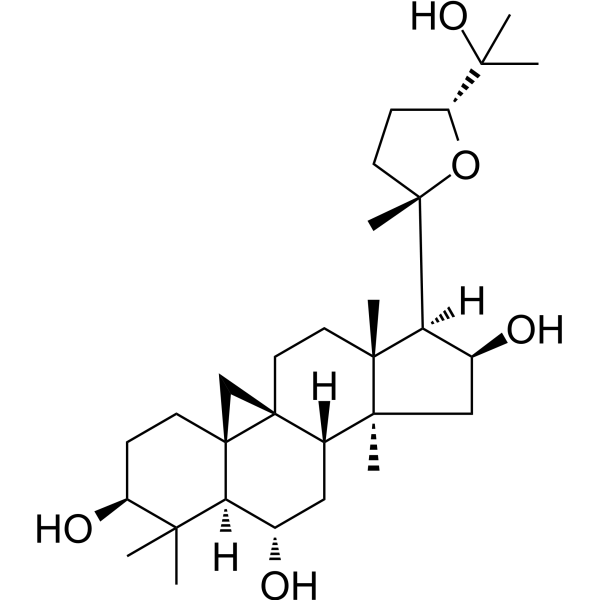
Cyclogalegenin (Cyclogalegigenin) is an isoprenoid. Cyclogalegenin can be isolated from Astragalus galegiformis. Cyclogalegenin is an isomer of cycloastragenol.
|
-
-
- HY-131445B
-
|
|
Orphan Nuclear Receptor
|
Metabolic Disease
|
|
RR-RJW100, the enantiomer of RJW100, is an nuclear receptor liver receptor homolog 1 (LRH-1) and steroidogenic factor 1 (SF-1) agonist. RJW100 can be synthesized as two enantiomers, RR-RJW100 and SS-RJW100, with RR-RJW100 shown to be the more potent LRH-1 agonist. RR-RJW100 is involved in the regulation of metabolic homeostasis and is used in studies of diabetes, liver disease and inflammatory bowel disease .
|
-
-
- HY-159647B
-
|
|
Molecular Glues
IKZF Family
|
Cancer
|
|
(1S,2S,3R)-PLX-4545 is the (1S,2S,3R) enantiomer of PLX-4545 (HY-159647). PLX-4545 is an orally active and selective cereblon-based molecular glue degrader of IKZF2 (zinc finger transcription factor Helios). PLX-4545 can reprogram immunosuppressive regulatory T cells into pro-inflammatory effector T cells, thereby enhancing anti-tumor immune responses .
|
-
-
- HY-W015993
-
|
n-Nonyl-β-D-glucopyranoside
|
Biochemical Assay Reagents
|
Others
|
|
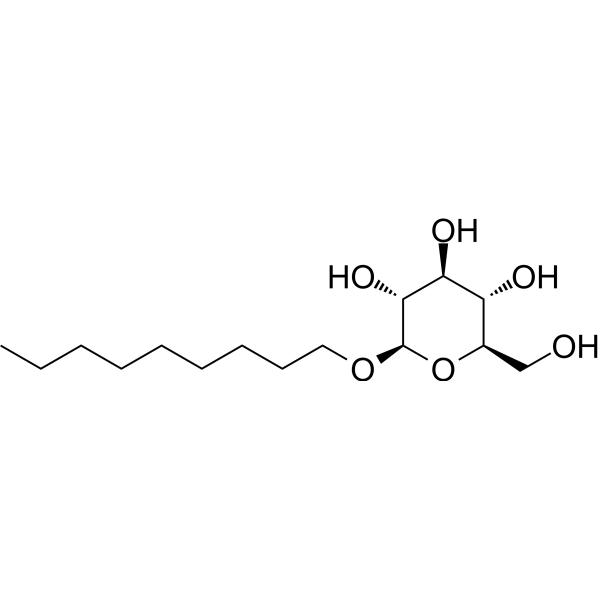
Nonyl β-D-glucopyranoside (n-Nonyl-β-D-glucopyranoside) is a surfactant that can be used in studies on interactions with lipid monolayers. Nonyl β-D-glucopyranoside can also be used for the enantiomer separation of phenoxy acid herbicides and amino acid derivatives .
|
-
-
- HY-B0589C
-
|
|
Cytochrome P450
|
Metabolic Disease
|
|
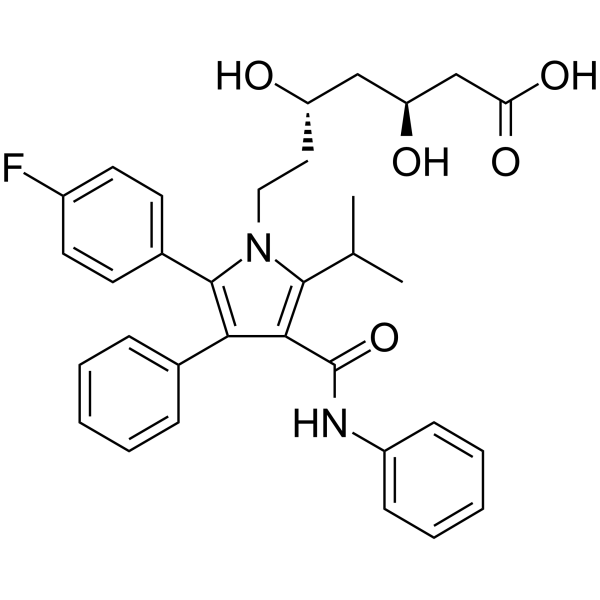
(3S,5S)-Atorvastatin is a inactive enantiomer of Atorvastatin. (3S,5S)-Atorvastatin can activate pregnane X receptor (PXR). Atorvastatin is an orally active HMG-CoA reductase inhibitor, has the ability to effectively decrease blood lipids .
|
-
-
- HY-159681
-
|
|
Others
|
Metabolic Disease
|
|
AASS-IN-1 is a 2-aminoadipic semialdehyde synthase (AASS) inhibitor with a human IC50 of 142 µM. AASS-IN-1 inhibits AASS activity by binding to the LOR domain of AASS. AASS-IN-1 can be used for the research of glutaric aciduria type 1 .
|
-
-
- HY-121161B
-
|
|
Drug Isomer
|
Metabolic Disease
|
|
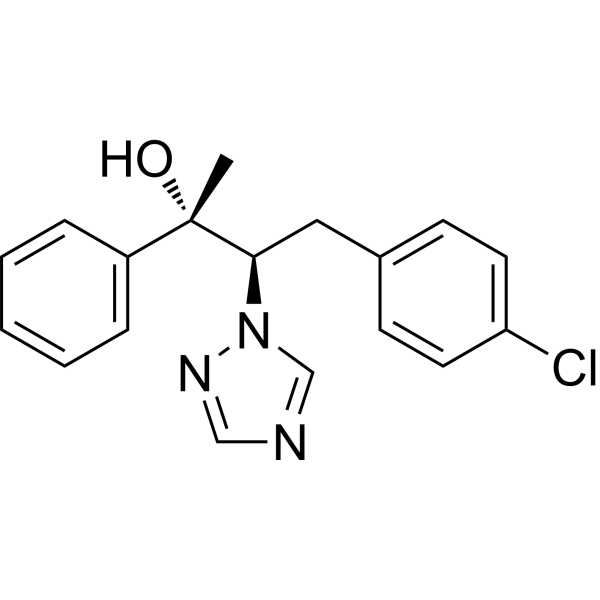
(2S,3R)-Brassinazole, the enantiomer of Brassinazole (BRZ). Brassinazole inhibits brassinosteroid (BR) biosynthesis, via acting on the oxidative processes from 6-oxo-campestanol to teasterone. (2S,3R)-Brassinazole might be the most active form of Brz .
|
-
-
- HY-I0636
-
-
-
- HY-107657
-
|
|
Myosin
|
Others
|
|
(+)-Blebbistatin is the inactive enantiomer of (–)-Blebbistatin. (–)-Blebbistatin is a selective inhibitor of myosin II ATPase .
|
-
-
- HY-W010042S3
-
-
-
- HY-15997B
-
|
(±)-Trans-(1R,2R)-U-50488 hydrochloride
|
Opioid Receptor
|
Neurological Disease
|
|
(±)-U-50488 ((±)-Trans-(1R,2R)-U-50488) hydrochloride is a selective κ opioid receptor (KOR) agonist .
|
-
-
- HY-137431A
-
-
-
- HY-W420033
-
|
|
Acyltransferase
Carnitine Palmitoyltransferase (CPT)
|
Others
|
|
(S)-(+)-Etomoxir is the S enantiomer of Etomoxir (HY-50202). Etomoxir is an irreversible inhibitor of carnitine palmitoyltransferase 1a (CPT-1a), inhibits fatty acid oxidation (FAO) through CPT-1a and inhibits palmitate β-oxidation in human, rat and guinea pig .
|
-
-
- HY-121161C
-
|
|
Phytohormone
|
Metabolic Disease
|
|
Brassinazole (0.5, 1, 5 μM) causes markedly deformed seedlings, whose morphology is similar to that of BR-deficient mutants. Brassinazole causes cress dwarfism, altering leaf morphology such as the typical downward curl and dark green appearance of Arabidopsis BR-deficient mutants. However, administration of 10 nM BR reversed dwarfism .
|
-
-
- HY-B0265B
-
|
(S)-BAY-e 9736
|
Calcium Channel
|
Cardiovascular Disease
|
|
(S)-Nimodipine ((S)-BAY-e 9736) is an enantiomer of Nimodipine. Nimodipine (BAY-e 9736) is an orally active, well-tolerated and light-sensitive dihydropyridine calcium antagonist. Nimodipine can be used for the research of cerebrovascular disorders .
|
-
-
- HY-B1370B
-
|
(R)-HCQ
|
Parasite
Toll-like Receptor (TLR)
SARS-CoV
Autophagy
|
Infection
|
|
(R)-Hydroxychloroquine is the enantiomer of Hydroxychloroquine . Hydroxychloroquine is a synthetic antimalarial agent which can also inhibit Toll-like receptor 7/9 (TLR7/9) signaling. Hydroxychloroquine is efficiently inhibits SARS-CoV-2 infection in vitro .
|
-
-
- HY-13856
-
|
|
PDK-1
|
Cancer
|
|
(R)-PS210, the R enantiomer of PS210 (compound 4h-eutomer), is a substrate-selective allosteric activator of PDK1 with an AC50 value of 1.8 μM. (R)-PS210 targets to the PIF-binding pocket of?PDK1. PIF: The protein kinase C-related kinase 2 (PRK2)-interacting fragment .
|
-
-
- HY-14913
-
|
SPD754; AVX754
|
Nucleoside Antimetabolite/Analog
HIV
DNA/RNA Synthesis
|
Infection
|
|
Apricitabine (SPD754; AVX754), the (-) enantiomer of 2′-deoxy-3′-oxa-4′-thiocytidine (dOTC), is a highly selective and orally active HIV-1 reverse transcriptase (RT) inhibitor (Ki=0.08 μM), as well as inhibits DNA polymerases α, β, and γ with Ki value of 300 μM, 12 μM, and 112.25 μM, respectively . Apricitabine (SPD754; AVX754) shows promising antiretroviral efficacy, good tolerability and a low propensity for resistance selection in antiretroviral-naive HIV infection .
|
-
-
- HY-W023323
-
|
|
Endogenous Metabolite
|
Metabolic Disease
|
|
(S)-β-Aminoisobutyric acid hydrochloride is a cytoprotective agent, which is a non-proteinogenic amino acid enantiomer derived from valine metabolism in skeletal muscle mitochondria. The plasma level of (S)-β-Aminoisobutyric acid hydrochloride increases significantly after acute aerobic exercise (and is not affected by the AGXT2 rs37369 genotype), and it is secreted by mouse extensor digitorum longus and soleus muscles in ex vivo contraction assays. (S)-β-Aminoisobutyric acid hydrochloride specifically protects osteocytes from oxidative stress-induced cell death .
|
-
-
- HY-B1370A
-
|
(S)-HCQ
|
Parasite
Toll-like Receptor (TLR)
SARS-CoV
Autophagy
|
Infection
|
|
(S)-Hydroxychloroquine ((S)-HCQ) is the enantiomer of Hydroxychloroquine . Hydroxychloroquine, a synthetic antimalarial agent, inhibits Toll-like receptor 7/9 (TLR7/9) signaling, and shows efficiently inhibits SARS-CoV-2 infection in vitro .
|
-
-
- HY-110289
-
|
|
Serotonin Transporter
5-HT Receptor
|
Neurological Disease
|
|
(R)-Citalopram oxalate, a R-(-) enantiomers of Citalopram (HY-121203), is a serotonin reuptake inhibitor. (R)-Citalopram oxalate is at least 20-fold weaker than S-citalopram (HY-14258) as inhibitor of the 5-HT transporter (SERT). (R)-Citalopram oxalate can be used for research of depression .
|
-
-
- HY-108908A
-
-
-
- HY-N16375
-
|
|
Drug Metabolite
Fungal
ATP Synthase
|
Infection
|
|
(3R,6S)-Bassiatin (Compound 5) is an enantiomer of the fungal metabolite Bassiatin (HY-165143). Bassianin is a compound isolated from fungi that has the activity of inhibiting erythrocyte membrane ATPase and causing cell lysis. Its inhibitory effect on ATPase may be due to membrane disruption .
|
-
-
- HY-B0590D
-
|
(-)-TBZ; (3S,11bS)-TBZ; (3S,11bS)-Tetrabenazine
|
Monoamine Transporter
|
Neurological Disease
|
|
(-)-Tetrabenazine ((-)-TBZ; compound 13) is an enantiomer of Tetrabenazine (HY-B0590). (+)-Tetrabenazine proves 3-fold more active than (-)-Tetrabenazine in inhibiting vesicular monoamine transporter 2 (VMAT2) .
|
-
-
- HY-15997C
-
|
(±)-Trans-(1R,2R)-U-50488 hydrate hydrochloride
|
Opioid Receptor
|
Neurological Disease
|
|
(±)-U-50488 ((±)-Trans-(1R,2R)-U-50488) hydrate hydrochloride is a selective κ opioid receptor (KOR) agonist .
|
-
-
- HY-N12360A
-
|
|
UGT
|
Others
|
|
2,3-Dehydrosilybin B is an enantiomer formed by the oxidation of the natural flavonolignans silybin A .
|
-
-
- HY-78131AS
-
|
(S)-Ibuprofen d3
|
COX
|
Inflammation/Immunology
|
|
(S)-(+)-Ibuprofen-d3 is a deuterium labeled (S)-(+)-Ibuprofen. (S)-(+)-Ibuprofen is the S(+)-enantiomer of Ibuprofen that inhibits COX-1 and COX-2 activity with IC50s of 2.1 μM and 1.6 μM. (S)-(+)-Ibuprofen has analgesic, antiinflammatory and antipyretic effects .
|
-
-
- HY-109022A
-
|
(3R,5R,6S)-MK-8031; (3R,5R,6S)-AGN-241689
|
CGRP Receptor
|
Neurological Disease
|
|
(3R,5R,6S)-Atogepant ((3R,5R,6S)-MK-8031) is the enantiomer of Atogepant (HY-109022). Atogepant is a calcitonin gene-related peptide receptor (CGRP) antagonist. Atogepant can be used for researching migraine.
|
-
-
- HY-I0636R
-
-
-
- HY-147041A
-
|
(2S)-GB1211
|
Galectin
|
Cancer
|
|
(2S)-Selvigaltin is the S-enantiomer of Selvigaltin (HY-147041). Selvigaltin is an orally active galectin-3 (Gal-3) inhibitor .
|
-
-
- HY-N2267
-
|
|
Reactive Oxygen Species (ROS)
|
Inflammation/Immunology
|
|
(+)-Schisandrin B is an enantiomer of Schisandrin B. Schisandrin B is an active dibenzocyclooctadiene derivative isolated from the fruit of Schisandra chinensis, has antioxidant effect on rodent liver and heart .
|
-
-
- HY-22385B
-
-
-
- HY-153093A
-
|
(1R,2R)-MK-8189
|
Phosphodiesterase (PDE)
|
Neurological Disease
|
|
(1R,2R)-Elpipodect ((1R,2R)-MK-8189) is the (1R,2R) enantiomer of Elpipodect (HY-153093). Elpipodect (MK-8189) is an orally active and selective PDE10A inhibitor with a Ki of 29 pM. Elpipodect can be used in research of schizophrenia .
|
-
-
- HY-106993B
-
|
GT-2331 (Enantiomer)
|
Histamine Receptor
|
Neurological Disease
|
|
Cipralisant (GT-2331) enantiomer is the enantiomer of Cipralisant (HY-106993), Cipralisant is an orally active, potent, selective, and high affinity histamine H3 receptor antagonist (rat Ki=0.47 nM) . Cipralisant (enantiomer) is a click chemistry reagent, it contains an Alkyne group and can undergo copper-catalyzed azide-alkyne cycloaddition (CuAAc) with molecules containing Azide groups.
|
-
-
- HY-126082
-
|
|
HIV
Reverse Transcriptase
|
Infection
|
|
(+)-Carbovir triphosphate is an enantiomer of Carbovir triphosphate (HY-131607). (+)-Carbovir triphosphate is an inhibitor and substrate of HIV reverse transcriptase .
|
-
-
- HY-148151
-
|
|
HBV
|
Cancer
|
|
(-)-5′-Noraristeromycin is an antiviral agent. (-)-5′-Noraristeromycin also is an enantiomer of 5'-noraristeromycin and can inhibit intracellular HBV replication and virion production. (-)-5′-Noraristeromycin can be used for the research of cancer .
|
-
-
- HY-W751734
-
-
-
- HY-125137
-
|
|
Histamine Receptor
|
Inflammation/Immunology
|
|
(R)-(-)-Chlorpheniramine maleate is an enantiomer of Chlorpheniramine maleate (HY-B0286A). Chlorpheniramine maleate is a H1 antihistamines. (R)-(-)-Chlorpheniramine maleate can be used for allergic diseases such as rhinitis and urticaria research .
|
-
-
- HY-100540B
-
|
GCA-2
|
Flavivirus
Dengue Virus
Enterovirus
|
Infection
|
|
Golgicide A-2 (GCA-2), a Golgicide A (GCA) derivative, is the most active enantiomer of GCA. Golgicide A-2 displays high selectivity and efficiency in killing An. stephensi larvae and can be used for the research of dengue virus related diseases .
|
-
-
- HY-N16602
-
|
|
Others
|
Others
|
|
(±)-Blephenanthrofuran B is a pair of enantiomers can be found in Bletilla striata. (±)-Blephenanthrofuran B shows no cytotoxic activity against human lung cancer A549 cells .
|
-
- HY-Z15823
-
|
Dexverapamil
|
Calcium Channel
Potassium Channel
Somatostatin Receptor
Arrestin
Apoptosis
P-glycoprotein
|
Metabolic Disease
Inflammation/Immunology
|
|
(R)-Verapamil (Dexverapamil) is an optically enantiomer of the oral-active Verapamil (HY-14275). (R)-Verapamil has a relatively low affinity for L-type calcium channels (Cav1.2) (IC50 > 300 μM), and its IC50 for sodium channels (sodium channel) is 3.19 μM. (R)-Verapamil exhibits SSTR2 agonistic activity, with an EC50 of 1.3 μM. (R)-Verapamil significantly downregulates the expression of TXNIP protein in diabetic mouse models and significantly inhibits β-cell apoptosis (apoptosis), effectively controlling blood sugar. (R)-Verapamil can be used as a PET tracer for the function of P-glycoprotein (P-gp) .
|
-
- HY-18621B
-
|
|
Apoptosis
|
Others
|
|
(S)-OTS514 is the S enantiomer of OTS514 (HY-18621). OTS514 is a highly potent TOPK inhibitor with an IC50 of 2.6 nM. OTS514 strongly suppresses the growth of TOPK-positive cancer cells . OTS514 induces cell cycle arrest and apoptosis .
|
-
- HY-116974
-
|
ent-Thiophenicol; ent-Dextrosulphenidol
|
Antibiotic
|
Others
|
|
ent-Thiamphenicol (ent-Dextrosulphenidol) is a enantiomer of Thiamphenicol (HY-B0479). Thiamphenicol, a methyl-sulfonyl derivative of Chloramphenicol, is a broad-spectrum antimicrobial antibiotic. Thiamphenicol acts by binding to the 50S ribosomal subunit, leading to inhibition of protein synthesis and bacteriostatic effect (against Gram-negative, Gram-positive aerobic and anaerobic bacteria) .
|
-
- HY-128888A
-
-
- HY-155079A
-
|
|
EGFR
|
Others
|
|
(R)-DZD1516 is the R enantiomer of DZD1516 (HY-155079). DZD1516 is a potent and selective HER2 inhibitor .
|
-
- HY-157294A
-
|
(R)-GSK47866A
|
Glucocorticoid Receptor
|
Cancer
|
|
(R)-GSK866 ((R)-GSK47866A) is the (R)-enantiomer of GSK866 (HY-157294). GSK866 is a selective agonist for glucocorticoid receptor with an IC50 of 4.6 nM .
|
-
- HY-141551B
-
|
|
Drug Isomer
|
Others
|
|
(R)-GNE-274 is a enantiomer of GNE-274. GNE-274 is a non-degrader that is structurally related to GDC-0927 (estrogen receptor degrader) .
|
-
- HY-124300A
-
-
- HY-N0424R
-
|
Cyclogalegigenin (Standard)
|
Reference Standards
Others
|
Others
|
|
Cyclogalegenin (Standard) is the analytical standard of Cyclogalegenin. This product is intended for research and analytical applications. Cyclogalegenin (Cyclogalegigenin) is an isoprenoid. Cyclogalegenin can be isolated from Astragalus galegiformis. Cyclogalegenin is an isomer of cycloastragenol .
|
-
- HY-177539
-
|
|
Drug Isomer
Bacterial
Parasite
|
Infection
|
|
ent-Epanorin is an enantiomer of Epanorin (HY-N16418). ent-Epanorin has more potent antibacterial and antiparasitic activity against Bacillus subtilis (ATCC 6633), Staphylococcus aureus (ATCC 25923) and Giardiaduodenalis 713 compared to Epanorin .
|
-
- HY-17423D
-
|
|
Drug Intermediate
|
Others
|
|
ent-Abacavir is an enantiomer of Abacavir. Abacavir is an orally active, competitive nucleoside reverse transcriptase inhibitor .
|
-
- HY-12085S2
-
-
- HY-N11965
-
-
- HY-W478417
-
|
|
β-catenin
|
Cancer
|
|
(R)-Etodolac is an enantiomer of the non-steroidal anti-inflammatory drug etodolic acid (HY-76251), which can inhibit the transcriptional inhibition of β-catenin. (R)-Etodolac has anti-tumor activity and can be used in the research of hepatocellular carcinoma .
|
-
- HY-119813
-
|
(S,S)-HMS-5552; (S,S)-RO-5305552
|
Glucokinase
|
Metabolic Disease
|
|
(S,S)-Sinogliatin ((S,S)-HMS-5552) is the (S,S) -enantiomer of Sinogliatin. Sinogliatin is a glucokinase activator that can be used to study type 2 diabetes .
|
-
- HY-15997A
-
|
(+)-Trans-(1R,2R)-U-50488 hydrochloride
|
Opioid Receptor
|
Neurological Disease
|
|
(+)-U-50488 (hydrochloride) (+)-Trans-(1R,2R)-U-50488 hydrochloride) is a less active κ opioid receptor (KOR) agonist than the enantiomer of (-)-Trans-(1S,2S)-U-50488 (HY-15997) .
|
-
- HY-133171A
-
|
|
Serotonin Transporter
|
Neurological Disease
|
|
(S)-Norfluoxetine, a S enantiomer of Norfluoxetine (HY-135556), is a selective serotonin reuptake inhibitor. (S)-Norfluoxetine can increase allopregnanolone levels and reduce aggression in socially isolated mice .
|
-
- HY-101125B
-
|
D-45
|
Epigenetic Reader Domain
|
Cancer
|
|
D-Moses (D-45) is an enantiomer of L-Moses (HY-101125). L-Moses (L-45) is a potent and selective p300/CBP-associated factor (PCAF) bromodomain (Brd) inhibitor. D-Moses shows no observable binding for PCAF Brd. D-Moses can be used as an inactive control compound to L-Moses .
|
-
- HY-136453A
-
|
|
Mucin
Drug Isomer
|
Cancer
|
|
CR-1-30-B is an inactive enantiomer of CR-1-31-B. CR-1-30-B, as a control, is inactive against eIF4A and has no apparent effect on the induction of MUC1-C translation .
|
-
- HY-110289R
-
|
|
Serotonin Transporter
5-HT Receptor
Reference Standards
|
Neurological Disease
|
|
(R)-Citalopram oxalate (Standard) is the analytical standard of (R)-Citalopram oxalate. This product is intended for research and analytical applications. (R)-Citalopram oxalate, a R-(-) enantiomers of Citalopram (HY-121203), is a serotonin reuptake inhibitor. (R)-Citalopram oxalate is at least 20-fold weaker than S-citalopram (HY-14258) as inhibitor of the 5-HT transporter (SERT). (R)-Citalopram oxalate can be used for research of depression .
|
-
- HY-160932
-
|
|
Adrenergic Receptor
|
Endocrinology
|
|
RS-15385-198 is the enantiomer of Delequamine (RS-15385-197) (HY-106874). RS-15385-198 exhibits a pKi of 6.32 for α2-adrenoceptors in the rat cortex. RS-15385-198 is an antagonist for UK-14304 (HY-B0659) in the rat vas deferens and in the guinea-pig ileum .
|
-
- HY-110289S1
-
|
|
Isotope-Labeled Compounds
Serotonin Transporter
5-HT Receptor
|
Neurological Disease
|
|
(R)-Citalopram-d4 (oxalate) is deuterium labeled (R)-Citalopram Oxalate. (R)-Citalopram oxalate, a R-(-) enantiomers of Citalopram (HY-121203), is a serotonin reuptake inhibitor. (R)-Citalopram oxalate is at least 20-fold weaker than S-citalopram (HY-14258) as inhibitor of the 5-HT transporter (SERT). (R)-Citalopram oxalate can be used for research of depression .
|
-
- HY-101930B
-
|
|
11β-HSD
|
Metabolic Disease
|
|
(R)-BMS-816336 (Compound 6n-1) is a potent and orally active inhibitor of human, mouse and cynomolgus monkey 11β-hydroxysteroid dehydrogenase type 1 (11β-HSD1) enzyme with IC50s of 14.5 nM, 50.3 nM and 16 nM, respectively .
|
-
- HY-43913
-
|
|
Eukaryotic Initiation Factor (eIF)
|
Others
|
|
(R)-eIF4A3-IN-2 is a less active enantiomer of eIF4A3-IN-2. eIF4A3-IN-2 is a highly selective and noncompetitive eukaryotic initiation factor 4A-3 (eIF4A3) inhibitor with an IC50 of 110 nM .
|
-
- HY-139386
-
|
15(S)-Flu-Ipr
|
Prostaglandin Receptor
|
Others
|
|
15β-Travoprost (15(S)-Flu-Ipr) is an enantiomer of Travoprost (HY-B0584). Travoprost, an isopropyl ester proagent, is a high affinity, selective FP prostaglandin full receptor agonist .
|
-
- HY-B0352BS
-
|
(R)-Org3770 d3; (R)-6-Azamianserin d3
|
Isotope-Labeled Compounds
5-HT Receptor
|
Neurological Disease
|
|
(R)-Mirtazapine-d3 is a deuterium labeled (R)-Mirtazapine. (R)-Mirtazapine is a R(−)-enantiomer of Mirtazapine with antinociceptive properties in an animal model of acute thermal nociception. (R)-Mirtazapine is a 5-HT3 receptor antagonist. (R)-Mirtazapine is mainly metabolized by CYP3A4[1].
|
-
- HY-147180
-
|
|
Biochemical Assay Reagents
|
Others
|
|
Dansyl-DL-valine cyclohexylammonium is a salt form of Dansyl-DL-valine. Dansyl-DL-valine cyclohexylammonium can be used as analyte in chromatographic separation and separation column for the separation of enantiomers and diastereomers for dansyl amino acids, aromatic carboxylic acids, and isoxazolines .
|
-
- HY-B0352AS
-
|
(S)-Org3770 d3; (S)-6-Azamianserin d3
|
5-HT Receptor
|
Neurological Disease
|
|
(S)-Mirtazapine-d3 is a deuterium labeled (S)-Mirtazapine. (S)-Mirtazapine is a S(+)-enantiomer of Mirtazapine with pronociceptive properties in an animal model of acute thermal nociception.(S)-Mirtazapine is a stereoselective 5-HT2 receptor antagonist. (S)-Mirtazapine is metabolized by CYP2D6 and CYP1A2[1].
|
-
- HY-177540
-
|
|
Drug Isomer
Bacterial
Parasite
|
Infection
Cancer
|
|
ent-Rhizocarpic acid is an enantiomer of Rhizocarpic acid. ent-Rhizocarpic acid has more potent antibacterial and antiparasitic activity against Staphylococcus aureus (ATCC 25923) and Giardiaduodenalis 713 compared to Rhizocarpic acid. ent-Rhizocarpic acid also has a weak but selective antitumor activity against NS-1 cells .
|
-
- HY-108425A
-
|
|
Sodium Channel
|
Neurological Disease
|
|
AMG8380, an orally active and less active enantiomer of AMG8379, can serves as a negative control. AMG8380 inhibits human and mouse voltage-gated sodium channel NaV1.7 with IC50s of 0.907 and 0.387 μM, respectively. AMG8380 blocks Tetrodotoxin (TTX)-sensitive native channels with an IC50 of 2560 nM .
|
-
- HY-125630
-
|
|
Biochemical Assay Reagents
|
Others
|
|
Decacyclene is a large polycyclic aromatic hydrocarbon with a triple symmetry. Decacyclene is a three-blade molecular propeller in the solid state, and crystal structure analysis shows that the molecule has a non-planar twisted form, and the crystal is chiral, which may correspond to the enantiomers of the Decacyclene propeller. Decacyclene can be used for research in chemical synthesis and materials science .
|
-
- HY-13956C
-
|
(R)-U 72107
|
PPAR
|
Neurological Disease
|
|
(R)-Pioglitazone ((+)-pioglitazone) is the R enantiomer of Pioglitazone (HY-13956). (R)-Pioglitazone is an orally active and selective peroxisome proliferator-activated receptor (PPARγ) agonist with high affinity binding to the PPARγ ligand-binding domain. (R)-Pioglitazone can be used for the research of Alzheimer's disease .
|
-
- HY-131445A
-
|
|
Orphan Nuclear Receptor
|
Metabolic Disease
Inflammation/Immunology
|
|
SS-RJW100 is a enantiomer of RJW100, which is a racemic agonist of nuclear receptor liver receptor homolog 1 (LRH-1) and steroidogenic factor 1 (SF-1). SS-RJW100 promotes recruitment of coregulator protein fragments in vitro, recruits the transcriptional intermediary factor 2 (Tif2) coactivator to LRH-1. SS-RJW100 diminishes LRH-1 allosteric activation networks, shows poor thermal stability .
|
-
- HY-175742A
-
|
|
Drug Isomer
|
Cardiovascular Disease
|
|
(R)-BMS-986470 is the enantiomer of BMS-986470 (HY-175742). BMS-986470, a HbF-activating CRBN E3 ligase modulator (CELMoD), is an orally active dual molecular glue degrader targeting ZBTB7A and WIZ .
|
-
- HY-N19703
-
|
4′-O-Methylhydrangenol
|
Drug Isomer
|
Others
|
|
(+)-Hydrangenol monomethyl ether is a hydrangenol-monomethyl ether (+)-enantiomer found in axenic cultures of the liverwort Plagiochila adianthoides .
|
-
- HY-172580
-
|
|
Biochemical Assay Reagents
|
Others
|
|
(S)-(−)-Docosahexaenyl-1'-hydroxy-2'-propylamide is the enantiomer of (R)-(−)-Docosahexaenyl-1'-hydroxy-2'-propylamide (HY-171902). (R)-(-)-Docosahexaenyl-2'-hydroxy-1'-propylamide is a DHEA homolog. (R)-(-)-Docosahexaenyl-2'-hydroxy-1'-propylamide is characterized by the addition of an (R)-β-methyl group at the terminal ethanolamine carbon.
|
-
- HY-134045
-
|
|
nAChR
|
Neurological Disease
Inflammation/Immunology
|
|
(-)-Anatoxin A is an enantiomer of (±)-Anatoxin A (HY-N2326). (-)-Anatoxin A is a neuronal nicotinic acetylcholine receptor agonist. (-)-Anatoxin A can be used for pain and inflammation research .
|
-
- HY-107657R
-
|
|
Reference Standards
Myosin
|
Others
|
|
(+)-Blebbistatin (Standard) is the analytical standard of (+)-Blebbistatin (HY-107657). This product is intended for research and analytical applications. (+)-Blebbistatin is the inactive enantiomer of (–)-Blebbistatin. (–)-Blebbistatin is a selective inhibitor of myosin II ATPase .
|
-
- HY-N17473
-
|
|
Drug Derivative
|
Others
|
|
(+)-(6R)-Eucomegastigmane A (Compound 1a) is a grandisinane enantiomer found in the leaves of Eucommia ulmoides .
|
-
- HY-153627A
-
|
|
Deubiquitinase
|
Neurological Disease
Cancer
|
|
GK13R is a low-activity enantiomer of GK13S (HY-153627). GK13R inhibits recombinant UCHL1 with an IC50 of ~2 μM. GK13R can be used for the study of glioblastoma .
|
-
- HY-B1254A
-
|
(-)-Althiazide
|
Drug Isomer
|
Cardiovascular Disease
|
|
(-)-Altizide is the levorotatory enantiomer of Altizide (HY-B1254). Altizide is an orally active diuretic. Altizide can be used in studies of oedema and hypertension .
|
-
- HY-107647R
-
|
|
Reference Standards
mAChR
Histamine Receptor
|
Inflammation/Immunology
|
|
(S)-(+)-Dimethindene maleate (Standard) is the analytical standard of (S)-(+)-Dimethindene (maleate) (HY-107647). This product is intended for research and analytical applications. (S)-(+)-Dimethindene maleate, an enantiomer, is a potent M2-selective muscarinic receptor antagonist (pA2 = 7.86/7.74; pKi = 7.78). (S)-(+)-Dimethindene maleate shows lower affinities for the muscarinic M1 (pA2 = 6.83/6.36; pKi = 7.08), the M3 (pA2 = 6.92/6.96; pKi = 6.70) and the M4 receptors (pKi = 7.00), respectively. (S)-(+)-Dimethindene maleate also is a histamine H1 receptor antagonist (pA2 = 7.48) .
|
-
- HY-148972
-
|
|
Liposome
|
Others
|
|
PI(3,5)P2 diC16 is a synthetic inositol phospholipid. PI(3,5)P2 diC16 is a lipid molecule .
|
-
- HY-100540BR
-
|
GCA-2 (Standard)
|
Flavivirus
Dengue Virus
Enterovirus
Reference Standards
|
Infection
|
|
Golgicide A-2 (Standard) is the analytical standard of Golgicide A-2 (HY-100540B). This product is intended for research and analytical applications. Golgicide A-2 (GCA-2), a Golgicide A (GCA) derivative, is the most active enantiomer of GCA. Golgicide A-2 displays high selectivity and efficiency in killing An. stephensi larvae and can be used for the research of dengue virus related diseases .
|
-
- HY-103374B
-
|
(±)-Eseroline phenylcarbamate
|
Cholinesterase (ChE)
Amyloid-β
|
Neurological Disease
|
|
(±)Phenserine ((±)-Eseroline phenylcarbamate) is the racemic form of Phenserine (HY-103374). Phenserine is a derivative of Physostigmine (HY-N6608) and is an effective, non-competitive, long-acting and selective AChE inhibitor. Phenserine can reduce the formation of β-amyloid precursor protein (APP) and β-amyloid peptide (Aβ). Phenserine can improve cognitive ability and slow down the progression of Alzheimer's disease .
|
-
- HY-123059A
-
|
(2S,3S)-ICI-118551 hydrochloride
|
Adrenergic Receptor
|
Cardiovascular Disease
|
|
(2S,3S)-Zenidolol ((2S,3S)-ICI-118551) hydrochloride is a β2-adrenergic receptor (β2AR) antagonist with pKi values for β1AR and β2AR of 7.51 and 9.27 respectively. (2S,3S)-Zenidolol hydrochloride can be used in the research of heart failure, ischemic heart disease and hypertension .
|
-
- HY-106587
-
|
Clorotepine
|
5-HT Receptor
Drug Derivative
|
Neurological Disease
|
|
Octoclothepine (Clorotepine), an analog of Clozapine (HY-14539), is a neuroleptic and antipsychotic agent. Octoclothepine exists in enantiomeric forms, where the (+)-form acts as an atypical antipsychotic, while the (-)-functions as a typical antipsychotic. (+)-Octoclothepine exhibits extremely high binding affinity for 5-HT₆ and 5-HT₇ receptors, with Ki values of 0.41 and 0.38 nM; the Ki values of (-)-Octoclothepine are 17.7 and 1.3 nM, respectively. Octoclothepine can be used in research related to schizophrenia .
|
-
- HY-138439
-
|
|
Mitochondrial Metabolism
|
Infection
|
|
Mandestrobin is a mitochondrial respiratory chain complex III inhibitor with bactericidal activity. The enantiomers of Mandestrobin exhibit differential bactericidal activity, with the R-enantiomer showing higher activity than the S-enantiomer .
|
-
- HY-183199
-
-
| Cat. No. |
Product Name |
Type |
-
- HY-D1314
-
|
6-FAM azide
|
Fluorescent Dyes
|
|
FAM azide, 6-isomer (6-FAM azide) is a 6-carboxyfluorescein derivative with an azide functional group and coupling partner in copper-catalyzed azide-alkyne cycloaddition. FAM azide, 6-isomer participates in synthesis of fluorescently tagged disparlure enantiomers for pheromone-binding protein binding assays. FAM azide, 6-isomer is widely used for labeling oligonucleotides (Ex/Em = 493/517 nm) .
|
| Cat. No. |
Product Name |
Type |
-
- HY-W015993
-
|
n-Nonyl-β-D-glucopyranoside
|
Biochemical Assay Reagents
|
|
Nonyl β-D-glucopyranoside (n-Nonyl-β-D-glucopyranoside) is a surfactant that can be used in studies on interactions with lipid monolayers. Nonyl β-D-glucopyranoside can also be used for the enantiomer separation of phenoxy acid herbicides and amino acid derivatives .
|
| Cat. No. |
Product Name |
Category |
Target |
Chemical Structure |
| Cat. No. |
Product Name |
Chemical Structure |
-
- HY-W010042S3
-
|
|
|
L-Glucose- 13C6 (L-(-)-Glucose- 13C6) is C13-labeled L-Glucose. L-Glucose is an enantiomer of D-glucose. L-Glucose enhances food intake .
|
-
-
- HY-78131AS
-
|
|
|
(S)-(+)-Ibuprofen-d3 is a deuterium labeled (S)-(+)-Ibuprofen. (S)-(+)-Ibuprofen is the S(+)-enantiomer of Ibuprofen that inhibits COX-1 and COX-2 activity with IC50s of 2.1 μM and 1.6 μM. (S)-(+)-Ibuprofen has analgesic, antiinflammatory and antipyretic effects .
|
-
-
- HY-12085S2
-
|
|
|
(Rac)-Apremilast-d5 is a deuterium labeled (R)-Apremilast. (R)-Apremilast ((R)-CC-10004) is a enantiomer of Apremilast .
|
-
-
- HY-110289S1
-
|
|
|
(R)-Citalopram-d4 (oxalate) is deuterium labeled (R)-Citalopram Oxalate. (R)-Citalopram oxalate, a R-(-) enantiomers of Citalopram (HY-121203), is a serotonin reuptake inhibitor. (R)-Citalopram oxalate is at least 20-fold weaker than S-citalopram (HY-14258) as inhibitor of the 5-HT transporter (SERT). (R)-Citalopram oxalate can be used for research of depression .
|
-
-
- HY-B0352BS
-
|
|
|
(R)-Mirtazapine-d3 is a deuterium labeled (R)-Mirtazapine. (R)-Mirtazapine is a R(−)-enantiomer of Mirtazapine with antinociceptive properties in an animal model of acute thermal nociception. (R)-Mirtazapine is a 5-HT3 receptor antagonist. (R)-Mirtazapine is mainly metabolized by CYP3A4[1].
|
-
-
- HY-B0352AS
-
|
|
|
(S)-Mirtazapine-d3 is a deuterium labeled (S)-Mirtazapine. (S)-Mirtazapine is a S(+)-enantiomer of Mirtazapine with pronociceptive properties in an animal model of acute thermal nociception.(S)-Mirtazapine is a stereoselective 5-HT2 receptor antagonist. (S)-Mirtazapine is metabolized by CYP2D6 and CYP1A2[1].
|
-
| Cat. No. |
Product Name |
|
Classification |
-
- HY-D1314
-
|
6-FAM azide
|
|
Labeling and Fluorescence Imaging
Azide
|
|
FAM azide, 6-isomer (6-FAM azide) is a 6-carboxyfluorescein derivative with an azide functional group and coupling partner in copper-catalyzed azide-alkyne cycloaddition. FAM azide, 6-isomer participates in synthesis of fluorescently tagged disparlure enantiomers for pheromone-binding protein binding assays. FAM azide, 6-isomer is widely used for labeling oligonucleotides (Ex/Em = 493/517 nm) .
|
Your information is safe with us. * Required Fields.
Inquiry Information
- Product Name:
- Cat. No.:
- Quantity:
- MCE Japan Authorized Agent:

