
From 11:00 pm to 12:00 pm EST ( 8:00 pm to 9:00 pm PST ) on January 6th, the website will be under maintenance. We are sorry for the inconvenience. Please arrange your schedule properly.
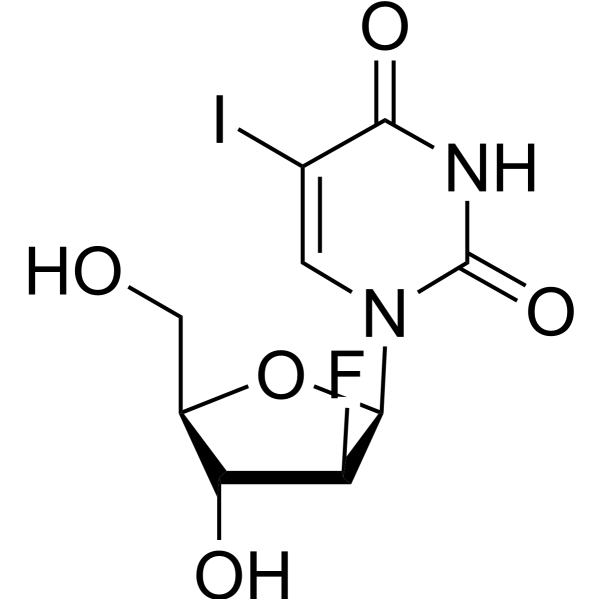
Fialuridine (FIAU), a nucleoside analog, is a HSV-1 and HSV-2 inhibitor with Kis of 0.14 μM and 0.95 μM, respectively. Fialuridine shows anti-orthopoxvirus and anti-hepatitis B virus (HBV) activities. Fialuridine inhibits duck HBVDNA replication with IC50 values of 0.075 μM and 156 μM in human hepatoma cells and in chicken liver cells, respectively .
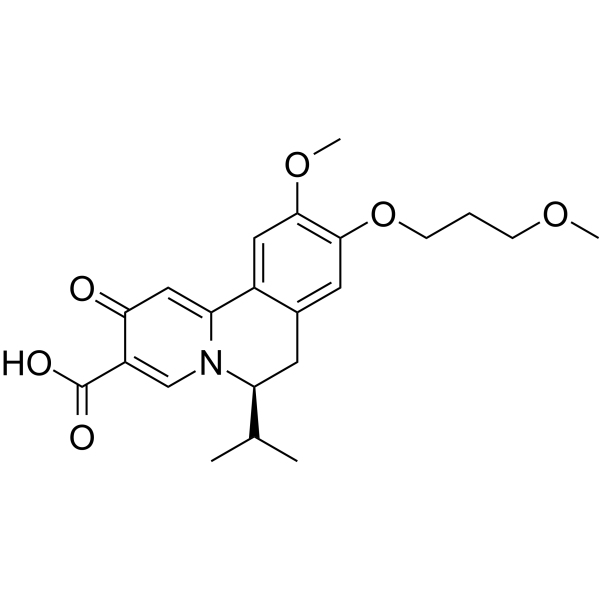
RG7834 (RO 7020322) is a highly selective and orally bioavailable HBV inhibitor, potently inhibits HBV antigens (both HBsAg and HBeAg) and HBVDNA, with IC50s of 2.8, 2.6, and 3.2 nM, respectively, in dHepaRG Cells .
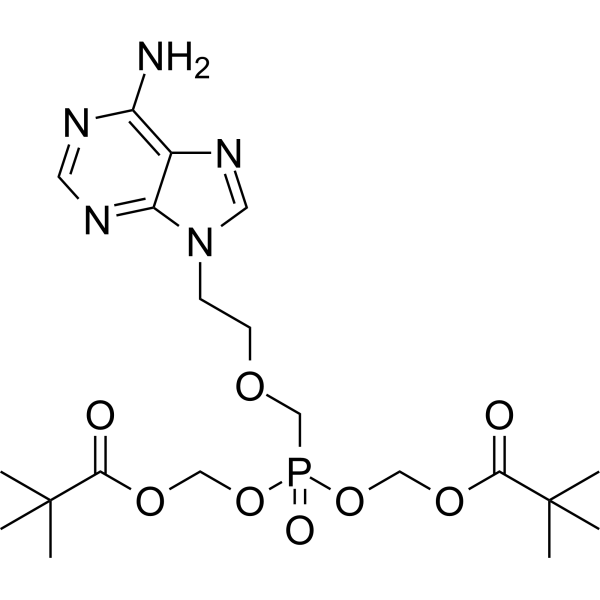
Adefovir dipivoxil is an orally active adenosine analog and Adefovir prodrug. Adefovir dipivoxil inhibits DNA synthesis, activates the ATR signaling pathway, and disrupts the KCTD12-CDK1 interaction. Adefovir dipivoxil has antiviral activity against PRV, HBV, and orthopoxviruses. Adefovir dipivoxil has inhibitory effects on both lamivudine-resistant and wild-type strains. Adefovir dipivoxil has antitumor activity against lung and colon cancer .
Bepirovirsen is an antisense oligonucleotide targeting all HBV messenger RNAs. Bepirovirsen leads to reductions in HBV-derived RNAs, HBVDNA and viral proteins. Bepirovirsen can be used for the research of chronic HBV infection. Bepirovirsen binding site sequence (GCACTTCGCTTCACCTCTGC) .
Sulfonylurea Receptor HRP-Streptavidin is a biotin-binding signal amplifier designed to bind tightly with biotinylated anti-TSH monoclonal antibodies, thereby constituting a key component of the signal amplification system in immunoassays. HRP-Streptavidin is formed by the covalent coupling of Horseradish Peroxidase (HRP) with Streptavidin; it combines the highly efficient catalytic activity of the enzyme with the high affinity of Streptavidin for biotin, making it a potent and sensitive tool for signal amplification. HRP-Streptavidin is suitable for use in Western Blotting, ELISA, and other detection techniques .
Bepirovirsen (ISIS 505358) sodium is an antisense oligonucleotide targeting all HBV messenger RNAs. Bepirovirsen sodium leads to reductions in HBV-derived RNAs, HBVDNA and viral proteins. Bepirovirsen sodium can be used for the research of chronic HBV infection. Bepirovirsen sodium binding site sequence (GCACTTCGCTTCACCTCTGC) .
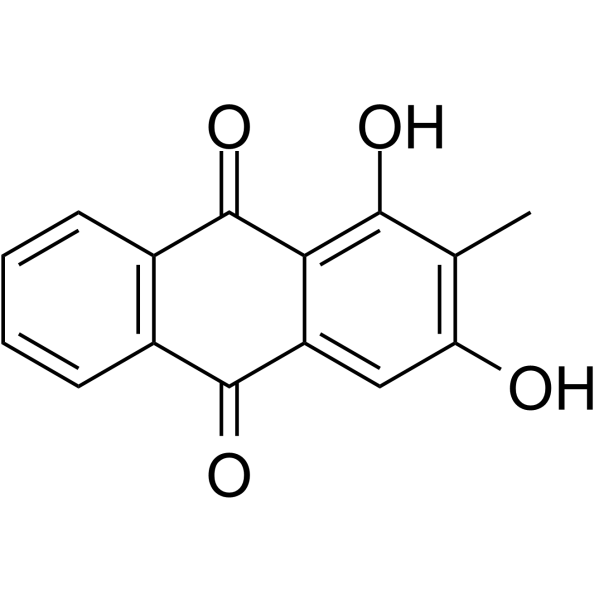
Rubiadin is an orally active polyketide-derived compound and free radical scavenger that inhibits the activation of the NF-κB pathway. Rubiadin inhibits osteoclast formation, bone resorption, lipid peroxidation, HBVDNA replication and cancer cell proliferation; reduces pro-inflammatory cytokine levels; induces cancer cell apoptosis; and possesses antifungal, antimalarial, antibacterial and anticonvulsant activities. Rubiadin can be used in the research of osteoporosis, acute inflammation, chronic inflammation, carbon tetrachloride-induced liver injury, Alzheimer's disease, breast cancer, iron overload disorders, hepatitis B virus infection, colon cancer, liver cancer, T-lymphocytic leukemia, cervical cancer, diabetic nephropathy, epileptic seizures, fungal infections, malaria and bacterial infections .
ALG-001075, a capsid assembly modulator (CAM), is an orally active HBV inhibitor. ALG-001075 effectively blocks not only HBVDNA production but also extracellular HBsAg/HBeAg and intracellular HBV RNA in primary human hepatocytes. ALG-001075 shows pronounced reductions of circulating HBVDNA in the AAV-HBV mouse model. ALG-001075 can be used for the study of Chronic hepatitis B (CHB) .
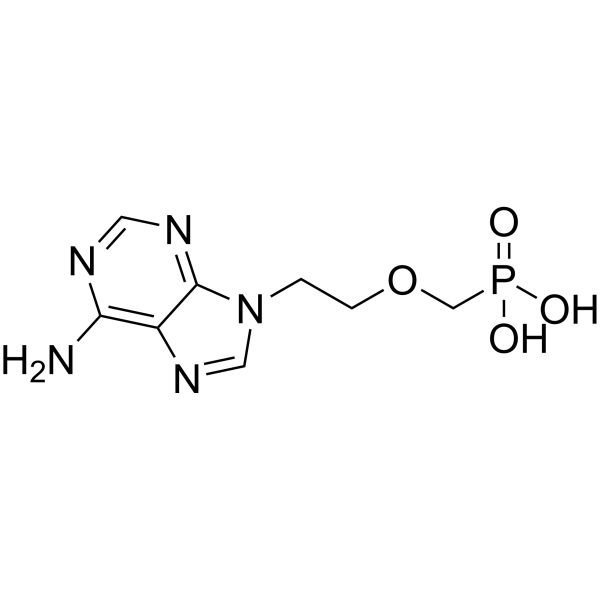
Adefovir (GS-0393) is an adenosine monophosphate analog antiviral agent that after intracellular conversion to Adefovir diphosphate inhibits HBVDNA polymerase. Adefovir has an IC50 of 0.7 μM against HBV in the HepG2.2.15 cell line. Adefovir has good antiviral activity against several viruses, including HBV and herpesviruses .
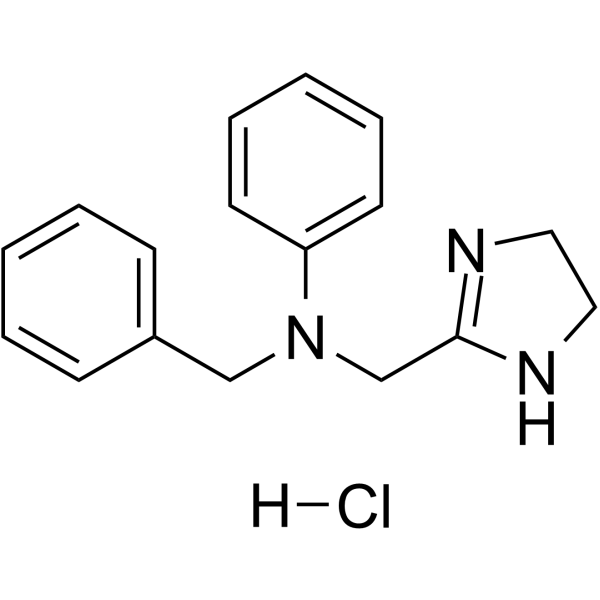
Antazoline hydrochloride is a histamine H1 receptor antagonist with anticholinergic and antiviral properties. Antazoline hydrochloride can prevent histamine from acting on target cells through a reversible competition effect on histamine receptor sites of these cells. Antazoline hydrochloride can exert an antiallegic effect and prevent the occurrence of physiological reactions from the effect of blocking as well as inhibiting H1 receptor. Antazoline hydrochloride can effectively reduce HBVDNA in the extracellular supernatant in a dose-dependent manner, with EC50 of 2.910 μmol/L in HepAD38 cells. Antazoline hydrochloride also has a significant inhibitory effect on HBVDNA in the extracellular supernatant of Huh7 cells (EC50 = 2.349 μmol/L). Antazoline hydrochloride has anti-arrhythmic effect in acute myocardial infarctions. Antazoline hydrochloride can be studied in research for cardiovascular diseases, and HBV .
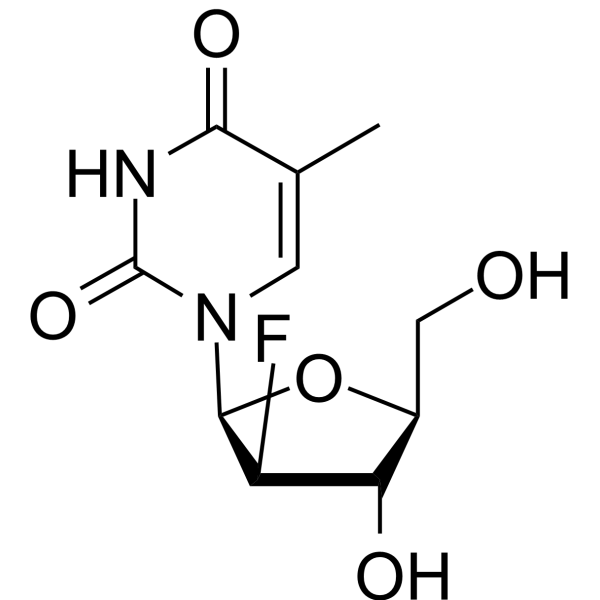
Clevudine (L-FMAU), a nucleoside analog of the unnatural L-configuration, has potent anti-HBV activity with long half-life, low toxicity. Clevudine is a non-competitive inhibitor that is not incorporated into the viral DNA but rather binds to the polymerase. Clevudine is active against cowpox virus respiratory infection in mice .
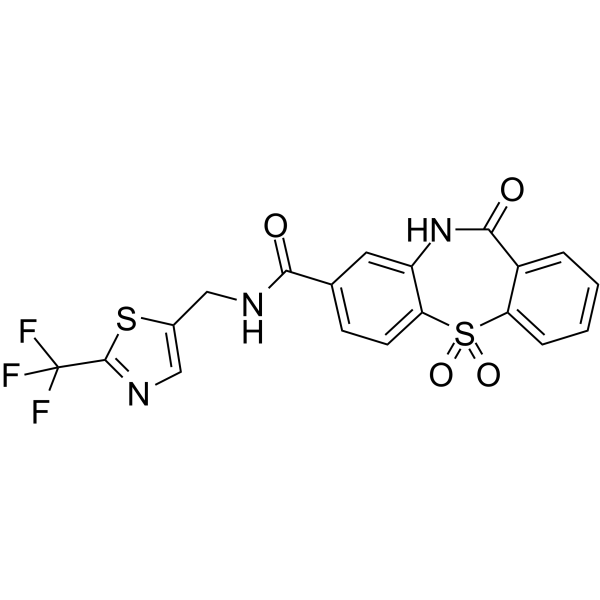
AB-836 is an orally active HBV capsid inhibitor. AB-836 inhibits viral replication by interacting with HBV core protein. AB-836 can be used in research related to chronic hepatitis B .
Vebicorvir (ABI-H0731) is a first-generation hepatitis B virus (HBV) core protein inhibitor. Vebicorvir (ABI-H0731) suppresses covalently closed circular DNA (cccDNA) formation in two de novo infection models with EC50s from 1.84 μM to 7.3 μM .
trans-ccc_R08 (Compound 1-B) is a cccDNA inhibitor with anti-HBV activity, with an IC50 of 0.14 μM for HBeAg and an IC50 of 0.08 μM for HBsAg in in vitro assays. trans-ccc_R08 inhibits covalently closed circular DNA (cccDNA). trans-ccc_R08 is applicable to research related to hepatitis B virus infection .
SAG-524 is a potent oral small molecule HBV viral replication inhibitor. SAG-524 decreased HBV-DNA and HbsAg levels in supernatant of HepG2.2.15 cells, IC50 0.92 and 1.4 nM, respectively .
ALG-000184 is an orally effective inhibitor of hepatitis B virus (HBV), and it is also a prodrug of ALG-001075 (HY-177022). ALG-000184 can inhibit the production of HBVDNA in liver cells. ALG-000184 can be used in the research of chronic hepatitis B .
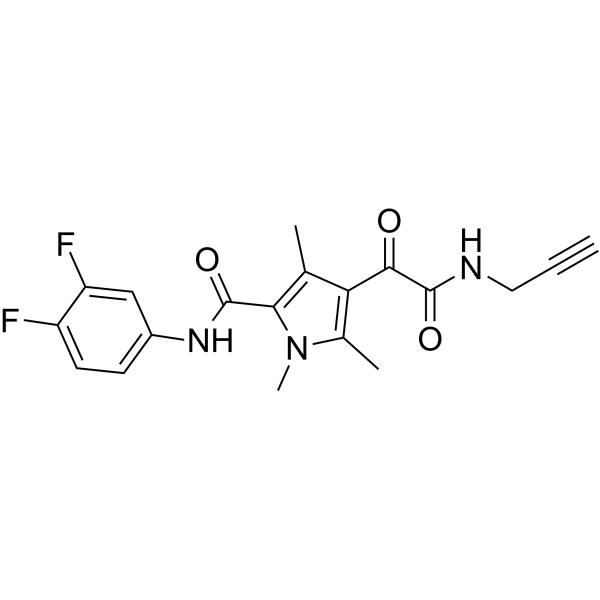
GLP-26 is a HBV capsid assembly modulators (CAM), inhibits HBVDNA replication in Hep AD38 system (IC50=3 nM), and reduces cccDNA by >90% at 1 μM.
GLP-26 disrupts the encapsidation of pre-genomic RNA, causes nucleocapsid disassembly and reduces cccDNA pools . GLP-26 is a click chemistry reagent, it contains an Alkyne group and can undergo copper-catalyzed azide-alkyne cycloaddition (CuAAc) with molecules containing Azide groups.
AZT triphosphate (3'-Azido-3'-deoxythymidine-5'-triphosphate) tetraammonium is an active triphosphate metabolite of Zidovudine (AZT). AZT triphosphate tetraammonium exhibits antiretroviral activity and inhibits replication of HIV. AZT triphosphate tetraammonium also inhibits the DNA polymerase of HBV. AZT triphosphate tetraammonium activates the mitochondria-mediated apoptosis pathway .
3-O-Caffeoylquinic acid methyl ester is a monocaffeoylquinic acid derivative and phenolic acid component, which can be found in the whole plant of Pyrrosia calvata (Backer) Ching and the flower buds of Lonicera japonica Thunb .
AT-130, a phenylpropenamide derivative, is a potent hepatitis B virus (HBV) replication non-nucleoside inhibitor. AT-130 inhibits the viral DNA synthesis with an EC50 of 0.13 μM. AT-130 inhibits both wt and mutant HBVs. AT-130 has anti-HBV activity in hepatoma cells .
cis-ccc_R08 (compound 1) is a flavonoid derivative that can be used in the study of hepatitis B virus(HBV) infection. cis-ccc_R08 is a cccDNA (covalently closed circular DNA) inhibitor .
Inarigivir (ORI-9020) is a dinucleotide antiviral drug that can significantly reduce liver HBVDNA in transgenic mice expressing hepatitis B virus. Inarigivir (ORI-9020) act as a RIG-I agonist to activate cellular innate immune responses .
Inarigivir (ORI-9020) ammonium is a dinucleotide antiviral drug that can significantly reduce liver HBVDNA in transgenic mice expressing hepatitis B virus. Inarigivir (ORI-9020) ammonium acts as a RIG-I (Retinoic acid-inducible gene-I) agonist to activate cellular innate immune responses .
Helioxanthin 8-1(Helioxanthin analogue 8-1) is an anti-HBV agent. Helioxanthin 8-1 exhibits anti-hepatitis B virus activity in both in vitro human hepatitis B virus models and animal models. Helioxanthin 8-1 inhibits the synthesis of duck hepatitis B virus (DHBV) DNA, covalently closed circular DNA, RNA and proteins, thereby blocking DHBV replication. Helioxanthin 8-1 shows higher cytotoxicity in virus-induced cells than in non-induced cells. Helioxanthin 8-1 can be used in studies related to hepatitis B virus infection .
Antazoline (Phenazoline) is a histamine H1 receptor antagonist with anticholinergic and antiviral properties. Antazoline can prevent histamine from acting on target cells through a reversible competition effect on histamine receptor sites of these cells. Antazoline can exert an antiallegic effect and prevent the occurrence of physiological reactions from the effect of blocking as well as inhibiting H1 receptor. Antazoline can effectively reduce HBVDNA in the extracellular supernatant in a dose-dependent manner, with EC50 of 2.910 μmol/L in HepAD38 cells. Antazoline also has a significant inhibitory effect on HBVDNA in the extracellular supernatant of Huh7 cells (EC50 = 2.349 μmol/L). Antazoline has anti-arrhythmic effect in acute myocardial infarctions. Antazoline can be studied in research for cardiovascular diseases, and HBV .
AZT triphosphate (3'-Azido-3'-deoxythymidine-5'-triphosphate) is a active triphosphate metabolite of Zidovudine (AZT). AZT triphosphate exhibits antiretroviral activity and inhibits replication of HIV. AZT triphosphate also inhibits the DNA polymerase of HBV. AZT triphosphate activates the mitochondria-mediated apoptosis pathway .
CCC-0975 is a hepatitis B virus (HBV) inhibitor (EC50=10 μM). CCC-0975 interferes with the conversion of relaxed circular DNA (rcDNA) to cccDNA, synchronously reducing cccDNA and its precursor deproteinized rcDNA (DP-rcDNA) without promoting their intracellular degradation. CCC-0975 is promising for research of chronic hepatitis B .
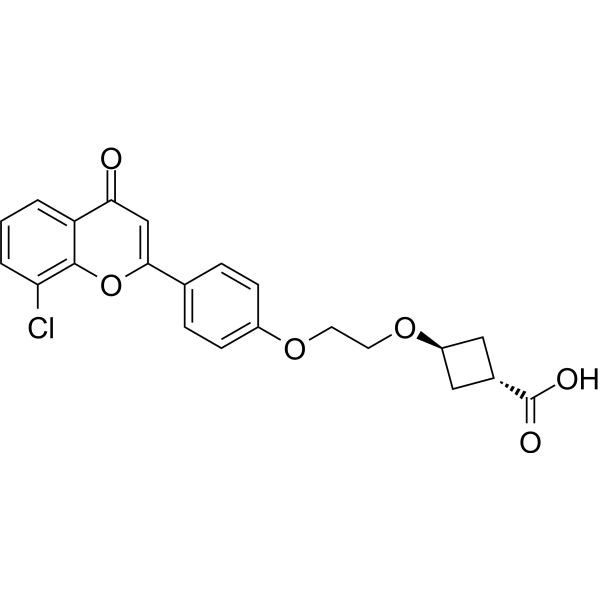
HBV-IN-30 (ex44), a flavone derivative, is a potent covalently closed circular DNA (cccDNA) inhibitor. cccDNA serves as the template for viral RNA transcription and subsequent viral DNA generation. HBV-IN-30 has the potential for the research of HBV infection .
HBV-IN-32 is a potent cccDNA (covalently closed circular DNA) inhibitor. HBV-IN-32 shows anti-HBV activity with an IC50 value of 0.14 µM for HBsAg. HBV-IN-32 inhibits cell growth .
HBV-IN-22 (Compound LC5f) is an inhibitor of HBVDNA replication with IC50 values of 0.71 μM and 0.84 μM against wild-type and agent resistant HBV strains, respectively .
Exbivirumab is a monoclonal antibody directed against highly conserved HBsAg epitopes. Exbivirumab enhances the antiviral activity of hepatitis B immunoglobulin (HBIG). Exbivirumab combined with Libivirumab (HY-P99703) decreases circulating HBsAg and hepatitis B virus (HBV) DNA levels in a chronically infected chimpanzee. Exbivirumab can be used for HBV re-infection in liver transplant .
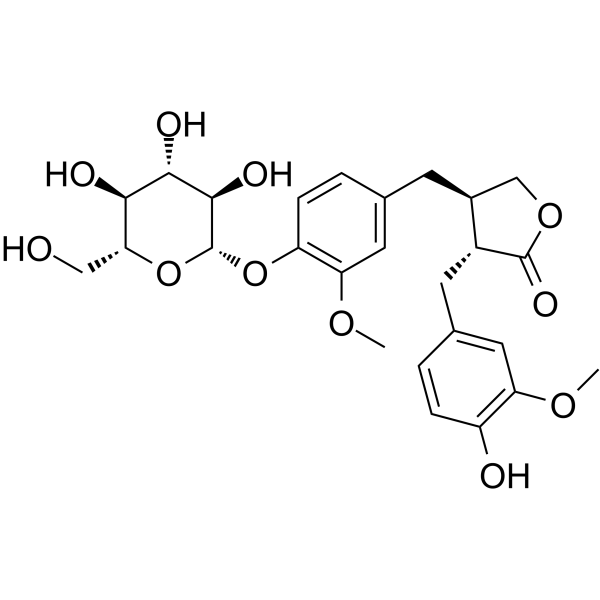
Matairesinol monoglucoside is a STING activator. Matairesinol monoglucoside modulates the STING-TBK1-IRF3 signaling axis, promotes STING transcriptional expression, increases TBK1 and IRF3 phosphorylation. Matairesinol monoglucoside induces IFN-α and IFN-β production, reduces HBVDNA, HBsAg, and HBeAg expression. Matairesinol monoglucoside can be used for the research of hepatitis b virus (hbv) infection .
HBF-0259 is a potent and selective inhibitor of hepatitis B virus (HBV) surface antigen (HBsAg) secretion, with an EC50 of 1.5 μM in HepG2.2.15 cells. HBF-0259 has no effect on HBVDNA synthesis .
LB80317 is an active metabolite of LB80380 and suppresses the DNA synthesis of HBV with an EC50 of 0.5 μM. LB80317 has antiviral effect and has the potential for chronic hepatitis B treatment .
Besifovir Dipivoxil maleate (LB80380 maleate) is an oral proagent of LB80317. Besifovir Dipivoxil maleate (LB80380 maleate) is effective in hepatitis B virus (HBV) DNA suppression for both treatment-naive and lamivudine-resistant chronic hepatitis B (CHB) patients in preliminary studies [2]
AZT triphosphate (3'-Azido-3'-deoxythymidine-5'-triphosphate) TEA is a active triphosphate metabolite of Zidovudine (AZT). AZT triphosphate TEA exhibits antiretroviral activity and inhibits replication of HIV. AZT triphosphate TEA also inhibits the DNA polymerase of HBV. AZT triphosphate TEA activates the mitochondria-mediated apoptosis pathway .
VRX-480773 is an efficient non-nucleoside reverse transcriptase inhibitor (NNRTI), used for HIV infection. VRX-480773 has high specificity for HIV-1, with an EC50 for wild-type HIV-1 being 0.14 nM. VRX-480773 does not inhibit HIV-2, HBV or HCV, and has no effect on human DNA polymerase α/β. VRX-480773 retains inhibitory activity against Efavirenz (HY-10572) resistant strains, with EC50s mostly < 1 nM. VRX-480773 can be used for research on AIDS .
Adefovir dipivoxil (Standard) is the analytical standard of Adefovir dipivoxil. This product is intended for research and analytical applications. Adefovir dipivoxil is an orally active adenosine analog and Adefovir prodrug. Adefovir dipivoxil inhibits DNA synthesis, activates the ATR signaling pathway, and disrupts the KCTD12-CDK1 interaction. Adefovir dipivoxil has antiviral activity against PRV, HBV, and orthopoxviruses. Adefovir dipivoxil has inhibitory effects on both lamivudine-resistant and wild-type strains. Adefovir dipivoxil has antitumor activity against lung and colon cancer .
Yhhu6669 is an anti-HBV agent. Yhhu6669 inhibits HBVDNA. Yhhu6669 inhibits HBV replication by inducing the formation of DNA-free capsids. Yhhu6669 decreases HBVDNA and HBcAg in AAV/HBV-infected mice. Yhhu6669 has favorable PK properties .
Oxynitidine is an HBV inhibitor (ID50=30.8 µg/mL), which can effectively inhibit the DNA replication activity of HBV. Oxynitidine can be used in the study of viral infections .
HBV-IN-16 is a potent inhibitor of covalently closed circular DNA (cccDNA). cccDNA serves as the template for viral RNA transcription and subsequent viral DNA generation. HBV-IN-16 is a quinoline derivative. HBV-IN-16 has the potential for the research of HBV infection (extracted from patent WO2019121357A1, compound 1) .
HBV-IN-15 is a potent inhibitor of covalently closed circular DNA (cccDNA). cccDNA serves as the template for viral RNA transcription and subsequent viral DNA generation. HBV-IN-15 is a flavone derivative. HBV-IN-16 has the potential for the research of HBV infection (extracted from patent WO2020052774A1, compound 2) .
HBV-IN-14 is a potent inhibitor of covalently closed circular DNA (cccDNA). cccDNA serves as the template for viral RNA transcription and subsequent viral DNA generation. HBV-IN-14 is a pyridinopyrimidinones compound. HBV-IN-14 has the potential for the research of HBV infection (extracted from patent WO2021190502A1, compound 5) .
Junceellolide C is a transcription inhibitor of cccDNA. Junceellolide C inhibits HBVDNA replication and significantly decreases the level of supernatant HBV RNA with EC50 values of 5.19, 3.52 μM respectively in HepAD38 cells. Junceellolide C is a potent anti-HBV agent .
HBV-IN-29 (ex8), a flavone derivative, is a potent covalently closed circular DNA (cccDNA) inhibitor. cccDNA serves as the template for viral RNA transcription and subsequent viral DNA generation. HBV-IN-29 has the potential for the research of HBV infection .
HBV-IN-23 (Compound 5k) is an inhibitor of HBVDNA replication with an IC50 of 0.58 μM. HBV-IN-23 inhibits HBVDNA replication in both agent sensitive and resistant HBV strains. HBV-IN-23 shows anti-hepatocellular carcinoma cell (HCC) activities. HBV-IN-23 induces HepG2 cells apoptosis .
HBV-IN-48 is an HBV inhibitor. HBV-IN-48 has antiviral activity against HBV in HepDE19 cells, with an EC50 value of 0.005 μM. HBV-IN-48 can reduce serum HBVDNA levels in mouse models of HBV infection .
HBV-IN-53 (Compound 1) is an HBV inhibitor. HBV-IN-53 reduces the level of HBVDNA in serum. The inhibitory activity of HBV-IN-53 in combination with Tenofovir disoproxil fumarate (HY-13782) exhibits an additive effect on HBV inhibition .
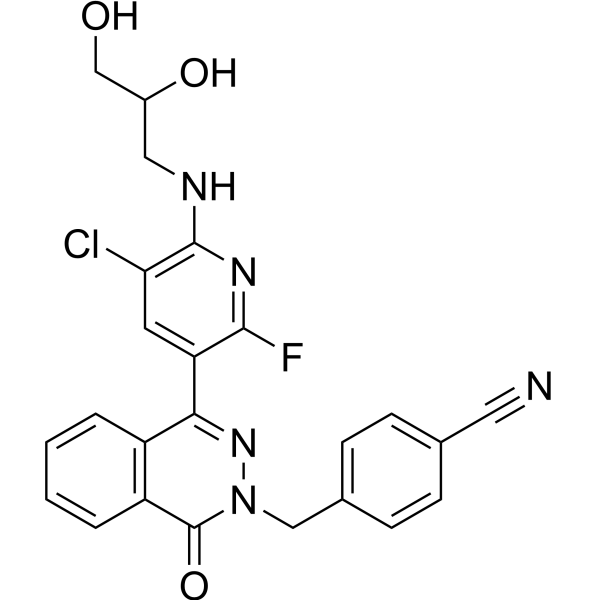
HBV-IN-4, a phthalazinone derivative, is a potent and orally active HBVDNA replication inhibitor with an IC50 of 14 nM. HBV-IN-4 induces the formation of genome-free capsids and has potent anti-HBV potencies .
HBV-IN-31 is a potent cccDNA (covalently closed circular DNA) inhibitor. HBV-IN-31 shows anti-HBV activity with an IC50 value of 0.13 µM for HBsAg. HBV-IN-31 inhibits cell growth .
HBV-IN-34 (compound 17i) is a potent HBsAg production inhibitor. HBV-IN-34 exhibits excellent in vitro anti-HBV potency, with an EC50 of 0.018 μM and 0.044 μM for HBVDNA and HBsAg, respectively .
HBV-IN-21 (Compound II-8b) is an HBVDNA replication inhibitor with an IC50 of 2.2 µM. HBV-IN-21 can interact HBV 4 capsid protein with good affinity (KD = 60.0 μM) .
HBV-IN-24 (compound (2ʹS, 6S)-1a) is a potent HBV inhibitor. HBV-IN-24 exhibits potent inhibition activity against HBVDNA, HBsAg, and HBeAg, with EC50 values of 0.6, 0.6, and 4.6 nM, respectively. HBV-IN-24 shows excellent antiviral activity, could have improved neurotoxicity .
HBV-IN-9 is a potent HBsAg (HBV Surface antigen) inhibitor (IC50=10 nM) and HBVDNA production inhibitor (IC50=0.15 nM in HepG2.2.15 cells) . From patent WO2018001952A1, example 20.
BA-AZT1 is the inhibitor for HBV polymerase and sodium taurocholate cotransporting polypeptide (NTCP). BA-AZT1 inhibits the secretion of viral capsid protein HBsAg and HBeAg with IC50 of 0.65 µM and 13.42 µM, inhibits the HBVDNA replication with an IC50 of 0.70 µM .
Adefovir-d4 is the deuterium labeled Adefovir. Adefovir (GS-0393) is an adenosine monophosphate analog antiviral agent that after intracellular conversion to Adefovir diphosphate inhibits HBVDNA polymerase. Adefovir has an IC50 of 0.7 μM against HBV in the HepG2.2.15 cell line. Adefovir has good antiviral activity against several viruses, including HBV and herpesviruses .
BAY39-5493 is a non-nucleoside inhibitor that inhibits HBV replication. BAY39-5493 inhibits viral DNA replication by preventing the formation of viral core particles (nucleocapsids). The IC50 value of BAY39-5493 against HBV in stably transfected HepG2.2.15 cells is 0.03 μM .
BAY38-7690 is a non-nucleoside inhibitor that inhibits HBV replication. BAY38-7690 inhibits viral DNA replication by preventing the formation of viral core particles (nucleocapsids). The IC50 value of BAY38-7690 against HBV in stably transfected HepG2.2.15 cells is 0.15 μM .
HEC72702 is a potent and orally active hepatitis B virus capsid inhibitor with an EC50 values of 0.039 µM. HEC72702 dose-dependently reduced HBVDNA in both the plasma and livers .
Antazoline (Phenazoline) (Standard) is the analytical standard of Antazoline. This product is intended for research and analytical applications. Antazoline is a histamine H1 receptor antagonist with anticholinergic and antiviral properties. Antazoline can prevent histamine from acting on target cells through a reversible competition effect on histamine receptor sites of these cells. Antazoline can exert an antiallegic effect and prevent the occurrence of physiological reactions from the effect of blocking as well as inhibiting H1 receptor. Antazoline can effectively reduce HBVDNA in the extracellular supernatant in a dose-dependent manner, with EC50 of 2.910 μmol/L in HepAD38 cells. Antazoline also has a significant inhibitory effect on HBVDNA in the extracellular supernatant of Huh7 cells (EC50 = 2.349 μmol/L). Antazoline has anti-arrhythmic effect in acute myocardial infarctions. Antazoline can be studied in research for cardiovascular diseases, and HBV .
Antazoline (hydrochloride) (Standard) is the analytical standard of Antazoline (hydrochloride). This product is intended for research and analytical applications. Antazoline hydrochloride is a histamine H1 receptor antagonist with anticholinergic and antiviral properties. Antazoline hydrochloride can prevent histamine from acting on target cells through a reversible competition effect on histamine receptor sites of these cells. Antazoline hydrochloride can exert an antiallegic effect and prevent the occurrence of physiological reactions from the effect of blocking as well as inhibiting H1 receptor. Antazoline hydrochloride can effectively reduce HBVDNA in the extracellular supernatant in a dose-dependent manner, with EC50 of 2.910 μmol/L in HepAD38 cells. Antazoline hydrochloride also has a significant inhibitory effect on HBVDNA in the extracellular supernatant of Huh7 cells (EC50 = 2.349 μmol/L). Antazoline hydrochloride has anti-arrhythmic effect in acute myocardial infarctions. Antazoline hydrochloride can be studied in research for cardiovascular diseases, and HBV .
Antazoline (phosphate) (Standard) is the analytical standard of Antazoline (phosphate). This product is intended for research and analytical applications. Antazoline phosphate is a histamine H1 receptor antagonist with anticholinergic and antiviral properties. Antazoline phosphate can prevent histamine from acting on target cells through a reversible competition effect on histamine receptor sites of these cells. Antazoline phosphate can exert an antiallegic effect and prevent the occurrence of physiological reactions from the effect of blocking as well as inhibiting H1 receptor. Antazoline phosphate can effectively reduce HBVDNA in the extracellular supernatant in a dose-dependent manner, with EC50 of 2.910 μmol/L in HepAD38 cells. Antazoline phosphate also has a significant inhibitory effect on HBVDNA in the extracellular supernatant of Huh7 cells (EC50 = 2.349 μmol/L). Antazoline phosphate has anti-arrhythmic effect in acute myocardial infarctions. Antazoline phosphate can be studied in research for cardiovascular diseases, and HBV .
Antazoline phosphate is an H1 receptor antagonist that affects the activity of the central nervous system, has a potent antiarrhythmic effect .
Antazoline phosphate is a histamine H1 receptor antagonist with anticholinergic and antiviral properties. Antazoline phosphate can prevent histamine from acting on target cells through a reversible competition effect on histamine receptor sites of these cells. Antazoline phosphate can exert an antiallegic effect and prevent the occurrence of physiological reactions from the effect of blocking as well as inhibiting H1 receptor. Antazoline phosphate can effectively reduce HBVDNA in the extracellular supernatant in a dose-dependent manner, with EC50 of 2.910 μmol/L in HepAD38 cells. Antazoline phosphate also has a significant inhibitory effect on HBVDNA in the extracellular supernatant of Huh7 cells (EC50 = 2.349 μmol/L). Antazoline phosphate has anti-arrhythmic effect in acute myocardial infarctions. Antazoline phosphate can be studied in research for cardiovascular diseases, and HBV .
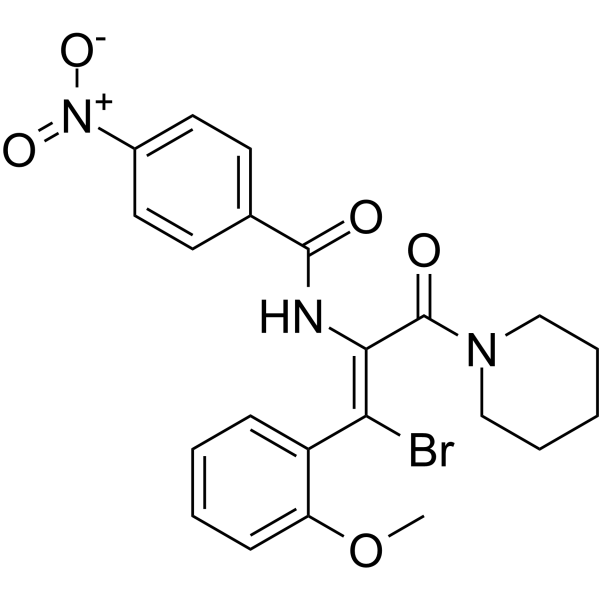
Oleana-2,12-dien-28-oic acid is an HBV-DNA inhibitor, HBsAg and HBeAg inhibitor. Oleana-2,12-dien-28-oic acid can be used in hepatitis B virus infection disease research .
HBV-IN-10 is an enantiomer of compound 6 (WO2021204258A1). Compound 6 is a hepatitis B surface antigen (HBsAg) inhibitor (0.001 μM< EC50 ≤0.05 μM). From patent WO2021204258A1, compound 6 .
(5S,8R)-HBV-IN-10 is an enantiomer of compound 6 (WO2021204258A1). Compound 6 is a hepatitis B surface antigen (HBsAg) inhibitor (0.001 μM< EC50 ≤0.05 μM). From patent WO2021204258A1, compound 6 .
HBV-IN-57 is an orally active HBV inhibitor with pan-genotypic efficacy against HBV genotypes B/C. HBV-IN-57 inhibits HBVDNA replication and HBV capsid assembly. HBV-IN-57 can be used for the research of chronic hepatitis B .
CAB7-3 is an orally active HBV capsid assembly modulator (CAM). CAB7-3 exhibits an exceptional antiviral efficacy reducing HBVDNA with an EC50 = 70 nM, CC50 = 32.3 μM in HepDES19 cells. CAB7-3 exhibits significant anti-HBV activity in HBV-integrated HepDES19 (EC50 = 70 nM), HepAD38 (EC50 = 1 nM) and HBV-infected HLCZ01 cells (EC50 = 2 nM), respectively. CAB7-3 effectively reduces Hepatic HBV core protein levels and suppresses viral replication in vivo. CAB7-3 demonstrates a favorable drug-like and safety profile. CAB7-3 can be used for Hepatitis B Virus (HBV) research .
AT-130 (Standard) is the analytical standard of AT-130 (HY-100028). This product is intended for research and analytical applications. AT-130, a phenylpropenamide derivative, is a potent hepatitis B virus (HBV) replication non-nucleoside inhibitor. AT-130 inhibits the viral DNA synthesis with an EC50 of 0.13 μM. AT-130 inhibits both wt and mutant HBVs. AT-130 has anti-HBV activity in hepatoma cells .
HBF-0259 (Standard) is the analytical standard of HBF-0259. This product is intended for research and analytical applications. HBF-0259 is a potent and selective inhibitor of hepatitis B virus (HBV) surface antigen (HBsAg) secretion, with an EC50 of 1.5 μM in HepG2.2.15 cells. HBF-0259 has no effect on HBVDNA synthesis .
Propagermanium is an orally active and selective CCR2 inhibitor. Propagermanium enhances IFN-γ, IL-2, 2',5'-oligoadenylate synthetase, and unspecified cytokine production, and induces mature cytolytic NK cell subsets. Propagermanium reduces HBe antigen and HBVDNA polymerase levels, promotes HBV clearance and lowers serum ALT. Propagermanium downregulates STAT1, inhibits pro-inflammatory microglia polarization, pro-inflammatory cytokine release, and monocyte/macrophage infiltration. Propagermanium can be used for the research of chronic hepatitis B, atherosclerosis, breast cancer, non-alcoholic steatohepatitis, insulin resistance, refractory gastric cancer, multiple myeloma, type 2 diabetes .
Inarigivir ammonium (Standard) is the analytical standard of Inarigivir ammonium (HY-101954A). This product is intended for research and analytical applications. Inarigivir (ORI-9020) ammonium is a dinucleotide antiviral drug that can significantly reduce liver HBVDNA in transgenic mice expressing hepatitis B virus. Inarigivir (ORI-9020) ammonium acts as a RIG-I (Retinoic acid-inducible gene-I) agonist to activate cellular innate immune responses .
Swertiachoside B (compound 4) is a tetrahydroxanthone glycoside (3-nortetrahydroswertiamarin) that occurs throughout the whole plant of Swertia chirayita .
Sulfonylurea Receptor HRP-Streptavidin is a biotin-binding signal amplifier designed to bind tightly with biotinylated anti-TSH monoclonal antibodies, thereby constituting a key component of the signal amplification system in immunoassays. HRP-Streptavidin is formed by the covalent coupling of Horseradish Peroxidase (HRP) with Streptavidin; it combines the highly efficient catalytic activity of the enzyme with the high affinity of Streptavidin for biotin, making it a potent and sensitive tool for signal amplification. HRP-Streptavidin is suitable for use in Western Blotting, ELISA, and other detection techniques .
Exbivirumab is a monoclonal antibody directed against highly conserved HBsAg epitopes. Exbivirumab enhances the antiviral activity of hepatitis B immunoglobulin (HBIG). Exbivirumab combined with Libivirumab (HY-P99703) decreases circulating HBsAg and hepatitis B virus (HBV) DNA levels in a chronically infected chimpanzee. Exbivirumab can be used for HBV re-infection in liver transplant .
Adefovir dipivoxil is an orally active adenosine analog and Adefovir prodrug. Adefovir dipivoxil inhibits DNA synthesis, activates the ATR signaling pathway, and disrupts the KCTD12-CDK1 interaction. Adefovir dipivoxil has antiviral activity against PRV, HBV, and orthopoxviruses. Adefovir dipivoxil has inhibitory effects on both lamivudine-resistant and wild-type strains. Adefovir dipivoxil has antitumor activity against lung and colon cancer .
Rubiadin is an orally active polyketide-derived compound and free radical scavenger that inhibits the activation of the NF-κB pathway. Rubiadin inhibits osteoclast formation, bone resorption, lipid peroxidation, HBVDNA replication and cancer cell proliferation; reduces pro-inflammatory cytokine levels; induces cancer cell apoptosis; and possesses antifungal, antimalarial, antibacterial and anticonvulsant activities. Rubiadin can be used in the research of osteoporosis, acute inflammation, chronic inflammation, carbon tetrachloride-induced liver injury, Alzheimer's disease, breast cancer, iron overload disorders, hepatitis B virus infection, colon cancer, liver cancer, T-lymphocytic leukemia, cervical cancer, diabetic nephropathy, epileptic seizures, fungal infections, malaria and bacterial infections .
3-O-Caffeoylquinic acid methyl ester is a monocaffeoylquinic acid derivative and phenolic acid component, which can be found in the whole plant of Pyrrosia calvata (Backer) Ching and the flower buds of Lonicera japonica Thunb .
Matairesinol monoglucoside is a STING activator. Matairesinol monoglucoside modulates the STING-TBK1-IRF3 signaling axis, promotes STING transcriptional expression, increases TBK1 and IRF3 phosphorylation. Matairesinol monoglucoside induces IFN-α and IFN-β production, reduces HBVDNA, HBsAg, and HBeAg expression. Matairesinol monoglucoside can be used for the research of hepatitis b virus (hbv) infection .
Adefovir dipivoxil (Standard) is the analytical standard of Adefovir dipivoxil. This product is intended for research and analytical applications. Adefovir dipivoxil is an orally active adenosine analog and Adefovir prodrug. Adefovir dipivoxil inhibits DNA synthesis, activates the ATR signaling pathway, and disrupts the KCTD12-CDK1 interaction. Adefovir dipivoxil has antiviral activity against PRV, HBV, and orthopoxviruses. Adefovir dipivoxil has inhibitory effects on both lamivudine-resistant and wild-type strains. Adefovir dipivoxil has antitumor activity against lung and colon cancer .
Oxynitidine is an HBV inhibitor (ID50=30.8 µg/mL), which can effectively inhibit the DNA replication activity of HBV. Oxynitidine can be used in the study of viral infections .
Junceellolide C is a transcription inhibitor of cccDNA. Junceellolide C inhibits HBVDNA replication and significantly decreases the level of supernatant HBV RNA with EC50 values of 5.19, 3.52 μM respectively in HepAD38 cells. Junceellolide C is a potent anti-HBV agent .
Swertiachoside B (compound 4) is a tetrahydroxanthone glycoside (3-nortetrahydroswertiamarin) that occurs throughout the whole plant of Swertia chirayita .
Protein cereblon; CRBN; AD-006; DNA damage-binding protein 1; DDB p127 subunit; XAP1; UV-damaged DNA-binding factor; HBV X-associated protein 1 (XAP-1); Damage-specific DNA-binding protein 1; DDBa
CRBN-DDB1, CUL4, and Rbx1 form an E3 ubiquitin ligase complex. CRBN-DDB1 is necessary for lenalidomide (HY-A0003) and pomalidomide (HY-10984) to exert T cell immunomodulatory functions and upregulate IL-2 and TNF-α. CRBN-DDB1 mediates the anti-proliferative and cell cycle arrest effects of both classes of drugs in myeloma cells and regulates p21WAF1 expression. CRBN-DDB1 can serve as a molecular glue platform to recruit novel small molecule degraders and target kinases such as WEE1 and CK1α. CRBN-DDB1 protein, Human (sf9, His, Avi) is a recombinant CRBN-DDB1 protein expressed from Sf9 insect cells with N-His, N-Avi tags.
Protein cereblon; CRBN; AD-006; DNA damage-binding protein 1; DDB p127 subunit; XAP1; UV-damaged DNA-binding factor; HBV X-associated protein 1 (XAP-1); Damage-specific DNA-binding protein 1; DDBa
The DDB1-CRBN complex is a crucial component of the E3 ubiquitin ligase system. CRBN-DDB1 is widely used in targeted protein degradation (TPD) and oncology research, it is essential for studying the mechanism of immunomodulatory drugs (IMiDs) and discovering novel PROTACs. CRBN-DDB1 Protein, Human (Biotinylated, sf9, Avi) is a recombinant protein expressed by Sf9 insect cells , with Avi labeled tag.
Protein cereblon; CRBN; AD-006; DNA damage-binding protein 1; DDB p127 subunit; XAP1; UV-damaged DNA-binding factor; HBV X-associated protein 1 (XAP-1); Damage-specific DNA-binding protein 1; DDBa
CRBN-DDB1(ΔBPB) Protein, Human (Biotinylated, sf9, Avi) is the recombinant human-derived CRBN-DDB1, expressed by Sf9 insect cells , with Avi labeled tag,
Adefovir-d4 is the deuterium labeled Adefovir. Adefovir (GS-0393) is an adenosine monophosphate analog antiviral agent that after intracellular conversion to Adefovir diphosphate inhibits HBVDNA polymerase. Adefovir has an IC50 of 0.7 μM against HBV in the HepG2.2.15 cell line. Adefovir has good antiviral activity against several viruses, including HBV and herpesviruses .
Damage specific DNA binding protein 1; Damage-specific DNA-binding protein 1; DDB 1; DDB p127 subunit; Ddb1; DDB1_HUMAN; DDBa; DNA damage binding protein 1; DNA damage-binding protein 1; DNA damage-binding protein a; HBV X-associated protein 1; UV damaged DNA binding factor; UV damaged DNA binding protein 1; UV DDB 1; UV DDB1; UV-damaged DNA-binding factor; UV-damaged DNA-binding protein 1; UV-DDB 1; UV-DDB1; X associated protein 1; XAP 1; XAP-1; XAP1; Xeroderma pigmentosum group E complementing protein; Xeroderma pigmentosum group E-complementing protein; XPCE; XPE; XPE BF; XPE binding factor; XPE-BF; XPE-binding factor.
WB, IHC-P, ICC/IF, IP, FC, IF-Tissue
Human, Mouse, Rat
DDB1 Antibody (YA5274) is a Rabbit-derived and non-conjugated monoclonal antibody, targeting to DDB1.
GLP-26 is a HBV capsid assembly modulators (CAM), inhibits HBVDNA replication in Hep AD38 system (IC50=3 nM), and reduces cccDNA by >90% at 1 μM.
GLP-26 disrupts the encapsidation of pre-genomic RNA, causes nucleocapsid disassembly and reduces cccDNA pools . GLP-26 is a click chemistry reagent, it contains an Alkyne group and can undergo copper-catalyzed azide-alkyne cycloaddition (CuAAc) with molecules containing Azide groups.
Bepirovirsen is an antisense oligonucleotide targeting all HBV messenger RNAs. Bepirovirsen leads to reductions in HBV-derived RNAs, HBVDNA and viral proteins. Bepirovirsen can be used for the research of chronic HBV infection. Bepirovirsen binding site sequence (GCACTTCGCTTCACCTCTGC) .
Bepirovirsen (ISIS 505358) sodium is an antisense oligonucleotide targeting all HBV messenger RNAs. Bepirovirsen sodium leads to reductions in HBV-derived RNAs, HBVDNA and viral proteins. Bepirovirsen sodium can be used for the research of chronic HBV infection. Bepirovirsen sodium binding site sequence (GCACTTCGCTTCACCTCTGC) .
Clevudine (L-FMAU), a nucleoside analog of the unnatural L-configuration, has potent anti-HBV activity with long half-life, low toxicity. Clevudine is a non-competitive inhibitor that is not incorporated into the viral DNA but rather binds to the polymerase. Clevudine is active against cowpox virus respiratory infection in mice .
Inquiry Online
Your information is safe with us. * Required Fields.
Western blot analysis of extracts from THP-1(lane 2(20μg), Jurkat (lane 3(20μg) and NIH3T3(lane 4(20μg) using FOXO1A (HY-P80132) Rabbit mAb. Proteins were transferred
to a PVDF membrane and blocked with 5% non-fat milk in TBST for 2 hour at room temperature. The primary antibody (1/1000) and Loading control antibody (Beta Actin, HY-P80438, 1/10000) was
used in 5% non-fat milk in TBST at 4°C overnight. Goat Anti-Mouse/Rabbit IgG-HRP Secondary Antibody (1/10000) was used for 1 hour at room temperature.
Western blot analysis of extracts from THP-1(lane 2(20μg), Jurkat (lane 3(20μg) and NIH3T3(lane 4(20μg) using FOXO1A (HY-P80132) Rabbit mAb. Proteins were transferred
to a PVDF membrane and blocked with 5% non-fat milk in TBST for 2 hour at room temperature. The primary antibody (1/1000) and Loading control antibody (Beta Actin, HY-P80438, 1/10000) was
used in 5% non-fat milk in TBST at 4°C overnight. Goat Anti-Mouse/Rabbit IgG-HRP Secondary Antibody (1/10000) was used for 1 hour at room temperature.
Western blot analysis of extracts from THP-1(lane 2(20μg), Jurkat (lane 3(20μg) and NIH3T3(lane 4(20μg) using FOXO1A (HY-P80132) Rabbit mAb. Proteins were transferred
to a PVDF membrane and blocked with 5% non-fat milk in TBST for 2 hour at room temperature. The primary antibody (1/1000) and Loading control antibody (Beta Actin, HY-P80438, 1/10000) was
used in 5% non-fat milk in TBST at 4°C overnight. Goat Anti-Mouse/Rabbit IgG-HRP Secondary Antibody (1/10000) was used for 1 hour at room temperature.
Western blot analysis of extracts from THP-1(lane 2(20μg), Jurkat (lane 3(20μg) and NIH3T3(lane 4(20μg) using FOXO1A (HY-P80132) Rabbit mAb. Proteins were transferred
to a PVDF membrane and blocked with 5% non-fat milk in TBST for 2 hour at room temperature. The primary antibody (1/1000) and Loading control antibody (Beta Actin, HY-P80438, 1/10000) was
MedchemExpress Validation 03
Western blot analysis of extracts from THP-1(lane 2(20μg), Jurkat (lane 3(20μg) and NIH3T3(lane 4(20μg) using FOXO1A (HY-P80132) Rabbit mAb. Proteins were transferred
MedchemExpress Validation 04
Western blot analysis of extracts from THP-1(lane 2(20μg), Jurkat (lane 3(20μg) and NIH3T3(lane 4(20μg) using FOXO1A (HY-P80132) Rabbit mAb. Proteins were transferred
to a PVDF membrane and blocked with 5% non-fat milk in TBST for 2 hour at room temperature. The primary antibody (1/1000) and Loading control antibody (Beta Actin, HY-P80438, 1/10000) was
used in 5% non-fat milk in TBST at 4°C overnight. Goat Anti-Mouse/Rabbit IgG-HRP Secondary Antibody (1/10000) was used for 1 hour at room temperature.
MedchemExpress Validation
Western blot analysis of extracts from THP-1(lane 2(20μg), Jurkat (lane 3(20μg) and NIH3T3(lane 4(20μg) using FOXO1A (HY-P80132) Rabbit mAb. Proteins were transferred
to a PVDF membrane and blocked with 5% non-fat milk in TBST for 2 hour at room temperature. The primary antibody (1/1000) and Loading control antibody (Beta Actin, HY-P80438, 1/10000) was
used in 5% non-fat milk in TBST at 4°C overnight. Goat Anti-Mouse/Rabbit IgG-HRP Secondary Antibody (1/10000) was used for 1 hour at room temperature.
Western blot analysis of extracts from THP-1(lane 2(20μg), Jurkat (lane 3(20μg) and NIH3T3(lane 4(20μg) using FOXO1A (HY-P80132) Rabbit mAb. Proteins were transferred
to a PVDF membrane and blocked with 5% non-fat milk in TBST for 2 hour at room temperature. The primary antibody (1/1000) and Loading control antibody (Beta Actin, HY-P80438, 1/10000) was
used in 5% non-fat milk in TBST at 4°C overnight. Goat Anti-Mouse/Rabbit IgG-HRP Secondary Antibody (1/10000) was used for 1 hour at room temperature.
MedchemExpress Validation
Western blot analysis of extracts from THP-1(lane 2(20μg), Jurkat (lane 3(20μg) and NIH3T3(lane 4(20μg) using FOXO1A (HY-P80132) Rabbit mAb. Proteins were transferred
to a PVDF membrane and blocked with 5% non-fat milk in TBST for 2 hour at room temperature. The primary antibody (1/1000) and Loading control antibody (Beta Actin, HY-P80438, 1/10000) was
used in 5% non-fat milk in TBST at 4°C overnight. Goat Anti-Mouse/Rabbit IgG-HRP Secondary Antibody (1/10000) was used for 1 hour at room temperature.
MedchemExpress Validation
Western blot analysis of extracts from THP-1(lane 2(20μg), Jurkat (lane 3(20μg) and NIH3T3(lane 4(20μg) using FOXO1A (HY-P80132) Rabbit mAb. Proteins were transferred
to a PVDF membrane and blocked with 5% non-fat milk in TBST for 2 hour at room temperature. The primary antibody (1/1000) and Loading control antibody (Beta Actin, HY-P80438, 1/10000) was
used in 5% non-fat milk in TBST at 4°C overnight. Goat Anti-Mouse/Rabbit IgG-HRP Secondary Antibody (1/10000) was used for 1 hour at room temperature.
MedchemExpress Validation
Western blot analysis of extracts from THP-1(lane 2(20μg), Jurkat (lane 3(20μg) and NIH3T3(lane 4(20μg) using FOXO1A (HY-P80132) Rabbit mAb. Proteins were transferred
to a PVDF membrane and blocked with 5% non-fat milk in TBST for 2 hour at room temperature. The primary antibody (1/1000) and Loading control antibody (Beta Actin, HY-P80438, 1/10000) was
used in 5% non-fat milk in TBST at 4°C overnight. Goat Anti-Mouse/Rabbit IgG-HRP Secondary Antibody (1/10000) was used for 1 hour at room temperature.
MedchemExpress Validation
Western blot analysis of extracts from THP-1(lane 2(20μg), Jurkat (lane 3(20μg) and NIH3T3(lane 4(20μg) using FOXO1A (HY-P80132) Rabbit mAb. Proteins were transferred
to a PVDF membrane and blocked with 5% non-fat milk in TBST for 2 hour at room temperature. The primary antibody (1/1000) and Loading control antibody (Beta Actin, HY-P80438, 1/10000) was
used in 5% non-fat milk in TBST at 4°C overnight. Goat Anti-Mouse/Rabbit IgG-HRP Secondary Antibody (1/10000) was used for 1 hour at room temperature.
MedchemExpress Validation
Western blot analysis of extracts from THP-1(lane 2(20μg), Jurkat (lane 3(20μg) and NIH3T3(lane 4(20μg) using FOXO1A (HY-P80132) Rabbit mAb. Proteins were transferred
to a PVDF membrane and blocked with 5% non-fat milk in TBST for 2 hour at room temperature. The primary antibody (1/1000) and Loading control antibody (Beta Actin, HY-P80438, 1/10000) was
used in 5% non-fat milk in TBST at 4°C overnight. Goat Anti-Mouse/Rabbit IgG-HRP Secondary Antibody (1/10000) was used for 1 hour at room temperature.
MedchemExpress Validation
Western blot analysis of extracts from THP-1(lane 2(20μg), Jurkat (lane 3(20μg) and NIH3T3(lane 4(20μg) using FOXO1A (HY-P80132) Rabbit mAb. Proteins were transferred
to a PVDF membrane and blocked with 5% non-fat milk in TBST for 2 hour at room temperature. The primary antibody (1/1000) and Loading control antibody (Beta Actin, HY-P80438, 1/10000) was
used in 5% non-fat milk in TBST at 4°C overnight. Goat Anti-Mouse/Rabbit IgG-HRP Secondary Antibody (1/10000) was used for 1 hour at room temperature.
MedChemExpress values your privacy and your trust is important to us. We use cookies to enhance your website experience. Some cookies are necessary to run the website.
Privacy and Cookie Policy

