From 11:00 pm to 12:00 pm EST ( 8:00 pm to 9:00 pm PST ) on January 6th, the website will be under maintenance. We are sorry for the inconvenience. Please arrange your schedule properly.
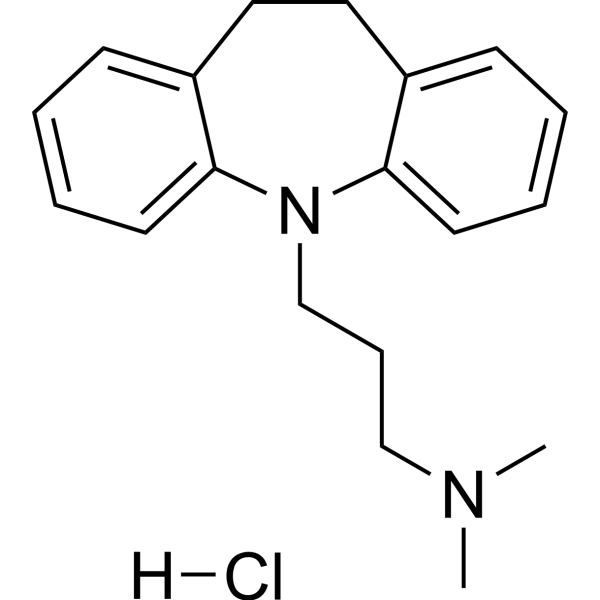
Imipramine hydrochloride is an orally active tertiary amine tricyclic antidepressant. Imipramine hydrochloride is a Fascin1 inhibitor with antitumor activities. Imipramine hydrochloride also inhibits serotonin transporter with an IC50 value of 32 nM. Imipramine hydrochloride stimulates U-87MG glioma cells autophagy and induces HL-60 cell apoptosis. Imipramine hydrochloride shows neuroprotective and immunomodulatory effects .
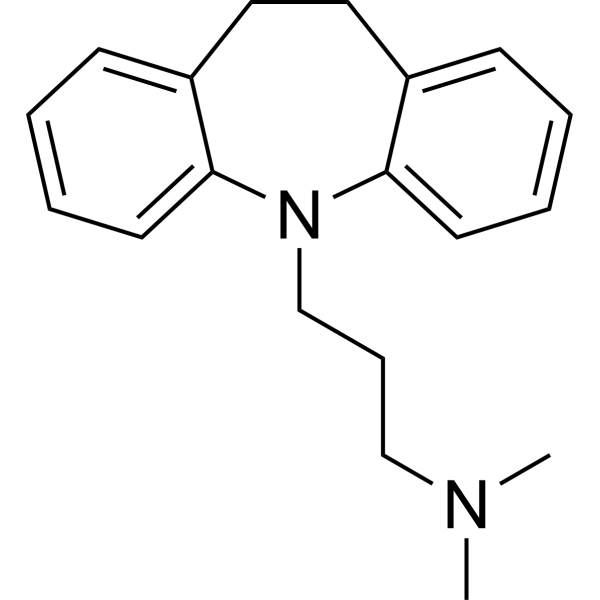
Imipramine is an orally active tertiary amine tricyclic antidepressant. Imipramine is a Fascin1 inhibitor with antitumor activities. Imipramine also inhibits serotonin transporter with an IC50 value of 32 nM. Imipramine stimulates U-87MG glioma cells autophagy and induces HL-60 cell apoptosis. Imipramine shows neuroprotective and immunomodulatory effects .
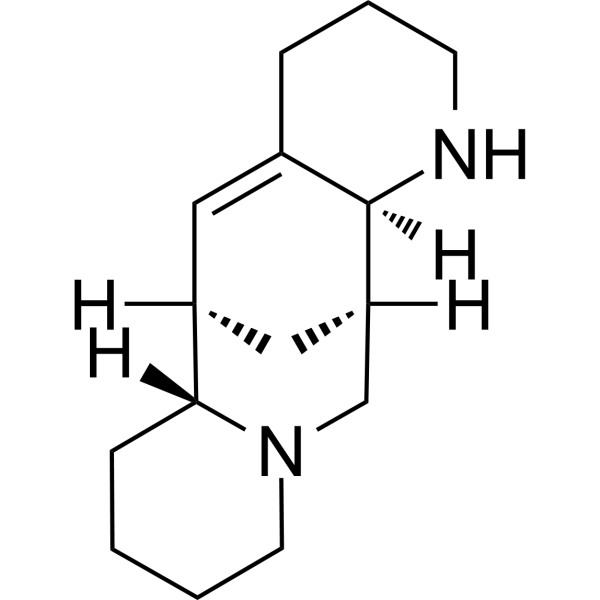
Aloperine is an alkaloid in sophora plants such as Sophora alopecuroides L, which has shown anti-cancer, anti-inflammatory and anti-virus properties .
Aloperine is widely used to treat patients with allergic contact dermatitis eczema and other skin inflammation in China . Aloperine induces apoptosis and autophagy in HL-60 cells .
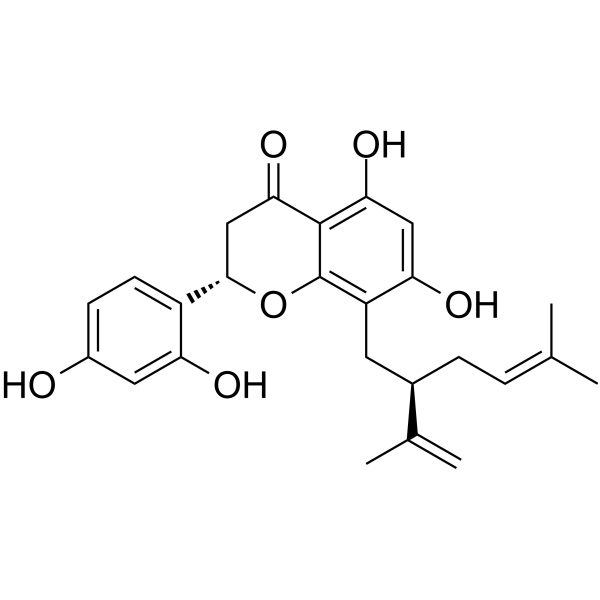
Sophoraflavanone G (Kushenol F) is iaolated from Sophora flavescens and shows anti-tumor and anti-inflammatory properties.? Sophoraflavanone G (Kushenol F) induces MDA-MB-231 and HL-60 cells apoptosis through suppression of MAPK-related pathways .
β-Boswellic acid is isolated from the gum resin of Boswellia serrata with anticancer, antioxidant activity, anti-inflammatory activity and anti-arthritic pain.β-Boswellic acid is an orally active nonreducing-type inhibitor of the 5-lipoxygenase (5-LO) product formation either interacting directly with the 5-LO or blocking its translocation. β-Boswellic acid inhibits the synthesis of DNA, RNA and protein in human leukemia HL-60 cells with IC50 values ranging from 0.6 to 7.1 μM. β-Boswellic acid is promising for research of diabetes, inflammatory and arthritic diseases .
Surfactin C1 is an amphiphilic biosurfactants. Surfactin C1 inhibits leukemic cell (HL-60) adhesion to human umbilical vein endothelial cells (HUVEC). Surfactin C1 inhibits adhesion melecules expression, such as ICAM-1 and VCAM-1 .
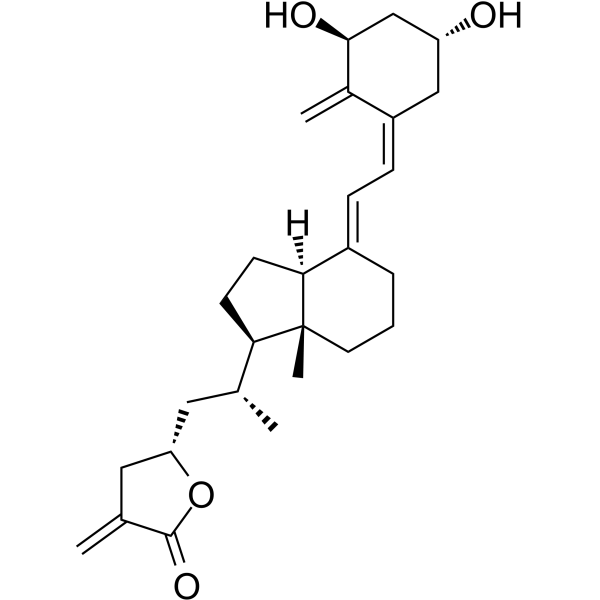
TEI-9647, a Vitamin D3 Lactone analogue, is a potent and specific vitamin D receptor (VDR) antagonist. TEI-9647 inhibits VDR/VDRE-mediated genomic actions of 1α,25(OH)2D3. TEI-9647 inhibits bone resorption and HL-60 cell differentiation induced by of 1α,25(OH)2D3. TEI-9647 has the potential for suppressing the excessive bone resorption and osteoclast formation in Paget's disease .
Clofilium tosylate, a potassium channel blocker, induces apoptosis of human promyelocytic leukemia (HL-60) cells via Bcl-2-insensitive activation of caspase-3. Antiarrhythmic agent .
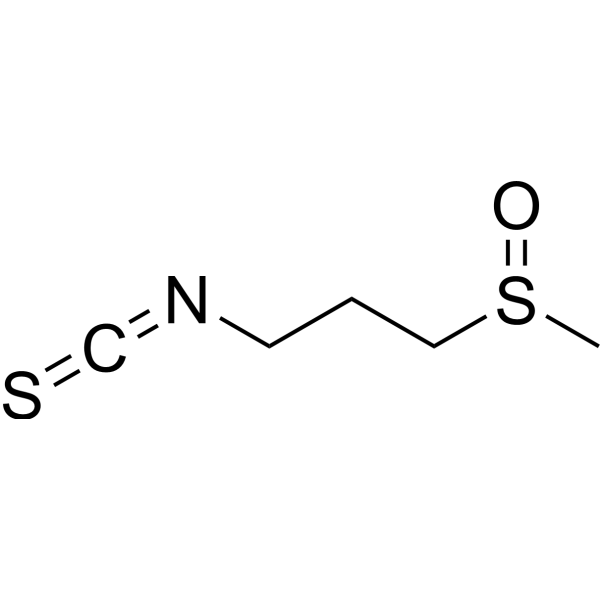
Iberin (NSC 321801), a sulfoxide analogue of sulforaphane, is a naturally occurring member of isothiocyanate family. Iberin inhibits cell survival with an IC50 of 2.3 μM in HL60 cell. Iberin induces apoptosis.
6-Formylpterin is an inhibitor of Xanthine Oxidase. 6-Formylpterin induces intracellular ROS generation and apoptosis in HL-60 cells. 6-Formylpterin suppresses cell proliferation in PanC-1 cells .
Salvinolone is active against methicillin-resistant Staphylococcus aureus (MRSA) and vancomycin-resistant Enterococcus (VRE). Salvinolone shows cytotoxic activity with an IC50 of 47.6 μM against the HL-60 tumor cell line for 72 h .
MOZ-IN-3 (Compound 6j) is a KAT6A (MOZ) acetyltransferase inhibitor (IC50: 30 nM). MOZ-IN-3 has antitumor activity against four different myeloid leukemia cell lines (HL-60, U937, SKNO-1, K562). MOZ-IN-3 has favorable metabolic stability and pharmacokinetics .
Fascaplysin is an antimicrobial and cytotoxic red pigment, that can come from the marine sponge (Fascaplysinopsis sp.). Fascaplysin has been synthesized in seven steps from indole (65% yield). Fascaplysin can induces apoptosis and autophagy in human leukemia HL-60 cells. Fascaplysin shows anti-tumor activity .
Viscidulin III is a compound isolated from the roots of Scutellaria planipes (L.) . Viscidulin III can inhibit the proliferation of HL-60 (IC50= 17.4μM). Viscidulin III is a potential natural tumor inhibitor .
Asperphenamate, a fungal metabolite of Aspergillus flatiipes with anti-cancer effect, exhibits IC50 values of 92.3 μM, 96.5 μM and 97.9 μM in T47D, MDA-MB-231 and HL-60 cells, respectively .
(-)-Syringaresinol is an orally active isomer of syringaresinol (HY-N8307) found in Annona Montana. (-)-Syringaresinol exhibits antioxidant, anti-inflammatory, and anticancer activities. (-)-Syringaresinol can alleviate ulcerative colitis via the PI3K-Akt/MAPK/Wnt signaling pathway. (-)-Syringaresinol inhibits HL-60 cell proliferation by arresting the G1 phase and inducing apoptosis. (-)-Syringaresinol inhibits LPS (HY-D1056)-induced microglial activation by downregulating the NF-κB p65 signaling pathway and its interaction with ERβ, exerting anti-neuroinflammatory effects .
SAE-14 (compound SAE-14) is a potent, specific GPR183 antagonist with an IC50 value of 28.5 nM, can antagonize 7α, 25-OHC–induced calcium mobilization with IC50 value below 50 nM in HL-60 cells. GPR183 antagonist-1 can reverse allodynia in mice .
Glaucocalyxin B is an ent kaurane diterpenoid isolated from the Chinese traditional medicine Rabdosia japonica with anticancer and antitumor activity; decreases the growth of HL-60 cells with an IC50 of approximately 5.86 μM at 24 h.
4-Bromo A23187 is a halogenated analog of the highly selective calcium ionophore A-23187. 4-Bromo A23187, a calcium modulator, induces apoptosis in different cells, including HL-60 cells .
TEI-9648, a Vitamin D3 Lactone analogue, is a potent and specific vitamin D receptor (VDR) antagonist. TEI-9648 inhibits VDR/VDRE-mediated genomic actions of 1α,25(OH)2D3. TEI-9648 also inhibits HL-60 cell differentiation induced by of 1α,25(OH)2D3. TEI-9648 has the potential for bone metabolism research .
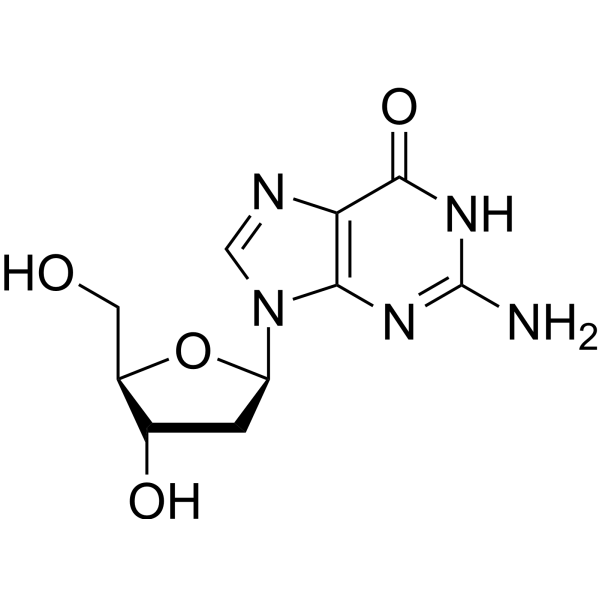
2'-Deoxyguanosine (Standard) is the analytical standard of 2'-Deoxyguanosine. This product is intended for research and analytical applications. 2’-Deoxyguanosine (Deoxyguanosine) is a purine nucleoside with a variety of biological activities. 2’-Deoxyguanosine can induce DNA division in mouse thymus cells. 2’-Deoxyguanosine is a potent cell division inhibitor in plant cells .
In Vitro: 2'-Deoxyguanosine inhibits the clonal growth of HL-60 and K562 leukemia cells with IC50 values of 50 and 80 μM, respectively .
Ajoene, a garlic-derived compound, is an antithrombotic and antifungal agent. Ajoene inhibits proliferation and induces apoptosis of human leukaemia CD34-negative cells including HL-60, U937, HEL and OCIM-I. Anticancer activities .
Icariside D2, isolated from Annona glabra fruit, inhibits angiotensin-converting enzyme. Icariside D2 shows significant cytotoxic activity on the HL-60 cell line with the IC50 value of 9.0 ± 1.0 μM. Icariside D2 induces apoptosis .
Lewis a trisaccharide (Lewis a) is a trisaccharide that has been found to be present in the glycan structures of spermatozoa. Lewis a trisaccharide also is a major component of the glycan structures on the surface of HL-60 cells .
FD274 is a highly potent PI3K/mTOR dual inhibitor with IC50s of 0.65 nM, 1.57 nM, 0.65 nM, 0.42 nM, and 2.03 nM against PI3Kα/β/γ/δ and mTOR, respectively. FD274 exhibits significant anti-proliferation of AML cell lines (HL-60 and MOLM-16). FD274 arrests HL-60 cell cycle at G1 phase and increases apoptosis. FD274 demonstrates dose-dependent inhibition of tumor growth in the HL-60 xenograft model. FD274 has the potential for acute myeloid leukemia research .
Hericenone J (Compound 6) is an aromatic compound with anticancer activity, which is found in Hericium erinaceum. Hericenone J is cytotoxic and can significantly reduce the viability of HL-60 human acute promyelocytic leukemia cells with an IC50 value of 4.13 μM. Hericenone J is promising for research of leukemia .
Nordalbergin, a coumarin isolated from the wood bark of Dalbergia sissoo. Nordalbergin shows strong activity in the induction of differentiation of HL-60 .
DNA-PK-IN-8 is a highly potent, selective and orally active DNA-dependent protein kinase (DNA-PK) inhibitor with an IC50 value of 0.8 nM. DNA-PK-IN-8 exhibits synergistic antiproliferative activity against a series of cancer cell lines and significantly suppresses HL-60 tumor growth, when using in combination with Doxorubicin .
Aspericin C is a pyran derivative found in the marine-derived fungus Rhizopus sp. 2-PDA-61. Aspericin C shows cytotoxic activities against P388, A549, HL-60, and BEL-7420 cell lines (IC50=14.6, 7.1, 61.4, and 24.2 μM, respectively) .
Trimidox hydrochloride (VF-233) is a ribonucleotide reductase inhibitor with antileukemic activities. Trimidox hydrochloride inhibits the growth of human promyelocytic leukemia HL-60 cells with an IC50 of 35 μM .
Changnanic acid (schisandrin) is a triterpene compound with potential anti-tumor effects. Changnanic acid exhibits moderate cytotoxic activity against human tumor cell lines Bel-7402, MCF-7 and HL-60, with IC50s of 100 μM, 100 μM and 50.51 μM respectively .
DHI1 is an anti-leukemia agent with high selectivity for Jurkat (IC50 = 21.83 μM) and HL-60 (IC50 = 19.14 μM) leukemia cells and has low toxicity to non-cancerous cells. DHI1 can induce G2/M phase cell arrest in Jurkat and HL-60 leukemia cells, as well as S phase arrest in HL-60 cells, and has significant effects on cell cycle signaling molecules Wee1, cyclin B1, cdc2 on Tyr15, and Chk1. DHI1 inhibits the migration and invasion of Jurkat and HL-60 cells by disrupting cytoskeletal actin filaments. DHI1 can be used to study hematological malignancies .
Caspase-3 activator 3 (compound 2h) induces apoptosis in HL-60 and K562 cells via significant caspase 3 activation. Caspase-3 activator 3 shows antileukemic acticity against HL-60 and K562 cells, with IC50 values of 42.89 and 33.61 μM, respectively .
Epinodosin is a diterpenoid. Epinodosin has moderate cytotoxicity against HL-60 cells with IC50 value of 10.4 μM. Epinodosin can be used for the research of inflammatory diseases .
GSPT1 degrader-9 (Compound F) is a cereblon-based molecular glue degrader for G1 to S phase transition protein 1 (GSPT1) that degrades GSPT1 with a rate of 95% (1 μM) GSPT1 and 86% (0.1 μM). GSPT1 degrader-9 inhibits the cell viability of HL-60 with an IC50 of 9.2 nM .
GSPT1 degrader-10 (compound A) is a cereblon-based molecular glue degrader of GSPT1 with more than 95% degradation. GSPT1 degrader-8 inhibits cell viability in HL-60 cells with an IC50 of 10 nM .
6-Formylpterin (Standard) is the analytical standard of 6-Formylpterin. This product is intended for research and analytical applications. 6-Formylpterin is an inhibitor of Xanthine Oxidase. 6-Formylpterin induces intracellular ROS generation and apoptosis in HL-60 cells. 6-Formylpterin suppresses cell proliferation in PanC-1 cells .
BPTQ is a potent inhibitor against VEGFR1 and CHK2 with IC50 values of 0.54 and 1.70 µmol/L, respectively. BPTQ is also an intercalator of DNA with anticancer activities. BPTQ inhibits the proliferation of HL-60 cells by arresting cells at S and G2/M phase with an IC50 value of 12 µmol/L. BPTQ also activates the mitochondria-mediated Apoptosis pathway by a decrease in mitochondrial membrane potential, increase in the Bax:Bcl-2 ratio and activation of caspases .
WKYMVM-NH2 is a hexapeptide that activates neutrophils and myeloid cells via the FPRL1 and FPRL2 receptors. It exhibits EC50 values of 2 nM and 80 nM in HL-60-FPRL1 and HL-60-FPRL2 cells, respectively. In HL-60 cells stably expressing FPRL2, WKYMVM-NH₂ induces chemotaxis, with optimal migration observed at concentrations ranging from 10 to 50 nM. It also stimulates superoxide production in neutrophils, with an EC50 of 75 nM. WKYMVM-NH₂ is a useful tool for research in the field of inflammatory diseases .
DC10SMe is a DNA alkylator, can be used in the synthesis of antibody-drug conjugate (ADC). DC10SMe exhibits IC50s of 15 pM, 12 pM, and 12 pM for Ramos, Namalwa, and HL60/s cancer cells, respectively .
DC41SMe, a DC1 derivative, shows cytotoxicity in Ramos, Namalwa, and HL60/s cells with IC50s ranging from 18-25 pM. DC1, a simplified analogue of CC-1065, is an antibody conjugate of cytotoxic DNA alkylators for the targeted treatment of cancer .
c-Myc inhibitor 14 (Compound 13A) is a c-Myc protein inhibitor. The IC50 value of HL60 inhibitor is <100 nM. c-Myc inhibitor 14 shows antitumor activity .
PAO-Nap is the modified PAO attached a naphthalimide fluorophore using aminocaproic acid as a linker. PAO induces oxidative stress-mediated apoptosis in HL-60 cells by selectively targeting thioredoxin reductase .
(S)-Erypoegin K is a potent anticancer agent. (S)-Erypoegin K shows potent anti-proliferative activity against HL-60 cells. (S)-Erypoegin K induces apoptosis .
Monaspin B is a natural product produced by the co-culture of Monascus purpureus and Aspergillus oryzae. Monaspin B exerts anti-proliferation activity by inducing apoptosis of HL-60 cells, IC50 160 nM. Monaspin B has antitumor activity .
Aspochalasin M is a colorless solid. Aspochalasin M shows modest activity against HL-60 cells with an IC50 of 20.0 μM. Aspochalasin M has the potential for the research of leukemic disease .
Antitrypanosomal agent 13 (compound 4b) is a potent antitrypanosomal agent. Antitrypanosomal agent 13 has trypanocidal and cytotoxic activity with GI50 values of 0.18 and 8.4 μM for T. brucei and HL-60, respectively .
Confluentin can be isolated from Rhododendron dauricum. Confluentin shows weak cytotoxicity against human tumor cells (IC50: 15.05, 17.08, 18.48, and 23.01 μM for HL-60, SMMC-7712, A-549, and MCF-7) .
Ursonic acid methyl ester is an esterified derivative of Ursolic acid (HY-N0140). Ursonic acid methyl ester shows growth inhibitory activity against four tumor cell lines, HL-60, BGC, Bel-7402 and Hela with ED50 values of >100 µg/ml .
CB2 receptor agonist 3 is a robust and selective CB2 cannabinoid agonist with Kis of 7.6 and 900 nM for CB2 and CB1, respectively. CB2 receptor agonist 3 significantly increases P-ERK 1/2 expression in HL-60 cells .
Anticancer agent 196 (compound 1) shows cell cytotoxicity with IC50 values of 7.69 µM and 54.2 µM for HL-60 cells and A549 cells, respectively. Anticancer agent 196 can induce DNA damage .
Forphenicine is a bacterial metabolite that is found in S. fulvoviridis and an inhibitor of alkaline phosphatase. Forphenicine inhibits the growth of HL-60 leukemia cells at 10 µM. Forphenicine also increases survival in a guinea pig model of experimental autoimmune encephalomyelitis (EAE) .
Rabdoternin D is an Ent-Kaurane diterpenoid found in Rabdosia rubescens. Rabdoternin D shows no significant cytotoxicity to Hep G2, COLO 205, MCF-7 and HL-60 cancer cells with IC50 values >100 μM .
Anticancer agent 197 (compound 2b) shows cell cytotoxicity with IC50 values of 10.03 µM and 73.54 µM for HL-60 cells and A549 cells, respectively. Anticancer agent 197 can induce DNA damage .
Cynanoside J is a C21 steroidal glycosides that can be obtained from Cynanchum taihangense. The IC50 values of Cynanoside J for HL-60, THP1, and Caco2 are 6.38, 5.82, and 6.76 μM, respectively. Cynanoside J can be used in cancer research .
Macrocalin B is a diterpenoid, which can be isolated from Isodon xerophilus. Macrocalin B inhibits the proliferation of cancer cells K562, HL-60, A549, MKN, CA and HCT with IC50 of 2.81-171 μM. Macrocalin B inhibits the telomerase in K562 with an IC50 in nanomolar level .
Plasiaticine B (Compound 2) is an indole alkaloid found in Plantago asiatica. Plasiaticine B shows no significant cytotoxicity to HL-60, A-549 and MCF-7 cells with IC50 >40 μM. Plasiaticine B shows no significant inhibitory effect on AChE, with an inhibition rate <60% .
YM-534, an imidazole compound, is an anti-cancer agent. YM-534 inhibits HL-60 cells with an IC50 of 2.5 μM. YM-534 retards the processing of preribosomal to ribosomal RNA of HL-60 cells. YM-534 can be used for the study of promyelocytic leukemia .
11-epi-Chaetomugilin I is a metabolite found in Chaetomium globosum. 11-epi-Chaetomugilin I exhibits significant cytotoxic activity against the murine P388 leukemia cell line, the human HL-60 leukemia cell line, the murine L1210 leukemia cell line, and the human KB epidermoid carcinoma cell line .
Trimidox (VF-233) is a ribonucleotide reductase inhibitor with antileukemic activities. Trimidox inhibits the growth of human promyelocytic leukemia HL-60 cells with an IC50 of 35 μM .
Sp-8-Cl-cAMPS is an analog of cAMP (HY-B1511) and a derivative of Sp-8-Cl-cAMP. Sp-8-Cl-cAMPS inhibits the growth of human leukemia cell HL-60 and colon cancer cell LS-174T, with IC50 of 8-100 μM. Sp-8-Cl-cAMPS activates the protein kinases cAKI and cAKII, with Ka of 0.25 and 3.2 μM .
Ardisianone is a component with an alkyl benzoquinone structure that can be isolated from Ardisia virens Kurz and Ardisia compressa tea extract. Ardisianone exhibits potent antileukemic activity, particularly against HL-60 cells, with IC50 values of 1.87 μM (24 h) and 1.67 μM (48 h). Ardisianone induces caspase-dependent apoptosis and triggers pyroptosis. Ardisianone can be used for the study of acute myeloid leukemia (AML) .
Piptocarphin F (Compound 5) is a sesquiterpene
lactone. Piptocarphin F shows cytotoxic activity on human leukemia cell line
HL-60 (IC50=5.69 μmol*L -1) .
Nb-Demethylechitamine is an alkaloid isolated from the methanol extract of Alstonia rostrata twigs. Nb-Demethylechitamine has in vitro cytotoxic activity against several human cancer cell lines, including human myeloid leukemia HL-60, liver cancer SMMC-7721, lung cancer A-549, breast cancer MCF-7, and colon cancer SW480 cells .
8-epi-Helenalin is a semitterpene lactone with anti-tumor activity that can be isolated from Inula britannicaL. var. chinensis (Rupr.) Reg. and the ED50 values of 8-epi-Helenalin for HL-60, A549, MCF7, HCT-15, SK-OV-3 and Malme-3M are 12.2 μM, 53.8 μM, 9.1 μM, 8.7 μM, 18.7 μM and 8.3 μM, respectively. 8-epi-Helenalin can be used for anti-tumor studies .
CB2 receptor agonist 8 (Compound 17) is an agonist for cannabinoid receptor 2 (CB2 receptor). CB2 receptor agonist 8 exhibits cytotoxicity in cells U87, RPMI 8226, HL-60, and L929 with IC50s of 91.03, 16.29, 23.51 and 564.6 μM, respectively. CB2 receptor agonist 8 activates caspase 3/7, increases the expressions of pro-apoptotic genes BAX, BAD, BIM and tumor suppressor genes p53, and induces apoptosis in U87. CB2 receptor agonist 8 inhibits the migration of U87 .
Pintulin can inhibit P388, L 1210, HL-60, KB and other tumor cell lines with IC50s (μg/mL) of 0.8, 0.8, 0.8, 0.25, respectively. Pintulin has only very weak antibacterial activity against the microorganisms tested .
Peganumine A is a natural product that can be found in Peganum harmala. Peganumine A shows cytotoxicity with IC50s of5.8, 38.5, 40.2, 55.4 µM for HL-60, MCF-7, PC-3, and HepG2 cells ,respectively .
Caspase-3 activator 2 (Compound 2f) is a caspase 3 activator that induces apoptosis and can be used in cancer research. Caspase-3 activator 2 is cytotoxic to HL-60 cells and K562 cells, with IC50 values of 33.52 μM and 76.90 μM respectively .
Asperphenamate (Standard) is the analytical standard of Asperphenamate. This product is intended for research and analytical applications. Asperphenamate, a fungal metabolite of Aspergillus flatiipes with anti-cancer effect, exhibits IC50 values of 92.3 μM, 96.5 μM and 97.9 μM in T47D, MDA-MB-231 and HL-60 cells, respectively[1][2].
Sophoraflavanone G (Standard) is the analytical standard of Sophoraflavanone G. This product is intended for research and analytical applications. Sophoraflavanone G (Kushenol F) is iaolated from Sophora flavescens and shows anti-tumor and anti-inflammatory properties. Sophoraflavanone G (Kushenol F) induces MDA-MB-231 and HL-60 cells apoptosis through suppression of MAPK-related pathways .
Trigoxyphin A is a oxygenated daphnane-type diterpenoids. Trigoxyphin A exhibites strong cytotoxic activity against HL60 and A549 with IC50s of 0.27 and 7.5 μM, respectively .
DC44SMe, a phosphate proagent of cytotoxic DNA alkylator DC44, can be used in the synthesis of antibody-drug conjugate (ADC). DC44SMe exhibits IC50s of 2.0 nM, 2.8 nM, and 1.9 nM for Ramos, Namalwa, and HL60/s cancer cells, respectively. DC44SMe can be used for the targeted treatment of cancer .
(-)-Mitorubrinol is found in the marine-derived Penicillium purpurogenum G59 strain induced by diethyl sulfate (DES). (-)-Mitorubrinol exhibits inhibitory effects on K562, HL-60, HeLa, and BGC-823 cancer cell lines .
14-Acetoxy parthenolide (compound 6a) is a parthenolide (PTL) derivative. 14-Acetoxy parthenolide exhibits potent anti-acute myeloid leukemia (AML) activity against HL-60 and KG1a cells, with IC50 values of 2.8 µM and 6.3 µM, respectively. 14-Acetoxy parthenolide can be used for AML research .
CB2 receptor agonist 3 (Standard) is the analytical standard of CB2 receptor agonist 3 (HY-107471). This product is intended for research and analytical applications. CB2 receptor agonist 3 is a robust and selective CB2 cannabinoid agonist with Kis of 7.6 and 900 nM for CB2 and CB1, respectively. CB2 receptor agonist 3 significantly increases P-ERK 1/2 expression in HL-60 cells .
Virgaureasaponin 1 (Bellissaponin BS2) is a saponin that can be isolated from Bellis perennis. Virgaureasaponin 1 is cytotoxic against tumor cells (IC50: 4.6 μM for HL-60 cells) .
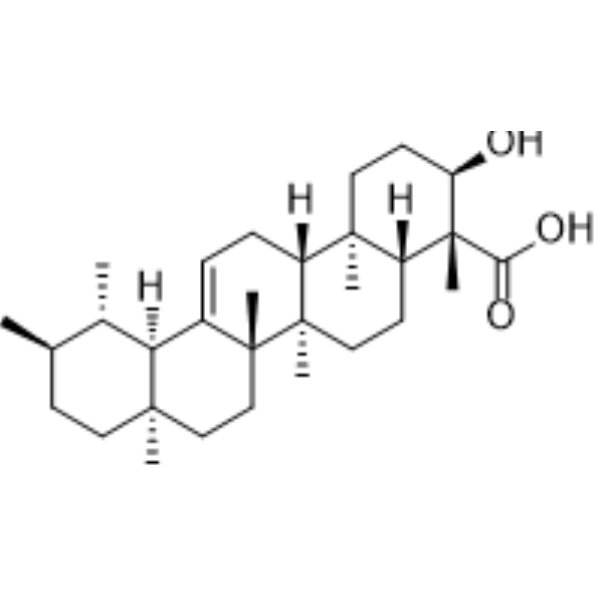
2,3-O-Isopropylidenyl euscaphic acid, a triterpenoid from the seeds of blackberry (Rubus fructicosus), exhibits cytotoxic activity towards HL-60 human leukaemia cells with IC50 value of 72.8 μM .
β-carboline-ACS81 is a β-carboline derivative with potent antitumor properties. β-carboline-ACS81 induces apoptosis through the collapse of mitochondrial membrane potential and arrests cell cycle at G2/M phase in HL-60 cells. β-carboline-ACS81 possesses potent antiproliferative activity against HL-60 cells (IC50 = 1.52 μM). β-carboline-ACS81 can be used for the research of leukemia, histiocytic lymphoma, hepatocellular carcinoma, malignant melanoma, colorectal carcinoma and lung carcinoma .
9,10-Dihydrophenanthrene is an analogue of 9,10-Phenanthrenequinone (HY-W014507). 9,10-Dihydrophenanthrene loses its anti-tumor activity that induces apoptosis in HCT-116 and HL-60 tumor cells .
ortho-Topolin riboside is a naturally occurring cytokinin secreted from Populus x robusta leaves after sunrise. ortho-Topolin riboside has shown unique cytotoxic activity against NCI60 cell lines compared with the activity of other cytokinins.ortho-Topolin riboside induced differentiation through inhibition of STAT3 signaling in acute myeloid leukemia HL-60 cells.
DC4SMe, a phosphate proagent of cytotoxic DNA alkylator DC4, can be used in the synthesis of antibody-drug conjugate (ADC). DC4SMe exhibits IC50s of 1.9 nM, 2.9 nM, and 1.8 nM for Ramos, Namalwa, and HL60/s cancer cells, respectively. DC4SMe can be used for the targeted treatment of cancer .
Papyracon D has weak effect against nematodes and has inhibitory effect on L1210 and HL60 cells. Papyracon D also has weak anti-Gram-positive bacterial effect .
Aloperine (Standard) is the analytical standard of Aloperine. This product is intended for research and analytical applications. Aloperine is an alkaloid in sophora plants such as Sophora alopecuroides L, which has shown anti-cancer, anti-inflammatory and anti-virus properties .
Aloperine is widely used to treat patients with allergic contact dermatitis eczema and other skin inflammation in China . Aloperine induces apoptosis and autophagy in HL-60 cells .
Dot1L-IN-8 (Compound 15) is a potent Dot1L inhibitor. Dot1L-IN-8 inhibits HL-60, K562, MV4-11, HH, and KG-1 cells vitality with IC50s of 0.45, 1.03, 0.68, 1.66, and 1.12 μM, respectively .
Lepidiline A exhibits cytotoxic activity against HL-60 cells with an IC50 value of 32.3 μM. Lepidiline A targets HSD17B1 activity, increases the bioconversion efficiency of sex hormones (including the conversion of estrogen into 17β-estradiol and 4-androsten-3,7-dione into testosterone), thereby improving the reproductive capacity of fruit flies. .
Pterulinic acid is a coenzyme I: Coenzyme Q oxidoreductase inhibitor. he IC50 (μg/mL) L1210 and HL60 of Pterulinic acid to mammalian cell lines are 50 and 20 respectively. HeLaS3 25; BHK is 100 .
CDK2-IN-41 (Compound 7a) is a CDK2 inhibitor that exerts anticancer activity by binding to CDK2, thereby inhibiting the cell cycle, inducing cytotoxicity, promoting ROS production, and triggering Apoptosis. CDK2-IN-41 exhibits an IC50 of 10 µM against acute myeloid leukemia (AML) HL-60 cells. It holds potential for research in AML-related cancer therapy .
DC1Sme, a DC1 derivative, exhibits IC50 values of 22 pM, 10 pM, 32 pM and 250 pM for Ramos, Namalwa, HL60/s and COLO 205 cancer cells, respectively. DC1, an analogue of the minor groove-binding DNA alkylator CC-1065, is a ADC Cytotoxin. DC1 can be used in synthesis of antibody-drug conjugates for the targeted treatment of cancer.
CXL 017 is a sarco/endoplasmic reticulum Ca 2+-ATPase (SERCA) inhibitor. CXL 017 can inhibit the ATPase activity of SERCA by competing with ATP for binding. CXL 017 exhibits selective cytotoxicity against multidrug-resistant acute myeloid leukemia cells HL60/MX2. CXL 017 can be used in the research of tumors such as multidrug-resistant acute myeloid leukemia .
Flavagline FL3 is a flavagline with potent and selective cytotoxicity in cancer cells.Flavagline FL3 induces apoptosis of HL60 and Hela cells by triggering the translocation of Apoptosis Inducing Factor (AIF) and caspase-12 to the nucleus .
Imipramine-d4 is deuterium labeled Imipramine. Imipramine is an orally active tertiary amine tricyclic antidepressant. Imipramine is a Fascin1 inhibitor with antitumor activities. Imipramine also inhibits serotonin transporter with an IC50 value of 32 nM. Imipramine stimulates U-87MG glioma cells autophagy and induces HL-60 cell apoptosis. Imipramine shows neuroprotective and immunomodulatory effects .
Epimedonin H is a selective prenylated 2-phenoxychromone compound with no significant cytotoxicity against five human cancer cell lines, including HL-60 and SMMC-7721 (IC50 > 10 μM). Epimedonin H can be used in potential activity screening studies in the field of natural product chemistry. Epimedonin H can be extracted from the dried aerial parts of Epimedium brevicornum (a plant of the genus Epimedium in the Berberidaceae family) .
Imipramine-d6 is the deuterium labeled Imipramine hydrochloride. Imipramine is an orally active tertiary amine tricyclic antidepressant. Imipramine is a Fascin1 inhibitor with antitumor activities. Imipramine also inhibits serotonin transporter with an IC50 value of 32 nM. Imipramine stimulates U-87MG glioma cells autophagy and induces HL-60 cell apoptosis. Imipramine shows neuroprotective and immunomodulatory effects .
O-Desmethyl-N-deschlorobenzoyl indomethacin is a metabolite of the non-steroidal anti-inflammatory drug (NSAID) and COX inhibitor indomethacin (HY-14397). It is formed from indomethacin in isolated rabbit hepatocytes. O-Desmethyl-N-deschlorobenzoyl indomethacin (600 μM) decreases the viability of HL-60 leukemia cells when cultured with glucose oxidase. It has also been used in the synthesis of prostaglandin D2 (HY-101988) receptor antagonists.
Imipramine-d3 (hydrochloride) is deuterium labeled Imipramine (hydrochloride). Imipramine is an orally active tertiary amine tricyclic antidepressant. Imipramine is a Fascin1 inhibitor with antitumor activities. Imipramine also inhibits serotonin transporter with an IC50 value of 32 nM. Imipramine stimulates U-87MG glioma cells autophagy and induces HL-60 cell apoptosis. Imipramine shows neuroprotective and immunomodulatory effects .
Imipramine-d4 (hydrochloride) is the deuterium labeled Imipramine hydrochloride. Imipramine hydrochloride is an orally active tertiary amine tricyclic antidepressant. Imipramine hydrochloride is a Fascin1 inhibitor with antitumor activities. Imipramine hydrochloride also inhibits serotonin transporter with an IC50 value of 32 nM. Imipramine hydrochloride stimulates U-87MG glioma cells autophagy and induces HL-60 cell apoptosis. Imipramine hydrochloride shows neuroprotective and immunomodulatory effects .
S-(N-PhenethylthiocarbaMoyl)-L-cysteine (PEITC-Cys), an anticarcinogenic agent, has antileukemic activity. S-(N-PhenethylthiocarbaMoyl)-L-cysteine inhibits DNA synthesis in HL60 cells . S-(N-PhenethylthiocarbaMoyl)-L-cysteine is a P450 inhibitor .
9(S)-HODE- 13C18 ((+)-α-Dimophecolic acid- 13C18) is 13C labeled 9S-HODE. 9S-HODE (Alpha-dimorphecolic acid) is an octadecadienoic acid and the main active derivative of linoleic acid, which can reduce the viability of HL-60 cells and induce apoptosis. 9S-HODE is rich in lipid peroxidation (LPO) products and is almost an ideal marker for LPO .
Imipramine-d4-1 is the deuterium labeled Imipramine (HY-W010179). Imipramine is an orally active tertiary amine tricyclic antidepressant. Imipramine is a Fascin1 inhibitor with antitumor activities. Imipramine also inhibits serotonin transporter with an IC50 value of 32 nM. Imipramine stimulates U-87MG glioma cells autophagy and induces HL-60 cell apoptosis. Imipramine shows neuroprotective and immunomodulatory effects .
Imipramine (Standard) is the analytical standard of Imipramine. This product is intended for research and analytical applications. Imipramine is an orally active tertiary amine tricyclic antidepressant. Imipramine is a Fascin1 inhibitor with antitumor activities. Imipramine also inhibits serotonin transporter with an IC50 value of 32 nM. Imipramine stimulates U-87MG glioma cells autophagy and induces HL-60 cell apoptosis. Imipramine shows neuroprotective and immunomodulatory effects .
YM-90709 is a novel IL-5 inhibitor which selectively blocks the binding of IL-5 to the IL-5 receptor (IL-5R).YM-90709 potently inhibits the binding of [ 125I]-IL-5 to IL-5R on human peripheral eosinophils and eosinophilic HL-60 clone 15 cells with IC50 values of 1.0 and 0.57 μM .
(2S)-2'-Methoxykurarinone, a compound isolated from the roots of Sophora flavescens, has anti-inflammatory, antipyretic, antidiabetic, and antineoplastic effects. (2S)-2'-Methoxykurarinone (MK) inhibits osteoclastogenesis and bone resorption through down-regulation of RANKL signaling. (2S)-2'-Methoxykurarinone (MK) displays cytotoxic activity against human myeloid leukemia HL-60 cells .
Imipramine (hydrochloride) (Standard) is the analytical standard of Imipramine (hydrochloride). This product is intended for research and analytical applications. Imipramine hydrochloride is an orally active tertiary amine tricyclic antidepressant. Imipramine hydrochloride is a Fascin1 inhibitor with antitumor activities. Imipramine hydrochloride also inhibits serotonin transporter with an IC50 value of 32 nM. Imipramine hydrochloride stimulates U-87MG glioma cells autophagy and induces HL-60 cell apoptosis. Imipramine hydrochloride shows neuroprotective and immunomodulatory effects .
PROTAC FLT3/CDKs degrader-1 (Compound C3) is a degrader for cyclin-dependent kinases (DC50 is 18.73 nM for CDK2) and the FMS-like tyrosine kinase 3 (FLT3). PROTAC FLT3/CDKs degrader-1 induces differentation of HL-60 (72.77% differentation at 6.25 nM), inhibits proliferation of AML cells, with IC50s of 2.9-37 nM. PROTAC FLT3/CDKs degrader-1 is potential for ameliorating acute myeloid leukemia. (Pink: ligand for target protein FLT3/CDKs ligand-1 (HY-161709); Black: linker (HY-W012935); Black: ligand for E3 ligase Thalidomide 5-fluoride (HY-W087383))
β-Boswellic acid (Standard) is the analytical standard of β-Boswellic acid. This product is intended for research and analytical applications. β-Boswellic acid is isolated from the gum resin of Boswellia serrata. β-Boswellic acid is a nonreducing-type inhibitor of the 5-lipoxygenase (5-LO) product formation either interacting directly with the 5-LO or blocking its translocation . β-Boswellic acid inhibits the synthesis of DNA, RNA and protein in human leukemia HL-60 cells .
Myelopeptide-2 is a peptide originally isolated from the supernatant of porcine bone marrow cell cultures, can restore mitogenic reactivity of human T lymphocytes inhibited by HL-60 leukemia cells or measles virus conditions. Myelopeptide-2 also recover depressed interleukin-2 (IL-2) synthesis and interleukin-2 receptor (IL-2R) expression. Myelopeptide-2 involves in immunity homeostasis, is perspective to be applied in antitumor and antivirus research .
SKI-178 is a potent sphingosine kinase-1 (SphK1) and SphK2 inhibitor. SKI-178 is cytotoxic at IC50 concentrations ranging from 1.8 to 0.1 μM in both agent sensitive and multi-agent resistant cancer cell lines (i.e., MTR3, NCI-ADR and HL60/VCR cells). SKI-178 induces apoptosis in a CDK1-dependent manner in human acute myeloid leukemia cell lines .
PD176252 is a potent antagonist of neuromedin-B preferring (BB1) and gastrin-releasing peptide-preferring (BB2) receptor with Kis of 0.17 nM and 1 nM for human BB1 and BB2 receptors, and 0.66 nM, 16 nM for Rat BB1 and BB2 receptors, respectively; PD176252 is also an agonist of N-Formyl peptide receptor1/2 (FPR1/FPR2), with EC50s of 0.31 and 0.66 μM in HL-60 cells.
IRC-083864 is an inhibitor of CDC25 phosphatase. IRC-083864 inhibits the activity of recombinant human full-length CDC25 phosphatase with an IC50 value of 23 nM. IRC-083864 inhibits cell viability with an IC50 value of 47 nM on the HL60 cell line .
Moflomycin (F 860191) is a compound with strong anti-leukemic activity and low mutagenicity. Moflomycin has an antiproliferative effect on the leukemic cell line HL60 in vitro (IC50=2.9 nM) . Moflomycin enhances topoisomerase II-induced DNA breaks and free radical production .
PROTAC HDAC8 Degrader-3 (Compound BP1) is an efficient and selective HDAC8 PROTAC degrader with a DC50 of 20 nM. PROTAC HDAC8 Degrader-3 exhibits IC50 for HDAC8 and CRBN of 0.46 and 7.5 μM, respectively. PROTAC HDAC8 Degrader-3 exhibits potent anti-proliferative activity against MM.1S and HL-60 cells. PROTAC HDAC8 Degrader-3 can be used for research on multiple myeloma and acute myeloid leukemia .
Anti-inflammatory agent 45 (compound 2v) is an anticancer agent with direct inhibitory effects on the growth of different blood cancers including leukemia, lymphoma and myeloma cell lines. Anti-inflammatory agent 45 induces apoptosis and inhibits NO production in HL60 leukemia cells (IC50=14.7 μM) .
IPrAgCl is an antibacterial agent. IPrAgCl exhibits antiproliferative activity against MCF7 cell line with an IC50 of 30 nM. IPrAgCl has an IC50 of 35 nM against KB cancer cell line. IPrAgCl induces apoptosis in HL60 cell line. IPrAgCl promotes apoptosis-inducing factor translocation from the mitochondrial to the nuclear compartment .
28-Deoxonimbolide is a Nimbin (HY-N3187) type limonoid, that can be isolated from Azadirachta indica seed extracts. 28-Deoxonimbolide shows anticancer activity. 28-Deoxonimbolide induces apoptotic cell death in HL60 cells via both the mitochondrial- and the death receptor-mediated pathways .
Pyrrocidine B (Compound 6), an alkaloid, is a microbial secondary metabolite. Pyrrocidine B can be isolated from the endophytic fungus Neonectria ramulariae Wollenw KS-246. Pyrrocidine B has significant cytotoxicity against leukemia cells (IC50 of 4.6 μM for HL60 cells) with a weak Prolyl oligopeptidase (POP) inhibitory activity .
Cochleamycin A showed strong inhibitory activity against tumor cells, with IC50s (μg/mL) of P388, HL60, K562, COL0205 and HT29 cells of 1.6, 14.0, 6.2, 16.5 and 19.1, respectively. Cochleamycin A also has anti-Gram-positive bacteria activity .
Ch55 is a potent synthetic retinoid. Ch55 binds to RAR-α and RAR-β receptors with high affinity. Ch55 displays low affinity for cellular retinoic acid binding protein (CRABP). Ch55 is a potent inducer of the differentiation of HL60 cells with an EC50 of 200 nM. Ch55 can be used for cancer research .
LSD1-IN-40 (Compound 9e) is a potent LSD1 inhibitor, with an IC50 of 9.85 nM. LSD1-IN-40 exhibits exceptional selectivity for LSD1 over both MAOs and hERG. LSD1-IN-40 exhibits significant inhibitory activity against leukemia cells (MV-4-11, HL-60, and THP-1 cells). LSD1-IN-40 can induce apoptosis in MV-4-11 cells. LSD1-IN-40 has the potential for the research of acute myeloid leukemia .
Declopramide (3-Chloroprocainamide) is an orally active antitumor agent, which inhibits proliferation of cancer cells HL60 and K562, and inhibits tumor growth of human brain astrocytoma (T24) in mouse model. Declopramide induces apoptosis, inhibits NF-κB through inhibition of IκBα degradation. Declopramide serves also as chemosensitizer in research .
PD176252 (Standard) is the analytical standard of PD176252 (HY-103286). This product is intended for research and analytical applications. PD176252 is a potent antagonist of neuromedin-B preferring (BB1) and gastrin-releasing peptide-preferring (BB2) receptor with Kis of 0.17 nM and 1 nM for human BB1 and BB2 receptors, and 0.66 nM, 16 nM for Rat BB1 and BB2 receptors, respectively; PD176252 is also an agonist of N-Formyl peptide receptor1/2 (FPR1/FPR2), with EC50s of 0.31 and 0.66 μM in HL-60 cells.
Inosine-5'-triphosphate trisodium salt is a nucleotide analogue that acts on multiple G proteins and is widely used in G protein-related research. It can bind to the α -subunit of G proteins and participate in G protein-mediated signal transduction as a substitute for GTP. Its mechanism of action is to interact with the nucleotide-binding site of the G protein α -subunit, affecting the activity and function of G proteins. In the research field, it is mainly used to explore the role of the G protein signaling pathway in cellular physiological and pathological processes. For example, in HL-60 leukemia cells, its impact on G protein-mediated signal transduction can be studied .
RWJ 50271 is an selective and orally active inhibitor of lymphocyte function-associated antigen-1/intercellular adhesion molecule-1(LFA-1/ICAM-1) interaction with an IC50 of 5.0 μM (HL60 cells). RWJ 50271 inhibits LFA-1/ICAM-1-mediated cell adhesion .
Tectol, isolated from Lippia sidoides, exhibits significant activity against human leukemia cell lines HL60 and CEM . Tectol is a farnesyltransferase (FTase) inhibitor with IC50s of 2.09 and 1.73 μM for human and T. brucei FTase, respectively. Tectol inhibits drug-resistant strain of P. falciparum (FcB1) with an IC50 of 3.44 μM .
(19R,23E)-5b,19-Epoxy19-ethoxycucurbita-6,23-diene-3b,25-diol is a cucurbitane-type triterpenoid. (19R,23E)-5b,19-Epoxy19-ethoxycucurbita-6,23-diene-3b,25-diol has been tested to no effect against 5 cancer cell lines, MCF-7, HepG2, Du145, Colon205 and HL-60 by MTT assay .
FPR2 agonist 5 is a selective Formyl Peptide Receptor 2 (FPR2) agonist. FPR2 agonist 5 induces Ca 2+ mobilization in FPR2-HL60 transfected cells with an EC50 of 1.2 μM and causes FPR2 desensitization with an IC50 of 0.32 μM. FPR2 agonist 5 exerts neuroprotective effects by mitigating LDH release, NO production, IL-1β, IL-6, IL-33, and IL-10 levels in LPS (HY-D1056)-induced mouse primary microglial cells. FPR2 agonist 5 can be used for the study of neuroinflammatory-related diseases .
Rabdoternin E is a potential anti-inflammatory and antitumor agent. 2α-Acetoxy-14,15-cyclopimara-7β,16-diol only inhibits nitric oxide (NO) production in lipopolysaccharide (LPS)-induced RAW264.7 macrophages (IC50=2.3 μM) and exhibits cytotoxicity against human tumor cells such as HL-60 and SW-480 (IC50 values ??of 2.6 μM and 4.1 μM, respectively). Rabdoternin E is an ent-kaurane-type diterpenoid compound that can be naturally extracted from the 70% acetone aqueous extract of the aerial parts of Isodon rosthornii (Diels) Hara (a plant of the Lamiaceae family, Isodon genus) .
4-Iodo-SAHA (1k) is an orally active class I and class II histone deacetylase (HDAC) inhibitor with EC50s of 1.1, 0.95, 0.12, 0.24, 0.85 and 1.3 μM for Skbr3, HT29, U937, JA16 and HL60 cell lines, respectively. 4-Iodo-SAHA (1k) can be used for the research of cancer .
Ch55 (Standard) is the analytical standard of Ch55 (HY-107397). This product is intended for research and analytical applications. Ch55 is a potent synthetic retinoid. Ch55 binds to RAR-α and RAR-β receptors with high affinity. Ch55 displays low affinity for cellular retinoic acid binding protein (CRABP). Ch55 is a potent inducer of the differentiation of HL60 cells with an EC50 of 200 nM. Ch55 can be used for cancer research .
Emestrin is a mycotoxin originally isolated from E. striata that has antimicrobial, immunomodulatory, and cytotoxic activities. It is active against the fungi C. albicans and C. neoformans, as well as the bacteria E. coli, S. aureus, and methicillin-resistant S. aureus (MRSA; IC50s=3.94, 0.6, 2.21, 4.55, and 2.21 μg/mL, respectively).2 Emestrin is a chemokine (C-C motif) receptor 2 (CCR2) antagonist (IC50=5.4 μM in a radioligand binding assay using isolated human monocytes).3 Emestrin (0.1 μg/mL) induces apoptosis in HL-60 cells. It induces heart, thymus, and liver tissue necrosis in mice when administered at doses ranging from 18 to 30 mg/kg.
3-Oxo-cinobufagin (compound 8) is a potential anticancer compound that can be isolated from the broth of M. spinosus by high-performance liquid chromatography. Compared to other isolated compounds, the hydroxyl group at the C-5 position of 3-Oxo-cinobufagin is further oxidized or isomerized, significantly reducing its cytotoxic activity against most cell lines (except HEL), while increasing its activity against the BEL cell line. The IC50 values of 3-Oxo-cinobufagin's cytotoxicity against cancer cells are: 71.3 μM (HepG2), 90.2 μM (SMMC-7221), 0.11 μM (BEL-7402), 72.5 μM (K562), 5.3 μM (HL-60), and 12 nM (HEL) .
Cisplatin/Dasatinib prodrug-1 (Compound 3) is a prodrug of Cisplatin (HY-17394) and Dasatinib (HY-10181). Cisplatin/Dasatinib prodrug-1 exhibits antiproliferative activity against A2780, MDA-MB-231, MCF7, HCT116, RD, Thp1 and HL60 cancer cells with IC50s of 0.1, 0.1, 0.36, 2.0, 0.4, 0.3 and 0.25 μM, respectively .
Inosine-5'-triphosphate (trisodium salt) (Standard) is the analytical standard of Inosine-5'-triphosphate (trisodium salt) (HY-W013706). This product is intended for research and analytical applications. Inosine-5'-triphosphate trisodium salt is a nucleotide analogue that acts on multiple G proteins and is widely used in G protein-related research. It can bind to the α -subunit of G proteins and participate in G protein-mediated signal transduction as a substitute for GTP. Its mechanism of action is to interact with the nucleotide-binding site of the G protein α -subunit, affecting the activity and function of G proteins. In the research field, it is mainly used to explore the role of the G protein signaling pathway in cellular physiological and pathological processes. For example, in HL-60 leukemia cells, its impact on G protein-mediated signal transduction can be studied .
1,2,3,6-Tetragalloylglucose (TEgG) is a competitive inhibitor of UDP-glucuronyltransferase UGT1A1, targeting the competitive substrate binding site of UGT1A1. 1,2,3,6-Tetragalloylglucose inhibits UGT1A1-mediated β-estradiol 3-glucuronidation and SN-38 glucuronidation with IC50 of 6.01 μM and 4.31 μM, respectively, and binds to UGT1A1 with Ki of 3.55 μM. 1,2,3,6-Tetragalloylglucose also induces tumor cell apoptosis, inhibit cell proliferation, activates caspase-3 and induces DNA fragmentation in HL-60 cells. 1,2,3,6-Tetragalloylglucose also inhibits HIV integrase and reverse transcriptase, and inhibits HCV protease .
C2 L-threo Ceramide (d18:1/2:0) (L-threo Cer(d18:1/2:0); L-threo Ceramide (d18:1/2:0)) is a bioactive sphingolipid and cell-permeable analog of naturally occurring ceramides. It stimulates cholesterol efflux in CHO cells expressing the human ABCA1 receptor when used at a concentration of 10 μM, however, this efflux is 50% less than that stimulated by C2 ceramide. C2 L-threo Ceramide inhibits IL-4 production by 17% in EL4 T cells stimulated with phorbol 12-myristate 13-acetate when used at a concentration of 10 μM. It also induces cell cycle arrest in the G0/G1 phase and a 7-fold increase in sphingosine accumulation as well as inhibits growth of HL-60 leukemia cells.
PLK1-IN-9 (Compound M2) is an inhibitor for polo-like kinase 1 (PLK1), that inhibits PLK proteins modified with peptides 1010pT, cdc25c and PBIP, with IC50s of 1.6, 0.8 and 1.4 μM, respectively. PLK1-IN-9 inhibits proliferations of cancer cells HeLa, HL60, SNU387/499, HepG2, exhibits cytotoxicity and induces apoptosis. PLK1-IN-9 inhibits tumor growth in HepG2 xenograft mouse model .
PI3K-IN-29 is a potent PI3K inhibitor. PI3K-IN-29 displays good inhibition potencies against U87MG, HeLa and HL60 cells with IC50 values of 0.264, 2.04 and 1.14 µM, respectively. PI3K-IN-29 inhibits PI3K/Akt pathway by inhibiting phosphorylation of Akt that is catalyzed by PI3K .
19-Nor-22-oxa-1a,25(OH)2-VD3 is a vitamin D₃ analogue. 19-Nor-22-oxa-1a,25(OH)2-VD3 has an extremely low affinity for the vitamin D receptor (VDR) and hardly binds to the vitamin D binding protein (DBP). 19-Nor-22-oxa-1a,25(OH)2-VD3 can effectively induce the differentiation of HL-60 cells and cause G₀-G₁ phase cell cycle arrest. 19-Nor-22-oxa-1a,25(OH)2-VD3 can be used to study diseases such as excessive hyperparathyroidism .
BCL6-IN-10 (Compound WK499) is a BCL6 inhibitor. BCL6-IN-10 interrupts the binding of BCL6 to SMRT protein. BCL6-IN-10 induces cell apoptosis, cell cycle arrest and DNA damage. BCL6-IN-10 inhibits AML cell proliferation (IC50s: 0.91, 1.63, 1.026, 7.42, 0.87, 0.85μM for OCl-AML3, THP1, MOLM13, HL60, KG1, NB4 cell respectively) .
Xanthomicrol is extracted from the resin of the plant called Chinese bellflower (a member of the Scrophulariaceae family) and is a monoamine oxidase (MAOs) inhibitor. Xanthomicrol has anti-tumor and anti-inflammatory properties, with IC50 values of 0.88 and 1.69 μg/mL in HL60 and K562 cells. Xanthomicrol's the main metabolite of 5DT in mouse colon, and it can reduce levels of iNOS protein and mRNA, as well as COX-2 protein levels. Additionally, Xanthomicrol decreases the production of the pro-inflammatory cytokine IL-1β and induces the expression of the antioxidant enzyme HO-1 .
HDAC-IN-79 (compound 4) is an orally active dual xanthine oxidase-HDAC inhibitor (Xanthine oxidase: IC50=6.6 nM; HDAC1: IC50=134 nM; HDAC2: IC50=284 nM; HDAC3: IC50=173 nM; HDAC6: IC50=1.32 nM;), with significant in vivo anti-hyperuricemia and anti-tumor activities. HDAC-IN-79 is the most potent cell growth inhibitor (IC50=0.706 μM) of leukemia HL60 cells, induces apoptosis and autophagy, and can regulate the expression levels of signature biomarkers associated with intracellular HDAC inhibition .
(E/Z)-Sinigrin ((E/Z)-Allyl-glucosinolate; (E/Z)-2-Propenyl-glucosinolate) free base is an orally active aliphatic thioglucoside anti-leukemia compound. Allyl isothiocyanate, produced by the hydrolysis of (E/Z)-sinigrin free base by myrosinase, has an IC50 of 2.71 μM against HL60 leukemia cells. The hydrolysis products of (E/Z)-sinigrin free base can further activate apoptosis pathways, inhibit NF-κB and MAPK signaling pathways, and induce phase II metabolic enzyme activity, thus exhibiting anti-cancer, anti-inflammatory, antibacterial, antioxidant, and wound healing activities. (E/Z)-Sinigrin free base can be used in research on cancer, inflammation-related diseases (such as atherosclerosis), and infectious diseases. (E/Z)-Sinigrin free base can be naturally extracted from the seeds of Brassica nigra, Brassica juncea, and other Brassicaceae plants such as broccoli and Brussels sprouts. Methyl pechueloate is a guaiane-type sesquiterpene ester compound and a potential precursor of xerantholide. It is useful in the structural elucidation and biosynthetic pathway studies of sesquiterpenoids. Methyl pechueloate can be naturally extracted from the aerial parts of Pechuel-Loeschea leibnitziae (Kuntze) O. Hoffm .
PI3K/HDAC-IN-4 (Compound 31f) is a PI3K/HDAC dual inhibitor (IC50: 0.2μM). PI3K/HDAC-IN-4 shows high selectivity for HDAC1-3 (IC50 values of 75.5 nM, 70.9 nM, and 1.9 nM, respectively). PI3K/HDAC-IN-4 is a potent PIK3 inhibitor with IC50 values of 2.5 nM, 80.5 nM, 10.0 nM, and 57.2 nM for PI3Kα, β, δ, and γ, respectively. PI3K/HDAC-IN-4 significantly induces tumor cell apoptosis by simultaneously inhibiting the PI3K/AKT/mTOR signaling pathway and HDAC1-3. PI3K/HDAC-IN-4 exhibits potent antiproliferative activity in a variety of tumor cell lines (e.g., MV4-11, Jeko-1, HL60, and MCF-7, with IC50 values of 0.2, 0.9, 0.8, and 1.5 μM, respectively). PI3K/HDAC-IN-4 can be used in the study of lymphoma and leukemia .
4-Methylthiazole is an Apoptosis trigger. 4-Methylthiazole markedly reduces CD45 and CD123 surface markers, increases ROS levels, Caspase-3 protein levels. 4-Methylthiazole triggers Apoptosis and mitochondrial disruption. 4-Methylthiazole can be used in the research of acute promyelocytic leukemia .
Gardenin B is a methoxyflavone compound and an inhibitor of USP7, ODC (IC50: 6.24 μg/mL), and Cathepsin D (IC50: 5.61 μg/mL). Gardenin B exhibits antioxidant and antitumor activities. Gardenin B shows IC50 values of 8.87 and 10.59 μg/mL for DPPH and NO scavenging, respectively, and also possesses ferric ion reducing ability. Additionally, Gardenin B can inhibit tumor cell proliferation, induce cell cycle arrest and apoptosis. Gardenin B can be used in cancer research .
TH1760 is an inhibitor of NUDIX-type 15 (NUDT15) with an IC50 value of 25 nM. TH1760 sensitizes cells to 6-thioguanine by enhancing the accumulation of 6-thio- (d) GTP in nucleic acids. TH1760 enhances the anti-leukemia effect of thiopurine .
Musellactone is a lactone that can be isolated from Musella lasiocarpa. Musellactone is an antibiotic, that exhibits antibacterial activity against Bacillus megaterium and Sarcina lutea .
Piperchabamide B is an amide alkaloid. Piperchabamide B can be isolated from the fruits of Piper longum. Piperchabamide B exhibits anticancer activity against acute promyelocytic leukemia, non-small cell lung cancer, and breast cancer .
MT-21 is an Apoptosis inducer and adenine nucleotide translocase inhibitor. MT-21 induces Apoptosis by activating JNK via the Krs/MST protein. MT-21 activates caspase-3 via caspase-9. MT-21 induces the release of cytochrome c. MT-21 can be used in the research of tumors .
cpm-1285m is a cell-permeable mutated peptide analogue of cpm-1285 (Bcl-2 inhibitory peptide). cpm-1285m contains a single substitution of alanine for Leu-151, and exhibits a decrease in Bcl-2 binding affinity with a reduction in IC50 of ∼15-fold. cpm-1285m can be used as a control of cpm-1285 .
Mcl1-IN-15 (Compound 7) is the inhibitor for myeloid cell leukemia 1 (Mcl-1) with an IC50 of 8.73 μM. Mcl1-IN-15 inhibits Mcl1-BH3 peptide interaction, activates the Bak/Bax-mediated apoptosis and exhibits antitumor activity .
SSB-2548 is a CXCR-4 inhibitor. SSB-2548 can inhibit the proliferation, migration and induce apoptosis of acute myeloid leukemia cells. SSB-2548 has good gastrointestinal absorption and can be used in the research of leukemia .
PROTAC HDAC6 degrader (Compound A6) is a potent and selective PROTAC HDAC6 degrader with a DC50 of 3.5 nM. PROTAC HDAC6 degrader shows promising antiproliferative activity via inducing apoptosis in myeloid leukemia cell lines .
FLT3-IN-13 (compound 20) is a potent and effective antileukemic topoisomerase II and FLT3 dual inhibitor with IC50 values of 2.26 μM and 2.26 μM, respectively. FLT3-IN-13 arrests cell cycle at G2/M phase and induce apoptosis. FLT3-IN-13 has anticytotoxic activity, particularly against leukemia .
c-Myc inhibitor 6 (compound A102) is a c-Myc inhibitor. c-Myc inhibitor 6 decreases cancer cell viability and degrades c-Myc protein. c-Myc inhibitor 6 can be used for the research of c-Myc imbalance, such as cancer, cardiovascular diseases, and viral infection .
PROTAC BRD4 Degrader-1 is a PROTAC connected by ligands for Cereblon and BRD4 with an IC50 of 41.8 nM against BRD4 BD1. PROTAC BRD4 Degrader-1 can effectively degrade BRD4 protein and suppress c-Myc expression .
(Rac)-Deox B 7,4, a homoisoflavanoid compound, inhibits microtubule polymerization via binding near the colchicine site and promote reversible G2 arrest. (Rac)-Deox B 7,4 possesses nanomolar anti-leukemic activity .
5β-Hydroxybufotalin (compound 6) is an anticancer agent that can effectively inhibit the growth activity of cancer cells. 5β-Hydroxybufotalin is also a natural product obtained from the chinese traditional drug Ch'an Su .
TH9619 is a potent inhibitor of dehydrogenase and cyclohydrolase activities in both MTHFD1 and MTHFD2 with a IC50 value of 47 nM, and selectively kills cancer cells. TH9619 induces apoptosis by blocking the S phase. TH9619 has antitumor activity .
TH9028 is an inhibitor of MTHFD2 (IC50 = 11 nM) with IC50 values against hMTHFD2, MTHFD2L, and MTHFD1 being 7.97 nM, 27 nM, and 0.5 nM, respectively. TH9028 also exhibits anti-cancer cell proliferation activity .
PF-04880594 is a potent and selective RAF inhibitor. PF-04880594 inhibits both wild-type and mutant BRAF and CRAF. PF-04880594 shows antitumor activity .
1,5,6-Trihydroxy-3-methoxyxanthone is a xanthone that can be found in Hypericum perforatum L.. 1,5,6-Trihydroxy-3-methoxyxanthone shows antioxidant activity and cytotoxicity .
C2 L-Erythro ceramide (d18:1/2:0) is a cell-permeable sphingolipid. C2 L-Erythro ceramide (d18:1/2:0) induces cell cycle arrest in the G0/G1 phase and inhibits cell growth .
PADI4-IN-1 is a potent peptidylarginine deiminase isoform 4 (PADI4) inhibitor with an IC50 of 1.5 μM and SI (PADI1/PADI4) of 52.1. PADI4-IN-1 can inhibit cellular citrullination events. PADI4-IN-1 can be used for the research of inflammation, such as rheumatoid arthritis .
PRL-295 is an orally active inhibitor targeting Keap1-Nrf2 interaction. PRL-295 increases the thermal stability of Keap1 and disrupts its interaction with Nrf2, thereby activating the Nrf2-dependent transcriptional target NAD(P)H:quinone oxidoreductase 1 (NQO1). PRL-295 protects against Acetaminophen (HY-66005)-induced liver injury in mice .
N6-Cyclopentyladenosine (Standard) is the analytical standard of N6-Cyclopentyladenosine (HY-103181). This product is intended for research and analytical applications. N6-Cyclopentyladenosine (CPA) is a selective Adenosine A1 receptor agonist, with Ki values of 2.3 nM, 790 nM and 43 nM for human A1, A2A and A3 receptors, respectively. N6-cyclopentyladenosine increases Apoptosis. N6-Cyclopentyladenosine has antitumor activity against leukemia. N6-cyclopentyladenosine improves 5-fluorouracil (HY-90006)-induced hematopoietic damage, regulates sleep, and delays Aminophylline-induced clonic epileptic seizures .
Evocarpine, a quinolone alkaloid that could be isolated from Evodiae fructus, inhibitss Ca 2+ influx through voltage-dependent calcium channels. Antimycobacterial activity .
N6-Cyclopentyladenosine (CPA) is a selective Adenosine A1 receptor agonist, with Ki values of 2.3 nM, 790 nM and 43 nM for human A1, A2A and A3 receptors, respectively. N6-cyclopentyladenosine increases Apoptosis. N6-Cyclopentyladenosine has antitumor activity against leukemia. N6-cyclopentyladenosine improves 5-fluorouracil (HY-90006)-induced hematopoietic damage, regulates sleep, and delays Aminophylline-induced clonic epileptic seizures .
Staurosporine (AM-2282) (GMP) is Staurosporine (HY-15141) produced by using GMP guidelines. GMP small molecules works appropriately as an auxiliary reagent for cell therapy manufacture. Staurosporine is a potent, ATP-competitive and non-selective inhibitor of protein kinases .
Dioscin (Standard) is the analytical standard of Dioscin. This product is intended for research and analytical applications. Dioscin (CCRIS 4123; Collettiside III) is a natural plant-derived steroidal saponin that has good anti-cancer activity against a variety of cancer cells. Dioscin causes DNA damage and induces apoptosis in HeLa and SiHa cells. Dioscin regulates ROS-mediated DNA damage and mitochondrial signaling pathways, exerting anticancer activity .
ABT-737, a BH3 mimetic, is a potent Bcl-2, Bcl-xL and Bcl-w inhibitor with EC50s of 30.3 nM, 78.7 nM, and 197.8 nM, respectively. ABT-737 induces the disruption of the BCL-2/BAX complex and BAK-dependent but BIM-independent activation of the intrinsic apoptotic pathway. ABT-737 induces autophagy and has the potential for acute myeloid leukemia (AML) research .
β-Eudesmol has anticancer and anti-inflammatory activities. Beta-Eudesmol can induce apoptosis. β-Eudesmol is a neostigmine antagonist. β-Eudesmol can antagonize neostigmine-induced neuromuscular failure. β-Eudesmoll can be used in the study of sepsis diseases. β-Eudesmol is a sesquiterpene-like compound that can be extracted from the rhizome of Atractylodes lancea .
Apoptosis inducer 15 (Compound 3) induces cell apoptosis and cell cycle arrest at G2/M phase. Apoptosis inducer 15 is cytotoxicitic without causing DNA fragmentation .
Tucidinostat-d4 is the deuterium labeled Tucidinostat. Tucidinostat is a potent and orally bioavailable HDAC enzymes class I (HDAC1/2/3) and class IIb (HDAC10) inhibitor, with IC50s of 95, 160, 67 and 78 nM, respectively .
CNDAC hydrochloride is a metabolite of the orally active agent Sapacitabine (HY-16445), and a nucleoside analog. CNDAC hydrochloride induces DNA damage and apoptosis .
2’-Deoxyguanosine (Deoxyguanosine) is a purine nucleoside with a variety of biological activities. 2’-Deoxyguanosine can induce DNA division in mouse thymus cells. 2’-Deoxyguanosine is a potent cell division inhibitor in plant cells .
Flt-3-IN-1 is a potent FLT-3 inhibitor with an IC50 of 0.91 μM. Flt-3-IN-1 can cause leukemia cells G1 phase arrest and induce apoptosis. Flt-3-IN-1 can be used for the research of cancer, such as leukemia .
Vixtimotamab (AMV-564; TandAb T564) is a bispecific tetravalent tandem diabody (TandAb) that targets human CD33 and human CD3 antigens. Vixtimotamab can be used for the research of acute myeloid leukemia (AML) .
PNU-142586 is the major metabolite of Linezolid (HY-10394). PNU-142586 can inhibit the activity of DNA topoisomerase 2-α (TOP2A) and DNA topoisomerase 2-β (TOP2B). PNU-142586 interferes with DNA replication and transcription by blocking the binding of DNA to TOP2 and inhibiting ATP hydrolysis, ultimately leading to antiproliferative and cytotoxic effects, including mitochondrial dysfunction. PNU-142586 can be used to study Linezolid-induced hematotoxicity and its molecular mechanism .
HDAC6-IN-48 (compound 5i) is a potent and selective HDAC6 inhibitor with IC50 values of 5.16, 396.72, 638.08 nM for HDAC6, HDAC3, HDAC1, respectively. HDAC6-IN-48 induces apoptosis and cell cycle arrest at G0/G1 phase. HDAC6-IN-48 increases the protein expression of acetylated α-tubulin .
Gly-7-MAD-MDCPT (Compound 4b) hydrochloride is an anticancer agent. Gly-7-MAD-MDCPT hydrochloride is a Camptothecin (HY-16560) compound, which shows cytotoxicity to various cancer cells with IC50 values of 10-1000 nM .
Gly-7-MAD-MDCPT (compound 4b) is an anticancer agent. Gly-7-MAD-MDCPT is a Camptothecin (HY-16560) compound, it shows cytotoxicity to various cancer cells with IC50 values of 10-1000 nM .
JET-209 is a potent CBP/p300 PROTAC degrader, with DC50 values of 0.05 nM and 0.2 nM for CBP and p300. JET-209 demonstrates remarkable anti-tumor activity against various acute leukemia cell lines and effectively inhibits tumor growth in xenograft tumor models. JET-209 can be used for the study of acute leukemia .
Gly-7-MAD-MDCPT (Compound 4b) TFA is an anticancer agent. Gly-7-MAD-MDCPT TFA is a Camptothecin (HY-16560) compound, which shows cytotoxicity to various cancer cells with IC50 values of 10-1000 nM .
Nargenicin A1 is an antibiotic agent against various Gram-positive bacteria. Nargenicin A1 shows anti-inflammatory activity. Nargenicin A1 protects HINAE cells against Tacrolimus (HY-13756)-induced DNA damage and apoptosis. Nargenicin A1 can also be used for the research of acute myeloid leukemia .
Quinacrine mustard dihydrochloride is a fluorochrome. Quinacrine mustard dihydrochloride as a polycyclic aromatic agent can be used as mutagenic agent induces the mutants of bacteria. Quinacrine mustard dihydrochloride induces cell cycle arrest at G2/M-phase. Quinacrine mustard dihydrochloride has the potential for the research of plant, animal, or human chromosomes .
GNE-987 is a VHL-dependent BRD4 PROTAC degrader. GNE-987 exhibits picomolar cell BRD4 degradation activity (DC50=0.03 nM for EOL-1 AML cell line). GNE-987 binds equipotently to the BD1 and BD2 bromodomains of BRD4 with low nanomolar affinities (IC50=4.7 and 4.4 nM, respectively). GNE-987 can be used for the research of cancer .
Hydroxy-PP-Me is a selective CBR1 inhibitor with an IC50 of 759 nM. Hydroxy-PP-Me can inhibit serum starvation-induced apoptosis. Hydroxy-PP-Me can enhance the cytotoxic effects of Daunorubicin (HY-13062A) and As2O3 on tumor cells. Hydroxy-PP-Me can be used in the research of cancer such as leukemia .
PS121912 is a selective vitamin D receptor (VDR)-coregulator inhibitor. PS121912 has acceptable metabolic stability in vivo. PS121912 can be used for the research of cancer .
(S)-GNE-987 (compound 4), the GNE-987 (a chimeric BET degrader) hydroxy-proline epimer, abrogates binding to von Hippel-Lindau and does not degrade BRD4 protein. (S)-GNE-987 binds to the BRD4 BD1(IC50=4 nM) and BD2 (3.9 nM) bromodomains and can be used to design PROTAC-Antibody Conjugate (PAC) .
Oosporein is a microbial metabolite and a red crystalline toxin produced by various fungi. Oosporein can promote the reproduction of fungi in host bodies by inhibiting insect immunity, and possesses multiple activities such as antibacterial, antiviral (HSV), and insecticidal effects. Oosporein can inhibit plant growth. In addition, Oosporein can also induce apoptosis, cell membrane damage, oxidative stress, and mitochondrial damage. Oosporein has certain antitumor activity .
Mycoleptone A is an azafluorenone compound. Mycoleptone A exhibits certain anti-leishmanial activity, with an LD50 of 28.5 μM against L. major. Mycoleptone A shows cytotoxicity against human prostate cancer cell line PC3, with an IC50 of 10.0 μM. Mycoleptone A can be used in research on anti-parasitic and anti-tumor aspects .
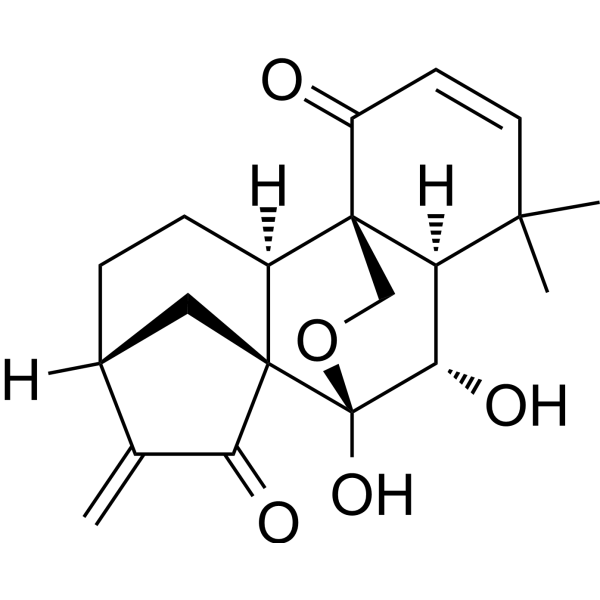
Glaucocalyxin D is a ent-kauranoid-type diterpenoid that can be isolated from Rabdosia japonica. Glaucocalyxin D shows cytotoxicity against various human tumor cell lines. Glaucocalyxin D can be used for cancer research .
FLT3/VEGFR2-IN-1 (Compound 26) is a FLT3/VEGFR2/HDAC inhibitor with IC50 values of 14.5 nM, 3.9 nM, and 30.8 nM for FLT3, VEGFR2, and HDAC1, respectively. FLT3/VEGFR2-IN-1 can inhibit the phosphorylation of STAT3 and ERK1/2 and the proliferation of leukemia cells. FLT3/VEGFR2-IN-1 has anti-tumor activity and can be used for the research of acute myeloid leukemia .
MNK1/2-IN-8 (compound 15b) is a MNK1/2 inhibitor with the IC50 values of 0.8 and 1.5 nM against Mnk1 and Mnk2. MNK1/2-IN-8 shows anti-proliferative activity and induces cell cycle arrest .
FLT3/CDKs ligand-1 (Compound 14) is a ligand for target protein, which promotes the degradation of cyclin-dependent kinase (CDK) and the FMS-like tyrosine kinase 3 (FLT3), inhibits FLT3/CDK related proliferations and survivals of leukemia cells. LT3/CDKs ligand-1 can be used for synthesis of PROTAC FLT3/CDKs degrader-1 (HY-161708) .
HDAC-IN-47 is an orally active inhibitor of histone deacetylase (HDAC), with IC50s of 19.75 nM (HDAC1), 5.63 nM (HDAC2), 40.27 nM (HDAC3), 57.8 nM (HDAC2), 302.73 nM (HDAC8), respectively. HDAC-IN-47 inhibits autophagy and induces apoptosis via the Bax/Bcl-2 and caspase-3 pathways. HDAC-IN-47 arrests cell cycle at G2/M phase, and shows anti-tumor efficacy in vivo .
Trichilin B is a limonoid compound found in the twigs and leaves of Trichilia connaroides. Trichilin B exhibits no in vitro cytotoxic activity against tumor cell lines .
DP-15 is the degrader for GSPT1 and BRD4 with DC50s of 5.25 nM and 0.48 nM. DP-15 exhibits anti-proliferative activity of AML cells and NHL cells with an IC50 of nanomolar levels, arrests the cell cycle at G1 phase, and induces apoptosis in MOLM13. DP-15 exhibits anti-leukemia activity in MOLM-13 xenograft mouse models . (Pink: ligand for target protein JQ-1 carboxylic acid (HY-78695); Black: linker (HY-W262798); Blue: ligand for E3 ligase Cereblon Thalidomide-5-OH (HY-23095))
Protein kinase D inhibitor 1 (compound 17m) is a pan-PKD inhibitor, with IC50 values ranging from 17 to 35 nM. Protein kinase D inhibitor 1 inhibits PKD-dependent cortactin phosphorylation .
LSD1-IN-39 (Compound 14) is a reversible inhibitor for LSD1 with an IC50 of 0.18 μM. LSD1-IN-39 exhibits broad-spectrum anti-proliferative activity against cancer cells, inhibits the cell migration of HepG2 and inhibits the epithelial-mesenchymal transition. LSD1-IN-39 exhibits antitumor activity in mouse models .
5-Hydroxy-7-methoxycoumarin is a coumarin compound present in the whole plant of Euphorbia kansuensis, with an IC50 > 40 μM against five human cancer cell lines .
MJ-26 is an inhibitor targeting Menin. MJ-26 has high binding affinity (Ki: 0.56 μM) and significant antiproliferative activity. MJ-26 works by inhibiting Menin-MLL interaction and inducing Menin protein degradation. MJ-26 has significant antitumor effects on acute myeloid leukemia (AML). MJ-26 can be used in AML research .
CDK9-IN-14 is a potent and selective CDK9 inhibitor with IC50 of 6.92 nM. CDK9-IN-14 has a relatively strong inhibitory effect on MV4;11 cells and in vivo tumor models, and has a good selectivity and a low toxicity and few side effects .
CM-444 is inhibitor for HDAC (IC50 is 6 nM-0.6 μM) and DNA methyltransferases (DNMT, IC50 is 1.8-2.3 μM). CM-444 is an inducer for the differentiation of acute myeloid leukemia cells. CM-444 exhibits anti-leukemic activity and improves the survival rate in mouse models .
Safrolglycol is a phenylpropane compound that can be found in the wood of Cinnamomum parthenoxylon. Safrolglycol inhibits the proliferation of human leukemia cells and can be used in leukemia-related research .
Stigmast-5-en-3-ol induces cancer cell apoptosis and inhibits proliferation by increasing the production of Bax, Caspase-9, p53, and PARP cleavage and reducing Bcl-xl expression. Stigmast-5-en-3-ol exhibits potent inhibitory activity against glucoamylase and α-amylase and possesses high antioxidant activity. Stigmast-5-en-3-ol can be used in the research of diseases such as leukemia, breast cancer, type 2 diabetes, and obesity .
Myrseguinoside A is a monoterpene glucoside found in the fruits of Myrsine seguinii. Myrseguinoside A does not exhibit significant DPPH radical-scavenging activity or growth inhibitory activity toward human cancer cells. Myrseguinoside A can be used for cancer research .
Meisoindigo (Standard) is the analytical standard of Meisoindigo. This product is intended for research and analytical applications. Meisoindigo (Dian III), a derivative of Indirubin (HY-N0117), halts the cell cycle at the G0/G1 phase and induces apoptosis in primary acute myeloid leukemia (AML) cells. Meisoindigo exhibits high antitumor activity .
Meisoindigo (Dian III), a derivative of Indirubin (HY-N0117), halts the cell cycle at the G0/G1 phase and induces apoptosis in primary acute myeloid leukemia (AML) cells. Meisoindigo exhibits high antitumor activity .
Eriocalyxin B is a diterpenoid compound that can be isolated from Chinese herb Isodon eriocalyx. Eriocalyxin B exhibits multiple activities, such as anti-cancer, anti-inflammatory, and inhibition of adipogenesis. Eriocalyxin B is capable of inducing apoptosis and autophagy in tumor cells. Eriocalyxin B can be used in the research of cancers, autoimmune diseases, and other conditions .
HDAC1-IN-13 is an orally active HDAC1 inhibitor with IC50 values of 91, 185, 170, and 280 nM against HDAC1, HDAC2, HDAC3, and HDAC10, respectively, and shows no activity against HDAC4, HDAC5, HDAC6, HDAC7, and HDAC9. HDAC1-IN-13 induces extrinsic apoptosis by activating the caspase-8 pathway and triggers G0/G1 cell cycle arrest. HDAC1-IN-13 can be used for the research of leukemia .
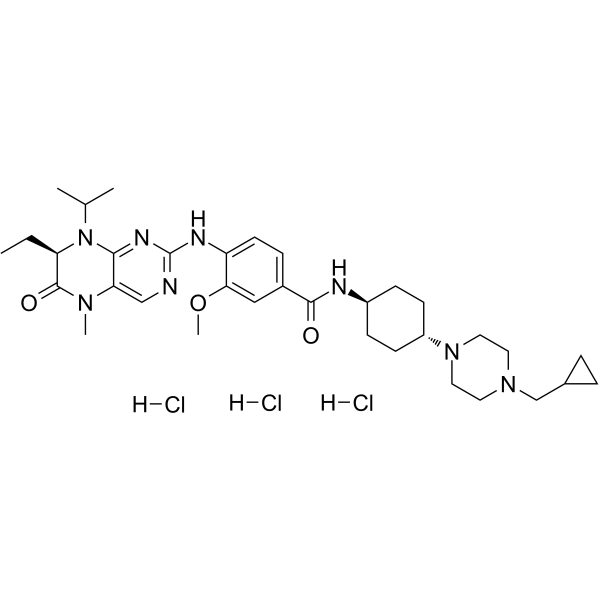
Volasertib (BI 6727) trihydrochloride is an orally active, highly potent and ATP-competitive Polo-like kinase 1 (PLK1) inhibitor with an IC50 of 0.87 nM. Volasertib trihydrochloride inhibits PLK2 and PLK3 with IC50s of 5 and 56 nM, respectively. Volasertib trihydrochloride induces mitotic arrest and apoptosis. Volasertib trihydrochloride, a dihydropteridinone derivative, shows marked antitumor activity in multiple cancer models .
Tambiciclib (GFH009, JSH-009) is an orally active, highly potent and selective CDK9 inhibitor (IC50 = 1 nM), demonstrating >200-fold selectivity over other CDKs, >100-fold selectivity over DYRK1A/B, and excellent selectivity over 468 kinases/mutants. Tambiciclib demonstrates potent in vitro and in vivo antileukemic efficacy in acute myeloid leukemia (AML) mouse models by inhibiting RNA Pol II phosphorylation, downregulating MCL1 and MYC, and inducing apoptosis. Tambiciclib can be used for AML research .
HDAC3/6-IN-2 (compound 15) is a potent HDAC6 and HDAC3 inhibitor, with IC50 values of 0.368 and 0.635 μM, respectively. HDAC3/6-IN-2 shows antitumor activity, and induces cancer cell apoptosis. HDAC3/6-IN-2 decreases the levels of HDAC6 and HDAC3, associated with upregulation of acetylated H3 and α-tubulin .
Tambiciclib (GFH009, JSH-009) dimaleate is an orally active, highly potent and selective CDK9 inhibitor (IC50 = 1 nM), demonstrating >200-fold selectivity over other CDKs, >100-fold selectivity over DYRK1A/B, and excellent selectivity over 468 kinases/mutants. Tambiciclib dimaleate demonstrates potent in vitro and in vivo antileukemic efficacy in acute myeloid leukemia (AML) mouse models by inhibiting RNA Pol II phosphorylation, downregulating MCL1 and MYC, and inducing apoptosis. Tambiciclib dimaleate can be used for AML research .
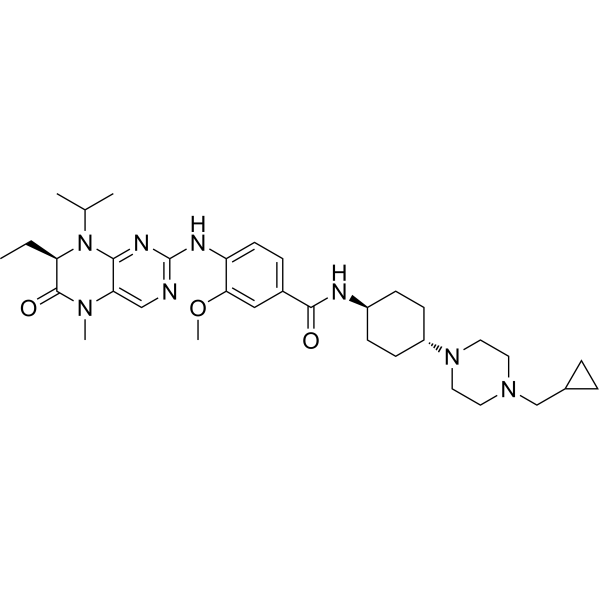
Volasertib (BI 6727) is an orally active, highly potent and ATP-competitive Polo-like kinase 1 (PLK1) inhibitor with an IC50 of 0.87 nM. Volasertib inhibits PLK2 and PLK3 with IC50s of 5 and 56 nM, respectively. Volasertib induces mitotic arrest and apoptosis. Volasertib, a dihydropteridinone derivative, shows marked antitumor activity in multiple cancer models .
3β-Hydroxy-24-methylenecholest-5-en-7-one (Compound 4) is a steroid found in the soft coral Sinularia nanolobata. 3β-Hydroxy-24-methylenecholest-5-en-7-one does not exhibit cytotoxic activity against human cancer cells .
Garcinoic acid is an orally active anti-inflammatory agent that crosses the blood-brain barrier. Garcinoic acid also enhances efferocytosis and enzyme/receptor regulation, and selectively inhibits human COX-2, porcine α-amylase, Saccharomyces cerevisiae α-glucosidase and human DNA polymerase β (IC50=11 μM), as well as activates human PXR. Garcinoic acid enhances macrophage efferocytosis via receptors such as MerTK and LRP-1, and promotes the production of pro-resolving lipid mediators. Garcinoic acid inhibits NF-κB activation and pro-inflammatory cytokine secretion, interferes with Aβ aggregation, downregulates NLRP3 inflammasome activity, and binds to targets including CD44 and EGFR to inhibit leukemia cell proliferation. The pharmacological activities of Garcinoic acid, such as antioxidant, anti-inflammatory and lipid metabolism-regulating effects, are widely used in studies related to various diseases including atherosclerosis, Alzheimer's disease, type 2 diabetes, inflammatory bowel disease and viral pneumonia .
Volasertib (Standard) is the analytical standard of Volasertib. This product is intended for research and analytical applications. Volasertib (BI 6727) is an orally active, highly potent and ATP-competitive Polo-like kinase 1 (PLK1) inhibitor with an IC50 of 0.87 nM. Volasertib inhibits PLK2 and PLK3 with IC50s of 5 and 56 nM, respectively. Volasertib induces mitotic arrest and apoptosis. Volasertib, a dihydropteridinone derivative, shows marked antitumor activity in multiple cancer models .
3-O-Debenzoylzeylenone is a polyoxygenated cyclohexene plant growth hormone that exists in the leaves of Uvaria purpurea and the aerial parts of Uvaria grandiflora. 3-O-Debenzoylzeylenone is an auxin analog that inhibits root growth and promotes shoot growth of Lactuca sativa seedlings. 3-O-Debenzoylzeylenone exhibits cytotoxicity against various cancer cells and can be used in studies related to lung cancer, melanoma, epidermoid carcinoma, liver cancer, gastric cancer, colon adenocarcinoma, acute leukemia, breast cancer, and prostate cancer .
Sialyl-Lewis X (sLeX) is a sialylated fucosylated tetrasaccharide, an endogenous antigen. Sialyl-Lewis X is a high-affinity ligand for selectins (E-, P-, and L-selectin) . Sialyl-Lewis X binds to ELAM-1 and CD62 and has the ability?to inhibits CD62-mediated neutrophil recruitment to sites of inflammation .
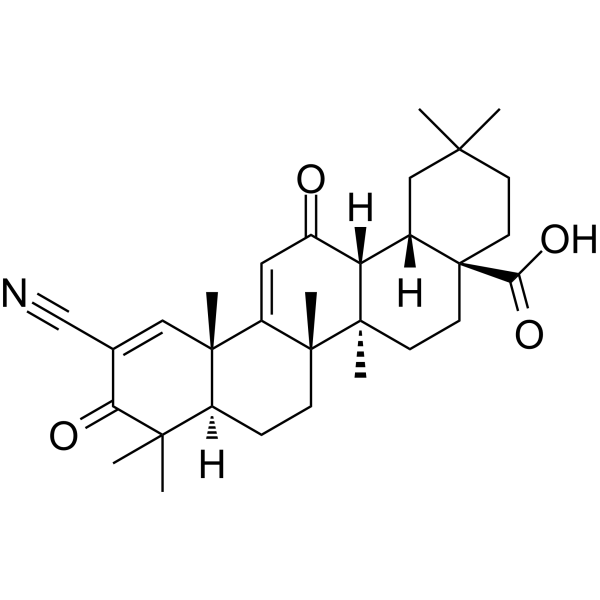
Bardoxolone (CDDO; RTA 401) is a Nrf2 activator. Bardoxolone shows anti-SARS-CoV-2 3CLpro with IC50 of 27.99 μM. Bardoxolone activates the Nrf2 pathway and inhibits the NF-κB pathway. Bardoxolone can induce cells differentiation, apoptosis and shows antiproliferative activity against cancer cells. Bardoxolone can increase ROS and decrease intracellular GSH levels.Bardoxolone inhibits Z-VAD-FMK (HY-16658B)-induced necroptosis. Bardoxolone can be used for the research of cancer, inflammation and infection, such as SARS-CoV infection and glioblastoma .
Xylitol can be classified as a polyol and sugar alcohol, exhibiting inhibitory activity on cancer cell proliferation. It induces autophagy (Autophagy) and cell death in A549 cells by activating the autophagy signaling pathway, as evidenced by the increased expression of LC3-II and Atg5-Atg12 upon Xylitol treatment. Additionally, Xylitol inhibits acetaldehyde production by Candida species, thereby reducing their carcinogenic potential. In vivo, Xylitol induces alterations in the gut microbiota of mice, which may enhance cholesterol accumulation and upregulate hepatic ChREBP, while also slowing tumor growth in the B16F10 melanoma C57BL/6 mouse model .
DC551040 is an orally active and selective lysine demethylase 1 (LSD1) inhibitor with a human IC50 of 2.14 nM. DC551040 binds to LSD1 via π-π stacking with Trp552, polar interactions with Phe538, and covalent adduct formation with FAD, and disrupts the LSD1-GFI1B-CoREST complex. DC551040 induces H3K4me2 accumulation, apoptosis, and cell differentiation, activates STAT5, NF-κB, AKT, and IL6-STAT3 pathways, and upregulates IL6 expression. DC551040 can be used for the research of acute myeloid leukemia .
12-Ethoxynimbolinin F is a nimbolinin-type limonoid found in the fruits of Melia toosendan. 12-Ethoxynimbolinin F shows low cytotoxic activity against cancer cells .
3-Demethylcolchicine, a colchicine metabolite and anti-inflammatory agent, exhibits potent tubulin-binding activity. 3-Demethylcolchicine inhibits carrageenan-induced rat paw edema. 3-Demethylcolchicine bears a hydroxyl group on its carbocyclic ring; this group participates in free radical scavenging processes, allowing it to act as a free radical scavenger. 3-Demethylcolchicine is applicable to studies related to carrageenan-induced paw edema .
Karanjin is an orally active furanoflavonoid which can be isolated from several Leguminosae. Karanjin exhibits evident anti-diabetic, anti-cancer, anti-inflammatory, antioxidant, anticolitis, anti-ulcer, anti-Alzheimer properties and multiple insect repellent/insecticidal, acaricide properties, suggesting the potential of Karanjin to be applied to relevant research .
Karanjin (Standard) is the analytical standard of Karanjin. This product is intended for research and analytical applications. Karanjin is an orally active furanoflavonoid which can be isolated from several Leguminosae. Karanjin exhibits evident anti-diabetic, anti-cancer, anti-inflammatory, antioxidant, anticolitis, anti-ulcer, anti-Alzheimer properties and multiple insect repellent/insecticidal, acaricide properties, suggesting the potential of Karanjin to be applied to relevant research .
12-Ethoxynimbolinin E is a nimbolinin-type limonoid found in the fruits of Melia toosendan. 12-Ethoxynimbolinin E induces cytotoxic activity against cancer cells. 12-Ethoxynimbolinin E can be used for the research of cancer, such as myeloid leukemia, and lung cancer .
9(S)-HODE (Alpha-dimorphecolic acid) is the major active derivative of Linoleic acid (HY-N0729). 9(S)-HODE regulates the expression of miR-361-3p. 9(S)-HODE reduces cancer cell viability and induces cancer cell apoptosis. 9(S)-HODE can be used in the research of acute myeloid leukemia .
MINA53-IN-1 is a selective MINA53 inhibitor with an IC50 of 1.5 μM. MINA53-IN-1 induces DNA damage, cell cycle arrest and apoptosis in tumor cells. MINA53-IN-1 can be used for cancer research .
Dicentrinone is an orally active PDI inhibitor with an IC50 value of 43.95 μM. Dicentrinone directly binds to PDI and suppresses cell proliferation and reduces cancer cell viability. Dicentrinone elicits anti-inflammatory and antioxidant effects by suppressing leukocyte migration, plasma leakage and paw edema, and scavenging free radicals. Dicentrinone can be used in the research of hepatoma, rheumatism and arthritis .
Bletilloside A is a glycoside. Bletilloside A can be isolated from the tubers of Bletilla striata. Bletilloside A inhibits the expression of the TCL1A protein. When evaluated for its inhibitory activity against LPS-induced NO, Bletilloside A shows an IC50 of >70 μM. Bletilloside A exhibits anticancer activity against acute myeloid leukemia. Bletilloside A can be used in studies related to acute myeloid leukemia .
Trifolirhizin is a pterocarpan flavonoid found in the roots of Sophora flavescens. Trifolirhizin is a tyrosinase inhibitor with an IC50 value of 506.77 μM. Trifolirhizin reduces intracellular melanin production and modulates multiple signaling pathways including NFκB-MAPK, AMPK/mTOR, PI3K/Akt, MAPK-NFATc1 and EGFR-MAPK. Trifolirhizin targets biological molecules including PTK6 and COX-2, inhibits the activities of hyaluronidase, collagenase and elastase, induces apoptosis, autophagy and cell cycle arrest, and suppresses the proliferation, migration and invasion of cancer cells. Trifolirhizin exerts diverse pharmacological effects including anti-inflammatory, anti-asthmatic, bone-protective, renoprotective, antibacterial, antifungal, hepatoprotective, antiplatelet, estrogenic and wound-healing activities. Trifolirhizin can be used to investigate a broad range of malignant, inflammatory, metabolic and infectious disorders .
PROTAC BET Degrader-15 is a BET PROTAC degrader with DC50 values of <0.10 nM, <0.01 nM, and <0.01 nM against BRD2, BRD3, and BRD4, respectively. PROTAC BET Degrader-15 induces significant G2/M phase cell cycle arrest and triggers apoptosis. PROTAC BET Degrader-15 causes marked downregulation of c-Myc, accompanied by upregulation of the cell cycle inhibitory protein p21, downregulation of CDK6, and an increase in the apoptosis marker cleaved PARP. PROTAC BET Degrader-15 is applicable to the research of hematologic malignancies and lung cancer .
Sarsaligates A is a C21-steroid ester with anticancer activity. Sarsaligates A can be used in research related to promyelocytic leukemia, gastric cancer, breast cancer, and pancreatic cancer .
Rivipansel is a small-molecule glycomimetic pan-selectin antagonist with inhibitory activity against E-selectin and P-selectin. Rivipansel binds tightly to the lectin domain of E-selectin, and selectively blocks the recognition of CD62L by E-selectin without affecting the binding of PSGL-1 to E-selectin. Rivipansel functionally inhibits the adhesion of hematopoietic cells to endothelial cells, and is applicable to research related to sickle cell disease .
Ceramide (Egg) (Ceramide (Egg, Chicken)) is a ceramide from chicken. Ceramide (Egg) is a sphingomyelin signaling pathway second messenger.Ceramide (Egg) activates PP2A, JNK, p38 MAPK, CAPK, ceramide-activated protein phosphatase, Vav, PKCζ, and SAPK/JNK cascade.Ceramide (Egg) downregulates or inhibits AKT, survivin, CDK2, mTOR, and FLIP.Ceramide (Egg) mediates apoptosis, autophagy, cell cycle arrest, mitochondrial dysfunction, redox state shifts, and ROS generation.Ceramide (Egg) can be used for the research of cancer and neurological disease .
TfR-1-IN-1 is a transferrin receptor-1 (TfR-1) inhibitor with tumor cell-specific activity. TfR-1-IN-1 reduces TfR-1 expression, impairs mitochondrial function, induces cell apoptosis, necroptosis and ferroptosis, and increases intracellular iron (II) levels. TfR-1-IN-1 decreases the metabolic activity of cancer cells. TfR-1-IN-1 can be used for the research of ovarian cancer, breast cancer and acute myeloid leukemia .
ICRF-196 is an racemic mixture of the (S,S)- and (R,R)-isomers of ICRF-193 (HY-118590). ICRF-193 is a DNA Topoisomerase II inhibitor. ICRF-193 can inhibit DNA syntheses and induces apoptosis. ICRF-193 exhibits anti-cancer and anti-inflammation effects. ICRF-193 shows cardioprotective effect against anthracycline toxicity to cardiomyocytes. ICRF-193 can be used for the researches of cancer, infection, inflammation and cardiovascular disease, such as acute promyelocytic leukemia .
TH7299 is a TbFolD inhibitor with antiparasitic activity. TH7299 binds the tetrahydrofolate-binding pocket of MTHFD2, and inhibits MTHFD2L and the dehydrogenase/cyclohydrolase domain of MTHFD1.TH7299 reduces cancer cells viability, induces apoptosis, DNA damage.TH7299 can be used for the researches of african trypanosomiasis and acute myeloid leukemia.
Neoliquiritin is a flavonoid and flavanone-derived cytotoxic agent with anticancer activity and neuroprotective effects. Neoliquiritin exhibits excellent tumor specificity, exerting a more pronounced killing effect on cancer cells compared with normal oral cells. Neoliquiritin also exerts neuroprotective effects by inhibiting ATP depletion and the elevation of caspase 3/7 activity. Widely present in the roots of Glycyrrhiza uralensis, Glycyrrhiza inflata and Glycyrrhiza glabra, Neoliquiritin can be applied to studies on human oral squamous cell carcinoma, leukemia, Parkinson's disease and other conditions .
ICRF-193 is a DNA Topoisomerase II inhibitor. (S,S)- and (R,R)-isomers ICRF-193 make up an racemic mixture, ICRF-196 (HY-118590A). ICRF-193 can inhibit DNA syntheses and induces apoptosis. ICRF-193 exhibits anti-cancer and anti-inflammation effects. ICRF-193 shows cardioprotective effect against anthracycline toxicity to cardiomyocytes. ICRF-193 can be used for the researches of cancer, infection, inflammation and cardiovascular disease, such as acute promyelocytic leukemia .
1-Palmityl-2-O-acetyl-3-glyceryl phosphorylcholine ((Rac)-PAF (C16)) is an endogenous inflammatory lipid mediator. 1-Palmityl-2-O-acetyl-3-glyceryl phosphorylcholine acts as a high-affinity agonist for PAFR (GPCR), inducing platelet aggregation, vascular permeability, and leukocyte chemotaxis at extremely low concentrations. 1-Palmityl-2-O-acetyl-3-glyceryl phosphorylcholine exerts its effects via cell surface receptors to regulate inflammation .
Danshenspiroketallactone is a lactone found in the roots of Salvia miltiorrhiza. Danshenspiroketallactone shows no anti-inflammatory and anticancer activity .
DNA-PK/HDAC6-IN-1 is a selcetive and orally active dual DNA-PK and HDAC6 inhibitor with IC50 values of 84.2 and 64.8 nM. DNA-PK/HDAC6-IN-1 suppresses cancer cells proliferation, induces cancer cell cycle G2/M arrest, apoptosis, and decreases the mitochondrial membrane potential. DNA-PK/HDAC6-IN-1 induces DNA damage and elevates γ-H2AX levels. DNA-PK/HDAC6-IN-1 exhibits antitumor efficacy in AML animal mouse model. DNA-PK/HDAC6-IN-1 can be used for the research of acute myeloid leukemia .
Farnesylthioacetic acid is a competitive, non-substrate inhibitor of Prenylcysteine α-carboxyl methyltransferase. It acts as a non-substrate competitive inhibitor of Arabidopsis thaliana Prenylcysteine α-carboxyl methyltransferase and blocks methyltransferase activity. Farnesylthioacetic acid does not inhibit protein farnesyltransferase activity in Arabidopsis. It induces Apoptosis. Farnesylthioacetic acid regulates the subcellular localization of Ras protein, reducing the proportion of cytoplasmic Ras protein without disrupting membrane binding. It enhances ABA-induced seed dormancy, delays seed germination, and promotes maximum stomatal closure at lower exogenous ABA concentrations. Farnesylthioacetic acid can be used in studies related to promyelocytic leukemia .
Millettiasaponin B is an oleanane-type triterpene saponin found in the roots of Millettia speciosa. Millettiasaponin B can be used in leukemia research .
Topobexin is a TOP2B-selective inhibitor with IC50 values of 0.19 μM and 4.8 μM for TOP2B and TOP2A (DNA decatenation assay). Topobexin binds to non-homologous residues in the obex pocket and targets the ATPase domain of TOP2B. Topobexin prevents anthracycline-induced DNA double-strand break formation, apoptotic signaling mediated by caspase 3/7, 8 and 9, cardiomyocyte morphological changes, mitochondrial depolarization/loss, left ventricular systolic dysfunction, extracellular matrix remodeling, fibrotic alterations, and increases in plasma cardiac troponin T and BNP. Topobexin does not impair the antiproliferative effects of anthracyclines in cancer cells, exhibits no intrinsic cytotoxicity in cardiomyocytes, and is well tolerated in rabbits. Topobexin can be used in studies related to anthracycline-induced cardiotoxicity .
JAK/HDAC-IN-2 is a potent 2-amino-4-phenylaminopyrimidine JAK/HDAC dual-target inhibitor. JAK/HDAC-IN-2 potently inhibits HDAC3/6 and JAK1/2 at nanomolar levels. JAK/HDAC-IN-2 has proapoptotic activity and inhibits histone deacetylation and STAT3 phosphorylation. JAK/HDAC-IN-2 presents remarkable antiproliferative activity in both hematological malignancies and solid cancers .
1α-Benzoyloxy-3α-acetoxyl-7α-hydroxy-12β-ethoxynimbolinin is a nimbolinin-type limonoid and cytotoxin, found in the fruits of Melia toosendan. 1α-Benzoyloxy-3α-acetoxyl-7α-hydroxy-12β-ethoxynimbolinin exhibits in vitro cytotoxicity against human hepatocellular carcinoma, human lung cancer, and human breast cancer cells. 1α-Benzoyloxy-3α-acetoxyl-7α-hydroxy-12β-ethoxynimbolinin can be used for the research of hepatocellular carcinoma, lung cancer, breast cancer .
Monbarbatain C is a biphenanthrene compound found in the tubers of Monomeria barbata Lindl. Monbarbatain C induces cytotoxic activity against liver carcinoma and promyelocytic leukaemia cells in vitro. Monbarbatain C mediates DPPH radical scavenging activity in vitro. Monbarbatain C can be used for the research of liver carcinoma, promyelocytic leukaemia, ovarian carcinoma, and epidermoid carcinoma .
25S-Anguivioside XV (Compound 8) is a steroidal glycoside. 25S-Anguivioside XV is isolated from the unripe berries of Solanum nigrum L. 25S-Anguivioside XV inhibits LPS-induced NO production with an IC50 of 49.35 μM. 25S-Anguivioside XV exhibits antiproliferative activity against hepatoma cells .
Haplophytin-A is a quinoline alkaloid. Haplophytin-A is a potent apoptosis inducer that exerts robust anti-leukemic activity by activating the caspase-8-dependent apoptotic pathway. Haplophytin-A can be used for the research of promyelocytic leukemia .
Echinoside A is a saponin. Echinoside A can be isolated from sea cucumber. Echinoside A inhibits the catalytic activity of Top2α, reduces the noncovalent binding of Top2α to DNA. Echinoside A activates Caspase-3 and induces PARP cleavage. Echinoside A induces Apoptosis. Echinoside A has anticancer activity against prostate cancer, hepatocellular carcinoma, and S-180 sarcoma. Echinoside A exhibits antifungal activity against a variety of fungi, with a minimum growth inhibitory concentration range of 3.12 to 50.0 μg/mL, including potent activity against Aspergillus and Penicillium species .
Diuvaretin is an antimalarial agent and a C-phenylated dihydrochalcone. Diuvaretin can be isolated from the roots of U. acuminata. Diuvaretin increases the activity of Caspase-3 and triggers Apoptosis. Diuvaretin exhibits antiparasitic activity against Plasmodium falciparum. Diuvaretin can be used in the research of promyelocytic leukemia and malaria .
4-OHE ((E)-4-Oxo-2-hexenal) is a mutagen formed by omega-3 lipid peroxidation. 4-OHE reacts with deoxyguanosine, deoxycytidine and 5-methyldeoxycytidine to form covalent adducts. 4-OHE induces apoptosis and exhibits genotoxicity. 4-OHE inhibits the growth of Gram-positive and Gram-negative bacteria, which correlates with its electrophilic reactivity towards nucleophilic biomolecules. 4-OHE is a chemical defense component of Dolycoris baccarum (sloe bug), and acts as a deterrent and toxin against insect predators .
Tetrahydroharmine (Leptaflorine) is a selective reversible monoamine oxidase A (MAO-A) inhibitor with an IC50 of 74 nM. Tetrahydroharmine can be used for the research of parkinson’s disease .
Tristin is a PTP1B inhibitor (IC50=21.2 μM) with antioxidant and antifungal activities. Tristin inhibits lipid peroxidation and NO production in LPS-stimulated macrophages, and also exhibits activity against a variety of phytopathogenic fungi. Tristin is also able to inhibit cancer cell proliferation. Tristin can be used in the research of diseases associated with phytopathogenic fungal infection, leukemia, type 2 diabetes and inflammatory responses .
PROTAC BRD4 Degrader linker conjugate is a linker-payload conjugate as well as a bifunctional degrader of BRD4 that binds to VHL, consisting of PROTAC and a linker. PROTAC BRD4 Degrader linker conjugate can be conjugated with STEAP1 and CLL1 antibodies to degrade BRD4 protein, with DC50 values of 0.86 nM and 7.6 nM, respectively. PROTAC BRD4 Degrader linker conjugate can be used in research related to prostate cancer and acute myeloid leukemia (BRD4 ligand: (HY-129939); VHL ligand: (HY-125845)) .\n
6-Acetamidohexanoic acid (Acexamic acid; 6-Acetamidocaproic acid) is a metabolite of Hexamethylene bisacetamide (HMBA) (HY-124284) with anti-pulmonary fibrosis activity. 6-Acetamidohexanoic acid does not induce differentiation of human promyelocytic leukemia cells, but is taken up by such cells. 6-Acetamidohexanoic acid serves as a carboxylic acid substrate component for constructing carboxylesterase-responsive near-infrared phototheranostic probes. 6-Acetamidohexanoic acid is applicable to research related to pulmonary fibrosis, refractory hypoxemia and cervical cancer .
Gweicurculactone is a sesquiterpene and cytotoxin found in the root tuber of Curcuma wenyujin Y. H. Chen et C. Ling. Gweicurculactone exerts cytotoxic effects against human promyelocytic leukemia, hepatocellular carcinoma, chronic myelogenous leukemia, epidermoid carcinoma, and breast adenocarcinoma cells. Gweicurculactone can be used for the research of leukemia, hepatocellular carcinoma, epidermoid carcinoma of the mouth, breast adenocarcinoma .
Geiparvarin is an anticancer agent and an inhibitor of MAO-B (pIC50 = 6.84 μM). Geiparvarin exerts anti-tumor effects by downregulating COX2 expression and inhibiting angiogenesis. Geiparvarin blocks the cell cycle at the G1 phase and induces apoptosis of cancer cells. Geiparvarin has anti-microtubule activity and destroys the cytoskeleton to exert anti-proliferative effects. Geiparvarin has research significance for lung cancer, leukemia, and breast cancer .
β-Santalol is a sesquiterpene alcohol with apoptosis (apoptosis)-inducing activity and cytotoxic activity. β-Santalol activates caspase-3, induces nuclear chromatin condensation, and promotes the formation of apoptotic bodies. β-Santalol targets cancer cells. β-Santalol can be used in research related to promyelocytic leukemia, lung adenocarcinoma, and oral squamous cell carcinoma .
Carvone is a ketone monoterpene found in the essential oils from plants of the genus Mentha. Carvone has such effects as anticancer, antimicrobial, antioxidant, anti-inflammatory, antispasmodic, antinociceptive, anticonvulsant .
PLK1-IN-12 is a highly selective and orally active PLK1 inhibitor with an IC50 of 20 nM. PLK1-IN-12 shows more selective for PLK1 than PLK2 (IC50: >10000 nM) and PLK3 (IC50: 3953 nM). PLK1-IN-12 exhibits anticancer potency across a broad spectrum of cell lines. PLK1-IN-12 can be used in anti-leukemia research .
PNU-142586 sodiu) is the major metabolite of Linezolid (HY-10394). PNU-142586 can inhibit the activity of DNA topoisomerase 2-α (TOP2A) and DNA topoisomerase 2-β (TOP2B). PNU-142586 interferes with DNA replication and transcription by blocking the binding of DNA to TOP2 and inhibiting ATP hydrolysis, ultimately leading to antiproliferative and cytotoxic effects, including mitochondrial dysfunction. PNU-142586 can be used to study Linezolid-induced hematotoxicity and its molecular mechanism .
Ganoderma Lucidum/Reishi Extract is a Ganoderma lucidum extract. Ganoderma Lucidum/Reishi Extract reduces the expression of c-Myc, BCL-2, BCL-XL, TERT, PDGFB, eIF4G, Survivin, β-catenin, and eIF4E. Ganoderma Lucidum/Reishi Extract downregulates the gene expression of MMP-9. Ganoderma Lucidum/Reishi Extract upregulates the expression of IL8. Ganoderma Lucidum/Reishi Extract is applicable to the research of inflammatory breast cancer. Ganoderma Lucidum is used in the research of various diseases, such as allergy, arthritis, hypertension, neurasthenia, inflammation, and cancer .
Zotiraciclib (TG02; SB1317) is an orally active JAK2/FLT3/CDK2 inhibitor with IC50 values of 13 nM, 73 nM and 56 nM , respectively. Zotiraciclib inhibits cancer cell proliferation, tumor growth and the activity of CYP2D6. Zotiraciclib exhibits high plasma protein binding rate, Caco-2 permeability and tissue distribution capacity, as well as metabolic stability in human and canine liver microsomes. Zotiraciclib achieves tumor growth inhibition in nude mouse models of colon cancer and lymphoma xenografts. Zotiraciclib can be used for research related to colon cancer, B-cell lymphoma, advanced leukemia, acute leukemia and multiple myeloma .
Millettiasaponin A is an oleanane-type triterpenoid saponin found in the stems of Derris eriocarpa and roots of Millettia speciosa. Millettiasaponin A is 150 times sweeter than Sucrose (HY-B1779) at 1% concentration. Millettiasaponin A can be used in research on hypertension and obesity. .
TLSC702 is a human glyoxalase I (hGLO I) inhibitor with an IC50 of 2.0 μM. TLSC702 inhibits the activity of human glyoxalase I, thereby leading to the accumulation of methylglyoxal and its derived advanced glycation end products. TLSC702 inhibits tumor cell proliferation, induces apoptotic morphological changes, internucleosomal DNA fragmentation and PARP cleavage in tumor cells. TLSC702 can be used in research related to leukemia and lung cancer .
Sapindoside B is a substance with hepatoprotective activity, and also acts as a cytochrome P-450 (cytochrome P-450) inhibitor, antibacterial agent and membrane-disrupting agent. Sapindoside B reversibly inhibits the content of cytochrome P-450 in liver microsomes, suppresses the phenobarbital-induced increase in enzyme content, reduces the production of active metabolites mediated by cytochrome P-450, and alleviates hepatotoxic injury. Sapindoside B binds to Cutibacterium acnes lipase, reduces lipase activity, inhibits biofilm formation, and decreases bacterial adhesion. Sapindoside B exhibits cytotoxicity against human cancer, liver cancer, leukemia and glioblastoma cells. Sapindoside B inhibits mycelial growth of phytopathogenic fungal strains, possesses antibacterial activity against dermatophytes, and also has hemolytic/membrane-lytic activity. Sapindoside B can be used in research related to liver injury, Cutibacterium acnes biofilm-associated infections, gastric cancer, carcinoma, promyelocytic leukemia, glioblastoma, apple scab and grape gray mold .
Indoluidin D is a selective dihydroorotate dehydrogenase (DHODH) inhibitor with a human DHODH IC50 of 210 nM. Indoluidin D selectively inhibits human DHODH activity, with induced effects rescuable by orotic acid. Indoluidin D promotes myeloid differentiation and inhibits cancer cell proliferation. Indoluidin D can be used for the research of acute promyelocytic leukemia .
DQ-9 is a selective immunoproteasomeβ5i inhibitor (IC50=0.0019 μM). DQ-9 generates additional inhibitory substances via iron-mediated intracellular activation, and induces oxidative stress, carbon-centered free radicals and macromolecular damage through its artemisinin domain. DQ-9 induces apoptosis in leukemia and multiple myeloma cells. DQ-9 exhibits selective cytotoxicity against leukemia and multiple myeloma cells by elevating the labile iron pool. DQ-9 can be used in the research of hematological malignancies (leukemia, multiple myeloma, mantle cell lymphoma, acute myeloid leukemia) .
TMC-169 is a potent antibiotic of the Aspochalasin group that can be isolated from Aspergillus flavipes. TMC-169 exhibits anti-tumor activity against multiple cancer cells. TMC-169 can be used for the research of cancer, such as hematologic malignancies, non-small cell lung cancer, breast cancer, and glioma .
9-O-Angeloyl-8-methoxythymol is a thymol derivative and cytotoxin, with a IC50 value of 13.1 μg/mL against human myeloid leukemia cells, a IC50 value of 31.8 μg/mL against human lymphoblastic leukemia cells, and a IC50 >40 μg/mL against colon cancer and lymphoma cells. 9-O-Angeloyl-8-methoxythymol is applicable to leukemia-related research .
Pipoxolan is an orally active smooth muscle relaxant, anti-inflammatory agent and anticancer agent. Pipoxolan modulates PI3K/AKT signaling pathways, and reduces the levels of Ras/MEK/p-ERK, MMP-2 and MMP-9. Pipoxolan inhibits pro-inflammatory transcription factor pathways, activates Nrf2/HO-1, and suppresses the production of pro-inflammatory mediators. Pipoxolan induces ROS generation, endogenous mitochondrial Apoptosis, and G0/G1 cell cycle arrest. Pipoxolan reduces cerebral infarction size and inhibits intimal hyperplasia. Pipoxolan can be used in research related to cerebral ischemia, intimal hyperplasia, oral squamous cell carcinoma, leukemia and lung cancer .
Jujuboside B is a bioactive saponin component isolated from Ziziphi Spinosae Semen (sour jujube seed), with oral efficacy and blood-brain barrier permeability. Jujuboside B induces acute leukemia cell death and drives necroptosis apoptosis by activating the RIPK1/RIPK3/MLKL pathway. Jujuboside B upregulates the expression of NOXA, PARP and caspase-3, activates AMPK, inhibits the proliferation of breast cancer cells, and induces cell apoptosis and autophagy. Jujuboside B inhibits angiogenesis and tumor growth by blocking the VEGFR-2 signaling pathway. Jujuboside B alleviates liver injury in mice by regulating the Nrf2-STING signaling pathway . Jujuboside B alleviates liver injury by regulating anti-inflammatory responses and downregulating the expression of 11β-HSD2. Jujuboside B induces ferroptosis and overcomes radioresistance in non-small cell lung cancer via the PPARγ-ATF3-Gpx4 signaling pathway. Jujuboside B exerts inhibitory effects on platelet aggregation. Jujuboside B inhibits febrile seizures by suppressing the activity of AMPA receptors. Jujuboside B reverses chronic unpredictable mild stress-promoted tumor progression by blocking the PI3K/Akt and MAPK/ERK pathways and dephosphorylating CREB signaling. Jujuboside B is applicable to related studies on acute leukemia, breast cancer, PM2.5-induced lung injury, hepatotoxicity, liver injury, colorectal cancer, non-small cell lung cancer, thromboembolic diseases, cardiovascular diseases associated with high platelet aggregation, febrile seizures, and depressive-like phenotypes .
Staurosporine (AM-2282) (GMP) is Staurosporine (HY-15141) produced by using GMP guidelines. GMP small molecules works appropriately as an auxiliary reagent for cell therapy manufacture. Staurosporine is a potent, ATP-competitive and non-selective inhibitor of protein kinases .
Quinacrine mustard dihydrochloride is a fluorochrome. Quinacrine mustard dihydrochloride as a polycyclic aromatic agent can be used as mutagenic agent induces the mutants of bacteria. Quinacrine mustard dihydrochloride induces cell cycle arrest at G2/M-phase. Quinacrine mustard dihydrochloride has the potential for the research of plant, animal, or human chromosomes .
Farnesylthioacetic acid is a competitive, non-substrate inhibitor of Prenylcysteine α-carboxyl methyltransferase. It acts as a non-substrate competitive inhibitor of Arabidopsis thaliana Prenylcysteine α-carboxyl methyltransferase and blocks methyltransferase activity. Farnesylthioacetic acid does not inhibit protein farnesyltransferase activity in Arabidopsis. It induces Apoptosis. Farnesylthioacetic acid regulates the subcellular localization of Ras protein, reducing the proportion of cytoplasmic Ras protein without disrupting membrane binding. It enhances ABA-induced seed dormancy, delays seed germination, and promotes maximum stomatal closure at lower exogenous ABA concentrations. Farnesylthioacetic acid can be used in studies related to promyelocytic leukemia .
Staurosporine (AM-2282) (GMP) is Staurosporine (HY-15141) produced by using GMP guidelines. GMP small molecules works appropriately as an auxiliary reagent for cell therapy manufacture. Staurosporine is a potent, ATP-competitive and non-selective inhibitor of protein kinases .
Ganoderma Lucidum/Reishi Extract is a Ganoderma lucidum extract. Ganoderma Lucidum/Reishi Extract reduces the expression of c-Myc, BCL-2, BCL-XL, TERT, PDGFB, eIF4G, Survivin, β-catenin, and eIF4E. Ganoderma Lucidum/Reishi Extract downregulates the gene expression of MMP-9. Ganoderma Lucidum/Reishi Extract upregulates the expression of IL8. Ganoderma Lucidum/Reishi Extract is applicable to the research of inflammatory breast cancer. Ganoderma Lucidum is used in the research of various diseases, such as allergy, arthritis, hypertension, neurasthenia, inflammation, and cancer .
Surfactin C1 is an amphiphilic biosurfactants. Surfactin C1 inhibits leukemic cell (HL-60) adhesion to human umbilical vein endothelial cells (HUVEC). Surfactin C1 inhibits adhesion melecules expression, such as ICAM-1 and VCAM-1 .
WKYMVM-NH2 is a hexapeptide that activates neutrophils and myeloid cells via the FPRL1 and FPRL2 receptors. It exhibits EC50 values of 2 nM and 80 nM in HL-60-FPRL1 and HL-60-FPRL2 cells, respectively. In HL-60 cells stably expressing FPRL2, WKYMVM-NH₂ induces chemotaxis, with optimal migration observed at concentrations ranging from 10 to 50 nM. It also stimulates superoxide production in neutrophils, with an EC50 of 75 nM. WKYMVM-NH₂ is a useful tool for research in the field of inflammatory diseases .
Myelopeptide-2 is a peptide originally isolated from the supernatant of porcine bone marrow cell cultures, can restore mitogenic reactivity of human T lymphocytes inhibited by HL-60 leukemia cells or measles virus conditions. Myelopeptide-2 also recover depressed interleukin-2 (IL-2) synthesis and interleukin-2 receptor (IL-2R) expression. Myelopeptide-2 involves in immunity homeostasis, is perspective to be applied in antitumor and antivirus research .
cpm-1285m is a cell-permeable mutated peptide analogue of cpm-1285 (Bcl-2 inhibitory peptide). cpm-1285m contains a single substitution of alanine for Leu-151, and exhibits a decrease in Bcl-2 binding affinity with a reduction in IC50 of ∼15-fold. cpm-1285m can be used as a control of cpm-1285 .
Vixtimotamab (AMV-564; TandAb T564) is a bispecific tetravalent tandem diabody (TandAb) that targets human CD33 and human CD3 antigens. Vixtimotamab can be used for the research of acute myeloid leukemia (AML) .
Sitoindoside II is a chemopreventive agent that induces HL-60 cell differentiation (ED50: 69 nM). Sitoindoside II can be isolated from the ethanol extract of whole plants of Munronia delavayi .
Aloperine is an alkaloid in sophora plants such as Sophora alopecuroides L, which has shown anti-cancer, anti-inflammatory and anti-virus properties .
Aloperine is widely used to treat patients with allergic contact dermatitis eczema and other skin inflammation in China . Aloperine induces apoptosis and autophagy in HL-60 cells .
1,2,3,6-Tetragalloylglucose (TEgG) is a competitive inhibitor of UDP-glucuronyltransferase UGT1A1, targeting the competitive substrate binding site of UGT1A1. 1,2,3,6-Tetragalloylglucose inhibits UGT1A1-mediated β-estradiol 3-glucuronidation and SN-38 glucuronidation with IC50 of 6.01 μM and 4.31 μM, respectively, and binds to UGT1A1 with Ki of 3.55 μM. 1,2,3,6-Tetragalloylglucose also induces tumor cell apoptosis, inhibit cell proliferation, activates caspase-3 and induces DNA fragmentation in HL-60 cells. 1,2,3,6-Tetragalloylglucose also inhibits HIV integrase and reverse transcriptase, and inhibits HCV protease .
Inosine-5'-triphosphate trisodium salt is a nucleotide analogue that acts on multiple G proteins and is widely used in G protein-related research. It can bind to the α -subunit of G proteins and participate in G protein-mediated signal transduction as a substitute for GTP. Its mechanism of action is to interact with the nucleotide-binding site of the G protein α -subunit, affecting the activity and function of G proteins. In the research field, it is mainly used to explore the role of the G protein signaling pathway in cellular physiological and pathological processes. For example, in HL-60 leukemia cells, its impact on G protein-mediated signal transduction can be studied .
Sophoraflavanone G (Kushenol F) is iaolated from Sophora flavescens and shows anti-tumor and anti-inflammatory properties.? Sophoraflavanone G (Kushenol F) induces MDA-MB-231 and HL-60 cells apoptosis through suppression of MAPK-related pathways .
β-Eudesmol has anticancer and anti-inflammatory activities. Beta-Eudesmol can induce apoptosis. β-Eudesmol is a neostigmine antagonist. β-Eudesmol can antagonize neostigmine-induced neuromuscular failure. β-Eudesmoll can be used in the study of sepsis diseases. β-Eudesmol is a sesquiterpene-like compound that can be extracted from the rhizome of Atractylodes lancea .
β-Boswellic acid is isolated from the gum resin of Boswellia serrata with anticancer, antioxidant activity, anti-inflammatory activity and anti-arthritic pain.β-Boswellic acid is an orally active nonreducing-type inhibitor of the 5-lipoxygenase (5-LO) product formation either interacting directly with the 5-LO or blocking its translocation. β-Boswellic acid inhibits the synthesis of DNA, RNA and protein in human leukemia HL-60 cells with IC50 values ranging from 0.6 to 7.1 μM. β-Boswellic acid is promising for research of diabetes, inflammatory and arthritic diseases .
Iberin (NSC 321801), a sulfoxide analogue of sulforaphane, is a naturally occurring member of isothiocyanate family. Iberin inhibits cell survival with an IC50 of 2.3 μM in HL60 cell. Iberin induces apoptosis.
Salvinolone is active against methicillin-resistant Staphylococcus aureus (MRSA) and vancomycin-resistant Enterococcus (VRE). Salvinolone shows cytotoxic activity with an IC50 of 47.6 μM against the HL-60 tumor cell line for 72 h .
Fascaplysin is an antimicrobial and cytotoxic red pigment, that can come from the marine sponge (Fascaplysinopsis sp.). Fascaplysin has been synthesized in seven steps from indole (65% yield). Fascaplysin can induces apoptosis and autophagy in human leukemia HL-60 cells. Fascaplysin shows anti-tumor activity .
Gardenin B is a methoxyflavone compound and an inhibitor of USP7, ODC (IC50: 6.24 μg/mL), and Cathepsin D (IC50: 5.61 μg/mL). Gardenin B exhibits antioxidant and antitumor activities. Gardenin B shows IC50 values of 8.87 and 10.59 μg/mL for DPPH and NO scavenging, respectively, and also possesses ferric ion reducing ability. Additionally, Gardenin B can inhibit tumor cell proliferation, induce cell cycle arrest and apoptosis. Gardenin B can be used in cancer research .
Viscidulin III is a compound isolated from the roots of Scutellaria planipes (L.) . Viscidulin III can inhibit the proliferation of HL-60 (IC50= 17.4μM). Viscidulin III is a potential natural tumor inhibitor .
Asperphenamate, a fungal metabolite of Aspergillus flatiipes with anti-cancer effect, exhibits IC50 values of 92.3 μM, 96.5 μM and 97.9 μM in T47D, MDA-MB-231 and HL-60 cells, respectively .
Oosporein is a microbial metabolite and a red crystalline toxin produced by various fungi. Oosporein can promote the reproduction of fungi in host bodies by inhibiting insect immunity, and possesses multiple activities such as antibacterial, antiviral (HSV), and insecticidal effects. Oosporein can inhibit plant growth. In addition, Oosporein can also induce apoptosis, cell membrane damage, oxidative stress, and mitochondrial damage. Oosporein has certain antitumor activity .
(-)-Syringaresinol is an orally active isomer of syringaresinol (HY-N8307) found in Annona Montana. (-)-Syringaresinol exhibits antioxidant, anti-inflammatory, and anticancer activities. (-)-Syringaresinol can alleviate ulcerative colitis via the PI3K-Akt/MAPK/Wnt signaling pathway. (-)-Syringaresinol inhibits HL-60 cell proliferation by arresting the G1 phase and inducing apoptosis. (-)-Syringaresinol inhibits LPS (HY-D1056)-induced microglial activation by downregulating the NF-κB p65 signaling pathway and its interaction with ERβ, exerting anti-neuroinflammatory effects .
Glaucocalyxin B is an ent kaurane diterpenoid isolated from the Chinese traditional medicine Rabdosia japonica with anticancer and antitumor activity; decreases the growth of HL-60 cells with an IC50 of approximately 5.86 μM at 24 h.
(2S)-2'-Methoxykurarinone, a compound isolated from the roots of Sophora flavescens, has anti-inflammatory, antipyretic, antidiabetic, and antineoplastic effects. (2S)-2'-Methoxykurarinone (MK) inhibits osteoclastogenesis and bone resorption through down-regulation of RANKL signaling. (2S)-2'-Methoxykurarinone (MK) displays cytotoxic activity against human myeloid leukemia HL-60 cells .
2'-Deoxyguanosine (Standard) is the analytical standard of 2'-Deoxyguanosine. This product is intended for research and analytical applications. 2’-Deoxyguanosine (Deoxyguanosine) is a purine nucleoside with a variety of biological activities. 2’-Deoxyguanosine can induce DNA division in mouse thymus cells. 2’-Deoxyguanosine is a potent cell division inhibitor in plant cells .
In Vitro: 2'-Deoxyguanosine inhibits the clonal growth of HL-60 and K562 leukemia cells with IC50 values of 50 and 80 μM, respectively .
Ajoene, a garlic-derived compound, is an antithrombotic and antifungal agent. Ajoene inhibits proliferation and induces apoptosis of human leukaemia CD34-negative cells including HL-60, U937, HEL and OCIM-I. Anticancer activities .
Evocarpine, a quinolone alkaloid that could be isolated from Evodiae fructus, inhibitss Ca 2+ influx through voltage-dependent calcium channels. Antimycobacterial activity .
Icariside D2, isolated from Annona glabra fruit, inhibits angiotensin-converting enzyme. Icariside D2 shows significant cytotoxic activity on the HL-60 cell line with the IC50 value of 9.0 ± 1.0 μM. Icariside D2 induces apoptosis .
Lepidiline A exhibits cytotoxic activity against HL-60 cells with an IC50 value of 32.3 μM. Lepidiline A targets HSD17B1 activity, increases the bioconversion efficiency of sex hormones (including the conversion of estrogen into 17β-estradiol and 4-androsten-3,7-dione into testosterone), thereby improving the reproductive capacity of fruit flies. .
Lewis a trisaccharide (Lewis a) is a trisaccharide that has been found to be present in the glycan structures of spermatozoa. Lewis a trisaccharide also is a major component of the glycan structures on the surface of HL-60 cells .
Hericenone J (Compound 6) is an aromatic compound with anticancer activity, which is found in Hericium erinaceum. Hericenone J is cytotoxic and can significantly reduce the viability of HL-60 human acute promyelocytic leukemia cells with an IC50 value of 4.13 μM. Hericenone J is promising for research of leukemia .
Tectol, isolated from Lippia sidoides, exhibits significant activity against human leukemia cell lines HL60 and CEM . Tectol is a farnesyltransferase (FTase) inhibitor with IC50s of 2.09 and 1.73 μM for human and T. brucei FTase, respectively. Tectol inhibits drug-resistant strain of P. falciparum (FcB1) with an IC50 of 3.44 μM .
Nordalbergin, a coumarin isolated from the wood bark of Dalbergia sissoo. Nordalbergin shows strong activity in the induction of differentiation of HL-60 .
Aspericin C is a pyran derivative found in the marine-derived fungus Rhizopus sp. 2-PDA-61. Aspericin C shows cytotoxic activities against P388, A549, HL-60, and BEL-7420 cell lines (IC50=14.6, 7.1, 61.4, and 24.2 μM, respectively) .
Changnanic acid (schisandrin) is a triterpene compound with potential anti-tumor effects. Changnanic acid exhibits moderate cytotoxic activity against human tumor cell lines Bel-7402, MCF-7 and HL-60, with IC50s of 100 μM, 100 μM and 50.51 μM respectively .
Stigmast-5-en-3-ol induces cancer cell apoptosis and inhibits proliferation by increasing the production of Bax, Caspase-9, p53, and PARP cleavage and reducing Bcl-xl expression. Stigmast-5-en-3-ol exhibits potent inhibitory activity against glucoamylase and α-amylase and possesses high antioxidant activity. Stigmast-5-en-3-ol can be used in the research of diseases such as leukemia, breast cancer, type 2 diabetes, and obesity .
28-Deoxonimbolide is a Nimbin (HY-N3187) type limonoid, that can be isolated from Azadirachta indica seed extracts. 28-Deoxonimbolide shows anticancer activity. 28-Deoxonimbolide induces apoptotic cell death in HL60 cells via both the mitochondrial- and the death receptor-mediated pathways .
Epinodosin is a diterpenoid. Epinodosin has moderate cytotoxicity against HL-60 cells with IC50 value of 10.4 μM. Epinodosin can be used for the research of inflammatory diseases .
4-Methylthiazole is an Apoptosis trigger. 4-Methylthiazole markedly reduces CD45 and CD123 surface markers, increases ROS levels, Caspase-3 protein levels. 4-Methylthiazole triggers Apoptosis and mitochondrial disruption. 4-Methylthiazole can be used in the research of acute promyelocytic leukemia .
Glaucocalyxin D is a ent-kauranoid-type diterpenoid that can be isolated from Rabdosia japonica. Glaucocalyxin D shows cytotoxicity against various human tumor cell lines. Glaucocalyxin D can be used for cancer research .
β-Boswellic acid (Standard) is the analytical standard of β-Boswellic acid. This product is intended for research and analytical applications. β-Boswellic acid is isolated from the gum resin of Boswellia serrata. β-Boswellic acid is a nonreducing-type inhibitor of the 5-lipoxygenase (5-LO) product formation either interacting directly with the 5-LO or blocking its translocation . β-Boswellic acid inhibits the synthesis of DNA, RNA and protein in human leukemia HL-60 cells .
(S)-Erypoegin K is a potent anticancer agent. (S)-Erypoegin K shows potent anti-proliferative activity against HL-60 cells. (S)-Erypoegin K induces apoptosis .
Monaspin B is a natural product produced by the co-culture of Monascus purpureus and Aspergillus oryzae. Monaspin B exerts anti-proliferation activity by inducing apoptosis of HL-60 cells, IC50 160 nM. Monaspin B has antitumor activity .
Aspochalasin M is a colorless solid. Aspochalasin M shows modest activity against HL-60 cells with an IC50 of 20.0 μM. Aspochalasin M has the potential for the research of leukemic disease .
Confluentin can be isolated from Rhododendron dauricum. Confluentin shows weak cytotoxicity against human tumor cells (IC50: 15.05, 17.08, 18.48, and 23.01 μM for HL-60, SMMC-7712, A-549, and MCF-7) .
Forphenicine is a bacterial metabolite that is found in S. fulvoviridis and an inhibitor of alkaline phosphatase. Forphenicine inhibits the growth of HL-60 leukemia cells at 10 µM. Forphenicine also increases survival in a guinea pig model of experimental autoimmune encephalomyelitis (EAE) .
Rabdoternin D is an Ent-Kaurane diterpenoid found in Rabdosia rubescens. Rabdoternin D shows no significant cytotoxicity to Hep G2, COLO 205, MCF-7 and HL-60 cancer cells with IC50 values >100 μM .
Cynanoside J is a C21 steroidal glycosides that can be obtained from Cynanchum taihangense. The IC50 values of Cynanoside J for HL-60, THP1, and Caco2 are 6.38, 5.82, and 6.76 μM, respectively. Cynanoside J can be used in cancer research .
Macrocalin B is a diterpenoid, which can be isolated from Isodon xerophilus. Macrocalin B inhibits the proliferation of cancer cells K562, HL-60, A549, MKN, CA and HCT with IC50 of 2.81-171 μM. Macrocalin B inhibits the telomerase in K562 with an IC50 in nanomolar level .
Plasiaticine B (Compound 2) is an indole alkaloid found in Plantago asiatica. Plasiaticine B shows no significant cytotoxicity to HL-60, A-549 and MCF-7 cells with IC50 >40 μM. Plasiaticine B shows no significant inhibitory effect on AChE, with an inhibition rate <60% .
11-epi-Chaetomugilin I is a metabolite found in Chaetomium globosum. 11-epi-Chaetomugilin I exhibits significant cytotoxic activity against the murine P388 leukemia cell line, the human HL-60 leukemia cell line, the murine L1210 leukemia cell line, and the human KB epidermoid carcinoma cell line .
Ardisianone is a component with an alkyl benzoquinone structure that can be isolated from Ardisia virens Kurz and Ardisia compressa tea extract. Ardisianone exhibits potent antileukemic activity, particularly against HL-60 cells, with IC50 values of 1.87 μM (24 h) and 1.67 μM (48 h). Ardisianone induces caspase-dependent apoptosis and triggers pyroptosis. Ardisianone can be used for the study of acute myeloid leukemia (AML) .
Sitoindoside II is a chemopreventive agent that induces HL-60 cell differentiation (ED50: 69 nM). Sitoindoside II can be isolated from the ethanol extract of whole plants of Munronia delavayi .
Piptocarphin F (Compound 5) is a sesquiterpene
lactone. Piptocarphin F shows cytotoxic activity on human leukemia cell line
HL-60 (IC50=5.69 μmol*L -1) .
Piperchabamide B is an amide alkaloid. Piperchabamide B can be isolated from the fruits of Piper longum. Piperchabamide B exhibits anticancer activity against acute promyelocytic leukemia, non-small cell lung cancer, and breast cancer .
Nb-Demethylechitamine is an alkaloid isolated from the methanol extract of Alstonia rostrata twigs. Nb-Demethylechitamine has in vitro cytotoxic activity against several human cancer cell lines, including human myeloid leukemia HL-60, liver cancer SMMC-7721, lung cancer A-549, breast cancer MCF-7, and colon cancer SW480 cells .
8-epi-Helenalin is a semitterpene lactone with anti-tumor activity that can be isolated from Inula britannicaL. var. chinensis (Rupr.) Reg. and the ED50 values of 8-epi-Helenalin for HL-60, A549, MCF7, HCT-15, SK-OV-3 and Malme-3M are 12.2 μM, 53.8 μM, 9.1 μM, 8.7 μM, 18.7 μM and 8.3 μM, respectively. 8-epi-Helenalin can be used for anti-tumor studies .
Nargenicin A1 is an antibiotic agent against various Gram-positive bacteria. Nargenicin A1 shows anti-inflammatory activity. Nargenicin A1 protects HINAE cells against Tacrolimus (HY-13756)-induced DNA damage and apoptosis. Nargenicin A1 can also be used for the research of acute myeloid leukemia .
Pintulin can inhibit P388, L 1210, HL-60, KB and other tumor cell lines with IC50s (μg/mL) of 0.8, 0.8, 0.8, 0.25, respectively. Pintulin has only very weak antibacterial activity against the microorganisms tested .
Asperphenamate (Standard) is the analytical standard of Asperphenamate. This product is intended for research and analytical applications. Asperphenamate, a fungal metabolite of Aspergillus flatiipes with anti-cancer effect, exhibits IC50 values of 92.3 μM, 96.5 μM and 97.9 μM in T47D, MDA-MB-231 and HL-60 cells, respectively[1][2].
Sophoraflavanone G (Standard) is the analytical standard of Sophoraflavanone G. This product is intended for research and analytical applications. Sophoraflavanone G (Kushenol F) is iaolated from Sophora flavescens and shows anti-tumor and anti-inflammatory properties. Sophoraflavanone G (Kushenol F) induces MDA-MB-231 and HL-60 cells apoptosis through suppression of MAPK-related pathways .
Trigoxyphin A is a oxygenated daphnane-type diterpenoids. Trigoxyphin A exhibites strong cytotoxic activity against HL60 and A549 with IC50s of 0.27 and 7.5 μM, respectively .
Papyracon D has weak effect against nematodes and has inhibitory effect on L1210 and HL60 cells. Papyracon D also has weak anti-Gram-positive bacterial effect .
Aloperine (Standard) is the analytical standard of Aloperine. This product is intended for research and analytical applications. Aloperine is an alkaloid in sophora plants such as Sophora alopecuroides L, which has shown anti-cancer, anti-inflammatory and anti-virus properties .
Aloperine is widely used to treat patients with allergic contact dermatitis eczema and other skin inflammation in China . Aloperine induces apoptosis and autophagy in HL-60 cells .
Pterulinic acid is a coenzyme I: Coenzyme Q oxidoreductase inhibitor. he IC50 (μg/mL) L1210 and HL60 of Pterulinic acid to mammalian cell lines are 50 and 20 respectively. HeLaS3 25; BHK is 100 .
Pyrrocidine B (Compound 6), an alkaloid, is a microbial secondary metabolite. Pyrrocidine B can be isolated from the endophytic fungus Neonectria ramulariae Wollenw KS-246. Pyrrocidine B has significant cytotoxicity against leukemia cells (IC50 of 4.6 μM for HL60 cells) with a weak Prolyl oligopeptidase (POP) inhibitory activity .
Cochleamycin A showed strong inhibitory activity against tumor cells, with IC50s (μg/mL) of P388, HL60, K562, COL0205 and HT29 cells of 1.6, 14.0, 6.2, 16.5 and 19.1, respectively. Cochleamycin A also has anti-Gram-positive bacteria activity .
(19R,23E)-5b,19-Epoxy19-ethoxycucurbita-6,23-diene-3b,25-diol is a cucurbitane-type triterpenoid. (19R,23E)-5b,19-Epoxy19-ethoxycucurbita-6,23-diene-3b,25-diol has been tested to no effect against 5 cancer cell lines, MCF-7, HepG2, Du145, Colon205 and HL-60 by MTT assay .
Emestrin is a mycotoxin originally isolated from E. striata that has antimicrobial, immunomodulatory, and cytotoxic activities. It is active against the fungi C. albicans and C. neoformans, as well as the bacteria E. coli, S. aureus, and methicillin-resistant S. aureus (MRSA; IC50s=3.94, 0.6, 2.21, 4.55, and 2.21 μg/mL, respectively).2 Emestrin is a chemokine (C-C motif) receptor 2 (CCR2) antagonist (IC50=5.4 μM in a radioligand binding assay using isolated human monocytes).3 Emestrin (0.1 μg/mL) induces apoptosis in HL-60 cells. It induces heart, thymus, and liver tissue necrosis in mice when administered at doses ranging from 18 to 30 mg/kg.
(-)-Mitorubrinol is found in the marine-derived Penicillium purpurogenum G59 strain induced by diethyl sulfate (DES). (-)-Mitorubrinol exhibits inhibitory effects on K562, HL-60, HeLa, and BGC-823 cancer cell lines .
Virgaureasaponin 1 (Bellissaponin BS2) is a saponin that can be isolated from Bellis perennis. Virgaureasaponin 1 is cytotoxic against tumor cells (IC50: 4.6 μM for HL-60 cells) .
Musellactone is a lactone that can be isolated from Musella lasiocarpa. Musellactone is an antibiotic, that exhibits antibacterial activity against Bacillus megaterium and Sarcina lutea .
2,3-O-Isopropylidenyl euscaphic acid, a triterpenoid from the seeds of blackberry (Rubus fructicosus), exhibits cytotoxic activity towards HL-60 human leukaemia cells with IC50 value of 72.8 μM .
5β-Hydroxybufotalin (compound 6) is an anticancer agent that can effectively inhibit the growth activity of cancer cells. 5β-Hydroxybufotalin is also a natural product obtained from the chinese traditional drug Ch'an Su .
9,10-Dihydrophenanthrene is an analogue of 9,10-Phenanthrenequinone (HY-W014507). 9,10-Dihydrophenanthrene loses its anti-tumor activity that induces apoptosis in HCT-116 and HL-60 tumor cells .
1,5,6-Trihydroxy-3-methoxyxanthone is a xanthone that can be found in Hypericum perforatum L.. 1,5,6-Trihydroxy-3-methoxyxanthone shows antioxidant activity and cytotoxicity .
Mycoleptone A is an azafluorenone compound. Mycoleptone A exhibits certain anti-leishmanial activity, with an LD50 of 28.5 μM against L. major. Mycoleptone A shows cytotoxicity against human prostate cancer cell line PC3, with an IC50 of 10.0 μM. Mycoleptone A can be used in research on anti-parasitic and anti-tumor aspects .
Epimedonin H is a selective prenylated 2-phenoxychromone compound with no significant cytotoxicity against five human cancer cell lines, including HL-60 and SMMC-7721 (IC50 > 10 μM). Epimedonin H can be used in potential activity screening studies in the field of natural product chemistry. Epimedonin H can be extracted from the dried aerial parts of Epimedium brevicornum (a plant of the genus Epimedium in the Berberidaceae family) .
Rabdoternin E is a potential anti-inflammatory and antitumor agent. 2α-Acetoxy-14,15-cyclopimara-7β,16-diol only inhibits nitric oxide (NO) production in lipopolysaccharide (LPS)-induced RAW264.7 macrophages (IC50=2.3 μM) and exhibits cytotoxicity against human tumor cells such as HL-60 and SW-480 (IC50 values ??of 2.6 μM and 4.1 μM, respectively). Rabdoternin E is an ent-kaurane-type diterpenoid compound that can be naturally extracted from the 70% acetone aqueous extract of the aerial parts of Isodon rosthornii (Diels) Hara (a plant of the Lamiaceae family, Isodon genus) .
3-Oxo-cinobufagin (compound 8) is a potential anticancer compound that can be isolated from the broth of M. spinosus by high-performance liquid chromatography. Compared to other isolated compounds, the hydroxyl group at the C-5 position of 3-Oxo-cinobufagin is further oxidized or isomerized, significantly reducing its cytotoxic activity against most cell lines (except HEL), while increasing its activity against the BEL cell line. The IC50 values of 3-Oxo-cinobufagin's cytotoxicity against cancer cells are: 71.3 μM (HepG2), 90.2 μM (SMMC-7221), 0.11 μM (BEL-7402), 72.5 μM (K562), 5.3 μM (HL-60), and 12 nM (HEL) .
Inosine-5'-triphosphate (trisodium salt) (Standard) is the analytical standard of Inosine-5'-triphosphate (trisodium salt) (HY-W013706). This product is intended for research and analytical applications. Inosine-5'-triphosphate trisodium salt is a nucleotide analogue that acts on multiple G proteins and is widely used in G protein-related research. It can bind to the α -subunit of G proteins and participate in G protein-mediated signal transduction as a substitute for GTP. Its mechanism of action is to interact with the nucleotide-binding site of the G protein α -subunit, affecting the activity and function of G proteins. In the research field, it is mainly used to explore the role of the G protein signaling pathway in cellular physiological and pathological processes. For example, in HL-60 leukemia cells, its impact on G protein-mediated signal transduction can be studied .
(E/Z)-Sinigrin ((E/Z)-Allyl-glucosinolate; (E/Z)-2-Propenyl-glucosinolate) free base is an orally active aliphatic thioglucoside anti-leukemia compound. Allyl isothiocyanate, produced by the hydrolysis of (E/Z)-sinigrin free base by myrosinase, has an IC50 of 2.71 μM against HL60 leukemia cells. The hydrolysis products of (E/Z)-sinigrin free base can further activate apoptosis pathways, inhibit NF-κB and MAPK signaling pathways, and induce phase II metabolic enzyme activity, thus exhibiting anti-cancer, anti-inflammatory, antibacterial, antioxidant, and wound healing activities. (E/Z)-Sinigrin free base can be used in research on cancer, inflammation-related diseases (such as atherosclerosis), and infectious diseases. (E/Z)-Sinigrin free base can be naturally extracted from the seeds of Brassica nigra, Brassica juncea, and other Brassicaceae plants such as broccoli and Brussels sprouts. Methyl pechueloate is a guaiane-type sesquiterpene ester compound and a potential precursor of xerantholide. It is useful in the structural elucidation and biosynthetic pathway studies of sesquiterpenoids. Methyl pechueloate can be naturally extracted from the aerial parts of Pechuel-Loeschea leibnitziae (Kuntze) O. Hoffm .
Trichilin B is a limonoid compound found in the twigs and leaves of Trichilia connaroides. Trichilin B exhibits no in vitro cytotoxic activity against tumor cell lines .
5-Hydroxy-7-methoxycoumarin is a coumarin compound present in the whole plant of Euphorbia kansuensis, with an IC50 > 40 μM against five human cancer cell lines .
Safrolglycol is a phenylpropane compound that can be found in the wood of Cinnamomum parthenoxylon. Safrolglycol inhibits the proliferation of human leukemia cells and can be used in leukemia-related research .
Myrseguinoside A is a monoterpene glucoside found in the fruits of Myrsine seguinii. Myrseguinoside A does not exhibit significant DPPH radical-scavenging activity or growth inhibitory activity toward human cancer cells. Myrseguinoside A can be used for cancer research .
Meisoindigo (Standard) is the analytical standard of Meisoindigo. This product is intended for research and analytical applications. Meisoindigo (Dian III), a derivative of Indirubin (HY-N0117), halts the cell cycle at the G0/G1 phase and induces apoptosis in primary acute myeloid leukemia (AML) cells. Meisoindigo exhibits high antitumor activity .
Meisoindigo (Dian III), a derivative of Indirubin (HY-N0117), halts the cell cycle at the G0/G1 phase and induces apoptosis in primary acute myeloid leukemia (AML) cells. Meisoindigo exhibits high antitumor activity .
Eriocalyxin B is a diterpenoid compound that can be isolated from Chinese herb Isodon eriocalyx. Eriocalyxin B exhibits multiple activities, such as anti-cancer, anti-inflammatory, and inhibition of adipogenesis. Eriocalyxin B is capable of inducing apoptosis and autophagy in tumor cells. Eriocalyxin B can be used in the research of cancers, autoimmune diseases, and other conditions .
3β-Hydroxy-24-methylenecholest-5-en-7-one (Compound 4) is a steroid found in the soft coral Sinularia nanolobata. 3β-Hydroxy-24-methylenecholest-5-en-7-one does not exhibit cytotoxic activity against human cancer cells .
Garcinoic acid is an orally active anti-inflammatory agent that crosses the blood-brain barrier. Garcinoic acid also enhances efferocytosis and enzyme/receptor regulation, and selectively inhibits human COX-2, porcine α-amylase, Saccharomyces cerevisiae α-glucosidase and human DNA polymerase β (IC50=11 μM), as well as activates human PXR. Garcinoic acid enhances macrophage efferocytosis via receptors such as MerTK and LRP-1, and promotes the production of pro-resolving lipid mediators. Garcinoic acid inhibits NF-κB activation and pro-inflammatory cytokine secretion, interferes with Aβ aggregation, downregulates NLRP3 inflammasome activity, and binds to targets including CD44 and EGFR to inhibit leukemia cell proliferation. The pharmacological activities of Garcinoic acid, such as antioxidant, anti-inflammatory and lipid metabolism-regulating effects, are widely used in studies related to various diseases including atherosclerosis, Alzheimer's disease, type 2 diabetes, inflammatory bowel disease and viral pneumonia .
3-O-Debenzoylzeylenone is a polyoxygenated cyclohexene plant growth hormone that exists in the leaves of Uvaria purpurea and the aerial parts of Uvaria grandiflora. 3-O-Debenzoylzeylenone is an auxin analog that inhibits root growth and promotes shoot growth of Lactuca sativa seedlings. 3-O-Debenzoylzeylenone exhibits cytotoxicity against various cancer cells and can be used in studies related to lung cancer, melanoma, epidermoid carcinoma, liver cancer, gastric cancer, colon adenocarcinoma, acute leukemia, breast cancer, and prostate cancer .
Sialyl-Lewis X (sLeX) is a sialylated fucosylated tetrasaccharide, an endogenous antigen. Sialyl-Lewis X is a high-affinity ligand for selectins (E-, P-, and L-selectin) . Sialyl-Lewis X binds to ELAM-1 and CD62 and has the ability?to inhibits CD62-mediated neutrophil recruitment to sites of inflammation .
Xylitol can be classified as a polyol and sugar alcohol, exhibiting inhibitory activity on cancer cell proliferation. It induces autophagy (Autophagy) and cell death in A549 cells by activating the autophagy signaling pathway, as evidenced by the increased expression of LC3-II and Atg5-Atg12 upon Xylitol treatment. Additionally, Xylitol inhibits acetaldehyde production by Candida species, thereby reducing their carcinogenic potential. In vivo, Xylitol induces alterations in the gut microbiota of mice, which may enhance cholesterol accumulation and upregulate hepatic ChREBP, while also slowing tumor growth in the B16F10 melanoma C57BL/6 mouse model .
12-Ethoxynimbolinin F is a nimbolinin-type limonoid found in the fruits of Melia toosendan. 12-Ethoxynimbolinin F shows low cytotoxic activity against cancer cells .
3-Demethylcolchicine, a colchicine metabolite and anti-inflammatory agent, exhibits potent tubulin-binding activity. 3-Demethylcolchicine inhibits carrageenan-induced rat paw edema. 3-Demethylcolchicine bears a hydroxyl group on its carbocyclic ring; this group participates in free radical scavenging processes, allowing it to act as a free radical scavenger. 3-Demethylcolchicine is applicable to studies related to carrageenan-induced paw edema .
Karanjin is an orally active furanoflavonoid which can be isolated from several Leguminosae. Karanjin exhibits evident anti-diabetic, anti-cancer, anti-inflammatory, antioxidant, anticolitis, anti-ulcer, anti-Alzheimer properties and multiple insect repellent/insecticidal, acaricide properties, suggesting the potential of Karanjin to be applied to relevant research .
Karanjin (Standard) is the analytical standard of Karanjin. This product is intended for research and analytical applications. Karanjin is an orally active furanoflavonoid which can be isolated from several Leguminosae. Karanjin exhibits evident anti-diabetic, anti-cancer, anti-inflammatory, antioxidant, anticolitis, anti-ulcer, anti-Alzheimer properties and multiple insect repellent/insecticidal, acaricide properties, suggesting the potential of Karanjin to be applied to relevant research .
12-Ethoxynimbolinin E is a nimbolinin-type limonoid found in the fruits of Melia toosendan. 12-Ethoxynimbolinin E induces cytotoxic activity against cancer cells. 12-Ethoxynimbolinin E can be used for the research of cancer, such as myeloid leukemia, and lung cancer .
9(S)-HODE (Alpha-dimorphecolic acid) is the major active derivative of Linoleic acid (HY-N0729). 9(S)-HODE regulates the expression of miR-361-3p. 9(S)-HODE reduces cancer cell viability and induces cancer cell apoptosis. 9(S)-HODE can be used in the research of acute myeloid leukemia .
Dicentrinone is an orally active PDI inhibitor with an IC50 value of 43.95 μM. Dicentrinone directly binds to PDI and suppresses cell proliferation and reduces cancer cell viability. Dicentrinone elicits anti-inflammatory and antioxidant effects by suppressing leukocyte migration, plasma leakage and paw edema, and scavenging free radicals. Dicentrinone can be used in the research of hepatoma, rheumatism and arthritis .
Bletilloside A is a glycoside. Bletilloside A can be isolated from the tubers of Bletilla striata. Bletilloside A inhibits the expression of the TCL1A protein. When evaluated for its inhibitory activity against LPS-induced NO, Bletilloside A shows an IC50 of >70 μM. Bletilloside A exhibits anticancer activity against acute myeloid leukemia. Bletilloside A can be used in studies related to acute myeloid leukemia .
Trifolirhizin is a pterocarpan flavonoid found in the roots of Sophora flavescens. Trifolirhizin is a tyrosinase inhibitor with an IC50 value of 506.77 μM. Trifolirhizin reduces intracellular melanin production and modulates multiple signaling pathways including NFκB-MAPK, AMPK/mTOR, PI3K/Akt, MAPK-NFATc1 and EGFR-MAPK. Trifolirhizin targets biological molecules including PTK6 and COX-2, inhibits the activities of hyaluronidase, collagenase and elastase, induces apoptosis, autophagy and cell cycle arrest, and suppresses the proliferation, migration and invasion of cancer cells. Trifolirhizin exerts diverse pharmacological effects including anti-inflammatory, anti-asthmatic, bone-protective, renoprotective, antibacterial, antifungal, hepatoprotective, antiplatelet, estrogenic and wound-healing activities. Trifolirhizin can be used to investigate a broad range of malignant, inflammatory, metabolic and infectious disorders .
Sarsaligates A is a C21-steroid ester with anticancer activity. Sarsaligates A can be used in research related to promyelocytic leukemia, gastric cancer, breast cancer, and pancreatic cancer .
Neoliquiritin is a flavonoid and flavanone-derived cytotoxic agent with anticancer activity and neuroprotective effects. Neoliquiritin exhibits excellent tumor specificity, exerting a more pronounced killing effect on cancer cells compared with normal oral cells. Neoliquiritin also exerts neuroprotective effects by inhibiting ATP depletion and the elevation of caspase 3/7 activity. Widely present in the roots of Glycyrrhiza uralensis, Glycyrrhiza inflata and Glycyrrhiza glabra, Neoliquiritin can be applied to studies on human oral squamous cell carcinoma, leukemia, Parkinson's disease and other conditions .
Danshenspiroketallactone is a lactone found in the roots of Salvia miltiorrhiza. Danshenspiroketallactone shows no anti-inflammatory and anticancer activity .
Millettiasaponin B is an oleanane-type triterpene saponin found in the roots of Millettia speciosa. Millettiasaponin B can be used in leukemia research .
1α-Benzoyloxy-3α-acetoxyl-7α-hydroxy-12β-ethoxynimbolinin is a nimbolinin-type limonoid and cytotoxin, found in the fruits of Melia toosendan. 1α-Benzoyloxy-3α-acetoxyl-7α-hydroxy-12β-ethoxynimbolinin exhibits in vitro cytotoxicity against human hepatocellular carcinoma, human lung cancer, and human breast cancer cells. 1α-Benzoyloxy-3α-acetoxyl-7α-hydroxy-12β-ethoxynimbolinin can be used for the research of hepatocellular carcinoma, lung cancer, breast cancer .
Monbarbatain C is a biphenanthrene compound found in the tubers of Monomeria barbata Lindl. Monbarbatain C induces cytotoxic activity against liver carcinoma and promyelocytic leukaemia cells in vitro. Monbarbatain C mediates DPPH radical scavenging activity in vitro. Monbarbatain C can be used for the research of liver carcinoma, promyelocytic leukaemia, ovarian carcinoma, and epidermoid carcinoma .
25S-Anguivioside XV (Compound 8) is a steroidal glycoside. 25S-Anguivioside XV is isolated from the unripe berries of Solanum nigrum L. 25S-Anguivioside XV inhibits LPS-induced NO production with an IC50 of 49.35 μM. 25S-Anguivioside XV exhibits antiproliferative activity against hepatoma cells .
Haplophytin-A is a quinoline alkaloid. Haplophytin-A is a potent apoptosis inducer that exerts robust anti-leukemic activity by activating the caspase-8-dependent apoptotic pathway. Haplophytin-A can be used for the research of promyelocytic leukemia .
Echinoside A is a saponin. Echinoside A can be isolated from sea cucumber. Echinoside A inhibits the catalytic activity of Top2α, reduces the noncovalent binding of Top2α to DNA. Echinoside A activates Caspase-3 and induces PARP cleavage. Echinoside A induces Apoptosis. Echinoside A has anticancer activity against prostate cancer, hepatocellular carcinoma, and S-180 sarcoma. Echinoside A exhibits antifungal activity against a variety of fungi, with a minimum growth inhibitory concentration range of 3.12 to 50.0 μg/mL, including potent activity against Aspergillus and Penicillium species .
Diuvaretin is an antimalarial agent and a C-phenylated dihydrochalcone. Diuvaretin can be isolated from the roots of U. acuminata. Diuvaretin increases the activity of Caspase-3 and triggers Apoptosis. Diuvaretin exhibits antiparasitic activity against Plasmodium falciparum. Diuvaretin can be used in the research of promyelocytic leukemia and malaria .
4-OHE ((E)-4-Oxo-2-hexenal) is a mutagen formed by omega-3 lipid peroxidation. 4-OHE reacts with deoxyguanosine, deoxycytidine and 5-methyldeoxycytidine to form covalent adducts. 4-OHE induces apoptosis and exhibits genotoxicity. 4-OHE inhibits the growth of Gram-positive and Gram-negative bacteria, which correlates with its electrophilic reactivity towards nucleophilic biomolecules. 4-OHE is a chemical defense component of Dolycoris baccarum (sloe bug), and acts as a deterrent and toxin against insect predators .
Tetrahydroharmine (Leptaflorine) is a selective reversible monoamine oxidase A (MAO-A) inhibitor with an IC50 of 74 nM. Tetrahydroharmine can be used for the research of parkinson’s disease .
6-Acetamidohexanoic acid (Acexamic acid; 6-Acetamidocaproic acid) is a metabolite of Hexamethylene bisacetamide (HMBA) (HY-124284) with anti-pulmonary fibrosis activity. 6-Acetamidohexanoic acid does not induce differentiation of human promyelocytic leukemia cells, but is taken up by such cells. 6-Acetamidohexanoic acid serves as a carboxylic acid substrate component for constructing carboxylesterase-responsive near-infrared phototheranostic probes. 6-Acetamidohexanoic acid is applicable to research related to pulmonary fibrosis, refractory hypoxemia and cervical cancer .
Gweicurculactone is a sesquiterpene and cytotoxin found in the root tuber of Curcuma wenyujin Y. H. Chen et C. Ling. Gweicurculactone exerts cytotoxic effects against human promyelocytic leukemia, hepatocellular carcinoma, chronic myelogenous leukemia, epidermoid carcinoma, and breast adenocarcinoma cells. Gweicurculactone can be used for the research of leukemia, hepatocellular carcinoma, epidermoid carcinoma of the mouth, breast adenocarcinoma .
Geiparvarin is an anticancer agent and an inhibitor of MAO-B (pIC50 = 6.84 μM). Geiparvarin exerts anti-tumor effects by downregulating COX2 expression and inhibiting angiogenesis. Geiparvarin blocks the cell cycle at the G1 phase and induces apoptosis of cancer cells. Geiparvarin has anti-microtubule activity and destroys the cytoskeleton to exert anti-proliferative effects. Geiparvarin has research significance for lung cancer, leukemia, and breast cancer .
β-Santalol is a sesquiterpene alcohol with apoptosis (apoptosis)-inducing activity and cytotoxic activity. β-Santalol activates caspase-3, induces nuclear chromatin condensation, and promotes the formation of apoptotic bodies. β-Santalol targets cancer cells. β-Santalol can be used in research related to promyelocytic leukemia, lung adenocarcinoma, and oral squamous cell carcinoma .
Carvone is a ketone monoterpene found in the essential oils from plants of the genus Mentha. Carvone has such effects as anticancer, antimicrobial, antioxidant, anti-inflammatory, antispasmodic, antinociceptive, anticonvulsant .
Millettiasaponin A is an oleanane-type triterpenoid saponin found in the stems of Derris eriocarpa and roots of Millettia speciosa. Millettiasaponin A is 150 times sweeter than Sucrose (HY-B1779) at 1% concentration. Millettiasaponin A can be used in research on hypertension and obesity. .
Sapindoside B is a substance with hepatoprotective activity, and also acts as a cytochrome P-450 (cytochrome P-450) inhibitor, antibacterial agent and membrane-disrupting agent. Sapindoside B reversibly inhibits the content of cytochrome P-450 in liver microsomes, suppresses the phenobarbital-induced increase in enzyme content, reduces the production of active metabolites mediated by cytochrome P-450, and alleviates hepatotoxic injury. Sapindoside B binds to Cutibacterium acnes lipase, reduces lipase activity, inhibits biofilm formation, and decreases bacterial adhesion. Sapindoside B exhibits cytotoxicity against human cancer, liver cancer, leukemia and glioblastoma cells. Sapindoside B inhibits mycelial growth of phytopathogenic fungal strains, possesses antibacterial activity against dermatophytes, and also has hemolytic/membrane-lytic activity. Sapindoside B can be used in research related to liver injury, Cutibacterium acnes biofilm-associated infections, gastric cancer, carcinoma, promyelocytic leukemia, glioblastoma, apple scab and grape gray mold .
9-O-Angeloyl-8-methoxythymol is a thymol derivative and cytotoxin, with a IC50 value of 13.1 μg/mL against human myeloid leukemia cells, a IC50 value of 31.8 μg/mL against human lymphoblastic leukemia cells, and a IC50 >40 μg/mL against colon cancer and lymphoma cells. 9-O-Angeloyl-8-methoxythymol is applicable to leukemia-related research .
Jujuboside B is a bioactive saponin component isolated from Ziziphi Spinosae Semen (sour jujube seed), with oral efficacy and blood-brain barrier permeability. Jujuboside B induces acute leukemia cell death and drives necroptosis apoptosis by activating the RIPK1/RIPK3/MLKL pathway. Jujuboside B upregulates the expression of NOXA, PARP and caspase-3, activates AMPK, inhibits the proliferation of breast cancer cells, and induces cell apoptosis and autophagy. Jujuboside B inhibits angiogenesis and tumor growth by blocking the VEGFR-2 signaling pathway. Jujuboside B alleviates liver injury in mice by regulating the Nrf2-STING signaling pathway . Jujuboside B alleviates liver injury by regulating anti-inflammatory responses and downregulating the expression of 11β-HSD2. Jujuboside B induces ferroptosis and overcomes radioresistance in non-small cell lung cancer via the PPARγ-ATF3-Gpx4 signaling pathway. Jujuboside B exerts inhibitory effects on platelet aggregation. Jujuboside B inhibits febrile seizures by suppressing the activity of AMPA receptors. Jujuboside B reverses chronic unpredictable mild stress-promoted tumor progression by blocking the PI3K/Akt and MAPK/ERK pathways and dephosphorylating CREB signaling. Jujuboside B is applicable to related studies on acute leukemia, breast cancer, PM2.5-induced lung injury, hepatotoxicity, liver injury, colorectal cancer, non-small cell lung cancer, thromboembolic diseases, cardiovascular diseases associated with high platelet aggregation, febrile seizures, and depressive-like phenotypes .
The PADI4 protein catalyzes the citrullination of arginine residues in proteins such as histones, contributing to the histone code and stem cell regulation. PADI4 Protein, Human (Biotinylated, His) is the recombinant human-derived PADI4 protein, expressed by E. coli , with N-His labeled tag.
PADI4 is a hydrolase that converts arginine residues in histones to citrulline. PADI4 promotes tumor progression by up-regulating the cytokine receptor CXCR2. PADI4 can also cause inflammation and immune responses. PADI4 Protein, Human (His) is the recombinant human-derived PADI4 protein, expressed by E. coli , with N-6*His labeled tag.
Tucidinostat-d4 is the deuterium labeled Tucidinostat. Tucidinostat is a potent and orally bioavailable HDAC enzymes class I (HDAC1/2/3) and class IIb (HDAC10) inhibitor, with IC50s of 95, 160, 67 and 78 nM, respectively .
Imipramine-d6 is the deuterium labeled Imipramine hydrochloride. Imipramine is an orally active tertiary amine tricyclic antidepressant. Imipramine is a Fascin1 inhibitor with antitumor activities. Imipramine also inhibits serotonin transporter with an IC50 value of 32 nM. Imipramine stimulates U-87MG glioma cells autophagy and induces HL-60 cell apoptosis. Imipramine shows neuroprotective and immunomodulatory effects .
Imipramine-d3 (hydrochloride) is deuterium labeled Imipramine (hydrochloride). Imipramine is an orally active tertiary amine tricyclic antidepressant. Imipramine is a Fascin1 inhibitor with antitumor activities. Imipramine also inhibits serotonin transporter with an IC50 value of 32 nM. Imipramine stimulates U-87MG glioma cells autophagy and induces HL-60 cell apoptosis. Imipramine shows neuroprotective and immunomodulatory effects .
Imipramine-d4 (hydrochloride) is the deuterium labeled Imipramine hydrochloride. Imipramine hydrochloride is an orally active tertiary amine tricyclic antidepressant. Imipramine hydrochloride is a Fascin1 inhibitor with antitumor activities. Imipramine hydrochloride also inhibits serotonin transporter with an IC50 value of 32 nM. Imipramine hydrochloride stimulates U-87MG glioma cells autophagy and induces HL-60 cell apoptosis. Imipramine hydrochloride shows neuroprotective and immunomodulatory effects .
Imipramine-d4 is deuterium labeled Imipramine. Imipramine is an orally active tertiary amine tricyclic antidepressant. Imipramine is a Fascin1 inhibitor with antitumor activities. Imipramine also inhibits serotonin transporter with an IC50 value of 32 nM. Imipramine stimulates U-87MG glioma cells autophagy and induces HL-60 cell apoptosis. Imipramine shows neuroprotective and immunomodulatory effects .
9(S)-HODE- 13C18 ((+)-α-Dimophecolic acid- 13C18) is 13C labeled 9S-HODE. 9S-HODE (Alpha-dimorphecolic acid) is an octadecadienoic acid and the main active derivative of linoleic acid, which can reduce the viability of HL-60 cells and induce apoptosis. 9S-HODE is rich in lipid peroxidation (LPO) products and is almost an ideal marker for LPO .
Imipramine-d4-1 is the deuterium labeled Imipramine (HY-W010179). Imipramine is an orally active tertiary amine tricyclic antidepressant. Imipramine is a Fascin1 inhibitor with antitumor activities. Imipramine also inhibits serotonin transporter with an IC50 value of 32 nM. Imipramine stimulates U-87MG glioma cells autophagy and induces HL-60 cell apoptosis. Imipramine shows neuroprotective and immunomodulatory effects .
2’-Deoxyguanosine (Deoxyguanosine) is a purine nucleoside with a variety of biological activities. 2’-Deoxyguanosine can induce DNA division in mouse thymus cells. 2’-Deoxyguanosine is a potent cell division inhibitor in plant cells .
Inosine-5'-triphosphate trisodium salt is a nucleotide analogue that acts on multiple G proteins and is widely used in G protein-related research. It can bind to the α -subunit of G proteins and participate in G protein-mediated signal transduction as a substitute for GTP. Its mechanism of action is to interact with the nucleotide-binding site of the G protein α -subunit, affecting the activity and function of G proteins. In the research field, it is mainly used to explore the role of the G protein signaling pathway in cellular physiological and pathological processes. For example, in HL-60 leukemia cells, its impact on G protein-mediated signal transduction can be studied .
Xylitol can be classified as a polyol and sugar alcohol, exhibiting inhibitory activity on cancer cell proliferation. It induces autophagy (Autophagy) and cell death in A549 cells by activating the autophagy signaling pathway, as evidenced by the increased expression of LC3-II and Atg5-Atg12 upon Xylitol treatment. Additionally, Xylitol inhibits acetaldehyde production by Candida species, thereby reducing their carcinogenic potential. In vivo, Xylitol induces alterations in the gut microbiota of mice, which may enhance cholesterol accumulation and upregulate hepatic ChREBP, while also slowing tumor growth in the B16F10 melanoma C57BL/6 mouse model .
Staurosporine (AM-2282) (GMP) is Staurosporine (HY-15141) produced by using GMP guidelines. GMP small molecules works appropriately as an auxiliary reagent for cell therapy manufacture. Staurosporine is a potent, ATP-competitive and non-selective inhibitor of protein kinases .
Inquiry Online
Your information is safe with us. * Required Fields.
Western blot analysis of extracts from THP-1(lane 2(20μg), Jurkat (lane 3(20μg) and NIH3T3(lane 4(20μg) using FOXO1A (HY-P80132) Rabbit mAb. Proteins were transferred
to a PVDF membrane and blocked with 5% non-fat milk in TBST for 2 hour at room temperature. The primary antibody (1/1000) and Loading control antibody (Beta Actin, HY-P80438, 1/10000) was
used in 5% non-fat milk in TBST at 4°C overnight. Goat Anti-Mouse/Rabbit IgG-HRP Secondary Antibody (1/10000) was used for 1 hour at room temperature.
Western blot analysis of extracts from THP-1(lane 2(20μg), Jurkat (lane 3(20μg) and NIH3T3(lane 4(20μg) using FOXO1A (HY-P80132) Rabbit mAb. Proteins were transferred
to a PVDF membrane and blocked with 5% non-fat milk in TBST for 2 hour at room temperature. The primary antibody (1/1000) and Loading control antibody (Beta Actin, HY-P80438, 1/10000) was
used in 5% non-fat milk in TBST at 4°C overnight. Goat Anti-Mouse/Rabbit IgG-HRP Secondary Antibody (1/10000) was used for 1 hour at room temperature.
Western blot analysis of extracts from THP-1(lane 2(20μg), Jurkat (lane 3(20μg) and NIH3T3(lane 4(20μg) using FOXO1A (HY-P80132) Rabbit mAb. Proteins were transferred
to a PVDF membrane and blocked with 5% non-fat milk in TBST for 2 hour at room temperature. The primary antibody (1/1000) and Loading control antibody (Beta Actin, HY-P80438, 1/10000) was
used in 5% non-fat milk in TBST at 4°C overnight. Goat Anti-Mouse/Rabbit IgG-HRP Secondary Antibody (1/10000) was used for 1 hour at room temperature.
Western blot analysis of extracts from THP-1(lane 2(20μg), Jurkat (lane 3(20μg) and NIH3T3(lane 4(20μg) using FOXO1A (HY-P80132) Rabbit mAb. Proteins were transferred
to a PVDF membrane and blocked with 5% non-fat milk in TBST for 2 hour at room temperature. The primary antibody (1/1000) and Loading control antibody (Beta Actin, HY-P80438, 1/10000) was
MedchemExpress Validation 03
Western blot analysis of extracts from THP-1(lane 2(20μg), Jurkat (lane 3(20μg) and NIH3T3(lane 4(20μg) using FOXO1A (HY-P80132) Rabbit mAb. Proteins were transferred
MedchemExpress Validation 04
Western blot analysis of extracts from THP-1(lane 2(20μg), Jurkat (lane 3(20μg) and NIH3T3(lane 4(20μg) using FOXO1A (HY-P80132) Rabbit mAb. Proteins were transferred
to a PVDF membrane and blocked with 5% non-fat milk in TBST for 2 hour at room temperature. The primary antibody (1/1000) and Loading control antibody (Beta Actin, HY-P80438, 1/10000) was
used in 5% non-fat milk in TBST at 4°C overnight. Goat Anti-Mouse/Rabbit IgG-HRP Secondary Antibody (1/10000) was used for 1 hour at room temperature.
MedchemExpress Validation
Western blot analysis of extracts from THP-1(lane 2(20μg), Jurkat (lane 3(20μg) and NIH3T3(lane 4(20μg) using FOXO1A (HY-P80132) Rabbit mAb. Proteins were transferred
to a PVDF membrane and blocked with 5% non-fat milk in TBST for 2 hour at room temperature. The primary antibody (1/1000) and Loading control antibody (Beta Actin, HY-P80438, 1/10000) was
used in 5% non-fat milk in TBST at 4°C overnight. Goat Anti-Mouse/Rabbit IgG-HRP Secondary Antibody (1/10000) was used for 1 hour at room temperature.
Western blot analysis of extracts from THP-1(lane 2(20μg), Jurkat (lane 3(20μg) and NIH3T3(lane 4(20μg) using FOXO1A (HY-P80132) Rabbit mAb. Proteins were transferred
to a PVDF membrane and blocked with 5% non-fat milk in TBST for 2 hour at room temperature. The primary antibody (1/1000) and Loading control antibody (Beta Actin, HY-P80438, 1/10000) was
used in 5% non-fat milk in TBST at 4°C overnight. Goat Anti-Mouse/Rabbit IgG-HRP Secondary Antibody (1/10000) was used for 1 hour at room temperature.
MedchemExpress Validation
Western blot analysis of extracts from THP-1(lane 2(20μg), Jurkat (lane 3(20μg) and NIH3T3(lane 4(20μg) using FOXO1A (HY-P80132) Rabbit mAb. Proteins were transferred
to a PVDF membrane and blocked with 5% non-fat milk in TBST for 2 hour at room temperature. The primary antibody (1/1000) and Loading control antibody (Beta Actin, HY-P80438, 1/10000) was
used in 5% non-fat milk in TBST at 4°C overnight. Goat Anti-Mouse/Rabbit IgG-HRP Secondary Antibody (1/10000) was used for 1 hour at room temperature.
MedchemExpress Validation
Western blot analysis of extracts from THP-1(lane 2(20μg), Jurkat (lane 3(20μg) and NIH3T3(lane 4(20μg) using FOXO1A (HY-P80132) Rabbit mAb. Proteins were transferred
to a PVDF membrane and blocked with 5% non-fat milk in TBST for 2 hour at room temperature. The primary antibody (1/1000) and Loading control antibody (Beta Actin, HY-P80438, 1/10000) was
used in 5% non-fat milk in TBST at 4°C overnight. Goat Anti-Mouse/Rabbit IgG-HRP Secondary Antibody (1/10000) was used for 1 hour at room temperature.
MedchemExpress Validation
Western blot analysis of extracts from THP-1(lane 2(20μg), Jurkat (lane 3(20μg) and NIH3T3(lane 4(20μg) using FOXO1A (HY-P80132) Rabbit mAb. Proteins were transferred
to a PVDF membrane and blocked with 5% non-fat milk in TBST for 2 hour at room temperature. The primary antibody (1/1000) and Loading control antibody (Beta Actin, HY-P80438, 1/10000) was
used in 5% non-fat milk in TBST at 4°C overnight. Goat Anti-Mouse/Rabbit IgG-HRP Secondary Antibody (1/10000) was used for 1 hour at room temperature.
MedchemExpress Validation
Western blot analysis of extracts from THP-1(lane 2(20μg), Jurkat (lane 3(20μg) and NIH3T3(lane 4(20μg) using FOXO1A (HY-P80132) Rabbit mAb. Proteins were transferred
to a PVDF membrane and blocked with 5% non-fat milk in TBST for 2 hour at room temperature. The primary antibody (1/1000) and Loading control antibody (Beta Actin, HY-P80438, 1/10000) was
used in 5% non-fat milk in TBST at 4°C overnight. Goat Anti-Mouse/Rabbit IgG-HRP Secondary Antibody (1/10000) was used for 1 hour at room temperature.
MedchemExpress Validation
Western blot analysis of extracts from THP-1(lane 2(20μg), Jurkat (lane 3(20μg) and NIH3T3(lane 4(20μg) using FOXO1A (HY-P80132) Rabbit mAb. Proteins were transferred
to a PVDF membrane and blocked with 5% non-fat milk in TBST for 2 hour at room temperature. The primary antibody (1/1000) and Loading control antibody (Beta Actin, HY-P80438, 1/10000) was
used in 5% non-fat milk in TBST at 4°C overnight. Goat Anti-Mouse/Rabbit IgG-HRP Secondary Antibody (1/10000) was used for 1 hour at room temperature.
MedchemExpress Validation
Western blot analysis of extracts from THP-1(lane 2(20μg), Jurkat (lane 3(20μg) and NIH3T3(lane 4(20μg) using FOXO1A (HY-P80132) Rabbit mAb. Proteins were transferred
to a PVDF membrane and blocked with 5% non-fat milk in TBST for 2 hour at room temperature. The primary antibody (1/1000) and Loading control antibody (Beta Actin, HY-P80438, 1/10000) was
used in 5% non-fat milk in TBST at 4°C overnight. Goat Anti-Mouse/Rabbit IgG-HRP Secondary Antibody (1/10000) was used for 1 hour at room temperature.
MedChemExpress values your privacy and your trust is important to us. We use cookies to enhance your website experience. Some cookies are necessary to run the website.
Privacy and Cookie Policy

