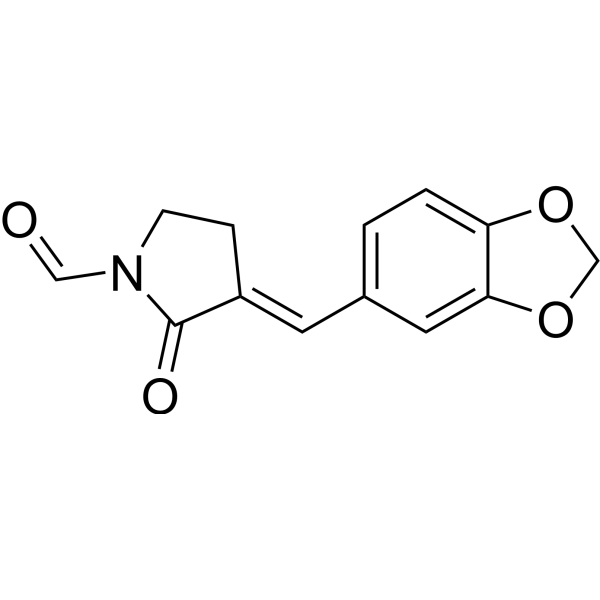
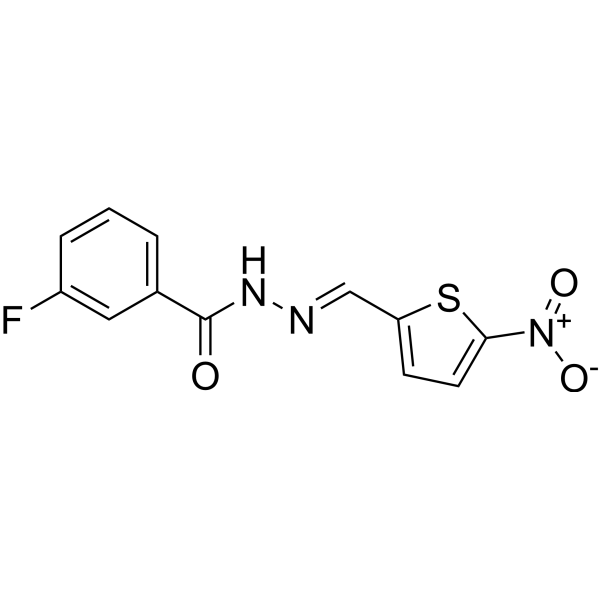
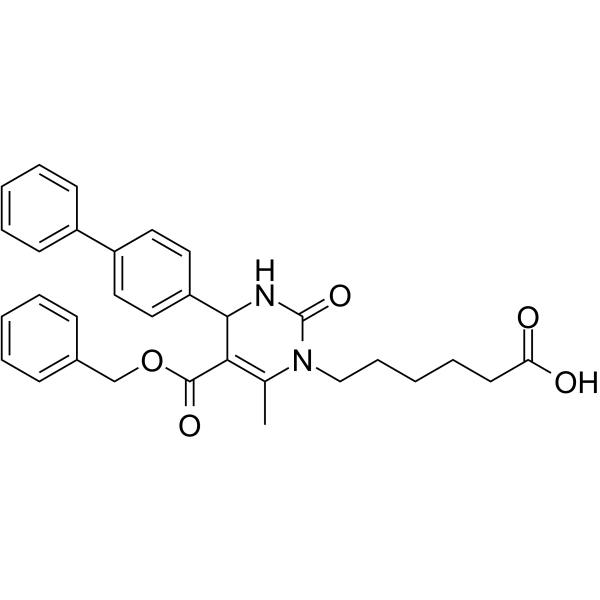
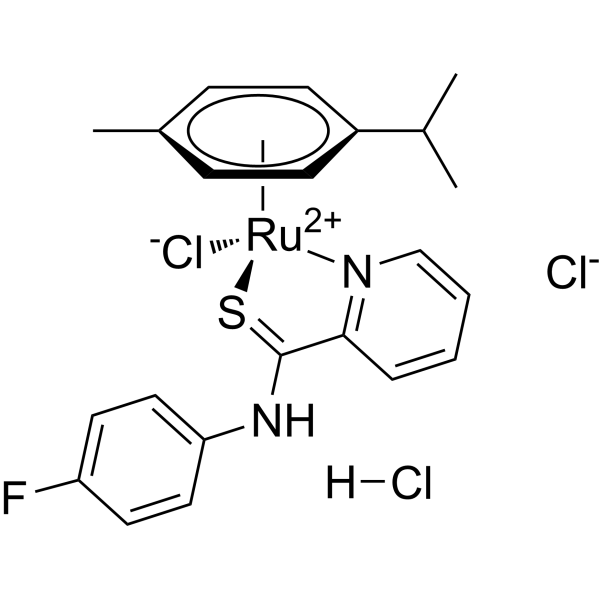
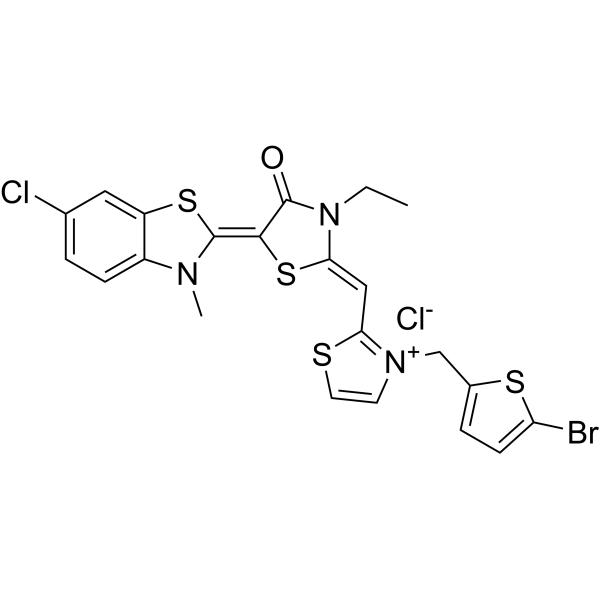
Search Result
Results for "
HSP70 inhibitor
" in MedChemExpress (MCE) Product Catalog:
3
Isotope-Labeled Compounds
| Cat. No. |
Product Name |
Target |
Research Areas |
Chemical Structure |
-
- HY-17504
-
|
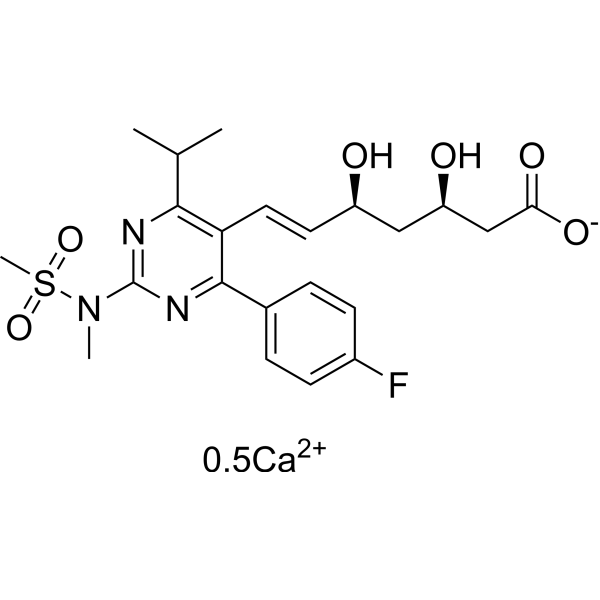
Rosuvastatin hemicalcium; ZD 4522 Calcium
|
HMG-CoA Reductase (HMGCR)
Autophagy
Potassium Channel
Bacterial
|
Cardiovascular Disease
Metabolic Disease
Cancer
|
|
Rosuvastatin Calcium is a competitive HMG-CoA reductase (HMGCR) inhibitor, with an IC50 of 11 nM. Rosuvastatin Calcium potently blocks hERG current with an IC50 of 195 nM . Rosuvastatin Calcium reduces the expression of the mature hERG and the interaction of heat shock protein 70 (Hsp70) with the hERG protein. Rosuvastatin Calcium effectively lowers low-density lipoprotein (LDL) cholesterol, triglycerides, and C-reactive protein levels .
|
-
-
- HY-10941
-
VER-155008
Maximum Cited Publications
43 Publications Verification
|
HSP
Autophagy
|
Neurological Disease
Cancer
|
|
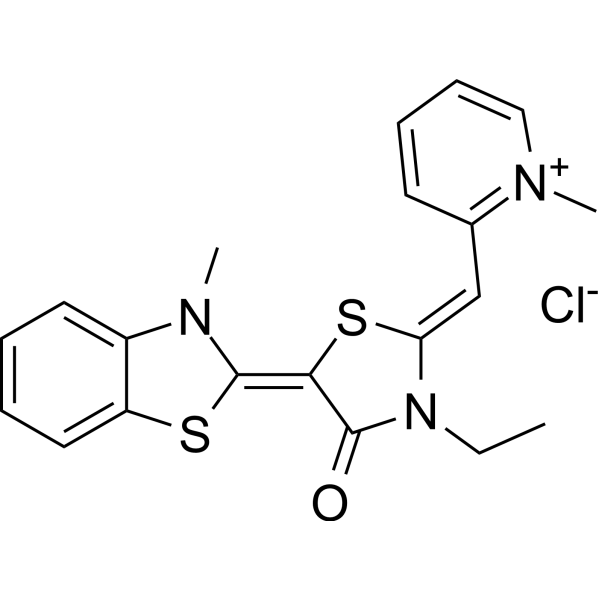
VER-155008 is an inhibitor of Hsp70, with IC50s of 0.5 μM, 2.6 μM, and 2.6 μM for Hsp70, Hsc70 and Grp7, respectively, and with a Kd of 0.3 μM for Hsp70.
|
-
-
- HY-10940
-
-
-
- HY-17504A
-
|
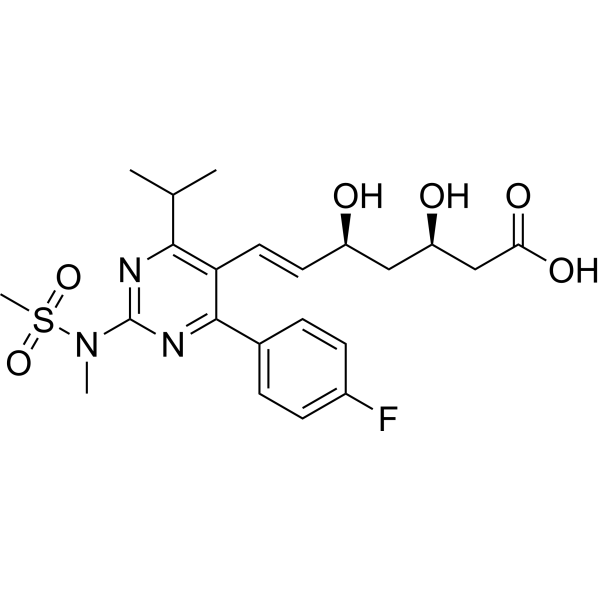
ZD 4522
|
HMG-CoA Reductase (HMGCR)
Autophagy
Potassium Channel
Bacterial
|
Cardiovascular Disease
Metabolic Disease
Cancer
|
|
Rosuvastatin (ZD 4522) is a competitive HMG-CoA reductase inhibitor with an IC50 of 11 nM. Rosuvastatin potently blocks hERG current with an IC50 of 195 nM, delayed cardiac repolarization, and thereby prolonged action potential durations (APDs) and corrected QT interval (QTc) intervals. Rosuvastatin reduces the expression of the mature hERG and the interaction of heat shock protein 70 (Hsp70) with the hERG protein. Rosuvastatin effectively lowers low-density lipoprotein (LDL) cholesterol, triglycerides, and C-reactive protein levels .
|
-
-
- HY-D1063
-
|
|
Fluorescent Dye
Apoptosis
Reactive Oxygen Species (ROS)
|
Cancer
|
|
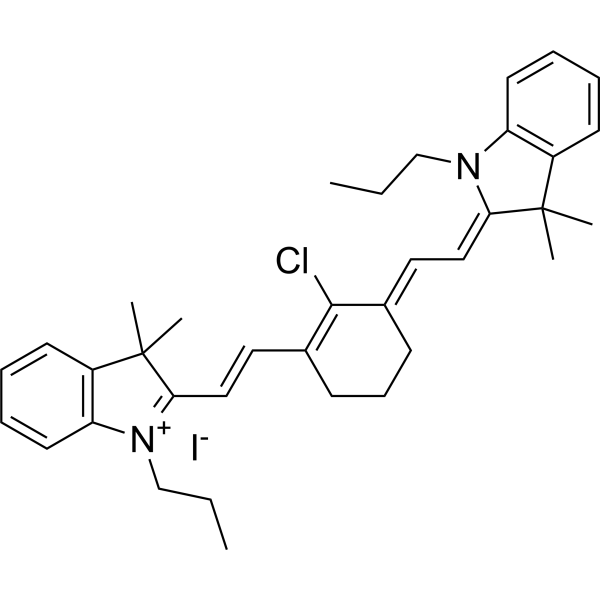
IR-780 is a near-infrared fluorescent probe for in vivo imaging of tumor cells. IR-780 is transported into tumor cells via OATPs and ABCB10, with uptake dependent on glycolytic activity and plasma membrane potential. IR-780 preferentially accumulates in tumor cell mitochondria, including those of drug-resistant cancer cells, without chemical conjugation. IR-780 generates reactive oxygen species (ROS), induces hyperthermia and apoptosis, inhibits tumor growth and recurrence, and modulates HSP70 expression upon ultrasound or 808 nm laser exposure. IR-780 acts as a sonosensitizer, photodynamic and photothermal agent, and drug delivery carrier, with low acute imaging-dose toxicity and rapid vital organ clearance. IR-780 can be used for the research of cancer, such as breast cancer, lung cancer, and non-small cell lung cancer (NSCLC) .
|
-
-
- HY-15098
-
|
Apoptosis Activator VII
|
HSP
Apoptosis
|
Cancer
|
|
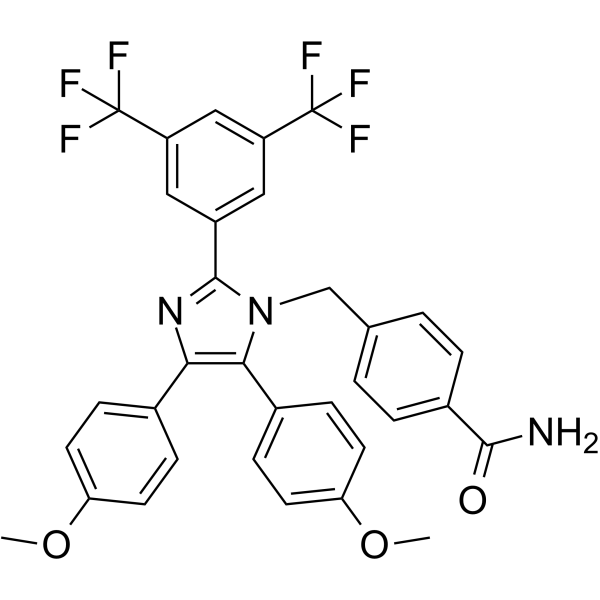
Apoptozole (Apoptosis Activator VII) is an inhibitor of the ATPase domain of Hsc70 and Hsp70, with Kds of 0.21 and 0.14 μM, respectively, and can induce apoptosis.
|
-
-
- HY-17504B
-
|
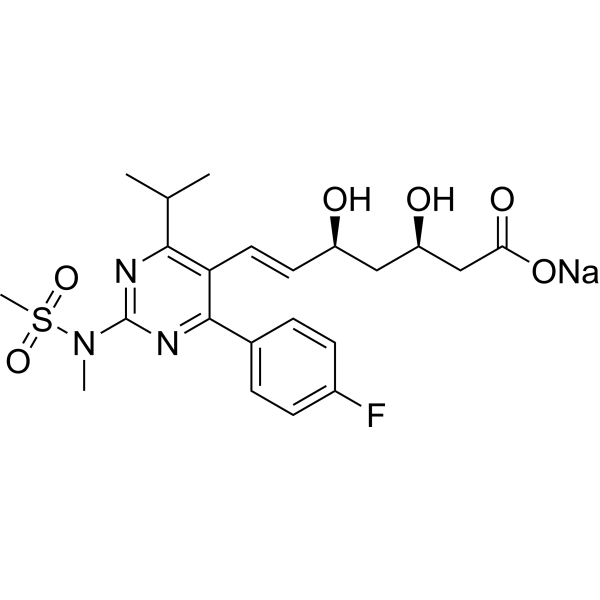
ZD 4522 Sodium; X-Plended Sodium; Crestor Sodium
|
HMG-CoA Reductase (HMGCR)
Potassium Channel
Autophagy
Bacterial
|
Cardiovascular Disease
Metabolic Disease
Cancer
|
|
Rosuvastatin Sodium is a competitive HMG-CoA reductase (HMGCR) inhibitor, with an IC50 of 11 nM. Rosuvastatin Sodium potently blocks hERG current with an IC50 of 195 nM . Rosuvastatin Sodium reduces the expression of the mature hERG and the interaction of heat shock protein 70 (Hsp70) with the hERG protein. Rosuvastatin Sodium effectively lowers low-density lipoprotein (LDL) cholesterol, triglycerides, and C-reactive protein levels .
|
-
-
- HY-N0576
-
-
-
- HY-100110
-
|
Heat Shock Protein inhibitor I
|
HSP
|
Cancer
|
|
KNK437 is a HSP inhibitor, and inhibits the induction of HSP105, HSP70, and HSP40.
|
-
-
- HY-117282
-
|
|
HSP
Apoptosis
|
Cancer
|
|
JG-98, an allosteric heat shock protein 70 (Hsp70) inhibitor, which binds tightly to a conserved site on Hsp70 and disrupts the Hsp70-Bag3 interaction. JG-98 shows anti-cancer activities affecting both cancer cells and tumor-associated macrophages .
|
-
-
- HY-115467
-
|
|
HSP
|
Metabolic Disease
|
|
MitoBloCK-10 (MB-10) is the first small molecule modulator to attenuate protein-associated motor (PAM) complex activity. MitoBloCK-10 (MB-10) inhibits Tim44 (C-terminal domain) binding to the precursor and to Hsp70 .
|
-
-
- HY-116683
-
116-9e
2 Publications Verification
MAL2-11B
|
HSP
DNA/RNA Synthesis
|
Infection
Cancer
|
|
116-9e (MAL2-11B) is a Hsp70 co-chaperone DNAJA1 inhibitor. 116-9e inhibits Simian Virus 40 (SV40) replication and DNA synthesis. 116-9e inhibits tumor antigen (TAg)’s endogenous ATPase activity and the TAg-mediated activation of Hsp70 .
|
-
-
- HY-18619
-
YL-109
2 Publications Verification
|
Aryl Hydrocarbon Receptor
|
Cancer
|
|
YL-109 is an antitumor agent that can induce carboxyl terminus of Hsp70-interacting protein (CHIP) expression through aryl hydrocarbon receptor (AhR) signaling. YL-109 has ability to inhibit breast cancer cell growth and invasiveness .
|
-
-
- HY-162567
-
|
|
HSP
Beclin1
Autophagy
|
Cancer
|
|
AP-4-139B is a blood-brain barrier-permeable HSP70 inhibitor with a IC50 of 180 nM against hHSP70. AP-4-139B binds directly to HSP70 and inhibits its ATPase activity. AP-4-139B promotes Autophagy by increasing the phosphorylation of Beclin-1. AP-4-139B exerts antitumor effects in preclinical models of colorectal cancer and pancreatic ductal adenocarcinoma .
|
-
-
- HY-W143216
-
|
Monomethylthionine
|
Amyloid-β
Tau Protein
|
Neurological Disease
|
|
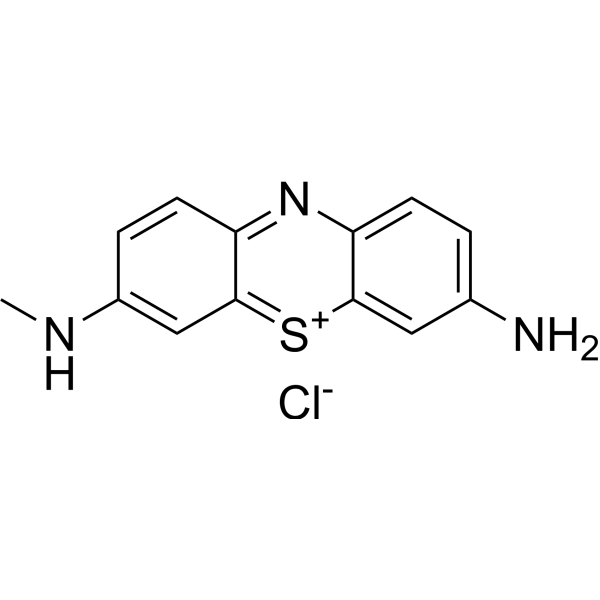
Azure C acts as a tau oligomer modulator and Aβ42 oligomerization inhibitor. It regulates hsp70 ATPase activity, thereby mediating the clearance of tau protein. Azure C reduces the levels of toxic tau oligomers by promoting the formation of non-toxic tau aggregates, rescues neuroblastoma cells from tau oligomer-induced toxicity, and binds to and inhibits Aβ42 oligomerization without suppressing its fibrillization. Azure C is generated via sequential oxidation of methylene blue or Azure B through a horseradish peroxidase-mediated reaction, and accumulates in HRP reaction media. Azure C can be used in studies related to tauopathies, including Alzheimer's disease .
|
-
-
- HY-124611
-
|
|
HSP
Apoptosis
|
Cancer
|
|
JG-231 is an allosteric inhibitor of heat shock protein 70 (Hsp70). JG - 231 inhibits the binding of Hsp70 and BAG family proteins, including inhibition of Hsp70 and BAG1 with a Ki of 0.11 μM. JG-231 inhibits proliferation of tumor cells and induces apoptosis. JG-231 has antitumor activity .
|
-
-
- HY-B1817
-
|
|
Environmental Pollutants
Apoptosis
Biochemical Assay Reagents
HSP
|
Cardiovascular Disease
Inflammation/Immunology
Cancer
|
|
Zinc acetate acts as an immune response modulator. Zinc acetate enhances the expression of HSP-70 mRNA. Zinc acetate restores the proliferation and cytokine production capacities of splenocytes. Zinc acetate reduces the Apoptosis level of splenocytes in endotoxemic mice. Zinc acetate increases plasma zinc levels and improves survival rates in mice with LPS-induced lethal endotoxemia. Zinc acetate induces rapid death of prostate cancer cell lines in vitro. Zinc acetate inhibits the growth of prostate cancer xenografts in SCID mice. Zinc acetate can be used in endotoxemia research .
|
-
-
- HY-N0754
-
|
|
YAP
HSP
Reactive Oxygen Species (ROS)
ERK
Autophagy
Apoptosis
Tyrosinase
DNA/RNA Synthesis
|
Neurological Disease
Inflammation/Immunology
Cancer
|
|
Eupalinolide A is a Yes-associated protein (YAP) degrader and HSP70 inducer. Eupalinolide A inhibits osteogenic differentiation of tendon-derived stem cells (TDSCs). Eupalinolide A induces autophagy in hepatocellular carcinoma cells via activating the ROS/ERK signaling pathway. Eupalinolide A protects PAM212 cells from UVB-, Menadione (HY-B0332)-, or heat shock-induced apoptosis. Eupalinolide A alleviates trauma-induced heterotopic ossification (HO) of Achilles tendon and inhibits growth of MHCC97-L and HCCLM3 hepatocellular carcinoma xenograft tumors in mice. Eupalinolide A can be used for the study of traumatic heterotopic ossification of tendons and hepatocellular carcinoma .
|
-
-
- HY-120909
-
|
|
HSP
Apoptosis
|
Cancer
|
|
YK5 is a potent and selective Hsp70 inhibitor. YK5 selectively and tightly binds to the cytosolic Hsp70s in cancer cells. YK5 has biological activity partly by interfering with the formation of active oncogenic Hsp70/Hsp90/client protein complexes .
|
-
-
- HY-124805
-
|
|
HSP
|
Cancer
|
|
MAL3-101 is a potent HSP70 allosteric inhibitor. MAL3-101 inhibits HSP70 ATPase activity by blocking Hsp40 co-chaperone interaction. MAL3-101 can be used for researching muscle invasive bladder cancer (MIBC) .
|
-
-
- HY-107599
-
|
|
JNK
Apoptosis
|
Neurological Disease
|
|
AEG3482 is a potent antiapoptotic compound that inhibits Jun kinase (JNK) activity through induced expression of heat shock protein 70 (HSP70). AEG3482 directly binds HSP90, thereby facilitating HSF1-dependent expression of HSP70 and HSP25 .
|
-
-
- HY-18399
-
YM-1
1 Publications Verification
|
HSP
NO Synthase
|
Cancer
|
|
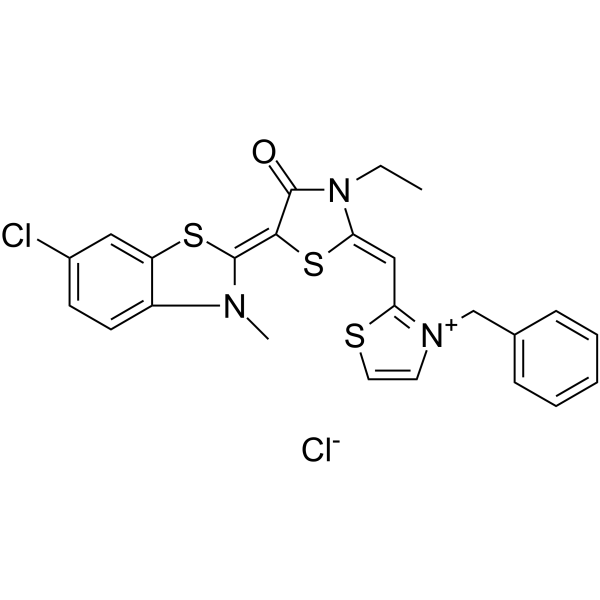
YM-1 is a stable MKT-077 (HY-15096) analog and an orally active Hsp70 inhibitor. YM-1 induces cell death of HeLa cells and up-regulates the level of p53 and p21 proteins .
|
-
-
- HY-101508
-
|
|
Histone Methyltransferase
|
Cancer
|
|
GNA002 is a highly potent, specific and covalent EZH2 (Enhancer of zeste homolog 2) inhibitor with an IC50 of 1.1 μM. GNA002 can specifically and covalently bind to Cys668 within the EZH2-SET domain, triggering EZH2 degradation through COOH terminus of Hsp70-interacting protein (CHIP)-mediated ubiquitination. GNA002 efficiently reduces EZH2-mediated H3K27 trimethylation, reactivates polycomb repressor complex 2 (PRC2)-silenced tumor suppressor genes .
|
-
-
- HY-114211
-
|
|
Histone Methyltransferase
HSP
|
Cancer
|
|
SGC8158 is an inhibitor of PRMT7 and can be used to study the cellular function of PRMT7. SGC8158 decreases monomethylarginine levels of Hsp70 (the best characterized PRMT7 substrate). SGC8158 induces growth inhibition in various cancer cells (IC50: 2-9 μM), as well as multidrug-resistant (MDR) cancer cells. SGC8158 also enhances Doxorubicin (HY-15142A) induced DNA damage and Its cytotoxicity .
|
-
-
- HY-168566
-
|
|
HSP
|
Cancer
|
|
EV206 is a Hsp70 binder and apoptosis inducer that binds to the N-terminal domain of Hsp70, promotes Hsp70 degradation via the ubiquitin-proteasome system, and reduces Hsp70 protein stability. EV206 induces apoptotic cell death, inhibits colony formation, and downregulates the expression of cancer stem cell-related markers in non-small cell lung cancer cells. EV206 inhibits the growth of H460 xenograft tumors in nude mice and can be used for the research of non-small cell lung cancer .
|
-
-
- HY-12622
-
|
|
HSP
|
Cancer
|
|
HSP70-IN-1 is a heat shock protein (HSP) inhibitor; inhibits the growth of Kasumi-1 cells with an IC50 of 2.3 μM.
|
-
-
- HY-122184
-
|
|
HSP
Apoptosis
|
Cancer
|
|
PET-16 is a selective HSP70 inhibitor that binds to an allosteric pocket of the substrate-binding domain. PET-16 inhibits the ability of HSP70 to cycle between ATP-bound and ADP-bound states. PET-16 induces apoptosis in multiple myeloma .
|
-
-
- HY-170944
-
|
|
HSP
Apoptosis
Caspase
|
Cancer
|
|
BAG3/HSP70-IN-1 (compound 16) is the first-in-class BAG3 and HSP70 dual inhibitor. BAG3/HSP70-IN-1 binds to BAG3 full-length, BAG3-BD, and HSP70 proteins with Kds of 33.10 μM, 27.90 μM, and 33.80 μM, respectively. BAG3/HSP70-IN-1 inhibits HeLa cells with an IC50 of 49.46 μM. BAG3/HSP70-IN-1 induces apoptosis by activating caspase 3 and caspase 9 levels in HeLa cells. BAG3/HSP70-IN-1 elevates p21 levels while reduces FOXM1 expression in HeLa cells. BAG3/HSP70-IN-1 decreases ATPase activity .
|
-
-
- HY-N12717
-
|
|
PAK
FASTK
HSP
p38 MAPK
NF-κB
NO Synthase
COX
HSV
Caspase
TNF Receptor
Fungal
Apoptosis
|
Infection
Inflammation/Immunology
Cancer
|
|
Casuarinin is an orally active antiproliferative, anti-inflammatory, antifungal, virucidal and gastroprotective agent. Casuarinin upregulates the expression of p21/WAF1, Fas/APO‑1, mFasL, sFasL and HSP‑70, arrests cell cycle, induces apoptosis and inhibits cancer cell proliferation. Casuarinin inhibits TNF‑α-induced phosphorylation of MAPK and activation of NF‑κB, downregulates the expression of iNOS, NF‑κB, COX‑2 and ICAM‑1, and reduces the production of proinflammatory mediators. Casuarinin attenuates ethanol-induced activation of caspase‑3 and elevation of TNF‑α, inhibits the growth of Candida albicans, and inhibits HSV‑2. Casuarinin can be used in research related to mammary adenocarcinoma, inflammatory skin diseases, gastric ulcers, candidiasis and herpes simplex virus infections .
|
-
-
- HY-139144
-
-
-
- HY-111002
-
|
NSC375009
|
HSP
|
Others
|
|
Displurigen (NSC375009) disrupts human embryonic stem cell pluripotency by targeting HSPA8. Displurigen inhibits ATPase activity of HSP70 (IC50 = 225 μM) .
|
-
-
- HY-175865
-
|
|
HSP
Apoptosis
|
Cancer
|
|
HSP70-IN-7 is a nonselective HSP70 inhibitor with Kds of 4.71, 2.16 and 2.93μM against HSP70, GRP75, and GRP78. HSP70-IN-7 exhibits selective toxicity against breast cancer cells, induces cell apoptosis and effectively suppresses the properties of breast cancer stem cells (BCSCs). HSP70-IN-7 can be used for the study of breast cancer .
|
-
-
- HY-17504R
-
|
Rosuvastatin hemicalcium (Standard); ZD 4522 Calcium (Standard)
|
Reference Standards
HMG-CoA Reductase (HMGCR)
Autophagy
Potassium Channel
Bacterial
|
Cardiovascular Disease
Metabolic Disease
Cancer
|
|
Rosuvastatin (Calcium) (Standard) is the analytical standard of Rosuvastatin (Calcium). This product is intended for research and analytical applications. Rosuvastatin Calcium is a competitive HMG-CoA reductase (HMGCR) inhibitor, with an IC50 of 11 nM. Rosuvastatin Calcium potently blocks hERG current with an IC50 of 195 nM . Rosuvastatin Calcium reduces the expression of the mature hERG and the interaction of heat shock protein 70 (Hsp70) with the hERG protein. Rosuvastatin Calcium effectively lowers low-density lipoprotein (LDL) cholesterol, triglycerides, and C-reactive protein levels .
|
-
-
- HY-163854
-
|
|
HSP
Bcl-2 Family
Apoptosis
|
Cancer
|
|
HSP70-IN-6 (Compound JL-15) is an inhibitor of Hsp70-Bim protein-protein interaction (PPI) (IC50: 70 nM). HSP70-IN-6 induces apoptosis in chronic myeloid leukemia (CML) cells, with EC50s of 0.43 μM(BV173), 0.88 μM (K562), 0.19 μM (K562-R3) .
|
-
-
- HY-148745
-
|
|
HSP
|
Cancer
|
|
JG-258 is an inactive negative control for Hsp70 inhibitors .
|
-
-
- HY-162008
-
|
|
HSP
Bcl-2 Family
|
Cancer
|
|
S1g-10 is a Hsp70/Bim inhibitor, and shows antitumor activity in chronic myeloid leukemia cells .
|
-
-
- HY-10940R
-
|
PFTμ (Standard); 2-Phenylethynesulfonamide (Standard)
|
MDM-2/p53
HSP
Autophagy
Reference Standards
|
Neurological Disease
Cancer
|
|
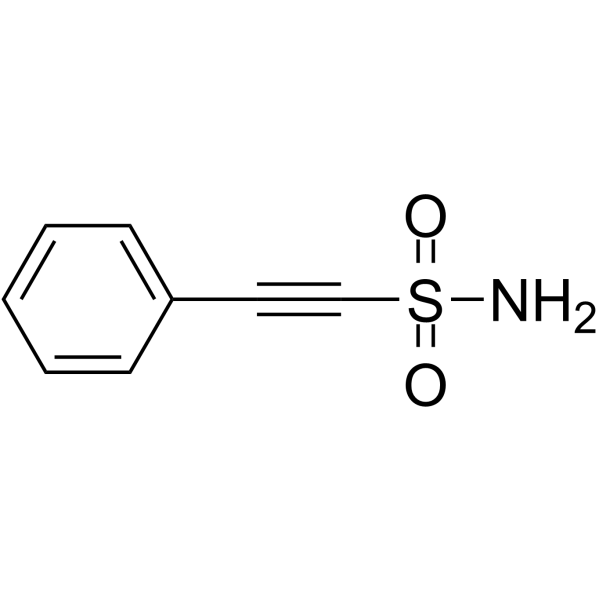
Pifithrin-μ (Standard) is the analytical standard of Pifithrin-μ. This product is intended for research and analytical applications. Pifithrin-μ is an inhibitor of p53 and HSP70, with antitumor and neuroprotective activity.
|
-
-
- HY-178462
-
|
|
HSP
DNA/RNA Synthesis
|
Cancer
|
|
Hsp70/FoxM1-IN-1 (Compound 7d) is a potent heat shock protein 70 (Hsp70) and Forkhead box M1 (FoxM1) dual inhibitor. Hsp70/FoxM1-IN-1 demonstrates significant antiproliferative and pro-apoptotic effects in multiple solid tumor models (e.g., breast, colorectal cancer), particularly for tumors co-overexpressing Hsp70/FoxM1 .
|
-
-
- HY-17504AS1
-
|
ZD 4522-d6
|
Isotope-Labeled Compounds
Autophagy
Bacterial
HMG-CoA Reductase (HMGCR)
Potassium Channel
|
Cardiovascular Disease
Metabolic Disease
Cancer
|
|
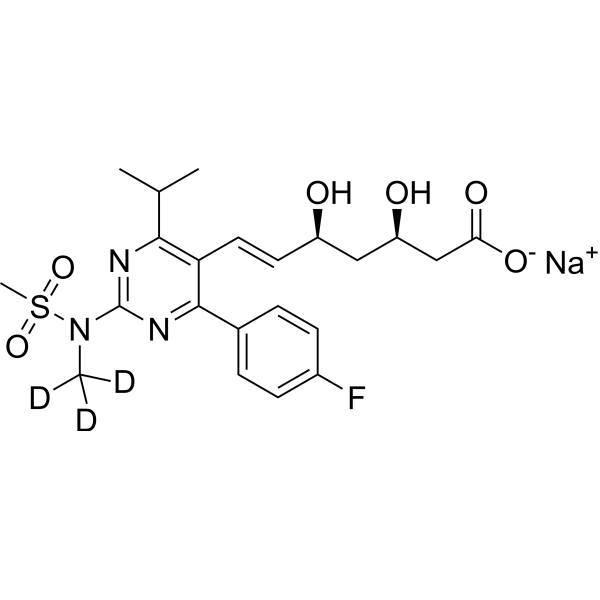
Rosuvastatin-d6 (ZD 4522-d6) is deuterium labeled Rosuvastatin. Rosuvastatin (ZD 4522) is a competitive HMG-CoA reductase inhibitor with an IC50 of 11 nM. Rosuvastatin potently blocks hERG current with an IC50 of 195 nM, delayed cardiac repolarization, and thereby prolonged action potential durations (APDs) and corrected QT interval (QTc) intervals. Rosuvastatin reduces the expression of the mature hERG and the interaction of heat shock protein 70 (Hsp70) with the hERG protein. Rosuvastatin effectively lowers low-density lipoprotein (LDL) cholesterol, triglycerides, and C-reactive protein levels .
|
-
-
- HY-143400
-
|
|
HSP
Hedgehog
|
Cancer
|
|
HSP70-IN-3 is a potent HSP70 inhibitor (IC50s of 1.1 and 1.9 μM in ASZ001 and C3H10T1/2, respectively). HSP70-IN-3 has anti-Hh (Hedgehog signaling) activity and anti-proliferative activity and reduces expression of the oncogenic transcription factor GLI1 .
|
-
-
- HY-P11053
-
|
|
HSP
|
Cancer
|
|
A17 peptide is a Hsp70-targeting peptide. A17 peptide binds to the ATP-binding domains of Hsp70. A17 peptide specifically inhibits the chaperone activity, thereby increasing the cells' sensitivity to apoptosis induced by chemotherapeutic agents, such as Cisplatin (HY-17394). A17 peptide can be used for anticancer chemotherapy research, such multiple myeloma .
|
-
-
- HY-17504BS1
-
|
|
HMG-CoA Reductase (HMGCR)
Autophagy
|
Cardiovascular Disease
Metabolic Disease
|
|
Rosuvastatin-d6 sodium is deuterium labeled Rosuvastatin sodium (HY-17504B). Rosuvastatin Sodium is a competitive HMG-CoA reductase (HMGCR) inhibitor, with an IC50 of 11 nM. Rosuvastatin Sodium potently blocks hERG current with an IC50 of 195 nM. Rosuvastatin Sodium reduces the expression of the mature hERG and the interaction of heat shock protein 70 (Hsp70) with the hERG protein. Rosuvastatin Sodium effectively lowers low-density lipoprotein (LDL) cholesterol, triglycerides, and C-reactive protein levels.
|
-
-
- HY-149638
-
|
|
Sirtuin
HSP
|
Cancer
|
|
HSP70/SIRT2-IN-2 (Compounds 1a) is a dual inhibitor for SIRT2 and HSP70, with IC50 of 45.1±5.0 μM for SIRT2. HSP70/SIRT2-IN-2 has antitumor activity .
|
-
-
- HY-149637
-
|
|
Sirtuin
HSP
|
Cancer
|
|
HSP70/SIRT2-IN-1 (Compounds 2a) is a dual inhibitor for SIRT2 and HSP70, with IC50 of 17.3±2.0 μM for SIRT2. HSP70/SIRT2-IN-1 has antitumor activity .
|
-
-
- HY-12619
-
|
|
HSP
|
Cancer
|
|
DMT003096 is a HSP70 inhibitor. HSP70 has been reported to be upregulated in various cancers including breast, lung, colon, and cervix .
|
-
-
- HY-116279
-
-
-
- HY-18406
-
|
|
HSP
|
Cancer
|
|
YM-1 tosylate is a stable MKT-077 (HY-15096) analog and an orally active Hsp70 inhibitor. YM-1 tosylate induces cell death of HeLa cells and up-regulates the level of p53 and p21 proteins .
|
-
-
- HY-126601
-
|
|
Parasite
HSP
|
Infection
|
|
Malonganenone A is an antimalarial marine alkaloid that disrupts the interaction between PfHsp70-x and Hsp40. Malonganenone A inhibits plasmodial and not human Hsp70 ATPase activity (Hsp40-stimulated), and hindered the aggregation suppression activity of PfHsp70-x .
|
-
-
- HY-131831A
-
|
N6-benzyl ADP sodium
|
ATP Synthase
|
Cancer
|
|
6-Bn-ADP (N6-benzyl ADP) sodium is a derivative of Adenosine 5'-diphosphate (ADP) (HY-W010918) that inhibits ATP hydrolysis. 6-Bn-ADP sodium inhibits the ATPase activities of Mortalin, Hsc70, and Hsp70 protein with Kis of 86.51 μM, 294.5 μM, and 1612 μM, respectively .
|
-
-
- HY-118783
-
|
(±)-2-Hexyl-4-pentynoic acid
|
HDAC
HSP
|
Neurological Disease
Cancer
|
|
2-Hexyl-4-pentynoic acid ((±)-2-Hexyl-4-pentynoic acid), a Valproic acid (HY-10585) derivative, exhibits potential roles of HDAC inhibition (IC50 = 13 μM) and HSP70 induction. 2-Hexyl-4-pentynoic acid causes histone hyperacetylation and protect against glutamate-induced excitotoxicity in cultured neurons. 2-Hexyl-4-pentynoic acid can be used for the study of breast carcinoma. 2-Hexyl-4-pentynoic acid is a click chemistry reagent, it contains an Alkyne group and can undergo copper-catalyzed azide-alkyne cycloaddition (CuAAc) with molecules containing Azide groups .
|
-
- HY-17504BR
-
|
ZD 4522 Sodium (Standard); X-Plended Sodium (Standard); Crestor Sodium (Standard)
|
HMG-CoA Reductase (HMGCR)
Potassium Channel
Autophagy
Bacterial
Reference Standards
|
Cardiovascular Disease
Metabolic Disease
Cancer
|
|
Rosuvastatin (Sodium) (Standard) is the analytical standard of Rosuvastatin (Sodium). This product is intended for research and analytical applications. Rosuvastatin Sodium is a competitive HMG-CoA reductase (HMGCR) inhibitor, with an IC50 of 11 nM. Rosuvastatin Sodium potently blocks hERG current with an IC50 of 195 nM . Rosuvastatin Sodium reduces the expression of the mature hERG and the interaction of heat shock protein 70 (Hsp70) with the hERG protein. Rosuvastatin Sodium effectively lowers low-density lipoprotein (LDL) cholesterol, triglycerides, and C-reactive protein levels .
|
-
- HY-N15449
-
|
|
HSP
Caspase
Apoptosis
Reactive Oxygen Species (ROS)
Bcl-2 Family
|
Cancer
|
|
Vicanicin is a depsidone compound found in lichens. Vicanicin inhibits the expression of Hsp70, regulates the redox-sensitive mechanisms within cells, promotes the increase of reactive oxygen species (ROS) in cancer cells, changes the Bax/Bcl-2 ratio, activates caspase-3, and triggers apoptosis. Vicanicin inhibits cell growth and induces apoptosis in androgen-sensitive (LNCaP) and androgen-insensitive (DU-145) human prostate cancer cells. Vicanicin is promising for research of prostate cancer .
|
-
- HY-17504BS2
-
|
ZD 4522-13C,d3 sodium; X-Plended-13C,d3 sodium; Crestor-13C,d3 sodium
|
Autophagy
Bacterial
HMG-CoA Reductase (HMGCR)
Potassium Channel
Isotope-Labeled Compounds
|
Cardiovascular Disease
Metabolic Disease
|
|
Rosuvastatin- 13C,d3 sodium is 13C and deuterated labeled Rosuvastatin sodium (HY-17504B). Rosuvastatin Sodium is a competitive HMG-CoA reductase (HMGCR) inhibitor, with an IC50 of 11 nM. Rosuvastatin Sodium potently blocks hERG current with an IC50 of 195 nM . Rosuvastatin Sodium reduces the expression of the mature hERG and the interaction of heat shock protein 70 (Hsp70) with the hERG protein. Rosuvastatin Sodium effectively lowers low-density lipoprotein (LDL) cholesterol, triglycerides, and C-reactive protein levels .
|
-
- HY-17504C
-
|
|
HMG-CoA Reductase (HMGCR)
Potassium Channel
Autophagy
|
Cardiovascular Disease
Metabolic Disease
|
|
(3R,5R)-Rosuvastatin is the (3R,5R)-enantiomer of Rosuvastatin. Rosuvastatin is a competitive HMG-CoA reductase inhibitor with an IC50 of 11 nM . Rosuvastatin potently blocks human ether-a-go-go related gene (hERG) current with an IC50 of 195 nM . Rosuvastatin reduces the expression of the mature hERG and the interaction of heat shock protein 70 (Hsp70) with the hERG protein. Rosuvastatin is very effective in lowering low-density lipoprotein (LDL) cholesterol, triglycerides, and C-reactive protein levels .
|
-
- HY-17504D
-
|
|
HMG-CoA Reductase (HMGCR)
Potassium Channel
Autophagy
|
Cardiovascular Disease
Metabolic Disease
|
|
(3S,5R)-Rosuvastatin is the (3S,5R)-enantiomer of Rosuvastatin. Rosuvastatin is a competitive HMG-CoA reductase inhibitor with an IC50 of 11 nM . Rosuvastatin potently blocks human ether-a-go-go related gene (hERG) current with an IC50 of 195 nM . Rosuvastatin reduces the expression of the mature hERG and the interaction of heat shock protein 70 (Hsp70) with the hERG protein. Rosuvastatin is very effective in lowering low-density lipoprotein (LDL) cholesterol, triglycerides, and C-reactive protein levels .
|
-
- HY-13644
-
|
15-Deoxyspergualin
|
Others
|
Others
|
|
Gusperimus is a fully synthetic racemate that has a novel mechanism of action by binding to the intracellular heat shock protein hsp70 and interfering with intracellular signal transduction. This mechanism of action can enhance the effect of immunosuppressive therapy. Gusperimus can inhibit the differentiation of T cells into cytotoxic T cells, reduce the expression of IL-2 receptors on CD4 and CD8 cells, and inhibit IFN-γ-induced B cell maturation. In addition, when used with cyclosporine, tacrolimus or mycophenolate mofetil, Gusperimus can enhance the immunosuppressive effect and prevent allogeneic transplant rejection.
|
-
- HY-155580
-
|
|
Monoamine Oxidase
HSP
|
Cancer
|
|
MAO A/HSP90-IN-2 (compound 4-C) is a dual inhibitor of HSP90and MAO A with the IC50 values of 0.016 and 4.58 μM, respectively. MAO A/HSP90-IN-2 increases HSP70 expression and reduces HER2 and phospho-Akt expression, and decreases IFN-γ induced PD-L1 expression in GL26 cells. MAO A/HSP90-IN-2 inhibits the growth of Temozolomide (HY-17364) -sensitive and -resistant GBM cells, colon cancer, leukemia, non-small cell lung and other cancers, and has potential to inhibit tumor immune escape [1] sup >.
|
-
- HY-N0576R
-
|
|
Reference Standards
Endogenous Metabolite
Heme Oxygenase (HO)
HSP
p38 MAPK
Akt
Apoptosis
Caspase
PARP
|
Neurological Disease
Metabolic Disease
Inflammation/Immunology
|
|
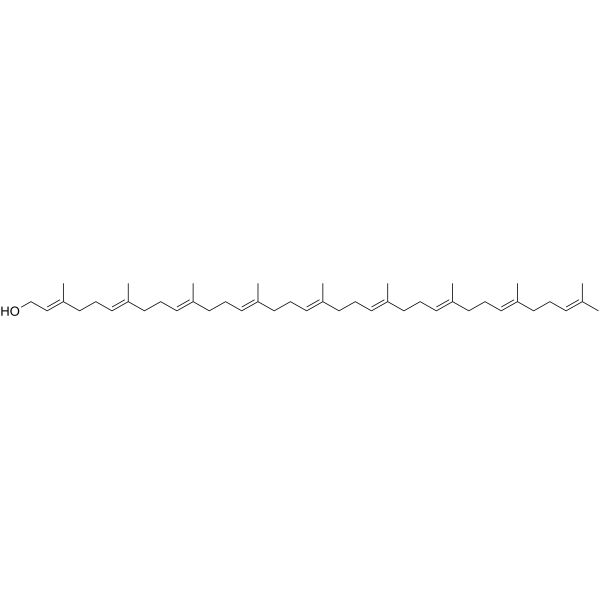
Solanesol (Standard) is the analytical standard of Solanesol (HY-N0576). This product is intended for research and analytical applications. Solanesol is an orally active aliphatic terpene alcohol. Solanesol is mainly found in tobacco and other Solanaceae plants. Solanesol induces HO-1 and Hsp70 expression, activates p38 and Akt signaling pathways, and inhibits Apoptosis (reduces caspase-3 and PARP cleavage). Solanesol has antioxidant, anti-inflammatory, and neuroprotective activities. Solanesol can be used in the research of Huntington's disease, alcoholic liver disease, chronic inflammatory pain, anxiety, Alzheimer's disease, and bipolar disorder .
|
-
- HY-P10371
-
|
txCD47
|
Reactive Oxygen Species (ROS)
Thrombopoietin Receptor
Mitochondrial Metabolism
HSP
HSV
CD47
|
Infection
Inflammation/Immunology
Cancer
|
|
PKHB1 (txCD47) is a CD47 agonist and Thrombospondin-1 peptide mimetic. PKHB1 activates CD47 and triggers Caspase-independent, calcium-dependent cell death via mitochondrial alterations, ROS production, endoplasmic reticulum morphological changes, and dissipation of mitochondrial membrane potential. PKHB1 induces the exposure of Calreticulin, HSP70, and HSP90, thereby driving immunogenic cell death. PKHB1 promotes intratumoral CD8 + T cell infiltration and inhibits breast tumorigenesis. PKHB1 reduces HSV-1 levels and alleviates the severity of herpes simplex keratitis. PKHB1 can be used in research related to breast cancer, herpes simplex keratitis, and T-cell acute lymphoblastic leukemia .
|
-
- HY-160145
-
|
|
HSP
|
Others
|
|
HSP70-IN-5 is a HSP70 inhibitor. HSP70-IN-5 exhibits IC₅₀ value for HSP70/DnaJ-mediated luciferase reconstitution of 0.6 μM. HSP70-IN-5 can be used as a biochemical probe to study the role of HSP70/DnaJ in various biological processes .
|
-
- HY-114664
-
|
|
HSP
|
Infection
Cancer
|
|
KNK423 is a specific heat shock protein (HSP) synthesis inhibitor. KNK423 improves the efficiency of Amphotericin B in inhibiting resistant Aspergillus terreus by blocking HSP70. KNK423 can be used in cancer and bacterial infection research .
|
-
- HY-180163
-
|
|
HSP
Drug Derivative
|
Cancer
|
|
HSP70-IN-8 (Compound 1b) is a HSP70 inhibitor and Alpinetin (HY-N0625A) derivative. HSP70-IN-8 inhibits the expression of HSP70 protein.HSP70-IN-8 exhibits excellent anti-liver cancer activity .
|
-
- HY-184106
-
|
|
HSP
Caspase
|
Cancer
|
|
HSP70-IN-9 (Compound 27g) is a Hsp70 inhibitor. HSP70-IN-9 activates Caspase-3 and -7. HSP70-IN-9 exerts anticancer effects against acute myeloid leukemia. HSP70-IN-9 can be used for the research of acute myeloid leukemia .
|
-
- HY-107599R
-
|
|
Reference Standards
JNK
Apoptosis
|
Neurological Disease
|
|
AEG3482 (Standard) is the analytical standard of AEG3482 (HY-107599). This product is intended for research and analytical applications. AEG3482 is a potent antiapoptotic compound that inhibits Jun Kinase (JNK) activity through induced expression of heat shock protein 70 (HSP70). AEG3482 directly binds HSP90, thereby facilitating HSF1-dependent expression of HSP70 and HSP25 .
|
-
- HY-100110R
-
|
Heat Shock Protein inhibitor I (Standard)
|
HSP
Reference Standards
|
Cancer
|
|
KNK437 (Standard) is the analytical standard of KNK437 (HY-100110). This product is intended for research and analytical applications. KNK437 is a HSP inhibitor, and inhibits the induction of HSP105, HSP70, and HSP40.
|
-
- HY-182399
-
|
|
Aminoacyl-tRNA Synthetase
|
Cancer
|
|
BC-DXI-495 is a AIMP2-DX2 inhibitor. BC-DXI-495 disrupts the interaction of HSP70 and destabilizes DX2. BC-DXI-495 induces DX2 degradation via Siah1-mediated ubiquitination. BC-DXI-495 exerts tumor suppressive activity in cancer cells. BC-DXI-495 serves as a chemical probe to elucidate the mechanism of action of arylsulfonamide-based DX2 inhibitors. BC-DXI-495 can be used in lung cancer research .
|
-
- HY-W470101
-
|
|
HIF/HIF Prolyl-Hydroxylase
Apoptosis
HSP
Caspase
|
Cancer
|
|
HIF-2α-IN-17 is a selective hypoxia-inducible factor 2α (HIF2α) inhibitor that binds to the PAS-B domain of HIF2α. HIF-2α-IN-17 disrupts the interaction between HIF2α and the molecular chaperone Hsp70, leading to proteasomal degradation of HIF2α. HIF-2α-IN-17 exhibits antitumor activity and induces apoptosis in cancer cells. HIF-2α-IN-17 is applicable for research on cancers such as clear cell renal cell carcinoma .
|
-
- HY-130273
-
|
|
HDAC
HSP
Microtubule/Tubulin
PD-1/PD-L1
|
Cancer
|
|
HDAC/HSP90-IN-1 (compound 20) is a potent dual inhibitor of HDAC (IC50 = 194 nM) and HSP90 (HSP90α IC50 = 153 nM). HDAC/HSP90-IN-1 induces HSP70 expression, downregulates HSP90 client proteins, and promotes acetylation of α-tubulin and histone H3 in cancer cells. HDAC/HSP90-IN-1 reduces PD-L1 expression in IFN-γ treated H1975 cells. HDAC/HSP90-IN-1 can be used for cancer research, such as lung and colon cancer .
|
-
- HY-130274
-
|
|
HDAC
HSP
Microtubule/Tubulin
PD-1/PD-L1
|
Cancer
|
|
HDAC/HSP90-IN-2 (compound 26) is a potent dual inhibitor of HDAC (IC50 = 360 nM) and HSP90 (HSP90α IC50 = 77 nM). HDAC/HSP90-IN-2 induces HSP70 expression, downregulates HSP90 client proteins, and promotes acetylation of α-tubulin and histone H3 in cancer cells. HDAC/HSP90-IN-2 reduces PD-L1 expression in IFN-γ treated H1975 cells. HDAC/HSP90-IN-2 can be used for cancer research, such as lung and colon cancer .
|
-
- HY-182044
-
|
|
Ras
Apoptosis
PARP
Caspase
CDK
|
Cancer
|
|
MRTX849-amide-C4-(o)-carborane is a KRAS G12C inhibitor with mutation selectivity for cells expressing KRAS G12C. MRTX849-amide-C4-(o)-carborane shows low intrinsic cytotoxicity in cancer cells. MRTX849-amide-C4-(o)-carborane covalently binds to Cys12 of KRAS G12C, recruits Hsp70, promotes ubiquitination, and induces proteasome-dependent degradation of the target protein. MRTX849-amide-C4-(o)-carborane inhibits the activity of the downstream ERK signaling pathway and induces apoptosis signaling in cancer cells. MRTX849-amide-C4-(o)-carborane is applicable for the research of KRAS G12C-positive cancers .
|
-
- HY-164184
-
|
|
Apoptosis
Caspase
HSP
Early 2 Factor (E2F)
DNA/RNA Synthesis
|
Cancer
|
|
Ly101-4B is an apoptosis inducer and multi-target inhibitor with antiproliferative, antitumor and cycytotoxic effects. Ly101-4B reduces HSF1 expression, inhibits microRNA-214 synthesis, downregulates HSP27, HSP70 and HSP90 expression, while suppressing E2F-dependent transcriptional activity and downregulating its target genes. Ly101-4B induces caspase 3/7-mediated apoptosis by reducing DNA synthesis, inhibiting the cell cycle and G1/S phase transition, without affecting RNA synthesis or inducing necrosis. Ly101-4B is selective for pancreatic ductal adenocarcinoma cells with different genotypes and varying degrees of E2F dependence. Ly101-4B can be used in research related to epithelial ovarian cancer and pancreatic ductal adenocarcinoma .
|
-
| Cat. No. |
Product Name |
Type |
-
- HY-D1063
-
|
|
Fluorescent Dyes
|
|
IR-780 is a near-infrared fluorescent probe for in vivo imaging of tumor cells. IR-780 is transported into tumor cells via OATPs and ABCB10, with uptake dependent on glycolytic activity and plasma membrane potential. IR-780 preferentially accumulates in tumor cell mitochondria, including those of drug-resistant cancer cells, without chemical conjugation. IR-780 generates reactive oxygen species (ROS), induces hyperthermia and apoptosis, inhibits tumor growth and recurrence, and modulates HSP70 expression upon ultrasound or 808 nm laser exposure. IR-780 acts as a sonosensitizer, photodynamic and photothermal agent, and drug delivery carrier, with low acute imaging-dose toxicity and rapid vital organ clearance. IR-780 can be used for the research of cancer, such as breast cancer, lung cancer, and non-small cell lung cancer (NSCLC) .
|
| Cat. No. |
Product Name |
Target |
Research Area |
-
- HY-P11053
-
|
|
HSP
|
Cancer
|
|
A17 peptide is a Hsp70-targeting peptide. A17 peptide binds to the ATP-binding domains of Hsp70. A17 peptide specifically inhibits the chaperone activity, thereby increasing the cells' sensitivity to apoptosis induced by chemotherapeutic agents, such as Cisplatin (HY-17394). A17 peptide can be used for anticancer chemotherapy research, such multiple myeloma .
|
-
- HY-P10371
-
|
txCD47
|
Reactive Oxygen Species (ROS)
Thrombopoietin Receptor
Mitochondrial Metabolism
HSP
HSV
CD47
|
Infection
Inflammation/Immunology
Cancer
|
|
PKHB1 (txCD47) is a CD47 agonist and Thrombospondin-1 peptide mimetic. PKHB1 activates CD47 and triggers Caspase-independent, calcium-dependent cell death via mitochondrial alterations, ROS production, endoplasmic reticulum morphological changes, and dissipation of mitochondrial membrane potential. PKHB1 induces the exposure of Calreticulin, HSP70, and HSP90, thereby driving immunogenic cell death. PKHB1 promotes intratumoral CD8 + T cell infiltration and inhibits breast tumorigenesis. PKHB1 reduces HSV-1 levels and alleviates the severity of herpes simplex keratitis. PKHB1 can be used in research related to breast cancer, herpes simplex keratitis, and T-cell acute lymphoblastic leukemia .
|
| Cat. No. |
Product Name |
Category |
Target |
Chemical Structure |
-
- HY-N0576
-
-
-
- HY-N0754
-
-
-
- HY-N12717
-
|
|
Terminalia arjuna (Roxb. ex DC.) Wight & Arn.
Structural Classification
Combretaceae
Phenols
Polyphenols
Plants
Source Classification
|
PAK
FASTK
HSP
p38 MAPK
NF-κB
NO Synthase
COX
HSV
Caspase
TNF Receptor
Fungal
Apoptosis
|
|
Casuarinin is an orally active antiproliferative, anti-inflammatory, antifungal, virucidal and gastroprotective agent. Casuarinin upregulates the expression of p21/WAF1, Fas/APO‑1, mFasL, sFasL and HSP‑70, arrests cell cycle, induces apoptosis and inhibits cancer cell proliferation. Casuarinin inhibits TNF‑α-induced phosphorylation of MAPK and activation of NF‑κB, downregulates the expression of iNOS, NF‑κB, COX‑2 and ICAM‑1, and reduces the production of proinflammatory mediators. Casuarinin attenuates ethanol-induced activation of caspase‑3 and elevation of TNF‑α, inhibits the growth of Candida albicans, and inhibits HSV‑2. Casuarinin can be used in research related to mammary adenocarcinoma, inflammatory skin diseases, gastric ulcers, candidiasis and herpes simplex virus infections .
|
-
-
- HY-126601
-
-
-
- HY-N15449
-
|
|
Natural Products
Microorganisms
Source Classification
|
HSP
Caspase
Apoptosis
Reactive Oxygen Species (ROS)
Bcl-2 Family
|
|
Vicanicin is a depsidone compound found in lichens. Vicanicin inhibits the expression of Hsp70, regulates the redox-sensitive mechanisms within cells, promotes the increase of reactive oxygen species (ROS) in cancer cells, changes the Bax/Bcl-2 ratio, activates caspase-3, and triggers apoptosis. Vicanicin inhibits cell growth and induces apoptosis in androgen-sensitive (LNCaP) and androgen-insensitive (DU-145) human prostate cancer cells. Vicanicin is promising for research of prostate cancer .
|
-
-
- HY-N0576R
-
-
| Cat. No. |
Product Name |
Chemical Structure |
-
- HY-17504AS1
-
|
|
|
Rosuvastatin-d6 (ZD 4522-d6) is deuterium labeled Rosuvastatin. Rosuvastatin (ZD 4522) is a competitive HMG-CoA reductase inhibitor with an IC50 of 11 nM. Rosuvastatin potently blocks hERG current with an IC50 of 195 nM, delayed cardiac repolarization, and thereby prolonged action potential durations (APDs) and corrected QT interval (QTc) intervals. Rosuvastatin reduces the expression of the mature hERG and the interaction of heat shock protein 70 (Hsp70) with the hERG protein. Rosuvastatin effectively lowers low-density lipoprotein (LDL) cholesterol, triglycerides, and C-reactive protein levels .
|
-
-
- HY-17504BS1
-
|
|
|
Rosuvastatin-d6 sodium is deuterium labeled Rosuvastatin sodium (HY-17504B). Rosuvastatin Sodium is a competitive HMG-CoA reductase (HMGCR) inhibitor, with an IC50 of 11 nM. Rosuvastatin Sodium potently blocks hERG current with an IC50 of 195 nM. Rosuvastatin Sodium reduces the expression of the mature hERG and the interaction of heat shock protein 70 (Hsp70) with the hERG protein. Rosuvastatin Sodium effectively lowers low-density lipoprotein (LDL) cholesterol, triglycerides, and C-reactive protein levels.
|
-
-
- HY-17504BS2
-
|
|
|
Rosuvastatin- 13C,d3 sodium is 13C and deuterated labeled Rosuvastatin sodium (HY-17504B). Rosuvastatin Sodium is a competitive HMG-CoA reductase (HMGCR) inhibitor, with an IC50 of 11 nM. Rosuvastatin Sodium potently blocks hERG current with an IC50 of 195 nM . Rosuvastatin Sodium reduces the expression of the mature hERG and the interaction of heat shock protein 70 (Hsp70) with the hERG protein. Rosuvastatin Sodium effectively lowers low-density lipoprotein (LDL) cholesterol, triglycerides, and C-reactive protein levels .
|
-
| Cat. No. |
Product Name |
|
Classification |
-
- HY-118783
-
|
(±)-2-Hexyl-4-pentynoic acid
|
|
Alkynes
|
|
2-Hexyl-4-pentynoic acid ((±)-2-Hexyl-4-pentynoic acid), a Valproic acid (HY-10585) derivative, exhibits potential roles of HDAC inhibition (IC50 = 13 μM) and HSP70 induction. 2-Hexyl-4-pentynoic acid causes histone hyperacetylation and protect against glutamate-induced excitotoxicity in cultured neurons. 2-Hexyl-4-pentynoic acid can be used for the study of breast carcinoma. 2-Hexyl-4-pentynoic acid is a click chemistry reagent, it contains an Alkyne group and can undergo copper-catalyzed azide-alkyne cycloaddition (CuAAc) with molecules containing Azide groups .
|
Your information is safe with us. * Required Fields.
Inquiry Information
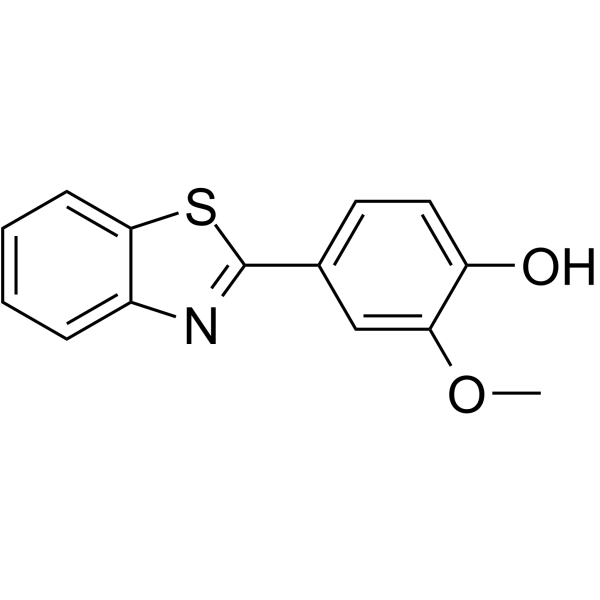
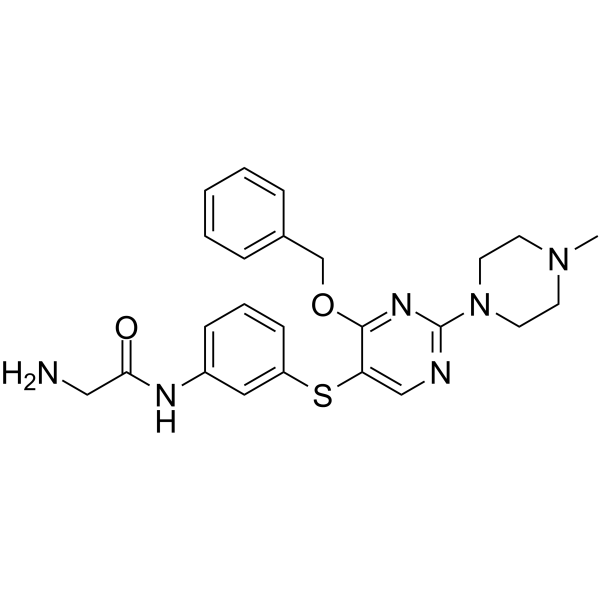
- Product Name:
- Cat. No.:
- Quantity:
- MCE Japan Authorized Agent:

