
From 11:00 pm to 12:00 pm EST ( 8:00 pm to 9:00 pm PST ) on January 6th, the website will be under maintenance. We are sorry for the inconvenience. Please arrange your schedule properly.
Gastric mucin is a glycoprotein with natural antibiotic function. Gastric mucin against Helicobacter pylori infection. Gastric mucin effectively scavenges hydroxyl radical. Gastric mucin play a major role in the protection of the gastrointestinal tract from acid, proteases, pathogenic microorganisms, and mechanical trauma .
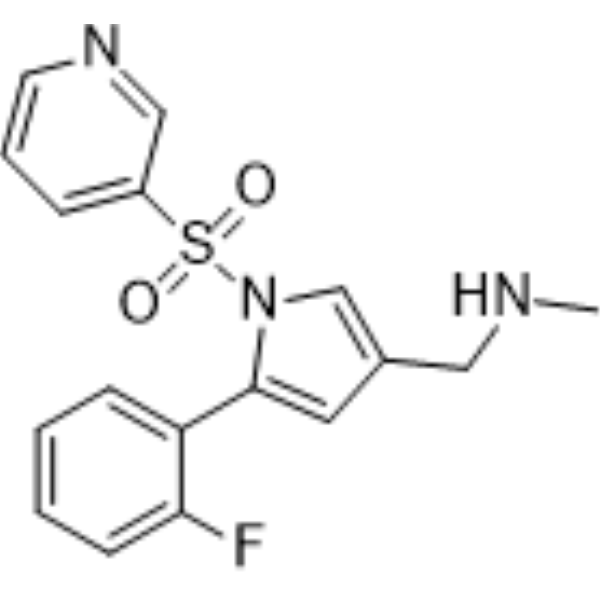
Vonoprazan (TAK-438 free base), a proton pump inhibitor (PPI), is a potent and orally active potassium-competitive acid blocker (P-CAB), with antisecretory activity. Vonoprazan inhibits H +,K +-ATPase activity in porcine gastric microsomes with an IC50 of 19 nM at pH 6.5. Vonoprazan is developed for the research of acid-related diseases, such as gastroesophageal reflux disease and peptic ulcer disease. Vonoprazan can be used for eradication of Helicobacter pylori .
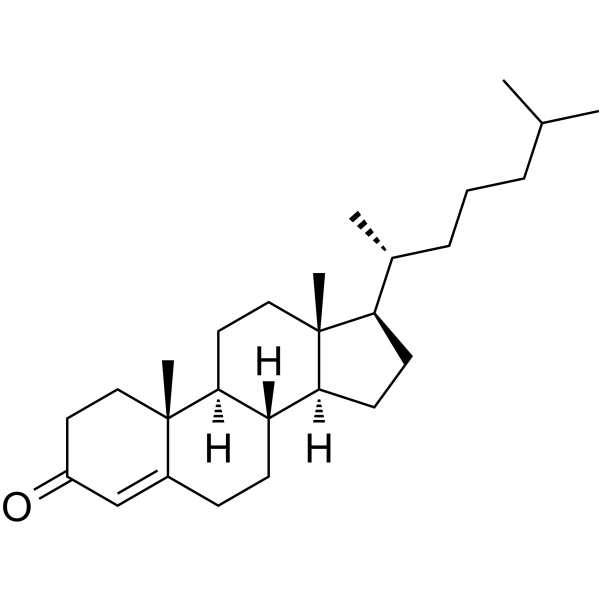
Cholestenone (4-cholesten-3-one) is an orally available antimicrobial agent that is metabolized primarily in the liver as an intermediate oxidation product of cholesterol. Cholestenone inhibits human dermal fibroblast migration and fights Helicobacter pylori infection in vitro and in mouse models by inhibiting cholesterol-α-D-glucopyranoside (CGL). Cholestenone also alleviates metabolic disorders caused by obesity in db/db mice .
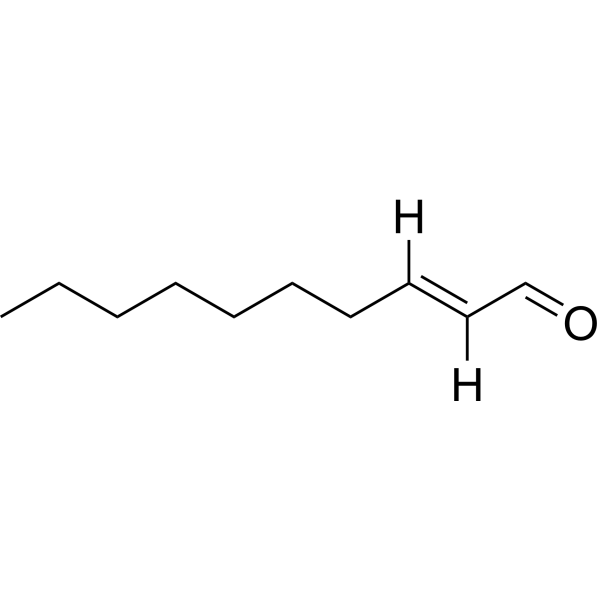
trans-2-Decenal ((E)-Dec-2-enal) acts as a urease inhibitor and antibacterial agent against Helicobacter pylori, with an IC50 of 9.484 μg/mL against Helicobacter pylori urease. trans-2-Decenal reduces the urease activity of Helicobacter pylori, and possesses antibacterial, bactericidal, anti-biofilm and anti-migratory activities. It alters the morphology of Helicobacter pylori, induces bacterial rupture, inhibits biofilm formation, reduces the number of mature biofilms and impairs the migratory capacity of Helicobacter pylori. trans-2-Decenal disrupts the cell wall integrity of Phytophthora capsici, damages membrane integrity and permeability, triggers intracellular reactive oxygen species (ROS) accumulation, decreases glutathione levels and disrupts the mitochondrial membrane potential of Phytophthora capsici. trans-2-Decenal is applicable to studies related to Helicobacter pylori and plant diseases induced by and Phytophthora capsici .
Bismuth subcitrate potassium is a compound bismuth salt with oral activity. Bismuth subcitrate potassium has antibacterial activity and can inhibit the growth of Campylobacter pyloridis with a MIC50 of 8 μg/mL. Bismuth subcitrate potassium can be used in the study of gastrointestinal diseases infected by Campylobacter pyloridis .
Moenomycin complex is a class of antibacterial agents and PBP inhibitors, with Kd values ranging from 94 nM to 1690 nM against various bacterial PBPs. Moenomycin complex inhibits bacterial growth by blocking the transglycosylase activity of class A penicillin-binding proteins (PBPs). Moenomycin complex is used in the research of bacterial infections .
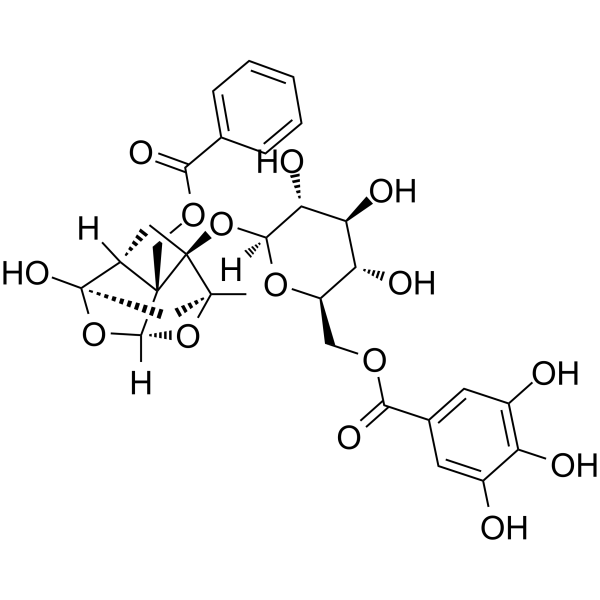
Galloylpaeoniflorin (6'-O-Galloyl paeoniflorin) is an orally active galloylated derivative of Paeoniflorin (HY-N0293) found in peony roots with various anti-inflammatory and antioxidant activities. Galloylpaeoniflorin suppresses RANKL-induced activation of ERK, JNK, c-Fos, c-Jun, and NFATc1, and reduces osteoclast-specific gene expression. Galloylpaeoniflorin activates Nrf2 and PI3K/Akt pathways, inhibits NF-κB activation, and scavenges ROS to reduce oxidative DNA, lipid, and protein damage. Galloylpaeoniflorin attenuates neuroinflammation, inhibits apoptosis, reduces Helicobacter pylori-induced gastric mucosa injury and UVB-induced cell damage. Galloylpaeoniflorin can be used for the research of osteoporosis, gastritis, ischemic stroke and skin diseases .
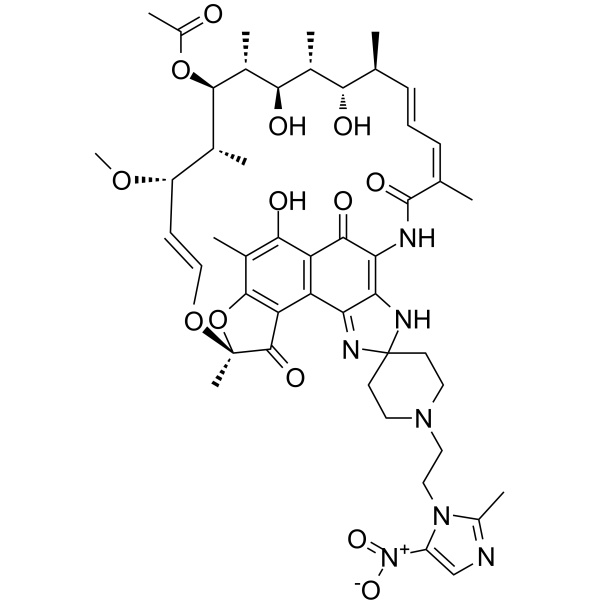
Rifasutenizol (TNP-2198) is a dual-targeted antibacterial agent that has a good antibacterial effect on Helicobacter pylori infection. Rifasutenizol can be used in the study of microaerophilic and anaerobic bacterial infections .
Pexiganan (MSI 78) is an orally active antimicrobial peptide with broad-spectrum bactericidal. Pexiganan disrupts bacterial cell membranes, induces peptidoglycan damage and cell lysis. Pexiganan TFA can be used for the research of bacterial infection .
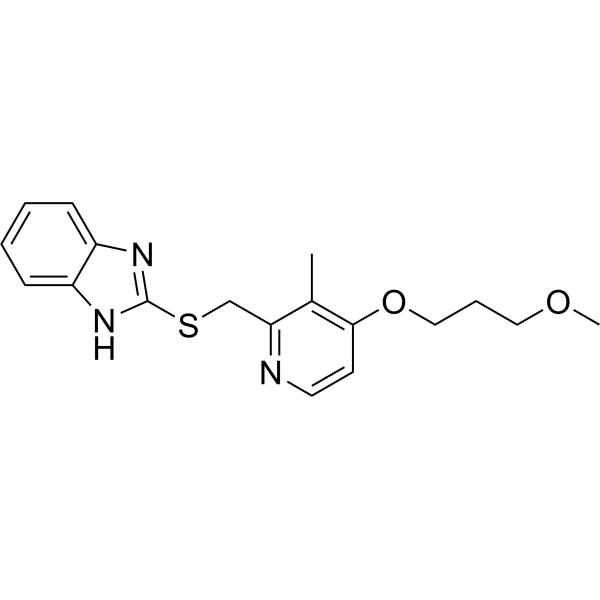
Rabeprazole Sulfide is a sulfide metabolite of Rabeprazole (HY-B0656). Rabeprazole Sulfide inhibits Helicobacter pylori motility. Rabeprazole Sulfide can be used for the research of Helicobacter pylori infection .
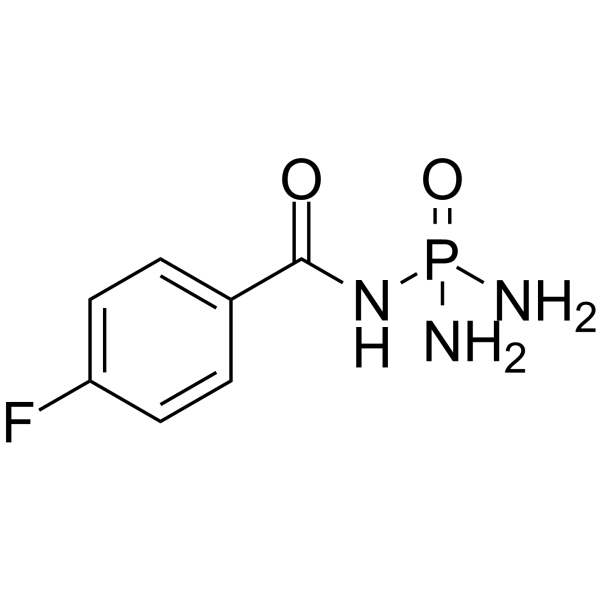
Flurofamide is an effective bacterial urease inhibitor and antibacterial agent. Flurofamide inhibits urease and partially inhibits the chemotactic activity of Helicobacter pylori strain CPY3401. Flurofamide inhibits the growth of Ureaplasma urealyticum. Flurofamide reduces blood ammonia. Flurofamide can be used in the research of infectious urinary stones .
(20R)-Protopanaxadiol is a metabolite of ginsenosides. (20R)-Protopanaxadiol has anti-inflammatory and antibacterial activities, but shows no significant cytotoxicity against tumor cell lines. In addition, (20R)-Protopanaxadiol can inhibit the uptake of 2-deoxy-D-glucose (2-DG) .
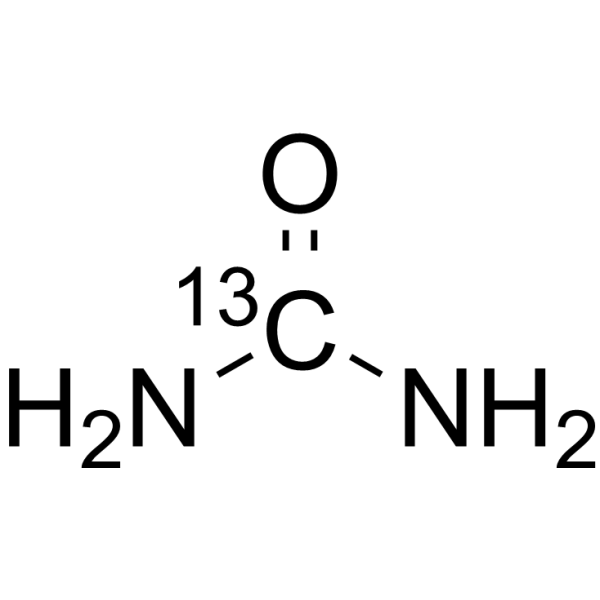
Urea- 13C is the 13C labelled urea. The Urea- 13C breath test ( 13C-UBT) is one of the best methods for the diagnosis of Helicobacter pylori infection .
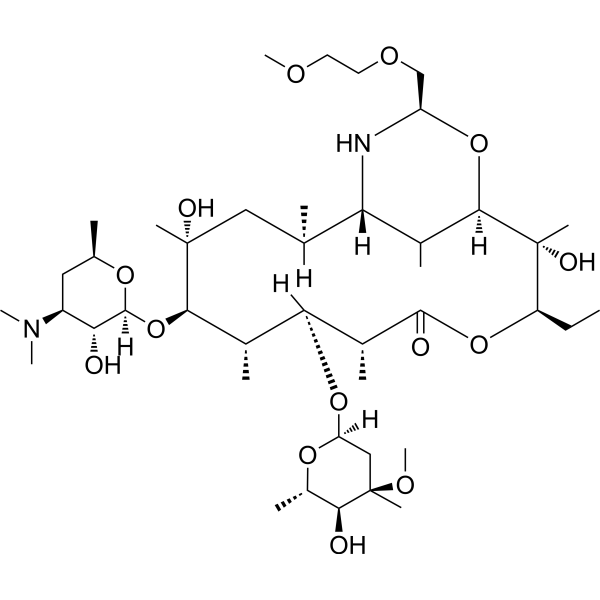
Dirithromycin (LY237216), a derivative of Erythromycin, is a potent and orally active semi-synthetic macrolide antibiotic. Dirithromycin is active against gram-positive bacteria, Legionella spp., Helicobacter pylori, and Chlamydia trachomatis .
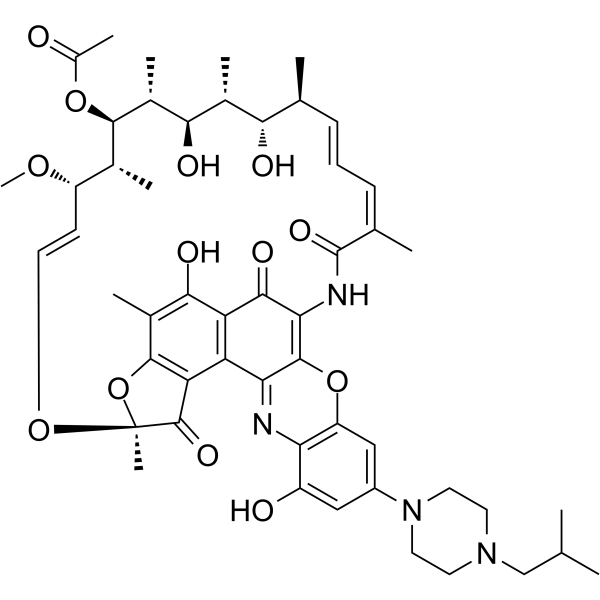
Rifalazil (KRM-1648; ABI-1648), a rifamycin derivative, inhibits the bacterial DNA-dependent RNA polymerase and kills bacterial cells by blocking off the β-subunit in RNA polymerase . Rifalazil (KRM-1648; ABI-1648) is an antibiotic, exhibits high potency against mycobacteria, gram-positive bacteria, Helicobacter pylori, C. pneumoniae and C. trachomatis with MIC values from 0.00025 to 0.0025 μg/ml . Rifalazil (KRM-1648; ABI-1648) has the potential for the treatment of Chlamydia infection, Clostridium difficile associated diarrhea (CDAD), and tuberculosis (TB) .
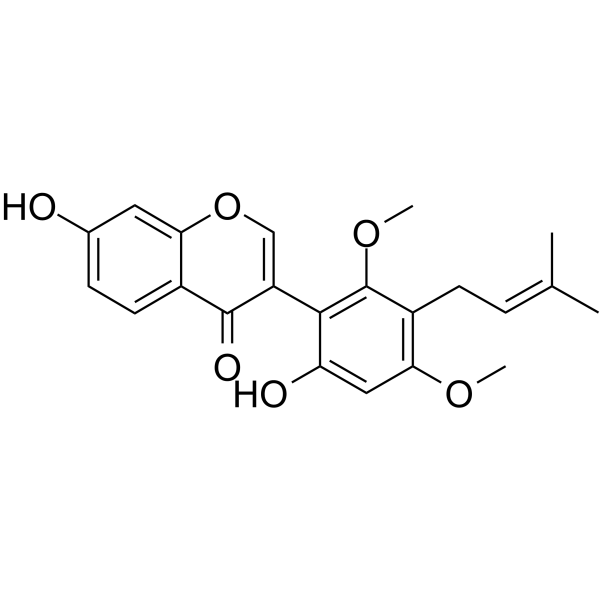
Licoricone is an flavonoid extracted from licorice, exhibits anti-helicobacter pylori activity against the CLAR and AMOX-resistant strain as well as four CLAR (AMOX)-sensitive strains .
alpha-1,3-N-Acetylgalactosaminyltransferase (BgtA) is an acetylgalactose aminotransferase, which can be isolated from Helicobacter mustelae, and can specifically recognize Fucα1,2-Gal epitopes .
STAT3-IN-17 is a moderate STAT3 inhibitor (IC50=0.7 μM; HEK-Blue IL-6), with antiproliferative activity in HeLa cells. STAT3-IN-17 has good pharmacokinetic characteristics. STAT3-IN-17 also inhibits pyruvate-ferredoxin oxidoreductase (PFOR), and inhibits Helicobacter pylori .
alpha-1,3/4-Fucosyltransferase (α1,3/4FucT) (EC 2.4.1.65) (Hp3/4FT) can be found in Helicobacter pylori. alpha-1,3/4-Fucosyltransferase (α1,3/4FucT) catalyzes fucose transfer from donor GDP-beta-l-fucose to the GlcNAc .
HPi1 is a potent, selective and orally active antimicrobial against Helicobacter pylori with an IC50 of 0.24 μM and an MIC of 0.08-0.16 μg/mL. HPi1 is inactive against other bacteria, including the gut commensals Lactobacillus casei, Lactobacillus reuteri, and Bifidobacterium longum .
Anti-Mouse IL-7Rα/CD127 Antibody (A7R34) is a rat-derived IgG2a κ type antibody inhibitor, targeting to mouse IL-7Rα/CD127. Anti-Mouse IL-7Rα/CD127 Antibody (A7R34) blocks IL-7 signaling. Anti-Mouse IL-7Rα/CD127 Antibody (A7R34) can be used for the researches of cancer,infection, inflammation, immunology, cardiovascular and metabolic disease, such as abdominal aortic aneurysms, helicobacter felis-induced gastritis and diabetes .
Cochinchinenin C is a GLP-1R agonist that binds to the extracellular domain of the receptor via hydrophobic interactions and hydrogen bonds, and promotes glucose-dependent insulin secretion from pancreatic β-cells. Cochinchinenin C also increases intracellular cAMP and ATP levels. At low concentrations, Cochinchinenin C binds to human serum albumin, alters its microenvironment, and induces dominant static fluorescence quenching. Cochinchinenin C shows almost no cytotoxicity to pancreatic β-cells, and exerts a synergistic effect with Loureirin A (HY-N1505) when binding to human serum albumin. Cochinchinenin C has been widely used in studies of type 2 diabetes, Helicobacter pylori infection, thrombotic diseases, and other conditions .
Plaunotol is an orally active acyclic diterpene alcohol. Plaunotol has antibacterial activity against Helicobacter pylori which causes peptic ulcer . Plaunotol inhibits tumor angiogenesis and cell proliferation. Plaunotol induces apoptosis by activation of caspase 8 and caspase 9 pathways. Plaunotol is a potential anticancer agent against colon cancer .
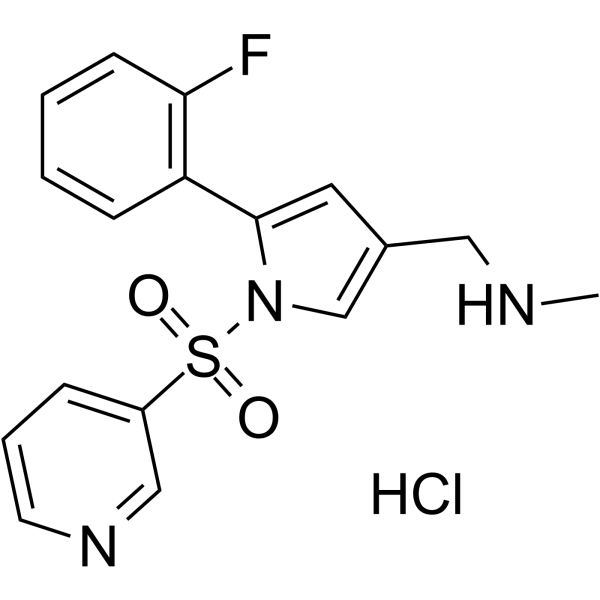
Vonoprazan hydrochloride, a proton pump inhibitor (PPI), is a potent and orally active potassium-competitive acid blocker (P-CAB), with antisecretory activity. Vonoprazan hydrochloride inhibits H +,K +-ATPase activity in porcine gastric microsomes with an IC50 of 19 nM at pH 6.5. Vonoprazan hydrochloride is developed for the research of acid-related diseases, such as gastroesophageal reflux disease and peptic ulcer disease. Vonoprazan hydrochloride can be used for eradication of Helicobacter pylori .
Helicobacter pylori alpha-1,3-fucosyltransferase (Hp3FT) catalyzes the glycosyl addition of fucose from the donor GDP-fucose to the acceptor N-acetyllactosamine .
Ranitidine bismuth citrate is a potent, selective and orally active histamine H2-receptor antagonist that inhibits gastric secretion. Ranitidine bismuth citrate antagonizes Histamine (HY-B1204)-induced increases of the guinea-pig isolated rat atrium and Histamine-induced relaxations of the rat isolated uterine horn, with pA2 values of 7.2 and 6.95, respectively. Ranitidine bismuth citrate has selectivity for SARS-CoV-2-infected cells. Ranitidine bismuth citrate also has anti-Helicobacter pylori infection. Ranitidine bismuth citrate inhibits breast tumor development and spread in mice .
Isojacareubin can be isolated from Hypericum japonicum. Isojacareubin covalently inhibits SARS-CoV-2 3CLpro. Isojacareubin also has anti-helicobacter activity. Isojacareubin inhibits PKC, and suppresses hepatocellular carcinoma metastasis and induces apoptosis .
Amicoumacin A is an orally active antibiotic. Amicoumacin A targets bacterial ribosomes and inhibits bacterial translation by stabilizing the interaction between mRNA and ribosomes. Amicoumacin A induces cancer cell death by targeting eukaryotic ribosomes. Amicoumacin A exhibits anti-inflammatory and anti-ulcer activities, inhibits carrageenan-induced paw edema, and prevents stress-induced gastric ulcers. Amicoumacin A inhibits the growth of Gram-positive bacteria, Salmonella spp., Shigella spp., Helicobacter pylori, and methicillin-resistant Staphylococcus aureus. Amicoumacin A can be used in the research of lung cancer, breast cancer, bacterial infections, inflammatory edema and gastric ulcers [2] .
Ecabet sodium (TA-2711) is currently applied to some gastrointestinal disease by inhibiting the ROS production and improving Helicobacter pylori eradication . Ecabet sodium reduces apoptosis .
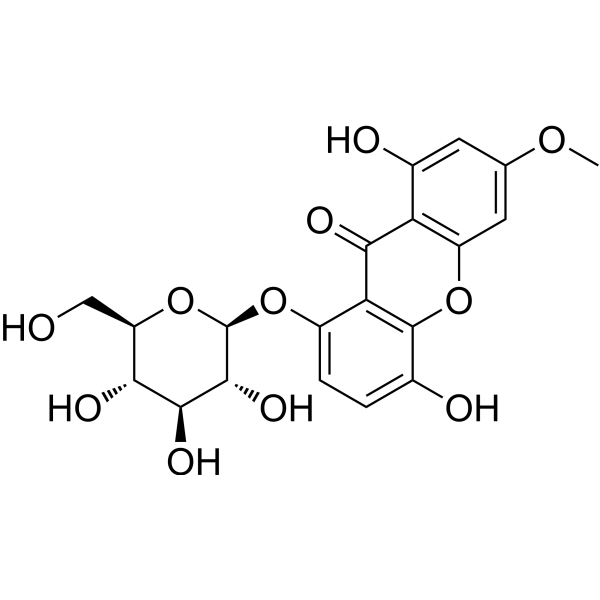
Swertianolin is a xanthone glycoside. Swertianolin can be isolated from plants of the Gentianaceae family (e.g., Gentiana campestris and Swertia punicea). Swertianolin inhibits p38 phosphorylation and NF-κB activation, and reduces NO and ROS production. Swertianolin exhibits anti-Helicobacter pylori activity with an IC50 of 6.1 μM and a minimum bactericidal concentration of 91.7 μM. Swertianolin modulates immune function in sepsis. Swertianolin is useful in the research of diseases such as Alzheimer's disease, hepatitis B, Helicobacter pylori infection, and sepsis .
1-Methyl-2-[(4Z,7Z)-4,7-tridecadienyl]-4(1H)-quinolone, a quinolone alkaloid, is a diacylglycerol acyltransferase inhibitor and angiotensin II receptor blocker, with IC50s of 20.1 μM and 34.1 μM, respectively. 1-Methyl-2-[(4Z,7Z)-4,7-tridecadienyl]-4(1H)-quinolone shows potent anti-Helicobacter pylori activity with the MIC of 10 μg/mL .
Armeniaspirol A (Armeniaspirole A) is an antibacterial agent targeting Helicobacter pylori cell membranes. Armeniaspirol A induces membrane permeabilization, cytoplasmic leakage, and biofilm inhibition/eradication. Armeniaspirol A is promising for research of H. pylori infection .
HpFabZ-IN-1 (Compound 1) is an inhibitor of the key enzyme FabZ in the Helicobacter pylori fatty acid synthesis pathway, with its IC50 value being 39.8 µM. HpFabZ-IN-1 does not possess antibacterial activity .
Pinobanksin 5-methyl ether can be isolated from Georgian Propolises. Pinobanksin 5-methyl ether has anti-helicobacter activity. Pinobanksin 5-methyl ether is effective inducer of CYP9Q enzyme .
Oleuropeic acid 8-O-glucoside is a terpenic compound, that can be isolated from twigs with leaves of Juniperus communis var. depressa. Oleuropeic acid 8-O-glucoside shows antibacterial activity against three strains of Helicobacter pylori (NCTC11637, NCTC11916, and OCO1), with MIC of 100 μg/mL all .
Vonoprazan (Standard) is the analytical standard of Vonoprazan. This product is intended for research and analytical applications. Vonoprazan (TAK-438 free base), a proton pump inhibitor (PPI), is a potent and orally active potassium-competitive acid blocker (P-CAB), with antisecretory activity. Vonoprazan inhibits H +,K +-ATPase activity in porcine gastric microsomes with an IC50 of 19 nM at pH 6.5. Vonoprazan is developed for the research of acid-related diseases, such as gastroesophageal reflux disease and peptic ulcer disease. Vonoprazan can be used for eradication of Helicobacter pylori .
Pexiganan (MSI 78) acetate is an orally active antimicrobial peptide with broad-spectrum bactericidal. Pexiganan TFA disrupts bacterial cell membranes, induces peptidoglycan damage and cell lysis. Pexiganan acetate can be used for the research of bacterial infection .
5,7-Dimethoxyphthalide, a dimethoxy derivative of phthalide, can undergo nucleophilic substitution reactions with functionalized long-chain alkyl iodides. 5,7-Dimethoxyphthalide acts as a synthetic building block to prepare anti-Helicobacter pylori products including CJ molecule and sporotricale methyl ether. 5,7-Dimethoxyphthalide can be utilized for relevant researches on Helicobacter pylori infection and structure-activity relationship (SAR) .
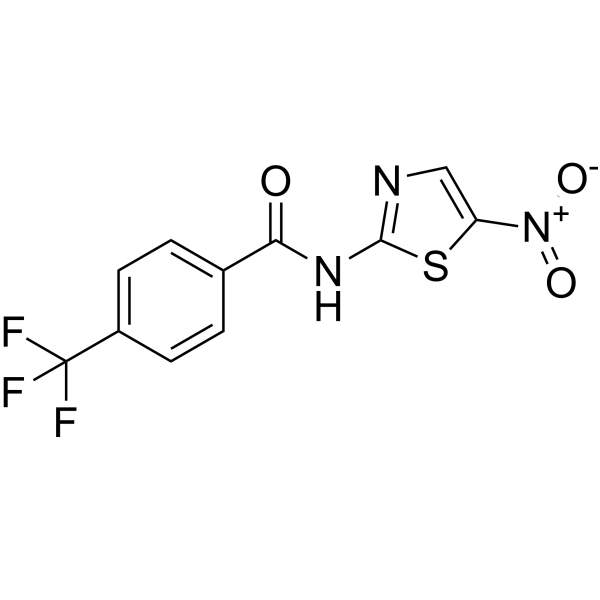
FR-145715 is a histamine H2 receptor antagonist, with specific anti-Helicobacter pylori activities. FR-145715 can be used for the research of gastric lesions .
Urease-IN-12 (compound 5e) is a competitive urease inhibitor (IC50: 0.35 μM) with the potential to inhibit gastritis and peptic ulcer caused by Helicobacter pylori .
Psoracorylifol C is a natural product. Psoracorylifol C has important activity against Helicobacter pylori. Psoracorylifol C can be isolated from the seeds of Psoralea corylifolia .
BAS-118 is a benzamide derivative with antibacterial activity. The MIC50, MIC90 and MIC ranges of BAS-118 for 100 randomly selected isolates of Helicobacter pylori are ≤0.003, 0.013 and ≤0.003-0.025 mg/L, respectively. BAS-118 is promising for research of anti-H. pylori agent .
JAK05 exhibits inhibitory activity against Helicobacter pylori, inhibits strains J63, J196 and J107 with MIC of 3-5 µg/mL. JAK05 exhibits binding affinity to H+/K+-ATPase, COX-1/2, TNF-α and PGE2, reveals antioxidant and anti-inflammatory activities. JAK05 exhibits anti-ulcer activity in rat ethanol-induced gastric ulcer models .
IO-21 (Compound 3) is a candidate cytoprotective agent. IO-21 exhibits a marked cytoprotective effect. IO-21 shows a potent inhibitory activity against HCl•ethanol-induced lesions. IO-21 shows a MIC of 50 μg/mL against Helicobacter pylori 7795. IO-21 can be used in the research of gastric mucosal ulcers .
1-Methyl-2-(8E)-8-tridecenyl-4(1H)-quinolinone is a potent antibacterial agent with an MIC50 value of 22 µM and an MIC90 value of 50 µM for Helicobacter pyloriStrain 51. 1-Methyl-2-(8E)-8-tridecenyl-4(1H)-quinolinone has the potential for the research of gastric and duodenal ulcers .
Cetraxate is an orally active antiulcer Drug. Cetraxate increases the blood flow of gastric mucosal. Cetraxate increases the eradication of Helicobacter pylori in smokers when in combination with Omeprazole (HY-B0113),Amoxicillin (HY-B0467A), and Clarithromycin (HY-17508) .
Antibacterial agent 233 (Compound 7c) exhibits inhibitory efficacy against Helicobacter pylori with MIC of 0.4-1.6 μg/mL. Antibacterial agent 233 inhibits jack bean urease (IC50 is 0.27 μg/mL), changes the permeability of H. pylori cell membrane, causes the leakage of cellular contents. Antibacterial agent 233 exhibits metabolic stability in whole blood and artificial gastric fluid. Antibacterial agent 233 exhibits antitumor efficacy against U2OS in mice .
Urease-IN-20 (compound XBP2) is an inhibitor of Helicobacter pylori (H. pylori). Urease-IN-20 inhibits H. pylori with an IC50 of 0.14 μM. Urease-IN-20 reduces cell Apoptosis and decreases ROS and γH2AX in GES-1 cells infected with H. pylori. Urease-IN-20 exhibits significant gastric mucosal protective effects. Urease-IN-20 shows the potential for H. pylori research .
Antibacterial agent 231 (derivative 8) is an antimicrobial agent against multidrug-resistant Helicobacter pylori (H. pylori) with a minimum inhibitory concentration of 0.25–0.5 μg/mL. Antibacterial agent 231 directly targets the protein transposase subunit SecA and the outer membrane protein assembly factor BamD to inhibit the trafficking and assembly of bacterial outer membrane proteins (OMPs). Antibacterial agent 231 can be used to study the effects of antibiotic treatment on intestinal microbial balance .
Pyloricidin B is an antibiotic against Helicobacter pylori. Pyloricidin B has strong anti-Helicobacter pylori activity. Pyloricidin B has no activity against other bacteria and yeast .
Pyloricidin A is an antibiotic against Helicobacter pylori found in Bacillus sp. HC-70. Pyloricidin A has strong anti-Helicobacter pylori activity. Pyloricidin A has no activity against other bacteria and yeast .
Pyloricidin A1 is an antibiotic against Helicobacter pylori found in Bacillus sp. HC-70. Pyloricidin A1 has strong anti-Helicobacter pylori activity. Pyloricidin A1 has no activity against other bacteria and yeast .
Pyloricidin A2 is an antibiotic against Helicobacter pylori found in Bacillus sp. HC-70. Pyloricidin A2 has strong anti-Helicobacter pylori activity. Pyloricidin A2 has no activity against other bacteria and yeast .
trans-2-Decenal ((E)-Dec-2-enal)) Standard is the analytical standard of trans-2-Decenal (HY-W015551). This product is intended for research and analytical applications. trans-2-Decenal ((E)-Dec-2-enal) acts as a urease inhibitor and antibacterial agent against Helicobacter pylori, with an IC50 of 9.484 μg/mL against Helicobacter pylori urease. trans-2-Decenal reduces the urease activity of Helicobacter pylori, and possesses antibacterial, bactericidal, anti-biofilm and anti-migratory activities. It alters the morphology of Helicobacter pylori, induces bacterial rupture, inhibits biofilm formation, reduces the number of mature biofilms and impairs the migratory capacity of Helicobacter pylori. trans-2-Decenal disrupts the cell wall integrity of Phytophthora capsici, damages membrane integrity and permeability, triggers intracellular reactive oxygen species (ROS) accumulation, decreases glutathione levels and disrupts the mitochondrial membrane potential of Phytophthora capsici. trans-2-Decenal is applicable to studies related to Helicobacter pylori and plant diseases induced by and Phytophthora capsici.
trans-2-Decenal-d2 ((E)-Dec-2-enal-d2) is deuterated labeled trans-2-Decenal (HY-W015551). trans-2-Decenal ((E)-Dec-2-enal) acts as a urease inhibitor and antibacterial agent against Helicobacter pylori, with an IC50 of 9.484 μg/mL against Helicobacter pylori urease. trans-2-Decenal reduces the urease activity of Helicobacter pylori, and possesses antibacterial, bactericidal, anti-biofilm and anti-migratory activities. It alters the morphology of Helicobacter pylori, induces bacterial rupture, inhibits biofilm formation, reduces the number of mature biofilms and impairs the migratory capacity of Helicobacter pylori. trans-2-Decenal disrupts the cell wall integrity of Phytophthora capsici, damages membrane integrity and permeability, triggers intracellular reactive oxygen species (ROS) accumulation, decreases glutathione levels and disrupts the mitochondrial membrane potential of Phytophthora capsici. trans-2-Decenal is applicable to studies related to Helicobacter pylori and plant diseases induced by and Phytophthora capsici .
Rabeprazole sulfide-d3 is the deuterium labeled Rabeprazole Sulfide (HY-W003467). Rabeprazole Sulfide is a sulfide metabolite of Rabeprazole (HY-B0656). Rabeprazole Sulfide inhibits Helicobacter pylori motility. Rabeprazole Sulfide can be used for the research of Helicobacter pylori infection .
Rabeprazole Sulfide (Standard) is the analytical standard of Rabeprazole Sulfide (HY-W003467). This product is intended for research and analytical applications. Rabeprazole Sulfide is a sulfide metabolite of Rabeprazole (HY-B0656). Rabeprazole Sulfide inhibits Helicobacter pylori motility. Rabeprazole Sulfide can be used for the research of Helicobacter pylori infection .
Ecabet sodium (TA-2711) is currently applied to some clinical gastrointestinal disease by inhibiting the ROS production and improving Helicobacter pylori eradication . Ecabet sodium reduces apoptosis
Saccharothrixin K, a glycosylated saccharothrixin, shows moderate inhibition against Helicobacter pylori G27, H. pylori 159, and Staphylococcus aureus ATCC25923 with MIC values of 16 μg/mL .
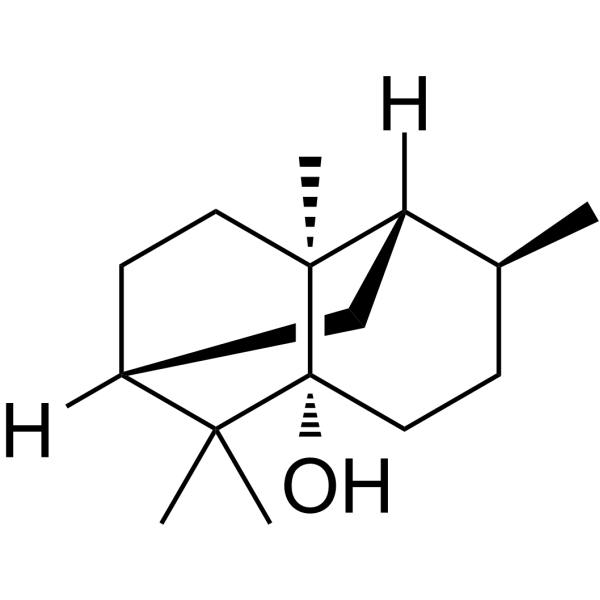
Patchouli alcohol (Standard) is the analytical standard of Patchouli alcohol. This product is intended for research and analytical applications. Patchouli alcohol is a natural tricyclic sesquiterpene, exhibits anti-Helicobacter pylori, anti-inflammatory and antioxidant properties .
Swertianolin (Standard) is the analytical standard of Swertianolin (HY-N2192). This product is intended for research and analytical applications. Swertianolin is a xanthone glycoside. Swertianolin can be isolated from plants of the Gentianaceae family (e.g., Gentiana campestris and Swertia punicea). Swertianolin inhibits p38 phosphorylation and NF-κB activation, and reduces NO and ROS production. Swertianolin exhibits anti-Helicobacter pylori activity with an IC50 of 6.1 μM and a minimum bactericidal concentration of 91.7 μM. Swertianolin modulates immune function in sepsis. Swertianolin is useful in the research of diseases such as Alzheimer's disease, hepatitis B, Helicobacter pylori infection, and sepsis .
Dirithromycin (Standard) is the analytical standard of Dirithromycin. This product is intended for research and analytical applications. Dirithromycin (LY237216), a derivative of Erythromycin, is a potent and orally active semi-synthetic macrolide antibiotic. Dirithromycin is active against gram-positive bacteria, Legionella spp., Helicobacter pylori, and Chlamydia trachomatis .
Antibacterial agent 289 (Compound 7c) is an antibacterial agent. Antibacterial agent 289 has potent inhibitory activity against Helicobacter pylori (H. pylori) (MIC: 0.804 μg/mL for H. pylori ATCC 26695) with significant growth inhibition. Antibacterial agent 289 can be used for H. pylori infection research .
Urease-IN-21 (Compound 11b) is a Urease inhibitor with an IC50 of 0.12 μM. Urease-IN-21 has potent antibacterial activity against helicobacter pylori (H. pylori) and inhibitor activity against P450 enzyme (CYP2C19, CYP2C9, and CYP3A4). Urease-IN-21 can be used for H. pylori infection research .
Rifalazil (Standard) is the analytical standard of Rifalazil. This product is intended for research and analytical applications. Rifalazil (KRM-1648; ABI-1648), a rifamycin derivative, inhibits the bacterial DNA-dependent RNA polymerase and kills bacterial cells by blocking off the β-subunit in RNA polymerase[1]. Rifalazil (KRM-1648; ABI-1648) is an antibiotic, exhibits high potency against mycobacteria, gram-positive bacteria, Helicobacter pylori, C. pneumoniae and C. trachomatis with MIC values from 0.00025 to 0.0025 μg/ml[3]. Rifalazil (KRM-1648; ABI-1648) has the potential for the treatment of Chlamydia infection, Clostridium difficile associated diarrhea (CDAD), and tuberculosis (TB)[2].
Avocadene is a natural product isolated from Persea americana leaves, with anticancer, insecticidal, anti-Helicobacter pylori, and anti-inflammatory activity. Avocadene exerts antibacterial and anti‑inflammatory effects by suppressing Helicobacter pylori growth and inhibiting protein denaturation. Avocadene displays obvious cytotoxic activity against human prostate cancer PC‑3 cells with an IC50 of 0.5 μg/mL. Avocadene can be used for research of Helicobacter pylori‑associated gastrointestinal inflammation, gastroduodenal injury and prostate tumors .
Urease/thymidine phosphorylase-IN-1 (compound 8) is a urease and thymidine phosphorylase inhibitor with a urease IC50 of 8.20 μM, thymidine phosphorylase IC50 of 9.29 μM. Urease/thymidine phosphorylase-IN-1 can be used for the research of helicobacter pylori infection, proteus mirabilis infection, cancer .
Rifabutin-vonoprazan conjugate 1 is an orally active acid-responsive bifunctional molecule. Rifabutin-vonoprazan conjugate 1 exhibits anti-Helicobacter pylori activity (MIC ≤ 0.125 μg/mL) and acid-suppressive effects (acid inhibition rate > 85% at a dose of 2 mg/kg). Rifabutin-vonoprazan conjugate 1 also demonstrates anti-ulcer activity. Rifabutin-vonoprazan conjugate 1 can be used in research related to Helicobacter pylori infection and gastric ulcer .
FabX-IN-1 (Compound 47) is a selective FabX inhibitor with an IC50 of 0.128 μM. FabX-IN-1 has a narrow-spectrum antibacterial activity against Helicobacter pylori with a MIC of 64 μg/mL, but significantly enhances synergistic inhibitory efficacy combined with membrane permeabilizers, efflux pump inhibitors, and Clarithromycin (HY-17508). FabX-IN-1 can be used for bacterial infections research .
Terminalia chebula extract, derived from the fruit of the Terminalia chebula tree. Rich in bioactive compounds such as tannins, flavonoids, phenols, and organic acids like gallic acid and ellagic acid, this extract demonstrates a wide range of pharmacological activities. It acts as a natural laxative, supports digestive health, and exhibits potent antioxidant, anti-inflammatory, and antibacterial properties, effectively targeting various pathogenic bacteria, including Helicobacter pylori, Staphylococcus aureus, and Escherichia coli. Terminalia Chebula Extract also shows significant hepatoprotective effects, shielding the liver from damage through antioxidant and anti-inflammatory mechanisms. It has nephroprotective properties, alleviating renal dysfunction and enhancing kidney health by modulating inflammatory pathways. Additionally, the extract demonstrates neuroprotective activity, reducing neuronal damage and improving memory function. It has potential anti-diabetic effects, enhancing glucose uptake and reducing oxidative stress.
Olamufloxacin (HSR-903) methanesulfonate is an orally active fluoroquinolone antibacterial agent. Olamufloxacin methanesulfonate inhibits DNA supercoiling activity. Olamufloxacin methanesulfonate exhibits activity against Gram-positive, Gram-negative, chlamydial, and quinolone-resistant bacterial strains. Olamufloxacin methanesulfonate can be used for the research of bacterial infections .
Olamufloxacin (HSR-903) is an orally active fluoroquinolone antibacterial agent. Olamufloxacin inhibits DNA supercoiling activity. Olamufloxacin exhibits activity against Gram-positive, Gram-negative, chlamydial, and quinolone-resistant bacterial strains. Olamufloxacin can be used for the research of bacterial infections .
Pexiganan (MSI 78) TFA is an orally active antimicrobial peptide with broad-spectrum bactericidal. Pexiganan TFA disrupts bacterial cell membranes, induces peptidoglycan damage and cell lysis. Pexiganan TFA can be used for the research of bacterial infection .
β-Santalol is a sesquiterpene alcohol with apoptosis (apoptosis)-inducing activity and cytotoxic activity. β-Santalol activates caspase-3, induces nuclear chromatin condensation, and promotes the formation of apoptotic bodies. β-Santalol targets cancer cells. β-Santalol can be used in research related to promyelocytic leukemia, lung adenocarcinoma, and oral squamous cell carcinoma .
Gastric mucin is a glycoprotein with natural antibiotic function. Gastric mucin against Helicobacter pylori infection. Gastric mucin effectively scavenges hydroxyl radical. Gastric mucin play a major role in the protection of the gastrointestinal tract from acid, proteases, pathogenic microorganisms, and mechanical trauma .
trans-2-Decenal ((E)-Dec-2-enal) acts as a urease inhibitor and antibacterial agent against Helicobacter pylori, with an IC50 of 9.484 μg/mL against Helicobacter pylori urease. trans-2-Decenal reduces the urease activity of Helicobacter pylori, and possesses antibacterial, bactericidal, anti-biofilm and anti-migratory activities. It alters the morphology of Helicobacter pylori, induces bacterial rupture, inhibits biofilm formation, reduces the number of mature biofilms and impairs the migratory capacity of Helicobacter pylori. trans-2-Decenal disrupts the cell wall integrity of Phytophthora capsici, damages membrane integrity and permeability, triggers intracellular reactive oxygen species (ROS) accumulation, decreases glutathione levels and disrupts the mitochondrial membrane potential of Phytophthora capsici. trans-2-Decenal is applicable to studies related to Helicobacter pylori and plant diseases induced by and Phytophthora capsici .
trans-2-Decenal ((E)-Dec-2-enal)) Standard is the analytical standard of trans-2-Decenal (HY-W015551). This product is intended for research and analytical applications. trans-2-Decenal ((E)-Dec-2-enal) acts as a urease inhibitor and antibacterial agent against Helicobacter pylori, with an IC50 of 9.484 μg/mL against Helicobacter pylori urease. trans-2-Decenal reduces the urease activity of Helicobacter pylori, and possesses antibacterial, bactericidal, anti-biofilm and anti-migratory activities. It alters the morphology of Helicobacter pylori, induces bacterial rupture, inhibits biofilm formation, reduces the number of mature biofilms and impairs the migratory capacity of Helicobacter pylori. trans-2-Decenal disrupts the cell wall integrity of Phytophthora capsici, damages membrane integrity and permeability, triggers intracellular reactive oxygen species (ROS) accumulation, decreases glutathione levels and disrupts the mitochondrial membrane potential of Phytophthora capsici. trans-2-Decenal is applicable to studies related to Helicobacter pylori and plant diseases induced by and Phytophthora capsici.
Pexiganan (MSI 78) is an orally active antimicrobial peptide with broad-spectrum bactericidal. Pexiganan disrupts bacterial cell membranes, induces peptidoglycan damage and cell lysis. Pexiganan TFA can be used for the research of bacterial infection .
Pexiganan (MSI 78) acetate is an orally active antimicrobial peptide with broad-spectrum bactericidal. Pexiganan TFA disrupts bacterial cell membranes, induces peptidoglycan damage and cell lysis. Pexiganan acetate can be used for the research of bacterial infection .
Pexiganan (MSI 78) TFA is an orally active antimicrobial peptide with broad-spectrum bactericidal. Pexiganan TFA disrupts bacterial cell membranes, induces peptidoglycan damage and cell lysis. Pexiganan TFA can be used for the research of bacterial infection .
Anti-Mouse IL-7Rα/CD127 Antibody (A7R34) is a rat-derived IgG2a κ type antibody inhibitor, targeting to mouse IL-7Rα/CD127. Anti-Mouse IL-7Rα/CD127 Antibody (A7R34) blocks IL-7 signaling. Anti-Mouse IL-7Rα/CD127 Antibody (A7R34) can be used for the researches of cancer,infection, inflammation, immunology, cardiovascular and metabolic disease, such as abdominal aortic aneurysms, helicobacter felis-induced gastritis and diabetes .
Cholestenone (4-cholesten-3-one) is an orally available antimicrobial agent that is metabolized primarily in the liver as an intermediate oxidation product of cholesterol. Cholestenone inhibits human dermal fibroblast migration and fights Helicobacter pylori infection in vitro and in mouse models by inhibiting cholesterol-α-D-glucopyranoside (CGL). Cholestenone also alleviates metabolic disorders caused by obesity in db/db mice .
trans-2-Decenal ((E)-Dec-2-enal) acts as a urease inhibitor and antibacterial agent against Helicobacter pylori, with an IC50 of 9.484 μg/mL against Helicobacter pylori urease. trans-2-Decenal reduces the urease activity of Helicobacter pylori, and possesses antibacterial, bactericidal, anti-biofilm and anti-migratory activities. It alters the morphology of Helicobacter pylori, induces bacterial rupture, inhibits biofilm formation, reduces the number of mature biofilms and impairs the migratory capacity of Helicobacter pylori. trans-2-Decenal disrupts the cell wall integrity of Phytophthora capsici, damages membrane integrity and permeability, triggers intracellular reactive oxygen species (ROS) accumulation, decreases glutathione levels and disrupts the mitochondrial membrane potential of Phytophthora capsici. trans-2-Decenal is applicable to studies related to Helicobacter pylori and plant diseases induced by and Phytophthora capsici .
Galloylpaeoniflorin (6'-O-Galloyl paeoniflorin) is an orally active galloylated derivative of Paeoniflorin (HY-N0293) found in peony roots with various anti-inflammatory and antioxidant activities. Galloylpaeoniflorin suppresses RANKL-induced activation of ERK, JNK, c-Fos, c-Jun, and NFATc1, and reduces osteoclast-specific gene expression. Galloylpaeoniflorin activates Nrf2 and PI3K/Akt pathways, inhibits NF-κB activation, and scavenges ROS to reduce oxidative DNA, lipid, and protein damage. Galloylpaeoniflorin attenuates neuroinflammation, inhibits apoptosis, reduces Helicobacter pylori-induced gastric mucosa injury and UVB-induced cell damage. Galloylpaeoniflorin can be used for the research of osteoporosis, gastritis, ischemic stroke and skin diseases .
Pexiganan (MSI 78) is an orally active antimicrobial peptide with broad-spectrum bactericidal. Pexiganan disrupts bacterial cell membranes, induces peptidoglycan damage and cell lysis. Pexiganan TFA can be used for the research of bacterial infection .
(20R)-Protopanaxadiol is a metabolite of ginsenosides. (20R)-Protopanaxadiol has anti-inflammatory and antibacterial activities, but shows no significant cytotoxicity against tumor cell lines. In addition, (20R)-Protopanaxadiol can inhibit the uptake of 2-deoxy-D-glucose (2-DG) .
Licoricone is an flavonoid extracted from licorice, exhibits anti-helicobacter pylori activity against the CLAR and AMOX-resistant strain as well as four CLAR (AMOX)-sensitive strains .
Cochinchinenin C is a GLP-1R agonist that binds to the extracellular domain of the receptor via hydrophobic interactions and hydrogen bonds, and promotes glucose-dependent insulin secretion from pancreatic β-cells. Cochinchinenin C also increases intracellular cAMP and ATP levels. At low concentrations, Cochinchinenin C binds to human serum albumin, alters its microenvironment, and induces dominant static fluorescence quenching. Cochinchinenin C shows almost no cytotoxicity to pancreatic β-cells, and exerts a synergistic effect with Loureirin A (HY-N1505) when binding to human serum albumin. Cochinchinenin C has been widely used in studies of type 2 diabetes, Helicobacter pylori infection, thrombotic diseases, and other conditions .
Isojacareubin can be isolated from Hypericum japonicum. Isojacareubin covalently inhibits SARS-CoV-2 3CLpro. Isojacareubin also has anti-helicobacter activity. Isojacareubin inhibits PKC, and suppresses hepatocellular carcinoma metastasis and induces apoptosis .
Amicoumacin A is an orally active antibiotic. Amicoumacin A targets bacterial ribosomes and inhibits bacterial translation by stabilizing the interaction between mRNA and ribosomes. Amicoumacin A induces cancer cell death by targeting eukaryotic ribosomes. Amicoumacin A exhibits anti-inflammatory and anti-ulcer activities, inhibits carrageenan-induced paw edema, and prevents stress-induced gastric ulcers. Amicoumacin A inhibits the growth of Gram-positive bacteria, Salmonella spp., Shigella spp., Helicobacter pylori, and methicillin-resistant Staphylococcus aureus. Amicoumacin A can be used in the research of lung cancer, breast cancer, bacterial infections, inflammatory edema and gastric ulcers [2] .
Swertianolin is a xanthone glycoside. Swertianolin can be isolated from plants of the Gentianaceae family (e.g., Gentiana campestris and Swertia punicea). Swertianolin inhibits p38 phosphorylation and NF-κB activation, and reduces NO and ROS production. Swertianolin exhibits anti-Helicobacter pylori activity with an IC50 of 6.1 μM and a minimum bactericidal concentration of 91.7 μM. Swertianolin modulates immune function in sepsis. Swertianolin is useful in the research of diseases such as Alzheimer's disease, hepatitis B, Helicobacter pylori infection, and sepsis .
1-Methyl-2-[(4Z,7Z)-4,7-tridecadienyl]-4(1H)-quinolone, a quinolone alkaloid, is a diacylglycerol acyltransferase inhibitor and angiotensin II receptor blocker, with IC50s of 20.1 μM and 34.1 μM, respectively. 1-Methyl-2-[(4Z,7Z)-4,7-tridecadienyl]-4(1H)-quinolone shows potent anti-Helicobacter pylori activity with the MIC of 10 μg/mL .
Armeniaspirol A (Armeniaspirole A) is an antibacterial agent targeting Helicobacter pylori cell membranes. Armeniaspirol A induces membrane permeabilization, cytoplasmic leakage, and biofilm inhibition/eradication. Armeniaspirol A is promising for research of H. pylori infection .
Pinobanksin 5-methyl ether can be isolated from Georgian Propolises. Pinobanksin 5-methyl ether has anti-helicobacter activity. Pinobanksin 5-methyl ether is effective inducer of CYP9Q enzyme .
Oleuropeic acid 8-O-glucoside is a terpenic compound, that can be isolated from twigs with leaves of Juniperus communis var. depressa. Oleuropeic acid 8-O-glucoside shows antibacterial activity against three strains of Helicobacter pylori (NCTC11637, NCTC11916, and OCO1), with MIC of 100 μg/mL all .
Pexiganan (MSI 78) acetate is an orally active antimicrobial peptide with broad-spectrum bactericidal. Pexiganan TFA disrupts bacterial cell membranes, induces peptidoglycan damage and cell lysis. Pexiganan acetate can be used for the research of bacterial infection .
Psoracorylifol C is a natural product. Psoracorylifol C has important activity against Helicobacter pylori. Psoracorylifol C can be isolated from the seeds of Psoralea corylifolia .
1-Methyl-2-(8E)-8-tridecenyl-4(1H)-quinolinone is a potent antibacterial agent with an MIC50 value of 22 µM and an MIC90 value of 50 µM for Helicobacter pyloriStrain 51. 1-Methyl-2-(8E)-8-tridecenyl-4(1H)-quinolinone has the potential for the research of gastric and duodenal ulcers .
Pyloricidin B is an antibiotic against Helicobacter pylori. Pyloricidin B has strong anti-Helicobacter pylori activity. Pyloricidin B has no activity against other bacteria and yeast .
Pyloricidin A is an antibiotic against Helicobacter pylori found in Bacillus sp. HC-70. Pyloricidin A has strong anti-Helicobacter pylori activity. Pyloricidin A has no activity against other bacteria and yeast .
Pyloricidin A1 is an antibiotic against Helicobacter pylori found in Bacillus sp. HC-70. Pyloricidin A1 has strong anti-Helicobacter pylori activity. Pyloricidin A1 has no activity against other bacteria and yeast .
Pyloricidin A2 is an antibiotic against Helicobacter pylori found in Bacillus sp. HC-70. Pyloricidin A2 has strong anti-Helicobacter pylori activity. Pyloricidin A2 has no activity against other bacteria and yeast .
trans-2-Decenal ((E)-Dec-2-enal)) Standard is the analytical standard of trans-2-Decenal (HY-W015551). This product is intended for research and analytical applications. trans-2-Decenal ((E)-Dec-2-enal) acts as a urease inhibitor and antibacterial agent against Helicobacter pylori, with an IC50 of 9.484 μg/mL against Helicobacter pylori urease. trans-2-Decenal reduces the urease activity of Helicobacter pylori, and possesses antibacterial, bactericidal, anti-biofilm and anti-migratory activities. It alters the morphology of Helicobacter pylori, induces bacterial rupture, inhibits biofilm formation, reduces the number of mature biofilms and impairs the migratory capacity of Helicobacter pylori. trans-2-Decenal disrupts the cell wall integrity of Phytophthora capsici, damages membrane integrity and permeability, triggers intracellular reactive oxygen species (ROS) accumulation, decreases glutathione levels and disrupts the mitochondrial membrane potential of Phytophthora capsici. trans-2-Decenal is applicable to studies related to Helicobacter pylori and plant diseases induced by and Phytophthora capsici.
Saccharothrixin K, a glycosylated saccharothrixin, shows moderate inhibition against Helicobacter pylori G27, H. pylori 159, and Staphylococcus aureus ATCC25923 with MIC values of 16 μg/mL .
Patchouli alcohol (Standard) is the analytical standard of Patchouli alcohol. This product is intended for research and analytical applications. Patchouli alcohol is a natural tricyclic sesquiterpene, exhibits anti-Helicobacter pylori, anti-inflammatory and antioxidant properties .
Swertianolin (Standard) is the analytical standard of Swertianolin (HY-N2192). This product is intended for research and analytical applications. Swertianolin is a xanthone glycoside. Swertianolin can be isolated from plants of the Gentianaceae family (e.g., Gentiana campestris and Swertia punicea). Swertianolin inhibits p38 phosphorylation and NF-κB activation, and reduces NO and ROS production. Swertianolin exhibits anti-Helicobacter pylori activity with an IC50 of 6.1 μM and a minimum bactericidal concentration of 91.7 μM. Swertianolin modulates immune function in sepsis. Swertianolin is useful in the research of diseases such as Alzheimer's disease, hepatitis B, Helicobacter pylori infection, and sepsis .
Avocadene is a natural product isolated from Persea americana leaves, with anticancer, insecticidal, anti-Helicobacter pylori, and anti-inflammatory activity. Avocadene exerts antibacterial and anti‑inflammatory effects by suppressing Helicobacter pylori growth and inhibiting protein denaturation. Avocadene displays obvious cytotoxic activity against human prostate cancer PC‑3 cells with an IC50 of 0.5 μg/mL. Avocadene can be used for research of Helicobacter pylori‑associated gastrointestinal inflammation, gastroduodenal injury and prostate tumors .
Terminalia chebula extract, derived from the fruit of the Terminalia chebula tree. Rich in bioactive compounds such as tannins, flavonoids, phenols, and organic acids like gallic acid and ellagic acid, this extract demonstrates a wide range of pharmacological activities. It acts as a natural laxative, supports digestive health, and exhibits potent antioxidant, anti-inflammatory, and antibacterial properties, effectively targeting various pathogenic bacteria, including Helicobacter pylori, Staphylococcus aureus, and Escherichia coli. Terminalia Chebula Extract also shows significant hepatoprotective effects, shielding the liver from damage through antioxidant and anti-inflammatory mechanisms. It has nephroprotective properties, alleviating renal dysfunction and enhancing kidney health by modulating inflammatory pathways. Additionally, the extract demonstrates neuroprotective activity, reducing neuronal damage and improving memory function. It has potential anti-diabetic effects, enhancing glucose uptake and reducing oxidative stress.
β-Santalol is a sesquiterpene alcohol with apoptosis (apoptosis)-inducing activity and cytotoxic activity. β-Santalol activates caspase-3, induces nuclear chromatin condensation, and promotes the formation of apoptotic bodies. β-Santalol targets cancer cells. β-Santalol can be used in research related to promyelocytic leukemia, lung adenocarcinoma, and oral squamous cell carcinoma .
The VacA protein takes center stage, demonstrating its unique ability to induce vacuole formation in eukaryotic cells, affecting cell morphology. This process involves the formation of vacuoles, highlighting the role of VacA as a key regulator of cell structure. vacA Protein, Helicobacter pylori (His) is the recombinant vacA protein, expressed by E. coli , with N-6*His labeled tag.
HpGT Protein, Helicobacter pylori is a glutathione-degrading enzyme that is a virulence factor in infection. Glutathione hydrolase proenzyme belongs to the gamma-glutamyltransferase family. pylorigamma-glutamyltranspeptidase is expressed as a 60-kDa inactive precursor that must undergo autocatalytic processing to generate a 40-kDa/20-kDa heterodimer with full gamma-glutamyl amide bond hydrolase activity. HELPY Protein, Helicobacter pylori (T380A) is the recombinant HpGT protein, expressed by E. coli , with tag free.
HpGT Protein, Helicobacter pylori is a glutathione-degrading enzyme that is a virulence factor in infection. Glutathione hydrolase proenzyme belongs to the gamma-glutamyltransferase family. pylorigamma-glutamyltranspeptidase is expressed as a 60-kDa inactive precursor that must undergo autocatalytic processing to generate a 40-kDa/20-kDa heterodimer with full gamma-glutamyl amide bond hydrolase activity. HELPY Protein, Helicobacter pylori (T380A, His) is the recombinant HpGT protein, expressed by E. coli , with N-6*His labeled tag.
HP-0175 is an antigen secreted by Helicobacter pylori. HP-0175 provides a link between helicobacter pylori-associated inflammation and gastric cancer by promoting the pro-inflammatory low-cytotoxic TIL response, stromal degradation, and pro-angiogenesis pathways. HP-0175 relies on the unfolded protein response (UPR) to autophagy in gastric epithelial cells and induce apoptosis. HP-0175 Protein, Helicobacter pylori (GST) is the recombinant HP-0175 protein, expressed by E. coli , with N-GST labeled tag.
Urea- 13C is the 13C labelled urea. The Urea- 13C breath test ( 13C-UBT) is one of the best methods for the diagnosis of Helicobacter pylori infection .
trans-2-Decenal-d2 ((E)-Dec-2-enal-d2) is deuterated labeled trans-2-Decenal (HY-W015551). trans-2-Decenal ((E)-Dec-2-enal) acts as a urease inhibitor and antibacterial agent against Helicobacter pylori, with an IC50 of 9.484 μg/mL against Helicobacter pylori urease. trans-2-Decenal reduces the urease activity of Helicobacter pylori, and possesses antibacterial, bactericidal, anti-biofilm and anti-migratory activities. It alters the morphology of Helicobacter pylori, induces bacterial rupture, inhibits biofilm formation, reduces the number of mature biofilms and impairs the migratory capacity of Helicobacter pylori. trans-2-Decenal disrupts the cell wall integrity of Phytophthora capsici, damages membrane integrity and permeability, triggers intracellular reactive oxygen species (ROS) accumulation, decreases glutathione levels and disrupts the mitochondrial membrane potential of Phytophthora capsici. trans-2-Decenal is applicable to studies related to Helicobacter pylori and plant diseases induced by and Phytophthora capsici .
Rabeprazole sulfide-d3 is the deuterium labeled Rabeprazole Sulfide (HY-W003467). Rabeprazole Sulfide is a sulfide metabolite of Rabeprazole (HY-B0656). Rabeprazole Sulfide inhibits Helicobacter pylori motility. Rabeprazole Sulfide can be used for the research of Helicobacter pylori infection .
Inquiry Online
Your information is safe with us. * Required Fields.
Western blot analysis of extracts from THP-1(lane 2(20μg), Jurkat (lane 3(20μg) and NIH3T3(lane 4(20μg) using FOXO1A (HY-P80132) Rabbit mAb. Proteins were transferred
to a PVDF membrane and blocked with 5% non-fat milk in TBST for 2 hour at room temperature. The primary antibody (1/1000) and Loading control antibody (Beta Actin, HY-P80438, 1/10000) was
used in 5% non-fat milk in TBST at 4°C overnight. Goat Anti-Mouse/Rabbit IgG-HRP Secondary Antibody (1/10000) was used for 1 hour at room temperature.
Western blot analysis of extracts from THP-1(lane 2(20μg), Jurkat (lane 3(20μg) and NIH3T3(lane 4(20μg) using FOXO1A (HY-P80132) Rabbit mAb. Proteins were transferred
to a PVDF membrane and blocked with 5% non-fat milk in TBST for 2 hour at room temperature. The primary antibody (1/1000) and Loading control antibody (Beta Actin, HY-P80438, 1/10000) was
used in 5% non-fat milk in TBST at 4°C overnight. Goat Anti-Mouse/Rabbit IgG-HRP Secondary Antibody (1/10000) was used for 1 hour at room temperature.
Western blot analysis of extracts from THP-1(lane 2(20μg), Jurkat (lane 3(20μg) and NIH3T3(lane 4(20μg) using FOXO1A (HY-P80132) Rabbit mAb. Proteins were transferred
to a PVDF membrane and blocked with 5% non-fat milk in TBST for 2 hour at room temperature. The primary antibody (1/1000) and Loading control antibody (Beta Actin, HY-P80438, 1/10000) was
used in 5% non-fat milk in TBST at 4°C overnight. Goat Anti-Mouse/Rabbit IgG-HRP Secondary Antibody (1/10000) was used for 1 hour at room temperature.
Western blot analysis of extracts from THP-1(lane 2(20μg), Jurkat (lane 3(20μg) and NIH3T3(lane 4(20μg) using FOXO1A (HY-P80132) Rabbit mAb. Proteins were transferred
to a PVDF membrane and blocked with 5% non-fat milk in TBST for 2 hour at room temperature. The primary antibody (1/1000) and Loading control antibody (Beta Actin, HY-P80438, 1/10000) was
MedchemExpress Validation 03
Western blot analysis of extracts from THP-1(lane 2(20μg), Jurkat (lane 3(20μg) and NIH3T3(lane 4(20μg) using FOXO1A (HY-P80132) Rabbit mAb. Proteins were transferred
MedchemExpress Validation 04
Western blot analysis of extracts from THP-1(lane 2(20μg), Jurkat (lane 3(20μg) and NIH3T3(lane 4(20μg) using FOXO1A (HY-P80132) Rabbit mAb. Proteins were transferred
to a PVDF membrane and blocked with 5% non-fat milk in TBST for 2 hour at room temperature. The primary antibody (1/1000) and Loading control antibody (Beta Actin, HY-P80438, 1/10000) was
used in 5% non-fat milk in TBST at 4°C overnight. Goat Anti-Mouse/Rabbit IgG-HRP Secondary Antibody (1/10000) was used for 1 hour at room temperature.
MedchemExpress Validation
Western blot analysis of extracts from THP-1(lane 2(20μg), Jurkat (lane 3(20μg) and NIH3T3(lane 4(20μg) using FOXO1A (HY-P80132) Rabbit mAb. Proteins were transferred
to a PVDF membrane and blocked with 5% non-fat milk in TBST for 2 hour at room temperature. The primary antibody (1/1000) and Loading control antibody (Beta Actin, HY-P80438, 1/10000) was
used in 5% non-fat milk in TBST at 4°C overnight. Goat Anti-Mouse/Rabbit IgG-HRP Secondary Antibody (1/10000) was used for 1 hour at room temperature.
Western blot analysis of extracts from THP-1(lane 2(20μg), Jurkat (lane 3(20μg) and NIH3T3(lane 4(20μg) using FOXO1A (HY-P80132) Rabbit mAb. Proteins were transferred
to a PVDF membrane and blocked with 5% non-fat milk in TBST for 2 hour at room temperature. The primary antibody (1/1000) and Loading control antibody (Beta Actin, HY-P80438, 1/10000) was
used in 5% non-fat milk in TBST at 4°C overnight. Goat Anti-Mouse/Rabbit IgG-HRP Secondary Antibody (1/10000) was used for 1 hour at room temperature.
MedchemExpress Validation
Western blot analysis of extracts from THP-1(lane 2(20μg), Jurkat (lane 3(20μg) and NIH3T3(lane 4(20μg) using FOXO1A (HY-P80132) Rabbit mAb. Proteins were transferred
to a PVDF membrane and blocked with 5% non-fat milk in TBST for 2 hour at room temperature. The primary antibody (1/1000) and Loading control antibody (Beta Actin, HY-P80438, 1/10000) was
used in 5% non-fat milk in TBST at 4°C overnight. Goat Anti-Mouse/Rabbit IgG-HRP Secondary Antibody (1/10000) was used for 1 hour at room temperature.
MedchemExpress Validation
Western blot analysis of extracts from THP-1(lane 2(20μg), Jurkat (lane 3(20μg) and NIH3T3(lane 4(20μg) using FOXO1A (HY-P80132) Rabbit mAb. Proteins were transferred
to a PVDF membrane and blocked with 5% non-fat milk in TBST for 2 hour at room temperature. The primary antibody (1/1000) and Loading control antibody (Beta Actin, HY-P80438, 1/10000) was
used in 5% non-fat milk in TBST at 4°C overnight. Goat Anti-Mouse/Rabbit IgG-HRP Secondary Antibody (1/10000) was used for 1 hour at room temperature.
MedchemExpress Validation
Western blot analysis of extracts from THP-1(lane 2(20μg), Jurkat (lane 3(20μg) and NIH3T3(lane 4(20μg) using FOXO1A (HY-P80132) Rabbit mAb. Proteins were transferred
to a PVDF membrane and blocked with 5% non-fat milk in TBST for 2 hour at room temperature. The primary antibody (1/1000) and Loading control antibody (Beta Actin, HY-P80438, 1/10000) was
used in 5% non-fat milk in TBST at 4°C overnight. Goat Anti-Mouse/Rabbit IgG-HRP Secondary Antibody (1/10000) was used for 1 hour at room temperature.
MedchemExpress Validation
Western blot analysis of extracts from THP-1(lane 2(20μg), Jurkat (lane 3(20μg) and NIH3T3(lane 4(20μg) using FOXO1A (HY-P80132) Rabbit mAb. Proteins were transferred
to a PVDF membrane and blocked with 5% non-fat milk in TBST for 2 hour at room temperature. The primary antibody (1/1000) and Loading control antibody (Beta Actin, HY-P80438, 1/10000) was
used in 5% non-fat milk in TBST at 4°C overnight. Goat Anti-Mouse/Rabbit IgG-HRP Secondary Antibody (1/10000) was used for 1 hour at room temperature.
MedchemExpress Validation
Western blot analysis of extracts from THP-1(lane 2(20μg), Jurkat (lane 3(20μg) and NIH3T3(lane 4(20μg) using FOXO1A (HY-P80132) Rabbit mAb. Proteins were transferred
to a PVDF membrane and blocked with 5% non-fat milk in TBST for 2 hour at room temperature. The primary antibody (1/1000) and Loading control antibody (Beta Actin, HY-P80438, 1/10000) was
used in 5% non-fat milk in TBST at 4°C overnight. Goat Anti-Mouse/Rabbit IgG-HRP Secondary Antibody (1/10000) was used for 1 hour at room temperature.
MedchemExpress Validation
Western blot analysis of extracts from THP-1(lane 2(20μg), Jurkat (lane 3(20μg) and NIH3T3(lane 4(20μg) using FOXO1A (HY-P80132) Rabbit mAb. Proteins were transferred
to a PVDF membrane and blocked with 5% non-fat milk in TBST for 2 hour at room temperature. The primary antibody (1/1000) and Loading control antibody (Beta Actin, HY-P80438, 1/10000) was
used in 5% non-fat milk in TBST at 4°C overnight. Goat Anti-Mouse/Rabbit IgG-HRP Secondary Antibody (1/10000) was used for 1 hour at room temperature.
MedChemExpress values your privacy and your trust is important to us. We use cookies to enhance your website experience. Some cookies are necessary to run the website.
Privacy and Cookie Policy

