1. Search Result
Search Result
Pathways Recommended: Stem Cell/Wnt Cell Cycle/DNA Damage
Results for "

HepG2 cell lines

" in MedChemExpress (MCE) Product Catalog:

50

Inhibitors & Agonists

23

Natural
Products

Cat. No. Product Name Target Research Areas Chemical Structure
  • HY-151257

    Hippo (MST) Metabolic Disease
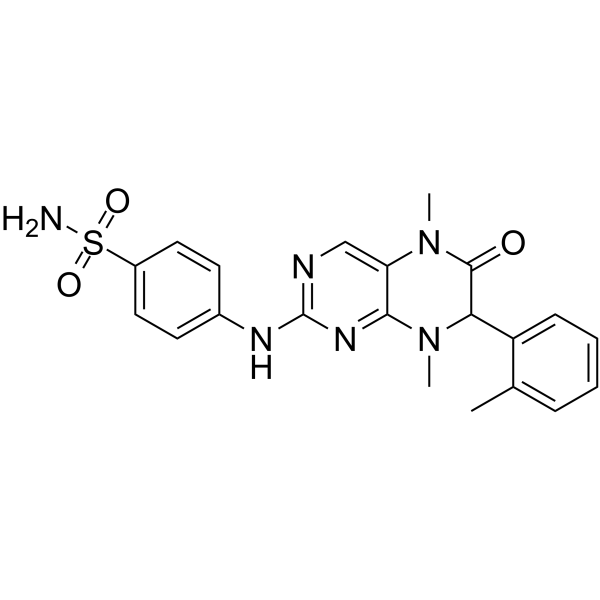
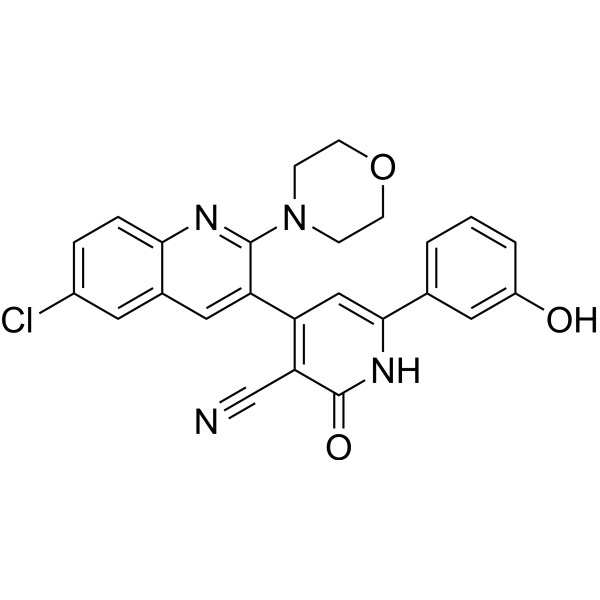
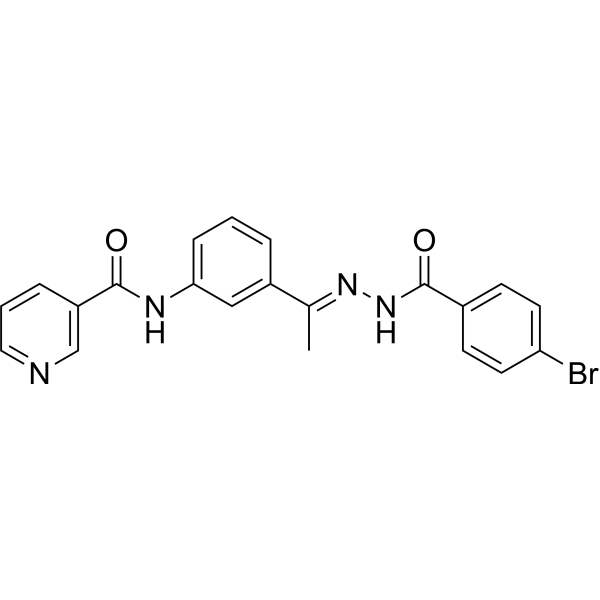
    IHMT-MST1-58 is a potent, selective mammalian and orally active STE20-like protein 1 kinase (MST1) inhibitor with IC50 value of 23 nM. IHMT-MST1-58 can be used for the research of Type 1/2 diabetes .
    IHMT-MST1-58
  • HY-137605

    Transmembrane Glycoprotein Cancer
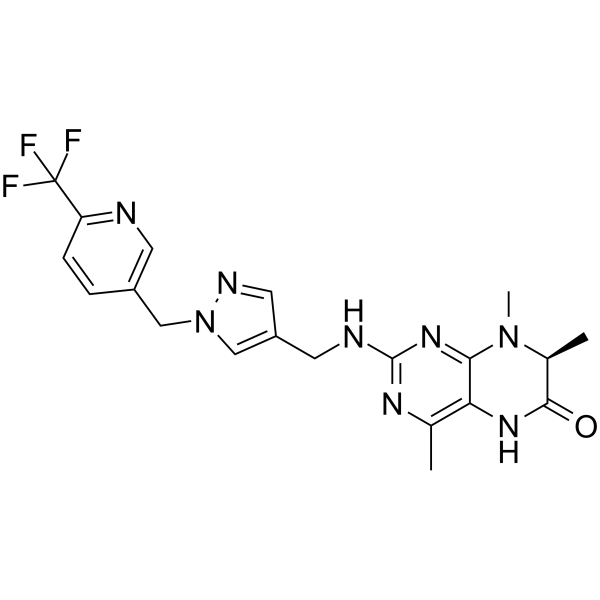
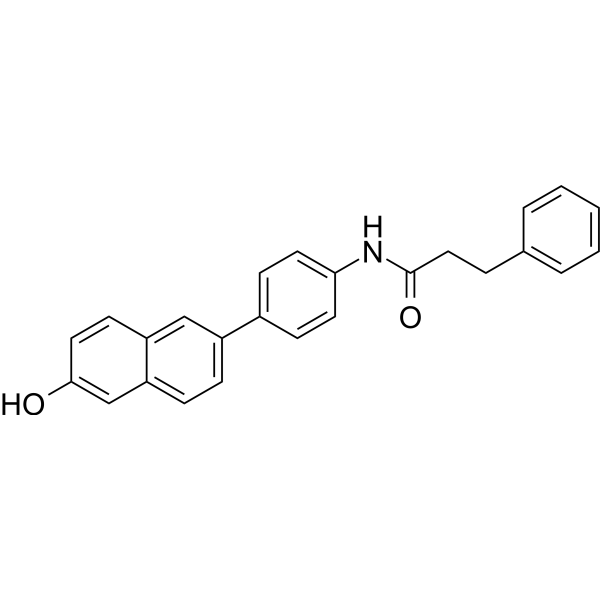
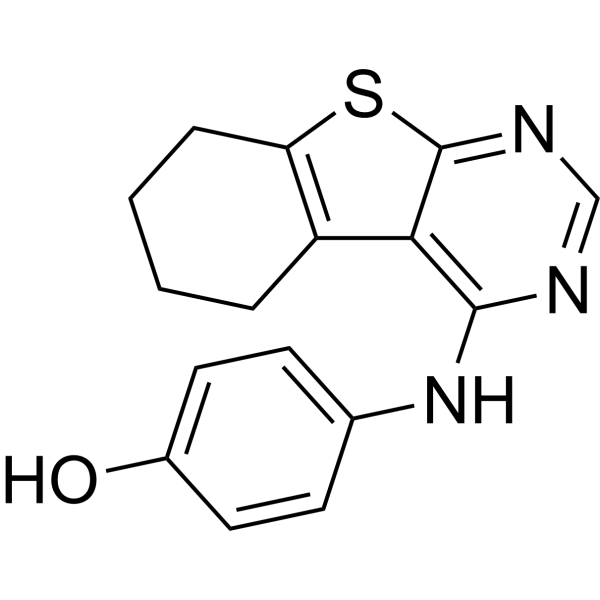
    WSF1-IN-1 (compound 136), an orally active WSF1 inhibitor, can be used in the study for WSF1 (Wolfram syndrome) related tumors, with IC50 values of 0.33 μM and >27 μM in HepG2 parental and HepG2 WFS1 KO cell lines, respectively .
    WSF1-IN-1
  • HY-204056

    Telomerase Cancer
    Telomerase-IN-8 is an orally active telomerase inhibitor, with an IC50 value of 0.98 μM. Telomerase-IN-8 exhibits potent antiproliferative activity against multiple tumor cell lines, including PC3, Bcap-37, MGC-803 and HepG2. Telomerase-IN-8 demonstrates potent antitumor efficacy in S180 sarcoma or HepG2 hepatoma xenograft mice. Telomerase-IN-8 can be used for the study of telomerase-targeted anticancer .
    Telomerase-IN-8
  • HY-N9339

    (+)-Norglaucine

    Others Cancer
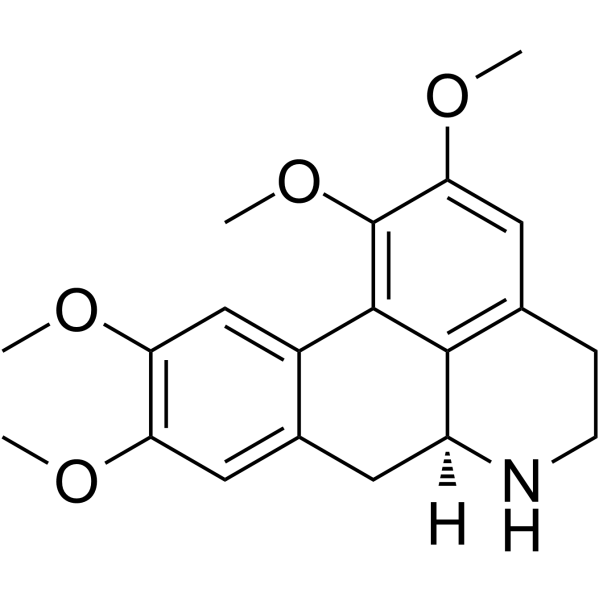
    Norglaucine ((+)-Norglaucine), a cytotoxic alkaloid, exhibits cytotoxicity towards the tumor cell lines B16-F10, HepG2, K562 and HL-60 cells .
    Norglaucine
  • HY-N10853

    Others Cancer
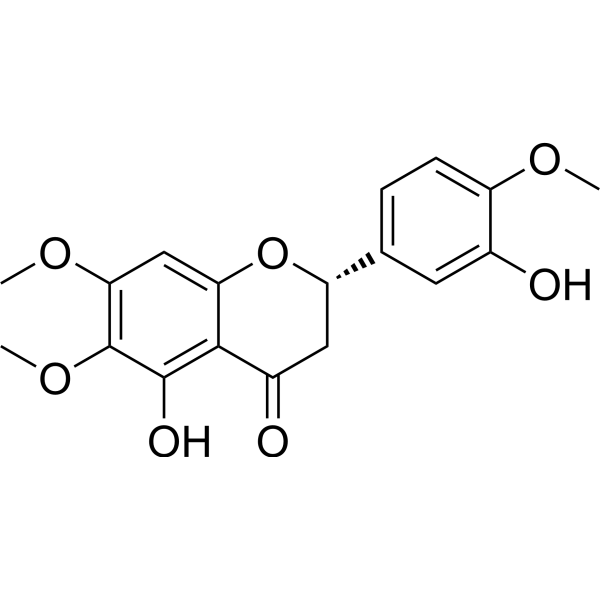
    3′,5-Dihydroxy-4′,6,7-trimethoxyflavanone is a nature product that could be isolated from the fruits of Vitex rotundifolia. 3′,5-Dihydroxy-4′,6,7-trimethoxyflavanone has potent cytotoxic activity against A549 and HepG-2 cell lines .
    3′,5-Dihydroxy-4′,6,7-trimethoxyflavanone
  • HY-146819

    Carbonic Anhydrase Cancer
    Compound 9 is the most effective against tumor specific Ca ix/ca XII (ki=29.1 and 8.8 nm), so it is possible to evaluate its cytotoxicity and selectivity to HepG-2, HCT-116 and MCF-7 cancer cell lines in vitro, and its IC50 values to tumor cells are 1.78, 1.94 and 3.07, respectively μ M. It showed that it had obvious cytotoxicity.
    CAIX/CAXII-IN-1
  • HY-N8954

    Others Cancer
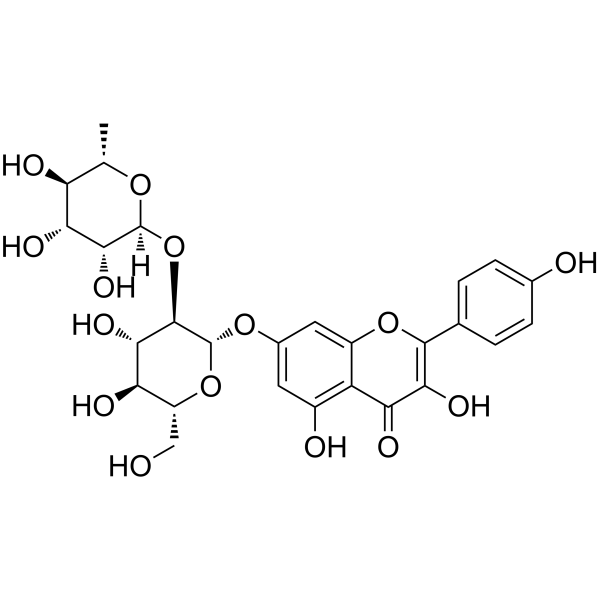
    Kaempferol 7-O-neohesperidoside is a ?avonoid glycoside that can be isolated from Litchi chinensis. Kaempferol 7-O-neohesperidoside exhibits significant cytotoxic activity against A549, LAC, Hep-G2, and HeLa cell lines with IC50s of 0.53, 7.93, 0.020, and 0.051 μM, respectively .
    Kaempferol 7-O-neohesperidoside
  • HY-N13772

    (+)-Dihydroisorhamnetin

    Apoptosis Cancer
    3'-O-Methyltaxifolin ((+)-Dihydroisorhamnetin) is a dihydroflavanol found in Pulicaria jaubertii. A mixture of these alcohol compounds including 3'-O-Methyltaxifolin found in Pulicaria jaubertii exhibits antitumor activity with IC50 values ​​of 19.1 μg, 20.0 μg, and 24.1 μg against prostate cancer (PC-3), breast cancer (MCF-7), and hepatocellular carcinoma (HepG-2) cell lines, respectively. Furthermore, 3'-O-Methyltaxifolin can induce cell apoptosis, making it a promising candidate for anticancer research. .
    3'-O-Methyltaxifolin
  • HY-W661499

    Phosphatase Apoptosis Reactive Oxygen Species (ROS) Caspase Cancer
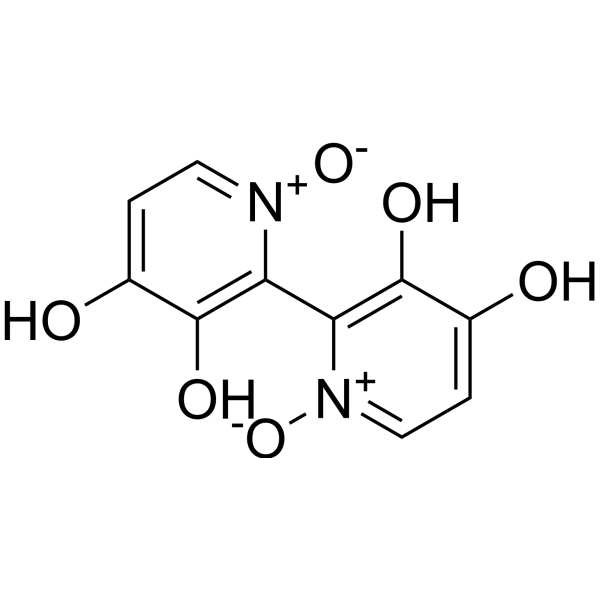
    Orellanine, a nephrotoxic alkaloid found in Cortinarius orellanus, is an orally active and selective non-competitive inhibitor of alkaline phosphatase. Orellanine chelates iron, generates reactive oxygen species (ROS), induces DNA scission, forms ortho-semiquinone radicals, downregulates antioxidant defenses, and inhibits mitochondrial function. Orellanine induces caspase 8/9-mediated apoptosis. Orellanine inhibits synthesis of proteins, RNA, DNA, and mitochondrial protein synthesis, with metabolic activation required for cell-free protein synthesis inhibition. Orellanine can be used for the research of metastatic clear cell renal cell carcinoma, acute renal failure, chronic renal insufficiency, and kidney damage .
    Orellanine
  • HY-151453

    Topoisomerase Apoptosis Cancer
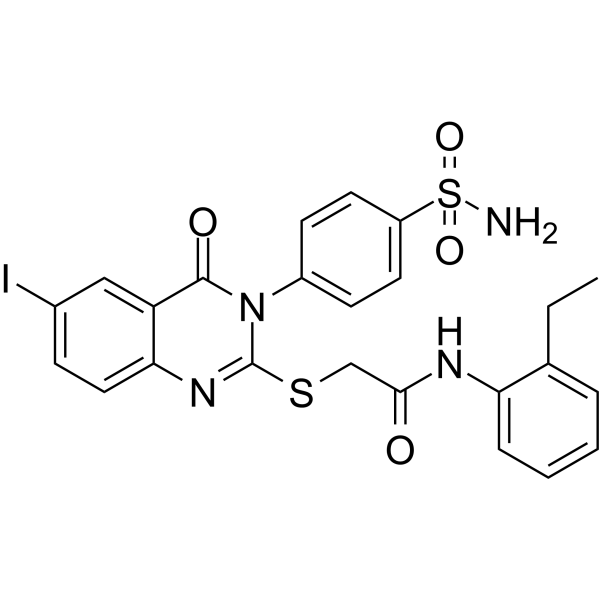
    Topoisomerase IIα-IN-4 (F2) is a non-intercalative ATP-competitive human DNA topoisomerase II inhibitor with an IC50 value of 3.8 and 10.1 μM for TopoIIα and TopoIIβ, respectively. Topoisomerase IIα-IN-4 shows potent potency in apoptosis induction and cell cycle arrest in HepG2 cells. Topoisomerase IIα-IN-4 exhibits strong antitumor activities against human cancer cell lines, it can be used for the research of cancer .
    Topoisomerase IIα-IN-4
  • HY-156912

    EGFR Cancer
    Tyrosine kinase-IN-7 (compound 13h) is an inhibitor of the tyrosine kinase EGFR. The IC50s for inhibiting EGFR(WT) and EGFR(T790M) are 0.630 μM and 0.956 μM respectively. Tyrosine kinase-IN-7 has antitumor activity against four cancer cell lines (HepG2, HCT-116, MCF-7, and A431) with IC50s of 13.02 μM, 10.14 μM, 12.68 μM, and 47.05 μM, respectively .
    Tyrosine kinase-IN-7
  • HY-N8934

    Others Cancer
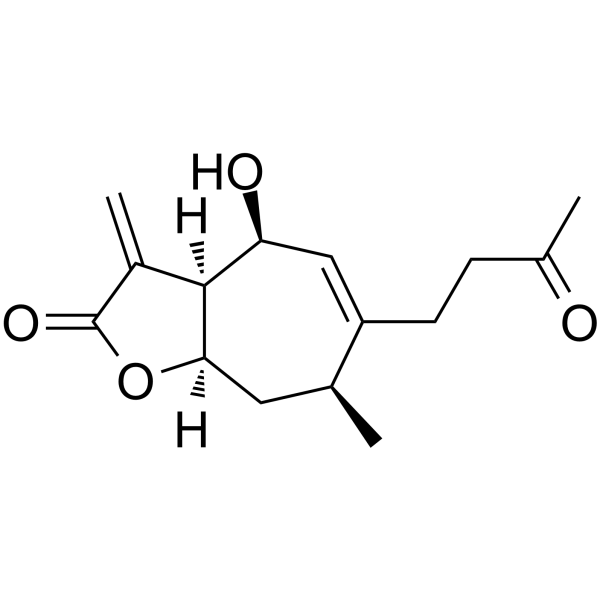
    6β-Hydroxytomentosin, a sesquiterpenoid, can be found in flowers of Inula japonica. 6β-Hydroxytomentosin exhibits weak cytotoxicities against A549, SK-OV-3, HepG-2 and HT-29 cell lines .
    6β-Hydroxytomentosin
  • HY-170992

    Autophagy CDK Atg8/LC3 PINK1/Parkin Cancer
    Autophagy agonist-1 (compound 22) is an Autophagy agonist. Autophagy agonist-1 exhibits significant anticancer activity against HepG2 cells and normal cells with IC50s of 8.8 μM and > 50 μM. Autophagy agonist-1 induces G1/S phase cell cycle arrest and inhibits CDK4 and CyclinD1 expression while upregulating P21. Autophagy agonist-1 promotes the accumulation of autophagosomes and the proteins LC3 and PINK1, enhancing autophagy and mitophagy in HepG2 cells .
    Autophagy agonist-1
  • HY-157404

    Pim Cancer
    Pim-1/2 kinase inhibitor 2 (compound 5b) is a competitive PIM-1 and PIM-2 kinase inhibitor with IC50s of 1.31 μM and 0.67 μM, respectively. Pim-1/2 kinase inhibitor 2 shows in-vitro low cytotoxicity against normal human lung fibroblast Wi-38 cell line and potent in-vitro anticancer activity against myeloid leukaemia (NFS-60), liver (HepG-2), prostate (PC-3), and colon (Caco-2) cancer cell lines .
    Pim-1/2 kinase inhibitor 2
  • HY-W587938

    (+)-γ-Eudesmol

    Apoptosis Cancer
    γ-Eudesmol ((+)-γ-Eudesmol) is a mitochondrial-mediated apoptosis inducer. γ-Eudesmol binds mitochondrial membrane proteins, triggering depolarization of mitochondrial membrane potential and activating caspase cascades. γ-Eudesmol demonstrates cytotoxicity against multiple tumor cell lines (e.g., HepG2, B16-F10) with IC50 values ranging from 8.86-15.15 μg/mL. γ-Eudesmol is promising for research of cancers, such as hepatocellular carcinoma and melanoma .
    γ-Eudesmol
  • HY-178133

    Pim Apoptosis Caspase Cancer
    Pim-1 kinase-IN-14 is a PIM-1 kinase inhibitor with an IC50 value of 94 nM. Pim-1 kinase-IN-14 shows broad-spectrum and high-efficiency anticancer activity against multiple human cancer cell lines, including liver cancer (HepG-2), colon cancer (Caco-2), myeloid leukemia (NFS-60), and prostate cancer (PC-3) cells. Pim-1 kinase-IN-14exerts its anticancer effects by inducing apoptosis and activating caspase 3/7. Pim-1 kinase-IN-14 can be used for the study of cancers associated with PIM-1 kinase overexpression .
    Pim-1 kinase-IN-14
  • HY-178960

    Microtubule/Tubulin Apoptosis Cancer
    Tubulin-IN-59 (Compound 8g) is an orally active Tubulin inhibitor. Tubulin-IN-59 exhibits potent anti-proliferative activity against HCT116 colorectal cancer, HeLa cervical cancer, and HepG2 liver cancer cell lines, with its IC₅₀ value ranging from 16 to 35 nM. Tubulin-IN-59 arrests HeLa cells in the G2/M phase and induces cell apoptosis. Tubulin-IN-59 demonstrates significant anti-tumor activity in the HT29 human colon cancer mouse xenograft model. Tubulin-IN-59 can be used for the study of colorectal cancer and cervical cancer .
    Tubulin-IN-59
  • HY-N12128

    Others Cancer
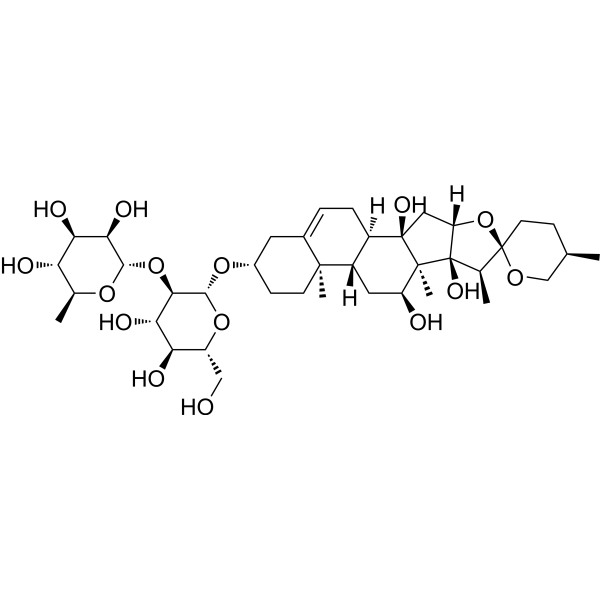
    Ophiopogonin R (compound 3) is a steroid saponin. Ophiopogonin R was isolated and purified from natural ophiopogonin. Ophiopogonin R was not cytotoxic to five human tumor cell lines (HepG2, HLE, BEL7402, BEL7403 and Hela) .
    Ophiopogonin R
  • HY-163125

    VEGFR Cancer
    BHEPN is an inhibitor of vascular endothelial growth factor receptor-2 (VEGFR-2). BHEPN has inhibition of VEGFR-2 with an IC50 value of 0.320 μM. BHEPN also exhibits remarkable cytotoxic effects against HepG2 and MCF-7 cancer cell lines, with IC50 values of 0.19 μM and 1.18 μM, respectively. BHEPN can be used for anticancer research .
    BHEPN
  • HY-122324

    (+)-(S)-Tylophorine; DCB-3500; NSC-717335

    Others Cancer
    Tylophorine and its analogs are benzoindole alkaloids, most of which are derived from Garcinia plants. Tylophorine analogs all show potent growth inhibition against human hepatocellular carcinoma HepG2 and human nasopharyngeal carcinoma KB cell lines. Tylophorine analogs can also induce increased albumin expression and inhibit α-fetoprotein expression in HepG2 cells, and have the potential to induce HepG2 cell differentiation .
    Tylophorine
  • HY-N7464

    Others Others
    Jolkinolide E is a casbane diterpenoid from the roots of Euphorbia rapulum. Jolkinolide E shows weak selective activity against HepG2, MCF-7, and C6 cell lines .
    Jolkinolide E
  • HY-126981

    Others Cancer
    Sarasinoside B1 is a glycoside compound. Sarasinoside B1 exhibits moderate cytotoxicity against Neuro-2a and HepG2 cell lines (IC50=~5-18 μM).
    Sarasinoside B1
  • HY-N7760

    Others Others
    Neosalvianen is a N-containing compound that shows cytotoxic activities against the HeLa, HepG2, and OVCAR-3 cell lines, with IC50 of 63.9 µM, 59.2 µM, and 74.6 µM, respectively .
    Neosalvianen
  • HY-N14892

    Bacterial Infection Cancer
    Cetoniacytone A has weak activity against Gram-positive and negative bacteria. Cetoniacytone A can inhibit the growth of HEPG2 and MCF7 human tumor cell lines, with GI50 values of 3.2 μM .
    Cetoniacytone A
  • HY-156097

    EGFR Cancer
    Anticancer agent 158 (compound 7c) is a potent anticancer agent. The IC50s for inhibiting HepG-2, MDA-MB-231, and HCT-116 cell lines are 7.93 μM, 9.28 μM, 13.28 μM, and 181.89 μM, respectively .
    Anticancer agent 158
  • HY-N4251

    (-)-Periplocoside M

    Others Cancer
    Periplocoside M (compound 8) is a natural product isolated from the root bark of Periploca sepium. Periplocoside M shows antitumor activity against human A-549 and HepG2 cell lines, with the IC50 of 4.84 and 7.06 μM .
    Periplocoside M
  • HY-120607

    Parasite Infection Cancer
    Chevalone C, a meroterpenoid fungal metabolite, shows antimalarial activity with IC50 value of 25.00 μg/mL. Chevalone C has anti-proliferative activity on colon HCT116, liver HepG2 and melanoma A375 cancer cell lines .
    Chevalone C
  • HY-168115

    FLT3 PDGFR Cancer
    Multi-kinase inhibitor 4 (compound 14) is an orally active inhibitor of FLT1, KDR, FLT3, FLT4, PDGFRα, PDGFRβ, with IC50s of 1.97 nM, 1.04 nM, 0.33 nM, 1.44 nM, 0.18 nM, 0.89 nM. Multi-kinase inhibitor 4 plays an important role in cancer research .
    Multi-kinase inhibitor 4
  • HY-N12299

    Quercetin 3-O-β-D-glucuronide butyl ester

    Others Cancer
    Parthenosin (Quercetin 3-O-β-D-glucuronide butyl ester) is a flavonoid, that can be isolated from the aerial parts of Calligoum polygonoides. Parthenosin shows cytotoxic activity against HepG2 and MCF-7 cell lines with IC50 values of 60.46 and 61.4 μg/mL, respectively .
    Parthenosin
  • HY-129672

    25-Dihydrostichorrenoside E

    Drug Derivative Cancer
    Thelenotoside B (25-Dihydrostichorrenoside E) shows strong cytotoxicities against five cancer cell lines as HepG2, KB, LNCaP, MCF7 and SK-Mel2 with the IC50 values from 0.95 ± 0.08 to 1.90 ± 0.13 μM. Thelenotoside B is a triterpene tetraglycoside .
    Thelenotoside B
  • HY-149407

    VEGFR CDK EGFR Necroptosis Apoptosis Cancer
    Multi-kinase-IN-4 (compound 5d) is multi-targeted kinase inhibitor, including VEGFR2, EGFR, HER2, and CDK2, with IC50 values of 0.33, 0.22, 0.18 and 2.09 μM, respectively. Multi-kinase-IN-4 shows broad-spectrum anti-cancer activities against HepG2, MCF-7, MDA-231, and HeLa cell lines (IC50 = 1.94–7.1 µM), but exhibits lower toxicity in the WI-38 cells (IC50 = 40.85 µM). Multi-kinase-IN-4 induces apoptosis and arrests cell cycle at S phase in HepG2 cells. Multi-kinase-IN-4 has the potential for the research of cancer .
    Multi-kinase-IN-4
  • HY-N3626

    Others Cancer
    Coronalolide is a natural triterpene with anticancer effects. Coronalolide exhibits a broad cytotoxic activity for human breast (BT474), gastric (KATO-3), lung (CHAGO), colon (SW-620), and liver (Hep-G2) cancer cell lines, with IC50 values of 6.59 µg/mL, 5.85 µg/mL, 5.42 µg/mL, 4.98 µg/mL, and 6.41 µg/mL, respectively .
    Coronalolide
  • HY-146715

    Microtubule/Tubulin Apoptosis Cancer
    IDO/Tubulin-IN-2 (HT2) is a potent TDO and tubulin inhibitor. IDO/Tubulin-IN-2 also shows potent activity against U87, HepG2, A549, HCT-116, and LO2 cancer cell lines, with IC50 values of 0.43, 0.036, 0.041, 0.095 and 1.04 μM, respectively. IDO/Tubulin-IN-2 remarkably promotes the antitumor activity .
    IDO/Tubulin-IN-2
  • HY-146366

    Microtubule/Tubulin Cancer
    Tubulin inhibitor 26 (compound 3c) is a potent inhibitor of tubulin. Tubulin inhibitor 26 is an indazole derivative compound. Tubulin inhibitor 26 shows noteworthy low nanomolar potency against HepG2, HCT116, SW620, HT29 and A549 cancer cell lines. Tubulin inhibitor 26 arrests tumor cell in G2/M phase and induced cell apoptosis. Tubulin inhibitor 26 suppresses tumor growth in vivo without affecting the mice body weight .
    Tubulin inhibitor 26
  • HY-175553

    VEGFR Apoptosis Cancer
    VEGFR-2-IN-72 is a selective VEGFR-2 inhibitor with an IC50 of 22.2 nM. VEGFR-2-IN-72 exhibits anticancer activity against HepG2 and Hep3B human HCC cell lines with IC50s of 15.7 and 2.4 μM. VEGFR-2-IN-72 can cause a mild blockage of the cell cycle and induce cell aopoptosis. VEGFR-2-IN-72 can used for the study of hepatocellular carcinoma (HCC) .
    VEGFR-2-IN-72
  • HY-155177

    CDK Cancer
    CDK9-IN-27 (Compound 6a) is a CDK9 inhibitor (IC50s: 0.424 μM). CDK9-IN-27 induces apoptosis and cell cycle arrest at S stage. CDK9-IN-27 has cytotoxic action against HepG2, HCT-116 and MCF-7 cell lines, with IC50s of 10.31-40.34 μM. CDK9-IN-27 can be used for cancer research .
    CDK9-IN-27
  • HY-151459

    VEGFR Bacterial Dihydrofolate reductase (DHFR) Fungal Infection Cancer
    VEGFR-2/DHFR-IN-2 (compound 5b) is an inhibitor of VEGFR-2 and DHFR with IC50s of 0.623 and 9.085 μM, respectively. VEGFR-2/DHFR-IN-2 exhibits good cytotoxic activities against C26, HepG2, and MCF7 cancer cell lines with IC50 values of 3.59-8.38 μM. VEGFR-2/DHFR-IN-2 can be used for the research of cancer .
    VEGFR-2/DHFR-IN-2
  • HY-169096

    Microtubule/Tubulin Apoptosis Cancer
    DPP-21 is an inhibitor of tubulin polymerization (IC50: 2.4 μM). DPP-21 shows anti-proliferative activity against cancer cell lines, with IC50s of 0.38 nM (HCT116), 11.69 nM (B16), 5.37 nM (HeLa), 9.53 nM (MCF7), 8.94 nM (H23) and 9.37 nM (HepG2) respectively. DPP-21 arrests the cell cycle in the G2/M phase of mitosis, subsequently inducing tumor cell apoptosis (decreases Bcl-2 but upregulates the pro-apoptotic protein Bax) .
    DPP-21
  • HY-147682

    NF-κB Apoptosis Cancer
    NF-κB-IN-5 (compound 4d) is an orally active and potent NF-κB inhibitor by interacting directly with NF-κB. NF-κB-IN-5 shows antitumor activity against human cancer cell lines (HCT116, U87-MG, HepG2, BGC823, PC9), with IC50 values of 5.35, 2.81, 2.83, 2.02 and 3.90 μM, respectively. NF-κB-IN-5 induces apoptosis in U87-MG tumor cell and cell cycle arrest in G0/G1 phase .
    NF-κB-IN-5
  • HY-144791

    Bcl-2 Family MDM-2/p53 Caspase Apoptosis Cancer
    Bcl-2-IN-6 (compound 10) is a potent Bcl-2 (B-cell lymphoma-2) inhibitor. Bcl-2-IN-7 down-regulates the expression of Bcl-2, and increases the expression of p53, Bax, and caspase-7 mRNA. Bcl-2-IN-7 induces cell cycle arrest and apoptosis in breast cancer MCF-7 cells. Bcl-2-IN-7 shows good anticancer activity, with IC50 values of 20.91, 22.30, 42.29, and 48.00 μM against MCF-7, LoVo, HepG2, and A549 cell lines, respectively .
    Bcl-2-IN-6
  • HY-144792

    Bcl-2 Family MDM-2/p53 Caspase Apoptosis Cancer
    Bcl-2-IN-7 (compound 6) is a potent Bcl-2 (B-cell lymphoma-2) inhibitor. Bcl-2-IN-7 down-regulates the expression of Bcl-2, and increases the expression of p53, Bax, and caspase-7 mRNA. Bcl-2-IN-7 induces cell cycle arrest and apoptosis in breast cancer MCF-7 cells. Bcl-2-IN-7 shows good anticancer activity, with IC50 values of 20.17, 22.64, 45.57, and 51.50 μM against MCF-7, LoVo, HepG2, and A549 cell lines, respectively .
    Bcl-2-IN-7
  • HY-168337

    JNK Pyruvate Kinase
    SET-171 is a JNK (c-Jun N-terminal kinase) inhibitor that exhibits significant anticancer activity and lipid metabolism regulation by inhibiting liver pyruvate kinase (PKL) expression. In anticancer studies, SET-171 shows IC50 values of 8.82 μM and 2.97 μM against HepG2 and Huh7 cell lines, respectively, indicating high cytotoxicity. Additionally, in non-alcoholic fatty liver disease (NAFLD)-related studies, SET-171 significantly reduces triacylglycerol (TAG) levels and inhibits the expression of steatosis-related proteins. SET-171 holds promise for research on hepatocellular carcinoma (HCC) and NAFLD .
    SET-171
  • HY-N10778

    Others Others
    (19R,23E)-5b,19-Epoxy19-ethoxycucurbita-6,23-diene-3b,25-diol is a cucurbitane-type triterpenoid. (19R,23E)-5b,19-Epoxy19-ethoxycucurbita-6,23-diene-3b,25-diol has been tested to no effect against 5 cancer cell lines, MCF-7, HepG2, Du145, Colon205 and HL-60 by MTT assay .
    (19R,23E)-5b,19-Epoxy19-ethoxycucurbita-6,23-diene-3b,25-diol
  • HY-151458

    VEGFR Bacterial Dihydrofolate reductase (DHFR) Fungal Infection Cancer
    VEGFR-2/DHFR-IN-1 (compound 8b) is an inhibitor of VEGFR-2 and DHFR with IC50s of 0.384 and 7.881 μM, respectively. VEGFR-2/DHFR-IN-1 shows good antibacterial activities against Escherichia coli, Streptococcus faecalis, Salmonella enterica, MSSA and MRSA with MIC values of 16, 16, 16, 8, and 16 μg/mL, respectively. VEGFR-2/DHFR-IN-1 exhibits good cytotoxic activities against C26, HepG2, and MCF7 cancer cell lines with IC50 values of 2.97-7.12 μM. VEGFR-2/DHFR-IN-1 can be used for the research of cancer .
    VEGFR-2/DHFR-IN-1
  • HY-175297

    VEGFR EGFR Cancer
    EGFR T790M/VEGFR-2-IN-1 (Compound 6) is a dual EGFR T790M mutant (IC50=0.26 μM) and VEGFR-2 (IC50=0.95 μM) inhibitor. EGFR T790M/VEGFR-2-IN-1 blocks tumor cell proliferation and angiogenesis signaling pathways. EGFR T790M/VEGFR-2-IN-1 exhibits potent cytotoxicity against multiple cancer cell lines (HCT116, MCF-7, HepG2, A549; IC50=5.35-9.90 μM). EGFR T790M/VEGFR-2-IN-1 is promising for research of non-small cell lung cancer and solid tumors .
    EGFR T790M/VEGFR-2-IN-1
  • HY-N10922

    Others Cancer
    (3S,4aS,10aS)-3-(Acetyloxy)-2,3,4,4a,10,10a-hexahydro-6-hydroxy-1,1,4a-trimethyl-7-(1-methylethyl)-9(1H)-phenanthrenone (compound 3), a Palmitate, can be isolated from the root tissue of Salvia miltiorrhiza. (3S,4aS,10aS)-3-(Acetyloxy)-2,3,4,4a,10,10a-hexahydro-6-hydroxy-1,1,4a-trimethyl-7-(1-methylethyl)-9(1H)-phenanthrenone (compound 3) shows anti-cancer activity against human cancer cell lines with DC50s of 25.5 μg/mL (HeLa), 37.5 μg/mL (HepG2), 30.2 μg/mL (OVCAR-3), respectively .
    (3S,4aS,10aS)-3-(Acetyloxy)-2,3,4,4a,10,10a-hexahydro-6-hydroxy-1,1,4a-trimethyl-7-(1-methylethyl)-9(1H)-phenanthrenone
  • HY-N14893

    Others Cancer
    Cetoniacytone B can inhibit the growth of HEPG2 and MCF7 human tumor cell lines, with GI50 values of 4.4 μM .
    Cetoniacytone B
  • HY-180117

    MMP STAT Apoptosis Cancer
    MMP-2/9-IN-2 (Compound 6k) is a MMP-2 and MMP-9 inhibitor, with IC50 values of 29.27 and 24.87 μM respectively. MMP-2/9-IN-2 exhibits good selective toxicity against multiple human hepatoma cell lines. MMP-2/9-IN-2 induces cell cycle arrest and apoptosis, significantly inhibits cell migration and invasion. MMP-2/9-IN-2 inhibits the phosphorylation of the STAT3 signaling pathway. MMP-2/9-IN-2 shows strong anti-tumor activity in a nude mouse xenograft model of HepG2 liver cancer cells .
    MMP-2/9-IN-2
  • HY-N13081

    Others Cancer
    3-Oxo-cinobufagin (compound 8) is a potential anticancer compound that can be isolated from the broth of M. spinosus by high-performance liquid chromatography. Compared to other isolated compounds, the hydroxyl group at the C-5 position of 3-Oxo-cinobufagin is further oxidized or isomerized, significantly reducing its cytotoxic activity against most cell lines (except HEL), while increasing its activity against the BEL cell line. The IC50 values of 3-Oxo-cinobufagin's cytotoxicity against cancer cells are: 71.3 μM (HepG2), 90.2 μM (SMMC-7221), 0.11 μM (BEL-7402), 72.5 μM (K562), 5.3 μM (HL-60), and 12 nM (HEL) .
    3-Oxo-cinobufagin
  • HY-W727102

    Others Others
    (Z)-8-β-D-Glucopyranosyloxycinnamic acid is a phenolic glycoside present in the roots of Codonopsis javanica. (Z)-8-β-D-Glucopyranosyloxycinnamic acid exhibits no toxicity against lung cancer, liver cancer and breast cancer cell lines .
    (Z)-8-β-D-Glucopyranosyloxycinnamic acid

Inquiry Online

Your information is safe with us. * Required Fields.

Salutation


Country or Region *

Applicant Name *


Organization Name *

Department *


Email Address *


Product Name *

Cat. No.


Requested quantity *

Phone Number *


Remarks

Inquiry Online

Inquiry Information

Product Name:
Cat. No.:
Quantity:
MCE Japan Authorized Agent:

