28 Results for "

Human CYP1A1

" in MedChemExpress (MCE) Product Catalog:
Products (28)

28 Results for "Human CYP1A1" in MCE Product Catalog:

2
2 Cited Publications
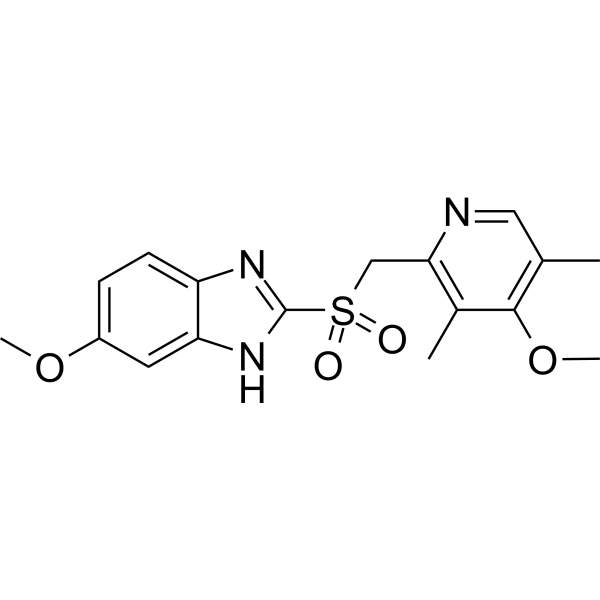
Cat. No.: HY-G0007
CAS No.: 88546-55-8
Synonyms: Omeprazole sulphone
Omeprazole sulfone (Omeprazole sulphone) is one of the major circulating metabolites of Omeprazole (HY-B0113) in vivo, and belongs to class 4 non-mutagenic impurities. Omeprazole sulfone does not bind to the aryl hydrocarbon receptor (AhR), nor does it induce the expression of CYP1A1 or CYP1A2. However, Omeprazole sulfone promotes the migration of gastric epithelial cells under basal conditions and reverses the inhibitory effect of Indomethacin (HY-14397) on cell migration. Omeprazole sulfone does not promote cell proliferation, nor does it upregulate COX-2 expression or activate signaling pathways such as ERK, P38 MAPK and PI3K. Omeprazole sulfone maintains basal ulcer healing under non-acid-dependent conditions and can be used in studies related to gastric ulcer repair .
loading...
    loading...
2
2 Cited Publications
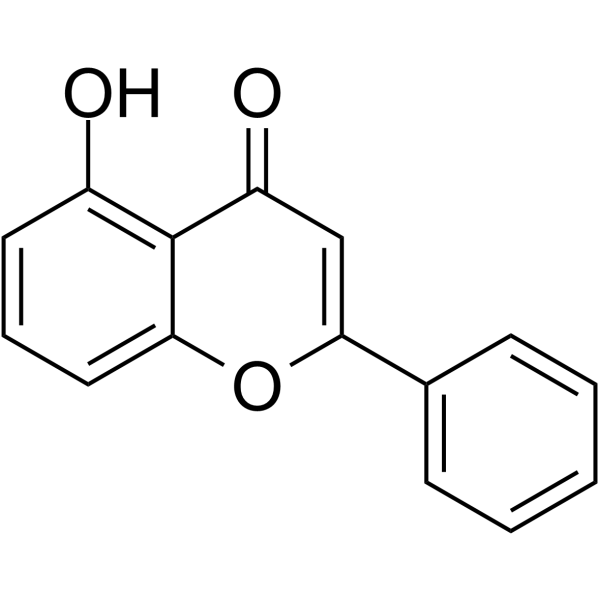
Cat. No.: HY-22024
CAS No.: 491-78-1
Synonyms: 5-OH-Flavone
5-Hydroxyflavone (5-OH-Flavone) is a flavonoid compound that undergoes oxidation-mediated conversion to 5,7-dihydroxyflavone and 5,6,7-trihydroxyflavone by human cytochrome P450 enzymes .
loading...
    loading...
2
2 Cited Publications
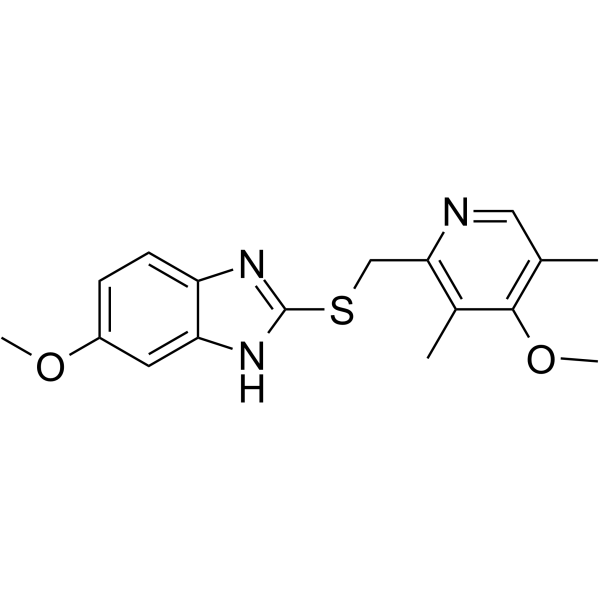
Cat. No.: HY-G0006
CAS No.: 73590-85-9
Synonyms: Ufiprazole
Omeprazole sulfide (Ufiprazole) is a metabolic degradation product of Omeprazole (HY-B0113). Omeprazole sulfide acts as a modulator of AhR. Omeprazole sulfide in cells with low CYP3A4 expression, functions as an AhR antagonist; however, in cells with high CYP3A4 expression, it is rapidly metabolized to Omeprazole, thereby acting as an AhR agonist. Omeprazole sulfide exhibits antibacterial activity when conjugated with silver nanoparticles (AgNPs). Omeprazole sulfide can be used in research on acid suppression and bacterial infections .
loading...
    loading...
1
1 Cited Publications
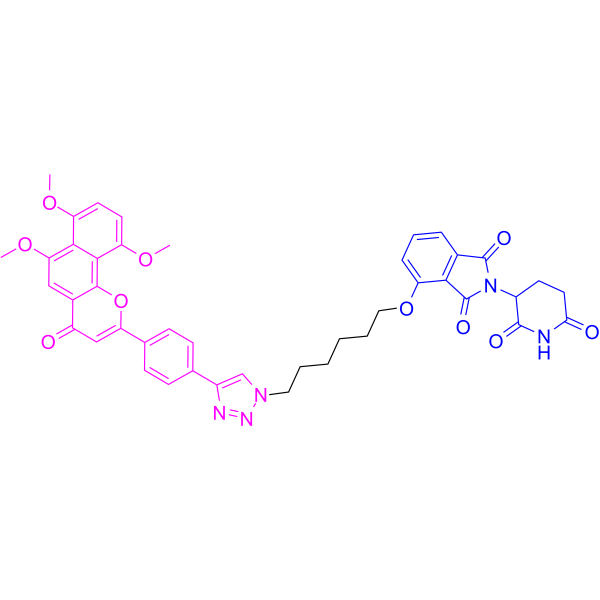
Cat. No.: HY-146393
CAS No.: 2411389-67-6
Purity:  98.09%
Target:  

PROTACs Cytochrome P450

Research Areas:  

Cancer

PROTAC CYP1B1 degrader-1 is a CYP1B1 PROTAC degrader with a human IC50 of 95.1 nM. PROTAC CYP1B1 degrader-1 induces concentration-dependent CYP1B1 degradation. PROTAC CYP1B1 degrader-1 can be used for the research of CYP1B1-mediated Docetaxel (HY-B0011)-resistant prostate cancer .
loading...
    loading...
Cat. No.: HY-B1234
CAS No.: 5466-77-3
Synonyms: Octyl methoxycinnamate
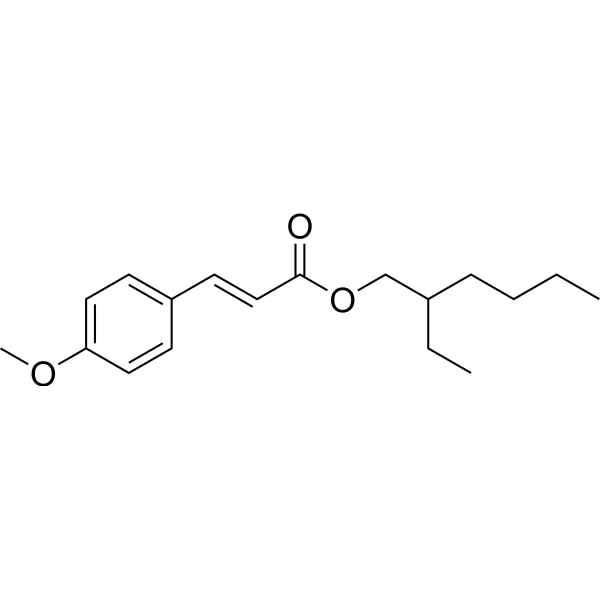
Octinoxate (Octyl methoxycinnamate) is a thyroid hormone receptor agonist, reducing the levels of triiodothyronine (T3) and thyroxine (T4) and transcription levels of genes related to type II deiodinase (deio2) in Japanese Medaka. Octinoxate is commonly used as a safe ultraviolet (UV) filter used in the aquatic environment. Octinoxate inhibits CYP1A1 and CYP1B1 to regulate hyaluronan (HA) (HY-B0633A) metabolism in a PI3K pathway-dependent manner in human keratinocytes. Octinoxate also exhibits an anti-estrogenic and anti-androgenic effect in vitro and in vivo .
loading...
    loading...
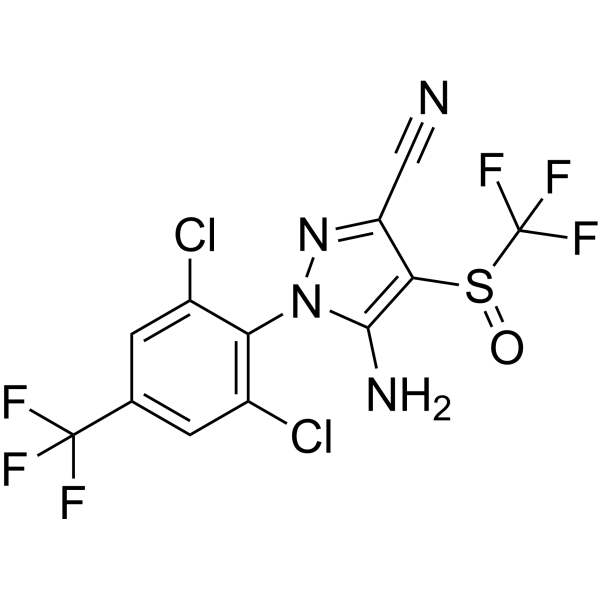
Cat. No.: HY-B0822
CAS No.: 120068-37-3
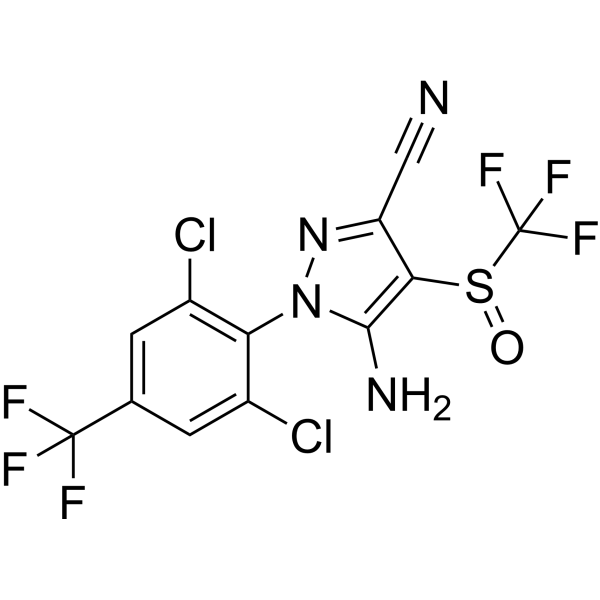
Fipronil is a broad-spectrum insecticide effective against Lepidoptera species as well as thrips, locusts, ants, cockroaches, fleas and ticks. Fipronil selectively inhibits GABA receptor with IC50s of 30 nM and 1600 nM for cockroach and rat GABA receptors, respectively. Glutamate-gated chloride channels (GluCls), which are present in cockroaches but not in mammals, are sensitive to the blocking effect of Fipronil. Fipronil also induces apoptosis in HepG2 cells and promotes the expression of CYP1A1 and CYP3A4 mRNA in human hepatocytes .
loading...
    loading...
Cat. No.: HY-16265
CAS No.: 900573-88-8
Research Areas:  

Cancer

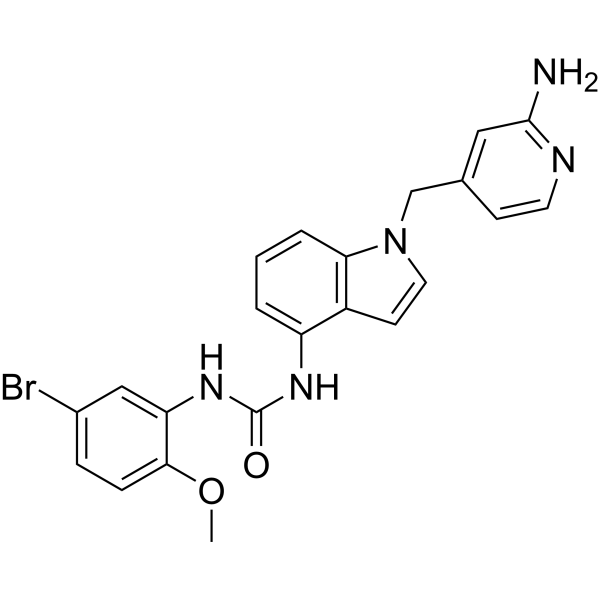
JI-101 is an orally active multi-kinase inhibitor. JI-101 inhibits EphB4, VEGFR-2 and PDGFR-β. JI-101 exhibits anticancer activity. JI-101 can be used in research related to ovarian cancer .
loading...
    loading...
Cat. No.: HY-N5132
CAS No.: 7787-20-4
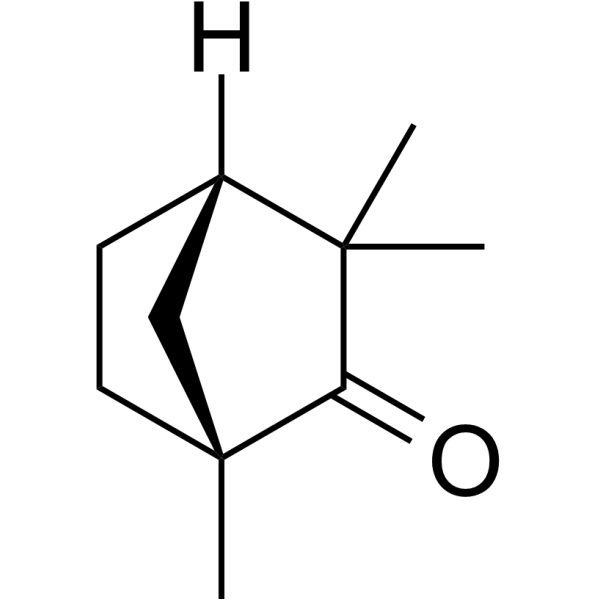
(-)-Fenchone is a bicyclic monoterpene and serves as a substrate for human liver microsomal cytochrome P450 enzymes CYP2A6 and CYP2B6. (-)-Fenchone is not metabolized by human CYP1A1, CYP1A2, CYP1B1, CYP2C8, CYP2C9, CYP2C19, CYP2D6, CYP2E1, or CYP3A4 enzymes. (-)-Fenchone undergoes hydroxylation to produce 6-exo-hydroxyfenchone, 6-endo-hydroxyfenchone, and 10-hydroxyfenchone. During the metabolism of (-)-Fenchone, CYP2A6 may play a more important role than CYP2B6 .
loading...
    loading...
Cat. No.: HY-B0822R
CAS No.: 120068-37-3
Fipronil (Standard) is the analytical standard of Fipronil. This product is intended for research and analytical applications. Fipronil is a broad-spectrum insecticide effective against Lepidoptera species as well as thrips, locusts, ants, cockroaches, fleas and ticks. Fipronil selectively inhibits GABA receptor with IC50s of 30 nM and 1600 nM for cockroach and rat GABA receptors, respectively. Glutamate-gated chloride channels (GluCls), which are present in cockroaches but not in mammals, are sensitive to the blocking effect of Fipronil. Fipronil also induces apoptosis in HepG2 cells and promotes the expression of CYP1A1 and CYP3A4 mRNA in human hepatocytes .
loading...
    loading...
Cat. No.: HY-120377
CAS No.: 1821136-07-5
Target:  

HBV

Research Areas:  

Cancer

CYP1A1 inhibitor 8a is a compound that potently and selectively inhibits the CYP1A1 enzyme and has the potential to prevent cancer. CYP1A1 inhibitor 8a exhibits more than 10-fold selectivity for CYP1A1 and more than 100-fold selectivity over other enzymes in the CYP1 subfamily. CYP1A1 inhibitor 8a can effectively antagonize B[a]P-mediated activation of the aryl hydrocarbon receptor (AhR) in yeast cells and protect human cells from CYP1A1-mediated B[a]P toxicity. CYP1A1 inhibitor 8a has the potential to be developed as a cancer chemopreventive agent .
loading...
    loading...
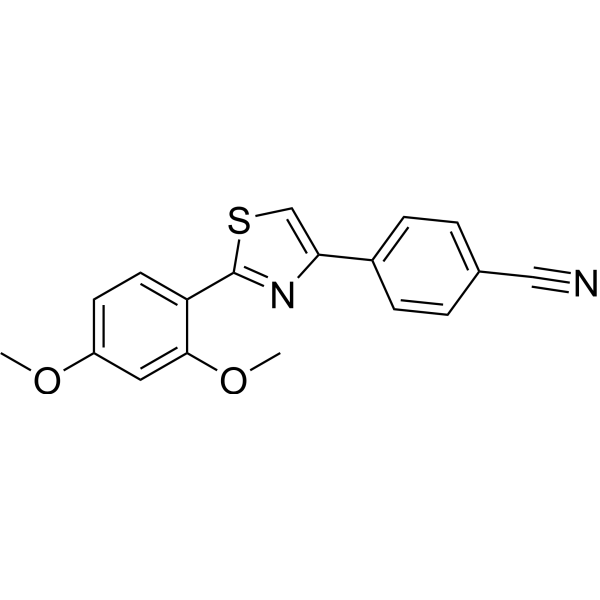
Cat. No.: HY-152118
CAS No.: 2685779-55-7
Purity:  99.09%
Target:  

Cytochrome P450

Research Areas:  

Cancer

CYP1B1-IN-4 is a 2,4-diarylthiazole compound with selectively CYP1B1 inhibition (IC50=0.2 nM). CYP1B1-IN-4 has little cytotoxicity and high stability in both human and rat liver microsomes .
loading...
    loading...
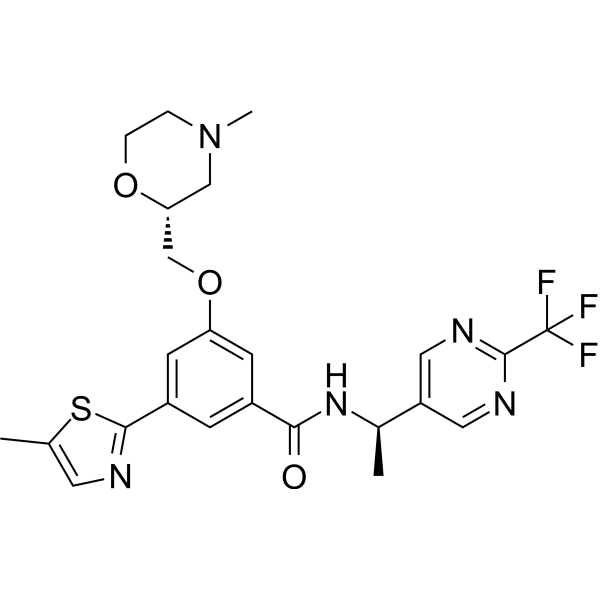
Cat. No.: HY-109173
CAS No.: 1948232-63-0
Purity:  98.78%
Synonyms: BAY 1902607
Research Areas:  

Inflammation/Immunology

Filapixant (BAY 1902607) is an orally active and selective P2X3 receptor antagonist. Filapixant is applicable to the research of refractory chronic cough .
loading...
    loading...
Cat. No.: HY-RS03441
Research Areas:  

Others

CYP1A1 Human Pre-designed siRNA Set A contains three designed siRNAs for CYP1A1 gene (Human), as well as a negative control, a positive control, and a FAM-labeled negative control.

loading...
    loading...
Cat. No.: HY-147128
CAS No.: 2378039-23-5
PY109 is an orally active and highly selective aryl hydrocarbon receptor (AHR) agonist. PY109's EC50 values in human-derived HepG2 and mouse Hepa-1c1c7 cells are 1.2 nM and 1.4 nM respectively. PY109 significantly upregulates the expression of CYP1A1 and IL-22, and inhibits the expression of IL-17A. PY109 significantly improves colitis in mice. PY109 can be used for research on colitis .
loading...
    loading...
Cat. No.: HY-E72103
Target:  

Cytochrome P450

Research Areas:  

Others

Human CYP1A1, Reductase+b5 refers to a near-physiological recombinant microsomal system co-expressed in insect cells, consisting of human cytochrome P450 1A1, NADPH-P450 oxidoreductase (CPR) and cytochrome b5. Human CYP1A1 is a human cytochrome P450 subtype belonging to the CYP1 family, as well as a major metabolic enzyme. Its expression is concentrated in tissues such as lung, breast, placenta and endometrium, and it can metabolize polycyclic aromatic hydrocarbons and estrogens into carcinogenic intermediates with DNA-damaging activity .
loading...
    loading...
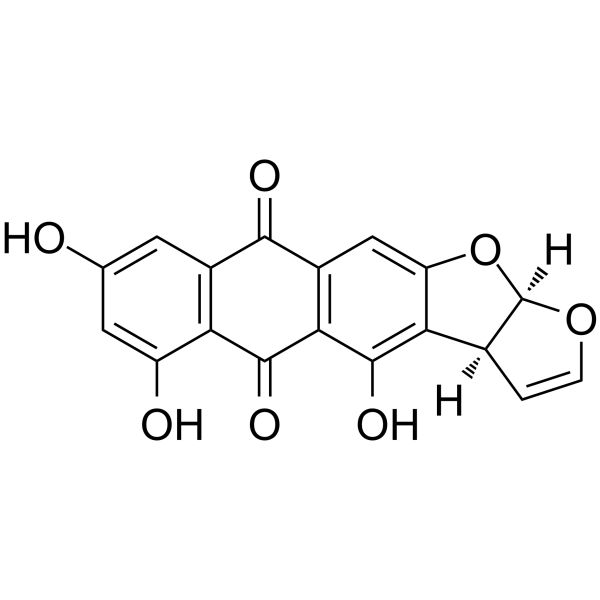
Cat. No.: HY-129247
CAS No.: 6807-96-1
Versicolorin A is a biosynthetic precursor of Aflatoxin B1 (HY-N6615). Versicolorin A induces phosphorylation of p53. Versicolorin A activates the aryl hydrocarbon receptor AhR and significantly induces the expression of CYP1A1. Versicolorin A exerts genotoxic and cytotoxic effects. Versicolorin A enhances the genotoxicity of aflatoxin B1 in cells by promoting CYP450-mediated bioactivation of aflatoxin B1. Versicolorin A can be used in research related to colorectal cancer and hepatocellular carcinoma .
loading...
    loading...
Cat. No.: HY-N2689
CAS No.: 264234-05-1
Synonyms: (R)-6′,7′-DHB
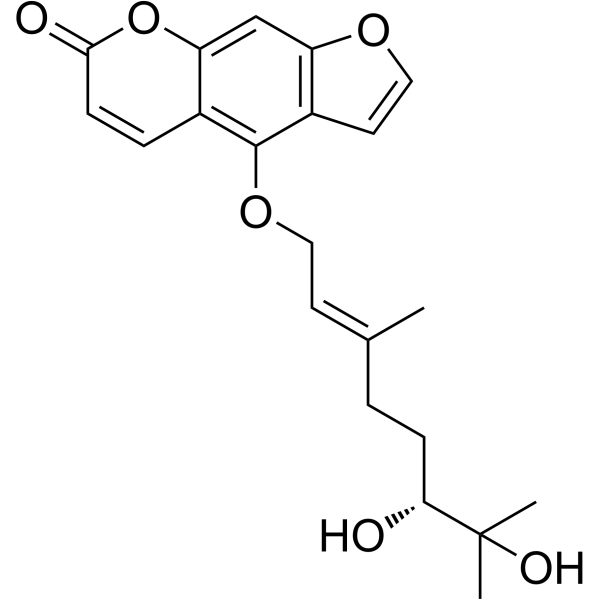
(R)-6',7'-Dihydroxybergamottin ((R)-6′,7′-DHB) is a competitive inhibitor of human and rat CYP1A1 activity with Kis of 55 μM and 1.72 μM, respectively. (R)-6',7'-Dihydroxybergamottin has the potential for cancer research .
loading...
    loading...
Cat. No.: HY-W775354
CAS No.: 70648-26-9
Synonyms: 1,2,3,4,7,8-HxCDF
Research Areas:  

Others

1,2,3,4,7,8-Hexachlorodibenzofuran (1,2,3,4,7,8-HxCDF) promotes the gene expressions of CYP1A1, CYP1B1, and aryl hydrocarbon receptor repressor (AhRR) in human peripheral blood lymphocytes (PBLs). 1,2,3,4,7,8-Hexachlorodibenzofuran activates the ethoxyresorufin-Odeethylase, achieves 20% of the maximum response caused by TCDD with a BMR20TCDD of 0.115-0.143 nM .
loading...
    loading...
Cat. No.: HY-W517092
CAS No.: 55673-89-7
Synonyms: 1,2,3,4,7,8,9-HpCDF
1,2,3,4,7,8,9-Heptachlorodibenzofuran (1,2,3,4,7,8,9-HpCDF) is a compound that induces the expression of CYP1A1 and CYP1B1 genes in human peripheral blood lymphocytes, while also promoting the expression of the aryl hydrocarbon receptor repressor (AhRR). 1,2,3,4,7,8,9-Heptachlorodibenzofuran can increase ethoxyresorufin-O-deethylase (EROD) activity in isolated human peripheral blood lymphocytes in a concentration-dependent manner, which serves as a marker of CYP1A1 activity. Furthermore, 1,2,3,4,7,8,9-Heptachlorodibenzofuran exhibits immunosuppressive effects by reducing the number of splenic plaque-forming cells in mice and increasing aryl hydrocarbon hydroxylase (AHH) activity in liver microsomes of mice injected with sheep red blood cells. 1,2,3,4,7,8,9-Heptachlorodibenzofuran can be used in research in the fields of immunology, metabolic diseases, and environmental toxicology .
loading...
    loading...
Cat. No.: HY-B1234S
Octinoxate-13C,d3 is the deuterium labeled Octinoxate (HY-W245806). Octinoxate (Octyl methoxycinnamate) is a thyroid hormone receptor agonist, reducing the levels of triiodothyronine (T3) and thyroxine (T4) and transcription levels of genes related to type II deiodinase (deio2) in Japanese Medaka. Octinoxate is commonly used as a safe ultraviolet (UV) filter used in the aquatic environment. Octinoxate inhibits CYP1A1 and CYP1B1 to regulate hyaluronan (HA) (HY-B0633A) metabolism in a PI3K pathway-dependent manner in human keratinocytes. Octinoxate also exhibits an anti-estrogenic and anti-androgenic effect in vitro and in vivo .
loading...
    loading...

