
1. Search Result
Search Result
Results for "

Lipid accumulation

" in MedChemExpress (MCE) Product Catalog:

229

Inhibitors & Agonists

1

Screening Libraries

2

Fluorescent Dyes

5

Biochemical Assay Reagents

9

Peptides

1

Inhibitory Antibodies

68

Natural
Products

30

Isotope-Labeled Compounds

1

Click Chemistry

1

Oligonucleotides

Cat. No. Product Name Target Research Areas Chemical Structure
  • HY-N6707
    Triacsin C
    5+ Cited Publications

    WS 1228A; FR 900190

    ACSL Family Parasite Infection Cardiovascular Disease
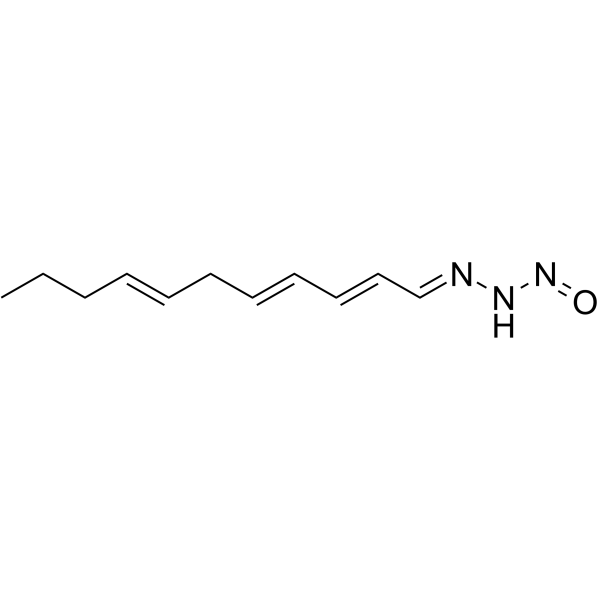
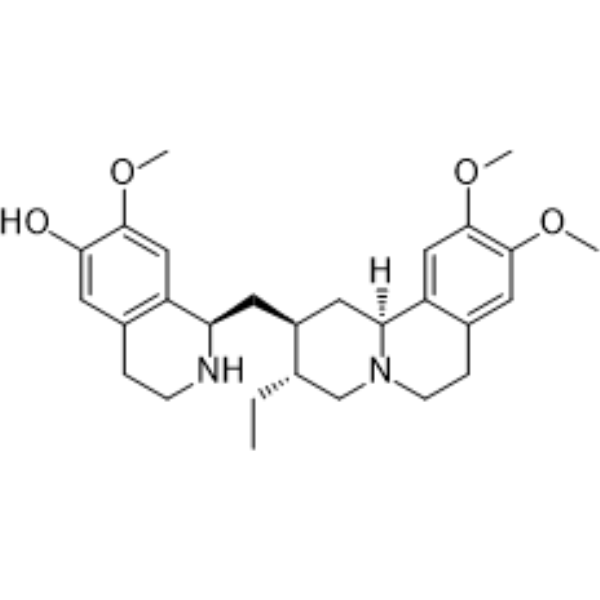
    Triacsin C (WS 1228A), is an orally active and intracellular long-chain acyl-CoA synthetases (ACSL) inhibitor, which can be isolated from Streptomyces aureofaciens. Triacsin C inhibits TAG accumulation into lipid droplets (LD) by suppressing ACSL activity . Triacsin C exhibits highly inhibitory effect against rotavirus replication .
    Triacsin C
  • HY-N0717
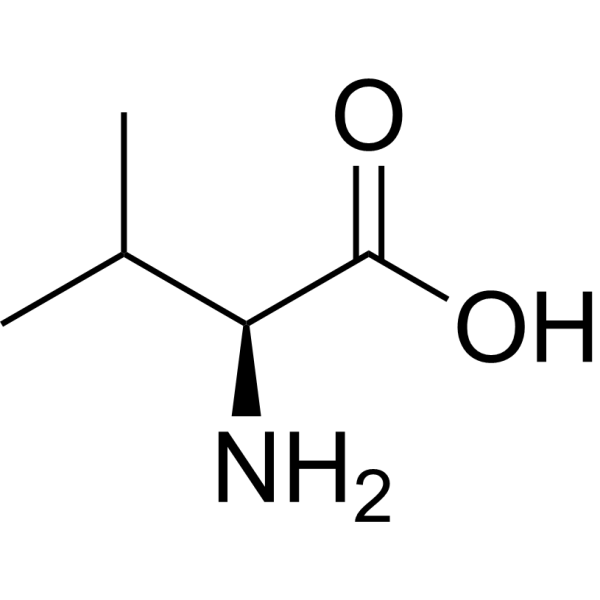
    L-Valine
    5 Publications Verification

    (S)-Valine

    Bacterial Arginase Akt Infection
    L-Valine ((S)-Valine) is a nonlinear semiorganic material. L-Valine causes lipid peroxidation and accumulation of malondialdehyde (MDA), exhibits inhibitory activity against cyanobacteria. L-Valine inhibits multidrug-resistant bacteria through activation of PI3K/Akt signaling pathway and inhibition of arginase .
    L-Valine
  • HY-B0415
    Fluocinolone (Acetonide)
    1 Publications Verification

    Glucocorticoid Receptor Wnt Inflammation/Immunology Endocrinology
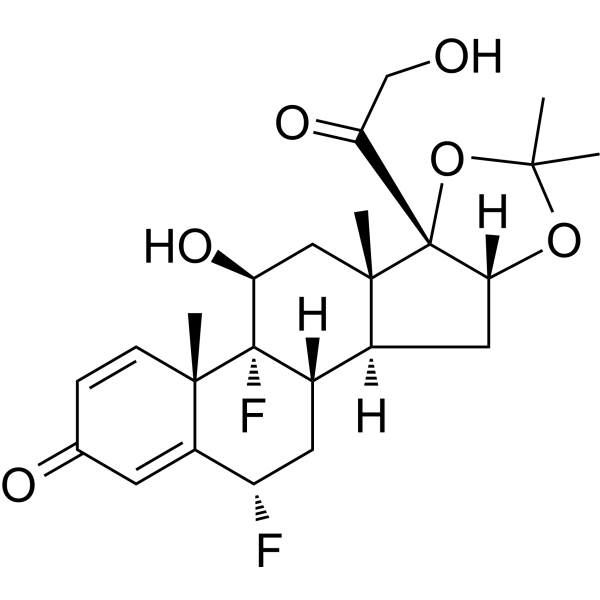
    Fluocinolone is a glucocorticoid glucocorticoid receptor agonist. Fluocinolone is effective in preventing both lipid accumulation and inflammation. Fluocinolone can promote the proliferation of DPCs and has the potential role in repairing injured pulp tissues. Fluocinolone can be used to study the prevention of chemotherapy-induced peripheral neuropathy caused by Paclitaxel (HY-B0015) .
    Fluocinolone (Acetonide)
  • HY-D1428
    Di-4-ANEPPDHQ
    1 Publications Verification

    Fluorescent Dye Inflammation/Immunology
    Di-4-ANEPPDHQ is a polarity-sensitive membrane probe with a doubly positive charge that can be used to visualize membrane microdomains in living Arabidopsis cells. Di-4-ANEPPDHQ produces a fluorescence spectrum shift by changing the polarity of the lipid environment after embedding into the cell membrane, thereby quantifying the degree of lipid accumulation. The excitation wavelength of Di-4-ANEPPDHQ is 488 nm, and the emission wavelengths are 560 nm and 650 nm in the liquid ordered and disordered phases, respectively. Di-4-ANEPPDHQ is often used for fluorescence imaging studies of membrane microstructure, lipid order, and membrane tension response in living cells[1][2][3].
    Di-4-ANEPPDHQ
  • HY-133707
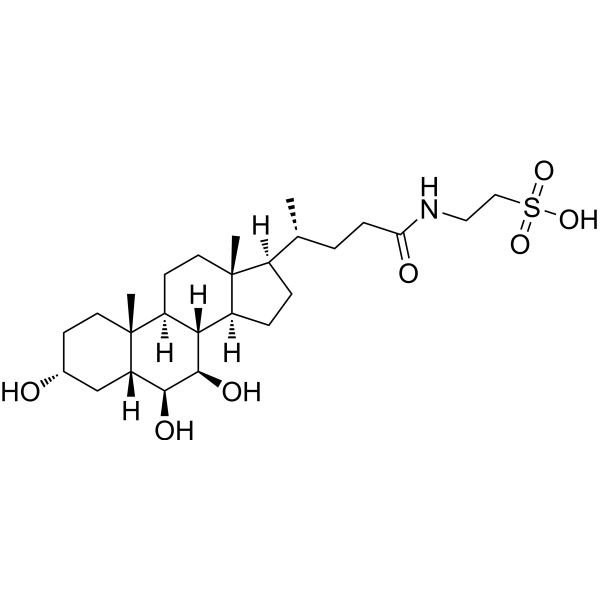
    β-Muricholic acid
    1 Publications Verification

    Endogenous Metabolite Metabolic Disease
    β-Muricholic acid is a potent and orally active biliary cholesterol-desaturating agent. β-Muricholic acid prevents cholesterol gallstones. β-Muricholic acid inhibits lipid accumulation. β-Muricholic acid has the potential for the research of nonalcoholic fatty liver disease (NAFLD) .
    β-Muricholic acid
  • HY-N2118
    Bilobetin
    2 Publications Verification

    PPAR PKA Akt p38 MAPK ERK Metabolic Disease
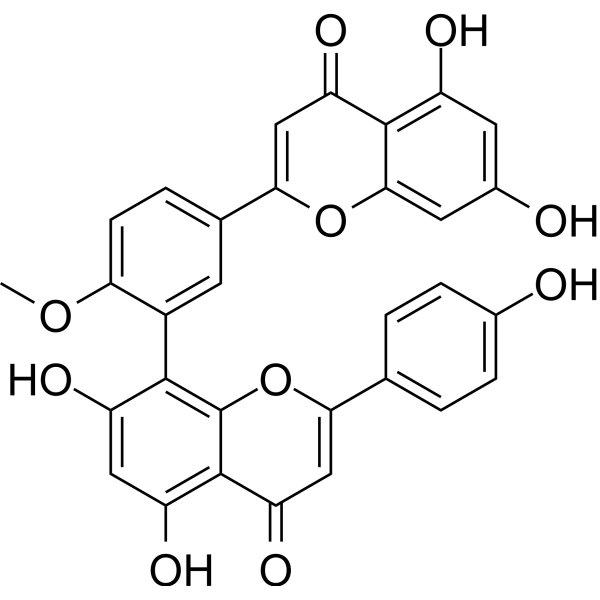
    Bilobetin, an active component of Ginkgo biloba, can reduce blood lipids and improve the effects of insulin. Bilobetin ameliorated insulin resistance, increased the hepatic uptake and oxidation of lipids, reduced very-low-density lipoprotein triglyceride secretion and blood triglyceride levels, enhanced the expression and activity of enzymes involved in β-oxidation and attenuated the accumulation of triglycerides and their metabolites in tissues. Bilobetin also increased the phosphorylation, nuclear translocation and activity of PPARα accompanied by elevated cAMP level and PKA activity .
    Bilobetin
  • HY-N0712
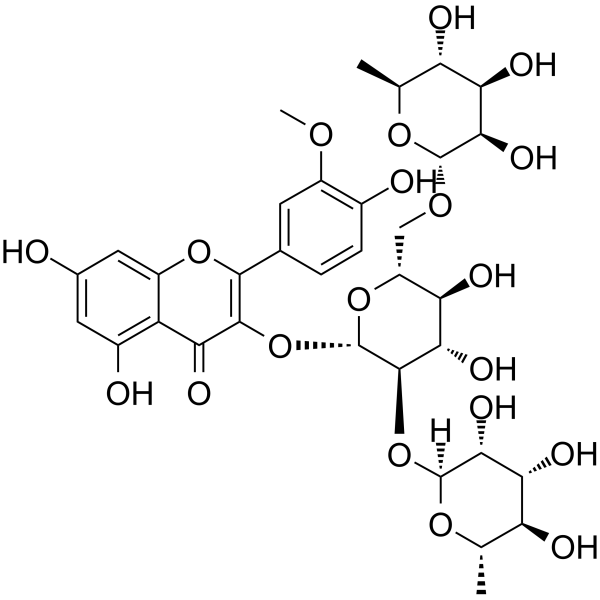
    Typhaneoside
    3 Publications Verification

    Autophagy mTOR Akt FXR Cardiovascular Disease Neurological Disease Metabolic Disease Cancer
    Typhaneoside is an orally bioavailable signal modulator and cellular regulator. Typhaneoside regulates the PI3K/Akt/mTOR autophagy transduction pathway. Typhaneoside promotes the activation of AMP-activated protein kinase and Caspase-3, induces apoptosis, ferroptosis, autophagy, ROS accumulation, and cell cycle arrest at the G2/M phase, and reduces cancer cell viability. Typhaneoside activates the farnesoid X receptor signaling pathway, improves glucose and lipid metabolism, alleviates inflammatory responses, oxidative stress and hepatic lipid accumulation, and exerts hepatoprotective effects. Typhaneoside is applicable to research related to post-myocardial infarction heart failure, acute myeloid leukemia, non-alcoholic fatty liver disease, and neurological disorders .
    Typhaneoside
  • HY-50683
    JNJ-38877605
    5+ Cited Publications

    c-Met/HGFR Metabolic Disease Cancer
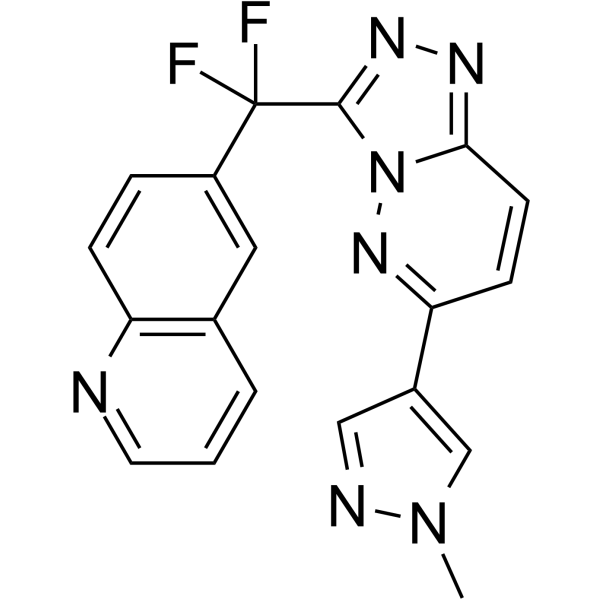
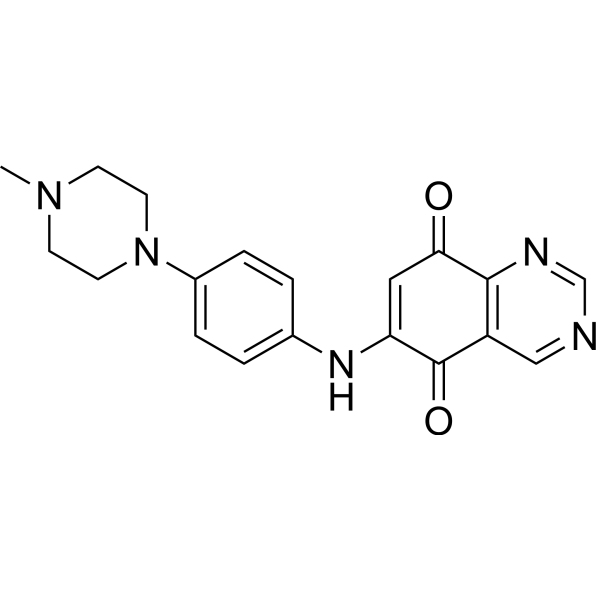
    JNJ-38877605 is an orally active ATP-competitive inhibitor of c-Met with an IC50 of 4 nM, 600-fold selective for c-Met than 200 other tyrosine and serine-threonine kinases . JNJ-38877605 inhibits c-Met phosphorylation and regulates lipid accumulation. JNJ-38877605 can be used for tumor and metabolic disease reseach .
    JNJ-38877605
  • HY-W018791
    Bifendate
    2 Publications Verification

    DDB

    HBV Autophagy Cytochrome P450 Atg8/LC3 p62 P-glycoprotein Infection Cardiovascular Disease Cancer
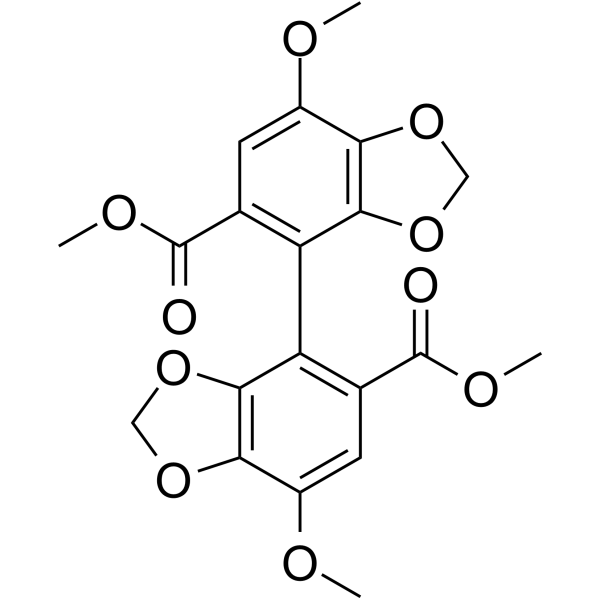
    Bifendate (DDB), extracted from Schisandrae chinensis, is an orally active anti-HBV agent against chronic hepatitis B. Bifendate inhibits ATG5-dependent autophagy and attenuates oleic acid-induced lipid accumulation with anti-oxidant properties in vitro. Bifendate can decrease alanine transaminase (ALT) level in mice. Bifendate attenuates hepatic steatosis in cholesterol/bile salt- and high-fat diet-induced hypercholesterolemia in mice. Bifendate potently increases the activity of cytochrome proteins (CYPs) and reverse P-gp-mediated multi-drug resistance (MDR) .
    Bifendate
  • HY-N0261
    Aurantio-obtusin
    1 Publications Verification

    TNF Receptor COX Cardiovascular Disease Inflammation/Immunology
    Aurantio-obtusin is a anthraquinone compound that can be extracted from cassia seed. Aurantio-obtusin has the effects of decreasing blood pressure, decreasing blood lipids and anti-inflammatory.Aurantio-obtusin is an orally active vasodilator. Aurantio-obtusin ameliorates hepatic steatosis through AMPK/ autophagy- and AMPK/TFEB mediated inhibition of lipid accumulation .
    Aurantio-obtusin
  • HY-N1967

    PNPLA3 Metabolic Disease
    Dihydrocurcumin, a major metabolites of curcumin, reduces lipid accumulation and oxidative stress. Dihydrocurcumin regulates mRNA and protein expression levels of SREBP-1C, PNPLA3 and PPARα, increases protein expression levels of pAKT and PI3K, and reduced the levels of cellular NO and ROS via Nrf2 signaling pathways .
    Dihydrocurcumin
  • HY-P2994

    3-HBDH

    Endogenous Metabolite Metabolic Disease
    3-Hydroxybutyrate dehydrogenase (3-HBDH), a mitochondrial enzyme, is a key enzyme in the ketone body metabolism pathway. 3-Hydroxybutyrate dehydrogenase is the last enzyme for ketone synthesis in the liver and the first enzyme for ketone breakdown in extracellular tissues. The absence of 3-Hydroxybutyrate dehydrogenase leads to the inhibition of fatty acid oxidation in the liver during fasting in mice, resulting in lipid accumulation and the development of fatty liver .
    3-Hydroxybutyrate dehydrogenase
  • HY-129143
    Delphinidin-3-sambubioside chloride
    1 Publications Verification

    Dp3‐Sam chloride

    Apoptosis Metabolic Disease Inflammation/Immunology
    Delphinidin-3-sambubioside (Dp3‐Sam) chloride is an anthocyanin that has orally active anti-inflammatory activity. Delphinidin-3-sambubioside chloride inhibits LPS-induced inflammatory factors release. Delphinidin-3-sambubioside chloride also alleviates hepatic lipid accumulation in HFD rats. Delphinidin-3-sambubioside chloride can be isolated from Hibiscus sabdariffa L. .
    Delphinidin-3-sambubioside chloride
  • HY-161929

    Glutathione Peroxidase Ferroptosis Cardiovascular Disease
    GPX4 activator 2 is a GPX4 activator with a Ka value of 0.426 μM for human GPX4. GPX4 activator 2 reduces lipid hydroperoxide levels, prevents lipid peroxide accumulation, and inhibits ferroptosis. GPX4 activator 2 rescues cell death induced by Erastin (HY-15763). GPX4 activator 2 exerts cardioprotective effects in a mouse model of doxorubicin (HY-15142A)-induced myocardial injury .
    GPX4 activator 2
  • HY-173230

    ATP-binding cassette (ABC) transporters LXR Cardiovascular Disease
    ABCA1 inducer 2 is a non-lipotropic ABCA1 inducer. ABCA1 inducer 2 upregulates the expression of ABCA1 by targeting the LXR pathway. ABCA1 inducer 2 can reduce ox-LDL-induced lipid accumulation and thus inhibit foam cell formation. ABCA1 inducer 2 has anti-atherosclerotic potential .
    ABCA1 inducer 2
  • HY-B0600

    AFP-168; MK2452

    Prostaglandin Receptor Cardiovascular Disease Others
    Tafluprost (AFP-168) is an anti-glaucoma prostaglandin (PG) analog. Tafluprost can inhibit the apoptosis of retinal ganglion cells (RGCs) and rat RGCs cells. Tafluprost promotes axon regeneration by regulating Zn 2+-mTORpathway, inhibits intracellular lipid accumulation in human preorbital adipocytes. Tafluprost can be used in the study of optic nerve injury in glaucoma .
    Tafluprost
  • HY-N0309
    Soyasaponin Ba
    1 Publications Verification

    Aldose Reductase Akt GSK-3 β-catenin Reactive Oxygen Species (ROS) Mitochondrial Metabolism Apoptosis c-Myc Metabolic Disease
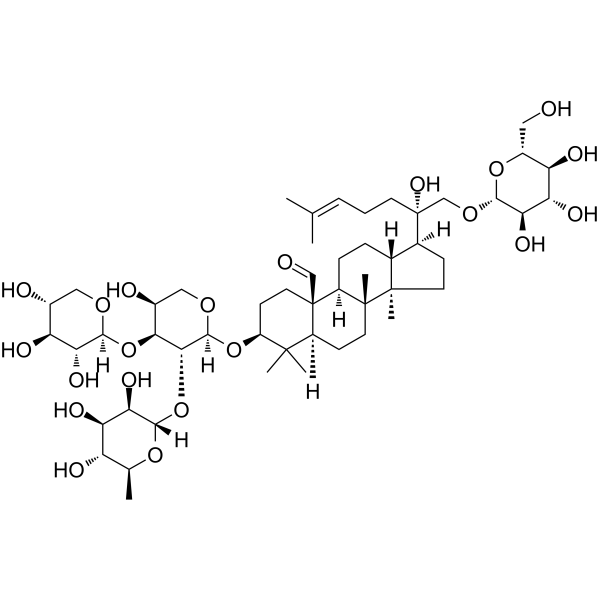
    Soyasaponin Ba is a soyasaponin that can be isolated from Phaseolus vulgaris, acts as an aldose reductase inhibitor (ARI). Soyasaponin Ba activates Akt/GSK3β/β-catenin signaling pathway, reduces lipid accumulation, lowers ROS generation, improves mitochondrial membrane potential, ATP levels, and morphology, and inhibits apoptosis. Soyasaponin Ba can be used for the research of lipid accumulation and secondary diabetic complications .
    Soyasaponin Ba
  • HY-146682

    Aldehyde Dehydrogenase (ALDH) Apoptosis Cancer
    KS100 is a potent ALDH inhibitor with IC50s of 230, 1542, 193 nM for ALDH1A1, ALDH2, and ALDH3A1, respectively. KS100 shows antiproliferative and anticancer effects with low low toxic. KS100 significantly increases ROS activity, lipid peroxidation and toxic aldehyde accumulation. KS10600 induces apoptosis and cell cycle arrest at the G2/M phase .
    KS100
  • HY-W009417

    Environmental Pollutants Glycosidase Metabolic Disease
    Cedryl acetate is an orally active α-glucosidase inhibitor with an IC50 of 94 μM against yeast α-glucosidase. Cedryl acetate reduces high-fat diet-induced body weight gain, visceral fat pad weight, adipocyte hypertrophy, hepatic lipid accumulation, glucose intolerance, insulin resistance and gluconeogenesis. Cedryl acetate can be used in the research of obesity and obesity-related metabolic syndrome .
    Cedryl acetate
  • HY-21191

    PFBS

    Biochemical Assay Reagents PPAR Reactive Oxygen Species (ROS) Metabolic Disease
    Perfluorobutanesulfonic acid (PFBS) is a short-chain perfluoroalkyl substance and the main replacement for perfluorooctanesulfonic acid. Perfluorobutanesulfonic acid induces fat accumulation in human HepG2 hepatoma cells. Perfluorobutanesulfonic acid promotes lipid accumulation by activating PPARγ pathway and triggering oxidative stress, endoplasmic reticulum stress and calcium dyshomeostasis. Perfluorobutanesulfonic acid impairs reproduction and causes developmental disorders in offspring of Caenorhabditis elegans. Perfluorobutanesulfonic acid disrupts pancreatic organogenesis and lipid homeostasis in zebrafish embryos. Perfluorobutanesulfonic acid can be used in environmental toxicology, lipid metabolism and developmental toxicity studies .
    Perfluorobutanesulfonic acid
  • HY-141866
    Acid Ceramidase-IN-1
    1 Publications Verification

    Ceramidase Neurological Disease
    Acid Ceramidase-IN-1 is orally active and blood-brain barrier penetrant acid ceramidase (AC, ASAH-1) inhibitor (hAC IC50=0.166 μM). Acid Ceramidase-IN-1 reduces AC activity, accumulates ceramide species (Cer (d18:0/16:0), Cer (d18:1/16:0)), and decreases sphingosine levels. Acid Ceramidase-IN-1 can be used for the study of severe neurological lysosomal storage diseases (LSDs) such as Gaucher’s disease (GD) and Krabbe’s disease (KD) .
    Acid Ceramidase-IN-1
  • HY-128075

    Environmental Pollutants Herbicide Cancer
    Acifluorfen, a protoporphyrinogen oxidase (PROTOX) inhibitor herbicide, promotes the accumulation of protoporphyrin IX (PPIX), and induces tumors in the rodent liver. Acifluorfen causes strong photooxidative destruction of pigments and lipids in sensitive plant species .
    Acifluorfen
  • HY-161928

    Glutathione Peroxidase Ferroptosis Cancer
    GPX4 activator 1 (Compound A9) is a allosteric activator of GPX4 (Kd = 5.86 μM, EC50 = 19.19 μM). GPX4 activator 1 can selectively act on ferroptosis and prevent the accumulation of intracellular lipid peroxides caused by ferroptosis inducers .
    GPX4 activator 1
  • HY-157416

    ATGL E1/E2/E3 Enzyme Metabolic Disease
    COP1-ATGL modulator 1 (86) is an orally active modulator for COP1-ATGL axis. COP1-ATGL modulator 1 (86) could increase ATGL protein expression, reduce ATGL ubiquitination and COP1 autoubiquitination, and diminish lipid accumulation in hepatocytes in the nanomolar range .
    COP1-ATGL modulator 1
  • HY-P5275

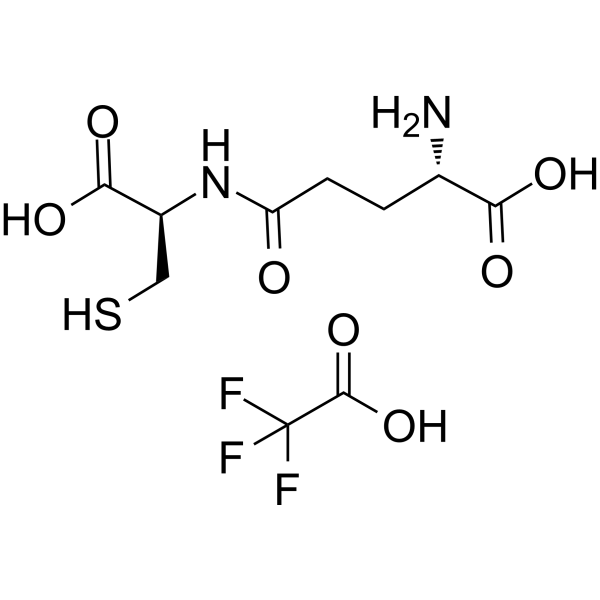
    CG-Lipoxyn

    NF-κB Histone Demethylase Metabolic Disease
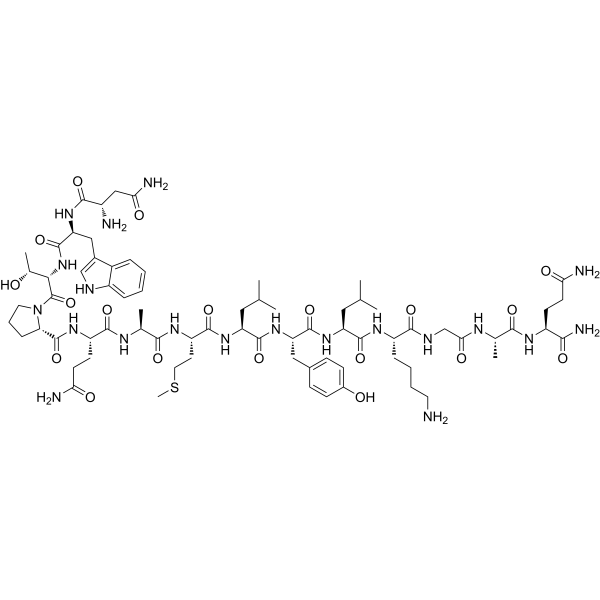
    Tripeptide-41 (CG-Lipoxyn) is a signal peptide. Tripeptide-41 activates the NF-kB signaling pathway, inhibits the expression of C/EBP and increases cAMP. Tripeptide-41 is an important intracellular signaling factor that causes lipolysis by promoting the hydrolysis of lipids into triglycerides. Tripeptide-41 can be used in cosmetics that targets fat accumulation .
    Tripeptide-41
  • HY-162353

    Cancer
    AZ'9567 is an orally active MAT2a inhibitor with a pIC50 of 9.1. AZ'9567 binds to MAT2a allosterically, reduces the synthesis of SAM, decreases SDMA levels, and exerts antiproliferative effects on MTAP-knockout cells. AZ'9567 depletes SAM, causes methionine accumulation in plasma and tissues, triggers adaptive disorders in one-carbon metabolism, transsulfuration metabolism and lipid metabolism, and induces oxidative stress, hepatic steatosis and lipid homeostasis imbalance. AZ'9567 can be used in studies related to MTAP-deficient/deleted cancers .
    AZ'9567
  • HY-146683

    Aldehyde Dehydrogenase (ALDH) Apoptosis Cancer
    KS106 is a potent ALDH inhibitor with IC50s of 334, 2137, 360 nM for ALDH1A1, ALDH2, and ALDH3A1, respectively. KS106 shows antiproliferative and anticancer effects with low low toxic.KS106 significantly increases ROS activity, lipid peroxidation and toxic aldehyde accumulation. KS106 induces apoptosis and cell cycle arrest at the G2/M phase .
    KS106
  • HY-139369
    QD394
    1 Publications Verification

    Reactive Oxygen Species (ROS) Cancer
    QD394 is a reactive oxygen species (ROS) inducer that can induce lipid peroxidation, increase intracellular ROS accumulation, inhibit STAT3 phosphorylation, and induce ferroptosis .
    QD394
  • HY-129297

    Endogenous Metabolite Metabolic Disease
    CMPF can be found in trace constituent of urine and blood. CMPF is a biomarker of type 2 diabetes. CMPF can act on the β cell and induces impaired mitochondrial function. CMPF decreases glucose-induced ATP accumulation, and induces oxidative stress. CMPF reverses hepatic lipid accumulation and improves insulin sensitivity in obese mice .
    CMPF
  • HY-W012865

    Carnitine Palmitoyltransferase (CPT) Endogenous Metabolite FABP PPAR Metabolic Disease
    Tartronic acid, a dicarboxylic acid derive, is an inhibitor of the transformation of carbohydrates into fat under fat-deficient diet conditions. Tartronic acid promotes 3T3-L1 adipocyte differentiation by increasing the protein expression of FABP-4, PPARγ and SREBP-1. Tartronic acid promotes de novo lipogenesis and inhibits CPT-1β by upregulating acetyl-CoA and malonyl-CoA. Tartronic acid promotes weight gain and induces adipocyte hypertrophy in epididymal white adipose tissue and lipid accumulation in the livers of high-fat diet induced obese mice. Tartronic acid can be used for lipid metabolic disease research .
    Tartronic acid
  • HY-N6738
    Bafilomycin B1
    1 Publications Verification

    Antibiotic Bacterial Fungal Proton Pump Infection Neurological Disease
    Bafilomycin B1 is a macrolide antibiotic that can be isolated from mycelium of Streptomyces gresuis. Bafilomycin B1 is neuroprotective against Chloroquine (HY-17589A)-induced death. Bafilomycin B1 is a structural analog of Bafilomycin A1 and has the ability to inhibit V-ATPase. Bafilomycin B1 inhibits significantly the oxidized low density lipoprotein (LDL)-induced accumulation of lipid droplets .
    Bafilomycin B1
  • HY-108571

    PPAR Cardiovascular Disease Metabolic Disease
    CP-775146 is a selective PPARα agonist (Ki of 24.5 nM) that binds strongly to the PPARα ligand. CP-775146 has no observable affinity for PPARβ and PPARγ.CP-775146 shows hypolipidemic activity. CP-775146 efficiently alleviates obesity-induced liver damage, prevents lipid accumulation by activating the liver fatty acid β-oxidation pathway .
    CP-775146
  • HY-176236

    LXR Autophagy Metabolic Disease
    Lipophagy inducer 1 is a lipophagy inducer. Lipophagy inducer 1 has activity of reducing lipid droplet accumulation and rescuing cell death. Lipophagy inducer 1 exerts its effects by activating lipophagy, increasing steady-state autophagosome and regulating the LXR signaling pathway. Lipophagy inducer 1 can be used in the study of diabetic nephropathy (DKD) and other diseases related to lipid metabolism disorders .
    Lipophagy inducer 1
  • HY-146997

    Thyroid Hormone Receptor Metabolic Disease
    TRβ agonist 1 is a selective and mutation-sensitive thyroid hormone receptor β (TRβ) agonist, with an EC50 value of 21 nM. TRβ agonist 1 can be used for researching dyslipidemia, nonalcoholic steatohepatitis (NASH), and resistance to thyroid hormone (RTH) .
    TRβ agonist 1
  • HY-163654

    Ferroptosis Cancer
    Ferroptosis-IN-8 is a potent ferroptosis inhibitor with an EC50 of 40.49 nM. Ferroptosis-IN-8 effectively reduces lipid ROS levels in cells. Ferroptosis-IN-8 act as an antioxidant by capturing lipid radicals, leading to a reduction in the accumulation of harmful lipid peroxides and, ultimately, inhibiting ferroptosis .
    Ferroptosis-IN-8
  • HY-133707R

    Reference Standards Endogenous Metabolite Metabolic Disease
    Deracoxib (Standard) is the analytical standard of Deracoxib. This product is intended for research and analytical applications. 0
    β-Muricholic acid (Standard)
  • HY-137996

    Akt mTOR Metabolic Disease
    Dehydrovomifoliol is a AKT/mTOR dual inhibitor. Dehydrovomifoliol reduces lipid accumulation and lipogenesis by inhibiting the AKT/mTOR signaling pathway. Dehydrovomifoliol is used in nonalcoholic fatty liver disease research (NAFLD) .
    Dehydrovomifoliol
  • HY-156010

    PPAR Metabolic Disease
    PPARγ-IN-2 (Compound 5a) is a PPARγ inhibitor. PPARγ-IN-2 inhibits TG accumulation in 3T3-L1 preadipocytes (EC50: 0.106 μM). PPARγ-IN-2 inhibits high-cholesterol diet (HFC)-induced obesity and related metabolic syndrome, and reduces lipid accumulation in adipose tissue .
    PPARγ-IN-2
  • HY-N3741

    Didrovaltratum

    Calcium Channel Reactive Oxygen Species (ROS) Autophagy Inflammation/Immunology Cancer
    Didrovaltrate (Didrovaltratum) is an L-type calcium channel blocker, ROS scavenger, autophagy enhancer, and lipid accumulation inhibitor. Didrovaltrate blocks L-type calcium currents in a concentration-dependent manner, shifts the current-voltage curve upward, modulates steady-state inactivation kinetics, and inhibits the nuclear translocation of glucocorticoid receptors. Didrovaltrate reduces ROS levels, downregulates the expression of muscle atrophy-related genes, enhances autophagy via lipophagy, and decreases Oleic acid-induced lipid accumulation. Didrovaltrate exhibits cytotoxic activity against cancer cells. Didrovaltrate can be used in research related to skeletal muscle atrophy, non-alcoholic fatty liver disease, breast cancer, lung cancer, gastric cancer, and prostate cancer .
    Didrovaltrate
  • HY-168049

    PPAR Akt Metabolic Disease
    ZLY06 is an orally active dual agonist of peroxisome proliferator-activated receptor (PPAR) δ and γ (PPAR δ: EC50=341 nM; PPAR γ: EC50=237 nM). ZLY06 induces hepatic lipid accumulation by inhibiting the phosphorylation of AKT1, mediating the upregulation of CD36. In addition, ZLY06 significantly improves glucose and lipid metabolism without increasing body weight, and alleviates fatty liver by promoting β-oxidation of fatty acids and inhibiting hepatic lipogenesis .
    ZLY06
  • HY-139040

    PPAR Metabolic Disease
    2-Tetradecylthio acetic acid is a pan-peroxisome proliferator activated receptor (pan-PPAR) activator. 2-Tetradecylthio acetic acid induces hypolipidemia. 2-Tetradecylthio acetic acid reduces plasma lipids and enhances hepatic fatty acid oxidation in rodents. 2-Tetradecylthio acetic acid increases the expression of genes involved in fatty acid uptake, activation, accumulation, and oxidation .
    2-(Tetradecylthio)acetic acid
  • HY-100469

    LXR Inflammation/Immunology
    LXRβ agonist-2 is an orally active and selective LXRβ agonist. LXRβ agonist-2 increases high-density lipoprotein cholesterol levels without elevating plasma triglyceride levels. LXRβ agonist-2 decreases lipid accumulation area in the aortic arch. LXRβ agonist-2 can be used for the research of atherosclerosis .
    LXRβ agonist-2
  • HY-168533

    HIF/HIF Prolyl-Hydroxylase Metabolic Disease
    ZG-2305 is a potent, orally active and selective factor inhibiting hypoxia-inducible factor (FIH) inhibitor with Ki values of 79.6, 2786 nM for FIH, PHD2, respectively. ZG-2305 increases the expression of EGLN3 gene. ZG-2305 decreases the cellular triglycerides levels and reduces lipid accumulation. ZG-2305 has the potential for the research of obesity and fatty liver disease .
    ZG-2305
  • HY-175806

    TrxR Reactive Oxygen Species (ROS) Ferroptosis Cancer
    CS47 is a Thioredoxin Reductase 1 (TRXR1) inhibitor and ferroptosis inducer. CS47 binds non-covalently to sites between the FAD and NADPH pockets of TRXR1. CS47 drives glutathione depletion, lipid reactive oxygen species accumulation, HMOX1-dependent iron overload, and selective cytotoxicity in lung cancer cells. CS47 can be used for the research of lung cancer .
    CS47
  • HY-130791

    Drug Derivative Others
    Dioctanoin is a type of diacylglycerol .
    Dioctanoin
  • HY-175725

    Nuclear Hormone Receptor 4A/NR4A Metabolic Disease
    NR4A1 agonist 1 is a NR4A1 agonist with a Ki value of 2.96 μM. NR4A1 agonist 1 exhibits lipid-lowering activity in 3T3-L1 adipocytes, with an EC50 of 0.13 μM, significantly decreasing triglyceride (TG) accumulation and lipid droplet accumulation. NR4A1 agonist 1 can be used for the study of obesity .
    NR4A1 agonist 1
  • HY-E70599

    Carboxylesterase (CES) Metabolic Disease
    Human CES2 Enzyme is a carboxylesterase involved in drug metabolism and lipid homeostasis. Human CES2 Enzyme hydrolyzes triglycerides, cholesteryl esters and retinyl esters to regulate lipid metabolism and energy homeostasis. Human CES2 Enzyme improves glucose tolerance and insulin sensitivity, reduces hepatic lipid accumulation, alleviates white adipose tissue steatitis, decreases plasma cholesterol levels, and reduces body weight and white adipose tissue weight. Human CES2 Enzyme can be used in the research of metabolic syndrome .
    Human CES2 Enzyme
  • HY-169159

    Sirtuin Metabolic Disease
    SIRT6 activator 2 (compound 31) is a sirtuin 6 activator with anti-lipid accumulation properties. SIRT6 activator 2 significantly downregulates LXR, SREBP-1c, and their target genes associated with lipogenesis, and can be used for research related to lipid metabolism-related diseases .
    SIRT6 activator 2
  • HY-131999

    Lipase Metabolic Disease
    3,4,5-Trihydroxycinnamic acid decyl ester is an excellent inhibitor of lipid absorption and accumulation, with anti-obesity properties. 3,4,5-Trihydroxycinnamic acid decyl ester is a pancreatic lipase inhibitor, with an EC50 of approximately 0.9 μM .
    3,4,5-Trihydroxycinnamic acid decyl ester
  • HY-N13248

    Glycosidase Metabolic Disease
    Mulberry Leaf Extract is a mulberry leaf extract, and its components include: 1-Deoxynojirimycin. Mulberry Leaf Extract can effectively alleviate the adverse effects of high-fat diet on blood lipids and renal function, regulate lipid metabolism abnormalities, and significantly inhibit the accumulation of glycosylated substances in glomeruli. Mulberry Leaf Extract can regulate the key signaling pathways of diabetic nephropathy, but does not directly affect blood glucose levels. .
    Mulberry Leaf Extract

Inquiry Online

Your information is safe with us. * Required Fields.

Salutation


Country or Region *

Applicant Name *


Organization Name *

Department *


Email Address *


Product Name *

Cat. No.


Requested quantity *

Phone Number *


Remarks

Inquiry Online

Inquiry Information

Product Name:
Cat. No.:
Quantity:
MCE Japan Authorized Agent:

