33 Results for "

MCF-7 cell line

" in MedChemExpress (MCE) Product Catalog:
Products (33)

33 Results for "MCF-7 cell line" in MCE Product Catalog:

3
3 Cited Publications
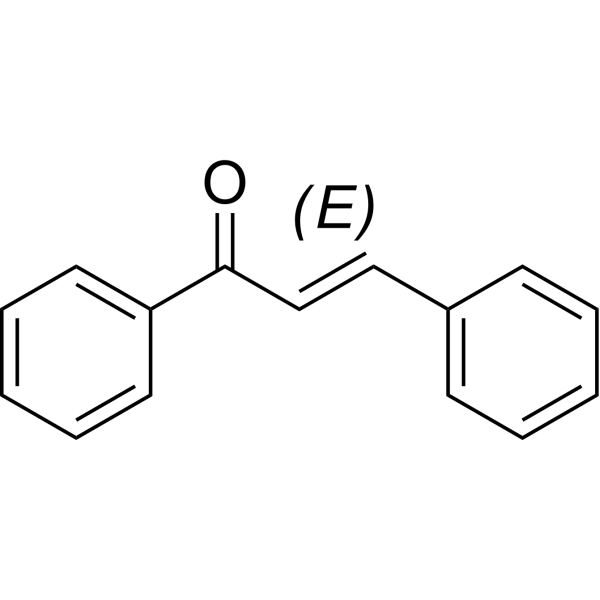
Cat. No.: HY-Y0598
CAS No.: 614-47-1
Synonyms: Benzylideneacetophenone
trans-Chalcone, isolated from Aronia melanocarpa skin, is a biphenolic core structure of flavonoids precursor. trans-Chalcone is a potent fatty acid synthase (FAS) and α-amylase inhibitor. trans-Chalcone causes cellcycle arrest and induces apoptosis in the breastcancer cell line MCF-7. trans-Chalcone has antifungal and anticancer activity .
loading...
    loading...
2
2 Cited Publications
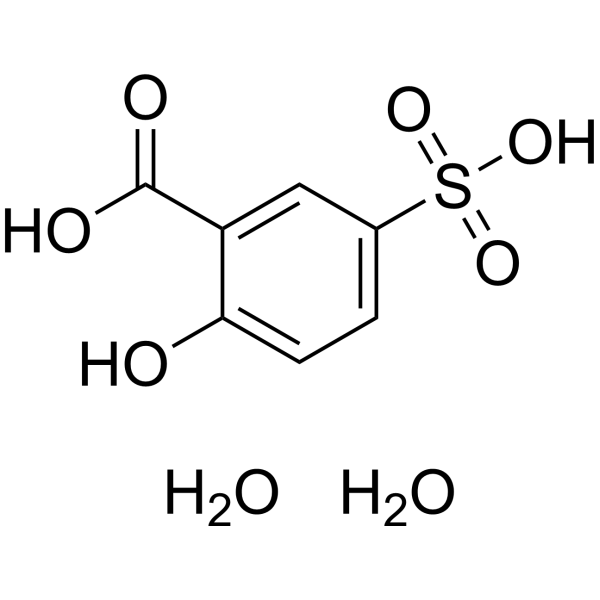
Cat. No.: HY-B0812
CAS No.: 5965-83-3
Synonyms: SSA dihydrate
5-Sulfosalicylic acid dihydrate is a sulfonated salicylic acid derivative. 5-Sulfosalicylic acid dihydrate is effective against the breast cancer cell line, MCF-7, with less toxicity . 5-Sulfosalicylic acid dihydrate has antioxidant activities .
loading...
    loading...
1
1 Cited Publications
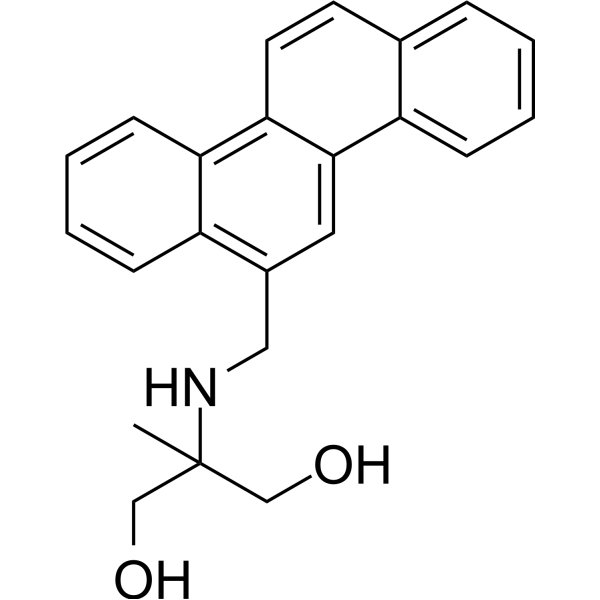
Cat. No.: HY-108999A
CAS No.: 96389-68-3
Purity:  99.51%
Synonyms: BWA770U
Target:  

DNA/RNA Synthesis

Research Areas:  

Cancer

Crisnatol (BWA770U) is an orally active and anticancer agent, and a member of the arylmethylaminopropanediol class of DNA intercalators. Crisnatol shows in vitro cytotoxicity against human breast cancer cells, but not normal human skin fibroblasts .
loading...
    loading...
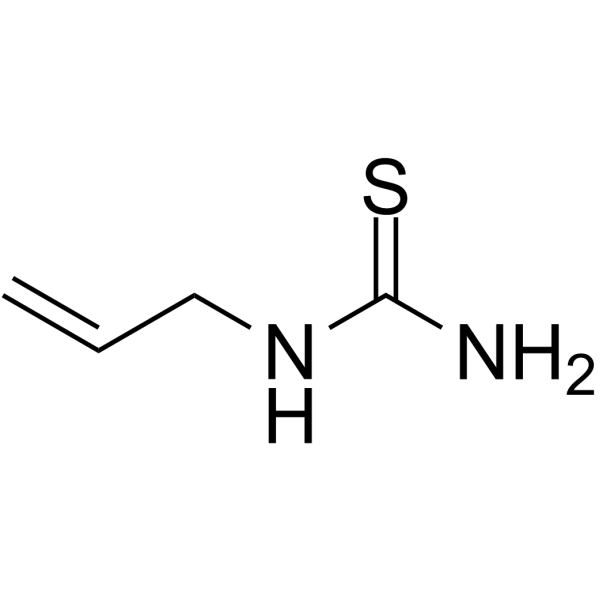
Cat. No.: HY-B0543
CAS No.: 109-57-9
Synonyms: Thiosinamine; N-Allylthiourea
Research Areas:  

Cancer

Allylthiourea can selectively inhibit the oxidation of ammonia. Allylthiourea is commonly used to inhibit nitrification by targeting ammonia monooxygenase and chelating copper in the active site to suppress its activity. Allylthiourea also exhibits anticancer activity, showing cytotoxicity against the MCF-7 cell line with an IC50 of 5.22 mM. Allylthiourea can be utilized in research related to micropollutant biodegradability and cancer studies .
loading...
    loading...
Cat. No.: HY-151424
CAS No.: 2319587-80-7
Purity:  99.74%
Target:  

Proteasome Mitosis

Research Areas:  

Cancer

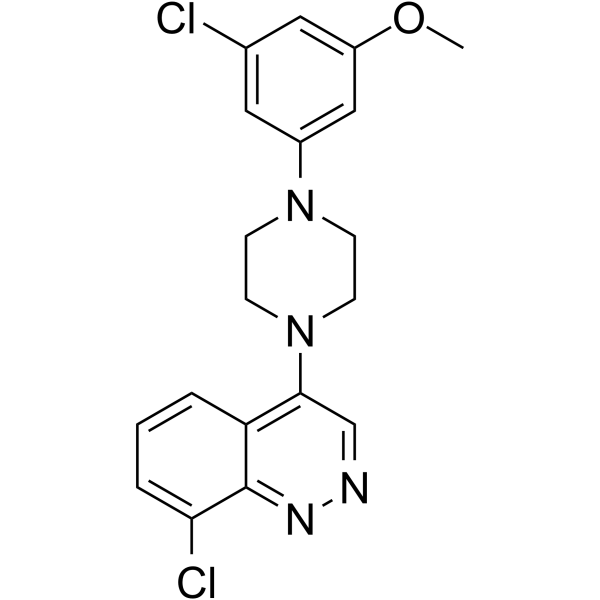
Vimentin-IN-1 is a FiVe1 derivative, an orally active and selective anticancer agent. FiVe1 binds type III intermediate filament protein vimentin (VIM), to induce hyperphosphorylation of Ser56, resulting selective disruption of mitosis and multinucleation in transformed VIM-expressing mesenchymal cancer cells. Vimentin-IN-1 shows better oral bioavailability and pharmacokinetic profiles than FiVe1 .
loading...
    loading...
Cat. No.: HY-103694
CAS No.: 550-33-4
Purity:  98.44%
Synonyms: 9-β-D-Ribofuranosylpurine
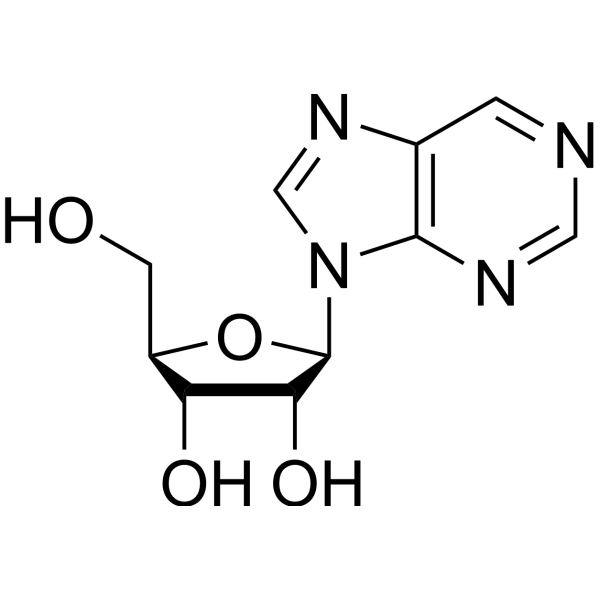
Nebularine (9-β-D-Ribofuranosylpurine) is a naturally occurring cytotoxic purine riboside antibiotic. Nebularine competitively inhibits adenine deaminase and xanthine oxidase, and acts as a template for thymine insertion during DNA elongation and replication. Nebularine serves as a cytokinin antagonist and induces mitotic aberrations in plant cells. Nebularine exhibits cytotoxicity against plants, mammals, fungal organisms and cancer cells. Nebularine can be used in research related to fungal infections, plant growth, as well as chronic myeloid leukemia, acute lymphoblastic leukemia and breast cancer .
loading...
    loading...
Cat. No.: HY-157942
CAS No.: 52601-58-8
Purity:  99.88%
Target:  

Cytochrome P450

Research Areas:  

Cancer

CYP1B1-IN-7 (compound 2a) is a selective inhibitor of CYP1B1 (IC50: 75 nM). CYP1B1-IN-7 also reverses resistance (IC50: 29 μM) and exhibits cytotoxicity in the CYP1B1-overexpressing MCF-7 cell line that is resistant to Docetaxel (HY-B0011) .
loading...
    loading...
Cat. No.: HY-123656
CAS No.: 1613078-24-2
Target:  

Apoptosis

Research Areas:  

Cancer

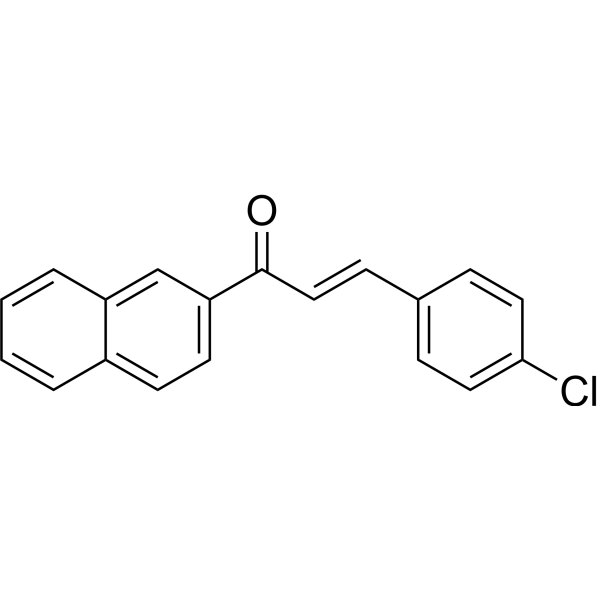
Antiproliferative agent-61 is a synthetic β-carlinyl chalcone with significant antiproliferative activity. Antiproliferative agent-61 showed significant effects in a range of solid tumor cell lines, with the most prominent effects in breast cancer. Antiproliferative agent-61 showed IC50 values of 2.25 and 3.29 μM in the human breast cancer MCF-7 cell line. Antiproliferative agent-61 significantly induced DNA fragmentation and apoptosis in breast cancer cells. Antiproliferative agent-61 inhibited the interaction of MDM2 with p53 and promoted the degradation of MDM2 .
loading...
    loading...
Cat. No.: HY-178099
Research Areas:  

Cancer

Apoptosis inducer 45 is an apoptosis inducer. Apoptosis inducer 45 is cytotoxically active against the MCF-7 cell line. Apoptosis inducer 45 elicits MCF-7 cell apoptosis via the mitochondrial pathway (increases the Bax/Bcl-2 ratio) by activating cleavage of caspase-9, thereby inducing the fragmentation of DNA repair protein PARP. Apoptosis inducer 45 also can induce caspase-8 cleavage, subsequently initiating cleavage of caspase-3 and its downstream protein PARP to culminate in the extrinsic apoptosis. Apoptosis inducer 45 can be used in the research of breast cancer .
loading...
    loading...
Cat. No.: HY-W131302
CAS No.: 5657-17-0
Synonyms: N,N-Ethylenediglycine
Target:  

Endogenous Metabolite

Research Areas:  

Cancer

Ethylenediaminediacetic acid (N,N-Ethylenediglycine) is an important ligand that enhances the antiproliferative activity of metal complexes. The complexes formed by ethylenediacetic acid and metal ions exhibited significant antiproliferative properties in MCF-7 cancer cell line. The metal complexes of ethylenediacetic acid were able to interact with DNA and were studied by CD and EPR spectroscopy techniques. Ethylenediaminediacetic acid and its metal complexes were able to induce cell cycle arrest at the G(0)/G(1) phase. The crystal structure analysis of ethylenediacetic acid provided important structural information for understanding its biological activity .
loading...
    loading...
Cat. No.: HY-161995
Research Areas:  

Cancer

FGFR1/VEGFR2-IN-2 (compound 6l) is a VEGFR2/FGFR1 dual inhibitor. The IC50 values for VEGFR2 and FGFR1 are 0.025 µM and 0.026 µM respectively, and for EGFR and PDGFR-β, the IC50 values are 0.106 µM and 0.077 µM. FGFR1/VEGFR2-IN-2 showes significant anti-cancer activity (GI=60.38%) on NCI-60 cell line, with an IC50 of 8.51 µM in T-47D cell line and anti-migration. FGFR1/VEGFR2-IN-2 acts to arrest cells in the G1 phase and promote apoptosis and necrosis; the IC50 for MCF-7 cell line exceeds 100 µM, and the IC50 for MDA-MB-231 is 69.17 µM, non-toxic to normal cells .
loading...
    loading...
Cat. No.: HY-168095
CAS No.: 3113279-03-8
Target:  

CXCR

Research Areas:  

Cancer

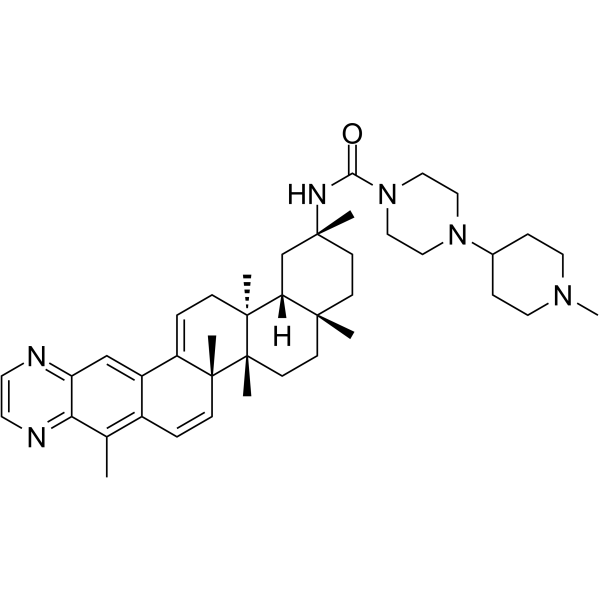
CXCR4 antagonist 10 (compound 21) is a potent antagonist of CXCR4, with the IC50 of 7.8 nM. CXCR4 antagonist 10 plays an important role in cancer research .
loading...
    loading...
Cat. No.: HY-N11973
CAS No.: 42050-16-8
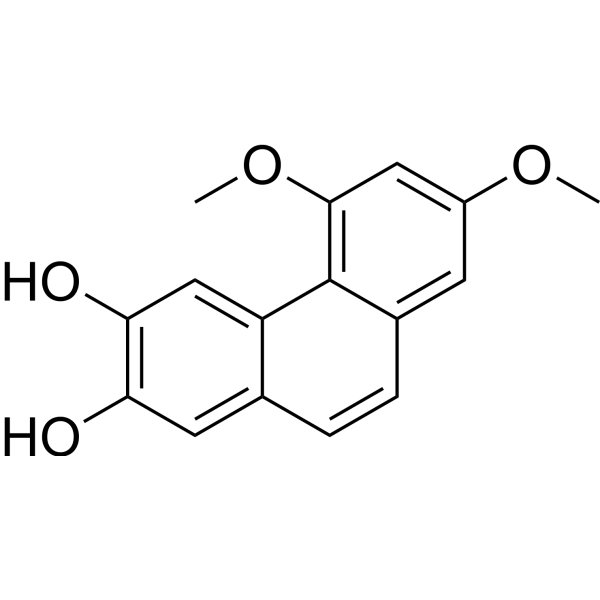
5,7-Dimethoxy-2,3-phenanthrenediol is a compound with estrogenic activity. 5,7-Dimethoxy-2,3-phenanthrenediol increases the proliferation of MCF-7 cell and the expression of ERβ in the MCF-7 cell line .
loading...
    loading...
Cat. No.: HY-144637
CAS No.: 2684238-37-5
Target:  

Apoptosis Autophagy

Research Areas:  

Cancer

Autophagy inducer 2 (Compound 11i) is a potent autophagy inducer. Autophagy inducer 2 exhibits apparent antiproliferative activity against the MCF-7 cell line with an IC50 value of 1.31 μM and remarkably inhibits the colony formation of the MCF-7 cells. Autophagy inducer 2 arrests the MCF-7 cells in the G2/M phase by regulating the cell-cycle-related proteins Cdk-1 and Cyclin B1. Autophagy inducer 2 has the potential for the research of breast cancer .
loading...
    loading...
Cat. No.: HY-173040
Target:  

Apoptosis

Research Areas:  

Cancer

Anticancer agent 266 (Compound 3B) is an anticancer agent that can inhibit the proliferation of tumor cells. Anticancer agent 266 has an IC50 of 0.13 μM for MCF-7 breast cancer cell line .
loading...
    loading...
Cat. No.: HY-W317408
CAS No.: 5157-89-1
Research Areas:  

Others

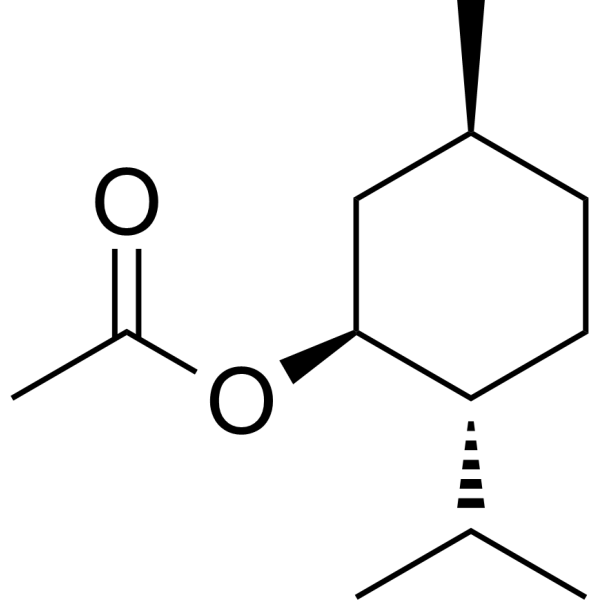
(+)-Menthyl acetate is a compound isolated from natural Cunila angustifolia Benth essential oil. The selectivity of (+)-Menthyl acetate is higher than that of MCF-7 cell line, IC50=34.0 μg?mL -1, and lower than that of SK-Mel-28 cell line, IC50=279.9 μg?mL -1, on A549 cell without fatal .
loading...
    loading...
Cat. No.: HY-N12209
CAS No.: 920758-09-4
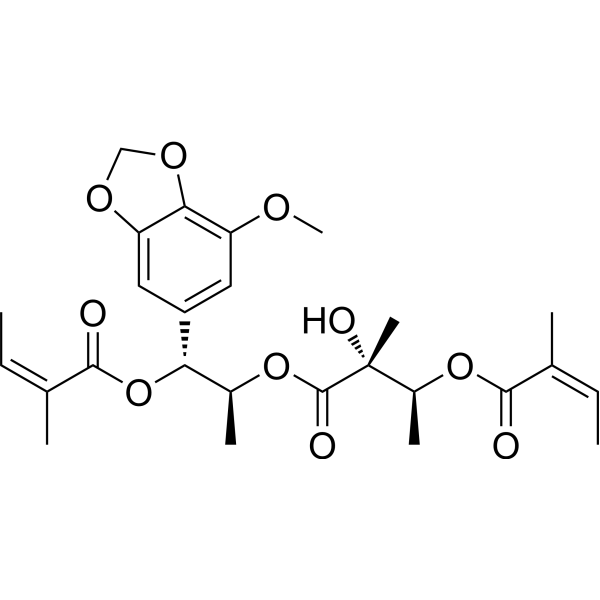
Neohelmanthicin A (compound 3A) is a phenylpropanoid compound with antitumor activity. The IC50s of Neohelmanthicin A for inhibiting leukemia cell line EL4, breast cancer cell line S180 and breast cancer cell line MCF7 are 0.13 μM, 7 μM and 23 μM respectively .
loading...
    loading...
Cat. No.: HY-N4227
CAS No.: 76758-18-4
Category:  

Animals Steroids

Target:  

Endogenous Metabolite

Conicasterol is a 4-mercaptosteroid with significant cytotoxic activity. Conicasterol showed an IC50 value of 6.23 μg/mL in a test on a human breast adenocarcinoma cell line (MCF-7). Conicasterol's antitumor activity makes it a potential bioactive lead molecule .
loading...
    loading...
Cat. No.: HY-N10959
CAS No.: 133559-38-3
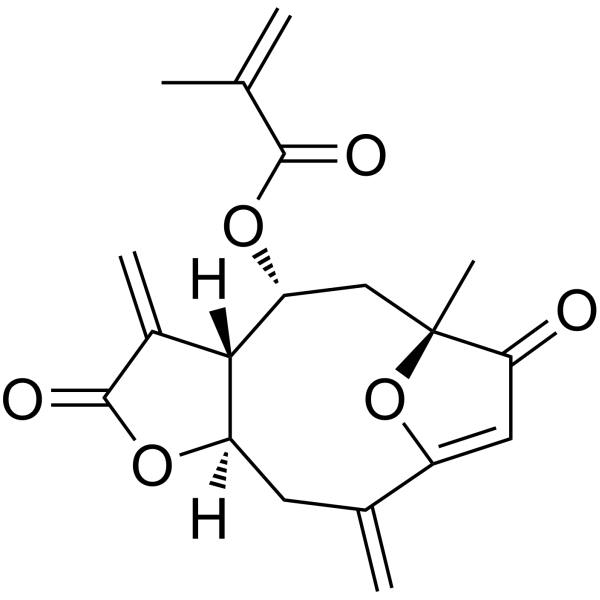
4,15-Isoatriplicolide methylacrylate is a germacrane-type sesquiterpene lactone. 4,15-Isoatriplicolide methylacrylate also is a cytotoxic agent. 4,15-Isoatriplicolide methylacrylate has cytotoxic activity for MCF-7 human breast cancer cell line .
loading...
    loading...
Cat. No.: HY-126803
CAS No.: 99260-67-0
Saquayamycin B (compound 3) is a new angucycline antibiotic. Saquayamycin B has antitumor activities against a human lung (H-460) and a human breast cancer cell line (MCF-7) with GI50 values of 12.2 and 15.2 µM respectively .
loading...
    loading...

