
Search Result
Results for "
NMDARs
" in MedChemExpress (MCE) Product Catalog:
19
Isotope-Labeled Compounds
| Cat. No. |
Product Name |
Target |
Research Areas |
Chemical Structure |
-
- HY-N0215
-
|
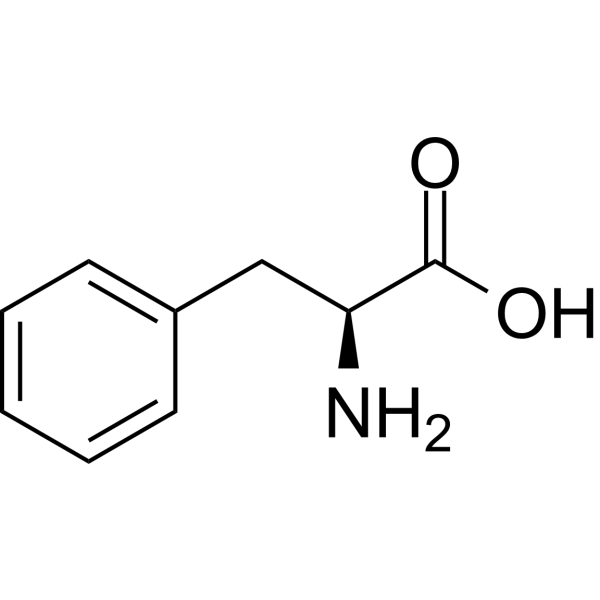
(S)-2-Amino-3-phenylpropionic acid
|
Calcium Channel
iGluR
Endogenous Metabolite
Ligands for E3 Ligase
|
Metabolic Disease
Cancer
|
|
L-Phenylalanine ((S)-2-Amino-3-phenylpropionic acid) is an essential amino acid isolated from Escherichia coli. L-Phenylalanine is a α2δ subunit of voltage-dependent Ca + channels antagonist with a Ki of 980 nM. L-phenylalanine is a competitive antagonist for the glycine- and glutamate-binding sites of N-methyl-D-aspartate receptors (NMDARs) (KB of 573 μM ) and non-NMDARs, respectively. L-Phenylalanine is widely used in the production of food flavors and pharmaceuticals .
|
-
-
- HY-B0591
-
Memantine
Maximum Cited Publications
10 Publications Verification
|
iGluR
|
Neurological Disease
|
|
Memantine is an orally active, noncompetitive N-methyl-D-aspartate receptor (NMDAR) antagonist. Memantine can be used for the research of moderate-to-severe Alzheimer's disease (AD) .
|
-
-
- HY-16940
-
|
24S-OHC; 24S-HC; Cerebrosterol
|
LXR
iGluR
Endogenous Metabolite
|
Metabolic Disease
|
|
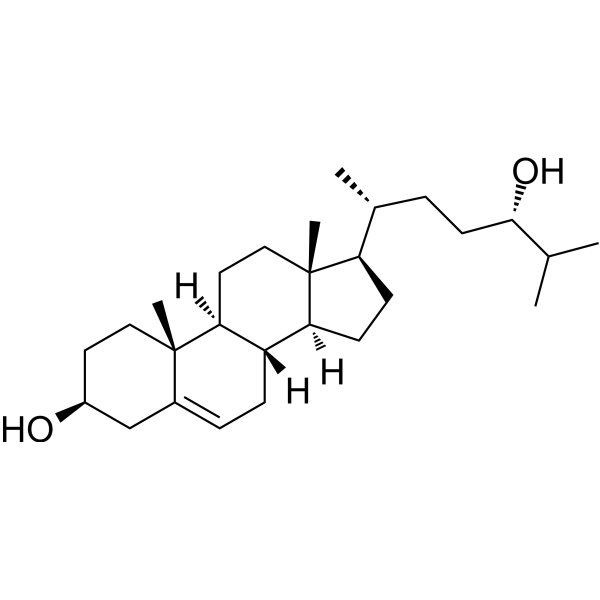
24(S)-Hydroxycholesterol (24S-OHC), the major brain cholesterol metabolite, plays an important role to maintain homeostasis of cholesterol in the brain. 24(S)-Hydroxycholesterol (24S-OHC) is one of the most efficient endogenous LXR agonist known and is present in the brain and in the circulation at relatively high levels. 24(S)-Hydroxycholesterol (24S-OHC) is a very potent, direct, and selective positive allosteric modulator of NMDARs with a mechanism that does not overlapthat of other allosteric modulators .
|
-
-
- HY-100808
-
|
(R)-Serine
|
iGluR
Endogenous Metabolite
|
Neurological Disease
|
|
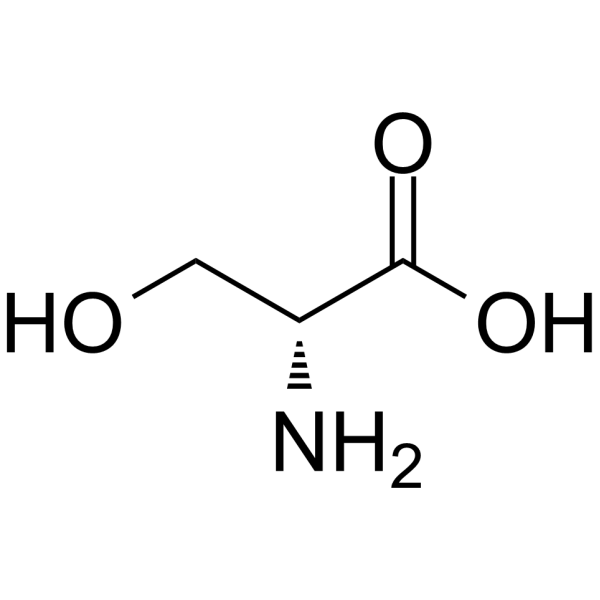
D-Serine ((R)-Serine), an endogenous amino acid involved in glia-synapse interactions that has unique neurotransmitter characteristics, is a potent co-agonist at the NMDA glutamate receptor. D-Serinee has a cardinal modulatory role in major NMDAR-dependent processes including NMDAR-mediated neurotransmission, neurotoxicity, synaptic plasticity, and cell migration .
|
-
-
- HY-B1488
-
|
|
Cholinesterase (ChE)
iGluR
|
Neurological Disease
|
|
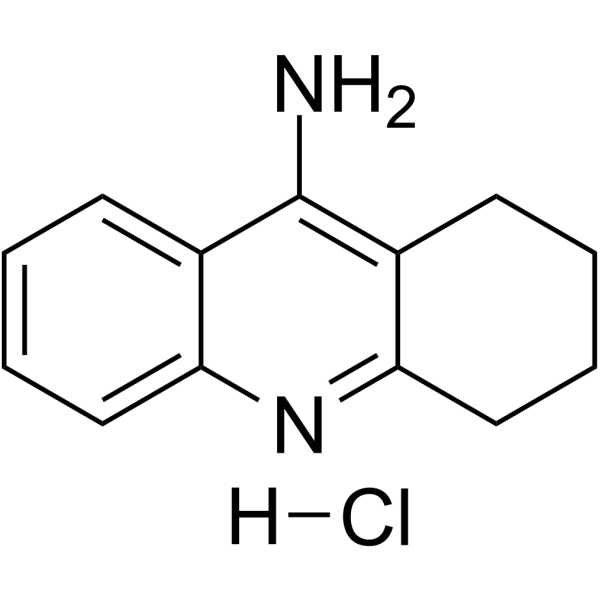
Tacrine hydrochloride is a potent brain-penetrant inhibitor of both AChE and BChE, with IC50s of 31 nM and 25.6 nM, respectively. Tacrine hydrochloride is also a NMDAR inhibitor, with an IC50 of 26 μM. Tacrine hydrochloride can be used for the research of Alzheimer’s disease .
|
-
-
- HY-Y0511
-
|
Dimethylglycine; DMG; N-Methylsarcosine
|
Endogenous Metabolite
iGluR
Amino Acid Derivatives
|
Neurological Disease
Metabolic Disease
|
|
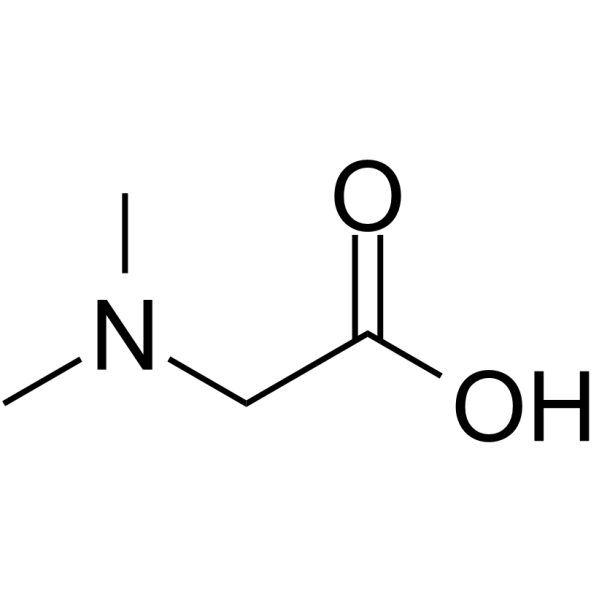
N,N-Dimethylglycine (Dimethylglycine), a natural N-methylated glycine, is a nutrient supplement and acts as an NMDAR glycine site partial agonist. N,N-Dimethylglycine is a methyl donor that can improve immunity, act as an antioxidant to prevent oxidative stress, and scavenge excess free radicals. N,N-Dimethylglycine has antidepressant-like and surfactant effects .
|
-
-
- HY-N0215S12
-
|
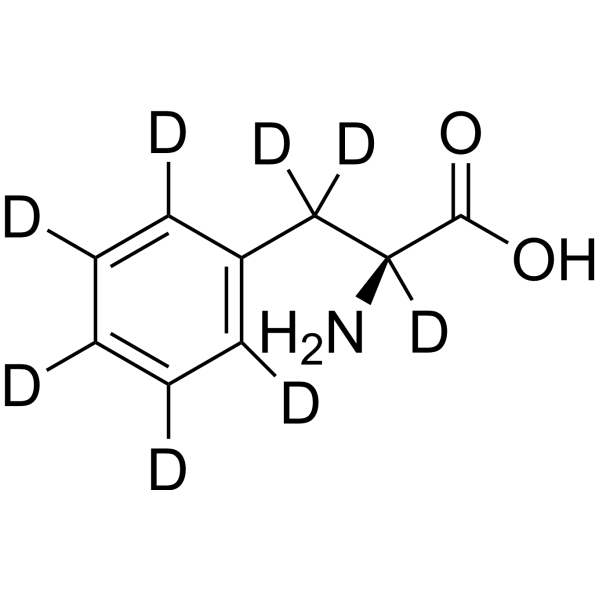
(S)-2-Amino-3-phenylpropionic acid-d5
|
Calcium Channel
iGluR
Endogenous Metabolite
|
Metabolic Disease
|
|
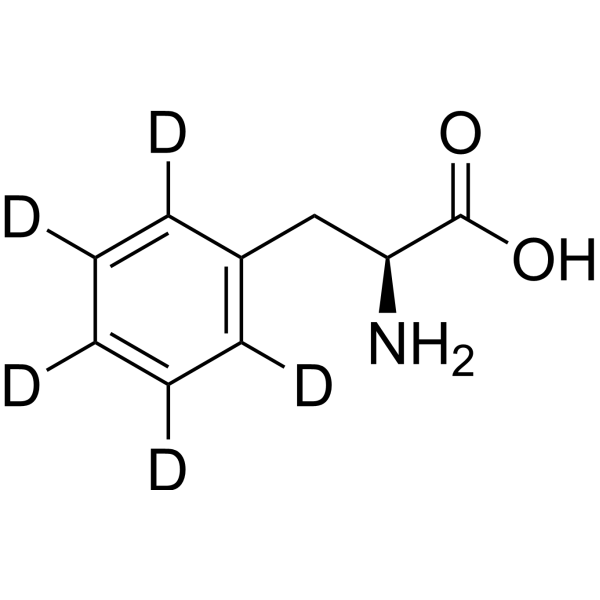
L-Phenylalanine-d5 is the deuterium labeled L-Phenylalanine. L-Phenylalanine ((S)-2-Amino-3-phenylpropionic acid) is an essential amino acid isolated from Escherichia coli. L-Phenylalanine is a α2δ subunit of voltage-dependent Ca+ channels antagonist with a Ki of 980 nM. L-phenylalanine is a competitive antagonist for the glycine- and glutamate-binding sites of N-methyl-D-aspartate receptors (NMDARs) (KB of 573 μM ) and non-NMDARs, respectively. L-Phenylalanine is widely used in the production of food flavors and pharmaceuticals .
|
-
-
- HY-N0837
-
|
NSC17821; NSC23880
|
PI3K
Akt
mTOR
Autophagy
Apoptosis
|
Neurological Disease
Metabolic Disease
Inflammation/Immunology
Cancer
|
|
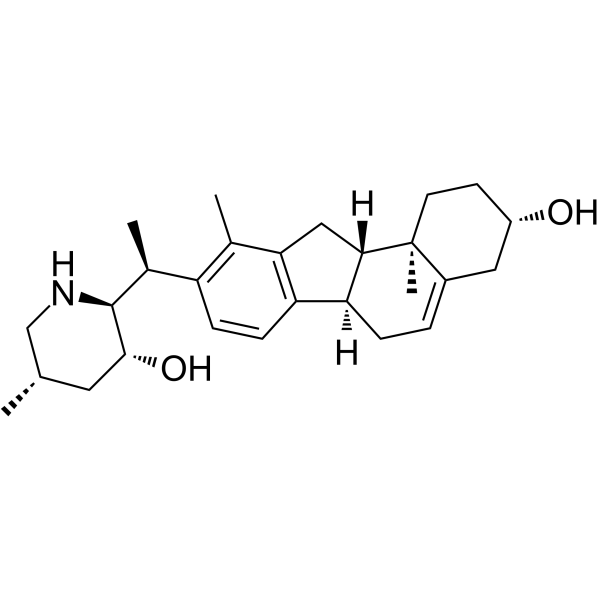
Veratramine (NSC17821; NSC23880) is an orally active inhibitor of the PI3K/Akt/mTOR signaling pathway and a SIGMAR1 modulator. Veratramine induces autophagic apoptosis of tumor cells, arrests the cell cycle at the G0/G1 phase, and inhibits epithelial-mesenchymal transition (EMT)-related proteins to reduce tumor migration. Veratramine reduces spinal cord and sciatic nerve pathological damage in a neuropathy model by inhibiting SIGMAR1 binding to NMDAR and phosphorylation of NMDAR Ser896. Veratramine has anti-tumor proliferation, apoptosis induction, anti-inflammatory and neuroprotective activities, and can be used in the study of cancers such as liver cancer and osteosarcoma, as well as diabetic peripheral neuropathy .
|
-
-
- HY-17001
-
|
D 9998 Maleate
|
Potassium Channel
iGluR
GABA Receptor
|
Neurological Disease
Inflammation/Immunology
|
|
Flupirtine (D 9998) Maleate is an orally active, blood-brain barrier-crossing non-opioid analgesic and neuroprotective agent. Flupirtine Maleate is a neuronal potassium channel opener (Kv7 activator), a NMDA receptor antagonist and a GABA receptor activator. Flupirtine Maleate stabilizes blood-brain-barrier integrity, reduces oxidative stress and brain leukocyte infiltration, enhances angioneurogenesis, suppresses calcium influx, stabilizes neuronal resting membrane potential, and counteracts focal cerebral ischemia. Flupirtine Maleate exhibits analgesic, muscle relaxant properties, protects neurons from excitotoxic, ischemic, or cytokine-mediated death. Flupirtine Maleate functions as a non-opioid analgesic without antipyretic or antiphlogistic properties, shows no relevant affinity to opiate receptor. Flupirtine Maleate can be used for the research of focal cerebral ischemia, pain, Alzheimer’s disease, or multiple sclerosis .
|
-
-
- HY-P5912
-
|
|
iGluR
Calcium Channel
|
Neurological Disease
|
|
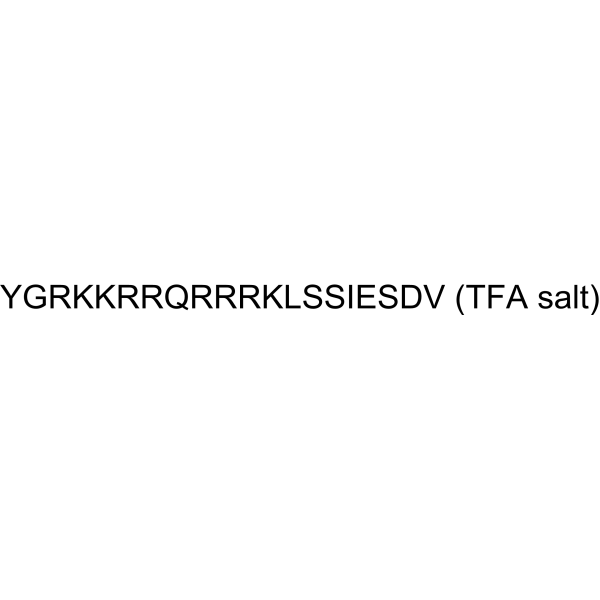
GluN1 (356-385) is a polypeptide targeting NMDAR GluN1. GluN1 (356-385) induces the production of autoantibodies, which reduce the density of cell surface NMDAR clusters, impair long-term potentiation, and decrease NMDAR-mediated Ca 2+ influx. As an immunogen, GluN1 (356-385) induces symptoms similar to anti-NMDAR encephalitis, including memory loss, in mice. GluN1 (356-385) can be used to establish a mouse model that mimics the pathogenesis of anti-NMDAR encephalitis. GluN1 (356-385) is applicable to research related to anti-NMDAR encephalitis .
|
-
-
- HY-N0215S1
-
|
(S)-2-Amino-3-phenylpropionic acid-d8
|
Calcium Channel
iGluR
Endogenous Metabolite
|
Metabolic Disease
|
|
L-Phenylalanine-d8 is the deuterium labeled L-Phenylalanine. L-Phenylalanine ((S)-2-Amino-3-phenylpropionic acid) is an essential amino acid isolated from Escherichia coli. L-Phenylalanine is a α2δ subunit of voltage-dependent Ca+ channels antagonist with a Ki of 980 nM. L-phenylalanine is a competitive antagonist for the glycine- and glutamate-binding sites of N-methyl-D-aspartate receptors (NMDARs) (KB of 573 μM ) and non-NMDARs, respectively. L-Phenylalanine is widely used in the production of food flavors and pharmaceuticals .
|
-
-
- HY-N0215S8
-
|
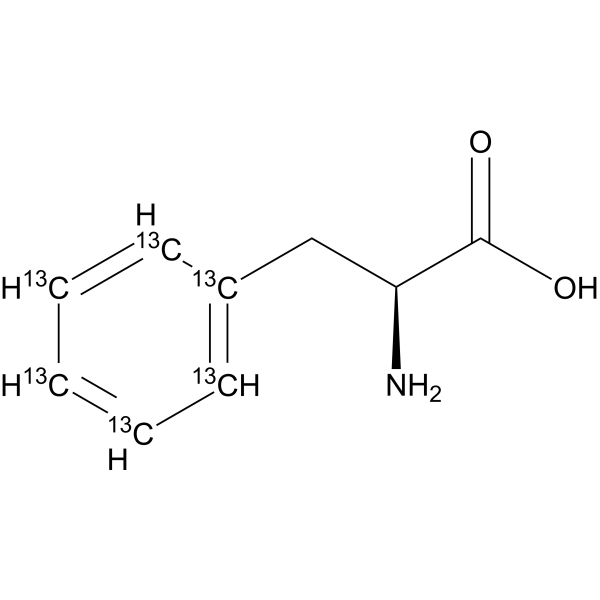
(S)-2-Amino-3-phenylpropionic acid-13C6
|
Isotope-Labeled Compounds
Calcium Channel
iGluR
Endogenous Metabolite
|
Metabolic Disease
|
|
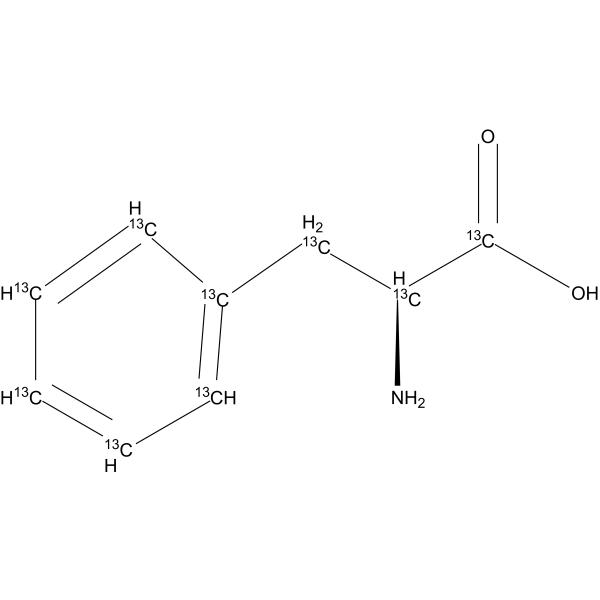
L-Phenylalanine- 13C6 is the 13C-labeled L-Phenylalanine. L-Phenylalanine ((S)-2-Amino-3-phenylpropionic acid) is an essential amino acid isolated from Escherichia coli. L-Phenylalanine is a α2δ subunit of voltage-dependent Ca+ channels antagonist with a Ki of 980 nM. L-phenylalanine is a competitive antagonist for the glycine- and glutamate-binding sites of N-methyl-D-aspartate receptors (NMDARs) (KB of 573 μM ) and non-NMDARs, respectively. L-Phenylalanine is widely used in the production of food flavors and pharmaceuticals .
|
-
-
- HY-B0340
-
|
DM9384; DZL-221
|
nAChR
iGluR
mGluR
PKC
GABA Receptor
Calcium Channel
|
Neurological Disease
|
|
Nefiracetam is a cognition-enhancing agent. Nefiracetam is an activator of nAChR, N-methyl-D-aspartate receptor (NMDAR), mGluR5, PKC, gamma-aminobutyric acid (GABA), and N/L-type Ca 2+ channels. Nefiracetam promotes neuroplasticity and enhances neuroprotection. Nefiracetam can be used in Alzheimer's disease, epilepsy, and cerebral ischemia research .
|
-
-
- HY-13457
-
TCN 201
1 Publications Verification
|
iGluR
|
Neurological Disease
|
|
TCN 201 is a potent, selective and non-competitive antagonist of GluN1/GluN2A NMDA receptor, with a pIC50 of 6.8. TCN 201 is selective for GluN1/GluN2A NMDA receptor over GluN1/GluN2B NMDA receptor (pIC50<4.3) .
|
-
-
- HY-107409
-
|
|
iGluR
|
Neurological Disease
|
|
GNE 5729 is a brain permeable positive allosteric modulator of NMDAR, with an EC50 of 37 nM for GluN2A, 4.7 and 9.5 μM for GluN2C and GluN2D, respectively.
|
-
-
- HY-P11117
-
|
|
TRP Channel
iGluR
Calcium Channel
|
Neurological Disease
|
|
TAT-EE3 is a neuroprotective peptide which can uncouple TRPM2-NMDARs interaction. TAT-EE3 inhibits TRPM2-induced enhancement of NMDAR surface expression and current amplitude.TAT-EE3 protects neurons against ischemic injury in vitro and in vivo. TAT-EE3can be used for the study of ischemic stroke .
|
-
-
- HY-16728
-
|
GLYX-13
|
iGluR
ERK
mTOR
|
Neurological Disease
Cancer
|
|
Rapastinel (GLYX-13) is a potent NMDAR modulator capable of crossing the blood-brain barrier, and it exhibits extremely high affinity for human NMDAR (EC50=0.0017-9.9 nM). Rapastinel enhances ERK signaling and activates the mTOR pathway, thereby upregulating the expression of BDNF and VGF, and inducing significant neuroplastic changes such as enhanced LTP and increased mature dendritic spine density in the hippocampus. Rapastinel moderately elevates the efflux of dopamine, norepinephrine and 5-HT in the prefrontal cortex, and uniquely avoids side effects of traditional antidepressants such as dissociation, addiction or sedation. Rapastinel is applicable to the research of major depressive disorder and hepatocellular carcinoma .
|
-
-
- HY-N1916
-
|
|
Glutathione S-transferase
P-glycoprotein
Apoptosis
iGluR
CaMK
p38 MAPK
Reactive Oxygen Species (ROS)
Bacterial
|
Infection
Cardiovascular Disease
Neurological Disease
Inflammation/Immunology
Cancer
|
|
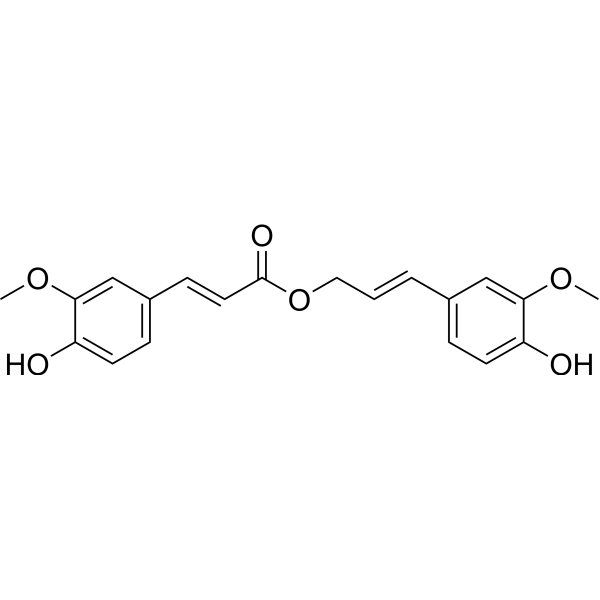
Coniferyl ferulate is an orally active phenolic acid compound. Coniferyl ferulate is a potent inhibitor of glutathione S-transferase (GST) (IC50 = 0.3 μM), which downregulates P-gp expression, induces apoptosis in B-MD-C1 (ADR+/+) cells, and reverses multidrug resistance. Coniferyl ferulate blocks the NMDAR/NR2B-CaMKII-MAPKs signaling pathway, inhibits ROS production and mitochondrial apoptosis, while reshapes the intestinal microbiota and microbial metabolism, ameliorates colonic inflammation and alleviates depressive symptoms in mice. Coniferyl ferulate can alleviate the toxicity of xylene to hematopoietic stem and progenitor cells by targeting Mgst2. Coniferyl ferulate exhibits antibacterial activity against the Gram-positive Bacillus subtilis and Staphylococcus aureus .
|
-
-
- HY-101955A
-
|
(2R,6R)-HNK hydrochloride
|
Drug Metabolite
|
Neurological Disease
|
|
(2R,6R)-Hydroxynorketamine ((2R,6R)-HNK) hydrochloride is an active ketamine metabolite with no NMDAR binding activity. (2R,6R)-Hydroxynorketamine hydrochloride rescues impaired dorsal hippocampal long-term potentiation and restores robust long-term potentiation in the hippocampal SC-CA1 pathway. (2R,6R)-Hydroxynorketamine hydrochloride can be used for research on depression .
|
-
-
- HY-111973
-
|
|
Phytohormone
iGluR
|
Neurological Disease
|
|
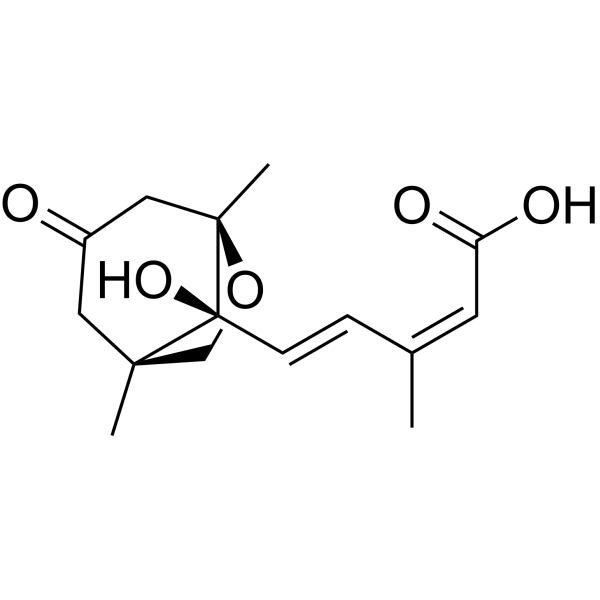
Phaseic acid is a Abscisic acid terpenoid catabolite that can able to activate a subset of Abscisic acid repectors. Phaseic acid is a plant hormone associated with photosynthesis arrest and abscission. Phaseic acid is the antagonist for NMDA-type glutamate receptor (NMDAR) that inhibits NMDAR currents with an IC50 of 34.37 μM. Phaseic acid reduces intracellular calcium influx, and exhibits neuroprotective effect .
|
-
-
- HY-100457
-
IC87201
2 Publications Verification
|
iGluR
|
Neurological Disease
|
|
IC87201, an inhibitor of PSD95-nNOS protein-protein interactions, suppresses NMDAR-dependent NO and cGMP formation.
|
-
-
- HY-N0215S10
-
|
(S)-2-Amino-3-phenylpropionic acid-13C9
|
Isotope-Labeled Compounds
Calcium Channel
iGluR
Endogenous Metabolite
|
Metabolic Disease
|
|
L-Phenylalanine- 13C9 is the 13C-labeled L-Phenylalanine. L-Phenylalanine ((S)-2-Amino-3-phenylpropionic acid) is an essential amino acid isolated from Escherichia coli. L-Phenylalanine is a α2δ subunit of voltage-dependent Ca+ channels antagonist with a Ki of 980 nM. L-phenylalanine is a competitive antagonist for the glycine- and glutamate-binding sites of N-methyl-D-aspartate receptors (NMDARs) (KB of 573 μM ) and non-NMDARs, respectively. L-Phenylalanine is widely used in the production of food flavors and pharmaceuticals .
|
-
-
- HY-41239
-
|
|
Drug Intermediate
|
Others
|
|
1-Bromo-3,5-dimethyladamantane is an intermediate for Memantine (HY-B0591). Memantine is an orally active, noncompetitive N-methyl-D-aspartate receptor (NMDAR) antagonist. Memantine can be used for the research of moderate-to-severe Alzheimer's disease (AD).
|
-
-
- HY-139192
-
|
NMDAR/TRPM4-IN-2
|
iGluR
TRP Channel
ERK
|
Neurological Disease
|
|
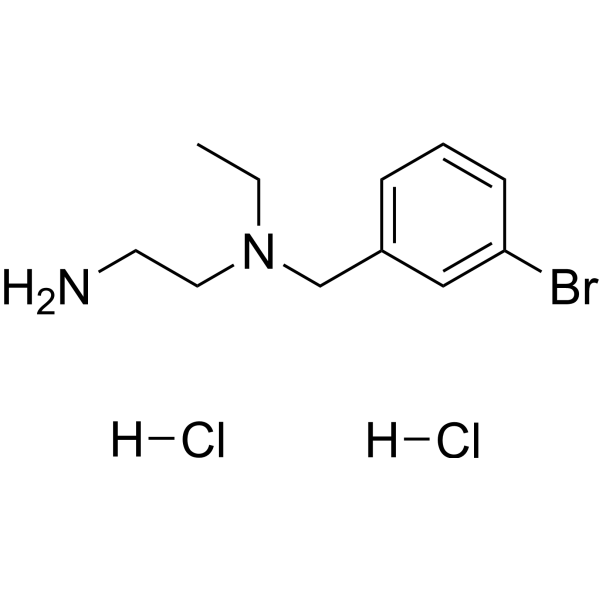
Brophenexin (compound 8) is a potent NMDAR/TRPM4 interaction interface inhibitor. Brophenexin shows neuroprotective activity. Brophenexin prevents NMDA-induced cell death and mitochondrial dysfunction in hippocampal neurons, with an IC50 of 2.1 μM. Brophenexin protects mice from MCAO-induced brain damage and NMDA-induced retinal ganglion cell loss .
|
-
-
- HY-W001158
-
|
Dimethylglycine hydrochloride; DMG hydrochloride; N-Methylsarcosine hydrochloride
|
Endogenous Metabolite
iGluR
Amino Acid Derivatives
|
Neurological Disease
Metabolic Disease
|
|
N,N-Dimethylglycine (Dimethylglycine) hydrochloride, a natural N-methylated glycine, is a nutrient supplement and acts as an NMDAR glycine site partial agonist. N,N-Dimethylglycine hydrochloride is a methyl donor that can improve immunity, act as an antioxidant to prevent oxidative stress, and scavenge excess free radicals. N,N-Dimethylglycine hydrochloride has antidepressant-like and surfactant effects .
|
-
-
- HY-P5911
-
|
|
iGluR
|
Inflammation/Immunology
|
|
GluN1 (359-378) is an anti-N-methyl-D-aspartate
receptor (NMDAR) peptide. GluN1 (359-378) can cross the blood-brain barrier.
GluN1 (359-378) can be used to study anti-NMDAR encephalitis therapy targeting
the immune system .
|
-
-
- HY-108337
-
|
|
iGluR
|
Neurological Disease
|
|
GNE-0723 is a brain permeable positive allosteric modulator of NMDAR, with an EC50 of 21 nM for GluN2A, 7.4 and 6.2 μM for GluN2C and GluN2D, respectively .
|
-
-
- HY-N0215R
-
|
(S)-2-Amino-3-phenylpropionic acid (Standard)
|
Reference Standards
Calcium Channel
iGluR
Endogenous Metabolite
|
Metabolic Disease
|
|
L-Phenylalanine (Standard) is the analytical standard of L-Phenylalanine. This product is intended for research and analytical applications. L-Phenylalanine ((S)-2-Amino-3-phenylpropionic acid) is an essential amino acid isolated from Escherichia coli. L-Phenylalanine is a α2δ subunit of voltage-dependent Ca+ channels antagonist with a Ki of 980 nM. L-phenylalanine is a competitive antagonist for the glycine- and glutamate-binding sites of N-methyl-D-aspartate receptors (NMDARs) (KB of 573 μM ) and non-NMDARs, respectively. L-Phenylalanine is widely used in the production of food flavors and pharmaceuticals .
|
-
-
- HY-N0215S5
-
|
(S)-2-Amino-3-phenylpropionic acid-15N
|
Isotope-Labeled Compounds
Calcium Channel
iGluR
Endogenous Metabolite
|
Metabolic Disease
|
|
L-Phenylalanine- 15N is the 15N-labeled L-Phenylalanine. L-Phenylalanine ((S)-2-Amino-3-phenylpropionic acid) is an essential amino acid isolated from Escherichia coli. L-Phenylalanine is a α2δ subunit of voltage-dependent Ca+ channels antagonist with a Ki of 980 nM. L-phenylalanine is a competitive antagonist for the glycine- and glutamate-binding sites of N-methyl-D-aspartate receptors (NMDARs) (KB of 573 μM ) and non-NMDARs, respectively. L-Phenylalanine is widely used in the production of food flavors and pharmaceuticals .
|
-
-
- HY-N0215S11
-
|
(S)-2-Amino-3-phenylpropionic acid-13C9,15N
|
Calcium Channel
iGluR
Endogenous Metabolite
|
Metabolic Disease
|
|
L-Phenylalanine- 13C9, 15N is the 13C- and 15N-labeled L-Phenylalanine. L-Phenylalanine ((S)-2-Amino-3-phenylpropionic acid) is an essential amino acid isolated from Escherichia coli. L-Phenylalanine is a α2δ subunit of voltage-dependent Ca+ channels antagonist with a Ki of 980 nM. L-phenylalanine is a competitive antagonist for the glycine- and glutamate-binding sites of N-methyl-D-aspartate receptors (NMDARs) (KB of 573 μM ) and non-NMDARs, respectively. L-Phenylalanine is widely used in the production of food flavors and pharmaceuticals .
|
-
-
- HY-16728B
-
|
GLYX-13 Trifluoroacetate
|
iGluR
mTOR
ERK
|
Neurological Disease
|
|
Rapastinel (GLYX-13) Trifluoroacetate is a potent NMDAR modulator capable of crossing the blood-brain barrier, and it exhibits extremely high affinity for human NMDAR (EC50=0.0017-9.9 nM). Rapastinel Trifluoroacetate enhances ERK signaling and activates the mTOR pathway, thereby upregulating the expression of BDNF and VGF, and inducing significant neuroplastic changes such as enhanced LTP and increased mature dendritic spine density in the hippocampus. Rapastinel Trifluoroacetate moderately elevates the efflux of dopamine, norepinephrine and 5-HT in the prefrontal cortex, and uniquely avoids side effects of traditional antidepressants such as dissociation, addiction or sedation. Rapastinel Trifluoroacetate is applicable to the research of major depressive disorder and hepatocellular carcinoma .
|
-
-
- HY-P991611
-
|
|
iGluR
|
Inflammation/Immunology
|
|
ART5803 is a humanized IgG1 monoclonal antibody inhibitor targeting NMDAR. ART5803 binds to the N-terminal domain (NTD) of the NMDAR GluN1 subunit (GluN1-NTD) with a high affinity. ART5803 blocks NMDAR internalization induced by pathogenic autoantibodies and restores cell-surface NMDAR expression and functions. ART5803 reverses behavioral abnormalities and NMDAR expression in marmoset disease models. ABT-147 can be used to study anti-NMDAR encephalitis .
|
-
-
- HY-107498
-
|
|
iGluR
|
Neurological Disease
|
|
GNE-8324 is a selective GluN2A positive allosteric modulator. GNE-8324 selectively enhances NMDA receptor (NMDAR)-mediated synaptic responses in inhibitory but not excitatory neurons .
|
-
-
- HY-129527
-
|
|
iGluR
|
Neurological Disease
|
|
GNE-9278 is a highly selective positive allosteric modulator of NMDAR that acts at the GluN1 transmembrane domain (TMD). GNE-9278 acts on activated NMDARs to increase peak current and agonist affinity .
|
-
-
- HY-W008038
-
|
|
iGluR
|
Others
|
|
NMDAR antagonist 3 (Compound 2) is an antagonist of the NMDA receptor. NMDAR antagonist 3 has a certain but weak inhibitory activity against the NR1A/2B subtype of the NMDA receptor .
|
-
-
- HY-172261
-
|
|
iGluR
|
Neurological Disease
|
|
YY-23 is a selective inhibitor of NMDAR (containing GluN2C or GluN2D). YY-23 inhibits GABAergic neurotransmission and enhances excitatory transmission by inhibiting NMDARs containing GluN2D on GABAergic interneurons in the prefrontal cortex. YY-23 has antidepressant activity and can be used for the research of neurological diseases .
|
-
-
- HY-100808S
-
|
(R)-Serine-d3
|
Isotope-Labeled Compounds
Endogenous Metabolite
iGluR
|
Neurological Disease
|
|
D-Serine-d3 ((R)-Serine-d3) is a deuterium labeled D-Serine (HY-100808). D-Serine ((R)-Serine), an endogenous amino acid involved in glia-synapse interactions that has unique neurotransmitter characteristics, is a potent co-agonist at the NMDA glutamate receptor. D-Serinee has a cardinal modulatory role in major NMDAR-dependent processes including NMDAR-mediated neurotransmission, neurotoxicity, synaptic plasticity, and cell migration .
|
-
-
- HY-N0215S3
-
|
(S)-2-Amino-3-phenylpropionic acid-d2
|
Calcium Channel
iGluR
Endogenous Metabolite
|
Metabolic Disease
|
|
L-Phenylalanine-d2 is the deuterium labeled L-Phenylalanine. L-Phenylalanine ((S)-2-Amino-3-phenylpropionic acid) is an essential amino acid isolated from Escherichia coli. L-Phenylalanine is a α2δ subunit of voltage-dependent Ca+ channels antagonist with a Ki of 980 nM. L-phenylalanine is a competitive antagonist for the glycine- and glutamate-binding sites of N-methyl-D-aspartate receptors (NMDARs) (KB of 573 μM ) and non-NMDARs, respectively. L-Phenylalanine is widely used in the production of food flavors and pharmaceuticals .
|
-
-
- HY-N0215S7
-
|
(S)-2-Amino-3-phenylpropionic acid-3-13C
|
Calcium Channel
iGluR
Endogenous Metabolite
|
Metabolic Disease
|
|
L-Phenylalanine-3- 13C is the 13C-labeled L-Phenylalanine. L-Phenylalanine ((S)-2-Amino-3-phenylpropionic acid) is an essential amino acid isolated from Escherichia coli. L-Phenylalanine is a α2δ subunit of voltage-dependent Ca+ channels antagonist with a Ki of 980 nM. L-phenylalanine is a competitive antagonist for the glycine- and glutamate-binding sites of N-methyl-D-aspartate receptors (NMDARs) (KB of 573 μM ) and non-NMDARs, respectively. L-Phenylalanine is widely used in the production of food flavors and pharmaceuticals .
|
-
-
- HY-155811
-
|
|
iGluR
|
Neurological Disease
|
|
DQP-997-74 (compound 2i) is a selective negative allosteric modulator of N-methyl-d-aspartate receptor (NMDAR), specifically targeting GluN2C/D (IC50: 0.069 μM and 0.035 μM), with blood-brain barrier penetrability. Where DQP refers to dihydroquinoline-pyrazoline. DQP-997-74 acts synergistically with the agonist glutamate to exhibit time-dependent enhanced potency in inhibiting hypersynchronous activity driven by high-frequency excitatory synaptic transmission. DQP-997-74 reduces the number of epileptogenesis in a murine model of tuberous sclerosis complex (TSC)-induced epilepsy. DQP-997-74 can be used for research on NMDAR-related neurological diseases .
|
-
-
- HY-149967
-
|
|
iGluR
|
Neurological Disease
Inflammation/Immunology
|
|
GluN2B-NMDAR antagonist-1 is an orally active GluN2B-NMDAR antagonist. GluN2B-NMDAR antagonist-1 has neuroprotective activity. GluN2B-NMDAR antagonist-1 can be used for research of ischemic injury .
|
-
-
- HY-107423
-
|
|
iGluR
|
Neurological Disease
|
|
GNE 6901 (compound 40) is a potent GluN2A-selective NMDAR positive allosteric modulator (PAM) with an EC50 of 382 nM .
|
-
-
- HY-N0215S2
-
|
(S)-2-Amino-3-phenylpropionic acid-13C
|
Isotope-Labeled Compounds
Calcium Channel
iGluR
Endogenous Metabolite
|
Metabolic Disease
|
|
L-Phenylalanine- 13C is the 13C-labeled L-Phenylalanine. L-Phenylalanine ((S)-2-Amino-3-phenylpropionic acid) is an essential amino acid isolated from Escherichia coli. L-Phenylalanine is a α2δ subunit of voltage-dependent Ca+ channels antagonist with a Ki of 980 nM. L-phenylalanine is a competitive antagonist for the glycine- and glutamate-binding sites of N-methyl-D-aspartate receptors (NMDARs) (KB of 573 μM ) and non-NMDARs, respectively. L-Phenylalanine is widely used in the production of food flavors and pharmaceuticals .
|
-
-
- HY-100547
-
|
|
iGluR
|
Neurological Disease
|
|
IEM-1754, a dicationic adamantane derivative, is a potent blocker of open channels of native ionotropic glutamate receptors including quisqualate-sensitive receptors in insect muscles, NMDAR in cultured rat cortical neurons, and AMPAR in freshly isolated hippocampal cells. IEM-1754 shows anticonvulsant potency in vivo .
|
-
-
- HY-111500A
-
-
-
- HY-N11978
-
|
6-HKA
|
iGluR
|
Neurological Disease
|
|
6-Hydroxykynurenic acid (6-HKA) is a derivative of kynurenic acid (KYNA) and can be isolated from Ginkgo leaves. 6-Hydroxykynurenic acid is a low-affinity NMDAR antagonist (IC50: 59 μM) .
|
-
-
- HY-N0215S14
-
|
(S)-2-Amino-3-phenylpropionic acid-15N,d8
|
Isotope-Labeled Compounds
Calcium Channel
iGluR
Endogenous Metabolite
|
Metabolic Disease
|
|
L-Phenylalanine- 15N,d8 is the deuterium and 15N-labeled L-Phenylalanine. L-Phenylalanine ((S)-2-Amino-3-phenylpropionic acid) is an essential amino acid isolated from Escherichia coli. L-Phenylalanine is a α2δ subunit of voltage-dependent Ca2+ channels antagonist with a Ki of 980 nM. L-phenylalanine is a competitive antagonist for the glycine- and glutamate-binding sites of N-methyl-D-aspartate receptors (NMDARs) (KB of 573 μM ) and non-NMDARs, respectively. L-Phenylalanine is widely used in the production of food flavors and pharmaceuticals .
|
-
-
- HY-N11061
-
|
|
iGluR
|
Neurological Disease
|
|
Withaphysalin D is a selective antagonist against the N-methyl-D-aspartate receptor (NMDAR) containing GluN2B. Withaphysalin D can be isolated from water lilies and has neuroprotective properties. Withaphysalin D is able to cross the blood-brain barrier .
|
-
-
- HY-P10357
-
|
|
HIV
iGluR
|
Infection
Inflammation/Immunology
|
|
TAT-CBD3, a 15-amino acid peptide from CRMP2, fused to the TAT cell-penetrating motif of the HIV-1 protein, disrupts CRMP2-NMDAR interaction without change in NMDAR localization .
|
-
-
- HY-111500
-
|
|
iGluR
|
Neurological Disease
|
|
(Rac)-NMDAR antagonist 1 is the racemate of NMDAR antagonist 1. NMDAR antagonist 1 is a potent and orally bioavailable NR2B-selective NMDAR antagonist .
|
-
- HY-179108
-
|
|
iGluR
|
Neurological Disease
|
|
NMDAR modulator 1 (Compound 12) is a positive, allosteric GluN1/GluN2B receptor modulator. NMDAR modulator 1 enhances NMDAR current. NMDAR modulator 1 can be used in the research of psychiatric disorders .
|
-
- HY-129517
-
|
|
iGluR
|
Neurological Disease
|
|
UBP714 exhibts agonistic activity for recombinant GluN1/GluN2 receptor by binding to the positive allosteric site (PAM) of NMDARs. UBP714 enhances NMDAR-mediated field excitatory postsynaptic potentials (f-EPSPs) in Xenopus oocytes .
|
-
- HY-107712
-
|
|
iGluR
|
Neurological Disease
|
|
TCN 213 is a selective, surmountable, glycine-dependentlly GluN1/GluN2A NMDAR antagonist with IC50s of 0.55, 3.5, 40 μM in the presence of 75, 750, 7500 nM glycine, respectively. TCN 213 can be used to monitor, pharmacologically, the switch in NMDAR expression in developing cortical neurones .
|
-
- HY-100667
-
UBP608
1 Publications Verification
|
iGluR
|
Neurological Disease
|
|
UBP608 is a potent N-Methyl-D-aspartate receptors (NMDARs) negative allosteric modulator. UBP608 has the potential for the research of neurological disorders .
|
-
- HY-N0215S6
-
|
2-Amino-3-phenylpropionic acid-d5 hydrochloride
|
Isotope-Labeled Compounds
Calcium Channel
iGluR
Endogenous Metabolite
|
Metabolic Disease
|
|
DL-Phenylalanine-d5 (hydrochloride) is the deuterium labeled DL-Phenylalanine hydrochloride. L-Phenylalanine hydrochloride is an essential amino acid isolated from Escherichia coli. L-Phenylalanine hydrochloride is a α2δ subunit of voltage-dependent Ca+ channels antagonist with a Ki of 980 nM. L-phenylalanine hydrochloride is a competitive antagonist for the glycine- and glutamate-binding sites of N-methyl-D-aspartate receptors (NMDARs) (KB of 573 μM ) and non-NMDARs, respectively. L-Phenylalanine hydrochloride is widely used in the production of food flavors and pharmaceuticals .
|
-
- HY-178251S
-
|
|
Isotope-Labeled Compounds
Calcium Channel
iGluR
Endogenous Metabolite
|
Metabolic Disease
Cancer
|
|
L-Phenylalanine-d is the deuterium labeled L-Phenylalanine (HY-N0215). L-Phenylalanine ((S)-2-Amino-3-phenylpropionic acid) is an essential amino acid isolated from Escherichia coli. L-Phenylalanine is a α2δ subunit of voltage-dependent Ca 2+ channels antagonist with a Ki of 980 nM. L-phenylalanine is a competitive antagonist for the glycine- and glutamate-binding sites of N-methyl-D-aspartate receptors (NMDARs) (KB of 573 μM ) and non-NMDARs, respectively. L-Phenylalanine is widely used in the production of food flavors and pharmaceuticals .
|
-
- HY-157476
-
|
|
iGluR
|
Neurological Disease
|
|
AChE-IN-53 (Compound I-52) is a potent NMDAR inhibitor, which is a compound with favorable behavioral and neuroprotective effects .
|
-
- HY-100802
-
-
- HY-173398
-
|
|
iGluR
Monoamine Transporter
Serotonin Transporter
Dopamine Transporter
|
Neurological Disease
|
|
NMDAR antagonist 5 (Compound A17) is a multi-target antagonist against NMDAR and monoamine transporters (SERT、DAT and NET). NMDAR antagonist 5 shows good NMDAR antagonistic potency (IC50 = 0.3 μM) and monoamine transporter activities (SERT IC50 = 1.1 μM、DAT IC50 = 0.7 μM、NET IC50 = 2.7 μM). NMDAR antagonist 5 is highly safe and has low toxicity (hepatotoxicity and nephrotoxicity (IC50 > 100 μM); cardiotoxicity (IC50 = 24.5 μM)). NMDAR antagonist 5 has antidepressant effects and can be used in the study of depression .
|
-
- HY-172884
-
|
|
Cholinesterase (ChE)
iGluR
|
Neurological Disease
|
|
MDAR IN-1 (Compound 5m) is a brain-penetrant inhibitor of acetylcholinesterase (AChE) and antagonist of the GluN1/GluN2B subtype of NMDAR receptor. MDAR IN-1 effectively inhibits AChE activity, enhances cholinergic neurotransmission, and blocks NMDAR, reducing excitatory neurotoxicity. MDAR IN-1 is promising for research of Alzheimer's disease .
|
-
- HY-B1488R
-
|
|
Reference Standards
Cholinesterase (ChE)
iGluR
|
Neurological Disease
|
|
Tacrine (hydrochloride) (Standard) is the analytical standard of Tacrine (hydrochloride). This product is intended for research and analytical applications. Tacrine hydrochloride is a potent inhibitor of both AChE and BChE, with IC50s of 31 nM and 25.6 nM, respectively. Tacrine hydrochloride is also a NMDAR inhibitor, with an IC50 of 26 μM. Tacrine hydrochloride can be used for the research of Alzheimer’s disease .
|
-
- HY-P2471
-
|
|
Calmodulin
|
Neurological Disease
|
|
Neurogranin (48-76), mouse is a peptide corresponding to residues 48-76 of Neurogranin. Neurogranin, a calmodulin-binding protein, is exclusively expressed in the post-synapse, and mediates NMDAR driven synaptic plasticity by regulating the calcium-calmodulin (Ca 2+-CaM) pathway .
|
-
- HY-147873
-
|
|
iGluR
HDAC
|
Neurological Disease
|
|
NMDAR/HDAC-IN-1 (Compound 9d) is a dual NMDAR and HDAC inhibitor with a Ki of 0.59 μM for NMDAR and IC50 values of 2.67, 8.00, 2.21, 0.18 and 0.62 μM for HDAC1, HDAC2, HDAC3, HDAC6 and HDAC8, respectively. NMDAR/HDAC-IN-1 efficiently penetrates the blood brain barrier .
|
-
- HY-157936
-
|
|
iGluR
|
Neurological Disease
|
|
GluN2B-NMDAR antagonist-2 (compound S-58) is a potent, selective and cross the blood-brain barrier NMDAR-GluN2B antagonist with an IC50 value of 74.01, nM. GluN2B-NMDAR antagonist-2 shows mild cytotoxicity. GluN2B-NMDAR antagonist-2 decreases the cerebral infarction rates and neurologic deficit scores. GluN2B-NMDAR antagonist-2 has the potential for the research of stroke .
|
-
- HY-168240
-
|
|
iGluR
|
Neurological Disease
|
|
NMDAR antagonist 2 (compound 3I) is a CNS penetrant NMDAR antagonist with the IC50 of 4.42 μM and 214.75 μM for hGluN1/hGluN2A at −60 mV or 40 mV membrane potentials, respectively. NMDAR antagonist 2 can reduce hippocampal damage .
|
-
- HY-15786
-
|
|
iGluR
|
Neurological Disease
|
|
SGE-201 is an allosteric modulator of N-methyl-D-aspartate receptors (NMDARs), demonstrating significant neuroprotective effects by enhancing NMDAR-mediated responses while differing in action among various blockers in neuronal networks.
|
-
- HY-15787
-
|
|
iGluR
|
Neurological Disease
|
|
SGE-301 is a positive, allosteric NMDAR modulator. SGE-301 recovers NMDAR density and long-term potentiation to normal values. SGE-301 can be used in the research of neurological disorders .
|
-
- HY-155810
-
|
|
iGluR
|
Neurological Disease
|
|
DQP-26 is a potent NMDAR negative allosteric modulator with IC50 values of 0.77 μM and 0.44 μM for GluN2C and GluN2D, respectively. DQP-26 has the potential for NMDAR-associated neurological disease research .
|
-
- HY-106397
-
-
- HY-106397A
-
-
- HY-107705
-
|
|
iGluR
|
Neurological Disease
|
|
NMDAR antagonist 4 (Compound 8) is the antagonist for NMDA receptor that binds NMDA receptor on glycine site with Ki >100 μM .
|
-
- HY-P2307
-
|
|
iGluR
NO Synthase
|
Neurological Disease
|
|
Tat-NR2BAA is the control peptide of Tat-NR2B9c (HY-P0117), inactive. The sequence of Tat-NR2BAA is similar to Tat-NR2B9c, but it has a double-point mutation in the COOH terminal tSXV motif, making it incapable of binding PSD-95. Tat-NR2B9c is a membrane-permeant peptide and disrupts PSD-95/NMDAR binding, correlate with uncoupling NR2B- and/or NR2A-type NMDARs from PSD-95 .
|
-
- HY-P2307A
-
|
|
iGluR
NO Synthase
|
Neurological Disease
|
|
Tat-NR2BAA TFA is the control peptide of Tat-NR2B9c (HY-P0117), inactive. The sequence of Tat-NR2BAA TFA is similar to Tat-NR2B9c, but it has a double-point mutation in the COOH terminal tSXV motif, making it incapable of binding PSD-95. Tat-NR2B9c is a membrane-permeant peptide and disrupts PSD-95/NMDAR binding, correlate with uncoupling NR2B- and/or NR2A-type NMDARs from PSD-95 .
|
-
- HY-100808R
-
|
(R)-Serine (Standard)
|
Reference Standards
iGluR
Endogenous Metabolite
|
Neurological Disease
|
|
D-Serine (Standard) is the analytical standard of D-Serine. This product is intended for research and analytical applications. D-Serine ((R)-Serine), an endogenous amino acid involved in glia-synapse interactions that has unique neurotransmitter characteristics, is a potent co-agonist at the NMDA glutamate receptor. D-Serinee has a cardinal modulatory role in major NMDAR-dependent processes including NMDAR-mediated neurotransmission, neurotoxicity, synaptic plasticity, and cell migration[1][2].
|
-
- HY-120727
-
|
|
mGluR
|
Neurological Disease
|
|
VU0364289 is a highly selective mGlu5 positive allosteric modulator (PAM) (binds to the MPEP (HY-14609A) site), with an EC50 of 1.6 μM. VU0364289 shows excellent central nervous system penetration. VU0364289 can reverse amphetamine-induced hyperlocomotion in a dose-dependent manner, which can be used for schizophrenia and other psychiatric research .
|
-
- HY-N0215S
-
|
(S)-2-Amino-3-phenylpropionic acid-d7
|
Isotope-Labeled Compounds
Calcium Channel
iGluR
Endogenous Metabolite
|
Metabolic Disease
|
|
L-Phenylalanine-d7 is the deuterium labeled L-Phenylalanine. L-Phenylalanine ((S)-2-Amino-3-phenylpropionic acid) is an essential amino acid isolated from Escherichia coli. L-Phenylalanine is a α2δ subunit of voltage-dependent Ca+ channels antagonist with a Ki of 980 nM. L-phenylalanine is a competitive antagonist for the glycine- and glutamate-binding sites of N-methyl-D-aspartate receptors (NMDARs) (KB of 573 μM ) and non-NMDARs, respectively. L-Phenylalanine is widely used in the production of food flavors and pharmaceuticals .
|
-
- HY-N0215S13
-
|
(S)-2-Amino-3-phenylpropionic acid-d1
|
Isotope-Labeled Compounds
Calcium Channel
iGluR
Endogenous Metabolite
|
Metabolic Disease
|
|
L-Phenylalanine-d is the deuterium labeled L-Phenylalanine. L-Phenylalanine ((S)-2-Amino-3-phenylpropionic acid) is an essential amino acid isolated from Escherichia coli. L-Phenylalanine is a α2δ subunit of voltage-dependent Ca+ channels antagonist with a Ki of 980 nM. L-phenylalanine is a competitive antagonist for the glycine- and glutamate-binding sites of N-methyl-D-aspartate receptors (NMDARs) (KB of 573 μM ) and non-NMDARs, respectively. L-Phenylalanine is widely used in the production of food flavors and pharmaceuticals .
|
-
- HY-116205
-
|
|
iGluR
|
Others
|
|
UBP684 is a novel positive allosteric modulator of NMDA receptors (NMDARs) that enhances receptor function by stabilizing the ligand-binding domains in a closed conformation, resulting in potentiated whole-cell currents and increased mean open time.
|
-
- HY-P7060
-
|
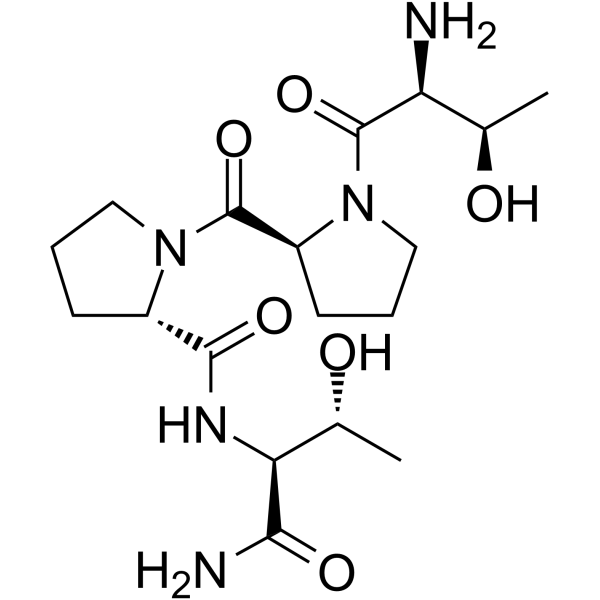
TPPT
|
iGluR
|
Neurological Disease
|
|
NT 13 (TPPT) is a tetrapeptide having the amino acid sequence L-threonyl-L-prolyl-L-prolyl-L-threonine amide. NT 13 is a partial N-methyl-D-aspartate receptor (NMDAR) agonist used in the study of depression, anxiety, and other related diseases.
|
-
- HY-B0591S
-
|
|
Isotope-Labeled Compounds
iGluR
|
Neurological Disease
|
|
Memantine-d3 (hydrochloride) is deuterium labeled Memantine. Memantine is an orally active, noncompetitive N-methyl-D-aspartate receptor (NMDAR) antagonist. Memantine can be used for the research of moderate-to-severe Alzheimer's disease (AD) .
|
-
- HY-16728A
-
|
GLYX-13 acetate
|
iGluR
mTOR
ERK
|
Neurological Disease
|
|
Rapastinel (GLYX-13) acetate is a potent NMDAR modulator capable of crossing the blood-brain barrier, and it exhibits extremely high affinity for human NMDAR (EC50=0.0017-9.9 nM). Rapastinel acetate enhances ERK signaling and activates the mTOR pathway, thereby upregulating the expression of BDNF and VGF, and inducing significant neuroplastic changes such as enhanced LTP and increased mature dendritic spine density in the hippocampus. Rapastinel acetate moderately elevates the efflux of dopamine, norepinephrine and 5-HT in the prefrontal cortex, and uniquely avoids side effects of traditional antidepressants such as dissociation, addiction or sedation. Rapastinel acetate is applicable to the research of major depressive disorder and hepatocellular carcinoma .
|
-
- HY-N0215S9
-
|
(S)-2-Amino-3-phenylpropionic acid-13C9,15N,d8
|
Isotope-Labeled Compounds
Calcium Channel
iGluR
Endogenous Metabolite
|
Metabolic Disease
|
|
L-Phenylalanine- 13C9, 15N,d8 is the deuterium, 13C-, and 15-labeled L-Phenylalanine. L-Phenylalanine ((S)-2-Amino-3-phenylpropionic acid) is an essential amino acid isolated from Escherichia coli. L-Phenylalanine is a α2δ subunit of voltage-dependent Ca+ channels antagonist with a Ki of 980 nM. L-phenylalanine is a competitive antagonist for the glycine- and glutamate-binding sites of N-methyl-D-aspartate receptors (NMDARs) (KB of 573 μM ) and non-NMDARs, respectively. L-Phenylalanine is widely used in the production of food flavors and pharmaceuticals .
|
-
- HY-146588
-
|
|
iGluR
|
Neurological Disease
|
|
NMDA receptor antagonist 4 (IIc) is a uncompetitive, voltage-dependent, orally active NMDAR blocker, with an IC50 of 1.93 μM. NMDA receptor antagonist 4 shows a positive predicted blood-brain-barrier (BBB) permeability, and can be studied in Alzheimer's disease .
|
-
- HY-P1123R
-
|
|
Reference Standards
ATP Citrate Lyase
Free Fatty Acid Receptor
|
Metabolic Disease
|
|
Tacrine (hydrochloride) (Standard) is the analytical standard of Tacrine (hydrochloride). This product is intended for research and analytical applications. Tacrine hydrochloride is a potent inhibitor of both AChE and BChE, with IC50s of 31 nM and 25.6 nM, respectively. Tacrine hydrochloride is also a NMDAR inhibitor, with an IC50 of 26 μM. Tacrine hydrochloride can be used for the research of Alzheimer’s disease .
|
-
- HY-170945
-
|
|
iGluR
Serotonin Transporter
|
Neurological Disease
|
|
Antidepressant agent 9 (Compound 24) is an orally active and BBB-penetrable NMDAR and SERT inhibitor with IC50 values of 3.50 μM and 1044 nM, respectively. Antidepressant agent 9 has good metabolic stability and plasma exposure. Antidepressant agent 9 can exert antidepressant-like activity in the mouse forced swim test .
|
-
- HY-17001R
-
|
D 9998 Maleate (Standard)
|
Reference Standards
Potassium Channel
iGluR
GABA Receptor
|
Neurological Disease
Inflammation/Immunology
|
|
Flupirtine Maleate (Standard) is the analytical standard of Flupirtine Maleate (HY-17001). This product is intended for research and analytical applications. Flupirtine Maleate is an orally active, blood-brain barrier-crossing non-opioid analgesic and neuroprotective agent. Flupirtine Maleate is a neuronal potassium channel opener (Kv7 activator), a NMDA receptor antagonist and a GABA receptor activator. Flupirtine Maleate stabilizes blood-brain-barrier integrity, reduces oxidative stress and brain leukocyte infiltration, enhances angioneurogenesis, suppresses calcium influx, stabilizes neuronal resting membrane potential, and counteracts focal cerebral ischemia. Flupirtine Maleate exhibits analgesic, muscle relaxant properties, protects neurons from excitotoxic, ischemic, or cytokine-mediated death. Flupirtine Maleate functions as a non-opioid analgesic without antipyretic or antiphlogistic properties, shows no relevant affinity to opiate receptor. Flupirtine Maleate can be used for the research of focal cerebral ischemia, pain, Alzheimer’s disease, or multiple sclerosis .
|
-
- HY-181127
-
|
|
iGluR
|
Neurological Disease
|
|
GluN2B-NMDAR Allosteric modulator 1 is a selective GluN2B-NMDAR positive allosteric modulator. GluN2B-NMDAR Allosteric modulator 1 can increase glutamate- and aspartate-evoked GluN2B-NMDAR-gated currents with EC50 values of 43.7 and 18 nM. GluN2B-NMDAR Allosteric modulator 1 can reverse anxiety-like behavior and social cognition deficits in mice. GluN2B-NMDAR Allosteric modulator 1 can be used for the research of neurological disease, such as anxiety .
|
-
- HY-P10357A
-
|
|
HIV
iGluR
|
Infection
Inflammation/Immunology
|
|
Tat-CBD3 TFA, a 15-amino acid peptide from CRMP2, fused to the TAT cell-penetrating motif of the HIV-1 protein, disrupts CRMP2-NMDAR interaction without change in NMDAR localization .
|
-
- HY-204630
-
|
|
iGluR
|
Neurological Disease
|
|
NMDAR modulator 2 (comound 9062) is a NMDA receptor modulator that is modulator of NMDA receptor function. NMDAR modulator 2 can be used for the study of psychiatric disorders in which glutamatergic transmission is pathologically increased (e.g., treatment resistant depression) .
|
-
- HY-181828
-
|
|
iGluR
Dopamine Receptor
|
Neurological Disease
|
|
SePP is a blood-brain barrier-permeable NMDAR antagonist and dopamine/norepinephrine reuptake inhibitor, with a Ki of 28.7 nM for rat NMDAR. SePP exerts anticonvulsant effects. SePP can be used in research related to fragile X syndrome .
|
-
- HY-107498R
-
|
|
Reference Standards
iGluR
|
Neurological Disease
|
|
GNE-8324 (Standard) is the analytical standard of GNE-8324 (HY-107498). This product is intended for research and analytical applications. GNE-8324 is a selective GluN2A positive allosteric modulator. GNE-8324 selectively enhances NMDA receptor (NMDAR)-mediated synaptic responses in inhibitory but not excitatory neurons .
|
-
- HY-W008038R
-
|
|
Reference Standards
iGluR
|
Others
|
|
NMDAR antagonist 3 (Standard) is the analytical standard of NMDAR antagonist 3. This product is intended for research and analytical applications. NMDAR antagonist 3 (Compound 2) is an antagonist of the NMDA receptor. NMDAR antagonist 3 has a certain but weak inhibitory activity against the NR1A/2B subtype of the NMDA receptor .
|
-
- HY-131691
-
|
|
iGluR
Calcium Channel
|
Neurological Disease
|
|
NMDAR blocker 1 is an NMDA receptor channel blocker with an IC50 of 5.0 μM. NMDAR blocker 1 exhibits fast on-off blockade kinetics and strong voltage dependence, and does not compete with glutamate or glycine. NMDAR blocker 1 prevents glutamate/NMDA-induced intracellular Ca 2+ overload, modulates the glutamate-nitric oxide-cGMP pathway. NMDAR blocker 1 prevents in vitro excitotoxic neurodegeneration of cultured cerebellar and hippocampal neurons. NMDAR blocker 1 attenuates excitotoxic insult in an mouse model of hyperammonemia-induced excitotoxicity. NMDAR blocker 1 can be used for the research of neurodegenerative diseases .
|
-
- HY-180370
-
|
NitroSynapsin; YQW-036; NMI-6979
|
iGluR
Drug Derivative
|
Cardiovascular Disease
Neurological Disease
|
|
Nitromemantine (NitroSynapsin) is a nitrate derivative of Memantine (HY-B0591) and is a dual-functional NMDAR antagonist. Nitromemantine exhibits significant efficacy in rodent models of cerebral infarction through a dual mechanism of blocking channels and regulating receptors via NO/redox regulation. Nitromemantine can target ischemic neurons under hypoxic conditions and enhance its activity. Nitromemantine inhibits the current induced by NMDA, with its IC50 being 2.4 μM. Nitromemantine can be used for the study of cerebral ischemic stroke .
|
-
- HY-119781
-
|
PF1191
|
iGluR
|
Neurological Disease
|
|
Kaitocephalin (PF1191) is an ionotropic glutamate receptor (NMDAR) antagonist with Ki values of 7.8, 590, and 14000 nM for NMDAR, AMPAR, and KAR, respectively. Kaitocephalin protects neurons by inhibiting excitotoxicity, exhibiting neuroprotective effects. Kaitocephalin can be used in research on neurological diseases such as Alzheimer's disease .
|
-
- HY-182068
-
|
|
iGluR
|
Cardiovascular Disease
Neurological Disease
|
|
NFI23 is a GluN2B-NMDAR inhibitor with an IC50 of 1.31 μM and a Ki of 5.98 nM against GluN2B-NMDAR. NFI23 can cross the blood-brain barrier. NFI23 binds to the ifenprodil binding site of GluN2B-NMDAR, reduces NMDA-induced Ca 2+ influx and reactive oxygen species (ROS) production, maintains mitochondrial membrane potential, inhibits neuronal apoptosis, and restores the expression of p-ERK1/2. NFI23 exerts neuroprotective effects against NMDA-induced cytotoxicity and in the rat middle cerebral artery occlusion (MCAO) model. NFI23 can be used for the research of ischemic stroke .
|
-
- HY-182628
-
-
- HY-100457R
-
|
|
iGluR
Reference Standards
|
Neurological Disease
|
|
IC87201 (Standard) is the analytical standard of IC87201 (HY-100457). This product is intended for research and analytical applications. IC87201, an inhibitor of PSD95-nNOS protein-protein interactions, suppresses NMDAR-dependent NO and cGMP formation.
|
-
- HY-185027
-
|
|
Cholinesterase (ChE)
iGluR
|
Neurological Disease
|
|
Memagal is an AchE inhibitor (IC50 = 1.16 nM) and a NMDAR antagonist (Ki = 4.6 μM). Memagal inhibits the neurotoxicity induced by NMDA (HY-17551), with its IC50 value being 0.28 nM. Memagal can be used for research on Alzheimer's disease .
|
-
- HY-100667R
-
|
|
iGluR
Reference Standards
|
Neurological Disease
|
|
UBP608 (Standard) is the analytical standard of UBP608 (HY-100667). This product is intended for research and analytical applications. UBP608 is a potent N-Methyl-D-aspartate receptors (NMDARs) negative allosteric modulator. UBP608 has the potential for the research of neurological disorders .
|
-
- HY-172419
-
|
GM-1020
|
iGluR
|
Neurological Disease
|
|
Blixeprodil (GM-1020) is the orally active antagonist for NMDA receptor with an affinity of Ki=3.25 µM in rat cortical tissue. Blixeprodil inhibits NR1/2A-NMDAR-mediated currents in HEK293 cell with IC50 of 1.192 µM. Blixeprodil exhibits antidepressant in rats models. Blixeprodil can cross blood-brain barrier .
|
-
- HY-139142B
-
|
PTI-125 hydrochloride
|
mTOR
iGluR
Amyloid-β
Tau Protein
|
Neurological Disease
Metabolic Disease
Inflammation/Immunology
Cancer
|
|
Simufilam hydrochloride (PTI-125 hydrochloride) is an orally active FLNA modulator. Simufilam hydrochloride restores NMDAR signaling and Arc expression. Simufilam hydrochloride inhibits overactive mTOR signaling by restoring the normal conformation of FLNA, improves insulin sensitivity, reduces Aβ42-induced neuroinflammation and tau protein hyperphosphorylation. Simufilam hydrochloride can be used for research of Alzheimer's disease .
|
-
- HY-139142
-
|
PTI-125
|
mTOR
iGluR
Amyloid-β
Tau Protein
|
Neurological Disease
Metabolic Disease
Inflammation/Immunology
Cancer
|
|
Simufilam (PTI-125) is an orally active FLNA modulator. Simufilam restores NMDAR signaling and Arc expression. Simufilam inhibits overactive mTOR signaling by restoring the normal conformation of FLNA, improves insulin sensitivity, reduces Aβ42-induced neuroinflammation and tau protein hyperphosphorylation.
Simufilam can be used for research of Alzheimer's disease .
|
-
- HY-B0340R
-
|
DM9384 (Standard); DZL-221 (Standard)
|
Reference Standards
nAChR
iGluR
mGluR
PKC
GABA Receptor
Calcium Channel
|
Neurological Disease
|
|
Nefiracetam (Standard) is a cognition-enhancing agent. Nefiracetam is an activator of nAChR, N-methyl-D-aspartate receptor (NMDAR), mGluR5, PKC, gamma-aminobutyric acid (GABA), and N/L-type Ca 2+ channels. Nefiracetam promotes neuroplasticity and enhances neuroprotection. Nefiracetam can be used in Alzheimer's disease, epilepsy, and cerebral ischemia research .
|
-
- HY-139142A
-
|
PTI-125 dihydrochloride
|
Tau Protein
Amyloid-β
mTOR
iGluR
|
Neurological Disease
|
|
Simufilam dihydrochloride (PTI-125 dihydrochloride) is an orally active FLNA modulator. Simufilam dihydrochloride restores NMDAR signaling and Arc expression. Simufilam dihydrochloride inhibits overactive mTOR signaling by restoring the normal conformation of FLNA, improves insulin sensitivity, reduces Aβ42-induced neuroinflammation and tau protein hyperphosphorylation. Simufilam dihydrochloride can be used for research of Alzheimer's disease .
|
-
- HY-148250
-
|
|
iGluR
|
Neurological Disease
|
|
TP-050, a chemical probe, is a potent, orally active and selective NMDAR agonist with an EC50 value of 0.51 μM and 9.6 μM for GluN2A and GluN2D, respecticely. TP-050 can cross the blood-brain barrier (BBB). TP-050 induces hippocampal long-term (LPT) potentiation enhancemen and enhances neuronal signal transmission .
|
-
- HY-P0117
-
Tat-NR2B9c
Maximum Cited Publications
8 Publications Verification
Tat-NR2Bct; NA-1
|
iGluR
NO Synthase
|
Neurological Disease
|
|
Tat-NR2B9c (Tat-NR2Bct; NA-1) is a postsynaptic density-95 (PSD-95) inhibitor, with EC50 values of 6.7 nM and 670 nM for PSD-95d2 (PSD-95 PDZ domain 2) and PSD-95d1, respectively. Tat-NR2B9c disrupts the PSD-95/NMDAR interaction, inhibiting NR2A and NR2B binding to PSD-95 with IC50 values of 0.5 μM and 8 μM, respectively. Tat-NR2B9c also inhibits neuronal nitric oxide synthase (nNOS)/PSD-95 interaction, and possesses neuroprotective efficacy .
|
-
- HY-N0837R
-
|
NSC17821 (Standard); NSC23880 (Standard)
|
Reference Standards
PI3K
Akt
mTOR
Autophagy
Apoptosis
|
Neurological Disease
Metabolic Disease
Cancer
|
|
Veratramine (NSC17821; NSC23880) (Standard) is the analytical standard of Veratramine (HY-N0837). This product is intended for research and analytical applications. Veratramine (NSC17821; NSC23880) is an orally active inhibitor of the PI3K/Akt/mTOR signaling pathway and a SIGMAR1 modulator. Veratramine induces autophagic apoptosis of tumor cells, arrests the cell cycle at the G0/G1 phase, and inhibits epithelial-mesenchymal transition (EMT)-related proteins to reduce tumor migration. Veratramine reduces spinal cord and sciatic nerve pathological damage in a neuropathy model by inhibiting SIGMAR1 binding to NMDAR and phosphorylation of NMDAR Ser896. Veratramine has anti-tumor proliferation, apoptosis induction, anti-inflammatory and neuroprotective activities, and can be used in the study of cancers such as liver cancer and osteosarcoma, as well as diabetic peripheral neuropathy .
|
-
- HY-P0117A
-
|
Tat-NR2Bct TFA; NA-1 TFA
|
iGluR
NO Synthase
|
Neurological Disease
|
|
Tat-NR2B9c TFA (Tat-NR2Bct TFA) is a postsynaptic density-95 (PSD-95) inhibitor, with EC50 values of 6.7 nM and 670 nM for PSD-95d2 (PSD-95 PDZ domain 2) and PSD-95d1, respectively. Tat-NR2B9c TFA disrupts the PSD-95/NMDAR interaction, inhibiting NR2A and NR2B binding to PSD-95 with IC50 values of 0.5 μM and 8 μM, respectively. Tat-NR2B9c TFA also inhibits neuronal nitric oxide synthase (nNOS)/PSD-95 interaction, and possesses neuroprotective efficacy .
|
-
- HY-135741
-
|
|
iGluR
|
Neurological Disease
|
|
NYX-2925 is an orally active NMDAR modulator. NYX-2925 restores levels of activated Src and Src phosphorylation sites on GluN2A and GluN2B in the mPFC. NYX-2925 shows no effect on CAMKII, and any addictive or sedative/ataxic side effects. NYX-2925 can be used for research of a variety of NMDA receptor-mediated central nervous system disorders .
|
-
- HY-170790
-
|
|
TRP Channel
|
Neurological Disease
|
|
HZS60 is a NMDAR/TRPM4 inhibitor with brain permeability that can improve cerebral ischemia. HZS60 has significant neuroprotective effects on primary neuronal ischemic damage caused by NMDA and oxygen-glucose deprivation/reoxygenation. HZS60 exhibits good pharmacokinetic characteristics and can inhibit cerebral ischemia-reperfusion injury. HZS60 can be used as a potential inhibitor of ischemic stroke .
|
-
- HY-139192A
-
|
NMDAR/TRPM4-IN-2 free base
|
iGluR
TRP Channel
ERK
|
Neurological Disease
|
|
Brophenexin free base (compound 8) is a potent NMDAR/TRPM4 interaction interface inhibitor. Brophenexin free base shows neuroprotective activity. Brophenexin free base prevents NMDA-induced cell death and mitochondrial dysfunction in hippocampal neurons, with an IC50 of 2.1 μM. Brophenexin free base protects mice from MCAO-induced brain damage and NMDA-induced retinal ganglion cell loss .
|
-
- HY-P5277
-
|
|
DAPK
|
Neurological Disease
|
|
TAT-GluN2BCTM is a membrane-permeable DAPK1-targeting peptide. TAT-GluN2BCTM targets active DAPK1 to lysosomes for degradation. TAT-GluN2BCTM protects neurons from oxidative stress and NMDAR-mediated excitotoxicity by knocking down DAPK1. TAT-GluN2BCTM can be used in the study of neuroprotection .
|
-
- HY-N10546
-
|
|
iGluR
Trk Receptor
ERK
Apoptosis
Autophagy
|
Neurological Disease
|
|
Ganglioside GM1 is a type of glycosphingolipid, mainly found on the cell membranes of the central nervous system of vertebrates. Ganglioside GM1 exerts neuroprotective effects by reducing excessive activation of NMDAR, activating TrkA and ERK1/2, and inhibiting oxidative stress and cell apoptosis and autophagy. Ganglioside GM1 can be used in the research of diseases such as traumatic brain injury, Parkinson's disease, Alzheimer's disease, and Huntington's disease .
|
-
- HY-P3431
-
|
|
iGluR
|
Neurological Disease
|
|
VSGLNPSLWSIFGLQFILLWLVSGSRHYLW is a 30-amino-acid peptide mimicking the C-terminal domain of α2δ-1, termed as α2δ-1Tat peptide. VSGLNPSLWSIFGLQFILLWLVSGSRHYLW can effectively interrupt the α2δ-1 - NMDAR interaction in vitro and in vivo. VSGLNPSLWSIFGLQFILLWLVSGSRHYLW can be used for researching neuropathic pain .
|
-
- HY-101170
-
|
|
Imidazoline Receptor
Apoptosis
TNF Receptor
|
Neurological Disease
Inflammation/Immunology
|
|
BU224 hydrochloride is a selective and high affinity imidazoline I2 receptor ligand, with a Ki of 2.1 nM. BU224 hydrochloride is sometimes used as an I2 receptor antagonist. BU224 hydrochloride exerts neuroprotective effects, with anti-inflammatory and anti-apoptotic properties. BU224 hydrochloride improves memory in 5XFAD mice, enlarging dendritic spines and reducing Aβ-induced changes in NMDARs. BU224 hydrochloride can be used for Alzheimer's disease research .
|
-
- HY-173016
-
|
|
Opioid Receptor
|
Neurological Disease
|
|
HINT1-IN-1 (Compound 8) is the inhibitor for histidine triad nucleotide-binding protein 1 (HINT1) with a Ki of 1.14 μM. HINT1-IN-1 affects the cross-regulation between μ-opioid receptor (MOR) and NMDA receptor (NMDAR). HINT1-IN-1 enhances the analgesic effect of morphine without causing opioid tolerance and has independent analgesic effects in mouse model .
|
-
- HY-P3431A
-
|
|
iGluR
|
Neurological Disease
|
|
VSGLNPSLWSIFGLQFILLWLVSGSRHYLW (TFA) is a 30-amino-acid peptide mimicking the C-terminal domain of α2δ-1, termed as α2δ-1Tat peptide. VSGLNPSLWSIFGLQFILLWLVSGSRHYLW can effectively interrupt the α2δ-1 - NMDAR interaction in vitro and in vivo. VSGLNPSLWSIFGLQFILLWLVSGSRHYLW can be used for researching neuropathic pain .
|
-
- HY-N10546A
-
|
|
iGluR
Trk Receptor
ERK
Apoptosis
Autophagy
|
Neurological Disease
|
|
Ganglioside GM1 (bovine) ammonium is a type of glycosphingolipid, mainly found on the cell membranes of the central nervous system of vertebrates. Ganglioside GM1 (bovine) ammonium exerts neuroprotective effects by reducing excessive activation of NMDAR, activating TrkA and ERK1/2, and inhibiting oxidative stress and cell apoptosis and autophagy. Ganglioside GM1 (bovine) ammonium can be used in the research of diseases such as traumatic brain injury, Parkinson's disease, Alzheimer's disease, and Huntington's disease .
|
-
- HY-W001158S1
-
|
Dimethylglycine-d3 hydrochloride; DMG-d3 hydrochloride; N-Methylsarcosine-d3 hydrochloride
|
Isotope-Labeled Compounds
Endogenous Metabolite
iGluR
Amino Acid Derivatives
|
Neurological Disease
Metabolic Disease
|
|
N,N-Dimethylglycine-d3 (Dimethylglycine-d3) hydrochloride is the deuterium labeled N,N-Dimethylglycine hydrochloride (HY-W001158). N,N-Dimethylglycine (Dimethylglycine) hydrochloride, a natural N-methylated glycine, is a nutrient supplement and acts as an NMDAR glycine site partial agonist. N,N-Dimethylglycine hydrochloride is a methyl donor that can improve immunity, act as an antioxidant to prevent oxidative stress, and scavenge excess free radicals. N,N-Dimethylglycine hydrochloride has antidepressant-like and surfactant effects .
|
-
- HY-Y0511R
-
|
Dimethylglycine (Standard); DMG (Standard); N-Methylsarcosine (Standard)
|
Reference Standards
Endogenous Metabolite
iGluR
Amino Acid Derivatives
|
Neurological Disease
Metabolic Disease
|
|
N,N-Dimethylglycine (Dimethylglycine) (Standard) is the analytical standard of N,N-Dimethylglycine (HY-Y0511). This product is intended for research and analytical applications. N,N-Dimethylglycine (Dimethylglycine), a natural N-methylated glycine, is a nutrient supplement and acts as an NMDAR glycine site partial agonist. N,N-Dimethylglycine is a methyl donor that can improve immunity, act as an antioxidant to prevent oxidative stress, and scavenge excess free radicals. N,N-Dimethylglycine has antidepressant-like and surfactant effects.
|
-
- HY-W001158S
-
|
Dimethylglycine-d6 hydrochloride; DMG-d6 hydrochloride; N-Methylsarcosine-d6 hydrochloride
|
Isotope-Labeled Compounds
Endogenous Metabolite
iGluR
Amino Acid Derivatives
|
Neurological Disease
Metabolic Disease
|
|
N,N-Dimethylglycine-d6 (Dimethylglycine-d6) hydrochloride is the deuterium labeled N,N-Dimethylglycine hydrochloride (HY-W001158). N,N-Dimethylglycine (Dimethylglycine) hydrochloride, a natural N-methylated glycine, is a nutrient supplement and acts as an NMDAR glycine site partial agonist. N,N-Dimethylglycine hydrochloride is a methyl donor that can improve immunity, act as an antioxidant to prevent oxidative stress, and scavenge excess free radicals. N,N-Dimethylglycine hydrochloride has antidepressant-like and surfactant effects .
|
-
- HY-101170R
-
|
|
Reference Standards
Imidazoline Receptor
Apoptosis
TNF Receptor
|
Neurological Disease
Inflammation/Immunology
|
|
BU224 (hydrochloride) (Standard) is the analytical standard of BU224 (hydrochloride). This product is intended for research and analytical applications. BU224 hydrochloride is a selective and high affinity imidazoline I2 receptor ligand, with a Ki of 2.1 nM. BU224 hydrochloride is sometimes used as an I2 receptor antagonist. BU224 hydrochloride exerts neuroprotective effects, with anti-inflammatory and anti-apoptotic properties. BU224 hydrochloride improves memory in 5XFAD mice, enlarging dendritic spines and reducing Aβ-induced changes in NMDARs. BU224 hydrochloride can be used for Alzheimer's disease research .
|
-
- HY-W611371
-
|
|
TRP Channel
iGluR
|
Neurological Disease
|
|
FP802 is an orally active potent TwinF interface inhibitor that disrupts and detoxifies the NMDAR/TRPM4 death complex. FP802 exerts powerful neuroprotective effects in the 5xFAD mouse model of Alzheimer’s disease (AD) by preventing cognitive decline, preserving neuronal structural integrity, reducing amyloid-β plaque formation, and mitigating mitochondrial pathology . FP802 stops loss of motor neurons, reduces serum neurofilament light chain (NfL) levels, improves motor performance, and extends life in a mouse model of amyotrophic lateral sclerosis (ALS). FP802 can be used for AD and ALS research .
|
-
- HY-W611371A
-
|
|
TRP Channel
iGluR
|
Neurological Disease
|
|
FP802 dihydrochloride is an orally active potent TwinF interface inhibitor that disrupts and detoxifies the NMDAR/TRPM4 death complex. FP802 dihydrochloride exerts powerful neuroprotective effects in the 5xFAD mouse model of Alzheimer’s disease (AD) by preventing cognitive decline, preserving neuronal structural integrity, reducing amyloid-β plaque formation, and mitigating mitochondrial pathology . FP802 dihydrochloride stops loss of motor neurons, reduces serum neurofilament light chain (NfL) levels, improves motor performance, and extends life in a mouse model of amyotrophic lateral sclerosis (ALS) . FP802 dihydrochloride can be used for AD and ALS research .
|
-
- HY-107520
-
|
|
Drug Derivative
|
Neurological Disease
|
|
MNI-caged-L-glutamate is an inert photolabile glutamate precursor. MNI-caged-L-glutamate does not modulate NMDA and AMPA receptor function in cultured neurones. MNI-caged-L-glutamate can be used for research on neurotransmitters .
|
-
| Cat. No. |
Product Name |
Target |
Research Area |
-
- HY-P5912
-
|
|
iGluR
Calcium Channel
|
Neurological Disease
|
|
GluN1 (356-385) is a polypeptide targeting NMDAR GluN1. GluN1 (356-385) induces the production of autoantibodies, which reduce the density of cell surface NMDAR clusters, impair long-term potentiation, and decrease NMDAR-mediated Ca 2+ influx. As an immunogen, GluN1 (356-385) induces symptoms similar to anti-NMDAR encephalitis, including memory loss, in mice. GluN1 (356-385) can be used to establish a mouse model that mimics the pathogenesis of anti-NMDAR encephalitis. GluN1 (356-385) is applicable to research related to anti-NMDAR encephalitis .
|
-
- HY-P0117
-
Tat-NR2B9c
Maximum Cited Publications
8 Publications Verification
Tat-NR2Bct; NA-1
|
iGluR
NO Synthase
|
Neurological Disease
|
|
Tat-NR2B9c (Tat-NR2Bct; NA-1) is a postsynaptic density-95 (PSD-95) inhibitor, with EC50 values of 6.7 nM and 670 nM for PSD-95d2 (PSD-95 PDZ domain 2) and PSD-95d1, respectively. Tat-NR2B9c disrupts the PSD-95/NMDAR interaction, inhibiting NR2A and NR2B binding to PSD-95 with IC50 values of 0.5 μM and 8 μM, respectively. Tat-NR2B9c also inhibits neuronal nitric oxide synthase (nNOS)/PSD-95 interaction, and possesses neuroprotective efficacy .
|
-
- HY-P11117
-
|
|
TRP Channel
iGluR
Calcium Channel
|
Neurological Disease
|
|
TAT-EE3 is a neuroprotective peptide which can uncouple TRPM2-NMDARs interaction. TAT-EE3 inhibits TRPM2-induced enhancement of NMDAR surface expression and current amplitude.TAT-EE3 protects neurons against ischemic injury in vitro and in vivo. TAT-EE3can be used for the study of ischemic stroke .
|
-
- HY-W001158
-
|
Dimethylglycine hydrochloride; DMG hydrochloride; N-Methylsarcosine hydrochloride
|
Endogenous Metabolite
iGluR
Amino Acid Derivatives
|
Neurological Disease
Metabolic Disease
|
|
N,N-Dimethylglycine (Dimethylglycine) hydrochloride, a natural N-methylated glycine, is a nutrient supplement and acts as an NMDAR glycine site partial agonist. N,N-Dimethylglycine hydrochloride is a methyl donor that can improve immunity, act as an antioxidant to prevent oxidative stress, and scavenge excess free radicals. N,N-Dimethylglycine hydrochloride has antidepressant-like and surfactant effects .
|
-
- HY-P5911
-
|
|
iGluR
|
Inflammation/Immunology
|
|
GluN1 (359-378) is an anti-N-methyl-D-aspartate
receptor (NMDAR) peptide. GluN1 (359-378) can cross the blood-brain barrier.
GluN1 (359-378) can be used to study anti-NMDAR encephalitis therapy targeting
the immune system .
|
-
- HY-P0117A
-
|
Tat-NR2Bct TFA; NA-1 TFA
|
iGluR
NO Synthase
|
Neurological Disease
|
|
Tat-NR2B9c TFA (Tat-NR2Bct TFA) is a postsynaptic density-95 (PSD-95) inhibitor, with EC50 values of 6.7 nM and 670 nM for PSD-95d2 (PSD-95 PDZ domain 2) and PSD-95d1, respectively. Tat-NR2B9c TFA disrupts the PSD-95/NMDAR interaction, inhibiting NR2A and NR2B binding to PSD-95 with IC50 values of 0.5 μM and 8 μM, respectively. Tat-NR2B9c TFA also inhibits neuronal nitric oxide synthase (nNOS)/PSD-95 interaction, and possesses neuroprotective efficacy .
|
-
- HY-P10357
-
|
|
HIV
iGluR
|
Infection
Inflammation/Immunology
|
|
TAT-CBD3, a 15-amino acid peptide from CRMP2, fused to the TAT cell-penetrating motif of the HIV-1 protein, disrupts CRMP2-NMDAR interaction without change in NMDAR localization .
|
-
- HY-P3431
-
|
|
iGluR
|
Neurological Disease
|
|
VSGLNPSLWSIFGLQFILLWLVSGSRHYLW is a 30-amino-acid peptide mimicking the C-terminal domain of α2δ-1, termed as α2δ-1Tat peptide. VSGLNPSLWSIFGLQFILLWLVSGSRHYLW can effectively interrupt the α2δ-1 - NMDAR interaction in vitro and in vivo. VSGLNPSLWSIFGLQFILLWLVSGSRHYLW can be used for researching neuropathic pain .
|
-
- HY-P2471
-
|
|
Calmodulin
|
Neurological Disease
|
|
Neurogranin (48-76), mouse is a peptide corresponding to residues 48-76 of Neurogranin. Neurogranin, a calmodulin-binding protein, is exclusively expressed in the post-synapse, and mediates NMDAR driven synaptic plasticity by regulating the calcium-calmodulin (Ca 2+-CaM) pathway .
|
-
- HY-P2307
-
|
|
iGluR
NO Synthase
|
Neurological Disease
|
|
Tat-NR2BAA is the control peptide of Tat-NR2B9c (HY-P0117), inactive. The sequence of Tat-NR2BAA is similar to Tat-NR2B9c, but it has a double-point mutation in the COOH terminal tSXV motif, making it incapable of binding PSD-95. Tat-NR2B9c is a membrane-permeant peptide and disrupts PSD-95/NMDAR binding, correlate with uncoupling NR2B- and/or NR2A-type NMDARs from PSD-95 .
|
-
- HY-P2307A
-
|
|
iGluR
NO Synthase
|
Neurological Disease
|
|
Tat-NR2BAA TFA is the control peptide of Tat-NR2B9c (HY-P0117), inactive. The sequence of Tat-NR2BAA TFA is similar to Tat-NR2B9c, but it has a double-point mutation in the COOH terminal tSXV motif, making it incapable of binding PSD-95. Tat-NR2B9c is a membrane-permeant peptide and disrupts PSD-95/NMDAR binding, correlate with uncoupling NR2B- and/or NR2A-type NMDARs from PSD-95 .
|
-
- HY-P7060
-
|
TPPT
|
iGluR
|
Neurological Disease
|
|
NT 13 (TPPT) is a tetrapeptide having the amino acid sequence L-threonyl-L-prolyl-L-prolyl-L-threonine amide. NT 13 is a partial N-methyl-D-aspartate receptor (NMDAR) agonist used in the study of depression, anxiety, and other related diseases.
|
-
- HY-P5277
-
|
|
DAPK
|
Neurological Disease
|
|
TAT-GluN2BCTM is a membrane-permeable DAPK1-targeting peptide. TAT-GluN2BCTM targets active DAPK1 to lysosomes for degradation. TAT-GluN2BCTM protects neurons from oxidative stress and NMDAR-mediated excitotoxicity by knocking down DAPK1. TAT-GluN2BCTM can be used in the study of neuroprotection .
|
-
- HY-P3431A
-
|
|
iGluR
|
Neurological Disease
|
|
VSGLNPSLWSIFGLQFILLWLVSGSRHYLW (TFA) is a 30-amino-acid peptide mimicking the C-terminal domain of α2δ-1, termed as α2δ-1Tat peptide. VSGLNPSLWSIFGLQFILLWLVSGSRHYLW can effectively interrupt the α2δ-1 - NMDAR interaction in vitro and in vivo. VSGLNPSLWSIFGLQFILLWLVSGSRHYLW can be used for researching neuropathic pain .
|
-
- HY-P10357A
-
|
|
HIV
iGluR
|
Infection
Inflammation/Immunology
|
|
Tat-CBD3 TFA, a 15-amino acid peptide from CRMP2, fused to the TAT cell-penetrating motif of the HIV-1 protein, disrupts CRMP2-NMDAR interaction without change in NMDAR localization .
|
| Cat. No. |
Product Name |
Target |
Research Area |
Image |
-
- HY-P991611
-
|
|
iGluR
|
Inflammation/Immunology
|
|
ART5803 is a humanized IgG1 monoclonal antibody inhibitor targeting NMDAR. ART5803 binds to the N-terminal domain (NTD) of the NMDAR GluN1 subunit (GluN1-NTD) with a high affinity. ART5803 blocks NMDAR internalization induced by pathogenic autoantibodies and restores cell-surface NMDAR expression and functions. ART5803 reverses behavioral abnormalities and NMDAR expression in marmoset disease models. ABT-147 can be used to study anti-NMDAR encephalitis .
|
-
(5)
| Cat. No. |
Product Name |
Category |
Target |
Chemical Structure |
-
- HY-N0215
-
-
-
- HY-16940
-
-
-
- HY-100808
-
-
-
- HY-Y0511
-
-
-
- HY-N10546
-
|
|
Structural Classification
Natural Products
Animals
|
iGluR
Trk Receptor
ERK
Apoptosis
Autophagy
|
|
Ganglioside GM1 is a type of glycosphingolipid, mainly found on the cell membranes of the central nervous system of vertebrates. Ganglioside GM1 exerts neuroprotective effects by reducing excessive activation of NMDAR, activating TrkA and ERK1/2, and inhibiting oxidative stress and cell apoptosis and autophagy. Ganglioside GM1 can be used in the research of diseases such as traumatic brain injury, Parkinson's disease, Alzheimer's disease, and Huntington's disease .
|
-
-
- HY-N0837
-
|
NSC17821; NSC23880
|
Alkaloids
Piperidine Alkaloids
Structural Classification
other families
Classification of Application Fields
Plants
Disease Research Fields
Source Classification
Cancer
|
PI3K
Akt
mTOR
Autophagy
Apoptosis
|
|
Veratramine (NSC17821; NSC23880) is an orally active inhibitor of the PI3K/Akt/mTOR signaling pathway and a SIGMAR1 modulator. Veratramine induces autophagic apoptosis of tumor cells, arrests the cell cycle at the G0/G1 phase, and inhibits epithelial-mesenchymal transition (EMT)-related proteins to reduce tumor migration. Veratramine reduces spinal cord and sciatic nerve pathological damage in a neuropathy model by inhibiting SIGMAR1 binding to NMDAR and phosphorylation of NMDAR Ser896. Veratramine has anti-tumor proliferation, apoptosis induction, anti-inflammatory and neuroprotective activities, and can be used in the study of cancers such as liver cancer and osteosarcoma, as well as diabetic peripheral neuropathy .
|
-
-
- HY-N1916
-
-
-
- HY-N0215R
-
|
(S)-2-Amino-3-phenylpropionic acid (Standard)
|
Structural Classification
Microorganisms
Animals
Amino acids
Endogenous metabolite
Source Classification
|
Reference Standards
Calcium Channel
iGluR
Endogenous Metabolite
|
|
L-Phenylalanine (Standard) is the analytical standard of L-Phenylalanine. This product is intended for research and analytical applications. L-Phenylalanine ((S)-2-Amino-3-phenylpropionic acid) is an essential amino acid isolated from Escherichia coli. L-Phenylalanine is a α2δ subunit of voltage-dependent Ca+ channels antagonist with a Ki of 980 nM. L-phenylalanine is a competitive antagonist for the glycine- and glutamate-binding sites of N-methyl-D-aspartate receptors (NMDARs) (KB of 573 μM ) and non-NMDARs, respectively. L-Phenylalanine is widely used in the production of food flavors and pharmaceuticals .
|
-
-
- HY-N0837R
-
|
NSC17821 (Standard); NSC23880 (Standard)
|
Alkaloids
Piperidine Alkaloids
Structural Classification
other families
Plants
Source Classification
|
Reference Standards
PI3K
Akt
mTOR
Autophagy
Apoptosis
|
|
Veratramine (NSC17821; NSC23880) (Standard) is the analytical standard of Veratramine (HY-N0837). This product is intended for research and analytical applications. Veratramine (NSC17821; NSC23880) is an orally active inhibitor of the PI3K/Akt/mTOR signaling pathway and a SIGMAR1 modulator. Veratramine induces autophagic apoptosis of tumor cells, arrests the cell cycle at the G0/G1 phase, and inhibits epithelial-mesenchymal transition (EMT)-related proteins to reduce tumor migration. Veratramine reduces spinal cord and sciatic nerve pathological damage in a neuropathy model by inhibiting SIGMAR1 binding to NMDAR and phosphorylation of NMDAR Ser896. Veratramine has anti-tumor proliferation, apoptosis induction, anti-inflammatory and neuroprotective activities, and can be used in the study of cancers such as liver cancer and osteosarcoma, as well as diabetic peripheral neuropathy .
|
-
-
- HY-Y0511R
-
-
-
- HY-N11978
-
-
-
- HY-N11061
-
-
-
- HY-100808R
-
-
| Cat. No. |
Product Name |
Chemical Structure |
-
- HY-N0215S12
-
1 Publications Verification
|
|
L-Phenylalanine-d5 is the deuterium labeled L-Phenylalanine. L-Phenylalanine ((S)-2-Amino-3-phenylpropionic acid) is an essential amino acid isolated from Escherichia coli. L-Phenylalanine is a α2δ subunit of voltage-dependent Ca+ channels antagonist with a Ki of 980 nM. L-phenylalanine is a competitive antagonist for the glycine- and glutamate-binding sites of N-methyl-D-aspartate receptors (NMDARs) (KB of 573 μM ) and non-NMDARs, respectively. L-Phenylalanine is widely used in the production of food flavors and pharmaceuticals .
|
-
-
- HY-N0215S1
-
1 Publications Verification
|
|
L-Phenylalanine-d8 is the deuterium labeled L-Phenylalanine. L-Phenylalanine ((S)-2-Amino-3-phenylpropionic acid) is an essential amino acid isolated from Escherichia coli. L-Phenylalanine is a α2δ subunit of voltage-dependent Ca+ channels antagonist with a Ki of 980 nM. L-phenylalanine is a competitive antagonist for the glycine- and glutamate-binding sites of N-methyl-D-aspartate receptors (NMDARs) (KB of 573 μM ) and non-NMDARs, respectively. L-Phenylalanine is widely used in the production of food flavors and pharmaceuticals .
|
-
-
- HY-N0215S8
-
1 Publications Verification
|
|
L-Phenylalanine- 13C6 is the 13C-labeled L-Phenylalanine. L-Phenylalanine ((S)-2-Amino-3-phenylpropionic acid) is an essential amino acid isolated from Escherichia coli. L-Phenylalanine is a α2δ subunit of voltage-dependent Ca+ channels antagonist with a Ki of 980 nM. L-phenylalanine is a competitive antagonist for the glycine- and glutamate-binding sites of N-methyl-D-aspartate receptors (NMDARs) (KB of 573 μM ) and non-NMDARs, respectively. L-Phenylalanine is widely used in the production of food flavors and pharmaceuticals .
|
-
-
- HY-W001158S
-
|
|
|
N,N-Dimethylglycine-d6 (Dimethylglycine-d6) hydrochloride is the deuterium labeled N,N-Dimethylglycine hydrochloride (HY-W001158). N,N-Dimethylglycine (Dimethylglycine) hydrochloride, a natural N-methylated glycine, is a nutrient supplement and acts as an NMDAR glycine site partial agonist. N,N-Dimethylglycine hydrochloride is a methyl donor that can improve immunity, act as an antioxidant to prevent oxidative stress, and scavenge excess free radicals. N,N-Dimethylglycine hydrochloride has antidepressant-like and surfactant effects .
|
-
-
- HY-N0215S10
-
1 Publications Verification
|
|
L-Phenylalanine- 13C9 is the 13C-labeled L-Phenylalanine. L-Phenylalanine ((S)-2-Amino-3-phenylpropionic acid) is an essential amino acid isolated from Escherichia coli. L-Phenylalanine is a α2δ subunit of voltage-dependent Ca+ channels antagonist with a Ki of 980 nM. L-phenylalanine is a competitive antagonist for the glycine- and glutamate-binding sites of N-methyl-D-aspartate receptors (NMDARs) (KB of 573 μM ) and non-NMDARs, respectively. L-Phenylalanine is widely used in the production of food flavors and pharmaceuticals .
|
-
-
- HY-N0215S5
-
|
|
|
L-Phenylalanine- 15N is the 15N-labeled L-Phenylalanine. L-Phenylalanine ((S)-2-Amino-3-phenylpropionic acid) is an essential amino acid isolated from Escherichia coli. L-Phenylalanine is a α2δ subunit of voltage-dependent Ca+ channels antagonist with a Ki of 980 nM. L-phenylalanine is a competitive antagonist for the glycine- and glutamate-binding sites of N-methyl-D-aspartate receptors (NMDARs) (KB of 573 μM ) and non-NMDARs, respectively. L-Phenylalanine is widely used in the production of food flavors and pharmaceuticals .
|
-
-
- HY-N0215S11
-
|
|
|
L-Phenylalanine- 13C9, 15N is the 13C- and 15N-labeled L-Phenylalanine. L-Phenylalanine ((S)-2-Amino-3-phenylpropionic acid) is an essential amino acid isolated from Escherichia coli. L-Phenylalanine is a α2δ subunit of voltage-dependent Ca+ channels antagonist with a Ki of 980 nM. L-phenylalanine is a competitive antagonist for the glycine- and glutamate-binding sites of N-methyl-D-aspartate receptors (NMDARs) (KB of 573 μM ) and non-NMDARs, respectively. L-Phenylalanine is widely used in the production of food flavors and pharmaceuticals .
|
-
-
- HY-100808S
-
|
|
|
D-Serine-d3 ((R)-Serine-d3) is a deuterium labeled D-Serine (HY-100808). D-Serine ((R)-Serine), an endogenous amino acid involved in glia-synapse interactions that has unique neurotransmitter characteristics, is a potent co-agonist at the NMDA glutamate receptor. D-Serinee has a cardinal modulatory role in major NMDAR-dependent processes including NMDAR-mediated neurotransmission, neurotoxicity, synaptic plasticity, and cell migration .
|
-
-
- HY-N0215S3
-
|
|
|
L-Phenylalanine-d2 is the deuterium labeled L-Phenylalanine. L-Phenylalanine ((S)-2-Amino-3-phenylpropionic acid) is an essential amino acid isolated from Escherichia coli. L-Phenylalanine is a α2δ subunit of voltage-dependent Ca+ channels antagonist with a Ki of 980 nM. L-phenylalanine is a competitive antagonist for the glycine- and glutamate-binding sites of N-methyl-D-aspartate receptors (NMDARs) (KB of 573 μM ) and non-NMDARs, respectively. L-Phenylalanine is widely used in the production of food flavors and pharmaceuticals .
|
-
-
- HY-N0215S7
-
1 Publications Verification
|
|
L-Phenylalanine-3- 13C is the 13C-labeled L-Phenylalanine. L-Phenylalanine ((S)-2-Amino-3-phenylpropionic acid) is an essential amino acid isolated from Escherichia coli. L-Phenylalanine is a α2δ subunit of voltage-dependent Ca+ channels antagonist with a Ki of 980 nM. L-phenylalanine is a competitive antagonist for the glycine- and glutamate-binding sites of N-methyl-D-aspartate receptors (NMDARs) (KB of 573 μM ) and non-NMDARs, respectively. L-Phenylalanine is widely used in the production of food flavors and pharmaceuticals .
|
-
-
- HY-N0215S2
-
1 Publications Verification
|
|
L-Phenylalanine- 13C is the 13C-labeled L-Phenylalanine. L-Phenylalanine ((S)-2-Amino-3-phenylpropionic acid) is an essential amino acid isolated from Escherichia coli. L-Phenylalanine is a α2δ subunit of voltage-dependent Ca+ channels antagonist with a Ki of 980 nM. L-phenylalanine is a competitive antagonist for the glycine- and glutamate-binding sites of N-methyl-D-aspartate receptors (NMDARs) (KB of 573 μM ) and non-NMDARs, respectively. L-Phenylalanine is widely used in the production of food flavors and pharmaceuticals .
|
-
-
- HY-N0215S14
-
|
|
|
L-Phenylalanine- 15N,d8 is the deuterium and 15N-labeled L-Phenylalanine. L-Phenylalanine ((S)-2-Amino-3-phenylpropionic acid) is an essential amino acid isolated from Escherichia coli. L-Phenylalanine is a α2δ subunit of voltage-dependent Ca2+ channels antagonist with a Ki of 980 nM. L-phenylalanine is a competitive antagonist for the glycine- and glutamate-binding sites of N-methyl-D-aspartate receptors (NMDARs) (KB of 573 μM ) and non-NMDARs, respectively. L-Phenylalanine is widely used in the production of food flavors and pharmaceuticals .
|
-
-
- HY-N0215S6
-
|
|
|
DL-Phenylalanine-d5 (hydrochloride) is the deuterium labeled DL-Phenylalanine hydrochloride. L-Phenylalanine hydrochloride is an essential amino acid isolated from Escherichia coli. L-Phenylalanine hydrochloride is a α2δ subunit of voltage-dependent Ca+ channels antagonist with a Ki of 980 nM. L-phenylalanine hydrochloride is a competitive antagonist for the glycine- and glutamate-binding sites of N-methyl-D-aspartate receptors (NMDARs) (KB of 573 μM ) and non-NMDARs, respectively. L-Phenylalanine hydrochloride is widely used in the production of food flavors and pharmaceuticals .
|
-
-
- HY-178251S
-
|
|
|
L-Phenylalanine-d is the deuterium labeled L-Phenylalanine (HY-N0215). L-Phenylalanine ((S)-2-Amino-3-phenylpropionic acid) is an essential amino acid isolated from Escherichia coli. L-Phenylalanine is a α2δ subunit of voltage-dependent Ca 2+ channels antagonist with a Ki of 980 nM. L-phenylalanine is a competitive antagonist for the glycine- and glutamate-binding sites of N-methyl-D-aspartate receptors (NMDARs) (KB of 573 μM ) and non-NMDARs, respectively. L-Phenylalanine is widely used in the production of food flavors and pharmaceuticals .
|
-
-
- HY-N0215S
-
|
|
|
L-Phenylalanine-d7 is the deuterium labeled L-Phenylalanine. L-Phenylalanine ((S)-2-Amino-3-phenylpropionic acid) is an essential amino acid isolated from Escherichia coli. L-Phenylalanine is a α2δ subunit of voltage-dependent Ca+ channels antagonist with a Ki of 980 nM. L-phenylalanine is a competitive antagonist for the glycine- and glutamate-binding sites of N-methyl-D-aspartate receptors (NMDARs) (KB of 573 μM ) and non-NMDARs, respectively. L-Phenylalanine is widely used in the production of food flavors and pharmaceuticals .
|
-
-
- HY-N0215S13
-
|
|
|
L-Phenylalanine-d is the deuterium labeled L-Phenylalanine. L-Phenylalanine ((S)-2-Amino-3-phenylpropionic acid) is an essential amino acid isolated from Escherichia coli. L-Phenylalanine is a α2δ subunit of voltage-dependent Ca+ channels antagonist with a Ki of 980 nM. L-phenylalanine is a competitive antagonist for the glycine- and glutamate-binding sites of N-methyl-D-aspartate receptors (NMDARs) (KB of 573 μM ) and non-NMDARs, respectively. L-Phenylalanine is widely used in the production of food flavors and pharmaceuticals .
|
-
-
- HY-B0591S
-
|
|
|
Memantine-d3 (hydrochloride) is deuterium labeled Memantine. Memantine is an orally active, noncompetitive N-methyl-D-aspartate receptor (NMDAR) antagonist. Memantine can be used for the research of moderate-to-severe Alzheimer's disease (AD) .
|
-
-
- HY-N0215S9
-
|
|
|
L-Phenylalanine- 13C9, 15N,d8 is the deuterium, 13C-, and 15-labeled L-Phenylalanine. L-Phenylalanine ((S)-2-Amino-3-phenylpropionic acid) is an essential amino acid isolated from Escherichia coli. L-Phenylalanine is a α2δ subunit of voltage-dependent Ca+ channels antagonist with a Ki of 980 nM. L-phenylalanine is a competitive antagonist for the glycine- and glutamate-binding sites of N-methyl-D-aspartate receptors (NMDARs) (KB of 573 μM ) and non-NMDARs, respectively. L-Phenylalanine is widely used in the production of food flavors and pharmaceuticals .
|
-
-
- HY-W001158S1
-
|
|
|
N,N-Dimethylglycine-d3 (Dimethylglycine-d3) hydrochloride is the deuterium labeled N,N-Dimethylglycine hydrochloride (HY-W001158). N,N-Dimethylglycine (Dimethylglycine) hydrochloride, a natural N-methylated glycine, is a nutrient supplement and acts as an NMDAR glycine site partial agonist. N,N-Dimethylglycine hydrochloride is a methyl donor that can improve immunity, act as an antioxidant to prevent oxidative stress, and scavenge excess free radicals. N,N-Dimethylglycine hydrochloride has antidepressant-like and surfactant effects .
|
-
Your information is safe with us. * Required Fields.
Inquiry Information
- Product Name:
- Cat. No.:
- Quantity:
- MCE Japan Authorized Agent:

