1. Search Result
Search Result
Results for "

Neuronal cells

" in MedChemExpress (MCE) Product Catalog:

306

Inhibitors & Agonists

8

Screening Libraries

8

Fluorescent Dye

5

Biochemical Assay Reagents

38

Peptides

5

MCE Kits

2

Inhibitory Antibodies

73

Natural
Products

20

Isotope-Labeled Compounds

3

Click Chemistry

9

Oligonucleotides

Cat. No. Product Name Target Research Areas Chemical Structure
  • HY-B0228
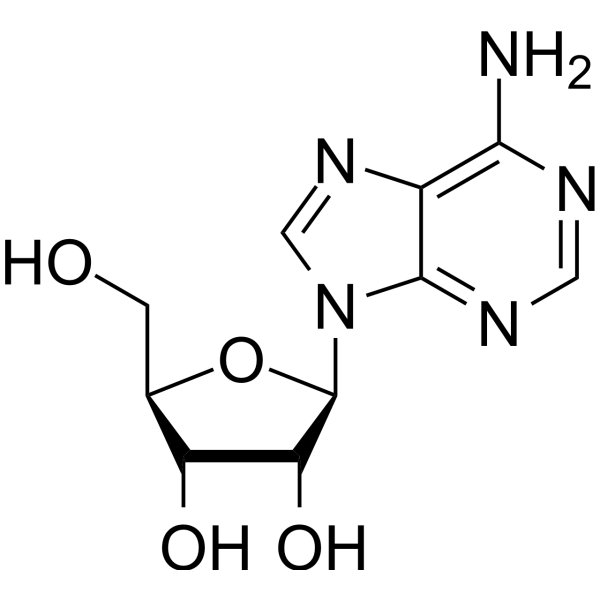
    Adenosine
    15+ Cited Publications

    Adenine riboside; D-Adenosine

    Environmental Pollutants Autophagy Nucleoside Antimetabolite/Analog Endogenous Metabolite Apoptosis Metabolic Disease Cancer
    Adenosine (Adenine riboside), a ubiquitous and BBB-permeable endogenous autacoid, acts through the enrollment of four G protein-coupled receptors: A1, A2A, A2B, and A3. Adenosine affects almost all aspects of cellular physiology, including neuronal activity, vascular function, platelet aggregation, and blood cell regulation .
    Adenosine
  • HY-113498
    Sphingomyelin
    1 Publications Verification

    Endogenous Metabolite Neurological Disease Metabolic Disease Inflammation/Immunology
    Sphingomyelin is a eukaryotic sphingolipid and one of the major constituents of cell membranes and particularly abundant in the myelin sheath that surrounds neuronal axons. Sphingomyelin plays an important role in cell processes, the regulation of inflammatory responses, and signal transduction. Sphingomyelin metabolism is associated with various central nervous system diseases and Niemann–Pick disease .
    Sphingomyelin
  • HY-18731
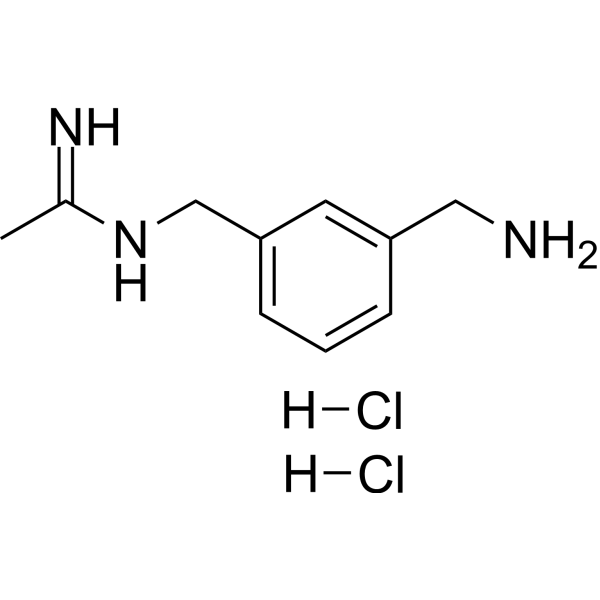
    1400W Dihydrochloride
    25+ Cited Publications

    NO Synthase Apoptosis Cardiovascular Disease Inflammation/Immunology Cancer
    1400W dihydrochloride is the dihydrochloride form of 1400W (HY-18730). 1400W is a slow, tight binding, and highly selective inducible nitric-oxide synthase (iNOS) inhibitor, with a Kd value ≤ 7 nM. 1400W inhibits iNOS induction in microglial cells, and reduces generation of NO, thereby mitigating oxidative stress and neuronal cell apoptosis in the rat cerebral cortex, and improving the spatial memory dysfunction caused by acute hypobaric hypoxia-reoxygenation .
    1400W Dihydrochloride
  • HY-A0067
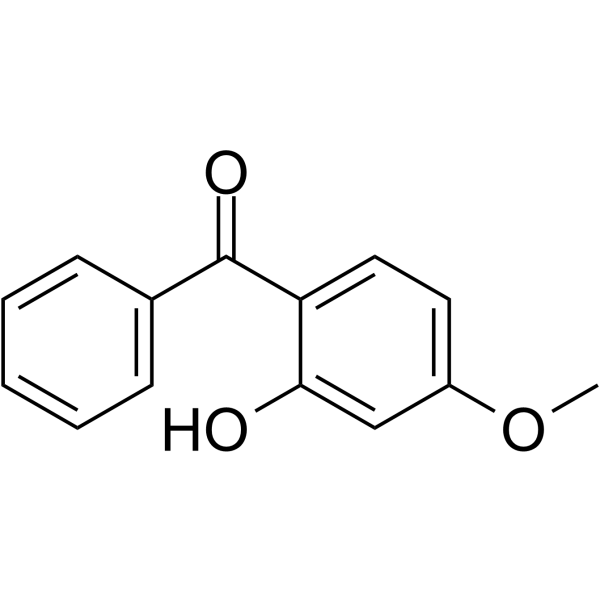
    Oxybenzone
    5+ Cited Publications

    Benzophenone 3

    Environmental Pollutants Autophagy RAR/RXR Apoptosis Neurological Disease
    Oxybenzone (Benzophenone 3) is a commonly used UV filter in sun tans and skin protectants. Oxybenzone act as endocrine disrupting chemicals (EDCs) and can pass through the placental and blood-brain barriers. Benzophenone-3 impairs autophagy, alters epigenetic status, and disrupts retinoid X receptor signaling in apoptotic neuronal cells .
    Oxybenzone
  • HY-B0640

    WAL801

    Histamine Receptor Transmembrane Glycoprotein Interleukin Related Cardiovascular Disease Neurological Disease Inflammation/Immunology Cancer
    Epinastine (WAL801) is a selective and orally active histamine H1 receptor antagonist, CD96/PVR inhibitor and mast cell stabilizer. Epinastine has high affinity for neuronal octopamine receptors in locusts (Ki = 2 nM) and honeybees (Ki = 1.1 nM). Epinastine hydrochloride inhibits TARC, IL-8, and IL-4. Epinastine activates anti-colon cancer immunity and inhibits Substance P (HY-P0201)-induced scratching behavior and increased vascular permeability. Epinastine can be used in the research of allergic diseases .
    Epinastine
  • HY-121802
    Dynarrestin
    4 Publications Verification

    Hedgehog Cancer
    Dynarrestin is a aminothiazole inhibitor of cytoplasmic dyneins 1 and 2. Dynarrestin rapidly and reversibly inhibits dynein 1-driven microtubule gliding in vitro plus a range of dynein 1- and 2-dependent processes in cells without affecting ATP hydrolysis and interfering with ciliogenesis. Dynarrestin suppresses hedgehog (Hh)-dependent proliferation of neuronal precursors and tumor cells .
    Dynarrestin
  • HY-B0517
    Mepivacaine
    1 Publications Verification

    Sodium Channel Neurological Disease
    Mepivacaine is an amide-type local anesthetic agent. Mepivacaine binds to specific voltage-gated sodium ion channels in neuronal cell membranes, which inhibits both sodium influx and membrane depolarization .
    Mepivacaine
  • HY-18730
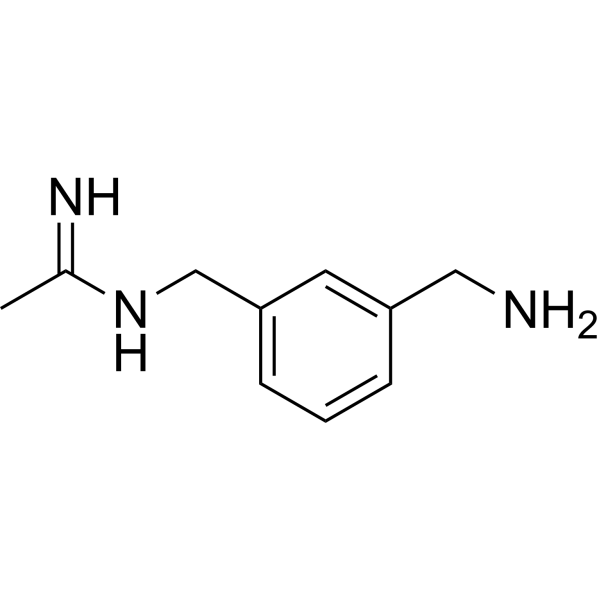
    1400W
    25+ Cited Publications

    W1400

    NO Synthase Apoptosis Cardiovascular Disease Inflammation/Immunology Cancer
    1400W is a slow, tight binding, and highly selective inducible nitric-oxide synthase (iNOS) inhibitor, with a Kd value ≤ 7 nM. 1400W inhibits iNOS induction in microglial cells, and reduces generation of NO, thereby mitigating oxidative stress and neuronal cell apoptosis in the rat cerebral cortex, and improving the spatial memory dysfunction caused by acute hypobaric hypoxia-reoxygenation .
    1400W
  • HY-B0603

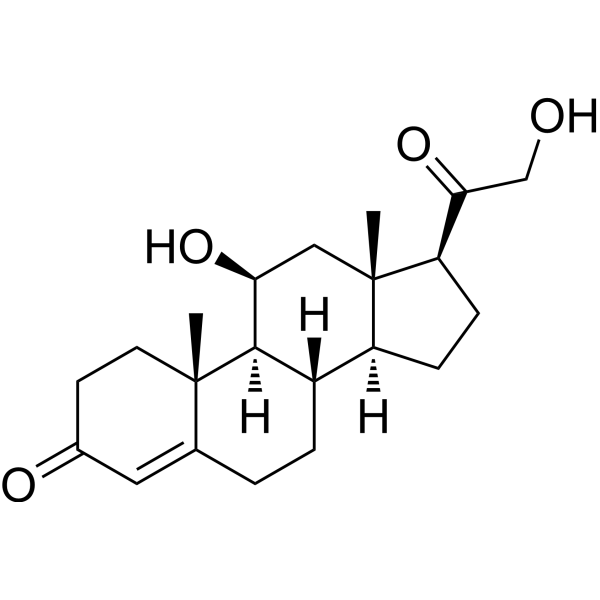
    Smo Glucocorticoid Receptor Infection Inflammation/Immunology Endocrinology
    Fluticasone is an inhaled corticosteroid used for respiratory research. Fluticasone is a Smo agonist with an IC50 value of 99 nM. Fluticasone activates Hedgehog signaling and promotes the proliferation of primary neuronal stem or precursor cells .
    Fluticasone
  • HY-B0228S11

    Adenine riboside-15N5; D-Adenosine-15N5

    Isotope-Labeled Compounds Cancer
    Adenosine- 15N5 (Adenine riboside- 15N5; D-Adenosine- 15N5) is the 15N labled Adenosine (HY-B0228). Adenosine (Adenine riboside), a ubiquitous endogenous autacoid, acts through the enrollment of four G protein-coupled receptors: A1, A2A, A2B, and A3. Adenosine affects almost all aspects of cellular physiology, including neuronal activity, vascular function, platelet aggregation, and blood cell regulation .
    Adenosine-15N5
  • HY-151527
    PI3K/Akt/CREB activator 1
    4 Publications Verification

    Akt PI3K Epigenetic Reader Domain Neurological Disease
    PI3K/Akt/CREB activator 1 (compound AE-18) is a potent, orally active PI3K/Akt/CREB activator. PI3K/Akt/CREB activator 1 promotes neuronal proliferation, induced differentiation of Neuro-2a cells into a neuron-like morphology, and accelerated the establishment of axon-dendrite polarization of primary hippocampal neurons through upregulating brain-derived neurotrophic factor via the PI3K/Akt/CREB pathway. PI3K/Akt/CREB activator 1 can be used in research of vascular dementia (VaD) .
    PI3K/Akt/CREB activator 1
  • HY-112798

    Apolipoprotein Neurological Disease
    PH-002 is an inhibitor of apolipoprotein (apo) E4 intramolecular domain interaction in neuronal cells that could rescue impairments of mitochondrial motility and neurite outgrowth.
    PH-002
  • HY-16689
    VU 0240551
    1 Publications Verification

    Potassium Channel Others
    VU 0240551 is a potent neuronal K-Cl cotransporter KCC2 inhibitor (IC50=560 nM) and is selective versus NKCC1. VU 0240551 also inhibits hERG and L-type Ca 2+ channels. VU 0240551 attenuates GABA-induced hyperpolarization of P cells, produces a positive shift in the P cell GABA reversal potential and enhances P cell synaptic transmission .
    VU 0240551
  • HY-B0517A
    Mepivacaine hydrochloride
    1 Publications Verification

    Sodium Channel Neurological Disease
    Mepivacaine hydrochloride binds to specific voltage-gated sodium ion channels in neuronal cell membranes, which inhibits both sodium influx and membrane depolarization .
    Mepivacaine hydrochloride
  • HY-B0228R

    Adenine riboside (Standard); D-Adenosine (Standard)

    Reference Standards Nucleoside Antimetabolite/Analog Autophagy Apoptosis Endogenous Metabolite Metabolic Disease Cancer
    Adenosine (Standard) is the analytical standard of Adenosine. This product is intended for research and analytical applications. Adenosine (Adenine riboside), a ubiquitous endogenous autacoid, acts through the enrollment of four G protein-coupled receptors: A1, A2A, A2B, and A3. Adenosine affects almost all aspects of cellular physiology, including neuronal activity, vascular function, platelet aggregation, and blood cell regulation .
    Adenosine (Standard)
  • HY-B0640A

    WAL801 hydrochloride

    Histamine Receptor Transmembrane Glycoprotein Interleukin Related Cardiovascular Disease Neurological Disease Inflammation/Immunology Cancer
    Epinastine hydrochloride (WAL801 hydrochloride) is a selective and orally active histamine H1 receptor antagonist, CD96/PVR inhibitor and mast cell stabilizer. Epinastine hydrochloride has high affinity for neuronal octopamine receptors in locusts (Ki = 2 nM) and honeybees (Ki = 1.1 nM). Epinastine hydrochloride inhibits TARC, IL-8, and IL-4. Epinastine hydrochloride activates anti-colon cancer immunity and inhibits Substance P (HY-P0201)-induced scratching behavior and increased vascular permeability. Epinastine hydrochloride can be used in the research of allergic diseases .
    Epinastine hydrochloride
  • HY-B0228S13

    Adenine riboside-13C10; D-Adenosine-13C10

    Isotope-Labeled Compounds Nucleoside Antimetabolite/Analog Endogenous Metabolite Autophagy Apoptosis Metabolic Disease Cancer
    Adenosine- 13C10 (Adenine riboside- 13C10; D-Adenosine- 13C10) is 13C-labeled Adenosine (HY-B0228). Adenosine (Adenine riboside), a ubiquitous endogenous autacoid, acts through the enrollment of four G protein-coupled receptors: A1, A2A, A2B, and A3. Adenosine affects almost all aspects of cellular physiology, including neuronal activity, vascular function, platelet aggregation, and blood cell regulation.
    Adenosine-13C10
  • HY-P10927A

    BRINP2-related peptide TFA

    PKA AP-1 Metabolic Disease
    BRP (BRINP2-related peptide) TFA is a 12-peptide derived from BRINP2 that can cross the blood-brain barrier. BRP TFA induces the central activation of FOS in neuronal cells via the cAMP-PKA-CREB signaling pathway. BRP TFA exerts anorectic and anti-obesity effects without triggering nausea or aversive responses. The action of BRP TFA is independent of the leptin, GLP-1 receptor and melanocortin 4 receptor pathways. BRP TFA is applicable to obesity-related research .
    BRP TFA
  • HY-127106
    VU0810464
    1 Publications Verification

    Potassium Channel Neurological Disease
    VU0810464 is a potent and selective non-ureaG protein-gated inwardly-rectifying potassium channels (GIRK, Kir3) activator. VU0810464 displays nanomolar potency for neuronal (EC50=165 nM) and GIRK1/4 (EC50=720 nM) channels with improved brain penetration .
    VU0810464
  • HY-N6951

    Apoptosis Akt mTOR Reactive Oxygen Species (ROS) Caspase Bacterial Fungal Infection Neurological Disease Metabolic Disease Inflammation/Immunology Cancer
    Guaiazulene is a bicyclic sesquiterpene. Guaiazulene exhibits various biological activities such as anti-inflammatory, antioxidant, hepatoprotective, antibacterial, and anti-tumor properties. Guaiazulene is also commonly used as a colorant in cosmetics. Guaiazulene shows in vitro cytotoxicity to rat neuronal cells and N2a neuroblastoma cells at high concentrations .
    Guaiazulene
  • HY-B0927

    (-)-β-Hydrastine; (1R,9S)-β-Hydrastine

    Tyrosine Hydroxylase Dopamine Receptor OAT Neurological Disease
    Hydrastine ((-)-β-Hydrastine; (1R,9S)-β-Hydrastine) is a selective competitive inhibitor of tyrosine hydroxylase (TH), inhibiting dopamine biosynthesis (IC50=20.7 μM, PC12 cells). Hydrastine also inhibits the organic cation transporter OCT1 (IC50=6.6 μM). Hydrastine may cause neuronal toxicity through mitochondrial dysfunction rather than oxidative stress damage, and can aggravate cell apoptosis when combined with L-DOPA. Hydrastine can be used to study Parkinson's disease-related dopaminergic neuronal damage .
    Hydrastine
  • HY-P5623
    RVG
    1 Publications Verification

    RVG29; RDP; Rabies Virus Glycoprotein-29

    nAChR Interleukin Related Neurological Disease Inflammation/Immunology
    RVG (RVG29) is a blood-brain barrier-permeable peptide derived from rabies virus glycoprotein, which binds to the α-7 subunit of neuronal nicotinic acetylcholine receptor (AchR). RVG efficiently delivers drugs to nerve cells and antigen-presenting cells in a targeted manner, and enhances the efficiency of antigen presentation and drug delivery .
    RVG
  • HY-10591
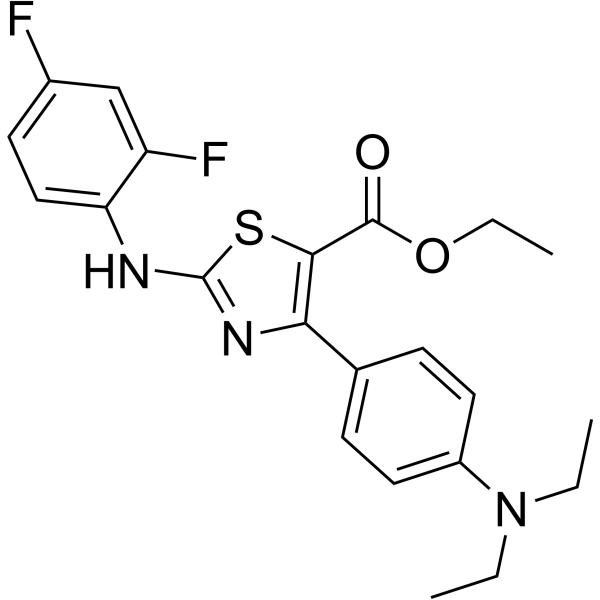
    Neuropathiazol
    1 Publications Verification

    TGF-β Receptor Neurological Disease
    Neuropathiazol, a neuronal differentiation inducer, selectively induces neuronal differentiation of multipotent hippocampal neural progenitor cells .
    Neuropathiazol
  • HY-118355
    ALLM
    1 Publications Verification

    Calpain inhibitor II

    Proteasome Cathepsin Neurological Disease
    ALLM (Calpain inhibitor II) is a potent inhibitor of calpain and cathepsin proteases. ALLM inhibits neuronal cell death and improves chronic neurological function after spinal cord injury (SCI) .
    ALLM
  • HY-P4086

    RABV nAChR Neurological Disease Cancer
    Chimeric Rabies Virus Glycoprotein Fragment (RVG-9R) is a cell-penetrating peptide that is synthesized by adding nona-arginine motif to the carboxy terminus of RVG (rabies virus glycoprotein). Chimeric Rabies Virus Glycoprotein Fragment (RVG-9R) binds to
    nAChR
    on neuronal cells to mediate receptor-mediated endocytosis and targeted siRNA delivery. Chimeric Rabies Virus Glycoprotein Fragment (RVG-9R) protects complexed siRNA from degradation, enhances transcellular siRNA delivery in neuronal cells, and promotes efficient, pecific gene silencing. Chimeric Rabies Virus Glycoprotein Fragment (RVG-9R) can be used for the researches of neurological disease and cancer .
    Chimeric Rabies Virus Glycoprotein Fragment (RVG-9R)
  • HY-P10927

    BRINP2-related peptide

    AP-1 PKA Metabolic Disease
    BRP is a 12-peptide derived from BRINP2 that can cross the blood-brain barrier. BRP induces the central activation of FOS in neuronal cells via the cAMP-PKA-CREB signaling pathway. BRP exerts anorectic and anti-obesity effects without triggering nausea or aversive responses. The action of BRP is independent of the leptin, GLP-1 receptor and melanocortin 4 receptor pathways. BRP is applicable to obesity-related research .
    BRP
  • HY-B1941
    4-tert-Octylphenol
    2 Publications Verification

    Endogenous Metabolite Apoptosis DNA/RNA Synthesis Neurological Disease Metabolic Disease Inflammation/Immunology Endocrinology
    4-tert-Octylphenol, a endocrine-disrupting chemical, is an estrogenic agent. 4-tert-Octylphenol is also a biodegradation product of non-ionic surfactants alkylphenol polyethoxylates. 4-tert-Octylphenol induces apoptosis in neuronal progenitor cells in offspring mouse brain. 4-tert-Octylphenol reduces bromodeoxyuridine (BrdU), mitotic marker Ki67, and phospho-histone H3 (p-Histone-H3), resulting in a reduction of neuronal progenitor proliferation. 4-tert-Octylphenol disrupts brain development and behavior in mice, which is promising for reserch of immune response, neuro-related diseases and ethology .
    4-tert-Octylphenol
  • HY-P2275

    Gap Junction Protein Neurological Disease
    Peptide5, a connexin 43 mimetic peptide, reduce animals swelling, astrogliosis, and neuronal cell death after spinal cord injury
    Peptide5
  • HY-139201D

    PDLHB (MW 4000-15000)

    CaSR Others
    Poly-D-lysine hydrobromide (MW 4000-15000) (PDLHB (MW 4000-15000)) is an artificially synthesized polymer matrix widely used in neuronal cell culture. Poly-D-lysine hydrobromide is also known as a calcium-sensing receptor (CaSR) agonist peptide .
    Poly-D-lysine hydrobromide (MW 4000-15000)
  • HY-N11229

    Caffeic acid butyl ester

    Drug Derivative Neurological Disease
    Butyl caffeate (Caffeic acid butyl ester) is a caffeic acid derivative with antioxidant activity and lipophilicity (DPPH IC50 = 14.1 μM). Butyl caffeate protects neuronal PC12 cells against oxidative stress. Butyl caffeate can be used for oxidative stress related and neurodegenerative diseases research .
    Butyl caffeate
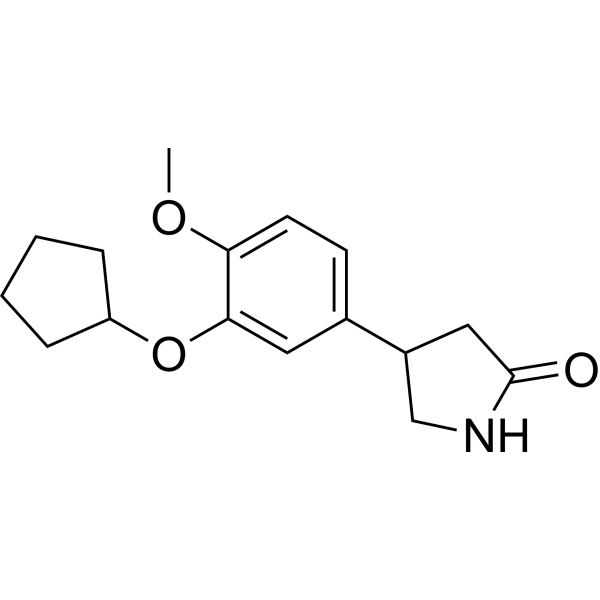
  • HY-N5021

    AHSYB

    Others Neurological Disease
    Anhydrosafflor yellow B (AHSYB) is a quinochalcone C-glycoside isolated from Carthamus tinctorius. Anhydrosafflor yellow B inhibits ADP-induced platelet aggregation, exhibits significant anti-oxidative effects in vitro, and possesses certain activity against H2O2-induced cytotoxicity in cultured PC12 cells and primary neuronal cells .
    Anhydrosafflor yellow B
  • HY-D2335

    Fluorescent Dye Neurological Disease
    SERTlight is a fluorescent agent that can specifically label serotonergic neuronal cell bodies, dendrites, and axonal projections as fluorescent substrates of the serotonin transporter (SERT). SERTlight is orthogonal to various genetically encoded sensors in terms of optics, pharmacology, and operation, enabling multiple imaging. SERTlight allows the use of GRAB5HT sensors to label distal 5HT axonal projections and simultaneously image the release of endogenous 5HT, providing a new multifunctional molecular tool for studying serotonergic systems .
    SERTlight
  • HY-148913

    CaMK Neurological Disease
    CS587 is a specific inhibitor of CaMK1D with neurocytotoxicity at 10 μM. CS587 modulates the sensitivity of neuronal cells to Aβ oligomer toxicity .
    CS587
  • HY-N3711

    JNK ERK Apoptosis Neurological Disease
    Dehydrocrenatidine, a β-carboline alkaloid that can be isolated from Picrasma quassioides. Dehydrocrenatidine induces cell apoptosis by activates ERK and JNK. Dehydrocrenatidine inhibits invasion and migration of cancer cells, it also suppresses neuronal excitability to exert analgesic effects .
    Dehydrocrenatine
  • HY-120553
    B-355252
    1 Publications Verification

    Apoptosis Neurological Disease
    B355252, a phenoxy thiophene sulfonamide small molecule, is a potent NGF receptor agonist. B355252 potentiates NGF-induced neurite outgrowth. B355252 protects ischemic neurons from neuronal loss by attenuating DNA damage, reducing ROS production and the LDH level, and preventing neuronal apoptosis. B355252 has anti-apoptotic effects in glutamate-induced excitotoxicity, as well as in a murine hippocampal cell line (HT22) model of Parkinson disease (PD) .
    B-355252
  • HY-P10998

    TET Protein Neurological Disease
    Tet1 peptide is a peptide that specifically binds to neurons. Tet1 peptide binds to GT1B ganglioside and trisialoganglioside clostridial toxin receptor on the surface of neuronal cells, and can be used in peptide conjugation and drug delivery research .
    Tet1 peptide
  • HY-179055

    PROTACs DAPK Neurological Disease
    PROTAC DAPK1 Degrader-1 (Compound CP1) is a DAPK1 PROTAC degrader with a DC50 of 119.6 nM. PROTAC DAPK1 Degrader-1 significantly increased the MDM2 protein level. PROTAC DAPK1 Degrader-1 significantly reduced the levels of cleaved caspase-3 and cleaved PARP in a cell apoptosis model induced by the neurotoxin ceramide, indicating that it effectively inhibits neuronal apoptosis by degrading DAPK1. PROTAC DAPK1 Degrader-1 can be used to study neurological diseases such as cerebral ischemia and traumatic brain injury (pink: DAPK1 ligand (HY-179071); blue: CRBN ligand (HY-10984); black: linker (HY-40171)) .
    PROTAC DAPK1 Degrader-1
  • HY-W392413

    Drug Derivative Reactive Oxygen Species (ROS) Cardiovascular Disease Neurological Disease Metabolic Disease Inflammation/Immunology
    Glutathione monoethyl ester is a glutathione derivative that can be transported into cells and hydrolyzed into glutathione. Glutathione monoethyl ester downregulates the gene expression of TEN1 and CTC1 while upregulating TERT expression. Glutathione monoethyl ester enhances telomerase activity, promotes proliferation and differentiation in aged bone marrow stromal cells, while elevating glutathione levels and reducing oxidative stress, protein aggregation and cell death in motor neuronal cells. Glutathione monoethyl ester confers broad multi-organ protection against cerebral ischemia, renal injury, liver damage, and pancreatitis. Glutathione monoethyl ester can be used for the research of amyotrophic lateral sclerosis, stroke, acute renal failure, liver injury, and acute pancreatitis .
    Glutathione monoethyl ester
  • HY-P3840

    Mitosis Neurological Disease Cancer
    Head activator neuropeptide is a mitogen for mammalian cell lines of neuronal or neuroendocrine origin. Head activator neuropeptide signals by binding GPR37 and stimulates cells to enter mitosis .
    Head activator neuropeptide
  • HY-N6669
    Methyl 3-O-methylgallate
    2 Publications Verification

    M3OMG

    Others Neurological Disease
    Methyl 3-O-methylgallate (M3OMG) possesses antioxidant effect and can protect neuronal cells from oxidative damage .
    Methyl 3-O-methylgallate
  • HY-131006

    Monoamine Transporter Neurological Disease
    FFN200 dihydrochloride, a fluorescent substrate of VMAT2, selectively trace monoamine exocytosis in both neuronal cell culture and brain tissue. The fluorescence excitation and emission maxima of FFN200 are determined to be 352 and 451 nm, respectively .
    FFN200 dihydrochloride
  • HY-129101

    Eseroline fumarate

    5-HT Receptor Neurological Disease
    (-)-Eseroline fumarate is a metabolic of Physostigmine (HY-N6608), an AChE inhibitor. (-)-Eseroline fumarate elicits a leakage of lactic acid dehydrogenase (LDH) from cancer cells. (-)-Eseroline fumarate also induces the release of adenine nucleotides and 5-hydroxytryptamine (5-HT) from neuronal cells, thus induce cell death. (-)-Eseroline fumarate inhibits the electrically evoked twitches of the mouse vas deferens and of the guinea-pig ileum .
    (-)-Eseroline fumarate
  • HY-D2155

    Fluorescent Dye Others
    Texas red-X 4-succinimidyl ester is a derivative of Texas Red (HY-101878), an amphoteric rhodamine red fluorescent dye. Texas Red is widely used to study neuronal morphology and as a cell type-selective fluorescent marker for astrocytes, both in vivo and in slice preparations.
    Texas red-X 4-succinimidyl ester
  • HY-P4704A

    α-synuclein Neurological Disease
    α-Synuclein (61-95) (human) TFA is the hydrophobic core region of α-synuclein, and induces neuronal cell death. α-Synuclein (61-95) (human) TFA can be used for research of neurodegenerative diseases, including Alzheimer’s disease (AD) and Parkinson’s disease (PD) .
    α-Synuclein (61-95) (human) TFA
  • HY-B0228S12

    Adenine riboside-d13; D-Adenosine-d13

    Isotope-Labeled Compounds Nucleoside Antimetabolite/Analog Endogenous Metabolite Autophagy Apoptosis Metabolic Disease Cancer
    Adenosine-d13 (Adenine riboside-d13; D-Adenosine-d13) is deuterium labeled Adenosine (HY-B0228). Adenosine (Adenine riboside), a ubiquitous endogenous autacoid, acts through the enrollment of four G protein-coupled receptors: A1, A2A, A2B, and A3. Adenosine affects almost all aspects of cellular physiology, including neuronal activity, vascular function, platelet aggregation, and blood cell regulation.
    Adenosine-d13
  • HY-165035

    Glucocerebrosides; Gaucher cerebroside; GluCers (gaucher's spleen)

    Endogenous Metabolite Neurological Disease Metabolic Disease
    Glucosylceramides are sphingolipid molecules found in both neuronal and non-neuronal mammalian tissues, as well as in low quantities across various plant species. Elevated levels of glucosylceramides provide cellular protection and prepare certain cells for proliferation; however, they have also been linked to obesity-induced insulin resistance in mice and to neuronal deficits observed in neuronopathic Gaucher disease .
    Glucosylceramide (gaucher's spleen)
  • HY-P5623B
    RVG TFA
    1 Publications Verification

    RVG29 TFA; RDP TFA; Rabies Virus Glycoprotein-29 TFA

    Bacterial Infection
    RVG TFA is a peptide derived from Rabies Virus Glycoprotein that binds to the α-7 subunit of nicotinic acetylcholine receptors (AchR) of neuronal cells. RVG enhances delivery of Mycobacterium tuberculosis antigens to antigen-presenting cells .
    RVG TFA
  • HY-D1672

    Fluorescent Dye Neurological Disease
    TMR Biocytin is a polar tracer used in the research of cell-cell and cell-liposome fusions, as well as membrane permeability and cellular uptake during pinocytosis. TMR Biocytin can be detected using streptavidin, and is an effective neuronal tracer in live tissue (Ex=544 nm, Em=571 nm) .
    TMR Biocytin
  • HY-108248

    HSP Cardiovascular Disease Neurological Disease Metabolic Disease
    KU-32 is a novel, novobiocin-based Hsp90 inhibitor that can protect against neuronal cell death.
    KU-32
  • HY-P2275B

    Gap Junction Protein NOD-like Receptor (NLR) Inflammation/Immunology
    Peptide5 TFA, a connexin 43 mimetic peptide, reduces animals swelling, astrogliosis, and neuronal cell death after spinal cord injury. Peptide5 TFA also inhibits NLRP3 inflammasome, and is an anti-inflammatory agent .
    Peptide5 TFA

Inquiry Online

Your information is safe with us. * Required Fields.

Salutation


Country or Region *

Applicant Name *


Organization Name *

Department *


Email Address *


Product Name *

Cat. No.


Requested quantity *

Phone Number *


Remarks

Inquiry Online

Inquiry Information

Product Name:
Cat. No.:
Quantity:
MCE Japan Authorized Agent:

