






Search Result
Results for "
Peptide tag
" in MedChemExpress (MCE) Product Catalog:
4
Biochemical Assay Reagents
| Cat. No. |
Product Name |
Target |
Research Areas |
Chemical Structure |
-
- HY-P0223
-
FLAG peptide
Maximum Cited Publications
26 Publications Verification
|
Biochemical Assay Reagents
|
Inflammation/Immunology
|
|
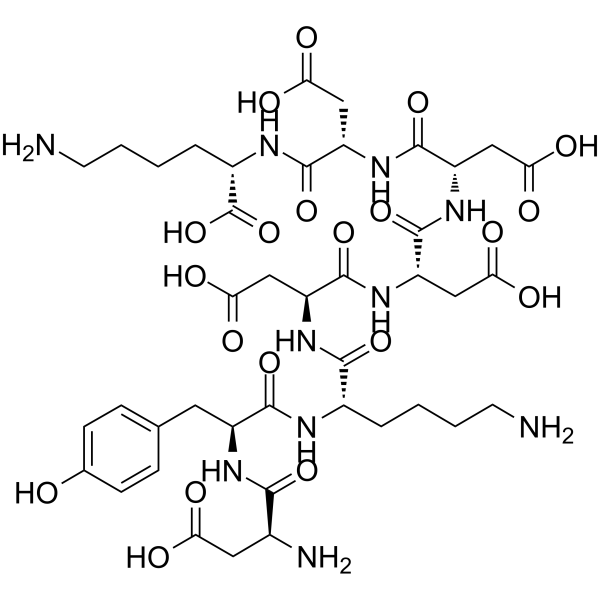
FLAG peptide is a multifunctional fusion tag for the purification of recombinant proteins. FLAG peptide maintances the natural folding of its fusing proteins. FLAG peptide can be removed by enterokinase, and eluted under non-denaturing conditions .
|
-
-
- HY-P0319
-
|
|
Biochemical Assay Reagents
|
Others
|
|
3X FLAG peptides are FLAG-tagged peptides containing three repeats of the Asp-Tyr-Lys-Xaa-Xaa-Asp motif. 3X FLAG peptide can be used for protein separation and purification, and competitive elution with target proteins.
|
-
-
- HY-P0239
-
|
|
Influenza Virus
|
Inflammation/Immunology
|
|
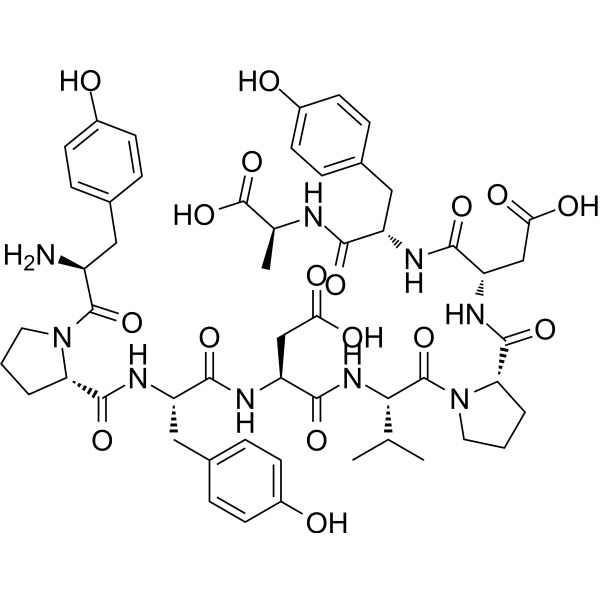
HA Peptide (HA tag) is a nine amino acids peptide derived from the human influenza hemagglutinin (HA). HA Peptide is extensively used to isolate, purify, detect, and track the protein of interest in cell biology and biochemistry.
|
-
-
- HY-P0294
-
|
6X His tag
|
Biochemical Assay Reagents
|
Others
|
|
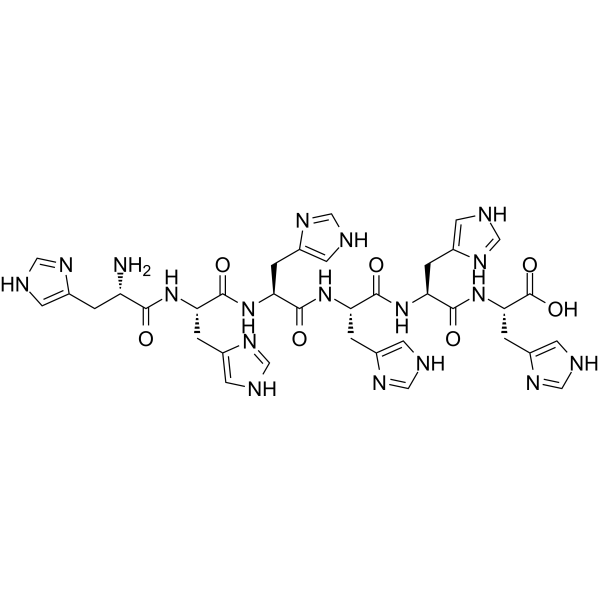
Hexa-His (6X His Tag) is a commonly used affinity tag made up of six histidine residues. HEXA-HIS can bind to affinity chromatography media containing transition metal ions like nickel (Ni 2+) or cobalt (Co 2+), making it useful for protein purification .
|
-
-
- HY-125586
-
|
|
DNA/RNA Synthesis
ADC Payload
|
Cancer
|
|
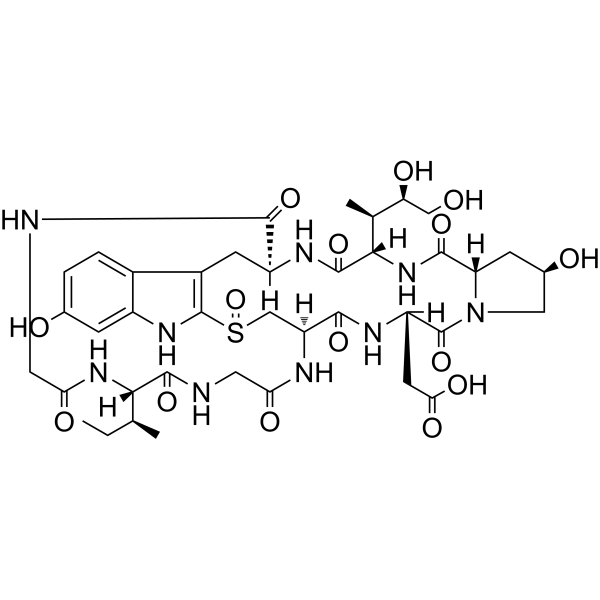
β-Amanitin is a cyclic peptide toxin in the poisonous Amanita phalloides mushroom. β-Amanitin inhibits inhibits eukaryotic RNA polymerase II and III. β-Amanitin inhibits protein synthesis. β-Amanitin can be used as a cytotoxic component of antibody-drug conjugates (ADCs) .
|
-
-
- HY-P0325
-
|
|
Biochemical Assay Reagents
|
Others
|
|
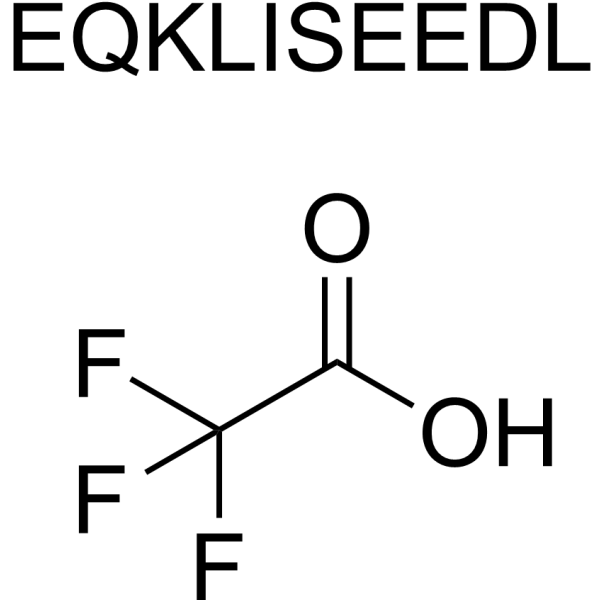
V5 Epitope Tag Peptide TFA is a tag peptide derived from a small epitope present on the P and V proteins of the paramyxovirus of simian virus 5. V5 Epitope Tag Peptide TFA can be used for protein separation and purification, and competitive elution with target proteins .
|
-
-
- HY-P5096
-
|
|
Amyloid-β
|
Neurological Disease
|
|
FITC-β-Ala-Amyloid β-Protein (1-42) is a FITC tagged Aβ1-42 peptide. Aβ1-42 plays a key role in the pathogenesis of Alzheimer’s disease .
|
-
-
- HY-P3908
-
|
|
Amyloid-β
|
Neurological Disease
|
|
FITC-β-Ala-Amyloid β-Protein (1-42) ammonium is a FITC tagged Aβ1-42 peptide. Aβ1-42 plays a key role in the pathogenesis of Alzheimer’s disease .
|
-
-
- HY-P10633
-
|
|
Amino Acid Derivatives
|
Others
|
|
SmBiT Tag is an 11-amino-acid short peptide with extremely low natural affinity for LgBiT, with a Kd value of approximately 190 μM. It serves as a core component of the NanoLuc Binary Technology (NanoBiT) system. NanoBiT is a bioluminescent reporter system based on protein fragment complementation technology, which is used to monitor dynamic protein-protein interactions in live cells and in vitro .
|
-
-
- HY-P0328
-
|
|
VSV
|
Infection
|
|
VSV-G tag Peptide is a 11 amino acid peptide derived from the Vesicular Stomatitis viral glycoprotein. VSV-G tag Peptide can integrate into the cell membranes of animal cells, induce cell fusion, and significantly enhance the efficiency of DNA transfection into animal cells. VSV-G tag Peptide can be used for research on drug delivery .
|
-
-
- HY-N15871
-
|
|
Liposome
|
Others
|
|
18:1 DGS-NTA(Ni) is a nickel chelating lipid. 18:1 DGS-NTA(Ni) has high affinity for histidine-tags and can bind histidine tags of recombinant proteins. 18:1 DGS-NTA(Ni) can be used for preparation of liposomes and nanosize multilamellar vesicles (NMVs) which are used in protein and peptide binding studies and antigen delivery .
|
-
-
- HY-P0312
-
|
|
c-Myc
|
Cancer
|
|
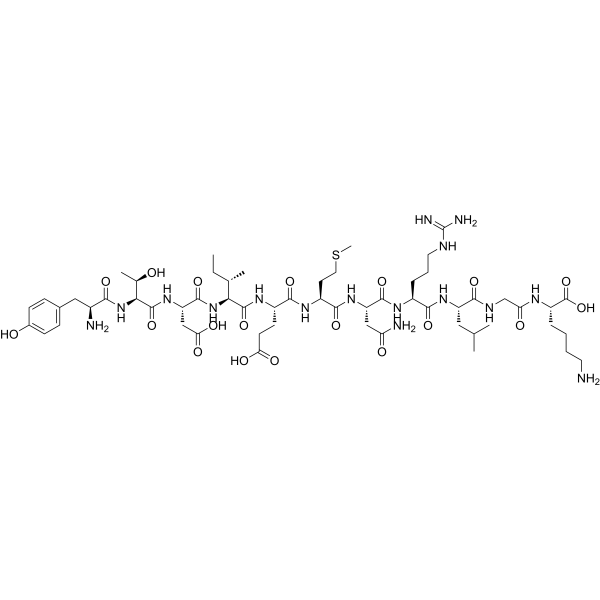
c-Myc Peptide (TFA) is a synthetic peptide corresponding to the C-terminal amino acids (410-419) of human c-myc protein, and participates in regulation of growth-related gene transcription.
|
-
-
- HY-P1047
-
|
[Pro18, Asp21] β-Amyloid (17-21)
|
Amyloid-β
|
Neurological Disease
|
|
β-Sheet Breaker Peptide iAβ5 is an effective brain amyloid-β (Abeta) degrader. Abeta deposits are associated with Alzheimer's disease (AD), and the related toxicity arises from its β-sheet conformation and aggregation. β-Sheet Breaker Peptide iAβ5 can repeatedly induce the degradation of fibrillary amyloid deposits in vivo. Therefore, β-Sheet Breaker Peptide iAβ5 can prevent and/or reverse neuronal contraction caused by Abeta and reduce the range of interleukin IL-1beta positive microglial-like cells around Abeta deposits. β-Sheet Breaker Peptide iAβ5 can reduce the size and/or number of brain amyloid plaques in AD. β-Sheet Breaker Peptide iAβ5 is labeled with a hydrophobic benzyl alcohol (HBA) tag and shows a bright blue color under acidic conditions, which can be used for quantitative determination.
|
-
-
- HY-P5314
-
|
|
EGFR
STAT
|
Others
|
|
OK2, a specific inhibitor of the CCN2/EGFR interaction, efficiently blocks CCN2/EGFR interaction through binding to the CT domain of CCN2. OK2 can be used for kidney fibrosis and chronic kidney disease research .
|
-
-
- HY-P0223A
-
|
|
Biochemical Assay Reagents
|
Others
|
|
FLAG peptide TFA is the TFA salt form of FLAG peptide (HY-P0223). FLAG peptide TFA is a multifunctional fusion tag for the purification of recombinant proteins. FLAG peptide TFA maintances the natural folding of its fusing proteins. FLAG peptide TFA can be removed by enterokinase, and eluted under non-denaturing conditions .
|
-
-
- HY-P1801A
-
|
Cys-[HIV-Tat (47-57)] TFA
|
HIV
Drug Derivative
|
Others
|
|
Cys-TAT(47-57) (Cys-[HIV-Tat (47-57)]) TFA, TAT (HY-P0281) derivative, is a Cysteine (HY-Y0337)-tagged cell-penetrating peptide (CPP) derived from the HIV TAT protein. Cys-TAT(47-57) TFA can be used for the research for the research of drug delivery .
|
-
-
- HY-P5969
-
-
-
- HY-P3332A
-
|
|
Biochemical Assay Reagents
|
Others
|
|
DYKDDDDK peptide (FLAG) is a useful tool for investigating the function and localization of proteins whose antibodies (Abs) are not available. Often it is also used in a 3X FLAG format (3x DYKDDDDK Tag TFA) for purifying difficult proteins that accumulate in low abundance .
|
-
-
- HY-E70565
-
|
|
Endonuclease
|
Inflammation/Immunology
|
O-Glycoprotease is an O-glycoprotein-specific endoprotease that catalyzes the hydrolysis of peptide bonds directly adjacent to the O-polymer in native mucin-type O-glycosylated proteins. O-Glycoprotease sequence is from Akkermansia muciniphila, recombinantly expressed in E.coli, with a 6×His tag at the C-terminus.
The enzyme maintains high activity between pH 5.5-7.5 and is resistant to 1M NaCl, but is highly sensitive to EDTA (0.5 mM EDTA) and can be inhibited by Zn 2+.
|
-
-
- HY-P2467
-
|
|
Fluorescent Dye
|
Metabolic Disease
|
|
Biotin-TAT (47-57), a biotin tagged TAT, is a transactivator of transcription. Biotin-TAT (47-57) is one of the most widely used protein transduction domains (PTDs) into different primary cells is ATP- and temperature-dependent, indicating the involvement of endocytosis .
|
-
-
- HY-P3738
-
-
-
- HY-P3763
-
-
-
- HY-P11316
-
|
|
Biochemical Assay Reagents
Drug-Linker Conjugates for ADC
|
Others
|
|
DBCO-tag peptide P1 is a cysteine-containing peptide tag. DBCO-tag peptide P1 selectively reacts with dibenzocyclooctyne (DBCO) to yield stable dibenzocyclooctenyl thioethers. DBCO-tag peptide P1 enables site-selective mEGFP labeling and antibody (such as Trastuzumab (HY-P9907)) labelling without impairing the protein binding function. DBCO-tag peptide P1 can be used for ADC synthesis and mEGFP labeling research .
|
-
-
- HY-P1801
-
|
Cys-[HIV-Tat (47-57)]
|
HIV
Drug Derivative
|
Others
|
|
Cys-TAT(47-57) (Cys-[HIV-Tat (47-57)]), TAT (HY-P0281) derivative, is a Cysteine (HY-Y0337)-tagged cell-penetrating peptide (CPP) derived from the HIV TAT protein. Cys-TAT(47-57) can be used for the research for the research of drug delivery .
|
-
-
- HY-W480799
-
|
Gly-Gly-Tyr
|
Biochemical Assay Reagents
|
Others
|
|
H-Gly-Gly-Tyr-OH is a tripeptide that plays an important role in various biochemical applications. H-Gly-Gly-Tyr-OH can be used in the fields of pharmaceuticals and biochemistry .
|
-
-
- HY-151786
-
|
|
ADC Linker
|
Others
|
|
Fmoc-L-Lys(Pentynoyl-DIM)-OH is a click chemistry reagent containing an azide. Fmoc-L-Lys(Pentynoyl-DIM)-OH can be used as a SPPS building block for the “helping hand” strategy for purification of highly insoluble peptides. Solubilizing residues are attached to the Lys side-chains using Click-chemistry. The solubilizing tag can be removed with 1M hydrazine or hydroxylamine solution . It contains an azide group and can undergo copper-catalyzed azide-alkyne cycloaddition (CuAAc) with molecules containing alkyne groups. It can also undergo ring strain-promoted alkyne-azide cycloaddition (SPAAC) with molecules containing DBCO or BCN groups.
|
-
-
- HY-W800701
-
|
|
Biochemical Assay Reagents
|
Others
|
|
BP Fluor 546 DBCO is an azide-reactive probe that can be used for imaging azide-tagged biomolecules via a copper-free click reaction. The DBCO moiety reacts with azides to form a stable triazole and does not require a Cu-catalyst or elevated temperatures. In applications where the presence of copper is a concern, BP Fluor 546 DBCO is an ideal alternative to copper-requiring fluorescent alkynes.
BP Fluor 546 is a water-soluble, pH-insensitive (from pH 4-10), orange-fluorescent dye with absorption and emission maxima at 554 and 570 nm, respectively. It can be used with the 488 nm and 532 nm laser lines. BP Fluor 546 dye conjugates to a variety of antibodies, peptides, proteins, tracers, and amplification substrates, which are often used for generating stable signals in imaging and flow cytometry.
|
-
-
- HY-P11790
-
|
C-tag Peptide
|
Biochemical Assay Reagents
|
Infection
|
|
EPEA tag peptide (C-Tag peptide) is an epitope tag peptide. EPEA tag peptide enables elution of the SpaP EPEA complex. EPEA tag peptide is applicable to research related to bacterial type III secretion systems .
|
-
-
- HY-P5768
-
|
|
Biochemical Assay Reagents
|
Others
|
|
2× ST-tag II is an oligopeptide that can link proteins and dsDNA molecules in an efficient, rapid and specific manner. 2× ST-tag II is a peptide ligand of ST Tactin (STN). 2× ST-tag II specifically binds to ST Tactin. 2× ST-tag II can be used to construct DNA-protein hybrids .
|
-
-
- HY-P5768A
-
|
|
Biochemical Assay Reagents
|
Cancer
|
|
2× ST-tag II TFA is an oligopeptide that can link proteins and dsDNA molecules in an efficient, rapid and specific manner. 2× ST-tag II is a peptide ligand of ST Tactin (STN). 2× ST-tag II TFA specifically binds to ST Tactin. 2× ST-tag II TFA can be used to construct DNA-protein hybrids .
|
-
-
- HY-172503
-
|
|
Liposome
|
Cancer
|
|
DSPE-PEG2000-KAA is a PEG compound which composed of DSPE and a CKAAKNK peptide (KAA). KAA specifically binds to tumor vessels in RIP-Tag2 transgenic mice. DSPE-PEG2000-KAA can be used for drug delivery .
|
-
-
- HY-172503A
-
|
|
Liposome
|
Cancer
|
|
DSPE-PEG3400-KAA is a PEG compound which composed of DSPE and a CKAAKNK peptide (KAA). KAA specifically binds to tumor vessels in RIP-Tag2 transgenic mice. DSPE-PEG3400-KAA can be used for drug delivery .
|
-
-
- HY-P0110
-
|
(Iso)-Z-Val-Ala-Asp(OMe)-FMK
|
Caspase
|
Cancer
|
|
(Iso)-Z-VAD(OMe)-FMK ((Iso)-Z-Val-Ala-Asp(OMe)-FMK) is an isomer of the caspase and UCHL1 inhibitor Z-VAD(OMe)-FMK (HY-16658) .
|
-
-
- HY-151787
-
|
|
ADC Linker
|
Others
|
|
Fmoc-L-Lys(N3-Aca-DIM)-OH is a click chemistry reagent containing an azide group. Used as a SPPS building-block for the “helping hand” strategy for purification of highly insoluble peptides. Solubilizing residues are attached to the Lys side-chains using Click-chemistry. The solubilizing tag can be removed with 1M hydrazine or hydroxylamine solution . It contains an azide group and can undergo copper-catalyzed azide-alkyne cycloaddition (CuAAc) with molecules containing alkyne groups. It can also undergo ring strain-promoted alkyne-azide cycloaddition (SPAAC) with molecules containing DBCO or BCN groups.
|
-
-
- HY-172504
-
|
|
Liposome
|
Cancer
|
|
DSPE-PEG5000-KAA is a PEG compound which composed of DSPE and a CKAAKNK peptide (KAA). KAA specifically binds to tumor vessels in RIP-Tag2 transgenic mice. DSPE-PEG5000-KAA can be used for drug delivery .
|
-
-
- HY-172502
-
|
|
Liposome
|
Cancer
|
|
DSPE-PEG1000-KAA is a PEG compound which composed of DSPE and a CKAAKNK peptide (KAA). KAA specifically binds to tumor vessels in RIP-Tag2 transgenic mice. DSPE-PEG1000-KAA can be used for drug delivery .
|
-
| Cat. No. |
Product Name |
Type |
-
- HY-P11316
-
|
|
Fluorescent Dyes
|
|
DBCO-tag peptide P1 is a cysteine-containing peptide tag. DBCO-tag peptide P1 selectively reacts with dibenzocyclooctyne (DBCO) to yield stable dibenzocyclooctenyl thioethers. DBCO-tag peptide P1 enables site-selective mEGFP labeling and antibody (such as Trastuzumab (HY-P9907)) labelling without impairing the protein binding function. DBCO-tag peptide P1 can be used for ADC synthesis and mEGFP labeling research .
|
-
- HY-W800701
-
|
|
Fluorescent Dyes
|
|
BP Fluor 546 DBCO is an azide-reactive probe that can be used for imaging azide-tagged biomolecules via a copper-free click reaction. The DBCO moiety reacts with azides to form a stable triazole and does not require a Cu-catalyst or elevated temperatures. In applications where the presence of copper is a concern, BP Fluor 546 DBCO is an ideal alternative to copper-requiring fluorescent alkynes.
BP Fluor 546 is a water-soluble, pH-insensitive (from pH 4-10), orange-fluorescent dye with absorption and emission maxima at 554 and 570 nm, respectively. It can be used with the 488 nm and 532 nm laser lines. BP Fluor 546 dye conjugates to a variety of antibodies, peptides, proteins, tracers, and amplification substrates, which are often used for generating stable signals in imaging and flow cytometry.
|
| Cat. No. |
Product Name |
Type |
-
- HY-172503
-
|
|
Biochemical Assay Reagents
|
|
DSPE-PEG2000-KAA is a PEG compound which composed of DSPE and a CKAAKNK peptide (KAA). KAA specifically binds to tumor vessels in RIP-Tag2 transgenic mice. DSPE-PEG2000-KAA can be used for drug delivery .
|
-
- HY-172503A
-
|
|
Biochemical Assay Reagents
|
|
DSPE-PEG3400-KAA is a PEG compound which composed of DSPE and a CKAAKNK peptide (KAA). KAA specifically binds to tumor vessels in RIP-Tag2 transgenic mice. DSPE-PEG3400-KAA can be used for drug delivery .
|
-
- HY-172504
-
|
|
Biochemical Assay Reagents
|
|
DSPE-PEG5000-KAA is a PEG compound which composed of DSPE and a CKAAKNK peptide (KAA). KAA specifically binds to tumor vessels in RIP-Tag2 transgenic mice. DSPE-PEG5000-KAA can be used for drug delivery .
|
-
- HY-172502
-
|
|
Biochemical Assay Reagents
|
|
DSPE-PEG1000-KAA is a PEG compound which composed of DSPE and a CKAAKNK peptide (KAA). KAA specifically binds to tumor vessels in RIP-Tag2 transgenic mice. DSPE-PEG1000-KAA can be used for drug delivery .
|
| Cat. No. |
Product Name |
Target |
Research Area |
-
- HY-P0223
-
FLAG peptide
Maximum Cited Publications
26 Publications Verification
|
Biochemical Assay Reagents
|
Inflammation/Immunology
|
|
FLAG peptide is a multifunctional fusion tag for the purification of recombinant proteins. FLAG peptide maintances the natural folding of its fusing proteins. FLAG peptide can be removed by enterokinase, and eluted under non-denaturing conditions .
|
-
- HY-P0319
-
|
|
Biochemical Assay Reagents
|
Others
|
|
3X FLAG peptides are FLAG-tagged peptides containing three repeats of the Asp-Tyr-Lys-Xaa-Xaa-Asp motif. 3X FLAG peptide can be used for protein separation and purification, and competitive elution with target proteins.
|
-
- HY-P0239
-
|
|
Influenza Virus
|
Inflammation/Immunology
|
|
HA Peptide (HA tag) is a nine amino acids peptide derived from the human influenza hemagglutinin (HA). HA Peptide is extensively used to isolate, purify, detect, and track the protein of interest in cell biology and biochemistry.
|
-
- HY-P0319A
-
|
|
Peptides
|
Others
|
|
3X FLAG peptide TFA is a FLAG-tagged peptide containing three repeats of the Asp-Tyr-Lys-Xaa-Xaa-Asp motif. 3X FLAG peptide TFA can be used for protein separation and purification, and competitive elution with target proteins.
|
-
- HY-P0294
-
|
6X His tag
|
Biochemical Assay Reagents
|
Others
|
|
Hexa-His (6X His Tag) is a commonly used affinity tag made up of six histidine residues. HEXA-HIS can bind to affinity chromatography media containing transition metal ions like nickel (Ni 2+) or cobalt (Co 2+), making it useful for protein purification .
|
-
- HY-125586
-
|
|
DNA/RNA Synthesis
ADC Payload
|
Cancer
|
|
β-Amanitin is a cyclic peptide toxin in the poisonous Amanita phalloides mushroom. β-Amanitin inhibits inhibits eukaryotic RNA polymerase II and III. β-Amanitin inhibits protein synthesis. β-Amanitin can be used as a cytotoxic component of antibody-drug conjugates (ADCs) .
|
-
- HY-P0326
-
|
|
Peptides
|
Others
|
|
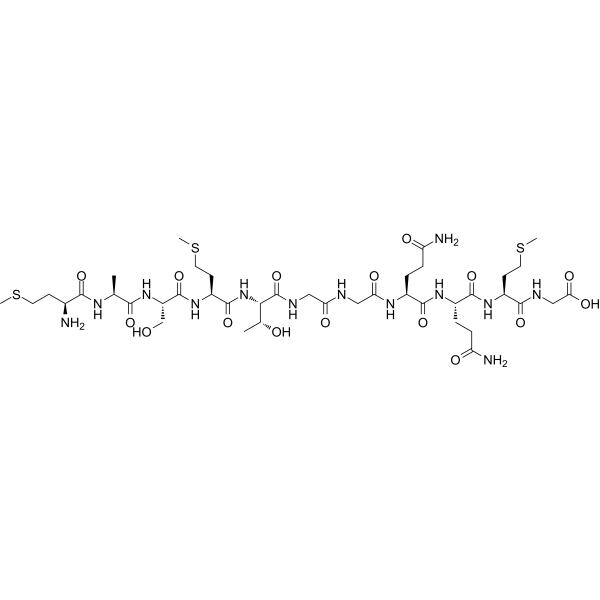
S Tag Peptide is a 15 amino acid peptide derived from RNase A.
|
-
- HY-P0327
-
|
|
Peptides
|
Others
|
|
T7 Tag Peptide is a protein tag peptide composed of 11 residues from the N-terminus of gp10, the capsid protein of T7 bacteriophage. T7 Tag Peptide can be fused to the N-terminus or C-terminus of proteins such as enhanced green fluorescent protein (EGFP). T7 Tag Peptide is applicable for various immunoassays and affinity purification .
|
-
- HY-P0325
-
|
|
Biochemical Assay Reagents
|
Others
|
|
V5 Epitope Tag Peptide TFA is a tag peptide derived from a small epitope present on the P and V proteins of the paramyxovirus of simian virus 5. V5 Epitope Tag Peptide TFA can be used for protein separation and purification, and competitive elution with target proteins .
|
-
- HY-P5096
-
|
|
Amyloid-β
|
Neurological Disease
|
|
FITC-β-Ala-Amyloid β-Protein (1-42) is a FITC tagged Aβ1-42 peptide. Aβ1-42 plays a key role in the pathogenesis of Alzheimer’s disease .
|
-
- HY-P5491
-
|
|
Peptides
|
Others
|
|
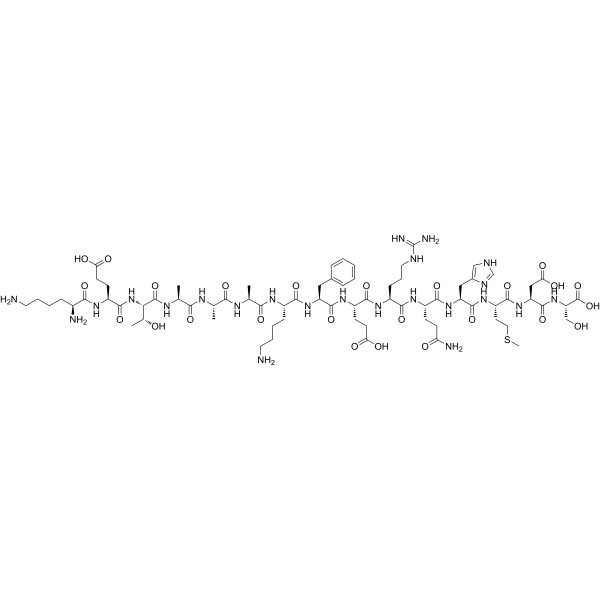
3X HA Tag is a biological active peptide. (This tag peptide may be used to detect proteins and peptides, and to facilitate functional analysis of proteins of interest.)
|
-
- HY-P3908
-
|
|
Amyloid-β
|
Neurological Disease
|
|
FITC-β-Ala-Amyloid β-Protein (1-42) ammonium is a FITC tagged Aβ1-42 peptide. Aβ1-42 plays a key role in the pathogenesis of Alzheimer’s disease .
|
-
- HY-P10633
-
|
|
Amino Acid Derivatives
|
Others
|
|
SmBiT Tag is an 11-amino-acid short peptide with extremely low natural affinity for LgBiT, with a Kd value of approximately 190 μM. It serves as a core component of the NanoLuc Binary Technology (NanoBiT) system. NanoBiT is a bioluminescent reporter system based on protein fragment complementation technology, which is used to monitor dynamic protein-protein interactions in live cells and in vitro .
|
-
- HY-P0328
-
|
|
VSV
|
Infection
|
|
VSV-G tag Peptide is a 11 amino acid peptide derived from the Vesicular Stomatitis viral glycoprotein. VSV-G tag Peptide can integrate into the cell membranes of animal cells, induce cell fusion, and significantly enhance the efficiency of DNA transfection into animal cells. VSV-G tag Peptide can be used for research on drug delivery .
|
-
- HY-P0312
-
|
|
c-Myc
|
Cancer
|
|
c-Myc Peptide (TFA) is a synthetic peptide corresponding to the C-terminal amino acids (410-419) of human c-myc protein, and participates in regulation of growth-related gene transcription.
|
-
- HY-P10531
-
|
|
Peptides
|
Others
|
|
ALFA-tag is a small and stable α-helical structure composed of 15 amino acids. ALFA-tag is highly hydrophilic and can be placed at the N-terminus, C-terminus, or between two independently folded domains of the target protein without affecting the function of the protein. ALFA-tag is widely used as an epitope tag and is used for the detection and manipulation of proteins in living cells .
|
-
- HY-P1047
-
|
[Pro18, Asp21] β-Amyloid (17-21)
|
Amyloid-β
|
Neurological Disease
|
|
β-Sheet Breaker Peptide iAβ5 is an effective brain amyloid-β (Abeta) degrader. Abeta deposits are associated with Alzheimer's disease (AD), and the related toxicity arises from its β-sheet conformation and aggregation. β-Sheet Breaker Peptide iAβ5 can repeatedly induce the degradation of fibrillary amyloid deposits in vivo. Therefore, β-Sheet Breaker Peptide iAβ5 can prevent and/or reverse neuronal contraction caused by Abeta and reduce the range of interleukin IL-1beta positive microglial-like cells around Abeta deposits. β-Sheet Breaker Peptide iAβ5 can reduce the size and/or number of brain amyloid plaques in AD. β-Sheet Breaker Peptide iAβ5 is labeled with a hydrophobic benzyl alcohol (HBA) tag and shows a bright blue color under acidic conditions, which can be used for quantitative determination.
|
-
- HY-P5314
-
|
|
EGFR
STAT
|
Others
|
|
OK2, a specific inhibitor of the CCN2/EGFR interaction, efficiently blocks CCN2/EGFR interaction through binding to the CT domain of CCN2. OK2 can be used for kidney fibrosis and chronic kidney disease research .
|
-
- HY-P0329
-
|
|
Peptides
|
Others
|
|
X-press Tag Peptide is a tag peptide used for protein purification. X-press Tag is also an N-terminal leader peptide; this N-terminal peptide contains a polyhistidine sequence, the Xpress epitope (part of bacteriophage T7 gene 10 protein) and an enterokinase cleavage site. Anti-Xpress antibodies recognize the Xpress epitope sequence found in this leader peptide.
|
-
- HY-P1877A
-
|
|
Peptides
|
Cancer
|
|
SV40 T-Ag-derived NLS peptide TFA is a nuclear localization signal DNA tagged to this peptide efficiently translocates into the cell nucleus .
|
-
- HY-P5758
-
|
|
Peptides
|
Others
|
|
His11 is consists of a contiguous series of amino acid residues. His11 can be used as a tag peptide .
|
-
- HY-P0223A
-
|
|
Biochemical Assay Reagents
|
Others
|
|
FLAG peptide TFA is the TFA salt form of FLAG peptide (HY-P0223). FLAG peptide TFA is a multifunctional fusion tag for the purification of recombinant proteins. FLAG peptide TFA maintances the natural folding of its fusing proteins. FLAG peptide TFA can be removed by enterokinase, and eluted under non-denaturing conditions .
|
-
- HY-P1801A
-
|
Cys-[HIV-Tat (47-57)] TFA
|
HIV
Drug Derivative
|
Others
|
|
Cys-TAT(47-57) (Cys-[HIV-Tat (47-57)]) TFA, TAT (HY-P0281) derivative, is a Cysteine (HY-Y0337)-tagged cell-penetrating peptide (CPP) derived from the HIV TAT protein. Cys-TAT(47-57) TFA can be used for the research for the research of drug delivery .
|
-
- HY-P5969
-
-
- HY-P11282
-
|
|
Peptides
|
Others
|
|
ST-tag peptide is a short peptide light label with intrinsic binding affinity to streptavidin and is used as an affinity tag for recombinant proteins .
|
-
- HY-P3332A
-
|
|
Biochemical Assay Reagents
|
Others
|
|
DYKDDDDK peptide (FLAG) is a useful tool for investigating the function and localization of proteins whose antibodies (Abs) are not available. Often it is also used in a 3X FLAG format (3x DYKDDDDK Tag TFA) for purifying difficult proteins that accumulate in low abundance .
|
-
- HY-P1509
-
|
|
Peptides
|
Neurological Disease
|
|
Rhodopsin Epitope Tag is a 9-amino acid peptide localized within the C-terminal region of bovine rhodopsin . Rhodopsin Epitope Tag is widely used as an epitope tag and can be recognized by a number of anti-rhodopsin antibodies.
|
-
- HY-P1877
-
|
|
Peptides
|
Cancer
|
|
SV40 T-Ag-derived NLS peptide is a nuclear localization signal DNA tagged to this peptide efficiently translocates into the cell nucleus .
|
-
- HY-P2467
-
|
|
Fluorescent Dye
|
Metabolic Disease
|
|
Biotin-TAT (47-57), a biotin tagged TAT, is a transactivator of transcription. Biotin-TAT (47-57) is one of the most widely used protein transduction domains (PTDs) into different primary cells is ATP- and temperature-dependent, indicating the involvement of endocytosis .
|
-
- HY-P3738
-
-
- HY-P3763
-
-
- HY-P11316
-
|
|
Biochemical Assay Reagents
Drug-Linker Conjugates for ADC
|
Others
|
|
DBCO-tag peptide P1 is a cysteine-containing peptide tag. DBCO-tag peptide P1 selectively reacts with dibenzocyclooctyne (DBCO) to yield stable dibenzocyclooctenyl thioethers. DBCO-tag peptide P1 enables site-selective mEGFP labeling and antibody (such as Trastuzumab (HY-P9907)) labelling without impairing the protein binding function. DBCO-tag peptide P1 can be used for ADC synthesis and mEGFP labeling research .
|
-
- HY-P10900
-
|
|
Peptides
|
Others
|
|
2x HA tag peptide is a tag peptide (YPYDVPDYAYPYDVPDYA) with a hemagglutinin HA tag. 2x HA tag peptide is often used to be fused to the 5' end of the target protein to label the protein .
|
-
- HY-P1801
-
|
Cys-[HIV-Tat (47-57)]
|
HIV
Drug Derivative
|
Others
|
|
Cys-TAT(47-57) (Cys-[HIV-Tat (47-57)]), TAT (HY-P0281) derivative, is a Cysteine (HY-Y0337)-tagged cell-penetrating peptide (CPP) derived from the HIV TAT protein. Cys-TAT(47-57) can be used for the research for the research of drug delivery .
|
-
- HY-W480799
-
|
Gly-Gly-Tyr
|
Biochemical Assay Reagents
|
Others
|
|
H-Gly-Gly-Tyr-OH is a tripeptide that plays an important role in various biochemical applications. H-Gly-Gly-Tyr-OH can be used in the fields of pharmaceuticals and biochemistry .
|
-
- HY-P0327A
-
|
|
Peptides
|
Others
|
|
T7 Tag Peptide TFA is a protein tag consisting of 11 residues from the N-terminus of the T7 bacteriophage capsid protein gp10. T7 Tag Peptide TFA can be fused to the N-terminus or C-terminus of proteins such as enhanced green fluorescent protein (EGFP). T7 Tag Peptide TFA can be used in various immunoassays and affinity purification .
|
-
- HY-P11414
-
|
|
Peptides
|
Neurological Disease
|
|
Cys-flag peptide (CDYKDDDDK) is a FLAG tag peptide containing cysteine. Cys-flag peptide has a targeted interaction for protein purification and detection. Cys-flag peptide can be used for the research of neurological disease, such as Alzheimer’s disease .
|
-
- HY-P11103
-
|
|
Peptides
|
Others
|
|
WSHPQFEK has a high affinity for Streptavidin and can be used as a tag peptide for recombinant protein separation, purification, and detection .
|
-
- HY-P11790
-
|
C-tag Peptide
|
Biochemical Assay Reagents
|
Infection
|
|
EPEA tag peptide (C-Tag peptide) is an epitope tag peptide. EPEA tag peptide enables elution of the SpaP EPEA complex. EPEA tag peptide is applicable to research related to bacterial type III secretion systems .
|
-
- HY-P5768
-
|
|
Biochemical Assay Reagents
|
Others
|
|
2× ST-tag II is an oligopeptide that can link proteins and dsDNA molecules in an efficient, rapid and specific manner. 2× ST-tag II is a peptide ligand of ST Tactin (STN). 2× ST-tag II specifically binds to ST Tactin. 2× ST-tag II can be used to construct DNA-protein hybrids .
|
-
- HY-P5768A
-
|
|
Biochemical Assay Reagents
|
Cancer
|
|
2× ST-tag II TFA is an oligopeptide that can link proteins and dsDNA molecules in an efficient, rapid and specific manner. 2× ST-tag II is a peptide ligand of ST Tactin (STN). 2× ST-tag II TFA specifically binds to ST Tactin. 2× ST-tag II TFA can be used to construct DNA-protein hybrids .
|
-
- HY-P11104
-
|
|
Peptides
|
Others
|
|
SsrA tag is an 11-aa peptide added to the C-terminus of proteins stalled during translation, targeting them for degradation by ClpXP and ClpAP .
|
-
- HY-P5479
-
|
|
Peptides
|
Others
|
|
EE epitope is a biological active peptide. (This peptide is a 314 to 319 amino acids fragment of the middle T antigen of mouse polymavirus. Glu-Glu epitope peptide is widely used as an epitope tag.Pyroglutamyl (pGlu) peptides may spontaneously form when either Glutamine (Q) or Glutamic acid (E) is located at the sequence N-terminus. The conversion of Q or E to pGlu is a natural occurrence and in general it is believed that the hydrophobic γ-lactam ring of pGlu may play a role in peptide stability against gastrointestinal proteases. Pyroglutamyl peptides are therefore considered a normal subset of such peptides and are included as part of the peptide purity during HPLC analysis.)
|
-
- HY-P0110
-
|
(Iso)-Z-Val-Ala-Asp(OMe)-FMK
|
Caspase
|
Cancer
|
|
(Iso)-Z-VAD(OMe)-FMK ((Iso)-Z-Val-Ala-Asp(OMe)-FMK) is an isomer of the caspase and UCHL1 inhibitor Z-VAD(OMe)-FMK (HY-16658) .
|
-
- HY-P5222
-
|
|
Peptides
|
Others
|
|
Angio-S is a bioactive peptide and has been reported used as a cosmetic ingredient .
|
-
- HY-P11283
-
|
|
Peptides
|
Others
|
|
Avi tag is a short peptide tag commonly used in protein expression and biotin labeling .
|
-
- HY-P5758A
-
|
|
Peptides
|
Others
|
|
His11 TFA is consists of a contiguous series of amino acid residues. His11 TFA can be used as a tag peptide .
|
| Cat. No. |
Product Name |
Category |
Target |
Chemical Structure |
-
- HY-P0239
-
-
-
- HY-N15871
-
|
|
Structural Classification
Lipid
|
Liposome
|
|
18:1 DGS-NTA(Ni) is a nickel chelating lipid. 18:1 DGS-NTA(Ni) has high affinity for histidine-tags and can bind histidine tags of recombinant proteins. 18:1 DGS-NTA(Ni) can be used for preparation of liposomes and nanosize multilamellar vesicles (NMVs) which are used in protein and peptide binding studies and antigen delivery .
|
-
| Cat. No. |
Compare |
Product Name |
Application |
Reactivity |
Image |
Compare Products
|
| Products |
|
| Cat. No. |
|
| Host |
|
| Reactivity |
|
| Application |
|
Dilution Ratio |
|
| Molecular Weight |
|
| Conjugation |
|
| Clonality |
|
| Immunogen |
|
| Appearance |
|
| Isotype |
|
| Gene ID |
|
| SwissProt ID |
|
| Purity |
|
| Formulation |
|
| Free Sample |
Yes
No
|
| Size |
* This product has been "discontinued".
Optimized version of product available:
|
| Cat. No. |
Product Name |
|
Classification |
-
- HY-151786
-
|
|
|
Alkynes
Azide
|
|
Fmoc-L-Lys(Pentynoyl-DIM)-OH is a click chemistry reagent containing an azide. Fmoc-L-Lys(Pentynoyl-DIM)-OH can be used as a SPPS building block for the “helping hand” strategy for purification of highly insoluble peptides. Solubilizing residues are attached to the Lys side-chains using Click-chemistry. The solubilizing tag can be removed with 1M hydrazine or hydroxylamine solution . It contains an azide group and can undergo copper-catalyzed azide-alkyne cycloaddition (CuAAc) with molecules containing alkyne groups. It can also undergo ring strain-promoted alkyne-azide cycloaddition (SPAAC) with molecules containing DBCO or BCN groups.
|
-
- HY-151787
-
|
|
|
Azide
|
|
Fmoc-L-Lys(N3-Aca-DIM)-OH is a click chemistry reagent containing an azide group. Used as a SPPS building-block for the “helping hand” strategy for purification of highly insoluble peptides. Solubilizing residues are attached to the Lys side-chains using Click-chemistry. The solubilizing tag can be removed with 1M hydrazine or hydroxylamine solution . It contains an azide group and can undergo copper-catalyzed azide-alkyne cycloaddition (CuAAc) with molecules containing alkyne groups. It can also undergo ring strain-promoted alkyne-azide cycloaddition (SPAAC) with molecules containing DBCO or BCN groups.
|
| Cat. No. |
Product Name |
|
Classification |
-
- HY-N15871
-
|
|
|
Phospholipids
|
|
18:1 DGS-NTA(Ni) is a nickel chelating lipid. 18:1 DGS-NTA(Ni) has high affinity for histidine-tags and can bind histidine tags of recombinant proteins. 18:1 DGS-NTA(Ni) can be used for preparation of liposomes and nanosize multilamellar vesicles (NMVs) which are used in protein and peptide binding studies and antigen delivery .
|
-
- HY-172503
-
|
|
|
Pegylated Lipids
|
|
DSPE-PEG2000-KAA is a PEG compound which composed of DSPE and a CKAAKNK peptide (KAA). KAA specifically binds to tumor vessels in RIP-Tag2 transgenic mice. DSPE-PEG2000-KAA can be used for drug delivery .
|
-
- HY-172503A
-
|
|
|
Pegylated Lipids
|
|
DSPE-PEG3400-KAA is a PEG compound which composed of DSPE and a CKAAKNK peptide (KAA). KAA specifically binds to tumor vessels in RIP-Tag2 transgenic mice. DSPE-PEG3400-KAA can be used for drug delivery .
|
-
- HY-172504
-
|
|
|
Pegylated Lipids
|
|
DSPE-PEG5000-KAA is a PEG compound which composed of DSPE and a CKAAKNK peptide (KAA). KAA specifically binds to tumor vessels in RIP-Tag2 transgenic mice. DSPE-PEG5000-KAA can be used for drug delivery .
|
-
- HY-172502
-
|
|
|
Pegylated Lipids
|
|
DSPE-PEG1000-KAA is a PEG compound which composed of DSPE and a CKAAKNK peptide (KAA). KAA specifically binds to tumor vessels in RIP-Tag2 transgenic mice. DSPE-PEG1000-KAA can be used for drug delivery .
|
Your information is safe with us. * Required Fields.
Inquiry Information
- Product Name:
- Cat. No.:
- Quantity:
- MCE Japan Authorized Agent:

