Search Result
Results for "
Retina
" in MedChemExpress (MCE) Product Catalog:
1
Biochemical Assay Reagents
5
Isotope-Labeled Compounds
| Cat. No. |
Product Name |
Target |
Research Areas |
Chemical Structure |
-
- HY-B2167
-
-
-
- HY-W004500
-
|
|
Endogenous Metabolite
Apoptosis
|
Metabolic Disease
|
|
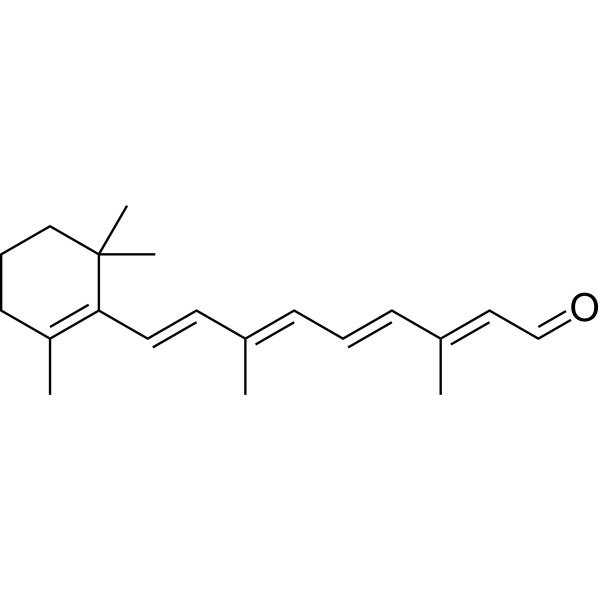
All-trans-retinal is an vitamin A metabolite in the retina, and is produced following photo-isomerization of the visual chromophore 11-cis-Retinal. All-trans-retinal is cleared from photoreceptors by ATP-binding cassette transporter (ABCA4) and all-trans-retinol dehydrogenase (RDH). All-trans-retinal induces Bax activation via DNA damage to mediate retinal cell apoptosis .
|
-
-
- HY-100714
-
DL-AP5
3 Publications Verification
2-APV; DL-2-Amino-5-phosphonovaleric acid
|
iGluR
|
Neurological Disease
Inflammation/Immunology
|
|
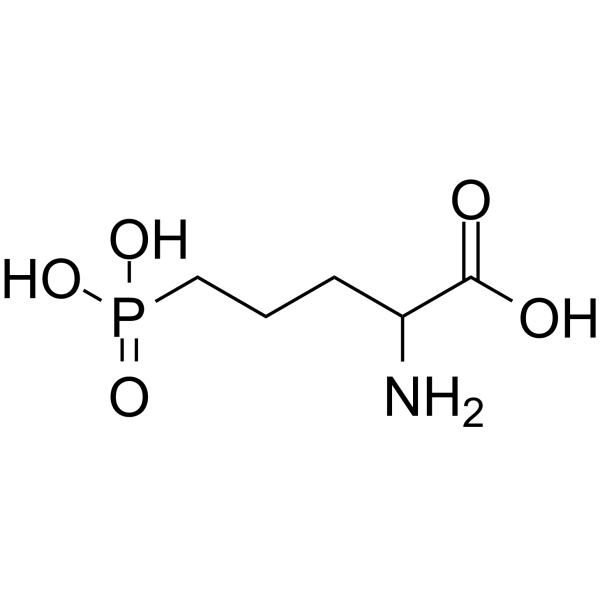
DL-AP5 (2-APV) is a competitive NMDA (N-methyl-D-aspartate) receptor antagonist. DL-AP5 shows significantly antinociceptive activity. DL-AP5 specifically blocks on channels in the rabbit retina .
|
-
-
- HY-N0637
-
|
Huazhongilexone
|
Melanocortin Receptor
TRP Channel
|
Infection
Inflammation/Immunology
|
|
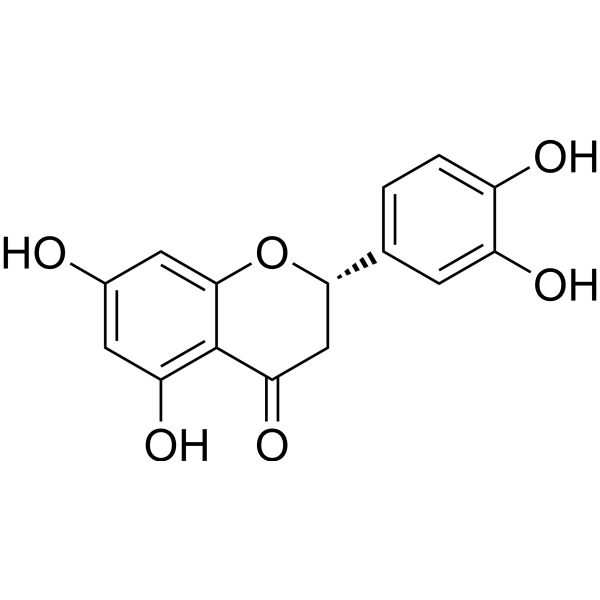
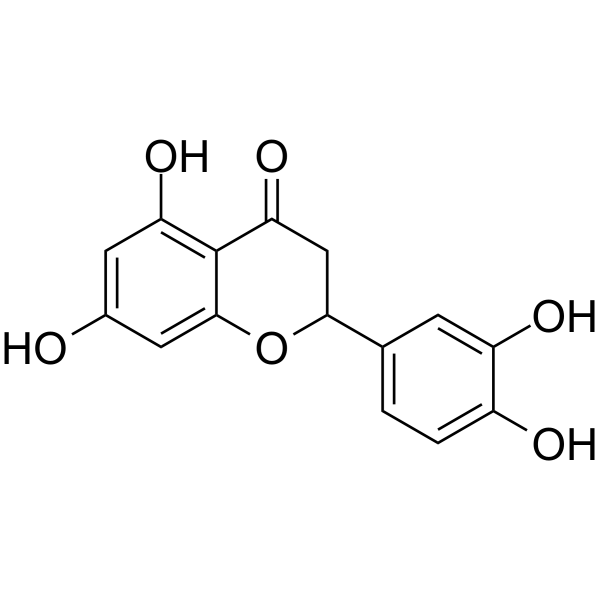
Eriodictyol ((±)-Huazhongilexone; Dihydroluteolin) is an orally active TRPV1 receptor antagonist (IC50=44-47 nM, rTRPV1) with antioxidant and anti-inflammatory activities. Eriodictyol effectively inhibits lipid peroxidation and the release of proinflammatory cytokines by specifically antagonizing the TRPV1 receptor and activating the Nrf2 signaling pathway. Eriodictyol reduces the levels of ICAM-1, VEGF, eNOS and TNF-α in the retina and maintains the integrity of the blood-retinal barrier. Eriodictyol alleviates oxidative stress-induced apoptosis and hyperalgesia, enhances the activity and cytotoxicity of immune cells (such as B lymphocytes, NK cells and macrophages), and increases the levels of antioxidant enzymes simultaneously. Eriodictyol can be used in the research of diabetic retinopathy, acute lung injury and various pain-related diseases .
|
-
-
- HY-108298
-
|
PP 5; Perfluorodecahydronaphthalene
|
Biochemical Assay Reagents
|
Others
|
|
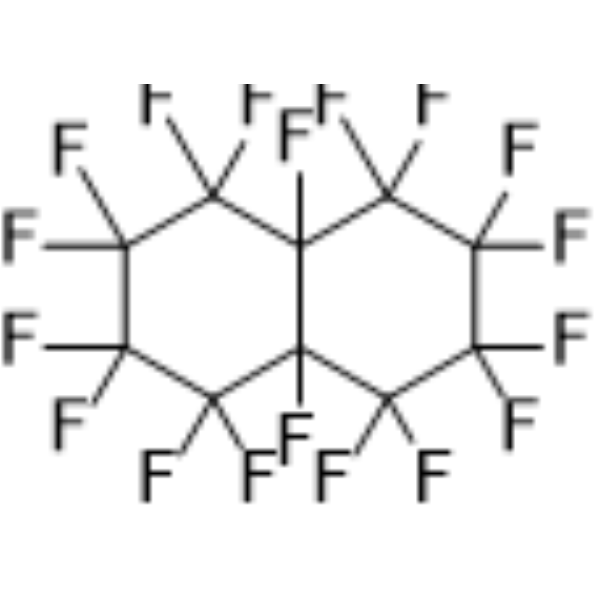
Perfluorodecalin liquids are largrly used in vitreoretinal surgery. Perfluorodecalin with tamponade lasting more than two days is detrimental to the retina in the case of rabbit. Perfluorodecalin can be used for the research of giant retinal tears . Perfluorodecalin is a non-toxic, non-flammable, thermally stable, non-bio-accumulating O2-carrier and used as artificial blood . Perfluorodecalin enhances bone regeneration and cell viability .
|
-
-
- HY-114332
-
|
|
MAP3K
JNK
|
Neurological Disease
Metabolic Disease
|
|
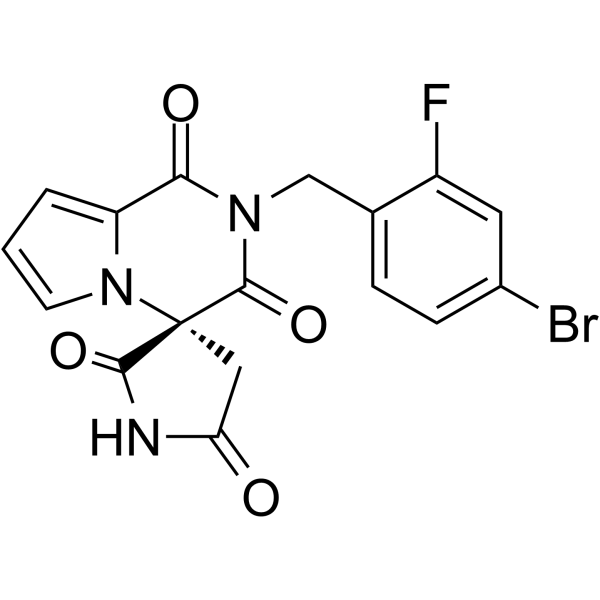
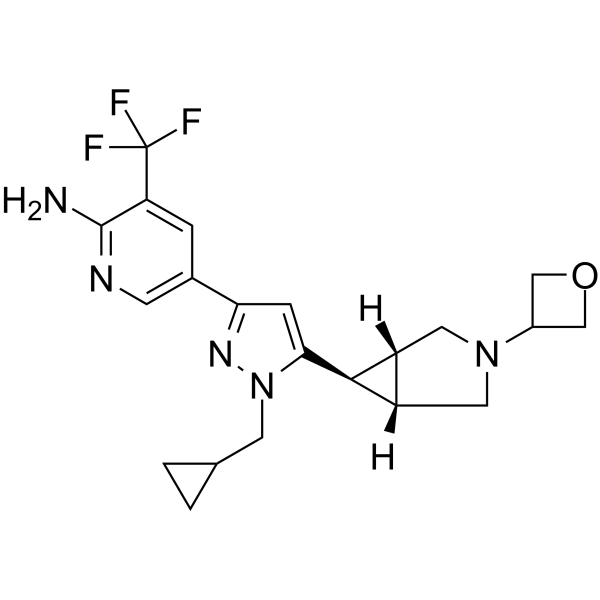
GNE-8505 is an orally active, blood-brain barrier-permeable selective dual leucine zipper kinase (DLK) inhibitor. GNE-8505 has an IC50 of 0.144 μM for pJNK, and EC50 of 0.457 μM for DRG. GNE-8505 inhibits the DLK/JNK pathway, reduces stress-induced c-Jun phosphorylation levels, decreases neuronal death and suppresses axonal degeneration. GNE-8505 reduces phosphorylated c-Jun levels in the retina, spinal cord and brain tissues of mice. GNE-8505 is applicable to research related to Alzheimer's disease and amyotrophic lateral sclerosis (ALS) .
|
-
-
- HY-129380
-
|
Fructoselysine
|
Endogenous Metabolite
|
Metabolic Disease
|
|
Fructosyl-lysine (Fructoselysine) is an amadori glycation product from the reaction of glucose and lysine by the Maillard reaction. Fructosyl-lysine is the precursor to glucosepane, a lysine–arginine protein cross-link that can be an indicator in diabetes?detection .
|
-
-
- HY-137322
-
-
-
- HY-N0637A
-
|
(±)-Huazhongilexone; Dihydroluteolin
|
Melanocortin Receptor
TRP Channel
|
Metabolic Disease
|
|
(±)-Eriodictyol ((±)-Huazhongilexone; Dihydroluteolin) is an orally active TRPV1 receptor antagonist (IC50=44-47 nM, rTRPV1) with antioxidant and anti-inflammatory activities. (±)-Eriodictyol effectively inhibits lipid peroxidation and the release of proinflammatory cytokines by specifically antagonizing the TRPV1 receptor and activating the Nrf2 signaling pathway. (±)-Eriodictyol reduces the levels of ICAM-1, VEGF, eNOS and TNF-α in the retina and maintains the integrity of the blood-retinal barrier. (±)-Eriodictyol alleviates oxidative stress-induced apoptosis and hyperalgesia, enhances the activity and cytotoxicity of immune cells (such as B lymphocytes, NK cells and macrophages), and increases the levels of antioxidant enzymes simultaneously. (±)-Eriodictyol can be used in the research of diabetic retinopathy, acute lung injury and various pain-related diseases .
|
-
-
- HY-B2167R
-
|
DHA (Standard); Cervonic acid (Standard)
|
Reference Standards
Endogenous Metabolite
|
Neurological Disease
Cancer
|
|
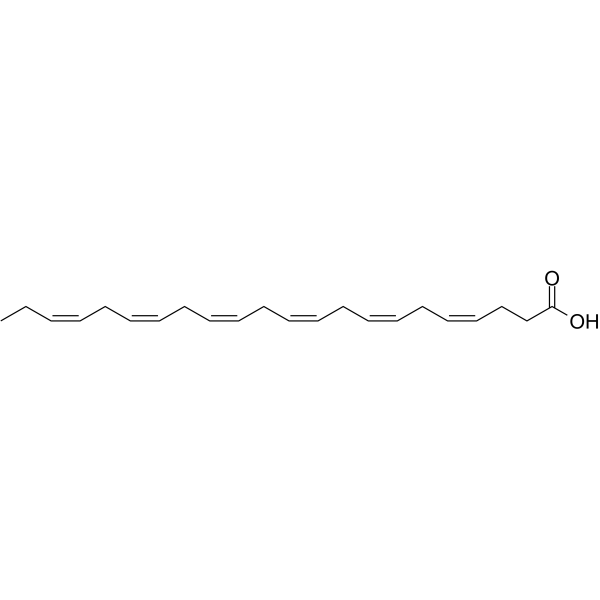
Docosahexaenoic acid (Standard) is the analytical standard of Docosahexaenoic acid. This product is intended for research and analytical applications. Docosahexaenoic Acid (DHA) is an omega-3 fatty acid abundantly present brain and retina. It can be obtained directly from fish oil and maternal milk.
In Vitro: Docosahexaenoic acid (DHA) is essential for the growth and functional development of the brain in infants. DHA is also required for maintenance of normal brain function in adults. The inclusion of plentiful DHA in the diet improves learning ability and memory . DHA is an essential requirement in every step of brain development like neural cell proliferation, migration, differentiation, synaptogenesis. The multiple double bonds and unique structure allow DHA to impart special membrane characteristics for effective cell signaling. Many development disorders like dyslexia, autism spectrum disorder, attention deficit hyperactivity disorder, schizophrenia etc. are causally related to decreased level of DHA . DHA is a potent RXR ligand inducing robust RXR activation already at low micro molar concentrations. The EC50 for RXRα activation by DHA is about 5-10 μM fatty acid .
In Vivo: Docosahexaenoic acid administration over 10 weeks significantly reduces the number of reference memory errors, without affecting the number of working memory errors, and significantly increases the docosahexaenoic acid content and the docosahexaenoic acid/arachidonic acid ratio in both the hippocampus and the cerebral cortex . DHA treatment exerts neuroprotective actions on an experimental mouse model of PD. There is a decrease tendency in brain lipid oxidation of MPTP mice but it does not significantly .
|
-
-
- HY-P3267A
-
|
|
Ferroportin
Transferrin Receptor
|
Neurological Disease
|
|
Apo-Bovine Transferrin refers to iron free Transferrin (HY-P3267), serves as Transferrin receptor ligand and mediates iron release from endothelial cells. Apo-Transferrin can directly bind to hephaestin, which can convert Fe 2+ to Fe 3+. Apo-Transferrin mediates iron efflux most likely in cooperation with ferroportin 1. Apo-Bovine Transferrin can be used in neuroretinal research .
|
-
-
- HY-111603
-
|
|
Apoptosis
|
Metabolic Disease
Inflammation/Immunology
|
|
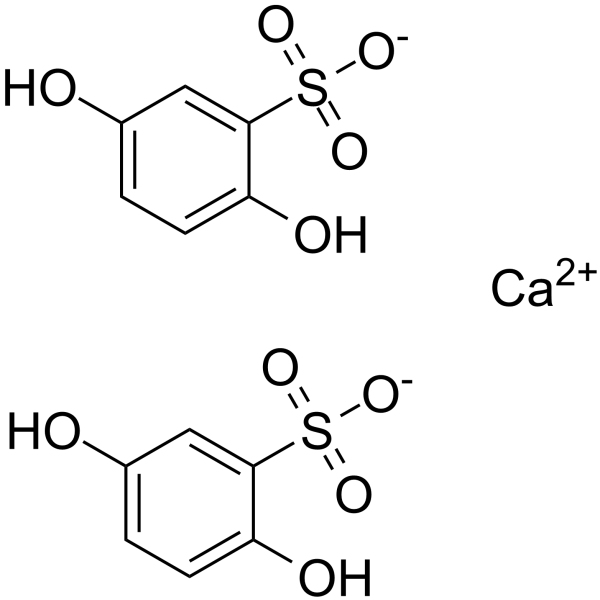
Calcium dobesilate is a vascular protector with oral activity that can clear hydroxyl free radicals, with an IC50 of 1.1 pM. Calcium dobesilate has antioxidant activity and helps to reduce oxidative stress and inflammation in the retinas of diabetic mice. Calcium dobesilate can be used to study chronic venous diseases, diabetic retinopathy, and the occurrence of hemorrhoids, among other conditions .
|
-
-
- HY-W014180
-
|
|
Endogenous Metabolite
|
Metabolic Disease
|
|
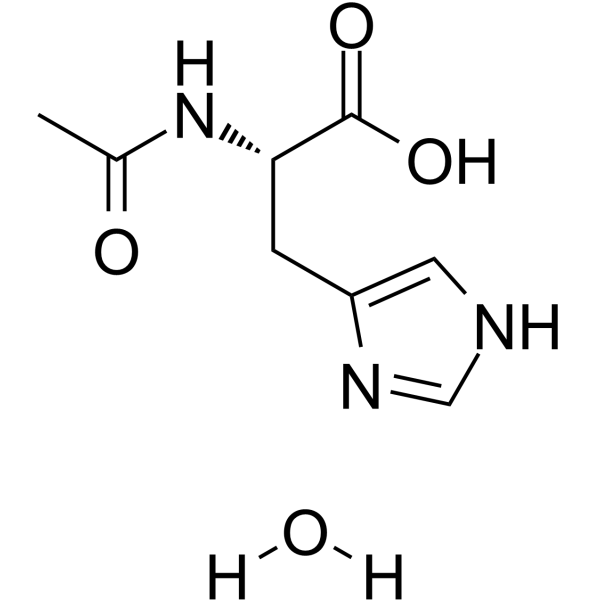
N-Acetyl-L-histidine monohydrate, a histidine derivative, is a prominent biomolecule in brain, retina and lens of poikilothermic vertebrates. N-Acetyl-L-histidine monohydrate has a role as an animal metabolite .
|
-
-
- HY-W015422
-
|
|
PARP
|
Metabolic Disease
|
|
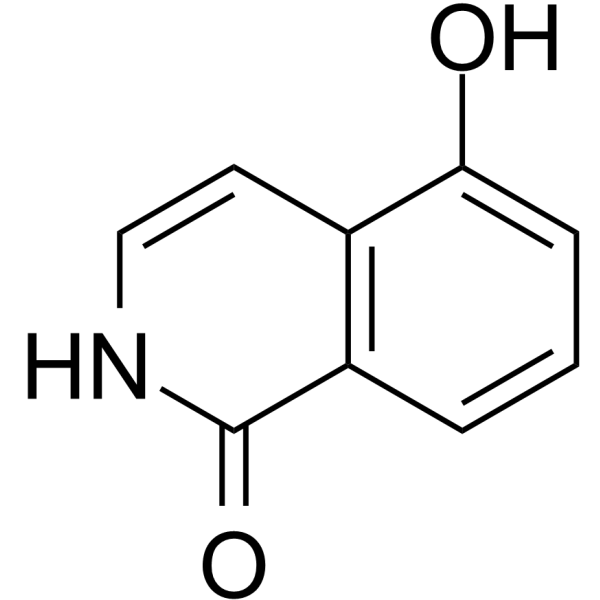
1,5-Isoquinolinediol is a potent PARP inhibitor, with an IC50 of 0.18-0.37 μM. 1,5-Isoquinolinediol attenuates diabetes-induced NADPH oxidase-derived oxidative stress in retina .
|
-
-
- HY-B2167S
-
|
DHA-d5; Cervonic acid-d5
|
Endogenous Metabolite
|
Neurological Disease
|
|
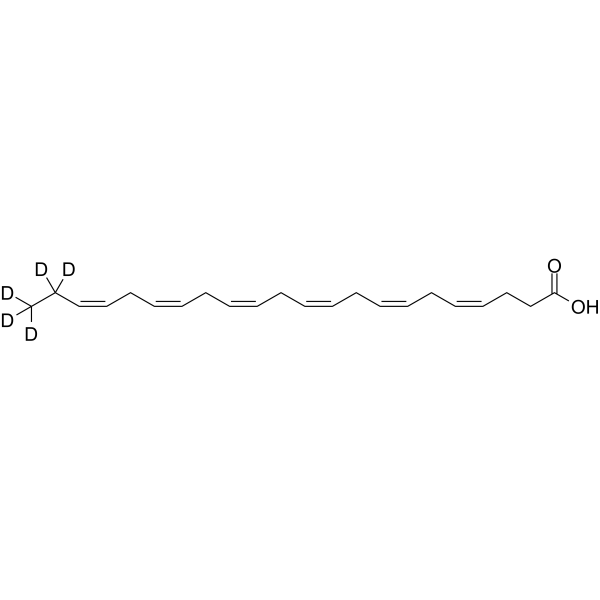
Docosahexaenoic acid-d5 is the deuterium labeled Docosahexaenoic Acid. Docosahexaenoic Acid (DHA) is an omega-3 fatty acid abundantly present brain and retina. It can be obtained directly from fish oil and maternal milk.
|
-
-
- HY-15314
-
|
AS-3201
|
Aldose Reductase
|
Neurological Disease
Metabolic Disease
|
|
Ranirestat (AS-3201) potent and orally active aldose reductase (AR) inhibitor with IC50s of 11 nM and 15 nM for rat lens AR and recombinant human AR, respectively, and a Ki of 0.38 nM for recombinant human AR. Ranirestat has the potential for diabetic sensorimotor polyneuropathy treatment. Ranirestat also has a neuroprotective effect on diabetic retinas .
|
-
-
- HY-113357
-
|
|
Endogenous Metabolite
|
Neurological Disease
Metabolic Disease
Inflammation/Immunology
|
|
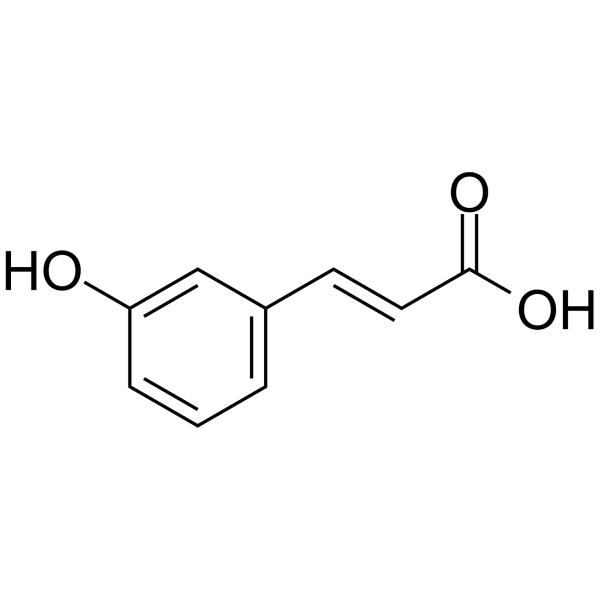
m-Coumaric acid is a polyphenol metabolite from caffeic acid, formed by the gut microflora and the amount in human biofluids is diet-dependant. m-Coumaric acid is a BBB-penetrant metabolite of chlorogenic acid. m-Coumaric acid stimulates the cerebral nerves in vitro. m-Coumaric acid can evoke neurite outgrowth in hippocampal neuronal cells. m-Coumaric acid can promote neuronal differentiation. m-Coumaric acid increases spontaneous locomotor activity in mice by acting on the central nervous system. m-Coumaric acid inhibits the oxidation of L-dopa by epidermis tyrosinase. m-Coumaric acid attenuates non-catalytic protein glycosylation in retinas of diabetic rats .
|
-
-
- HY-17357
-
|
AHR 9434; AL 6515
|
COX
Prostaglandin Receptor
|
Neurological Disease
Inflammation/Immunology
Endocrinology
Cancer
|
|
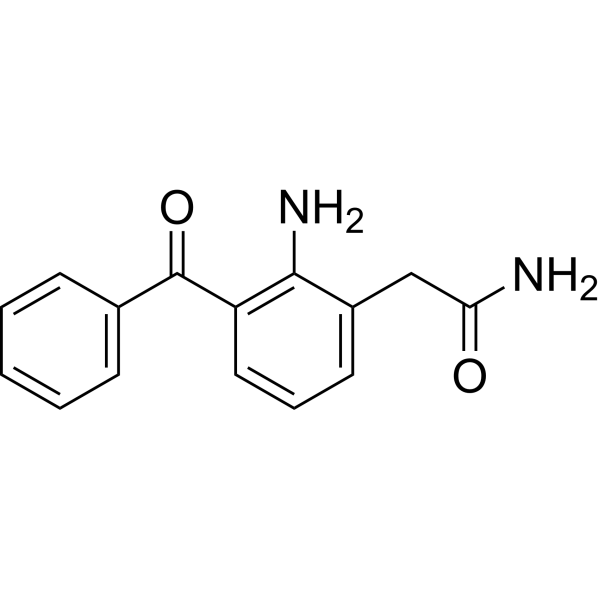
Nepafenac (AHR 9434; AL 6515), a nonsteroidal anti-inflammatory agent, is a topically administered COX-2 inhibitor with an IC50 of 0.12 μM. Nepafenac exhibits only weak COX-1 inhibitory activity (IC50 = 64.3 μM). Nepafenac possesses unique prodrug properties, which enable it to rapidly convert into the active metabolite Amfenac (HY-17479) in the ocular tissues, thereby achieving high concentrations in the retina and choroid. Nepafenac reduces inflammation and pain by inhibiting the activity of cyclooxygenase (COX) enzymes and thereby decreasing the production of prostaglandin PGE₂. Nepafenac can delay the metastasis of uveal melanoma (UM) in rabbit eyes. Nepafenac is mainly used for pain management and inflammation control after ophthalmic surgeries .
|
-
-
- HY-154021A
-
|
5-FMOrn dihydrochloride
|
OAT
|
Metabolic Disease
|
|
5-Fluoromethylornithine (5-FMOrn) dihydrochloride is a specific irreversible inhibitor of L-ornithine:2-oxoacid aminotransferase (OAT). 5-Fluoromethylornithine dihydrochloride can be used in the study of gyrate atrophy of choroid and retina .
|
-
-
- HY-126195
-
|
ML-090
|
NADPH Oxidase
|
Neurological Disease
|
|
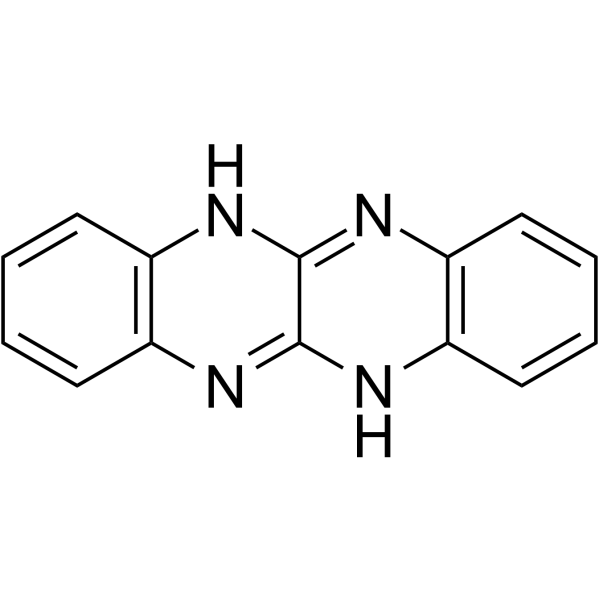
Fluoflavine (ML-090) is a selective NOX1 inhibitor and reactive oxygen species inhibitor. Fluoflavine reduces reactive oxygen species production, NOX1-mediated downstream signaling events, and oxygen-glucose deprivation-induced retinal ganglion cell death. Fluoflavine inhibits NADPH oxidase activity and pathological retinal neovascularization induced by oxygen-induced retinopathy in the retinas of ischemic mice. Fluoflavine can be used in studies related to retinal ischemia-reperfusion injury and proliferative retinopathy .
|
-
-
- HY-44157
-
|
|
Biochemical Assay Reagents
|
Neurological Disease
|
|
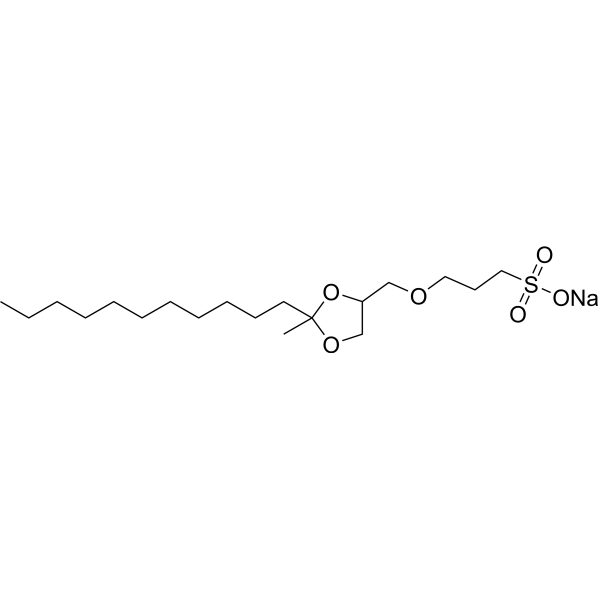
ALS-I, an acid-Liable surfactant, is adopted for in-solution enzymatic digestions, can help to solubilize hydrophobic proteins. ALS-I is significantly enhanced peptide recovery for mass spectrometry (MS) mapping in the study of the proteomes of regenerating rat retina and mouse brain .
|
-
-
- HY-129380A
-
|
Fructoselysine dihydrochloride
|
Endogenous Metabolite
|
Metabolic Disease
|
|
Fructosyl-lysine (Fructoselysine) dihydrochloride is an amadori glycation product from the reaction of glucose and lysine by the Maillard reaction. Fructosyl-lysine dihydrochloride is the precursor to glucosepane, a lysine–arginine protein cross-link that can be an indicator in diabetes detection .
|
-
-
- HY-138903
-
|
L-HCA
|
iGluR
|
Neurological Disease
|
|
L-Homocysteic acid (L-HCA) is an endogenous excitatory amino acid that acts as a NMDA receptor agonist (EC50: 14 μM). L-Homocysteic acid is neurotoxic, and can be used in the research of neurological disorders .
|
-
-
- HY-P3226
-
|
|
IGF-1R
VEGFR
Drug Derivative
|
Cardiovascular Disease
Neurological Disease
|
|
JB-1, an IGF-I analog, is a selective IGF-I receptor inhibitor that does not interact with IGF-II. JB-1 competes with IGF-I for binding to IGF-1R and blocks receptor autophosphorylation. JB-1 increases the level of sVEGFR-1. JB-1 normalizes retinal abnormalities, including reducing retinal neovascularization. JB-1 is applicable to studies related to oxygen-induced retinopathy .
|
-
-
- HY-100714C
-
|
2-APV sodium; DL-2-Amino-5-phosphonovaleric acid sodium
|
iGluR
|
Neurological Disease
Inflammation/Immunology
|
|
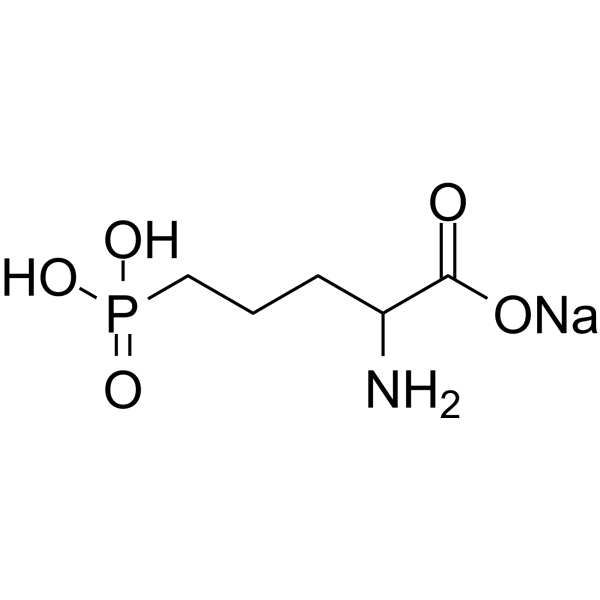
DL-AP5 (2-APV) sodium is a competitive NMDA (N-methyl-D-aspartate) receptor antagonist. DL-AP5 sodium shows significantly antinociceptive activity. DL-AP5 sodium specifically blocks on channels in the rabbit retina .
|
-
-
- HY-125287
-
|
(Rac)-UCB0599; NPT200-11
|
α-synuclein
|
Neurological Disease
|
|
(Rac)-Minzasolmin ((Rac)-UCB0599; NPT200-11) is a blood-brain barrier penetrated alpha-synuclein (ASYN) misfolding inhibitor. (Rac)-Minzasolmin acts on the early stage of ASYN aggregation process, by replacing the membrane-bound oligomers ASYN, allowing them to revert to the monomeric form, while preventing pathological aggregation. (Rac)-Minzasolmin effectively improves the ASYN deposition in the retina and the neuro-pathological indicators in two α-synuclein transgenic mouse models. (Rac)-Minzasolmin can be used for the studies of Parkinson's disease (PD) and dementia with Lewy bodies (DLB) .
|
-
-
- HY-P1930A
-
|
|
Integrin
|
Inflammation/Immunology
|
|
Risuteganib hydrochloride is a synthetic RGD (arginyl-glycyl-aspartic acid)-class peptide. Risuteganib hydrochloride is an anti-integrin that downregulates oxidative stress and restores homeostasis, and targets three integrin receptors that are implicated in dry age-related macular degeneration (AMD) in order to restore homeostasis in the retina .
|
-
-
- HY-17357S
-
|
AHR-9434-d5; AL-6515-d5
|
Isotope-Labeled Compounds
COX
Prostaglandin Receptor
|
Neurological Disease
Inflammation/Immunology
Endocrinology
Cancer
|
|
Nepafenac-d5 (AHR-9434-d5; AL-6515-d5) is the deuterium labeled Nepafenac (HY-17357). Nepafenac, a nonsteroidal anti-inflammatory agent, is a topically administered COX-2 inhibitor with an IC50 of 0.12 μM. Nepafenac exhibits only weak COX-1 inhibitory activity (IC50 = 64.3 μM). Nepafenac possesses unique prodrug properties, which enable it to rapidly convert into the active metabolite Amfenac (HY-17479) in the ocular tissues, thereby achieving high concentrations in the retina and choroid. Nepafenac reduces inflammation and pain by inhibiting the activity of cyclooxygenase (COX) enzymes and thereby decreasing the production of prostaglandin PGE₂. Nepafenac can delay the metastasis of uveal melanoma (UM) in rabbit eyes. Nepafenac is mainly used for pain management and inflammation control after ophthalmic surgeries.
|
-
-
- HY-N7270
-
|
|
Others
|
Inflammation/Immunology
|
|
Apigenin-7-diglucuronide is a flavonoid glycoside and is present in an assortment of medicinal plants with anti-inflammatory or ant-oxidant activities. Apigenin-7-diglucuronide protects retinas against bright light-induced photoreceptor degeneration through the inhibition of retinal oxidative stress and inflammation .
|
-
-
- HY-100908
-
|
N10-Acetyltryptamine; Nb-Acetyltryptamine; Nω-Acetyltryptamine
|
Melatonin Receptor
|
Neurological Disease
|
|
N-Acetyltryptamine is a partial agonist for melatonin receptors in the retina . N-Acetyltryptamine is also used for determination of serotonin N-acetyl transferase activity .
|
-
-
- HY-B2167S2
-
-
-
- HY-137172
-
|
|
Sodium Channel
|
Others
|
|
ETH 157 is a neutral sodium-selective carrier. ETH 157 exhibits sufficient Na +/K + selectivity and enhanced Na +/Ca 2+ selectivity, making it suitable for the detection of extracellular Na + activity .
|
-
-
- HY-130238
-
|
(±)8-HDoHE; 8-hydroxy Docosahexaenoic acid; (±)8-HDoHE
|
Endogenous Metabolite
|
Metabolic Disease
|
|
(±)8-HDHA is an autoxidation product of docosahexaenoic acid (DHA) in vitro. It is also produced from incubations of DHA in rat liver, brain, and intestinal microsomes. (±)8-HDHA is a potential marker of oxidative stress in brain and retina where DHA is an abundant polyunsaturated fatty acid.
|
-
-
- HY-130288
-
|
(±)13-HDoHE; 13-hydroxy Docosahexaenoic acid; (±)13-HDoHE
|
Lipoxygenase
|
Inflammation/Immunology
|
|
(±)13-HDHA is an autoxidation product of docosahexaenoic acid (DHA) in vitro. It is also produced from incubations of DHA in rat liver, brain, and intestinal microsomes. Fresh water hydra is shown to metabolize DHA to 13(R)-HDHA, presumably via the 11R-lipoxygenase activity. (±)13-HDHA is a potential marker of oxidative stress in brain and retina where DHA is an abundant polyunsaturated fatty acid.
|
-
-
- HY-117057S
-
|
|
Isotope-Labeled Compounds
Endogenous Metabolite
|
Metabolic Disease
|
|
Hexaenoic acid-d6 is deuterium labeled Hexaenoic acid. Very long chain polyunsaturated fatty acids (VLCPUFAs) are important components of ceramides and sphingomyelin and are present in retina, sperm, and brain. Tetratriaconta-16(Z),19(Z),22(Z),25(Z),28(Z),31(Z)-hexaenoic acid is a C34:6 VLCPUFA whose specific biological actions are largely unknown. This VLCPUFA, along with others, has been investigated for its role in activating protein kinase C .
|
-
-
- HY-113357R
-
|
|
Reference Standards
Endogenous Metabolite
|
Neurological Disease
Inflammation/Immunology
|
|
m-Coumaric acid (Standard) is the analytical standard of m-Coumaric acid. This product is intended for research and analytical applications. m-Coumaric acid is a polyphenol metabolite from caffeic acid, formed by the gut microflora and the amount in human biofluids is diet-dependant. m-Coumaric acid is a BBB-penetrant metabolite of chlorogenic acid. m-Coumaric acid stimulates the cerebral nerves in vitro. m-Coumaric acid can evoke neurite outgrowth in hippocampal neuronal cells. m-Coumaric acid can promote neuronal differentiation. m-Coumaric acid increases spontaneous locomotor activity in mice by acting on the central nervous system. m-Coumaric acid inhibits the oxidation of L-dopa by epidermis tyrosinase. m-Coumaric acid attenuates non-catalytic protein glycosylation in retinas of diabetic rats .
|
-
-
- HY-167632
-
|
(3R,3′S)-Zeaxanthin
|
Reactive Oxygen Species (ROS)
|
Inflammation/Immunology
|
|
meso-Zeaxanthin accumulates in the central retina and forms macular pigment together with lutein and zeaxanthin, which has the function of light filtering. meso-Zeaxanthin can quench ROS and exert antioxidant function .
|
-
-
- HY-19668
-
|
|
5-HT Receptor
|
Neurological Disease
|
|
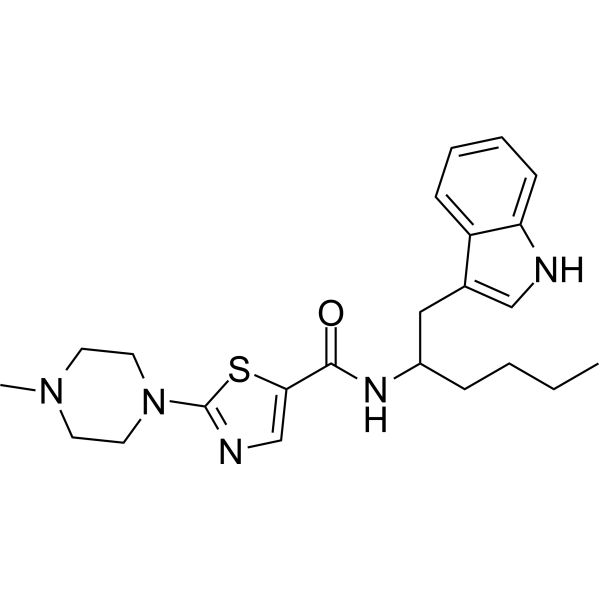
SGS-518 is a selective 5-HT6R antagonist. SGS518 can be used for the research of cognitive impairments such as amnesia, anxiety and depression, and it is effective in protecting mouse retina at high doses .
|
-
-
- HY-P1930
-
|
|
Integrin
|
Inflammation/Immunology
|
|
Risuteganib is a synthetic RGD (arginyl-glycyl-aspartic acid)-class peptide. Risuteganib is an anti-integrin that downregulates oxidative stress and restores homeostasis, and targets three integrin receptors that are implicated in dry age-related macular degeneration (AMD) in order to restore homeostasis in the retina .
|
-
-
- HY-14326
-
|
|
Dopamine Receptor
|
Neurological Disease
|
|
L-750667 is a selective dopamine D4 receptor antagonist ligand. 125I-labeled L-750667 can specifically bind to dopamine D4 receptors in the rat retina, with a Kd value of 0.06 nM. L-750667 is involved in the regulation of the light-sensitive cAMP pool .
|
-
-
- HY-19668A
-
|
|
5-HT Receptor
|
Neurological Disease
|
|
SGS518 oxalate is a selective 5-HT6R antagonist. SGS518 oxalate can be used for the research of cognitive impairments such as amnesia, anxiety and depression, and it is effective in protecting mouse retina at high doses [1]
|
-
-
- HY-100714D
-
|
2-APV lithium; DL-2-Amino-5-phosphonovaleric acid lithium
|
iGluR
|
Neurological Disease
Inflammation/Immunology
|
|
DL-AP5 (2-APV) lithium is a competitive NMDA (N-methyl-D-aspartate) receptor antagonist. DL-AP5 lithium shows significantly antinociceptive activity. DL-AP5 lithium specifically blocks on channels in the rabbit retina .
|
-
-
- HY-100714R
-
|
2-APV (Standard); DL-2-Amino-5-phosphonovaleric acid (Standard)
|
Reference Standards
iGluR
|
Neurological Disease
Inflammation/Immunology
|
|
DL-AP5 (Standard) is the analytical standard of DL-AP5. This product is intended for research and analytical applications. DL-AP5 (2-APV) is a competitive NMDA (N-methyl-D-aspartate) receptor antagonist. DL-AP5 shows significantly antinociceptive activity. DL-AP5 specifically blocks on channels in the rabbit retina .
|
-
-
- HY-100714CR
-
|
2-APV sodium (Standard); DL-2-Amino-5-phosphonovaleric acid sodium (Standard)
|
Reference Standards
iGluR
|
Neurological Disease
Inflammation/Immunology
|
|
DL-AP5 (sodium) (Standard) is the analytical standard of DL-AP5 (sodium). This product is intended for research and analytical applications. DL-AP5 (2-APV) sodium is a competitive NMDA (N-methyl-D-aspartate) receptor antagonist. DL-AP5 sodium shows significantly antinociceptive activity. DL-AP5 sodium specifically blocks on channels in the rabbit retina .
|
-
-
- HY-122129
-
|
|
Endogenous Metabolite
|
Metabolic Disease
|
|
Very long chain polyunsaturated fatty acids (VLCPUFA) are present in retina, sperm, and brain. Though little is known of their biosynthesis or functional roles in these tissues, recent studies using the elongation of very long-chain FA-4 protein suggest a unique role for VLCPUFA in retinal development and macular degeneration. Dotriaconta-14,17,20,23,26,29-hexaenoic acid is a C32:6 VLCPUFA whose specific biological actions are largely unknown, but are thought to involve normal photoreceptor cell function in the retina.
|
-
-
- HY-100908R
-
|
N10-Acetyltryptamine (Standard); Nb-Acetyltryptamine (Standard); Nω-Acetyltryptamine (Standard)
|
Reference Standards
Melatonin Receptor
|
Neurological Disease
|
|
N-Acetyltryptamine (Standard) is the analytical standard of N-Acetyltryptamine. This product is intended for research and analytical applications. N-Acetyltryptamine is a partial agonist for melatonin receptors in the retina . N-Acetyltryptamine is also used for determination of serotonin N-acetyl transferase activity .
|
-
-
- HY-130287
-
|
(±)16-HDoHE; 16-hydroxy Docosahexaenoic acid; (±)16-HDoHE
|
Endogenous Metabolite
|
Metabolic Disease
|
|
(±)16-HDHA is an autoxidation product of docosahexaenoic acid (DHA) in vitro. It is also produced from incubations of DHA in rat liver, brain, and intestinal microsomes. (±)16-HDHA is a potential marker of oxidative stress in brain and retina where DHA is an abundant polyunsaturated fatty acid.
|
-
-
- HY-114593
-
|
ent-15-F2t-IsoP
|
Prostaglandin Receptor
|
Cardiovascular Disease
|
|
ent-8-iso Prostaglandin F2α (ent-15-F2t-IsoP) is a potent vasoconstrictor of porcine retina and cerebral microvessels with EC50 values of 30.6 and 53.5 nM, respectively .
|
-
-
- HY-122129S
-
|
|
Isotope-Labeled Compounds
Endogenous Metabolite
|
Metabolic Disease
|
|
Dotriaconta-14,17,20,23,26,29-hexaenoic acid-d6 is deuterium labeled Dotriaconta-14,17,20,23,26,29-hexaenoic acid. Very long chain polyunsaturated fatty acids (VLCPUFA) are present in retina, sperm, and brain. Though little is known of their biosynthesis or functional roles in these tissues, recent studies using the elongation of very long-chain FA-4 protein suggest a unique role for VLCPUFA in retinal development and macular degeneration. Dotriaconta-14,17,20,23,26,29-hexaenoic acid is a C32:6 VLCPUFA whose specific biological actions are largely unknown, but are thought to involve normal photoreceptor cell function in the retina .
|
-
-
- HY-161465
-
|
|
HDAC
|
Inflammation/Immunology
|
HDAC8-IN-7 (H7E), a HDAC8 inhibitor, exerts retinoprotective effects against glaucomatous injury via ameliorating aberrant Müller glia activation and oxidative stress. HDAC8-IN-7 alleviates functional and structural defects within the inner retina .
|
-
- HY-153903
-
|
|
Biochemical Assay Reagents
|
Others
|
|
RASP-IN-1 (compound A) is a lipophili ccompound used for macular degeneration inhibition. RASP-IN-1 is biologically active in the retina of the rabbit's eye. Thirty minutes after IP treatment with 14C-RASP-IN-1 (10 mg/kg),the Cmax amount of 14C-RASP-IN-1 in the posterior eye cup is 14.36 μg/g in mice model .
|
-
- HY-169115A
-
|
|
Calcium Channel
|
Inflammation/Immunology
|
|
(Rac)-PD0299685 is a Ca(2+) channel α2δ ligand that was investigated for relieving interstitial cystitis pain in a randomized, double-blind, placebo-controlled phase IIa study. (Rac)-PD0299685 demonstrated a clinically significant reduction in daily worst pain severity scores at the 60 mg dose compared to placebo. (Rac)-PD0299685 is also a potent voltage-dependent calcium channel inhibitor for the study of retina-related diseases.
|
-
- HY-129380AR
-
|
Fructoselysine dihydrochloride (Standard)
|
Endogenous Metabolite
Reference Standards
|
Metabolic Disease
|
|
Fructosyl-lysine (dihydrochloride) (Standard) is the analytical standard of Fructosyl-lysine (dihydrochloride). This product is intended for research and analytical applications. Fructosyl-lysine (Fructoselysine) dihydrochloride is an amadori glycation product from the reaction of glucose and lysine by the Maillard reaction. Fructosyl-lysine dihydrochloride is the precursor to glucosepane, a lysine-arginine protein cross-link that can be an indicator in diabetes detection .
|
-
- HY-129380R
-
|
Fructoselysine (Standard)
|
Reference Standards
Endogenous Metabolite
|
Metabolic Disease
|
|
Diethylene glycol (Standard) is the analytical standard of Diethylene glycol. This product is intended for research and analytical applications. 2,2'-Oxybis(ethan-1-ol) (DIETHYLENE GLYCOL) has excellent solubility and reactivity in certain chemical reactions and can help accelerate the activation of certain reactants. In addition, it is widely used in the production process of pigments, resins and other chemicals. Although the compound has no direct medical application, it has wide applications in chemical research and industrial production.
|
-
- HY-117057
-
|
|
Endogenous Metabolite
|
Metabolic Disease
|
|
Very long chain polyunsaturated fatty acids (VLCPUFAs) are important components of ceramides and sphingomyelin and are present in retina, sperm, and brain. Tetratriaconta-16(Z),19(Z),22(Z),25(Z),28(Z),31(Z)-hexaenoic acid is a C34:6 VLCPUFA whose specific biological actions are largely unknown. This VLCPUFA, along with others, has been investigated for its role in activating protein kinase C.
|
-
- HY-17357R
-
|
AHR 9434 (Standard); AL 6515 (Standard)
|
Reference Standards
COX
Prostaglandin Receptor
|
Neurological Disease
Inflammation/Immunology
Endocrinology
Cancer
|
|
Nepafenac (AHR 9434; AL 6515) (Standard) is the analytical standard of Nepafenac (HY-17357). This product is intended for research and analytical applications. Nepafenac, a nonsteroidal anti-inflammatory agent, is a topically administered COX-2 inhibitor with an IC50 of 0.12 μM. Nepafenac exhibits only weak COX-1 inhibitory activity (IC50 = 64.3 μM). Nepafenac possesses unique prodrug properties, which enable it to rapidly convert into the active metabolite Amfenac (HY-17479) in the ocular tissues, thereby achieving high concentrations in the retina and choroid. Nepafenac reduces inflammation and pain by inhibiting the activity of cyclooxygenase (COX) enzymes and thereby decreasing the production of prostaglandin PGE₂. Nepafenac can delay the metastasis of uveal melanoma (UM) in rabbit eyes. Nepafenac is mainly used for pain management and inflammation control after ophthalmic surgeries.
|
-
- HY-N0637AR
-
|
(±)-Huazhongilexone (Standard); Dihydroluteolin (Standard)
|
Reference Standards
Melanocortin Receptor
TRP Channel
|
Metabolic Disease
|
|
3-Chlorobenzoic acid (Standard) is the analytical standard of 3-Chlorobenzoic acid. This product is intended for research and analytical applications. (±)-Eriodictyol ((±)-Huazhongilexone; Dihydroluteolin) is an orally active TRPV1 receptor antagonist (IC50=44-47 nM, rTRPV1) with antioxidant and anti-inflammatory activities. (±)-Eriodictyol effectively inhibits lipid peroxidation and the release of proinflammatory cytokines by specifically antagonizing the TRPV1 receptor and activating the Nrf2 signaling pathway. (±)-Eriodictyol reduces the levels of ICAM-1, VEGF, eNOS and TNF-α in the retina and maintains the integrity of the blood-retinal barrier. (±)-Eriodictyol alleviates oxidative stress-induced apoptosis and hyperalgesia, enhances the activity and cytotoxicity of immune cells (such as B lymphocytes, NK cells and macrophages), and increases the levels of antioxidant enzymes simultaneously. (±)-Eriodictyol can be used in the research of diabetic retinopathy, acute lung injury and various pain-related diseases .
|
-
- HY-108298R
-
|
PP 5 (Standard); Perfluorodecahydronaphthalene (Standard)
|
Biochemical Assay Reagents
Reference Standards
|
Others
|
|
Perfluorodecalin (Standard) is the analytical standard of Perfluorodecalin (HY-108298). This product is intended for research and analytical applications. Perfluorodecalin liquids are largrly used in vitreoretinal surgery. Perfluorodecalin with tamponade lasting more than two days is detrimental to the retina in the case of rabbit. Perfluorodecalin can be used for the research of giant retinal tears . Perfluorodecalin is a non-toxic, non-flammable, thermally stable, non-bio-accumulating O2-carrier and used as artificial blood . Perfluorodecalin enhances bone regeneration and cell viability .
|
-
- HY-W015422R
-
|
|
Reference Standards
PARP
|
Metabolic Disease
|
|
1,5-Isoquinolinediol is a potent PARP inhibitor, with an IC50 of 0.18-0.37 μM. 1,5-Isoquinolinediol attenuates diabetes-induced NADPH oxidase-derived oxidative stress in retina .
|
-
- HY-W014180R
-
|
|
Endogenous Metabolite
Reference Standards
|
Metabolic Disease
|
|
N-Acetyl-L-histidine (monohydrate) (Standard) is the analytical standard of N-Acetyl-L-histidine (monohydrate) (HY-W014180). This product is intended for research and analytical applications. N-Acetyl-L-histidine monohydrate, a histidine derivative, is a prominent biomolecule in brain, retina and lens of poikilothermic vertebrates. N-Acetyl-L-histidine monohydrate has a role as an animal metabolite .
|
-
- HY-185132
-
|
|
Lipocalin Family
|
Metabolic Disease
|
|
RBP4-IN-2 (Compound 14) is a RBP4 inhibitor. RBP4-IN-2 can reduce RBP4 in mouse plasma by more than 50%. RBP4-IN-2 can be used to study diseases where excessive lipofuscin accumulates in the retina .
|
-
- HY-119059
-
|
|
RPE65
|
Metabolic Disease
|
|
CU239 is a potent and competitive non-retinoic acid inhibitor of RPE65 with an IC50 for RPE65 isomerase (11-cis retinal) of 6 μM. CCU239 exhibits delayed chromophore regeneration after light bleach, and conferrs a partial protection of the retina against injury from high intensity light. CU239 can be used for the study of retinal degeneration .
|
-
- HY-182410
-
|
|
iGluR
|
Neurological Disease
|
|
EGIS-9637 is a non-competitive AMPA antagonist and acylated dihydro-2,3-benzodiazepine class member .
|
-
- HY-180889
-
|
|
PROTACs
Epigenetic Reader Domain
|
Neurological Disease
Inflammation/Immunology
|
|
PROTAC BRD3 degrader-1 (compound D072) is a potent and selective PROTAC BRD3 degrader. PROTAC BRD3 degrader-1 selectively degrades BRD3 in mice, leading to the downregulation of H3K18ac without affecting BRD2 or BRD4. PROTAC BRD3 degrader-1 reduces intraocular inflammation in the experimental autoimmune uveitis (EAU) mouse mode and inhibits proinflammatory microglia in both uveitis retina and LPS (HY-D1056) treated mouse microglia cell line BV2. PROTAC BRD3 degrader-1 can be used for uveitis research .
|
-
- HY-D3419
-
|
|
Fluorescent Dye
|
Neurological Disease
|
|
Neuro-DiO 4-chlorobenzenesulfonate is a hydrophobic C18 alkyl chain carbocyanine dye with green fluorescence, commonly used as a vascular marker, cell internalizer and deposition agent. Neuro-DiO 4-chlorobenzenesulfonate inserts its alkyl chain into the endothelial plasma membrane via liposome-mediated perfusion to achieve vascular labeling. Neuro-DiO chlorobenzenesulfonate can also stain the cell membrane and cytoplasm of cancer cells to assist in confocal microscopy observations. Neuro-DiO chlorobenzenesulfonate can be released from nanosponges and accumulate on the surface of mouse retina, then internalize into retinal ganglion cells, which is applicable to researches related to glaucoma and other diseases. It should be noted that during liposome-mediated vascular staining in mice, Neuro-DiO 4-chlorobenzenesulfonate may cause leakage of airway lavage fluid .
|
-
| Cat. No. |
Product Name |
Type |
-
- HY-D3419
-
|
|
Fluorescent Dye
|
|
Neuro-DiO 4-chlorobenzenesulfonate is a hydrophobic C18 alkyl chain carbocyanine dye with green fluorescence, commonly used as a vascular marker, cell internalizer and deposition agent. Neuro-DiO 4-chlorobenzenesulfonate inserts its alkyl chain into the endothelial plasma membrane via liposome-mediated perfusion to achieve vascular labeling. Neuro-DiO chlorobenzenesulfonate can also stain the cell membrane and cytoplasm of cancer cells to assist in confocal microscopy observations. Neuro-DiO chlorobenzenesulfonate can be released from nanosponges and accumulate on the surface of mouse retina, then internalize into retinal ganglion cells, which is applicable to researches related to glaucoma and other diseases. It should be noted that during liposome-mediated vascular staining in mice, Neuro-DiO 4-chlorobenzenesulfonate may cause leakage of airway lavage fluid .
|
| Cat. No. |
Product Name |
Type |
-
- HY-P3267A
-
|
|
Biochemical Assay Reagents
|
|
Apo-Bovine Transferrin refers to iron free Transferrin (HY-P3267), serves as Transferrin receptor ligand and mediates iron release from endothelial cells. Apo-Transferrin can directly bind to hephaestin, which can convert Fe 2+ to Fe 3+. Apo-Transferrin mediates iron efflux most likely in cooperation with ferroportin 1. Apo-Bovine Transferrin can be used in neuroretinal research .
|
| Cat. No. |
Product Name |
Target |
Research Area |
-
- HY-138903
-
|
L-HCA
|
iGluR
|
Neurological Disease
|
|
L-Homocysteic acid (L-HCA) is an endogenous excitatory amino acid that acts as a NMDA receptor agonist (EC50: 14 μM). L-Homocysteic acid is neurotoxic, and can be used in the research of neurological disorders .
|
-
- HY-P3226
-
|
|
IGF-1R
VEGFR
Drug Derivative
|
Cardiovascular Disease
Neurological Disease
|
|
JB-1, an IGF-I analog, is a selective IGF-I receptor inhibitor that does not interact with IGF-II. JB-1 competes with IGF-I for binding to IGF-1R and blocks receptor autophosphorylation. JB-1 increases the level of sVEGFR-1. JB-1 normalizes retinal abnormalities, including reducing retinal neovascularization. JB-1 is applicable to studies related to oxygen-induced retinopathy .
|
-
- HY-P1930A
-
|
|
Integrin
|
Inflammation/Immunology
|
|
Risuteganib hydrochloride is a synthetic RGD (arginyl-glycyl-aspartic acid)-class peptide. Risuteganib hydrochloride is an anti-integrin that downregulates oxidative stress and restores homeostasis, and targets three integrin receptors that are implicated in dry age-related macular degeneration (AMD) in order to restore homeostasis in the retina .
|
-
- HY-P1930
-
|
|
Integrin
|
Inflammation/Immunology
|
|
Risuteganib is a synthetic RGD (arginyl-glycyl-aspartic acid)-class peptide. Risuteganib is an anti-integrin that downregulates oxidative stress and restores homeostasis, and targets three integrin receptors that are implicated in dry age-related macular degeneration (AMD) in order to restore homeostasis in the retina .
|
| Cat. No. |
Product Name |
Category |
Target |
Chemical Structure |
-
- HY-B2167
-
-
-
- HY-W004500
-
-
-
- HY-N0637
-
-
-
- HY-129380
-
-
-
- HY-N0637A
-
|
(±)-Huazhongilexone; Dihydroluteolin
|
Structural Classification
Flavonoids
Lawsonia inermis L.
Lythraceae
Flavones
Plants
Source Classification
|
Melanocortin Receptor
TRP Channel
|
|
(±)-Eriodictyol ((±)-Huazhongilexone; Dihydroluteolin) is an orally active TRPV1 receptor antagonist (IC50=44-47 nM, rTRPV1) with antioxidant and anti-inflammatory activities. (±)-Eriodictyol effectively inhibits lipid peroxidation and the release of proinflammatory cytokines by specifically antagonizing the TRPV1 receptor and activating the Nrf2 signaling pathway. (±)-Eriodictyol reduces the levels of ICAM-1, VEGF, eNOS and TNF-α in the retina and maintains the integrity of the blood-retinal barrier. (±)-Eriodictyol alleviates oxidative stress-induced apoptosis and hyperalgesia, enhances the activity and cytotoxicity of immune cells (such as B lymphocytes, NK cells and macrophages), and increases the levels of antioxidant enzymes simultaneously. (±)-Eriodictyol can be used in the research of diabetic retinopathy, acute lung injury and various pain-related diseases .
|
-
-
- HY-B2167R
-
|
DHA (Standard); Cervonic acid (Standard)
|
Structural Classification
Human Gut Microbiota Metabolites
Microorganisms
Ketones, Aldehydes, Acids
Disease markers
Endogenous metabolite
Cardiovascular System Disorder
Source Classification
|
Reference Standards
Endogenous Metabolite
|
|
Docosahexaenoic acid (Standard) is the analytical standard of Docosahexaenoic acid. This product is intended for research and analytical applications. Docosahexaenoic Acid (DHA) is an omega-3 fatty acid abundantly present brain and retina. It can be obtained directly from fish oil and maternal milk.
In Vitro: Docosahexaenoic acid (DHA) is essential for the growth and functional development of the brain in infants. DHA is also required for maintenance of normal brain function in adults. The inclusion of plentiful DHA in the diet improves learning ability and memory . DHA is an essential requirement in every step of brain development like neural cell proliferation, migration, differentiation, synaptogenesis. The multiple double bonds and unique structure allow DHA to impart special membrane characteristics for effective cell signaling. Many development disorders like dyslexia, autism spectrum disorder, attention deficit hyperactivity disorder, schizophrenia etc. are causally related to decreased level of DHA . DHA is a potent RXR ligand inducing robust RXR activation already at low micro molar concentrations. The EC50 for RXRα activation by DHA is about 5-10 μM fatty acid .
In Vivo: Docosahexaenoic acid administration over 10 weeks significantly reduces the number of reference memory errors, without affecting the number of working memory errors, and significantly increases the docosahexaenoic acid content and the docosahexaenoic acid/arachidonic acid ratio in both the hippocampus and the cerebral cortex . DHA treatment exerts neuroprotective actions on an experimental mouse model of PD. There is a decrease tendency in brain lipid oxidation of MPTP mice but it does not significantly .
|
-
-
- HY-W014180
-
-
-
- HY-113357
-
-
-
- HY-129380A
-
-
-
- HY-N7270
-
-
-
- HY-113357R
-
|
|
Structural Classification
Monophenols
Microorganisms
Ketones, Aldehydes, Acids
Phenols
Endogenous metabolite
Source Classification
|
Reference Standards
Endogenous Metabolite
|
|
m-Coumaric acid (Standard) is the analytical standard of m-Coumaric acid. This product is intended for research and analytical applications. m-Coumaric acid is a polyphenol metabolite from caffeic acid, formed by the gut microflora and the amount in human biofluids is diet-dependant. m-Coumaric acid is a BBB-penetrant metabolite of chlorogenic acid. m-Coumaric acid stimulates the cerebral nerves in vitro. m-Coumaric acid can evoke neurite outgrowth in hippocampal neuronal cells. m-Coumaric acid can promote neuronal differentiation. m-Coumaric acid increases spontaneous locomotor activity in mice by acting on the central nervous system. m-Coumaric acid inhibits the oxidation of L-dopa by epidermis tyrosinase. m-Coumaric acid attenuates non-catalytic protein glycosylation in retinas of diabetic rats .
|
-
-
- HY-129380AR
-
|
Fructoselysine dihydrochloride (Standard)
|
Structural Classification
Natural Products
Endogenous metabolite
Source Classification
|
Endogenous Metabolite
Reference Standards
|
|
Fructosyl-lysine (dihydrochloride) (Standard) is the analytical standard of Fructosyl-lysine (dihydrochloride). This product is intended for research and analytical applications. Fructosyl-lysine (Fructoselysine) dihydrochloride is an amadori glycation product from the reaction of glucose and lysine by the Maillard reaction. Fructosyl-lysine dihydrochloride is the precursor to glucosepane, a lysine-arginine protein cross-link that can be an indicator in diabetes detection .
|
-
-
- HY-129380R
-
-
-
- HY-N0637AR
-
|
(±)-Huazhongilexone (Standard); Dihydroluteolin (Standard)
|
Structural Classification
Flavonoids
Lawsonia inermis L.
Lythraceae
Flavones
Plants
Source Classification
|
Reference Standards
Melanocortin Receptor
TRP Channel
|
|
3-Chlorobenzoic acid (Standard) is the analytical standard of 3-Chlorobenzoic acid. This product is intended for research and analytical applications. (±)-Eriodictyol ((±)-Huazhongilexone; Dihydroluteolin) is an orally active TRPV1 receptor antagonist (IC50=44-47 nM, rTRPV1) with antioxidant and anti-inflammatory activities. (±)-Eriodictyol effectively inhibits lipid peroxidation and the release of proinflammatory cytokines by specifically antagonizing the TRPV1 receptor and activating the Nrf2 signaling pathway. (±)-Eriodictyol reduces the levels of ICAM-1, VEGF, eNOS and TNF-α in the retina and maintains the integrity of the blood-retinal barrier. (±)-Eriodictyol alleviates oxidative stress-induced apoptosis and hyperalgesia, enhances the activity and cytotoxicity of immune cells (such as B lymphocytes, NK cells and macrophages), and increases the levels of antioxidant enzymes simultaneously. (±)-Eriodictyol can be used in the research of diabetic retinopathy, acute lung injury and various pain-related diseases .
|
-
-
- HY-W014180R
-
-
| Cat. No. |
Product Name |
Chemical Structure |
-
- HY-B2167S
-
|
|
|
Docosahexaenoic acid-d5 is the deuterium labeled Docosahexaenoic Acid. Docosahexaenoic Acid (DHA) is an omega-3 fatty acid abundantly present brain and retina. It can be obtained directly from fish oil and maternal milk.
|
-
-
- HY-17357S
-
|
|
|
Nepafenac-d5 (AHR-9434-d5; AL-6515-d5) is the deuterium labeled Nepafenac (HY-17357). Nepafenac, a nonsteroidal anti-inflammatory agent, is a topically administered COX-2 inhibitor with an IC50 of 0.12 μM. Nepafenac exhibits only weak COX-1 inhibitory activity (IC50 = 64.3 μM). Nepafenac possesses unique prodrug properties, which enable it to rapidly convert into the active metabolite Amfenac (HY-17479) in the ocular tissues, thereby achieving high concentrations in the retina and choroid. Nepafenac reduces inflammation and pain by inhibiting the activity of cyclooxygenase (COX) enzymes and thereby decreasing the production of prostaglandin PGE₂. Nepafenac can delay the metastasis of uveal melanoma (UM) in rabbit eyes. Nepafenac is mainly used for pain management and inflammation control after ophthalmic surgeries.
|
-
-
- HY-B2167S2
-
|
|
|
Docosahexaenoic acid- 13C4 is 13C labeled Docosahexaenoic acid. Docosahexaenoic Acid (DHA) is an omega-3 fatty acid abundantly present brain and retina. It can be obtained directly from fish oil and maternal milk .
|
-
-
- HY-117057S
-
|
|
|
Hexaenoic acid-d6 is deuterium labeled Hexaenoic acid. Very long chain polyunsaturated fatty acids (VLCPUFAs) are important components of ceramides and sphingomyelin and are present in retina, sperm, and brain. Tetratriaconta-16(Z),19(Z),22(Z),25(Z),28(Z),31(Z)-hexaenoic acid is a C34:6 VLCPUFA whose specific biological actions are largely unknown. This VLCPUFA, along with others, has been investigated for its role in activating protein kinase C .
|
-
-
- HY-122129S
-
|
|
|
Dotriaconta-14,17,20,23,26,29-hexaenoic acid-d6 is deuterium labeled Dotriaconta-14,17,20,23,26,29-hexaenoic acid. Very long chain polyunsaturated fatty acids (VLCPUFA) are present in retina, sperm, and brain. Though little is known of their biosynthesis or functional roles in these tissues, recent studies using the elongation of very long-chain FA-4 protein suggest a unique role for VLCPUFA in retinal development and macular degeneration. Dotriaconta-14,17,20,23,26,29-hexaenoic acid is a C32:6 VLCPUFA whose specific biological actions are largely unknown, but are thought to involve normal photoreceptor cell function in the retina .
|
-
Your information is safe with us. * Required Fields.
Inquiry Information
- Product Name:
- Cat. No.:
- Quantity:
- MCE Japan Authorized Agent:

