353 Results for "

S phase arrest

" in MedChemExpress (MCE) Product Catalog:
Products (353)

353 Results for "S phase arrest" in MCE Product Catalog:

105
105 Publications Verification
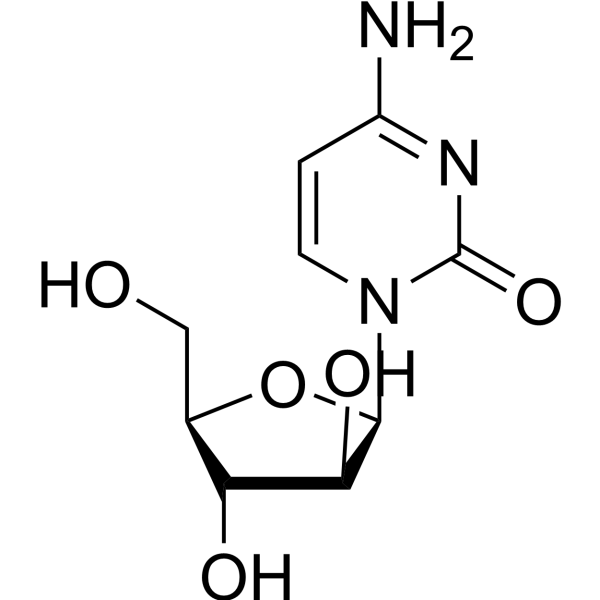
Cat. No.: HY-13605
CAS No.: 147-94-4
Purity:  99.98%
Synonyms: Cytosine β-D-arabinofuranoside; Cytosine Arabinoside; Ara-C
Cytarabine, a nucleoside analog, causes S phase cell cycle arrest and inhibits DNA polymerase. Cytarabine inhibits DNA synthesis with an IC50 of 16 nM. Cytarabine has antiviral effects against HSV. Cytarabine shows anti-orthopoxvirus activity.
loading...
    loading...
105
105 Publications Verification
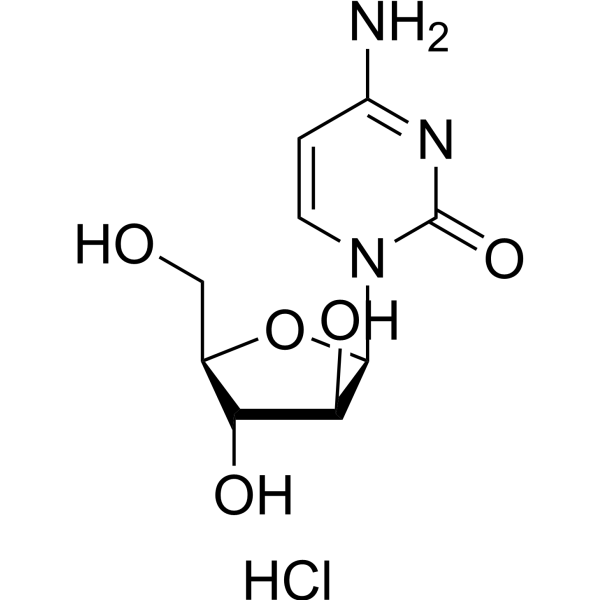
Cat. No.: HY-13605A
CAS No.: 69-74-9
Purity:  99.67%
Synonyms: Cytosine β-D-arabinofuranoside hydrochloride; Cytosine Arabinoside hydrochloride; Ara-C hydrochloride
Cytarabine hydrochloride, a nucleoside analog, causes S phase cell cycle arrest and inhibits DNA polymerase. Cytarabine inhibits DNA synthesis with an IC50 of 16 nM. Cytarabine hydrochloride has antiviral effects against HSV.
loading...
    loading...
75
75 Cited Publications
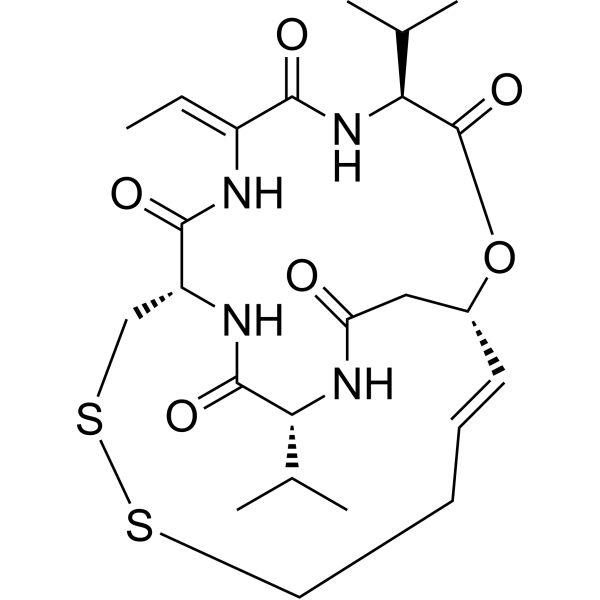
Cat. No.: HY-15149
CAS No.: 128517-07-7
Purity:  99.87%
Synonyms: FK 228; FR 901228; NSC 630176
Target:  

HDAC Apoptosis

Research Areas:  

Cancer

Romidepsin (FK 228) is a Histone deacetylase (HDAC) inhibitor with anti-tumor activities. Romidepsin (FK 228) inhibits HDAC1, HDAC2, HDAC4, and HDAC6 with IC50s of 36 nM, 47 nM, 510 nM and 1.4 μM, respectively . Romidepsin (FK 228) is produced by Chromobacterium violaceum, induces cell G2/M phase arrest and apoptosis .
loading...
    loading...
42
42 Cited Publications
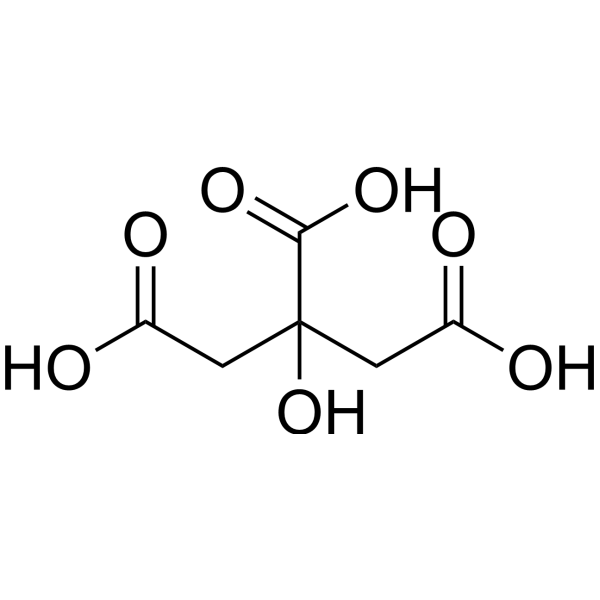
Cat. No.: HY-N1428
CAS No.: 77-92-9
Citric acid is a natural preservative and food tartness enhancer. Citric acid induces apoptosis and cell cycle arrest at G2/M phase and S phase in HaCaT cells. Citric acid cause oxidative damage of the liver by means of the decrease of antioxidative enzyme activities. Citric acid is also an acidulant, emulsifier, sequestrant and buffering agent widely used across many industries .
loading...
    loading...
39
39 Cited Publications
Cat. No.: HY-13768
CAS No.: 123948-87-8
Synonyms: SKF 104864A; NSC 609669
Research Areas:  

Cancer

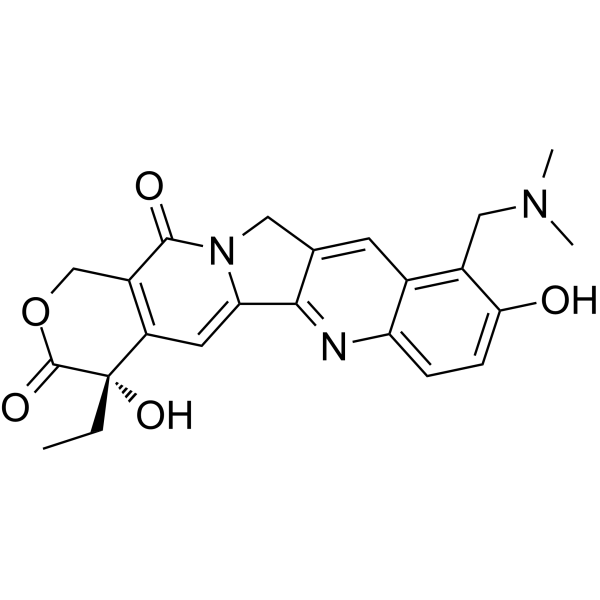
Topotecan (SKF 104864A; NSC 609669) is an orally active and potent Topoisomerase I inhibitor. Topotecan induces cell cycle arrest in G0/G1 and S phases and promotes apoptosis. Topotecan shows anticancer activity .
loading...
    loading...
13
13 Cited Publications
Cat. No.: HY-B2201
CAS No.: 68-04-2
Synonyms: Sodium citrate; Trisodium citrate anhydrous
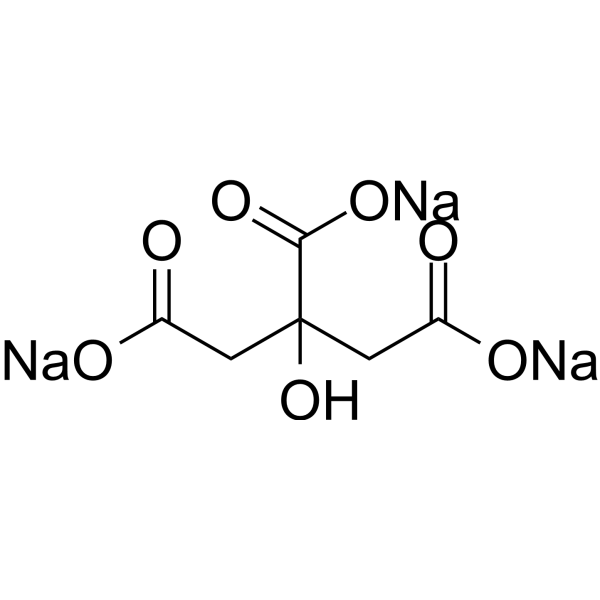
Citric acid trisodium (Sodium citrate) is a natural preservative and food tartness enhancer. Citric acid trisodium induces apoptosis and cell cycle arrest at G2/M phase and S phase in HaCaT cells. Citric acid trisodium cause oxidative damage of the liver by means of the decrease of antioxidative enzyme activities. Citric acid trisodium is also an acidulant, emulsifier, sequestrant and buffering agent widely used across many industries .
loading...
    loading...
13
13 Cited Publications
Cat. No.: HY-W009156
CAS No.: 6100-05-6
Synonyms: Potassium citrate monohydrate
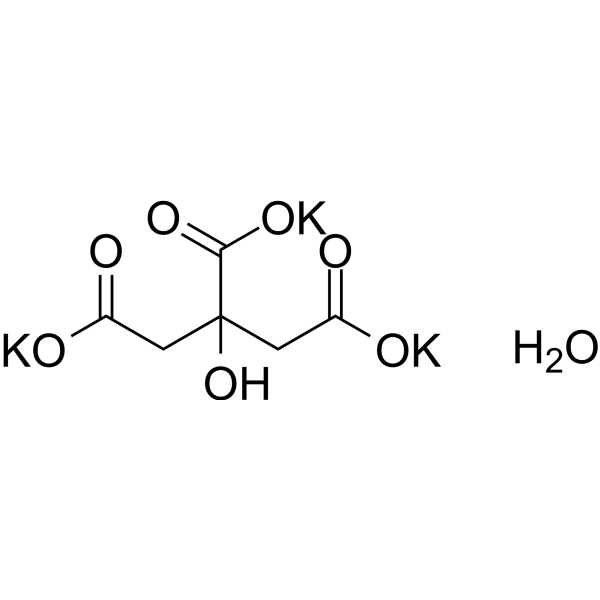
Citric acid tripotassium hydrate (Potassium citrate monohydrate) is a natural preservative and food tartness enhancer. Citric acid tripotassium hydrate induces apoptosis and cell cycle arrest at G2/M phase and S phase in HaCaT cells. Citric acid tripotassium hydrate cause oxidative damage of the liver by means of the decrease of antioxidative enzyme activities. Citric acid tripotassium hydrate is also an acidulant, emulsifier, sequestrant and buffering agent widely used across many industries .
loading...
    loading...
13
13 Cited Publications
Cat. No.: HY-B1295
CAS No.: 6080-58-6
Synonyms: Litarex tetrahydrate
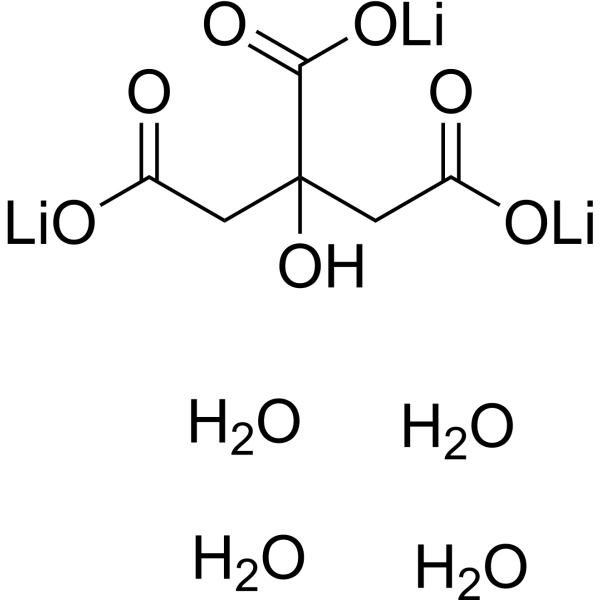
Lithium citrate (Litarex) tetrahydrate is a natural preservative and food tartness enhancer. Lithium citrate tetrahydrate induces apoptosis and cell cycle arrest at G2/M phase and S phase in HaCaT cells. Lithium citrate tetrahydrate cause oxidative damage of the liver by means of the decrease of antioxidative enzyme activities. Lithium citrate tetrahydrate is also an acidulant, emulsifier, sequestrant and buffering agent widely used across many industries .
loading...
    loading...
10
10 Cited Publications
Cat. No.: HY-N1428A
CAS No.: 5949-29-1
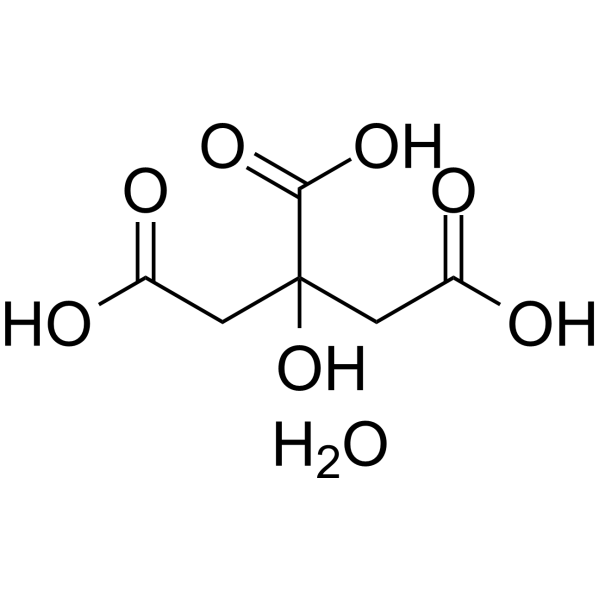
Citric acid monohydrate is a natural preservative and food tartness enhancer. Citric acid monohydrate induces apoptosis and cell cycle arrest at G2/M phase and S phase in HaCaT cells. Citric acid monohydrate cause oxidative damage of the liver by means of the decrease of antioxidative enzyme activities. Citric acid monohydrate is also an acidulant, emulsifier, sequestrant and buffering agent widely used across many industries .
loading...
    loading...
6
6 Cited Publications
Cat. No.: HY-N0636
CAS No.: 13463-28-0
Synonyms: Eriodictyol 7-rutinoside; Eriodictyol 7-O-rutinoside
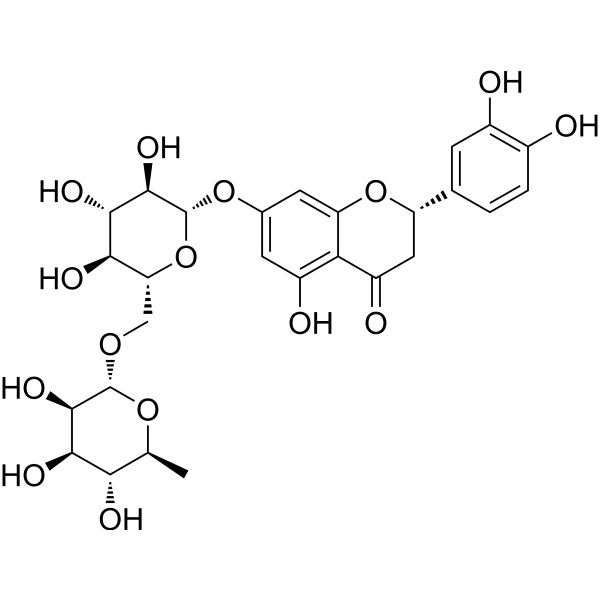
Eriocitrin is a flavonoid isolated from lemons that is a powerful antioxidant. Eriocitrin inhibits the proliferation of liver cancer cells by arresting the cell cycle in the S phase by upregulating p53, cyclin A, cyclin D3 and CDK6. Eriocitrin triggers apoptosis by activating intrinsic signaling pathways involving mitochondria .
loading...
    loading...
6
6 Cited Publications
Cat. No.: HY-B0366A
CAS No.: 969-33-5
Synonyms: Cyproheptadine HCl
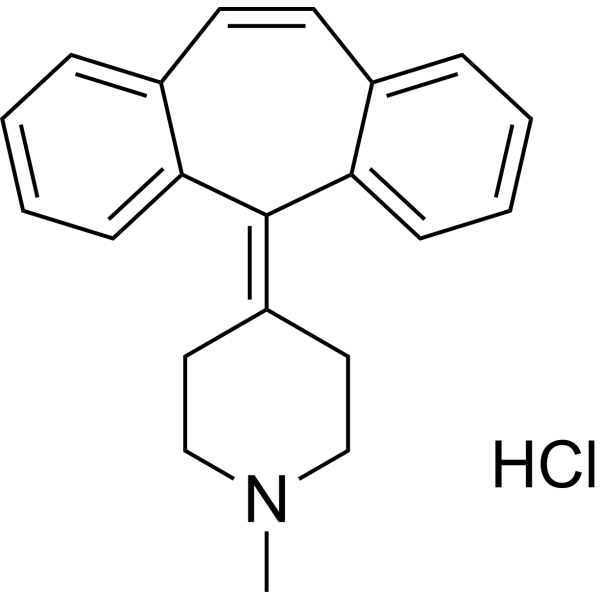
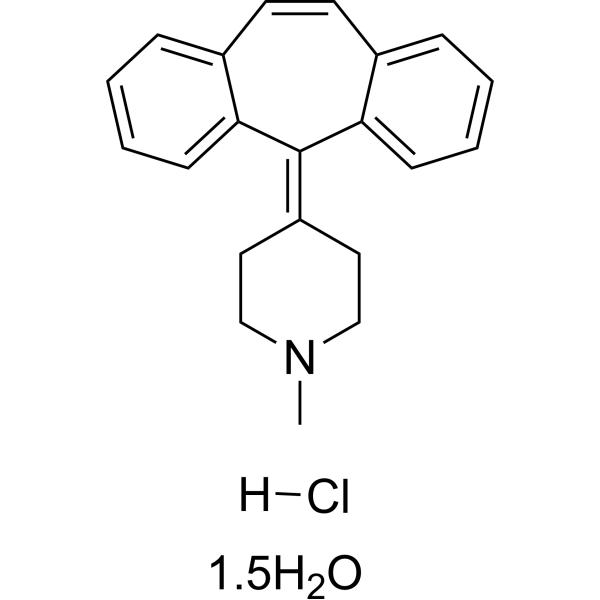
Cyproheptadine hydrochloride (Cyproheptadine HCl) acts as a p38 MAP kinase activator, CHK2 activator, histamine H1 receptor inhibitor and serotonin receptor inhibitor. Cyproheptadine hydrochloride mediates cell cycle arrest via G1 phase arrest, G1/S transition arrest, G0/G1 phase arrest, reduced expression of cyclins D1/D2/D3, upregulated expression of HBP1, p16, p21, p27, and decreased phosphorylation of retinoblastoma protein. Cyproheptadine hydrochloride induces Apoptosis by increasing PARP and cleaved PARP, as well as activating the mitochondrial caspase pathway. Cyproheptadine hydrochloride inhibits tumor growth with extremely low toxicity to normal cells. Cyproheptadine hydrochloride can be used in research related to hepatocellular carcinoma, multiple myeloma and acute myeloid leukemia .
loading...
    loading...
6
6 Cited Publications
Cat. No.: HY-B1622
CAS No.: 129-03-3
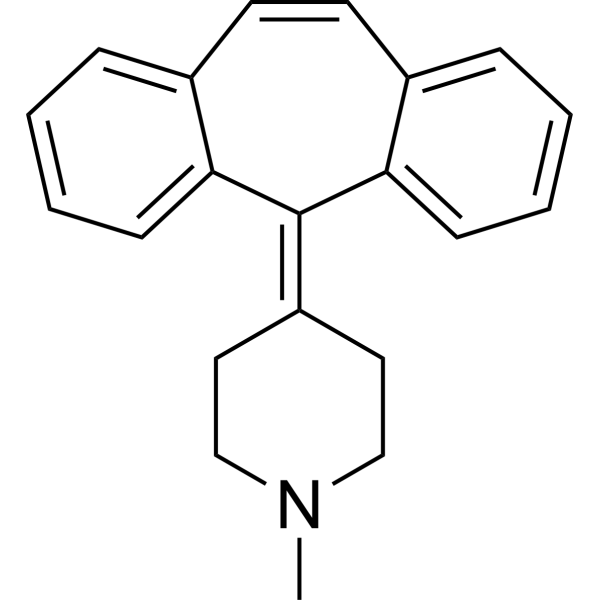
Cyproheptadine acts as a p38 MAP kinase activator, CHK2 activator, histamine H1 receptor inhibitor and serotonin receptor inhibitor. Cyproheptadine mediates cell cycle arrest via G1 phase arrest, G1/S transition arrest, G0/G1 phase arrest, reduced expression of cyclins D1/D2/D3, upregulated expression of HBP1, p16, p21, p27, and decreased phosphorylation of retinoblastoma protein. Cyproheptadine induces Apoptosis by increasing PARP and cleaved PARP, as well as activating the mitochondrial caspase pathway. Cyproheptadine inhibits tumor growth with extremely low toxicity to normal cells. Cyproheptadine can be used in research related to hepatocellular carcinoma, multiple myeloma and acute myeloid leukemia .
loading...
    loading...
6
6 Cited Publications
Cat. No.: HY-B1165
CAS No.: 41354-29-4
Cyproheptadine hydrochloride sesquihydrate acts as a p38 MAP kinase activator, CHK2 activator, histamine H1 receptor inhibitor and serotonin receptor inhibitor. Cyproheptadine hydrochloride sesquihydrate mediates cell cycle arrest via G1 phase arrest, G1/S transition arrest, G0/G1 phase arrest, reduced expression of cyclins D1/D2/D3, upregulated expression of HBP1, p16, p21, p27, and decreased phosphorylation of retinoblastoma protein. Cyproheptadine hydrochloride sesquihydrate induces Apoptosis by increasing PARP and cleaved PARP, as well as activating the mitochondrial caspase pathway. Cyproheptadine hydrochloride sesquihydrate inhibits tumor growth with extremely low toxicity to normal cells. Cyproheptadine hydrochloride sesquihydrate can be used in research related to hepatocellular carcinoma, multiple myeloma and acute myeloid leukemia .
loading...
    loading...
5
5 Cited Publications
Cat. No.: HY-N2389
CAS No.: 50773-42-7
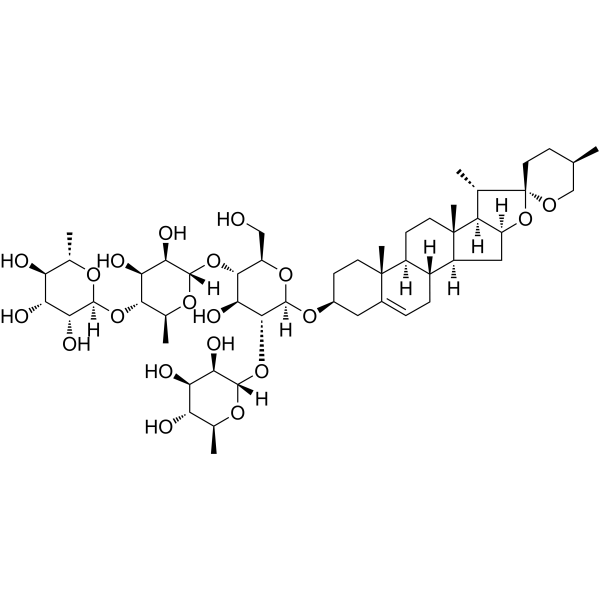
Formosanin C is a diosgenin saponin with multiple biological activities. Formosanin C possesses multiple anti-tumor mechanisms, including inducing apoptosis and autophagy, blocking the cell cycle, inhibiting metastasis and inducing ferroptosis. Formosanin C can inhibit the NF-κB signaling pathway to exert anti-inflammatory effects, and enhance the activity of immune cells. Formosanin C exhibits the inhibiting effect against C. albicans. Formosanin C can be used for the study of anti-inflammation, antifungal anti and anti-cancer (including lung cancer, liver cancer, breast cancer and colorectal cancer, etc.) .
loading...
    loading...
5
5 Cited Publications
Cat. No.: HY-N0430A
CAS No.: 1198398-71-8
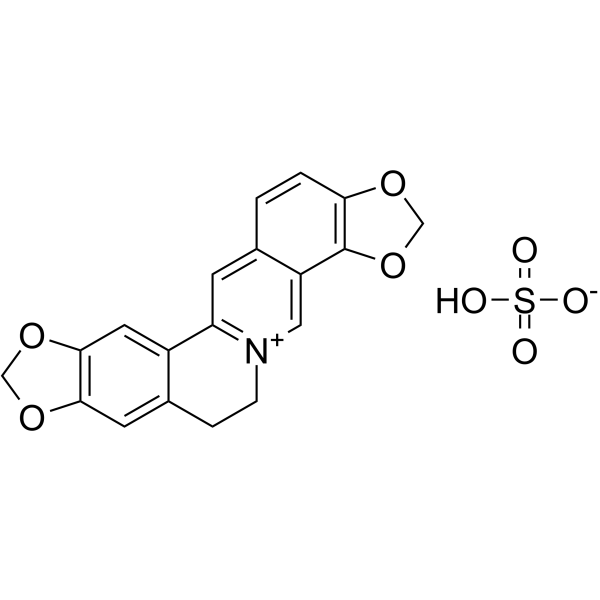
Coptisine Sulfate is an orally active and brain-penetrant alkaloid found in Coptis chinensis. Coptisine Sulfate is a reversible, uncompetitive IDO inhibitor with a Ki of 5.8 μM and an IC50 of 6.3 μM. Coptisine Sulfate suppresses neuroinflammation, reduces Aβ plaque burden and shows neuroprotective activity. Coptisine Sulfate shows anti-inflammation activity by blocking NF-κB, MAPK, and PI3K/Akt activation. Coptisine Sulfate inhibits cancer cells proliferation, induces DNA damage, G2/M phase cell cycle arrest, apoptosis, ROS production and mitochondrial dysfunction. Coptisine Sulfate inhibits Rho/ROCK pathway activation, reduces arrhythmia, limits cardiac injury marker release, reduces infarct size, and preserves cardiac function in rat myocardial ischemia/reperfusion models. Coptisine Sulfate downregulates HMGCR and upregulates LDLR and CYP7A1 to modulate cholesterol metabolism, reduces abnormal serum lipid levels, and promotes fecal bile acid excretion. Coptisine Sulfate be used for the research of cancer, hypercholesterolemia, Alzheimer’s disease, inflammatory disorders and cardiovascular disease .
loading...
    loading...
3
3 Cited Publications
Cat. No.: HY-13721
CAS No.: 81267-65-4
Purity:  99.89%
Synonyms: Idronoxil; Dehydroequol; Haginin E
Research Areas:  

Cancer

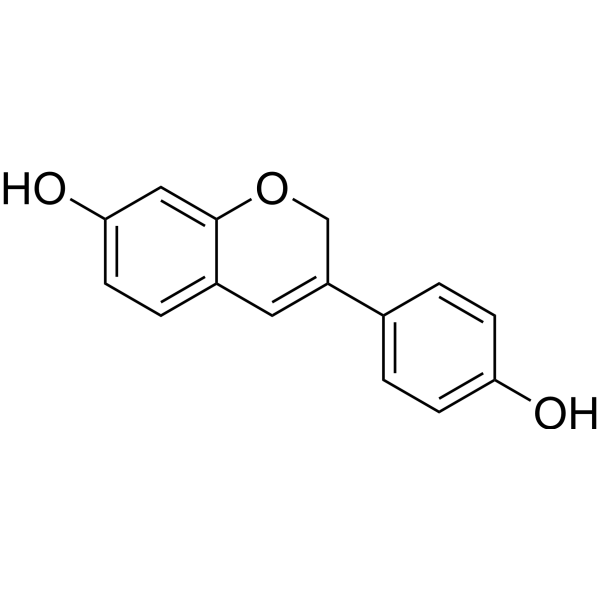
Phenoxodiol (Idronoxil), a synthetic analog of Genestein, activates the mitochondrial caspase system, inhibits XIAP (an apoptosis inhibitor), and sensitizes the cancer cells to Fas-mediated apoptosis. Phenoxodiol also inhibits DNA topoisomerase II by stabilizing the cleavable complex. Phenoxodiol induces cell cycle arrest in the G1/S phase of the cell cycle and upregulates p21 WAF1 via a p53 independent manner .
loading...
    loading...
3
3 Cited Publications
Cat. No.: HY-141512
CAS No.: 2705844-82-0
Purity:  98.97%
Target:  

PROTACs Aurora Kinase

Research Areas:  

Cancer

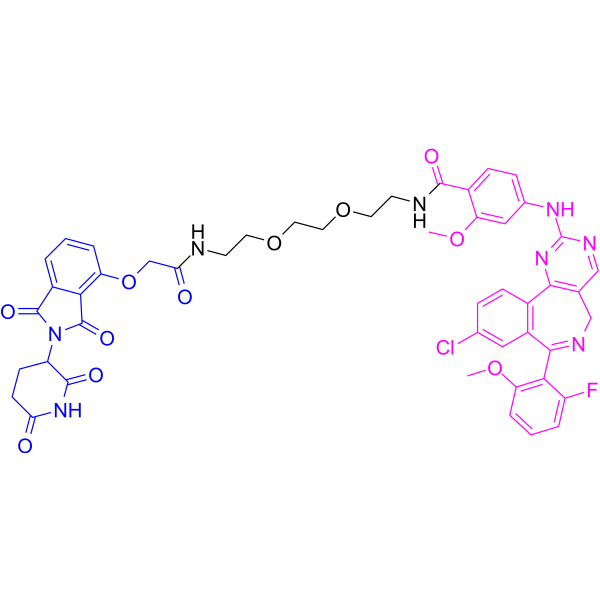
JB170 is a potent and highly specific PROTAC-mediated AURORA-A (Aurora Kinase) degrader (DC50=28 nM) by linking Alisertib, to the Cereblon-binding molecule Thalidomide. JB170 preferentially binds AURORA-A (EC50=193 nM) over AURORA-B (EC50=1.4 µM). JB170-mediated S-phase arrest is caused specifically by AURORA-A depletion. JB170 has excellent ability to inhibit non-catalytic function of AURORA-A kinase .
loading...
    loading...
3
3 Cited Publications
Cat. No.: HY-139604
CAS No.: 2623158-64-3
Purity:  99.56%
Target:  

MARK Apoptosis

Research Areas:  

Cancer

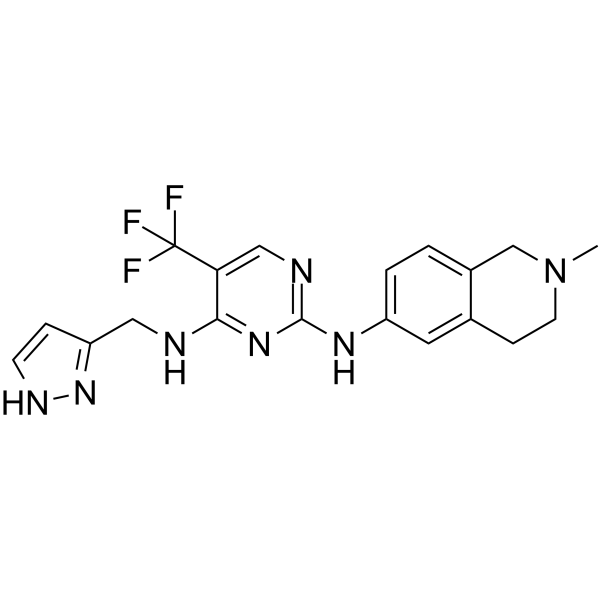
PCC0208017 is a microtubule affinity regulating kinases (MARK3/MARK4) inhibitor with IC50s of 1.8 and 2.01 nM, respectively. PCC0208017 has much lower inhibitory activity against MARK1 and MARK2, with IC50s of 31.4 and 33.7 nM, respectively. PCC0208017 suppresses glioma progression in vitro and in vivo. PCC0208017 disrupts microtubule dynamics and induces G2/M phase cell cycle arrest and cell apoptosis. PCC0208017 demonstrates robust antitumor activity in vivo and displays good BBB permeability .
loading...
    loading...
3
3 Cited Publications
Cat. No.: HY-N0316
CAS No.: 55481-88-4
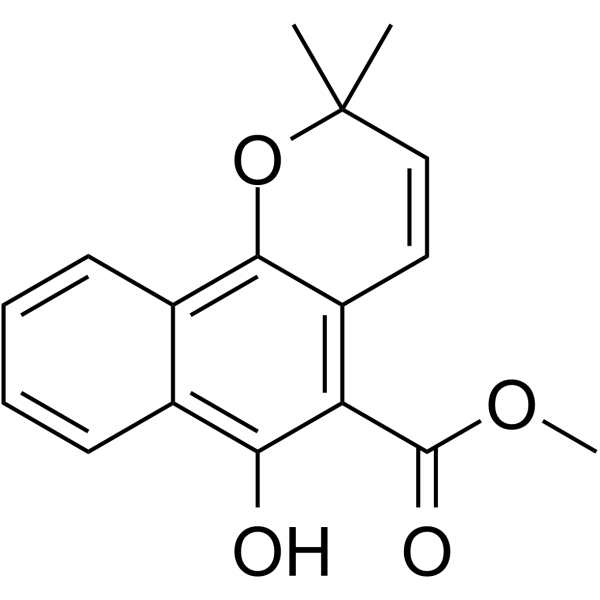
Mollugin is an orally active and potent NF-κB inhibitor. Mollugin induces S-phase arrest of HepG2 cells, and increased intracellular reactive oxygen species (ROS) levels. Mollugin induces DNA damage in HepG2 cells, as well as an increase in the expression of p-H2AX. Mollugin shows anti-cancer effect by inhibiting TNF-α-induced NF-κB activation. Mollugin enhances the osteogenic action of BMP-2 (bone morphogenetic protein 2) via the p38-Smad signaling pathway .
loading...
    loading...
3
3 Cited Publications
Cat. No.: HY-N12257
CAS No.: 27220-57-1
Antimycin A2 is a selective inhibitor of the cytochrome b-c1 complex in the mitochondrial electron transport chain. Antimycin A2 disrupts mitochondrial membrane potential and produces reactive oxygen species (ROS) by inhibiting electron transfer between cytochrome b and c. Antimycin A2 has bactericidal and piscicidal activity, as well as tumor cell growth inhibitory effects, and can induce S-phase cell cycle arrest and apoptosis in HeLa cells. Antimycin A2 is suitable for research of cervical cancer and fisheries management. Antimycin A2 can be naturally isolated from the fermentation products of Streptomyces sp. strains .
loading...
    loading...

