1. Search Result
Search Result
Results for "

S-phase arrest

" in MedChemExpress (MCE) Product Catalog:

228

Inhibitors & Agonists

9

Biochemical Assay Reagents

3

Peptides

1

Inhibitory Antibodies

47

Natural
Products

12

Isotope-Labeled Compounds

1

Click Chemistry

1

Oligonucleotides

Cat. No. Product Name Target Research Areas Chemical Structure
  • HY-13605
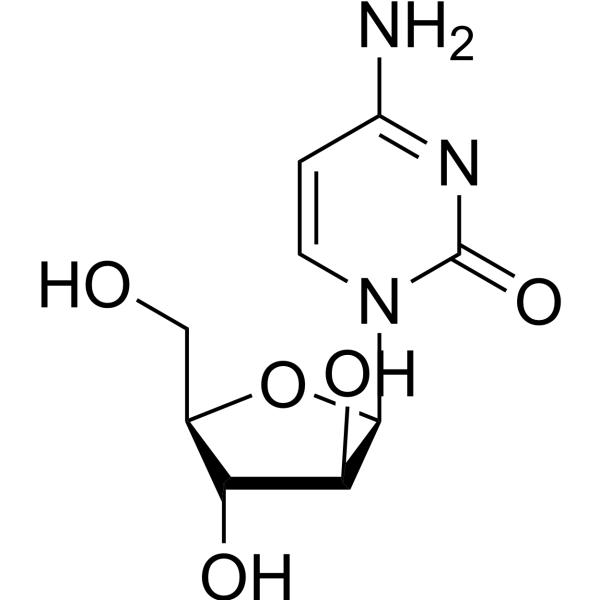
    Cytarabine
    Maximum Cited Publications
    95 Publications Verification

    Cytosine β-D-arabinofuranoside; Cytosine Arabinoside; Ara-C

    DNA/RNA Synthesis Nucleoside Antimetabolite/Analog HSV Autophagy Apoptosis Endogenous Metabolite Orthopoxvirus Infection Cancer
    Cytarabine, a nucleoside analog, causes S phase cell cycle arrest and inhibits DNA polymerase. Cytarabine inhibits DNA synthesis with an IC50 of 16 nM. Cytarabine has antiviral effects against HSV. Cytarabine shows anti-orthopoxvirus activity.
    Cytarabine
  • HY-13605A
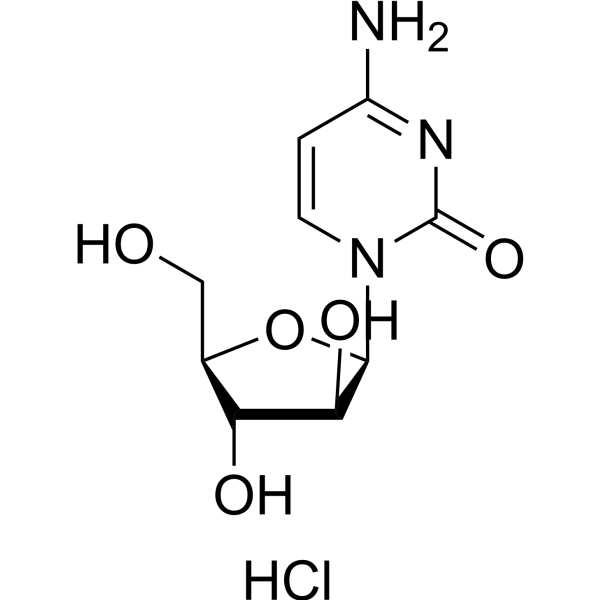
    Cytarabine hydrochloride
    Maximum Cited Publications
    95 Publications Verification

    Cytosine β-D-arabinofuranoside hydrochloride; Cytosine Arabinoside hydrochloride; Ara-C hydrochloride

    DNA/RNA Synthesis Nucleoside Antimetabolite/Analog HSV Autophagy Infection Cancer
    Cytarabine hydrochloride, a nucleoside analog, causes S phase cell cycle arrest and inhibits DNA polymerase. Cytarabine inhibits DNA synthesis with an IC50 of 16 nM. Cytarabine hydrochloride has antiviral effects against HSV.
    Cytarabine hydrochloride
  • HY-N0636
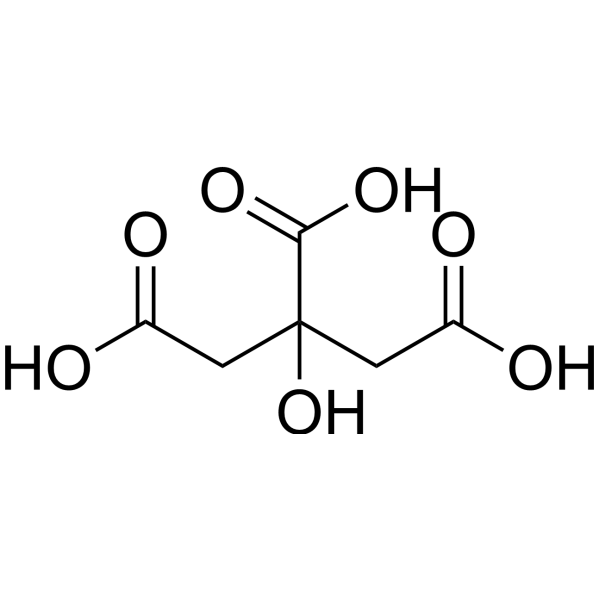
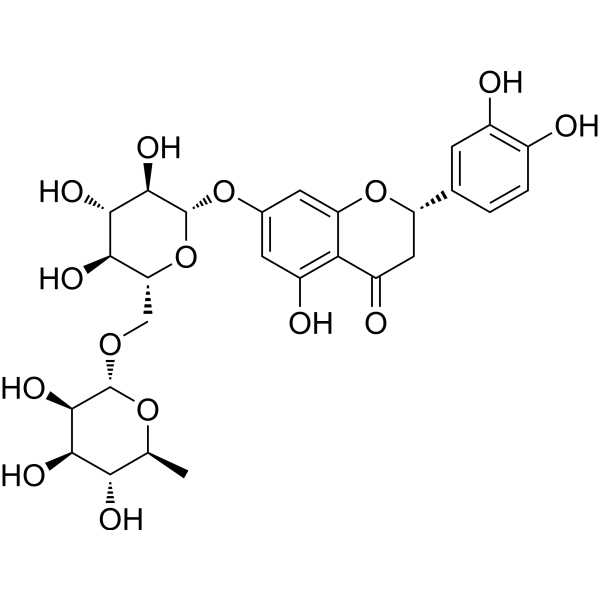
    Eriocitrin
    5 Publications Verification

    Eriodictyol 7-rutinoside; Eriodictyol 7-O-rutinoside

    Apoptosis Cancer
    Eriocitrin is a flavonoid isolated from lemons that is a powerful antioxidant. Eriocitrin inhibits the proliferation of liver cancer cells by arresting the cell cycle in the S phase by upregulating p53, cyclin A, cyclin D3 and CDK6. Eriocitrin triggers apoptosis by activating intrinsic signaling pathways involving mitochondria .
    Eriocitrin
  • HY-148807

    QC8222 free base; TACH 101 free base

    Histone Demethylase Apoptosis Cancer
    Zavondemstat (QC8222 free base; TACH 101 free base) is an orally active pan-KDM4 inhibitor, with a IC50 ≤ 0.08 μM against human KDM4A-D and a Kᵢ of 0.52 μM against human KDM4C. Zavondemstat induces cell apoptosis, causes S-phase cell cycle arrest, reduces the population of tumor-initiating cells and inhibits cancer cell proliferation. Zavondemstat suppresses tumor growth and induces tumor regression in mouse xenograft models. Zavondemstat can be used for the research of various cancers including colorectal cancer, esophageal squamous cell carcinoma and triple-negative breast cancer .
    Zavondemstat
  • HY-N0316
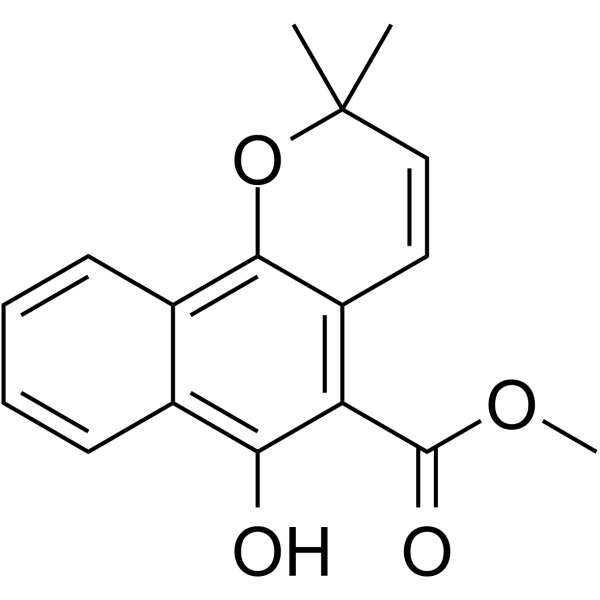
    Mollugin
    2 Publications Verification

    JAK NF-κB Reactive Oxygen Species (ROS) Apoptosis VEGFR c-Myc Cancer
    Mollugin is an orally active and potent NF-κB inhibitor. Mollugin induces S-phase arrest of HepG2 cells, and increased intracellular reactive oxygen species (ROS) levels. Mollugin induces DNA damage in HepG2 cells, as well as an increase in the expression of p-H2AX. Mollugin shows anti-cancer effect by inhibiting TNF-α-induced NF-κB activation. Mollugin enhances the osteogenic action of BMP-2 (bone morphogenetic protein 2) via the p38-Smad signaling pathway .
    Mollugin
  • HY-W040129
    Chromomycin A3
    1 Publications Verification

    DNA Alkylator/Crosslinker DNA/RNA Synthesis Apoptosis Caspase Infection Neurological Disease Cancer
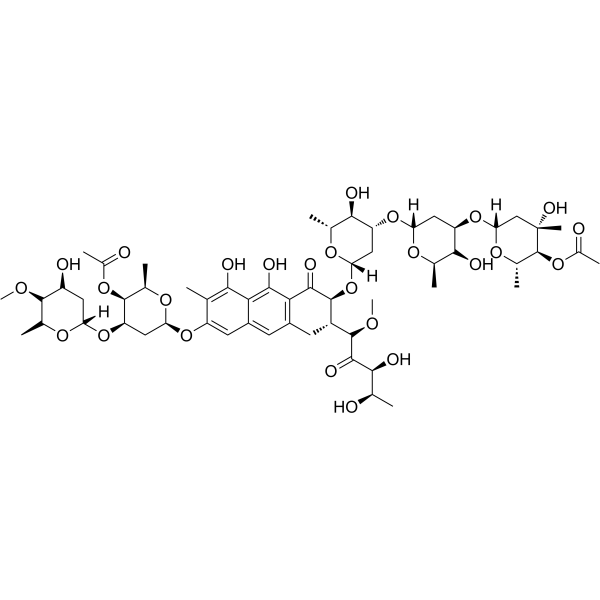
    Chromomycin A3 is an inhibitor that selectively binds to GC-rich DNA sequences. Chromomycin A3 targets the DNA minor groove after forming a dimer with Mg 2+. Chromomycin A3 inhibits DNA replication and transcription, blocks the binding of Sp1 transcription factor to target gene promoters, downregulates the expression of anti-apoptotic proteins such as FLIP, Mcl-1, and XIAP, and induces S-phase cycle arrest and caspase-dependent apoptosis in tumor cells. Chromomycin A3 can antagonize oxidative stress induced by glutathione depletion and neuronal apoptosis induced by Camptothecin (HY-15660). Chromomycin A3 can be used in basic research on malignant tumors such as cholangiocarcinoma, and is a potential chemosensitizer and GC-rich region probe .
    Chromomycin A3
  • HY-138253

    dFdU; 2',2'-Difluoro-2'-deoxyuridine

    Drug Metabolite Apoptosis Cancer
    2’,2’-Difluorodeoxyuridine (dFdU) is the main metabolite of Gemcitabine (HY-17026). 2’,2’-Difluorodeoxyuridine causes a concentration- and schedule- dependent radiosensitising effect in vitro. 2’,2’-Difluorodeoxyuridine arrests cell cycle at the early S phase and induces apoptosis in cancer cells .
    2′,2′-Difluorodeoxyuridine
  • HY-B1508

    Acetomenaphthone

    Endogenous Metabolite Apoptosis Cardiovascular Disease Cancer
    Vitamin K4 is a chemically synthesized Vitamin K which plays an important role in the normal blood coagulation system. Vitamin K4 arrests the cells in S phase and induces apoptosis. Vitamin K4 can be used for the research of cancer, such as prostate cancer and osteosarcoma .
    Vitamin K4
  • HY-N10503

    Tyrosinase Ras Raf MAPKAPK2 (MK2) Apoptosis Cancer
    Norartocarpetin is a tyrosinase inhibitor. Norartocarpetin has strong tyrosinase inhibitory activity with an IC50 value of 0.47 μM. Norartocarpetin as an antibrowning agent can be used for the research of food systems. Norartocarpetin also has a significant anticancer activity in lung carcinoma cells (NCI-H460) with an IC50 value of 22 μM. Norartocarpetin has antiproliferative effects are mediated via targeting Ras/Raf/MAPK signalling pathway, mitochondrial mediated apoptosis, S-phase cell cycle arrest and suppression of cell migration and invasion in human lung carcinoma cells .
    Norartocarpetin
  • HY-N12257
    Antimycin A2
    2 Publications Verification

    Cytochrome P450 Reactive Oxygen Species (ROS) Apoptosis Infection Cancer
    Antimycin A2 is a selective inhibitor of the cytochrome b-c1 complex in the mitochondrial electron transport chain. Antimycin A2 disrupts mitochondrial membrane potential and produces reactive oxygen species (ROS) by inhibiting electron transfer between cytochrome b and c. Antimycin A2 has bactericidal and piscicidal activity, as well as tumor cell growth inhibitory effects, and can induce S-phase cell cycle arrest and apoptosis in HeLa cells. Antimycin A2 is suitable for research of cervical cancer and fisheries management. Antimycin A2 can be naturally isolated from the fermentation products of Streptomyces sp. strains .
    Antimycin A2
  • HY-13768
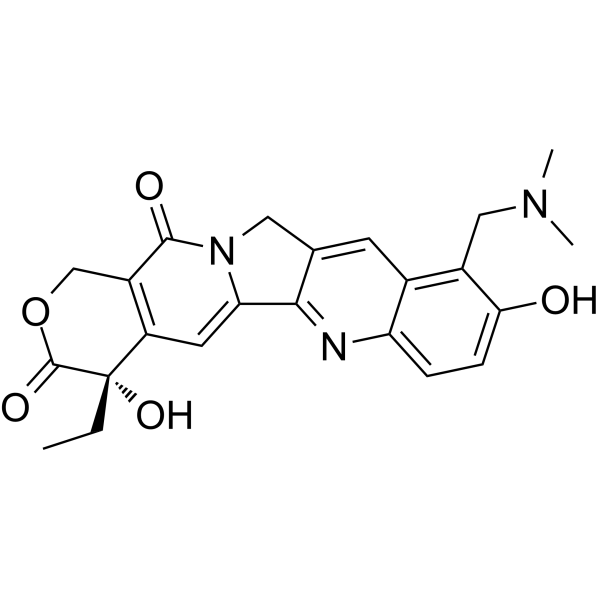
    Topotecan
    35+ Cited Publications

    SKF 104864A; NSC 609669

    Topoisomerase Autophagy Apoptosis Cancer
    Topotecan (SKF 104864A; NSC 609669) is an orally active and potent Topoisomerase I inhibitor. Topotecan induces cell cycle arrest in G0/G1 and S phases and promotes apoptosis. Topotecan shows anticancer activity .
    Topotecan
  • HY-N5074

    Apoptosis Inflammation/Immunology Cancer
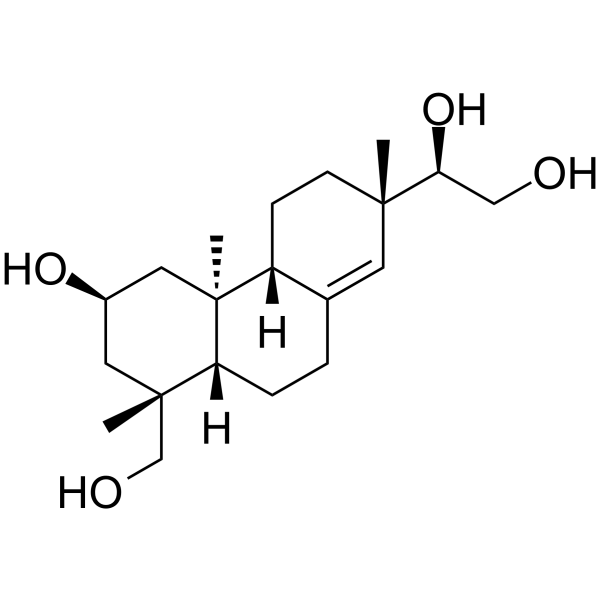
    Terrestrosin D is an orally active apoptosis inducer. Terrestrosin D induces cell cycle arrest at the G1 and S phases, reduces mitochondrial membrane potential, and inhibits the growth of cancer cells and endothelial cells. Terrestrosin D is studied in castration-resistant prostate cancer and pulmonary fibrosis .
    Terrestrosin D
  • HY-108474
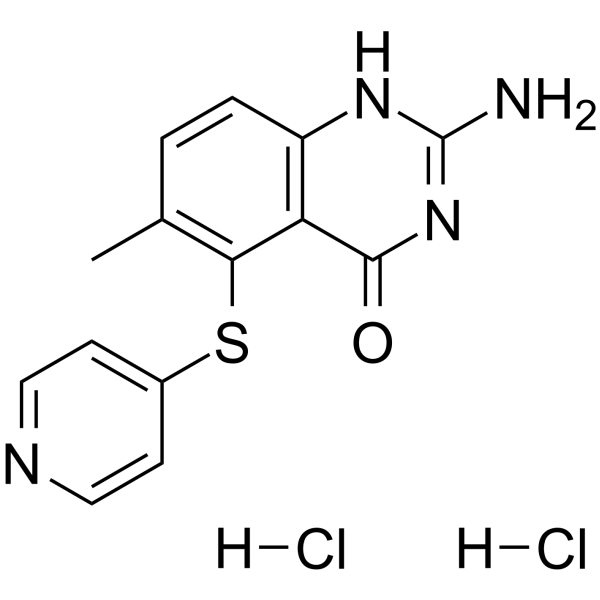
    Nolatrexed dihydrochloride
    2 Publications Verification

    AG 337

    Thymidylate Synthase Cancer
    Nolatrexed dihydrochloride (AG 337) is an orally active and non-competitive lipophilic inhibitor of thymidylate synthase with a Ki of 11 nM for human thymidylate synthase. Nolatrexed dihydrochloride interacts at the folate cofactor binding site of the enzyme. Nolatrexed dihydrochloride increases sulfotransferases. Nolatrexed dihydrochloride induces cell cycle arrest in S phase of cancer cells. Nolatrexed dihydrochloride exhibits anticancer activity against cervical cancer.
    Nolatrexed dihydrochloride
  • HY-129440

    NF-κB Toll-like Receptor (TLR) p38 MAPK NO Synthase COX ERK Caspase PDGFR MyD88 Reactive Oxygen Species (ROS) Apoptosis Neurological Disease Metabolic Disease Inflammation/Immunology Cancer
    N-(p-Coumaroyl) Serotonin is an orally active polyphenol found in safflower seeds with potent anti-inflammatory, antioxidant, and antitumor activities. N-(p-Coumaroyl) Serotonin suppresses NF‑κB, TLR4/MyD88 and MAPK signaling, activates NQO1/HO‑1 pathways, and inhibits pro‑inflammatory cytokines, iNOS and COX‑2 and ROS production. N-(p-Coumaroyl) Serotonin induces S‑phase arrest and apoptosis in glioblastoma cells, reduces atherosclerotic lesions, and alleviates renal and vascular injuries. N-(p-Coumaroyl) Serotonin acts as a vasodilator, regulates calcium dynamics. N-(p-Coumaroyl) Serotonin can be used for the research of neurodegenerative diseases, atherosclerosis, glioblastoma, and acute renal failure .
    N-(p-Coumaroyl) Serotonin
  • HY-N2217

    Akt mTOR p38 MAPK Apoptosis Phosphatase Interleukin Related NF-κB PI3K Keap1-Nrf2 Heme Oxygenase (HO) Toll-like Receptor (TLR) Reactive Oxygen Species (ROS) Metabolic Disease Inflammation/Immunology Cancer
    Rotundic acid is an orally effective triterpenoid with a Kd value of 51.3 µM for PTP1B. Rotundic acid downregulates the AKT/mTOR pro-survival pathway and modulates the MAPK pathway. Rotundic acid induces cell cycle S-phase arrest, DNA damage and apoptosis; it inhibits migration, invasion, angiogenesis and proliferation of cancer cells. Rotundic acid improves leptin sensitivity, regulates gut microbiota and reduces cellular senescence. Rotundic acid can be used in research related to hepatocellular carcinoma, obesity, aging, acute lung injury and type 2 diabetes .
    Rotundic acid
  • HY-15228
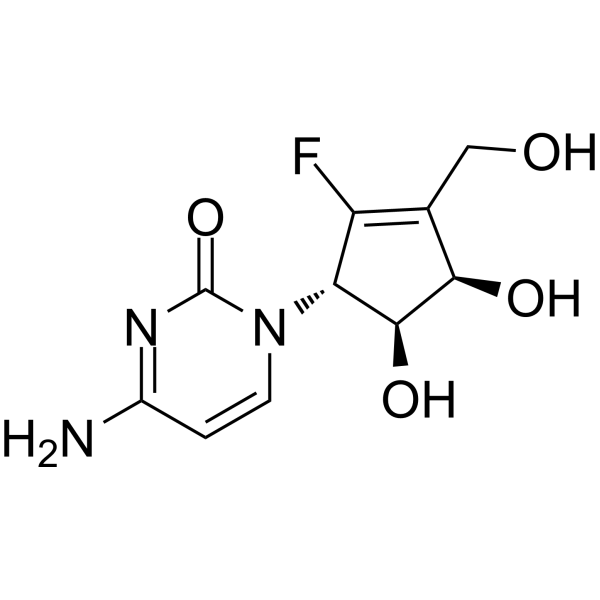
    RX-3117
    2 Publications Verification

    TV-1360; Fluorocyclopentenylcytosine

    Nucleoside Antimetabolite/Analog Apoptosis Cancer
    RX-3117 (TV-1360) is a potent and orally active anticancer and antimetaboliteagent. RX-3117 inhibits DNA methyltransferase 1 (DNMT1). RX-3117 shows antiproliferative and anti-tumour activity. RX-3117 induces cell cycle arrest at S phase and apoptosis .
    RX-3117
  • HY-141512
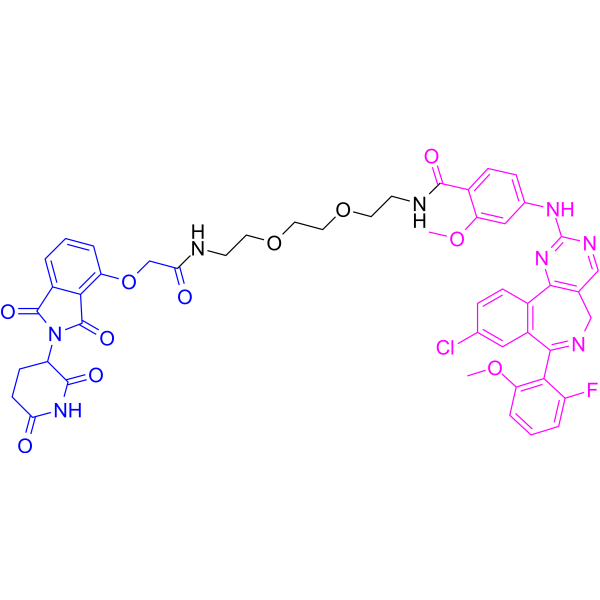
    JB170
    3 Publications Verification

    PROTACs Aurora Kinase Cancer
    JB170 is a potent and highly specific PROTAC-mediated AURORA-A (Aurora Kinase) degrader (DC50=28 nM) by linking Alisertib, to the Cereblon-binding molecule Thalidomide. JB170 preferentially binds AURORA-A (EC50=193 nM) over AURORA-B (EC50=1.4 µM). JB170-mediated S-phase arrest is caused specifically by AURORA-A depletion. JB170 has excellent ability to inhibit non-catalytic function of AURORA-A kinase .
    JB170
  • HY-149979

    Apoptosis Cancer
    SLC7A11-IN-1 is a potent solute carrier family 7 member 11 (SLC7A11, xCT) inhibitor. SLC7A11-IN-1 shows antiproliferative activity. SLC7A11-IN-1 inhibits cell invasion and metastasis. SLC7A11-IN-1 induces Apoptosis and cell cycle arrest at S-phase. SLC7A11-IN-1 shows anti-tumor activity .
    SLC7A11-IN-1
  • HY-113638

    GS-456332

    Stearoyl-CoA Desaturase (SCD) Apoptosis Cancer
    CVT-11127 is a potent SCD inhibitor. CVT-11127 induces apoposis and arrests the cell cycle at the G1/S phase. CVT-11127 has the potential for the research of lung cancer .
    CVT-11127
  • HY-111428
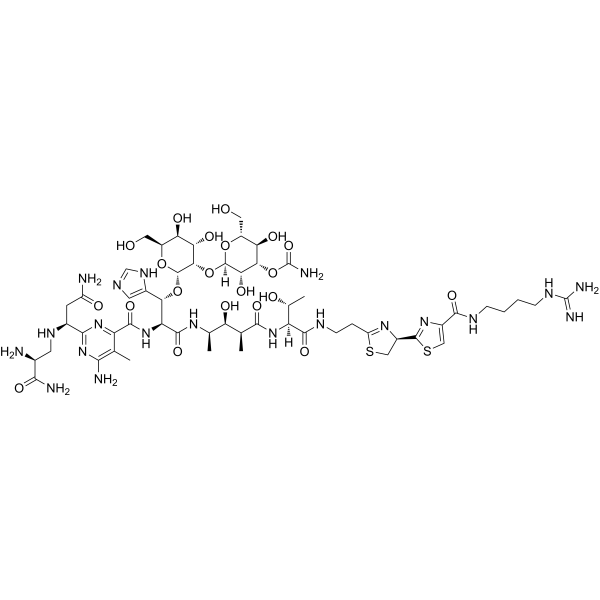
    Phleomycin D1
    2 Publications Verification

    PLM D1

    Antibiotic Infection
    Phleomycin D1 (PLM D1), a glycopeptide antibiotic, is a member of the Bleomycin/Phleomycin family. Phleomycin D1 causes cell death by binding and cleaving DNA. Phleomycin D1 induces cell cycle arrest at S phase .
    Phleomycin D1
  • HY-118672

    HDAC MMP HIF/HIF Prolyl-Hydroxylase Cancer
    HNHA is a potent HDAC inhibitor with an IC50 of 100 nM. HNHA arrests the cell cycle at the G1/S phase via p21 induction. HNHA inhibits tumor growth and tumor neovascularization. HNHA may be a potent anti-cancer agent against breast cancer .
    HNHA
  • HY-117102

    Aryl Hydrocarbon Receptor Checkpoint Kinase (Chk) Cancer
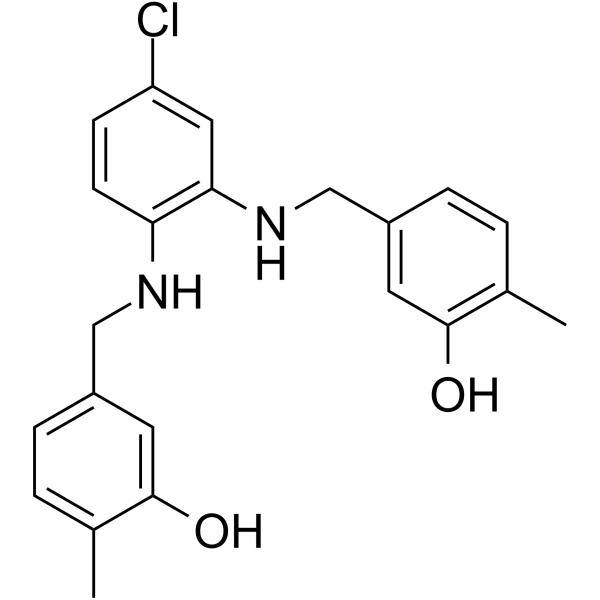
    ANI-7 is an activator of aryl hydrocarbon receptor (AhR) pathway. ANI-7 inhibits the growth of multiple cancer cells, and potently and selectively inhibits the growth of MCF-7 breast cancer cells with a GI50 of 0.56 μM. ANI-7 induces CYP1-metabolizing mono-oxygenases by activating AhR pathway, and also induces DNA damage, checkpoint Kinase 2 (Chk2) activation, S-phase cell cycle arrest, and cell death in sensitive breast cancer cell lines .
    ANI-7
  • HY-N1196

    NF-κB Inflammation/Immunology
    Suberosin, isolated from Plumbago zeylanica, exhibits anti-inflammatory and anticoagulant activity. Suberosin suppresses PHA-induced PBMC proliferation and arrested cell cycle progression from the G1 transition to the S phase through the modulation of the transcription factors NF-AT and NF-κB .
    Suberosin
  • HY-163697

    Wee1 Apoptosis Cancer
    WEE1-IN-7 (compound 12h) is a potent and orally activeWEE1 inhibitor with an IC50 value of 2.1 nM. WEE1-IN-7 induces apoptosis and cell cycle arrest at the S phase. WEE1-IN-7 shows antitumor activity .
    WEE1-IN-7
  • HY-162308

    Histone Methyltransferase Apoptosis Cancer
    NSD-IN-3 (compound 3) is a potent nuclear receptor binding SET domain (NSD) inhibitor. NSD-IN-3 inhibits NSD2-SET and NSD3-SET with IC50 values of 0.81 μM and 0.84 μM, respectively. NSD-IN-3 inhibits histone H3K36 dimethylation and decreases the expression of NSDs-targeted genes in non-small cell lung cancer cells. NSD-IN-3 induces s-phase cell cycle arrest and apoptosis .
    NSD-IN-3
  • HY-W020958

    Tris(acetylacetonato)ruthenium (III)

    Caspase Apoptosis Cancer
    Ru (acac) 3 (Tris (acetylacetonato) ruthenium (III)) is a caspase-3 activator and Apoptosis inducer. Ru (acac) 3 exerts growth inhibitory effects on various cell lines in vitro by inhibiting DNA/RNA synthesis and inducing mild reversible S-phase cell cycle arrest. Ru (acac) 3 is commonly used in research related to ovarian cancer, osteosarcoma, cervical cancer, melanoma, and other fields .
    Ru(acac)3
  • HY-155339

    Apoptosis DNA/RNA Synthesis Cancer
    Anticancer agent 168 (compound d16) is a inhibitor of DNA2. Anticancer agent 168 induces apoptosis and cell-cycle arrest mainly at S-phase, and exhibits anticancer activities and overcomes chemotherapy resistance in mutp53-bearing cancers .
    Anticancer agent 168
  • HY-163622

    Apoptosis Deubiquitinase Cancer
    USP10-IN-3 (compound D1) is a potent USP10 inhibitor with an IC50 value of 7.2 µM. USP10-IN-3 inhibits cell proliferation. USP10-IN-3 induces apoptosis and cell cycle arrest at S-phase .
    USP10-IN-3
  • HY-W016099

    MQCA

    Drug Metabolite Cancer
    3-Methyl-2-quinoxalinecarboxylic acid (MQCA), an important N-oxide reductive metabolite of Quinocetone or Olaquindox, potently inhibits the growth of Chang liver cells through S phase arrest of the cell cycle .
    3-Methyl-2-quinoxalinecarboxylic acid
  • HY-151978

    Indoleamine 2,3-Dioxygenase (IDO) Apoptosis Cancer
    ZC0109 is a dual inhibitor of IDO1 and thioredoxin reductase 1 (TrxR1) with IC50s of 50 nM and 3.0 μM, respectively. ZC0109 induces ROS accumulation and cell cycle arrest at G1/S phase, thus leads to cancer cells apoptosis .
    ZC0109
  • HY-13605R

    Cytosine β-D-arabinofuranoside (Standard); Cytosine Arabinoside (Standard); Ara-C (Standard)

    Reference Standards DNA/RNA Synthesis Nucleoside Antimetabolite/Analog HSV Autophagy Apoptosis Endogenous Metabolite Orthopoxvirus Infection Cancer
    Cytarabine (Standard) is the analytical standard of Cytarabine. This product is intended for research and analytical applications. Cytarabine, a nucleoside analog, causes S phase cell cycle arrest and inhibits DNA polymerase. Cytarabine inhibits DNA synthesis with an IC50 of 16 nM. Cytarabine has antiviral effects against HSV. Cytarabine shows anti-orthopoxvirus activity.
    Cytarabine (Standard)
  • HY-162938

    E1/E2/E3 Enzyme Cancer
    Skp2 inhibitor 3 (E35), an antitumor agent, is a potent S‑Phase Kinase-associated Protein 2 (SKP2) inhibitor, with an IC50 of 4.86 μM for Skp2-Cks1 binding. Skp2 inhibitor 3 (E35) significantly inhibits colony formation and migration, as well as arrests the cell cycle at the S-phase .
    Skp2 inhibitor 3
  • HY-100513

    DNA/RNA Synthesis Apoptosis Antibiotic Cancer
    (±)-Dehydroaltenusin, an antibiotic, is a selective eukaryotic DNA polymerase α (pol α) inhibitor with an IC50 of 0.68 μM. (±)-Dehydroaltenusin can be isolated from fungus Alternaria tenuis. (±)-Dehydroaltenusin competitively inhibits the DNA template primer (Ki: 0.23 μM) and non-competitively suppresses the 2'-deoxyribonucleoside 5'-triphosphate substrate (Ki: 0.18 μM). (±)-Dehydroaltenusin induces the cancer cell S-phase cycle arrest and apoptosis. (±)-Dehydroaltenusin can be used for cancers like human adenocarcinoma research .
    (±)-Dehydroaltenusin
  • HY-103702

    Proton Pump DNA/RNA Synthesis Apoptosis Inflammation/Immunology Cancer
    TIP48/49-IN-1 is an orally active, specific RUVBL1/2 (TIP48/49) ATPase inhibitor with an IC50 of 59 nM against purified RUVBL1/2. TIP48/49-IN-1 inhibits the DNA replication process, leading to S-phase arrest. TIP48/49-IN-1 induces apoptosis. TIP48/49-IN-1 can be used for the research of non-small cell lung cancer (NSCLC) cells .
    TIP48/49-IN-1
  • HY-111617

    Apoptosis Cancer
    BTR-1 is an active anti-cancer agent, causes S phase arrest, and affects DNA replication in leukemic cells. BTR-1 activates apoptosis and induces cell death .
    BTR-1
  • HY-W338346

    Drug Derivative Interleukin Related TNF Receptor Polo-like Kinase (PLK) Inflammation/Immunology Cancer
    Salicylate choline is an orally active derivative of Aspirin (acetylsalicylic acid) (HY-14654). Salicylate choline significantly reduces IL-1β, IL-6, TNF-α and IL-10 levels in cells. Salicylate choline enhances the anti-tumor activity of the CRM1 inhibitor Selinexor (KPT-330) (HY-17536) through inducing S-phase cell cycle arrest and impairing DNA damage repair. Salicylate choline combined with Selinexor demonstrates excellent anti-tumor efficacy in mice xenograft model harboring JeKo-1 cells. Salicylate choline can be used for the study of rheumatic diseases, inflammation and cancer .
    Salicylate choline
  • HY-120105

    DNA/RNA Synthesis Apoptosis MDM-2/p53 Bcl-2 Family Caspase PARP Cancer
    NSC666715 is a DNA polymerase β (Pol-β) inhibitor. NSC666715 directly and specifically interacts with Pol-β, interferes with its binding to damaged DNA, blocks its dRP lyase activity, and inhibits Pol-β-mediated SN- and LP-BER. NSC666715 induces AP site accumulation and S-phase cell cycle arrest, and triggers senescence and apoptosis (apoptosis) via the p53/p21 pathway in colorectal cancer cells. NSC666715 enhances TMZ (HY-17364)-induced DNA damage, senescence and apoptosis, and potentiates the cytotoxicity of TMZ. NSC666715 inhibits tumor growth in colon cancer xenograft models. NSC666715 can be used in research related to colorectal cancer .
    NSC666715
  • HY-125612

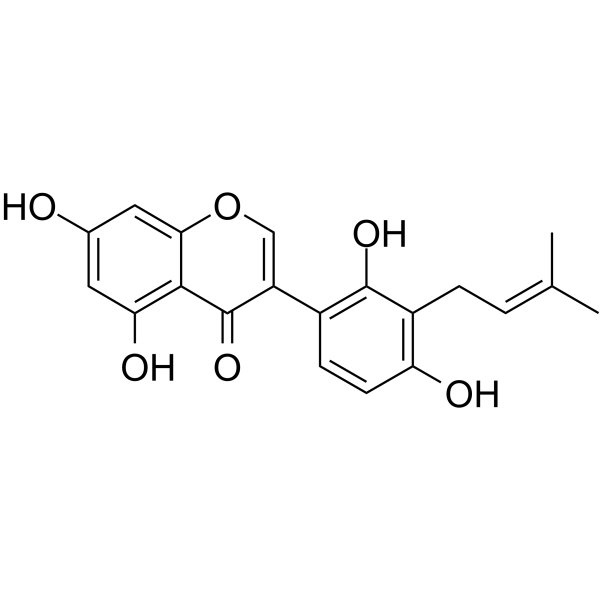
    5'-Hydroxymorusin

    Apoptosis Cancer
    Artonin E (5'-Hydroxymorusin) is a known prenylated flavonoid that induces apoptosis and arrests the cell cycle in S phase. Artonin E can induce anti-proliferative effects through mitochondrial pathway dysregulation and can be used in cancer research .
    Artonin E
  • HY-172915

    MDM-2/p53 DNA-PK Apoptosis Cancer
    p53 Stabilizer 2 is a 9'-cycloheptylselenomethyl-noscapine derivative and DNA-PKcs-dependent p53 stabilizer with low tubulin-binding affinity.p53 Stabilizer 2 induces S-phase arrest and apoptosis in cancer cells.p53 Stabilizer 2 can be used for the research of cancer .
    p53 Stabilizer 2
  • HY-126423

    Isorhamnetin 3-O-glucuronide

    Apoptosis Cancer
    Isorhamnetin 3-glucuronide is a potent anticancer agent. Isorhamnetin 3-glucuronide shows anti-proliferative activity. Isorhamnetin 3-glucuronide induces Apoptosis and cell cycle arrest at S-phase .
    Isorhamnetin 3-glucuronide
  • HY-179152

    Apoptosis Topoisomerase Cancer
    Apoptosis inducer 54 is an apoptosis inducer that interacts with topoisomerase II-DNA. Apoptosis inducer 54 induces cell cycle arrest at the S phase in cancer cells. Apoptosis inducer 54 significantly induces early and late apoptosis in A549 cells. Topoisomerase I-IN-20 can be used for the research of lung cancer and colon cancer .
    Apoptosis inducer 54
  • HY-175817

    Wee1 Apoptosis Cancer
    PKMYT1-IN-10 is a selective PKMYT1 inhibitor with an IC50 of 3 nM. PKMYT1-IN-10 inhibits colony formation, induces apoptosis, and induces S-phase cancer cell cycle arrest. PKMYT1-IN-10 exhibits liver microsomal stability, favorable plasma stability, minimal CYPs inhibition. PKMYT1-IN-10 can be used for the studies of ovarian cancer and breast cancer .
    PKMYT1-IN-10
  • HY-178940

    Apoptosis Checkpoint Kinase (Chk) CDK DNA/RNA Synthesis Bcl-2 Family Caspase Cancer
    Apoptosis inducer 49 is a selective apoptosis inducer with high specificity against CCRF-CEM leukemia cells (IC50 = 2.68 μM). Apoptosis inducer 49 enhances RNA synthesis and replication stress, activates the Chk1-p21 axis, leading to S-phase arrest. Apoptosis inducer 49 can inhibit Bcl-2 and activate caspase-3. Apoptosis inducer 49 can be used for the study of Leukemia .
    Apoptosis inducer 49
  • HY-178440

    EGFR COX Apoptosis Inflammation/Immunology Cancer
    EGFR/COX-2-IN-2 (Compound 10a) is a dual inhibitor targeting epidermal growth factor receptor (EGFR) (IC50= 6.0 μM) and cyclooxygenase-2 (COX-2) (IC50=50 μM). EGFR/COX-2-IN-2 induces S-phase cell cycle arrest and apoptosis. EGFR/COX-2-IN-2 is promising for research of cancers and inflammation-related diseases .
    EGFR/COX-2-IN-2
  • HY-175257

    PARP Reactive Oxygen Species (ROS) Apoptosis NF-κB ERK Bcl-2 Family TGF-β Receptor EGFR Cadherin Cancer
    Theophylline-platinum(IV) prodrug-1 is a PARP-1 inhibitor. Theophylline-platinum(IV) prodrug-1 enhances DNA damage, ROS production, mitochondrial dysfunction, apoptosis and S-phase arrest, along with reducing invasion and metastasis in cells. Theophylline-platinum(IV) prodrug-1 exhibits superior antitumor activity in the xenograft SKOV3-BRCA1-KD tumor model. Theophylline-platinum(IV) prodrug-1 can be used for the study of ovarian cancer .
    Theophylline-platinum(IV) prodrug-1
  • HY-179418

    Apoptosis Cancer
    Ceritinib-platinum(IV)-4-phenylbutyrate (complex 7) is a Ceritinib (HY-15656)-conjugated Platinum(IV) prodrug with anticancer activity. Ceritinib-platinum(IV)-4-phenylbutyrate induces S-phase arrest, DNA damage responses, and apoptosis. Ceritinib-platinum(IV)-4-phenylbutyrate combines cytotoxicity with immune and anti-invasive activation in cancer cell models. Ceritinib-platinum(IV)-4-phenylbutyrate can be used for cancer research, such as non-small cell lung cancer (NSCLC) .
    Ceritinib-platinum(IV)-4-phenylbutyrate
  • HY-185011

    Ceramidase PPAR TRP Channel Interleukin Related NEDD8-activating Enzyme Inflammation/Immunology Cancer
    AM9053 is a selective, effective and slowly reversible inhibitor of N-acyl ethanolamine acid amidease (NAAA) (IC50 = 30 nM). The effect of AM9053 on FAAH activity is limited (IC50 > 100 nM). AM9053 inhibits the proliferation of colorectal cancer cells by activating the PPAR-α and TRPV1 dependent mechanisms and induces S-phase cell cycle arrest. AM9053 alleviates intestinal fibrosis by regulating macrophage activity and inhibiting the IL-23 signaling pathway. AM9053 leads to an increase in NAE levels, especially PEA and OEA. AM9053 can be used for the study of colorectal cancer and intestinal fibrosis .
    AM9053
  • HY-N0316R

    JAK Reference Standards NF-κB Reactive Oxygen Species (ROS) Apoptosis VEGFR c-Myc Cancer
    Mollugin (Standard) is the analytical standard of Mollugin. This product is intended for research and analytical applications. Mollugin is an orally active and potent NF-κB inhibitor. Mollugin induces S-phase arrest of HepG2 cells, and increased intracellular reactive oxygen species (ROS) levels. Mollugin induces DNA damage in HepG2 cells, as well as an increase in the expression of p-H2AX. Mollugin shows anti-cancer effect by inhibiting TNF-α-induced NF-κB activation. Mollugin enhances the osteogenic action of BMP-2 (bone morphogenetic protein 2) via the p38-Smad signaling pathway .
    Mollugin (Standard)
  • HY-175466

    PARP DNA/RNA Synthesis Apoptosis Cancer
    BER-IN-1 is a base excision repair (BER) inhibtor, targeting DNA abasic sites. BER-IN-1 cleaves abasic sites via β- and β,δ-elimination mechanisms, disrupts the base excision repair (BER) pathway and leads to DNA double-strand breaks (DSBs). BER-IN-1 can enhance the effectiveness of the PARP inhibitor Olaparib (HY-10162) in homologous recombination (HR)-proficient cancer cells (MDA-MB-231, HeLa, and SKOV3). BER-IN-1 induces an S-phase arrest and apoptosis companied with Olaparib (HY-10162). BER-IN-1 can be used for the research of cancer, such as breast, cervical and ovarian cancer .
    BER-IN-1
  • HY-148807A

    QC8222; TACH 101

    Apoptosis Histone Demethylase Cancer
    Zavondemstat (QC8222; TACH 101) L-lysine is an orally active pan-KDM4 inhibitor, with a IC50 ≤ 0.08 μM against human KDM4A-D and a Kᵢ of 0.52 μM against human KDM4C. Zavondemstat L-lysine induces cell apoptosis, causes S-phase cell cycle arrest, reduces the population of tumor-initiating cells and inhibits cancer cell proliferation. Zavondemstat L-lysine suppresses tumor growth and induces tumor regression in mouse xenograft models. Zavondemstat L-lysine can be used for the research of various cancers including colorectal cancer, esophageal squamous cell carcinoma and triple-negative breast cancer .
    Zavondemstat L-lysine

Inquiry Online

Your information is safe with us. * Required Fields.

Salutation


Country or Region *

Applicant Name *


Organization Name *

Department *


Email Address *


Product Name *

Cat. No.


Requested quantity *

Phone Number *


Remarks

Inquiry Online

Inquiry Information

Product Name:
Cat. No.:
Quantity:
MCE Japan Authorized Agent:

