1. Search Result
Search Result
Results for "

SD

" in MedChemExpress (MCE) Product Catalog:

133

Inhibitors & Agonists

2

Fluorescent Dye

2

Biochemical Assay Reagents

8

Peptides

10

Natural
Products

6

Recombinant Proteins

5

Isotope-Labeled Compounds

2

Antibodies

3

Click Chemistry

2

Oligonucleotides

1

GMP Molecules

Cat. No. Product Name Target Research Areas Chemical Structure
  • HY-129602
    SD-36
    5+ Cited Publications

    PROTACs STAT Apoptosis Cancer
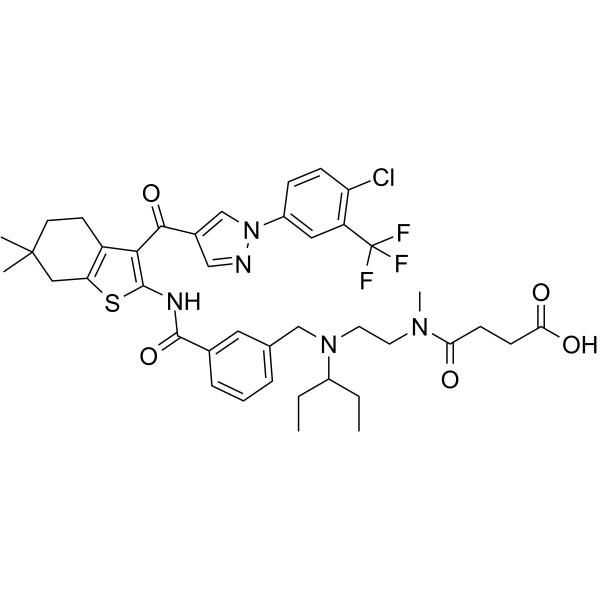
    SD-36 is a potent and efficacious STAT3 PROTAC degrader (Kd=~50 nM), and demonstrates high selectivity over other STAT members. SD-36 also effectively degrades mutated STAT3 proteins in cells and suppresses the transcriptional activity of STAT3 (IC50=10 nM). SD-36 exerts robust anti-tumor activity, and achieves complete and long-lasting tumor regression in mouse tumor models. SD-36 is composed of the STAT3 inhibitor SI-109, a linker, and an analog of Cereblon ligand Lenalidomide for E3 ubiquitin ligase . SD-36 is a click chemistry reagent, it contains an Alkyne group and can undergo copper-catalyzed azide-alkyne cycloaddition (CuAAc) with molecules containing Azide groups.
    SD-36
  • HY-160695

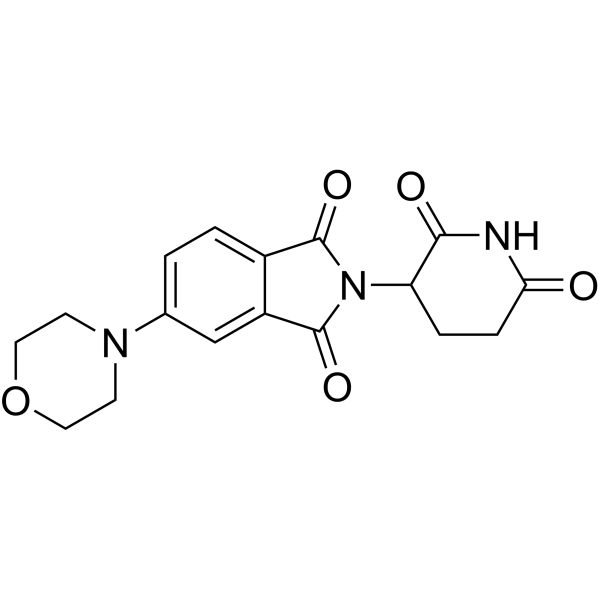
    Ligands for E3 Ligase Molecular Glues Cancer
    PT-179 is an orthogonal Thalidomide (HY-14658) derivative that targets cereblon without causing off-target degradation effects. PT-179 is able to specifically bind CRBN, form a ternary complex with a target protein fused to a zinc finger (ZF) degron, and mediate the degradation of the tagged protein. For example, PT-179 binds to the ubiquitin ligase substrate receptor cereblon by forming a complex with SD40 and efficiently degrades proteins N- or C-terminally fused to SD40 or SD36 (DC50 for eGFP: 4.5 nM and 14.3 nM). PT-179 can be used to develop compact protein degradation tagging platforms .
    PT-179
  • HY-129603
    SI-109
    2 Publications Verification

    STAT Ligands for Target Protein for PROTAC Cancer
    SI-109 is a potent STAT3 SH2 domain inhibitor (Ki=9 nM) with antitumor activity. SI-109 effectively inhibits the transcriptional activity of STAT3 (IC50=3 μM). SI-109 and an analog of CRBN ligand lenalidomide have been used to design PROTAC STAT3 degrader SD-36 .
    SI-109
  • HY-P10798A

    LY-3841136 sodium

    Amylin Receptor Calcium Channel Metabolic Disease
    Eloralintide sodium is an Amylin Receptor agonist. Eloralintide sodium selectively activates AMY1R and AMY3R in cells expressing human or rat AMY1R, AMY3R or CTR. Eloralintide sodium activates AMYRs and CTR in rats, inducing a sustained decrease in plasma Ca 2+ levels. Eloralintide sodium reduces appetite and body weight in both lean and obese rats. Eloralintide sodium can be used for research related to obesity .
    Eloralintide sodium
  • HY-13227
    SD-208
    5+ Cited Publications

    TGF-β Receptor Cancer
    SD-208 is a selective TGF-βRI (ALK5) inhibitor with IC50 of 48 nM, and > 100-fold selectivity over TGF-βRII.
    SD-208
  • HY-N2021A

    MMP Angiotensin-converting Enzyme (ACE) Neprilysin Endogenous Metabolite Cardiovascular Disease Inflammation/Immunology Cancer
    Phosphoramidon disodium, a microbial metabolite, is a specific metalloprotease thermolysin inhibitor with an IC50 of 0.4 μg/mL. Phosphoramidon disodium also inhibits endothelin-converting enzyme (ECE), neutral endopeptidase (NEP), and angiotensin-converting enzyme (ACE) with IC50 values of 3.5, 0.034, and 78 μM, respectively .
    Phosphoramidon disodium
  • HY-B1110A
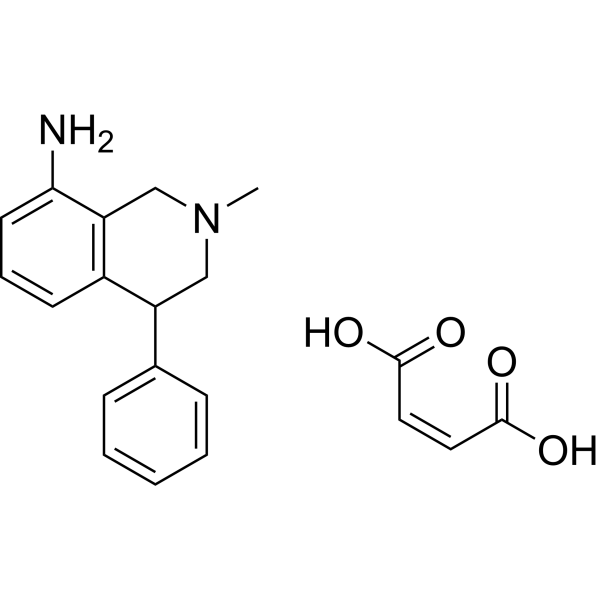
    Nomifensine maleate
    5+ Cited Publications

    (±)-Nomifensine maleate; Nomifensin maleate

    Dopamine Receptor Adrenergic Receptor Neurological Disease
    Nomifensine ((±)-Nomifensine) maleate is a potent norepinephrine (NE) and dopamine (DA) reuptake inhibitor. Nomifensine maleate inhibits uptake of NE, DA and 5-HT in rat brain synaptosomes, with IC50 values of 6.6 nM, 48 nM and 830 nM, and Ki values of 4.7 nM, 26 nM and 4000 nM, respectively. Nomifensine maleate has antidepressant and analgesic effects. Nomifensine maleate is used in neurodegenerative diseases, compound addiction, and pain research .
    Nomifensine maleate
  • HY-11087

    SD-06

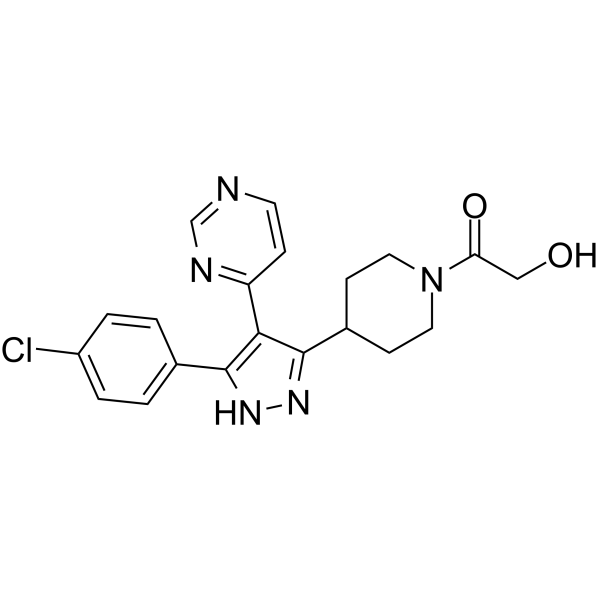
    p38 MAPK Autophagy Inflammation/Immunology
    SD 0006 (SD-06) is an orally active, selective, ATP-competitive and potent diaryl pyrazole inhibitor of p38α MAP kinase, with an IC50 of 110 nM for p38α .
    SD 0006
  • HY-105174A

    JAK FAK Neurological Disease Metabolic Disease
    BPC 157 acetate is an orally active peptide. BPC 157 acetate exhibits multiple activities such as promoting wound healing, tendon healing, neuroprotection, and gastrointestinal protection. BPC 157 acetate can be used in the research of tendon injury, burn, gastric ulcer, and neurological diseases .
    BPC 157 acetate
  • HY-169360

    PROTACs STAT Cancer
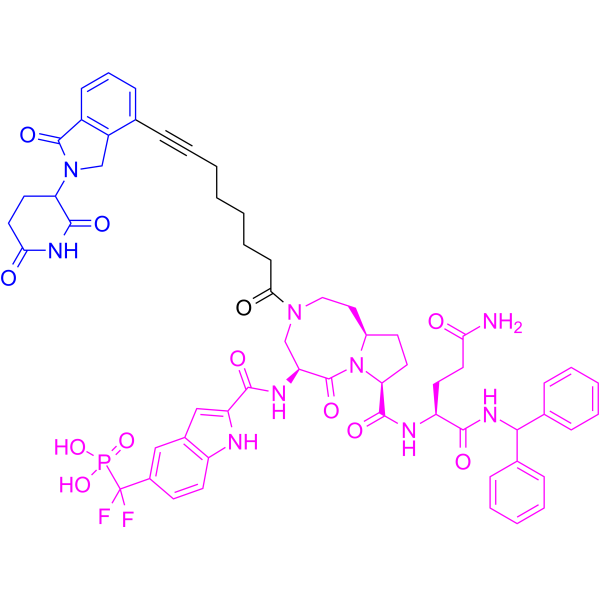
    SD-436 is a highly selective and efficacious STAT3 PROTAC degrader (DC50: 0.5 μM), with IC50 of 19 nM (STAT3), 270 nM (STAT1), 360 nM (STAT4), >10 μM (STAT5) and >10 μM (STAT6). SD-436 promotes ubiquitination and degradation of STAT3, and induces tumor regression. SD-436 can be used for tumor research, such as leukemia and lymphoma (Pink: STAT3 ligand (HY-169361); Blue: E3 ligase ligand (HY-43722); Black: linker (HY-147052) .
    SD-436
  • HY-150251

    STAT3 degrader-2

    PROTACs STAT Cancer
    SD-91 (STAT3 degrader-2), a product of the hydrolysis of SD-36 (HY-129602), is a selective PROTAC-based STAT3 degrader with a Ki of 5.5 nM. SD-91 displays >300-fold selectivity over other STAT family protein members. SD-91 potently induces degradation of STAT3 protein in cells. SD-91 has anticancer effects, such as myeloid leukemia, lymphoma (Pink: ligand for target protein (HY-150895); Black: linker; Blue: E3 ligase ligand; E3 ligase ligand+linker: HY-176506) .
    SD-91
  • HY-Y0470
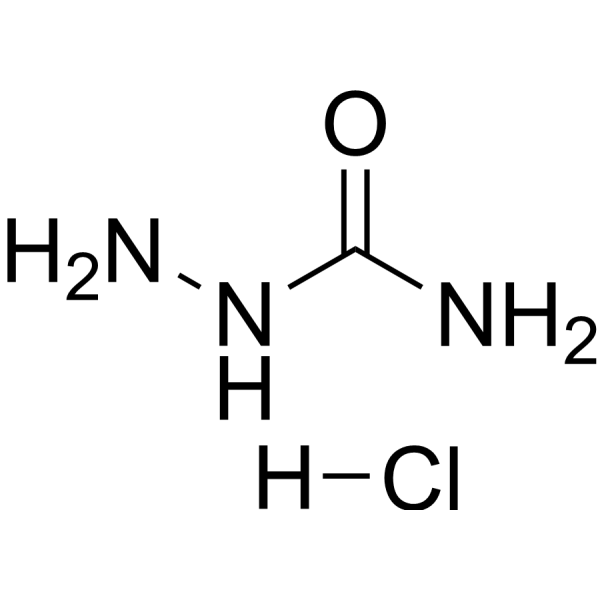
    Semicarbazide hydrochloride
    1 Publications Verification

    Aminourea hydrochloride; Hydrazinecarboxamide hydrochloride

    Monoamine Oxidase Cardiovascular Disease Inflammation/Immunology Endocrinology
    Semicarbazide hydrochloride is an orally active urea derivative. Semicarbazide hydrochloride binds to copper or iron in cells. Semicarbazide hydrochloride inhibits the activity of soluble semicarbazide sensitive amine oxidase (SSAO). Semicarbazide hydrochloride damages cartilage, blood vessels, ovaries, testicles, and thyroid follicles .
    Semicarbazide hydrochloride
  • HY-B1497
    Silver sulfadiazine
    1 Publications Verification

    AgSD

    Bacterial DNA/RNA Synthesis Antibiotic Infection
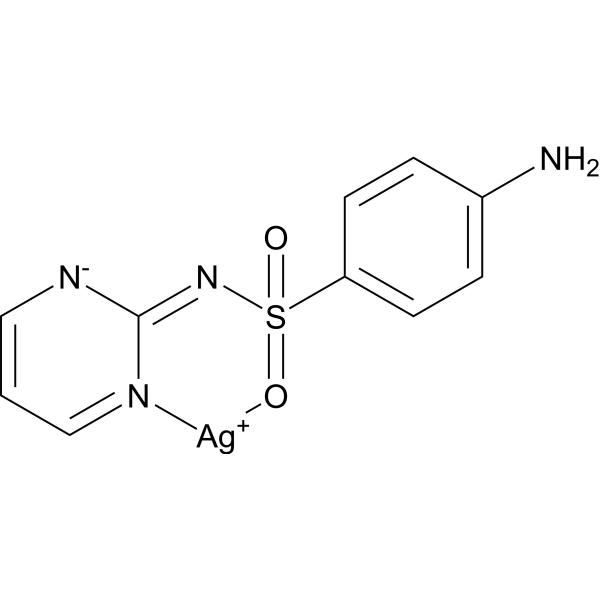
    Silver sulfadiazine (AgSD), a sulfonamide antibiotic, effects a dual inhibitory action on bacterial growth by its sulfa moiety (SD-SDZ) that prevents bacterial folate absorption and subsequent DNA synthesis. The silver that is released from Silver sulfadiazine binds and disrupts the DNA structure, precluding bacterial DNA replication .
    Silver sulfadiazine
  • HY-D2868
    DAPI
    130+ Cited Publications

    4',6-Diamidino-2-phenylindole

    DNA Stain Sodium Channel Neurological Disease
    DAPI (4',6-Diamidino-2-phenylindole) is a DAPI dye. DAPI is a fluorescent dye that binds strongly to DNA. It binds to the AT base pair of the double-stranded DNA minor groove, and one DAPI molecule can occupy three base pair positions. The fluorescence intensity of DAPI molecules bound to double-stranded DNA is increased by about 20 times, and it is commonly observed with fluorescence microscopy, and the amount of DNA can be determined based on the intensity of fluorescence. In addition, because DAPI can pass through intact cell membranes, it can be used to stain both live and fixed cells . DAPI (Compound 3) is an acid-sensing ion channel 3 (ASIC3) inhibitor. DAPI binds to ASIC3 and blocks the channel function. DAPI can be used in the study of chronic pain treatment (Ex/Em = 356/451 nm).
    DAPI
  • HY-112391
    SD-1029
    1 Publications Verification

    JAK STAT Cancer
    SD-1029 is a JAK2/STAT3 inhibitor . SD-1029 inhibits STAT3 nuclear translocation. SD-1029 is an inhibitor of STAT3 activation due to inhibition of JAK2 phosphorylation .
    SD-1029
  • HY-W015445

    p38 MAPK Metabolic Disease
    SD-169 is an orally active ATP-competitive inhibitor of p38α MAPK, with an IC50 of 3.2 nM. SD-169 also weakly inhibits p38β MAPK with an IC50 of 122 nM. SD-169 prevents the development and progression of diabetes by inhibiting T cell infiltration and activation .
    SD-169
  • HY-101481

    COX Apoptosis MEK ERK PPAR AMPK NF-κB Interleukin Related TNF Receptor STAT Wnt Neurological Disease Inflammation/Immunology Cancer
    Flurbiprofen axetil is a non-selective COX inhibitor and a nonsteroidal anti-inflammatory agent with anti-inflammatory and analgesic effects. Flurbiprofen axetil inhibits basal-like breast cancer metastasis by inhibiting the MEK/ERK signaling pathway. Flurbiprofen axetil can promote neuroprotection after focal cerebral ischemia in rats by partially activating PPAR-γ. Flurbiprofen axetil alleviates cerebral ischemia/reperfusion injury by reducing inflammation in a transient global cerebral ischemia/reperfusion rat model. Flurbiprofen axetil can alleviate inflammatory responses and cognitive function in a mild cognitive impairment (MCI) SD rat model through the AMPKα/NF-κB signaling pathway .
    Flurbiprofen axetil
  • HY-145894
    NaPi2b-IN-2
    1 Publications Verification

    Sodium Channel Metabolic Disease
    NaPi2b-IN-2 is a potent inhibitor of sodium-dependent phosphate transporter 2b (SLC34A2, NaPi2b), with an IC50 value of 38 nM against human NaPi2b. NaPi2b-IN-2 reduces intracellular phosphate levels and enhances innate immune gene expression. NaPi2b-IN-2 can be used in research related to hyperphosphatemia .
    NaPi2b-IN-2
  • HY-160888

    mAChR Endocrinology
    ASP8302 is a positive and allosteric muscarinic M3 receptor modulator. ASP8302 improves voiding efficiency and reduced residual urine volume in two voiding dysfunction models. ASP8302 can be used for research of underactive bladder .
    ASP8302
  • HY-N8903

    Integrin NF-κB Toll-like Receptor (TLR) TNF Receptor Cardiovascular Disease Neurological Disease
    Mumefural is a bioactive component of the processed fruit of Prunus mume Sieb. Mumefural inhibits platelet aggregation. Mumefural shows anti-thrombotic effects and ameliorates cognitive impairment .
    Mumefural
  • HY-172946

    PROTACs STAT Cancer
    SD-2301 is a selective STAT3 PROTAC degrader. SD-2301 induces STAT3 degradation without affecting the protein levels of other STAT family members (STAT1, STAT2, STAT4, STAT5, STAT6). SD-2301 exerts anti-tumor effects in B16F10-bearing mice. SD-2301 can be used for the study of cancer. (Pink: STAT3 ligand (HY-172947), Blue: VHL Ligand (HY-172948), Black: Linker (HY-W577012), VHL ligand-linker conjugate (HY-172949)) .
    SD-2301
  • HY-43722

    Ligands for E3 Ligase Cancer
    Lenalidomide-Br (Compound 41) is an analog of cereblon (CRBN) ligand Lenalidomide for E3 ubiquitin ligase, and is used in the recruitment of CRBN protein. Lenalidomide-Br can be connected to the ligand for protein by a linker to form PROTACs, such as the PROTAC STAT3 degrader SD-36 (HY-129602) .
    Lenalidomide-Br
  • HY-105090

    5-HT Receptor Cardiovascular Disease Neurological Disease
    Lerisetron is a potent 5-HT3 antagonists and possess high-affinity binding for the 5-HT3 receptors with pKi value of 9.2. Lerisetron has a potent ability to inhibit the 5-HT-evoked reflex bradycardia in urethane-anesthetized rats .
    Lerisetron
  • HY-163536

    TGF-beta/Smad Inflammation/Immunology
    TGF-β1/Smad3-IN-1 (Compound 5aa) is an inhibitor of the TGF-β1/Smad3 signaling pathway(IC50=1.07 μM). TGF-β1/Smad3-IN-1 possesses antifibrotic activity and oral potency .
    TGF-β1/Smad3-IN-1
  • HY-161906

    Acyltransferase Cancer
    SD-066-4 is an orally active acyltransferase inhibitor. SD-066-4 can be used in cancer research .
    SD-066-4
  • HY-17655

    Reactive Oxygen Species (ROS) Inflammation/Immunology
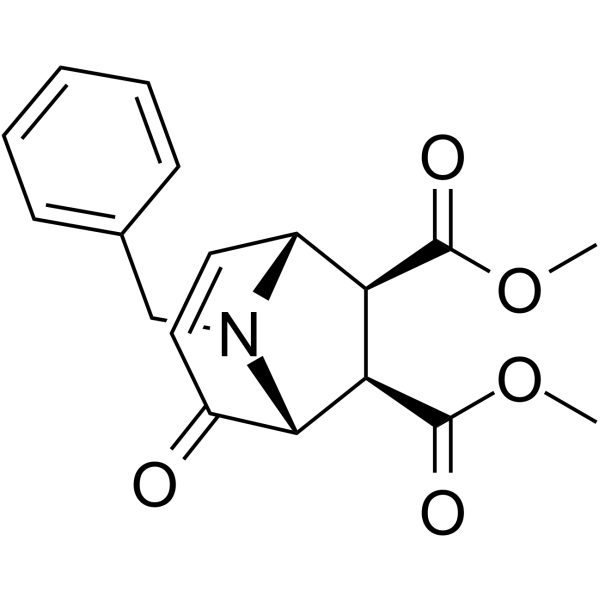
    TBE56, a molecular glue, is a BACH1 degrader, with an EC50 of 44 nM. TBE56 is a weak NRF2 inducer and the biotinylated TBE31. TBE56 interacts and promotes the degradation of BACH1 via a mechanism involving the E3 ligase FBX022. TBE56 reduces intracellular Fe 2+ accumulation, ROS generation, and malondialdehyde (MDA) content, while increasing GSH/GSSG ratio and upregulating GPX4 in Prominin-2-overexpressed BMSCs. TBE56 significantly ameliorates intervertebral disc degeneration (IVDD) in puncture-induced SD rat IVDD model. TBE56 can be used for the study of intervertebral disc degeneration (IVDD) .
    TBE56
  • HY-121522

    Histone Demethylase Cancer
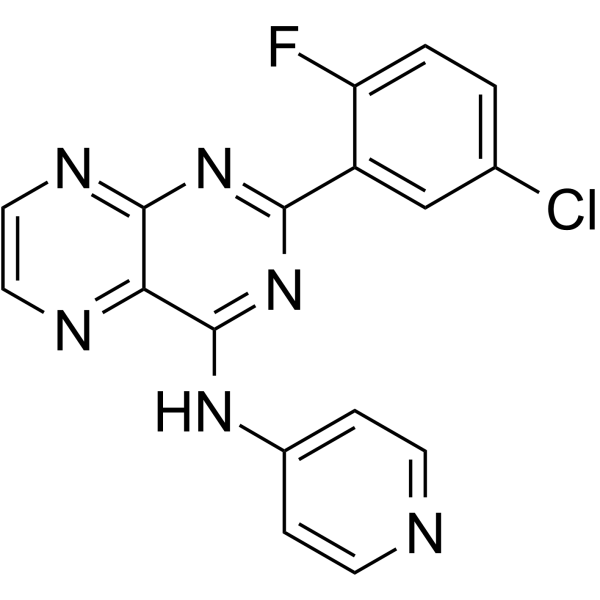
    SD-70 is an inhibitor for histone demethylase JMJD2C and exhibits antitumor efficacy. SD-70 inhibits viability of cancer cells CWR22Rv1 (9% cell survival at 10 μM), PC3 (14% cell survival at 2 μM) and DU145 (26% cell survival at 2 μM) .
    SD-70
  • HY-148542

    SD-142

    Endogenous Metabolite Cardiovascular Disease Cancer
    EpoY (SD-142) acts as an irreversible inhibitor of the brain's primary tubulin tyrosine carboxypeptidase (TCP), a complex formed by vasohibin-1 (VASH1) and the small vasohibin binding protein (SVBP). By inhibiting TCP with an IC50 value of approximately 500 nM, EpoY effectively decreases levels of detyrosinated alpha-tubulin, which is crucial for microtubule dynamics and neuronal differentiation. This inhibition leads to significant differentiation defects and has been linked to underlying issues associated with cancer and cardiomyopathies.
    EpoY
  • HY-176205

    AB801

    TAM Receptor Cancer
    Ligritinib (AB801) is an orally active AXL receptor tyrosine kinase inhibitor. Ligritinib blocks the downstream signaling pathway by inhibiting the kinase activity of AXL. Ligritinib can be used in cancer research, especially in combination with chemotherapy for non-small cell lung cancer (NSCLC) .
    Ligritinib
  • HY-W145523

    Viscarin SD 309

    Biochemical Assay Reagents Others
    ι-Carrageenan (Viscarin SD 309) is a biochemical reagent. ι-Carrageenan can be isolated from Eucheuma serra or red algae H. musciformis and S. filiformis. ι-Carrageenan has potential application in protein emulsion flocculation and stability .
    ι-Carrageenan
  • HY-119698

    SD 8339; N-Benzyl-9-(tetrahydro-2h-pyran-2-yl)adenine

    Environmental Pollutants Drug Derivative Others
    BAP9THP is a synthetic cytokinin derivative and a growth regulator. BAP9THP promotes chlorophyll retention (and senescence delay) in plant tissues exceptionally strongly, and growth of tobacco callus almost as strongly as 6-Benzylaminopurine (BAP). BAP9THP induces adventitious shoot formation ignificantly more strongly than N6-isopentenyladenine or Kinetin .
    BAP9THP
  • HY-N2021

    MMP Angiotensin-converting Enzyme (ACE) Neprilysin Endogenous Metabolite Cardiovascular Disease Inflammation/Immunology Cancer
    Phosphoramidon, a microbial metabolite, is a specific metalloprotease thermolysin inhibitor with an IC50 of 0.4 μg/mL. Phosphoramidon also inhibits endothelin-converting enzyme (ECE), neutral endopeptidase (NEP), and angiotensin-converting enzyme (ACE) with IC50 values of 3.5, 0.034, and 78 μM, respectively .
    Phosphoramidon
  • HY-W274194

    Reactive Oxygen Species (ROS) Others
    Antioxidant agent-7 (SD-7) is a benzodiazepine derivative with antioxidant activity with an IC50 value of 470 nM to scavenge DPPH (2,2-diphenyl-1-picrylhydrazyl) free radical .
    Antioxidant agent-7
  • HY-169127

    5-HT Receptor Neurological Disease
    Seganserin is an orally active 5-HT receptor antagonist with a plasma half-life of 26.1 ± 12.9 (S.D.) h. Seganserin can be utilized in neurological research .
    Seganserin
  • HY-106816

    Ceranapril; SQ 29852

    Angiotensin-converting Enzyme (ACE) Cardiovascular Disease
    Ceronapril (SQ 29852) is a potent and orally active angiotensin converting enzyme (ACE) inhibitor with an IC50 of 36 nM .
    Ceronapril
  • HY-122860

    TOPK Apoptosis c-Myc MDM-2/p53 FAK Src Mitosis Cancer
    SKLB-C05 is a novel selective, orally active TOPK inhibitor, with an IC50 of 0.5 nM. SKLB-C05 selectively inhibit TOPK kinase. SKLB-C05 induces Apoptosis, downregulates c-Myc, γ-H2AX, activates p53, blocks FAK/Src medicated migration-related signaling. SKLB-C05 disturbs cell mitosis. SKLB-C05 shows anticancer activity only against TOPK-positive colorectal cancer .
    SKLB-C05
  • HY-107595
    SD-1008
    1 Publications Verification

    JAK STAT Apoptosis Cancer
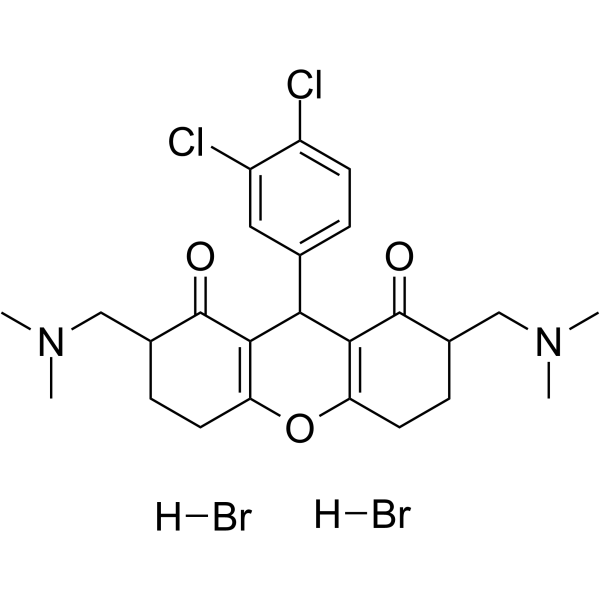
    SD-1008 is a potent JAK inhibitor. SD-1008 inhibits tyrosyl phosphorylation of STAT3, JAK2 and Src. SD-1008 also reduces STAT3-dependent luciferase activity. SD-1008 enhances apoptosis induced by Paclitaxel in ovarian cancer cells via directly blocking the JAK-STAT3 signaling pathway .
    SD-1008
  • HY-17610

    TS-091

    Histamine Receptor Neurological Disease
    Enerisant (TS-091) is a potent, highly selective, competitive and orally active histamine H3 receptor antagonist/inverse agonist with IC50s of 2.89 nM and 14.5 nM against human and rat histamine H3 receptors, respectively .
    Enerisant
  • HY-108019

    COX Inflammation/Immunology
    SD 8381 is a potent and selective COX-2 inhibitor. SD 8381 shows IC50 values of 0.0098 μM for hCOX-2 and 0.69 μM for hCOX-1 .
    SD 8381
  • HY-108054

    SD-6010

    NO Synthase Inflammation/Immunology
    Cindunistat (SD-6010) is a potent, orally active and selective iNOS inhibitor .
    Cindunistat
  • HY-169361

    STAT Ligands for Target Protein for PROTAC Cancer
    STAT3 ligand 5 is a ligand for STAT3, that can be used as target protein ligand for synthesis of PROTAC degrader SD-436 (HY-169360) .
    STAT3 ligand 5
  • HY-N16067

    Epigenetic Reader Domain Inflammation/Immunology
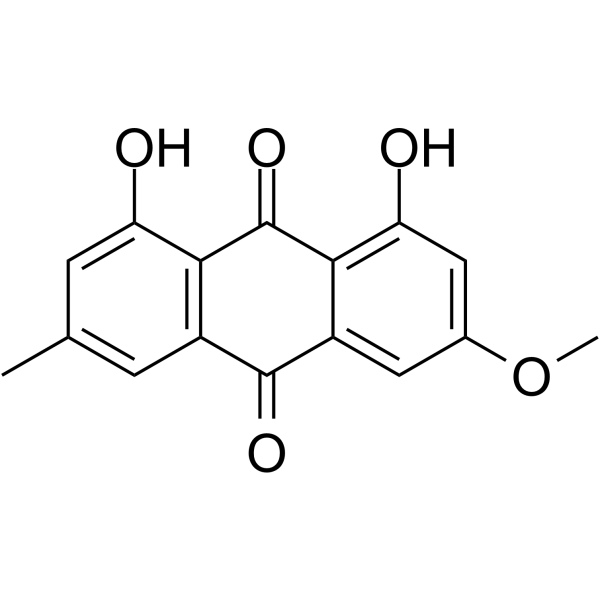
    Penipanoid C (Compound 9) is a BRD4 inhibitor. Penipanoid C can be isolated from marine sediment-derived fungus Penicillium paneum SD-44. Penipanoid C has anti-inflammatory activity and cytotoxic activity against the SMMC-7721 cells. Penipanoid C can be used for inflammatory diseases research .
    Penipanoid C
  • HY-172147

    Somatostatin Receptor Neurological Disease
    SSTR4 agonist 5 (Compound 5) is the orally active agonist for somatostatin receptor 4 (SSTR4) with an EC50 of 0.228 nM. SSTR4 agonist 5 exhibits good stability in human/rat liver microsomes. SSTR4 agonist 5 inhibits mechanical hyperalgesia in rat models .
    SSTR4 agonist 5
  • HY-160076

    Apelin Receptor (APJ) Cardiovascular Disease
    APJ receptor agonist 8 (compound 99) is an agonist of APJ receptor. APJ receptor agonist 8 increases the load independent cardiac contractility of isolated perfused rat hearts .
    APJ receptor agonist 8
  • HY-P10318

    GLP Receptor Endocrinology
    SHR-2042 is a selective agonist of the GLP-1 receptor.SHR-2042 improves glycemic control by activating the GLP-1 receptor, enhancing insulin secretion and inhibiting glucagon secretion. SHR-2042 combined with sodium N-(8-[2-hydroxybenzoyl] amino) caprylate (SNAC) promotes monomerization through the formation of micelles and improves oral absorption efficiency .
    SHR-2042
  • HY-167092

    Isotope-Labeled Compounds Neurological Disease
    SD-1077 is a selectively deuterated precursor of dopamine (DA). SD-1077 can be used for the study of Parkinson's disease .
    SD-1077
  • HY-150080

    BMS-986180

    HIV HIV Integrase Infection
    GSK3739936 (BMS-986180) is a potent HIV-1 allosteric integrase inhibitor with an IC50 value of 11.1 nM and an EC50 value of 1.7 nM. GSK3739936 is also a weak CYP inhibitor (IC50>24.3 μM). GSK3739936 shows favorable pharmacokinetic property in preclinical species with rapid absorption, low to moderate clearance and excellent oral bioavailability .
    GSK3739936
  • HY-177297

    NVP-LCZ960

    Glucokinase Metabolic Disease
    LCZ960 is an orally active glucokinase (GK) activator. LCZ960 stimulates GK activity in hepatocytes in vitro and stimulates glucose uptake in vivo through hepatic GK activation. LCZ960 lowers blood glucose in mice with diet-induced obesity (DIO). LCZ960 maintains normoglycemia and improves glucose tolerance in DIO mice and rats. LCZ960 stimulates glycogen synthase flux and increases hepatic glycogen turnover in rats. LCZ960 induces increased hepatic glycogen recycling. LCZ960 can be used to study high-fat diet-induced obesity and type 2 diabetes .
    LCZ960
  • HY-13227R

    TGF-β Receptor Cancer
    SD-208 (Standard) is the analytical standard of SD-208. This product is intended for research and analytical applications. SD-208 is a selective TGF-βRI (ALK5) inhibitor with IC50 of 48 nM, and > 100-fold selectivity over TGF-βRII.
    SD-208 (Standard)
  • HY-110116

    MMP Cardiovascular Disease Inflammation/Immunology Cancer
    SD-2590 hydrochloride is a potent MMP inhibitor with IC50 values of ﹤0.1, ﹤0.1, 0.18, and 1.7 nM for MMP2, MMP13, MMP9, and MMP8, respectively. SD-2590 hydrochloride inhibits dilation of the left ventricle in rats .
    SD-2590 hydrochloride

Inquiry Online

Your information is safe with us. * Required Fields.

Salutation


Country or Region *

Applicant Name *


Organization Name *

Department *


Email Address *


Product Name *

Cat. No.


Requested quantity *

Phone Number *


Remarks

Inquiry Online

Inquiry Information

Product Name:
Cat. No.:
Quantity:
MCE Japan Authorized Agent:

