
45 Results for "

STAT6 Inhibitor

" in MedChemExpress (MCE) Product Catalog:
Products (45)

45 Results for "STAT6 Inhibitor" in MCE Product Catalog:

  • Targets Recommended:
57
57 Publications Verification
Cat. No.: HY-100614
CAS No.: 919486-40-1
Purity:  98.99%
Target:  

STAT

Research Areas:  

Inflammation/Immunology Cancer

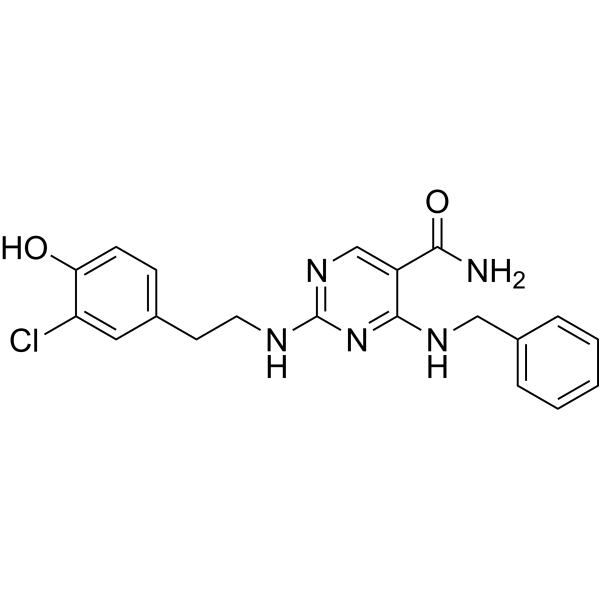
AS1517499 is a potent and brain-permeable STAT6 phosphorylation inhibitor with an IC50 of 21 nM.
loading...
    loading...
4
4 Cited Publications
Cat. No.: HY-113402
CAS No.: 636-58-8
Purity:  95.20%
Synonyms: γ-Glu-Cys
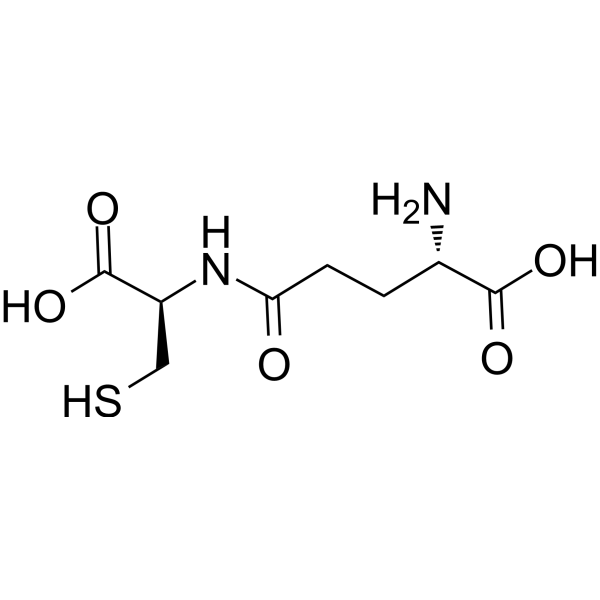
Gamma-glutamylcysteine (γ-Glu-Cys) is an orally active, blood-brain barrier permeable dipeptide . Gamma-glutamylcysteine activates AMPK, SIRT1, IL-4/STAT6, AC/cAMP/PI3K, IGF-1R/IRS1/PI3K, and Nrf2 signaling pathways; it inhibits NF-κB, JAK1/STAT1/3, MAPKs, cadmium-induced p38 MAPK, JNK, and PI3K/Akt signaling pathways. Gamma-glutamylcysteine regulates macrophage polarization, modulates the trafficking of CD36 and GLUT4, induces glutathione synthesis, improves metabolic dysfunction, reduces lipid deposition, ameliorates glucose homeostasis, inhibits apoptosis (Apoptosis), stabilizes mitochondria, suppresses lipid peroxidation, iron accumulation and ferroptosis (Ferroptosis), reduces ds-HMGB1 levels, reverses mechanical hyperalgesia, and alleviates hepatic lipid droplet formation. Gamma-glutamylcysteine is applicable to research related to inflammatory bowel disease, type 2 diabetes, cadmium-induced neurotoxicity, Alzheimer's disease, cerebral ischemia/reperfusion injury, neuropathy, and alcoholic liver disease .
loading...
    loading...
4
4 Cited Publications
Cat. No.: HY-N2609
CAS No.: 2196-14-7
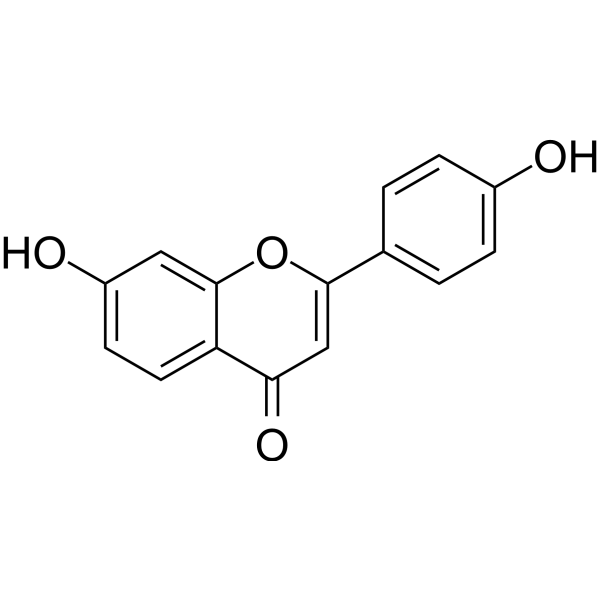
7,4'-Dihydroxyflavone (7,4'-DHF) is a flavonoid, which can be isolated from Glycyrrhiza uralensis. 7,4'-Dihydroxyflavone is eotaxin/CCL11 inhibitor and CBR1 inhibitor (IC50=0.28 μM). 7,4'-Dihydroxyflavone has the ability to consistently suppress eotaxin production and prevent dexamethasone (Dex)‐paradoxical adverse effects on eotaxin production . 7,4'-Dihydroxyflavone (7,4'-DHF) inhibits MUC5AC gene expression, mucus production and secretion via regulation of NF-κB, STAT6 and HDAC2.7,4'-Dihydroxyflavone (7,4'-DHF) decreases phorbol 12-myristate 13-acetate (PMA) stimulated NCI-H292 human airway epithelial cell MUC5AC gene expression and mucus production with IC50 value of 1.4 µM .
loading...
    loading...
4
4 Cited Publications
Cat. No.: HY-113402A
CAS No.: 283159-88-6
Purity:  95.20%
Synonyms: γ-Glu-Cys TFA
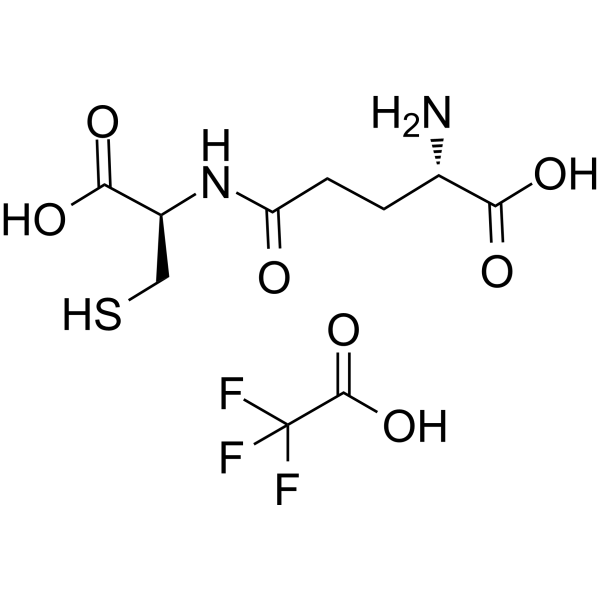
Gamma-glutamylcysteine TFA (γ-Glu-Cys TFA) is an orally active, blood-brain barrier permeable dipeptide . Gamma-glutamylcysteine TFA activates AMPK, SIRT1, IL-4/STAT6, AC/cAMP/PI3K, IGF-1R/IRS1/PI3K, and Nrf2 signaling pathways; it inhibits NF-κB, JAK1/STAT1/3, MAPKs, cadmium-induced p38 MAPK, JNK, and PI3K/Akt signaling pathways. Gamma-glutamylcysteine TFA regulates macrophage polarization, modulates the trafficking of CD36 and GLUT4, induces glutathione synthesis, improves metabolic dysfunction, reduces lipid deposition, ameliorates glucose homeostasis, inhibits apoptosis (Apoptosis), stabilizes mitochondria, suppresses lipid peroxidation, iron accumulation and ferroptosis (Ferroptosis), reduces ds-HMGB1 levels, reverses mechanical hyperalgesia, and alleviates hepatic lipid droplet formation. Gamma-glutamylcysteine TFA is applicable to research related to inflammatory bowel disease, type 2 diabetes, cadmium-induced neurotoxicity, Alzheimer's disease, cerebral ischemia/reperfusion injury, neuropathy, and alcoholic liver disease .
loading...
    loading...
2
2 Cited Publications
Cat. No.: HY-N6985
CAS No.: 27548-93-2
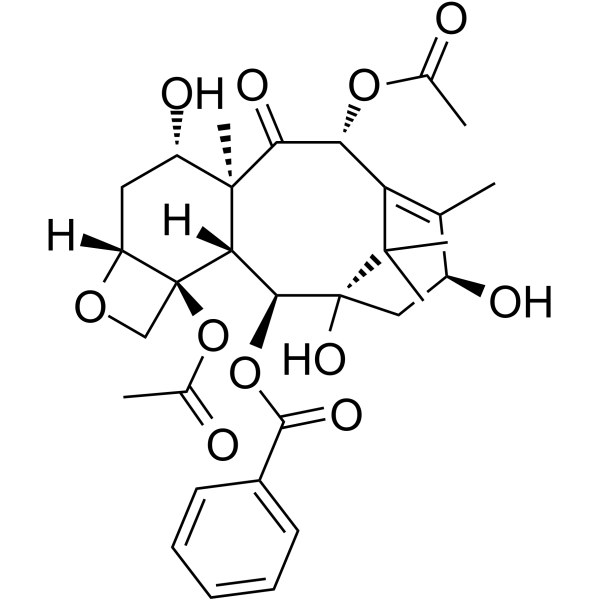
Baccatin III is an orally available, selective inhibitor of the TGF-β1 signaling pathway and myeloid-derived suppressor cell (MDSC) activation. Baccatin III targets the AKT/STAT6 and Smad2/3 pathways, blocking TGF-β1-induced fibroblast differentiation and MDSC-mediated immunosuppression. Baccatin III exerts anti-inflammatory and anti-fibrotic effects by inhibiting macrophage activation and extracellular matrix deposition, and shows potential in the treatment of pulmonary fibrosis and cancer in terms of regulating the tumor immune microenvironment .
loading...
    loading...
1
1 Cited Publications
Cat. No.: HY-148096
CAS No.: 1637532-68-3
Purity:  99.81%
Target:  

STAT

Research Areas:  

Inflammation/Immunology Cancer

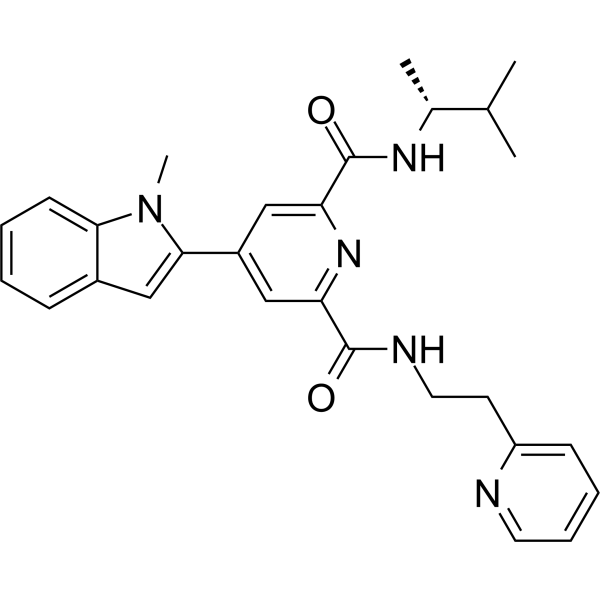
STAT6-IN-1 (Compound 19a) is a STAT6 inhibitor with a high affinity for the SH2 domain of STAT6 (IC50=0.028 µM). STAT6-IN-1 can be used in studies of allergic lung disease, allergic rhinitis, chronic obstructive pulmonary disease or cancer .
loading...
    loading...
1
1 Cited Publications
Cat. No.: HY-134771
CAS No.: 643082-52-4
Purity:  98.01%
Synonyms: AS1617612
Target:  

STAT

Research Areas:  

Inflammation/Immunology

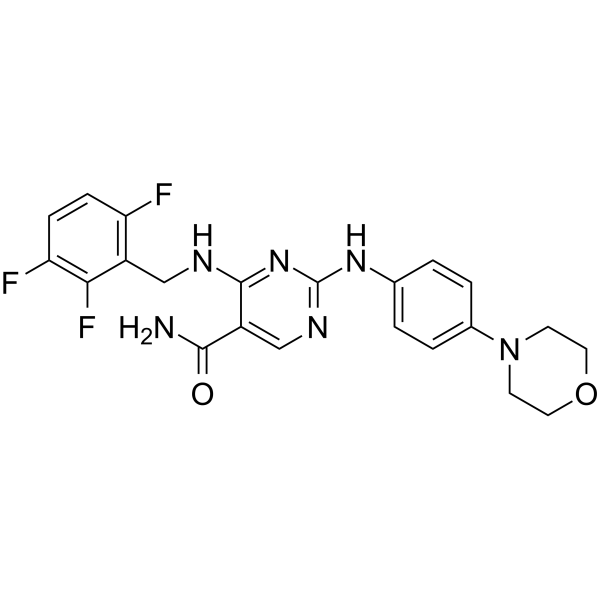
YM-341619 (AS1617612) is a potent and orally active STAT6 inhibitor with an IC50 of 0.70 nM. YM-341619 inhibits Th2 differentiation in mouse spleen T cells induced by IL-4 (IC50=0.28 nM) without affecting Th1 cell differentiation . YM-341619 is a promising compound for the the research of allergic diseases, such as allergic asthma .
loading...
    loading...
Cat. No.: HY-176857
CAS No.: 3077464-21-9
Target:  

PROTACs STAT

Research Areas:  

Inflammation/Immunology Cancer

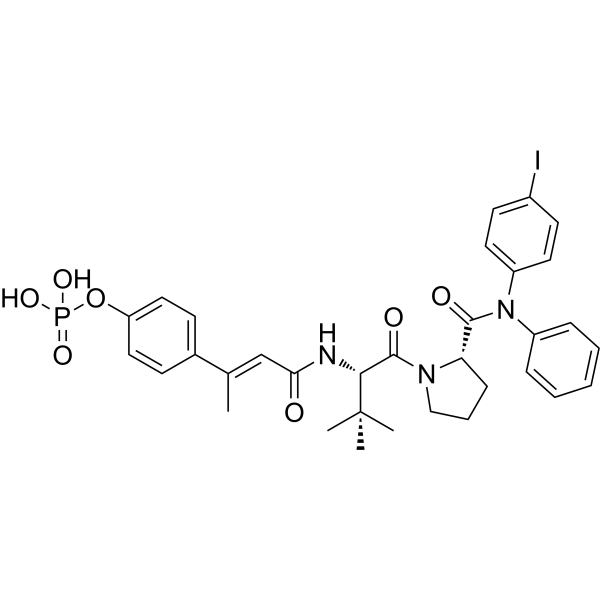
PROTAC STAT6 degrader-1 (Compound I-2) is a potent STAT6 PROTAC degrader with a DC50 <1 nM. PROTAC STAT6 degrader-1 inhibits STAT6 activity with an IC50 of <0.1 pM. PROTAC STAT6 degrader-1 can be used for inflammatory and cancers research, such as non-small cell lung cancer (NSCLC) .
loading...
    loading...
Cat. No.: HY-158398
CAS No.: 3033742-14-9
Purity:  99.77%
Target:  

STAT

Research Areas:  

Inflammation/Immunology

STAT6-IN-4 (Ex. 78) is a STAT6 inhibitor, with an IC50 of 0.34 μM. STAT6-IN-4 can be used in the research of diseases such as inflammatory and allergic diseases .
loading...
    loading...
Cat. No.: HY-P990093
CAS No.: 2734715-10-5
Synonyms: CM310

Research Areas:  

Inflammation/Immunology

Stapokibart (CM310) is a humanized monoclonal antibody targeting IL-4Rα (KD values of 0.25 nM, 1.50 nM, and 2.75 nM for human, cynomolgus monkey, and rat IL-4Rα, respectively). Stapokibart effectively blocks the interaction of cytokines IL-4 and IL-13 with their co-receptor subunit IL-4Rα. Stapokibart reduces IL-4 and IL-13 mRNA, inhibits CD23 upregulation, and inhibits IL-4 and IL-13-induced STAT6 activation. Stapokibart improves inflammation (airway inflammation, rhinitis, dermatitis) .
loading...
    loading...
Cat. No.: HY-158399
CAS No.: 3033742-22-9
Purity:  99.88%
Target:  

STAT

Research Areas:  

Inflammation/Immunology

STAT6-IN-5 (compound 84) is a STAT6 inhibitor (IC50=0.24 μM), which can be used for the research of inflammatory diseases and allergic diseases (e.g. atopic dermatitis) .
loading...
    loading...
Cat. No.: HY-134772
CAS No.: 909561-15-5
Purity:  98.10%
Target:  

STAT Cytochrome P450

Research Areas:  

Inflammation/Immunology

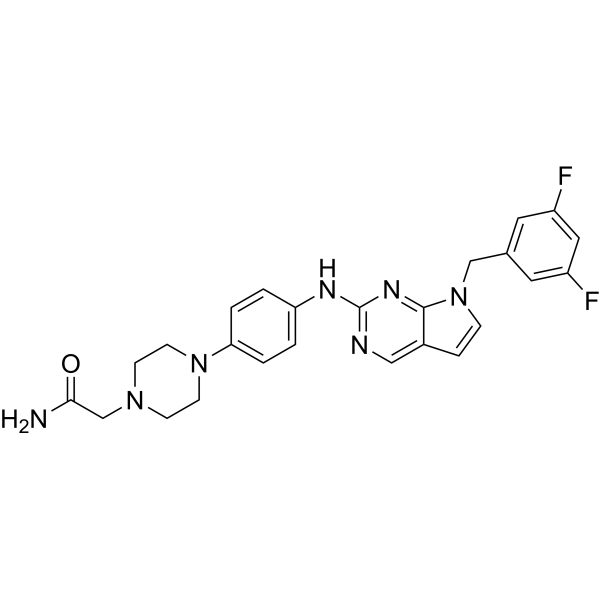
AS1810722 is an orally active and potent STAT6 inhibitor with an IC50 of 1.9 nM. AS1810722 shows a good profile of CYP3A4 inhibition. AS1810722, a derivative of fused bicyclic pyrimidine, has the potential for allergic diseases such as asthma and atopic diseases research .
loading...
    loading...
Cat. No.: HY-176949
CAS No.: 3092076-19-9
Target:  

STAT

Research Areas:  

Inflammation/Immunology

STAT6-IN-10 is a STAT6 (signal transducer and activator of transcription 6) inhibitor with an EC50 of 2 nM. STAT6-IN-10 can inhibit the secretion of CCL17 in human peripheral whole blood. STAT6-IN-10 can be used in the research of dermatological and respiratory system diseases .
loading...
    loading...
Cat. No.: HY-153991
CAS No.: 1355594-85-2
Purity:  98.01%
Target:  

STAT

Research Areas:  

Inflammation/Immunology

STAT6-IN-2 (Compound R-84) is a STAT6 inhibitor that can inhibit the tyrosine phosphorylation of STAT6. STAT6-IN-2 can also inhibit the secretion of eotaxin-3. STAT6-IN-2 can be used in the research of immune diseases and allergic inflammatory diseases such as asthma .
loading...
    loading...
Cat. No.: HY-162405
CAS No.: 2949393-27-3
STAT6-IN-12 is a potent STAT6 inhibitor with an IC50 of 50 nM. STAT6-IN-12 also inhibits Smad2/3 with an IC50 of 68 nM. STAT6-IN-12 inhibits TGFβ-dependent Smad2/3 signaling pathway, IL-4-dependent STAT6 signaling pathway, and cellular inflammatory responses. STAT6-IN-12 can be used for the research of inflammation .
loading...
    loading...
Cat. No.: HY-148092
CAS No.: 1637532-77-4
Purity:  98.87%
Target:  

STAT

Research Areas:  

Inflammation/Immunology Cancer

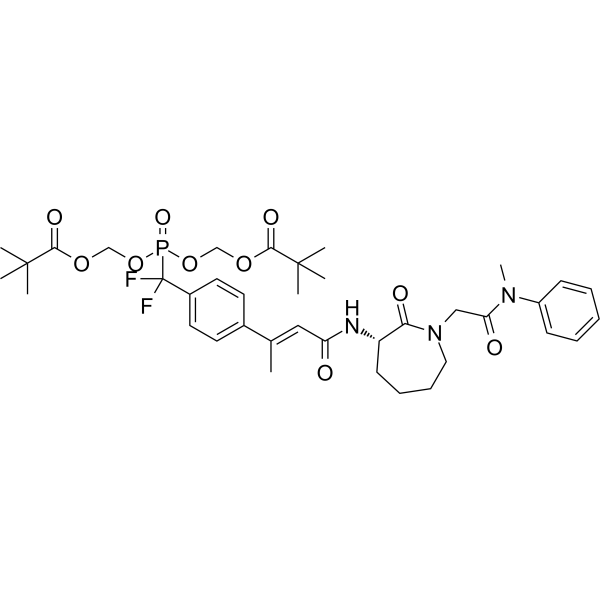
PM-43I is a potent STAT6 inhibitor and can reduce STAT6 phosphorylation level. PM-43I can be used in allergic lung disease, allergic rhinitis, chronic pulmonary obstructive disease and cancer research [1].
loading...
    loading...
Cat. No.: HY-116474
CAS No.: 14484-44-7
Purity:  99.93%
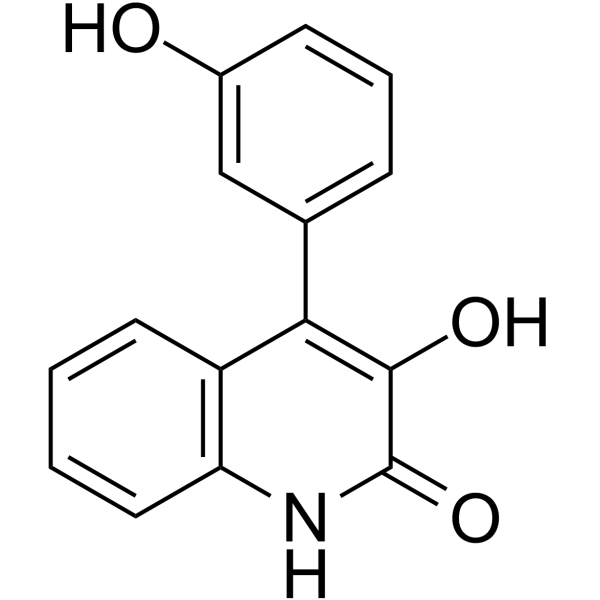
Viridicatol is a quinolone alkaloid with anti-inflammatory, antibacterial, antifungal, osteogenic and chondrogenic activities. Viridicatol reduces the phosphorylation levels of ERK, JNK, p38 and STAT6; inhibits MMP-2, MMP-9, NF-κB signaling pathway and PTP1B; downregulates genes related to mast cell activation; and binds to SHN3 to activate the Wnt/SHN3 signaling pathway. Viridicatol inhibits the expression of pro-inflammatory mediators and cytokines, and promotes osteogenic/chondrogenic differentiation. Viridicatol can be used in studies related to fibrosarcoma, allergy, bacterial infection, fungal infection and osteoporosis .
loading...
    loading...
Cat. No.: HY-N0566
CAS No.: 85999-40-2
Synonyms: Anemosapogenin
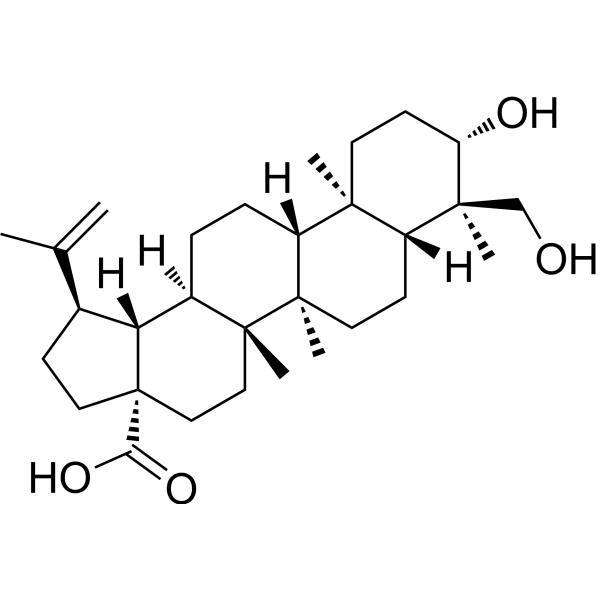
23-Hydroxybetulinic acid (Anemosapogenin) is an orally active triterpenoid with broad-spectrum anticancer activity. 23-Hydroxybetulinic acid reduces the levels of Bcl-2 and survivin, elevates the level of Bax, promotes the cleavage/activation of caspase-3 and caspase-9, and induces apoptosis via the endogenous mitochondrial pathway involving cytochrome C release and mitochondrial membrane potential disruption. 23-Hydroxybetulinic acid arrests the cell cycle at S and G1 phases, inhibits cancer cell proliferation, blocks the MAPK signaling pathway, regulates MMP2, and induces autophagic apoptosis by upregulating beclin-1. 23-Hydroxybetulinic acid inhibits the activity and efflux function of P-gp, increases the intracellular accumulation of chemotherapeutic drugs, and synergistically enhances cytotoxicity with Doxorubicin (HY-15142). 23-Hydroxybetulinic acid inhibits the phosphorylation and nuclear translocation of STAT6, blocks M2 macrophage polarization, and reduces M2 macrophage-mediated apoptosis resistance of colon cancer cells. 23-Hydroxybetulinic acid can be used in related studies on chronic myeloid leukemia, hepatocellular carcinoma, sarcoma 180, multidrug-resistant breast cancer, leukemia, Doxorubicin-induced cardiotoxicity, and colorectal cancer .
loading...
    loading...
Cat. No.: HY-148093
CAS No.: 1637532-83-2
Purity:  99.91%
Target:  

STAT

Research Areas:  

Inflammation/Immunology Cancer

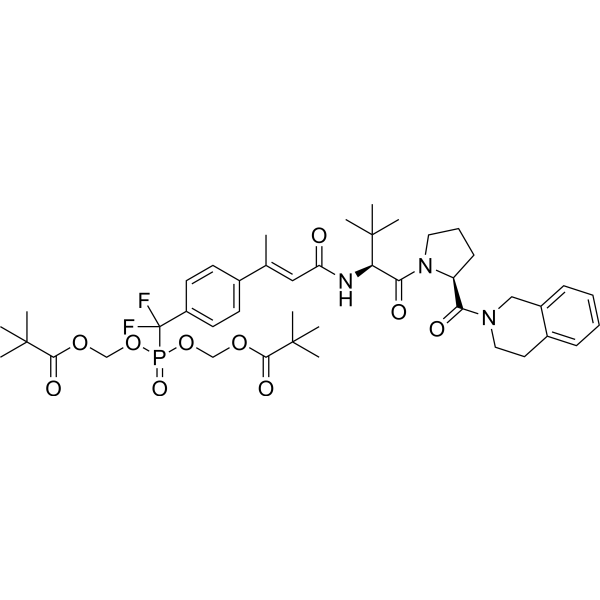
PM-81I is a potent STAT6 inhibitor (targeting the SH2 structural domain) that effectively reduces STAT6 phosphorylation levels. PM-81I can be used in studies of allergic lung disease, allergic rhinitis, chronic obstructive pulmonary disease or cancer [1].
loading...
    loading...
Cat. No.: HY-175650
CAS No.: 3092076-15-5
Research Areas:  

Inflammation/Immunology

STAT6-IN-9 is a potent STAT6 inhibitor with an EC50 value of 4 nM. STAT6-IN-9 effectively blocks STAT6 activation mediated by the IL-13-IL-13 receptor/IL-4 receptor pathway. STAT6-IN-9 inhibits CCL17 secretion with an IC50 value of 4.6 nM. STAT6-IN-9 can be used to investigate various chronic inflammatory diseases mediated by STAT6, such as allergy, asthma, and chronic obstructive pulmonary disease .
loading...
    loading...

