75 Results for "

Stat1 Inhibitors

" in MedChemExpress (MCE) Product Catalog:
Products (75)

75 Results for "Stat1 Inhibitors" in MCE Product Catalog:

111
111 Publications Verification
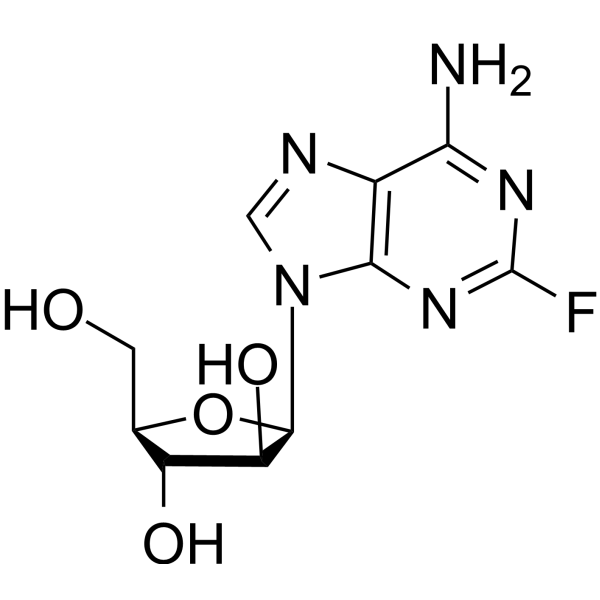
Cat. No.: HY-B0069
CAS No.: 21679-14-1
Synonyms: F-ara-A; NSC 118218
Fludarabine (NSC 118218) is a DNA synthesis inhibitor and a fluorinated purine analogue with antineoplastic activity in lymphoproliferative malignancies. Fludarabine inhibits the cytokine-induced activation of STAT1 and STAT1-dependent gene transcription in normal resting or activated lymphocytes .
loading...
    loading...
36
36 Cited Publications
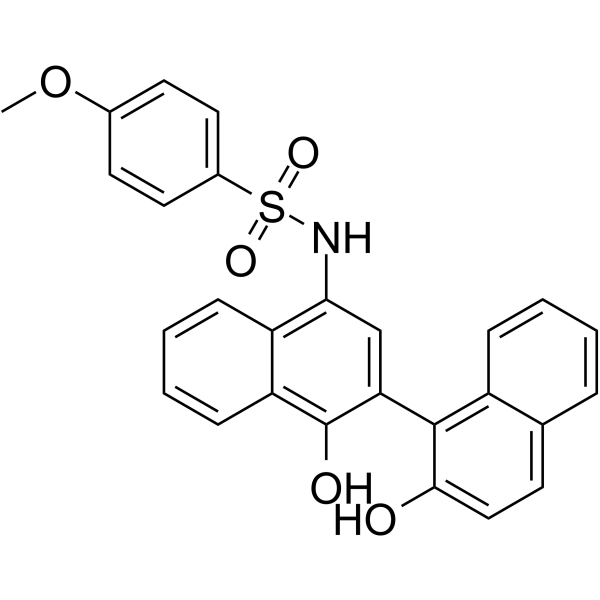
Cat. No.: HY-112288
CAS No.: 432001-19-9
Purity:  99.90%
Synonyms: TTI-101
C188-9 (TTI-101) is a STAT3 inhibitor with a Kd value of 4.7 nM. C188-9 targets the SH2 domain of STAT3, blocks the processes of STAT3 ligand binding, receptor recruitment, homodimerization and phosphorylation, and regulates STAT3-mediated genes associated with tumorigenesis and radioresistance. C188-9 regulates STAT1-mediated genes related to radioresistance and reduces the activation level of STAT1. C188-9 downregulates the expression of DNMT1, enhances DAC-induced demethylation and re-expression of RASSF1A, and simultaneously potentiates the anti-tumor effect of DAC on pancreatic cancer cells. C188-9 inhibits both anchorage-dependent and anchorage-independent growth of cancer cells, induces Apoptosis, blocks the growth of tumor xenografts, and suppresses muscle atrophy. C188-9 maintains muscle mass, increases body weight and improves grip strength in tumor-bearing mice. C188-9 can be used in research related to head and neck squamous cell carcinoma, pancreatic cancer, sepsis-related skeletal muscle wasting, non-small cell lung cancer, acute myeloid leukemia and cancer cachexia .
loading...
    loading...
35
35 Cited Publications
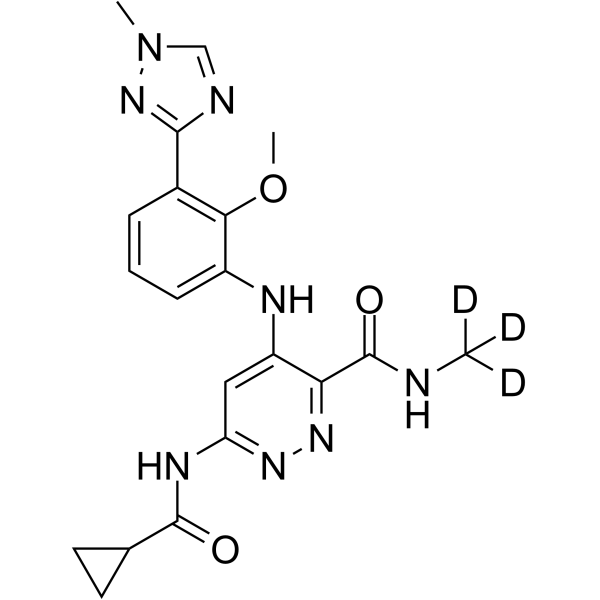
Cat. No.: HY-117287
CAS No.: 1609392-27-9
Purity:  99.87%
Synonyms: BMS-986165
Deucravacitinib (BMS-986165) is an orally active allosteric inhibitor of tyrosine kinase 2 (TYK2), with an IC50 of 0.2 nM and a Ki of 0.02 nM against the JH2 domain of TYK2, and it exhibits selectivity over other JAK subtypes and most of the kinome. Deucravacitinib blocks IL-23, IL-12, p-STAT1/3 and Type I IFN signaling, and inhibits Th17/Th1-mediated psoriasis inflammation . Deucravacitinib can be used in research related to moderate-to-severe plaque psoriasis, inflammatory bowel disease and systemic lupus erythematosus .
loading...
    loading...
23
23 Cited Publications
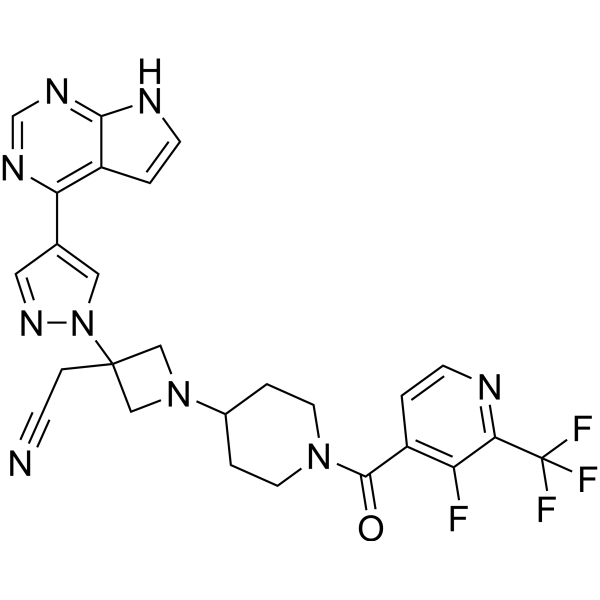
Cat. No.: HY-16997
CAS No.: 1334298-90-6
Synonyms: INCB039110
Target:  

JAK STAT

Research Areas:  

Inflammation/Immunology Cancer

Itacitinib (INCB039110) is an orally active selective inhibitor of JAK1 with an IC50 value of 2 nM for human JAK1. Itacitinib inhibits IFN-γ-mediated phosphorylation of STAT1 and downstream pro-inflammatory signaling pathways. Itacitinib reduces the frequency and number of splenic neutrophils in mouse models, downregulates the levels of pro-inflammatory cytokines and chemokines, and inhibits pro-inflammatory gene expression pathways. Itacitinib improves survival rate and clinical scores in mouse models of hemophagocytic lymphohistiocytosis (HLH), and also suppresses metastasis in NSCLC models with high Rab1A expression. Itacitinib can be used for research on hemophagocytic lymphohistiocytosis and non-small cell lung cancer .
loading...
    loading...
23
23 Cited Publications
Cat. No.: HY-16997A
CAS No.: 1334302-63-4
Synonyms: INCB039110 adipate
Target:  

JAK STAT

Research Areas:  

Inflammation/Immunology Cancer

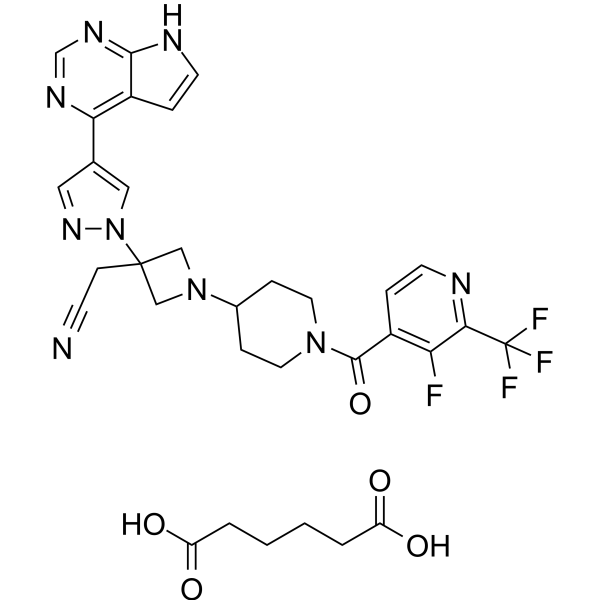
Itacitinib adipate (INCB039110 adipate) is an orally active JAK1-selective inhibitor. Itacitinib adipate inhibits IFN-γ-mediated phosphorylation of STAT1 and downstream pro-inflammatory signaling pathways. Itacitinib adipate reduces the frequency and number of splenic neutrophils in mouse models, downregulates the levels of pro-inflammatory cytokines and chemokines, and inhibits pro-inflammatory gene expression pathways. Itacitinib adipate improves survival rate and clinical scores in mouse models of hemophagocytic lymphohistiocytosis (HLH), and also suppresses metastasis in NSCLC models with high Rab1A expression. Itacitinib adipate can be used for research on hemophagocytic lymphohistiocytosis and non-small cell lung cancer .
loading...
    loading...
14
14 Cited Publications
Cat. No.: HY-15136
CAS No.: 193275-84-2
Purity:  99.60%
Synonyms: Sch66336
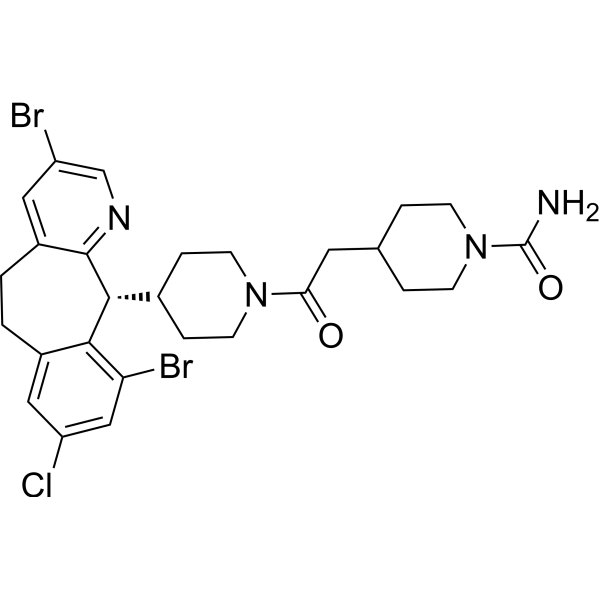
Lonafarnib (Sch66336) is an orally active, blood-brain barrier penetrant farnesyltransferase (FPTase) inhibitor. Lonafarnib increases the phosphorylation levels of Akt, CaMKII and CREB, upregulates BDNF expression in the hippocampus, elevates the content of α7nAChR on cell membranes, and blocks the isoprenylation of H-Ras. Lonafarnib repairs synapses and reverses spatial memory deficits in Aβ1-42 model mice. Lonafarnib inhibits RSV fusion and replication, and alleviates virus-induced lung injury. Lonafarnib activates the lysosomal and autophagic pathways, and reduces the phosphorylation and aggregation of tau. Lonafarnib acts synergistically with Sorafenib (HY-10201) to promote apoptosis, and inhibits the proliferation and invasion of melanoma cells. Lonafarnib inhibits the farnesylation of progerin, repairs nuclear membrane defects, and activates the cGAS-STING-STAT1 signaling pathway. Lonafarnib can be used in research related to diseases including Alzheimer's disease, viral infections, melanoma, and progeria .
loading...
    loading...
13
13 Cited Publications
Cat. No.: HY-W013523
CAS No.: 65182-56-1
Target:  

STAT JAK HSV

Research Areas:  

Infection Cancer

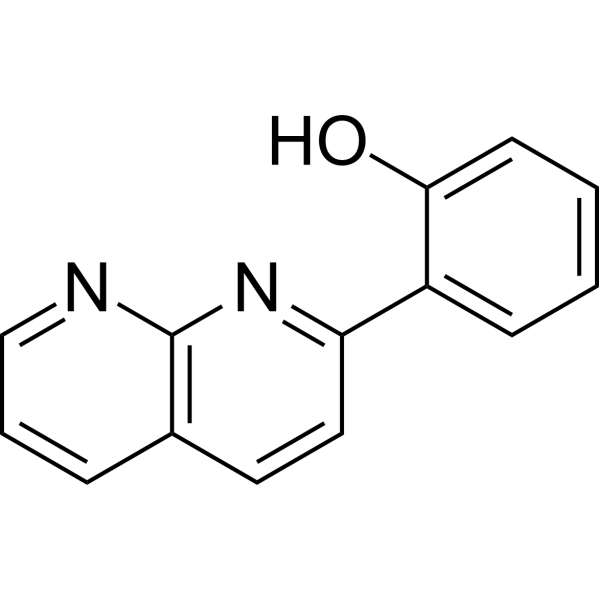
2-NP is a selective enhancer of STAT1 transcription. 2-NP can enhance the ability of IFN-γ to inhibit the proliferation of human breast cancer and fibrosarcoma cells .
loading...
    loading...
11
11 Cited Publications
Cat. No.: HY-107429
CAS No.: 1622902-68-4
Purity:  99.26%
Synonyms: PF-04965842
Target:  

JAK

Research Areas:  

Inflammation/Immunology

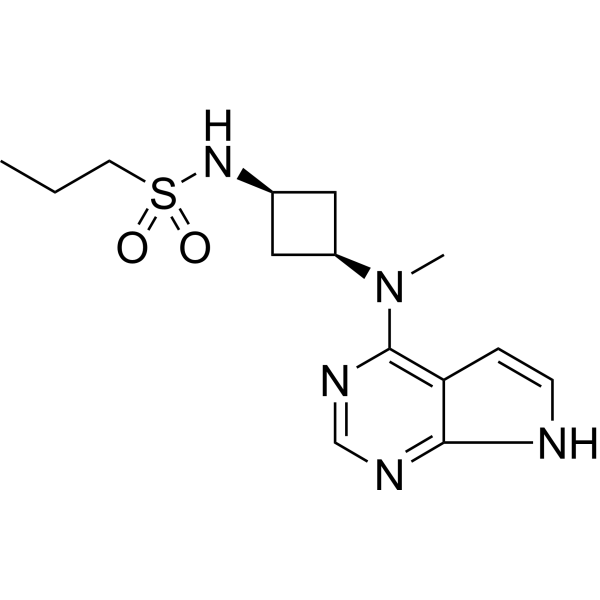
Abrocitinib (PF-04965842) is a potent, orally active and selective JAK1 inhibitor, with IC50s of 29 and 803 nM for JAK1 and JAK2, respectively. Abrocitinib (PF-04965842) exhibits less active effect on TYK2 (IC50, 1.253 μM), and inhibits phosphorylation of STAT1, STAT3 and STAT5 after stimulation. Effective in autoimmune disease .
loading...
    loading...
8
8 Cited Publications
Cat. No.: HY-111388A
CAS No.: 2443816-41-7
Purity:  99.29%
Synonyms: SEL120-34A monohydrochloride
Target:  

CDK

Research Areas:  

Cancer

SEL120-34A monohydrochloride is an ATP-competitive and selective CDK8 inhibitor, inhibits kinase activities of CDK8/CycC and CDK19/CycC complexes with IC50s of 4.4 nM and 10.4 nM, respectively, with a Kd of 3 nM for CDK8. SEL120-34A monohydrochloride weakly inhibits CDK9 (calculated IC50=1070 nM), but shows no obvious activity against CDK1, 2, 4, 6, 5, 7. SEL120-34A monohydrochloride inhibits phosphorylation of STAT1 S727 and STAT5 S726 . Has anti-tumor activity .
loading...
    loading...
4
4 Cited Publications
Cat. No.: HY-113402
CAS No.: 636-58-8
Purity:  95.20%
Synonyms: γ-Glu-Cys
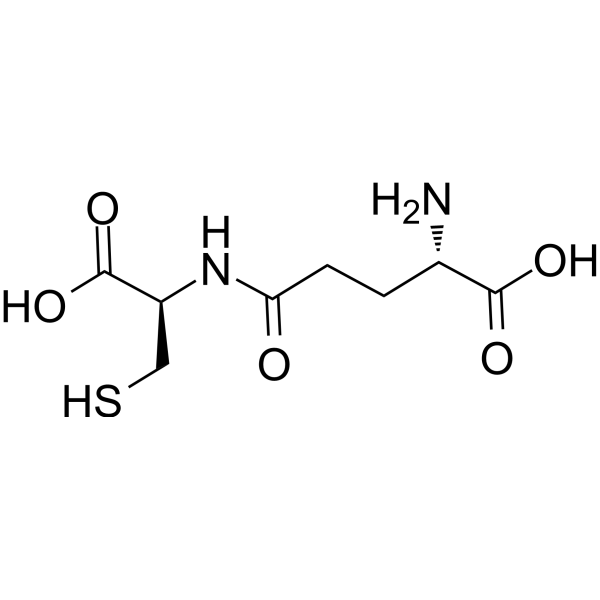
Gamma-glutamylcysteine (γ-Glu-Cys) is an orally active, blood-brain barrier permeable dipeptide . Gamma-glutamylcysteine activates AMPK, SIRT1, IL-4/STAT6, AC/cAMP/PI3K, IGF-1R/IRS1/PI3K, and Nrf2 signaling pathways; it inhibits NF-κB, JAK1/STAT1/3, MAPKs, cadmium-induced p38 MAPK, JNK, and PI3K/Akt signaling pathways. Gamma-glutamylcysteine regulates macrophage polarization, modulates the trafficking of CD36 and GLUT4, induces glutathione synthesis, improves metabolic dysfunction, reduces lipid deposition, ameliorates glucose homeostasis, inhibits apoptosis (Apoptosis), stabilizes mitochondria, suppresses lipid peroxidation, iron accumulation and ferroptosis (Ferroptosis), reduces ds-HMGB1 levels, reverses mechanical hyperalgesia, and alleviates hepatic lipid droplet formation. Gamma-glutamylcysteine is applicable to research related to inflammatory bowel disease, type 2 diabetes, cadmium-induced neurotoxicity, Alzheimer's disease, cerebral ischemia/reperfusion injury, neuropathy, and alcoholic liver disease .
loading...
    loading...
4
4 Cited Publications
Cat. No.: HY-N2593
CAS No.: 32507-66-7
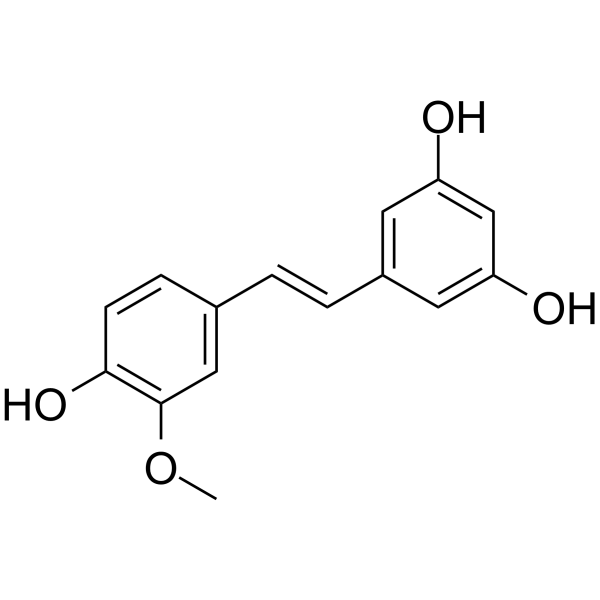
Isorhapontigenin is an orally active dietary polyphenol. Isorhapontigenin acts as a potent antioxidant that reduces the production of reactive oxygen species (ROS). Isorhapontigenin promotes the binding of JUN to the AP-1 site on the SESN2 promoter, induces SESN2 transcription, triggers MAPK8-dependent JUN activation, and upregulates the expression of PPAR-α, PGC-1α and CPT-1A to facilitate fatty acid oxidation. Isorhapontigenin induces autophagy, apoptosis and preadipocyte differentiation; it inhibits tumor growth, cell invasion, NF-κB transcriptional activity, the PI3K/Akt signaling pathway, STAT1 phosphorylation and MMP-2 expression. Isorhapontigenin alleviates oxidative stress, inflammatory cytokine release and triglyceride accumulation; it increases intracellular ATP levels and promotes Nrf2 nuclear translocation. Isorhapontigenin improves insulin sensitivity in adipose tissue and glucose tolerance, and reduces postprandial blood glucose, insulin and free fatty acid levels. Isorhapontigenin is applicable to research on bladder cancer, liver injury, chronic obstructive pulmonary disease, acute lung injury and type 2 diabetes .
loading...
    loading...
4
4 Cited Publications
Cat. No.: HY-113402A
CAS No.: 283159-88-6
Purity:  95.20%
Synonyms: γ-Glu-Cys TFA
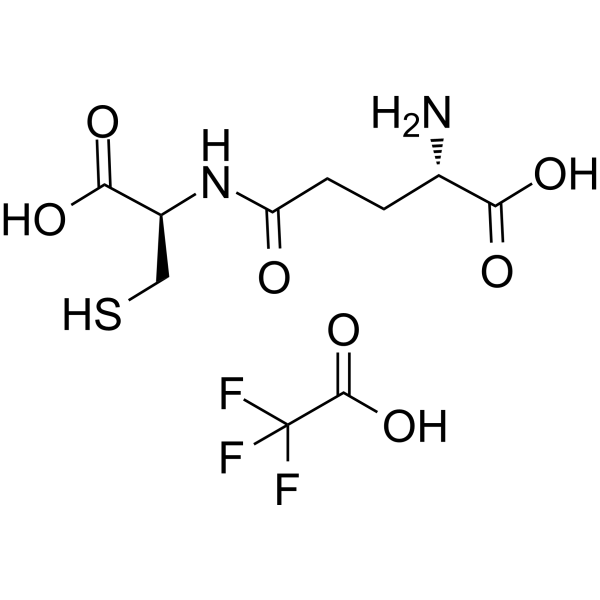
Gamma-glutamylcysteine TFA (γ-Glu-Cys TFA) is an orally active, blood-brain barrier permeable dipeptide . Gamma-glutamylcysteine TFA activates AMPK, SIRT1, IL-4/STAT6, AC/cAMP/PI3K, IGF-1R/IRS1/PI3K, and Nrf2 signaling pathways; it inhibits NF-κB, JAK1/STAT1/3, MAPKs, cadmium-induced p38 MAPK, JNK, and PI3K/Akt signaling pathways. Gamma-glutamylcysteine TFA regulates macrophage polarization, modulates the trafficking of CD36 and GLUT4, induces glutathione synthesis, improves metabolic dysfunction, reduces lipid deposition, ameliorates glucose homeostasis, inhibits apoptosis (Apoptosis), stabilizes mitochondria, suppresses lipid peroxidation, iron accumulation and ferroptosis (Ferroptosis), reduces ds-HMGB1 levels, reverses mechanical hyperalgesia, and alleviates hepatic lipid droplet formation. Gamma-glutamylcysteine TFA is applicable to research related to inflammatory bowel disease, type 2 diabetes, cadmium-induced neurotoxicity, Alzheimer's disease, cerebral ischemia/reperfusion injury, neuropathy, and alcoholic liver disease .
loading...
    loading...
3
3 Cited Publications
Cat. No.: HY-114495
CAS No.: 21802-37-9
Purity:  ≥98.0%
Synonyms: Cerulomycin; Caerulomycin
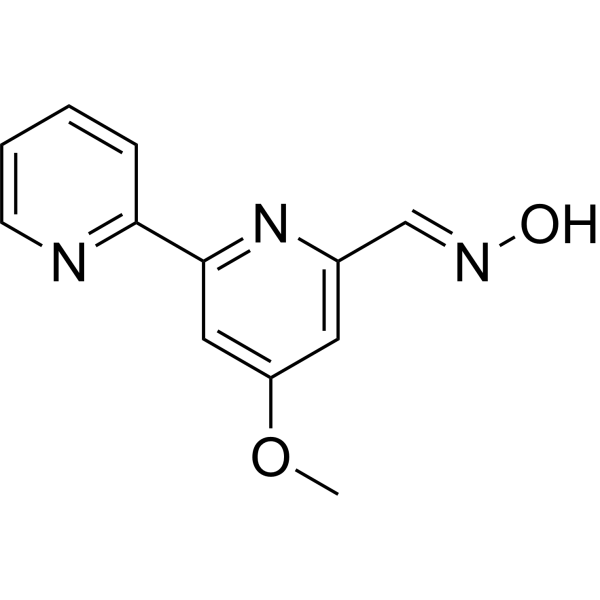
Caerulomycin A is an orally active immunomodulator and antimicrobial agent. Caerulomycin A targets Smad3, STAT1 and GATA-3. Caerulomycin A downregulates GATA-3 expression, inhibits Th2 cell differentiation and Th2 cytokine production, reduces IgE levels, and alleviates pulmonary inflammatory responses and eosinophil infiltration. Caerulomycin A ameliorates collagen-induced arthritis symptoms, reduces joint inflammation and synovitis, and decreases the levels of proinflammatory cytokines in joints. Caerulomycin A inhibits the growth of some filamentous fungi, yeasts and specific bacteria. Caerulomycin A can be used in research related to arthritis and asthma .
loading...
    loading...
3
3 Cited Publications
Cat. No.: HY-119347
CAS No.: 41365-32-6
Purity:  ≥98.0%
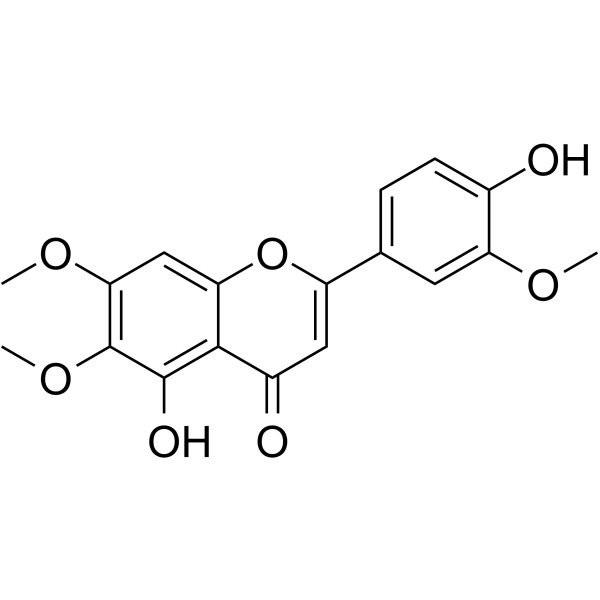
Cirsilineol, a natural flavone compound, selectively inhibits IFN-γ/STAT1/T-bet signaling in intestinal CD4 + T cells. Cirsilineol has potent immunosuppressive and anti-tumor properties. Cirsilineol significantly ameliorates trinitro-benzene sulfonic acid (TNBS)-induced T-cell-mediated experimental colitis in mice .
loading...
    loading...
2
2 Cited Publications
Cat. No.: HY-170621
CAS No.: 2958649-56-2
STAT1/3-IN-1 is a potent STAT1/3 inhibitor with potent anti-inflammatory effect. STAT1/3-IN-1 inhibits phosphorylation and nuclear translocation of STAT1/3 to modulate microglial inflammation, reduces LPS (HY-D1056)-induced pro-inflammatory cytokines (NO, IL-1β, IL-6, and TNF-α) and inflammatory mediators (iNOS, COX-2). STAT1/3-IN-1 exhibits low toxicity in mice. STAT1/3-IN-1 can be used for the research of neuroinflammation .
loading...
    loading...
2
2 Cited Publications
Cat. No.: HY-115594
CAS No.: 2256056-21-8
Purity:  96.02%
Target:  

STAT Apoptosis

Research Areas:  

Cancer

Erasin is a potent Erlotinib (HY-50896)-resistance antagonizing STAT3 inhibitor with IC50s of 9.7 and 24 μM against STAT3 and STAT1, respectively. Erasin induces cancer cells apoptosis .
loading...
    loading...
1
1 Cited Publications
Cat. No.: HY-119024
CAS No.: 112170-24-8
Purity:  98.88%
Target:  

SHP1 STAT

Research Areas:  

Cancer

BCI-137 is a Argonaute 2 (AGO2) inhibitor. By inhibiting AGO2 function, reducing PTPN6/SHP-1 protein levels and enhancing STAT1 phosphorylation, BCI-137 restores the sensitivity of tumor cells to IFN-γ. BCI-137 effectively enhances the recruitment, activation and cytotoxicity of CD8 + T cells. BCI-137 exerts a synergistic effect with anti-PD-1 antibodies and significantly reduces tumor volume in preclinical mouse models. BCI-137 exhibits favorable safety profiles and does not cause significant weight loss or death in mice. BCI-137 can be used in research related to bladder cancer, colorectal cancer, melanoma and other related fields .
loading...
    loading...
1
1 Cited Publications
Cat. No.: HY-N2736
CAS No.: 2150-11-0
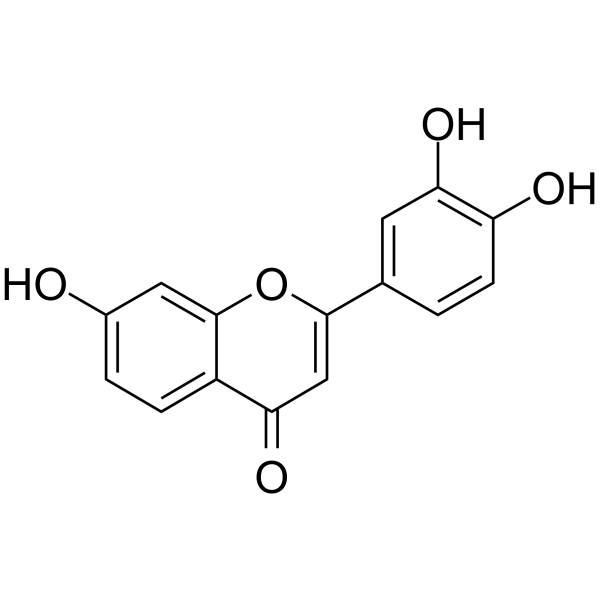
3′,4′,7-Trihydroxyflavone is an orally active inhibitor of OXA-48 (IC50 = 1.89 μM) and COX-1 (IC50 = 36.37 μM). 3′,4′,7-Trihydroxyflavone exhibits antioxidant and anti-inflammatory properties, inhibiting the release of inflammatory cytokines such as IL-6, IL-8, and TNF-α. 3′,4′,7-Trihydroxyflavone inhibits H2O2-induced neuronal apoptosis and ROS accumulation, and exerts anti-neuroinflammatory effects by suppressing the JNK-STAT1 pathway. 3′,4′,7-Trihydroxyflavone exhibits antimicrobial and antibiotic-modifying activities against multidrug-resistant Gram-negative enteric bacteria. 3′,4′,7-Trihydroxyflavone inhibits RANKL-induced osteoclast formation via NFATc1. 3′,4′,7-Trihydroxyflavone activates the CREB-BDNF axis and restores scopolamine (HY-N0296)-induced memory deficits in mice .
loading...
    loading...
1
1 Cited Publications
Cat. No.: HY-116940
CAS No.: 365542-77-4
Purity:  99.37%
Target:  

Oct3/4 Notch STAT

Research Areas:  

Cancer

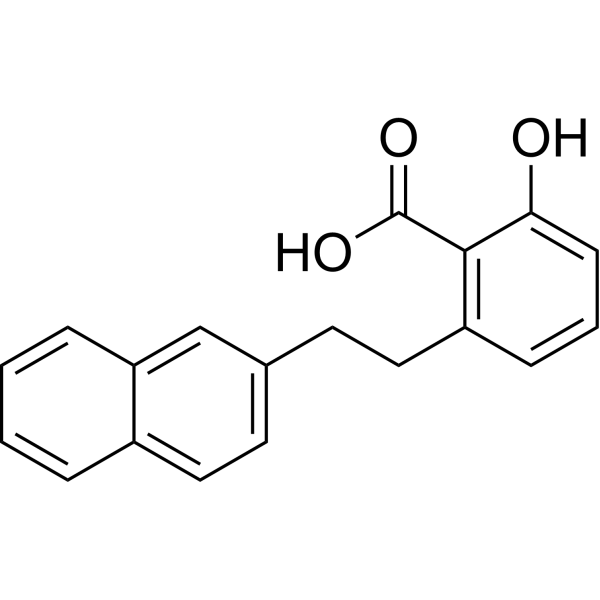
Sm4 is a selective and orally active SOX18 inhibitor. Sm4 inhibits SOX18-DNA binding (IC50 = 97.5 μM); Sm4 disrupts the SOX18-RBPJ protein-protein interaction (IC50 = 42.3 μM). Sm4 blocks SOX18 DNA binding, disrupts multiple SOX18 protein-protein interactions with RBPJ, DDX1, DDX17, ILF3, SOX7 and STAT1, modulates SOX18 chromatin binding dynamics. Sm4 exerts anti‑angiogenic and anti‑lymphangiogenic effects, reduces tumor vascular density, triggers vascular defects in zebrafish, prolongs survival in mouse metastatic cancer models. Sm4 can be used for the research of breast cancer .
loading...
    loading...
1
1 Cited Publications
Cat. No.: HY-122891
CAS No.: 2126737-28-6
Purity:  99.70%
Target:  

PI3K CXCR STAT

Research Areas:  

Cancer

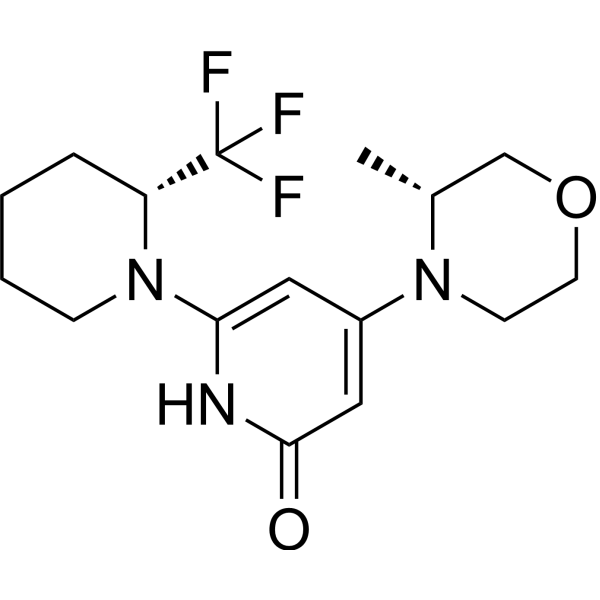
SB02024 is a potent and orally active VPS34 inhibitor. SB02024 inhibits Vps34 kinase activity. SB02024 induces CCL5 and CXCL10 via STAT1/IRF7. SB02024 shows anticancer activity .
loading...
    loading...

