Search Result
| Isoforms Recommended: |
TBK1
|
Results for "
TBK-1
" in MedChemExpress (MCE) Product Catalog:
| Cat. No. |
Product Name |
Target |
Research Areas |
Chemical Structure |
-
- HY-112693
-
H-151
Maximum Cited Publications
138 Publications Verification
|
STING
|
Inflammation/Immunology
|
|
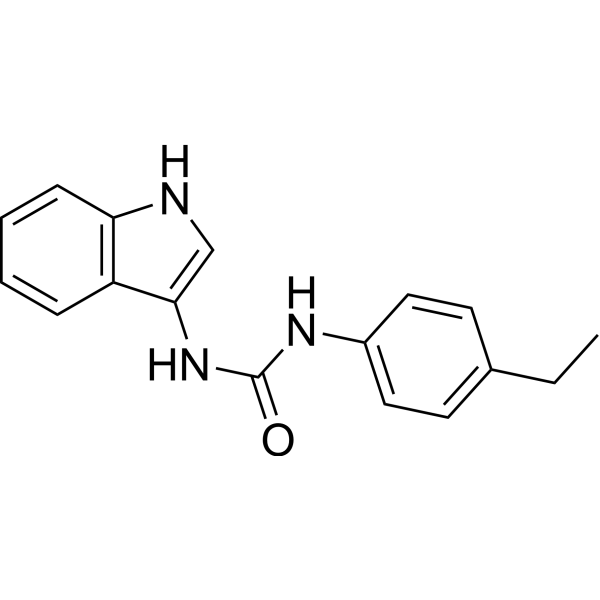
H-151 is a potent, selective and covalent antagonist of STING that has noteworthy inhibitory activity both in cells and in vivo. H-151 reduces TBK1 phosphorylation and suppresses STING palmitoylation. H-151 can be used for the research of autoinflammatory disease [1].
|
-
-
- HY-B0713
-
|
AA673; Amoxanox; CHX3673
|
IKK
|
Metabolic Disease
|
|
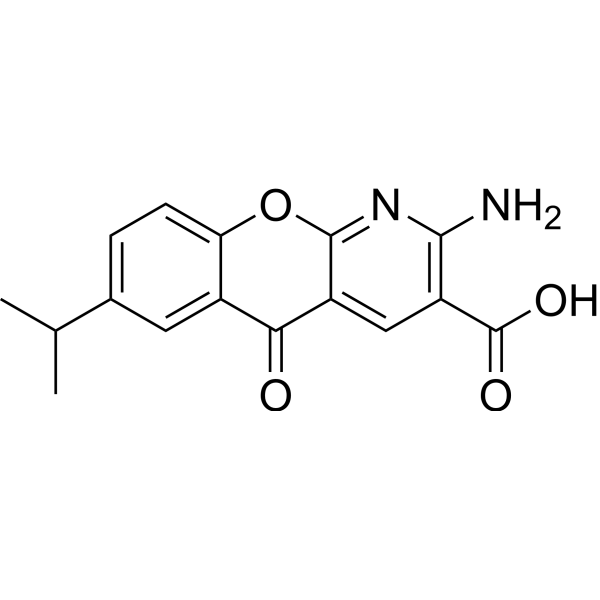
Amlexanox (AA673; Amoxanox; CHX3673) is a specific inhibitor of IKKε and TBK1, and inhibits the IKKε and TBK1 activity determined by MBP phosphorylation with an IC50 of approximately 1-2 μM.
|
-
-
- HY-10514
-
|
|
PDK-1
IKK
Autophagy
|
Cancer
|
|
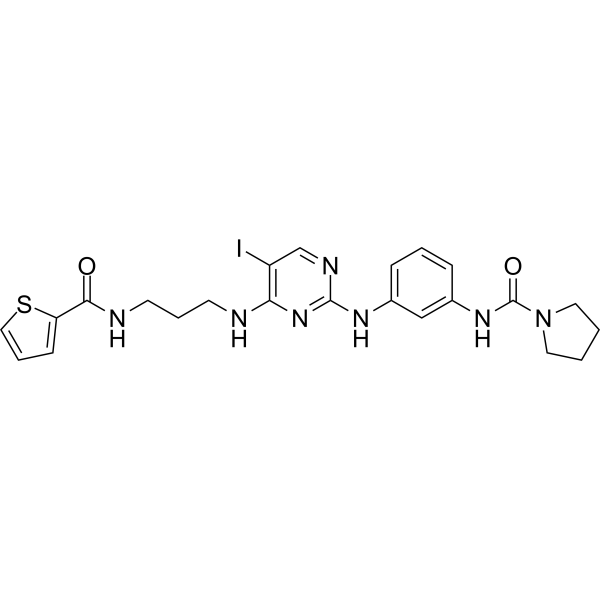
BX795 is a potent and selective inhibitor of PDK1, with an IC50 of 6 nM. BX795 is also a potent and relatively specific inhibitor of TBK1 and IKKε, with an IC50 of 6 and 41 nM, respectively. BX795 blocks phosphorylation of S6K1, Akt, PKCδ, and GSK3β, and has lower selectivity over PKA, PKC, c-Kit, GSK3β etc. BX795 modulates autophagy [1] .
|
-
-
- HY-111941
-
-
-
- HY-13018
-
|
|
IKK
ULK
Autophagy
|
Inflammation/Immunology
Cancer
|
|
MRT67307 is a dual inhibitor of the IKKε and TBK-1 with IC50s of 160 and 19 nM, respectively [1]. MRT67307 also inhibits ULK1 and ULK2 with IC50s of 45 and 38 nM, respectively. MRT67307 also blocks autophagy in cells .
|
-
-
- HY-128679
-
|
|
IKK
|
Cancer
|
|
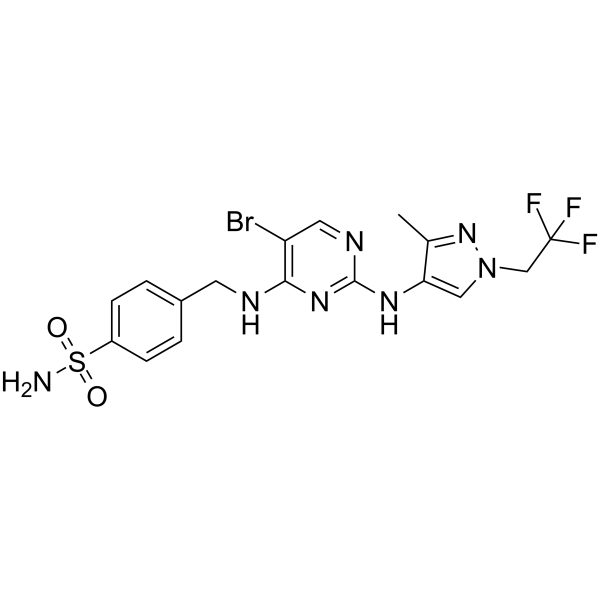
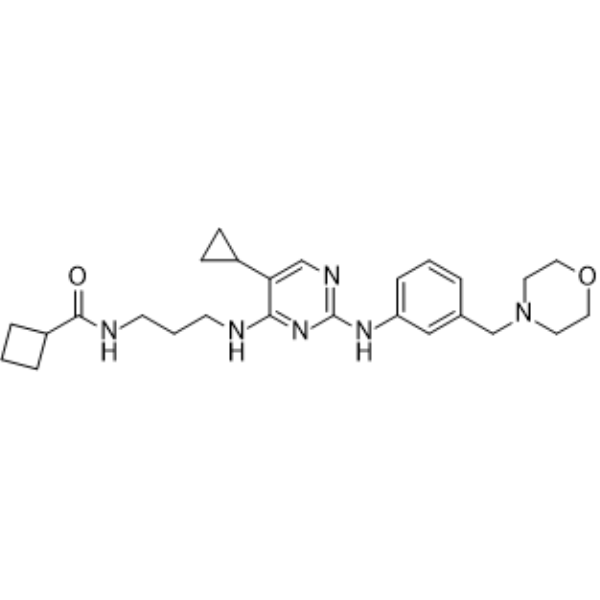
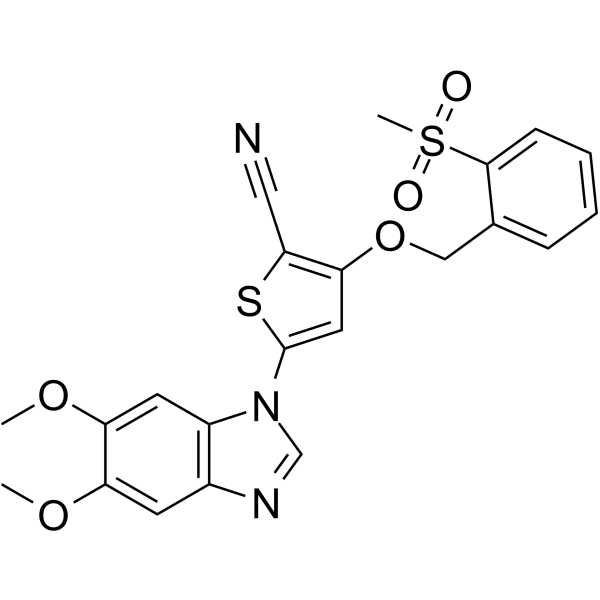
TBK1/IKKε-IN-5 (compound 1) is an orally active TBK1 and IKKε dual inhibitor, with IC50 values of 1 and 5.6 nM, respectively. TBK1/IKKε-IN-5 enhances the blockade response to PD-1 and induces immune memory in rats when combines with anti-PD-L1. TBK1/IKKε-IN-5 can be used in cancer research, especially in tumour immunity [1].
|
-
-
- HY-112557
-
|
|
PROTACs
IKK
|
Cancer
|
|
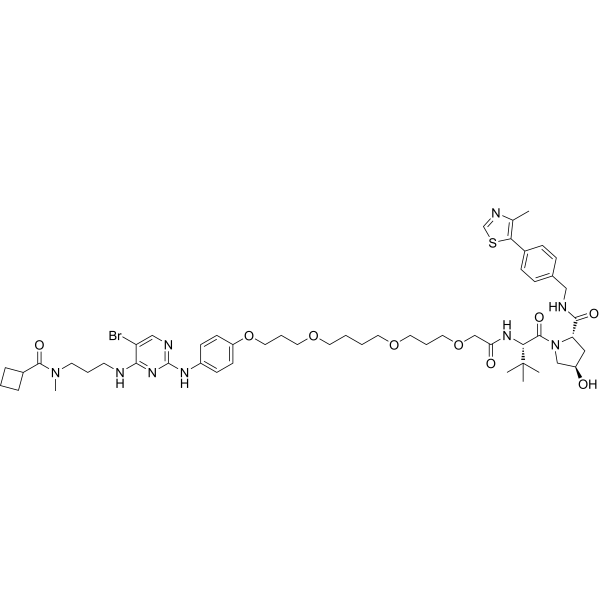
PROTAC TBK1 degrader-2 is a Ligands for Target Protein for PROTAC. PROTAC TBK1 degrader-2 is a potent degrader based on the serine/threonine kinase TANK-binding kinase 1 (TBK1) (DC50=15 nM; Kd=4.6 nM) with a maximum efficiency of 96%. PROTAC TBK1 degrader-2 also targets to IkB kinase IKKε (IC50=8.7 nM), with low selectivity over TBK1 (IC50=1.3 nM) [1].
|
-
-
- HY-133117
-
BAY-985
4 Publications Verification
|
IKK
|
Cancer
|
|
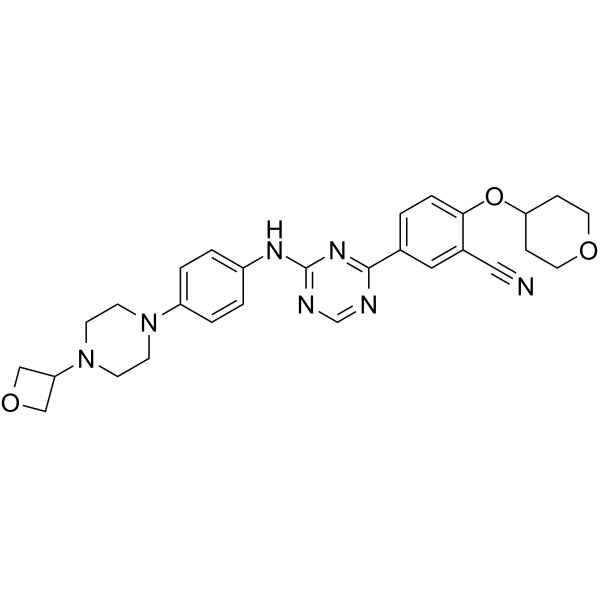
BAY-985, a chemical probe, is a highly potent, orally active and selective ATP-competitive dual inhibitor of TBK1 and IKKε with IC50s of 2/30 and 2 nM for TBK1 (low/high ATP) and IKKε, respectively. Antitumor efficacy [1].
|
-
-
- HY-116282B
-
|
DSS (MW 16000-24000); DXS (MW 16000-24000)
|
Biochemical Assay Reagents
STING
|
Others
|
|
Dextran sulfate sodium salt (DSS) (MW 16000-24000) is a polymer of dehydrated glucose with a molecular weight of approximately 16000-24000. Dextran sulfate sodium salt with different molecular weights exhibits different biological activities. Dextran sulfate sodium salt (MW 16000-24000) induces STING polymerization and TBK1 activation [1].
|
-
-
- HY-160225
-
|
|
STING
Interleukin Related
|
Inflammation/Immunology
|
|
ISD sodium is an interferon-stimulatory DNA, a 45 bp non-CpG double-stranded oligonucleotide derived from the genome of Listeria monocytogenes. ISD sodium potently induces type I interferon production via the cGAS‑STING‑TBK1‑IRF3 pathway [1] .
|
-
-
- HY-168034
-
|
|
STING
Integrin
NF-κB
SARS-CoV
|
Infection
Inflammation/Immunology
|
|
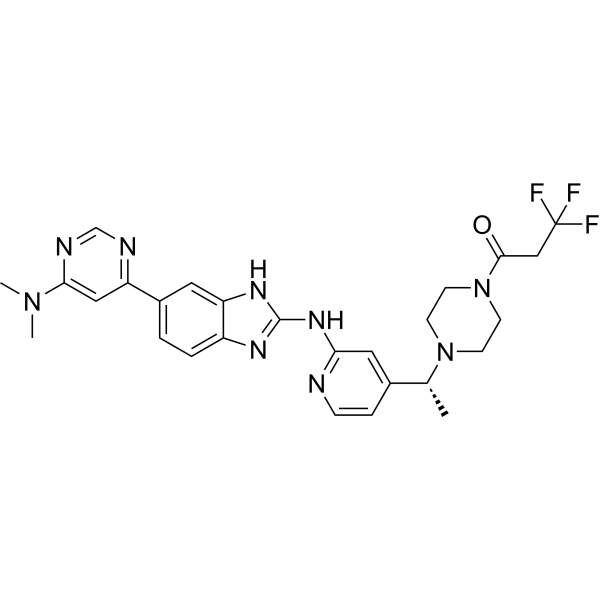
diABZI-4 is a STING activator and broad-spectrum antiviral agent with immunostimulatory activity. diABZI-4 triggers the TBK1-IRF3 and NF-κB signaling cascades by inducing STING oligomerization, thereby promoting the production of type I/III interferons and various proinflammatory cytokines. diABZI-4 exhibits broad-spectrum antiviral activity and effectively inhibits the replication of influenza A virus, SARS-CoV-2, herpes simplex virus, and other viruses. diABZI-4 also activates lymphocytes and macrophages to provide significant pre- and post-exposure protection in viral disease models. diABZI-4 can be used to study COVID-19, respiratory viral infections, and related immunopathological mechanisms [1] .
|
-
-
- HY-152237
-
|
|
IKK
|
Cancer
|
|
TBK1-IN-1 is a potent and selective TANK binding kinase 1 (TBK1) inhibitor with an IC50 value of 22.4 nM. TBK1-IN-1 inhibits TBK1 downstream target genes cxcl10 and ifnβ expression. TBK1-IN-1 has anticancer activity [1].
|
-
-
- HY-12453
-
-
-
- HY-177338
-
|
|
STING
Cyclic GMP-AMP Synthase
IFNAR
TNF Receptor
Interleukin Related
|
Inflammation/Immunology
Cancer
|
|
STING agonist-45 is a selective STING agonist (EC50 = 0.28 μM). STING agonist-45 activates the innate immune response through the cGAS-STING pathway, upregulating key markers such as p-TBK1 and IRF3. STING agonist-45 exhibits robust STING activation in human peripheral blood mononuclear cells (PBMCs), inducing the production of type I interferons (such as IFN-β) and downstream cytokines (such as TNF-α and IL-6). STING agonist-45 enhances anti-tumor immunity, inhibits tumor growth, and increases CD8 + T cell infiltration in mouse models. STING agonist-45 is promising for the study of STING-related diseases [1] .
|
-
-
- HY-P1181A
-
|
|
Toll-like Receptor (TLR)
NO Synthase
IKK
Akt
PKC
NF-κB
p38 MAPK
Interleukin Related
|
Cardiovascular Disease
Infection
Inflammation/Immunology
Cancer
|
|
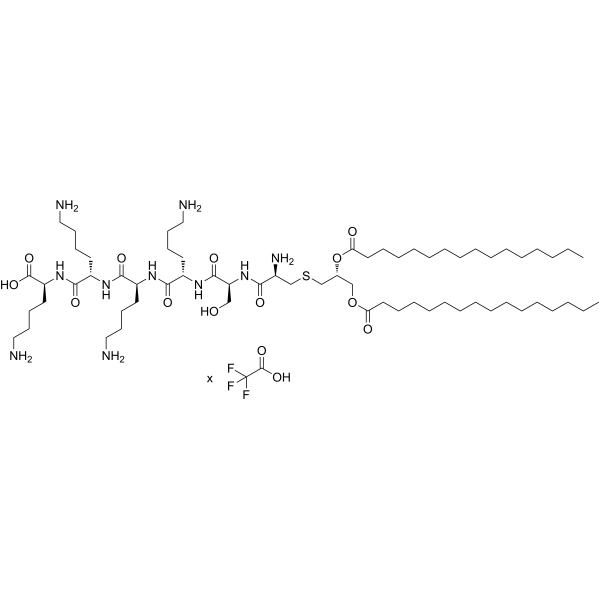
Pam2CSK4 TFA is a TLR2 agonist. Pam2CSK4 TFA induces the expression of iNOS and NO in macrophage cell lines via TBK1 and MyD88 molecules. Pam2CSK4 TFA activates the NF-κB and Bruton's tyrosine kinase signaling pathways in platelets, and promotes platelet-endothelial cell interactions. TLR2 activation triggered by Pam2CSK4 TFA expands myeloid-derived suppressor cells (MDSCs) and suppresses anti-tumor immune responses in the tumor microenvironment. Pam2CSK4 TFA acts as a Th2-polarizing adjuvant in mouse vaccine models against Leishmania major and Brugia malayi. Pam2CSK4 TFA can be used in the research of various diseases, including thromboinflammatory diseases, sepsis, atherosclerosis, heart failure, influenza, lymphoma, melanoma, cutaneous leishmaniasis and lymphatic filariasis [1] .
|
-
-
- HY-14682
-
|
|
IKK
|
Inflammation/Immunology
|
|
GSK319347A is a dual inhibitor of TBK1 and IKKε with IC50s of 93 nM and 469 nM, respectively. GSK319347A also inhibits IKK2 with an IC50 of 790 nM.
|
-
-
- HY-N2616
-
|
|
STING
|
Inflammation/Immunology
|
|
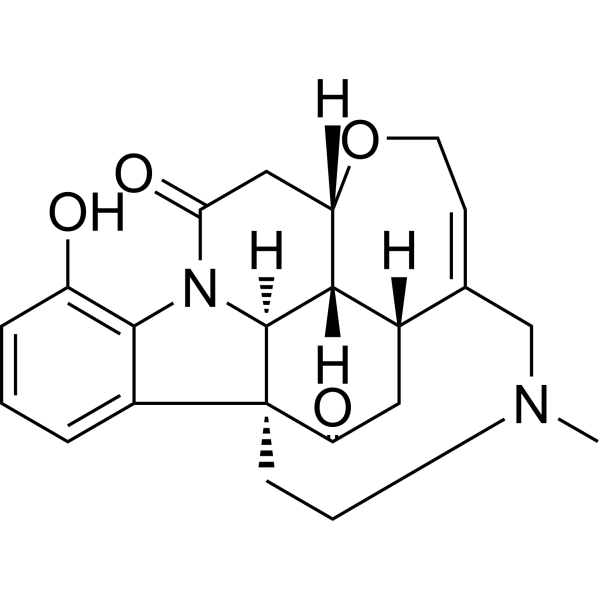
Vomicine modulates cGAS-STING-TBK1 signaling pathway, and exhibits anti-inflammatory activity. Vomicine is an alkaloid that can be isolated from Strychnos nux-vomica seeds [1] .
|
-
-
- HY-124652
-
|
|
IKK
|
Cancer
|
|
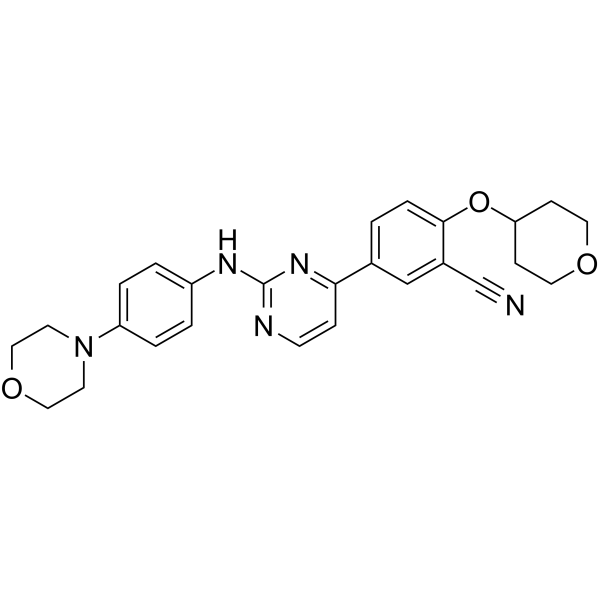
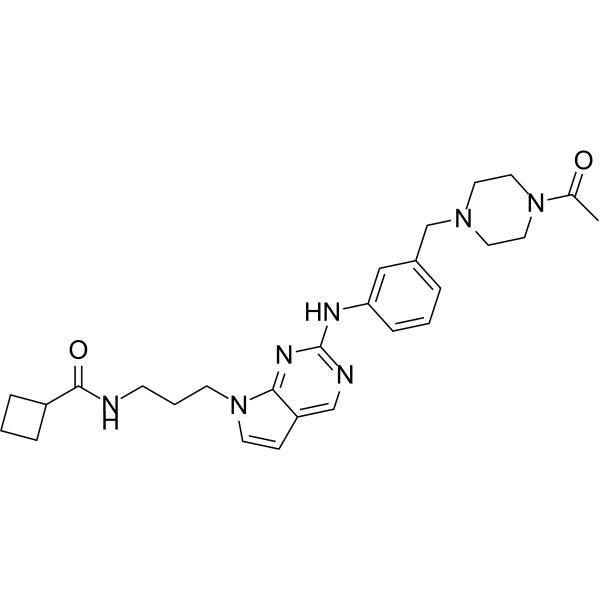
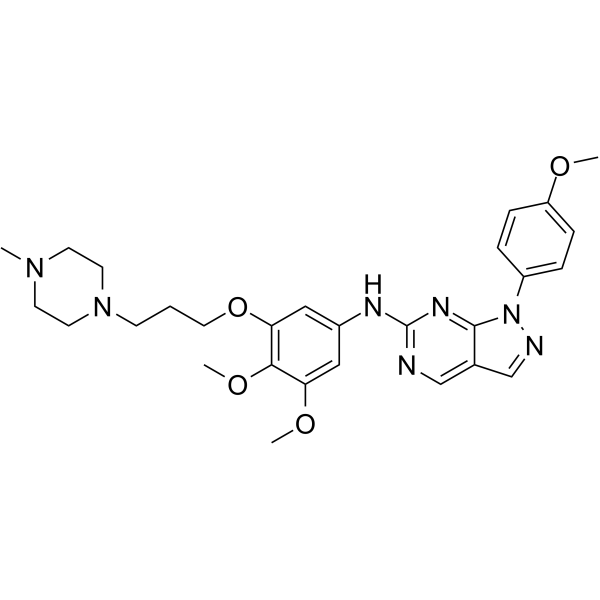
TBK1/IKKε-IN-4 is a 6-aminopyrazolopyrimidine derivative and a potent, selective TBK1 and IKKε inhibitor with IC50 values of 13 nM and 59 nM, respectively. TBK1/IKKε-IN-4 shows 100- to 1000-fold less activity against other protein kinases including PDK1, PI3K family members and mTOR [1].
|
-
-
- HY-173425
-
|
|
STING
IFNAR
TNF Receptor
Interleukin Related
|
Inflammation/Immunology
|
|
STING-IN-15 is an orally active STING inhibitor, with an IC50 of 116 nM against h-STING and an IC50 of 96.3 nM against m-STING. STING-IN-15 inhibits the STING signaling pathway in cells, reduces the secretion of IFN-β and IP-10, downregulates the expression of ISG15, ISG56 and TNF-α, and suppresses the phosphorylation of TBK1/IRF3. STING-IN-15 alleviates systemic and renal inflammation induced by STING agonists in mice, reduces tissue damage and the expression of interferon pathway genes, and inhibits spontaneous tissue inflammation in mice. STING-IN-15 can be used for the research of acute kidney injury and autoimmune/inflammatory diseases [1].
|
-
-
- HY-P1181
-
|
|
Toll-like Receptor (TLR)
NO Synthase
IKK
Akt
PKC
NF-κB
p38 MAPK
Interleukin Related
|
Cardiovascular Disease
Infection
Inflammation/Immunology
Cancer
|
|
Pam2CSK4 is a TLR2 agonist. Pam2CSK4 induces the expression of iNOS and NO in macrophage cell lines via TBK1 and MyD88 molecules. Pam2CSK4 activates the NF-κB and Bruton's tyrosine kinase signaling pathways in platelets, and promotes platelet-endothelial cell interactions. TLR2 activation triggered by Pam2CSK4 expands myeloid-derived suppressor cells (MDSCs) and suppresses anti-tumor immune responses in the tumor microenvironment. Pam2CSK4 acts as a Th2-polarizing adjuvant in mouse vaccine models against Leishmania major and Brugia malayi. Pam2CSK4 can be used in the research of various diseases, including thromboinflammatory diseases, sepsis, atherosclerosis, heart failure, influenza, lymphoma, melanoma, cutaneous leishmaniasis and lymphatic filariasis [1] .
|
-
-
- HY-164288
-
|
TDI-006570
|
Cyclic GMP-AMP Synthase
STING
|
Neurological Disease
Inflammation/Immunology
|
|
TDI-6570 (TDI-006570) is a blood-brain barrier-permeable, orally active cGAS inhibitor with an IC50 of 1.64 μM. TDI-6570 exhibits high gastrointestinal absorption and a long brain half-life in mice, and shows no toxicity to primary neurons. By inhibiting the cGAS-STING-IFN signaling pathway, TDI-6570 reduces STING levels and the activation of TBK1, blocks double-stranded DNA-induced cGAS activation and downstream interferon-stimulated gene expression, thereby reducing tau protein spread and improving synaptic loss. TDI-6570 reverses memory deficits, increases the amplitude of long-term potentiation, enhances the MEF2C transcriptional network, restores PSD-95 and vGAT punctate structures, and significantly improves cognitive resilience. TDI-6570 can be applied to the research of Alzheimer's disease, Parkinson's disease, systemic lupus erythematosus, as well as various central nervous system and autoimmune diseases [1] .
|
-
-
- HY-156449
-
|
|
STING
IKK
|
Inflammation/Immunology
|
|
STING-IN-7 is a potent STING inhibitor with an IC50 of 11.5 nM. STING-IN-7 can inhibit the phosphorylation of STING, IRF3, and TBK1. STING-IN-7 can be used in the research of autoimmune and inflammatory diseases [1].
|
-
-
- HY-160477
-
|
|
PIKfyve
NF-κB
IKK
|
Inflammation/Immunology
|
|
DC-SX029 is a potent SNX10 protein-protein interaction (PPI) inhibitor with oral activity with an estimated KD constant of ~0.935 μM by surface plasmon resonance (SPR). DC-SX029 blocks the SNX10-PIKfyve interaction, thereby decreased the TBK1/c-Rel signaling activation. DC-SX029 does not affect the protein level of SNX10. DC-SX029 has the potential for inflammatory bowel disease (IBD) research [1] .
|
-
-
- HY-152959
-
|
|
STING
|
Infection
Cancer
|
|
STING agonist-26 (CF508) is a non-nucleotide small-molecule STING agonist. STING agonist-23 activates STING, increases phosphorylation of STING, TBK1 and IRF3. STING agonist-23 promotes the levels of IFN-β, IL-6, CXCL-10, TNF-α, ISG-15, and CCL-5 in tumor cells. STING agonist-23 exhibits activity against SARS-CoV series strains [1].
|
-
-
- HY-173414
-
|
|
PROTACs
STING
NF-κB
|
Inflammation/Immunology
|
|
PROTAC STING degrader-3 is a STING PROTAC degrader (DC50: 0.62 μM). PROTAC STING degrader-3 induces STING degradation via the ubiquitin-proteasome pathway. PROTAC STING degrader-3 exerts anti-inflammatory effects by inhibiting STING/TBK1/NF-κB signaling. PROTAC STING degrader-3 has renal protective effects and can be used in the study of acute kidney injury (AKI) [1].
|
-
-
- HY-152956
-
|
|
STING
|
Infection
Cancer
|
|
STING agonist-23 (CF502) is a non-nucleotide small-molecule STING agonist. STING agonist-23 activates STING, increases phosphorylation of STING, TBK1 and IRF3. STING agonist-23 promotes the levels of IFN-β, IL-6, CXCL-10, TNF-α, ISG-15, and CCL-5 in tumor cells. STING agonist-23 exhibits activity against SARS-CoV series strains [1].
|
-
-
- HY-176334
-
-
-
- HY-176255
-
|
|
Molecular Glues
Interleukin Related
CCR
|
Inflammation/Immunology
|
|
TBK1 degrader-4 (Compound 30) is a molecular glue degrader targeting TBK1. TBK1 degrader-4 effectively inhibits cyst growth, alleviates inflammation, and reduces the levels of pro-inflammatory factors such as Ccl2, IFNβ, and IL-6. TBK1 degrader-4 is promising for research of autosomal dominant polycystic kidney disease (ADPKD) [1].
|
-
-
- HY-175714
-
|
|
STING
|
Inflammation/Immunology
Cancer
|
|
STING agonist-46 is an orally active STING agonist. STING agonist-46 activates the STING signaling pathway, promoting phosphorylation of TBK1 and IRF3, and secretion of IFN-β and IP-10. STING agonist-46 directly binds to STING and increases its thermal stability. STING agonist-46 demonstrates potent anti-tumor efficacy in B16F10, CT26, and 4T1 mouse models. STING agonist-46 can be used for cancer immunotherapy studies [1].
|
-
-
- HY-162133
-
|
|
STING
Apoptosis
IKK
IFNAR
NF-κB
|
Cancer
|
MSA-2-Pt, platinum salt-modified MSA-2 (HY-136927), is a STING agonist. MSA-2-Pt inducing cell death by platinum and activating the STING pathway by MSA-2. MSA-2-Pt direct activates STING pathway, induces phosphorylation of TBK1, IRF3, and NF-κB p65. MSA-2-Pt enhances tumor infiltration of CD4 + and CD8 + T cells, and induces tumor cell death and apoptosis in mouse colon carcinoma and melanoma models [1].
|
-
-
- HY-RS14258
-
|
|
Small Interfering RNA (siRNA)
|
Others
|
|
Tbk1 Mouse Pre-designed siRNA Set A contains three designed siRNAs for Tbk1 gene (Mouse), as well as a negative control, a positive control, and a FAM-labeled negative control.
|
-
Tbk1 Mouse Pre-designed siRNA Set A
-
- HY-13018A
-
|
|
IKK
ULK
Autophagy
|
Inflammation/Immunology
Cancer
|
|
MRT67307 hydrochloride is a dual inhibitor of the IKKε and TBK-1 with IC50s of 160 and 19 nM, respectively [1]. MRT67307 hydrochloride also inhibits ULK1 and ULK2 with IC50s of 45 and 38 nM, respectively. MRT67307 hydrochloride also blocks autophagy in cells .
|
-
-
- HY-U00457
-
|
|
IKK
|
Cancer
|
|
TBK1/IKKε-IN-1 is a dual TBK1 and IKKε inhibitor extracted from patent US20160376283 A1, Compound 274 in Example 60, has IC50s of <100 nM.
|
-
-
- HY-178049
-
|
|
STING
IFNAR
Interleukin Related
|
Neurological Disease
Inflammation/Immunology
|
|
UM-259 is a STING inhibitor, with an EC50 of 1.50 μM in THP1-Dual cells expressing wild-type STING. UM-259 blocks STING oligomerization and inhibits diABZI-induced phosphorylation of TBK1 and IRF3, thereby suppressing the transcription of IFNβ and IL6 and reducing IFNβ secretion. UM-259 can be used for the study of STING-dependent inflammatory and neurological diseases [1].
|
-
-
- HY-176192
-
|
|
Toll-like Receptor (TLR)
NF-κB
p38 MAPK
ERK
IKK
TNF Receptor
Interleukin Related
|
Inflammation/Immunology
|
|
SMU-14a is a selective Toll-like receptor 3 (TLR3) inhibitor wirh an IC50 of 0.18 μM. SMU-14a reduces phosphorylation of p65, ERK, and TBK1 via NF-κB, MAPK, and IRF3 signaling pathways. SMU-14a inhibits IL-6 secretion in mouse peritoneal macrophages, downregulates TNF-α in human peripheral blood monocytes and decreases serum alanine aminotransferase (ALT) and aspartate aminotransferase (AST) levels. SMU-14a can be used for the research of acute hepatitis [1].
|
-
-
- HY-173462
-
|
|
IKK
|
Cancer
|
|
TBK1-IN-2 (Compound A1) is a potent TBK1 inhibitor (IC50: 775 pM). TBK1-IN-2 binds to TBK1 through stable hydrogen bonds and π-π stacking, inhibiting IRF3 phosphorylation. TBK1-IN-2 synergizes with TNF/IFNγ to enhance immune-mediated tumor cell death. TBK1-IN-2 can be used in cancer immunotherapy research [1].
|
-
-
- HY-N8107
-
|
|
STING
IFNAR
HBV
|
Infection
|
|
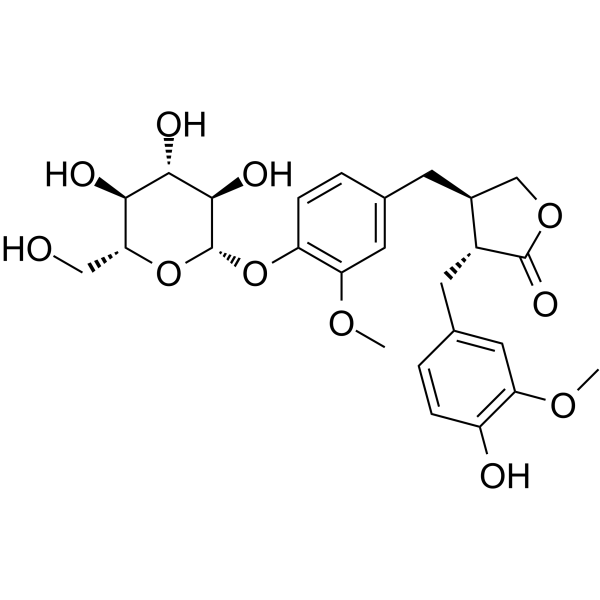
Matairesinol monoglucoside is a STING activator. Matairesinol monoglucoside modulates the STING-TBK1-IRF3 signaling axis, promotes STING transcriptional expression, increases TBK1 and IRF3 phosphorylation. Matairesinol monoglucoside induces IFN-α and IFN-β production, reduces HBV DNA, HBsAg, and HBeAg expression. Matairesinol monoglucoside can be used for the research of hepatitis b virus (hbv) infection [1] .
|
-
-
- HY-152961
-
|
|
STING
|
Infection
|
|
STING agonist-28 (CF510) is a non-nucleotide small-molecule STING agonist. STING agonist-23 activates STING, increases phosphorylation of STING, TBK1 and IRF3. STING agonist-23 promotes the levels of IFN-β, IL-6, CXCL-10, TNF-α, ISG-15, and CCL-5 in tumor cells. STING agonist-23 exhibits activity against SARS-CoV series strains [1].
|
-
-
- HY-RS14259
-
|
|
Small Interfering RNA (siRNA)
|
Others
|
|
Tbk1 Rat Pre-designed siRNA Set A contains three designed siRNAs for Tbk1 gene (Rat), as well as a negative control, a positive control, and a FAM-labeled negative control.
|
-
Tbk1 Rat Pre-designed siRNA Set A
-
- HY-RS14257
-
|
|
Small Interfering RNA (siRNA)
|
Others
|
|
TBK1 Human Pre-designed siRNA Set A contains three designed siRNAs for TBK1 gene (Human), as well as a negative control, a positive control, and a FAM-labeled negative control.
|
-
TBK1 Human Pre-designed siRNA Set A
-
- HY-13018B
-
|
|
IKK
ULK
Autophagy
|
Inflammation/Immunology
Cancer
|
|
MRT67307 dihydrochloride is a dual inhibitor of the IKKε and TBK-1 with IC50s of 160 and 19 nM, respectively [1]. MRT67307 dihydrochloride also inhibits ULK1 and ULK2 with IC50s of 45 and 38 nM, respectively. MRT67307 dihydrochloride also blocks autophagy in cells .
|
-
-
- HY-176335
-
-
-
- HY-B0713R
-
|
AA673 (Standard); Amoxanox (Standard); CHX3673 (Standard)
|
Reference Standards
IKK
|
Metabolic Disease
|
|
Amlexanox (Standard) is the analytical standard of Amlexanox. This product is intended for research and analytical applications. Amlexanox (AA673; Amoxanox; CHX3673) is a specific inhibitor of IKKε and TBK1, and inhibits the IKKε and TBK1 activity determined by MBP phosphorylation with an IC50 of approximately 1-2 μM.
|
-
-
- HY-178915
-
|
|
IKK
IFNAR
STAT
|
Inflammation/Immunology
|
|
ITA-5 is a TBK1 inhibitor based on the structure of itaconic acid. can significantly inhibit the secretion of IFN-β. ITA-5 can inhibit the phosphorylation of TBK1, IRF3, and STAT1. ITA-5 can be used for research on autoimmune diseases and excessive inflammation [1].
|
-
-
- HY-178916
-
|
|
IKK
IFNAR
STAT
|
Inflammation/Immunology
|
|
ITA-9 is a TBK1 inhibitor based on the structure of itaconic acid. ITA-9 can inhibit the IFN-I signaling pathway. ITA-9 can inhibit the phosphorylation of TBK1, IRF3, and STAT1. ITA-9 can be used for research on inflammatory reactions and tissue damage [1].
|
-
-
- HY-172620
-
-
-
- HY-110341
-
|
|
IKK
|
Cancer
|
|
MRT 68601 hydrochloride is a TBK1 inhibitor with an IC50 value of 6 nM. MRT 68601 hydrochloride inhibits autophagosome formation in lung cancer cells [1] .
|
-
-
- HY-133117A
-
|
|
IKK
|
Cancer
|
|
(Rac)-BAY-985 (Compound Example 100.01) is a potent, ATP-competitive and selective TBK1 inhibitor with an IC50 of 1.5 nM. Antitumor efficacy [1].
|
-
-
- HY-138931
-
|
|
IKK
|
Cancer
|
|
TBK1/IKKε-IN-6 (example 110) is a TBK1 and IKKε inhibitor, with IC50 values of <100 nM for both TBK1 and IKKε [1].
|
-
-
- HY-148206
-
|
|
IKK
|
Cancer
|
|
DMX-129 is an ΙΚΚε and TBK-1 inhibitor with IC50 values of <30 nM for both TBK1 and IKKε [1].
|
-
- HY-178047
-
|
|
STING
IFNAR
Interleukin Related
|
Neurological Disease
Inflammation/Immunology
|
|
UM-242 is a STING inhibitor, with an EC50 of 1.70 μM in THP1-Dual cells expressing wild-type STING. UM-242 blocks STING oligomerization and inhibits diABZI-induced phosphorylation of TBK1 and IRF3, thereby suppressing the transcription of IFNβ and IL6 and reducing IFNβ secretion. UM-242 can be used for the study of STING-dependent inflammatory and neurological diseases [1].
|
-
- HY-152957
-
|
|
STING
|
Infection
|
|
STING agonist-24 (CF504) is a non-nucleotide small-molecule STING agonist. STING agonist-23 activates STING, increases phosphorylation of STING, TBK1 and IRF3. STING agonist-23 promotes the levels of IFN-β, IL-6, CXCL-10, TNF-α, ISG-15, and CCL-5 in tumor cells. STING agonist-23 exhibits activity against SARS-CoV series strains [1].
|
-
- HY-152958
-
|
|
STING
|
Infection
|
|
STING agonist-25 (CF505) is a non-nucleotide small-molecule STING agonist. STING agonist-23 activates STING, increases phosphorylation of STING, TBK1 and IRF3. STING agonist-23 promotes the levels of IFN-β, IL-6, CXCL-10, TNF-α, ISG-15, and CCL-5 in tumor cells. STING agonist-23 exhibits activity against SARS-CoV series strains [1].
|
-
- HY-E70865
-
|
|
IKK
|
Inflammation/Immunology
|
|
TBK1 is a member of the IκB kinase (IKK) family and shows ubiquitous expression. TBK1 plays an important role in the regulation of the immune response to bacterial and viral challenges. TBK1 Recombinant Human Active Protein Kinase is a recombinant TBK1 protein that can be used to study TBK1-related functions [1].
|
-
- HY-178951
-
|
|
STING
IKK
Reactive Oxygen Species (ROS)
IFNAR
PARP
Caspase
|
Inflammation/Immunology
|
|
STING-IN-17 (compound 10a) is an orally active STING (human STING IC50 = 29 nM, mouse STING IC50 = 15 nM) inhibitor. STING-IN-17 can inhibit the phosphorylation of STING, TBK1 and IRF3. STING-IN-17 dose dependently inhibits the mRNA expression of IP10, IFNB1 and ISG56. STING-IN-17 can reduce ROS and inhibit the expression of cleaved-PARP/caspase-3. STING-IN-17 can improve kidney function. STING-IN-17 can be used for research on inflammatory conditions such as acute kidney injury [1].
|
-
- HY-176180
-
|
|
PROTACs
STING
NF-κB
IKK
|
Inflammation/Immunology
|
|
PROTAC STING degrader-4 is a nitro-free covalent STING PROTAC degrader with a DC50 of 3.23 μM. PROTAC STING degrader-4 effectively inhibits STING as well as its downstream signaling, such as p-TBK1 and p-NF-κB (p-P65), and immune-inflammatory cytokines. PROTAC STING degrader-4 mitigates kidney and blood inflammation in Cisplatin (HY-17394)-induced acute kidney injury (AKI) mice model [1]. Pink: STING ligand (HY-176183); Blue: CRBN ligase ligand (HY-103596); Black: linker (HY-176182); CRBN ligase ligand + linker: HY-176181
|
-
- HY-183099
-
|
|
IKK
|
Others
|
|
TBK1 ligand 3 is a TBK1 ligand, which can be used as a target protein ligand for the synthesis of PROTAC UNC8209 (HY-183098) and UNC8461 (HY-183100) [1].
|
-
- HY-N2616R
-
|
|
Reference Standards
STING
|
Inflammation/Immunology
|
|
Vomicine (Standard) is the analytical standard of Vomicine. This product is intended for research and analytical applications. Vomicine modulates cGAS-STING-TBK1 signaling pathway, and exhibits anti-inflammatory activity. Vomicine is an alkaloid that can be isolated from Strychnos nux-vomica seeds [1] .
|
-
- HY-13735H
-
|
Acriquine acetate
|
Parasite
Sodium Channel
DNA Stain
Apoptosis
|
Cancer
|
|
Quinacrine (Acriquine) acetate is a small molecule modulator of the cGAS-STING-TBK1 signaling pathway, possessing immune stimulatory activity. Quinacrine acetate has been explored for its potential therapeutic applications in enhancing anti-tumor immunity. Quinacrine acetate can improve the effectiveness of cancer immunotherapies by addressing the poor immunogenicity of various tumors. Quinacrine acetate also presents a promising strategy for overcoming the limitations associated with immune checkpoint inhibitors in cancer treatment.
|
-
- HY-118326
-
|
|
Autophagy
|
Cancer
|
|
MRT 68601 is a potent TBK1 inhibitor with the activity of inhibiting autophagosome formation in lung cancer cells. MRT 68601 may have potential effects against targets associated with host-dependent factors identified in SARS-CoV-2 infection. The drug targets involved in MRT 68601 are related to existing FDA-approved drugs and compounds in clinical trials, which can provide support for the development of broad-spectrum antiviral therapies [1].
|
-
- HY-179111
-
|
|
MAP4K
Interleukin Related
|
Cancer
|
HPK1-IN-64 is a potent, selective, and orally active HPK1 inhibitor with an IC50 value of 1.9 nM. HPK1-IN-64 exhibits selectivity exceeding 100-fold, 80-fold, 300-fold, and 350-fold against off-target kinases such as GLK, MAP4K5, TBK1, and TNIK, respectively. HPK1-IN-64 inhibits SLP76 protein phosphorylation and IL-2 secretion. HPK1-IN-64 may be used in cancer research, such as for colorectal cancer [1].
|
-
- HY-123929
-
|
|
MDM-2/p53
Wnt
IKK
Apoptosis
Caspase
|
Cancer
|
|
PAWI-2 is a p53-Activator and Wnt Inhibitor. PAWI-2 inhibits β3-KRAS signaling independent of KRAS. PAWI-2 selectively inhibits phosphorylation of TBK1. PAWI-2 activates apoptosis (activation of caspase-3/7), and induces PARP cleavage. PAWI-2 promotes optineurin translocation into the nucleus and causes G2/M arrest. PAWI-2 reverses cancer stemness and overcomes drug resistance in an integrin β3 KRAS-dependent human pancreatic cancer stem cells (hPCSCs). PAWI-2 inhibits growth of tumors from hPCSCs in orthopic xenograft mice model [1] .
|
-
- HY-148483
-
|
|
IKK
|
Cancer
|
|
SR8185 is a potent and selective TBK1/IKKi dual inhibitor with IC50s of 3 nM and < 10 nM against IKKi and TBK1, respectively. SR8185 exhibits potent and broad spectrum antiproliferative effects on human cancer cells. SR8185 can be used for cancer research [1].
|
-
- HY-183098
-
|
|
PROTACs
IKK
Apoptosis
|
Cancer
|
|
UNC8209 is a selective PROTAC-based TANK-binding kinase 1 (TBK1) degrader. UNC8209 recruits cereblon (CRBN) to mediate ubiquitin-proteasome pathway-dependent TBK1 degradation and reduces AAK1, GAK, and AURKA abundance. UNC8209 suppresses tumor cell proliferation, impairs in vivo tumor growth, inhibits colony and clonogenic growth and enhances tumor cell sensitivity to TNFα or IFN-γ. UNC8209 modulates cell cycle and induces mild apoptosis. UNC8209 can be used for the research of clear cell renal cell carcinoma, non-small cell lung cancer, pancreatic ductal adenocarcinoma [1].
|
-
- HY-183537
-
|
|
STING
IFNAR
Interleukin Related
TNF Receptor
IKK
STAT
|
Inflammation/Immunology
|
|
KSI-028 is a STING inhibitor. KSI-028 disrupts STING-mediated signal transduction, reduces IFN-β and pro-inflammatory cytokine (IL-6, IL-1β and TNF-α) production. KSI-028 inhibits the phosphorylation of STING, TBK1, IRF3, and STAT1. KSI-028 attenuates renal and hepatic injury in a Cisplatin (HY-17394)-induced acute kidney injury mouse model [1].
|
-
- HY-181484
-
|
|
STING
IKK
IFNAR
Interleukin Related
CXCR
|
Cancer
|
|
STING agonist-50 is an orally active STING agonist with an IC50 of 3.457 μM. STING agonist-50 activates the STING signaling pathway and promotes the phosphorylation of downstream TBK1 and IRF3. STING agonist-50 induces the expression of IFN-β, CXCL10 and IL-6. STING agonist-50 inhibits tumor growth in syngeneic mouse models. STING agonist-50 can be used for the research of colorectal cancer [1].
|
-
- HY-182923
-
|
|
STING
|
Inflammation/Immunology
|
|
UM-200 is a covalent STING inhibitor with an EC50 of 1.10 μM. UM-200 covalently modifies the cysteine residues C292 or C309 of STING, thereby blocking its oligomerization and downstream signal transduction. UM-200 inhibits STING-dependent phosphorylation of TBK1 and IRF3. UM-200 inhibits the STING signaling pathway in mouse models. UM-200 can be used for research on STING-driven inflammatory and autoimmune diseases [1].
|
-
- HY-180120
-
|
|
STING
IKK
NF-κB
IFNAR
Interleukin Related
|
Inflammation/Immunology
|
|
UM-203 is a reversible covalent STING antagonist. UM-203 is effective against both mouse and human STING, and in particular, it inhibits the most common human STING R232 variant. UM-203 can inhibit STING oligomerization and reduce phosphorylation of downstream TBK1 and IRF3, thereby blocking the IRF3 and NF-κB-mediated signaling pathways and inhibiting IFNβ and IL-6 secretion. UM-203 can be used for the research of inflammation and immunology, such as systemic lupus erythematosus [1].
|
-
- HY-183100
-
|
|
PROTACs
IKK
Apoptosis
|
Cancer
|
|
UNC8461 is a PROTAC and is negative control CRBN-recruiting PROTAC analog of UNC8209 (HY-183098). UNC8461 features a methyl group substitution on its CRBN ligand to disrupt CRBN binding. UNC8461 fails to reduce TBK1, AAK1, GAK, and AURKA protein levels in renal cancer cells. UNC8461 does not suppress 3-D soft agar colony formation in renal cancer cells, and exerts modest, partial inhibition on colony formation in some renal cancer cells [1].
|
-
- HY-10514R
-
|
|
Reference Standards
PDK-1
IKK
Autophagy
|
Cancer
|
|
BX795 (Standard) is the analytical standard of BX795 (HY-10514). This product is intended for research and analytical applications. BX795 is a potent and selective inhibitor of PDK1, with an IC50 of 6 nM. BX795 is also a potent and relatively specific inhibitor of TBK1 and IKKε, with an IC50 of 6 and 41 nM, respectively. BX795 blocks phosphorylation of S6K1, Akt, PKCδ, and GSK3β, and has lower selectivity over PKA, PKC, c-Kit, GSK3β etc. BX795 modulates autophagy [1] .
|
-
- HY-183607
-
|
|
STING
PD-1/PD-L1
IFNAR
Interleukin Related
CXCR
|
Cancer
|
|
SMU-3k is a STING activator and PD-L1 inhibitor, with a PD-L1 IC50 of 106 nM, a KD of 386 nM for human PD-L1, and a KD of 352 nM for murine PD-L1. SMU-3k activates the STING pathway, induces phosphorylation of TBK1 and IRF3, and promotes the expression of IFN-β, IL-6 and CXCL10. SMU-3k blocks the PD-1/PD-L1 interaction, reduces PD-L1 levels and induces PD-L1 internalization. Through dual immunomodulation, SMU-3k exerts synergistic tumor growth inhibitory effects in a mouse colon cancer model. SMU-3k can be used for the research of colon cancer [1].
|
-
| Cat. No. |
Product Name |
Target |
Research Area |
-
- HY-P1181A
-
|
|
Toll-like Receptor (TLR)
NO Synthase
IKK
Akt
PKC
NF-κB
p38 MAPK
Interleukin Related
|
Cardiovascular Disease
Infection
Inflammation/Immunology
Cancer
|
|
Pam2CSK4 TFA is a TLR2 agonist. Pam2CSK4 TFA induces the expression of iNOS and NO in macrophage cell lines via TBK1 and MyD88 molecules. Pam2CSK4 TFA activates the NF-κB and Bruton's tyrosine kinase signaling pathways in platelets, and promotes platelet-endothelial cell interactions. TLR2 activation triggered by Pam2CSK4 TFA expands myeloid-derived suppressor cells (MDSCs) and suppresses anti-tumor immune responses in the tumor microenvironment. Pam2CSK4 TFA acts as a Th2-polarizing adjuvant in mouse vaccine models against Leishmania major and Brugia malayi. Pam2CSK4 TFA can be used in the research of various diseases, including thromboinflammatory diseases, sepsis, atherosclerosis, heart failure, influenza, lymphoma, melanoma, cutaneous leishmaniasis and lymphatic filariasis [1] .
|
-
- HY-P1181
-
|
|
Toll-like Receptor (TLR)
NO Synthase
IKK
Akt
PKC
NF-κB
p38 MAPK
Interleukin Related
|
Cardiovascular Disease
Infection
Inflammation/Immunology
Cancer
|
|
Pam2CSK4 is a TLR2 agonist. Pam2CSK4 induces the expression of iNOS and NO in macrophage cell lines via TBK1 and MyD88 molecules. Pam2CSK4 activates the NF-κB and Bruton's tyrosine kinase signaling pathways in platelets, and promotes platelet-endothelial cell interactions. TLR2 activation triggered by Pam2CSK4 expands myeloid-derived suppressor cells (MDSCs) and suppresses anti-tumor immune responses in the tumor microenvironment. Pam2CSK4 acts as a Th2-polarizing adjuvant in mouse vaccine models against Leishmania major and Brugia malayi. Pam2CSK4 can be used in the research of various diseases, including thromboinflammatory diseases, sepsis, atherosclerosis, heart failure, influenza, lymphoma, melanoma, cutaneous leishmaniasis and lymphatic filariasis [1] .
|
| Cat. No. |
Product Name |
Category |
Target |
Chemical Structure |
| Recombinant Proteins Recommended: |
|
| Cat. No. |
Compare |
Product Name |
Species |
Source |
Image |
Compare Products
|
| Products |
|
| Cat. No. |
|
| Species |
|
| Source |
|
| Tag |
|
| Accession |
|
| Gene ID |
|
| Molecular Weight |
|
| Purity |
|
| Endotoxin Level |
|
| Biological Activity |
|
| Appearance |
|
| Formulation |
|
| Storage & Stability |
|
| Shipping |
|
| Free Sample |
Yes
No
|
| Size |
* This product has been "discontinued".
Optimized version of product available:
|
| Cat. No. |
Product Name |
|
Classification |
-
- HY-180120
-
|
|
|
Alkynes
|
|
UM-203 is a reversible covalent STING antagonist. UM-203 is effective against both mouse and human STING, and in particular, it inhibits the most common human STING R232 variant. UM-203 can inhibit STING oligomerization and reduce phosphorylation of downstream TBK1 and IRF3, thereby blocking the IRF3 and NF-κB-mediated signaling pathways and inhibiting IFNβ and IL-6 secretion. UM-203 can be used for the research of inflammation and immunology, such as systemic lupus erythematosus [1].
|
| Cat. No. |
Product Name |
|
Classification |
-
- HY-160225
-
|
|
|
CpG ODNs
|
|
ISD sodium is an interferon-stimulatory DNA, a 45 bp non-CpG double-stranded oligonucleotide derived from the genome of Listeria monocytogenes. ISD sodium potently induces type I interferon production via the cGAS‑STING‑TBK1‑IRF3 pathway [1] .
|
-
- HY-RS14258
-
|
|
|
siRNAs
Mouse Pre-designed siRNA Sets
|
|
Tbk1 Mouse Pre-designed siRNA Set A contains three designed siRNAs for Tbk1 gene (Mouse), as well as a negative control, a positive control, and a FAM-labeled negative control.
|
-
- HY-RS14259
-
|
|
|
siRNAs
Rat Pre-designed siRNA Sets
|
|
Tbk1 Rat Pre-designed siRNA Set A contains three designed siRNAs for Tbk1 gene (Rat), as well as a negative control, a positive control, and a FAM-labeled negative control.
|
-
- HY-RS14257
-
|
|
|
siRNAs
Human Pre-designed siRNA Sets
|
|
TBK1 Human Pre-designed siRNA Set A contains three designed siRNAs for TBK1 gene (Human), as well as a negative control, a positive control, and a FAM-labeled negative control.
|
Your information is safe with us. * Required Fields.
Inquiry Information
- Product Name:
- Cat. No.:
- Quantity:
- MCE Japan Authorized Agent:

