



1. Search Result
Search Result
Results for "

TH17

" in MedChemExpress (MCE) Product Catalog:

116

Inhibitors & Agonists

1

Fluorescent Dye

5

Biochemical Assay Reagents

5

Peptides

11

Inhibitory Antibodies

13

Natural
Products

4

Isotope-Labeled Compounds

1

Click Chemistry

3

Oligonucleotides

Targets Recommended:
Cat. No. Product Name Target Research Areas Chemical Structure
  • HY-100754
    Ritlecitinib
    5+ Cited Publications

    PF-06651600

    JAK Interleukin Related STAT Inflammation/Immunology
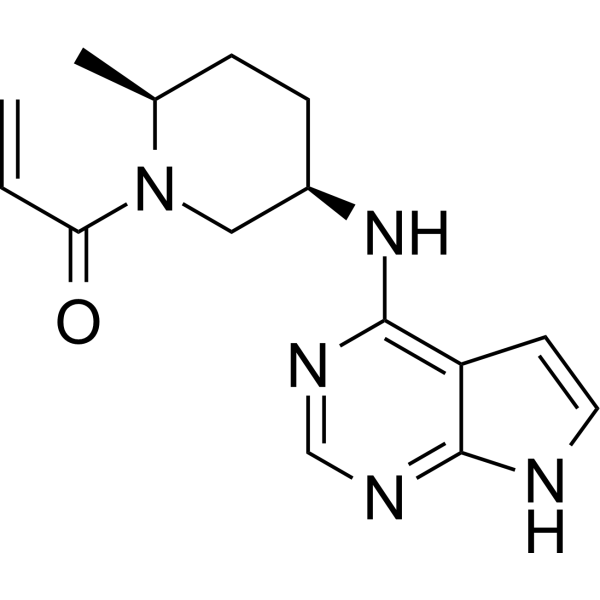
    Ritlecitinib (PF-06651600) is a highly selective, orally active, irreversible covalent JAK3 inhibitor (IC50=33 nM) without inhibitory activity towards JAK1, JAK2, and TYK2 (IC50 >10 μ M). Ritlecitinib rapidly inactivates the JAK3 kinase, and blocks signaling and downstream STAT phosphorylation mediated by common gamma chain cytokines such as IL-2 and IL-15. Ritlecitinib can inhibit Th1/Th17 cell differentiation and function, and effectively suppress preclinical animal models such as alopecia areata, adjuvant-induced arthritis (AIA), and experimental autoimmune encephalomyelitis (EAE) .
    Ritlecitinib
  • HY-15826
    SGC-CBP30
    15+ Cited Publications

    Epigenetic Reader Domain Histone Acetyltransferase Inflammation/Immunology Cancer
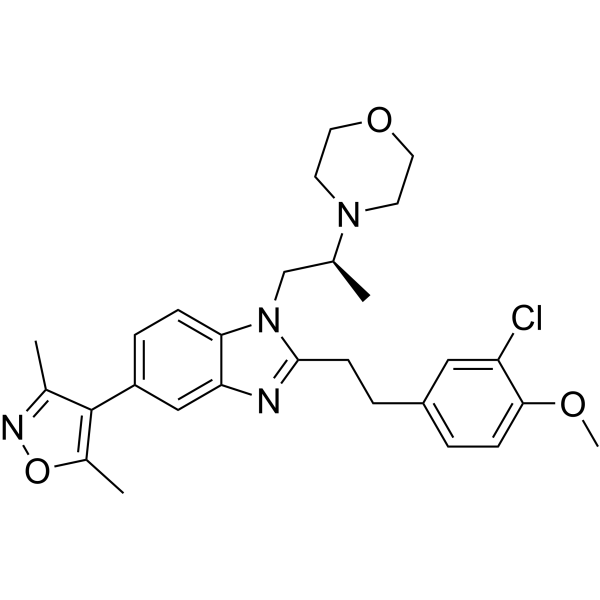
    SGC-CBP30, a chemical probe, is a potent and highly selective CBP/p300 bromodomain (Kds of 21 nM and 32 nM for CBP and p300, respectively) inhibitor, displaying 40-fold selectivity over the first bromodomain of BRD4 [BRD4(1)] bound. SGC-CBP30 strongly reduces secretion of IL-17A in Th17 cells and has anti-inflammatory effects .
    SGC-CBP30
  • HY-Y0344D
    Sodium chloride, for cell culture
    3 Publications Verification

    Halite, for cell culture

    Environmental Pollutants Biochemical Assay Reagents Interleukin Related Na+/K+ ATPase Inflammation/Immunology Cancer
    Sodium chloride, for cell culture is an orally active salt. Sodium chloride, for cell culture induces the expression of ATP1A1. Sodium chloride, for cell culture induces the pro-inflammatory cytokines IL-2, TNFα, IL-9 and several chemokines. Sodium chloride, for cell culture enhances the anti-tumor activities of Digoxin (HY-B1049) against small cell lung cancer. Sodium chloride, for cell culture drives autoimmune disease by the induction of pathogenic Th17 cells .
    Sodium chloride, for cell culture
  • HY-125801
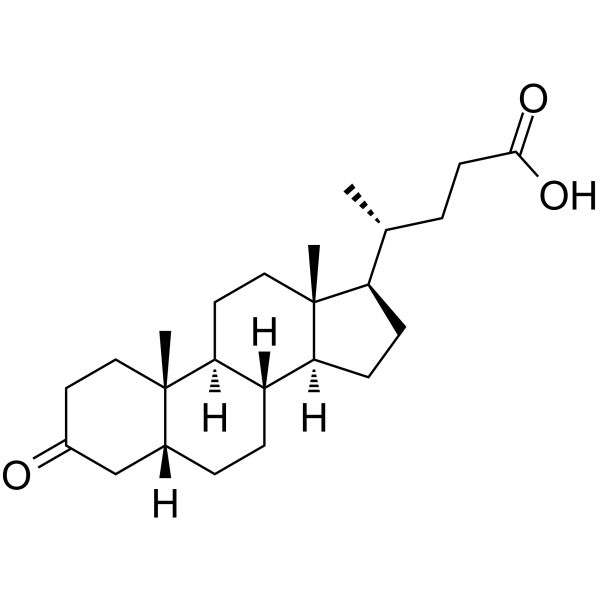
    3-Oxo-5β-cholanoic acid
    1 Publications Verification

    DehydroliTHocholic acid; 3-oxoLCA

    ROR Inflammation/Immunology
    3-Oxo-5β-cholanoic acid (Dehydrolithocholic acid), a bile acid metabolite, inhibits the diferentiation of TH17 cells by directly binding to the key transcription factor RORγt (Kd=1.13 μM) .
    3-Oxo-5β-cholanoic acid
  • HY-B2132
    Tryptamine
    1 Publications Verification

    3-(2-AminoeTHyl)indole~2-(3-Indolyl)eTHylamine

    Endogenous Metabolite 5-HT Receptor Aryl Hydrocarbon Receptor Neurological Disease Metabolic Disease
    Tryptamine is a selective, blood-brain-penetrating 5-HT4 receptor agonist (EC50=1-3 mM) and an endogenous ligand of the aryl hydrocarbon receptor (AHR) (Kd=10-50 nM). Tryptamine promotes intestinal anion secretion and fluid transport by activating G protein-coupled receptors (GPCRs) and accelerates gastrointestinal motility. Tryptamine regulates Th17/Treg balance to inhibit neuroinflammation, competitively binds to 5-HT receptors to regulate central nervous system activity, and participates in temperature regulation and spinal reflex regulation as a neuromodulator. Tryptamine can be used to study intestinal motility disorders such as functional constipation, and has shown significant efficacy in multiple sclerosis models .
    Tryptamine
  • HY-12776
    GSK805
    5 Publications Verification

    ROR Inflammation/Immunology
    GSK805 is an orally active and CNS penetrant RORγt inhibitor. GSK805 inhibits RORγ and Th17 cells differentiation with pIC50 values of 8.4 and >8.2. GSK805 inhibits the function of Th17 cells. GSK805 can be used for the research of immunity .
    GSK805
  • HY-N2279
    Kurarinone
    5 Publications Verification

    Eukaryotic Initiation Factor (eIF) Inflammation/Immunology Cancer
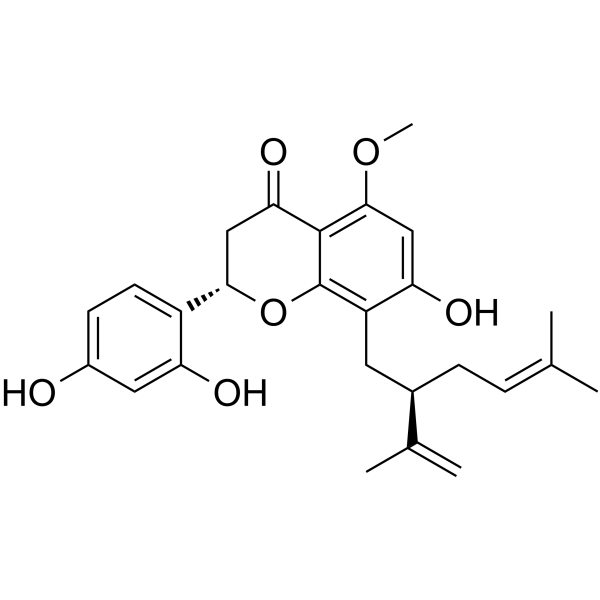
    Kurarinone is an orally active flavonoid isolated from matrine that inhibits the pathogenesis of experimental autoimmune encephalomyelitis by inhibiting cell differentiation of Th1 and Th17. Kurarinone has antitumor and anti-inflammatory activity .
    Kurarinone
  • HY-P99396

    BI 655130

    Interleukin Related Inflammation/Immunology
    Spesolimab (BI 655130) is a mouse-derived humanized IgG1k antibody against IL-36R. IL-36 plays an important role in the immune system and Spesolimab is being investigated in palmoplantar pustulosis (PPP). Spesolimab was associated with a reduction in biomarkers associated with the innate, Th1/Th17 and neutrophil pathways .
    Spesolimab
  • HY-P10408

    EGFR MMP Calcium Channel NOD-like Receptor (NLR) ERK p38 MAPK Infection Inflammation/Immunology
    Candidalysin is a cytolytic peptide toxin secreted by the fungus Candida albicans. Candidalysin drives epithelial immune responses by activating the EGFR-MAPK signaling pathway, inducing MMP expression and calcium influx, and regulating the c-Fos transcription factor and MKP1 via p38 MAPK and ERK1/2 respectively. Candidalysin is essential for mucosal and systemic infections, activating NLRP3 to promote inflammatory responses, neutrophil recruitment, and Th17 immunity. Candidalysin activates LDH causing membrane damage and exhibiting cytotoxicity
    Candidalysin
  • HY-143712
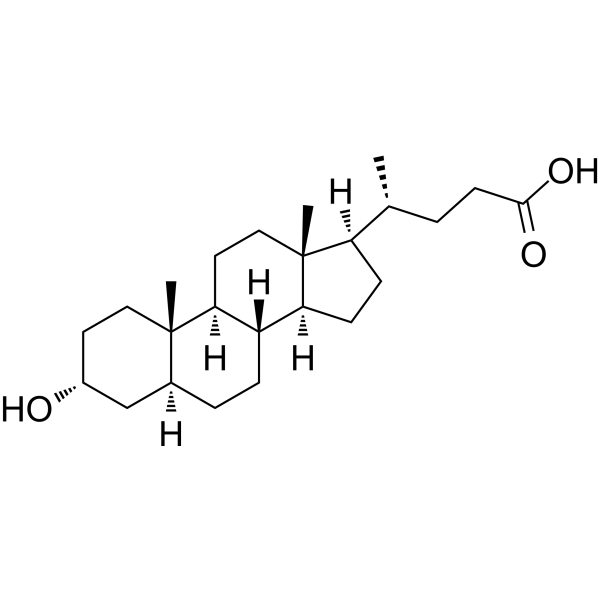
    Allolithocholic acid
    1 Publications Verification

    Drug Metabolite G protein-coupled Bile Acid Receptor 1 ROR Metabolic Disease Inflammation/Immunology Cancer
    Allolithocholic acid is an orally active metabolite of Lithocholic acid (HY-B0172). Allolithocholic acid is a dual GPBAR1 agonist (EC50 = 2.7 μM) and RORγt inverse agonist (IC50 = 3.4 μM). Allolithocholic acid modulates immune and metabolic pathways, regulates immune cell polarization, prevents M1 macrophage and Th17 CD4 cell polarization. Allolithocholic acid improves insulin sensitivity, reduces liver lipid accumulation, reverses liver immunological, inflammatory and metabolic signaling dysregulation, restores bile acid homeostasis, adipose tissue histopathology/function, and intestinal microbiota composition, modulates intestinal immunity. Allolithocholic acid can be used for the researches of cancer, inflammayion, immunology and metabolic disease .
    Allolithocholic acid
  • HY-P99256

    SCH 900222; MK 3222; Anti-Human IL23 Recombinant Antibody

    Interleukin Related Inflammation/Immunology Cancer
    Tildrakizumab (SCH 900222) is a humanized anti-IL-23 (p19 subunit) monoclonal antibody. IL-23 is a critical cytokine to maintain the Th17 cell phenotype. Tildrakizumab has high-affinity for single-chain IL-23 (Kd: 136 pM). Tildrakizumab is effective against moderate to severe plaque psoriasis .
    Tildrakizumab
  • HY-W010520

    Environmental Pollutants MMP Bacterial Fungal Apoptosis Infection Inflammation/Immunology
    Methylothiazolinone is a bacterial and fungal inhibitor and preservative, as well as a sensitizer. Methylisothiazolinone can activate matrix metalloproteinases (MMPs) in human bronchial epithelial cells to induce apoptosis and inflammatory response. Methylisothiazolinone can promote the development of atopic dermatitis in mice by disrupting Th2/Th17 related immune responses. Methylisothiazolinone can cause mitochondrial damage in the endothelium of rat cerebral blood vessels .
    Methylisothiazolinone
  • HY-Y0344J
    Sodium chloride, for molecular biology
    3 Publications Verification

    Halite, for molecular biology

    Biochemical Assay Reagents Na+/K+ ATPase Interleukin Related Inflammation/Immunology Cancer
    Sodium chloride is an orally active salt. Sodium chloride induces the expression of ATP1A1. Sodium chloride induces the pro-inflammatory cytokines IL-2, TNFα, IL-9 and several chemokines. Sodium chloride enhances the anti-tumor activities of Digoxin (HY-B1049) against small cell lung cancer. Sodium chloride drives autoimmune disease by the induction of pathogenic Th17 cells .
    Sodium chloride, for molecular biology
  • HY-16734A

    MT-1303 hydrochloride

    LPL Receptor Cardiovascular Disease Inflammation/Immunology
    Amiselimod (MT-1303) hydrochloride is converted to its active metabolite Amiselimod phosphate by sphingosine kinases in vivo. Amiselimod hydrochloride is an orally active and high selectivity sphingosine 1-phosphate receptor-1 (S1P1) agonist, designed to reduce the bradycardia effects associated with fingolimod and other S1P receptor modulators. Amiselimod hydrochloride inhibits chronic colitis via inhibiting infiltration of colitogenic Th1 and Th17 cells into the colon. Amiselimod hydrochloride inhibits lupus nephritis by reducing the infiltration of autoreactive T cells into the kidneys. Amiselimod hydrochloride is promising for research of autoimmune diseases .
    Amiselimod hydrochloride
  • HY-Y0344I

    Halite, meets analytical specification of Ph. Eur. BP USP

    Biochemical Assay Reagents Na+/K+ ATPase Interleukin Related Inflammation/Immunology Cancer
    Sodium chloride, meets analytical specification of Ph. Eur. BP USP, ≤0.00002% Al, an inorganic salt is an orally active salt. Sodium chloride, meets analytical specification of Ph. Eur. BP USP, ≤0.00002% Al, an inorganic salt induces the expression of ATP1A1. Sodium chloride, meets analytical specification of Ph. Eur. BP USP, ≤0.00002% Al, an inorganic salt induces the pro-inflammatory cytokines IL-2, TNFα, IL-9 and several chemokines. Sodium chloride, meets analytical specification of Ph. Eur. BP USP, ≤0.00002% Al, an inorganic salt enhances the anti-tumor activities of Digoxin (HY-B1049) against small cell lung cancer. Sodium chloride, meets analytical specification of Ph. Eur. BP USP, ≤0.00002% Al, an inorganic salt drives autoimmune disease by the induction of pathogenic Th17 cells .
    Sodium chloride, meets analytical specification of Ph. Eur. BP USP, ≤0.00002% Al
  • HY-112137

    Caspase Interleukin Related MyD88 Inflammation/Immunology
    Trehalose-6,6'-dibehenate is an orally active glycolipid. Trehalose-6,6'-dibehenate activates Mincle and inflammasome, inducing IL-1β secretion in a caspase activity-dependent manner. Trehalose-6,6'-dibehenate exerts a Myd88-dependent adjuvant activity. Trehalose-6,6'-dibehenate induces Th-1/Th-17 immune responses .
    Trehalose-6,6'-dibehenate
  • HY-N0723
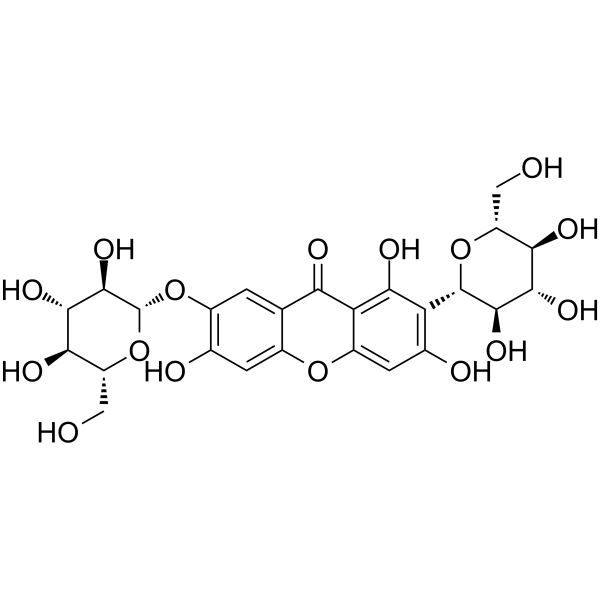
    Neomangiferin
    1 Publications Verification

    Autophagy p38 MAPK TNF Receptor Interleukin Related PPAR Metabolic Disease Inflammation/Immunology
    Neomangiferin is an orally active natural flavonoid. Neomangiferin partially ameliorates non-alcoholic fatty liver disease (NAFLD) by regulating the expression of genes related to free fatty acid uptake and lipid oxidation. Neomangiferin exerts anti-colitis effects by inhibiting Th17/Treg cell differentiation. Neomangiferin exerts anti-aging and lifespan-extending effects by targeting upregulation of bas-1, which in turn activates the autophagy, IIS and MAPK pathways. Neomangiferin has the potential to prevent aseptic loosening of prostheses after total joint arthroplasty due to its significant anti-inflammatory and osteoclastogenesis-inhibiting effects .
    Neomangiferin
  • HY-100754C
    Ritlecitinib tosylate
    5+ Cited Publications

    PF-06651600 tosylate

    JAK Interleukin Related STAT Inflammation/Immunology
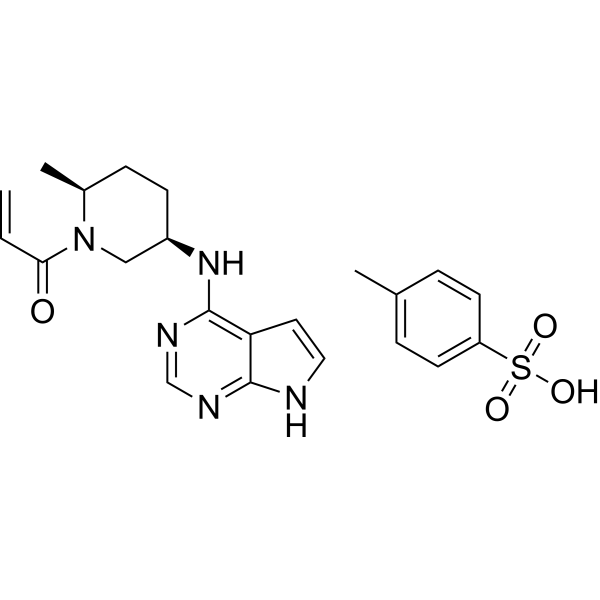
    Ritlecitinib (PF-06651600) tosylate is a highly selective, orally active, irreversible covalent JAK3 inhibitor (IC50=33 nM) without inhibitory activity towards JAK1, JAK2, and TYK2 (IC50 >10 μ M). Ritlecitinib tosylate rapidly inactivates the JAK3 kinase, and blocks signaling and downstream STAT phosphorylation mediated by common gamma chain cytokines such as IL-2 and IL-15. Ritlecitinib tosylate can inhibit Th1/Th17 cell differentiation and function, and effectively suppress preclinical animal models such as alopecia areata, adjuvant-induced arthritis (AIA), and experimental autoimmune encephalomyelitis (EAE) .
    Ritlecitinib tosylate
  • HY-114360
    Taurohyodeoxycholic acid
    2 Publications Verification

    Endogenous Metabolite COX Interleukin Related Glutathione Peroxidase TNF Receptor Neurological Disease Metabolic Disease Inflammation/Immunology Cancer
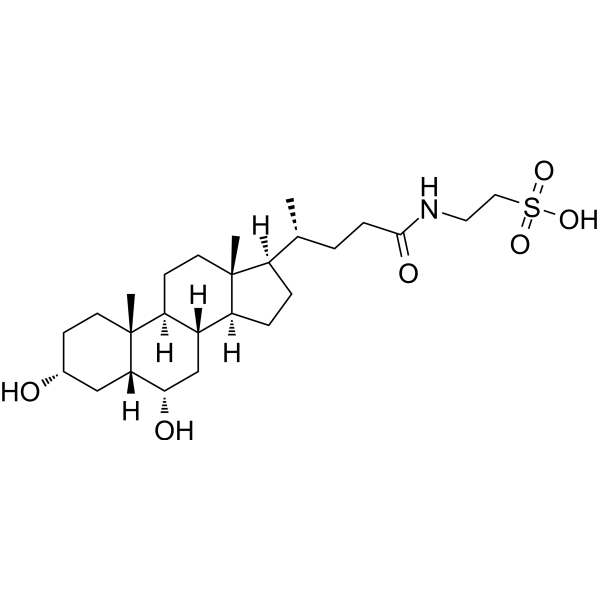
    Taurohyodeoxycholic acid is an orally active 6 alpha-hydroxylated bile acid. Taurohyodeoxycholic acid decreases colonic MPO activity, TNF-α, lL-6 serum levels and the expression of COX-2. Taurohyodeoxycholic acid alleviates trinitrobenzene sulfonic acid induced ulcerative colitis via regulating Th1/Th2 and Th17/Treg cells balance. Taurohyodeoxycholic acid ameliorates high-fat diet-induced nonalcoholic fatty liver disease in mice. Taurohyodeoxycholic acid prevents Taurochenodeoxycholic acid (HY-N2027)-induced hepatotoxicity in bile fistula rats. Taurohyodeoxycholic acid can be used for the study of nonalcoholic fatty liver disease (NAFLD), colitis and biliary fistula .
    Taurohyodeoxycholic acid
  • HY-113238A

    SulfoliTHocholic acid disodium; LCAS disodium

    GPR39 ROR Metabolic Disease Inflammation/Immunology
    Lithocholic acid 3-sulfate disodium is a GPR39 agonist, with EC50 values of 41 μM and 42.4 μM in M39-20 and hGPR39-2 cells, respectively, in the absence of Zn 2+, and 0.88 μM and 0.97 μM in the presence of Zn 2+. Lithocholic acid 3-sulfate disodium acts as a RORγt ligand. Lithocholic acid 3-sulfate disodium stimulates the GPR39 receptor to initiate intracellular calcium signaling, independent of the Zn 2+-binding sites H17 and H19. LCA-3-S selectively inhibits Th17 cell differentiation by targeting RORγt. Lithocholic acid 3-sulfate disodium can be used in the research of cholestatic liver diseases .
    Lithocholic acid 3-sulfate disodium
  • HY-139780

    ROR Inflammation/Immunology
    JNJ-61803534 is a potent and orally active RORγt inverse agonist with an IC50 of 9.6  nM. JNJ-61803534 has anti-inflammatory activity. JNJ-61803534 inhibits IL-17A production in human CD4+ T cells under Th17 differentiation conditions .
    JNJ-61803534
  • HY-12465
    Z-Ile-Leu-aldehyde
    2 Publications Verification

    Z-IL-CHO; GSI-XII; γ-Secretase inhibitor XII

    Notch γ-secretase Apoptosis Cancer
    Z-Ile-Leu-aldehyde (Z-IL-CHO) is a potent and competitive peptide aldehyde inhibitor of γ-secretase and notch .
    Z-Ile-Leu-aldehyde
  • HY-120000
    MS402
    2 Publications Verification

    Epigenetic Reader Domain Inflammation/Immunology Cancer
    MS402 is a BD1-selective BET BrD inhibitor with Kis of 77 nM, 718 nM, 110 nM, 200 nM, 83 nM, and 240 nM for BRD4(BD1), BRD4(BD2), BRD3(BD1), BRD3(BD2), BRD2(BD1) and BRD2(BD2), respectively. MS402 blocks Th17 cell differentiation and ameliorates colitis in mice .
    MS402
  • HY-W011220
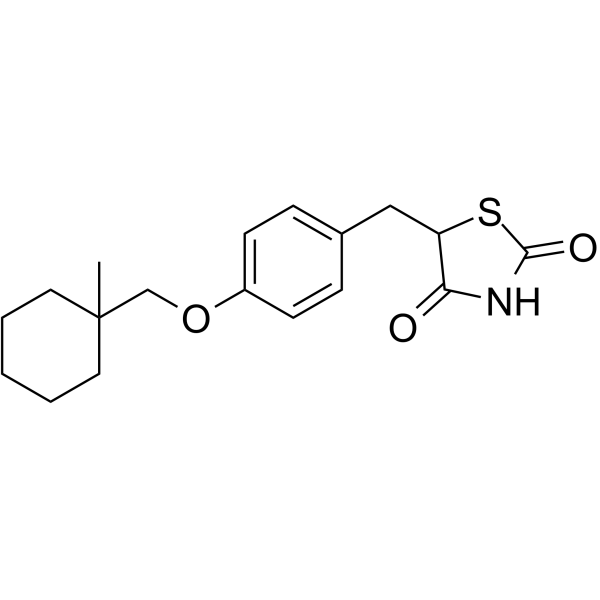
    Ciglitazone
    1 Publications Verification

    ADD-3878; U-63287

    PPAR Cardiovascular Disease Cancer
    Ciglitazone is a potent and selective PPARγ agonist (EC50=3 μM). Ciglitazone inhibits proliferation and differentiation of th17 cells. Ciglitazone is a hypoglycemic agent orally active in the obese-hyperglycemic animal models. Ciglitazone induces apoptosis accompanied by activation of p38 MAPK and nuclear translocation of apoptosis inducing factor (AIF) in opossum kidney (OK) renal epithelial cells .
    Ciglitazone
  • HY-W010243

    Bacterial MMP Apoptosis Fungal Infection Inflammation/Immunology
    Methylisothiazolinone hydrochloride is a bacterial and fungal inhibitor and preservative, as well as a sensitizer. Methylisothiazolinone hydrochloride can activate matrix metalloproteinases (MMPs) in human bronchial epithelial cells to induce apoptosis and inflammatory response. Methylisothiazolinone hydrochloride can promote the development of atopic dermatitis in mice by disrupting Th2/Th17 related immune responses. Methylisothiazolinone hydrochloride can cause mitochondrial damage in the endothelium of rat cerebral blood vessels .
    Methylisothiazolinone hydrochloride
  • HY-126037
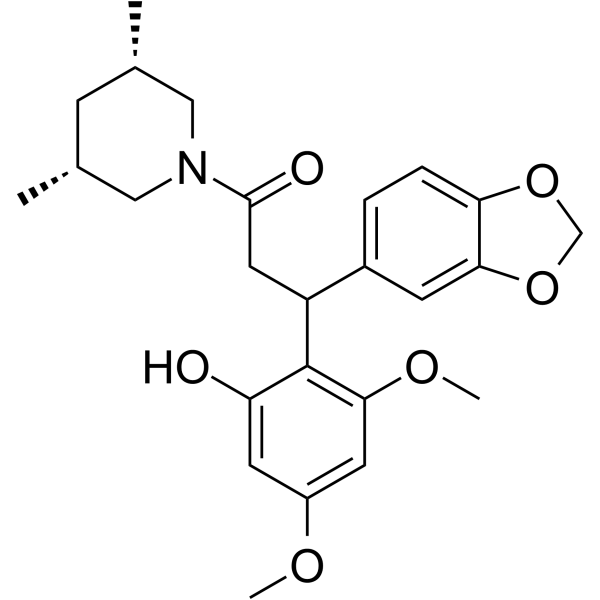
    (±)-ML 209
    1 Publications Verification

    ROR Inflammation/Immunology
    (±)-ML 209 (compound 4n), a diphenylpropanamide, is a retinoic acid-related orphan receptor RORγ antagonist with an IC50 of 1.1 μM. (±)-ML 209 inhibits RORγt transcriptional activity with an IC50 of 300 nM in HEK293t cells. (±)-ML 209 inhibits the transcriptional activity of RORγt, but not RORα in cells. (±)-ML 209 selectively inhibits murine Th17 cell differentiation without affecting the differentiation of naïve CD4 + T cells into other lineages, including Th1 and regulatory T cells .
    (±)-ML 209
  • HY-P990145

    VISTA Inflammation/Immunology Cancer
    Anti-Mouse VISTA Antibody (13F3) is an anti-mouse VISTA IgG monoclonal antibody. Anti-Mouse VISTA Antibody (13F3) can reverse the immunosuppressive effect of VISTA by blocking its binding to ligands such as VSIG3. Anti-Mouse VISTA Antibody (13F3) exacerbates pulmonary fibrosis (PF) by promoting Th17 cell differentiation. Anti-Mouse VISTA Antibody (13F3) can be used for research on cancer such as breast cancer and PF .
    Anti-Mouse VISTA Antibody (13F3)
  • HY-126328

    PKC Interleukin Related Inflammation/Immunology
    PKC-theta inhibitor 1 is an orally active and selective ATP-competitive inhibitor of Protein Kinase Cθ (PKCθ), with a Ki value of 6 nM. PKC-theta inhibitor 1 inhibits T-cell-mediated inflammatory responses by suppressing the release of proinflammatory cytokines (IL-2 IC50 = 0.21 μM in anti-CD3/CD28-stimulated PBMCs; IL-17 IC50 = 1 μM in CD3/CD28-stimulated Th17 cells) PKC-theta inhibitor 1 significantly reduces symptoms in mice with ongoing experimental autoimmune encephalomyelitis (EAE). PKC-theta inhibitor 1 can be used for the study of T-cell-mediated inflammatory diseases such as multiple sclerosis .
    PKC-theta inhibitor 1
  • HY-155487

    ROR Neurological Disease Inflammation/Immunology
    JTE-151 is a RORγ inhibitor, which can suppress overactive immune response through inhibition of RORγ related to the activation of Th17 cells, making JTE-151 possible to be used in autoimmune disease research .
    JTE-151
  • HY-N7501
    Isoformononetin
    1 Publications Verification

    Others Metabolic Disease Inflammation/Immunology
    Isoformononetin is an analog of Daidzein (HY-N0019) and has immunoprotective effects. Isoformononetin inhibits the differentiation of Th17 and B-cells lymphopoesis to promote osteogenesis in estrogen-deficient bone loss conditions .
    Isoformononetin
  • HY-P10109

    Glucose-6-Phosphate Isomerase (GPI) Inflammation/Immunology
    G6PI 325-339 (human) is an efficient inducer of arthritis in B10.Q mice. G6PI 325-339 (human) primes Th1 and Th17 cells cross-reacted with the murine G6PI protein. G6PI 325-339 (human) induces arthritis model operating through a T and B cell-dependent pathway but without antibody effector mechanisms .
    G6PI 325-339 (human)
  • HY-138115

    7β, 27-OHC

    ROR Inflammation/Immunology
    7ß,27-Dihydroxycholesterol (7β, 27-OHC) is a potent and selective activator of RORγt (Ki=120 nM). 7ß,27-Dihydroxycholesterol promotes the differentiation of mouse and human CD4 + Th17 cells. 7ß,27-Dihydroxycholesterol also increases the production of IL-17 depended on CYP27A1 .
    7ß,27-Dihydroxycholesterol
  • HY-148103

    REV-ERB Inflammation/Immunology
    SR12418 is a REV-ERB-specific synthetic ligand with IC50s of 68 nM and 119 nM for REV-ERBα and REV-ERBβ, respectively. SR12418 can be used in experimental autoimmune encephalomyelitis (EAE) and colitis research .
    SR12418
  • HY-N3388

    Stearoyl-CoA Desaturase (SCD) Infection Inflammation/Immunology Cancer
    Licoisoflavone B is an orally active flavonoid found in licorice. Licoisoflavone B alleviates psoriasis via SCD1-targeted lipid metabolism reprogramming and suppression of Th17/IL-17-mediated inflammation. Licoisoflavone B inhiibits superoxide anion generation and superoxide anion-induced lipid peroxidation. Licoisoflavone B binds tightly to Lassa virus nucleoprotein and can be used as a nucleoprotein antagonist of Lassa virus. Licoisoflavone B exhibits anti-mutagenic activity
    against carcinogenic mutagen, by preventing DNA damage. Licoisoflavone B can be used for the research of psoriasis, Lassa fever, inflammation and cancer .
    Licoisoflavone B
  • HY-W010243S

    Isotope-Labeled Compounds Bacterial MMP Apoptosis Fungal Infection Inflammation/Immunology
    Methylisothiazolinone-d3 hydrochloride is the deuterium labeled Methylisothiazolinone hydrochloride (HY-W010243). Methylisothiazolinone hydrochloride is a bacterial and fungal inhibitor and preservative, as well as a sensitizer. Methylisothiazolinone hydrochloride can activate matrix metalloproteinases (MMPs) in human bronchial epithelial cells to induce apoptosis and inflammatory response. Methylisothiazolinone hydrochloride can promote the development of atopic dermatitis in mice by disrupting Th2/Th17 related immune responses. Methylisothiazolinone hydrochloride can cause mitochondrial damage in the endothelium of rat cerebral blood vessels .
    Methylisothiazolinone-d3 hydrochloride
  • HY-174903

    Itk Inflammation/Immunology
    ITK-IN-6 is a highly potent and selective ITK inhibitor (Kd = 387 nM). ITK-IN-6 directly binds to the ITK kinase domain. ITK-IN-6 blocks the release of pro-inflammatory cytokines and the activation and differentiation of Th2 and Th17 cells. ITK-IN-6 improves asthma progression by reducing inflammatory cell infiltration, mucus and IgE production. ITK-IN-6 significantly inhibits airway inflammation and is used in asthma research .
    ITK-IN-6
  • HY-P990796

    Interleukin Related Inflammation/Immunology Cancer
    Anti-Mouse IL-2 Antibody (S4B6-1) is an anti-mouse IL-2 IgG2a monoclonal antibody. Anti-Mouse IL-2 Antibody (S4B6-1) can reduce CD4 + T cells and increase Tregs. Anti-Mouse IL-2 Antibody (S4B6-1) can induce Th17 cell differentiation. Anti-Mouse IL-2 Antibody (S4B6-1) can be used for research on cancer such as melanoma. The recommend isotype control of Anti-Mouse IL-2 Antibody (S4B6-1): Rat IgG2a kappa, Isotype Control (HY-P990679) .
    Anti-Mouse IL-2 Antibody (S4B6-1)
  • HY-156466

    STAT Interleukin Related IFNAR Inflammation/Immunology
    QL-1200186 is a selective, orally active, allosteric inhibitor targeting the tyrosine kinase TYK2 pseudokinase domain JH2 (IC50=0.06 nM, TYK2 JH2), with 164-fold selectivity over TYK1 JH2 (IC50=9.85 nM,TYK1 JH2). QL-1200186 first stabilizes the TYK2 JH2 conformation, inhibits the activity of the JH1 catalytic domain, and blocks the IFNα, IL-12/IL-23-mediated JAK-STAT signaling pathway. QL-1200186 can inhibit the production of Th1/Th17 cell-related cytokines (such as IFNγ, IL-23), reduce immune cell activation, and has no significant effect on JAK1/2/3 kinase activity. QL-1200186 can significantly improve skin inflammation in the Imiquimod (HY-B0180)-induced psoriasis mouse model and reduce the Psoriasis Area and Severity Index (PASI) score. QL-1200186 can be used in the study of autoimmune diseases such as psoriasis and systemic lupus erythematosus (SLE) .
    QL-1200186
  • HY-120785

    ROR Inflammation/Immunology
    SR1555 is a specific retinoic acid receptor-related orphan nuclear receptor γ (RORγ) inverse agonist with an IC50 value of 1 μM. SR1555 not only inhibits TH17 cell development and function but also increases the frequency of T regulatory cells, as well as inhibits the expression of IL-17. SR1555 can be used for researching autoimmune diseases .
    SR1555
  • HY-103637

    VTP-43742

    ROR Inflammation/Immunology
    Vimirogant (VTP-43742) is a potent, selective, and orally active RORγt inhibitor (Ki=3.5 nM; IC50=17 nM). Vimirogant exhibits >1000-fold selectivity versus the RORα and RORβ isotypes. Vimirogant inhibits Th17 differentiation and IL-17A secretion from mouse splenocytes (IC50=57 nM) without affecting Th1, Th2, or Treg cell differentiation. Vimirogant has the potential for autoimmune disorders research .
    Vimirogant
  • HY-117819

    ROR Inflammation/Immunology
    TMP920 is a highly potent and selective RORγt antagonist. TMP920 inhibits RORγt binding to the SRC1 peptide with an IC50 of 0.03 μM .
    TMP920
  • HY-179537

    Acetyl-CoA Carboxylase Drug Derivative Inflammation/Immunology
    CKBA, a derivative of AKBA (HY-N0892) is an inhibitor of acetyl-CoA carboxylase 1 (ACC1), with an IC50 of 5.02 μM. CKBA inhibits the differentiation of Th17 cells and has IC50 values of 3.28 μM for mouse cells and 3.61 μM for human cells. CKBA ointment significantly alleviates psoriasis-like inflammation in mice. CKBA can be used for the study of psoriasis .
    CKBA
  • HY-167692

    STAT Others
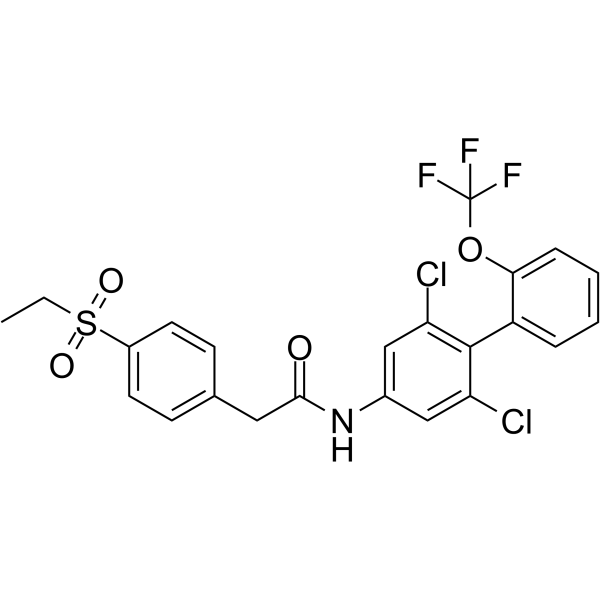
    JI069 is a novel JAK-STAT inhibitor that demonstrates potent activity in suppressing Th1, Th2, and Th17 differentiation while promoting iTreg differentiation. JI069 effectively inhibits STAT3 activation as well as the activation of other STATs, including STAT1, STAT5, and STAT6. JI069 has shown significant therapeutic potential in alleviating symptoms of collagen-induced arthritis in mice while inhibiting cytokine production from T cells and the phosphorylation of STAT3 in synovial cells.
    JI069
  • HY-Y0344H

    Halite (Pharmaceutical primary standard, USP)

    Biochemical Assay Reagents Na+/K+ ATPase Interleukin Related Inflammation/Immunology Cancer
    Sodium chloride, United States Pharmacopeia (USP) Reference Standard is an orally active salt. Sodium chloride, United States Pharmacopeia (USP) Reference Standard induces the expression of ATP1A1. Sodium chloride, for cell culture induces the pro-inflammatory cytokines IL-2, TNFα, IL-9 and several chemokines. Sodium chloride, United States Pharmacopeia (USP) Reference Standard enhances the anti-tumor activities of Digoxin (HY-B1049) against small cell lung cancer. Sodium chloride, United States Pharmacopeia (USP) Reference Standard drives autoimmune disease by the induction of pathogenic Th17 cells .
    Sodium chloride, United States Pharmacopeia (USP) Reference Standard
  • HY-145491

    ERK NF-κB CCR Inflammation/Immunology
    Resolvin D5 is an anti-inflammatory and analgesic agent produced in M2 macrophages. Resolvin D5 alleviates Paclitaxel (HY-B0015)-induced mechanical allodynia and inflammatory pain by activating the GPR32 receptor, with gender specificity (effective only in male mice) and independence from TRPV1 or TRPA1 channels. Resolvin D5 attenuates LPS-induced ERK phosphorylation and NF-κB nuclear translocation, downregulates proinflammatory mediators such as IL-6 and CCL5, inhibits Th17 cell differentiation and osteoclastogenesis, promotes regulatory T cell differentiation, and shows no cytotoxicity to human monocytes. The level of Resolvin D5 is elevated in arthritic SKG mice, but Resolvin D5 has no effect on dendritic cell differentiation or M1 macrophage polarization, nor does it prevent ZyA-induced arthritis progression. Resolvin D5 is suitable for research related to chemotherapy-induced peripheral neuropathy, inflammatory pain and rheumatoid arthritis .
    Resolvin D5
  • HY-126252

    ROR Interleukin Related Inflammation/Immunology
    A-9758 is a RORγ ligand and a potent, selective RORγt inverse agonist (IC50=5 nM), and exhibits robust potency against IL-17A release. A-9758 is effective in suppressing both Th17 differentiation and Th17 effector function. A-9758 significantly attenuates IL-23 driven psoriasiform dermatitis and is effective in blocking skin and joint inflammation .
    A-9758
  • HY-145809

    Fatty Acid Synthase (FASN) Metabolic Disease Inflammation/Immunology Cancer
    FASN-IN-5 (example 11), a FASN inhibitor, can be used for the research of TH17- or CSF1 -mediated disease or disorder such as cancer, immunological disorders, and obesity .
    FASN-IN-5
  • HY-120225

    p38 MAPK Inflammation/Immunology
    NJK14047 inhibits p38 MAPK and the differentation of naive T-cells to Th1 and Th17 cells. NJK14047 ameliorates the collage-induced rheumatoid arthritis and Imiquimod (HY-B0180)-induced psoriasis in mice .
    NJK14047
  • HY-103637A
    Vimirogant hydrochloride
    1 Publications Verification

    VTP-43742 hydrochloride

    ROR Inflammation/Immunology
    Vimirogant (VTP-43742) hydrochloride is a potent, selective, and orally active RORγt inhibitor (Ki=3.5 nM; IC50=17 nM). Vimirogant hydrochloride exhibits >1000-fold selectivity versus the RORα and RORβ isotypes. Vimirogant hydrochloride inhibits Th17 differentiation and IL-17A secretion from mouse splenocytes (IC50=57 nM) without affecting Th1, Th2, or Treg cell differentiation. Vimirogant hydrochloride has the potential for autoimmune disorders research .
    Vimirogant hydrochloride
  • HY-W130878

    Complement System Toll-like Receptor (TLR) NF-κB Inflammation/Immunology
    4-Octylphenol is a hormone disruptor that has gender-specific effects on male reproductive cells, significantly reducing the mitotic index and the number of spermatogonia. 4-Octylphenol can cause inflammatory damage to fish gills by activating the complement system through the C3a/C3aR axis and the C5a/C5aR1 axis, this leads to complement activation and causes immune suppression due to the imbalance between Th1/Th2 cells and regulatory T cells (Treg)/Th17 cells, as well as inflammatory damage via the Toll-like receptor 7 (Toll-like Receptor (TLR))/IκBα/NF-κB pathway .
    4-Octylphenol

Inquiry Online

Your information is safe with us. * Required Fields.

Salutation


Country or Region *

Applicant Name *


Organization Name *

Department *


Email Address *


Product Name *

Cat. No.


Requested quantity *

Phone Number *


Remarks

Inquiry Online

Inquiry Information

Product Name:
Cat. No.:
Quantity:
MCE Japan Authorized Agent:

