832 Results for "

Transcription factor

" in MedChemExpress (MCE) Product Catalog:
Products (832)

832 Results for "Transcription factor" in MCE Product Catalog:

146
146 Publications Verification
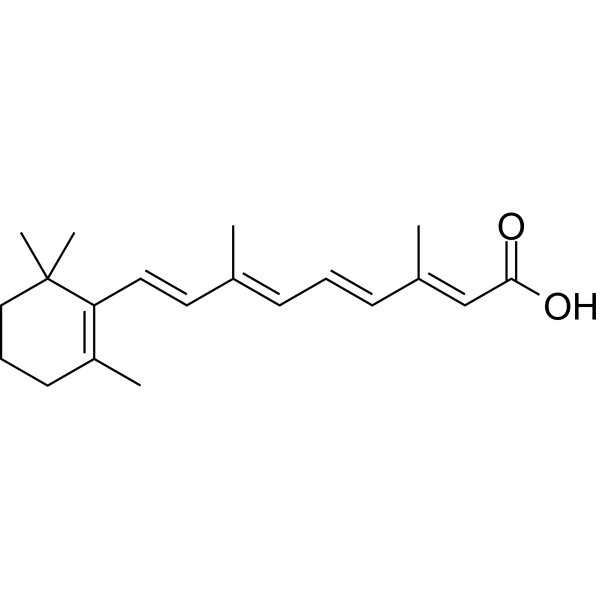
Cat. No.: HY-14649
CAS No.: 302-79-4
Purity:  99.81%
Synonyms: Vitamin A acid; all-trans-Retinoic acid; ATRA
Retinoic acid is a metabolite of vitamin A that plays important roles in cell growth, differentiation, and organogenesis. Retinoic acid is a natural agonist of RAR nuclear receptors, with IC50s of 14 nM for RARα/β/γ. Retinoic acid bind to PPARβ/δ with Kd of 17 nM. Retinoic acid acts as an inhibitor of transcription factor Nrf2 through activation of retinoic acid receptor alpha.
loading...
    loading...
109
109 Cited Publications
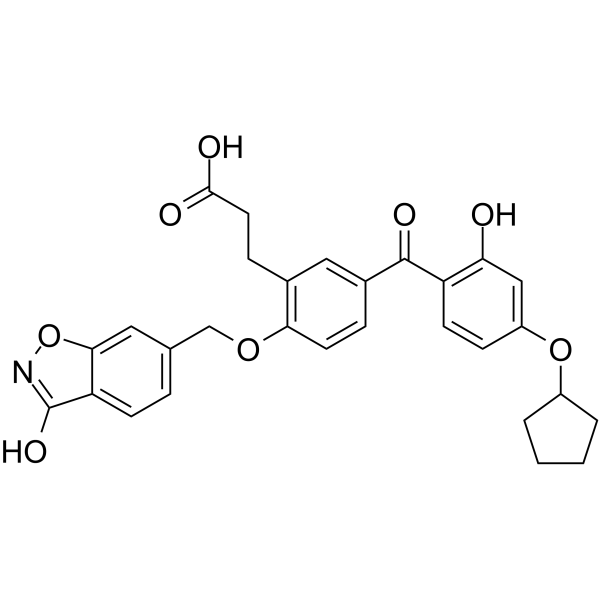
Cat. No.: HY-12270
CAS No.: 530141-72-1
Purity:  99.03%
Target:  

AP-1 MMP

T-5224 is a transcription factor c-Fos/activator protein (AP)-1 inhibitor with anti-inflammatory effects, which specifically inhibits the DNA binding activity of c-Fos/c-Jun without affecting other transcription factors. T-5224 inhibits the IL-1β-induced up-regulation of Mmp-3, Mmp-13 and Adamts-5 transcription .
loading...
    loading...
63
63 Cited Publications
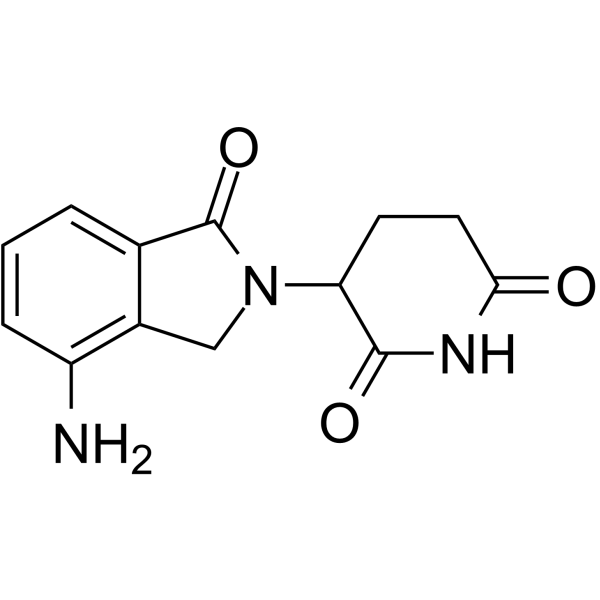
Cat. No.: HY-A0003
CAS No.: 191732-72-6
Synonyms: CC-5013
Lenalidomide (CC-5013), a derivative of Thalidomide, acts as molecular glue. Lenalidomide is an orally active immunomodulator. Lenalidomide (CC-5013) is a ligand of ubiquitin E3 ligase cereblon (CRBN), and it causes selective ubiquitination and degradation of two lymphoid transcription factors, IKZF1 and IKZF3, by the CRBN-CRL4 ubiquitin ligase. Lenalidomide (CC-5013) specifically inhibits growth of mature B-cell lymphomas, including multiple myeloma, and induces IL-2 release from T cells .
loading...
    loading...
63
63 Cited Publications
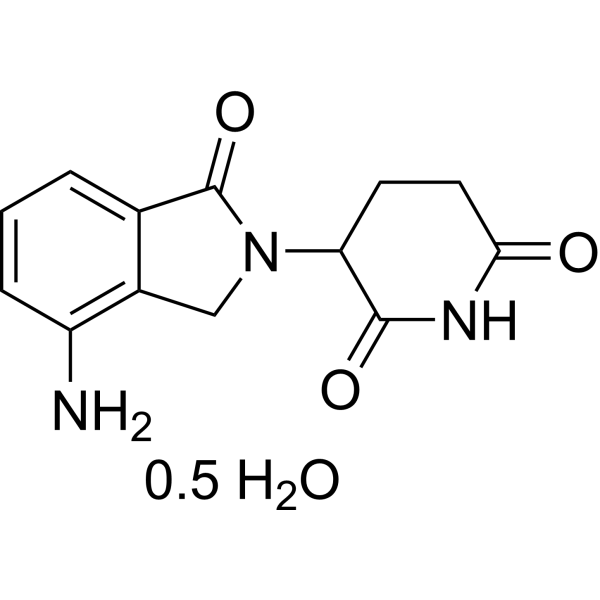
Cat. No.: HY-A0003B
CAS No.: 847871-99-2
Synonyms: CC-5013 hemihydrate
Research Areas:  

Cancer

Lenalidomide hemihydrate (CC-5013 hemihydrate), a derivative of Thalidomide, acts as molecular glue. Lenalidomide hemihydrate is an orally active immunomodulator. Lenalidomide hemihydrate (CC-5013 hemihydrate) is a ligand of ubiquitin E3 ligase cereblon (CRBN), and it causes selective ubiquitination and degradation of two lymphoid transcription factors, IKZF1 and IKZF3, by the CRBN-CRL4 ubiquitin ligase. Lenalidomide hemihydrate (CC-5013 hemihydrate) specifically inhibits growth of mature B-cell lymphomas, including multiple myeloma, and induces IL-2 release from T cells .
loading...
    loading...
35
35 Cited Publications
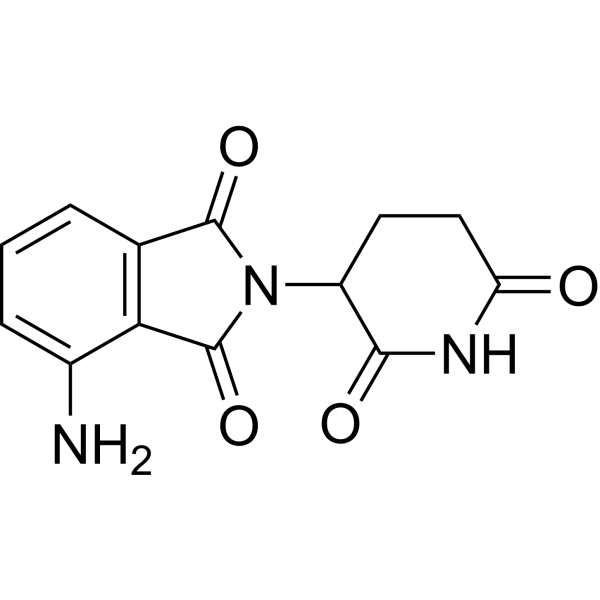
Cat. No.: HY-10984
CAS No.: 19171-19-8
Purity:  99.88%
Synonyms: CC-4047
Pomalidomide, the third-generation immunomodulatory agent, acts as molecular glue. Pomalidomide interacts with the E3 ligase cereblon and induces degradation of essential Ikaros transcription factors.
loading...
    loading...
33
33 Cited Publications
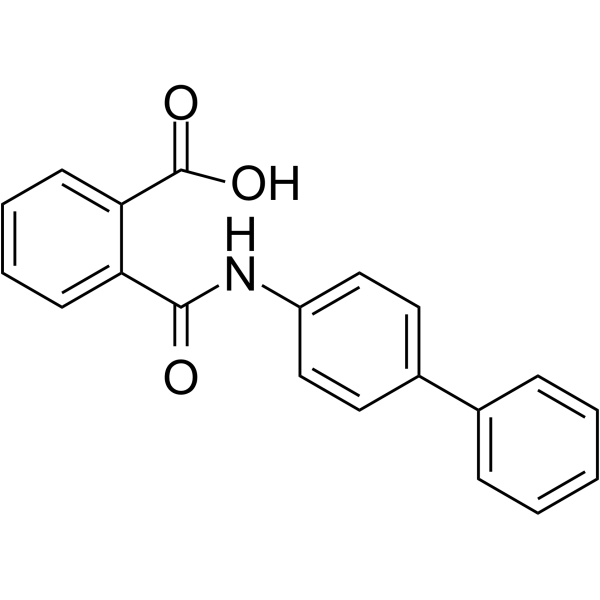
Cat. No.: HY-16268
CAS No.: 4727-31-5
Synonyms: KGN
Target:  

TGF-beta/Smad

Research Areas:  

Inflammation/Immunology

Kartogenin (KGN) is an inducer of chondrogenic tissue formation (EC50: 100 nM). Kartogenin induces chondrogenesis by binding to fibrin A, disrupting its interaction with the transcription factor core binding factor beta subunit (CBFβ), and by modulating the CBFβ-RUNX1 transcriptional program. Kartogenin also promotes tendon-bone junction (TBJ) wound healing by stimulating collagen synthesis. Kartogenin is widely used in cell-free therapy in the field of regeneration for cartilage regeneration and protection, tendon-bone healing, wound healing and limb development. Kartogenin promotes cartilage repair, coordinates limb development, and is also used in osteoarthritis (OA) research .
loading...
    loading...
33
33 Cited Publications
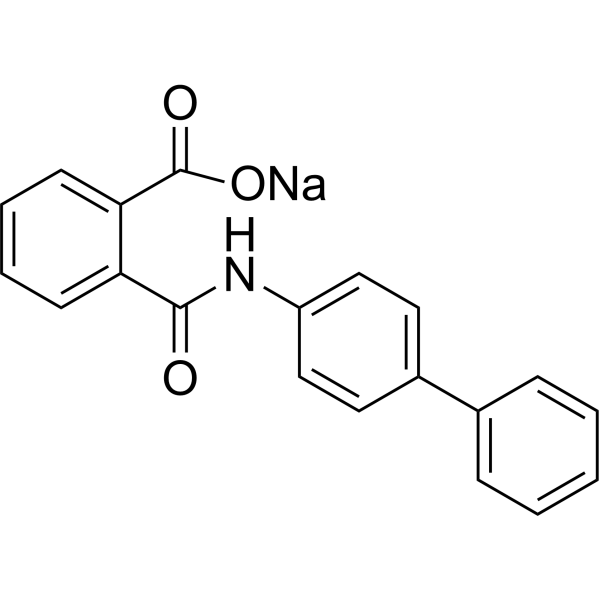
Cat. No.: HY-16268A
CAS No.: 1401168-39-5
Synonyms: KGN sodium
Target:  

TGF-beta/Smad

Research Areas:  

Inflammation/Immunology

Kartogenin (KGN) sodium is an inducer of chondrogenic tissue formation (EC50: 100 nM). Kartogenin sodium induces chondrogenesis by binding to fibrin A, disrupting its interaction with the transcription factor core binding factor beta subunit (CBFβ), and by modulating the CBFβ-RUNX1 transcriptional program. Kartogenin sodium also promotes tendon-bone junction (TBJ) wound healing by stimulating collagen synthesis. Kartogenin sodium is widely used in cell-free therapy in the field of regeneration for cartilage regeneration and protection, tendon-bone healing, wound healing and limb development. Kartogenin sodium promotes cartilage repair, coordinates limb development, and is also used in osteoarthritis (OA) research .
loading...
    loading...
25
25 Cited Publications
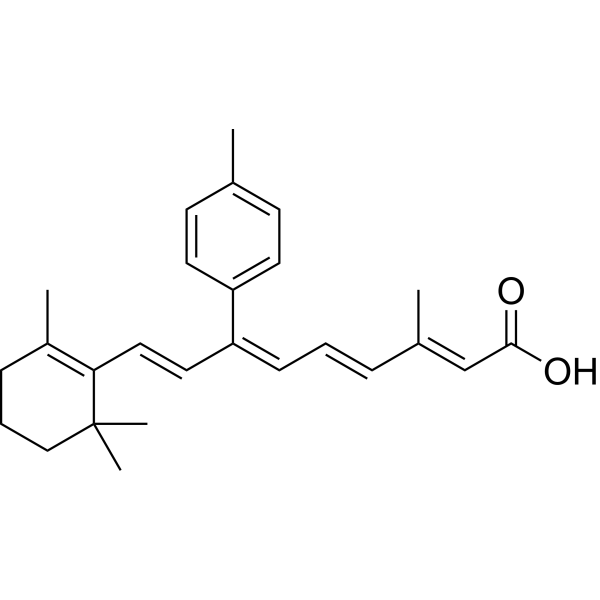
Cat. No.: HY-15870
CAS No.: 160162-42-5
Purity:  98.95%
Target:  

AP-1

Research Areas:  

Inflammation/Immunology Cancer

SR 11302 is an activator protein-1 (AP-1) transcription factor inhibitor. SR 11302 is a retinoid that specifically inhibits AP-1 activity without activating the transcription of retinoic acid response element (RARE) .
loading...
    loading...
19
19 Cited Publications
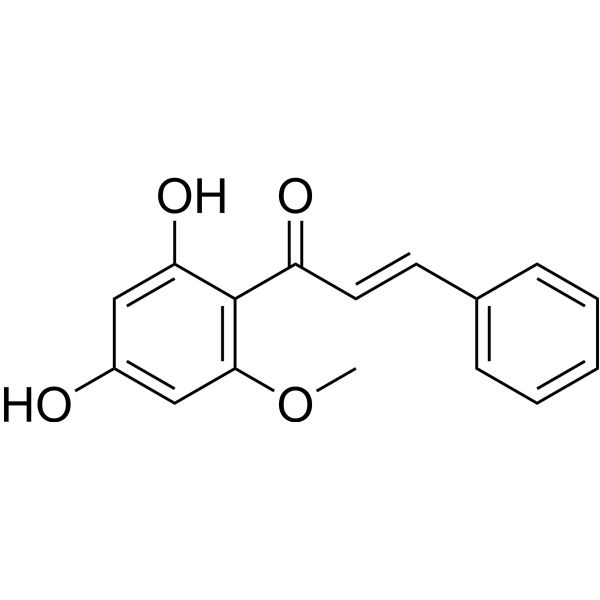
Cat. No.: HY-N0279
CAS No.: 18956-16-6
Synonyms: Cardamomin; Alpinetin chalcone
Cardamonin can be found from cardamom, and can target various signaling molecules, transcriptional factors, cytokines and enzymes. Cardamonin can inhibit mTOR, NF-κB, Akt, STAT3, Wnt/β-catenin and COX-2. Cardamonin shows anticancer, anti-inflammatory, antimicrobial and antidiabetic activities .
loading...
    loading...
18
18 Cited Publications
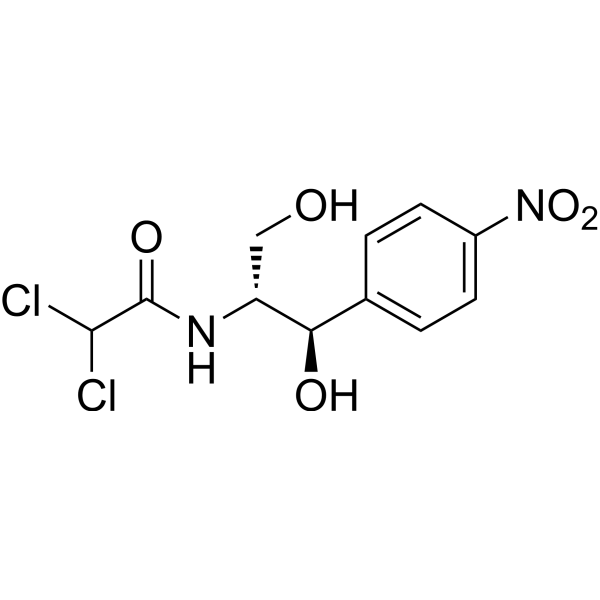
Cat. No.: HY-B0239
CAS No.: 56-75-7
Chloramphenicol is an orally active, potent and broad-spectrum antibiotic. Chloramphenicol shows antibacterial activity. Chloramphenicol represses the oxygen-labile transcription factor and hypoxia inducible factor-1 alpha (HIF-1α) in hypoxic A549 and H1299 cells. Chloramphenicol suppresses the mRNA levels of vascular endothelial growth factor (VEGF) and glucose transporter 1, eventually decreasing VEGF release. Chloramphenicol can be used for anaerobic infections and lung cancer research .
loading...
    loading...
16
16 Cited Publications
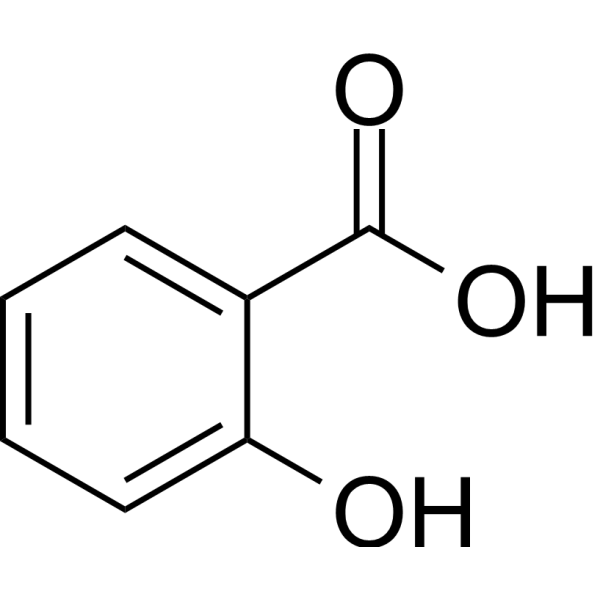
Cat. No.: HY-B0167
CAS No.: 69-72-7
Synonyms: 2-Hydroxybenzoic acid
Salicylic acid (2-Hydroxybenzoic acid) inhibits cyclo-oxygenase-2 (COX-2) activity independently of transcription factor (NF-κB) activation. Salicylic acid has blood-brain barrier permeability .
loading...
    loading...
16
16 Cited Publications
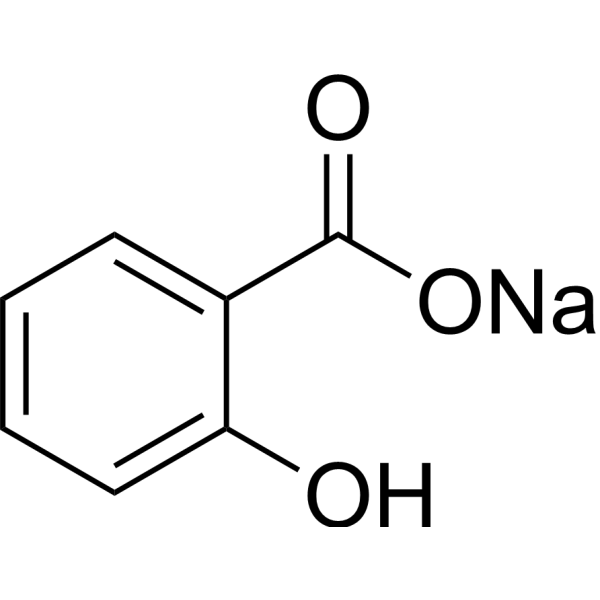
Cat. No.: HY-B0167A
CAS No.: 54-21-7
Synonyms: Salicylic acid sodium salt; 2-Hydroxybenzoic acid sodium salt
Sodium Salicylate (Salicylic acid sodium salt) inhibits cyclo-oxygenase-2 (COX-2) activity independently of transcription factor (NF-κB) activation . Sodium Salicylate is also a S6K inhibitor.Sodium Salicylate is a NF-κB inhibitor that decreases inflammatory gene expression and improves repair in aged muscle .
loading...
    loading...
12
12 Cited Publications
Cat. No.: HY-100493
CAS No.: 1334493-07-0
Purity:  99.52%
Target:  

STAT

Research Areas:  

Cancer

BP-1-102 is an orally available, small-molecule inhibitor of transcription factor Stat3, with an IC50 of 6.8 μM.
loading...
    loading...
9
9 Cited Publications
Cat. No.: HY-100760
CAS No.: 84-82-2
Purity:  99.88%
Synonyms: Xanthothricin; Toxoflavine; PKF-118-310
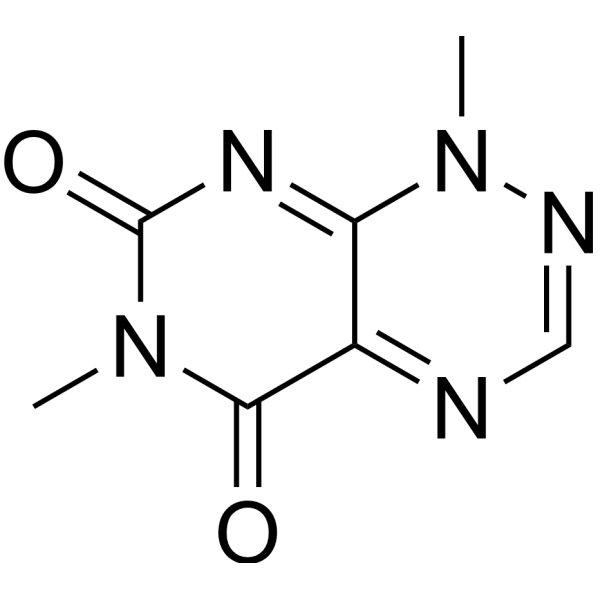
Toxoflavin (Xanthothricin) is an antagonist of transcription factor 4 (TCF4)/β-catenin complex, also acts as an inhibitor of KDM4A, with antitumor and antibiotic activity .
loading...
    loading...
9
9 Cited Publications
Cat. No.: HY-129602
CAS No.: 2429877-44-9
Purity:  99.73%
Target:  

PROTACs STAT Apoptosis

Research Areas:  

Cancer

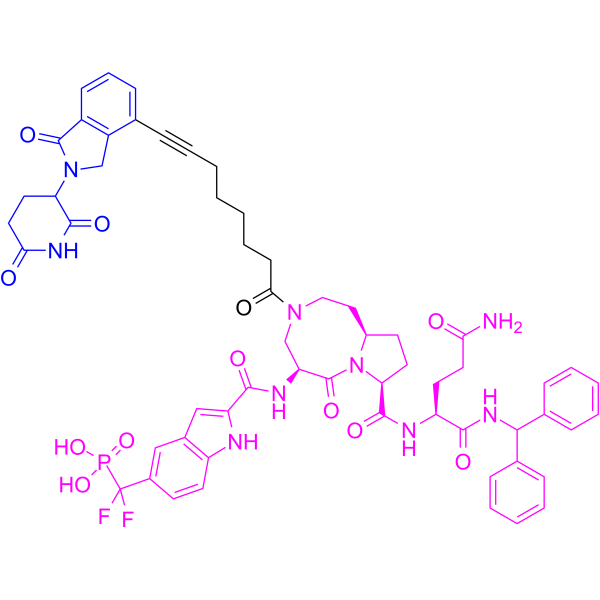
SD-36 is a potent and efficacious STAT3 PROTAC degrader (Kd=~50 nM), and demonstrates high selectivity over other STAT members. SD-36 also effectively degrades mutated STAT3 proteins in cells and suppresses the transcriptional activity of STAT3 (IC50=10 nM). SD-36 exerts robust anti-tumor activity, and achieves complete and long-lasting tumor regression in mouse tumor models. SD-36 is composed of the STAT3 inhibitor SI-109, a linker, and an analog of Cereblon ligand Lenalidomide for E3 ubiquitin ligase . SD-36 is a click chemistry reagent, it contains an Alkyne group and can undergo copper-catalyzed azide-alkyne cycloaddition (CuAAc) with molecules containing Azide groups.
loading...
    loading...
8
8 Cited Publications
Cat. No.: HY-135797A
CAS No.: 2369663-93-2
Purity:  ≥98.0%
Target:  

Apoptosis

Research Areas:  

Cancer

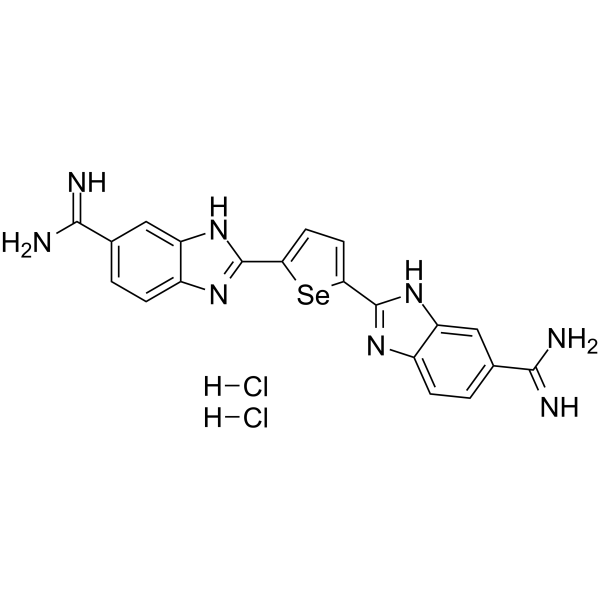
DB1976 dihydrochloride is a selenophene analog of DB270 and a potent and cell-permeable fully efficacious transcription factor PU.1 inhibitor. DB1976 dihydrochloride potently inhibits PU.1 binding (IC50 of 10 nM) and strongly inhibits the PU.1/DNA complex (with high DB1976-λB affinity, KD of 12 nM) in vitro. DB1976 dihydrochloride has apoptosis-inducing effect .
loading...
    loading...
8
8 Cited Publications
Cat. No.: HY-P80839
Synonyms: Phospho-NF-κB p65; NFKB3; RELA; TF65; Transcription factor p65; p65; NFkB

Host:  

Rabbit

Application:  

WB, IHC-P, ICC/IF

Reactivity:  

Human, Mouse, Rat

loading...
    loading...
8
8 Cited Publications
Cat. No.: HY-N1445
CAS No.: 482-35-9
Synonyms: Isoquercetin; Quercetin 3-glucoside
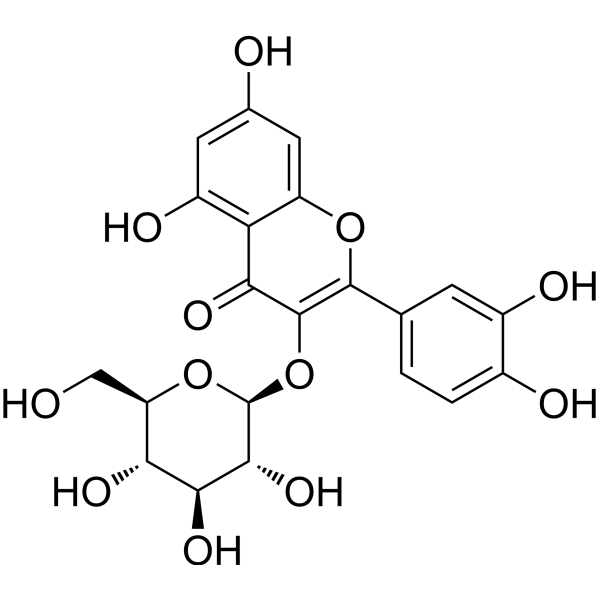
Isoquercetin (Quercetin 3-glucoside) is a naturally occurring polyphenol that has antioxidant, anti-proliferative, and anti-inflammatory properties. Isoquercetin alleviates ethanol-induced hepatotoxicity, oxidative stress, and inflammatory responses via the Nrf2/ARE antioxidant signaling pathway . Isoquercetin regulates the expression of nitric oxide synthase 2 (NO2) via modulating the nuclear factor-κB (NF-κB) transcription regulation system. Isoquercetin has high bioavailability and low toxicity, is a promising candidate agent to prevent birth defects in diabetic pregnancies .
loading...
    loading...
7
7 Cited Publications
Cat. No.: HY-101464
CAS No.: 19992-50-8
Purity:  ≥98.0%
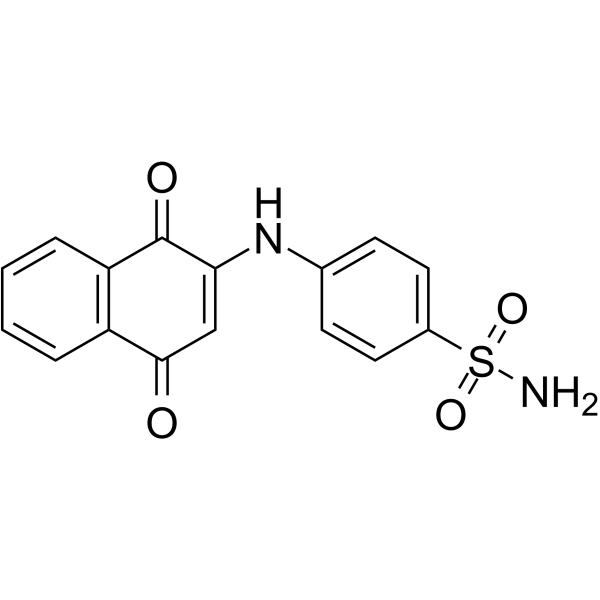
ML329 is a micropthalmia-associated transcription factor (MITF) inhibitor, which inhibits TRPM-1 promoter activity with an IC50 of 1.2 μM.
loading...
    loading...
7
7 Cited Publications
Cat. No.: HY-100354
CAS No.: 24696-26-2
Purity:  ≥98.0%
Synonyms: C16-Ceramide
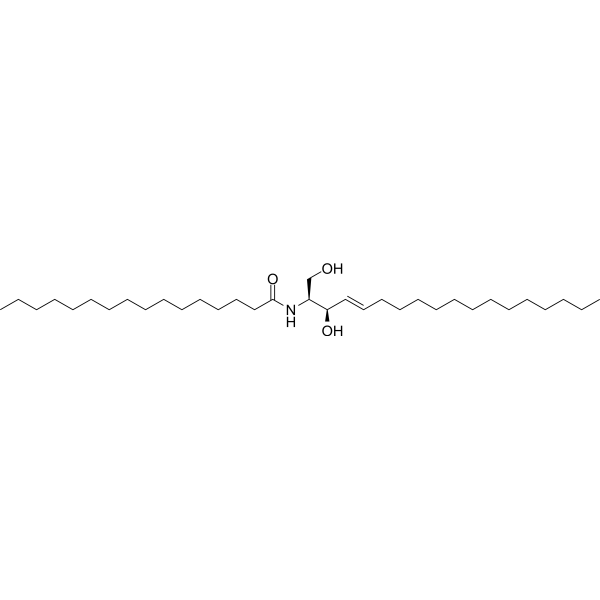
C16-Ceramide (d18:1/16:0) is a natural small molecule activating p53 through the direct and selective binding .
loading...
    loading...

