
Search Result
Results for "
TrxR
" in MedChemExpress (MCE) Product Catalog:
1
Biochemical Assay Reagents
| Cat. No. |
Product Name |
Target |
Research Areas |
Chemical Structure |
-
- HY-B1123
-
Auranofin
Maximum Cited Publications
40 Publications Verification
SKF-39162
|
Bacterial
SARS-CoV
|
Infection
Inflammation/Immunology
Cancer
|
|
Auranofin (SKF-39162) is a thioredoxin reductase (TrxR) inhibitor with an IC50 of 0.2 μM. Auranofin exhibits antiviral activity against SARS-CoV21, with a CC50 of 4.2 μM for monkey kidney Vero E6 cells.
|
-
-
- HY-19980
-
|
APR-246; PRIMA-1Met
|
MDM-2/p53
Autophagy
Apoptosis
Ferroptosis
|
Cancer
|
|
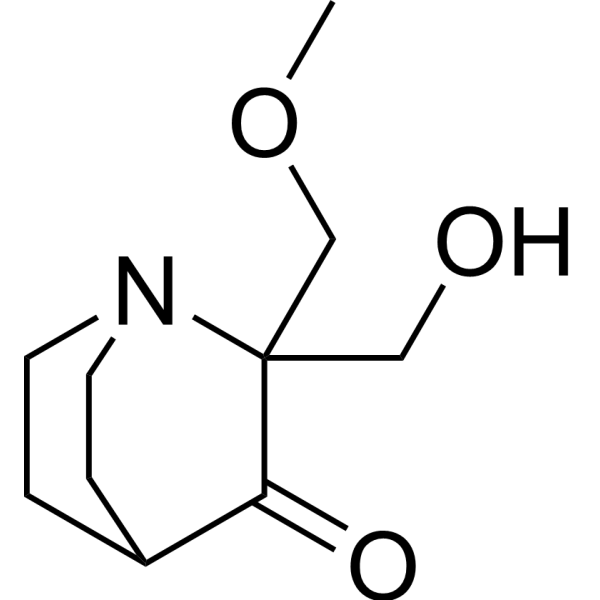
Eprenetapopt (APR-246) is a first-in-class, small molecule that restores wild-type p53 functions in TP53-mutant cells. Eprenetapopt triggers apoptosis in tumor cells. Eprenetapopt also targets the selenoprotein thioredoxin reductase 1 (TrxR1), a key regulator of cellular redox balance .
|
-
-
- HY-113324
-
NADPH
Maximum Cited Publications
18 Publications Verification
|
Endogenous Metabolite
|
Cancer
|
|
NADPH is a coenzyme of glutathione reductase (GR), thioredoxin reductase (TrxR) and NADPH oxidase (NOX), and participates in redox reactions as a hydrogen donor. NADPH has the characteristic of selectively participating in the regulation of cellular redox homeostasis. NADPH exerts antioxidant activity and resists reactive oxygen species (ROS) damage by providing reducing equivalents for the regeneration of glutathione (GSH) and thioredoxin (Trx); at the same time, it acts as a substrate of NOX to generate superoxide anions, mediating oxidative stress and immune response. NADPH participates in maintaining the intracellular reducing environment, biosynthesis and regulating gene expression (such as the Nrf2 pathway), and is mainly used in the study of oxidative stress-related diseases (such as cardiovascular diseases, neurodegenerative diseases, cancer) and immune regulation mechanisms .
|
-
-
- HY-N6796
-
|
|
Antibiotic
Exosomes
Farnesyl Transferase
Ras
Apoptosis
Phospholipase
TNF Receptor
Atg8/LC3
|
Infection
Inflammation/Immunology
Cancer
|
|
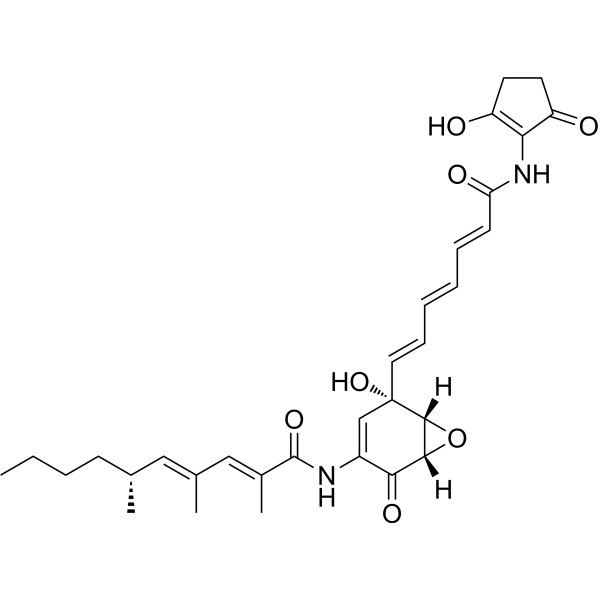
Manumycin A is a polyketide antibiotic and an inhibitor of thioredoxin reductase 1 (TrxR-1). Manumycin A can inhibit the growth of breast cancer cells and exert its anti-tumor activity through LC3. Manumycin A can downregulate the release of pro-inflammatory cytokines in human monocytes stimulated by TNF α, and has potential anti-inflammatory activity. Manumycin A can inhibit the Ras/Raf/ERK1/2 signaling and hnRNP H1 in castration resistant prostate cancer cells to suppress exosome biogenesis and secretion .
|
-
-
- HY-N2019
-
-
-
- HY-106381
-
|
|
PKC
|
Inflammation/Immunology
Cancer
|
|
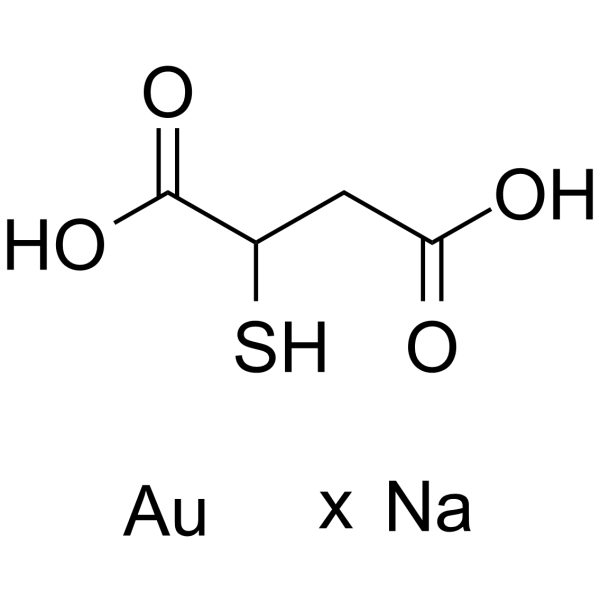
Aurothiomalate sodium is a potent and selective oncogenic PKCι signaling inhibitor. Aurothiomalate sodium inhibits tumor cell proliferation and not cell apoptosis. Aurothiomalate sodium is a potent thioredoxin reductase (TrxR) inhibitor. Aurothiomalate sodium, an anti-rheumatoid agent, exhibits potent anti-tumor activity .
|
-
-
- HY-A0068
-
|
Gold thioglucose
|
NF-κB
HIV
Reactive Oxygen Species (ROS)
|
Infection
Inflammation/Immunology
Cancer
|
|
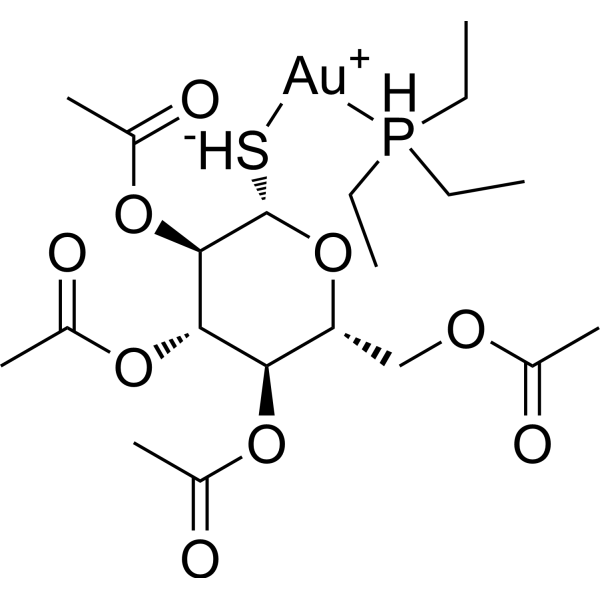
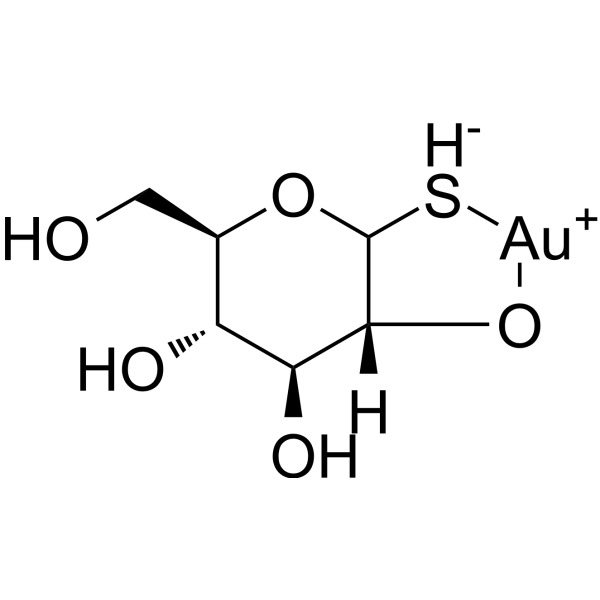
Aurothioglucose (Gold thioglucose), containing monovalent gold ion, is a potent active-site inhibitor of TrxR1 (thioredoxin reductase 1), with an IC50 of 65 nM. Aurothioglucose inhibits the DNA binding of NF-κB in vitro. Aurothioglucose shows anti-HIV and anti-rheumatic activities .
|
-
-
- HY-121362
-
|
|
Bacterial
Endogenous Metabolite
TrxR
|
Infection
Neurological Disease
Inflammation/Immunology
Cancer
|
|
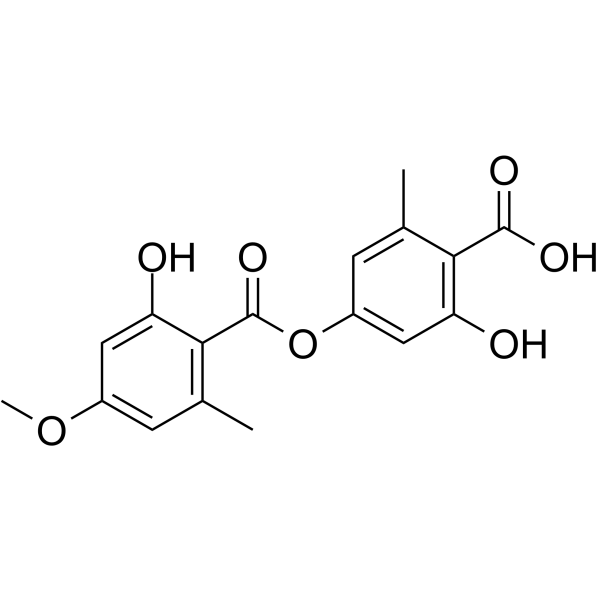
Evernic Acid is an orally active thioredoxin reductase 1 (TrxR1) inhibitor and antiproliferative agent. Evernic Acid inhibits the proliferation and migration of human breast cancer cells. Evernic Acid blocks the NF-κB pathway by inhibiting p65 nuclear translocation and IκBα phosphorylation, thereby suppressing downstream inflammatory mediators. Evernic Acid acts as an antioxidant, anti-inflammatory agent and neuroprotective agent, protects neurons from cell death, mitochondrial dysfunction and oxidative stress damage, reduces astrocyte activation, and ameliorates dopaminergic neuron loss and neuroinflammation. Evernic Acid inhibits enoyl reductases FabI and FabZ of Plasmodium falciparum. Evernic Acid downregulates the expression of lasB and rhlA genes in Pseudomonas aeruginosa, inhibits quorum sensing and biofilm formation, and exerts antibacterial activity against Gram-positive bacteria, Gram-negative bacteria and fungi. Evernic Acid is applicable to research related to breast cancer, Parkinson's disease, bacterial infections and fungal infections .
|
-
-
- HY-115640
-
|
|
TrxR
|
Others
|
|
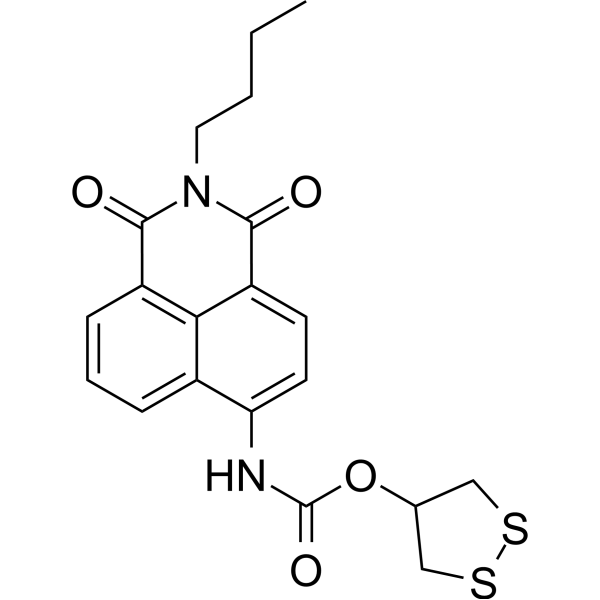
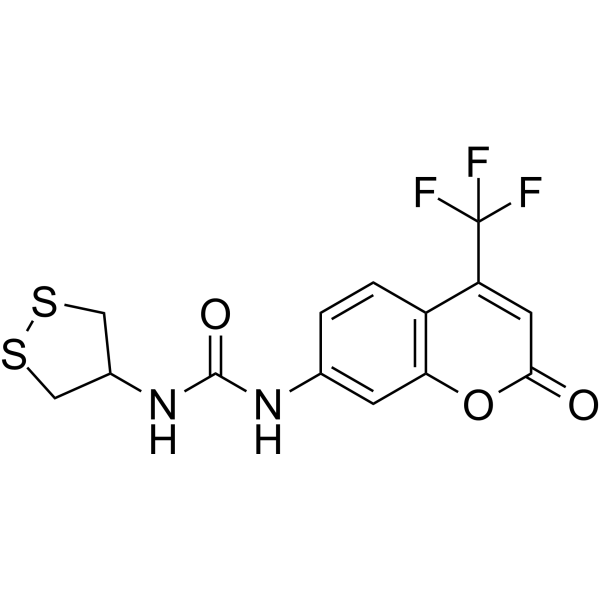
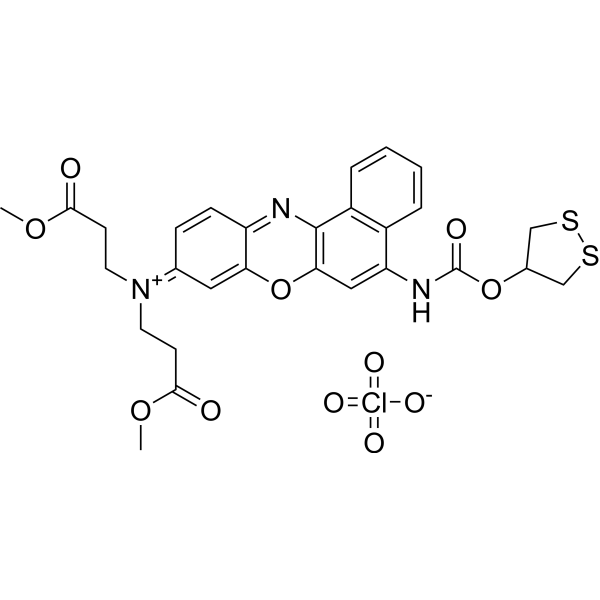
TRFS-green is a highly selective off−on fluorescent probe for imaging selenoprotein thioredoxin reductase (TrxR) in living cells. TRFS-green has the maximum absorbance at around 373 nm. After it is activated by TrxR, the maximum absorbance shifts to around 440 nm .
|
-
-
- HY-W014395
-
|
|
Reactive Oxygen Species (ROS)
Apoptosis
|
Cancer
|
|
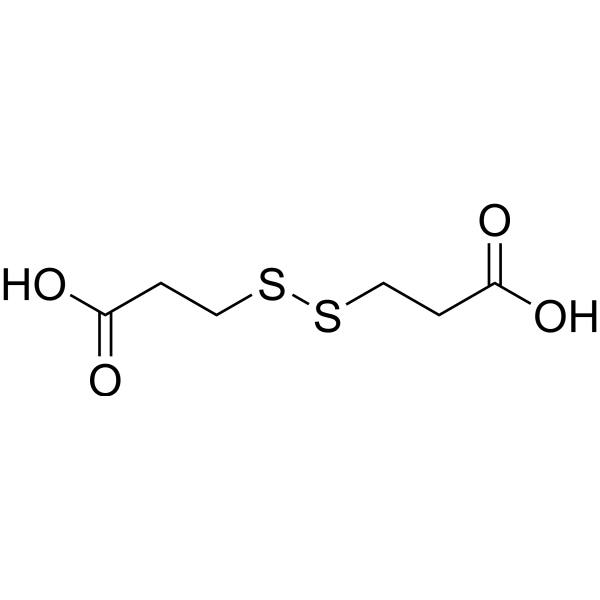
Dithiodipropionic acid can interact with CPUL1 (HY-151802) (a TrxR inhibitor) to form nanoaggregates (CPUL1-DA NAs). CPUL1-DA NAs generates more abundant ROS to induce cell apoptosis than that of free CPUL1, and improves antitumor efficacy against HUH7 cancer cells .
|
-
-
- HY-147803
-
|
|
Reactive Oxygen Species (ROS)
|
Cancer
|
|
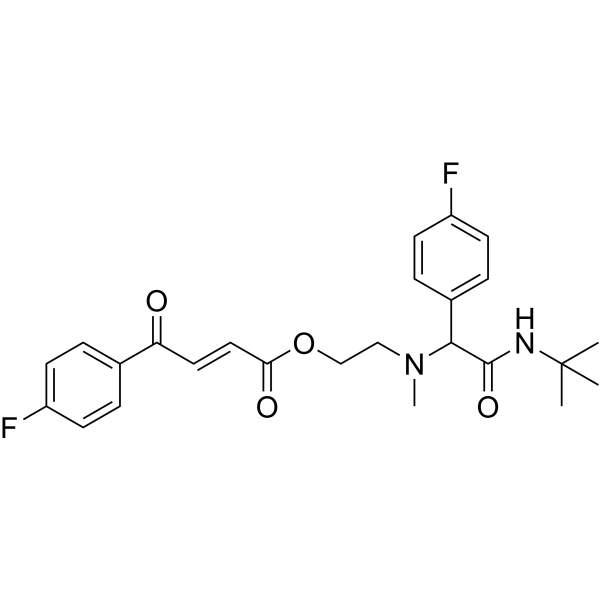
TrxR-IN-5 (compound 4f) is a potent TrxR (thioredoxin reductase) inhibitor, with an IC50 of 0.16 μM. TrxR-IN-5 increases the levels of ROS, thus leading to potent antiproliferative effects. TrxR-IN-5 exhibits prominent anticacer and anti-metastasis effects .
|
-
-
- HY-116749
-
|
BBSKE
|
TrxR
|
Cancer
|
|
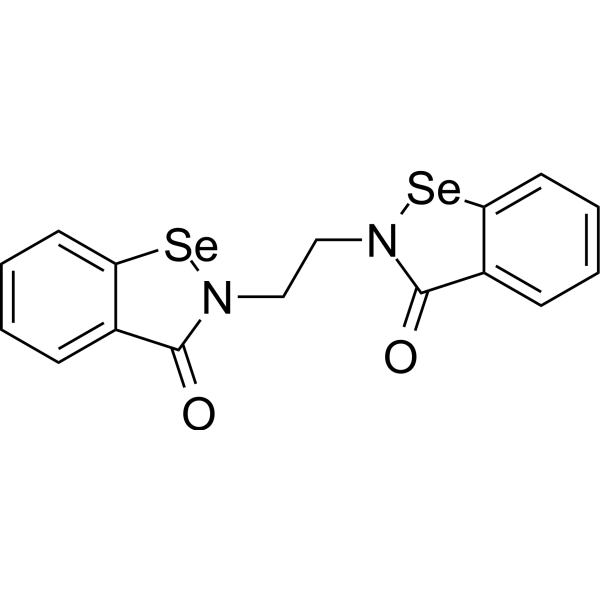
Ethaselen (BBSKE) is an orally active, selective thioredoxin reductase (TrxR) inhibitor with IC50s of 0.5 and 0.35 μM for the wild-type human TrxR1 and rat TrxR1, respectively. Ethaselen specifically binds to the unique selenocysteine-cysteine redox pair in the C-terminal active site of mammalian TrxR1. Ethaselen, an organoselenium compound, is a potent antitumor candidate that exerts potent inhibition on non-small cell lung cancer (NSCLC) by targeting TrxR .
|
-
-
- HY-D1251
-
|
|
Fluorescent Dye
|
Others
|
|
TRFS-red, a red fluorescence emission off-on probe, is selective for thioredoxin reductase (TrxR). TRFS-red exhibits high response rate and sensitivity. TRFS-red can be used for imaging live cells .
|
-
-
- HY-126322
-
|
|
TrxR
|
Cancer
|
|
DVD-445 (Compound 7) is a potent peptidomimetic covalent thioredoxin reductase 1 (TrxR1) inhibitor with an IC50 of 0.60 μM for rat TrxR1. DVD-445 has good anticancer application .
|
-
-
- HY-149265
-
|
|
Reactive Oxygen Species (ROS)
TrxR
Ferroptosis
Apoptosis
|
Cancer
|
|
ROS-generating agent 1 (Compound 2c) covalently modifies the Sec-498 residue of TrxR to generate ROS. ROS-generating agent 1 reduces intracellular TrxR protein level. ROS-generating agent 1 results in ROS-dependent apoptosis and ferroptosis of NCI-H460 cells. ROS-generating agent 1 has anti-cancer activities .
|
-
-
- HY-150228
-
|
|
TrxR
|
Cancer
|
|
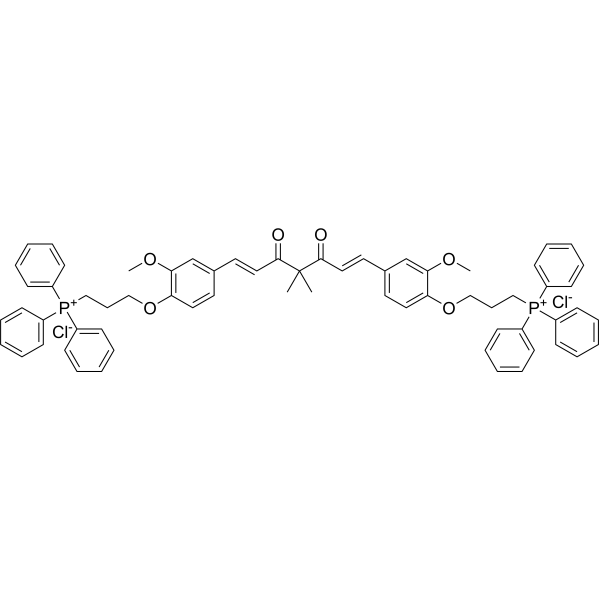
MitoCur-1, a curcumin analogue, is an inhibitor of mitochondrial antioxidative thioredoxin reductase 2 (TrxR2). MitoCur-1 has electrophilic and mitochondrial-targeting properties. MitoCur-1 induces reactive oxygen species (ROS) generation, exerts specifically antitumor efficacy .
|
-
-
- HY-P2759
-
|
TrxR
|
TrxR
|
Infection
Cardiovascular Disease
Inflammation/Immunology
Cancer
|
|
Thioredoxin reductase (TrxR) is a selenoprotein that plays a central role in cellular redox homeostasis by utilizing highly reactive selenocysteine (Sec) residues exposed to solvents at its active site. Thioredoxin reductase can be used for the study of diverse diseases, from rheumatoid arthritis and ischemia to cancer and parasitic infections .
|
-
-
- HY-D1252
-
|
|
Fluorescent Dye
|
Others
|
|
Fast-TRFS is a selective and superfast fluorogenic probe of thioredoxin reductase (TrxR). Fast-TRFS can be used for imaging TrxR activity in live cells .
|
-
-
- HY-136279
-
|
|
Apoptosis
|
Cancer
|
|
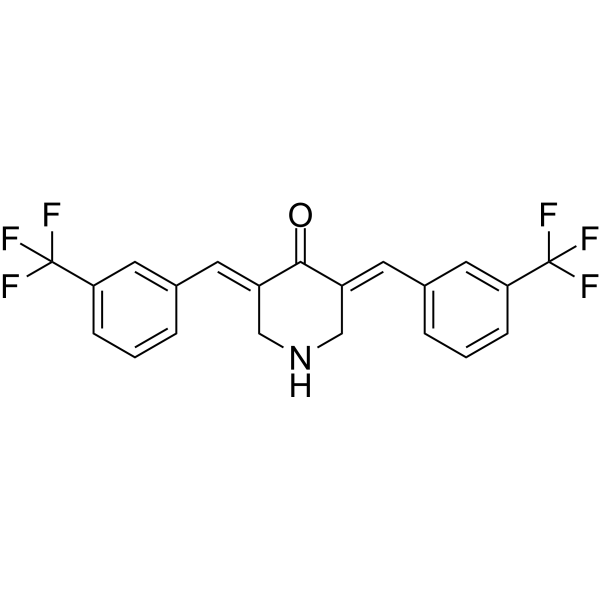
TrxR inhibitor D9 is a potent and selective inhibitor of thioredoxin reductase (TrxR), with an EC50 of 2.8 nM. TrxR inhibitor D9 has the capability to inhibit tumor proliferation both in vitro and in vivo .
|
-
-
- HY-D1250
-
|
|
Fluorescent Dye
|
Cancer
|
|
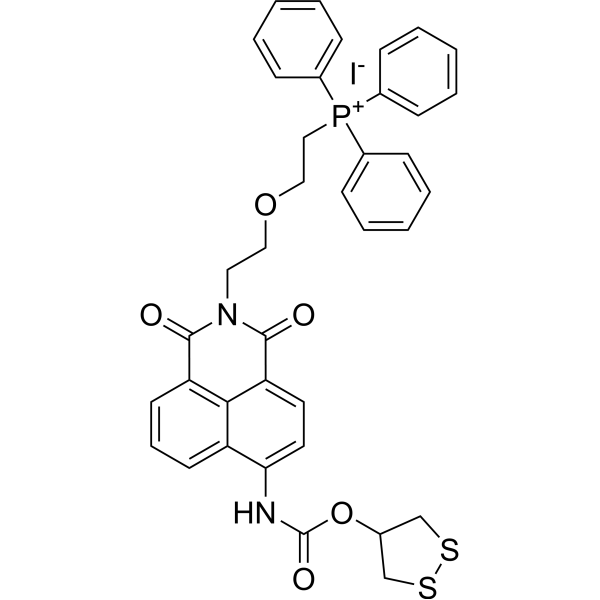
Mito-TRFS, the first off-on probe, is used to image the mitochondrial thioredoxin reductase (TrxR2) in live cells .
|
-
-
- HY-U00458
-
K-80003
1 Publications Verification
TX-803
|
Akt
|
Cancer
|
|
K-80003 is a potent inhibitor of tRXRα-dependent Akt activation and cancer cell growth.
|
-
-
- HY-146307
-
|
|
TrxR
|
Cancer
|
|
TrxR-IN-3 (Compound 2c) is a potent inhibitor of TrxR. TrxR-IN-3 exhibits potent antiproliferative activities against five human cancer cell lines, especially against breast tumor cells. TrxR-IN-3 increases ROS levels and resulted in marked apoptosis by regulating apoptosis-related proteins expressed in the breast cancer cells. TrxR-IN-3 also triggers the formation of autophagosomes and autolysosomes by promoting the expression of LC3-II and Beclin-1 and diminishing the expression of LC3-I and p62 proteins .
|
-
-
- HY-175806
-
|
|
TrxR
Reactive Oxygen Species (ROS)
Ferroptosis
|
Cancer
|
|
CS47 is a Thioredoxin Reductase 1 (TRXR1) inhibitor and ferroptosis inducer. CS47 binds non-covalently to sites between the FAD and NADPH pockets of TRXR1. CS47 drives glutathione depletion, lipid reactive oxygen species accumulation, HMOX1-dependent iron overload, and selective cytotoxicity in lung cancer cells. CS47 can be used for the research of lung cancer .
|
-
-
- HY-129751
-
|
Difurazon hydrochloride
|
Bacterial
TrxR
Apoptosis
|
Infection
Cancer
|
|
Nitrovin hydrochloride is an antibacterial growth promoter. Nitrovin hydrochloride induces ROS-mediated non-apoptotic and apoptotic-like cell death by targeting TrxR1. Nitrovin hydrochloride has anticancer activity, with IC50 values of 1.31-6.60 μM for tumor and normal cells .
|
-
-
- HY-151978
-
|
|
Indoleamine 2,3-Dioxygenase (IDO)
Apoptosis
|
Cancer
|
|
ZC0109 is a dual inhibitor of IDO1 and thioredoxin reductase 1 (TrxR1) with IC50s of 50 nM and 3.0 μM, respectively. ZC0109 induces ROS accumulation and cell cycle arrest at G1/S phase, thus leads to cancer cells apoptosis .
|
-
-
- HY-146350
-
|
|
TrxR
Reactive Oxygen Species (ROS)
Apoptosis
|
Cancer
|
|
TrxR-IN-4 is a thioredoxin reductase (TrxR) inhibitor with a rat IC50 of 0.37 μM. TrxR-IN-4 inhibits TrxR activity, elevates reactive oxygen species (ROS) and induces apoptosis. TrxR-IN-4 mediates endoplasmic reticulum stress and induces mitochondrial dysfunction. TrxR-IN-4 can be used for the research of hepatocellular carcinoma .
|
-
-
- HY-157158
-
|
|
TrxR
Apoptosis
Reactive Oxygen Species (ROS)
|
Cancer
|
|
TrxR-IN-6 is a thioredoxin reductase (TrxR) inhibitor. TrxR-IN-6 induces reactive oxygen species (ROS) accumulation and cell apoptosis. TrxR-IN-6 induces mitochondrial dysfunction, endoplasmic reticulum stress and DNA damage. TrxR-IN-6 can be used for the research of breast cancer, leukemia .
|
-
-
- HY-172086
-
|
|
TrxR
Apoptosis
Reactive Oxygen Species (ROS)
|
Cancer
|
|
TrxR-IN-7 is a thioredoxin reductase (TrxR) inhibitor with an IC50 of 3.5 μM. TrxR-IN-7 induces reactive oxygen species (ROS) generation and apoptosis in tumor cells. TrxR-IN-7 can be used for the research of liver cancer and breast cancer .
|
-
-
- HY-132972
-
|
|
TrxR
Reactive Oxygen Species (ROS)
Autophagy
Atg8/LC3
Beclin1
p62
|
Cancer
|
|
TrxR-IN-2 is a thioredoxin reductase (TrxR) inhibitor. TrxR-IN-2 increases reactive oxidative species (ROS) levels and decreases mitochondrial transmembrane potential levels. TrxR-IN-2 triggers DNA damage via H2AX regulation, and induces autophagy via LC3, beclin-1, and p62 regulation. TrxR-IN-2 can be used for the research of drug-resistant hepatocellular carcinoma[1].
|
-
-
- HY-173403
-
|
|
TrxR
Reactive Oxygen Species (ROS)
Apoptosis
|
Cancer
|
|
TrxR-IN-8 (Compound 6f) is a selective TrxR inhibitor (IC50: 10.2 μM). TrxR-IN-8 induces apoptosis through oxidative stress by stimulating the production of reactive oxygen species (ROS), reducing intracellular thiols, and lowering the glutathione/glutathione ratio. TrxR-IN-8 exhibits significant cytotoxicity against non-small cell lung cancer (NSCLC) cells .
|
-
-
- HY-151802
-
|
|
TrxR
|
Cancer
|
|
CPUL1 is a TrxR inhibitor, which shows proliferation-inhibitory and anti-metastatic activity against A549 cells. CPUL1 influences EMT (epithelial-mesenchymal transition) via inducing ROS-mediated ERK/JNK signaling by inhibiting TrxR1 enzyme activity. CPUL1 in combination with α-Lipoic Acid (HY-N0492) or Dithiodipropionic acid (HY-W014395) is more effective .
|
-
-
- HY-108534
-
|
AW 464
|
TrxR
|
Inflammation/Immunology
Cancer
|
|
PMX464 (AW 464), a thiol-reactive quinol, is the inhibitor of thioredoxin-thioredoxin reductase (Trx/TrxR) system. PMX464 can inhibit NF-κB-mediated proinflammatory activation of human type II alveolar epithelial cells .
|
-
-
- HY-149390
-
|
|
TrxR
|
Cancer
|
|
TrxR1-IN-1 (Compound 5j) is a TrxR1 inhibitor (IC50: 8.8 μM). TrxR1-IN-1 has anticancer activity, with IC50s of MCF-7 (1.5 μM), HeLa (1.7 μM), BGC-823 (2.4 μM), SW-480 (2.8 μM), A549 (2.1 μM). TrxR1-IN-1 has antioxidant activity, and scavenges DPPH radical .
|
-
-
- HY-168875
-
|
|
TrxR
Reactive Oxygen Species (ROS)
|
Cancer
|
|
TrxR1 prodrug-1 (compound 5u) is a potent inhibitor of TrxR1. TrxR1 prodrug-1 exhibits significant antitumor efficiency in nude mice and NSCLC organoids .
|
-
-
- HY-B1123R
-
|
SKF-39162 (Standard)
|
Bacterial
SARS-CoV
Reference Standards
|
Infection
Inflammation/Immunology
Cancer
|
|
Auranofin (Standard) is the analytical standard of Auranofin. This product is intended for research and analytical applications. Auranofin (SKF-39162) is a thioredoxin reductase (TrxR) inhibitor with an IC50 of 0.2 μM. Auranofin exhibits antiviral activity against SARS-CoV21, with a CC50 of 4.2 μM for monkey kidney Vero E6 cells.
|
-
-
- HY-168874
-
|
|
TrxR
Apoptosis
Ferroptosis
|
Cancer
|
|
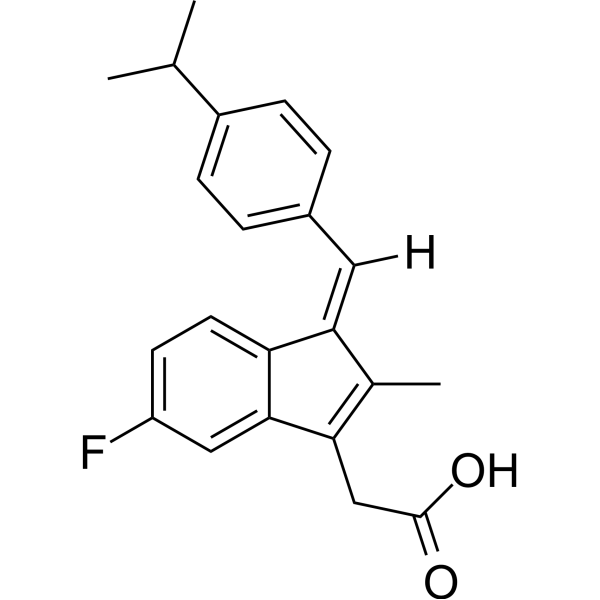
TrxR1-IN-2 (Compound 6a) is a TrxR1 inhibitor that covalently binds to the Cys475 and Sec498 sites of TrxR1, thereby inhibiting TrxR1 activity and leading to redox homeostasis disruption, which triggers apoptosis and ferroptosis .
|
-
-
- HY-168492
-
|
|
Ferroptosis
EGFR
TrxR
Apoptosis
|
Cancer
|
|
TrxR/EGFR-IN-1 (Compound L1Au2) is a TrxR/EGFR inhibitor. TrxR/EGFR-IN-1 is active against both Gefitinib (HY-50895)-sensitive and resistant lung cancers, effectively inhibiting tumor proliferation and promoting apoptosis. TrxR/EGFR-IN-1 promotes the degradation of GPX4 protein through autophagolysosomal and proteasomal pathways, leading to ferroptosis. In addition, TrxR/EGFR-IN-1 can induce endoplasmic reticulum stress and trigger immunogenic cell death. TrxR/EGFR-IN-1 can be used for the research of Gefitinib (HY-50895)-resistant lung cancer .
|
-
-
- HY-120914
-
|
GO-Y015
|
TrxR
Apoptosis
|
Cancer
|
|
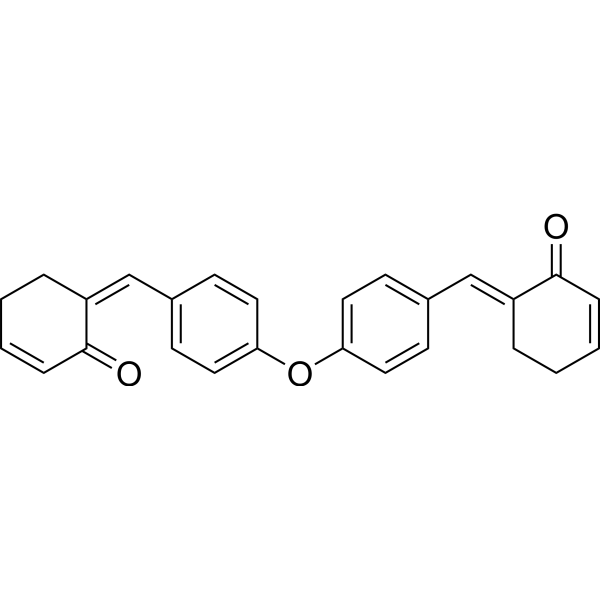
TrxR1-IN-B19 (GO-Y015) (Compound B19) is a Curcumin (HY-N0005) derivative and colvalent TrxR1 inhibitor. TrxR1-IN-B19 inhibits TrxR1 enzyme activity to elevate oxidative stress, and then induce ROS-mediated ER Stress and mitochondrial dysfunction, subsequently resulting in cell cycle arrest and apoptosis .
|
-
-
- HY-163724
-
|
|
TrxR
Apoptosis
|
Cancer
|
|
LW-216 is a TrxR1 inhibitor that induces Apoptosis. LW-216 has anti-tumor activity .
|
-
-
- HY-147772
-
-
-
- HY-159883
-
|
|
TrxR
|
Infection
|
|
DDHF20 is an antimicrobial agent against Staphylococcus aureus, targeting and inhibiting its thioredoxin reductase (TrxR). It acts as a competitive inhibitor for the NADPH binding site. DDHF20 is expected to be used in research related to antimicrobial infections caused by Staphylococcus aureus .
|
-
-
- HY-W504391
-
|
Difurazon
|
Bacterial
TrxR
Apoptosis
|
Infection
Cancer
|
|
Nitrovin is an antibacterial growth promoter. Nitrovin induces ROS-mediated non-apoptotic and apoptotic-like cell death by targeting TrxR1. Nitrovin has anticancer activity, with IC50 values of 1.31-6.60 μM for tumor and normal cells .
|
-
-
- HY-19980G
-
|
APR-246; PRIMA-1Met
|
MDM-2/p53
Apoptosis
Autophagy
Ferroptosis
|
Cancer
|
|
Eprenetapopt (GMP) (APR-246(GMP)) is Eprenetapopt (HY-19980) in GMP grade. GMP small molecules works appropriately as an auxiliary reagent for cell therapy manufacture. Eprenetapopt (APR-246) is a first-in-class, small molecule that restores wild-type p53 functions in TP53-mutant cells. Eprenetapopt triggers apoptosis in tumor cells. Eprenetapopt also targets the selenoprotein thioredoxin reductase 1 (TrxR1), a key regulator of cellular redox balance .
|
-
-
- HY-154842
-
-
-
- HY-D1268
-
|
|
Fluorescent Dye
|
Cancer
|
|
Seph-PAO is the modified PAO attached a sepharose fluorophore and is used to detect the thioredoxin reductase (TrxR) .
|
-
-
- HY-D1253
-
|
|
TrxR
|
Neurological Disease
|
|
TP-TRFS is a highly selective and the first two-photon fluorescent probe of thioredoxin reductase (TrxR) .
|
-
-
- HY-172115
-
|
|
TrxR
Apoptosis
|
Cancer
|
|
BGC4 is a biphenyl-based gold(III) complex. BGC4 inhibits human recombinant thioredoxin reductase (TrxR) with an IC50 of 10.7 μM, exhibits cytotoxicity (IC50 for MDA-MB-231 is 5.4 μM), and induces apoptosis. BGC4 exhibits antitumor efficacy in mouse models .
|
-
-
- HY-162958
-
|
|
Apoptosis
TrxR
|
Cancer
|
|
Photosensitizer-6 (Compound 4) is a gold (I) complex and exhibits inhibitory activity against TrxR. Photosensitizer-6 induces apoptosis in 4T1 cell, targets and eradicates tumors through chemo-phototherapy and immunogenic cell death under light exposure. Photosensitizer-6 can be used for tumor imaging .
|
-
-
- HY-168526
-
|
|
Keap1-Nrf2
|
Inflammation/Immunology
|
|
Keap1-Nrf2-IN-24 (compound 57) is a potent Keap1-Nrf2 inhibitor with a Ki value of 13 nM. Keap1-Nrf2-IN-24 increases the protein expression of TRXR1 and NQO1. Keap1-Nrf2-IN-24 increases the AKR1B10 mRNA expression. Keap1-Nrf2-IN-24 shows good metabolic stability .
|
-
-
- HY-181825
-
|
|
TrxR
Apoptosis
|
Cancer
|
|
TrxR-IN-9 is a thioredoxin reductase (TrxR) inhibitor with an IC50 of 0.26 μM. TrxR-IN-9 disrupts cellular redox balance. TrxR-IN-9 induces S-phase cell cycle arrest, promotes apoptosis and exhibits antiproliferative activity across cancer cells. TrxR-IN-9 exerts effects via synergistic nitric oxide (NO) and reactive oxygen species (ROS) action. TrxR-IN-9 can be used for the research of breast cancer, gastric cancer, colorectal cancer, liver cancer .
|
-
- HY-182324
-
|
|
TrxR
Reactive Oxygen Species (ROS)
Apoptosis
Caspase
|
Cancer
|
|
TrxR2-IN-1 is a thioredoxin reductase 2 (TrxR2) inhibitor with an IC50 value of 0.83 μM. TrxR2-IN-1 accumulates in mitochondria, impairs mitochondrial function and membrane potential, increases reactive oxygen species (ROS) levels, activates ASK1-mediated caspase-dependent apoptosis (apoptosis), induces G2/M cell cycle arrest, and inhibits cancer cell migration. TrxR2-IN-1 can be used in the research of hepatocellular carcinoma .
|
-
- HY-P2759A
-
|
|
TrxR
|
Metabolic Disease
|
|
Thioredoxin Reductase, E. coli (EC 1.8.1.9) is an E. coli-derived thioredoxin reductase (TrxR) that, compared to mammalian TrxR, lacks the redox active site-the C-terminal -Cys-SeCys-.
|
-
- HY-P2759B
-
|
|
Endogenous Metabolite
|
Metabolic Disease
|
|
Thioredoxin reductase (TrxR/NTR), an enzyme belonging to the flavoprotein family of pyridine nucleotide-disulfide oxidoreductases. Thioredoxin reductase (TrxR), a component of the thioredoxin system, including thioredoxin (Trx) and NADPH, catalyzes the transfer of electrons from NADPH to Trx, acts as a reductant of disulfide-containing proteins and participates in the defense system against oxidative stresses.
|
-
- HY-179712
-
|
|
TrxR
Apoptosis
Reactive Oxygen Species (ROS)
|
Cancer
|
|
As-CA11 is a Thioredoxin reductase (TrxR) inhibitor with an IC50 of 18.7 nM. As-CA11 can induce cancer cells apoptosis and ROS production. As-CA11 can reduce the level of reduced Trx and increase the level of oxidized Trx. As-CA11 demonstrates anti-tumor activity in the 4T1 tumor-bearing mouse model .
|
-
- HY-181718
-
|
|
Necroptosis
TrxR
Reactive Oxygen Species (ROS)
|
Cancer
|
|
Necroptosis inducer 1 is a necroptosis inducer. Necroptosis inducer 1 inhibits the activity of thioredoxin reductase (TrxR), elevates intracellular ROS levels, triggers ROS-mediated necroptosis, and induces necroptosis-dependent immunogenic cell death. Necroptosis inducer 1 inhibits tumor growth, remodels the tumor immune microenvironment, and exerts a synergistic effect with anti-PD-1 in animal models. Necroptosis inducer 1 is applicable to the research of colon cancer .
|
-
- HY-183554
-
|
|
TrxR
Glutathione Peroxidase
Ferroptosis
Reactive Oxygen Species (ROS)
IFNAR
STAT
|
Cancer
|
|
Fa-Au is a TrxR inhibitor. Fa-Au downregulates GPX4, induces oxidative stress, mitochondria-associated ferroptosis (ferroptosis) and immunogenic cell death. Fa-Au induces ROS production in hepatoma cells. Fa-Au remodels the tumor immune microenvironment via M1 macrophage polarization, dendritic cell maturation, CD8+ T cell activation and reduction of regulatory T cells. Fa-Au induces an anti-tumor immune feedback loop through the IFNγ/STAT1/SLC7A11 axis. Fa-Au inhibits tumor growth. Fa-Au is applicable to hepatocellular carcinoma-related research .
|
-
- HY-183544
-
|
|
TrxR
Glutathione Peroxidase
Ferroptosis
Reactive Oxygen Species (ROS)
|
Cancer
|
|
Platinum (IV) Prodrug-1 (Compound 6b) is a Pt (IV) prodrug and selective TrxR1 inhibitor. Platinum (IV) Prodrug-1 induces ferroptosis (Ferroptosis) by depleting glutathione, accumulating intracellular lipid peroxides, and inactivating Glutathione peroxidase 4. Platinum (IV) Prodrug-1 triggers endoplasmic reticulum stress and immunogenic cell death via excessive accumulation of intracellular ROS. Platinum (IV) Prodrug-1 exhibits anticancer activity against both Cisplatin (HY-17394)-sensitive and Cisplatin-resistant triple-negative breast cancer cells. Platinum (IV) Prodrug-1 can be used for the research of triple-negative breast cancer .
|
-
| Cat. No. |
Product Name |
Type |
-
- HY-D1251
-
|
|
Fluorescent Dye
|
|
TRFS-red, a red fluorescence emission off-on probe, is selective for thioredoxin reductase (TrxR). TRFS-red exhibits high response rate and sensitivity. TRFS-red can be used for imaging live cells .
|
-
- HY-D1252
-
|
|
Fluorescent Dye
|
|
Fast-TRFS is a selective and superfast fluorogenic probe of thioredoxin reductase (TrxR). Fast-TRFS can be used for imaging TrxR activity in live cells .
|
-
- HY-D1250
-
|
|
Fluorescent Dye
|
|
Mito-TRFS, the first off-on probe, is used to image the mitochondrial thioredoxin reductase (TrxR2) in live cells .
|
-
- HY-19980G
-
|
APR-246; PRIMA-1Met
|
Fluorescent Dye
|
|
Eprenetapopt (GMP) (APR-246(GMP)) is Eprenetapopt (HY-19980) in GMP grade. GMP small molecules works appropriately as an auxiliary reagent for cell therapy manufacture. Eprenetapopt (APR-246) is a first-in-class, small molecule that restores wild-type p53 functions in TP53-mutant cells. Eprenetapopt triggers apoptosis in tumor cells. Eprenetapopt also targets the selenoprotein thioredoxin reductase 1 (TrxR1), a key regulator of cellular redox balance .
|
-
- HY-D1268
-
|
|
Fluorescent Dye
|
|
Seph-PAO is the modified PAO attached a sepharose fluorophore and is used to detect the thioredoxin reductase (TrxR) .
|
| Cat. No. |
Product Name |
Type |
-
- HY-19980G
-
|
APR-246; PRIMA-1Met
|
Biochemical Assay Reagents
|
|
Eprenetapopt (GMP) (APR-246(GMP)) is Eprenetapopt (HY-19980) in GMP grade. GMP small molecules works appropriately as an auxiliary reagent for cell therapy manufacture. Eprenetapopt (APR-246) is a first-in-class, small molecule that restores wild-type p53 functions in TP53-mutant cells. Eprenetapopt triggers apoptosis in tumor cells. Eprenetapopt also targets the selenoprotein thioredoxin reductase 1 (TrxR1), a key regulator of cellular redox balance .
|
| Cat. No. |
Product Name |
Target |
Research Area |
-
- HY-P1948
-
|
|
Peptides
|
Inflammation/Immunology
Cancer
|
|
Thioredoxin reductase peptide corresponds to residues 53–67 in thioredoxin reductase (TrxR), used in thioredoxin reductase research. Thioredoxin reductase acts as a reductant of disulfide-containing proteins and plays crucial role in cellular antioxidant defense .
|
-
- HY-P1948A
-
|
|
Peptides
|
Others
|
|
Thioredoxin reductase peptide TFA corresponds to residues 53–67 in thioredoxin reductase (TrxR), used in thioredoxin reductase research. Thioredoxin reductase acts as a reductant of disulfide-containing proteins and plays crucial role in cellular antioxidant defense .
|
| Cat. No. |
Product Name |
Category |
Target |
Chemical Structure |
-
- HY-113324
-
NADPH
Maximum Cited Publications
18 Publications Verification
|
Human Gut Microbiota Metabolites
Microorganisms
Ketones, Aldehydes, Acids
Endogenous metabolite
Source Classification
|
Endogenous Metabolite
|
|
NADPH is a coenzyme of glutathione reductase (GR), thioredoxin reductase (TrxR) and NADPH oxidase (NOX), and participates in redox reactions as a hydrogen donor. NADPH has the characteristic of selectively participating in the regulation of cellular redox homeostasis. NADPH exerts antioxidant activity and resists reactive oxygen species (ROS) damage by providing reducing equivalents for the regeneration of glutathione (GSH) and thioredoxin (Trx); at the same time, it acts as a substrate of NOX to generate superoxide anions, mediating oxidative stress and immune response. NADPH participates in maintaining the intracellular reducing environment, biosynthesis and regulating gene expression (such as the Nrf2 pathway), and is mainly used in the study of oxidative stress-related diseases (such as cardiovascular diseases, neurodegenerative diseases, cancer) and immune regulation mechanisms .
|
-
-
- HY-N6796
-
-
-
- HY-N2019
-
-
-
- HY-121362
-
|
|
Structural Classification
other families
Classification of Application Fields
Ketones, Aldehydes, Acids
Plants
Inflammation/Immunology
Disease Research Fields
Source Classification
|
Bacterial
Endogenous Metabolite
TrxR
|
|
Evernic Acid is an orally active thioredoxin reductase 1 (TrxR1) inhibitor and antiproliferative agent. Evernic Acid inhibits the proliferation and migration of human breast cancer cells. Evernic Acid blocks the NF-κB pathway by inhibiting p65 nuclear translocation and IκBα phosphorylation, thereby suppressing downstream inflammatory mediators. Evernic Acid acts as an antioxidant, anti-inflammatory agent and neuroprotective agent, protects neurons from cell death, mitochondrial dysfunction and oxidative stress damage, reduces astrocyte activation, and ameliorates dopaminergic neuron loss and neuroinflammation. Evernic Acid inhibits enoyl reductases FabI and FabZ of Plasmodium falciparum. Evernic Acid downregulates the expression of lasB and rhlA genes in Pseudomonas aeruginosa, inhibits quorum sensing and biofilm formation, and exerts antibacterial activity against Gram-positive bacteria, Gram-negative bacteria and fungi. Evernic Acid is applicable to research related to breast cancer, Parkinson's disease, bacterial infections and fungal infections .
|
-
| Cat. No. |
Compare |
Product Name |
Species |
Source |
Image |
Compare Products
|
| Products |
|
| Cat. No. |
|
| Species |
|
| Source |
|
| Tag |
|
| Accession |
|
| Gene ID |
|
| Molecular Weight |
|
| Purity |
|
| Endotoxin Level |
|
| Biological Activity |
|
| Appearance |
|
| Formulation |
|
| Storage & Stability |
|
| Shipping |
|
| Free Sample |
Yes
No
|
| Size |
* This product has been "discontinued".
Optimized version of product available:
|
| Cat. No. |
Product Name |
Target |
Research Areas |
Chemical Structure |
-
- HY-19980G
-
|
APR-246; PRIMA-1Met
|
MDM-2/p53
Apoptosis
Autophagy
Ferroptosis
|
Cancer
|
|
Eprenetapopt (GMP) (APR-246(GMP)) is Eprenetapopt (HY-19980) in GMP grade. GMP small molecules works appropriately as an auxiliary reagent for cell therapy manufacture. Eprenetapopt (APR-246) is a first-in-class, small molecule that restores wild-type p53 functions in TP53-mutant cells. Eprenetapopt triggers apoptosis in tumor cells. Eprenetapopt also targets the selenoprotein thioredoxin reductase 1 (TrxR1), a key regulator of cellular redox balance .
|
-
Your information is safe with us. * Required Fields.
Inquiry Information
- Product Name:
- Cat. No.:
- Quantity:
- MCE Japan Authorized Agent:

