


From 11:00 pm to 12:00 pm EST ( 8:00 pm to 9:00 pm PST ) on January 6th, the website will be under maintenance. We are sorry for the inconvenience. Please arrange your schedule properly.
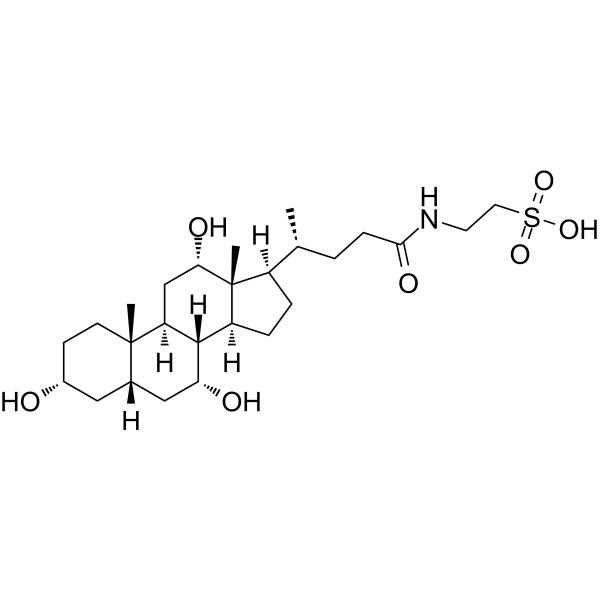
Taurocholic acid (N-Choloyltaurine) has marked bioactive effects such as an inhibitory potential against hepatic artery ligation induced biliary damage by upregulation of VEGF-A expression. Taurocholic acid has immunoregulation effect .
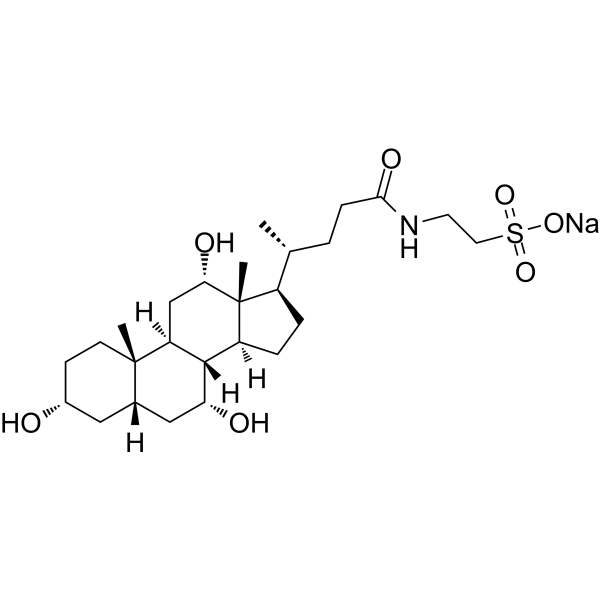
Taurocholic acid sodium (Sodium taurocholate) has marked bioactive effects such as an inhibitory potential against hepatic artery ligation induced biliary damage by upregulation of VEGF-A expression. Taurocholic acid sodium has immunoregulation effect .
Ivonescimab (AK112) is a PD-1/VEGF bispecific antibody. Ivonescimab competitively inhibiting PD-1/PD-L1 interaction, reversing the immunosuppression mediated by it, and blocks the binding of VEGF-A to VEGFR2, inhibiting tumour angiogenesis in the tumour microenvironment. Ivonescimab also has significantly anticancer activity against EGFR-mutated locally advanced or metastatic non-squamous non-small cell lung cancer (NSCL) .
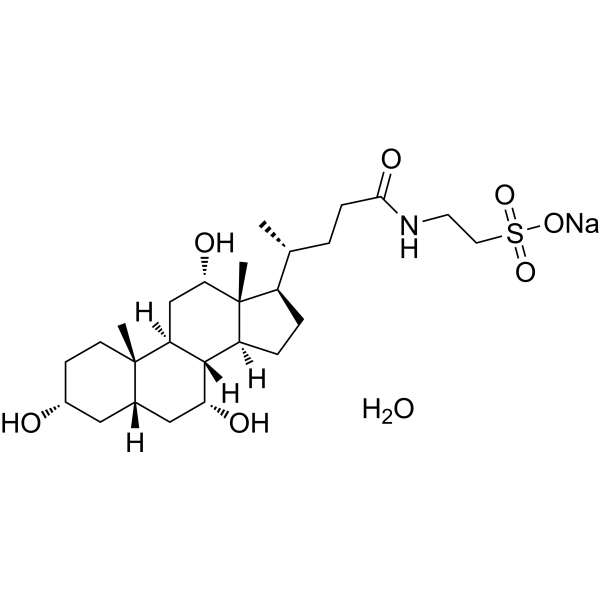
Taurocholic acid (N-Choloyltaurine) sodium salt hydrate has marked bioactive effects such as an inhibitory potential against hepatic artery ligation induced biliary damage by upregulation of VEGF-A expression. Taurocholic acid sodium salt hydrate has immunoregulation effect .
Ranibizumab (RG-6321) (anti-VEGF) is a humanized anti-VEGF monoclonal antibody fragment and can recognize all VEGF-A isoforms (VEGF110, VEGF121, and VEGF165) . Ranibizumab (anti-VEGF) slows vision loss in vivo and is used for wet age-related macular degeneration (AMD) research .
Anti-Mouse VEGF-A Antibody (2G11-2A05) is a rat-derived IgG2a κ type antibody inhibitor, tragrting to mouse VEGF-A with high affinity. Anti-Mouse VEGF-A Antibody (2G11-2A05) shows good anti-tumor effect in gastric cancer xenograft models .
EG00229 is a neuropilin 1 (NRP1) receptor antagonist. EG00229 selectively inhibits VEGF-A binding to NRP1 b1 domain with an IC50 of 3 μM, but has no effect on VEGFA binding to VEGFR-1 and VEGFR-2 .
Pumitamig (PM-8002, BNT-327) is a bispecific antibody targeting PD-L1 and VEGF-A, with immune activation and anti-angiogenic activities. By binding to PD-L1, Pumitamig restores the function of effector T cells, while neutralizing VEGF-A in the tumor microenvironment to reverse its inhibition on the infiltration and activation of immune cells and normalize tumor blood vessels. Pumitamig can also be combined with various ADCs targeting TROP2, B7H3, HER2, HER3 for the research of advanced/metastatic solid tumors, including non-small cell lung cancer, ovarian cancer, triple-negative breast cancer, cervical cancer, etc. Pumitamig also exhibits potential efficacy in "cold" tumors with low PD-L1 expression that are insensitive to immunotherapy .
Ramucirumab (anti-VEGFR) is a human VEGFR-2 antagonist for the treatment of solid tumors. Ramucirumab (anti-VEGFR) is a recombinant human immunoglobulin G1 monoclonal antibody that binds to the extracellular binding domain of VEGFR-2 and prevents the binding of VEGFR ligands: VEGF-A, VEGF-C, and VEGF-D. Ramucirumab (anti-VEGFR) is also an angiogenesis inhibitor .
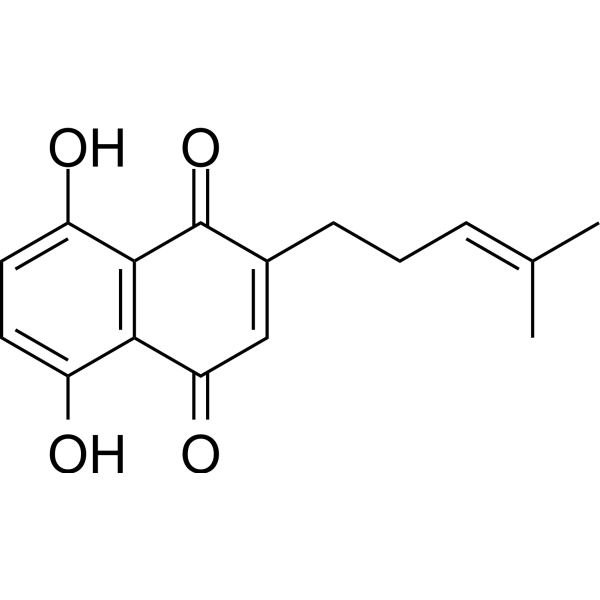
Deoxyshikonin increases the expression of VEGF-C and VEGF-A mRNA in HMVEC-dLy, promotes HIF-1α and HIF-1β subunit interaction and binds to specific DNA sequences targeted by HIF. Deoxyshikonin inhibited colorectal cancer (CRC) through the PI3K/Akt/mTOR pathway. Deoxyshikonin has proangiogenesis effect and antitumor activity. Deoxyshikonin is an antibacterial agent against methicillin-resistant S. aureus (MRSA) and S. pneumonia (MIC=17 μg/mL) .
Faricimab, an overall good safety and tolerability profile, is a bispecific antibody targeting Angiopoietin-2 (Ang-2) and vascular endothelial growth factor-A (VEGF-A). Faricimab prevents retinal vascular leakage, cell death and inflammation in retinal ischemia/reperfusion (I/R) injury and sCNV mouse models. Faricimab demonstrates statistically superior visual acuity gains versus Ranibizumab (HY-P9951). Faricimab can be used for retinal diseases, such as age-related macular degeneration (w-AMD), diabetic macular edema (DME) and macular edema following retinal vein occlusion (RVO) .
Vanucizumab is a first-in-class, bispecific IgG1-like monoclonal antibody that simultaneously blocks VEGF-A and angiopoietin-2 (Ang-2) from interacting with their receptors. Vanucizumab has antiangiogenic and anticancer effects .
PTC299 is an orally active inhibitor of VEGFA mRNA translation that selectively inhibits VEGF protein synthesis at the post-transcriptional level. PTC299 is also a potent inhibitor of dihydroorotate dehydrogenase (DHODH). PTC299 shows good oral bioavailability and lack of off-target kinase inhibition and myelosuppression. PTC299 can be useful for the research of hematologic malignancies .
SPHINX31 is a potent and selective SRPK1 inhibitor, with an IC50 of 5.9 nM. SPHINX31 inhibits phosphorylation of serine/arginine-rich splicing factor 1 (SRSF1). SPHINX31 also decreases the mRNA expression of pro-angiogenic VEGF-A165a isoform. SPHINX31 can be used to research neovascular eye disease .
Brolucizumab (DLX1008) is a single-chain anti-VEGF-A antibody fragment with low picomolar affinity (KD=1.05 pM). Brolucizumab can be used for the research of cancer .
Gersizangitide (AXT107) is an anti-angiogenic peptide consisting of 20 amino acids, derived from collagen IV. Gersizangitide is an inhibitor of VEGF-A and VEGF-C and an activator of Tie2. Gersizangitide can block VEGFreceptor signaling, inhibit vascular leakage, neovascularization and inflammation. Gersizangitide can be used in the research of diseases related to ocular neovascularization and angiogenesis .
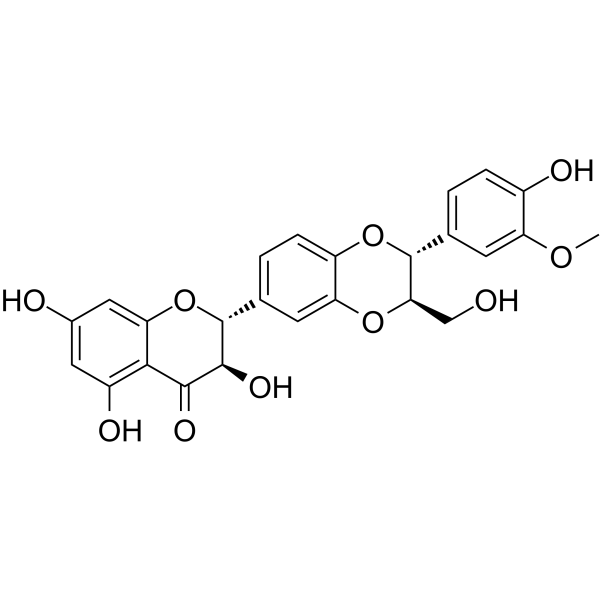
Isosilybin A is a PPARγ agonist that can be isolated from silymarin. Isosilybin A activates extrinsic and intrinsic pathways of apoptosis through targeting of the Akt-NF-kB-AR axis. Isosilybin A can relieve the inflammatory response in the rosacea model via inhibiting Erk and p38 signaling pathways and M1 macrophage polarization, with its targets related to RELA and VEGFA. Isosilybin A has anti-prostate cancer (PCA) activity [1][2][3].
Taurocholic acid (sodium) (Standard) is the analytical standard of Taurocholic acid (sodium). This product is intended for research and analytical applications. Taurocholic acid sodium (Sodium taurocholate) has marked bioactive effects such as an inhibitory potential against hepatic artery ligation induced biliary damage by upregulation of VEGF-A expression. Taurocholic acid sodium has immunoregulation effect .
Coibamide A, an N-methyl-stabilized cytotoxic depsipeptide, shows potent antiproliferative activity. Coibamide A induces autophagosome accumulation via an mTOR-independent mechanism. Coibamide A induces apoptosis. Coibamide A inhibits VEGFA/VEGFR2 expression and suppresses tumor growth in glioblastoma xenografts .
AK-778-XXMU is a potent DNA binding inhibitor 2 (ID2) antagonist with a KD of 129 nM. AK-778-XXMU can inhibit cell migration and invasion of glioma cell lines, induce apoptosis, and exhibits significant cancer-suppressing potency. AK-778-XXMU inhibits the ID2-KDR signaling axis, thereby down-regulating the downstream angiogenic factors (VEGFA) and invasion-related proteins (MMP2/9), and up-regulating the tumor suppressor factor (PTEN). AK-778-XXMU can be used for the study of glioma .
Conbercept (KH902) is a recombinant fusion protein composed of VEGFR-1 (second domain) and VEGFR-2 (third and fourth domains) regions fused to human IgG1 Fc. Conbercept is a VEGF inhibitor (IC50 = 8.8 pM) and is a soluble receptor decoy that blocks all isoforms of VEGF-A (Kd = 0.5 pM), VEGF-B (Kd = 8 pM), VEGF-C, and PlGF (Kd = 5 pM). Conbercept has anti-inflammatory effects, can lower the levels of VEGF, TNF-α and IL-6, and reduce the infiltration of inflammatory cells. Conbercept decreases tumor growth in several oncology studies. Conbercept can be used for various eye diseases such as polypoidal choroidal vasculopathy (PCV), diabetic macular edema (DME) and pathologic myopia choroidal neovascularization (pmCNV) .
Tarcocimab (OG1953) is a humanized anti-VEGFA monoclonal antibody (IgG1 type). Tarcocimab is available for research in retinal vein occlusion (RVO) and wet age-related macular degeneration (AMD).
Notoginsenoside R4 is a ginsenoside that can be isolated from ginseng roots. In the molecular docking results, Notoginsenoside R4 can target STAT3, AKT1, HRAS, VEGFA and CASP3 .
GNQWFI, an anti-Flt1 peptide, is a VEGFR1-specific antagonist. GNQWFI blocks the interaction of VEGFR1 with various VEGFR1 ligands, such as VEGFA, VEGFB, and placental growth factor (PIGF) and inhibits VEGF-induced endothelial cell migration and tube formation. GNQWFI is promising for research of cancer, asthma, and other ocular diseases .
Taurocholic acid-d8 (sodium) is deuterium labeled Taurocholic acid (sodium). Taurocholic acid sodium (Sodium taurocholate) has marked bioactive effects such as an inhibitory potential against hepatic artery ligation induced biliary damage by upregulation of VEGF-A expression. Taurocholic acid sodium has immunoregulation effect .
Taurocholic acid (Standard) is the analytical standard of Taurocholic acid. This product is intended for research and analytical applications. Taurocholic acid (N-Choloyltaurine) has marked bioactive effects such as an inhibitory potential against hepatic artery ligation induced biliary damage by upregulation of VEGF-A expression. Taurocholic acid has immunoregulation effect .
hVEGF-IN-1, a quinazoline derivative, could specifically bind to the G-rich sequence in the internal ribosome entry site A (IRES-A) and destabilize the G-quadruplex structure. hVEGF-IN-1 binds to the IRES-A (WT) with a Kd of 0.928 μM in SPR experiments. hVEGF-IN-1 could hinder tumor cells migration and repress tumor growth by decreasing VEGF-A protein expression .
Human VEGFA mRNA encodes the human vascular endothelial growth factor A (VEGFA) protein, a member of the PDGF/VEGF growth factor family. VEGFA could induce proliferation and migration of vascular endothelial cells, and is essential for both physiological and pathological angiogenesis.
VGB4 is a VEGF-A and VEGF-B antagonist peptide that duplicates two binding domains of VEGF-B (loop 1 and loop3) and are linked together by the receptor-binding domain of VEGF-A (loop3). VGB4 has significant anti-angiogenic and anti-tumor activities and can regulate tumor growth and metastasis through multiple mechanisms. VGB4 could be used in anti-tumor research .
LM-299 is a PD-1/VEGF bispecific antibody. LM-299 achieves its dual binding activity through the effective binding of the anti-VEGF-A antibody at the fab end to human VEGF-A, coupled with the blockade of the PD-1/PD-L1 pathway by the anti-PD-1 antibody at the-Fc end. LM-299 can be used for the study of non-small cell lung cancer (NSCLC).
Nef-M1 (Nef-Motif-1) is an antagonist peptide targeting CXCR4 and an apoptosis inducer derived from a myristoylated protein encoded by the nef gene in HIV. Nef-M1 inhibits tumor angiogenesis and epithelial-mesenchymal transition (EMT). Nef-M1 activates the apoptosis pathway by increasing the level of caspase-3 in cancer cells. Nef-M1 simultaneously inhibits VEGF-A, p-GSK-3β and vimentin, and enhances E-cadherin, thereby inhibiting angiogenesis and EMT processes. Nef-M1 can be used in the study of colorectal cancer and breast cancer .
Vegfa Mouse Pre-designed siRNA Set A contains three designed siRNAs for Vegfa gene (Mouse), as well as a negative control, a positive control, and a FAM-labeled negative control.
VEGFA Human Pre-designed siRNA Set A contains three designed siRNAs for VEGFA gene (Human), as well as a negative control, a positive control, and a FAM-labeled negative control.
Vegfa Rat Pre-designed siRNA Set A contains three designed siRNAs for Vegfa gene (Rat), as well as a negative control, a positive control, and a FAM-labeled negative control.
BAT5906 is a human monoclonal antibody (mAb) targeting VEGFA. BAT5906 can be used in Wet age-related macular degeneration and Diabetic macular oedema research .
LYN00101 is a human monoclonal antibody (mAb) targeting VEGFA. LYN00101 can be used in Cervical cancer, Colorectal cancer, Gastric cancer and Ovarian cancer research .
CAY10781 (Compound 11) is an inhibitor of the neuropilin-1 (NRP-1) and VEGF-A interaction. CAY10781 inhibits VEGF-A-induced phosphorylation of VEGFR2 in Catecholamine A-differentiated (CAD) cells [1]< sup>.
EG00229 is an inhibitor for VEGF-A and NRP1 interaction with an IC50 of 8 μM. EG00229 inhibits the migration of HUVECS and the phosphorylation of VEGFR2 in endothelial cells. EG00229 exhibits cytotoxicity in cancer cell A549 .
Taurocholic acid-d5 (sodium) is deuterium labeled Taurocholic acid (sodium). Taurocholic acid sodium (Sodium taurocholate) has marked bioactive effects such as an inhibitory potential against hepatic artery ligation induced biliary damage by upregulation of VEGF-A expression. Taurocholic acid sodium has immunoregulation effect .
Taurocholic acid-d5 (Taurocholic Acid-d5) is deuterium labeled Taurocholic acid. Taurocholic acid (N-Choloyltaurine) has marked bioactive effects such as an inhibitory potential against hepatic artery ligation induced biliary damage by upregulation of VEGF-A expression. Taurocholic acid has immunoregulation effect .
Suvemcitug is a humanized IgG1κ antibody targeting VEGF with antiangiogenic activity. Suvemcitug selectively binds to and blocks VEGFA from binding to VEGFR1 and 2, thereby inhibiting its activities and preventing tumor angiogenesis and ultimately suppressing tumor growth and metastasis. Suvemcitug can be used for the study of colorectal cancer .
ZM-32 is an inhibitor for human antigen R (HuR), that downregulates the expression of VEGF-A and MMP9, and thus inhibits breast cancer tumor angiogenesis. ZM-32 exhibits broad-spectrum anti-proliferative effects in a variety of cancer cell lines, and exhibits antitumor efficacy against MDA-MB-231 in mouse models .
Isosilybin A (Standard) is the analytical standard of Isosilybin A (HY-N7043). Isosilybin A is a PPARγ agonist that can be isolated from silymarin. Isosilybin A activates extrinsic and intrinsic pathways of apoptosis through targeting of the Akt-NF-kB-AR axis. Isosilybin A can relieve the inflammatory response in the rosacea model via inhibiting Erk and p38 signaling pathways and M1 macrophage polarization, with its targets related to RELA and VEGFA. Isosilybin A has anti-prostate cancer (PCA) activity [1][2][3].
TGP-377 is a potent miR-377 inhibitor that specifically and effectively enhances VEGFA expression by targeting the non-coding microRNA that regulates VEGFA expression .
EG01449 is a quinoline-based antagonist of Neuropilin-1 (NRP1) with an Kd of 0.6 µM. EG01449 competitively inhibits the binding of VEGFA to NRP1 with an IC50 of 362 nM. EG01449 prevents VEGFA-induced pain by inhibiting NRP1-dependent signaling and reducing sodium currents in sensory neurons. EG01449 can be used for the research of nociceptive pain .
EG00229 trifluoroacetate (Standard) is the analytical standard of EG00229 (trifluoroacetate) (HY-10799). This product is intended for research and analytical applications. EG00229 is a neuropilin 1 (NRP1) receptor antagonist. EG00229 selectively inhibits VEGF-A binding to NRP1 b1 domain with an IC50 of 3 μM, but has no effect on VEGFA binding to VEGFR-1 and VEGFR-2 .
EG01449 Free acid is a quinoline-based antagonist of Neuropilin-1 (NRP1) with an Kd of 0.6 µM. EG01449 Free acid competitively inhibits the binding of VEGFA to NRP1 with an IC50 of 362 nM. EG01449 Free acid prevents VEGFA-induced pain by inhibiting NRP1-dependent signaling and reducing sodium currents in sensory neurons. EG01449 Free acid can be used for the research of nociceptive pain .
NRPa-308 is a potent and orally active Neuropilin-1 (NRP-1) antagonist with an IC50 of 42 μM for inhibiting VEGF-A165binding to NRP-1. NRPa-308 blocks the specific interaction between VEGF-A165 and NRP-1. NRPa-308 effectively suppresses angiogenesis in vitro and in vivo and reduces the viability of a broad spectrum of human solid and haematological cancer cells. NRPa-308 inhibits tumor growth and prolongs median survival in a human breast cancer xenograft mouse model. NRPa-308 can be used for the research of multiple human malignancies including solid tumors and hematological cancers .
AM9928 is a monoacylglycerol lipase (MAGL) inhibitor with IC50 and Ki values of 8.9 nM and 7.3 nM, respectively. AM9928 blocks the adhesion and migration of triple-negative breast cancer (TNBC) cells, and inhibits the secretion of IL-6, IL-8 and VEGF-A by TNBC cells. AM9928 suppresses the activation of human brain microvascular endothelial cells (HBMECs) induced by TNBC-derived exosomes, and reduces the secretion of IL-8 and VEGF-A by HBMECs. AM9928 attenuates changes in blood-brain barrier permeability, inhibits tumor growth in the mammary fat pad, and reduces brain colonization of TNBC. AM9928 can be used in studies related to triple-negative breast cancer .
Taurocholic acid-d4-1 sodium (Sodium taurocholate-d4-1) is the deuterium labeled Taurocholic acid sodium (HY-N0545). Taurocholic acid sodium (Sodium taurocholate) has marked bioactive effects such as an inhibitory potential against hepatic artery ligation induced biliary damage by upregulation of VEGF-A expression. Taurocholic acid sodium has immunoregulation effect .
hVEGF-IN-1 (Standard) is the analytical standard of hVEGF-IN-1 (HY-101931). This product is intended for research and analytical applications. hVEGF-IN-1, a quinazoline derivative, could specifically bind to the G-rich sequence in the internal ribosome entry site A (IRES-A) and destabilize the G-quadruplex structure. hVEGF-IN-1 binds to the IRES-A (WT) with a Kd of 0.928 μM in SPR experiments. hVEGF-IN-1 could hinder tumor cells migration and repress tumor growth by decreasing VEGF-A protein expression .
Mukurozioside IIb is a sesquiterpene glycoside found in S. mukorossi and Sapindus rarak. Mukurozioside IIb can be used for the research of breast cancer .
BI-836880 is a humanized bispecific nanobody and a selective inhibitor of VEGF and ANG2, with a Kd of 16 pM for hANG2, an EC50 of 1.4 nM for VEGF165, and an EC50 of 2.3 nM for VEGF121. BI-836880 blocks ERK phosphorylation downstream of VEGF-A as well as TIE2 phosphorylation downstream of ANG2. BI-836880 does not inhibit ANG1-mediated TIE2 phosphorylation. BI-836880 exerts anti-angiogenic effects, reduces the number of immature endothelial vessels in tumor tissues, and inhibits tumor growth in preclinical models. BI-836880 can be used in the research of pancreatic cancer, non-small cell lung cancer, renal cell carcinoma, ovarian cancer, colon cancer, and Lewis lung cancer .
Gersizangitide (AXT107) is an anti-angiogenic peptide consisting of 20 amino acids, derived from collagen IV. Gersizangitide is an inhibitor of VEGF-A and VEGF-C and an activator of Tie2. Gersizangitide can block VEGFreceptor signaling, inhibit vascular leakage, neovascularization and inflammation. Gersizangitide can be used in the research of diseases related to ocular neovascularization and angiogenesis .
Coibamide A, an N-methyl-stabilized cytotoxic depsipeptide, shows potent antiproliferative activity. Coibamide A induces autophagosome accumulation via an mTOR-independent mechanism. Coibamide A induces apoptosis. Coibamide A inhibits VEGFA/VEGFR2 expression and suppresses tumor growth in glioblastoma xenografts .
GNQWFI, an anti-Flt1 peptide, is a VEGFR1-specific antagonist. GNQWFI blocks the interaction of VEGFR1 with various VEGFR1 ligands, such as VEGFA, VEGFB, and placental growth factor (PIGF) and inhibits VEGF-induced endothelial cell migration and tube formation. GNQWFI is promising for research of cancer, asthma, and other ocular diseases .
VGB4 is a VEGF-A and VEGF-B antagonist peptide that duplicates two binding domains of VEGF-B (loop 1 and loop3) and are linked together by the receptor-binding domain of VEGF-A (loop3). VGB4 has significant anti-angiogenic and anti-tumor activities and can regulate tumor growth and metastasis through multiple mechanisms. VGB4 could be used in anti-tumor research .
Nef-M1 (Nef-Motif-1) is an antagonist peptide targeting CXCR4 and an apoptosis inducer derived from a myristoylated protein encoded by the nef gene in HIV. Nef-M1 inhibits tumor angiogenesis and epithelial-mesenchymal transition (EMT). Nef-M1 activates the apoptosis pathway by increasing the level of caspase-3 in cancer cells. Nef-M1 simultaneously inhibits VEGF-A, p-GSK-3β and vimentin, and enhances E-cadherin, thereby inhibiting angiogenesis and EMT processes. Nef-M1 can be used in the study of colorectal cancer and breast cancer .
Ivonescimab (AK112) is a PD-1/VEGF bispecific antibody. Ivonescimab competitively inhibiting PD-1/PD-L1 interaction, reversing the immunosuppression mediated by it, and blocks the binding of VEGF-A to VEGFR2, inhibiting tumour angiogenesis in the tumour microenvironment. Ivonescimab also has significantly anticancer activity against EGFR-mutated locally advanced or metastatic non-squamous non-small cell lung cancer (NSCL) .
Ranibizumab (RG-6321) (anti-VEGF) is a humanized anti-VEGF monoclonal antibody fragment and can recognize all VEGF-A isoforms (VEGF110, VEGF121, and VEGF165) . Ranibizumab (anti-VEGF) slows vision loss in vivo and is used for wet age-related macular degeneration (AMD) research .
Anti-Mouse VEGF-A Antibody (2G11-2A05) is a rat-derived IgG2a κ type antibody inhibitor, tragrting to mouse VEGF-A with high affinity. Anti-Mouse VEGF-A Antibody (2G11-2A05) shows good anti-tumor effect in gastric cancer xenograft models .
Pumitamig (PM-8002, BNT-327) is a bispecific antibody targeting PD-L1 and VEGF-A, with immune activation and anti-angiogenic activities. By binding to PD-L1, Pumitamig restores the function of effector T cells, while neutralizing VEGF-A in the tumor microenvironment to reverse its inhibition on the infiltration and activation of immune cells and normalize tumor blood vessels. Pumitamig can also be combined with various ADCs targeting TROP2, B7H3, HER2, HER3 for the research of advanced/metastatic solid tumors, including non-small cell lung cancer, ovarian cancer, triple-negative breast cancer, cervical cancer, etc. Pumitamig also exhibits potential efficacy in "cold" tumors with low PD-L1 expression that are insensitive to immunotherapy .
Ramucirumab (anti-VEGFR) is a human VEGFR-2 antagonist for the treatment of solid tumors. Ramucirumab (anti-VEGFR) is a recombinant human immunoglobulin G1 monoclonal antibody that binds to the extracellular binding domain of VEGFR-2 and prevents the binding of VEGFR ligands: VEGF-A, VEGF-C, and VEGF-D. Ramucirumab (anti-VEGFR) is also an angiogenesis inhibitor .
Faricimab, an overall good safety and tolerability profile, is a bispecific antibody targeting Angiopoietin-2 (Ang-2) and vascular endothelial growth factor-A (VEGF-A). Faricimab prevents retinal vascular leakage, cell death and inflammation in retinal ischemia/reperfusion (I/R) injury and sCNV mouse models. Faricimab demonstrates statistically superior visual acuity gains versus Ranibizumab (HY-P9951). Faricimab can be used for retinal diseases, such as age-related macular degeneration (w-AMD), diabetic macular edema (DME) and macular edema following retinal vein occlusion (RVO) .
Vanucizumab is a first-in-class, bispecific IgG1-like monoclonal antibody that simultaneously blocks VEGF-A and angiopoietin-2 (Ang-2) from interacting with their receptors. Vanucizumab has antiangiogenic and anticancer effects .
Brolucizumab (DLX1008) is a single-chain anti-VEGF-A antibody fragment with low picomolar affinity (KD=1.05 pM). Brolucizumab can be used for the research of cancer .
Conbercept (KH902) is a recombinant fusion protein composed of VEGFR-1 (second domain) and VEGFR-2 (third and fourth domains) regions fused to human IgG1 Fc. Conbercept is a VEGF inhibitor (IC50 = 8.8 pM) and is a soluble receptor decoy that blocks all isoforms of VEGF-A (Kd = 0.5 pM), VEGF-B (Kd = 8 pM), VEGF-C, and PlGF (Kd = 5 pM). Conbercept has anti-inflammatory effects, can lower the levels of VEGF, TNF-α and IL-6, and reduce the infiltration of inflammatory cells. Conbercept decreases tumor growth in several oncology studies. Conbercept can be used for various eye diseases such as polypoidal choroidal vasculopathy (PCV), diabetic macular edema (DME) and pathologic myopia choroidal neovascularization (pmCNV) .
Tarcocimab (OG1953) is a humanized anti-VEGFA monoclonal antibody (IgG1 type). Tarcocimab is available for research in retinal vein occlusion (RVO) and wet age-related macular degeneration (AMD).
LM-299 is a PD-1/VEGF bispecific antibody. LM-299 achieves its dual binding activity through the effective binding of the anti-VEGF-A antibody at the fab end to human VEGF-A, coupled with the blockade of the PD-1/PD-L1 pathway by the anti-PD-1 antibody at the-Fc end. LM-299 can be used for the study of non-small cell lung cancer (NSCLC).
BAT5906 is a human monoclonal antibody (mAb) targeting VEGFA. BAT5906 can be used in Wet age-related macular degeneration and Diabetic macular oedema research .
LYN00101 is a human monoclonal antibody (mAb) targeting VEGFA. LYN00101 can be used in Cervical cancer, Colorectal cancer, Gastric cancer and Ovarian cancer research .
Suvemcitug is a humanized IgG1κ antibody targeting VEGF with antiangiogenic activity. Suvemcitug selectively binds to and blocks VEGFA from binding to VEGFR1 and 2, thereby inhibiting its activities and preventing tumor angiogenesis and ultimately suppressing tumor growth and metastasis. Suvemcitug can be used for the study of colorectal cancer .
BI-836880 is a humanized bispecific nanobody and a selective inhibitor of VEGF and ANG2, with a Kd of 16 pM for hANG2, an EC50 of 1.4 nM for VEGF165, and an EC50 of 2.3 nM for VEGF121. BI-836880 blocks ERK phosphorylation downstream of VEGF-A as well as TIE2 phosphorylation downstream of ANG2. BI-836880 does not inhibit ANG1-mediated TIE2 phosphorylation. BI-836880 exerts anti-angiogenic effects, reduces the number of immature endothelial vessels in tumor tissues, and inhibits tumor growth in preclinical models. BI-836880 can be used in the research of pancreatic cancer, non-small cell lung cancer, renal cell carcinoma, ovarian cancer, colon cancer, and Lewis lung cancer .
Taurocholic acid (N-Choloyltaurine) has marked bioactive effects such as an inhibitory potential against hepatic artery ligation induced biliary damage by upregulation of VEGF-A expression. Taurocholic acid has immunoregulation effect .
Taurocholic acid sodium (Sodium taurocholate) has marked bioactive effects such as an inhibitory potential against hepatic artery ligation induced biliary damage by upregulation of VEGF-A expression. Taurocholic acid sodium has immunoregulation effect .
Taurocholic acid (N-Choloyltaurine) sodium salt hydrate has marked bioactive effects such as an inhibitory potential against hepatic artery ligation induced biliary damage by upregulation of VEGF-A expression. Taurocholic acid sodium salt hydrate has immunoregulation effect .
Deoxyshikonin increases the expression of VEGF-C and VEGF-A mRNA in HMVEC-dLy, promotes HIF-1α and HIF-1β subunit interaction and binds to specific DNA sequences targeted by HIF. Deoxyshikonin inhibited colorectal cancer (CRC) through the PI3K/Akt/mTOR pathway. Deoxyshikonin has proangiogenesis effect and antitumor activity. Deoxyshikonin is an antibacterial agent against methicillin-resistant S. aureus (MRSA) and S. pneumonia (MIC=17 μg/mL) .
Isosilybin A is a PPARγ agonist that can be isolated from silymarin. Isosilybin A activates extrinsic and intrinsic pathways of apoptosis through targeting of the Akt-NF-kB-AR axis. Isosilybin A can relieve the inflammatory response in the rosacea model via inhibiting Erk and p38 signaling pathways and M1 macrophage polarization, with its targets related to RELA and VEGFA. Isosilybin A has anti-prostate cancer (PCA) activity [1][2][3].
Taurocholic acid (sodium) (Standard) is the analytical standard of Taurocholic acid (sodium). This product is intended for research and analytical applications. Taurocholic acid sodium (Sodium taurocholate) has marked bioactive effects such as an inhibitory potential against hepatic artery ligation induced biliary damage by upregulation of VEGF-A expression. Taurocholic acid sodium has immunoregulation effect .
Notoginsenoside R4 is a ginsenoside that can be isolated from ginseng roots. In the molecular docking results, Notoginsenoside R4 can target STAT3, AKT1, HRAS, VEGFA and CASP3 .
Taurocholic acid (Standard) is the analytical standard of Taurocholic acid. This product is intended for research and analytical applications. Taurocholic acid (N-Choloyltaurine) has marked bioactive effects such as an inhibitory potential against hepatic artery ligation induced biliary damage by upregulation of VEGF-A expression. Taurocholic acid has immunoregulation effect .
Isosilybin A (Standard) is the analytical standard of Isosilybin A (HY-N7043). Isosilybin A is a PPARγ agonist that can be isolated from silymarin. Isosilybin A activates extrinsic and intrinsic pathways of apoptosis through targeting of the Akt-NF-kB-AR axis. Isosilybin A can relieve the inflammatory response in the rosacea model via inhibiting Erk and p38 signaling pathways and M1 macrophage polarization, with its targets related to RELA and VEGFA. Isosilybin A has anti-prostate cancer (PCA) activity [1][2][3].
Mukurozioside IIb is a sesquiterpene glycoside found in S. mukorossi and Sapindus rarak. Mukurozioside IIb can be used for the research of breast cancer .
The VEGF-A protein is a multifunctional growth factor that is essential for promoting angiogenesis, vasculogenesis, and endothelial cell growth. Its multiple effects include inducing endothelial cell proliferation, promoting migration, inhibiting apoptosis, and increasing vascular permeability. VEGF-A Protein, Pig (His) is the recombinant pig-derived VEGF-A protein, expressed by E. coli , with N-6*His labeled tag.
The VEGF-A protein is a multifunctional growth factor that is essential for promoting angiogenesis, vasculogenesis, and endothelial cell growth. Its multiple effects include inducing endothelial cell proliferation, promoting migration, inhibiting apoptosis, and increasing vascular permeability. Animal-Free VEGF Protein, Pig (His) is the recombinant pig-derived animal-FreeVEGF protein, expressed by E. coli , with C-His labeled tag. This product is for cell culture use only.
Vascular Endothelial Growth Factor A (VEGF-A) is a key member of the VEGF family of cytokines that can promote neovascularization and increase vascular permeability. VEGF206 Protein, Human (His) is the recombinant human-derived VEGF206 protein, expressed by E. coli, with N-6*His labeled tag.
The VEGF164 protein is a growth factor critical for vasculogenesis, vasculogenesis, and endothelial cell growth, inducing proliferation, promoting migration, inhibiting apoptosis, and enhancing vascular permeability. It binds to FLT1/VEGFR1, KDR/VEGFR2, heparan sulfate, heparin, NRP1 and DEAR/FBXW7-AS1 receptors. VEGF164 Protein, Rat (sf9) is the recombinant rat-derived VEGF164 protein, expressed by Sf9 insect cells , with tag free.
VEGF-A Protein is a key member of the VEGF family of cytokines.VEGF-A participates in angiogenesis, vasculogenesis, and endothelial cell growth, inducing endothelial cell proliferation, promoting cell migration, inhibiting cell apoptosis, and inducing vascular permeability.VEGF-A stimulates endothelial cell mitogenesis and cell migration.VEGF164 Protein, Mouse (P.pastoris) is the recombinant mouse-derived VEGF164 protein, expressed by P.pastoris , with tag free.
VEGFA Protein is a vascular endothelial growth factor that is active in angiogenesis and endothelial cell growth. VEGFA Protein induces endothelial cell proliferation, promotes cell migration, inhibits cell apoptosis, and induces vascular permeability. VEGF164 Protein, Canine (HEK293) is the recombinant canine-derived VEGF164 protein, expressed by HEK293 , with tag free.
The VEGF-A protein is a multifunctional growth factor that is essential for promoting angiogenesis, vasculogenesis, and endothelial cell growth. Its multiple effects include inducing endothelial cell proliferation, promoting migration, inhibiting apoptosis, and increasing vascular permeability. VEGF-A Protein, Rabbit (His-SUMO) is the recombinant Rabbit-derived VEGF-A protein, expressed by E. coli , with N-SUMO, N-6*His labeled tag.
The VEGF-A protein is a multifunctional growth factor that is essential for promoting angiogenesis, vasculogenesis, and endothelial cell growth. Its multiple effects include inducing endothelial cell proliferation, promoting migration, inhibiting apoptosis, and increasing vascular permeability. VEGF-A Protein, Rabbit (P. pastoris, His) is the recombinant Rabbit-derived VEGF-A protein, expressed by P. pastoris , with N-6*His labeled tag.
VEGF-A Protein is a key member of the VEGF family of cytokines.VEGF-A participates in angiogenesis, vasculogenesis, and endothelial cell growth, inducing endothelial cell proliferation, promoting cell migration, inhibiting cell apoptosis, and inducing vascular permeability.VEGF-A stimulates endothelial cell mitogenesis and cell migration.VEGF120 Protein, Mouse is the recombinant mouse-derived VEGF120 protein, expressed by E.coli , with tag free.
VEGF121 Protein is a subtype of Vascular Endothelial Growth Factor A (VEGF-A). VEGF-A is a key member of the VEGF family of cytokines that can promote neovascularization and increase vascular permeability. VEGF121 Protein, Human (121a.a, HEK293, His) is the recombinant human-derived VEGF121 protein, expressed by HEK293 , with C-6*His labeled tag. The total length of VEGF121 Protein, Human (121a.a, HEK293, His) is 121 a.a., with molecular weight of 16-18 kDa.
Vascular Endothelial Growth Factor A (VEGF-A) is a key member of the VEGF family of cytokines that can promote neovascularization and increase vascular permeability. VEGF110 Protein, Human (HEK293) is the recombinant human-derived VEGF110 protein, expressed by HEK293, with tag free.
VEGF120 Protein, Mouse (HEK293) is the recombinant mouse-derived VEGF120 protein, expressed by HEK293, with tag free. The total length of VEGF120 Protein, Mouse (HEK293) is 120 a.a., with molecular weight of 18-22 kDa.
VEGF-A Protein is a key member of the VEGF family of cytokines. VEGF-A participates in angiogenesis, vasculogenesis, and endothelial cell growth, inducing endothelial cell proliferation, promoting cell migration, inhibiting cell apoptosis, and inducing vascular permeability. VEGF-A stimulates endothelial cell mitogenesis and cell migration. VEGF120 Protein, Mouse (Biotinylated, His-Avi) is the recombinant mouse-derived VEGF120 protein, expressed by E. coli , with N-His, N-Avi labeled tag. The total length of VEGF120 Protein, Mouse (Biotinylated, His-Avi) is 120 a.a., with molecular weight of 22-24 kDa.
VEGF-A Protein is a key member of the VEGF family of cytokines. VEGF-A participates in angiogenesis, vasculogenesis, and endothelial cell growth, inducing endothelial cell proliferation, promoting cell migration, inhibiting cell apoptosis, and inducing vascular permeability. VEGF-A stimulates endothelial cell mitogenesis and cell migration. VEGF164 Protein, Mouse (Biotinylated, HEK293, His-Avi) is the recombinant mouse-derived VEGF164 protein, expressed by HEK293 , with N-His, N-Avi labeled tag. The total length of VEGF164 Protein, Mouse (Biotinylated, HEK293, His-Avi) is 164 a.a., with molecular weight of 28-33 kDa.
VEGF165 is a member of the PDGF/VEGF family encoding a heparin-binding homodimer that is crucial in inducing vascular endothelial cell proliferation and migration during angiogenesis. The VEGF gene is critical for blood vessel development, and its disruption leads to abnormal blood vessel formation in mouse embryos. VEGF165 Protein, Human (Biotinylated, HEK293, Avi) is the recombinant human-derived VEGF165 protein, expressed by HEK293 , with N-Avi labeled tag.
VEGF165 Protein is a subtype of Vascular Endothelial Growth Factor A (VEGF-A). VEGF-A is a key member of the VEGF family of cytokines that can promote neovascularization and increase vascular permeability. FITC-Labeled VEGF165 Protein, Human (HEK293, C-His) is the recombinant human-derived FITC-Labeled VEGF165 protein, expressed by HEK293 , with C-His, C-Avi labeled tag.
VEGF121 Protein is a subtype of Vascular Endothelial Growth Factor A (VEGF-A). VEGF-A is a key member of the VEGF family of cytokines that can promote neovascularization and increase vascular permeability. VEGF121 Protein, Human (HEK293) is the recombinant human-derived VEGF121 protein, expressed by HEK293 , with tag free. The total length of VEGF121 Protein, Human (HEK293) is 147 a.a., with molecular weight of ~19.9 & 17.0 kDa, respectively.
VEGF145 Protein is a subtype of Vascular Endothelial Growth Factor A (VEGF-A). VEGF-A is a key member of the VEGF family of cytokines that can promote neovascularization and increase vascular permeability. VEGF145 Protein, Human (HEK293) is the recombinant human-derived VEGF145 protein, expressed by HEK293 , with tag free. The total length of VEGF145 Protein, Human (HEK293) is 145 a.a., with molecular weight of ~16.92 kDa.
VEGF121 Protein, Human (120 a.a), a VEGF isoform splice variant, cannot bind to heparin. VEGF121 Protein is predictor for survival in activated B-cell-like diffuse large B-cell lymphoma and is related to an immune response gene signature conserved in cancers.
The VEGF164 protein is a growth factor critical for vasculogenesis, vasculogenesis, and endothelial cell growth, inducing proliferation, promoting migration, inhibiting apoptosis, and enhancing vascular permeability. It binds to FLT1/VEGFR1, KDR/VEGFR2, heparan sulfate, heparin, NRP1 and DEAR/FBXW7-AS1 receptors. VEGF164 Protein, Rat (P.pastoris) is the recombinant rat-derived VEGF164 protein, expressed by P. pastoris , with tag free and A36T mutation.
VEGF183 Protein is a subtype of Vascular Endothelial Growth Factor A (VEGF-A). VEGF-A is a key member of the VEGF family of cytokines that can promote neovascularization and increase vascular permeability. VEGF183 Protein, Human (sf9) is the recombinant human-derived VEGF183 protein, expressed by Sf9 insect cells , with tag free. The total length of VEGF183 Protein, Human (sf9) is 183 a.a., with molecular weight of ~21 KDa.
VEGF121 Protein is a subtype of Vascular Endothelial Growth Factor A (VEGF-A). VEGF-A is a key member of the VEGF family of cytokines that can promote neovascularization and increase vascular permeability. VEGF121 Protein, Human (Biotinylated, HEK293, His-Avi) is the recombinant human-derived VEGF121 protein, expressed by HEK293 , with C-Avi, C-His labeled tag. The total length of VEGF121 Protein, Human (Biotinylated, HEK293, His-Avi) is 121 a.a., with molecular weight of ~18 kDa & 22-25 kDa, respectively.
VEGF121 Protein is a subtype of Vascular Endothelial Growth Factor A (VEGF-A). VEGF-A is a key member of the VEGF family of cytokines that can promote neovascularization and increase vascular permeability. VEGF121 Protein, Human (HEK293, His-Avi) is the recombinant human-derived VEGF121 protein, expressed by HEK293 , with C-Avi, C-His labeled tag. The total length of VEGF121 Protein, Human (HEK293, His-Avi) is 121 a.a., with molecular weight of ~18 kDa & 22-25 kDa, respectively.
VEGF165 Protein is a subtype of Vascular Endothelial Growth Factor A (VEGF-A). VEGF-A is a key member of the VEGF family of cytokines that can promote neovascularization and increase vascular permeability. VEGF165 Protein, Human (HEK293, His-Avi) is the recombinant human-derived VEGF165 protein, expressed by HEK293 , with C-Avi, C-His labeled tag. The total length of VEGF165 Protein, Human (HEK293, His-Avi) is 165 a.a., with molecular weight of 28-32 kDa.
VEGF165 Protein is a subtype of Vascular Endothelial Growth Factor A (VEGF-A). VEGF-A is a key member of the VEGF family of cytokines that can promote neovascularization and increase vascular permeability. VEGF165 Protein, Human (Biotinylated, HEK293, His-Avi) is the recombinant human-derived VEGF165 protein, expressed by HEK293 , with C-Avi, C-His labeled tag. The total length of VEGF165 Protein, Human (Biotinylated, HEK293, His-Avi) is 165 a.a., with molecular weight of 28-32 kDa.
Taurocholic acid-d8 (sodium) is deuterium labeled Taurocholic acid (sodium). Taurocholic acid sodium (Sodium taurocholate) has marked bioactive effects such as an inhibitory potential against hepatic artery ligation induced biliary damage by upregulation of VEGF-A expression. Taurocholic acid sodium has immunoregulation effect .
Taurocholic acid-d5 (sodium) is deuterium labeled Taurocholic acid (sodium). Taurocholic acid sodium (Sodium taurocholate) has marked bioactive effects such as an inhibitory potential against hepatic artery ligation induced biliary damage by upregulation of VEGF-A expression. Taurocholic acid sodium has immunoregulation effect .
Taurocholic acid-d5 (Taurocholic Acid-d5) is deuterium labeled Taurocholic acid. Taurocholic acid (N-Choloyltaurine) has marked bioactive effects such as an inhibitory potential against hepatic artery ligation induced biliary damage by upregulation of VEGF-A expression. Taurocholic acid has immunoregulation effect .
Taurocholic acid-d4-1 sodium (Sodium taurocholate-d4-1) is the deuterium labeled Taurocholic acid sodium (HY-N0545). Taurocholic acid sodium (Sodium taurocholate) has marked bioactive effects such as an inhibitory potential against hepatic artery ligation induced biliary damage by upregulation of VEGF-A expression. Taurocholic acid sodium has immunoregulation effect .
Human VEGFA mRNA encodes the human vascular endothelial growth factor A (VEGFA) protein, a member of the PDGF/VEGF growth factor family. VEGFA could induce proliferation and migration of vascular endothelial cells, and is essential for both physiological and pathological angiogenesis.
Vegfa Mouse Pre-designed siRNA Set A contains three designed siRNAs for Vegfa gene (Mouse), as well as a negative control, a positive control, and a FAM-labeled negative control.
VEGFA Human Pre-designed siRNA Set A contains three designed siRNAs for VEGFA gene (Human), as well as a negative control, a positive control, and a FAM-labeled negative control.
Vegfa Rat Pre-designed siRNA Set A contains three designed siRNAs for Vegfa gene (Rat), as well as a negative control, a positive control, and a FAM-labeled negative control.
Inquiry Online
Your information is safe with us. * Required Fields.
Western blot analysis of extracts from THP-1(lane 2(20μg), Jurkat (lane 3(20μg) and NIH3T3(lane 4(20μg) using FOXO1A (HY-P80132) Rabbit mAb. Proteins were transferred
to a PVDF membrane and blocked with 5% non-fat milk in TBST for 2 hour at room temperature. The primary antibody (1/1000) and Loading control antibody (Beta Actin, HY-P80438, 1/10000) was
used in 5% non-fat milk in TBST at 4°C overnight. Goat Anti-Mouse/Rabbit IgG-HRP Secondary Antibody (1/10000) was used for 1 hour at room temperature.
Western blot analysis of extracts from THP-1(lane 2(20μg), Jurkat (lane 3(20μg) and NIH3T3(lane 4(20μg) using FOXO1A (HY-P80132) Rabbit mAb. Proteins were transferred
to a PVDF membrane and blocked with 5% non-fat milk in TBST for 2 hour at room temperature. The primary antibody (1/1000) and Loading control antibody (Beta Actin, HY-P80438, 1/10000) was
used in 5% non-fat milk in TBST at 4°C overnight. Goat Anti-Mouse/Rabbit IgG-HRP Secondary Antibody (1/10000) was used for 1 hour at room temperature.
Western blot analysis of extracts from THP-1(lane 2(20μg), Jurkat (lane 3(20μg) and NIH3T3(lane 4(20μg) using FOXO1A (HY-P80132) Rabbit mAb. Proteins were transferred
to a PVDF membrane and blocked with 5% non-fat milk in TBST for 2 hour at room temperature. The primary antibody (1/1000) and Loading control antibody (Beta Actin, HY-P80438, 1/10000) was
used in 5% non-fat milk in TBST at 4°C overnight. Goat Anti-Mouse/Rabbit IgG-HRP Secondary Antibody (1/10000) was used for 1 hour at room temperature.
Western blot analysis of extracts from THP-1(lane 2(20μg), Jurkat (lane 3(20μg) and NIH3T3(lane 4(20μg) using FOXO1A (HY-P80132) Rabbit mAb. Proteins were transferred
to a PVDF membrane and blocked with 5% non-fat milk in TBST for 2 hour at room temperature. The primary antibody (1/1000) and Loading control antibody (Beta Actin, HY-P80438, 1/10000) was
MedchemExpress Validation 03
Western blot analysis of extracts from THP-1(lane 2(20μg), Jurkat (lane 3(20μg) and NIH3T3(lane 4(20μg) using FOXO1A (HY-P80132) Rabbit mAb. Proteins were transferred
MedchemExpress Validation 04
Western blot analysis of extracts from THP-1(lane 2(20μg), Jurkat (lane 3(20μg) and NIH3T3(lane 4(20μg) using FOXO1A (HY-P80132) Rabbit mAb. Proteins were transferred
to a PVDF membrane and blocked with 5% non-fat milk in TBST for 2 hour at room temperature. The primary antibody (1/1000) and Loading control antibody (Beta Actin, HY-P80438, 1/10000) was
used in 5% non-fat milk in TBST at 4°C overnight. Goat Anti-Mouse/Rabbit IgG-HRP Secondary Antibody (1/10000) was used for 1 hour at room temperature.
MedchemExpress Validation
Western blot analysis of extracts from THP-1(lane 2(20μg), Jurkat (lane 3(20μg) and NIH3T3(lane 4(20μg) using FOXO1A (HY-P80132) Rabbit mAb. Proteins were transferred
to a PVDF membrane and blocked with 5% non-fat milk in TBST for 2 hour at room temperature. The primary antibody (1/1000) and Loading control antibody (Beta Actin, HY-P80438, 1/10000) was
used in 5% non-fat milk in TBST at 4°C overnight. Goat Anti-Mouse/Rabbit IgG-HRP Secondary Antibody (1/10000) was used for 1 hour at room temperature.
Western blot analysis of extracts from THP-1(lane 2(20μg), Jurkat (lane 3(20μg) and NIH3T3(lane 4(20μg) using FOXO1A (HY-P80132) Rabbit mAb. Proteins were transferred
to a PVDF membrane and blocked with 5% non-fat milk in TBST for 2 hour at room temperature. The primary antibody (1/1000) and Loading control antibody (Beta Actin, HY-P80438, 1/10000) was
used in 5% non-fat milk in TBST at 4°C overnight. Goat Anti-Mouse/Rabbit IgG-HRP Secondary Antibody (1/10000) was used for 1 hour at room temperature.
MedchemExpress Validation
Western blot analysis of extracts from THP-1(lane 2(20μg), Jurkat (lane 3(20μg) and NIH3T3(lane 4(20μg) using FOXO1A (HY-P80132) Rabbit mAb. Proteins were transferred
to a PVDF membrane and blocked with 5% non-fat milk in TBST for 2 hour at room temperature. The primary antibody (1/1000) and Loading control antibody (Beta Actin, HY-P80438, 1/10000) was
used in 5% non-fat milk in TBST at 4°C overnight. Goat Anti-Mouse/Rabbit IgG-HRP Secondary Antibody (1/10000) was used for 1 hour at room temperature.
MedchemExpress Validation
Western blot analysis of extracts from THP-1(lane 2(20μg), Jurkat (lane 3(20μg) and NIH3T3(lane 4(20μg) using FOXO1A (HY-P80132) Rabbit mAb. Proteins were transferred
to a PVDF membrane and blocked with 5% non-fat milk in TBST for 2 hour at room temperature. The primary antibody (1/1000) and Loading control antibody (Beta Actin, HY-P80438, 1/10000) was
used in 5% non-fat milk in TBST at 4°C overnight. Goat Anti-Mouse/Rabbit IgG-HRP Secondary Antibody (1/10000) was used for 1 hour at room temperature.
MedchemExpress Validation
Western blot analysis of extracts from THP-1(lane 2(20μg), Jurkat (lane 3(20μg) and NIH3T3(lane 4(20μg) using FOXO1A (HY-P80132) Rabbit mAb. Proteins were transferred
to a PVDF membrane and blocked with 5% non-fat milk in TBST for 2 hour at room temperature. The primary antibody (1/1000) and Loading control antibody (Beta Actin, HY-P80438, 1/10000) was
used in 5% non-fat milk in TBST at 4°C overnight. Goat Anti-Mouse/Rabbit IgG-HRP Secondary Antibody (1/10000) was used for 1 hour at room temperature.
MedchemExpress Validation
Western blot analysis of extracts from THP-1(lane 2(20μg), Jurkat (lane 3(20μg) and NIH3T3(lane 4(20μg) using FOXO1A (HY-P80132) Rabbit mAb. Proteins were transferred
to a PVDF membrane and blocked with 5% non-fat milk in TBST for 2 hour at room temperature. The primary antibody (1/1000) and Loading control antibody (Beta Actin, HY-P80438, 1/10000) was
used in 5% non-fat milk in TBST at 4°C overnight. Goat Anti-Mouse/Rabbit IgG-HRP Secondary Antibody (1/10000) was used for 1 hour at room temperature.
MedchemExpress Validation
Western blot analysis of extracts from THP-1(lane 2(20μg), Jurkat (lane 3(20μg) and NIH3T3(lane 4(20μg) using FOXO1A (HY-P80132) Rabbit mAb. Proteins were transferred
to a PVDF membrane and blocked with 5% non-fat milk in TBST for 2 hour at room temperature. The primary antibody (1/1000) and Loading control antibody (Beta Actin, HY-P80438, 1/10000) was
used in 5% non-fat milk in TBST at 4°C overnight. Goat Anti-Mouse/Rabbit IgG-HRP Secondary Antibody (1/10000) was used for 1 hour at room temperature.
MedchemExpress Validation
Western blot analysis of extracts from THP-1(lane 2(20μg), Jurkat (lane 3(20μg) and NIH3T3(lane 4(20μg) using FOXO1A (HY-P80132) Rabbit mAb. Proteins were transferred
to a PVDF membrane and blocked with 5% non-fat milk in TBST for 2 hour at room temperature. The primary antibody (1/1000) and Loading control antibody (Beta Actin, HY-P80438, 1/10000) was
used in 5% non-fat milk in TBST at 4°C overnight. Goat Anti-Mouse/Rabbit IgG-HRP Secondary Antibody (1/10000) was used for 1 hour at room temperature.
MedChemExpress values your privacy and your trust is important to us. We use cookies to enhance your website experience. Some cookies are necessary to run the website.
Privacy and Cookie Policy

