1. Search Result
Search Result
Results for "

Ventricular arrhythmia

" in MedChemExpress (MCE) Product Catalog:

74

Inhibitors & Agonists

1

Fluorescent Dyes

1

Biochemical Assay Reagents

4

Natural
Products

9

Isotope-Labeled Compounds

1

GMP Molecules

Cat. No. Product Name Target Research Areas Chemical Structure
  • HY-17412
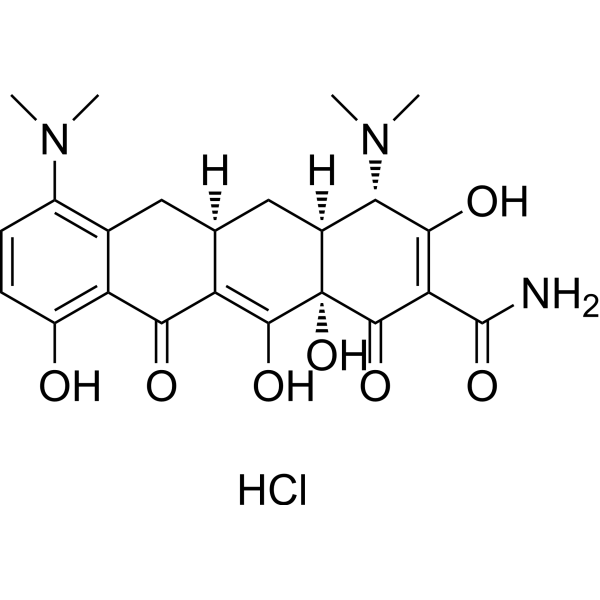
    Minocycline hydrochloride
    Maximum Cited Publications
    65 Publications Verification

    Bacterial Antibiotic HIF/HIF Prolyl-Hydroxylase Apoptosis MDM-2/p53 Potassium Channel Calcium Channel Infection Cardiovascular Disease Neurological Disease Metabolic Disease Inflammation/Immunology Cancer
    Minocycline hydrochloride is an orally active, potent and BBB-penetrated semi-synthetic tetracycline antibiotic. Minocycline hydrochloride is a hypoxia-inducible factor (HIF)-1α inhibitor. Minocycline hydrochloride shows anti-cancer, anti-inflammatory, and glutamate antagonist effects. Minocycline hydrochloride reduces glutamate neurotransmission and shows neuroprotective properties and antidepressant effects. Minocycline hydrochloride inhibits bacterial protein synthesis through binding with the 30S subunit of the bacterial ribosome, resulting in a bacteriostatic effect .
    Minocycline hydrochloride
  • HY-N2333
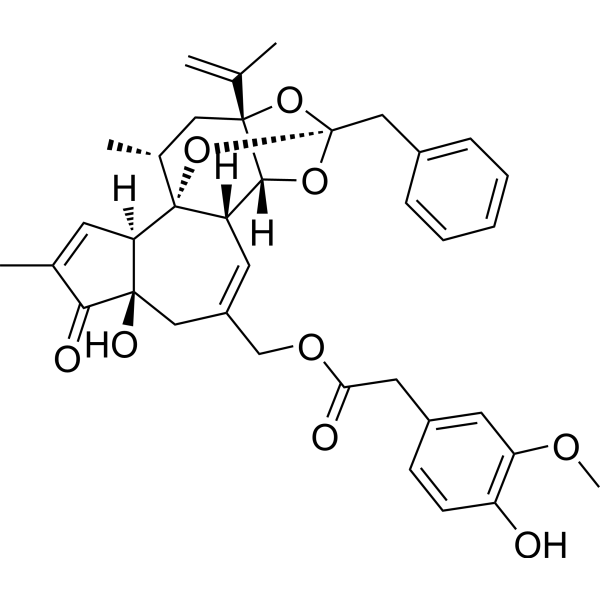
    Resiniferatoxin
    5+ Cited Publications

    (+)-Resiniferatoxin

    TRP Channel Cardiovascular Disease Cancer
    Resiniferatoxin ((+)-Resiniferatoxin), is a selective agonist of transient receptor potential vanilloid 1 (TRPV1) receptor agonist. Resiniferatoxin can be isolated from the Euphorbia resinifera plant. Resiniferatoxin eliminates TRPV1+ primary sensory afferents and blunt cardiac sympathetic afferent reflex for a relatively long period .
    Resiniferatoxin
  • HY-B0185
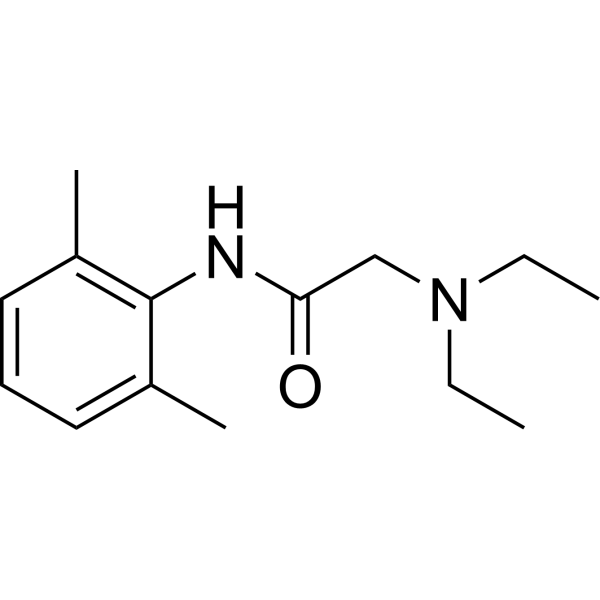
    Lidocaine
    20+ Cited Publications

    Lignocaine

    Sodium Channel MEK ERK NF-κB Apoptosis Cardiovascular Disease Cancer
    Lidocaine (Lignocaine) inhibits sodium channels involving complex voltage and using dependence . Lidocaine decreases growth, migration and invasion of gastric carcinoma cells via up-regulating miR-145 expression and further inactivation of MEK/ERK and NF-κB signaling pathways. Lidocaine is an amide derivative and has potential for the research of ventricular arrhythmia .
    Lidocaine
  • HY-14187
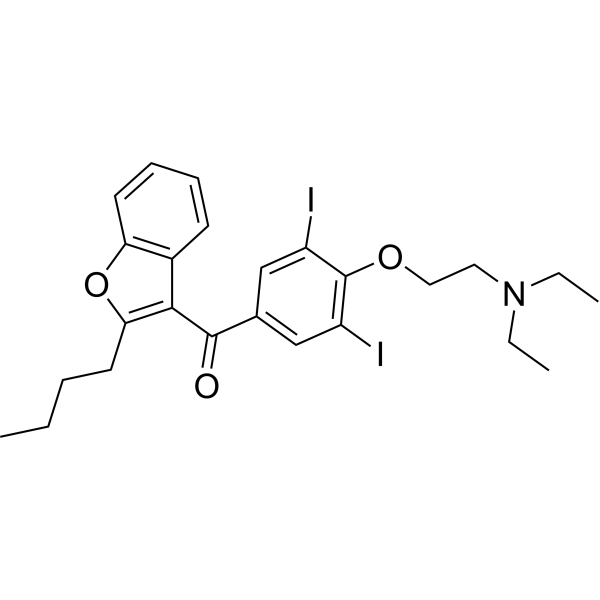
    Amiodarone
    10+ Cited Publications

    Potassium Channel Autophagy Cardiovascular Disease Infection Neurological Disease Cancer
    Amiodarone, a benzofuran-based Class III antiarrhythmic agent, inhibits WT outward ionic current (IhERG) tails with an IC50 of ∼45 nM . Amiodarone induces cell proliferation and myofibroblast differentiation via ERK1/2 and p38 MAPK signaling in fibroblasts . Amiodarone can be used in the research of both supraventricular and ventricular arrhythmias .
    Amiodarone
  • HY-14188
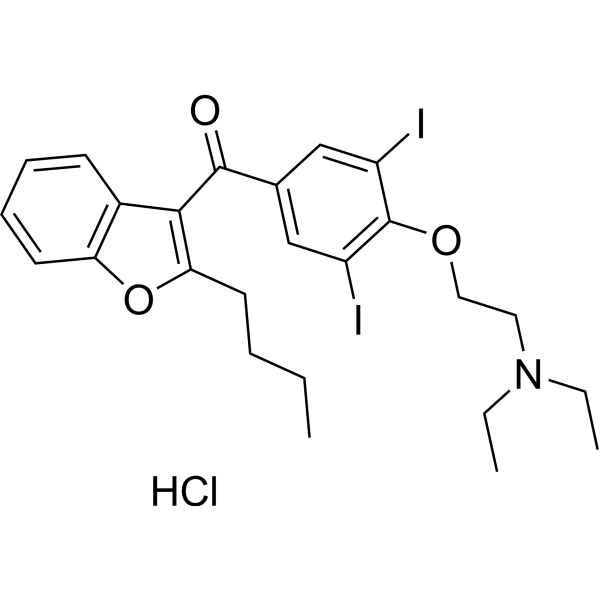
    Amiodarone hydrochloride
    10+ Cited Publications

    Potassium Channel Autophagy Cardiovascular Disease Infection Neurological Disease Cancer
    Amiodarone hydrochloride, a benzofuran-based Class III antiarrhythmic agent, inhibits WT outward ionic current (IhERG) tails with an IC50 of ∼45 nM . Amiodarone hydrochloride induces cell proliferation and myofibroblast differentiation via ERK1/2 and p38 MAPK signaling in fibroblasts . Amiodarone hydrochloride can be used in the research of both supraventricular and ventricular arrhythmias .
    Amiodarone hydrochloride
  • HY-B0185A
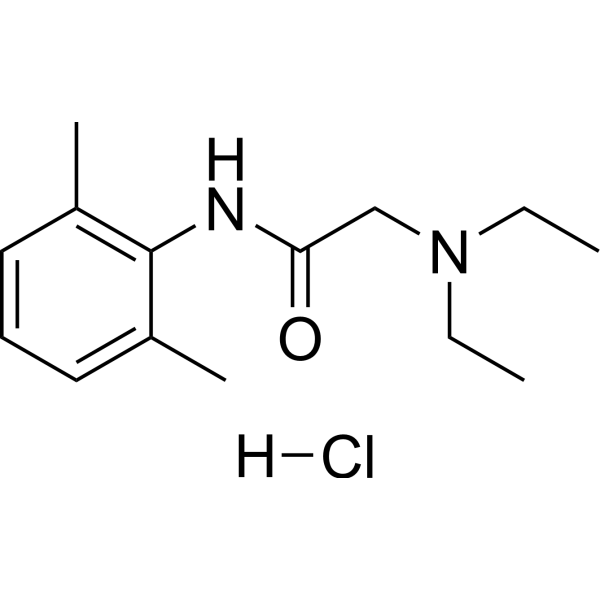
    Lidocaine hydrochloride
    20+ Cited Publications

    Lignocaine hydrochloride

    Sodium Channel MEK ERK NF-κB Apoptosis Cardiovascular Disease Cancer
    Lidocaine hydrochloride (Lignocaine hydrochloride) inhibits sodium channels involving complex voltage and using dependence . Lidocaine hydrochloride decreases growth, migration and invasion of gastric carcinoma cells via up-regulating miR-145 expression and further inactivation of MEK/ERK and NF-κB signaling pathways. Lidocaine hydrochloride is an amide derivative and a agent to treat ventricular arrhythmia and an effective tumor-inhibitor .
    Lidocaine hydrochloride
  • HY-17412A
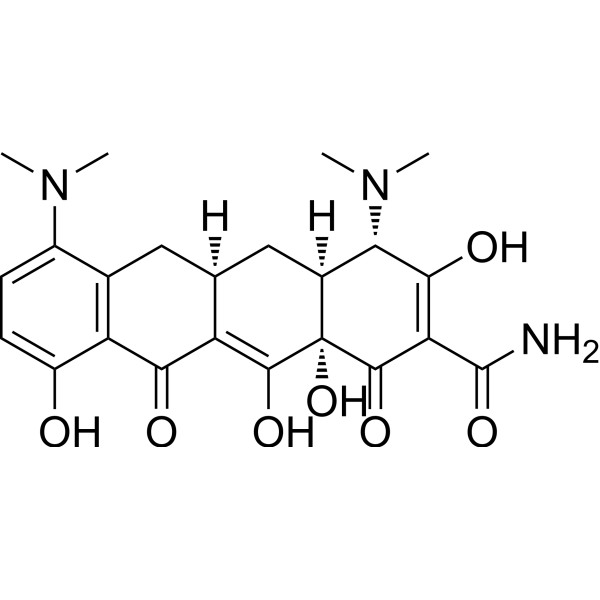
    Minocycline
    Maximum Cited Publications
    65 Publications Verification

    Antibiotic Bacterial HIF/HIF Prolyl-Hydroxylase Apoptosis MDM-2/p53 Potassium Channel Calcium Channel Infection Cardiovascular Disease Neurological Disease Metabolic Disease Inflammation/Immunology Cancer
    Minocycline is an orally active, potent and BBB-penetrated semi-synthetic tetracycline antibiotic. Minocycline is a hypoxia-inducible factor (HIF)-1α inhibitor. Minocycline shows anti-cancer, anti-inflammatory, and glutamate antagonist effects. Minocycline reduces glutamate neurotransmission and shows neuroprotective properties and antidepressant effects. Minocycline inhibits bacterial protein synthesis through binding with the 30S subunit of the bacterial ribosome, resulting in a bacteriostatic effect .
    Minocycline
  • HY-B0432A
    Propafenone hydrochloride
    2 Publications Verification

    SA-79 hydrochloride

    Sodium Channel Cardiovascular Disease
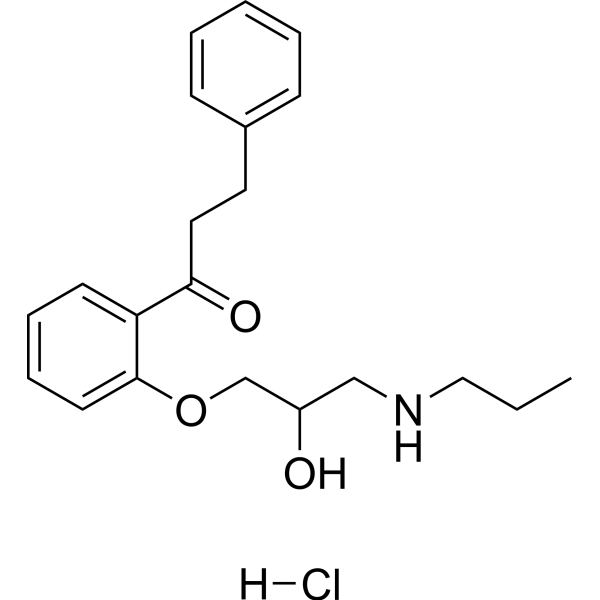
    Propafenone (hydrochloride) (SA-79 (hydrochloride)) is a class of anti-arrhythmic medication, which treats illnesses associated with rapid heart beats such as atrial and ventricular arrhythmias.
    Propafenone hydrochloride
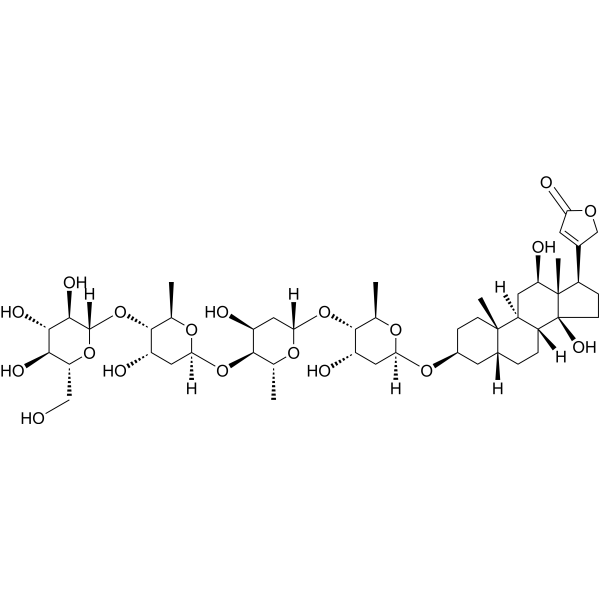
  • HY-A0154

    Deacetyllanatoside C; Desacetyllanatoside C

    Na+/K+ ATPase Drug Metabolite Cardiovascular Disease
    Deslanoside (Desacetyllanatoside C) is a rapidly acting cardiac glycoside used to treat congestive heart failure and supraventricular arrhythmias due to reentry mechanisms, and to control ventricular rate in the treatment of chronic atrial fibrillation. Deslanoside inhibits the Na-K-ATPase membrane pump, resulting in an increase in intracellular sodium and calcium concentrations .
    Deslanoside
  • HY-136661

    L-Phenylisopropyladenosine; L-PIA; R-PIA

    Adenosine Receptor Cardiovascular Disease Neurological Disease
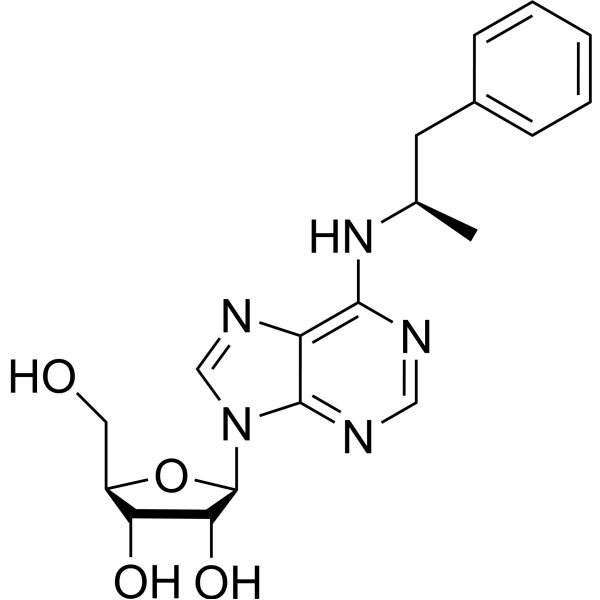
    (-)-N6-phenylisopropyl adenosine (L-Phenylisopropyladenosine) is a selective A1 adenosine receptor agonist. (-)-N6-phenylisopropyl adenosine inhibits K +-induced Ca 2+ uptake with an IC50 value of 0.5 µM. (-)-N6-phenylisopropyl adenosine protects against ischemia-induced ventricular arrhythmias and atrial fibrillation, and exacerbates ethanol withdrawal symptoms. (-)-N6-phenylisopropyl adenosine also has analgesic effects .
    (-)-N6-Phenylisopropyl adenosine
  • HY-12533
    Disopyramide
    2 Publications Verification

    Dicorantil; SC-7031

    Sodium Channel Potassium Channel Cardiovascular Disease
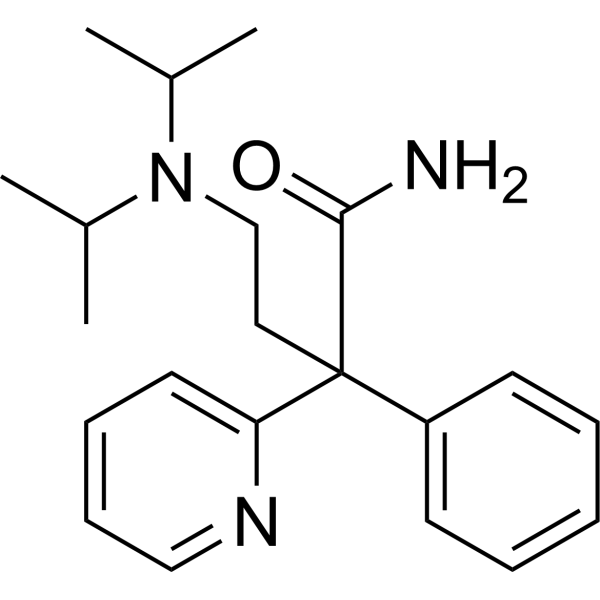
    Disopyramide (Dicorantil) is a class IA antiarrhythmic agent with efficacy in ventricular and atrial arrhythmias. Disopyramide blocks the fast inward sodium current of cardiac muscle and prolongs the duration of cardiac action potentials. Disopyramide inhibits HERG encoded potassium channels. Disopyramide also exhibits complex protein binding, and has a potent negative inotropic action .
    Disopyramide
  • HY-B0185B
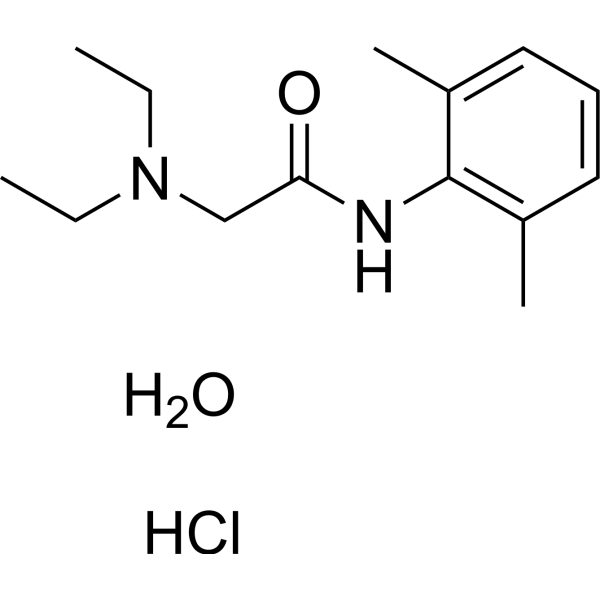
    Lidocaine hydrochloride hydrate
    15+ Cited Publications

    Lignocaine hydrochloride hydrate

    Sodium Channel MEK ERK NF-κB Apoptosis Cardiovascular Disease Cancer
    Lidocaine (Lignocaine) hydrochloride hydrate inhibits sodium channels involving complex voltage and using dependence. Lidocaine hydrochloride hydrate decreases growth, migration and invasion of gastric carcinoma cells via up-regulating miR-145 expression and further inactivation of MEK/ERK and NF-κB signaling pathways. Lidocaine hydrochloride hydrate is an amide derivative and has potential for the research of ventricular arrhythmia .
    Lidocaine hydrochloride hydrate
  • HY-12533A
    Disopyramide phosphate
    2 Publications Verification

    Dicorantil phosphate; SC-7031 phosphate

    Potassium Channel Sodium Channel Cardiovascular Disease
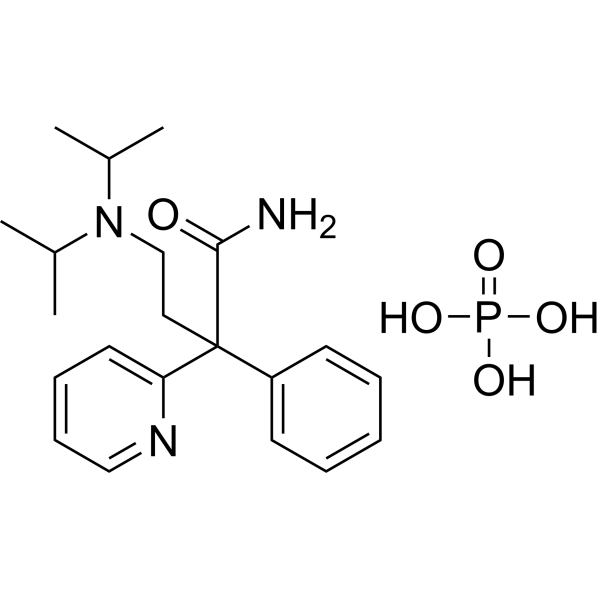
    Disopyramide phosphate is a class IA antiarrhythmic agent with efficacy in ventricular and atrial arrhythmias. Disopyramide phosphate blocks the fast inward sodium current of cardiac muscle and prolongs the duration of cardiac action potentials. Disopyramide phosphate inhibits HERG encoded potassium channels. Disopyramide phosphate also exhibits complex protein binding, and has a potent negative inotropic action .
    Disopyramide phosphate
  • HY-B1238
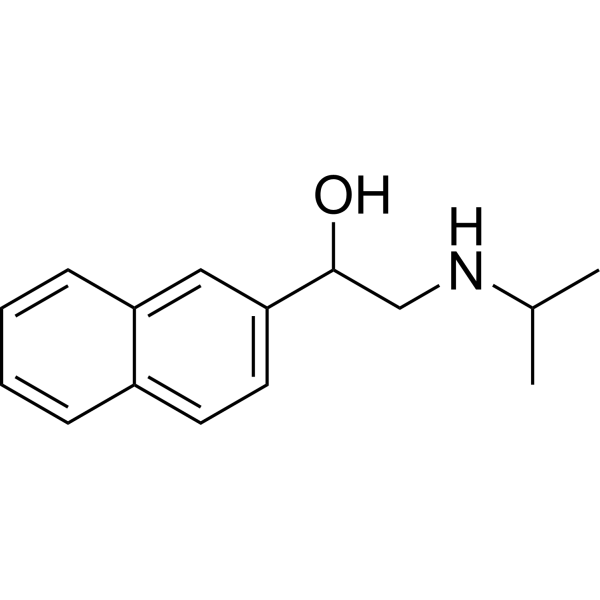
    Pronethalol
    2 Publications Verification

    (±)-Pronethalo

    Adrenergic Receptor Cardiovascular Disease Neurological Disease
    Pronethalol ((±)-Pronethalo) is a non-selective β-adrenergic antagonist. Pronethalol is a potent inhibitor of Sox2 expression. Pronethalol protects against and to reverse Digitalis-induced ventricular arrhythmias and limits the cerebral arteriovenous malformation (AVMs) .
    Pronethalol
  • HY-112075

    Potassium Channel Calcium Channel Cardiovascular Disease
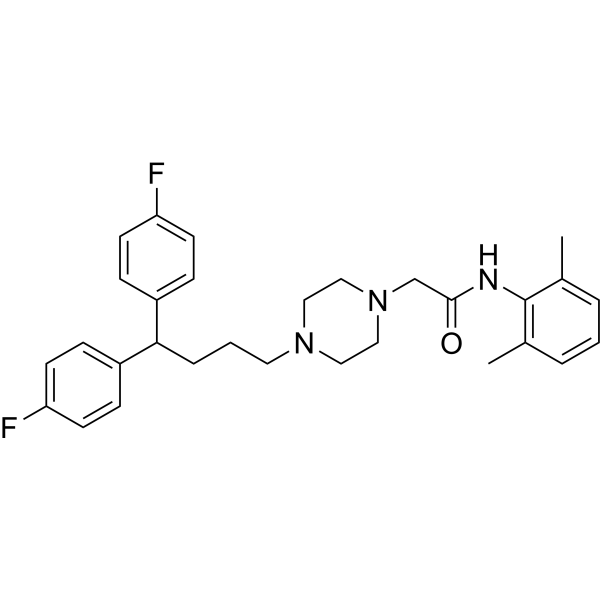
    Lidoflazine is a high affinity blocker of the HERG (human ether-a-go-go-related gene) K + channel. Lidoflazine is an antianginal calcium channel blocker that carries a significant risk of QT interval prolongation and ventricular arrhythmia .
    Lidoflazine
  • HY-149662

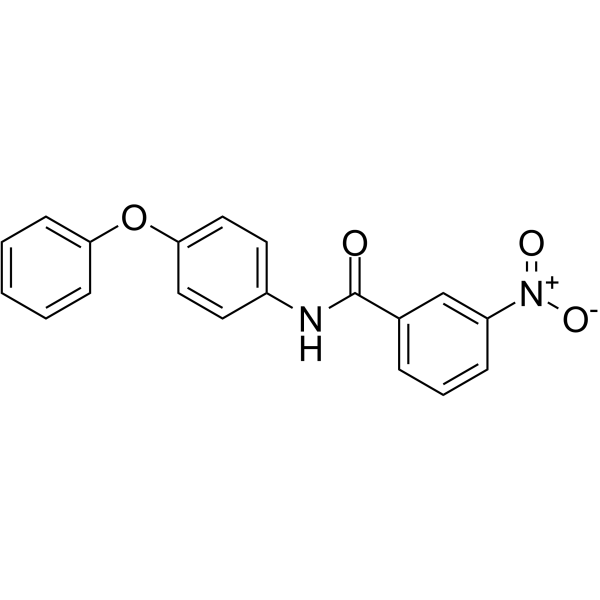
    Calcium Channel ATP Synthase Myosin Cardiovascular Disease
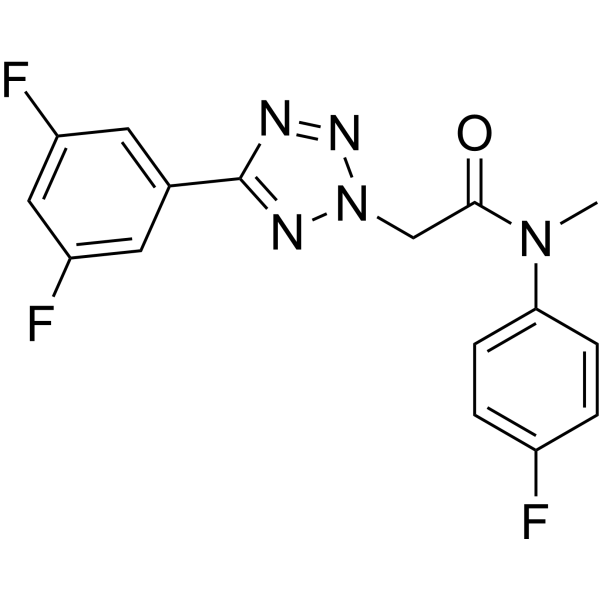
    TMDJ-035 is a high-affinity, selective RyR2 inhibitor with an EC50 of 0.0130 μM. TMDJ-035 reduces RyR2 protein expression without affecting action potential-induced Ca 2+ transients. TMDJ-035 decreases ATP content and intracellular Ca 2+ levels. TMDJ-035 inhibits arrhythmias in a CPVT mouse model carrying mutant RyR2s. TMDJ-035 has no effect on electrocardiogram parameters or cardiac systolic function. TMDJ-035 exacerbates heart failure in mouse myocardial infarction models and hypoxic cardiomyocytes by altering cardiac function, causing tissue damage, promoting inflammatory infiltration, collagen deposition, and changes in Myosin heavy chain/actin expression. TMDJ-035 can be used in studies related to heart failure, catecholaminergic polymorphic ventricular tachycardia, and arrhythmias .
    TMDJ-035
  • HY-14304A
    Zinterol hydrochloride
    1 Publications Verification

    MJ 9184 hydrochloride

    Adrenergic Receptor Cardiovascular Disease
    Zinterol hydrochloride (MJ 9184 hydrochloride) is a potent and selective β2-adrenoceptor agonist . Zinterol hydrochloride increases ICa in a concentration-dependent manner with an EC50 of 2.2 nM . Zinterol hydrochloride induces ventricular arrhythmias in conscious heart failure rabbits .
    Zinterol hydrochloride
  • HY-B0185S1

    Sodium Channel MEK ERK NF-κB Apoptosis Cardiovascular Disease Cancer
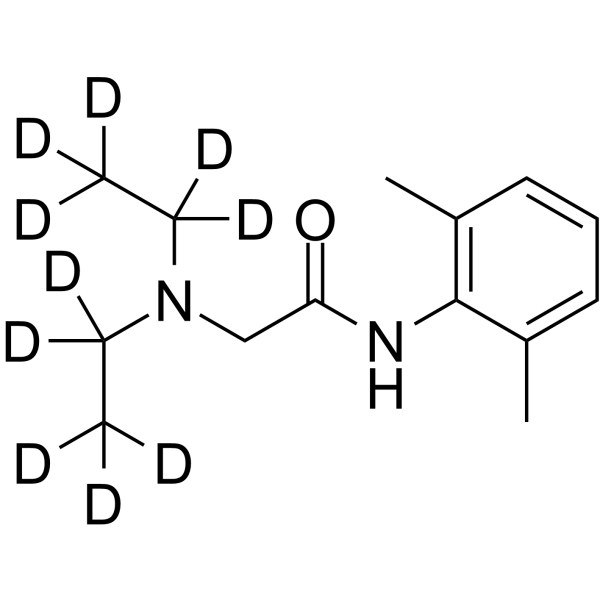
    Lidocaine-d10 is the deuterium labeled Lidocaine. Lidocaine (Lignocaine) inhibits sodium channels involving complex voltage and using dependence . Lidocaine decreases growth, migration and invasion of gastric carcinoma cells via up-regulating miR-145 expression and further inactivation of MEK/ERK and NF-κB signaling pathways. Lidocaine is an amide derivative and has potential for the research of ventricular arrhythmia .
    Lidocaine-d10
  • HY-130335

    MJ9067

    Sodium Channel Cardiovascular Disease
    Encainide (MJ9067) is an antiarrhythmic agent with class IC activity. Encainide blocks voltage-dependent potassium channels. Encainide has the potential for life-threatening ventricular arrhythmias, symptomatic ventricular arrhythmias and supraventricular arrhythmias research .
    Encainide
  • HY-16952
    Bepridil
    5+ Cited Publications

    (±)-Bepridil; Org 5730

    Calcium Channel Sodium Channel SARS-CoV Infection Cardiovascular Disease
    Bepridil ((±)-Bepridil) is a calcium channel blocking agent used as antiarrhythmic agent. Bepridil inhibits both calcium and sodium currents, has research potential in certain ischemia-induced ventricular arrhythmias. Bepridil also has strong inhibition of SARS-CoV-2 from entry and replication inside Vero E6 and A549 cells .
    Bepridil
  • HY-B0185AS

    Sodium Channel MEK ERK NF-κB Apoptosis Cardiovascular Disease Cancer
    Lidocaine-d10 (hydrochloride) is the deuterium labeled Lidocaine hydrochloride. Lidocaine hydrochloride (Lignocaine hydrochloride) inhibits sodium channels involving complex voltage and using dependence . Lidocaine hydrochloride decreases growth, migration and invasion of gastric carcinoma cells via up-regulating miR-145 expression and further inactivation of MEK/ERK and NF-κB signaling pathways. Lidocaine hydrochloride, an amide derivative, has the potential for the research of the ventricular arrhythmia .
    Lidocaine-d10 hydrochloride
  • HY-N1924

    Crassicaulin A

    Parasite Cardiovascular Disease Infection
    Crassicauline A (Crassicaulin A) is a diester-type diterpenoid alkaloid. Crassicauline A exhibits feeding deterrent activity against adult Tribolium castaneum, with a EC50 of 1134.5 ppm. Crassicauline A induces arrhythmia at a dose of 0.10 mg/kg .
    Crassicauline A
  • HY-B0185R
    Lidocaine (Standard)
    15+ Cited Publications

    Lignocaine (Standard)

    Reference Standards Sodium Channel MEK ERK NF-κB Apoptosis Cardiovascular Disease Cancer
    Lidocaine (Standard) is the analytical standard of Lidocaine. This product is intended for research and analytical applications. Lidocaine (Lignocaine) inhibits sodium channels involving complex voltage and using dependence . Lidocaine decreases growth, migration and invasion of gastric carcinoma cells via up-regulating miR-145 expression and further inactivation of MEK/ERK and NF-κB signaling pathways. Lidocaine is an amide derivative and has potential for the research of ventricular arrhythmia .
    Lidocaine (Standard)
  • HY-124702
    ICA-105574
    1 Publications Verification

    Potassium Channel Cardiovascular Disease
    ICA-105574 is a potent and efficacious hERG channel activator. The primary mechanism by which ICA-105574 potentiates hERG channel activity is by removing hERG channel inactivation. ICA-105574 steeply potentiates current amplitudes more than 10-fold with an EC50 value of 0.5 +/- 0.1 μM and a Hill slope (n(H)) of 3.3 +/- 0.2. ICA-105574 can prevent arrhythmias induced by cardiac delayed repolarization. ICA-105574 shortens action potential duration in ventricular myocytes concentration-dependently .
    ICA-105574
  • HY-111013

    Drug Derivative Adrenergic Receptor Cardiovascular Disease
    VK-II-86 is a Carvedilol (HY-B0006) analogue lacking antagonist activity at β-adrenoceptors, in hypokalaemia. VK-II-86 prevents hypokalaemia-induced ventricular arrhythmia through multi-channel effects. VK-II-86 prevents all hypokalaemia-induced changes in ion channel activity and oxidative stress .
    VK-II-86
  • HY-119747

    Potassium Channel Cardiovascular Disease
    WAY-123223 is an orally active potassium channel (Potassium Channel) blocker. WAY-123223 prolongs the transmembrane action potential duration and cardiac refractory period of canine Purkinje fibers. In canine models, WAY-123223 increases the ventricular fibrillation threshold, restores sinus rhythm from ventricular fibrillation, and exerts antiarrhythmic effects. WAY-123223 can be used in research related to cardiovascular diseases such as arrhythmias .
    WAY-123223
  • HY-A0236

    Sodium Channel Potassium Channel Calcium Channel Calmodulin Cardiovascular Disease
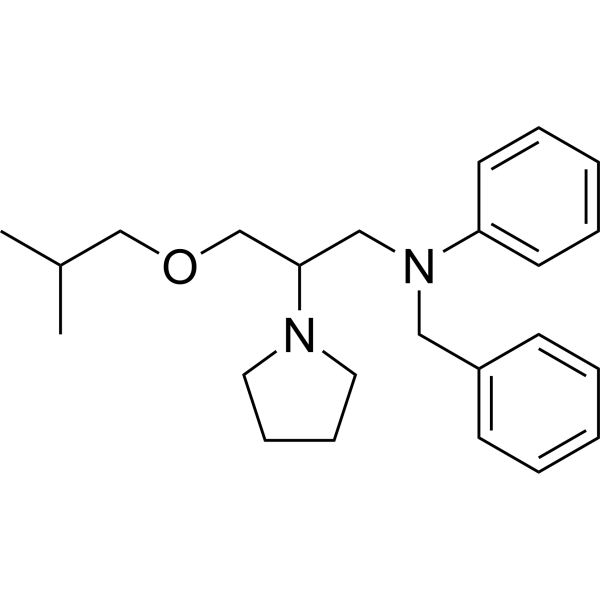
    Aprindine is an Ib-class anti-arrhythmic agent. Aprindine mainly exerts its effect by blocking sodium channels (INa), thereby reducing the excitability and conduction velocity of cardiac muscle cells. Aprindine significantly inhibits delayed potassium currents, which helps to prolong the atrial effective refractory period (AERP) and inhibit the occurrence of atrial fibrillation. Aprindine can also regulate intracellular calcium ion concentration by inhibiting Na +/Ca 2+ exchange current (INCX), thereby further stabilizing cardiac electrical activity. Aprindine can be used for the study of atrial fibrillation (AF) and ventricular arrhythmias .
    Aprindine
  • HY-B0185AS1

    Lignocaine-d6 hydrochloride

    Sodium Channel MEK ERK NF-κB Apoptosis Cardiovascular Disease Cancer
    Lidocaine-d6 (hydrochloride) is deuterium labeled Lidocaine (hydrochloride). Lidocaine hydrochloride (Lignocaine hydrochloride) inhibits sodium channels involving complex voltage and using dependence . Lidocaine hydrochloride decreases growth, migration and invasion of gastric carcinoma cells via up-regulating miR-145 expression and further inactivation of MEK/ERK and NF-κB signaling pathways. Lidocaine hydrochloride is an amide derivative and a agent to treat ventricular arrhythmia and an effective tumor-inhibitor .
    Lidocaine-d6 hydrochloride
  • HY-14188R

    Reference Standards Potassium Channel Autophagy Cardiovascular Disease Cancer
    Amiodarone (hydrochloride) (Standard) is the analytical standard of Amiodarone (hydrochloride). This product is intended for research and analytical applications. Amiodarone hydrochloride, a benzofuran-based Class III antiarrhythmic agent, inhibits WT outwardIhERG tails with an IC50 of ∼45 nM . Amiodarone hydrochloride induces cell proliferation and myofibroblast differentiation via ERK1/2 and p38 MAPK signaling in fibroblasts . Amiodarone hydrochloride can be used in the research of both supraventricular and ventricular arrhythmias .
    Amiodarone hydrochloride (Standard)
  • HY-A0236A

    Sodium Channel Potassium Channel Calcium Channel Calmodulin Cardiovascular Disease
    Aprindine hydrochloride is an Ib-class anti-arrhythmic agent. Aprindine hydrochloride mainly exerts its effect by blocking sodium channels (INa), thereby reducing the excitability and conduction velocity of cardiac muscle cells. Aprindine hydrochloride significantly inhibits delayed potassium currents, which helps to prolong the atrial effective refractory period (AERP) and inhibit the occurrence of atrial fibrillation. Aprindine hydrochloride can also regulate intracellular calcium ion concentration by inhibiting Na +/Ca 2+ exchange current (INCX), thereby further stabilizing cardiac electrical activity. Aprindine hydrochloride can be used for the study of atrial fibrillation (AF) and ventricular arrhythmias .
    Aprindine hydrochloride
  • HY-106718

    Sodium Channel Cardiovascular Disease
    Barucainide is an Ib-class anti-arrhythmic agent (moderately blocking sodium channel). Barucainide exhibits concentration-dependent inhibitory effects on the maximum upstroke velocity (Vmax) of Purkinje fibers and ventricular muscle in dogs. Barucainide significantly shortens the action potential duration (APD). Barucainide significantly inhibits the pacemaker activity frequency of atrial tissue in rabbits and the enhanced automaticity of Purkinje fibers under normal resting potential in response to isoproterenol. Barucainide cannot inhibit the abnormal automaticity emission frequency of canine Purkinje fibers induced by barium. Barucainide can be used for research on arrhythmias .
    Barucainide
  • HY-B0432AS4

    Sodium Channel Cardiovascular Disease
    Propafenone-(phenyl-dd5) (hydrochloride) is the deuterium labeled Propafenone hydrochloride[1]. Propafenone hydrochloride is a class of anti-arrhythmic medication, which treats illnesses associated with rapid heart beats such as atrial and ventricular arrhythmias[2].
    Propafenone-(phenyl-d5) hydrochloride
  • HY-105454

    Wy-42362

    Sodium Channel Cardiovascular Disease
    Recainam (Wy-42362) is an orally active anti-arrhythmic agent with Class I electrophysiological properties. Recainam suppresses complex ventricular arrhythmias. Racainam exhibits a good pharmacokinetic character in Sprague Dawley rats .
    Recainam
  • HY-113322

    3-Hydroxyquinidine

    Drug Metabolite Cardiovascular Disease
    3-Hydroxyquinine is a metabolite of Quinidine (HY-B1751). 3-Hydroxyquinine prevents ventricular fibrillation and ventricular tachycardia after coronary reperfusion in an isolated rat heart reperfusion arrhythmia model in a concentration-dependent manner. 3-Hydroxyquinine can be used in the study of cardiac arrhythmias .
    3-Hydroxyquinine
  • HY-B0432AS2

    Isotope-Labeled Compounds Sodium Channel Cardiovascular Disease
    Propafenone-d5 (hydrochloride) is the deuterium labeled Propafenone hydrochloride. Propafenone (SA-79) hydrochloride is a class of anti-arrhythmic medication, which treats illnesses associated with rapid heart beats such as atrial and ventricular arrhythmias[1].
    Propafenone-d5 hydrochloride
  • HY-12531

    MJ9067 hydrochloride

    Sodium Channel Cardiovascular Disease
    Encainide (MJ9067) hydrochloride is an antiarrhythmic agent with class IC activity. Encainide hydrochloride blocks voltage-dependent potassium channels. Encainide hydrochloride has the potential for life-threatening ventricular arrhythmias, symptomatic ventricular arrhythmias and supraventricular arrhythmias research .
    Encainide hydrochloride
  • HY-120141

    Potassium Channel Cardiovascular Disease
    L-768673 is a potent selective IKs blocker with antiarrhythmic effects. L-768673 plays important roles in both atrial and ventricular refractoriness as well as pacemaker function in the dog heart. L-768673 can be used for arrhythmias research .
    L-768673
  • HY-123646

    Others Cardiovascular Disease
    RS 2135 is an antiarrhythmic compound that can suppress ischemia-induced ventricular arrhythmias .
    RS 2135
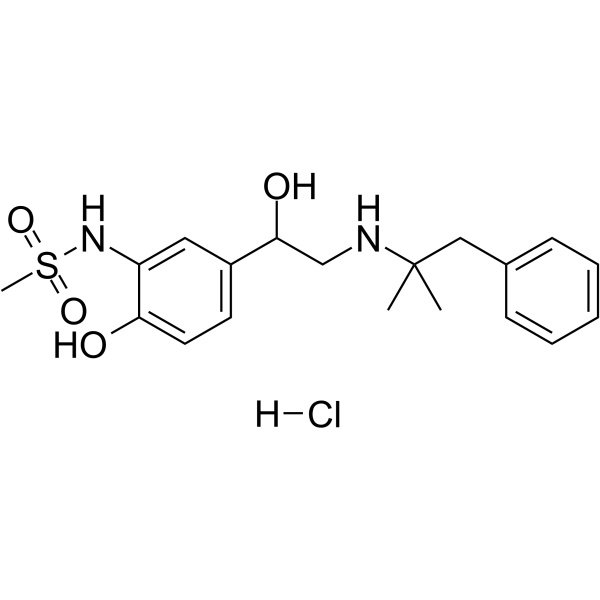
  • HY-100952

    Adrenergic Receptor Cardiovascular Disease
    Nifenalol hydrochloride is a β-adrenergic receptor antagonist. Nifenalol hydrochloride induces the Early Afterdepolarization (EAD) effect. EAD is a phenomenon in cardiac electrophysiology that usually occurs during an action potential in ventricular muscle cells and can lead to arrhythmia. The EAD effect of Nifenalol hydrochloride can be blocked by Tetrodotoxin. Nifenalol hydrochloride is used in the study of conditions such as irregular heartbeat or high blood pressure .
    Nifenalol hydrochloride
  • HY-14188S

    Potassium Channel Autophagy Cardiovascular Disease Cancer
    Amiodarone-d4 (hydrochloride) is the deuterium labeled Amiodarone hydrochloride. Amiodarone hydrochloride, a benzofuran-based Class III antiarrhythmic agent, inhibits WT outwardIhERG tails with an IC50 of ~45 nM . Amiodarone hydrochloride induces cell proliferation and myofibroblast differentiation via ERK1/2 and p38 MAPK signaling in fibroblasts . Amiodarone hydrochloride can be used in the research of both supraventricular and ventricular arrhythmias .
    Amiodarone-d4 hydrochloride
  • HY-B0185S

    Isotope-Labeled Compounds Sodium Channel MEK ERK NF-κB Apoptosis Cardiovascular Disease Cancer
    N-Oxide Lidocaine-d10 is the deuterium labeled Lidocaine. Lidocaine (Lignocaine) inhibits sodium channels involving complex voltage and using dependence . Lidocaine decreases growth, migration and invasion of gastric carcinoma cells via up-regulating miR-145 expression and further inactivation of MEK/ERK and NF-κB signaling pathways. Lidocaine is an amide derivative and has potential for the research of ventricular arrhythmia .
    Lidocaine-d10 N-Oxide
  • HY-W181626

    DU 21445

    5-HT Receptor Cardiovascular Disease
    Tiprenolol is a β-adrenoceptor blocker. Tiprenolol can abolish the ventricular arrhythmias produced by adrenaline in dogs respired with halothane .
    Tiprenolol
  • HY-W181626A

    DU 21445 hydrochloride

    5-HT Receptor Cardiovascular Disease
    Tiprenolol hydrochloride is a β-adrenoceptor blocker. Tiprenolol hydrochloride abolished ventricular arrhythmias induced by intravenous epinephrine in dogs receiving halothane inhalation .
    Tiprenolol hydrochloride
  • HY-B0185G

    Lignocaine

    Apoptosis Sodium Channel MEK ERK NF-κB Cancer
    Lidocaine (GMP) is Lidocaine (HY-B0185) produced by using GMP guidelines. GMP small molecules work appropriately as an auxiliary reagent for cell therapy manufacture. Lidocaine inhibits sodium channels involving complex voltage and using dependence . Lidocaine decreases growth, migration and invasion of gastric carcinoma cells via up-regulating miR-145 expression and further inactivation of MEK/ERK and NF-κB signaling pathways. Lidocaine is an amide derivative and has potential for the research of ventricular arrhythmia .
    Lidocaine
  • HY-101361

    Methyllidocaine iodide

    Drug Derivative Neurological Disease
    Lidocaine methiodide (Methyllidocaine iodide) is a potent antiarrythmic agent, and is a derivative of Lidocaine (HY-B0185). Lidocaine methiodide can be used for the research of ventricular arrhythmias produced by coronary occlusion .
    Lidocaine methiodide
  • HY-178082

    Others Cardiovascular Disease
    MK-251 is an orally active anti-arrhythmic agent. MK-251 prevents or modifies ventricular arrhythmias induced in dogs and baboons by tetrafluorethylbutylamine. MK-251 antagonizes the arrhythmias caused by Digoxin (HY-B1049) in cats. MK-251 at effective doses has little effect on basic cardiovascular parameters such as blood pressure, cardiac output, myocardial contractility and ventricular conduction, thus demonstrating its unique advantages .
    MK-251
  • HY-106207

    SSR149744C

    Drug Derivative Cardiovascular Disease
    Celivarone (SSR149744C) is a orally active noniodinated benzofuran derivative with antiarrhythmic properties. Celivarone has the potential for atrial fibrillation and in ventricular arrhythmias research .
    Celivarone
  • HY-12533B

    Dicorantil hydrochloride; SC-7031 hydrochloride

    Sodium Channel Potassium Channel Cardiovascular Disease
    Disopyramide hydrochloride is a class IA antiarrhythmic agent with efficacy in ventricular and atrial arrhythmias. Disopyramide hydrochloride blocks the fast inward sodium current of cardiac muscle and prolongs the duration of cardiac action potentials. Disopyramide hydrochloride inhibits HERG encoded potassium channels. Disopyramide hydrochloride also exhibits complex protein binding, and has a potent negative inotropic action .
    Disopyramide hydrochloride
  • HY-12533R

    Dicorantil (Standard); SC-7031 (Standard)

    Reference Standards Sodium Channel Potassium Channel Cardiovascular Disease
    Disopyramide (Standard) is the analytical standard of Disopyramide. This product is intended for research and analytical applications. Disopyramide (Dicorantil) is a class IA antiarrhythmic agent with efficacy in ventricular and atrial arrhythmias. Disopyramide blocks the fast inward sodium current of cardiac muscle and prolongs the duration of cardiac action potentials. Disopyramide inhibits HERG encoded potassium channels. Disopyramide also exhibits complex protein binding, and has a potent negative inotropic action .
    Disopyramide (Standard)
  • HY-12533AR

    Dicorantil phosphate (Standard); SC-7031 phosphate (Standard)

    Potassium Channel Sodium Channel Reference Standards Cardiovascular Disease
    Disopyramide (phosphate) (Standard) is the analytical standard of Disopyramide (phosphate). This product is intended for research and analytical applications. Disopyramide phosphate is a class IA antiarrhythmic agent with efficacy in ventricular and atrial arrhythmias. Disopyramide phosphate blocks the fast inward sodium current of cardiac muscle and prolongs the duration of cardiac action potentials. Disopyramide phosphate inhibits HERG encoded potassium channels. Disopyramide phosphate also exhibits complex protein binding, and has a potent negative inotropic action .
    Disopyramide phosphate (Standard)

Inquiry Online

Your information is safe with us. * Required Fields.

Salutation


Country or Region *

Applicant Name *


Organization Name *

Department *


Email Address *


Product Name *

Cat. No.


Requested quantity *

Phone Number *


Remarks

Inquiry Online

Inquiry Information

Product Name:
Cat. No.:
Quantity:
MCE Japan Authorized Agent:

