1. Search Result
Search Result
Results for "

YAP Inhibitor

" in MedChemExpress (MCE) Product Catalog:

97

Inhibitors & Agonists

2

Biochemical Assay Reagents

9

Peptides

14

Natural
Products

4

Isotope-Labeled Compounds

Targets Recommended:
Cat. No. Product Name Target Research Areas Chemical Structure
  • HY-B0146
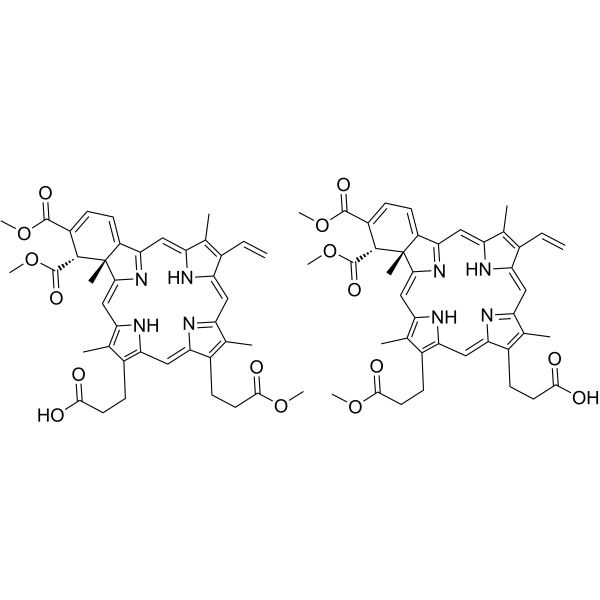
    Verteporfin
    Maximum Cited Publications
    266 Publications Verification

    CL 318952

    YAP Apoptosis Autophagy Photosensitizer Cancer
    Verteporfin (CL 318952) is a photosensitizer for photodynamic therapy to eliminate the abnormal blood vessels in the eye associated with conditions such as age-related macular degeneration. Verteporfin is a YAP inhibitor which disrupts YAP-TEAD interactions. Verteporfin induces cell apoptosis . Verteporfinis an autophagy inhibitor that blocks autophagy at an early stage by inhibiting autophagosome formation .
    Verteporfin
  • HY-13417
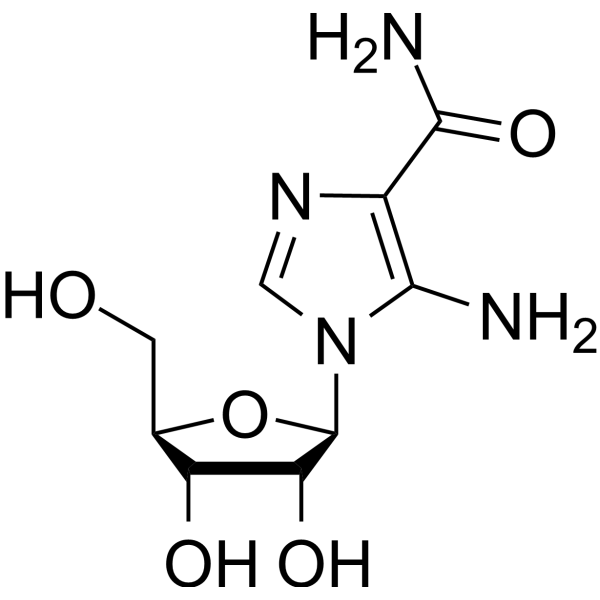
    AICAR
    Maximum Cited Publications
    215 Publications Verification

    Acadesine; AICA Riboside

    AMPK Autophagy YAP Mitophagy Endogenous Metabolite Cancer
    AICAR (Acadesine) is an adenosine analog and a AMPK activator. AICAR is also an autophagy, YAP and mitophagy inhibitor. AICAR regulates the glucose and lipid metabolism, and inhibits proinflammatory cytokines and iNOS production. AICAR inhibits autophagy through a mechanism independent of AMPK activity .
    AICAR
  • HY-153811
    IAG933
    3 Publications Verification

    YAP-TEAD-IN-3

    YAP Apoptosis Cancer
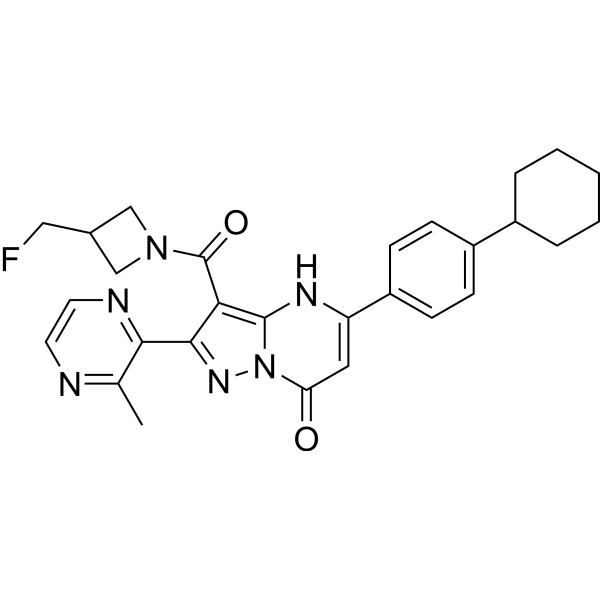
    IAG933 (YAP-TEAD-IN-3) is an orally available YAP/TAZ-TEAD inhibitor that has anti-tumor effects and promotes apoptosis. IAG933 YAP-TEAD-IN-3 inhibits Avi-human TEAD 4217-434, with an IC50 value of 9 nM .
    IAG933
  • HY-138489
    TRULI
    25+ Cited Publications

    Lats-IN-1

    Ser/Thr Kinase Large Tumor Suppressor (LATS) Others
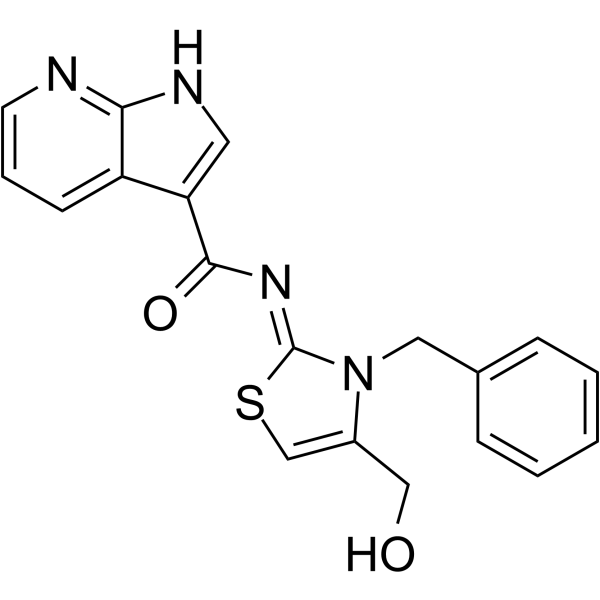
    TRULI (Lats-IN-1) is a potent and ATP-competitive inhibitor of Lats1 and Lats2 kinases. TRULI promotes Yap-dependent proliferation in postmitotic mammalian tissues .
    TRULI
  • HY-150042
    TDI-011536
    3 Publications Verification

    Large Tumor Suppressor (LATS) YAP Cardiovascular Disease Others
    TDI-011536 is a potent Lats kinase inhibitor, interrupts Hippo-Yap signaling and initiates the proliferation of lesioned heartmuscle cells. TDI-011536 can be used in studies of organ conservation and regeneration .
    TDI-011536
  • HY-134956
    VT104
    3 Publications Verification

    YAP Cancer
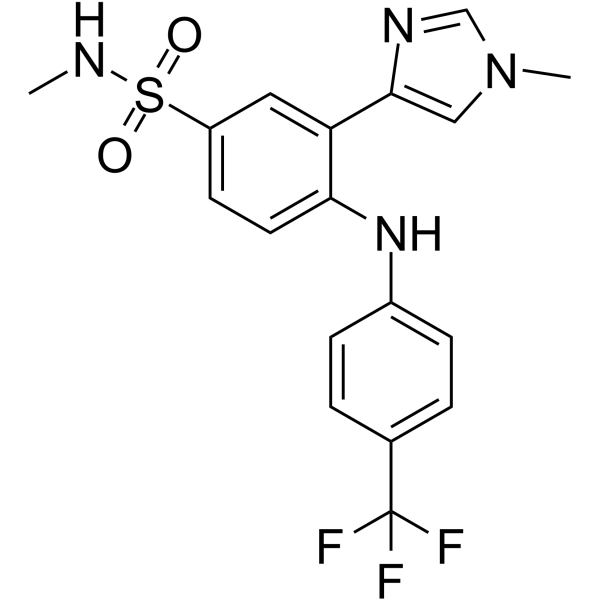
    VT104 is a potent and orally active YAP/TAZ inhibitor. VT104 prevents palmitoylation of endogenous TEAD1 and TEAD3 proteins. VT104 can be used in research of cancer .
    VT104
  • HY-B0990
    Thiostrepton
    Maximum Cited Publications
    24 Publications Verification

    Bacterial Antibiotic YAP Infection
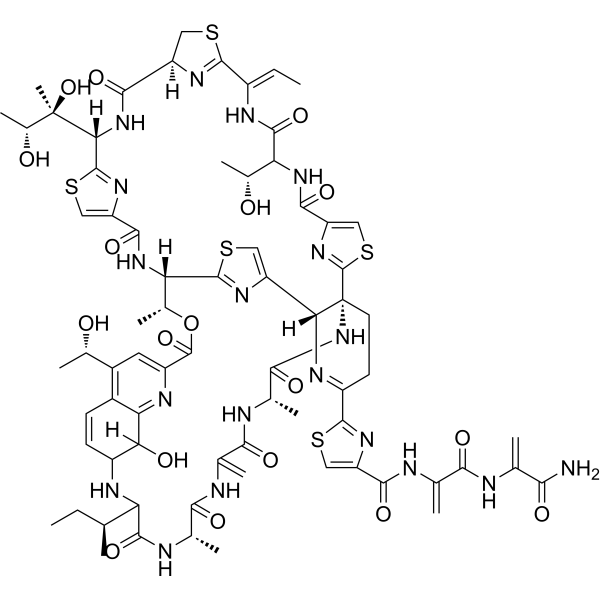
    Thiostrepton is a thiazole antibiotic which selectively inhibits FOXM1. FOXM1 binds to YAP/TEAD complex. YAP/TEAD/FOXM1 complex binding at regulatory regions of genes governing cell cycle may impact cell proliferation .
    Thiostrepton
  • HY-15417
    ML-7 hydrochloride
    20+ Cited Publications

    Myosin YAP Cancer
    ML-7 hydrochloride is a naphthalene sulphonamide derivative, potently inhibits MLCK (IC50=300 nM). ML-7 hydrochloride also inhibits YAP/TAZ.
    ML-7 hydrochloride
  • HY-138565
    K-975
    30+ Cited Publications

    YAP Cancer
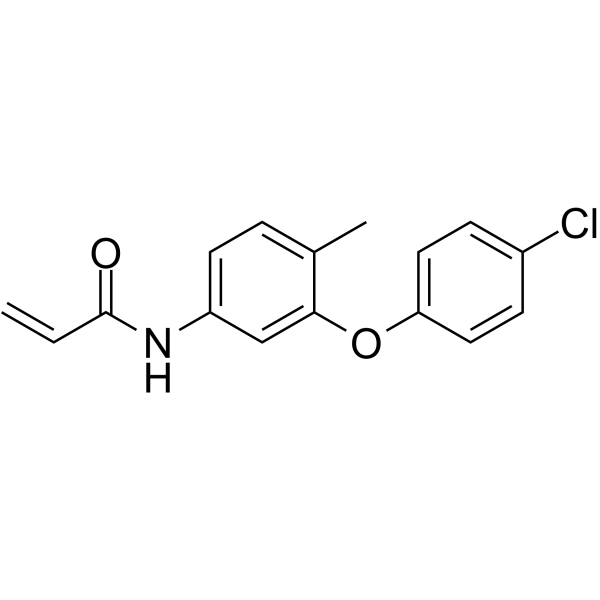
    K-975 is a potent, selective and orally active TEAD inhibitor, with a strong inhibitory effect against protein-protein interactions between YAP1/TAZ and TEAD. K-975 covalently binds to Cys359 located in the palmitate-binding pocket of TEAD via an acrylamide structure. K-975 exhibits antitumor activity on malignant pleural mesothelioma .
    K-975
  • HY-160769
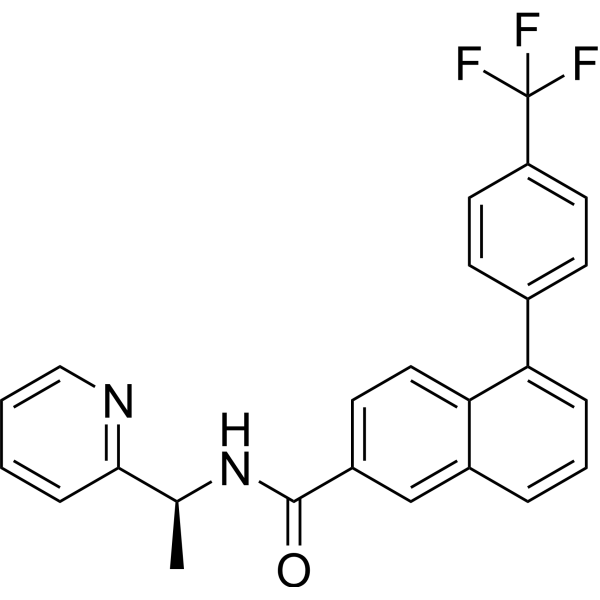
    NIBR-LTSi
    1 Publications Verification

    Large Tumor Suppressor (LATS) YAP Others
    NIBR-LTSi is an orally active and selective LATS kinase inhibitor. NIBR-LTSi can activate YAP signaling. NIBR-LTSi promotes stem cell proliferation, maintains stemness and blocks differentiation. NIBR-LTSi accelerates liver regeneration following extended hepatectomy in mice .
    NIBR-LTSi
  • HY-13285
    Ki16425
    10+ Cited Publications

    Debio 0719

    LPL Receptor YAP Neurological Disease Cancer
    Ki16425 (Debio 0719) is a subtype-selective, competitive antagonist of the EDG-family receptors, LPA1 and LPA3 with Kis of 0.34 μM and 0.93 μM, respectively. Ki16425 (Debio 0719) reduces the LPA-induced activation of p42/p44 MAPK . Ki16425 can also inhibit LPA-induced dephosphorylation of Yes-associated protein (YAP)/TAZ in HEK293A cells .
    Ki16425
  • HY-126370A

    Endogenous Metabolite YAP Apoptosis Interleukin Related STAT ERK Ras Cancer
    Geranylgeranyl pyrophosphate triammonium is a type of isoprenoid metabolic intermediate, mainly synthesized through the mevalonate pathway. Geranylgeranyl pyrophosphate triammonium is a key precursor in various biological synthesis processes, especially as a necessary substrate for post-translational modification of proteins - geranylgeranyl phosphorylation. Geranylgeranyl pyrophosphate triammonium regulates various cellular processes and disease progression through protein geranylgeranyl phosphorylation, such as activating the YAP signaling pathway, promoting cell proliferation and inhibiting apoptosis; promoting IL-2 production and STAT5 phosphorylation; and influencing metabolic homeostasis and cancer, etc .
    Geranylgeranyl pyrophosphate triammonium
  • HY-147214
    GNE-7883
    5 Publications Verification

    YAP Cancer
    GNE-7883 is a pan-TEAD inhibitor that blocks the association of YAP/TAZ with TEAD. GNE-7883 effectively reduces chromatin accessibility at TEAD motifs, inhibits cell proliferation in multiple cell line models, and achieves strong anti-tumor efficacy in vivo. In addition, GNE-7883 effectively overcomes intrinsic and acquired resistance to KRAS (Kirsten rat sarcoma viral oncogene homolog) G12C inhibitors in multiple preclinical models by inhibiting YAP/TAZ activation .
    GNE-7883
  • HY-13417A
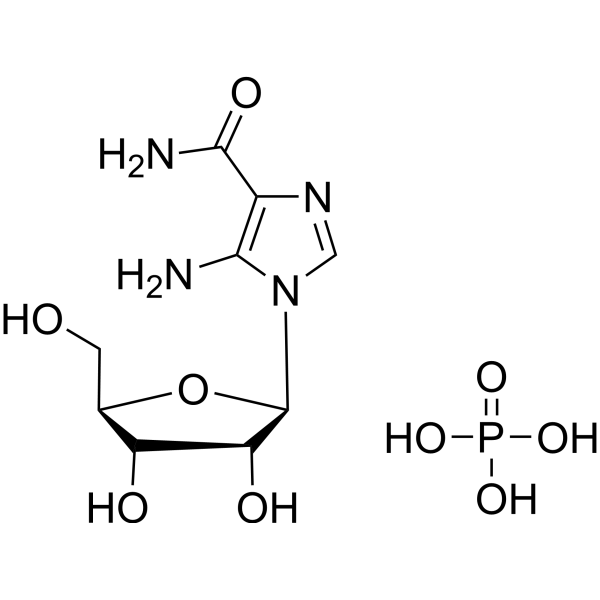
    AICAR phosphate
    Maximum Cited Publications
    215 Publications Verification

    Acadesine phosphate; AICA Riboside phosphate

    AMPK Autophagy YAP Mitophagy Endogenous Metabolite Cancer
    AICAR phosphate (Acadesine phosphate) is an adenosine analog and a AMPK activator. AICAR phosphate regulates the glucose and lipid metabolism, and inhibits proinflammatory cytokines and iNOS production. AICAR phosphate is also an autophagy, YAP and mitophagy inhibitor .
    AICAR phosphate
  • HY-B1221
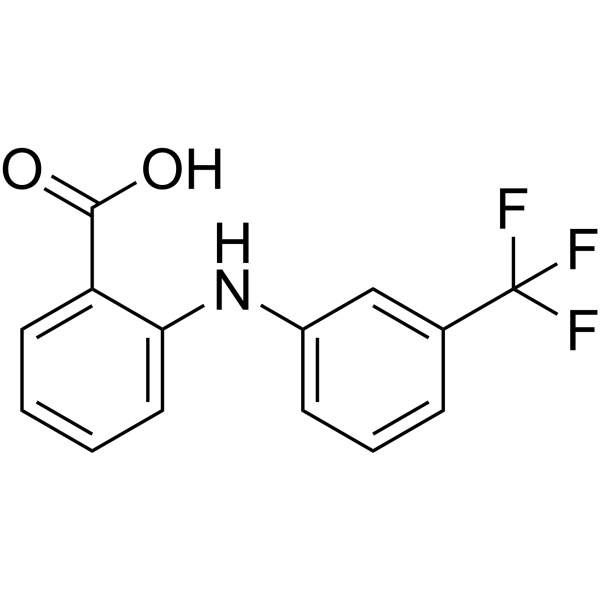
    Flufenamic acid
    5+ Cited Publications

    COX AMPK Potassium Channel Chloride Channel Calcium Channel Parasite Inflammation/Immunology
    Flufenamic acid is a non-steroidal anti-inflammatory agent, inhibits cyclooxygenase (COX), activates AMPK, and also modulates ion channels, blocking chloride channels and L-type Ca 2+ channels, modulating non-selective cation channels (NSC), activating K + channels. Flufenamic acid binds to the central pocket of TEAD2 YBD and inhibits both TEAD function and TEAD-YAP-dependent processes, such as cell migration and proliferation.
    Flufenamic acid
  • HY-Y0669
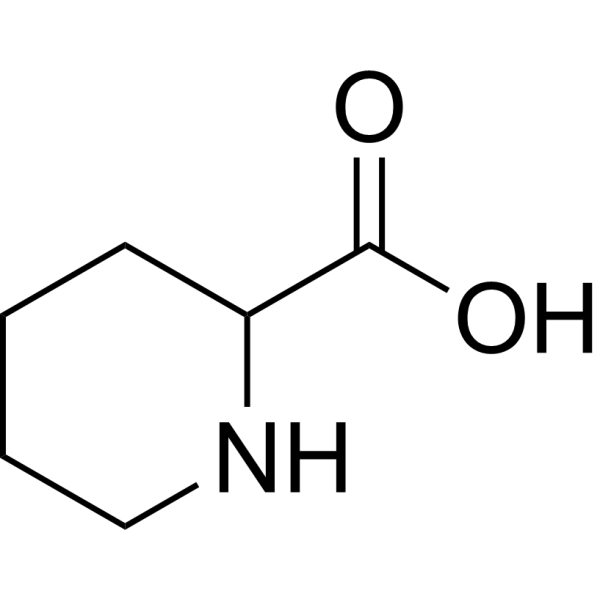
    Pipecolic acid
    2 Publications Verification

    Endogenous Metabolite YAP Glutathione Peroxidase Ferroptosis Neurological Disease Metabolic Disease Inflammation/Immunology
    Pipecolic acid is an orally bioavailable, blood-brain barrier-permeable metabolite of lysine with antioxidant, inhibitor, and inducer activity. Pipecolic acid modulates the YAP-GPX4 signaling pathway, reduces retinal vascular tube formation, and mitigates ferroptosis. Pipecolic acid potentiates voltage-sensitive Ca 2+ channel currents and induces neuronal apoptosis. Pipecolic acid can be used for the research of diabetic retinopathy .
    Pipecolic acid
  • HY-400902

    YAP VEGFR Hippo (MST) Cancer
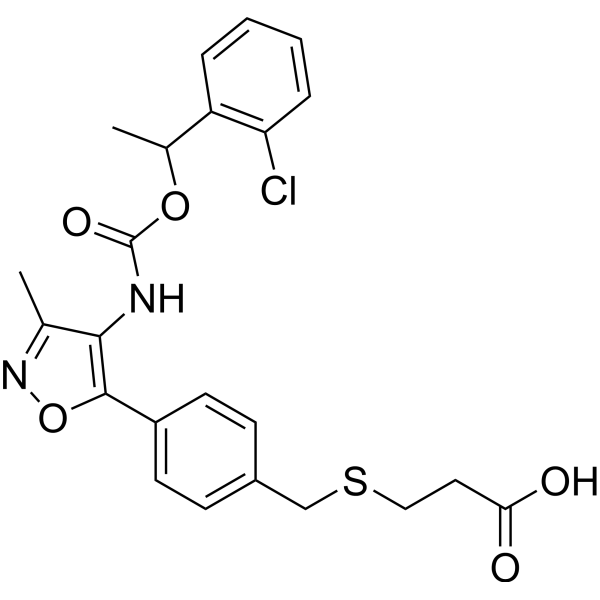
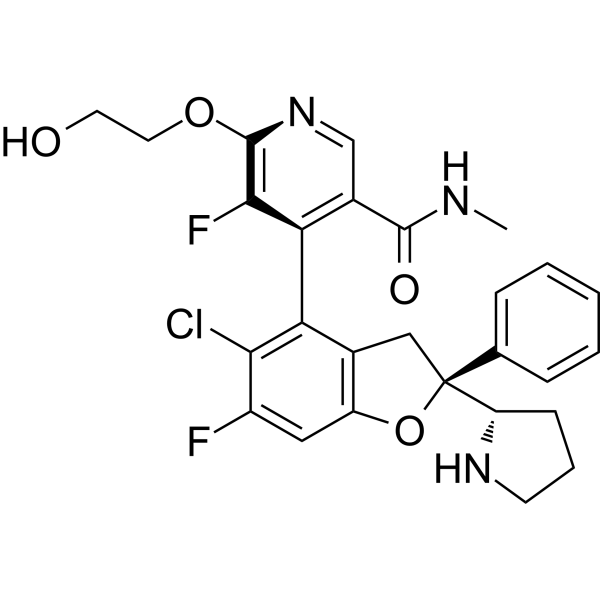
    VT3989 is an orally active pan-TEAD autopalmitoylation inhibitor that modulates the Hippo signaling pathway. VT3989 directly binds to TEAD transcription factors to block their palmitoylation modification, thereby disrupting the formation of YAP/TAZ-TEAD complexes and inhibiting downstream oncogenic transcriptional activity. VT3989 effectively inhibits the growth of NF2-deficient schwannoma and meningioma cells and reverses the Schwann cell phenotype. In addition, VT3989 exerts a synergistic effect when combined with Osimtinib (HY-15772) in EGFR-mutant non-small cell lung cancer models, significantly delaying tumor recurrence and prolonging survival. VT3989 can be used for the research of epithelioid hemangioendothelioma, malignant pleural mesothelioma, type 2 neurofibromatosis and related advanced solid tumors .
    VT3989
  • HY-147082
    GA-017
    5+ Cited Publications

    Large Tumor Suppressor (LATS) YAP Cancer
    GA-017 is a potent and selective LATS1 and LATS2 (large tumor suppressor kinase 1/2) inhibitor, with IC50 values of 4.10 and 3.92 nM, respectively. GA-017 is an activator of cell proliferation. GA-017 promotes YAP/TAZ activation and nuclear translocation. GA-017 promotes cell growth under 3D culture conditions. GA-017 enhances the ex vivo formation of mouse intestinal organoids .
    GA-017
  • HY-155338

    YAP Cancer
    SWTX-143 is an orally active YAP/TAZ-TEAD inhibitor that binds to the palmitoylation pocket of all four TEAD isoforms. SWTX-143 causes irreversible and specific inhibition of the transcriptional activity of YAP/TAZ-TEAD and shows antitumor activity .
    SWTX-143
  • HY-134955
    VT103
    5 Publications Verification

    YAP Cancer
    VT103, an analog of VT101, is an orally active and selective TEAD1 protein palmitoylation inhibitor. VT103 inhibits YAP/TAZ-TEAD promoted gene transcription, blocks TEAD auto-palmitoylation, and disrupts interaction between YAP/TAZ and TEAD. VT103 can be used for the research of cancer .
    VT103
  • HY-125269
    TED-347
    10+ Cited Publications

    YAP Cancer
    TED-347 is a potent, irreversible, covalent and allosteric inhibitor at YAP-TEAD protein-protein interaction with an EC50 of 5.9 μM for TEAD4⋅Yap1 protein-protein interaction. TED-347 specifically and covalently bonds with Cys-367 within the central pocket of TEAD4 with a Ki of 10.3 μM. TED-347 blocks TEAD transcriptional activity and has antitumor activity .
    TED-347
  • HY-111429
    YAP/TAZ inhibitor-1
    5+ Cited Publications

    YAP Cancer
    YAP/TAZ inhibitor-1 is a YAP/TAZ inhibitor extracted from patent WO2017058716A1, Compound 1, has an IC50 of <0.100 μΜ in firefly luciferase assay .
    YAP/TAZ inhibitor-1
  • HY-N6682
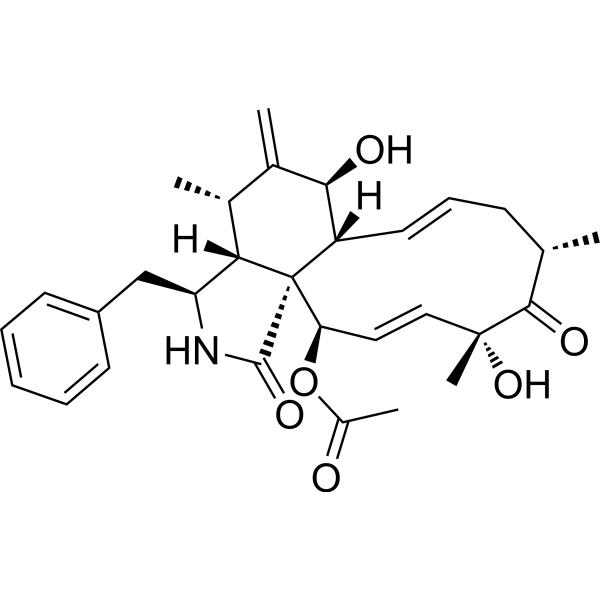
    Cytochalasin D
    90+ Cited Publications

    Zygosporin A; NSC 209835

    Exosomes Arp2/3 Complex Antibiotic YAP Infection Cancer
    Cytochalasin D (Zygosporin A) is a potent actin polymerization inhibitor, could be derived from fungus. Cytochalasin D has cell-permeable activity. Cytochalasin D inhibits the G-actin–cofilin interaction by binding to G-actin. Cytochalasin D also inhibits the binding of cofilin to F-actin and decreases the rate of both actin polymerization and depolymerization in living cells. Cytochalasin D can reduce exosome release, in turn reducing the amount of survivin present in the tumour environment. Cytochalasin D induces phosphorylation and cytoplasmic retention of Yap .
    Cytochalasin D
  • HY-N1990
    Gypenoside XLIX
    2 Publications Verification

    PPAR Sirtuin Keap1-Nrf2 Toll-like Receptor (TLR) NF-κB Reactive Oxygen Species (ROS) NOD-like Receptor (NLR) Apoptosis Pyroptosis Autophagy Cardiovascular Disease Neurological Disease Metabolic Disease Inflammation/Immunology
    Gypenoside XLIX is a multifunctional bioactive compound that can be isolated from Gynostemma pentaphyllum, with a Ka value of 1.58 μM for its binding to SIRT1. Gypenoside XLIX acts as a PPAR-α agonist. It inhibits the activation of TLR4-mediated NF-κB signaling pathway by activating the Sirt1/Nrf2 signaling pathway, reduces ROS accumulation, and alleviates hepatic inflammatory injury in mice with sepsis-induced liver disease. Gypenoside XLIX targets SIRT1 to block YAP-NLRP3 activation and improve sepsis-induced cardiomyopathy. Gypenoside XLIX inhibits apoptosis (Apoptosis), pyroptosis (Pyroptosis), autophagy (Autophagy), lipid peroxidation, pro-inflammatory cytokines and anti-inflammatory cytokines. Gypenoside XLIX alleviates sepsis-induced splenic injury by inhibiting inflammation and oxidative stress, and mitigates sepsis-associated encephalopathy by targeting PPAR-α. Gypenoside XLIX prevents acute kidney injury by inhibiting IGFBP7/IGF1R-mediated programmed cell death and inflammation. Gypenoside XLIX inhibits the expression and activity of vascular cell adhesion molecule-1 in cytokine-induced human endothelial cells. Gypenoside XLIX is applicable to research related to acute liver injury, lung injury, cardiomyopathy, acute splenic injury, sepsis-associated encephalopathy, acute kidney injury, atherosclerosis and chronic inflammation .
    Gypenoside XLIX
  • HY-147322
    YAP/TAZ inhibitor-2
    1 Publications Verification

    YAP Cancer
    YAP/TAZ inhibitor-2 is a potent and orally active TEAD-YAP/TAZ inhibitor with an EC50 value of 3 nM. YAP/TAZ inhibitor-2 shows anti-proliferative activity. YAP/TAZ inhibitor-2 shows antitumor activity .
    YAP/TAZ inhibitor-2
  • HY-164254

    (E/Z)-GA-002

    Large Tumor Suppressor (LATS) YAP Cardiovascular Disease Inflammation/Immunology Cancer
    Cardiomyocyte proliferation promoting agent-1 ((E/Z)-GA-002), which is an E/Z mixture, is a cardiomyocyte proliferation promoter. GA-002 (single E configuration) is a kinase inhibitor for LATS1 and LATS2, with its IC50 values being 3.93 nM and 3.87 nM respectively. GA-002 can induce the expression of genes regulated by the Hippo pathway, inhibit the phosphorylation of YAP/TAZ, and induce the nuclear translocation of YAP .
    Cardiomyocyte proliferation promoting agent-1
  • HY-13417R

    Acadesine (Standard); AICA Riboside (Standard)

    Reference Standards AMPK Autophagy YAP Mitophagy Endogenous Metabolite Cancer
    AICAR (Standard) is the analytical standard of AICAR. This product is intended for research and analytical applications. AICAR (Acadesine) is an adenosine analog and a AMPK activator. AICAR regulates the glucose and lipid metabolism, and inhibits proinflammatory cytokines and iNOS production. AICAR is also an autophagy, YAP and mitophagy inhibitor .
    AICAR (Standard)
  • HY-N0818
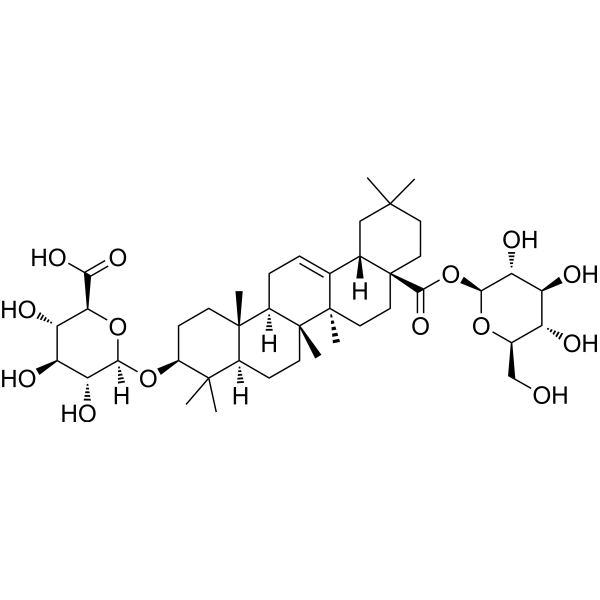
    Chikusetsusaponin Iva
    2 Publications Verification

    Calenduloside F

    Keap1-Nrf2 Infection Metabolic Disease Endocrinology Cancer
    Chikusetsusaponin IVa is an orally active protein kinase activator. Chikusetsusaponin IVa binds to YAP with a KD value of 0.388 mM. Chikusetsusaponin IVa reduces inflammatory mediators (IL-6, IL-10, COX-2) expression, NO production, promotes ROS generation, induces Apoptosis, inhibits MAPK, TAZ, and regulates Nrf2, JAK/STAT. Chikusetsusaponin Iva has anti-H9N2 AIV and anti-endometrial cancer activities. Chikusetsusaponin Iva shows anti-inflammatory, hepatoprotective and osteoprotective effects .
    Chikusetsusaponin Iva
  • HY-175357

    YAP Cancer
    YAP/TEAD-IN-2 (Compound T-1) is a YAP/TEAD inhibitor. YAP/TEAD-IN-2 inhibits the luciferase activity driven by YAP/TEAD in 293T cells. YAP/TEAD-IN-2 exhibits strong anti-proliferative activity against human pleural mesothelioma NCI-H226 cells. YAP/TEAD-IN-2 can be used for the study of diseases associated with Hippo pathway dysregulation, particularly cancers .
    YAP/TEAD-IN-2
  • HY-168016

    PROTACs YAP Cancer
    PROTAC YAP degrader-1 is a VHL-recruiting PROTAC degrader (DC50=8.2 μM) and antiproliferative agent that targets YAP. PROTAC YAP degrader-1 recruits the E3 ligase VHL and binds to VHL to form a ternary complex containing YAP. PROTAC YAP degrader-1 inhibits the nuclear localization of YAP in cancer cells, reduces YAP/TEAD-mediated transcription, and induces TAZ protein degradation. PROTAC YAP degrader-1 reduces the oncogenic activity of YAP and exerts antiproliferative effects in the Huh7 xenograft mouse model. PROTAC YAP degrader-1 can be used for the research of hepatocellular carcinoma and mesothelioma .
    PROTAC YAP degrader-1
  • HY-N8847

    alpha-Ionone

    Environmental Pollutants Hippo (MST) YAP Apoptosis Olfactory Receptor Large Tumor Suppressor (LATS) Cancer
    α-Ionone (alpha-Ionone) is an activator of the olfactory receptor OR10A6. α-Ionone induces apoptosis by activating OR10A6 and increasing the phosphorylation of the LATS-YAP-TAZ signaling axis in the Hippo pathway. α-Ionone can inhibit tumor formation both in vivo and in vitro .
    α-Ionone
  • HY-147135
    MYF-03-69
    1 Publications Verification

    TEAD-IN-3

    YAP Apoptosis Cancer
    MYF-03-69 (TEAD-IN-3) is a covalent and irreversible TEAD inhibitor with IC50s of 385, 143, 558 and 173 nM for TEAD1, TEAD2, TEAD3 and TEAD4. MYF-03-69 disrupts YAP-TEAD association, suppresses TEAD transcriptional activity (IC50 = 56 nM) and up-regulates apoptosis gene BMF. MYF-03-69 selectively inhibits mesothelioma cancer cells with defective Hippo signaling. MYF-03-69 can be used for the study of malignant pleural mesothelioma (MPM) .
    MYF-03-69
  • HY-126370

    Endogenous Metabolite YAP Apoptosis Interleukin Related STAT ERK Ras Cancer
    Geranylgeranyl pyrophosphate is a type of isoprenoid metabolic intermediate, mainly synthesized through the mevalonate pathway. Geranylgeranyl pyrophosphate is a key precursor in various biological synthesis processes, especially as a necessary substrate for post-translational modification of proteins - geranylgeranyl phosphorylation. Geranylgeranyl pyrophosphate regulates various cellular processes and disease progression through protein geranylgeranyl phosphorylation, such as activating the YAP signaling pathway, promoting cell proliferation and inhibiting apoptosis; promoting IL-2 production and STAT5 phosphorylation; and influencing metabolic homeostasis and cancer, etc .
    Geranylgeranyl pyrophosphate
  • HY-N0754

    YAP HSP Reactive Oxygen Species (ROS) ERK Autophagy Apoptosis Tyrosinase DNA/RNA Synthesis Neurological Disease Inflammation/Immunology Cancer
    Eupalinolide A is a Yes-associated protein (YAP) degrader and HSP70 inducer. Eupalinolide A inhibits osteogenic differentiation of tendon-derived stem cells (TDSCs). Eupalinolide A induces autophagy in hepatocellular carcinoma cells via activating the ROS/ERK signaling pathway. Eupalinolide A protects PAM212 cells from UVB-, Menadione (HY-B0332)-, or heat shock-induced apoptosis. Eupalinolide A alleviates trauma-induced heterotopic ossification (HO) of Achilles tendon and inhibits growth of MHCC97-L and HCCLM3 hepatocellular carcinoma xenograft tumors in mice. Eupalinolide A can be used for the study of traumatic heterotopic ossification of tendons and hepatocellular carcinoma .
    Eupalinolide A
  • HY-P2244A
    YAP-TEAD-IN-1 TFA
    2 Publications Verification

    YAP Cancer
    YAP-TEAD-IN-1 TFA is a potent and competitive peptide inhibitor of YAP-TEAD interaction (IC50=25 nM). YAP-TEAD-IN-1 TFA is a 17mer peptide and shows a higher the binding affinity to TEAD1 (Kd=15 nM) than YAP (50-171) (Kd= 40 nM) .
    YAP-TEAD-IN-1 TFA
  • HY-P2244
    YAP-TEAD-IN-1
    2 Publications Verification

    YAP Cancer
    YAP-TEAD-IN-1 is a potent and competitive inhibitor of?YAP–TEAD interaction (IC50=25 nM). YAP-TEAD-IN-1 is a 17mer peptide and shows a higher the binding affinity to TEAD1 (Kd=15 nM) than YAP (50-171) (Kd=40 nM) .
    YAP-TEAD-IN-1
  • HY-161573

    YAP GGTase Cancer
    BAY-593 is an orally active GGTase-I inhibitor. BAY-593 can block YAP1/TAZ signaling in animals and has antitumor activity .
    BAY-593
  • HY-139603
    MYF-01-37
    1 Publications Verification

    YAP Cancer
    MYF-01-37 is a covalent TEAD inhibitor targeting Cys380. MYF-01-37 has a reversible inhibition on YAP/TEAD interaction .
    MYF-01-37
  • HY-176542

    HDAC YAP Cancer
    TD034 is a selective, reversible and noncovalent HDAC11 inhibitor with an IC50 of 5.1 nM and a Ki of 1.5 nM. TD034 does not inhibit other HDACs or sirtuins. TD034 inhibits the defatty acylation of SHMT2 (HDAC11 substrate). TD034 decreases the YAP1 level via HDAC11 inhibition. TD034 can be used for the study of lung cancer .
    TD034
  • HY-132969
    SBP-3264
    2 Publications Verification

    Hippo (MST) YAP Cancer
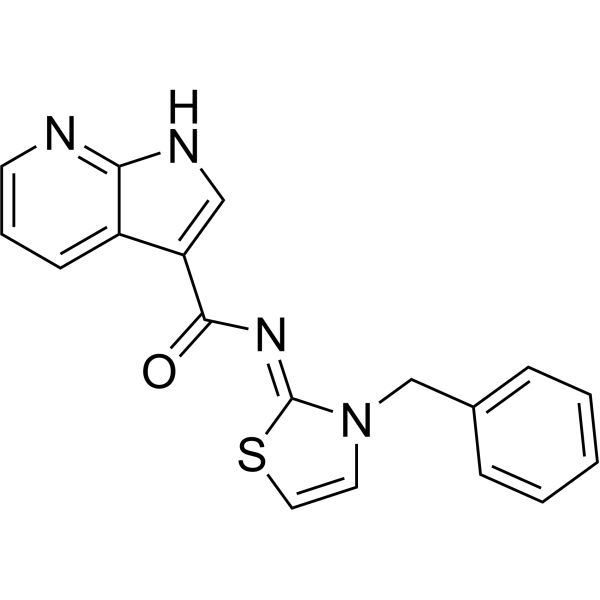
    SBP-3264 is a YAP activator and STK/MST inhibitor with IC50 values of 36 nM against STK3/MST2 and 24 nM against STK4/MST1. SBP-3264 modulates the Hippo signaling pathway. SBP-3264 can be used for the research of acute myeloid leukemia .
    SBP-3264
  • HY-174275

    YAP Inflammation/Immunology Cancer
    TEAD1/3/4-IN-1 is an orally active inhibitor of TEAD1/3/4. TEAD1/3/4-IN-1 inhibits the YAP/TAZ-TEAD interaction, with its EC50 being 2 nM. TEAD1/3/4-IN-1 has anti-proliferative activity against NCI-H226 cells. TEAD1/3/4-IN-1 can be used in the research of lung squamous cell carcinoma .
    TEAD1/3/4-IN-1
  • HY-156397

    AMPK YAP Cancer
    HTH-02-006 is a NUAK2 inhibitor, with an IC50 value of 126 nM. HTH-02-006 inhibits NUAK2-mediated signaling by reducing phosphorylation of its substrate MYPT1 at S445 and downstream MLC. HTH-02-006 shows growth inhibitory efficacy in YAP-high cancer cells (HuCCT-1, SNU475). HTH-02-006 significantly suppresses YAP-induced hepatomegaly (reduced liver/body weight ratio) in TetO-YAP S127A transgenic mice and demonstrates significant anti-tumor efficacy in mice bearing HMVP2 prostate cancer allografts. HTH-02-006 can be used for the study of liver cancer and prostate cancer .
    HTH-02-006
  • HY-147208

    YAP Cancer
    MSC-4106 is an orally active and potent inhibitor of YAP/TAZ-TEAD. MSC-4106 inhibits TEAD1 or TEAD3 auto-palmitoylation and shows inhibitory effect on NCI-H226 tumor xenograft model .
    MSC-4106
  • HY-137479

    YAP Cancer
    TEAD-IN-1 (Compound 2) is potent TEAD autopalmitoylation inhibitor, with an IC50 of 603 nM. TEAD-IN-1 increases the interaction of TEAD and VGLL4. TEAD-IN-1 decreases the interaction of YAP and TEAD. TEAD-IN-1 can be used for the research of cancer .
    TEAD-IN-1
  • HY-Y0669S

    Isotope-Labeled Compounds Endogenous Metabolite Ferroptosis YAP Glutathione Peroxidase Infection
    Pipecolic acid-d9 is the deuterium labeled Pipecolic acid. Pipecolic acid is a metabolite of lysine and an important precursor for many useful microbial secondary metabolites. Pipecolic acid slows ferroptosis in diabetic retinopathy by inhibiting the YAP-GPX4 signaling pathway. In addition, Pipecolic acid can be used as a diagnostic marker for pyridoxine-dependent epilepsy .
    Pipecolic acid-d9
  • HY-176886

    Large Tumor Suppressor (LATS) YAP Others
    LATS-IN-2 is an efficiently acting LATS (large tumor suppressor kinase) inhibitor. LATS-IN-2 shows potent inhibitory activity against LATS1 with an IC50 value of 1.3 nM. LATS-IN-2 suppresses the phosphorylation of YAP by inhibiting LATS kinase activity. LATS-IN-2 increases the thickness of the epidermis in mice. LATS-IN-2 can be used for the study of ocular diseases such as limbal stem cell deficiency and corneal endothelial dysfunction .
    LATS-IN-2
  • HY-155360
    MY-1076
    1 Publications Verification

    YAP Apoptosis Cancer
    MY-1076 is an inhibitor of YAP. MY-1076 induces YAP degradation and cell apoptosis. MY-1076 inhibits MGC-803, SGC-7901, HCT-116 and KYSE450 cells proliferation with IC50 s of 0.019, 0.017, 0.020 and 0.044 μM, respectively .
    MY-1076
  • HY-163173

    YAP Cancer
    TEAD-IN-8 is a novel TEAD inhibitor, which potently and specifically inhibits TEAD-YAP transcriptional activities. TM2, alone or in combination with MEK inhibitors, exhibits potent antiproliferative effects in YAP-dependent cancer cells .
    TEAD-IN-8
  • HY-162709

    Apoptosis YAP Cancer
    KHKI-01215 is an inhibitor for NUAK2 with an IC50 of 0.052 μM. KHKI-01215 inhibits the proliferation of cancer cell SW480 with an IC50 of 3.16 μM, induces apoptosis in SW480. KHKI-01215 inhibits the YAP signaling pathway .
    KHKI-01215
  • HY-175649

    Large Tumor Suppressor (LATS) YAP Cancer
    LATS1/2-IN-1 is a potent and selective LATS1 and LATS2 inhibitor. LATS1/2-IN-1 exhibits potent inhibitory activity against LATS1 and LATS2 with IC50 values of 4.4 nM and 5.5 nM as determined via r 33P functional assay. LATS1/2-IN-1 displays cellular IC50 values of 136 nM for LATS1 and 36.0 nM for LATS2 as determined via NanoBRET assay. LATS1/2-IN-1 reduces phosphorylation of YAP1 in mouse liver. LATS1/2-IN-1 demonstrates wound healing activity in HT-1080 scratch assay and in vivo SKH1 mouse punch biopsy model. LATS1/2-IN-1 can be used for the study of regenerative medicine indications such as wound healing .
    LATS1/2-IN-1

Inquiry Online

Your information is safe with us. * Required Fields.

Salutation


Country or Region *

Applicant Name *


Organization Name *

Department *


Email Address *


Product Name *

Cat. No.


Requested quantity *

Phone Number *


Remarks

Inquiry Online

Inquiry Information

Product Name:
Cat. No.:
Quantity:
MCE Japan Authorized Agent:

