25 Results for "

ZO-1

" in MedChemExpress (MCE) Product Catalog:
Products (25)

25 Results for "ZO-1" in MCE Product Catalog:

3
3 Cited Publications
Cat. No.: HY-B1060
CAS No.: 2375-03-3
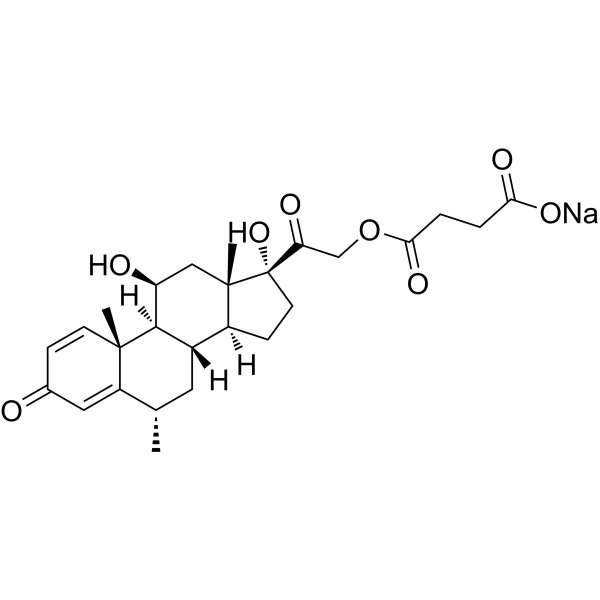
Synonyms: Methylprednisolone hydrogen succinate sodium
Methylprednisolone succinate (Methylprednisolone hydrogen succinate) sodium is a prodrug of Methylprednisolone (HY-B0260) and glucocorticoid with immunosuppressant and anti-inflammatory activity. Methylprednisolone succinate sodium binds cytosolic glucocorticoid receptors, translocates to nuclei, and modulates target gene transcription. Methylprednisolone succinate sodium alters Bax, Bcl-2, occludin, and ZO-1 expression; attenuates TLR4/NF-κB signaling; suppresses proinflammatory cytokine production and immune cell activation. Methylprednisolone succinate sodium can be used for the research of intracranial haemorrhage, rheumatoid arthritis, multiple sclerosis, preterminal cancer, inflammatory conditions, shock, immediate-type hypersensitivity, acute myocardial ischemia, hypoxic heart muscle damage, and traumatic spinal cord injury [1] .
loading...
    loading...
3
3 Cited Publications
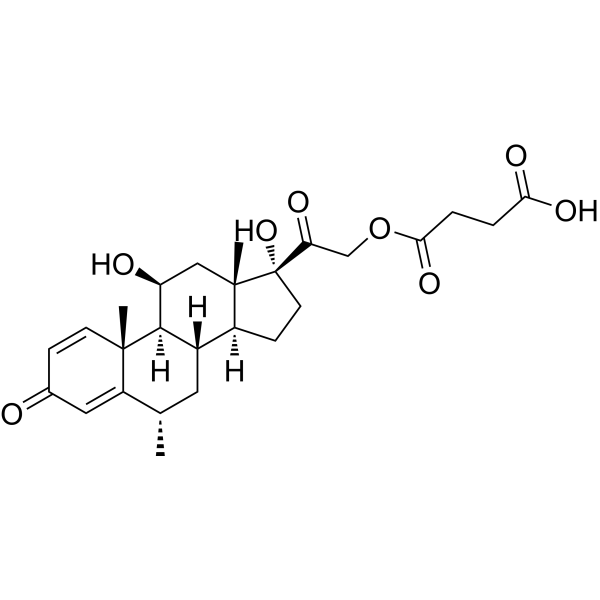
Cat. No.: HY-B1900
CAS No.: 2921-57-5
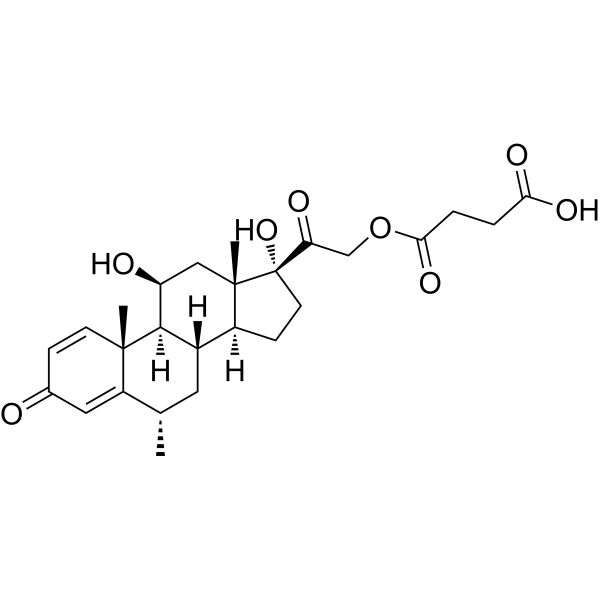
Synonyms: Methylprednisolone hydrogen succinate
Methylprednisolone succinate (Methylprednisolone hydrogen succinate) is a prodrug of Methylprednisolone (HY-B0260) and glucocorticoid with immunosuppressant and anti-inflammatory activity. Methylprednisolone succinate binds cytosolic glucocorticoid receptors, translocates to nuclei, and modulates target gene transcription. Methylprednisolone succinate alters Bax, Bcl-2, occludin, and ZO-1 expression; attenuates TLR4/NF-κB signaling; suppresses proinflammatory cytokine production and immune cell activation. Methylprednisolone succinate can be used for the research of intracranial haemorrhage, rheumatoid arthritis, multiple sclerosis, preterminal cancer, inflammatory conditions, shock, immediate-type hypersensitivity, acute myocardial ischemia, hypoxic heart muscle damage, and traumatic spinal cord injury [1] .
loading...
    loading...
2
2 Cited Publications
Cat. No.: HY-120327
CAS No.: 1621673-53-7
Purity:  98.42%
Target:  

Phosphatase

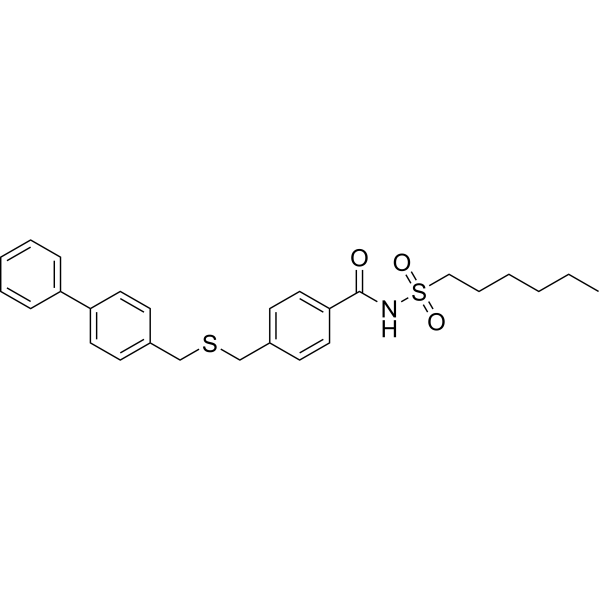
KY-226 is a potent, selective, orally active and allosteric protein tyrosine phosphatase 1B (PTP1B) inhibitor with an IC50 of 0.25 μM, and without PPARγ agonist activity. KY-226 exerts anti-diabetic and anti-obesity effects by enhancing insulin and leptin signaling, respectively. KY-226 also protects neurons from cerebral ischemic injury [1] .
loading...
    loading...
1
1 Cited Publications
Cat. No.: HY-113283
CAS No.: 451-13-8
Purity:  99.46%
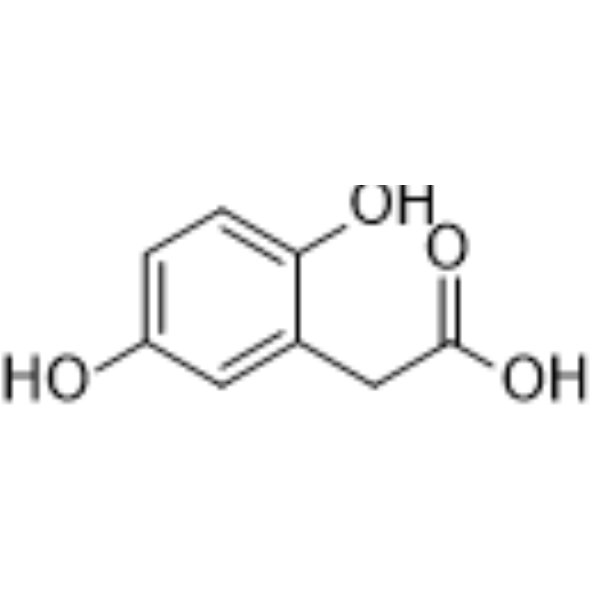
Homogentisic acid is an orally active, blood-brain barrier-permeable amyloidogenic compound that functions as both an amyloid component and a pigment precursor. Accumulation of homogentisic acid downregulates tight junction proteins (such as claudin-5, occludin, ZO-1) and impairs blood-brain barrier integrity. Homogentisic acid and its oxidation product benzoquinone acetic acid not only induce the aggregation and fibrosis of multiple proteins (such as Aβ1-42, α-synuclein, SAA, Transthyretin (TTR), atrial natriuretic peptide), but also trigger oxidative stress, damage to the Wnt/β-catenin pathway, and neurotoxicity, leading to ochronosis pigment deposition and synaptic dysfunction. At specific concentrations, homogentisic acid exerts no cytotoxicity or genotoxicity on human peripheral blood lymphocytes, and even counteracts the genotoxicity induced by Irinotecan (HY-16562). Homogentisic acid serves as an important tool molecule for investigating the mechanisms of diseases including ochronosis, secondary amyloidosis, Alzheimer's disease, and colorectal cancer [1] .
loading...
    loading...
1
1 Cited Publications
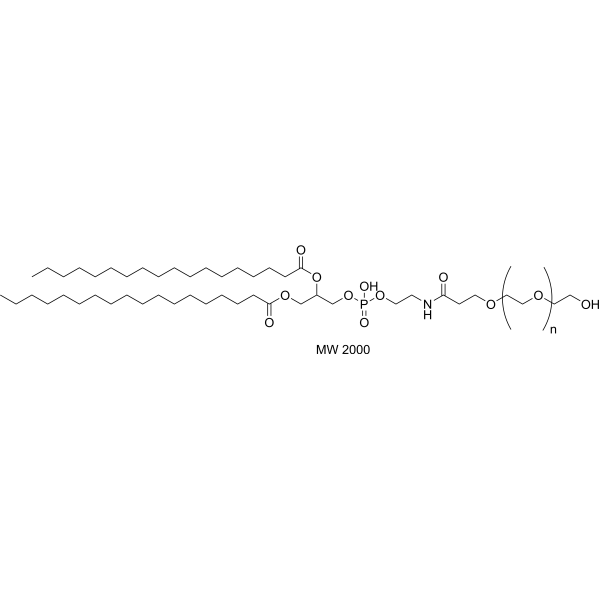
Cat. No.: HY-140741
Purity:  99.89%
DSPE-PEG2000-OH is an absorption enhancer. DSPE-PEG2000-OH reduces the expression levels of ZO-1 and Occludin. DSPE-PEG2000-OH enhances the pulmonary absorption of poorly absorbable macromolecules via the paracellular pathway without altering pulmonary membrane fluidity [1].
loading...
    loading...
1
1 Cited Publications
Cat. No.: HY-N6612B
CAS No.: 7182-77-6
Target:  

Bacterial

Research Areas:  

Inflammation/Immunology

Glucuronic acid sodium is a polysaccharide that exhibits anti-inflammatory activity, supporting the healing of ulcerative colitis. Glucuronic acid sodium also enhances the intestinal barrier by upregulating tight junction proteins like ZO-1 and Occludin. Furthermore, Glucuronic acid sodium plays a role in modulating gut microbiota by increasing beneficial bacterial populations while suppressing harmful ones.
loading...
    loading...
1
1 Cited Publications
Cat. No.: HY-P83694
Synonyms: ZO1_HUMAN; Tight junction protein ZO-1; TJP1; ZO1; Tight junction protein 1; ZOna occludens protein 1; ZOnula occludens protein 1; ZO1 tight junction protein;

Host:  

Rabbit

Application:  

WB, IHC-P, ICC/IF

Reactivity:  

Human, Mouse, Rat, Monkey

loading...
    loading...
1
1 Cited Publications
Cat. No.: HY-P86250

Host:  

Rabbit

Application:  

WB, IHC-P, ICC/IF, IP, ELISA

Reactivity:  

Human, Mouse, Rat, Pig

loading...
    loading...
Cat. No.: HY-W002112
CAS No.: 5746-86-1
Synonyms: Nornicotine
(±)-Nornicotine is a major metabolite of Nicotine. (±)-Nornicotine is a partial nAChRs agonist, specifically activating receptor subtypes containing α7 and α6 subunits. (±)-Nornicotine disrupts β-catenin and ZO-1, and induces F-actin depolymerization. (±)-Nornicotine supports self-administration behavior. (±)-Nornicotine can be used in the research of atherosclerosis, Alzheimer's disease, and schizophrenia [1] .
loading...
    loading...
Cat. No.: HY-P5523A
iE-DAP dihydrochloride is a Nod1 agonist. iE-DAP dihydrochloride activates NOD1, which in turn activates the NF-κB signaling pathway and MLCK signaling pathway, inducing cellular inflammatory responses and tight junction disruption. iE-DAP dihydrochloride downregulates the expression of ZO-1 and Occludin genes. iE-DAP dihydrochloride increases the secretion of IL-6, GRO-α, MCP-1, IL-8 and MIP-1β in term human trophoblast cell cultures. iE-DAP dihydrochloride triggers preterm birth in pregnant mice, reduces fetal body weight, and induces fetal inflammation. iE-DAP dihydrochloride can be used in studies related to mastitis and preterm birth [1] .
loading...
    loading...
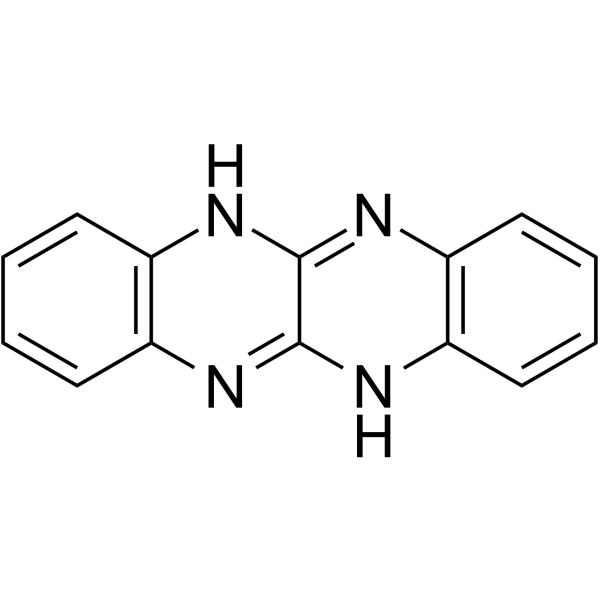
Cat. No.: HY-126195
CAS No.: 531-46-4
Purity:  99.41%
Synonyms: ML-090
Target:  

NADPH Oxidase

Research Areas:  

Neurological Disease

Fluoflavine (ML-090) is a selective NOX1 inhibitor and reactive oxygen species inhibitor. Fluoflavine reduces reactive oxygen species production, NOX1-mediated downstream signaling events, and oxygen-glucose deprivation-induced retinal ganglion cell death. Fluoflavine inhibits NADPH oxidase activity and pathological retinal neovascularization induced by oxygen-induced retinopathy in the retinas of ischemic mice. Fluoflavine can be used in studies related to retinal ischemia-reperfusion injury and proliferative retinopathy [1] .
loading...
    loading...
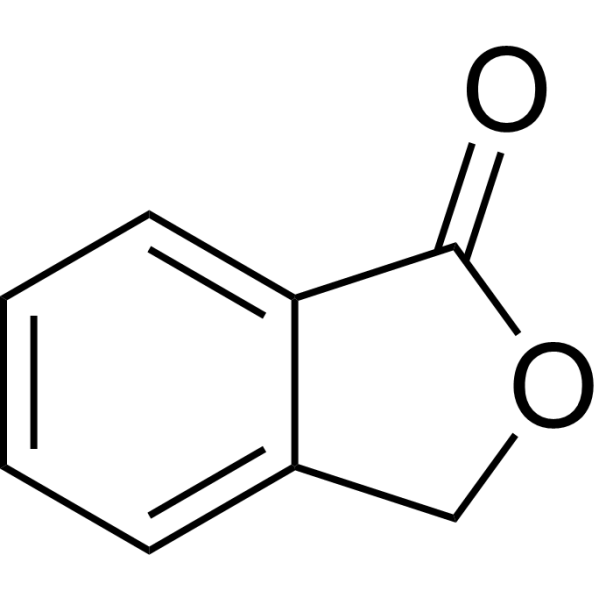
Cat. No.: HY-W015820
CAS No.: 87-41-2
Phthalide is a chemical scaffold. Phthalide derivatives act as potent blood-brain barrier modulators. Phthalide exhibits significant anti-inflammatory activity. Some phthalide derivatives possess anti-inflammatory activity. The phthalide derivative Senkyunolide I shows analgesic effects and ameliorates cerebral edema and cerebral infarction volume in rats with focal cerebral ischemia-reperfusion injury. Phthalide can be used in research related to glioma, rheumatoid arthritis, malaria, bacterial infection, fungal infection and ischemic stroke [1] .
loading...
    loading...
Cat. No.: HY-P10886
CAS No.: 1465809-36-2
Research Areas:  

Inflammation/Immunology

Zifogaptide is a gap junction protein channel regulator. Zifogaptide mimics the PDZ-binding motif at the C-terminal of Claudin C and competitively interferes with the interaction between Claudin–TJP1 (ZO-1) scaffold. Zifogaptide can promote epithelial cell migration, reduce scar formation, and accelerate wound healing. Zifogaptide can be used for radiation dermatitis, skin injuries, etc [1].
loading...
    loading...
Cat. No.: HY-B1900R
CAS No.: 2921-57-5
Synonyms: Methylprednisolone hydrogen succinate (Standard)
Methylprednisolone succinate (Standard) is the analytical standard of Methylprednisolone succinate (HY-B1900). This product is intended for research and analytical applications. Methylprednisolone succinate (Methylprednisolone hydrogen succinate) is a prodrug of Methylprednisolone (HY-B0260) and glucocorticoid with immunosuppressant and anti-inflammatory activity. Methylprednisolone succinate binds cytosolic glucocorticoid receptors, translocates to nuclei, and modulates target gene transcription. Methylprednisolone succinate alters Bax, Bcl-2, occludin, and ZO-1 expression; attenuates TLR4/NF-κB signaling; suppresses proinflammatory cytokine production and immune cell activation. Methylprednisolone succinate can be used for the research of intracranial haemorrhage, rheumatoid arthritis, multiple sclerosis, preterminal cancer, inflammatory conditions, shock, immediate-type hypersensitivity, acute myocardial ischemia, hypoxic heart muscle damage, and traumatic spinal cord injury [1] .
loading...
    loading...
Cat. No.: HY-117772
CAS No.: 1215849-96-9
Purity:  99.84%
Target:  

iGluR

FSC231 is a PSD‐95/DLG/ZO‐1 (PDZ) domain inhibitor of PICK1. FSC231 has analgesic effects [1].
loading...
    loading...
Cat. No.: HY-W002112S
CAS No.: 66148-18-3
Synonyms: Nornicotine-d4
(±)-Nornicotine-d4 is the deuterium labeled (±)-Nornicotine (HY-W002112). (±)-Nornicotine is a major metabolite of Nicotine. (±)-Nornicotine is a partial nAChRs agonist, specifically activating receptor subtypes containing α7 and α6 subunits. (±)-Nornicotine disrupts β-catenin and ZO-1, and induces F-actin depolymerization. (±)-Nornicotine supports self-administration behavior. (±)-Nornicotine can be used in the research of atherosclerosis, Alzheimer's disease, and schizophrenia [1] .
loading...
    loading...
Cat. No.: HY-P5523
CAS No.: 592520-07-5
iE-DAP is a Nod1 agonist. iE-DAP activates NOD1, which in turn activates the NF-κB signaling pathway and MLCK signaling pathway, inducing cellular inflammatory responses and tight junction disruption. iE-DAP downregulates the expression of ZO-1 and Occludin genes. iE-DAP increases the secretion of IL-6, GRO-α, MCP-1, IL-8 and MIP-1β in term human trophoblast cell cultures. iE-DAP triggers preterm birth in pregnant mice, reduces fetal body weight, and induces fetal inflammation. iE-DAP is applicable to research related to mastitis and preterm birth [1] .
loading...
    loading...
Cat. No.: HY-RS20347
Research Areas:  

Others

Tjp1 Mouse Pre-designed siRNA Set A contains three designed siRNAs for Tjp1 gene (Mouse), as well as a negative control, a positive control, and a FAM-labeled negative control.

loading...
    loading...
Cat. No.: HY-175460
CAS No.: 866036-65-9
Target:  

SARS-CoV

Research Areas:  

Infection

SARS-CoV-2-IN-117 (Compound C19) is a SARS-CoV-2 E protein inhibitor. SARS-CoV-2-IN-117 significantly inhibits SARS-CoV-2 E protein interaction with host ZO-1 PDZ2 domain. SARS-CoV-2-IN-117 has potent antiviral activity and significantly reduces viral replication. SARS-CoV-2-IN-117 can be used for COVID-19 research [1].
loading...
    loading...
Cat. No.: HY-W002112R
CAS No.: 5746-86-1
Synonyms: Nornicotine (Standard)
(±)-Nornicotine (Standard) is the analytical standard of (±)-Nornicotine (HY-W002112). This product is intended for research and analytical applications. (±)-Nornicotine is a major metabolite of Nicotine. (±)-Nornicotine is a partial nAChRs agonist, specifically activating receptor subtypes containing α7 and α6 subunits. (±)-Nornicotine disrupts β-catenin and ZO-1, and induces F-actin depolymerization. (±)-Nornicotine supports self-administration behavior. (±)-Nornicotine can be used in the research of atherosclerosis, Alzheimer's disease, and schizophrenia [1] .
loading...
    loading...

