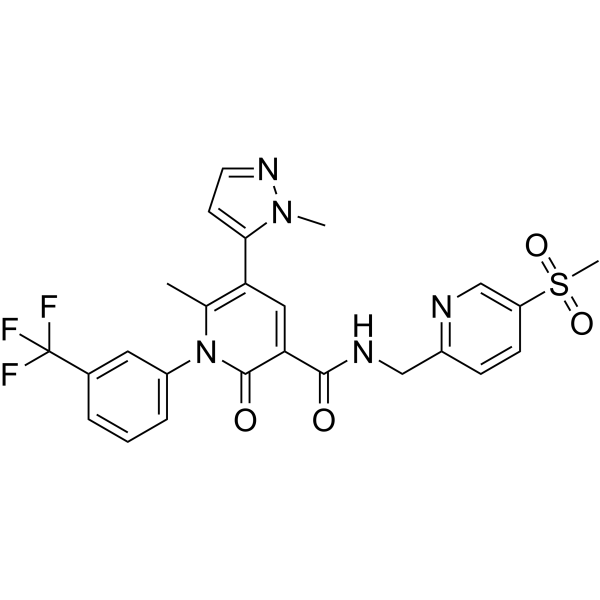
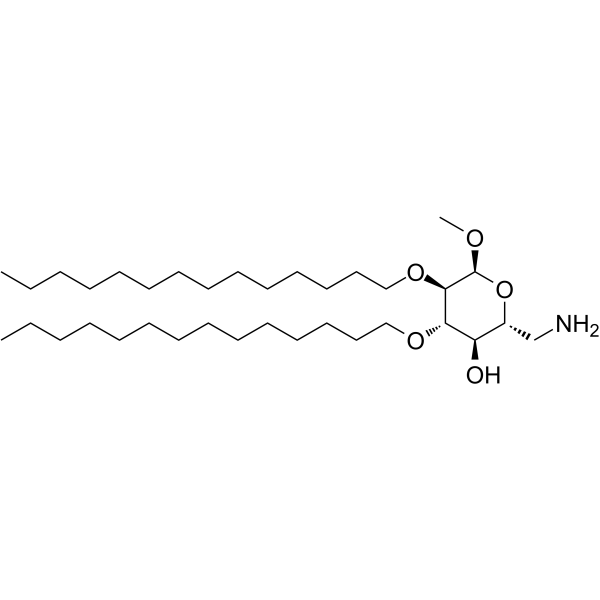

Search Result
Results for "
abdominal
" in MedChemExpress (MCE) Product Catalog:
3
Biochemical Assay Reagents
8
Isotope-Labeled Compounds
| Cat. No. |
Product Name |
Target |
Research Areas |
Chemical Structure |
-
- HY-Y0406E
-
|
Calcium dichloride anhydrous, for cell culture
|
Environmental Pollutants
Biochemical Assay Reagents
|
Infection
Cancer
|
|
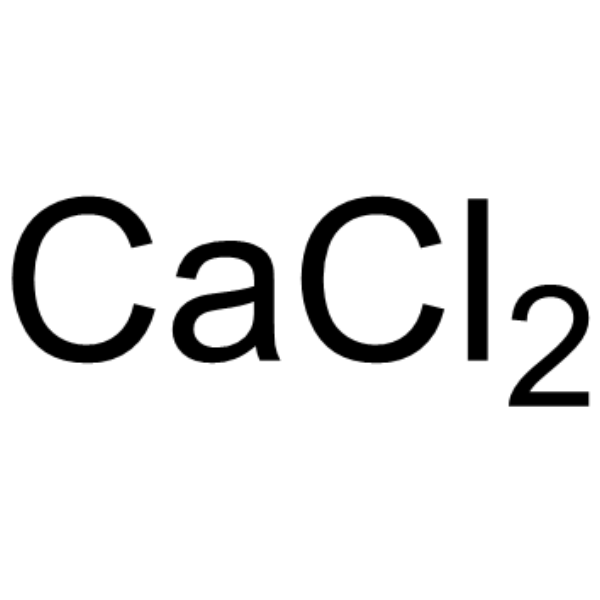
Calcium chloride anhydrous, for cell culture is an inorganic salt for the preparation of various buffers . Calcium chloride anhydrous, for cell culture can be used for animal modeling, to construct abdominal aortic aneurysm models .
|
-
-
- HY-B0661
-
|
(R)-(-)-YM12617 free base; LY253351 free base
|
Adrenergic Receptor
Apoptosis
|
Neurological Disease
Endocrinology
Cancer
|
|
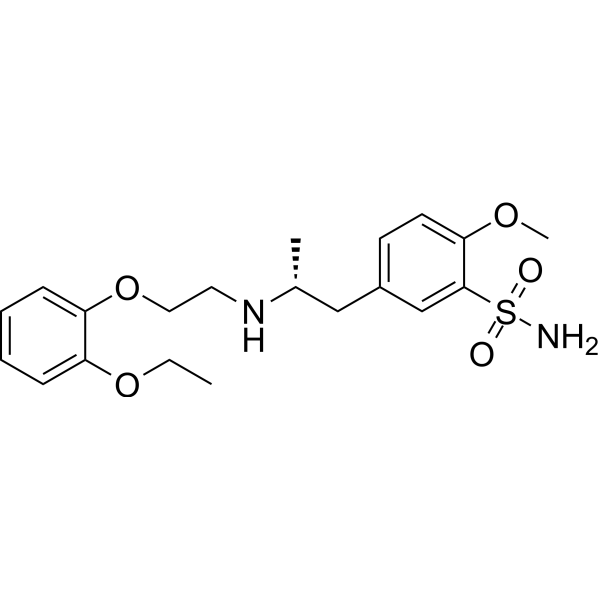
Tamsulosin ((R)-(-)-YM12617 free base) is an orally active antagonist of α1-adrenergic receptor. Tamsulosin induces Apoptosis. Tamsulosin is used for the research of prostatic hyperplasia. Tamsulosin attenuates abdominal aortic aneurysm growth and inhibits inflammation in animal models .
|
-
-
- HY-B0661A
-
|
(R)-(-)-YM12617; LY253351
|
Adrenergic Receptor
Apoptosis
|
Neurological Disease
Endocrinology
Cancer
|
|
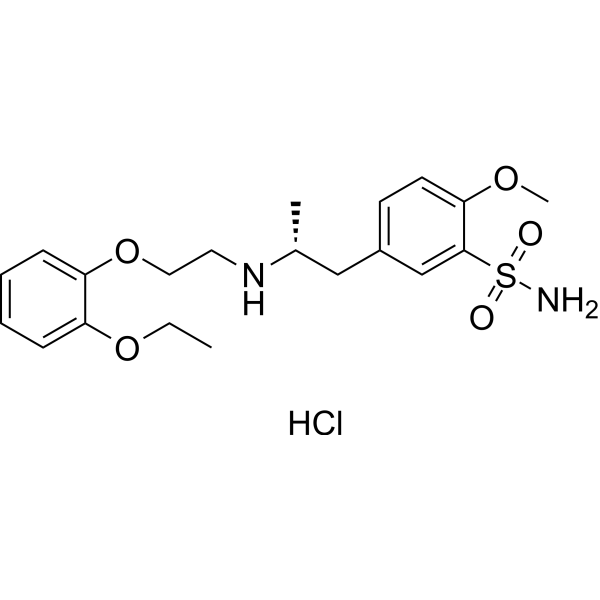
Tamsulosin hydrochloride ((R)-(-)-YM12617 free base) is an orally active antagonist of α1-adrenergic receptor. Tamsulosin hydrochloride induces Apoptosis. Tamsulosin hydrochloride is used for the research of prostatic hyperplasia. Tamsulosin hydrochloride attenuates abdominal aortic aneurysm growth and inhibits inflammation in animal models .
|
-
-
- HY-N0340
-
|
Hyoscine butylbromide; (-)-Scopolamine butylbromide; Butylscopolamine bromide
|
mAChR
|
Neurological Disease
Inflammation/Immunology
|
|
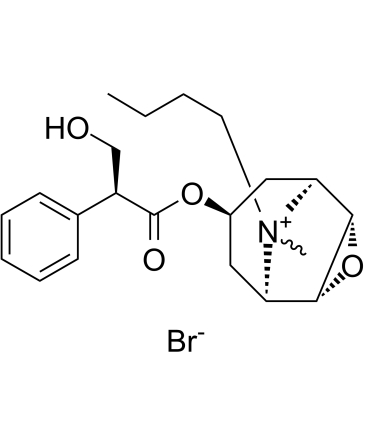
Scopolamine butylbromide (Hyoscine butylbromide) is an orally active anticholinergic agent and spasmolytic. Scopolamine butylbromide binds with high affinity to rat cardiac M2 (Ki 83 nmol/L), hM2 (Ki 233 nmol/L), rat intestinal M3 (Ki 290 nmol/L) and hM3 (Ki 643 nmol/L) muscarinic receptors. Scopolamine butylbromide exerts a dose-dependent antagonistic effect on Carbachol-induced gastrointestinal smooth muscle spasm. Scopolamine butylbromide can be used for the research of abdominal colic and pain associated with gastrointestinal spasm, functional abdominal pain, chronic gastropathy and gastric ulcer .
|
-
-
- HY-W145519
-
|
|
Environmental Pollutants
Biochemical Assay Reagents
|
Cardiovascular Disease
|
|
Hydroxyethyl starch (MW170-230 kDa) is a type of hydroxyethyl starch with a molecular weight of 170-230 kDa. A medium-molecular-weight hydroxyethyl starch (HES 200/0.62) exhibits minimal intravascular hydrolysis. The rapidly degradable medium-molecular-weight Hydroxyethyl starch 200/0.5 causes almost no coagulation disorders and improves hemorheological parameters .
|
-
-
- HY-105284
-
|
CP-70429
|
Beta-lactamase
Bacterial
Antibiotic
|
Infection
|
|
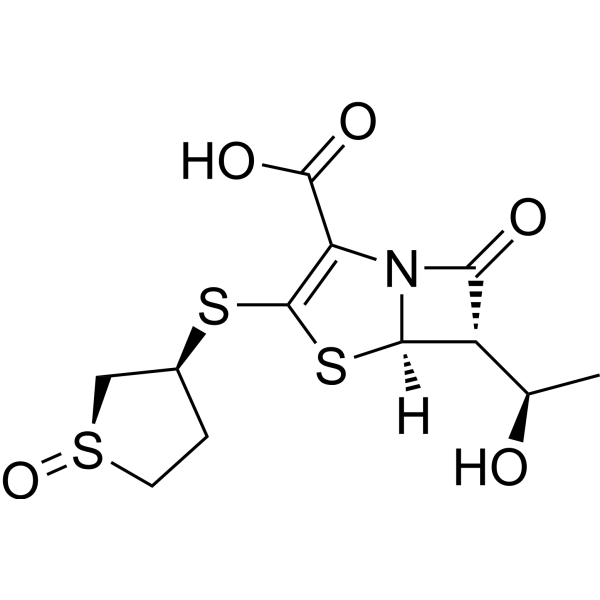
Sulopenem (CP-70429) is an orally active, parenteral penem antibiotic with broad-spectrum activities against Gram-positive and Gram-negative bacteria. Sulopenem has the potential for urinary tract infections and intra-abdominal infections treatment. Sulopenem is inactive against Pseudomonas aeruginosa and Xanthomonas maltophilia .
|
-
-
- HY-125171
-
|
|
Toll-like Receptor (TLR)
|
Inflammation/Immunology
|
|
IAXO-102 is a TLR4 antagonist which negatively regulates TLR4 signalling. IAXO-102 inhibits MAPK and p65 NF-κB phosphorylation and expression of TLR4 dependent proinflammatory protein. IAXO-102 also prevents experimental abdominal aortic aneurysm development .
|
-
-
- HY-14744A
-
|
(S)-Amlodipine besylate; Levoamlodipine besylate
|
Calcium Channel
MMP
|
Cardiovascular Disease
|
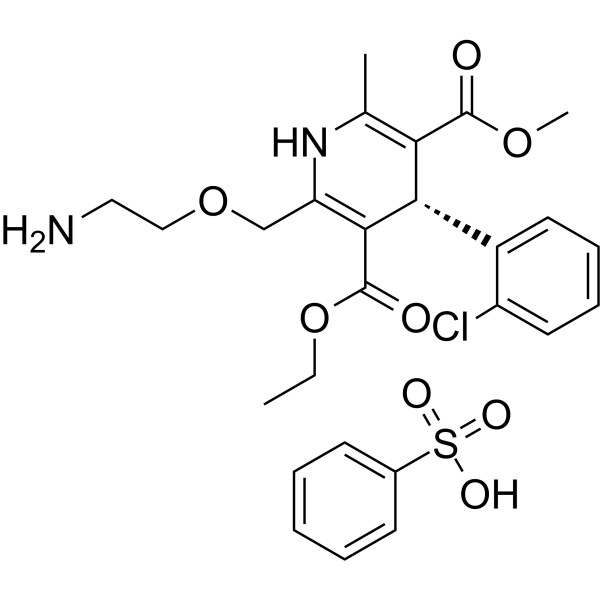
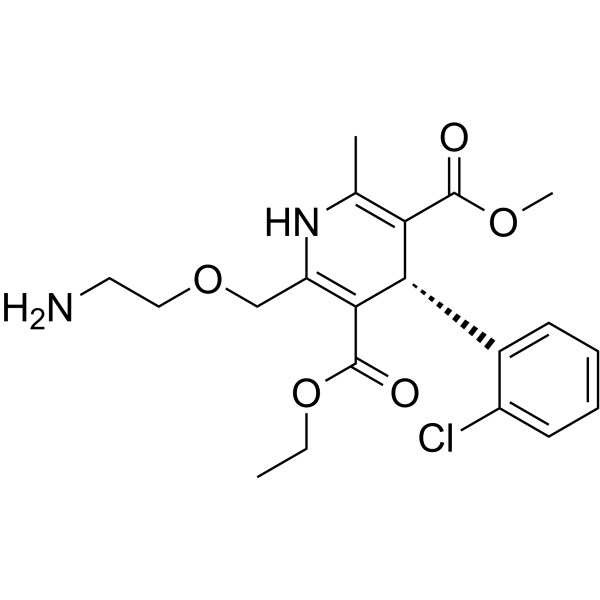
Levamlodipine ((S)-Amlodipine; Levoamlodipin) besylate is an orally active L-type calcium channel blocker and MMP-9 modulator with high permeability and retention properties. Levamlodipine besylate significantly enhances plaque stability and improves lipid profiles by reducing blood pressure, decreasing systolic blood pressure variability, and inhibiting MMP-9 expression in atherosclerotic plaques. Levamlodipine besylate not only alleviates cardiac and aortic hypertrophy and prevents renal atrophy, but also produces synergistic effects in blood pressure reduction and organ protection when combined with bisoprolol (HY-129029). Levamlodipine besylate exerts no significant inhibitory effect on abdominal aortic intimal hyperplasia. When excessively accumulated in the epidermis, Levamlodipine besylate may induce changes in keratin structure, impair the skin barrier and trigger inflammation; long-term use further exacerbates skin irritation caused by local administration. Levamlodipine besylate can be used in research related to hypertension and atherosclerosis .
|
-
-
- HY-N4113
-
|
|
Keap1-Nrf2
AMPK
|
Cancer
|
|
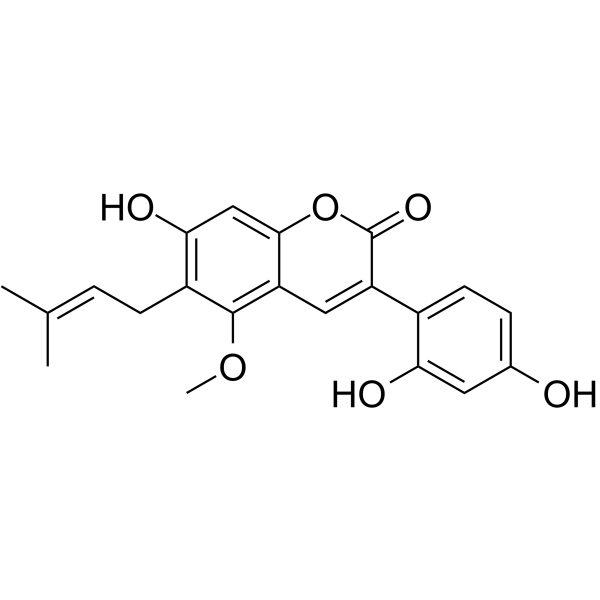
Glycycoumarin is a potent antispasmodic agent. Glycycoumarin is a major bioactive coumarin of licorice and exhibits antispasmodic activity. Glycycoumarin also has hepatoprotective effect. Glycycoumarin can be used for the research of abdominal pain and liver diseases .
|
-
-
- HY-W097899
-
|
|
JNK
|
Cancer
|
|
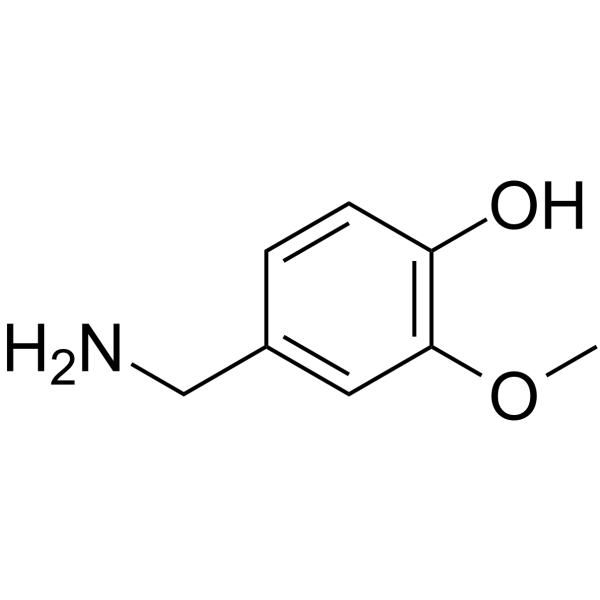
Vanillylamine is an immediate precursor for capsaicinoids. Vanillylamine is a derivative of Vanillin (HY-N0098) is synthesized through a transaminase reaction in the phenylpropanoid pathway of capsaicinoid synthesis. Vanillylamine significantly alleviates myelosuppression caused by abdominal and pelvic tumor chemotherapy .
|
-
-
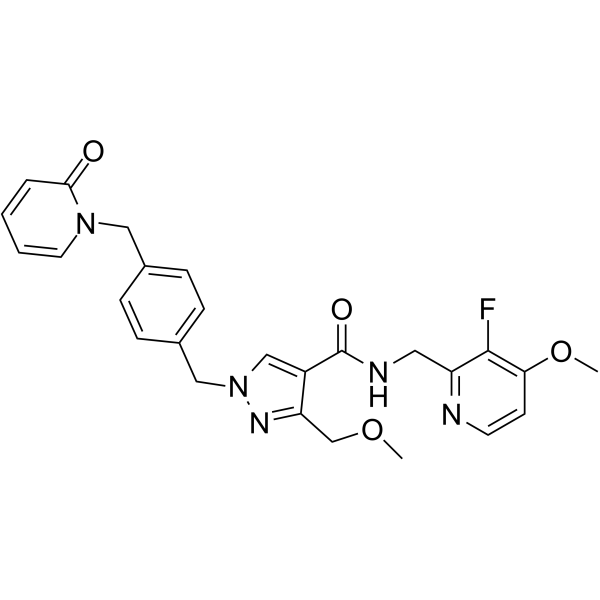
- HY-16768
-
|
QAW039; NVP-QAW039
|
Prostaglandin Receptor
|
Cardiovascular Disease
|
|
Fevipiprant (QAW039, NVP-QAW039) is s an orally active, selective, reversible prostaglandin D2 (DP2) receptor antagonist with an Kd value of 1.14 nM. Fevipiprant has the potential for the research of bronchial asthma .
|
-
-
- HY-N6660
-
|
Tricaprin; Glyceryl tridecanoate
|
Endogenous Metabolite
Androgen Receptor
|
Cardiovascular Disease
Metabolic Disease
|
|
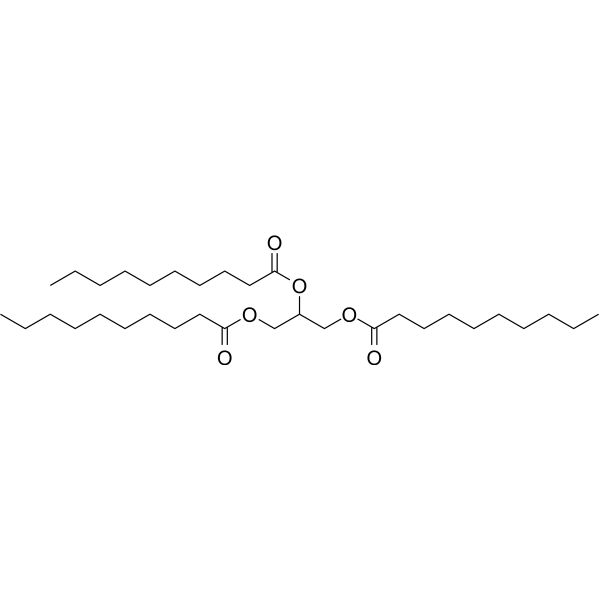
Trisdecanoin (Tricaprin; Glyceryl tridecanoate) is an orally available precursor of decanoic acid (DA precursor) that can be hydrolyzed to decanoic acid. Trisdecanoin and its metabolite capric acid not only provide the body with a quick source of energy, but can also affect lipid metabolism. Trisdecanoin is a major component of medium chain triglycerides (MCT), which has preventive or inhibitory properties for abdominal aortic aneurysms (AAA), inhibition of cardiovascular disease, and anti-androgen (NSAA) and anti-hyperglycemic properties. Trisdecanoin can be used as an additive in food, medicine and cosmetics .
|
-
-
- HY-101907
-
ASP7663
2 Publications Verification
|
TRP Channel
|
Neurological Disease
|
|
ASP7663 is an orally active and selective TRPA1 agonist. ASP7663 exerts both anti-constipation and anti-abdominal pain actions .
|
-
-
- HY-120272
-
SMAP-2
1 Publications Verification
DT-1154
|
Phosphatase
|
Cancer
|
|
SMAP-2 (DT-1154) is an orally active protein phosphatase 2A (PP2A) activator, with anti-cancer activity .
|
-
-
- HY-117401
-
|
|
Fluorescent Dye
|
Others
|
|
5-Dodecanoylaminofluorescein is an amphipathic (amphoteric) fluorescent probe (Ex/Em = 485 nm/515-535 nm), which consists of a hydrophilic fluorescein core and a hydrophobic dodecanoyl group (C12 fatty acid chain) linked by an amide bond. 5-Dodecanoylaminofluorescein is mainly used as an interface-localized radical trapping/indicator probe. Dodecanoylaminofluorescein can be used for the determination of the antioxidant properties of emulsions, or can serve as a lipophilic drug model for the study of passive skin penetration when encapsulated in tyrosine-derived nanospheres .
|
-
-
- HY-B1132
-
|
Ro 2-3773
|
mAChR
|
Neurological Disease
|
|
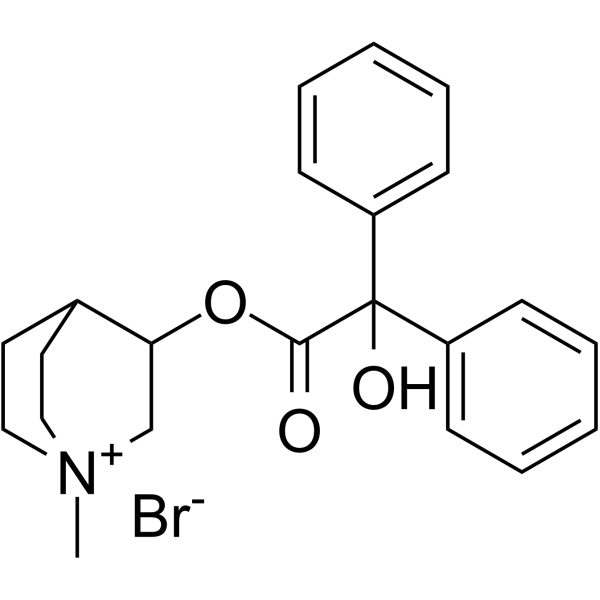
Clidinium bromide is a quaternary amine antimuscarinic agent. Clidinium bromide may help symptoms of cramping and abdominal/stomach pain by decreasing stomach acid, and slowing the intestines in vivo .
|
-
-
- HY-107867
-
|
|
P2Y Receptor
|
Cardiovascular Disease
Inflammation/Immunology
|
|
(±)-Clopidogrel bisulfate is a platelet P2Y12 receptor inhibitor and an adenosine diphosphate (ADP) receptor antagonist. (±)-Clopidogrel bisulfate inhibits the binding of ADP to its receptors on the membranes of platelet cells, and blocks ADP-mediated activation of the glycoprotein GPIIb/IIIa complex. (±)-Clopidogrel bisulfate reduces vascular inflammation and angiotensin II induced-abdominal aortic aneurysm progression. (±)-Clopidogrel bisulfate has anti-inflammatory effects .
|
-
-
- HY-154636
-
|
|
Biochemical Assay Reagents
|
Endocrinology
|
Liquid Paraffin is a petroleum-derived mixture of saturated hydrocarbons and an orally active fecal lubricant. Liquid Paraffin is widely used in studies of constipation and fecal incontinence in children through its lubricating effect and the osmotic effect generated by its conversion to hydroxy fatty acids. Liquid Paraffin has high safety, is non-carcinogenic, and does not affect fat-soluble vitamin levels with long-term use. Liquid Paraffin does not cause abdominal pain or electrolyte disorders, but may lead to lipoid pneumonia and granulomas caused by rectal administration. Liquid Paraffin can also be used as a phase change material for thermal energy storage, or combined with nanoparticles to form a protective boundary film to reduce mechanical wear .
|
-
-
- HY-135115
-
|
3,4-DHPEA-EA
|
α-synuclein
HDAC
Adrenergic Receptor
|
Inflammation/Immunology
|
|
Oleuropein Aglycone (3,4-DHPEA-EA) is a polyphenol and the aglycone form of oleuropein (HY-N0292), formed by enzymatic, acidic or acetylated hydrolysis of oleuropein. Dietary intake of oleuropein Aglycone (50 mg/kg diet) increases the number of neuronal autophagic vesicles, reverses cognitive deficits in the TgCRND8 transgenic mouse model of Alzheimer's disease, and reduces the levels of histone deacetylase 2 (HDAC2) in the cortex and hippocampus. Oleuropein Aglycone increases urinary norepinephrine, interscapular brown adipose tissue epinephrine, and UCP1 protein levels, and reduced plasma leptin levels and total abdominal adipose tissue weight in a rat model of high-fat diet-induced obesity. Oleuropein Aglycone also reduced lung neutrophil infiltration, lipid peroxidation, and IL-1β levels in a mouse model of carrageenan-induced pleurisy.
|
-
-
- HY-14744
-
|
(S)-Amlodipine; Levoamlodipine
|
Calcium Channel
MMP
|
Cardiovascular Disease
Neurological Disease
|
Levamlodipine ((S)-Amlodipine; Levoamlodipin) is an orally active L-type calcium channel blocker and MMP-9 modulator with high permeability and retention properties. Levamlodipine significantly enhances plaque stability and improves lipid profiles by reducing blood pressure, decreasing systolic blood pressure variability, and inhibiting MMP-9 expression in atherosclerotic plaques. Levamlodipine not only alleviates cardiac and aortic hypertrophy and prevents renal atrophy, but also produces synergistic effects in blood pressure reduction and organ protection when combined with bisoprolol (HY-129029). Levamlodipine exerts no significant inhibitory effect on abdominal aortic intimal hyperplasia. When excessively accumulated in the epidermis, Levamlodipine may induce changes in keratin structure, impair the skin barrier and trigger inflammation; long-term use further exacerbates skin irritation caused by local administration. Levamlodipine can be used in research related to hypertension and atherosclerosis .
|
-
-
- HY-142117
-
|
|
Calcium Channel
Chloride Channel
|
Others
|
|
Adenophostin A is an IP3 receptor (inositol 1,4,5-trisphosphate receptors) modulator and Ca 2+ releaser, with an IC50 of 1.3 nM, an EC50 of 1.4 nM, and a Ki of 0.18 nM in rats, and an IC50 of 0.95 nM in humans. Adenophostin A activates IP3 receptors, stimulates Ca 2+ release from intracellular stores and microsomes, inhibits the binding of [ 3H]IP3 to plasma membrane receptors, and activates chloride channels. Adenophostin A resists phosphorylation and dephosphorylation by IP3 metabolic enzymes to maintain its activity, and increases cytoplasmic [Ca 2+] levels via calcium mobilization from the endoplasmic reticulum of vascular smooth muscle cells. Adenophostin A is applicable to research related to hemorrhagic shock .
|
-
-
- HY-B1164
-
|
|
Dopamine Receptor
|
Neurological Disease
|
|
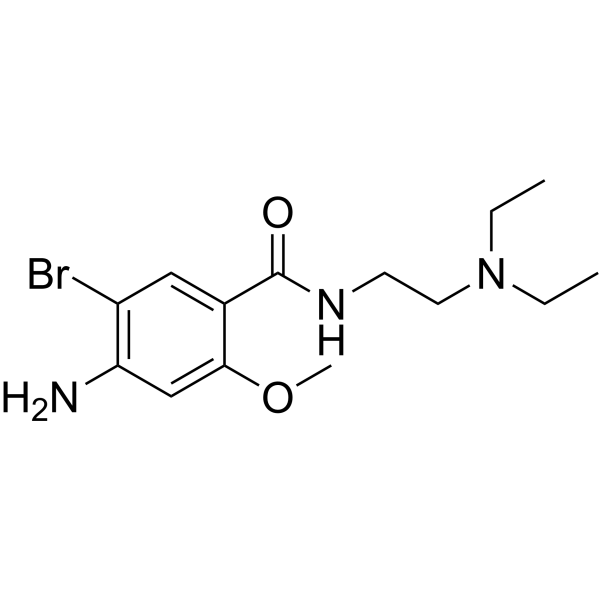
Bromopride is a selective, irreversible, competitive, and orally effective dopamine D2 receptor antagonist. Bromopride can pass through the blood-brain barrier, inhibit the vomiting center, and enhance gastrointestinal motility, exerting antiemetic and gastrointestinal motility effects. Bromopride antagonizes dopamine-mediated vomiting reflexes and promotes gastrointestinal smooth muscle contraction, and has no adverse effects on abdominal wall healing in rats with postoperative abdominal infection. Bromopride can be used for the study of digestive system diseases (such as gastric hypomotility, nausea and vomiting) .
|
-
-
- HY-P2237
-
-
-
- HY-107802
-
|
Breviscapinun
|
NF-κB
Interleukin Related
TGF-beta/Smad
Calcium Channel
|
Cardiovascular Disease
Neurological Disease
Inflammation/Immunology
|
|
Breviscapine (Breviscapinun) is a flavonoid compound with antioxidant, anti-inflammatory, anti-fibrotic, and neuroprotective activities. Breviscapine ameliorates cerebral ischemia/reperfusion injury and vascular dementia, and inhibits the formation of postoperative abdominal adhesions. The mechanism of action of Breviscapine involves the regulation of oxidative stress, inflammatory cytokines, signaling pathways such as TGF-β/Smad, and cellular calcium overload. Breviscapine is used for research on diseases including cardiovascular and cerebrovascular diseases .
|
-
-
- HY-162387
-
-
-
- HY-24504
-
-
-
- HY-P990209
-
|
|
Interleukin Related
|
Infection
Cardiovascular Disease
Metabolic Disease
Inflammation/Immunology
Cancer
|
|
Anti-Mouse IL-7Rα/CD127 Antibody (A7R34) is a rat-derived IgG2a κ type antibody inhibitor, targeting to mouse IL-7Rα/CD127. Anti-Mouse IL-7Rα/CD127 Antibody (A7R34) blocks IL-7 signaling. Anti-Mouse IL-7Rα/CD127 Antibody (A7R34) can be used for the researches of cancer,infection, inflammation, immunology, cardiovascular and metabolic disease, such as abdominal aortic aneurysms, helicobacter felis-induced gastritis and diabetes .
|
-
-
- HY-W250316
-
|
Sucrose Stearate, Type II, USP
|
Biochemical Assay Reagents
|
Others
|
|
Alpha-d-Glucopyranoside, beta-d-fructofuranosyl, octadecanoate (Sucrose Stearate, Type II, USP) is a non-ionic surfactant. Alpha-d-Glucopyranoside, beta-d-fructofuranosyl, octadecanoate enhances the skin permeability of formulations .
|
-
-
- HY-N7527
-
|
|
Others
|
Neurological Disease
|
|
Baccatin VI is a natural taxoid with antinociceptive activities. Baccatin VI possesses significant antinociceptive activity against p-Benzoquinone-induced abdominal contractions .
|
-
-
- HY-139554
-
|
KBP-7072
|
Antibiotic
Bacterial
|
Infection
|
|
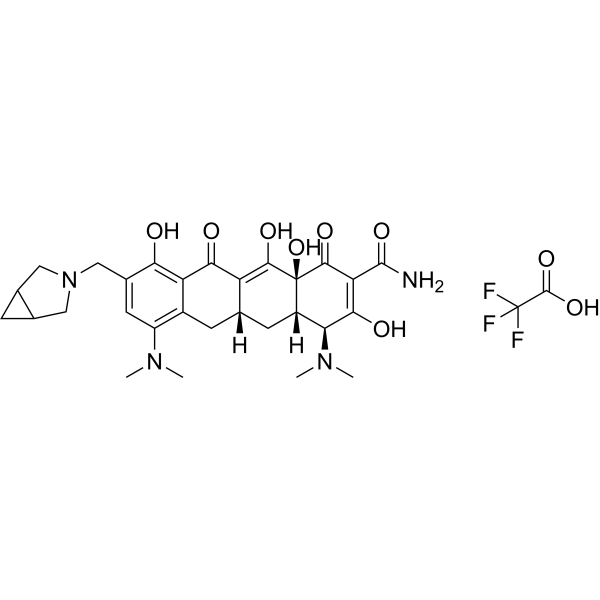
Zifanocycline (KBP-7072) is a semisynthetic third-generation aminomethylcycline antibiotic that inhibits the normal function of the bacterial ribosome. Zifanocycline exhibits a broad spectrum of in vitro antibacterial activity against Gram-positive and Gram-negative bacteria, including many multidrug-resistant pathogens. Zifanocycline is available in both oral and injectable formulations. Zifanocycline can be used for the research of acute bacterial skin and skin structure infections, community-acquired bacterial pneumonia, and complicated intra-abdominal infections .
|
-
-
- HY-118834
-
|
Lyngbyatoxin A
|
PKC
|
Inflammation/Immunology
Cancer
|
|
Teleocidin A1 (Lyngbyatoxin A) is a PKC activator with a Ki value of 0.11 nM for binding to the PKCδ-C1B peptide. Teleocidin A1 exhibits anticancer activity against cervical cancer and leukemia. Teleocidin A1 can induce seaweed dermatitis, food poisoning and local skin toxicity. Teleocidin A1 can be used in studies related to cervical cancer, seaweed dermatitis and food poisoning .
|
-
-
- HY-N1219
-
|
(-)-Stephanine; l-Stephanine
|
Apoptosis
Parasite
|
Infection
Inflammation/Immunology
Cancer
|
|
Stephanine ((-)-Stephanine) is an isoquinoline aporphine-type alkaloid. Stephanine induce apoptosis through the reverse of mitotic exit. Stephanine exhibits Antiplasmodial activity. Stephanine can be used for the research of stomach pain, abdominal pain, arthritis and cancer .
|
-
-
- HY-W749143
-
|
|
Others
|
Endocrinology
|
|
Bombykal is a female pheromone isolated from the abdominal components of Bombys mori L .
|
-
-
- HY-W615797
-
|
|
Drug Derivative
|
Cancer
|
|
DL-Sarcolysine is an alkylating agent-based antitumor agent. DL-Sarcolysine shows significant inhibitory activity against solid tumors transplanted subcutaneously and in the abdominal cavity .
|
-
-
- HY-B1486A
-
|
Ba 39089 free base
|
Adrenergic Receptor
|
Cardiovascular Disease
|
|
Oxprenolol (Ba 39089 free base) is an orally bioavailable β-adrenergic receptor (β-AR) antagonist with a Ki of 7.10 nM in a radioligand binding assay using rat heart muscle .
|
-
-
- HY-B0661AS1
-
-
-
- HY-P5907
-
|
|
Opioid Receptor
|
Neurological Disease
|
|
Helianorphin-19 is a potent and selective κ-opioid receptor (KOR) activator with a Ki of 21 nM and an EC50 of 45 nM. Helianorphin-19 exhibits strong KOR-specific peripheral analgesic activity in a mouse model of chronic visceral pain .
|
-
-
- HY-D1905
-
|
|
Fluorescent Dye
|
Cancer
|
|
ICG acid is a fluorescent dye used in medical diagnostics. ICG acid has absorption peaking at 800 nm and can absorb the near IR laser energy and release heat in the dyed tissue. ICG acid has been used in fluorescence-guided surgery to identify critical structures, including intra-abdominal tumors .
|
-
-
- HY-105284A
-
|
CP-70429 sodium
|
Antibiotic
Bacterial
|
Inflammation/Immunology
|
|
Sulopenem (sodium)(CP-70429 (sodium)) is an orally active, parenteral penem antibiotic with broad-spectrum activities against Gram-positive and Gram-negative bacteria. Sulopenem has the potential for urinary tract infections and intra-abdominal infections treatment. Sulopenem is inactive against Pseudomonas aeruginosa and Xanthomonas maltophilia .
|
-
-
- HY-101317A
-
|
SB-205607
|
Opioid Receptor
|
Metabolic Disease
|
|
TAN-67 (SB-205607) is a non-peptidic delta-opioid receptor agonist that exhibits significant antinociceptive activity in both diabetic and non-diabetic mice. TAN-67 demonstrates a marked and dose-dependent reduction in acetic acid-induced abdominal constrictions, with a notably stronger effect in diabetic mice compared to their non-diabetic counterparts. TAN-67's antinociceptive properties are primarily mediated through the activation of delta 1-opioid receptors, as indicated by the pronounced antagonism observed upon administration of a selective delta 1-opioid receptor antagonist.
|
-
-
- HY-120960
-
|
ARA-S
|
Akt
p38 MAPK
Apoptosis
Potassium Channel
|
Cardiovascular Disease
Neurological Disease
|
|
N-Arachidonoyl-L-serine (ARA-S) is an endocannabinoid. N-Arachidonoyl-L-serine induces phosphorylation of Akt and MAPK in endothelial cells. N-Arachidonoyl-L-serine also induces endothelium-dependent vasodilation in isolated rat mesenteric and abdominal aortas. N-Arachidonoyl-L-serine exhibits neuroprotective effects after traumatic brain injury by reducing apoptosis. N-Arachidonoyl-L-serine promotes the opening of KV7.1/KCNE1 channels in mammalian cells and shortens the action potential duration in cardiomyocytes. N-Arachidonoyl-L-serine may be used in research on cardiovascular and cerebrovascular diseases and neurological disorders .
|
-
-
- HY-137610A
-
|
|
P2X Receptor
P2Y Receptor
|
Neurological Disease
|
|
TNP-ATP is an antagonist of purinergic P2Y1, P2X3, and P2X2/3 receptors (IC50 = 6, 0.9, and 7 nM, respectively, in HEK293 cells expressing human receptors). TNP-ATP reduces acetate-induced calcium flux in 1321N1 cells expressing P2X3 and P2X2/3 receptors (IC50 = 100 and 62 nM, respectively). TNP-ATP dose-dependently attenuates acetate-induced abdominal contractions in a mouse visceral pain model (ED50 = 6.35 µmol/kg) [1][2].
|
-
-
- HY-14744D
-
|
|
Calcium Channel
MMP
|
Cardiovascular Disease
Neurological Disease
|
Levamlodipine besylate Hemipentahydrate is an orally active L-type calcium channel blocker and MMP-9 modulator with high permeability and retention properties. Levamlodipine besylate Hemipentahydrate significantly enhances plaque stability and improves lipid profiles by reducing blood pressure, decreasing systolic blood pressure variability, and inhibiting MMP-9 expression in atherosclerotic plaques. Levamlodipine besylate Hemipentahydrate not only alleviates cardiac and aortic hypertrophy and prevents renal atrophy, but also produces synergistic effects in blood pressure reduction and organ protection when combined with bisoprolol (HY-129029). Levamlodipine besylate Hemipentahydrate exerts no significant inhibitory effect on abdominal aortic intimal hyperplasia. When excessively accumulated in the epidermis, Levamlodipine besylate Hemipentahydrate may induce changes in keratin structure, impair the skin barrier and trigger inflammation; long-term use further exacerbates skin irritation caused by local administration. Levamlodipine besylate Hemipentahydrate can be used in research related to hypertension and atherosclerosis .
|
-
-
- HY-D2376
-
|
|
Fluorescent Dye
|
Cancer
|
|
BH-Vis is a two-photon fluorescent probe that inhibits cell plasma membrane (CPM). BH-Vis has great potential to accurately identify pyroptosis at the cellular level during AAA development in the mouse abdominal aortic aneurysm AAA model .
|
-
-
- HY-N1006
-
-
-
- HY-N4113R
-
|
|
Reference Standards
Keap1-Nrf2
AMPK
|
Cancer
|
|
Glycycoumarin (Standard) is the analytical standard of Glycycoumarin. This product is intended for research and analytical applications. Glycycoumarin is a potent antispasmodic agent. Glycycoumarin is a major bioactive coumarin of licorice and exhibits antispasmodic activity. Glycycoumarin also has hepatoprotective effect. Glycycoumarin can be used for the research of abdominal pain and liver diseases .
|
-
-
- HY-B0661R
-
|
(R)-(-)-YM12617 free base (Standard); LY253351 free base (Standard)
|
Reference Standards
Adrenergic Receptor
Endogenous Metabolite
|
Neurological Disease
Endocrinology
Cancer
|
|
Tamsulosin (Standard) is the analytical standard of Tamsulosin. This product is intended for research and analytical applications. Tamsulosin ((R)-(-)-YM12617 free base) is an inhibitor of α1-adrenergic receptor. Tamsulosin is used for the research of prostatic hyperplasia. Tamsulosin attenuates abdominal aortic aneurysm growth in animal models .
|
-
-
- HY-103216
-
|
|
Adrenergic Receptor
|
Neurological Disease
|
|
RWJ52353 is a selective, orally active ligand for α2D adrenoceptor, which binds α2D, α2A, α2B and α1 receptors, with Kis of 1.5, 254, 621 and 443 nM. RWJ52353 exhibits analgesic efficacy in mouse abdominal irritation test (MAIT), with an ED50 of 15.1 mg/kg .
|
-
-
- HY-N6660R
-
|
Tricaprin (Standard); Glyceryl tridecanoate (Standard)
|
Reference Standards
Endogenous Metabolite
Androgen Receptor
|
Metabolic Disease
|
|
Trisdecanoin (Standard) is the analytical standard of Trisdecanoin. This product is intended for research and analytical applications. Trisdecanoin (Tricaprin; Glyceryl tridecanoate) is an orally available precursor of decanoic acid (DA precursor) that can be hydrolyzed to decanoic acid. Trisdecanoin and its metabolite capric acid not only provide the body with a quick source of energy, but can also affect lipid metabolism. Trisdecanoin is a major component of medium chain triglycerides (MCT), which has preventive or inhibitory properties for abdominal aortic aneurysms (AAA), inhibition of cardiovascular disease, and anti-androgen (NSAA) and anti-hyperglycemic properties. Trisdecanoin can be used as an additive in food, medicine and cosmetics .
|
-
-
- HY-W747112
-
-
- HY-B1164A
-
|
|
Dopamine Receptor
|
Neurological Disease
|
|
Bromopride hydrochloride is a selective, irreversible, competitive, and orally active dopamine D2 receptor antagonist. Bromopride hydrochloride can pass through the blood-brain barrier, inhibit the vomiting center, and enhance gastrointestinal motility, exerting antiemetic and gastrointestinal motility effects. Bromopride hydrochloride antagonizes dopamine-mediated vomiting reflexes and promotes gastrointestinal smooth muscle contraction, and has no adverse effects on abdominal wall healing in rats with postoperative abdominal infection. Bromopride hydrochloride can be used for the study of digestive system diseases (such as gastric hypomotility, nausea and vomiting) .
|
-
- HY-N7601
-
|
Paeonivayin
|
Others
|
Inflammation/Immunology
|
|
Benzoylalbiflorin, a monoterpenoid, is isolated from paeonia lactiflora. paeonia lactiflora is a traditional Chinese medicine that has been used for the research of rheumatoid arthritis, to alleviate inflammation, amenorrhea, epistaxis, abdominal pain, and other symptoms .
|
-
- HY-W097899R
-
|
|
Reference Standards
JNK
|
Cancer
|
|
Vanillylamine is an immediate precursor for capsaicinoids. Vanillylamine is a derivative of Vanillin (HY-N0098) is synthesized through a transaminase reaction in the phenylpropanoid pathway of capsaicinoid synthesis. Vanillylamine significantly alleviates myelosuppression caused by abdominal and pelvic tumor chemotherapy .
|
-
- HY-B1132R
-
|
Ro 2-3773 (Standard)
|
Reference Standards
mAChR
|
Neurological Disease
|
|
Clidinium (bromide) (Standard) is the analytical standard of Clidinium (bromide). This product is intended for research and analytical applications. Clidinium bromide is a quaternary amine antimuscarinic agent. Clidinium bromide may help symptoms of cramping and abdominal/stomach pain by decreasing stomach acid, and slowing the intestines in vivo .
|
-
- HY-N0340R
-
|
Hyoscine butylbromide (Standard); (-)-Scopolamine butylbromide (Standard); Butylscopolamine bromide (Standard)
|
Reference Standards
mAChR
|
Neurological Disease
Inflammation/Immunology
|
|
Scopolamine butylbromide (Standard) is the analytical standard of Scopolamine butylbromide (HY-N0340). This product is intended for research and analytical applications. Scopolamine butylbromide (Hyoscine butylbromide) is an orally active anticholinergic agent and spasmolytic. Scopolamine butylbromide binds with high affinity to rat cardiac M2 (Ki 83 nmol/L), hM2 (Ki 233 nmol/L), rat intestinal M3 (Ki 290 nmol/L) and hM3 (Ki 643 nmol/L) muscarinic receptors. Scopolamine butylbromide exerts a dose-dependent antagonistic effect on Carbachol-induced gastrointestinal smooth muscle spasm. Scopolamine butylbromide can be used for the research of abdominal colic and pain associated with gastrointestinal spasm, functional abdominal pain, chronic gastropathy and gastric ulcer .
|
-
- HY-B0661AS
-
-
- HY-W893751
-
|
|
Biochemical Assay Reagents
|
Metabolic Disease
|
|
PMO-G is a spherical-shape polymeric micelles. PMO-G has skin permeation. PMO-G can result in up to a 50-fold higher level of dystrophin in abdominal muscles of mdx mice. PMO-G can be studied in research on Duchenne muscular dystrophy .
|
-
- HY-B0661S
-
-
- HY-159088
-
|
|
Opioid Receptor
|
Neurological Disease
|
|
KOR agonist 2 (Compound 23p) is an agonist for κ opioid receptor (KOR) with Ki of 1.9 nM. KOR agonist 2 exhibits analgesic effect in mouse models with ED50 of 1.30 mg/kg. KOR agonist 2 exhibits high clearance rate (2 mg/kg, i.v.) in mice, high metabolism and clearance in liver microsomes .
|
-
- HY-115889
-
|
|
NO Synthase
|
Neurological Disease
|
|
L-NAPNA is a nitric oxide synthase (NOS) inhibitor with an IC50 of 1.4 μM. L-NAPNA exhibits analgesic effects by inhibiting formalin-induced paw licking behavior in mice (ED50 of 57.2 mg/kg) and suppressing acetic acid-induced abdominal writhing in mice (ED50 of 25 mg/kg). L-NAPNA can be used in research related to central nervous system diseases .
|
-
- HY-B0661AR
-
|
(R)-(-)-YM12617 (Standard); LY253351 (Standard)
|
Reference Standards
Adrenergic Receptor
Apoptosis
|
Neurological Disease
Endocrinology
Cancer
|
|
Tamsulosin (hydrochloride) (Standard) is the analytical standard of Tamsulosin hydrochloride (HY-B0661A). Tamsulosin hydrochloride ((R)-(-)-YM12617 free base) is an orally active antagonist of α1-adrenergic receptor. Tamsulosin hydrochloride induces Apoptosis. Tamsulosin hydrochloride is used for the research of prostatic hyperplasia. Tamsulosin hydrochloride attenuates abdominal aortic aneurysm growth and inhibits inflammation in animal models .
|
-
- HY-139554A
-
|
KBP-7072 TFA
|
Bacterial
|
Infection
|
|
Zifanocycline (KBP-7072) TFA is an orally active, semi-synthetic aminomethylcycline antibiotic that inhibits the normal function of bacterial ribosomes. Zifanocycline TFA has broad spectrum in vitro antimicrobial activity against Gram-positive and Gram-negative bacteria, including many multidrug-resistant pathogens. Zifanocycline TFA is indicated for the study of acute bacterial skin and skin structure infections, community-acquired bacterial pneumonia, and complicated intra-abdominal infections .
|
-
- HY-B0130R
-
|
S-9490 (Standard)
|
Angiotensin-converting Enzyme (ACE)
NF-κB
STAT
Sirtuin
Reference Standards
|
Cardiovascular Disease
Neurological Disease
Cancer
|
|
Perindopril (Standard) is the analytical standard of Perindopril. This product is intended for research and analytical applications. Perindopril (S-9490) is an orally available, long-acting angiotensin-converting enzyme (ACE) inhibitor. Perindopril inhibits inflammatory cell influx and intimal thickening, preserving elastin on the inside of the aorta. Perindopril effectively inhibits experimental abdominal aortic aneurysm (AAA) formation in a rat model and reduces pulmonary vasoconstriction in rats with pulmonary hypertension .
|
-
- HY-B0130S1
-
-
- HY-161539
-
|
|
Opioid Receptor
|
Neurological Disease
|
|
KOR agonist 1 (Compound 7a) is a selective agonist for opioid receptor, with EC50s of 3.4, 701.2 and 1649 nM, for KOR, MOR and DOR, respectively. KOR agonist 1 binds KOR, MOR and DOR, with Kis of 3.9, 1053 and 4196 nM, respectively. KOR agonist 1 exhibits antinociceptive effect in ICR mouse model (ED50 in hot plate test is 0.3 mg/kg, in abdominal constriction test is 0.2 mg/kg) .
|
-
- HY-14578
-
-
- HY-107867S1
-
|
|
Isotope-Labeled Compounds
P2Y Receptor
|
Inflammation/Immunology
|
|
(Rac)-Clopidogrel hydrogen-d9 sulfate is the deuterium labeled (±)-Clopidogrel (bisulfate) (HY-107867). (±)-Clopidogrel bisulfate is a platelet P2Y12 receptor inhibitor and an adenosine diphosphate (ADP) receptor antagonist. (±)-Clopidogrel bisulfate inhibits the binding of ADP to its receptors on the membranes of platelet cells, and blocks ADP-mediated activation of the glycoprotein GPIIb/IIIa complex. (±)-Clopidogrel bisulfate reduces vascular inflammation and angiotensin II induced-abdominal aortic aneurysm progression. (±)-Clopidogrel bisulfate has anti-inflammatory effects .
|
-
- HY-107867S2
-
|
|
Isotope-Labeled Compounds
P2Y Receptor
|
Cardiovascular Disease
|
|
Clopidogrel- 13C,d3 sulfate is the deuterium and 13C-labeled (±)-Clopidogrel (bisulfate) (HY-107867). (±)-Clopidogrel bisulfate is a platelet P2Y12 receptor inhibitor and an adenosine diphosphate (ADP) receptor antagonist. (±)-Clopidogrel bisulfate inhibits the binding of ADP to its receptors on the membranes of platelet cells, and blocks ADP-mediated activation of the glycoprotein GPIIb/IIIa complex. (±)-Clopidogrel bisulfate reduces vascular inflammation and angiotensin II induced-abdominal aortic aneurysm progression. (±)-Clopidogrel bisulfate has anti-inflammatory effects .
|
-
- HY-139554AR
-
|
KBP-7072 TFA (Standard)
|
Bacterial
Antibiotic
Reference Standards
|
Infection
|
|
Zifanocycline (TFA) (Standard) is the analytical standard of Zifanocycline (TFA). This product is intended for research and analytical applications. Zifanocycline (KBP-7072) TFA is an orally active, semi-synthetic aminomethylcycline antibiotic that inhibits the normal function of bacterial ribosomes. Zifanocycline TFA has broad spectrum in vitro antimicrobial activity against Gram-positive and Gram-negative bacteria, including many multidrug-resistant pathogens. Zifanocycline TFA is indicated for the study of acute bacterial skin and skin structure infections, community-acquired bacterial pneumonia, and complicated intra-abdominal infections[1][2].
|
-
- HY-W342441
-
|
|
VEGFR
Akt
Ferroptosis
Insulin Receptor
|
Metabolic Disease
Cancer
|
|
Monosialoganglioside GM3 (bovine) is a monosialoganglioside and an inhibitor of VEGFR2 and Akt. At a concentration of 20 μM, Monosialoganglioside GM3 inhibits angiogenesis and reduces the proliferation and migration of human umbilical vein endothelial cells (HUVECs) by inhibiting VEGFR2 and Akt phosphorylation. Ganglioside GM3 also inhibits ferroptosis, providing protective effects during the formation of abdominal aortic aneurysms. Additionally, Monosialoganglioside GM3 (bovine) acts as an inhibitor of insulin signaling, inducing the dissociation of the insulin receptor (IR)-Caveolin-1 complex from lipid microdomains and causing insulin resistance in adipocytes. Monosialoganglioside GM3 (bovine) can be used in cancer and metabolic disease research .
|
-
- HY-103216A
-
|
|
Adrenergic Receptor
|
Neurological Disease
|
|
RWJ-52353 hydrochloride is an orally potent, highly selective α2D adrenergic receptor agonist (Ki: 1.5 nM) with potential analgesic effects. RWJ-52353 hydrochloride demonstrated analgesic activity in abdominal tests in rats and mice, and improved agitation in mice in the hot plate test and tail flick test. RWJ-52353 hydrochloride also regulates the organic cation transporter (OCT) subtype, inhibiting rOCT1 and rOCT2 with IC50s of 100 μM and 20 μM respectively; it also activates rOCT3, affecting [3H]-1- in cells. Methyl-4-phenylpyridinium ([3H]MPP) transport .
|
-
- HY-14744B
-
|
(S)-Amlodipine hydrochloride; Levoamlodipine hydrochloride
|
Calcium Channel
MMP
|
Cardiovascular Disease
|
Levamlodipine ((S)-Amlodipine; Levoamlodipin) hydrochloride is an orally active L-type calcium channel blocker and MMP-9 modulator with high permeability and retention properties. Levamlodipine hydrochloride significantly enhances plaque stability and improves lipid profiles by reducing blood pressure, decreasing systolic blood pressure variability, and inhibiting MMP-9 expression in atherosclerotic plaques. Levamlodipine hydrochloride not only alleviates cardiac and aortic hypertrophy and prevents renal atrophy, but also produces synergistic effects in blood pressure reduction and organ protection when combined with bisoprolol (HY-129029). Levamlodipine hydrochloride exerts no significant inhibitory effect on abdominal aortic intimal hyperplasia. When excessively accumulated in the epidermis, Levamlodipine hydrochloride may induce changes in keratin structure, impair the skin barrier and trigger inflammation; long-term use further exacerbates skin irritation caused by local administration. Levamlodipine hydrochloride can be used in research related to hypertension and atherosclerosis .
|
-
- HY-14744S
-
|
(S)-Amlodipine-d4; Levoamlodipine-d4
|
Isotope-Labeled Compounds
Calcium Channel
MMP
|
Others
|
|
Levamlodipine-d4 is the deuterium labeled Levamlodipine. Levamlodipine ((S)-Amlodipine; Levoamlodipin) is an orally active L-type calcium channel blocker and MMP-9 modulator with high permeability and retention properties. Levamlodipine significantly enhances plaque stability and improves lipid profiles by reducing blood pressure, decreasing systolic blood pressure variability, and inhibiting MMP-9 expression in atherosclerotic plaques. Levamlodipine not only alleviates cardiac and aortic hypertrophy and prevents renal atrophy, but also produces synergistic effects in blood pressure reduction and organ protection when combined with bisoprolol (HY-129029). Levamlodipine exerts no significant inhibitory effect on abdominal aortic intimal hyperplasia. When excessively accumulated in the epidermis, Levamlodipine may induce changes in keratin structure, impair the skin barrier and trigger inflammation; long-term use further exacerbates skin irritation caused by local administration. Levamlodipine can be used in research related to hypertension and atherosclerosis .
|
-
- HY-14744C
-
|
(S)-Amlodipine hydrobromide; Levoamlodipine hydrobromide
|
Calcium Channel
MMP
|
Cardiovascular Disease
Others
|
Levamlodipine ((S)-Amlodipine; Levoamlodipin) hydrobromide is an orally active L-type calcium channel blocker and MMP-9 modulator with high permeability and retention properties. Levamlodipine hydrobromide significantly enhances plaque stability and improves lipid profiles by reducing blood pressure, decreasing systolic blood pressure variability, and inhibiting MMP-9 expression in atherosclerotic plaques. Levamlodipine hydrobromide not only alleviates cardiac and aortic hypertrophy and prevents renal atrophy, but also produces synergistic effects in blood pressure reduction and organ protection when combined with bisoprolol (HY-129029). Levamlodipine hydrobromide exerts no significant inhibitory effect on abdominal aortic intimal hyperplasia. When excessively accumulated in the epidermis, Levamlodipine hydrobromide may induce changes in keratin structure, impair the skin barrier and trigger inflammation; long-term use further exacerbates skin irritation caused by local administration. Levamlodipine hydrobromide can be used in research related to hypertension and atherosclerosis .
|
-
- HY-15026
-
|
|
Endogenous Metabolite
|
Inflammation/Immunology
|
|
ATB-429, a novel H2S-releasing derivative of mesalamine, demonstrates significant anti-nociceptive and anti-inflammatory effects in models of irritable bowel syndrome (IBS). By releasing hydrogen sulfide (H2S), ATB-429 modulates colorectal distension-induced hypersensitivity in both healthy and postcolitic rats. It attenuates abdominal withdrawal responses and suppresses spinal c-Fos mRNA expression, indicating its potential to alleviate pain associated with gastrointestinal inflammation. Moreover, ATB-429 down-regulates colonic cyclooxygenase-2 and interleukin-1β mRNA expression, effects not observed with mesalamine alone. The mechanism involves ATP-sensitive K+ (KATP) channels, as evidenced by reversal of ATB-429's effects with glibenclamide. These findings suggest ATB-429 could offer therapeutic benefits for managing painful intestinal disorders linked to inflammation .
|
-
- HY-182584
-
|
|
5-HT Receptor
|
Neurological Disease
|
|
S 15931 is a 5-HT1A receptor inhibitor. S 15931 inhibits the late-phase hindpaw licking response induced by formalin and the abdominal writhing response induced by acetic acid in Mus musculus. S 15931 abolishes the spontaneous tail-flick response induced by 8-OH-DPAT in Rattus norvegicus and potentiates the analgesic effect of morphine. S 15931 is applicable for pain-related research .
|
-
- HY-P11553B
-
|
|
Radionuclide-Drug Conjugates (RDCs)
CCR
|
Cardiovascular Disease
Inflammation/Immunology
Cancer
|
|
DOTA-ECL1i is a conjugate of the CCR2 inhibitor ECL1i (HY-P11553) and DOTA. When radiolabeled with 68Ga, DOTA-ECL1i serves as a PET tracer that targets CCR2 expression. DOTA-ECL1i can be used in research related to pulmonary fibrosis, cardiac injury, abdominal aortic aneurysm inflammation, atherosclerosis, head and neck cancer, and pancreatic cancer .
|
-
- HY-W761985
-
|
|
Insecticide
|
Inflammation/Immunology
|
|
Furathiocarb is a carbamate pro-insecticide and a contact allergen. Furathiocarb is commonly used in studies related to contact allergy. Furathiocarb induces significant proliferation of MHC II-positive B cells in auricular lymph node cells and induces the production of Th1 cytokines (such as IL-2, TNF-γ and IFN-γ). However, Furathiocarb does not induce respiratory allergy in mice. After absorption through the abdominal skin of isolated rats, Furathiocarb is completely metabolized into carbofuran, and its permeation amount increases with time and dosage. The skin permeation rates of both emulsifiable concentrate (EC) and wettable powder (WP) formulations of Furathiocarb are higher than that of Furathiocarb itself, with no significant difference between the two formulations .
|
-
- HY-101907R
-
|
|
Reference Standards
TRP Channel
|
Neurological Disease
|
|
ASP7663 (Standard) is the analytical standard of ASP7663 (HY-101907). This product is intended for research and analytical applications. ASP7663 is an orally active and selective TRPA1 agonist. ASP7663 exerts both anti-constipation and anti-abdominal pain actions .
|
-
- HY-16768R
-
|
QAW039 (Standard); NVP-QAW039 (Standard)
|
Prostaglandin Receptor
Reference Standards
|
Cardiovascular Disease
|
|
Fevipiprant (Standard) is the analytical standard of Fevipiprant. This product is intended for research and analytical applications. Fevipiprant (QAW039, NVP-QAW039) is s an orally active, selective, reversible prostaglandin D2 (DP2) receptor antagonist with an Kd value of 1.14 nM. Fevipiprant has the potential for the research of bronchial asthma .
|
-
- HY-W673672
-
|
4-Ketocapric acid; 4-ODA
|
Sex Pheromone
|
Infection
|
|
4-Oxodecanoic acid (4-Ketocapric acid) is a Sex pheromone component. 4-Oxodecanoic acid can be isolated from the sternal glands on the sixth abdominal segment of unmated female Vespa velutina. When mixed with 4-oxooctanoic acid at the natural secretion ratio of 0.78 in female wasps, 4-Oxodecanoic acid exhibits an attractive effect on male Vespa velutina. 4-Oxodecanoic acid can be used in population monitoring and control research on the invasive species Vespa velutina .
|
-
- HY-19086
-
|
|
COX
Lipoxygenase
|
Inflammation/Immunology
|
|
SKF-105809 is a dual-action inhibitor of lipoxygenase and COX. SKF-105809 inhibits edema and inflammatory cell infiltration in mouse models of ear, paw, and peritoneum inflammation. SKF-105809 inhibits the production of relevant acute-phase reactive proteins in a mouse model of arthritis. SKF-105809 exhibits analgesic activity in a mouse abdominal contraction test and inhibits ulceration. SKF-105809 can be used in research on inflammatory and immune system diseases such as peritonitis and arthritis .
|
-
- HY-15283AS1
-
|
(±)-Clopidogrelum-d4
|
Isotope-Labeled Compounds
P2Y Receptor
|
Cardiovascular Disease
Inflammation/Immunology
|
|
(±)-Clopidogrel-d4 ((±)-Clopidogrelum-d4) is the deuterium labeled (±)-Clopidogrel (HY-107867). (±)-Clopidogrel is a platelet P2Y12 receptor inhibitor and an adenosine diphosphate (ADP) receptor antagonist. (±)-Clopidogrel inhibits the binding of ADP to its receptors on the membranes of platelet cells, and blocks ADP-mediated activation of the glycoprotein GPIIb/IIIa complex. (±)-Clopidogrel reduces vascular inflammation and angiotensin II induced-abdominal aortic aneurysm progression. (±)-Clopidogrel has anti-inflammatory effects .
|
-
- HY-181515
-
|
|
Opioid Receptor
|
Neurological Disease
|
|
KOR agonist 8 (Compound 8a) is a κ-opioid receptor (KOR) agonist and an analgesic agent, with a Ki value of 5.3 nM for human KOR, and EC50 values of 43.1 nM and 9236 nM for human KOR. It exhibits subtype selectivity for MOR/KOR and DOR/KOR. KOR agonist 8 is applicable for pain-related research .
|
-
| Cat. No. |
Product Name |
Type |
-
- HY-117401
-
|
|
Fluorescent Dye
|
|
5-Dodecanoylaminofluorescein is an amphipathic (amphoteric) fluorescent probe (Ex/Em = 485 nm/515-535 nm), which consists of a hydrophilic fluorescein core and a hydrophobic dodecanoyl group (C12 fatty acid chain) linked by an amide bond. 5-Dodecanoylaminofluorescein is mainly used as an interface-localized radical trapping/indicator probe. Dodecanoylaminofluorescein can be used for the determination of the antioxidant properties of emulsions, or can serve as a lipophilic drug model for the study of passive skin penetration when encapsulated in tyrosine-derived nanospheres .
|
-
- HY-D1905
-
|
|
Fluorescent Dye
|
|
ICG acid is a fluorescent dye used in medical diagnostics. ICG acid has absorption peaking at 800 nm and can absorb the near IR laser energy and release heat in the dyed tissue. ICG acid has been used in fluorescence-guided surgery to identify critical structures, including intra-abdominal tumors .
|
-
- HY-D2376
-
|
|
Fluorescent Dye
|
|
BH-Vis is a two-photon fluorescent probe that inhibits cell plasma membrane (CPM). BH-Vis has great potential to accurately identify pyroptosis at the cellular level during AAA development in the mouse abdominal aortic aneurysm AAA model .
|
| Cat. No. |
Product Name |
Type |
-
- HY-Y0406E
-
|
Calcium dichloride anhydrous, for cell culture
|
Biochemical Assay Reagents
|
|
Calcium chloride anhydrous, for cell culture is an inorganic salt for the preparation of various buffers . Calcium chloride anhydrous, for cell culture can be used for animal modeling, to construct abdominal aortic aneurysm models .
|
-
- HY-W145519
-
|
|
Biochemical Assay Reagents
|
|
Hydroxyethyl starch (MW170-230 kDa) is a type of hydroxyethyl starch with a molecular weight of 170-230 kDa. A medium-molecular-weight hydroxyethyl starch (HES 200/0.62) exhibits minimal intravascular hydrolysis. The rapidly degradable medium-molecular-weight Hydroxyethyl starch 200/0.5 causes almost no coagulation disorders and improves hemorheological parameters .
|
-
- HY-W250316
-
|
Sucrose Stearate, Type II, USP
|
Biochemical Assay Reagents
|
|
Alpha-d-Glucopyranoside, beta-d-fructofuranosyl, octadecanoate (Sucrose Stearate, Type II, USP) is a non-ionic surfactant. Alpha-d-Glucopyranoside, beta-d-fructofuranosyl, octadecanoate enhances the skin permeability of formulations .
|
| Cat. No. |
Product Name |
Target |
Research Area |
-
- HY-P2237
-
-
- HY-P5907
-
|
|
Opioid Receptor
|
Neurological Disease
|
|
Helianorphin-19 is a potent and selective κ-opioid receptor (KOR) activator with a Ki of 21 nM and an EC50 of 45 nM. Helianorphin-19 exhibits strong KOR-specific peripheral analgesic activity in a mouse model of chronic visceral pain .
|
-
- HY-P10637
-
|
|
Peptides
|
Others
|
|
Orcokinin (NFDEIDRSGFGFN) is a crustacean peptide eliciting potent myotropic effects in gut tissues. The first Orcokinin reported was NFDEIDRSGFGFN, isolated from abdominal nerve cord extracts of the crayfish Orconectes limosus .
|
-
- HY-P2590
-
|
|
Peptides
|
Others
|
|
Tnrnflrfamide is a neuropeptide that modulates the receptor muscles of the lobster abdominal stretch receptors and their exoskeletal muscle homologues. Tnrnflrfamide enhances motor performance, including the amplitude of excitatory postsynaptic potentials and the development of nerve-evoked tension .
|
-
- HY-P11553B
-
|
|
Radionuclide-Drug Conjugates (RDCs)
CCR
|
Cardiovascular Disease
Inflammation/Immunology
Cancer
|
|
DOTA-ECL1i is a conjugate of the CCR2 inhibitor ECL1i (HY-P11553) and DOTA. When radiolabeled with 68Ga, DOTA-ECL1i serves as a PET tracer that targets CCR2 expression. DOTA-ECL1i can be used in research related to pulmonary fibrosis, cardiac injury, abdominal aortic aneurysm inflammation, atherosclerosis, head and neck cancer, and pancreatic cancer .
|
| Cat. No. |
Product Name |
Target |
Research Area |
Image |
-
- HY-P990209
-
|
|
Interleukin Related
|
Infection
Cardiovascular Disease
Metabolic Disease
Inflammation/Immunology
Cancer
|
|
Anti-Mouse IL-7Rα/CD127 Antibody (A7R34) is a rat-derived IgG2a κ type antibody inhibitor, targeting to mouse IL-7Rα/CD127. Anti-Mouse IL-7Rα/CD127 Antibody (A7R34) blocks IL-7 signaling. Anti-Mouse IL-7Rα/CD127 Antibody (A7R34) can be used for the researches of cancer,infection, inflammation, immunology, cardiovascular and metabolic disease, such as abdominal aortic aneurysms, helicobacter felis-induced gastritis and diabetes .
|
-
(5)
| Cat. No. |
Product Name |
Category |
Target |
Chemical Structure |
-
- HY-B0661
-
-
-
- HY-B0661A
-
-
-
- HY-N0340
-
|
Hyoscine butylbromide; (-)-Scopolamine butylbromide; Butylscopolamine bromide
|
Alkaloids
Structural Classification
Other Alkaloids
Datura metel L.
Solanaceae
Plants
Source Classification
|
mAChR
|
|
Scopolamine butylbromide (Hyoscine butylbromide) is an orally active anticholinergic agent and spasmolytic. Scopolamine butylbromide binds with high affinity to rat cardiac M2 (Ki 83 nmol/L), hM2 (Ki 233 nmol/L), rat intestinal M3 (Ki 290 nmol/L) and hM3 (Ki 643 nmol/L) muscarinic receptors. Scopolamine butylbromide exerts a dose-dependent antagonistic effect on Carbachol-induced gastrointestinal smooth muscle spasm. Scopolamine butylbromide can be used for the research of abdominal colic and pain associated with gastrointestinal spasm, functional abdominal pain, chronic gastropathy and gastric ulcer .
|
-
-
- HY-N4113
-
-
-
- HY-W097899
-
-
-
- HY-N6660
-
|
Tricaprin; Glyceryl tridecanoate
|
Ketones, Aldehydes, Acids
umbellularia californica
Metabolic Disease
Plants
Lauraceae
Disease Research Fields
Source Classification
|
Endogenous Metabolite
Androgen Receptor
|
|
Trisdecanoin (Tricaprin; Glyceryl tridecanoate) is an orally available precursor of decanoic acid (DA precursor) that can be hydrolyzed to decanoic acid. Trisdecanoin and its metabolite capric acid not only provide the body with a quick source of energy, but can also affect lipid metabolism. Trisdecanoin is a major component of medium chain triglycerides (MCT), which has preventive or inhibitory properties for abdominal aortic aneurysms (AAA), inhibition of cardiovascular disease, and anti-androgen (NSAA) and anti-hyperglycemic properties. Trisdecanoin can be used as an additive in food, medicine and cosmetics .
|
-
-
- HY-107802
-
-
-
- HY-N7527
-
-
-
- HY-118834
-
-
-
- HY-N1219
-
-
-
- HY-W749143
-
-
-
- HY-N4113R
-
-
-
- HY-B0661R
-
-
-
- HY-N6660R
-
|
Tricaprin (Standard); Glyceryl tridecanoate (Standard)
|
Ketones, Aldehydes, Acids
umbellularia californica
Plants
Lauraceae
Source Classification
|
Reference Standards
Endogenous Metabolite
Androgen Receptor
|
|
Trisdecanoin (Standard) is the analytical standard of Trisdecanoin. This product is intended for research and analytical applications. Trisdecanoin (Tricaprin; Glyceryl tridecanoate) is an orally available precursor of decanoic acid (DA precursor) that can be hydrolyzed to decanoic acid. Trisdecanoin and its metabolite capric acid not only provide the body with a quick source of energy, but can also affect lipid metabolism. Trisdecanoin is a major component of medium chain triglycerides (MCT), which has preventive or inhibitory properties for abdominal aortic aneurysms (AAA), inhibition of cardiovascular disease, and anti-androgen (NSAA) and anti-hyperglycemic properties. Trisdecanoin can be used as an additive in food, medicine and cosmetics .
|
-
-
- HY-W747112
-
-
-
- HY-N7601
-
-
-
- HY-W097899R
-
-
-
- HY-N0340R
-
|
Hyoscine butylbromide (Standard); (-)-Scopolamine butylbromide (Standard); Butylscopolamine bromide (Standard)
|
Alkaloids
Structural Classification
Other Alkaloids
Datura metel L.
Solanaceae
Plants
Source Classification
|
Reference Standards
mAChR
|
|
Scopolamine butylbromide (Standard) is the analytical standard of Scopolamine butylbromide (HY-N0340). This product is intended for research and analytical applications. Scopolamine butylbromide (Hyoscine butylbromide) is an orally active anticholinergic agent and spasmolytic. Scopolamine butylbromide binds with high affinity to rat cardiac M2 (Ki 83 nmol/L), hM2 (Ki 233 nmol/L), rat intestinal M3 (Ki 290 nmol/L) and hM3 (Ki 643 nmol/L) muscarinic receptors. Scopolamine butylbromide exerts a dose-dependent antagonistic effect on Carbachol-induced gastrointestinal smooth muscle spasm. Scopolamine butylbromide can be used for the research of abdominal colic and pain associated with gastrointestinal spasm, functional abdominal pain, chronic gastropathy and gastric ulcer .
|
-
-
- HY-B0661AR
-
-
-
- HY-14578
-
-
| Cat. No. |
Product Name |
Chemical Structure |
-
- HY-B0661AS1
-
|
|
|
Tamsulosin-d4 (hydrochloride) is deuterium labeled Tamsulosin (hydrochloride). Tamsulosin hydrochloride ((R)-(-)-YM12617) is an inhibitor of α1-adrenergic receptor. Tamsulosin hydrochloride is used for the research of prostatic hyperplasia. Tamsulosin hydrochloride attenuates abdominal aortic aneurysm growth in animal models .
|
-
-
- HY-B0661AS
-
|
|
|
Tamsulosin-d5 (hydrochloride) is the deuterium labeled Tamsulosin hydrochloride. Tamsulosin hydrochloride ((R)-(-)-YM12617) is an inhibitor of α1-adrenergic receptor. Tamsulosin hydrochloride is used for the research of prostatic hyperplasia. Tamsulosin hydrochloride attenuates abdominal aortic aneurysm growth in animal models .
|
-
-
- HY-B0661S
-
|
|
|
Tamsulosin-d4 ((R)-(-)-YM12617 (free base)-d4) is deuterium labeled Tamsulosin. Tamsulosin ((R)-(-)-YM12617 free base) is an inhibitor of α1-adrenergic receptor. Tamsulosin is used for the research of prostatic hyperplasia. Tamsulosin attenuates abdominal aortic aneurysm growth in animal models .
|
-
-
- HY-B0130S1
-
|
|
|
Perindopril-d5 (S-9490-d5) is deuterium labeled Perindopril. Perindopril (S-9490) is an orally available, long-acting angiotensin-converting enzyme (ACE) inhibitor. Perindopril inhibits inflammatory cell influx and intimal thickening, preserving elastin on the inside of the aorta. Perindopril effectively inhibits experimental abdominal aortic aneurysm (AAA) formation in a rat model and reduces pulmonary vasoconstriction in rats with pulmonary hypertension .
|
-
-
- HY-107867S1
-
|
|
|
(Rac)-Clopidogrel hydrogen-d9 sulfate is the deuterium labeled (±)-Clopidogrel (bisulfate) (HY-107867). (±)-Clopidogrel bisulfate is a platelet P2Y12 receptor inhibitor and an adenosine diphosphate (ADP) receptor antagonist. (±)-Clopidogrel bisulfate inhibits the binding of ADP to its receptors on the membranes of platelet cells, and blocks ADP-mediated activation of the glycoprotein GPIIb/IIIa complex. (±)-Clopidogrel bisulfate reduces vascular inflammation and angiotensin II induced-abdominal aortic aneurysm progression. (±)-Clopidogrel bisulfate has anti-inflammatory effects .
|
-
-
- HY-107867S2
-
|
|
|
Clopidogrel- 13C,d3 sulfate is the deuterium and 13C-labeled (±)-Clopidogrel (bisulfate) (HY-107867). (±)-Clopidogrel bisulfate is a platelet P2Y12 receptor inhibitor and an adenosine diphosphate (ADP) receptor antagonist. (±)-Clopidogrel bisulfate inhibits the binding of ADP to its receptors on the membranes of platelet cells, and blocks ADP-mediated activation of the glycoprotein GPIIb/IIIa complex. (±)-Clopidogrel bisulfate reduces vascular inflammation and angiotensin II induced-abdominal aortic aneurysm progression. (±)-Clopidogrel bisulfate has anti-inflammatory effects .
|
-
-
- HY-14744S
-
|
|
|
Levamlodipine-d4 is the deuterium labeled Levamlodipine. Levamlodipine ((S)-Amlodipine; Levoamlodipin) is an orally active L-type calcium channel blocker and MMP-9 modulator with high permeability and retention properties. Levamlodipine significantly enhances plaque stability and improves lipid profiles by reducing blood pressure, decreasing systolic blood pressure variability, and inhibiting MMP-9 expression in atherosclerotic plaques. Levamlodipine not only alleviates cardiac and aortic hypertrophy and prevents renal atrophy, but also produces synergistic effects in blood pressure reduction and organ protection when combined with bisoprolol (HY-129029). Levamlodipine exerts no significant inhibitory effect on abdominal aortic intimal hyperplasia. When excessively accumulated in the epidermis, Levamlodipine may induce changes in keratin structure, impair the skin barrier and trigger inflammation; long-term use further exacerbates skin irritation caused by local administration. Levamlodipine can be used in research related to hypertension and atherosclerosis .
|
-
-
- HY-15283AS1
-
|
|
|
(±)-Clopidogrel-d4 ((±)-Clopidogrelum-d4) is the deuterium labeled (±)-Clopidogrel (HY-107867). (±)-Clopidogrel is a platelet P2Y12 receptor inhibitor and an adenosine diphosphate (ADP) receptor antagonist. (±)-Clopidogrel inhibits the binding of ADP to its receptors on the membranes of platelet cells, and blocks ADP-mediated activation of the glycoprotein GPIIb/IIIa complex. (±)-Clopidogrel reduces vascular inflammation and angiotensin II induced-abdominal aortic aneurysm progression. (±)-Clopidogrel has anti-inflammatory effects .
|
-
| Cat. No. |
Product Name |
|
Classification |
-
- HY-154636
-
|
|
|
Others
|
Liquid Paraffin is a petroleum-derived mixture of saturated hydrocarbons and an orally active fecal lubricant. Liquid Paraffin is widely used in studies of constipation and fecal incontinence in children through its lubricating effect and the osmotic effect generated by its conversion to hydroxy fatty acids. Liquid Paraffin has high safety, is non-carcinogenic, and does not affect fat-soluble vitamin levels with long-term use. Liquid Paraffin does not cause abdominal pain or electrolyte disorders, but may lead to lipoid pneumonia and granulomas caused by rectal administration. Liquid Paraffin can also be used as a phase change material for thermal energy storage, or combined with nanoparticles to form a protective boundary film to reduce mechanical wear .
|
Your information is safe with us. * Required Fields.
Inquiry Information
- Product Name:
- Cat. No.:
- Quantity:
- MCE Japan Authorized Agent:

