



1190217-35-6
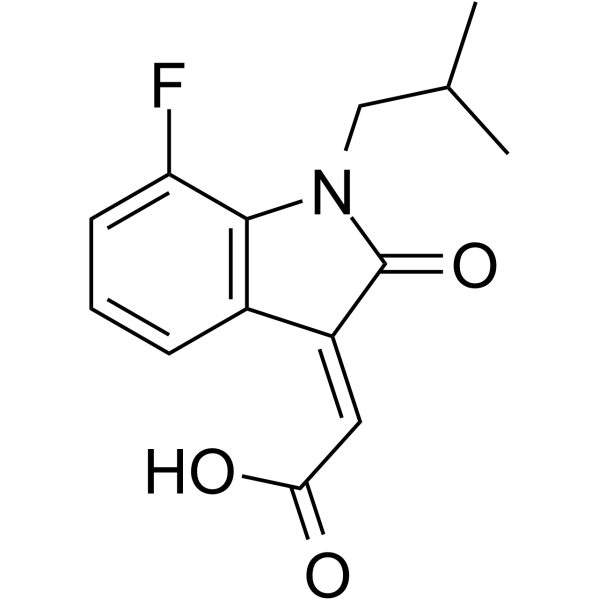
1190217-35-6
Chemical Structure
ASP7663
- CAS No.: 1190217-35-6
- Formula:C14H14FNO3
- Molecular Weight:263.26
IUPAC Name: (E)-2-(7-fluoro-1-isobutyl-2-oxoindolin-3-ylidene)acetic acid
InChIKey: RCVZUIGCNAAMIC-UXBLZVDNSA-N
SMILES: O=C(O)/C=C1C(N(CC(C)C)C2=C/1C=CC=C2F)=O
Biological Activity: ASP7663 is an orally active and selective TRPA1 agonist. ASP7663 exerts both anti-constipation and anti-abdominal pain actions[1][2].
| Cat. No. | Product Name | Purity | Description | Pricing | |||||||||||||||||||
|---|---|---|---|---|---|---|---|---|---|---|---|---|---|---|---|---|---|---|---|---|---|---|---|
|
|
ASP7663 | 99.26% | ASP7663 is an orally active and selective TRPA1 agonist. ASP7663 exerts both anti-constipation and anti-abdominal pain actions. | ||||||||||||||||||||
|
loading...
/
|
|||||||||||||||||||||||
|
|
ASP7663 (Standard) | ≥98% | ASP7663 (Standard) is the analytical standard of ASP7663 (HY-101907). This product is intended for research and analytical applications. ASP7663 is an orally active and selective TRPA1 agonist. ASP7663 exerts both anti-constipation and anti-abdominal pain actions. | ||||||||||||||||||||
|
loading...
/
|
|||||||||||||||||||||||
Structural Analogs
-
Similarity Score 0.59
 HY-180872ALDH1A1 modulator-1
-
Similarity Score 0.51
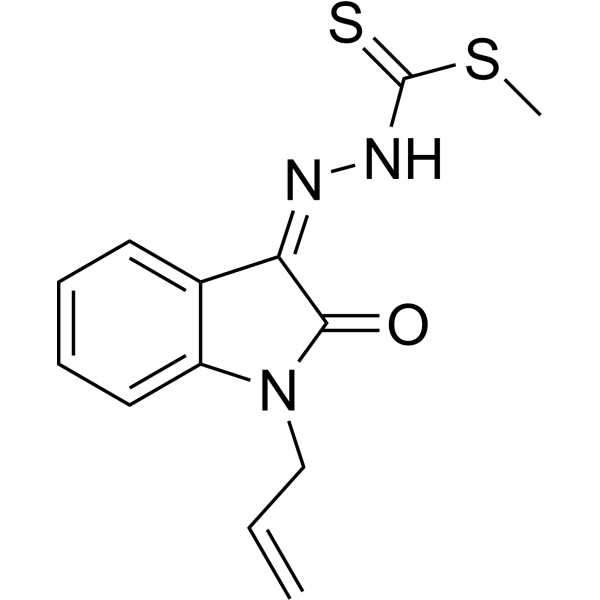 HY-155283Zndm19
-
Similarity Score 0.51
 HY-157520BChE-IN-25
-
Similarity Score 0.50
 HY-W674285Oxindolylalanine
-
Similarity Score 0.50
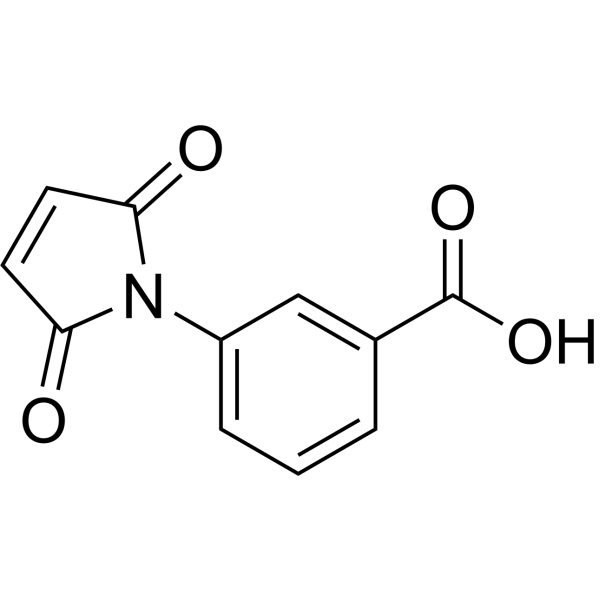 HY-W2647443-Maleimidobenzoic acid
-
Similarity Score 0.50
 HY-Z8461ARopinirole impurity 8 hydrochloride
-
Similarity Score 0.50
 HY-1699391ACTA
-
Similarity Score 0.50
 HY-75697Nintedanib impurity 5
-
Similarity Score 0.50
 HY-W883787Hydrouracil-4-fluorobenzoate
-

Explore the MedChemAI to find more analogs


References
- [1]. Ryosuke Kojima, et al. Effects of Novel TRPA1 Receptor Agonist ASP7663 in Models of Drug-Induced Constipation and Visceral Pain. Eur J Pharmacol. 2014 Jan 15;723:288-93. [Content Brief]
- [2]. Yao Lu, et al. Transient Receptor Potential Ankyrin 1 Activation Within the Cardiac Myocyte Limits Ischemia-reperfusion Injury in Rodents. Anesthesiology. 2016 Dec;125(6):1171-1180. [Content Brief]



