Search Result
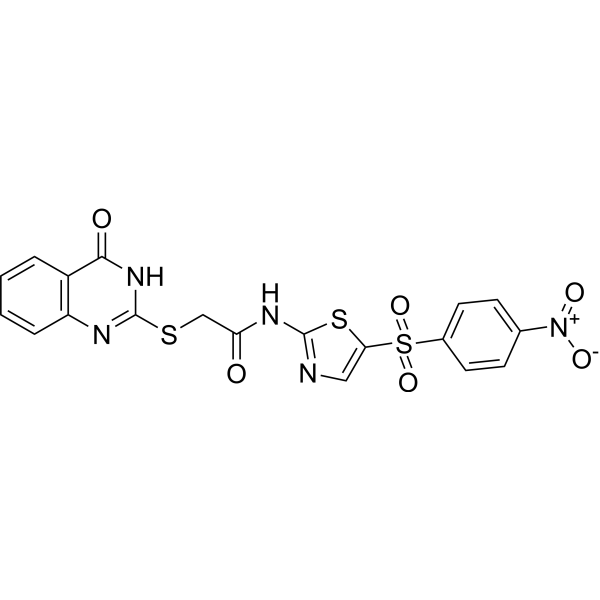
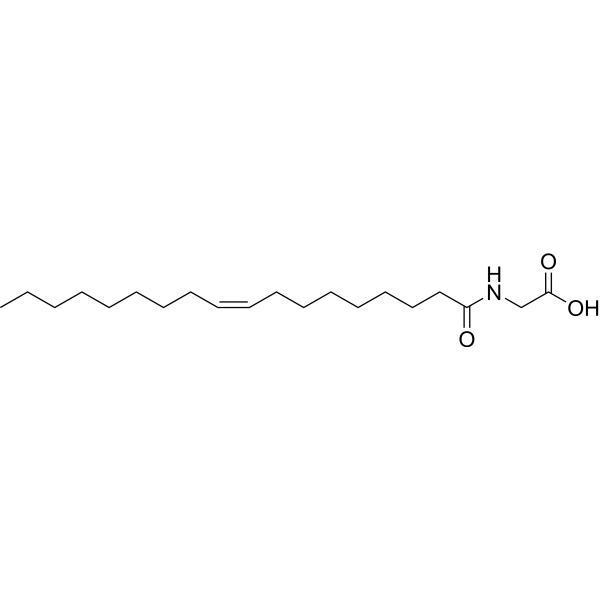
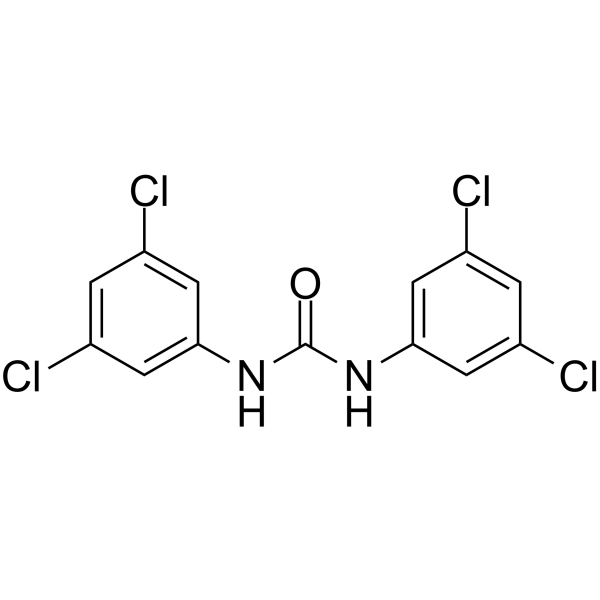
Results for "
adipocytes
" in MedChemExpress (MCE) Product Catalog:
3
Biochemical Assay Reagents
10
Isotope-Labeled Compounds
| Cat. No. |
Product Name |
Target |
Research Areas |
Chemical Structure |
-
- HY-B0351
-
|
2-Aminoethanesulfonic acid
|
Autophagy
Endogenous Metabolite
|
Metabolic Disease
Cancer
|
|
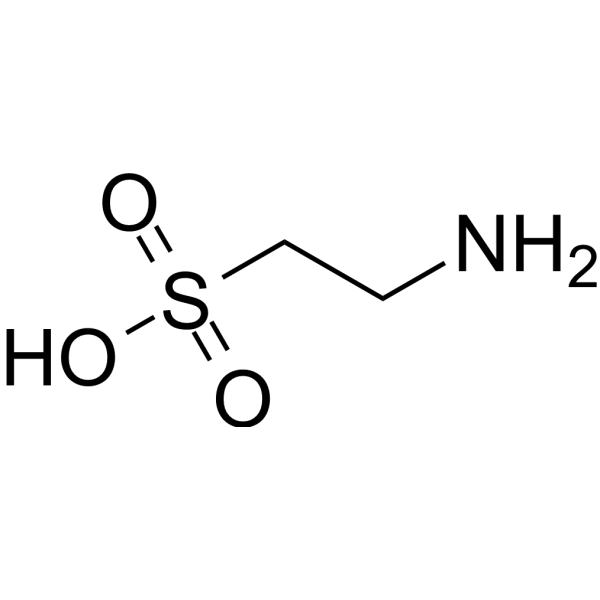
Taurine, a sulphur-containing amino acid and an organic osmolyte involved in cell volume regulation, provides a substrate for the formation of bile salts, and plays a role in the modulation of intracellular free calcium concentration. Taurine has the ability to activate autophagy in adipocytes .
|
-
-
- HY-128973
-
|
|
Reactive Oxygen Species (ROS)
|
Cancer
|
|
Pyropheophorbide-a (Ppa) is a photosensitizer used in photodynamic therapy (PDT) for tumors. Pyropheophorbide-a exhibits phototoxic effects on tumor cells, such as cervical cancer cells, and also has anti-lipogenesis activity. Pyropheophorbide-a shows potential for research in the fields of cancer and age-related macular degeneration (AMD). Pyropheophorbide-a derivatives also demonstrate inhibitory activity against tumor cells .
|
-
-
- HY-N2551
-
|
S-Methylmethionine sulfonium chloride
|
Others
|
Inflammation/Immunology
|
|
Vitamin U (S-Methylmethionine sulfonium) chloride is an orally active anti-ulcer agent with antioxidant activity. Vitamin U inhibits adipocyte differentiation. Vitamin U promotes skin wound healing.Vitamin U can be used in the research of gastrointestinal ulceration .
|
-
-
- HY-W140439
-
|
18:1 Lyso PC
|
Endogenous Metabolite
|
Inflammation/Immunology
|
|
1-Oleoyl-sn-glycero-3-phosphocholine (18:1 Lyso PC), a lysophospholipid, is a GPR82 inhibitor. 1-Oleoyl-sn-glycero-3-phosphocholine abrogates constitutive Gi-coupled GPR82 activity, shifts active/inactive equilibrium to inactive, suppresses Gi protein activation, increases cAMP production, and decreases GTPγS binding to Gαi proteins. 1-Oleoyl-sn-glycero-3-phosphocholine contributes to adipocyte lipolysis regulation.1-Oleoyl-sn-glycero-3-phosphocholine exhibits reduced serum levels in mouse models of steatohepatitis, linked to hepatic Lpcat 1-4 up-regulation .
|
-
-
- HY-P10735
-
|
Gastric inhibitory polypeptide(mouse); GIP(1-42) (mouse)
|
Lipase
Apoptosis
|
Metabolic Disease
|
|
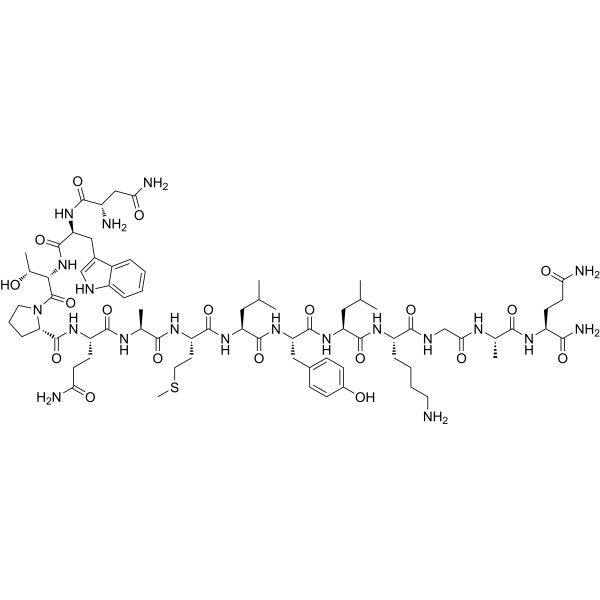
GIP (Gastric inhibitory polypeptide) (mouse) is a gastrointestinal hormone that is secreted by the intestinal K cells, and also expressed in and secreted from pancreatic islets. GIP (mouse) promotes insulin secretion from pancreatic β cells via the G-protein-coupled GIP receptor (GIPR). GIP (mouse) promotes pancreatic β cell proliferation and inhibits apoptosis. GIP (mouse) also exerts direct lipogenic effects on adipose tissue .
|
-
-
- HY-B0351S
-
|
2-Aminoethanesulfonic acid-d4
|
Autophagy
Endogenous Metabolite
|
Metabolic Disease
|
|
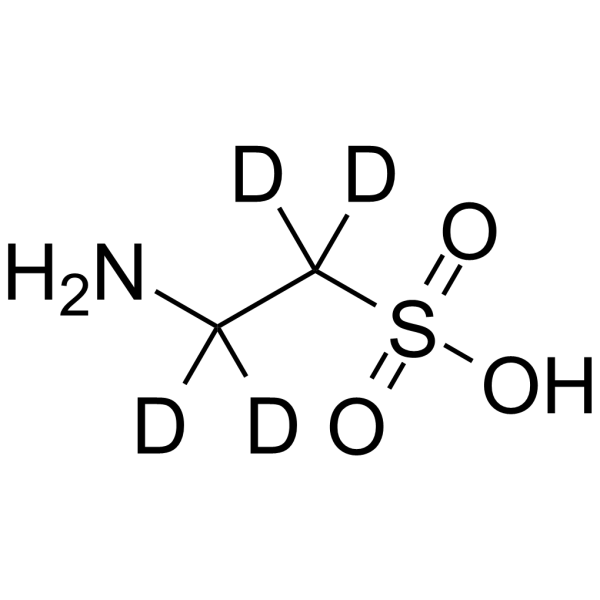
Taurine-d4 is the deuterium labeled Taurine. Taurine, a sulphur-containing amino acid and an organic osmolyte involved in cell volume regulation, provides a substrate for the formation of bile salts, and plays a role in the modulation of intracellular free calcium concentration. Taurine has the ability to activate autophagy in adipocytes .
|
-
-
- HY-W013967
-
|
|
Fluorescent Dye
|
Infection
|
|
1,6-Diphenylhexa-1,3,5-triene is a membrane intercalator and hydrophobic fluorescent probe. 1,6-Diphenylhexa-1,3,5-triene intercalates into the non-polar region of lipid bilayers of adipocyte membranes with probe/membrane equilibrium affected by temperature, probe concentration, and membrane concentration. 1,6-Diphenylhexa-1,3,5-triene’s fluorescence intensity correlating with adipocyte membrane probe incorporation (Ex/Em = 350/452 nm) .
|
-
-
- HY-135982
-
|
|
Hydroxycarboxylic Acid Receptor (HCAR)
|
Metabolic Disease
|
|
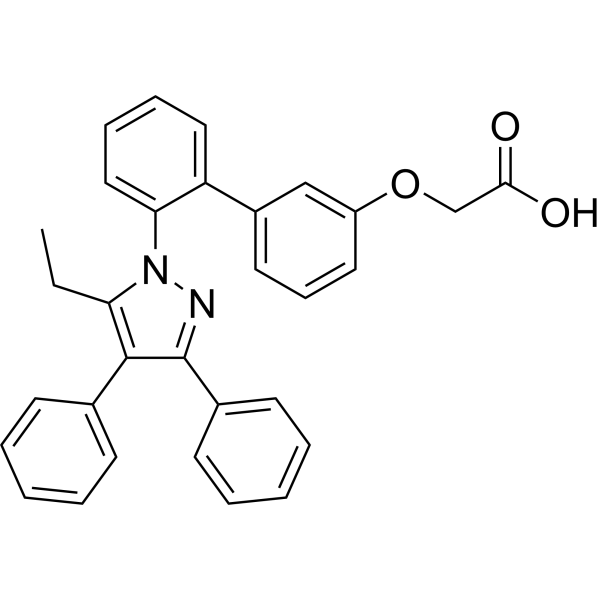
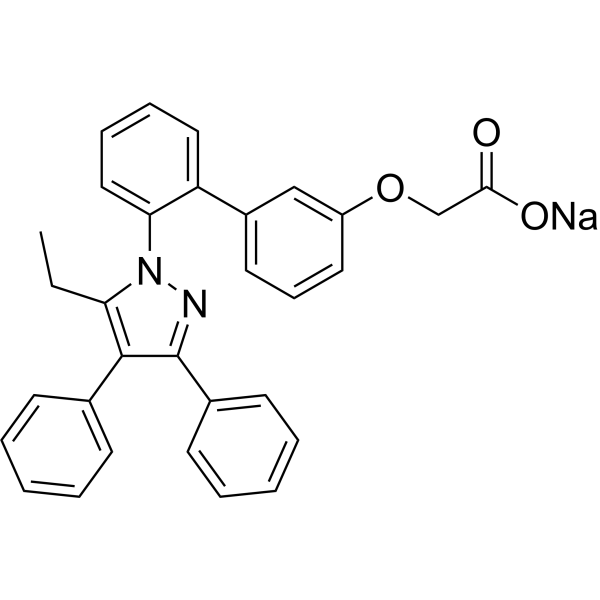
GPR81 agonist 1 is a potent and highly selective GPR81 agonist, with EC50s of 58 nM and 50 nM for human and mouse GPR81, respectively. GPR81 agonist 1 inhibits lipolysis in differentiated 3T3-L1 adipocytes. GPR81 agonist 1 suppresses lipolysis in mice without cutaneous flushing. GPR81 agonist 1 displays remarkable selectivity for GPR81 over GPR109a .
|
-
-
- HY-N0930B
-
|
|
AMPK
Bacterial
|
Infection
Metabolic Disease
|
|
Galegine hydrochloride, a guanidine derivative, contributes to weight loss in mice. Guanidine hydrochloride is the compound derived from G. officinalis, which gave rise to the biguanides, metformin and phenformin. Galegine hydrochloride activates AMPK in 3T3-L1 adipocytes and L6 myotubes, as well as in the H4IIE rat hepatoma and HEK293 human kidney cell lines. Galegine hydrochloride has antibacterial activity, with minimum inhibitory concentration of 4 mg/L against Staphylococcus aureus strains .
|
-
-
- HY-128671
-
|
6TI; 6-Mercaptopurine riboside
|
PPAR
LXR
JNK
NO Synthase
|
Metabolic Disease
|
|
6-Thioinosine (6TI) is a purine antimetabolite and an anti-adipogenic agent. 6-Thioinosine reduces the mRNA levels of PPARγ and C/EBPα and downregulates the mRNA levels of PPARγ target genes (LPL, CD36, aP2, and LXRα). 6-Thioinosine exerts its anti-adipogenic effects by downregulating PPARγ through JNK-dependent iNOS upregulation. 6-Thioinosine can be used to study adipocyte dysfunction .
|
-
-
- HY-107580
-
|
|
GPR109A
|
Cardiovascular Disease
Metabolic Disease
Inflammation/Immunology
|
|
GPR109 receptor agonist-1 is a highly selective agonist of the human orphan G protein-coupled receptor GPR109b, and does not activate the mouse homologous receptor PUMA-G. GPR109 receptor agonist-1 functionally modulates the human GPR109b receptor via the cAMP signaling pathway, with an EC50 of 400 nM. GPR109 receptor agonist-1 inhibits isoproterenol (HY-B0468)-stimulated lipolysis in human subcutaneous adipocytes, with efficacy comparable to that of Niacin (HY-B0143), and does not act on β-adrenergic receptors. GPR109 receptor agonist-1 can be used in studies related to dyslipidemia and atherosclerosis .
|
-
-
- HY-103325
-
|
|
Cannabinoid Receptor
TRP Channel
Interleukin Related
ANGPTL
VEGFR
|
Metabolic Disease
Inflammation/Immunology
|
|
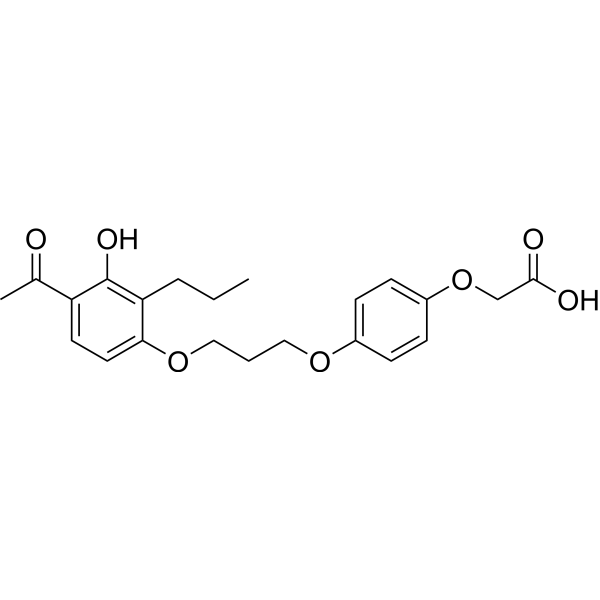
JTE-907 is a selective and orally active cannabinoid CB2 receptor inverse agonist and exerts anti-inflammatory effects. JTE-907 upregulates IL-6, MCP-1, IL-1β, VEGF, ANGPTL4, and TRPV1 in mature adipocytes. JTE-907 downregulates CB1, MCP-1, and IL-1β in preadipocytes. JTE-907 inhibits ear swelling in mice. JTE-907 reverses the protective effects of CB2 agonists and Anandamide (HY-10863) against cytokine-evoked colonic mucosal damage. JTE-907 can be used for the research of allergic dermatitis, obesity, and colitis .
|
-
-
- HY-B1898
-
|
|
PKA
|
Metabolic Disease
|
|
Metadoxine blocks adipocyte differentiation in association with inhibition of the protein kinase A-cAMP response element binding protein (PKA-CREB) pathway.
|
-
-
- HY-20019
-
|
|
PPAR
|
Metabolic Disease
|
|
L-165041 is a cell permeable PPARδ agonist, with Kis of 6 nM and appr 730 nM for PPARδ and PPARγ, respectively, and induces adipocyte differentiation in NIH-PPARδ cells.
|
-
-
- HY-113204
-
-
-
- HY-12557
-
|
γ-Glu-Val
|
Endogenous Metabolite
CaSR
Wnt
TNF Receptor
Interleukin Related
PPAR
β-catenin
|
Inflammation/Immunology
|
|
γ‑Glutamylvaline (γ-Glu-Val) is a calcium‑sensing receptor (CaSR) agonist. γ‑Glutamylvaline activates CaSR and facilitates its binding to β‑arrestin 2 to modulate inflammatory and metabolic homeostasis signaling. γ‑Glutamylvaline inhibits TNF‑α‑induced IL‑6/MCP‑1 and enhances adiponectin/PPARγ in adipocytes. γ‑Glutamylvaline upregulates Wnt5a, restores β‑catenin phosphorylation, and reduces serine‑phosphorylated IRS‑1 in adipocytes. γ-Glutamylvaline can be used for the research of low-grade chronic inflammation .
|
-
-
- HY-N0930A
-
|
|
AMPK
Bacterial
|
Infection
Metabolic Disease
|
|
Galegine hemisulfate, a guanidine derivative, contributes to weight loss in mice. Galegine hemisulfate activates AMPK in 3T3-L1 adipocytes and L6 myotubes, as well as in the H4IIE rat hepatoma and HEK293 human kidney cell lines. Galegine hemisulfate has antibacterial activity, with minimum inhibitory concentration of 4 mg/L against Staphylococcus aureus strains .
|
-
-
- HY-W009417
-
|
|
Environmental Pollutants
Glycosidase
|
Metabolic Disease
|
|
Cedryl acetate is an orally active α-glucosidase inhibitor with an IC50 of 94 μM against yeast α-glucosidase. Cedryl acetate reduces high-fat diet-induced body weight gain, visceral fat pad weight, adipocyte hypertrophy, hepatic lipid accumulation, glucose intolerance, insulin resistance and gluconeogenesis. Cedryl acetate can be used in the research of obesity and obesity-related metabolic syndrome .
|
-
-
- HY-128400
-
|
|
PARP
|
Metabolic Disease
Cancer
|
|
4'-Methoxychalcone regulates adipocyte differentiation through PPARγ activation. 4'-Methoxychalcone modulates the expression and secretion of various adipokines in adipose tissue that are involved in insulin sensitivity .
|
-
-
- HY-120657
-
|
|
CGRP Receptor
NF-κB
|
Neurological Disease
Metabolic Disease
Inflammation/Immunology
|
|
9-PAHSA is an orally active endogenous GPR120 agonist (EC50=18 μM). 9-PAHSA significantly inhibits LPS-induced inflammatory responses by blocking the NF-κB pathway. 9-PAHSA induces adipocyte browning, enhances glucose uptake and reduces lipid accumulation, while improving mitochondrial function and the survival rate of steatotic hepatocytes. In terms of neuroprotection, 9-PAHSA regulates the expression of REST and BDNF in the prefrontal cortex of diabetic mice, and effectively prevents spatial working memory deficits and abnormal social behaviors. 9-PAHSA does not directly regulate insulin secretion or improve systemic insulin sensitivity, and possesses specific anti-inflammatory, metabolic regulatory and neuroprotective properties. 9-PAHSA can be used in the research of diabetes-related cognitive impairment, obesity and non-alcoholic fatty liver disease .
|
-
-
- HY-B0351S2
-
|
2-Aminoethanesulfonic acid-13C2,15N
|
Isotope-Labeled Compounds
Autophagy
Endogenous Metabolite
|
Metabolic Disease
|
|
Taurine- 13C2, 15N is the 13C- and 15N- labeled Taurine. Taurine, a sulphur-containing amino acid and an organic osmolyte involved in cell volume regulation, provides a substrate for the formation of bile salts, and plays a role in the modulation of intracellular free calcium concentration. Taurine has the ability to activate autophagy in adipocytes .
|
-
-
- HY-13867A
-
|
GF109203X hydrochloride; Go 6850 hydrochloride
|
PKC
GSK-3
|
Metabolic Disease
Cancer
|
|
Bisindolylmaleimide I (GF109203X) hydrochloride is a cell-permeable and reversible PKC inhibitor (IC50 of 20 nM, 17 nM, 16 nM, and 20 nM for PKCα, PKCβI, PKCβII, and PKCγ. Bisindolylmaleimide I hydrochloride is also a GSK-3 inhibitor .
|
-
-
- HY-W012865
-
|
|
Carnitine Palmitoyltransferase (CPT)
Endogenous Metabolite
FABP
PPAR
|
Metabolic Disease
|
|
Tartronic acid, a dicarboxylic acid derive, is an inhibitor of the transformation of carbohydrates into fat under fat-deficient diet conditions. Tartronic acid promotes 3T3-L1 adipocyte differentiation by increasing the protein expression of FABP-4, PPARγ and SREBP-1. Tartronic acid promotes de novo lipogenesis and inhibits CPT-1β by upregulating acetyl-CoA and malonyl-CoA. Tartronic acid promotes weight gain and induces adipocyte hypertrophy in epididymal white adipose tissue and lipid accumulation in the livers of high-fat diet induced obese mice. Tartronic acid can be used for lipid metabolic disease research .
|
-
-
- HY-W109613
-
|
|
Bacterial
PPAR
Fungal
|
Infection
Metabolic Disease
|
|
Methyl dehydroabietate is an orally active resin acid. Methyl dehydroabietate disrupts microbial cell walls and exhibits significant antibacterial activity. Methyl dehydroabietate induces the expression of PPARα in the liver and PPARγ in adipose tissue, and promotes adipocyte differentiation. Methyl dehydroabietate improves insulin resistance, reduces TNFα levels, and alleviates adipocyte hypertrophy and hepatic steatosis in obese mice. Methyl dehydroabietate can be used in research related to obesity, insulin resistance and hepatic steatosis .
|
-
-
- HY-P1844A
-
|
|
Chemerin Receptor
Akt
ERK
Reactive Oxygen Species (ROS)
Amyloid-β
|
Inflammation/Immunology
|
|
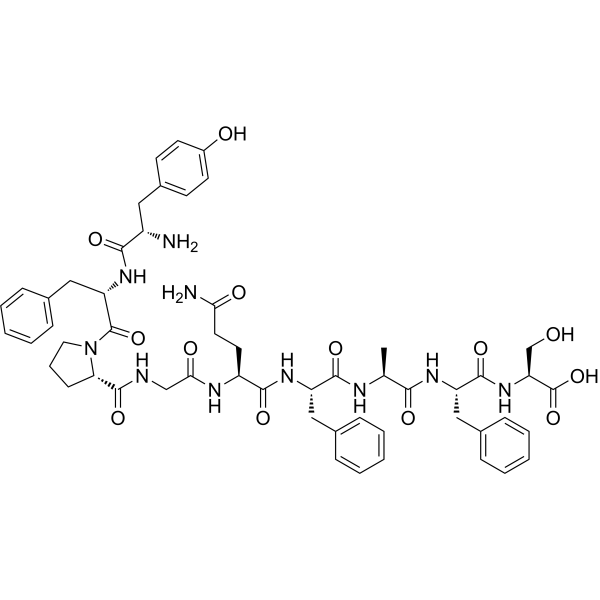
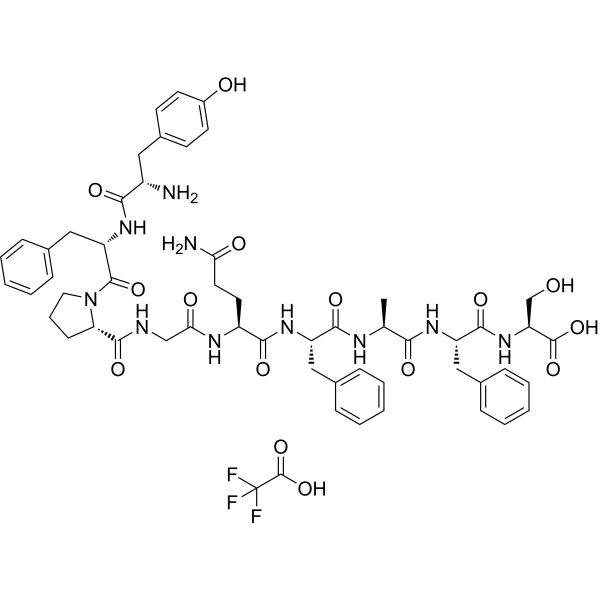
Chemerin-9 (149-157) TFA is a potent agonist of chemokine-like receptor 1 (CMKLR1) . Chemerin-9 (149-157) TFA has anti-inflammatory activity. Chemerin-9 (149-157) TFA stimulates phosphorylation of Akt and ERK as well as ROS production. Chemerin-9 (149-157) TFA ameliorates Aβ1-42-induced memory impairmen. Chemerin-9 (149-157) TFA regulates immune responses, adipocyte differentiation, and glucose metabolism .
|
-
-
- HY-18764
-
|
|
PTEN
|
Metabolic Disease
|
|
BpV(pic) potassium hydrate is a PTEN inhibitor with IC50 31 nM. BpV(pic) potassium hydrate is also an insulin simulator that activates insulin receptor kinase in cultured liver cancer cells, stimulates adipogenesis in adipocytes, and inhibits the dephosphorylation of autophosphorylated insulin receptors and epidermal growth factor receptors in rat hepatosomes .
|
-
-
- HY-B0351R
-
|
2-Aminoethanesulfonic acid (Standard)
|
Reference Standards
Autophagy
Endogenous Metabolite
|
Metabolic Disease
Cancer
|
|
Taurine (Standard) is the analytical standard of Taurine. This product is intended for research and analytical applications. Taurine, a sulphur-containing amino acid and an organic osmolyte involved in cell volume regulation, provides a substrate for the formation of bile salts, and plays a role in the modulation of intracellular free calcium concentration. Taurine has the ability to activate autophagy in adipocytes .
|
-
-
- HY-B0351S1
-
|
2-Aminoethanesulfonic acid-13C2
|
Autophagy
Endogenous Metabolite
|
Metabolic Disease
|
|
Taurine- 13C2 is the 13C-labeled Taurine. Taurine, a sulphur-containing amino acid and an organic osmolyte involved in cell volume regulation, provides a substrate for the formation of bile salts, and plays a role in the modulation of intracellular free calcium concentration. Taurine has the ability to activate autophagy in adipocytes .
|
-
-
- HY-153813
-
|
|
p38 MAPK
Mitochondrial Metabolism
|
Others
|
|
Z16078526 induces endogenous Ucp1 expression, promotes p38 MAPK phosphorylation and lipolysis in primary mouse brown adipocytes. Z16078526 activates thermogenic gene expression and mitochondrial activity (uncoupled respiration) in mouse brown adipocytes. Z16078526 also stimulates thermogenesis in the mouse .
|
-
-
- HY-P3455
-
|
|
PGC-1α
|
Metabolic Disease
Cancer
|
|
Ac-SVVVRT-NH2 is a PGC-1α modulator that modulates the activity of the human PGC-1α promoter (114%). Ac-SVVVRT-NH2 increases PGC-1α mRNA (125%) and accumulation of intracellular lipids (128%) in subcutaneous human adipocytes. Ac-SVVVRT-NH2 can be used in the research of diseases which is modulated by PGC-1α .
|
-
-
- HY-116771
-
|
|
Adrenergic Receptor
|
Metabolic Disease
|
|
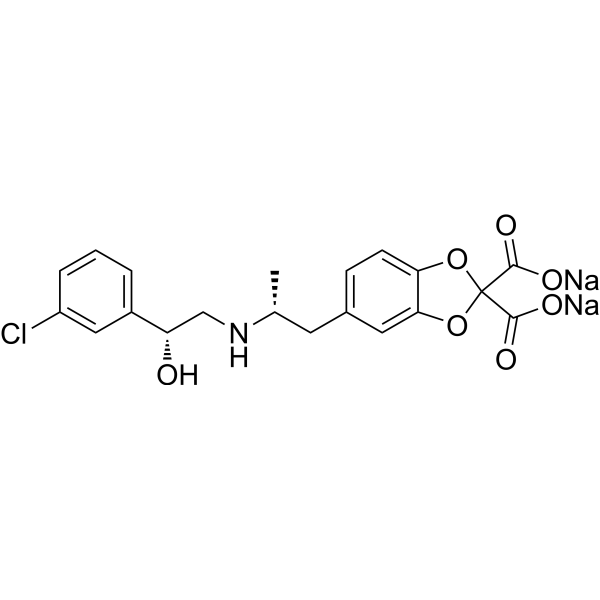
CL316243 free acid is a highly potent selective β3-adrenoceptor agonist with a EC50 of 3 nM, but is an extremely poor to β1/2- receptors. CL316243 free acid is a effective stimulant of adipocyte lipolysis and increases brown adipose tissue thermogenesis and metabolic rate. CL316243 free acid has the potential for the treatment obesity, diabetes and urge urinary incontinence .
|
-
-
- HY-139337
-
|
|
Fluorescent Dye
|
Others
|
|
SMCy5.5 is a SMCy dye (ex. 638 nm; em. 705 nm). The high brightness of SMCy5.5 allows for effective tracking and imaging of lipid droplet exchange between adipocytes. SMCy5.5 can be used for lipid droplet labeling studies .
|
-
-
- HY-N3007A
-
|
|
Others
|
Inflammation/Immunology
|
|
(E)-Naringenin chalcone is an orally active anti-allergic agent. (E)-Naringenin chalcone also has antioxidant, anti-inflammatory activities. (E)-Naringenin chalcone can improve adipocyte functions. (E)-Naringenin chalcone inhibits histamine release from rat peritoneal mast cell .
|
-
-
- HY-19842
-
|
CVT 3619
|
Adenosine Receptor
|
Cardiovascular Disease
Metabolic Disease
|
|
GS-9667 (CVT 3619), a novel N 6-5'-substituted adenosine analog, is a selective, partial agonist of the A1 adenosine receptor (A1AdoR). GS-9667 binds to adipocyte membranes with high (KH=14 nM) and low (KL=5.4 μM) affinities. GS-9667 reduces cyclic AMP content and release of nonesterified fatty acids from epididymal adipocytes with IC50 values of 6 nM and 44 nM, respectively. GS-9667 inhibits lipolysis and has the potential for Type 2 diabetes (T2DM) and dyslipidemia via lowering of free fatty acids (FFA) .
|
-
-
- HY-111953
-
|
|
MAGL
ATGL
|
Metabolic Disease
|
|
SR-4559 is a α/β hydrolase domain-containing protein 5 (ABHD5) ligand. SR-4559 activates adipose triglyceride lipase (ATGL) and stimulates lipolysis by inhibiting ABHD5-PLIN interactions in adipocytes and muscle cells. SR-4559 can be used for metabolic diseases like Chanarin Dorfman syndrome research .
|
-
-
- HY-133095
-
|
|
STAT
PPAR
|
Inflammation/Immunology
|
|
BML-260 is a potent inhibitor of dual-specific phosphatases JSP-1 and DUSP22. BML-260 can activate UCP1 and thermogenesis in adipocytes in a JSP-1-independent manner. The effect of BML-260 on adipocytes is partially achieved through the activation of CREB, STAT3, and PPAR signaling pathways. BML-260 can be used in the research of inflammatory and proliferative disorders associated with JNK signaling dysfunction as well as obesity .
|
-
-
- HY-N2177
-
|
|
Lactate Dehydrogenase
Apoptosis
|
Cancer
|
|
3-Dehydrotrametenolic acid, isolated from the sclerotium of Poria cocos, is a lactate dehydrogenase (LDH) inhibitor. 3-Dehydrotrametenolic acid promotes adipocyte differentiation in vitro and acts as an insulin sensitizer in vivo. 3-Dehydrotrametenolic acid induces apoptosis and has anticancer activity .
|
-
-
- HY-N9333
-
-
-
- HY-N1185
-
|
|
Others
|
Metabolic Disease
|
|
Tagitinin A is a sesquiterpene with anti-hyperglycemic activity. Tagitinin A significantly inhibits glucose uptake in differentiated 3T3-L1 adipocytes .
|
-
-
- HY-118944
-
|
|
Adrenergic Receptor
|
Endocrinology
|
|
L-748328 is a potent and selective human β3-adrenergic receptor antagonist. L-748328 has a Ki of 3.7 nM against human cloned β3-AR expressed in Chinese hamster ovary (CHO) cells. In addition, L-748328 inhibits the lipolytic response induced by the β3-AR agonist L-742791 in isolated non-human primate adipocytes .
|
-
-
- HY-P1844
-
|
|
Chemerin Receptor
Akt
ERK
Reactive Oxygen Species (ROS)
Amyloid-β
|
Inflammation/Immunology
|
|
Chemerin-9 (149-157) is a potent agonist of chemokine-like receptor 1 (CMKLR1) . Chemerin-9 (149-157) has anti-inflammatory activity. Chemerin-9 (149-157) stimulates phosphorylation of Akt and ERK as well as ROS production. Chemerin-9 (149-157) ameliorates Aβ1-42-induced memory impairmen. Chemerin-9 (149-157) regulates immune responses, adipocyte differentiation, and glucose metabolism .
|
-
-
- HY-N3027
-
|
|
PPAR
Reactive Oxygen Species (ROS)
|
Metabolic Disease
|
|
Soyasaponin Aa is a soyasaponin that can be found in soy. Soyasaponin Aa suppresses PPARγ transcriptional activity, reduces PPARγ and C/EBPα expression, inhibits adipocyte differentiation and lipid accumulation, and reduces adipogenic marker gene expression. Soyasaponin Aa reduces hydrogen peroxide-induced reactive oxygen species (ROS) production and malondialdehyde levels. Soyasaponin Aa exhibits cellular antioxidant activity. Soyasaponin Aa can be used for the research of obesity .
|
-
-
- HY-W339331
-
|
NNI-0001
|
Insecticide
Calcium Channel
Reactive Oxygen Species (ROS)
Apoptosis
|
Infection
Metabolic Disease
|
|
Flubendiamide (NNI-0001) is an orally active phthalic diamide insecticide that acts by targeting insect ryanodine receptors (RyRs), causing insect muscle dysfunction, paralysis and death. Flubendiamide disrupts molting, metamorphosis and reproductive processes, induces oxidative stress by increasing the levels of ROS/RNS, MDA and 8OHdG and decreasing the levels of SOD, CAT and GST, activates the CncC/Maf apoptosis pathway, impairs calcium homeostasis, promotes adipogenesis, increases triglyceride accumulation, and upregulates the expression of regulatory factors for adipocyte differentiation and adipogenesis .
|
-
-
- HY-102082
-
|
|
Others
|
Inflammation/Immunology
|
|
Adenosine N1-oxide is an oral active anti-inflammatory agent, and can be isolated from royal jelly. Adenosine N1-oxide promotes osteogenic and adipocyte differentiation .
|
-
-
- HY-103267
-
|
|
Phosphodiesterase (PDE)
|
Inflammation/Immunology
|
|
S32826 disodium is a potent autotaxin inhibitor, with an IC50 of 8.8 nM. S32826 disodium shows similar inhibitory effects at various autotaxin isoforms (α, β and γ). S32826 disodium inhibits LPA release from adipocytes .
|
-
-
- HY-124822
-
COH-SR4
2 Publications Verification
|
AMPK
|
Metabolic Disease
Cancer
|
|
COH-SR4 is an AMPK activator. COH-SR4 shows potent anti-proliferative activities against leukemia, melanoma, breast and lung cancers. COH-SR4 inhibits adipocyte differentiation via AMPK activation. COH-SR4 can be used for the research of obesity and related metabolic disorders .
|
-
-
- HY-N4253
-
|
|
Others
|
Metabolic Disease
|
|
Kudinoside D is a main natural component of triterpenoid saponin derived from Ilex kudingcha. Kudinoside D suppresses adipogenesis through modulation of the AMPK pathway in 3T3-L1 adipocytes .
|
-
-
- HY-139284
-
|
C24:1 Deoxy dihydroceramide; C24:1 DeoxyDHceramide; Cer(m18:0/24:1)
|
Endogenous Metabolite
|
Metabolic Disease
|
|
C24:1 Dihydro 1-deoxyceramide (m18:0/24:1) (C24:1 Deoxy dihydroceramide) is a lipid molecule, which is composed of a long-chain fatty acid (24:1) and a 1-deoxysphingoid backbone. Deoxyceramide accumulates under the conditions of obesity and type 2 diabetes (T2D). Deoxyceramide is unable to be further metabolized to more complex sphingolipid, and is toxic when accumulates in the body. Deoxyceramide increases in differentiated adipocytes in vitro .
|
-
-
- HY-101292
-
|
|
PPAR
|
Metabolic Disease
|
|
FK614 is an orally active, non-thiazolidinedione (TZD) type, and selective PPARγ modulator (SPPARM). FK614 functions as a PPARγ agonist with potent anti-diabetic activity in vivo. FK614 has different effects on the activation of PPARγ at each stage of adipocyte differentiation. FK614 can be used for the research of hyperglycemia, hypertriglyceridemia, glucose intolerance and type 2 diabetes .
|
-
-
- HY-N0404R
-
-
- HY-13867R
-
|
GF109203X (Standard); Go 6850 (Standard)
|
PKC
GSK-3
Reference Standards
|
Metabolic Disease
Cancer
|
|
Bisindolylmaleimide I (Standard) is the analytical standard of Bisindolylmaleimide I. This product is intended for research and analytical applications. Bisindolylmaleimide I (GF109203X) is a cell-permeable and reversible PKC inhibitor (IC50 of 20 nM, 17 nM, 16 nM, and 20 nM for PKCα, PKCβI, PKCβII, and PKCγ. Bisindolylmaleimide I is also a GSK-3 inhibitor .
|
-
- HY-122959
-
|
|
Akt
PPAR
|
Metabolic Disease
|
|
Kihadanin B is a citrus limonoid that can be purified from the peels of immature Citrus unshiu. Kihadanin B suppresses adipogenesis through repression of the Akt-FOXO1-PPARγ axis in 3T3-L1 adipocytes .
|
-
- HY-P2712
-
|
Chemerin148–156, mouse
|
Chemerin Receptor
|
Cardiovascular Disease
Neurological Disease
Inflammation/Immunology
|
|
Chemerin-9, mouse (Chemerin148-156, mouse) is a C-terminal nonapeptide of chemerin. Chemerin-9, mouse is a ligand for ChemR23 (EC50 = 42 nM). Chemerin-9, mouse reduces basal lipolysis in primary mouse white adipocytes(IC50 = 3.3 nM). Chemerin-9, mouse enhances memory and relieves Aβ1-42-induced memory impairment in AD mice. Chemerin-9, mouse also inhibits atherogenesis .
|
-
- HY-142444
-
|
|
VAP-1
|
Metabolic Disease
|
|
SSAO/VAP-1 inhibitor 1 is a potent inhibitor of SSAO/VAP-1. SSAO/VAP-1 promotes the transfer of Glucose transport 4 (GLUT 4) from adipocytes to the cell membrane, thereby regulating glucose transport. In endothelial cells, SSAO/VAP-1 can mediate the adhesion and exudation of leukocytes and endothelial cells, and participate in inflammatory responses. SSAO/VAP-1 inhibitor 1 has the potential for the research of inflammation and/or inflammation-related disease or diabetes and/or diabetes-related disease (extracted from patent WO2021102774A1, compound E3) .
|
-
- HY-121140
-
|
|
Free Fatty Acid Receptor
|
Metabolic Disease
|
|
AZ1729 is a potent free fatty acid 2 receptor (FFA2) activator, acting as a direct allosteric agonist and as a positive allosteric modulator. AZ1729 increases the activity of the endogenously produced short chain fatty acid propionate in Gi-mediated pathways, but not at those transduced by Gq/G11. AZ1729 induces inhibition of isoproterenol-induced lipolysis in mouse adipocytes. AZ1729 also can Induce migration of human neutrophils. AZ1729 can be used for researching the signaling pathways of the physiological roles of FFA2 .
|
-
- HY-135016
-
|
9-cis-Octadecenoic acid triethanolamine; 9Z-Octadecenoic acid triethanolamine
|
Na+/K+ ATPase
Endogenous Metabolite
Apoptosis
|
Metabolic Disease
Cancer
|
|
Oleic acid triethanolamine (9-cis-Octadecenoic acid triethanolamine) is the most common monounsaturated fatty acid found in human adipocytes and other tissues. Oleic acid triethanolamine is a Na +/K + ATPase activator .
|
-
- HY-W014282
-
|
|
Biochemical Assay Reagents
|
Others
|
|
4-Cumylphenol is a polycarbonate chain terminator. 4-Cumylphenol is widely used as a material for polycarbonate plastics, surfactants, fungicides and preservatives. 4-Cumylphenol also induces lipid accumulation in mouse adipocytes .
|
-
- HY-117527
-
-
- HY-E70251
-
|
Docosahexaenoyl coenzyme A triammonium
|
Endogenous Metabolite
|
Others
|
|
22:6 Coenzyme A (Docosahexaenoyl coenzyme A triammonium) is a coenzyme that contains 22 carbon atoms and 6 unsaturated bonds. 22:6 Coenzyme A can serve as an acyl substrate and is used in research on the effects of lysophospholipid acyltransferase activities in adipocyte differentiation .
|
-
- HY-133556
-
|
|
AMPK
|
Metabolic Disease
|
|
IQZ23 inhibits adipocyte differentiation via AMPK pathway activation. IQZ23 exerts a high efficacy in decreasing the triglyceride level (EC50=0.033 μM) in 3T3-L1 adipocytes. IQZ23 could be used for the research of obesity and related metabolic disorders .
|
-
- HY-137934
-
|
7-Deacetylforskolin
|
Endogenous Metabolite
|
Cardiovascular Disease
|
|
Deacetylforskolin is a deacetylated derivative of forskolin (HY-15371) that can be extracted from C. forskohlii. Deacetylforskolin activates rat adipocyte adenylyl cyclase (IC50 = 20 µM), inhibits glucose transport in rat adipocyte plasma membranes and exhibits antihypertensive activity .
|
-
- HY-N7661
-
|
|
PPAR
|
Metabolic Disease
|
|
4β-Hydroxywithanolide E, isolated from Physalis peruviana L., inhibits adipocyte differentiation of 3T3-L1 cells through modulation of mitotic clonal expansion. 4β-Hydroxywithanolide E is an adipogenesis inhibitor and inhibits PPARγ, C/EBPα, and the adipocyte-specific molecule aP2 mRNA expression .
|
-
- HY-139282
-
|
C16:0 1-Deoxyceramide; C16:0 Ceramide (m18:1/16:0); Cer(m18:1/16:0)
|
Endogenous Metabolite
|
Metabolic Disease
|
|
C16 1-Deoxyceramide (m18:1/16:0) (C16:0 1-Deoxyceramide) is a lipid molecule, which is composed of a long-chain fatty acid (16:0) and a 1-deoxysphingoid backbone. Deoxyceramide accumulates under the conditions of obesity and type 2 diabetes (T2D). Deoxyceramide is unable to be further metabolized to more complex sphingolipid, and is toxic when accumulates in the body. Deoxyceramide increases in differentiated adipocytes in vitro .
|
-
- HY-153812
-
|
AST070
|
Anion Exchangers
|
Metabolic Disease
|
|
AST 7062601 (AST070) is a Ucp1 inducer that strongly induces endogenous Ucp1 expression in primary mouse brown adipocytes. Ucp1 refers to uncoupling protein, found in brown and beige fat cells. In mammals, UCP1 oxidizes fatty acids and uncouples ATP production in mitochondria to promote energy dissipation as heat. AST 7062601 can be used to study thermogenic, uncoupled respiration .
|
-
- HY-139283
-
|
C24:1(15Z) 1-Deoxyceramide; C24:1 Ceramide (m18:1/24:1(15Z)); Cer(m18:1/24:1(15Z))
|
Endogenous Metabolite
|
Metabolic Disease
|
|
C24:1 1-Deoxyceramide (m18:1/24:1(15Z)) (C24:1(15Z) 1-Deoxyceramide) is a lipid molecule, which is composed of a long-chain fatty acid (24:1) and a 1-deoxysphingoid backbone. Deoxyceramide accumulates under the conditions of obesity and type 2 diabetes (T2D). Deoxyceramide is unable to be further metabolized to more complex sphingolipid, and is toxic when accumulates in the body. Deoxyceramide increases in differentiated adipocytes in vitro .
|
-
- HY-177050
-
|
|
G protein-coupled Bile Acid Receptor 1
|
Metabolic Disease
Inflammation/Immunology
|
|
RG-239 is an orally active TGR5 agonist with an EC50 of 120 nM, significantly outperforming Betulinic acid (HY-10529) (EC50 = 1.04 μM). RG-239 demonstrates higher selectivity for TGR5 compared to the FXRα. RG-239 increases mitochondrial activity in adipocytes and promotes neurite outgrowth at higher concentrations. RG-239 inhibits LPS (HY-D1056)-induced iNOS expression and nitrite production in Raw264.7 and microglia cells. RG-239 can be used for the study of type 2 diabetes [1][2][3][4][5].
|
-
- HY-138273
-
|
|
Biochemical Assay Reagents
|
Metabolic Disease
|
|
Sulfosuccinimidyl myristate sodium is an inhibitor of fatty acid transport. Sulfosuccinimidyl myristate sodium effectively inhibits [14C]stearate uptake in isolated rat adipocytes .
|
-
- HY-W564704
-
|
|
Drug Derivative
|
Metabolic Disease
|
|
(p-Hydroxybenzyl)malonic acid is a hydroxyphenyl derivative capable of inhibiting insulin-induced lipogenesis in rat adipocytes with an IC50 value of 3.8 μM .
|
-
- HY-118397
-
|
|
PPAR
|
Others
|
|
RB394 is a potent dual sEH/PPARγ modulator isoform that promotes adipocyte browning and exhibits cardioprotective activity, and can be used to suppress metabolic syndrome.
|
-
- HY-E70259
-
|
|
Endogenous Metabolite
|
Metabolic Disease
|
|
18:2 (n6) Coenzyme A triammonium is a Coenzyme A. 18:2 (n6) Coenzyme A triammonium can be used to determine the effects of lysophospholipid acyltransferase activities in adipocyte differentiation .
|
-
- HY-176148
-
-
- HY-N2961
-
|
|
Others
|
Others
|
|
Broussonin B is a phenolic compound isolated from the stem barks of Broussonetia kanzinoki (Moraceae). Broussonin B inhibits adipocyte differentiation in 3T3-L1 cells .
|
-
- HY-107217
-
|
|
PPAR
|
Metabolic Disease
|
|
Apo-12'-lycopenal is a Lycopene (HY-N0287) metabolite. Apo-12'-lycopenal promotes adipocyte differentiation and adiponectin secretion via PPAR-γ activation .
|
-
- HY-103267A
-
|
|
Phosphodiesterase (PDE)
|
Inflammation/Immunology
|
|
S32826 is a potent autotaxin inhibitor, with an IC50 of 8.8 nM. S32826 shows similar inhibitory effects at various autotaxin isoforms (α, β and γ). S32826 inhibits LPA release from adipocytes .
|
-
- HY-172901
-
|
|
AMPK
|
Cardiovascular Disease
Metabolic Disease
|
|
AMPK activator 17 (Compound 10g) is an orally active AMPK activator. AMPK activator 17 has significant anti-adipogenic (IC50: 3.4 μM) and dyslipidemia-modifying activities. AMPK activator 17 inhibits the early stages of adipocyte differentiation (mitotic clonal expansion) by activating the AMPK pathway. AMPK activator 17 can enhance mitochondrial function and fatty acid oxidation in mature adipocytes. AMPK activator 17 improves dyslipidemia by promoting reverse cholesterol transport. AMPK activator 17 can be used in the study of obesity and related metabolic diseases (such as type 2 diabetes and cardiovascular disease) .
|
-
- HY-117597
-
|
|
PPAR
|
Metabolic Disease
|
|
YM440 is an orally active oxadiazolidinedione analog. YM440 ameliorates hyperglycemia without changing PPARy activity, adipocyte differentiation, or fat weight. YM440 is used in the study for non-insulin-dependent diabetes mellitus (NIDDM) .
|
-
- HY-117562
-
|
|
FABP
|
Metabolic Disease
|
|
a-FABP-IN-1 (Compound 5g) is a potent and selective human adipocyte fatty acid-binding protein (a-FABP) inhibitor with a Ki below 1.0 nM. a-FABP-IN-1 inhibits the pro-inflammatory cytokine production .
|
-
- HY-128400R
-
|
|
PARP
Reference Standards
|
Metabolic Disease
Cancer
|
|
4'-Methoxychalcone (Standard) is the analytical standard of 4'-Methoxychalcone. This product is intended for research and analytical applications. 4'-Methoxychalcone regulates adipocyte differentiation through PPARγ activation. 4'-Methoxychalcone modulates the expression and secretion of various adipokines in adipose tissue that are involved in insulin sensitivity .
|
-
- HY-20019R
-
|
|
PPAR
|
Metabolic Disease
|
|
L-165041 (Standard) is the analytical standard of L-165041. This product is intended for research and analytical applications. L-165041 is a cell permeable PPARδ agonist, with Kis of 6 nM and appr 730 nM for PPARδ and PPARγ, respectively, and induces adipocyte differentiation in NIH-PPARδ cells.
|
-
- HY-B1419R
-
|
2-Hydroxybenzyl alcohol (Standard); Saligenin (Standard)
|
Drug Intermediate
Reference Standards
|
Others
|
|
Soyasaponin Aa (Standard) is the analytical standard of Soyasaponin Aa. This product is intended for research and analytical applications. Soyasaponin Aa is a soyasaponin that exerts an anti-obesity effect in 3T3-L1 adipocytes through downregulation of peroxisome proliferator-activated receptor γ (PPARγ) .
|
-
- HY-118236
-
|
(S)-KIN-193
|
PI3K
|
Cardiovascular Disease
|
|
(S)-AZD6482 ((S)-KIN-193) is a highly effective and selective ATP-competitive inhibitor of PI3Kβ, exhibiting an IC(50) of 0.01 μM, and it can reduce insulin-induced glucose uptake by human adipocytes in vitro with an IC(50) of 4.4 μM.
|
-
- HY-W441002R
-
|
|
Liposome
Reference Standards
|
Others
|
|
Taurine (Standard) is the analytical standard of Taurine. This product is intended for research and analytical applications. Taurine, a sulphur-containing amino acid and an organic osmolyte involved in cell volume regulation, provides a substrate for the formation of bile salts, and plays a role in the modulation of intracellular free calcium concentration. Taurine has the ability to activate autophagy in adipocytes .
|
-
- HY-156093
-
|
|
Tryptophan Hydroxylase
|
Metabolic Disease
|
|
TPH1-IN-1 (compound 40) is a xanthine derivative and an inhibitor of tryptophan hydroxylase TPH1 (IC50: 110.1 nM). TPH1-IN-1 has good in vitro activity and liver microsome stability, and effectively inhibits adipocyte differentiation of T3-L1 cells .
|
-
- HY-N15415
-
|
|
PPAR
Reactive Oxygen Species (ROS)
NF-κB
|
Inflammation/Immunology
|
|
Zaluzanin C is a sesquiterpene lactone. Zaluzanin C has anti-inflammatory activity and can inhibit the production of mtROS, block the NF-κB signaling pathway, and reduce the production of TNF-α. In addition, Zaluzanin C can inhibit the differentiation of 3T3-L1 preadipocytes into mature adipocytes .
|
-
- HY-W727893
-
|
2-Aminoethanesulfonic acid-15N
|
Isotope-Labeled Compounds
Endogenous Metabolite
Autophagy
|
Metabolic Disease
Cancer
|
|
Taurine- 15N (2-Aminoethanesulfonic acid- 15N) is 15N labeled Taurine. Taurine, a sulphur-containing amino acid and an organic osmolyte involved in cell volume regulation, provides a substrate for the formation of bile salts, and plays a role in the modulation of intracellular free calcium concentration. Taurine has the ability to activate autophagy in adipocytes .
|
-
- HY-N12515
-
|
|
Others
|
Metabolic Disease
|
|
Pinuseldarone (compound 1), extracted from Pinus eldarica needles regulats brown adipogenesis and thermogenesis .
|
-
- HY-13867AR
-
|
GF109203X hydrochloride (Standard); Go 6850 hydrochloride (Standard)
|
PKC
GSK-3
Reference Standards
|
Metabolic Disease
Cancer
|
|
Bisindolylmaleimide I (hydrochloride) (Standard) is the analytical standard of Bisindolylmaleimide I (hydrochloride). This product is intended for research and analytical applications. Bisindolylmaleimide I (GF109203X) hydrochloride is a cell-permeable and reversible PKC inhibitor (IC50 of 20 nM, 17 nM, 16 nM, and 20 nM for PKCα, PKCβI, PKCβII, and PKCγ. Bisindolylmaleimide I hydrochloride is also a GSK-3 inhibitor .
|
-
- HY-128973R
-
|
|
Reactive Oxygen Species (ROS)
Reference Standards
|
Cancer
|
|
Pyropheophorbide-a (Standard) is the analytical standard of Pyropheophorbide-a. This product is intended for research and analytical applications. Pyropheophorbide-a (Ppa) is a photosensitizer used in photodynamic therapy (PDT) for tumors. Pyropheophorbide-a exhibits phototoxic effects on tumor cells, such as cervical cancer cells, and also has anti-lipogenesis activity. Pyropheophorbide-a shows potential for research in the fields of cancer and age-related macular degeneration (AMD). Pyropheophorbide-a derivatives also demonstrate inhibitory activity against tumor cells .
|
-
- HY-183094
-
|
|
PGC-1α
|
Metabolic Disease
|
|
AM73 is a PGC-1α1 stabilizer. AM73 increases the expression levels of Ucp1 and Cidea in brown adipocytes, and enhances basal mitochondrial respiration and uncoupled respiration. AM73 regulates hypoxia, brown adipocyte differentiation, carbohydrate metabolism and insulin signaling pathways in brown adipocytes. AM73 alters the thermogenic process of white adipocytes. AM73 is applicable to the research of obesity and related metabolic disorders .
|
-
- HY-183096
-
|
|
PGC-1α
|
Metabolic Disease
|
|
AM31 is a PGC-1α1 stabilizer. AM31 enhances the protein stability of PGC-1α1, promotes protein accumulation and target gene activation. AM31 induces the expression of Ucp1 and Cidea in brown adipocytes. AM31 increases the levels of basal mitochondrial respiration and uncoupled respiration in brown adipocytes. AM31 can be used for the research of obesity and related metabolic disorders .
|
-
- HY-N17411
-
|
|
Others
|
Metabolic Disease
|
|
1-Dehydroxy-3,4-dihydroaucubigenin is a triglyceride accumulation inhibitor found in taheebo extract from Tabebuia avellanedae. 1-Dehydroxy-3,4-dihydroaucubigenin reduces triglyceride levels in adipocytes without cytotoxicity. 1-Dehydroxy-3,4-dihydroaucubigenin can be used for the research of estrogen deficiency-induced obesity .
|
-
- HY-183095
-
|
|
|
Metabolic Disease
|
|
AM79 is a PGC-1α1 stabilizer. AM79 promotes the accumulation of endogenous PGC-1α1 protein, thereby activating its target genes. AM79 increases uncoupled mitochondrial respiration in brown adipocytes. AM79 induces the expression of Ucp1 and Cidea in brown adipocytes. AM79 can be used for the research of obesity and related metabolic disorders .
|
-
- HY-101292R
-
|
|
PPAR
Reference Standards
|
Metabolic Disease
|
|
FK614 (Standard) is the analytical standard of FK614 (HY-101292). This product is intended for research and analytical applications. FK614 is an orally active, non-thiazolidinedione (TZD) type, and selective PPARγ modulator (SPPARM). FK614 functions as a PPARγ agonist with potent anti-diabetic activity in vivo. FK614 has different effects on the activation of PPARγ at each stage of adipocyte differentiation. FK614 can be used for the research of hyperglycemia, hypertriglyceridemia, glucose intolerance and type 2 diabetes .
|
-
- HY-P11612
-
|
|
Biochemical Assay Reagents
|
Metabolic Disease
|
|
ATS-9R is a peptide consisting of an adipocyte-targeting sequence and D-form 9-arginine. ATS-9R selectively transfects mature adipocytes by binding to prohibitin. ATS-9R allows an adipocyte-targeted gene delivery in vitro and in vivo. ATS-9R can be used for the development of an adipocyte-targeted gene carrier. ATS-9R can be used for the study of obesity as well as obesity-induced metabolic syndromes .
|
-
- HY-181233
-
|
|
PPAR
|
Metabolic Disease
|
|
PPARγ agonist-22 is a PPARγ agonist. PPARγ agonist-22 promotes cellular glucose uptake. PPARγ agonist-22 reduces lipid accumulation in adipocytes. PPARγ agonist-22 can be used in the research of type 2 diabetes .
|
-
- HY-182640
-
|
|
Adrenergic Receptor
|
Cardiovascular Disease
Metabolic Disease
Inflammation/Immunology
|
|
SM-11044 is a β-adrenoceptor agonist with Ki values of 18.1 μM (β1), 4.1 μM (β2) and 1.3 μM (β3), showing higher binding selectivity for the β3-adrenoceptor. SM-11044 stimulates cAMP accumulation in cells expressing this receptor. SM-11044 mediates ileal relaxation, tracheal relaxation, pulmonary parenchymal relaxation, increased right atrial heart rate and adipocyte lipolysis .
|
-
- HY-181467
-
-
- HY-119875
-
|
|
FABP
|
Metabolic Disease
|
|
BMS-480404 is an inhibitor of keratinocyte fatty acid-binding protein (kFABP) and adipocyte lipid-binding protein (aP2). BMS-480404 has a Ki value of 33 nM for kFABP. BMS-480404 can be used in the research of metabolic disorders .
|
-
- HY-182558
-
|
|
Drug Derivative
AMPK
IKK
NF-κB
|
Metabolic Disease
|
|
Nandinine is an orally active derivative of Berberine (HY-N0716). Nandinine enhances AMPK activity, inhibits the activation of IKKβ/NF-κB, and regulates the phosphorylation of IRS-1. Nandinine reverses the abnormal production of adipokines, promotes insulin-mediated glucose uptake, and alleviates insulin resistance. Nandinine improves glucose tolerance and increases the insulin sensitivity index in mice. Nandinine can be used in studies related to insulin resistance .
|
-
- HY-101325B
-
|
|
Adrenergic Receptor
|
Cardiovascular Disease
Metabolic Disease
|
|
BRL-37344 is a β-adrenoceptor agonist with EC50 values of 5.3, 18 and 570 nM for β3, β2 and β1. BRL-37344 induces concentration-dependent increases in atria1 rate, relaxation of guinea pig trachea and lipolysis of brown adipocytes .
|
-
- HY-13867
-
|
GF109203X; Go 6850
|
PKC
GSK-3
|
Metabolic Disease
Cancer
|
|
Bisindolylmaleimide I (GF109203X) is a cell-permeable and reversible PKC inhibitor (IC50 of 20 nM, 17 nM, 16 nM, and 20 nM for PKCα, PKCβI, PKCβII, and PKCγ. Bisindolylmaleimide I is also a GSK-3 inhibitor .
|
-
- HY-D3281
-
|
|
Fluorescent Dye
|
Others
|
|
Ctrl-CSR1 is a non-responsive CSR1 control dye and a matched control dye with a photostable, hydrophilic silicon rhodol backbone. Ctrl-CSR1 lacks a copper-responsive receptor .
|
-
- HY-183097
-
|
|
PGC-1α
|
Metabolic Disease
|
|
AM89 is a PGC-1α1 stabilizer. AM89 activates the expression of PGC-1α1 target genes and induces the upregulation of Ucp1 gene expression. AM89 is applicable for the research of obesity and related metabolic disorders .
|
-
- HY-103267R
-
|
|
Reference Standards
Phosphodiesterase (PDE)
|
Inflammation/Immunology
|
|
S32826 (disodium) (Standard) is the analytical standard of S32826 (disodium). This product is intended for research and analytical applications. S32826 disodium is a potent autotaxin inhibitor, with an IC50 of 8.8 nM. S32826 disodium shows similar inhibitory effects at various autotaxin isoforms (α, β and γ). S32826 disodium inhibits LPA release from adipocytes .
|
-
- HY-N3289A
-
|
|
Others
|
Inflammation/Immunology
|
|
(E)-Methyl 3,4,5-trimethoxycinnamate is a bioactive natural phenylpropanoid. (E)-Methyl 3,4,5-trimethoxycinnamate suppresses inflammation in RAW264.7 macrophages and blocks macrophage-adipocyte interaction. (E)-Methyl 3,4,5-trimethoxycinnamate also has antiarrhythmic effect, leads to suppression of triggered activities in rabbit myocytes .
|
-
- HY-178999
-
|
|
Drug Derivative
|
Cancer
|
|
Carnosol analog 1 (Compound 10) is a derivative of carnosol. Carnosol analog 1 attenuates myotube atrophy (67.08% reversal) and adipocyte lipolysis in C26 tumor-conditioned models. Carnosol analog 1 alleviates cachexia-related weight loss without altering tumor progression in C26 tumor-bearing mice. Carnosol analog 1 can be used for the study of cancer cachexia .
|
-
- HY-W743198
-
|
|
Isotope-Labeled Compounds
|
Inflammation/Immunology
|
|
Adenosine N1-oxide- 15N is the 15N-labeled Adenosine N1-oxide (HY-102082). Adenosine N1-oxide is an oral active anti-inflammatory agent, and can be isolated from royal jelly. Adenosine N1-oxide promotes osteogenic and adipocyte differentiation .
|
-
- HY-B0600
-
|
AFP-168; MK2452
|
Prostaglandin Receptor
|
Cardiovascular Disease
Others
|
|
Tafluprost (AFP-168) is an anti-glaucoma prostaglandin (PG) analog. Tafluprost can inhibit the apoptosis of retinal ganglion cells (RGCs) and rat RGCs cells. Tafluprost promotes axon regeneration by regulating Zn 2+-mTORpathway, inhibits intracellular lipid accumulation in human preorbital adipocytes. Tafluprost can be used in the study of optic nerve injury in glaucoma .
|
-
- HY-N0236
-
|
|
Antibiotic
STAT
|
Infection
Metabolic Disease
Cancer
|
|
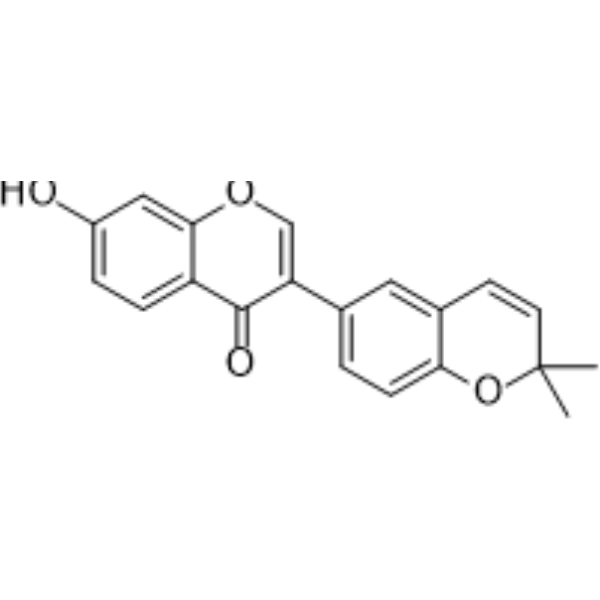
Corylin is an orally active flavonoid anti-inflammatory and osteogenic agent that inhibits IL-6-induced STAT3 promoter activity and STAT3 phosphorylation. Corylin also has anticancer, antiatherosclerotic, and ameliorating activity in hyperlipidemia and insulin resistance, inducing adipocyte browning and lipolysis through SIRT1 or β3-AR-dependent pathways .
|
-
- HY-N13160
-
|
|
NO Synthase
|
Metabolic Disease
Inflammation/Immunology
|
|
Sanggenon F is a flavonoid compound derived from Morus alba var. multicaulis. It inhibits the differentiation of 3T3-L1 adipocytes and the production of nitric oxide (NO) in RAW264.7 cells induced by lipopolysaccharides (HY-D1056) and IFN-γ (IC50 of 19 nM). Sanggenon F has potential application value in the fields of anti-inflammatory and metabolic diseases .
|
-
- HY-178193
-
|
|
DNA/RNA Synthesis
Akt
PD-1/PD-L1
|
Cancer
|
|
Chem-0199 is an Adipocyte Enhancer-Binding Protein 1 (AEBP1) inhibitor. Chem-0199 can disrupt the interaction between AEBP1 and CKAP4, thereby enhances antitumor immunity. Chem-0199 can inhibit Akt phosphorylation (p-Akt) and downregulates PD-L1 expression. Chem-0199 can be used for the research of cancer, such as colon cancer .
|
-
- HY-186163
-
|
|
Amine N-methyltransferase
|
Metabolic Disease
|
|
CC-410 is a selective Nicotinamide N-methyltransferase (NNMT) inhibitor with a human IC50 value of 1.6 µM. CC-410 impairs terminal adipocyte differentiation via glucocorticoid signaling network deregulation, inhibits adipogenesis and lipid accumulation with time-sensitive activity limited to early adipogenesis stages. CC-410 can be used for the researches of early-onset obesity, glucocorticoid-induced obesity .
|
-
- HY-B1142
-
|
(±)-α-Lipoamide; DL-Lipoamide; DL-6,8-Thioctamide
|
NO Synthase
|
Others
|
|
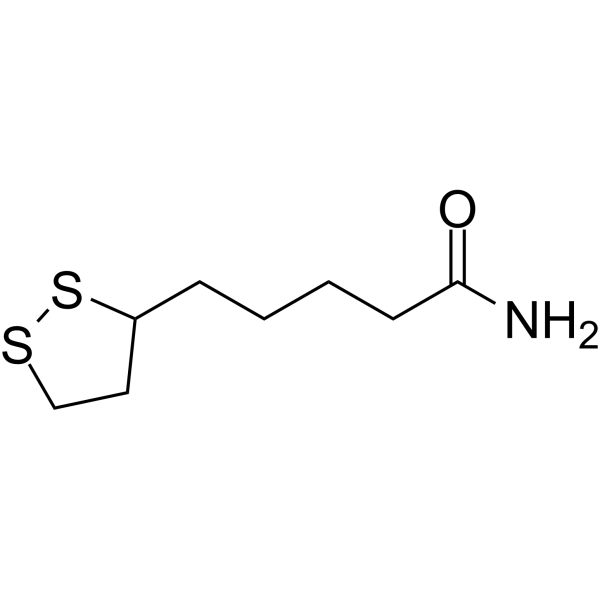
Lipoamide ((±)-α-Lipoamide) is a monocarboxylic acid derivative of a neutral amide, formed by the condensation of the carboxyl group of lipoic acid and ammonia. Lipoamide protects against oxidative stress-mediated neuronal cell damage and also acts as a coenzyme to transfer acetyl groups and hydrogen during pyruvate deacylation. Lipoamide also stimulates mitochondrial biogenesis in adipocytes through the endothelial NO synthase-cGMP-protein kinase G signaling pathway .
|
-
- HY-116771A
-
|
|
Adrenergic Receptor
|
Metabolic Disease
|
|
CL316243 is a highly potent selective β3-adrenoceptor agonist with a EC50 of 3 nM, but is an extremely poor to β1/2- receptors .CL316243 is a effective stimulant of adipocyte lipolysis and increases brown adipose tissue thermogenesis and metabolic rate . CL316243 has the potential for the treatment obesity, diabetes and urge urinary incontinence .
|
-
- HY-175725
-
|
|
Nuclear Hormone Receptor 4A/NR4A
|
Metabolic Disease
|
|
NR4A1 agonist 1 is a NR4A1 agonist with a Ki value of 2.96 μM. NR4A1 agonist 1 exhibits lipid-lowering activity in 3T3-L1 adipocytes, with an EC50 of 0.13 μM, significantly decreasing triglyceride (TG) accumulation and lipid droplet accumulation. NR4A1 agonist 1 can be used for the study of obesity .
|
-
- HY-N7907
-
|
|
Others
|
Metabolic Disease
|
|
Myricetin-3-O-β-D-xylopyranosyl-(1→2)-β-D-glucopyranoside is a natural product that can be obtained from sphaerophysa salsula. Myricetin-3-O-β-D-xylopyranosyl-(1→2)-β-D-glucopyranoside inhibits triglyceride (TG) accumulation in 3T3-L1 adipocytes .
|
-
- HY-101325
-
|
|
Drug Isomer
Adrenergic Receptor
|
Cardiovascular Disease
Metabolic Disease
|
|
(S,S)-BRL-37344 sodium is an isomer of BRL-37344 (HY-101325B). BRL-37344 is a β-adrenoceptor agonist with EC50 values of 5.3, 18 and 570 nM for β3, β2 and β1. BRL-37344 induces concentration-dependent increases in atria1 rate, relaxation of guinea pig trachea and lipolysis of brown adipocytes .
|
-
- HY-101325A
-
|
|
Drug Isomer
Adrenergic Receptor
|
Cardiovascular Disease
Metabolic Disease
|
|
(S,S)-BRL-37344 is an isomer of BRL-37344 (HY-101325B). BRL-37344 is a β-adrenoceptor agonist with EC50 values of 5.3, 18 and 570 nM for β3, β2 and β1. BRL-37344 induces concentration-dependent increases in atria1 rate, relaxation of guinea pig trachea and lipolysis of brown adipocytes .
|
-
- HY-161449
-
|
|
11β-HSD
|
Metabolic Disease
|
|
JTT-654 is an orally active, potent and selective11β-Hydroxysteroid dehydrogenase type 1 (11β-HSD1) inhibitor. The IC50 of JTT-654 for 11β-HSD1 is 4.65, 0.97, and 0.74 nM in human, rat, and mouse recombinant enzymes, respectively. JTT-654 showed competitive inhibition against human recombinant enzyme. The IC50 value for human 11β-HSD2 is > 30 μM (human 11β-HSD2 is responsible for the reverse reaction against human 11β-HSD1). JTT-654 ameliorates insulin resistance and non-obese type 2 diabetes by inhibiting adipose tissue and liver 11β-HSD1 .
|
-
- HY-N6711
-
|
|
HIV Integrase
Bacterial
Antibiotic
Reactive Oxygen Species (ROS)
STAT
AMPK
11β-HSD
|
Infection
Metabolic Disease
|
|
Equisetin is an N-methylserine-derived acyl tetramic acid, quorum sensing inhibitor (QSI), herbicides and antibiotics. Equisetin specifically inhibits the anionic carriers of substrates in the inner mitochondrial membrane. Equisetin inhibits the activity of HIV-1 integrase, 11β-HSD1, and 2,4-dinitrophenol (Dnp)-stimulated ATPase (IC50 = ~8 nmol per mg of protein). Equisetin exhibits growth inhibition of bacteria, anti-inflammatory, amelioration of lipid-associated disorders, and cytotoxic effects .
|
-
- HY-W009417R
-
|
|
Reference Standards
Glycosidase
Environmental Pollutants
|
Metabolic Disease
|
|
Cedryl acetate (Standard) is the analytical standard of Cedryl acetate. This product is intended for research and analytical applications. Cedryl acetate is an orally active α-glucosidase inhibitor with an IC50 of 94 μM against yeast α-glucosidase. Cedryl acetate reduces high-fat diet-induced body weight gain, visceral fat pad weight, adipocyte hypertrophy, hepatic lipid accumulation, glucose intolerance, insulin resistance and gluconeogenesis. Cedryl acetate can be used in the research of obesity and obesity-related metabolic syndrome .
|
-
- HY-162866
-
|
|
Autophagy
|
Metabolic Disease
|
CXM102 is an autophagy activator. CXM102 can induce autophagy in aged BMSCs, leading to the rejuvenation of BMSCs and preferential differentiation into osteoblasts. CXM102 promotes the nuclear translocation of transcription factor EB (TFEB) and the formation of osteoblasts. CXM102 can stimulate bone synthesis metabolism in middle-aged male mice, reduce bone marrow adipocytes, delay bone loss, lower serum inflammation levels, decrease organ fibrosis, and extend the lifespan of the mice .
|
-
- HY-168924
-
|
|
Wnt
β-catenin
|
Metabolic Disease
|
|
Wnt/β-catenin activator 1 (Compound 5m) is the orally active activator for Wnt/β-catenin signaling pathway, that arrests cell cycle at G1 phase, inhibits early proliferation of adipocytes, and inhibits adipogenesis in cell 3T3-L1 with an IC50 of 330 nM. Wnt/β-catenin activator 1 exhibits anti-adipogenic and anti-dyslipidemic activities in high-fat diet fed Syrian golden hamster model .
|
-
- HY-W015560
-
|
|
Endogenous Metabolite
Tyrosinase
Hydroxycarboxylic Acid Receptor (HCAR)
|
Metabolic Disease
|
|
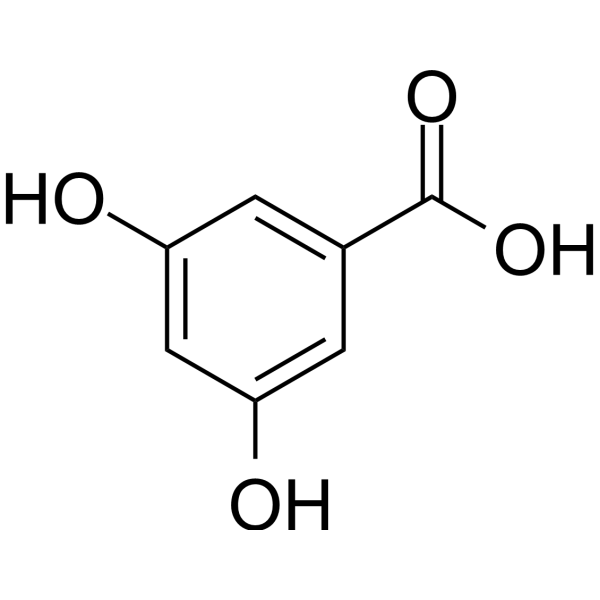
3,5-Dihydroxybenzoic acid a potential biomarker for the consumption of many food products, including beer, nuts, peanut, and pulses. 3,5-Dihydroxybenzoic acid is the agonist for hydroxycarboxylic acid receptor 1 (HCA1, also known as GPR81) that inhibits lipolysis in adipocytes. 3,5-Dihydroxybenzoic acid is the competitive inhibitor for tyrosine phenol-lyase (TPL), exhibits an affinity of Ki=25.7 μM. 3,5-Dihydroxybenzoic acid is orally active .
|
-
- HY-113016
-
|
|
Apoptosis
Wnt
ERK
Bacterial
Interleukin Related
|
Infection
Metabolic Disease
Cancer
|
|
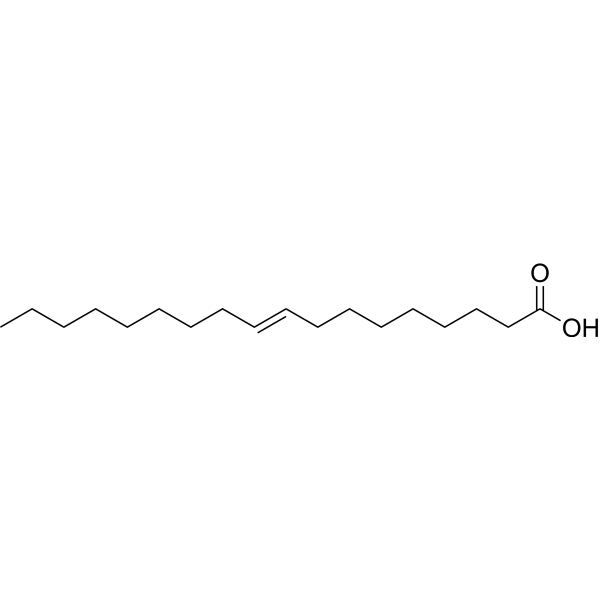
Elaidic acid is an orally active trans fatty acid. Elaidic acid enhances the stemness of colorectal cancer cells by activating the Wnt/ERK1/2 pathway, thereby promoting cell proliferation, invasion and metastasis, and inhibiting apoptosis. Elaidic acid also inhibits the growth of Lactobacillus and alters the cell surface hydrophobicity of Lactobacillus. Elaidic acid reduces basal 2-deoxyglucose uptake in muscle cells and adipocytes. Elaidic acid can be used in research on colorectal cancer, insulin and other related areas .
|
-
- HY-111952
-
|
CID 16016685
|
Endogenous Metabolite
|
Others
|
|
SR-4995 (CID 16016685) is a highly effective and selective ligand for α-β-hydrolase domain-containing 5 (ABHD5), facilitating the activation of adipose triglyceride lipase (ATGL) by displacing ABHD5 from its inhibitory regulators, perilipin-1 (PLIN1) and PLIN5. It directly interacts with ABHD5, inhibiting its association with PLIN1, and promotes lipolysis in adipocytes and muscle tissues while circumventing PKA-dependent signaling pathways.
|
-
- HY-120602
-
-
- HY-N1420
-
|
L-Rhamnose
|
Environmental Pollutants
Endogenous Metabolite
PKA
MMP
Interleukin Related
|
Infection
Metabolic Disease
Cancer
|
|
Rhamnose (L-Rhamnose ) is an orally active deoxysugar. Rhamnose can inhibit levels of pro-inflammatory interleukin and matrix metalloproteinases (MMPs) in skin aging models. Rhamnose can promote the phosphorylation levels of PKA substrates and HSL in SVF-derived adipocytes, stimulating PKA signaling. Rhamnose can act against obesity in mice by stimulating fat dopamine receptors and inducing thermogenesis. Rhamnose shows anti-aging effects. Rhamnose monohydrate can be used in the study of Ehrlich’s solid tumors and sarcomas .
|
-
- HY-B0600R
-
|
AFP-168 (Standard); MK2452 (Standard)
|
Prostaglandin Receptor
Reference Standards
|
Cardiovascular Disease
Others
|
|
Tafluprost (Standard) is the analytical standard of Tafluprost. This product is intended for research and analytical applications. Tafluprost (AFP-168) is an anti-glaucoma prostaglandin (PG) analog. Tafluprost can inhibit the apoptosis of retinal ganglion cells (RGCs) and rat RGCs cells. Tafluprost promotes axon regeneration by regulating Zn2+-mTORpathway, inhibits intracellular lipid accumulation in human preorbital adipocytes. Tafluprost can be used in the study of optic nerve injury in glaucoma [4] .
|
-
- HY-101903A
-
|
|
FABP
|
Cardiovascular Disease
Metabolic Disease
|
|
BMS-309403 sodium is a potent, orally active, and selective adipocyte fatty acid binding protein (also known as FABP4, aP2) inhibitor, with Kis of <2, 250, and 350 nM for FABP4, FABP3, and FABP5, respectively. BMS-309403 sodium interacts with the fatty-acid-binding pocket within the interior of the protein and competitively inhibits the binding of endogenous fatty acids. BMS-309403 sodium improves endothelial function in apolipoprotein E-deficient mice and in cultured human endothelial cells .
|
-
- HY-101903
-
|
|
FABP
|
Cardiovascular Disease
Metabolic Disease
|
|
BMS-309403 is a potent, orally active and selective adipocyte fatty acid binding protein (also known as FABP4, aP2) inhibitor with Kis of <2, 250, and 350 nM for FABP4, FABP3, and FABP5, respectively. BMS-309403 interacts with the fatty-acid-binding pocket within the interior of the protein and competitively inhibits the binding of endogenous fatty acids. BMS-309403 improves endothelial function in apolipoprotein E-deficient mice and in cultured human endothelial cells .
|
-
- HY-N1420A
-
|
L-Rhamnose monohydrate
|
Endogenous Metabolite
MMP
Interleukin Related
PKA
|
Infection
Metabolic Disease
Cancer
|
|
Rhamnose monohydrate (L-Rhamnose monohydrate) is an orally active deoxysugar. Rhamnose monohydrate can inhibit levels of pro-inflammatory interleukin and matrix metalloproteinases (MMPs) in skin aging models. Rhamnose can promote the phosphorylation levels of PKA substrates and HSL in SVF-derived adipocytes, stimulating PKA signaling. Rhamnose monohydrate can act against obesity in mice by stimulating fat dopamine receptors and inducing thermogenesis. Rhamnose monohydrate shows anti-aging effects. Rhamnose monohydrate can be used in the study of Ehrlich’s solid tumors and sarcomas .
|
-
- HY-165098
-
|
β-Aminoisobutyric acid sodium salt; BAIBA sodium salt
|
Endogenous Metabolite
|
Cardiovascular Disease
Metabolic Disease
|
|
3-Aminoisobutyric acid (β-Aminoisobutyric acid) sodium salt has anti-inflammatory and antioxidant effects. 3-Aminoisobutyric acid sodium salt increases the expression of brown adipocyte-specific genes in white adipose tissue and fatty acid β-oxidation in hepatocytes. 3-Aminoisobutyric acid sodium salt attenuates insulin resistance and inflammation induced by palmitate or a high fat diet via an AMPK–PPARδ-dependent pathway in mice. 3-Aminoisobutyric acid sodium salt is a catabolic metabolite of thymine and valine in skeletal muscle .
|
-
- HY-B1890
-
|
rel-Cianidanol; rel-Catechuic acid
|
COX
|
Infection
Cardiovascular Disease
Neurological Disease
Inflammation/Immunology
Cancer
|
|
(±)-Catechin (rel-Cianidanol) is the racemate of the green tea polyphenol Catechin. Catechin has anticancer activity and induces apoptosis. (±)-Catechin has two forms, (+)-Catechin and its enantiomer (-)-Catechin. (+)-Catechin inhibits cyclooxygenase-1 (COX-1) with an IC50 of 1.4 μM. (-)-Catechin can effectively promote hBM-MSC adipocyte differentiation and increase adiponectin and PPARγ levels. (±)-Catechin has anti-tumor, anti-obesity, anti-diabetic, anti-cardiovascular, anti-infectious, hepatoprotective and neuroprotective effects .
|
-
- HY-178193A
-
|
|
DNA/RNA Synthesis
Akt
PD-1/PD-L1
|
Cancer
|
|
(Rac)-Chem-0199 is the racemic mixture of Chem-0199 (HY-178193). Chem-0199 is an Adipocyte Enhancer-Binding Protein 1 (AEBP1) inhibitor. Chem-0199 can disrupt the interaction between AEBP1 and CKAP4, thereby enhances antitumor immunity. Chem-0199 can inhibit Akt phosphorylation (p-Akt) and downregulates PD-L1 expression. Chem-0199 can be used for the research of cancer, such as colon cancer .
|
-
- HY-W012974
-
|
β-Aminoisobutyric acid; BAIBA
|
Endogenous Metabolite
|
Cardiovascular Disease
Metabolic Disease
|
|
3-Aminoisobutyric acid (β-Aminoisobutyric acid) has anti-inflammatory and antioxidant effects. 3-Aminoisobutyric acid increases the expression of brown adipocyte-specific genes in white adipose tissue and fatty acid β-oxidation in hepatocytes. 3-Aminoisobutyric acid attenuates insulin resistance and inflammation induced by palmitate or a high fat diet via an AMPK-PPARδ-dependent pathway in mice. 3-Aminoisobutyric acid is a catabolic metabolite of thymine and valine in skeletal muscle .
|
-
- HY-N0236R
-
|
|
Reference Standards
Antibiotic
STAT
|
Infection
Metabolic Disease
Cancer
|
|
Corylin (Standard) is the analytical standard of Corylin. This product is intended for research and analytical applications. Corylin is an orally active flavonoid anti-inflammatory and osteogenic agent that inhibits IL-6-induced STAT3 promoter activity and STAT3 phosphorylation. Corylin also has anticancer, antiatherosclerotic, and ameliorating activity in hyperlipidemia and insulin resistance, inducing adipocyte browning and lipolysis through SIRT1 or β3-AR-dependent pathways .
|
-
- HY-N3426
-
|
|
NO Synthase
Akt
AMPK
|
Metabolic Disease
|
|
Kazinol B, a prenylated flavan with a dimethyl pyrane ring, is an inhibitor of nitric oxide (NO) production. Kazinol B improves insulin sensitivity by enhancing glucose uptake via the insulin-Akt signaling pathway and AMPK activation. Kazinol B has the potential for diabetes mellitus research .
|
-
- HY-B0601
-
|
AFP-172
|
Prostaglandin Receptor
Drug Metabolite
|
Cardiovascular Disease
Neurological Disease
Endocrinology
|
|
Tafluprost acid (AFP-172), an active metabolic form of Tafluprost, is a selective prostanoid FP receptor agonist. Tafluprost acid shows a high affinity for human prostanoid FP receptor with Ki and EC50 values of 0.4 nM and 0.53 nM, respectively. Tafluprost acid has 126 times weaker binding affinity for prostanoid EP3 receptor (IC50=67 nM) than for the prostanoid FP receptor. Tafluprost acid can be used in the research of glaucoma .
|
-
- HY-18054R
-
|
|
11β-HSD
|
Inflammation/Immunology
|
|
BVT 2733 (Standard) is the analytical standard of BVT 2733. This product is intended for research and analytical applications. BVT 2733 is a potent, selective, and orally active non-steroidal 11β-hydroxydehydrogenase 1 (11β-HSD1) inhibitor. BVT 2733 is potently against the mouse enzyme (IC50=96 nM) over the human enzyme (IC50=3341 nM). BVT 2733 has the potential for the study of arthritis and obesity related disease .
|
-
- HY-18054
-
|
|
11β-HSD
|
Inflammation/Immunology
|
|
BVT 2733 is a potent, selective, and orally active non-steroidal 11β-hydroxydehydrogenase 1 (11β-HSD1) inhibitor. BVT 2733 is potently against the mouse enzyme (IC50=96 nM) over the human enzyme (IC50=3341 nM). BVT 2733 has the potential for the study of arthritis and obesity related disease .
|
-
- HY-B0601R
-
-
- HY-113058R
-
|
|
Endogenous Metabolite
Reference Standards
|
Infection
Metabolic Disease
|
|
3-Hydroxyoctanoic acid (Standard) is the analytical standard of 3-Hydroxyoctanoic acid (HY-113058). 3-Hydroxyoctanoic acid is a hydroxylated fatty acid that has been found in the LPS of Pseudomonas aeruginosa and in methyl-branched poly(3-hydroxyalkanoate) (PHA) polymers produced by Pseudomonas oleophores. It is an agonist of the orphan receptor GPR109B, increasing intracellular calcium in human neutrophils endogenously expressing GPR109B. 3-Hydroxycaprylic acid prevents lipolysis in human adipocytes and is upregulated in human plasma in response to a ketogenic diet.
|
-
- HY-11032
-
|
|
Others
|
Metabolic Disease
|
|
SM-350300 is a glucoprotein. SM-350300 stimulates lipolysis in white adipocytes by activating the cyclic AMP (cAMP) pathway, and upregulates the expression of lipolytic enzymes and uncoupling proteins (UCP1, UCP3) in brown adipose tissue (BAT) and white adipose tissue (WAT). SM-350300 reduces body weight by decreasing carcass fat while increasing lean muscle mass in metabolic disorder models. SM-350300 can be used for the study of metabolic disorders including obesity, type 2 diabetes, and cachexia .
|
-
- HY-N3027R
-
|
|
Reference Standards
PPAR
Reactive Oxygen Species (ROS)
|
Metabolic Disease
|
|
Soyasaponin Aa (Standard) is the analytical standard of Soyasaponin Aa (HY-N3027). Soyasaponin Aa is a soyasaponin that can be found in soy. Soyasaponin Aa suppresses PPARγ transcriptional activity, reduces PPARγ and C/EBPα expression, inhibits adipocyte differentiation and lipid accumulation, and reduces adipogenic marker gene expression. Soyasaponin Aa reduces hydrogen peroxide-induced reactive oxygen species (ROS) production and malondialdehyde levels. Soyasaponin Aa exhibits cellular antioxidant activity. Soyasaponin Aa can be used for the research of obesity .
|
-
- HY-139058
-
|
27-Deoxyactein
|
PPAR
|
Metabolic Disease
Cancer
|
|
23-epi-26-Deoxyactein is a natural and orally active anti-obesity and anti-cancer compound .
|
-
- HY-139058R
-
|
27-Deoxyactein (Standard)
|
Reference Standards
PPAR
|
Metabolic Disease
Cancer
|
|
23-epi-26-Deoxyactein (Standard) is the analytical standard of 23-epi-26-Deoxyactein. This product is intended for research and analytical applications. 23-epi-26-Deoxyactein is a natural and orally active anti-obesity and anti-cancer compound .
|
-
- HY-30216A
-
|
α-Hydroxyisocaproic acid
|
Drug Metabolite
Hydroxycarboxylic Acid Receptor (HCAR)
AMPK
ERK
|
Metabolic Disease
Inflammation/Immunology
|
|
Leucic acid (α-Hydroxyisocaproic acid) is an orally active end-product of the microbial metabolism of leucine. Leucic acid can bind to HCAR2, alters AMPK and ERK1/2 phosphorylation status, suppresses lipid synthesis, promotes catabolism, reduces adiposity, enhances lean mass and exercise capacity. Leucic acid suppresses pro-inflammatory cytokine secretion, inflammation-related gene mRNA expression. Leucic acid decreases basal protein synthesis, attenuates myotube atrophy. Leucic acid can be used for the research of obesity .
|
-
- HY-N0404
-
-
- HY-N2423
-
-
- HY-N1420AR
-
|
L-Rhamnose monohydrate (Standard)
|
Reference Standards
Endogenous Metabolite
MMP
Interleukin Related
PKA
|
Infection
Metabolic Disease
Cancer
|
|
Rhamnose monohydrate (Standard) is the analytical standard of Rhamnose monohydrate (HY-N1420A). Rhamnose monohydrate (L-Rhamnose monohydrate) is an orally active deoxysugar. Rhamnose monohydrate can inhibit levels of pro-inflammatory interleukin and matrix metalloproteinases (MMPs) in skin aging models. Rhamnose can promote the phosphorylation levels of PKA substrates and HSL in SVF-derived adipocytes, stimulating PKA signaling. Rhamnose monohydrate can act against obesity in mice by stimulating fat dopamine receptors and inducing thermogenesis. Rhamnose monohydrate shows anti-aging effects. Rhamnose monohydrate can be used in the study of Ehrlich’s solid tumors and sarcomas .
|
-
- HY-N0704
-
|
|
Sirtuin
PPAR
Fatty Acid Synthase (FASN)
c-Myc
Bacterial
|
Infection
Metabolic Disease
Cancer
|
|
Agrimol B, a polyphenol, is an orally active and potent SIRT1 activator. Agrimol B shows anti-adipogenic and anticancer activity. Agrimol B shows antibacterial activity against plant pathogens. Agrimol B dramatically inhibits 3T3-L1 adipocyte differentiation by reducing PPARγ, C/EBPα, FAS, UCP-1, and apoE expression. The action of Agrimol B on the cancer cells is likely derived from its effect on c-MYC, SKP2 and p27 .
|
-
- HY-B0504
-
|
NSC13123
|
Endogenous Metabolite
GABA Receptor
iGluR
|
Infection
Neurological Disease
Metabolic Disease
Cancer
|
|
Creatinine (NSC13123) is an orally active, blood-brain barrier-permeable modulator of GABAA and NMDA receptors, with activities of antioxidation and metabolic regulation. Creatinine is generated via non-enzymatic conversion of creatine and phosphocreatine in muscle. Creatinine serum levels correlate with muscle mass, glomerular filtration rate, and extrarenal clearance, serving as an evaluation biomarker for renal function, muscle mass, and clinical outcomes, and used for perioperative renal risk assessment. In addition, Creatinine can induce specific Cryptococcus species to produce creatinine deiminase and act as their nitrogen source, while it can be secreted via renal tubules. Creatinine is widely used in research related to various diseases such as neurodegenerative diseases, psychiatric disorders, acute kidney injury, chronic kidney disease, and renal failure .
|
-
- HY-W015560R
-
|
|
Reference Standards
Endogenous Metabolite
Tyrosinase
Hydroxycarboxylic Acid Receptor (HCAR)
|
Metabolic Disease
|
|
3,5-Dihydroxybenzoic acid (Standard) is the analytical standard of 3,5-Dihydroxybenzoic acid. This product is intended for research and analytical applications. 3,5-Dihydroxybenzoic acid a potential biomarker for the consumption of many food products, including beer, nuts, peanut, and pulses. 3,5-Dihydroxybenzoic acid is the agonist for hydroxycarboxylic acid receptor 1 (HCA1, also known as GPR81) that inhibits lipolysis in adipocytes. 3,5-Dihydroxybenzoic acid is the competitive inhibitor for tyrosine phenol-lyase (TPL), exhibits an affinity of Ki=25.7 μM. 3,5-Dihydroxybenzoic acid is orally active .
|
-
- HY-N11507
-
|
TKV
|
PPAR
|
Metabolic Disease
|
|
Tibesaikosaponin V (TKV) is a triterpene diglycoside, which can be isolated from the methanol extract of the roots of Bupleurum chinense DC.. Tibesaikosaponin V inhibits lipid accumulation and triacylglycerol content occurred without cytotoxicity to adipocytes. Tibesaikosaponin V suppresses the mRNA expression of nuclear transcription factors, such as peroxisome proliferator-activated receptor γ (PPARγ) and CCAAT/enhancer binding protein α (C/EBPα). Tibesaikosaponin V inhibits 3T3-L1 preadipocyte differentiation. Tibesaikosaponin V can be used fro research of obesity and its associated metabolic disorders .
|
-
- HY-121579
-
|
|
PPAR
|
Others
|
|
L-764406 is a non-thiazolidinedione (TZD)-type PPARg nuclear receptor ligand with high affinity. L-764406 has significant binding ability to PPARg (IC50=70 nM). L-764406 exhibited partial agonist activity and induced expression of the adipocyte-specific gene aP2 in chimeric receptors expressing the PPARg LBD and the corresponding reporter gene, as well as in 3T3-L1 cells. In contrast, L-764406 showed no activity in cells transfected with chimeric receptors containing PPARa or PPARd LBDs .
|
-
- HY-124535
-
|
|
PI3K
|
Metabolic Disease
|
|
TGX-115 is a p110β/p110δ-selective, PI3-K inhibitor. TGX-115 blocks p110β-mediated Akt phosphorylation induced by lysophosphatidic acid (LPA) in L6 myotubes, reduces insulin-stimulated PI(3,4)P2 and PIP3 levels in 3T3-L1 adipocytes. TGX-115 can be used for the study of diabetes mellitus .
|
-
- HY-B1890R
-
|
rel-Cianidanol (Standard); rel-Catechuic acid (Standard)
|
Reference Standards
COX
|
Infection
Cardiovascular Disease
Neurological Disease
Inflammation/Immunology
Cancer
|
|
(±)-Catechin (Standard) is the analytical standard of (±)-Catechin. This product is intended for research and analytical applications. (±)-Catechin (rel-Cianidanol) is the racemate of the green tea polyphenol Catechin. Catechin has anticancer activity and induces apoptosis. (±)-Catechin has two forms, (+)-Catechin and its enantiomer (-)-Catechin. (+)-Catechin inhibits cyclooxygenase-1 (COX-1) with an IC50 of 1.4 μM. (-)-Catechin can effectively promote hBM-MSC adipocyte differentiation and increase adiponectin and PPARγ levels. (±)-Catechin has anti-tumor, anti-obesity, anti-diabetic, anti-cardiovascular, anti-infectious, hepatoprotective and neuroprotective effects .
|
-
- HY-N2459
-
|
YGM-6 chloride
|
Interleukin Related
|
Neurological Disease
Inflammation/Immunology
Cancer
|
|
Peonidin (YGM-6) chloride is an anthocyanin compound found in plants such as grapes and purple-fleshed sweet potatoes. Peonidin chloride alone exerts no stable inhibitory effect on LPS (HY-D1056)-mediated inflammatory gene expression. The acylated form of Peonidin chloride exhibits antimutagenic activity .
|
-
- HY-N15448
-
|
Dimidin
|
Endogenous Metabolite
|
Neurological Disease
Metabolic Disease
|
|
Dihydrosamidin is a coumarin component isolated from the fruits of ammi visnaga. Dihydrosamidin promotes neuroplasticity, modulates glycolysis and oxidative phosphorylation and enhances antioxidant defences. Dihydrosamidin inhibits triacylglycerol accumulation in 3T3-L1 preadipocytes. Dihydrosamidin can be used for neuroprotective, anti-obesity study .
|
-
- HY-N2302R
-
-
- HY-N2302
-
-
- HY-113058
-
|
|
Endogenous Metabolite
|
Metabolic Disease
|
|
3-Hydroxyoctanoic acid is a hydroxylated fatty acid that has been found in the LPS of Pseudomonas aeruginosa and in methyl-branched poly(3-hydroxyalkanoate) (PHA) polymers produced by Pseudomonas oleophores. It is an agonist of the orphan receptor GPR109B, increasing intracellular calcium in human neutrophils endogenously expressing GPR109B. 3-Hydroxycaprylic acid prevents lipolysis in human adipocytes and is upregulated in human plasma in response to a ketogenic diet. Plasma levels of 3-hydroxyoctanoic acid were also increased 3.41-fold in human male runners exhausted on a treadmill and in a mouse model of autism spectrum disorder (ASD) fed a high-glycemic diet.
|
-
- HY-108568
-
|
15d-PGJ2; 15-Deoxy-Δ12,14-PGJ2
|
PPAR
Endogenous Metabolite
|
Neurological Disease
Inflammation/Immunology
Cancer
|
|
15-Deoxy-Δ-12,14-prostaglandin J2 (15d-PGJ2) is a cyclopentenone prostaglandin and a metabolite of PGD2. 15-Deoxy-Δ-12,14-prostaglandin J2 is a selective PPARγ (EC50 of 2 µM) and a covalent PPARδ agonist. 15-Deoxy-Δ-12,14-prostaglandin J2 promotes efficient differentiation of C3H10T1/2 fibroblasts to adipocytes with an EC50 of 7 μM .
|
-
- HY-101903R
-
|
|
Reference Standards
FABP
|
Cardiovascular Disease
Metabolic Disease
|
|
BMS-309403 (Standard) is the analytical standard of BMS-309403. This product is intended for research and analytical applications. BMS-309403 is a potent, orally active and selective adipocyte fatty acid binding protein (also known as FABP4, aP2) inhibitor with Kis of <2, 250, and 350 nM for FABP4, FABP3, and FABP5, respectively. BMS-309403 interacts with the fatty-acid-binding pocket within the interior of the protein and competitively inhibits the binding of endogenous fatty acids. BMS-309403 improves endothelial function in apolipoprotein E-deficient mice and in cultured human endothelial cells .
|
-
- HY-46866
-
|
|
Apoptosis
Caspase
PARP
|
Metabolic Disease
Inflammation/Immunology
Cancer
|
|
Isoegomaketone is an orally active apoptosis inducer and radiosensitizer. Isoegomaketone regulates multiple key signaling pathways such as PI3K/AKT/mTOR, NF-κB, MAPK, cleaves Caspase family proteins and PARP, and modulates Bax, AIF and endoplasmic reticulum stress proteins. Isoegomaketone also induces autophagy and keratinocyte proliferation, effectively reduces the levels of inflammatory factors and oxidative stress, inhibits adipocyte differentiation, and resensitizes TRAIL-resistant cancer cells. Isoegomaketone can be applied to research related to colorectal cancer, melanoma, lung cancer, prostate cancer, liver cancer, as well as rheumatoid arthritis and obesity .
|
-
- HY-172609
-
|
|
Phosphatase
Apoptosis
MDM-2/p53
Caspase
|
Metabolic Disease
Cancer
|
|
SL-176 is a PPM1D (Wip1) inhibitor. SL-176 inhibits lipid droplet formation, downregulates the mRNA and protein expression of PPARγ and C/EBPα, and blocks adipocyte differentiation. SL-176 induces G2/M cell cycle arrest, apoptosis and inhibits cell proliferation in breast cancer cells overexpressing PPM1D, and activates components of the p53 pathway. SL-176 suppresses tumor growth in a zebrafish model of neuroblastoma. SL-176 is applicable to research related to obesity, breast cancer and neuroblastoma .
|
-
- HY-107574
-
|
|
Histone Methyltransferase
AP-1
NF-κB
PKA
|
Metabolic Disease
Inflammation/Immunology
Cancer
|
|
TC-E 5003 is a selective protein arginine methyltransferase 1 (PRMT1) inhibitor with an IC50 of 1.5 µM against hPRMT1. TC-E 5003 modulates the lipopolysaccharide (LPS) (HY-D1056)-induced AP-1 and NF-κB signaling pathways with anti-inflammatory properties. TC-E 5003 also upregulates the expression of Ucp1 and Fgf21, activates protein kinase A signaling and lipolysis in primary subcutaneous adipocytes from both mouse and humans. TC-E 5003 is promising for research of obesity and associated metabolic disorders, oxidative stress, inflammation and cancers .
|
-
- HY-101903AR
-
|
|
Reference Standards
FABP
|
Cardiovascular Disease
Metabolic Disease
|
|
BMS-309403 (sodium) (Standard) is the analytical standard of BMS-309403 (sodium). This product is intended for research and analytical applications. BMS-309403 sodium is a potent, orally active, and selective adipocyte fatty acid binding protein (also known as FABP4, aP2) inhibitor, with Kis of <2, 250, and 350 nM for FABP4, FABP3, and FABP5, respectively. BMS-309403 sodium interacts with the fatty-acid-binding pocket within the interior of the protein and competitively inhibits the binding of endogenous fatty acids. BMS-309403 sodium improves endothelial function in apolipoprotein E-deficient mice and in cultured human endothelial cells .
|
-
- HY-B0227
-
|
RP-19583
|
COX
|
Metabolic Disease
Inflammation/Immunology
Cancer
|
|
Ketoprofen (RP-19583) is a non-steroidal anti-inflammatory agent. Ketoprofen can inhibits the activity of cyclooxygenase with IC50 values of 2 nM (COX-1) and 26 nM (COX-2). which is potential in the research of inflammation, immunology, and metabolic disease such as obesity .
|
-
- HY-B0227AR
-
|
RP-19583 (lysinate) (Standard)
|
Reference Standards
COX
|
Metabolic Disease
Inflammation/Immunology
Cancer
|
|
Ketoprofen (lysinate) (Standard) is the analytical standard of Ketoprofen (lysinate). This product is intended for research and analytical applications. Ketoprofen (RP-19583) lysinate is a non-steroidal anti-inflammatory agent. Ketoprofen lysinate can inhibit the activity of cyclooxygenase with IC50 values of 2 nM (COX-1) and 26 nM (COX-2). which is potential in the research of inflammation, immunology, and metabolic disease such as obesity .
|
-
- HY-P1556
-
|
|
PKG
|
Cardiovascular Disease
|
|
Vasonatrin Peptide (VNP) is a chimera of atrial natriuretic peptide (ANP) and C-type natriuretic peptide (CNP). Vasonatrin peptide possesses the venodilating actions of CNP, the natriuretic actions of ANP, and unique arterial vasodilating actions not associated with either ANP or CNP. Vasonatrin Peptide protects the diabetic heart against ischemia-reperfusion injury by inhibiting ER stress via the cGMP-PKG signaling pathway .
|
-
- HY-100277R
-
|
SR-202 (Standard)
|
Reference Standards
PPAR
|
Metabolic Disease
|
|
Mifobate (Standard) is the analytical standard of Mifobate. This product is intended for research and analytical applications. Mifobate (SR-202) is a potent and specific PPARγ antagonist. Mifobate (SR-202) selectively inhibits Thiazolidinedione (TZD)-induced PPARγ transcriptional activity (IC50=140 μM). Mifobate (SR-202) does not affect basal or ligand-stimulated transcriptional activity of PPARα, PPARβ, or the farnesoid X receptor (FXR). Mifobate (SR-202) shows antiobesity and antidiabetic effects .
|
-
- HY-B0227A
-
|
RP-19583 (lysinate)
|
COX
|
Metabolic Disease
Inflammation/Immunology
Cancer
|
|
Ketoprofen (RP-19583) lysinate is a non-steroidal anti-inflammatory agent. Ketoprofen lysinate can inhibit the activity of cyclooxygenase with IC50 values of 2 nM (COX-1) and 26 nM (COX-2). which is potential in the research of inflammation, immunology, and metabolic disease such as obesity .
|
-
- HY-P1556A
-
|
|
PKG
|
Metabolic Disease
|
|
Vasonatrin Peptide (VNP) TFA is a chimera of atrial natriuretic peptide (ANP) and C-type natriuretic peptide (CNP). Vasonatrin peptide TFA possesses the venodilating actions of CNP, the natriuretic actions of ANP, and unique arterial vasodilating actions not associated with either ANP or CNP. Vasonatrin Peptide TFA protects the diabetic heart against ischemia-reperfusion injury by inhibiting ER stress via the cGMP-PKG signaling pathway .
|
-
- HY-100277
-
|
SR-202
|
PPAR
|
Metabolic Disease
|
|
Mifobate (SR-202) is a potent and specific PPARγ antagonist. Mifobate (SR-202) selectively inhibits Thiazolidinedione (TZD)-induced PPARγ transcriptional activity (IC50=140 μM). Mifobate (SR-202) does not affect basal or ligand-stimulated transcriptional activity of PPARα, PPARβ, or the farnesoid X receptor (FXR). Mifobate (SR-202) shows antiobesity and antidiabetic effects .
|
-
- HY-180398
-
|
|
PPAR
PGC-1α
|
Metabolic Disease
|
|
PA-082 is a selective PPAR-γ modulator that functions as a partial agonist. PA-082 causes partial recruitment of SRC1, TIF2, SRC3 and full recruitment of PGC1-α to PPAR-γ ligand-binding domain. PA-082 prevents triglyceride accumulation during de novo adipogenesis and antagonizes Rosiglitazone (HY-17386)-induced lipid accumulation. PA-082 potentiates insulin-stimulated glucose uptake in adipocytes and protects against TNFα-induced insulin resistance. PA-082 can be used for the research of type 2 diabetes .
|
-
- HY-19310
-
|
|
Adenosine Receptor
|
Cardiovascular Disease
Metabolic Disease
|
|
AMP-579 is an adenosine receptor agonist that primarily targets adenosine A1 and A2A receptors (with Ki values of 1.7 and 4.5 nM for the A1 receptor in rat brain and adipocytes, and a Ki value of 56 nM for the A2A receptor in rat brain). AMP-579 inhibits lipolysis, restores insulin-dependent glucose transport, and reduces heart rate through the activation of A1 receptors, while it induces vasodilation, particularly in coronary arteries, through the activation of A2A receptors (with an IC50 of 0.3 μM in porcine coronary arterial rings). AMP 579 shows potential for application in cardioprotection and the treatment of acute myocardial infarction .
|
-
- HY-W342441
-
|
|
VEGFR
Akt
Ferroptosis
Insulin Receptor
|
Metabolic Disease
Cancer
|
|
Monosialoganglioside GM3 (bovine) is a monosialoganglioside and an inhibitor of VEGFR2 and Akt. At a concentration of 20 μM, Monosialoganglioside GM3 inhibits angiogenesis and reduces the proliferation and migration of human umbilical vein endothelial cells (HUVECs) by inhibiting VEGFR2 and Akt phosphorylation. Ganglioside GM3 also inhibits ferroptosis, providing protective effects during the formation of abdominal aortic aneurysms. Additionally, Monosialoganglioside GM3 (bovine) acts as an inhibitor of insulin signaling, inducing the dissociation of the insulin receptor (IR)-Caveolin-1 complex from lipid microdomains and causing insulin resistance in adipocytes. Monosialoganglioside GM3 (bovine) can be used in cancer and metabolic disease research .
|
-
- HY-P5081
-
|
|
TGF-β Receptor
Collagen
|
Inflammation/Immunology
|
|
Endotrophin (Mus musculus) is an adipokine, a cleavage fragment derived from Collagen VI, whose levels are elevated in adipose tissue and breast tumors of obese mice. Endotrophin (Mus musculus) activates the TGF-β signaling pathway and reduces the expression of hormone-sensitive lipase. Endotrophin (Mus musculus) induces adipogenesis, lipid accumulation, fibrosis, inflammation, angiogenesis, adipose tissue expansion, epithelial-mesenchymal transition, and insulin resistance; it also induces Cisplatin (HY-17394) resistance in cancer cells. Endotrophin (Mus musculus) can be used in research related to metabolic diseases such as obesity and type 2 diabetes, as well as cancers such as breast cancer .
|
-
- HY-15206R
-
|
Glyburide (Standard)
|
Mitochondrial Metabolism
Autophagy
CFTR
P-glycoprotein
Potassium Channel
Reference Standards
|
Metabolic Disease
|
|
Glibenclamide (Standard) is the analytical standard of Glibenclamide. This product is intended for research and analytical applications. Glibenclamide (Glyburide) is an orally active ATP-sensitive K + channel (KATP) inhibitor and can be used for the research of diabetes and obesity . Glibenclamide inhibits P-glycoprotein. Glibenclamide directly binds and blocks the SUR1 subunits of KATP and inhibits the cystic fibrosis transmembrane conductance regulator protein (CFTR) . Glibenclamide interferes with mitochondrial bioenergetics by inducing changes on membrane ion permeability . Glibenclamide can induce autophagy .
|
-
- HY-15206
-
|
Glyburide
|
Potassium Channel
Mitochondrial Metabolism
Autophagy
CFTR
P-glycoprotein
|
Metabolic Disease
|
|
Glibenclamide (Glyburide) is an orally active ATP-sensitive K + channel (KATP) inhibitor and can be used for the research of diabetes and obesity . Glibenclamide inhibits P-glycoprotein. Glibenclamide directly binds and blocks the SUR1 subunits of KATP and inhibits the cystic fibrosis transmembrane conductance regulator protein (CFTR) . Glibenclamide interferes with mitochondrial bioenergetics by inducing changes on membrane ion permeability . Glibenclamide can induce autophagy .
|
-
- HY-163316
-
|
|
Sirtuin
Glutamate Dehydrogenase (GLDH)
PDHK
|
Metabolic Disease
Cancer
|
|
SIRT4-IN-1 is a selective and potent Sirtuin 4 (Sirt4) inhibitor with an IC50 of 16 μM for hSirt4. SIRT4-IN-1 also inhibits hSirt1, hSirt2, hSirt3, hSirt4 and hSirt6. SIRT4-IN-1 competes with acyl peptide substrate for Sirt4's acyl binding site, and is noncompetitive with NAD +. SIRT4-IN-1 increases glutamate dehydrogenase (GDH) activity and rescues pyruvate dehydrogenase (PDH) activity. SIRT4-IN-1 inhibits adipocyte differentiation and suppresses Sirt4 overexpression-induced increased differentiation. SIRT4-IN-1 can be used for the researches of cancer and metabolic disease .
|
-
- HY-N6858R
-
|
4-Hydroxy-L-isoleucine (Standard)
|
Reference Standards
Others
|
Metabolic Disease
|
|
4-Hydroxyisoleucine (Standard) is the analytical standard of 4-Hydroxyisoleucine. This product is intended for research and analytical applications. 4-Hydroxyisoleucine is an orally active amino acid that can be isolated from fenugreek seeds. 4-Hydroxyisoleucine displays insulinotropic and antidiabetic properties .
|
-
- HY-N6858
-
|
4-Hydroxy-L-isoleucine
|
Others
|
Metabolic Disease
|
|
4-Hydroxyisoleucine is an orally active amino acid that can be isolated from fenugreek seeds. 4-Hydroxyisoleucine displays insulinotropic and antidiabetic properties .
|
-
- HY-116538
-
|
trans-10,cis-12 CLA2
|
Endogenous Metabolite
PPAR
NF-κB
Stearoyl-CoA Desaturase (SCD)
Lipase
|
Metabolic Disease
Inflammation/Immunology
Cancer
|
|
(10E,12Z)-Octadeca-10,12-dienoic acid (trans-10,cis-12 CLA2) is an orally active PPARα activator and inhibits adipocyte differentiation. (10E,12Z)-Octadeca-10,12-dienoic acid and its downstream metabolites have various antioxidant and antitumor activities. (10E,12Z)-Octadeca-10,12-dienoic acid can induce proinflammatory cytokines and chemokines, which would lead to decreased adipogenesis and insulin resistance in adipose tissue. (10E,12Z)-Octadeca-10,12-dienoic acid can affect many aspects of milk fat synthesis. (10E,12Z)-Octadeca-10,12-dienoic acid reduces expression of lipogenic enzymes and inhibits the desaturation of fatty acids. (10E,12Z)-Octadeca-10,12-dienoic acid can reduce lipoprotein lipase (LPL) activity in cultured 3T3-L1 adipocytes and enhance triacylglycerol release from these cells. (10E,12Z)-Octadeca-10,12-dienoic acid decreases the expression of hepatic stearoyl-CoA desatyrase mRNA in mice. (10E,12Z)-Octadeca-10,12-dienoic acid is associated with changes in mucosal NF-κB and Cyclin D1 protein levels in mice .
|
-
- HY-107574R
-
|
|
Reference Standards
Histone Methyltransferase
AP-1
NF-κB
PKA
|
Metabolic Disease
Inflammation/Immunology
Cancer
|
|
TC-E 5003 (Standard) is the analytical standard of TC-E 5003 (HY-107574). This product is intended for research and analytical applications. TC-E 5003 is a selective protein arginine methyltransferase 1 (PRMT1) inhibitor with an IC50 of 1.5 µM against hPRMT1. TC-E 5003 modulates the lipopolysaccharide (LPS) (HY-D1056)-induced AP-1 and NF-κB signaling pathways with anti-inflammatory properties. TC-E 5003 also upregulates the expression of Ucp1 and Fgf21, activates protein Kinase A signaling and lipolysis in primary subcutaneous adipocytes from both mouse and humans. TC-E 5003 is promising for research of obesity and associated metabolic disorders, oxidative stress, inflammation and cancers .
|
-
- HY-P1723
-
Spexin
2 Publications Verification
Neuropeptide Q
|
Neuropeptide Y Receptor
Apoptosis
Ferroptosis
Autophagy
|
Cardiovascular Disease
Neurological Disease
|
|
Spexin (Neuropeptide Q) is a selective agonist of galanin receptors GAL2 and GAL3, and is a conserved peptide that functions as a neurotransmitter/neuromodulator and endocrine factor. Spexin can function through both central and peripheral actions. Spexin upregulates Beclin 1 to inhibit ferroptosis induced by excessive autophagy, reduces the uptake of long-chain fatty acids by adipocytes, and regulates energy metabolism by increasing lipid oxidation (e.g., reducing the respiratory exchange ratio in rodents). Spexin improves cardiac function in the Doxorubicin hydrochloride (HY-15142)-induced cardiotoxicity model, protects mitochondrial membrane potential, and reduces iron accumulation and lipid peroxidation. Spexin can be used to study obesity and its related metabolic disorders, cardiovascular diseases (e.g., cardioprotection), and side effects of tumor chemotherapy .
|
-
- HY-P1723A
-
|
Neuropeptide Q TFA
|
Neuropeptide Y Receptor
Apoptosis
Ferroptosis
Autophagy
|
Cardiovascular Disease
Metabolic Disease
|
|
Spexin (Neuropeptide Q) TFA is a selective agonist of galanin receptors GAL2 and GAL3, and is a conserved peptide that functions as a neurotransmitter/neuromodulator and endocrine factor. Spexin TFA can function through both central and peripheral actions. Spexin TFA upregulates Beclin 1 to inhibit ferroptosis induced by excessive autophagy, reduces the uptake of long-chain fatty acids by adipocytes, and regulates energy metabolism by increasing lipid oxidation (e.g., reducing the respiratory exchange ratio in rodents). Spexin TFA improves cardiac function in the Doxorubicin hydrochloride (HY-15142)-induced cardiotoxicity model, protects mitochondrial membrane potential, and reduces iron accumulation and lipid peroxidation. Spexin TFA can be used to study obesity and its related metabolic disorders, cardiovascular diseases (e.g., cardioprotection), and side effects of tumor chemotherapy .
|
-
- HY-N0222
-
-
- HY-W005130R
-
|
|
Reference Standards
NF-κB
|
Metabolic Disease
Cancer
|
|
2,4,6-Trihydroxybenzaldehyde is an orally active NF- B inhibitor. 2,4,6-Trihydroxybenzaldehyde shows anti-tumor activity, anti-cancer cell proliferative activity and anti-obesity activity .
|
-
- HY-W005130
-
|
|
NF-κB
|
Metabolic Disease
Cancer
|
|
2,4,6-Trihydroxybenzaldehyde is an orally active NF- B inhibitor. 2,4,6-Trihydroxybenzaldehyde shows anti-tumor activity, anti-cancer cell proliferative activity and anti-obesity activity .
|
-
- HY-114011
-
-
- HY-178958
-
|
|
PPAR
Adenosine Receptor
Fatty Acid Synthase (FASN)
Endogenous Metabolite
|
Metabolic Disease
Inflammation/Immunology
Endocrinology
|
|
PPAR agonist 7 is an orally active pan-PPAR agonist, demonstrating potent activation of all three subtypes, PPARα (EC50 = 1.51 μM), PPARδ (EC50 = 1.11 μM), and PPARγ (EC50 = 3.14 μM). PPAR agonist 7 significantly enhances glucose uptake in adipocytes while exhibiting minimal adipogenic activity. PPAR agonist 7 can suppress PPARγ Ser273 phosphorylation in white adipose tissue and upregulate insulin-sensitizing genes. PPAR agonist 7 does not cause weight gain or fluid retention in high-fat diet (HFD)/
Streptozotocin (HY-13753) (STZ)-induced type 2 diabetes mellitus (T2DM) models. PPAR agonist 7 has selective modulation of PPAR signaling pathways without activation of adipogenic gene programs. PPAR agonist 7 can be used for the study of diabetes .
|
-
- HY-176243
-
|
|
Drug Derivative
Endogenous Metabolite
PPAR
|
Neurological Disease
Inflammation/Immunology
Cancer
|
|
15-Deoxy-Δ12,14-Prostaglandin J2-2-glyceryl ester is a derivate of 15-Deoxy-Δ-12,14-prostaglandin J2 (HY-108568). 15-Deoxy-Δ-12,14-prostaglandin J2 (15d-PGJ2) is a cyclopentenone prostaglandin and a metabolite of PGD2. 15-Deoxy-Δ-12,14-prostaglandin J2 is a selective PPARγ (EC50 of 2 µM) and a covalent PPARδ agonist. 15-Deoxy-Δ-12,14-prostaglandin J2 promotes efficient differentiation of C3H10T1/2 fibroblasts to adipocytes with an EC50 of 7 μM .
|
-
- HY-108568S
-
|
15d-PGJ2-d4; 15-Deoxy-Δ12,14-PGJ2-d4
|
Isotope-Labeled Compounds
PPAR
Endogenous Metabolite
|
Neurological Disease
Inflammation/Immunology
Cancer
|
|
15-Deoxy-Δ-12,14-prostaglandin J2-d4 is the deuterium labeled 15-Deoxy-Δ-12,14-prostaglandin J2. 15-Deoxy-Δ-12,14-prostaglandin J2 (15d-PGJ2) is a cyclopentenone prostaglandin and a metabolite of PGD2. 15-Deoxy-Δ-12,14-prostaglandin J2 is a selective PPARγ (EC50 of 2 μM) and a covalent PPARδ agonist. 15-Deoxy-Δ-12,14-prostaglandin J2 promotes efficient differentiation of C3H10T1/2 fibroblasts to adipocytes with an EC50 of 7 μM .
|
-
- HY-P3016B
-
|
EC 2.6.1.1, Human liver; GOT, Human liver; AST, Human liver
|
Aminotransferases (Transaminases)
|
Cardiovascular Disease
|
|
Aspartate aminotransferase (EC 2.6.1.1), Human liver is a metabolic regulator with the highest activity in the heart, liver and skeletal muscle. Aspartate aminotransferase, Human liver comprises two isozymes: the cytoplasmic form (AST1) and the mitochondrial form (AST2). By catalyzing reversible transamination reactions between oxaloacetate, L-glutamate and other substances, it is deeply involved in key physiological processes such as amino acid metabolism, the tricarboxylic acid cycle and neurotransmitter synthesis. Aspartate aminotransferase, Human liver also provides substrate support for the synthesis of urea and purines/pyrimidines. Aspartate aminotransferase, Human liver is a serum marker reflecting cardiac and hepatic injury, and its abnormal levels are also closely associated with myocardial infarction, cardiovascular diseases and various cancers .
|
-
- HY-W770410
-
|
|
Isotope-Labeled Compounds
CGRP Receptor
NF-κB
|
Others
|
|
9-PAHSA- 13C4 is 13C-labeled 9-PAHSA. 9-PAHSAis an orally active endogenous GPR120 agonist (EC50=18 μM). 9-PAHSAsignificantly inhibits LPS-induced inflammatory responses by blocking the NF-κB pathway. 9-PAHSAinduces adipocyte browning, enhances glucose uptake and reduces lipid accumulation, while improving mitochondrial function and the survival rate of steatotic hepatocytes. In terms of neuroprotection, 9-PAHSAregulates the expression of REST and BDNF in the prefrontal cortex of diabetic mice, and effectively prevents spatial working memory deficits and abnormal social behaviors. 9-PAHSAdoes not directly regulate insulin secretion or improve systemic insulin sensitivity, and possesses specific anti-inflammatory, metabolic regulatory and neuroprotective properties. 9-PAHSAcan be used in the research of diabetes-related cognitive impairment, obesity and non-alcoholic fatty liver disease .
|
-
- HY-120657R
-
|
|
Reference Standards
CGRP Receptor
NF-κB
|
Cardiovascular Disease
Inflammation/Immunology
|
|
Flumethrin (Standard) is the analytical standard of Flumethrin. This product is intended for research and analytical applications. 9-PAHSA is an orally active endogenous GPR120 agonist (EC50=18 μM). 9-PAHSA significantly inhibits LPS-induced inflammatory responses by blocking the NF-κB pathway. 9-PAHSA induces adipocyte browning, enhances glucose uptake and reduces lipid accumulation, while improving mitochondrial function and the survival rate of steatotic hepatocytes. In terms of neuroprotection, 9-PAHSA regulates the expression of REST and BDNF in the prefrontal cortex of diabetic mice, and effectively prevents spatial working memory deficits and abnormal social behaviors. 9-PAHSA does not directly regulate insulin secretion or improve systemic insulin sensitivity, and possesses specific anti-inflammatory, metabolic regulatory and neuroprotective properties. 9-PAHSA can be used in the research of diabetes-related cognitive impairment, obesity and non-alcoholic fatty liver disease .
|
-
- HY-144026S
-
|
|
CGRP Receptor
NF-κB
|
Inflammation/Immunology
|
|
9-PAHSA-d9 is the deuterium labeled 9-PAHSA (HY-120657). 9-PAHSA is an orally active endogenous GPR120 agonist (EC50=18 μM). 9-PAHSA significantly inhibits LPS-induced inflammatory responses by blocking the NF-κB pathway. 9-PAHSA induces adipocyte browning, enhances glucose uptake and reduces lipid accumulation, while improving mitochondrial function and the survival rate of steatotic hepatocytes. In terms of neuroprotection, 9-PAHSA regulates the expression of REST and BDNF in the prefrontal cortex of diabetic mice, and effectively prevents spatial working memory deficits and abnormal social behaviors. 9-PAHSA does not directly regulate insulin secretion or improve systemic insulin sensitivity, and possesses specific anti-inflammatory, metabolic regulatory and neuroprotective properties. 9-PAHSA can be used in the research of diabetes-related cognitive impairment, obesity and non-alcoholic fatty liver disease .
|
-
- HY-120657S
-
|
|
Isotope-Labeled Compounds
CGRP Receptor
NF-κB
|
Others
|
|
9-PAHSA-d4 is the deuterium labeled 9-PAHSA. 9-PAHSA is an orally active endogenous GPR120 agonist (EC50=18 μM). 9-PAHSA significantly inhibits LPS-induced inflammatory responses by blocking the NF-κB pathway. 9-PAHSA induces adipocyte browning, enhances glucose uptake and reduces lipid accumulation, while improving mitochondrial function and the survival rate of steatotic hepatocytes. In terms of neuroprotection, 9-PAHSA regulates the expression of REST and BDNF in the prefrontal cortex of diabetic mice, and effectively prevents spatial working memory deficits and abnormal social behaviors. 9-PAHSA does not directly regulate insulin secretion or improve systemic insulin sensitivity, and possesses specific anti-inflammatory, metabolic regulatory and neuroprotective properties. 9-PAHSA can be used in the research of diabetes-related cognitive impairment, obesity and non-alcoholic fatty liver disease .
|
-
- HY-120657S1
-
|
|
Isotope-Labeled Compounds
CGRP Receptor
NF-κB
|
Others
|
|
9-PAHSA-d31 is the deuterium labeled 9-PAHSA. 9-PAHSA is an orally active endogenous GPR120 agonist (EC50=18 μM). 9-PAHSA significantly inhibits LPS-induced inflammatory responses by blocking the NF-κB pathway. 9-PAHSA induces adipocyte browning, enhances glucose uptake and reduces lipid accumulation, while improving mitochondrial function and the survival rate of steatotic hepatocytes. In terms of neuroprotection, 9-PAHSA regulates the expression of REST and BDNF in the prefrontal cortex of diabetic mice, and effectively prevents spatial working memory deficits and abnormal social behaviors. 9-PAHSA does not directly regulate insulin secretion or improve systemic insulin sensitivity, and possesses specific anti-inflammatory, metabolic regulatory and neuroprotective properties. 9-PAHSA can be used in the research of diabetes-related cognitive impairment, obesity and non-alcoholic fatty liver disease .
|
-
- HY-100428
-
|
MCC-555; Isaglitazone
|
PPAR
|
Metabolic Disease
|
|
Netoglitazone (MCC-555) is an orally active PPARγ ligand with an EC50 of 8 μM. Netoglitazone mediates cell type-specific functional regulation, and modulates the transcriptional activity of PPARγ as a full agonist, partial agonist or antagonist. Netoglitazone induces adipogenesis, inhibits osteoblastogenesis, alters the weight of extramedullary fat depots and enhances insulin sensitivity. Netoglitazone reduces blood glucose levels. Netoglitazone can be used in research related to type 2 diabetes and non-insulin-dependent diabetes mellitus .
|
-
- HY-N16792
-
-
- HY-P2917
-
|
GyK
|
Nuclear Hormone Receptor 4A/NR4A
|
Metabolic Disease
Inflammation/Immunology
|
|
Glycerol kinase, microorganism (GyK) acts as a NR4A1 inhibitor with enzymatic activity. It directly binds to and inhibits the transcription factor NR4A1, thereby negatively regulating hepatic gluconeogenesis and reducing blood glucose levels. Glycerol kinase, microorganism positively regulates UCP1 expression via partial dependence on the β-adrenergic receptor-cAMP-CREB pathway, promotes browning of white adipose tissue and thermogenesis, and further modulates intracellular fatty acid composition and energy metabolism. In diabetic mouse models, overexpression of Glycerol kinase effectively antagonizes NR4A1-induced hyperglycemia, demonstrating potential for improving glucose homeostasis. Glycerol kinase, microorganism can be used for studies on diabetes and obesity .
|
-
- HY-186028
-
|
|
Olfactory Receptor
|
Metabolic Disease
|
|
HOR1-C59 is a highly selective Or5v1/Olfr110 agonist with an EC50 of 7.12 nM. HOR1-C59 can improve glucose homeostasis, alleviate obesity and insulin resistance. HOR1-C59 is applicable for obesity-related research .
|
-
- HY-N2110
-
|
|
Akt
Sirtuin
Integrin
STAT
PI3K
Apoptosis
ERK
PPAR
PKC
Toll-like Receptor (TLR)
HIV
|
Inflammation/Immunology
|
|
Phellopterin, an orally active furocoumarin with multiple biological activities. Phellopterin is a partial agonist of the central benzodiazepine receptors. Phellopterin exerts anti-inflammatory effects by upregulating SIRT1, downregulating ICAM-1 (reducing chronic inflammation, aiding diabetic ulcer healing), inhibiting STAT3 phosphorylation (easing atopic dermatitis inflammation), regulating Akt/PKC pathways (lowering TNF-α-induced VCAM-1 to block monocyte adhesion), and inhibiting TLR4/NF-κB pathway and macrophage M2 polarization (alleviating colitis-related cancers). Phellopterin suppresses ovarian cancer progression via inhibiting the PU.1/CLEC5A/PI3K-AKT loop (inducing cell cycle arrest, apoptosis, DNA damage). Phellopterin alleviates murine diabetes by promoting adipocyte differentiation and increasing PPARγ. Phellopterin also has anti-HSV-1 activity. Phellopterin can be used for studying anti-inflammation, anti-cancer (e.g., ovarian cancer, colitis cancer), blood glucose lowering, anti-diabetes, and anti-virus .
|
-
- HY-N2110R
-
|
|
Reference Standards
Akt
Sirtuin
Integrin
STAT
PI3K
Apoptosis
ERK
PPAR
PKC
Toll-like Receptor (TLR)
HIV
|
Infection
Cardiovascular Disease
Neurological Disease
Metabolic Disease
Inflammation/Immunology
Cancer
|
|
Phellopterin (Standard) is the analytical standard of Phellopterin. Phellopterin, an orally active furocoumarin with multiple biological activities. Phellopterin is a partial agonist of the central benzodiazepine receptors. Phellopterin exerts anti-inflammatory effects by upregulating SIRT1, downregulating ICAM-1 (reducing chronic inflammation, aiding diabetic ulcer healing), inhibiting STAT3 phosphorylation (easing atopic dermatitis inflammation), regulating Akt/PKC pathways (lowering TNF-α-induced VCAM-1 to block monocyte adhesion), and inhibiting TLR4/NF-κB pathway and macrophage M2 polarization (alleviating colitis-related cancers). Phellopterin suppresses ovarian cancer progression via inhibiting the PU.1/CLEC5A/PI3K-AKT loop (inducing cell cycle arrest, apoptosis, DNA damage). Phellopterin alleviates murine diabetes by promoting adipocyte differentiation and increasing PPARγ. Phellopterin also has anti-HSV-1 activity. Phellopterin can be used for studying anti-inflammation, anti-cancer (e.g., ovarian cancer, colitis cancer), blood glucose lowering, anti-diabetes, and anti-virus.
|
-
- HY-182046
-
|
|
MNK
PPAR
Eukaryotic Initiation Factor (eIF)
Stearoyl-CoA Desaturase (SCD)
|
Metabolic Disease
|
|
HD202A is an orally active, selective dual inhibitor of MNK1/MNK2 (with IC50 values of 6.09 nM and 8.06 nM, and Kd values of 1.913 μM and 5.244 μM, respectively) that inhibits the MNK-eIF4E signaling pathway. By downregulating perilipin 2 and SCD1, while upregulating adipose triglyceride lipase and PPARγ coactivator 1α, HD202A enhances mitochondrial fatty acid oxidation and redox homeostasis. HD202A effectively suppresses body weight gain, hepatic lipid accumulation and elevation of serum lipids, significantly improves glucose tolerance and insulin sensitivity of the organism, and ameliorates inflammatory features. With these comprehensive pharmacological activities, HD202A exhibits great application potential in studies of metabolic dysfunction-associated steatotic liver disease .
|
-
- HY-113040B
-
|
(±)-17(S),18(R)-EETeTr
|
Drug Isomer
|
Others
|
|
(±)-(17S,18R)-Epoxyeicosatetraenoic acid ((±)-17 (S),18 (R)-EETeTr) is one of the constituent enantiomers of (±) 17 (18)-EpETE. (±) 17 (18)-EpETE is an active metabolite of the ω-3 fatty acid eicosapentaenoic acid, and also an agonist of sphingosine-1-phosphate receptor 1 (S1P1) .
|
-
- HY-123115
-
|
5-O-α-D-Glucopyranosyl-D-fructose
|
JAK
STAT
TNF Receptor
Interleukin Related
|
Metabolic Disease
Inflammation/Immunology
|
|
Leucrose (5-O-α-D-Glucopyranosyl-D-fructose) is an orally active Sucrose (HY-B1779) isomer naturally found in pollen and honey. Leucrose promotes phosphorylation of JAK1 and STAT6, reduces pro-inflammatory mediators and cytokinesas (TNFα, and IL-1β), increases M2 macrophage polarization and suppresses DSS (HY-116282C)-induced colitis. Leucrose suppresses hepatic triglyceride accumulation, improves fasting blood glucose levels, and regulates hepatic lipogenesis and fatty acid β-oxidation in high-fat diet-induced obese mice. Leucrose is slowly hydrolyzed into glucose and fructose by α-glucosidase and acts as as a sugar substitute in diet .
|
-
- HY-119741
-
|
|
Glycosidase
Lipase
|
Metabolic Disease
|
|
Salacinol, compound found in Salacia reticulata, is an orally active α-glucosidase/lipase inhibitor. Salacinol inhibits enzymatic activity of intestinal maltase (IC50 = 3.2 μg/mL, Ki = 0.31 μg/mL), sucrase (IC50 = 0.84 μg/mL, Ki = 0.32 μg/mL), and isomaltase (IC50 = 0.59 μg/mL, Ki = 0.47 μg/mL), and inhibits increases in serum glucose levels in sucrose-loaded rats. Salacinol also inhibits pancreatic lipase and lipoprotein lipase. Salacinol can be used for the research of diabetes mellitus .
|
-
- HY-14811
-
|
ZGN-440; CKD-732 free base
|
MetAP
NF-κB
|
Metabolic Disease
|
Beloranib (ZGN-440; CKD-732 free base) is a selective, irreversible inhibitor of methionine aminopeptidase MetAP2 that suppresses appetite and increases energy expenditure. Beloranib blocks the enzymatic cleavage of N-terminal methionine from nascent proteins by forming a covalent bond with MetAP2, thereby regulating fatty acid metabolism, adrenergic signaling, and hypothalamic NF-κB expression. Beloranib significantly reduces food intake, body weight, and fat accumulation, while improving glucose tolerance, insulin sensitivity, and lipid metabolism. Beloranib also elevates energy expenditure and fat oxidation levels, without affecting body temperature, spontaneous activity, or the inflammatory cytokine IL-1β. Beloranib can be used in research on obesity and hypothalamic obesity .
|
-
- HY-14811A
-
|
ZGN-440 hemioxalate; ZGN-433 hemioxalate; CDK732 hemioxalate
|
NF-κB
MetAP
|
Metabolic Disease
|
Beloranib (ZGN-440; CKD-732 free base) hemioxalate is a selective, irreversible inhibitor of methionine aminopeptidase MetAP2 that suppresses appetite and increases energy expenditure. Beloranib hemioxalate blocks the enzymatic cleavage of N-terminal methionine from nascent proteins by forming a covalent bond with MetAP2, thereby regulating fatty acid metabolism, adrenergic signaling, and hypothalamic NF-κB expression. Beloranib hemioxalate significantly reduces food intake, body weight, and fat accumulation, while improving glucose tolerance, insulin sensitivity, and lipid metabolism. Beloranib hemioxalate also elevates energy expenditure and fat oxidation levels, without affecting body temperature, spontaneous activity, or the inflammatory cytokine IL-1β. Beloranib hemioxalate can be used in research on obesity and hypothalamic obesity .
|
-
- HY-B1018A
-
|
|
Monoamine Oxidase
GABA Receptor
Histone Demethylase
|
Cardiovascular Disease
Neurological Disease
Metabolic Disease
Inflammation/Immunology
Cancer
|
|
Phenelzine sulfate, an antidepressant agent, is an irreversible and orally active monoamine oxidase (MAO-A and MAO-B) inhibitor. Phenelzine sulfate inhibits GABA transaminase and primary amine oxidase (PrAO), and sequester reactive aldehydes. Phenelzine sulfate also inhibits LSD1 (Ki: 5.6 μM) and suppresses oxidative stress and lipogenesis. Phenelzine sulfate elevates neurotransmitters (serotonin, norepinephrine, dopamine). Phenelzine sulfate is studied in neurological, metabolic and cancer diseases for depression and anxiety disorders, stroke, spinal cord injury, traumatic brain injury, multiple sclerosis, Parkinson’s disease, Alzheimer’s disease, inflammatory pain, obesity and prostate cancer .
|
-
| Cat. No. |
Product Name |
Type |
-
- HY-W013967
-
|
|
Fluorescent Dye
|
|
1,6-Diphenylhexa-1,3,5-triene is a membrane intercalator and hydrophobic fluorescent probe. 1,6-Diphenylhexa-1,3,5-triene intercalates into the non-polar region of lipid bilayers of adipocyte membranes with probe/membrane equilibrium affected by temperature, probe concentration, and membrane concentration. 1,6-Diphenylhexa-1,3,5-triene’s fluorescence intensity correlating with adipocyte membrane probe incorporation (Ex/Em = 350/452 nm) .
|
-
- HY-139337
-
|
|
Fluorescent Dye
|
|
SMCy5.5 is a SMCy dye (ex. 638 nm; em. 705 nm). The high brightness of SMCy5.5 allows for effective tracking and imaging of lipid droplet exchange between adipocytes. SMCy5.5 can be used for lipid droplet labeling studies .
|
-
- HY-D3281
-
|
|
Fluorescent Dye
|
|
Ctrl-CSR1 is a non-responsive CSR1 control dye and a matched control dye with a photostable, hydrophilic silicon rhodol backbone. Ctrl-CSR1 lacks a copper-responsive receptor .
|
| Cat. No. |
Product Name |
Type |
-
- HY-113058
-
|
|
Biochemical Assay Reagents
|
|
3-Hydroxyoctanoic acid is a hydroxylated fatty acid that has been found in the LPS of Pseudomonas aeruginosa and in methyl-branched poly(3-hydroxyalkanoate) (PHA) polymers produced by Pseudomonas oleophores. It is an agonist of the orphan receptor GPR109B, increasing intracellular calcium in human neutrophils endogenously expressing GPR109B. 3-Hydroxycaprylic acid prevents lipolysis in human adipocytes and is upregulated in human plasma in response to a ketogenic diet. Plasma levels of 3-hydroxyoctanoic acid were also increased 3.41-fold in human male runners exhausted on a treadmill and in a mouse model of autism spectrum disorder (ASD) fed a high-glycemic diet.
|
-
- HY-123115
-
|
5-O-α-D-Glucopyranosyl-D-fructose
|
Biochemical Assay Reagents
|
|
Leucrose (5-O-α-D-Glucopyranosyl-D-fructose) is an orally active Sucrose (HY-B1779) isomer naturally found in pollen and honey. Leucrose promotes phosphorylation of JAK1 and STAT6, reduces pro-inflammatory mediators and cytokinesas (TNFα, and IL-1β), increases M2 macrophage polarization and suppresses DSS (HY-116282C)-induced colitis. Leucrose suppresses hepatic triglyceride accumulation, improves fasting blood glucose levels, and regulates hepatic lipogenesis and fatty acid β-oxidation in high-fat diet-induced obese mice. Leucrose is slowly hydrolyzed into glucose and fructose by α-glucosidase and acts as as a sugar substitute in diet .
|
-
- HY-W441002R
-
|
|
Biochemical Assay Reagents
|
|
Taurine (Standard) is the analytical standard of Taurine. This product is intended for research and analytical applications. Taurine, a sulphur-containing amino acid and an organic osmolyte involved in cell volume regulation, provides a substrate for the formation of bile salts, and plays a role in the modulation of intracellular free calcium concentration. Taurine has the ability to activate autophagy in adipocytes .
|
| Cat. No. |
Product Name |
Target |
Research Area |
-
- HY-P10735
-
|
Gastric inhibitory polypeptide(mouse); GIP(1-42) (mouse)
|
Lipase
Apoptosis
|
Metabolic Disease
|
|
GIP (Gastric inhibitory polypeptide) (mouse) is a gastrointestinal hormone that is secreted by the intestinal K cells, and also expressed in and secreted from pancreatic islets. GIP (mouse) promotes insulin secretion from pancreatic β cells via the G-protein-coupled GIP receptor (GIPR). GIP (mouse) promotes pancreatic β cell proliferation and inhibits apoptosis. GIP (mouse) also exerts direct lipogenic effects on adipose tissue .
|
-
- HY-30216A
-
|
α-Hydroxyisocaproic acid
|
Drug Metabolite
Hydroxycarboxylic Acid Receptor (HCAR)
AMPK
ERK
|
Metabolic Disease
Inflammation/Immunology
|
|
Leucic acid (α-Hydroxyisocaproic acid) is an orally active end-product of the microbial metabolism of leucine. Leucic acid can bind to HCAR2, alters AMPK and ERK1/2 phosphorylation status, suppresses lipid synthesis, promotes catabolism, reduces adiposity, enhances lean mass and exercise capacity. Leucic acid suppresses pro-inflammatory cytokine secretion, inflammation-related gene mRNA expression. Leucic acid decreases basal protein synthesis, attenuates myotube atrophy. Leucic acid can be used for the research of obesity .
|
-
- HY-P1723
-
Spexin
2 Publications Verification
Neuropeptide Q
|
Neuropeptide Y Receptor
Apoptosis
Ferroptosis
Autophagy
|
Cardiovascular Disease
Neurological Disease
|
|
Spexin (Neuropeptide Q) is a selective agonist of galanin receptors GAL2 and GAL3, and is a conserved peptide that functions as a neurotransmitter/neuromodulator and endocrine factor. Spexin can function through both central and peripheral actions. Spexin upregulates Beclin 1 to inhibit ferroptosis induced by excessive autophagy, reduces the uptake of long-chain fatty acids by adipocytes, and regulates energy metabolism by increasing lipid oxidation (e.g., reducing the respiratory exchange ratio in rodents). Spexin improves cardiac function in the Doxorubicin hydrochloride (HY-15142)-induced cardiotoxicity model, protects mitochondrial membrane potential, and reduces iron accumulation and lipid peroxidation. Spexin can be used to study obesity and its related metabolic disorders, cardiovascular diseases (e.g., cardioprotection), and side effects of tumor chemotherapy .
|
-
- HY-12557
-
|
γ-Glu-Val
|
Endogenous Metabolite
CaSR
Wnt
TNF Receptor
Interleukin Related
PPAR
β-catenin
|
Inflammation/Immunology
|
|
γ‑Glutamylvaline (γ-Glu-Val) is a calcium‑sensing receptor (CaSR) agonist. γ‑Glutamylvaline activates CaSR and facilitates its binding to β‑arrestin 2 to modulate inflammatory and metabolic homeostasis signaling. γ‑Glutamylvaline inhibits TNF‑α‑induced IL‑6/MCP‑1 and enhances adiponectin/PPARγ in adipocytes. γ‑Glutamylvaline upregulates Wnt5a, restores β‑catenin phosphorylation, and reduces serine‑phosphorylated IRS‑1 in adipocytes. γ-Glutamylvaline can be used for the research of low-grade chronic inflammation .
|
-
- HY-P1844A
-
|
|
Chemerin Receptor
Akt
ERK
Reactive Oxygen Species (ROS)
Amyloid-β
|
Inflammation/Immunology
|
|
Chemerin-9 (149-157) TFA is a potent agonist of chemokine-like receptor 1 (CMKLR1) . Chemerin-9 (149-157) TFA has anti-inflammatory activity. Chemerin-9 (149-157) TFA stimulates phosphorylation of Akt and ERK as well as ROS production. Chemerin-9 (149-157) TFA ameliorates Aβ1-42-induced memory impairmen. Chemerin-9 (149-157) TFA regulates immune responses, adipocyte differentiation, and glucose metabolism .
|
-
- HY-P3455
-
|
|
PGC-1α
|
Metabolic Disease
Cancer
|
|
Ac-SVVVRT-NH2 is a PGC-1α modulator that modulates the activity of the human PGC-1α promoter (114%). Ac-SVVVRT-NH2 increases PGC-1α mRNA (125%) and accumulation of intracellular lipids (128%) in subcutaneous human adipocytes. Ac-SVVVRT-NH2 can be used in the research of diseases which is modulated by PGC-1α .
|
-
- HY-P1844
-
|
|
Chemerin Receptor
Akt
ERK
Reactive Oxygen Species (ROS)
Amyloid-β
|
Inflammation/Immunology
|
|
Chemerin-9 (149-157) is a potent agonist of chemokine-like receptor 1 (CMKLR1) . Chemerin-9 (149-157) has anti-inflammatory activity. Chemerin-9 (149-157) stimulates phosphorylation of Akt and ERK as well as ROS production. Chemerin-9 (149-157) ameliorates Aβ1-42-induced memory impairmen. Chemerin-9 (149-157) regulates immune responses, adipocyte differentiation, and glucose metabolism .
|
-
- HY-P4286
-
|
|
Peptides
|
Cancer
|
|
H-Gly-Leu-Phe-OH (GLF), an immunostimulatory tripeptide derived from α-lactalbumin, inhibits anticancer agent Etoposide-induced alopecia, epidermal thickening, and thinning of the adipocyte layer .
|
-
- HY-125357
-
|
|
Peptides
|
Metabolic Disease
|
|
Ternatin (compound 2) is a cyclic heptapeptides that can be isolated from mushroom Coliorus versicolor. Ternatin inhibits fat-accumulation with an IC50 of 0.027 μM in 3T3-L1 adipocytes .
|
-
- HY-P1556
-
|
|
PKG
|
Cardiovascular Disease
|
|
Vasonatrin Peptide (VNP) is a chimera of atrial natriuretic peptide (ANP) and C-type natriuretic peptide (CNP). Vasonatrin peptide possesses the venodilating actions of CNP, the natriuretic actions of ANP, and unique arterial vasodilating actions not associated with either ANP or CNP. Vasonatrin Peptide protects the diabetic heart against ischemia-reperfusion injury by inhibiting ER stress via the cGMP-PKG signaling pathway .
|
-
- HY-P5081
-
|
|
TGF-β Receptor
Collagen
|
Inflammation/Immunology
|
|
Endotrophin (Mus musculus) is an adipokine, a cleavage fragment derived from Collagen VI, whose levels are elevated in adipose tissue and breast tumors of obese mice. Endotrophin (Mus musculus) activates the TGF-β signaling pathway and reduces the expression of hormone-sensitive lipase. Endotrophin (Mus musculus) induces adipogenesis, lipid accumulation, fibrosis, inflammation, angiogenesis, adipose tissue expansion, epithelial-mesenchymal transition, and insulin resistance; it also induces Cisplatin (HY-17394) resistance in cancer cells. Endotrophin (Mus musculus) can be used in research related to metabolic diseases such as obesity and type 2 diabetes, as well as cancers such as breast cancer .
|
-
- HY-P2712
-
|
Chemerin148–156, mouse
|
Chemerin Receptor
|
Cardiovascular Disease
Neurological Disease
Inflammation/Immunology
|
|
Chemerin-9, mouse (Chemerin148-156, mouse) is a C-terminal nonapeptide of chemerin. Chemerin-9, mouse is a ligand for ChemR23 (EC50 = 42 nM). Chemerin-9, mouse reduces basal lipolysis in primary mouse white adipocytes(IC50 = 3.3 nM). Chemerin-9, mouse enhances memory and relieves Aβ1-42-induced memory impairment in AD mice. Chemerin-9, mouse also inhibits atherogenesis .
|
-
- HY-P1723A
-
|
Neuropeptide Q TFA
|
Neuropeptide Y Receptor
Apoptosis
Ferroptosis
Autophagy
|
Cardiovascular Disease
Metabolic Disease
|
|
Spexin (Neuropeptide Q) TFA is a selective agonist of galanin receptors GAL2 and GAL3, and is a conserved peptide that functions as a neurotransmitter/neuromodulator and endocrine factor. Spexin TFA can function through both central and peripheral actions. Spexin TFA upregulates Beclin 1 to inhibit ferroptosis induced by excessive autophagy, reduces the uptake of long-chain fatty acids by adipocytes, and regulates energy metabolism by increasing lipid oxidation (e.g., reducing the respiratory exchange ratio in rodents). Spexin TFA improves cardiac function in the Doxorubicin hydrochloride (HY-15142)-induced cardiotoxicity model, protects mitochondrial membrane potential, and reduces iron accumulation and lipid peroxidation. Spexin TFA can be used to study obesity and its related metabolic disorders, cardiovascular diseases (e.g., cardioprotection), and side effects of tumor chemotherapy .
|
-
- HY-P2540
-
|
|
Peptides
|
Metabolic Disease
|
|
Leptin (93-105), human, is the amino acids 93 to 105 fragment of human leptin. Leptin is a 167-residue peptide hormone mainly produced by adipocytes and acts in the central nervous system to primarily coordinate the metabolic adaptations to fasting .
|
-
- HY-P1556A
-
|
|
PKG
|
Metabolic Disease
|
|
Vasonatrin Peptide (VNP) TFA is a chimera of atrial natriuretic peptide (ANP) and C-type natriuretic peptide (CNP). Vasonatrin peptide TFA possesses the venodilating actions of CNP, the natriuretic actions of ANP, and unique arterial vasodilating actions not associated with either ANP or CNP. Vasonatrin Peptide TFA protects the diabetic heart against ischemia-reperfusion injury by inhibiting ER stress via the cGMP-PKG signaling pathway .
|
-
- HY-P11612
-
|
|
Biochemical Assay Reagents
|
Metabolic Disease
|
|
ATS-9R is a peptide consisting of an adipocyte-targeting sequence and D-form 9-arginine. ATS-9R selectively transfects mature adipocytes by binding to prohibitin. ATS-9R allows an adipocyte-targeted gene delivery in vitro and in vivo. ATS-9R can be used for the development of an adipocyte-targeted gene carrier. ATS-9R can be used for the study of obesity as well as obesity-induced metabolic syndromes .
|
-
- HY-P11578A
-
|
|
Peptides
|
Metabolic Disease
|
|
CKGGRAKDC (linear) TFA is an adipose tissue homing peptide. CKGGRAKDC (linear) TFA binds to vasculature-enriched prohibitin in adipose tissue to enable selective tissue targeting. CKGGRAKDC (linear) TFA can be used to selective delivery of cargos to adipose tissues .
|
-
- HY-K0613
-
|
|
|
MCE Oil Red O Staining Kit for Cultured Cells consists of Oil Red O staining solution and hematoxylin. It is used to demonstrate fat degeneration and abnormal lipid deposition in cultured cells, particularly when multiple neutral fat droplets are present within the cells. This kit helps in identifying lipid changes and their nature in cultured cells. It is important to note that samples should not be fixed with ethanol-containing fixatives, as ethanol may interfere with lipid staining. The positive staining result for fat typically appears orange-yellow to red, with the exact color depending on the lipid concentration.
|
| Cat. No. |
Product Name |
Category |
Target |
Chemical Structure |
-
- HY-B0351
-
-
-
- HY-N2302
-
-
-
- HY-N0236
-
-
-
- HY-B1142
-
-
-
- HY-113016
-
-
-
- HY-N1420
-
-
-
- HY-N0404
-
-
-
- HY-N0704
-
-
-
- HY-B0504
-
|
NSC13123
|
Infection
Structural Classification
Natural Products
Classification of Application Fields
Disease markers
Endocrine diseases
Metabolic Disease
Nervous System Disorder
Endogenous metabolite
Disease Research Fields
Source Classification
|
Endogenous Metabolite
GABA Receptor
iGluR
|
|
Creatinine (NSC13123) is an orally active, blood-brain barrier-permeable modulator of GABAA and NMDA receptors, with activities of antioxidation and metabolic regulation. Creatinine is generated via non-enzymatic conversion of creatine and phosphocreatine in muscle. Creatinine serum levels correlate with muscle mass, glomerular filtration rate, and extrarenal clearance, serving as an evaluation biomarker for renal function, muscle mass, and clinical outcomes, and used for perioperative renal risk assessment. In addition, Creatinine can induce specific Cryptococcus species to produce creatinine deiminase and act as their nitrogen source, while it can be secreted via renal tubules. Creatinine is widely used in research related to various diseases such as neurodegenerative diseases, psychiatric disorders, acute kidney injury, chronic kidney disease, and renal failure .
|
-
-
- HY-N2551
-
|
S-Methylmethionine sulfonium chloride
|
Plants
Compositae
|
Others
|
|
Vitamin U (S-Methylmethionine sulfonium) chloride is an orally active anti-ulcer agent with antioxidant activity. Vitamin U inhibits adipocyte differentiation. Vitamin U promotes skin wound healing.Vitamin U can be used in the research of gastrointestinal ulceration .
|
-
-
- HY-108568
-
-
-
- HY-W015560
-
|
|
Structural Classification
Microorganisms
Classification of Application Fields
Ketones, Aldehydes, Acids
Phenols
Polyphenols
Metabolic Disease
Endogenous metabolite
Disease Research Fields
Source Classification
|
Endogenous Metabolite
Tyrosinase
Hydroxycarboxylic Acid Receptor (HCAR)
|
|
3,5-Dihydroxybenzoic acid a potential biomarker for the consumption of many food products, including beer, nuts, peanut, and pulses. 3,5-Dihydroxybenzoic acid is the agonist for hydroxycarboxylic acid receptor 1 (HCA1, also known as GPR81) that inhibits lipolysis in adipocytes. 3,5-Dihydroxybenzoic acid is the competitive inhibitor for tyrosine phenol-lyase (TPL), exhibits an affinity of Ki=25.7 μM. 3,5-Dihydroxybenzoic acid is orally active .
|
-
-
- HY-N1420A
-
-
-
- HY-B1890
-
-
-
- HY-30216A
-
-
-
- HY-W012974
-
-
-
- HY-N0222
-
-
-
- HY-N0930B
-
-
-
- HY-113204
-
-
-
- HY-46866
-
|
|
Structural Classification
Natural Products
Labiatae
Ulex europaeus L.
Plants
Source Classification
|
Apoptosis
Caspase
PARP
|
|
Isoegomaketone is an orally active apoptosis inducer and radiosensitizer. Isoegomaketone regulates multiple key signaling pathways such as PI3K/AKT/mTOR, NF-κB, MAPK, cleaves Caspase family proteins and PARP, and modulates Bax, AIF and endoplasmic reticulum stress proteins. Isoegomaketone also induces autophagy and keratinocyte proliferation, effectively reduces the levels of inflammatory factors and oxidative stress, inhibits adipocyte differentiation, and resensitizes TRAIL-resistant cancer cells. Isoegomaketone can be applied to research related to colorectal cancer, melanoma, lung cancer, prostate cancer, liver cancer, as well as rheumatoid arthritis and obesity .
|
-
-
- HY-N6858
-
-
-
- HY-N2110
-
|
|
Structural Classification
Classification of Application Fields
Coumarins
Phenylpropanoids
Umbelliferae
Helogyne apaloidea Nutt.
Plants
Inflammation/Immunology
Disease Research Fields
Source Classification
|
Akt
Sirtuin
Integrin
STAT
PI3K
Apoptosis
ERK
PPAR
PKC
Toll-like Receptor (TLR)
HIV
|
|
Phellopterin, an orally active furocoumarin with multiple biological activities. Phellopterin is a partial agonist of the central benzodiazepine receptors. Phellopterin exerts anti-inflammatory effects by upregulating SIRT1, downregulating ICAM-1 (reducing chronic inflammation, aiding diabetic ulcer healing), inhibiting STAT3 phosphorylation (easing atopic dermatitis inflammation), regulating Akt/PKC pathways (lowering TNF-α-induced VCAM-1 to block monocyte adhesion), and inhibiting TLR4/NF-κB pathway and macrophage M2 polarization (alleviating colitis-related cancers). Phellopterin suppresses ovarian cancer progression via inhibiting the PU.1/CLEC5A/PI3K-AKT loop (inducing cell cycle arrest, apoptosis, DNA damage). Phellopterin alleviates murine diabetes by promoting adipocyte differentiation and increasing PPARγ. Phellopterin also has anti-HSV-1 activity. Phellopterin can be used for studying anti-inflammation, anti-cancer (e.g., ovarian cancer, colitis cancer), blood glucose lowering, anti-diabetes, and anti-virus .
|
-
-
- HY-W009417
-
-
-
- HY-128400
-
-
-
- HY-120657
-
|
|
Structural Classification
Classification of Application Fields
Ketones, Aldehydes, Acids
Other Diseases
Endogenous metabolite
Disease Research Fields
Source Classification
|
CGRP Receptor
NF-κB
|
|
9-PAHSA is an orally active endogenous GPR120 agonist (EC50=18 μM). 9-PAHSA significantly inhibits LPS-induced inflammatory responses by blocking the NF-κB pathway. 9-PAHSA induces adipocyte browning, enhances glucose uptake and reduces lipid accumulation, while improving mitochondrial function and the survival rate of steatotic hepatocytes. In terms of neuroprotection, 9-PAHSA regulates the expression of REST and BDNF in the prefrontal cortex of diabetic mice, and effectively prevents spatial working memory deficits and abnormal social behaviors. 9-PAHSA does not directly regulate insulin secretion or improve systemic insulin sensitivity, and possesses specific anti-inflammatory, metabolic regulatory and neuroprotective properties. 9-PAHSA can be used in the research of diabetes-related cognitive impairment, obesity and non-alcoholic fatty liver disease .
|
-
-
- HY-N6711
-
-
-
- HY-N2423
-
-
-
- HY-N2459
-
-
-
- HY-113058
-
|
|
Microorganisms
Source Classification
|
Endogenous Metabolite
|
|
3-Hydroxyoctanoic acid is a hydroxylated fatty acid that has been found in the LPS of Pseudomonas aeruginosa and in methyl-branched poly(3-hydroxyalkanoate) (PHA) polymers produced by Pseudomonas oleophores. It is an agonist of the orphan receptor GPR109B, increasing intracellular calcium in human neutrophils endogenously expressing GPR109B. 3-Hydroxycaprylic acid prevents lipolysis in human adipocytes and is upregulated in human plasma in response to a ketogenic diet. Plasma levels of 3-hydroxyoctanoic acid were also increased 3.41-fold in human male runners exhausted on a treadmill and in a mouse model of autism spectrum disorder (ASD) fed a high-glycemic diet.
|
-
-
- HY-W109613
-
|
|
Structural Classification
Pinaceae
Picea abies (L.) H. Karsten
Terpenoids
Diterpenoids
Plants
Source Classification
|
Bacterial
PPAR
Fungal
|
|
Methyl dehydroabietate is an orally active resin acid. Methyl dehydroabietate disrupts microbial cell walls and exhibits significant antibacterial activity. Methyl dehydroabietate induces the expression of PPARα in the liver and PPARγ in adipose tissue, and promotes adipocyte differentiation. Methyl dehydroabietate improves insulin resistance, reduces TNFα levels, and alleviates adipocyte hypertrophy and hepatic steatosis in obese mice. Methyl dehydroabietate can be used in research related to obesity, insulin resistance and hepatic steatosis .
|
-
-
- HY-B0351R
-
-
-
- HY-B1890R
-
|
rel-Cianidanol (Standard); rel-Catechuic acid (Standard)
|
Structural Classification
Phenols
Polyphenols
Camellia sinensis (L.) O. Ktze.
Plants
Source Classification
Theaceae
|
Reference Standards
COX
|
|
(±)-Catechin (Standard) is the analytical standard of (±)-Catechin. This product is intended for research and analytical applications. (±)-Catechin (rel-Cianidanol) is the racemate of the green tea polyphenol Catechin. Catechin has anticancer activity and induces apoptosis. (±)-Catechin has two forms, (+)-Catechin and its enantiomer (-)-Catechin. (+)-Catechin inhibits cyclooxygenase-1 (COX-1) with an IC50 of 1.4 μM. (-)-Catechin can effectively promote hBM-MSC adipocyte differentiation and increase adiponectin and PPARγ levels. (±)-Catechin has anti-tumor, anti-obesity, anti-diabetic, anti-cardiovascular, anti-infectious, hepatoprotective and neuroprotective effects .
|
-
-
- HY-W005130
-
|
|
Monophenols
Animals
Phenols
|
NF-κB
|
|
2,4,6-Trihydroxybenzaldehyde is an orally active NF- B inhibitor. 2,4,6-Trihydroxybenzaldehyde shows anti-tumor activity, anti-cancer cell proliferative activity and anti-obesity activity .
|
-
-
- HY-N3007A
-
|
|
Phenols
Polyphenols
Solanum lycopersicum L.
Solanaceae
Plants
|
Others
|
|
(E)-Naringenin chalcone is an orally active anti-allergic agent. (E)-Naringenin chalcone also has antioxidant, anti-inflammatory activities. (E)-Naringenin chalcone can improve adipocyte functions. (E)-Naringenin chalcone inhibits histamine release from rat peritoneal mast cell .
|
-
-
- HY-N2177
-
-
-
- HY-N9333
-
-
-
- HY-139058
-
-
-
- HY-N1420AR
-
|
L-Rhamnose monohydrate (Standard)
|
Structural Classification
Microorganisms
other families
Plants
Saccharides
Monosaccharides
Source Classification
|
Reference Standards
Endogenous Metabolite
MMP
Interleukin Related
PKA
|
|
Rhamnose monohydrate (Standard) is the analytical standard of Rhamnose monohydrate (HY-N1420A). Rhamnose monohydrate (L-Rhamnose monohydrate) is an orally active deoxysugar. Rhamnose monohydrate can inhibit levels of pro-inflammatory interleukin and matrix metalloproteinases (MMPs) in skin aging models. Rhamnose can promote the phosphorylation levels of PKA substrates and HSL in SVF-derived adipocytes, stimulating PKA signaling. Rhamnose monohydrate can act against obesity in mice by stimulating fat dopamine receptors and inducing thermogenesis. Rhamnose monohydrate shows anti-aging effects. Rhamnose monohydrate can be used in the study of Ehrlich’s solid tumors and sarcomas .
|
-
-
- HY-N2302R
-
-
-
- HY-119741
-
|
|
Structural Classification
Natural Products
Salacia reticulata Wight
Celastraceae
Plants
Source Classification
|
Glycosidase
Lipase
|
|
Salacinol, compound found in Salacia reticulata, is an orally active α-glucosidase/lipase inhibitor. Salacinol inhibits enzymatic activity of intestinal maltase (IC50 = 3.2 μg/mL, Ki = 0.31 μg/mL), sucrase (IC50 = 0.84 μg/mL, Ki = 0.32 μg/mL), and isomaltase (IC50 = 0.59 μg/mL, Ki = 0.47 μg/mL), and inhibits increases in serum glucose levels in sucrose-loaded rats. Salacinol also inhibits pancreatic lipase and lipoprotein lipase. Salacinol can be used for the research of diabetes mellitus .
|
-
-
- HY-N1185
-
-
-
- HY-N3027
-
-
-
- HY-102082
-
-
-
- HY-N13160
-
|
|
Flavonoids
Flavonones
Plants
Moraceae
Morus alba Linn.
Source Classification
|
NO Synthase
|
|
Sanggenon F is a flavonoid compound derived from Morus alba var. multicaulis. It inhibits the differentiation of 3T3-L1 adipocytes and the production of nitric oxide (NO) in RAW264.7 cells induced by lipopolysaccharides (HY-D1056) and IFN-γ (IC50 of 19 nM). Sanggenon F has potential application value in the fields of anti-inflammatory and metabolic diseases .
|
-
-
- HY-N3426
-
-
-
- HY-N4253
-
-
-
- HY-N0404R
-
-
-
- HY-W015560R
-
|
|
Structural Classification
Microorganisms
Ketones, Aldehydes, Acids
Phenols
Polyphenols
Endogenous metabolite
Source Classification
|
Reference Standards
Endogenous Metabolite
Tyrosinase
Hydroxycarboxylic Acid Receptor (HCAR)
|
|
3,5-Dihydroxybenzoic acid (Standard) is the analytical standard of 3,5-Dihydroxybenzoic acid. This product is intended for research and analytical applications. 3,5-Dihydroxybenzoic acid a potential biomarker for the consumption of many food products, including beer, nuts, peanut, and pulses. 3,5-Dihydroxybenzoic acid is the agonist for hydroxycarboxylic acid receptor 1 (HCA1, also known as GPR81) that inhibits lipolysis in adipocytes. 3,5-Dihydroxybenzoic acid is the competitive inhibitor for tyrosine phenol-lyase (TPL), exhibits an affinity of Ki=25.7 μM. 3,5-Dihydroxybenzoic acid is orally active .
|
-
-
- HY-122959
-
-
-
- HY-N2110R
-
|
|
Structural Classification
Coumarins
Phenylpropanoids
Umbelliferae
Helogyne apaloidea Nutt.
Plants
Source Classification
|
Reference Standards
Akt
Sirtuin
Integrin
STAT
PI3K
Apoptosis
ERK
PPAR
PKC
Toll-like Receptor (TLR)
HIV
|
|
Phellopterin (Standard) is the analytical standard of Phellopterin. Phellopterin, an orally active furocoumarin with multiple biological activities. Phellopterin is a partial agonist of the central benzodiazepine receptors. Phellopterin exerts anti-inflammatory effects by upregulating SIRT1, downregulating ICAM-1 (reducing chronic inflammation, aiding diabetic ulcer healing), inhibiting STAT3 phosphorylation (easing atopic dermatitis inflammation), regulating Akt/PKC pathways (lowering TNF-α-induced VCAM-1 to block monocyte adhesion), and inhibiting TLR4/NF-κB pathway and macrophage M2 polarization (alleviating colitis-related cancers). Phellopterin suppresses ovarian cancer progression via inhibiting the PU.1/CLEC5A/PI3K-AKT loop (inducing cell cycle arrest, apoptosis, DNA damage). Phellopterin alleviates murine diabetes by promoting adipocyte differentiation and increasing PPARγ. Phellopterin also has anti-HSV-1 activity. Phellopterin can be used for studying anti-inflammation, anti-cancer (e.g., ovarian cancer, colitis cancer), blood glucose lowering, anti-diabetes, and anti-virus.
|
-
- HY-137934
-
-
- HY-N7661
-
|
|
Plants
Solanaceae
Steroids
Source Classification
|
PPAR
|
|
4β-Hydroxywithanolide E, isolated from Physalis peruviana L., inhibits adipocyte differentiation of 3T3-L1 cells through modulation of mitotic clonal expansion. 4β-Hydroxywithanolide E is an adipogenesis inhibitor and inhibits PPARγ, C/EBPα, and the adipocyte-specific molecule aP2 mRNA expression .
|
-
- HY-N2961
-
-
- HY-128400R
-
-
- HY-B1419R
-
-
- HY-N15415
-
-
- HY-N12515
-
-
- HY-N3289A
-
-
- HY-N7907
-
-
- HY-W009417R
-
-
- HY-N0236R
-
-
- HY-N3027R
-
-
- HY-139058R
-
-
- HY-N11507
-
|
TKV
|
Triterpenes
Sonchus asper (L.) Hill
Terpenoids
Plants
Umbelliferae
Source Classification
|
PPAR
|
|
Tibesaikosaponin V (TKV) is a triterpene diglycoside, which can be isolated from the methanol extract of the roots of Bupleurum chinense DC.. Tibesaikosaponin V inhibits lipid accumulation and triacylglycerol content occurred without cytotoxicity to adipocytes. Tibesaikosaponin V suppresses the mRNA expression of nuclear transcription factors, such as peroxisome proliferator-activated receptor γ (PPARγ) and CCAAT/enhancer binding protein α (C/EBPα). Tibesaikosaponin V inhibits 3T3-L1 preadipocyte differentiation. Tibesaikosaponin V can be used fro research of obesity and its associated metabolic disorders .
|
-
- HY-N15448
-
-
- HY-N6858R
-
-
- HY-120657R
-
|
|
Structural Classification
Ketones, Aldehydes, Acids
Endogenous metabolite
Source Classification
|
Reference Standards
CGRP Receptor
NF-κB
|
|
Flumethrin (Standard) is the analytical standard of Flumethrin. This product is intended for research and analytical applications. 9-PAHSA is an orally active endogenous GPR120 agonist (EC50=18 μM). 9-PAHSA significantly inhibits LPS-induced inflammatory responses by blocking the NF-κB pathway. 9-PAHSA induces adipocyte browning, enhances glucose uptake and reduces lipid accumulation, while improving mitochondrial function and the survival rate of steatotic hepatocytes. In terms of neuroprotection, 9-PAHSA regulates the expression of REST and BDNF in the prefrontal cortex of diabetic mice, and effectively prevents spatial working memory deficits and abnormal social behaviors. 9-PAHSA does not directly regulate insulin secretion or improve systemic insulin sensitivity, and possesses specific anti-inflammatory, metabolic regulatory and neuroprotective properties. 9-PAHSA can be used in the research of diabetes-related cognitive impairment, obesity and non-alcoholic fatty liver disease .
|
-
- HY-N17411
-
-
- HY-W005130R
-
-
- HY-N16792
-
-
| Cat. No. |
Product Name |
Chemical Structure |
-
- HY-B0351S
-
1 Publications Verification
|
|
Taurine-d4 is the deuterium labeled Taurine. Taurine, a sulphur-containing amino acid and an organic osmolyte involved in cell volume regulation, provides a substrate for the formation of bile salts, and plays a role in the modulation of intracellular free calcium concentration. Taurine has the ability to activate autophagy in adipocytes .
|
-
-
- HY-B0351S2
-
|
|
|
Taurine- 13C2, 15N is the 13C- and 15N- labeled Taurine. Taurine, a sulphur-containing amino acid and an organic osmolyte involved in cell volume regulation, provides a substrate for the formation of bile salts, and plays a role in the modulation of intracellular free calcium concentration. Taurine has the ability to activate autophagy in adipocytes .
|
-
-
- HY-B0351S1
-
|
|
|
Taurine- 13C2 is the 13C-labeled Taurine. Taurine, a sulphur-containing amino acid and an organic osmolyte involved in cell volume regulation, provides a substrate for the formation of bile salts, and plays a role in the modulation of intracellular free calcium concentration. Taurine has the ability to activate autophagy in adipocytes .
|
-
-
- HY-W770410
-
|
|
|
9-PAHSA- 13C4 is 13C-labeled 9-PAHSA. 9-PAHSAis an orally active endogenous GPR120 agonist (EC50=18 μM). 9-PAHSAsignificantly inhibits LPS-induced inflammatory responses by blocking the NF-κB pathway. 9-PAHSAinduces adipocyte browning, enhances glucose uptake and reduces lipid accumulation, while improving mitochondrial function and the survival rate of steatotic hepatocytes. In terms of neuroprotection, 9-PAHSAregulates the expression of REST and BDNF in the prefrontal cortex of diabetic mice, and effectively prevents spatial working memory deficits and abnormal social behaviors. 9-PAHSAdoes not directly regulate insulin secretion or improve systemic insulin sensitivity, and possesses specific anti-inflammatory, metabolic regulatory and neuroprotective properties. 9-PAHSAcan be used in the research of diabetes-related cognitive impairment, obesity and non-alcoholic fatty liver disease .
|
-
-
- HY-108568S
-
|
|
|
15-Deoxy-Δ-12,14-prostaglandin J2-d4 is the deuterium labeled 15-Deoxy-Δ-12,14-prostaglandin J2. 15-Deoxy-Δ-12,14-prostaglandin J2 (15d-PGJ2) is a cyclopentenone prostaglandin and a metabolite of PGD2. 15-Deoxy-Δ-12,14-prostaglandin J2 is a selective PPARγ (EC50 of 2 μM) and a covalent PPARδ agonist. 15-Deoxy-Δ-12,14-prostaglandin J2 promotes efficient differentiation of C3H10T1/2 fibroblasts to adipocytes with an EC50 of 7 μM .
|
-
-
- HY-120657S
-
|
|
|
9-PAHSA-d4 is the deuterium labeled 9-PAHSA. 9-PAHSA is an orally active endogenous GPR120 agonist (EC50=18 μM). 9-PAHSA significantly inhibits LPS-induced inflammatory responses by blocking the NF-κB pathway. 9-PAHSA induces adipocyte browning, enhances glucose uptake and reduces lipid accumulation, while improving mitochondrial function and the survival rate of steatotic hepatocytes. In terms of neuroprotection, 9-PAHSA regulates the expression of REST and BDNF in the prefrontal cortex of diabetic mice, and effectively prevents spatial working memory deficits and abnormal social behaviors. 9-PAHSA does not directly regulate insulin secretion or improve systemic insulin sensitivity, and possesses specific anti-inflammatory, metabolic regulatory and neuroprotective properties. 9-PAHSA can be used in the research of diabetes-related cognitive impairment, obesity and non-alcoholic fatty liver disease .
|
-
-
- HY-W727893
-
|
|
|
Taurine- 15N (2-Aminoethanesulfonic acid- 15N) is 15N labeled Taurine. Taurine, a sulphur-containing amino acid and an organic osmolyte involved in cell volume regulation, provides a substrate for the formation of bile salts, and plays a role in the modulation of intracellular free calcium concentration. Taurine has the ability to activate autophagy in adipocytes .
|
-
-
- HY-W743198
-
|
|
|
Adenosine N1-oxide- 15N is the 15N-labeled Adenosine N1-oxide (HY-102082). Adenosine N1-oxide is an oral active anti-inflammatory agent, and can be isolated from royal jelly. Adenosine N1-oxide promotes osteogenic and adipocyte differentiation .
|
-
-
- HY-144026S
-
|
|
|
9-PAHSA-d9 is the deuterium labeled 9-PAHSA (HY-120657). 9-PAHSA is an orally active endogenous GPR120 agonist (EC50=18 μM). 9-PAHSA significantly inhibits LPS-induced inflammatory responses by blocking the NF-κB pathway. 9-PAHSA induces adipocyte browning, enhances glucose uptake and reduces lipid accumulation, while improving mitochondrial function and the survival rate of steatotic hepatocytes. In terms of neuroprotection, 9-PAHSA regulates the expression of REST and BDNF in the prefrontal cortex of diabetic mice, and effectively prevents spatial working memory deficits and abnormal social behaviors. 9-PAHSA does not directly regulate insulin secretion or improve systemic insulin sensitivity, and possesses specific anti-inflammatory, metabolic regulatory and neuroprotective properties. 9-PAHSA can be used in the research of diabetes-related cognitive impairment, obesity and non-alcoholic fatty liver disease .
|
-
-
- HY-120657S1
-
|
|
|
9-PAHSA-d31 is the deuterium labeled 9-PAHSA. 9-PAHSA is an orally active endogenous GPR120 agonist (EC50=18 μM). 9-PAHSA significantly inhibits LPS-induced inflammatory responses by blocking the NF-κB pathway. 9-PAHSA induces adipocyte browning, enhances glucose uptake and reduces lipid accumulation, while improving mitochondrial function and the survival rate of steatotic hepatocytes. In terms of neuroprotection, 9-PAHSA regulates the expression of REST and BDNF in the prefrontal cortex of diabetic mice, and effectively prevents spatial working memory deficits and abnormal social behaviors. 9-PAHSA does not directly regulate insulin secretion or improve systemic insulin sensitivity, and possesses specific anti-inflammatory, metabolic regulatory and neuroprotective properties. 9-PAHSA can be used in the research of diabetes-related cognitive impairment, obesity and non-alcoholic fatty liver disease .
|
-
| Cat. No. |
Product Name |
|
Classification |
-
- HY-139337
-
|
|
|
Alkynes
|
|
SMCy5.5 is a SMCy dye (ex. 638 nm; em. 705 nm). The high brightness of SMCy5.5 allows for effective tracking and imaging of lipid droplet exchange between adipocytes. SMCy5.5 can be used for lipid droplet labeling studies .
|
| Cat. No. |
Product Name |
|
Classification |
-
- HY-B0351
-
|
2-Aminoethanesulfonic acid
|
|
Cosolvents
pH Modifiers
|
|
Taurine, a sulphur-containing amino acid and an organic osmolyte involved in cell volume regulation, provides a substrate for the formation of bile salts, and plays a role in the modulation of intracellular free calcium concentration. Taurine has the ability to activate autophagy in adipocytes .
|
-
- HY-W140439
-
|
18:1 Lyso PC
|
|
Phospholipids
|
|
1-Oleoyl-sn-glycero-3-phosphocholine (18:1 Lyso PC), a lysophospholipid, is a GPR82 inhibitor. 1-Oleoyl-sn-glycero-3-phosphocholine abrogates constitutive Gi-coupled GPR82 activity, shifts active/inactive equilibrium to inactive, suppresses Gi protein activation, increases cAMP production, and decreases GTPγS binding to Gαi proteins. 1-Oleoyl-sn-glycero-3-phosphocholine contributes to adipocyte lipolysis regulation.1-Oleoyl-sn-glycero-3-phosphocholine exhibits reduced serum levels in mouse models of steatohepatitis, linked to hepatic Lpcat 1-4 up-regulation .
|
-
- HY-128671
-
|
6TI; 6-Mercaptopurine riboside
|
|
Nucleoside Analogs
Inosine
|
|
6-Thioinosine (6TI) is a purine antimetabolite and an anti-adipogenic agent. 6-Thioinosine reduces the mRNA levels of PPARγ and C/EBPα and downregulates the mRNA levels of PPARγ target genes (LPL, CD36, aP2, and LXRα). 6-Thioinosine exerts its anti-adipogenic effects by downregulating PPARγ through JNK-dependent iNOS upregulation. 6-Thioinosine can be used to study adipocyte dysfunction .
|
Your information is safe with us. * Required Fields.
Inquiry Information
- Product Name:
- Cat. No.:
- Quantity:
- MCE Japan Authorized Agent:

