
1. Search Result
Search Result
Results for "

angiogenic diseases

" in MedChemExpress (MCE) Product Catalog:

28

Inhibitors & Agonists

1

Fluorescent Dyes

1

Biochemical Assay Reagents

6

Peptides

1

Inhibitory Antibodies

10

Natural
Products

1

GMP Molecules

Cat. No. Nom du produit Target Áreas de investigación Chemical Structure
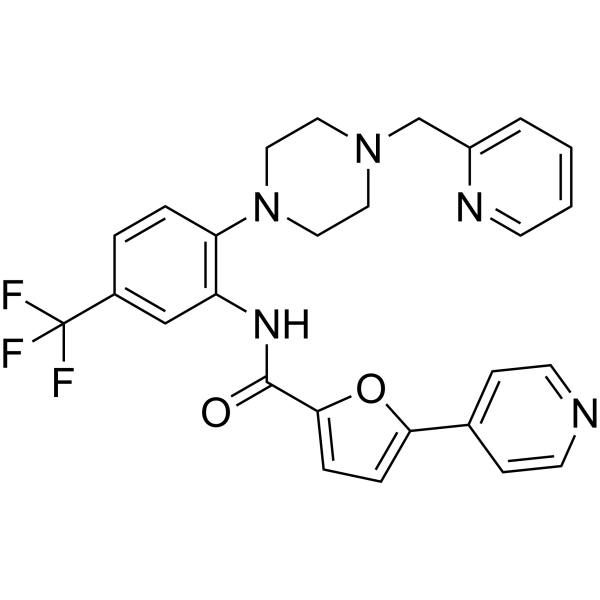
  • HY-117661
    SPHINX31
    Maximum Cited Publications
    13 Publications Verification

    SRPK VEGFR Cardiovascular Disease Cancer
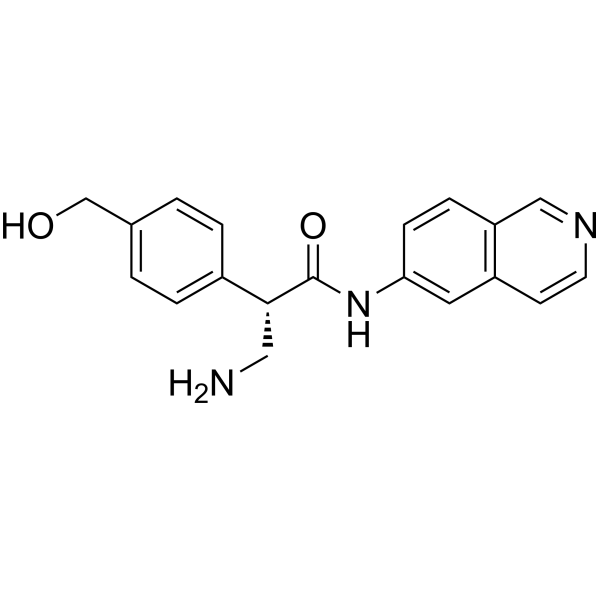
    SPHINX31 is a potent and selective SRPK1 inhibitor, with an IC50 of 5.9 nM. SPHINX31 inhibits phosphorylation of serine/arginine-rich splicing factor 1 (SRSF1). SPHINX31 also decreases the mRNA expression of pro-angiogenic VEGF-A165a isoform. SPHINX31 can be used to research neovascular eye disease .
    SPHINX31
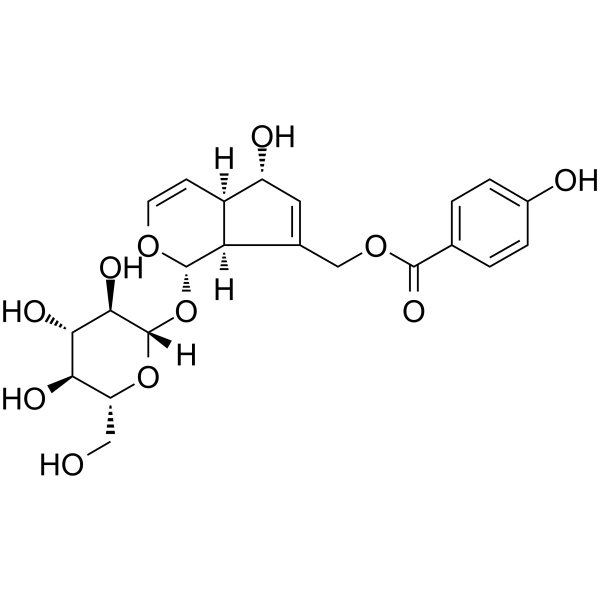
  • HY-N2518
    Agnuside
    1 Publications Verification

    Agnoside

    NO Synthase COX Caspase HIF/HIF Prolyl-Hydroxylase ASCT Cardiovascular Disease Inflammation/Immunology
    Agnuside is used in the study of asthma, inflammation, and angiogenic diseases. Agnuside is an orally active compound that can be extracted from Vitex negundo .
    Agnuside
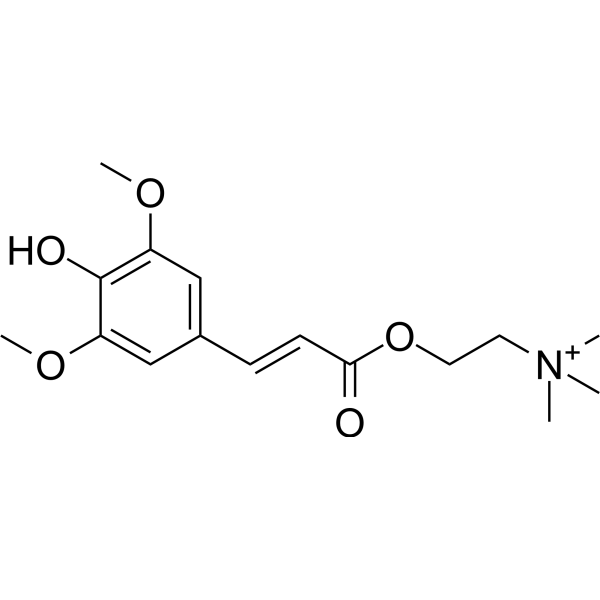
  • HY-N5077
    Sinapine
    2 Publications Verification

    Cholinesterase (ChE) P-glycoprotein Neurological Disease Inflammation/Immunology Cancer
    Sinapine is an alkaloid isolated from seeds of the cruciferous species. Sinapine exhibits anti-inflammatory, anti-oxidant, anti-tumor, anti-angiogenic and radio-protective effects. Sinapine is also an acetylcholinesterase (AChE) inhibitor and can be used for the research of Alzheimer’s disease, ataxia, myasthenia gravis, and Parkinson’s disease .
    Sinapine
  • HY-12798C

    AR-13324 M1 metabolite

    PKC ROCK Cardiovascular Disease Neurological Disease
    AR-13503 (AR-13324 M1 metabolite) is the hydrolytic metabolite of AR-13324 mesylate. AR-13324 is a ROCK kinase and PKC inhibitor with anti-angiogenic and retinal health-improving effects, showing potential for use in retinal disease research .
    AR-13503
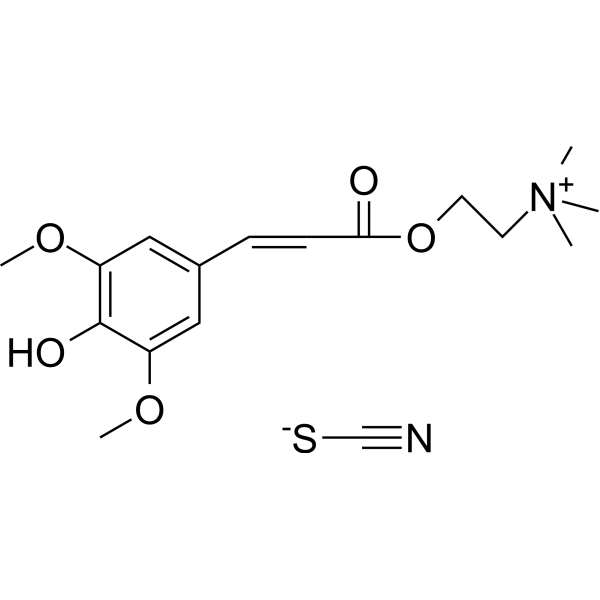
  • HY-N0450
    Sinapine thiocyanate
    2 Publications Verification

    P-glycoprotein Cholinesterase (ChE) Cancer
    Sinapine thiocyanate is an alkaloid isolated from seeds of the cruciferous species. Sinapine thiocyanate exhibits anti-inflammatory, anti-oxidant, anti-tumor, anti-angiogenic and radio-protective effects. Sinapine thiocyanate is also an acetylcholinesterase (AChE) inhibitor and can be used for the research of Alzheimer’s disease, ataxia, myasthenia gravis, and Parkinson’s disease .
    Sinapine thiocyanate
  • HY-156649

    CR6086

    Prostaglandin Receptor Interleukin Related MMP PD-1/PD-L1 Cardiovascular Disease Inflammation/Immunology Cancer
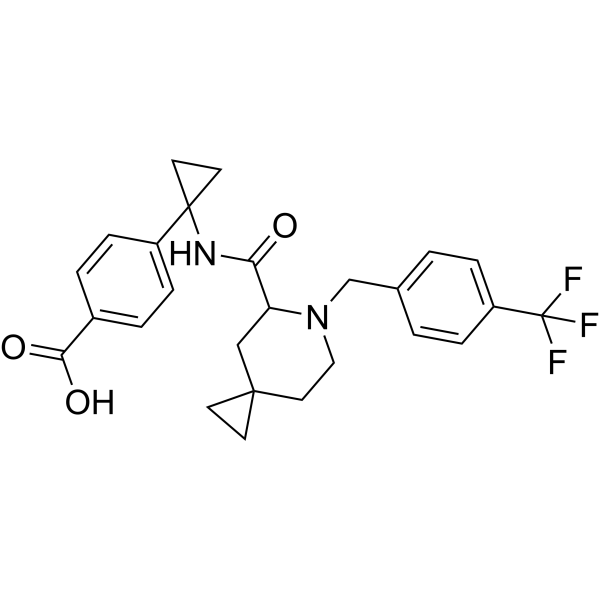
    Vorbipiprant (CR6086) is an orally active EP4 receptor antagonist with high selectivity for the human EP4 receptor (Ki: 16.6 nM). Vorbipiprant has immunomodulatory, anti-inflammatory, antitumor, and anti-angiogenic activities. Vorbipiprant can inhibit the expression of multiple pro-inflammatory cytokines and the activation of immune cells, and convert "cold" tumors unresponsive to immune checkpoint inhibitors into "hot" tumors. Vorbipiprant is used in the research of diseases such as rheumatoid arthritis and colon cancer .
    Vorbipiprant
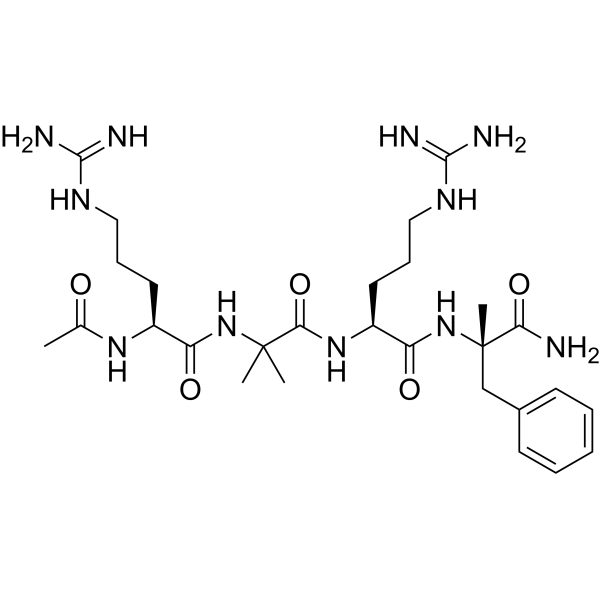
  • HY-13545
    ABT-510
    1 Publications Verification

    Apoptosis Inflammation/Immunology Cancer
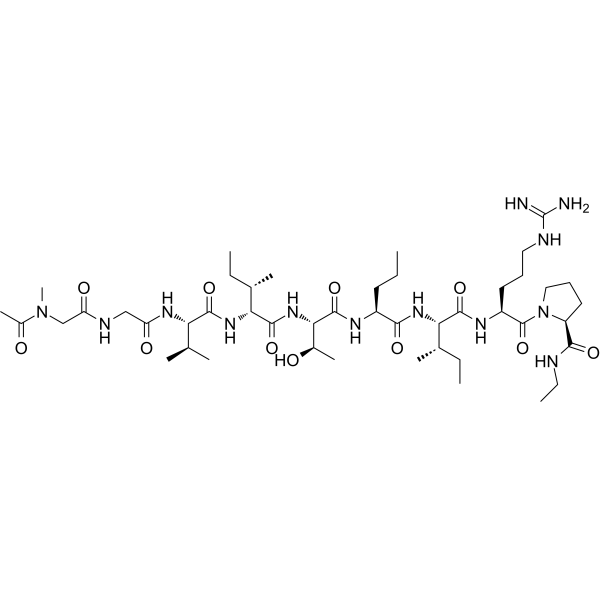
    ABT-510 is an anti-angiogenic TSP peptide (Thrombospondin-1 analogue) that induces apoptosis and inhibits ovarian tumour growth in an orthotopic, syngeneic model of epithelial ovarian cancer. ABT-510 also reduces angiogenesis and inflammatory responses in a murine model of inflammatory bowel disease. ABT-510 can be used in studies of cancer (particularly epithelial ovarian cancer) and inflammatory bowel disease (IBD) .
    ABT-510
  • HY-P3369

    AXT-107

    VEGFR Tie Akt Cardiovascular Disease Metabolic Disease Inflammation/Immunology
    Gersizangitide (AXT107) is an anti-angiogenic peptide consisting of 20 amino acids, derived from collagen IV. Gersizangitide is an inhibitor of VEGF-A and VEGF-C and an activator of Tie2. Gersizangitide can block VEGF receptor signaling, inhibit vascular leakage, neovascularization and inflammation. Gersizangitide can be used in the research of diseases related to ocular neovascularization and angiogenesis .
    Gersizangitide
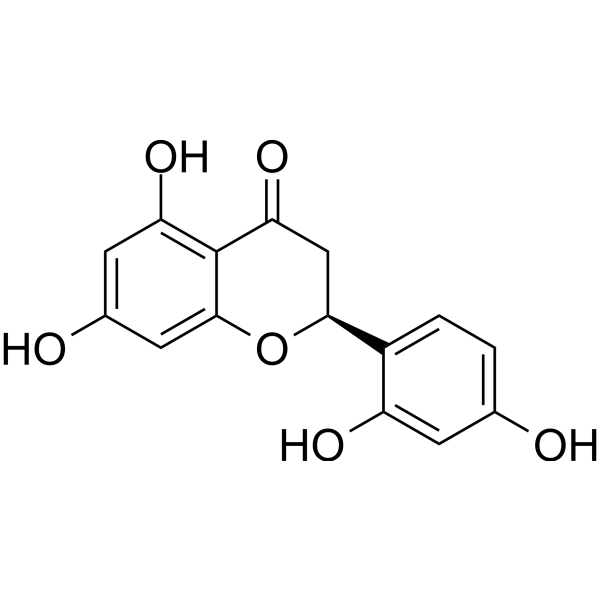
  • HY-122094

    HIF/HIF Prolyl-Hydroxylase Cardiovascular Disease Cancer
    Steppogenin is a potent inhibitor of HIF-1α and DLL4, with IC50 values of 0.56 and 8.46 μM, respectively. Steppogenin can be sued for the research of angiogenic diseases, such as those involving solid tumors .
    Steppogenin
  • HY-13545B
    ABT-510 acetate
    1 Publications Verification

    Apoptosis Inflammation/Immunology Cancer
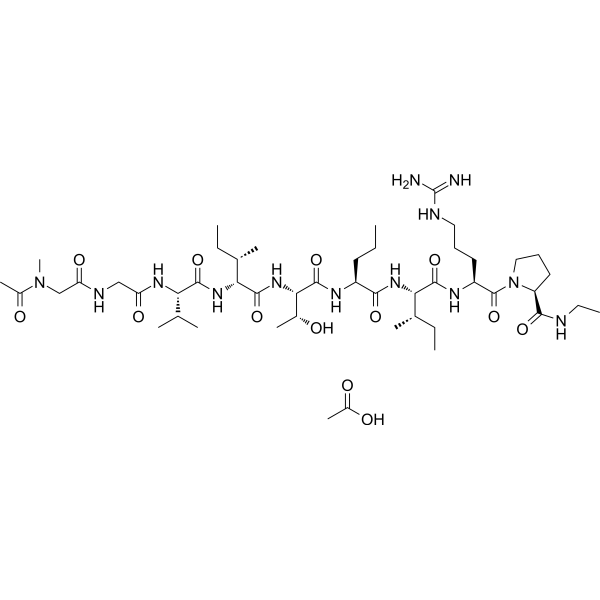
    ABT-510 acetate is an anti-angiogenic TSP peptide (Thrombospondin-1 analogue) that induces apoptosis and inhibits ovarian tumour growth in an orthotopic, syngeneic model of epithelial ovarian cancer. ABT-510 acetate also reduces angiogenesis and inflammatory responses in a murine model of inflammatory bowel disease. ABT-510 acetate can be used in studies of cancer (particularly epithelial ovarian cancer) and inflammatory bowel disease (IBD) .
    ABT-510 acetate
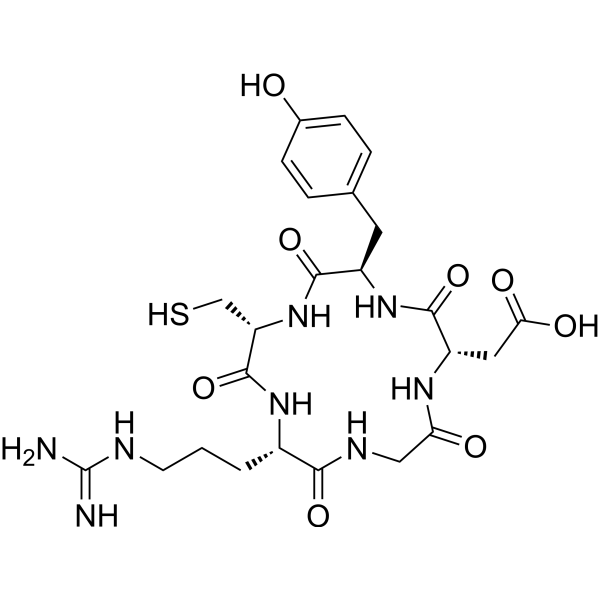
  • HY-P5840

    Biochemical Assay Reagents Cancer
    Cyclo(RGDyC) is a cyclic pentapeptide with anti-angiogenic abilities. Cyclo(RGDyC) can be combined with liposome delivery systems for research on ocular neovascular diseases and cancer .
    Cyclo(RGDyC)
  • HY-15893G

    Dimethyloxallyl Glycine

    Autophagy HIF/HIF Prolyl-Hydroxylase Cardiovascular Disease
    DMOG (GMP) is the GMP level of DMOG (HY-15893). GMP small molecules works appropriately as an auxiliary reagent for cell therapy manufacture. DMOG (GMP) is a HIF-1α stabilizer. DMOG (GMP) promotes the osteogenic, angiogenic, and chondrogenic differentiation of stem cells by stabilizing the expression of HIF-1α. DMOG (GMP) can enhance the osteogenic and angiogenic differentiation potential of stem cells, thereby improving bone regeneration in bone defects. DMOG (GMP) can be used in the research of bone defect repair, vascularized bone regeneration, and the treatment of bone-related diseases (such as osteoporosis and femoral head necrosis) .
    DMOG
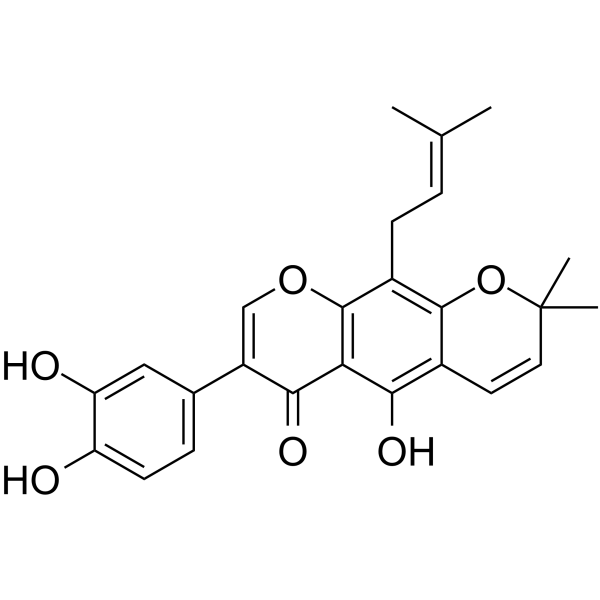
  • HY-N2911

    VEGFR Ferroptosis PI3K Akt mTOR Cannabinoid Receptor p38 MAPK Neurological Disease
    Auriculasin is an anticancer agent that inhibits VEGFR2, PI3K/AKT/mTOR, MAPK. Auriculasin can inhibit cell proliferation, induce cell apoptosis, and inhibit angiogenesis, and promotes mitochondrial oxidative stress and ferroptosis. Auriculasin is also active at the cannabinoid receptor CB1 with an IC50 of 8.92 μM. Auriculasin can be used in cancer research, especially related diseases such as prostate cancer and non-small cell lung cancer, as well as research on the development of anti-angiogenic drugs .
    Auriculasin
  • HY-116868

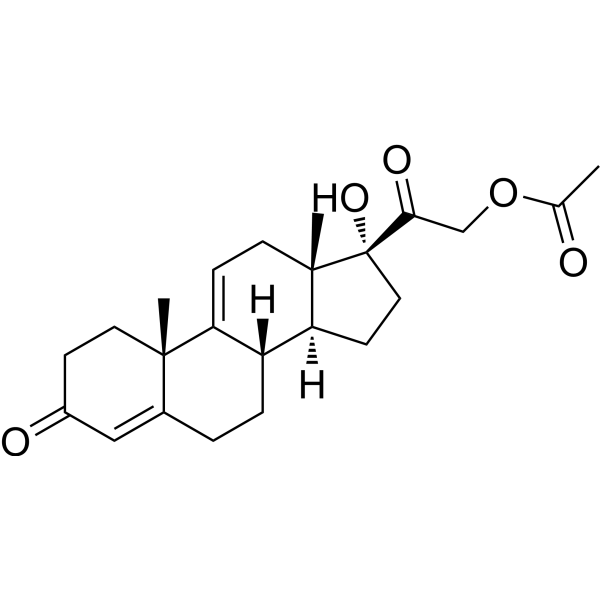
    Anecortave

    PAI-1 Cardiovascular Disease
    Anecortave acetate is a potent ocular angiostatic agent. Anecortave acetate inhibits neovascularization which is induced by many different angiogenic factors, and increases plasminogen activator inhibitor-1 (PAI-1) mRNA expression. Anecortave acetate can be used to research ocular neovascular diseases .
    Anecortave acetate
  • HY-P3395

    Human chromogranin A 352–372

    nAChR Cardiovascular Disease Inflammation/Immunology
    Catestatin human, a catecholamine release-inhibitory peptide, is a pleiotropic peptide involved in cardiovascular protection with its antihypertensive and angiogenic effects. Catestatin human can be used in the study of inflammatory diseases .
    Catestatin (human)
  • HY-N5077R

    Reference Standards Cholinesterase (ChE) P-glycoprotein Neurological Disease Inflammation/Immunology Cancer
    Sinapine is an alkaloid isolated from seeds of the cruciferous species. Sinapine exhibits anti-inflammatory, anti-oxidant, anti-tumor, anti-angiogenic and radio-protective effects. Sinapine is also an acetylcholinesterase (AChE) inhibitor and can be used for the research of Alzheimer’s disease, ataxia, myasthenia gravis, and Parkinson’s disease .
    Sinapine (Standard)
  • HY-N2518R

    Agnoside (Standard)

    Reference Standards NO Synthase COX Caspase HIF/HIF Prolyl-Hydroxylase ASCT Cardiovascular Disease Inflammation/Immunology
    Agnuside (Standard) is the analytical standard of Agnuside. This product is intended for research and analytical applications. Agnuside is used in the study of asthma, inflammation, and angiogenic diseases. Agnuside is an orally active compound that can be extracted from Vitex negundo .
    Agnuside (Standard)
  • HY-178919

    Formyl Peptide Receptor (FPR) Apoptosis Bacterial Inflammation/Immunology
    N-19004 is a FPR1 antagonist. N-19004 shows broad-spectrum antibacterial effects against a variety of pathogens. N-19004 exhibits significant retinal protective effects in the rd10 mouse model of retinitis pigmentosa (RP). N-19004 can attenuate retinal dysfunction, mitigate rod and cone degeneration, and reduce immune cell activation, gliosis, inflammation, oxidative stress, and apoptosis. N-19004 can reduce the size of laser-induced choroidal lesions and promote edema absorption through dual anti-inflammatory and anti-angiogenic effects. N-19004 can be used for the research of retinal degenerative diseases such as retinitis pigmentosa .
    N-19004
  • HY-121638B

    Bcl-2 Family Infection Cardiovascular Disease Inflammation/Immunology Cancer
    (E/Z)-CU-3 is a MCL-1 modulator. (E/Z)-CU-3 can be used to study hyperproliferative diseases, angiogenic diseases, cell cycle regulation diseases, autophagy regulation diseases, inflammatory diseases and/or infectious diseases .
    (E/Z)-CU-3
  • HY-122757

    Curcumin pyrazole

    Others Cancer
    Hydrazinocurcumin (Curcumin pyrazole) is a potent endothelial cell proliferation inhibitor (IC50=520 nM). Hydrazinocurcumin disrupts angiogenic signaling pathways and inhibits endothelial cell migration and tube formation, exerting anti-angiogenic activity. Hydrazinocurcumin is promising for research of tumor angiogenesis inhibition, metastatic cancer, and vascular-dependent diseases such as retinopathies .
    Hydrazinocurcumin
  • HY-N5077B

    Cholinesterase (ChE) P-glycoprotein Neurological Disease Inflammation/Immunology Cancer
    Sinapine hydroxide is an alkaloid isolated from seeds of the cruciferous species. Sinapine hydroxide exhibits anti-inflammatory, anti-oxidant, anti-tumor, anti-angiogenic and radio-protective effects. Sinapine hydroxide is also an acetylcholinesterase (AChE) inhibitor and can be used for the research of Alzheimer’s disease, ataxia, myasthenia gravis, and Parkinson’s disease .
    Sinapine hydroxide
  • HY-N0450R

    Reference Standards P-glycoprotein Cholinesterase (ChE) Cancer
    Sinapine (thiocyanate) (Standard) is the analytical standard of Sinapine (thiocyanate). This product is intended for research and analytical applications. Sinapine thiocyanate is an alkaloid isolated from seeds of the cruciferous species. Sinapine thiocyanate exhibits anti-inflammatory, anti-oxidant, anti-tumor, anti-angiogenic and radio-protective effects. Sinapine thiocyanate is also an acetylcholinesterase (AChE) inhibitor and can be used for the research of Alzheimer’s disease, ataxia, myasthenia gravis, and Parkinson’s disease .
    Sinapine thiocyanate (Standard)
  • HY-U00035R

    Antibiotic Reference Standards Bacterial Infection
    Sinapine (thiocyanate) (Standard) is the analytical standard of Sinapine (thiocyanate). This product is intended for research and analytical applications. Sinapine thiocyanate is an alkaloid isolated from seeds of the cruciferous species. Sinapine thiocyanate exhibits anti-inflammatory, anti-oxidant, anti-tumor, anti-angiogenic and radio-protective effects. Sinapine thiocyanate is also an acetylcholinesterase (AChE) inhibitor and can be used for the research of Alzheimer’s disease, ataxia, myasthenia gravis, and Parkinson’s disease .
    MGB-BP-3 (Standard)
  • HY-12798E

    (R)-AR-13324 M1 metabolite

    PKC ROCK Drug Metabolite Cardiovascular Disease
    (R)-AR-13503 ((R)-AR-13324 M1 metabolite) is the the (R)-enantiomer of AR-13503 (HY-12798C). AR-13503 is the hydrolytic metabolite of AR-13324 mesylate. AR-13324 is a ROCK kinase and PKC inhibitor with anti-angiogenic and retinal health-improving effects, showing potential for use in retinal disease research .
    (R)-AR-13503
  • HY-168932

    Bacterial Antibiotic Infection Cardiovascular Disease
    Antiangiogenic agent 8 (Compound 3m) is an antibacterial agent with anti-angiogenic activity. The MIC values of Antiangiogenic agent 8 against E. coli, P. aeruginosa, B. subtilis, S. aureus, and C. glabrata are 16, 8, 4, 16, and 8 μg/mL, respectively, with MBC ranging from 32 to 64 μg/mL. Antiangiogenic agent 8 holds promise for applications in anti-infective therapy and cardiovascular disease research .
    Antiangiogenic agent 8
  • HY-N16371

    Endogenous Metabolite Inflammation/Immunology Cancer
    6-Methoxy-8-hydroxyisocoumarin-3-carboxylic acid (Compound MC-1), an isocoumarin, is a metabolite of Cytogenin (HY-19606). 6-Methoxy-8-hydroxyisocoumarin-3-carboxylic acid has anti-angiogenic activity in S-180 implanted dorsal air sac mice model. 6-Methoxy-8-hydroxyisocoumarin-3-carboxylic acid also modifies collagen-induced arthritis. 6-Methoxy-8-hydroxyisocoumarin-3-carboxylic acid can be used for cancers and inflammatory diseases research .
    6-Methoxy-8-hydroxyisocoumarin-3-carboxylic acid
  • HY-P992054

    VEGFR Cardiovascular Disease Cancer
    APX004 is a humanized monoclonal antibody targeting-VEGF2. APX004 can be used for the research of cancers and angiogenic diseases.
    APX004
  • HY-117733

    Tie VEGFR Cancer
    Zerumin A is an anti-angiogenic agent that acts on multiple molecular targets related to angiogenesis (including kdr/VEGFR2, angpt1, angpt2, tie1, and tie2). Zerumin A specifically inhibits the proliferation and migration of human umbilical vein endothelial cells (HUVECs) by regulating the VEGF-VEGFR and ANGPT-TIE signaling pathways, and dose-dependently inhibits angiogenesis (10-20 μM significantly inhibits zebrafish embryo angiogenesis). Zerumin A can be used in the research of cancer and angiogenesis-related inflammatory diseases. Zerumin A can be naturally extracted from the 95% ethanol extract of the fruits, seeds, and pericarp of Alpinia caerulea (R.Br.) Bentham (a plant of the Alpinia genus in the Zingiberaceae family) .
    Zerumin A

Demande en ligne

Your information is safe with us. * Required Fields.

Civilité


Country or Region *

Nom du demandeur *


Nom de l'organisation *

Department *


Adresse e-mail *


Nom du produit *

Cat. No.


Requested quantity *

Numéro de téléphone *


Remarques

Demande en ligne

Inquiry Information

Nom du produit:
Cat. No.:
Quantité:
MCE Japan Authorized Agent:

