1. Search Result
Search Result
Results for "

areas

" in MedChemExpress (MCE) Product Catalog:

193

Inhibitors & Agonists

23

Screening Libraries

11

Fluorescent Dye

21

Biochemical Assay Reagents

15

Peptides

2

Inhibitory Antibodies

28

Natural
Products

6

Isotope-Labeled Compounds

2

Oligonucleotides

Cat. No. Product Name Target Research Areas Chemical Structure
  • HY-P0059
    Teriparatide
    Maximum Cited Publications
    11 Publications Verification

    Human parathyroid hormone-(1-34); hPTH (1-34)

    PTHR Thyroid Hormone Receptor Others Cancer
    Teriparatide (Human parathyroid hormone-(1-34)) is a PTH1 receptor agonist. Teriparatide (Human parathyroid hormone-(1-34)) can be used for osteoporosis research .
    Teriparatide
  • HY-B0451A
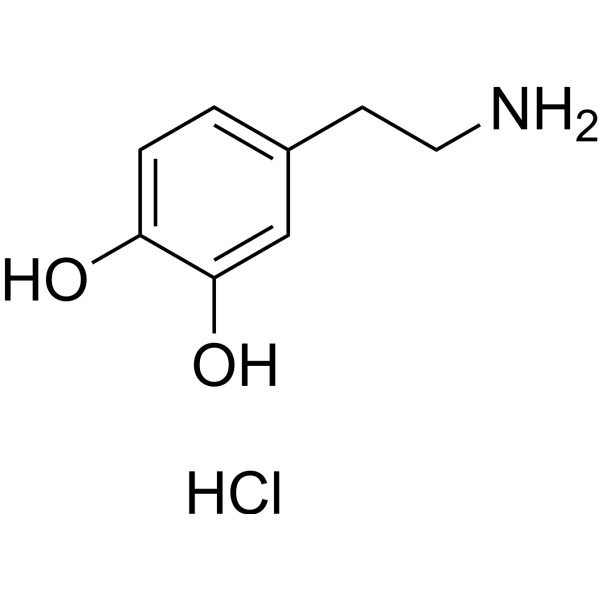
    Dopamine hydrochloride
    20+ Cited Publications

    ASL279

    Dopamine Receptor Endogenous Metabolite Ferroptosis Neurological Disease
    Dopamine hydrochloride (ASL279) is a catecholamine neurotransmitter that is produced in the substantia nigra, ventral tegmental area, and hypothalamus of the brain. Dopamine hydrochloride (ASL279) plays several important roles in the brain and body . Dopamine hydrochloride (ASL279) acts through D2 dopamine receptors to induce endocytosis of VEGFR2, which is critical for promoting angiogenesis .
    Dopamine hydrochloride
  • HY-B0451
    Dopamine
    20+ Cited Publications

    ASL279 free base

    Dopamine Receptor Endogenous Metabolite Ferroptosis Neurological Disease
    Dopamine is a catecholamine neurotransmitter that is produced in the substantia nigra, ventral tegmental area, and hypothalamus of the brain. Dopamine plays several important roles in the brain and body . Dopamine acts through D2 dopamine receptors to induce endocytosis of VEGFR2, which is critical for promoting angiogenesis .
    Dopamine
  • HY-110281

    Endogenous Metabolite Cardiovascular Disease Neurological Disease
    Dehydroascorbic acid is an oxidized form of vitamin C that can cross the blood-brain barrier (BBB). Dehydroascorbic acid clears cytotoxic reactive oxygen species (ROS) produced after ischemic stroke by converting to ascorbic acid (AA), thereby reducing neuronal and glial cell damage and stabilizing cerebral microvascular NO signaling to maintain perfusion in the ischemic area. Dehydroascorbic acid can be used in research on ischemic stroke .
    Dehydroascorbic acid
  • HY-112624P
    Dextran T500 (MW 500,000)
    1 Publications Verification

    Dextran 500; Dextran D500; Dextran T500(MW 440000-560000)

    Biochemical Assay Reagents Others
    Dextran T500 MW 500,000 (Dextran 500; Dextran D500; Dextran T500 MW 440000-560000) is a polymer of anhydroglucose with the average molecular weight of 500,000. Dextran T500 MW 500,000 exhibits good biodegradability and good biocompatibility, that is utilized in food, pharmaceutics, cosmetics, and research area .
    Dextran T500 (MW 500,000)
  • HY-B1395
    Mecamylamine hydrochloride
    5 Publications Verification

    nAChR Histamine Receptor Cardiovascular Disease Neurological Disease
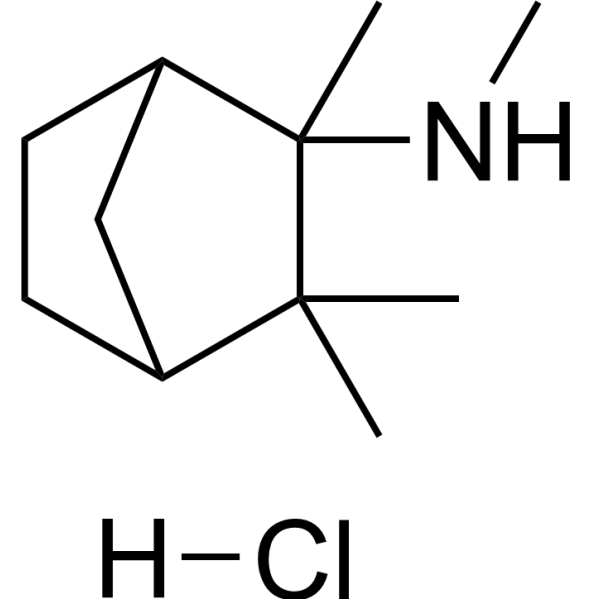
    Mecamylamine hydrochloride is an orally active, nonselective, noncompetitive nAChR antagonist. Mecamylamine hydrochloride is also a ganglionic blocker. Mecamylamine hydrochloride can across the blood-brain barrier. Mecamylamine hydrochloride can be used in the research of neuropsychiatric disorders, hypertension, antidepressant area .
    Mecamylamine hydrochloride
  • HY-17591
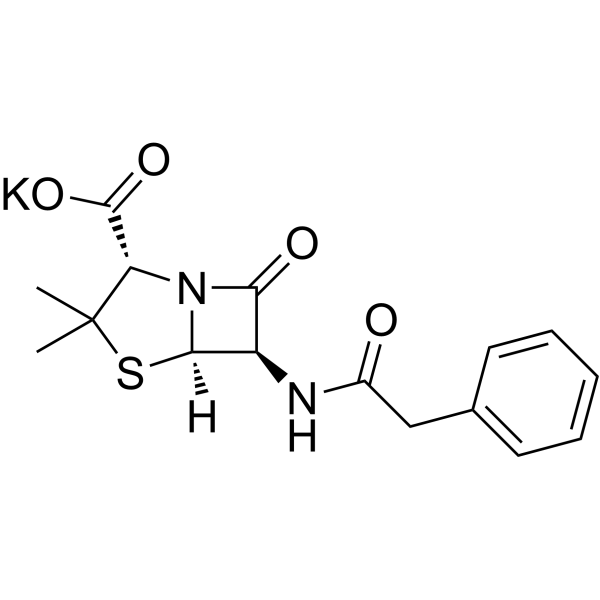
    Penicillin G potassium
    Maximum Cited Publications
    25 Publications Verification

    Benzylpenicillin potassium

    Antibiotic Bacterial Infection
    Penicillin G potassium is a fast-acting penicillin family antibiotic. Penicillin G potassium can be used for the research of bacterial infections that affect the blood, heart, lungs, joints, and genital areas .
    Penicillin G potassium
  • HY-17369B
    Tirofiban
    5+ Cited Publications

    L700462; MK383

    Integrin Cardiovascular Disease
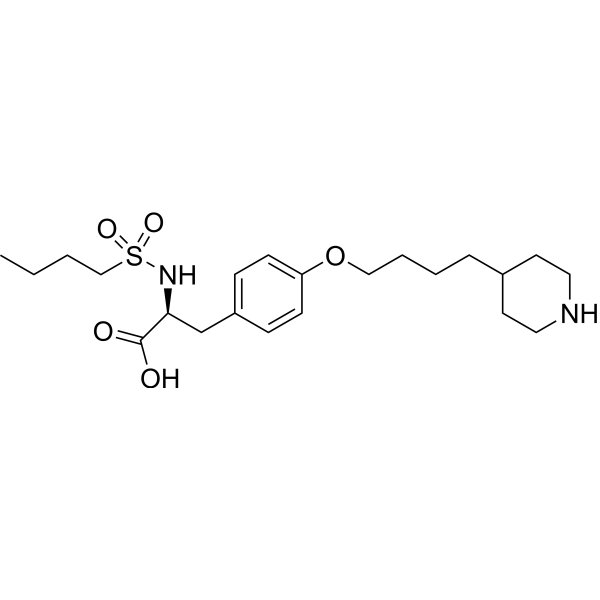
    Tirofiban (L700462) is a selective and reversible platelet integrin receptor (Gp IIb/IIIa) antagonist that inhibits fibrinogen binding to this receptor and has antithrombotic activity. Tirofiban induces proliferation and migration on endothelial cell by inducing production of VEGF. Tirofiban can significantly reduces myocardial no-reflow and ischemia-reperfusion injury by alleviating myocardial microvascular structural and endothelial dysfunction in the ischemic area .
    Tirofiban
  • HY-W007801

    TPAP

    Biochemical Assay Reagents Others
    Tetrapropylammonium perruthenate (TPAP) is an organic compound commonly used as a catalyst and oxidizing agent. It can play an oxidation role in some organic synthesis reactions, and can catalyze the oxidation reactions of olefins and aromatic compounds. In addition, the compound is widely used in some industrial production areas, such as in the application of plastics, rubber and textile manufacturing processes.
    Tetrapropylammonium perruthenate
  • HY-17369

    L700462 hydrochloride monohydrate; MK383 hydrochloride monohydrate

    Integrin Cardiovascular Disease
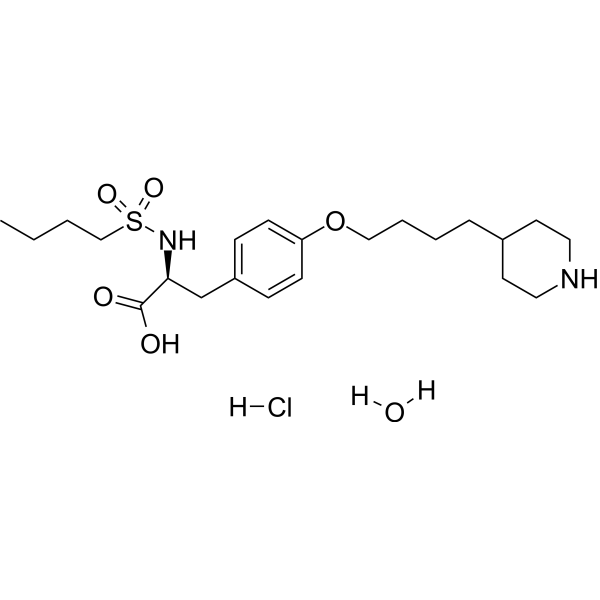
    Tirofiban (L700462) hydrochloride monohydrate is a selective and reversible platelet integrin receptor (Gp IIb/IIIa) antagonist that inhibits fibrinogen binding to this receptor and has antithrombotic activity. Tirofiban hydrochloride monohydrate induces proliferation and migration on endothelial cell by inducing production of VEGF. Tirofiban hydrochloride monohydrate can significantly reduces myocardial no-reflow and ischemia-reperfusion injury by alleviating myocardial microvascular structural and endothelial dysfunction in the ischemic area .
    Tirofiban hydrochloride monohydrate
  • HY-P2847

    CRFR Metabolic Disease Endocrinology
    Urocortin II, mouse is a potent and selective endogenous peptide agonist of type-2 corticotropin-releasing factor (CRF2) receptor with Ki values of 0.66 nM and ﹥100 nM for CRFR2 and CRFR1, respectively. Urocortin II, mouse activates CRF2 receptors in a cAMP/PKA- and Ca 2+/CaMKII-dependent manner.Urocortin II, mouse is expressed in discrete areas of the central nervous system, and activates central neurons involved in the processing of visceral sensory information, and in modulating autonomic outflow .
    Urocortin II, mouse
  • HY-14290
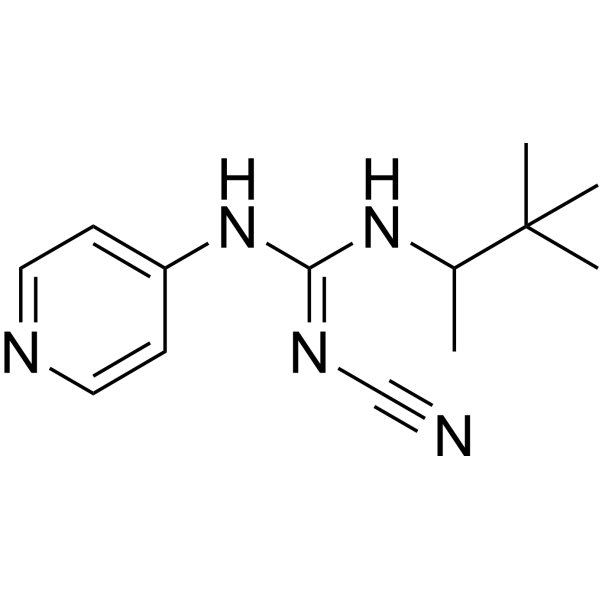
    Pinacidil
    4 Publications Verification

    P-1134

    Potassium Channel Cardiovascular Disease
    Pinacidil (P-1134) is a potent activator of ATP-sensitive potassium channel. Pinacidil is an antihypertensive agent hyperpolarizes vascular smooth muscle by opening K + channels. Pinacidil enhances K +-efflux in smooth muscle. Pinacidil has vasorelaxant properties. Pinacidil is able to inhibit spontaneous tone and of reducing agonist induced contractions. Pinacidil can be studied in research area such as cardiovascular diseases .
    Pinacidil
  • HY-15940
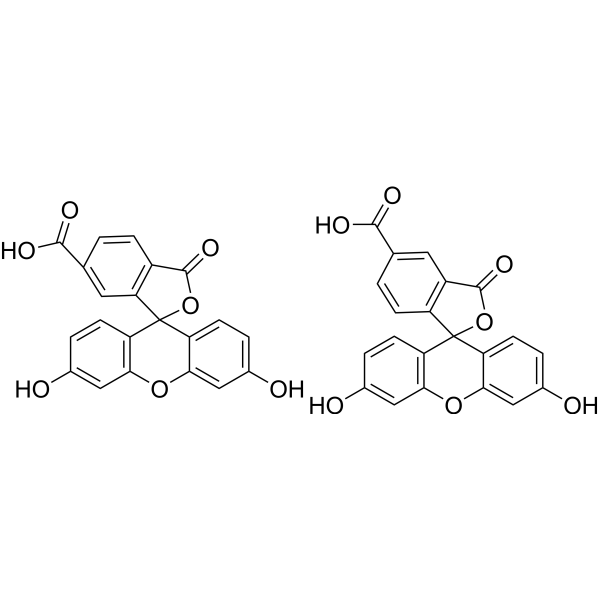
    5(6)-Carboxyfluorescein
    5 Publications Verification

    5(6)-FAM; 5-(and-6)-Carboxyfluorescein mixed isomers

    Fluorescent Dye Cancer
    5(6)-Carboxyfluorescein (5(6)-FAM) is an amine-reactive pH-sensitive green fluorescent probe. 5(6)-Carboxyfluorescein (5(6)-FAM) can be used to label proteins, peptides and nucleotides. 5(6)-Carboxyfluorescein can be used for the detection of tumour areas in vivo .
    5(6)-Carboxyfluorescein
  • HY-Y0975

    Environmental Pollutants Drug Intermediate Others
    Silver(I) fluoride is a drug intermediate for synthesis of various active compounds. Silver(I) fluoride is a silver(I) complex that can form hydrates in aqueous solutions and in the solid state, enabling its localized application to the tooth decay area for oral health research .
    Silver(I) fluoride
  • HY-120435

    Environmental Pollutants Antibiotic Bacterial Influenza Virus Fungal Infection
    Tyrothricin is a polypeptide antibiotic mixture isolated from Bacillus brevis and consists of tyrocidines and gramicidins. Tyrothricin shows activity against bacteria, fungi and some viruses. Tyrothricin containing formulations are used in sore throat agents and in agents for the healing of infected superficial and small-area wounds .
    Tyrothricin
  • HY-P10275

    Apoptosis Neurological Disease
    Tat-NTS peptide is a cell-penetrating peptide with neuroprotective effects. Tat-NTS peptide can specifically inhibit the nuclear translocation of ANXA1 and reduce neuronal apoptosis in ischemic areas. Moreover, Tat-NTS peptide can reduce the volume of cerebral ischemic infarction and can be used in the research of ischemic stroke .
    Tat-NTS peptide
  • HY-112624D

    Dextran 60; Dextran D60; Dextran T60(MW 54000-66000)

    Biochemical Assay Reagents Others
    Dextran T60 MW 60,000 (Dextran 60; Dextran D60; Dextran T60 MW 54000-66000) is a polymer of anhydroglucose with the average molecular weight of 60,000. Dextran T60 MW 60,000 exhibits good biodegradability and good biocompatibility, that is utilized in food, pharmaceutics, cosmetics, and research area .
    Dextran T60 (MW 60,000)
  • HY-172550

    HCN Channel Neurological Disease
    MS7710 is a hyperpolarization-activated cyclic nucleotide-gated (HCN) channel inhibitor with blood-brain barrier permeability and an excellent brain/plasma concentration ratio. MS7710 inhibits HCN channel-mediated Ih current, and reduces the firing frequency and burst activity of dopaminergic neurons in the ventral tegmental area. MS7710 ameliorates chronic social defeat stress-induced deficits in social interaction and impairments in reward-related cognitive flexibility in mice. MS7710 exerts only limited effects on ventral tegmental area dopaminergic neuron activity, social interaction, exploratory behavior, locomotor activity or sucrose preference in control mice. MS7710 is applicable to the research of major depressive disorder .
    MS7710
  • HY-148077

    Fructose-1,6-bisphosphate aldolase Bacterial Fungal Infection
    Phosphoglycolohydroxamic acid is a potent aldolase and triose-phosphate isomerase inhibitor. Phosphoglycolohydroxamic acid can be used in the research of antibacterial and antifungal area .
    Phosphoglycolohydroxamic acid
  • HY-B0667

    Interleukin Related STAT Inflammation/Immunology Cancer
    Balsalazide is a prodrug of amino salicylic acid that releases mesalamine (HY-15027) in the colon, offering various anti-inflammatory effects in areas of colitis, and it also exerts related anticancer effects by regulating the IL-6/STAT3 pathway .
    Balsalazide
  • HY-112624T

    Dextran 7; Dextran D7; Dextran T7(MW 5600-8400)

    Biochemical Assay Reagents Others
    Dextran T7 (Dextran 7; Dextran D7) (MW 7,000) is a polymer of anhydroglucose with the average molecular weight of 7000. Dextran T7 (MW 7,000) exhibits good biodegradability and good biocompatibility, that is utilized in food, pharmaceutics, cosmetics, and research area .
    Dextran T7 (MW 7,000)
  • HY-112624Q

    Dextran 800; Dextran D800; Dextran T800(MW 750000-850000)

    Biochemical Assay Reagents Others
    Dextran T800 MW 800,000 (Dextran 800; Dextran D800; Dextran T800 MW 750000-850000) is a polymer of anhydroglucose with the average molecular weight of 800,000. Dextran T800 MW 800,000 exhibits good biodegradability and good biocompatibility, that is utilized in food, pharmaceutics, cosmetics, and research area .
    Dextran T800 (MW 800,000)
  • HY-14290A
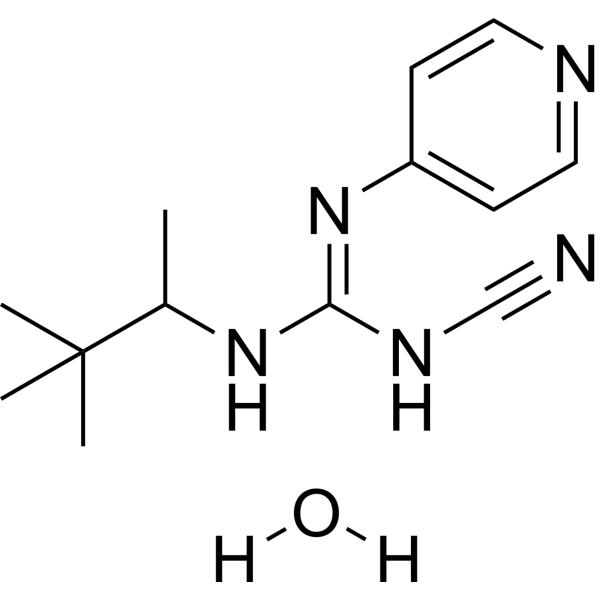
    Pinacidil monohydrate
    4 Publications Verification

    P-1134 monohydrate

    Potassium Channel Cardiovascular Disease
    Pinacidil (P-1134) monohydrate is a potent activator of ATP-sensitive potassium channel. Pinacidil monohydrate is an antihypertensive agent hyperpolarizes vascular smooth muscle by opening K + channels. Pinacidil monohydrate enhances K +-efflux in smooth muscle. Pinacidil monohydrate has vasorelaxant properties. Pinacidil monohydrate is able to inhibit spontaneous tone and of reducing agonist induced contractions. Pinacidil monohydrate can be studied in research area such as cardiovascular diseases .
    Pinacidil monohydrate
  • HY-N2840
    Allitol
    1 Publications Verification

    Allodulcitol

    Others Metabolic Disease
    Allitol (Allodulcitol) is an orally active rare sugar alcohol found in Itea virginica L, Tylopilus plumbeoviolaceus. Allitol has anti-obesity and hypoglycaemic activities. Allitol reduces carcass and total body fat mass, increases cecal weight, surface area, and short-chain fatty acid production, and upregulates cecal microbial enzymes linked to butyrate metabolism. Allitol can be used for the researches of obesity and diabetes .
    Allitol
  • HY-P10216

    Biochemical Assay Reagents Neurological Disease
    CAQK peptide selectively binds to injured mouse brain. CAQK peptide selectively targets demyelinating areas and it is absent from healthy tissue. The CAQK peptide target is a proteoglycan complex upregulated in brain injuries and is used for drug delivery. CAQK peptide can penetrate the blood-brain barrier .
    CAQK peptide
  • HY-19760

    Epigenetic Reader Domain Inflammation/Immunology
    I-BET282 is a pan-inhibitor of all eight BET bromodomains, and selectivity over other representative bromodomain-containing proteins. I-BET282 shows pIC50s ranging 6.4-7.7 for BRD2 (BD1/BD2), BRD2 (BD1/BD), BRD3 (BD1/BD), and BRD4 (BD1/BD) .
    I-BET282
  • HY-D0867

    Biochemical Assay Reagents Others
    BES is a secondary standard biochemical buffer with effective pH range of 6.4 to 7.8 (pKa: 7.15 at 20 °C). BES is used in the diagnostic testing area.
    BES
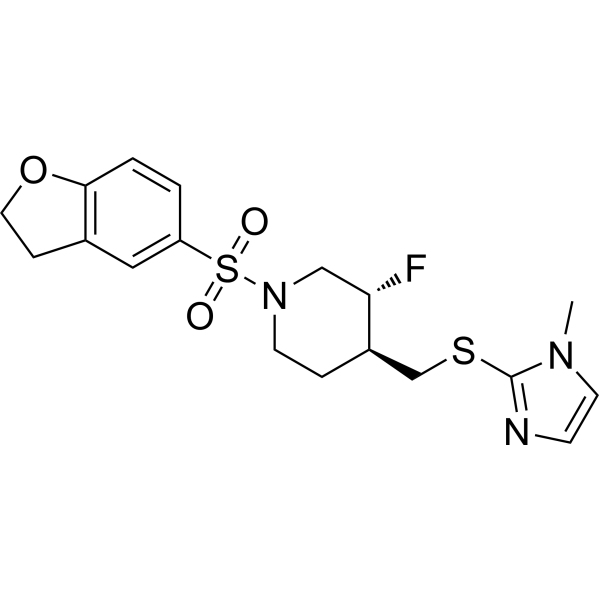
  • HY-B0667A

    Balsalazide disodium dihydrate

    Interleukin Related STAT Inflammation/Immunology Cancer
    Balsalazide sodium hydrate is a prodrug of amino salicylic acid that releases mesalamine (HY-15027) in the colon, offering various anti-inflammatory effects in areas of colitis, and it also exerts related anticancer effects by regulating the IL-6/STAT3 pathway .
    Balsalazide sodium hydrate
  • HY-123193

    Pro-diazepam

    Drug Intermediate Neurological Disease
    Avizafone (Pro-diazepam), a pro-drug of Diazepam, is an anticonvulsant agent. Avizafone can be used as an antidote of nerve agent poisoning. In vivo, Avizafone is rapidly hydrolyzed by aminopeptidase to produce lysine and diazepam. Avizafone has research areas including neurological disease, such as epilepsy .
    Avizafone
  • HY-141667

    7-(p-Methoxybenzylamino)-4-nitrobenz-2,1,3-oxadiazole

    Fluorescent Dye Others
    MBD (7-(p-Methoxybenzylamino)-4-nitrobenz-2,1,3-oxadiazole), a new fluorescent probe for protein and nucleoprotein conformation, is applied to bacterial ribosomes and to bovine trypsinogen and trypsin. MBD is strongly fluorescent upon binding to a hydrophobic area of a macromolecule .
    MBD
  • HY-148327

    Adenosine Kinase Cardiovascular Disease Neurological Disease Inflammation/Immunology
    AK-IN-1 (compound 4072-2732) is an adenosine kinase (AK) inhibitor that is competitive for adenosine (Ado) but not for ATP. AK-IN-1 inhibits 86%, 87% and 89% of AK activity at concentrations of 2, 4 and 10 µM, respectively. AK-IN-1 has good potential for research in many disease areas, including ischaemia, inflammation and seizures .
    AK-IN-1
  • HY-B0451AS7

    ASL279-d5 hydrochloride

    Isotope-Labeled Compounds Dopamine Receptor Endogenous Metabolite Ferroptosis Neurological Disease
    Dopamine-d5 (hydrochloride) is the deuterium labeled Dopamine (hydrochloride). Dopamine hydrochloride (ASL279) is a catecholamine neurotransmitter that is produced in the substantia nigra, ventral tegmental area, and hypothalamus of the brain. Dopamine hydrochloride (ASL279) plays several important roles in the brain and body . Dopamine hydrochloride (ASL279) acts through D2 dopamine receptors to induce endocytosis of VEGFR2, which is critical for promoting angiogenesis .
    Dopamine-d5 hydrochloride
  • HY-148502
    VU6019650
    2 Publications Verification

    mAChR Neurological Disease
    VU6019650 is a potent and selective orthosteric antagonist of M5 mAChR (IC50=36 nM), can be used for opioid use disorder (OUD) relief. VU6019650 can cross blood brain barrier, potentially modulates the mesolimbic dopaminergic reward circuitry. VU6019650 blocks Oxotremorine M iodide (HY-101372A) induced increases of neuronal firing rates of midbrain dopamine neurons in the ventral tegmental area (VTA) .
    VU6019650
  • HY-147319

    Trace Amine-associated Receptor (TAAR) Neurological Disease
    RTI-7470-44 is a potent, selective and blood-brain barrier (BBB) penetrant human trace amine-associated receptor subtype 1 (hTAAR1) antagonist with an IC50 value of 8.4 nM and a Ki value of 0.3 nM. RTI-7470-44 has moderate metabolic stability, and a favorable preliminary off-target profile. RTI-7470-44 can increase the spontaneous firing rate of mouse ventral tegmental area (VTA) dopaminergic neurons. RTI-7470-44 can be used for researching schizophrenia, agent addiction, and Parkinson’s disease (PD) .
    RTI-7470-44
  • HY-133712

    Tunodafil

    Phosphodiesterase (PDE) Neurological Disease
    Yonkenafil (Tunodafil), a novel phosphodiesterase 5 (PDE5) inhibitor, is effective in reducing cerebral infarction, neurological deficits, edema, and neuronal damage in the infarcted area. Yonkenafil may improve cognitive function by modulating neurogenesis and has a potential therapeutic effect on Alzheimer's disease .
    Yonkenafil
  • HY-124577

    PAI-1 Apoptosis Cardiovascular Disease
    MDI-2268 is an inhibitor of plasma kallikrein inhibitor 1 (PAI-1). MDI-2268 has good antithrombotic properties and regulates blood coagulation and fibrinolysis process by enhancing fibrinolysis. MDI-2268 can be used in research areas such as deep vein thrombosis .
    MDI-2268
  • HY-15691

    Opioid Receptor mTOR Neurological Disease Metabolic Disease
    PF-04455242 is an orally bioavailable, blood-brain barrier-permeable κ-opioid receptor (KOR) inhibitor. PF-04455242 blocks in vivo effects induced by KOR and MOR agonists, and elicits KOR-independent outward currents in ventral tegmental area neurons. PF-04455242 promotes energy expenditure and activates the hypothalamic mTOR pathway. PF-04455242 attenuates stress-induced behavioral effects and produces antidepressant-like effects. PF-04455242 can be used in studies related to pain, depression, addictive disorders, and obesity induced by estrogen withdrawal .
    PF-04455242
  • HY-17591S

    Benzylpenicillin-d5 potassium

    Isotope-Labeled Compounds Bacterial Antibiotic Infection
    Penicillin G-d5 (potassium) is the deuterium labeled Penicillin G potassium. Penicillin G potassium is a fast-acting antibiotic; used to treat bacterial infections that affect the blood, heart, lungs, joints, and genital areas .
    Penicillin G-d5 potassium
  • HY-P11320

    Amylin Receptor CGRP Receptor Metabolic Disease
    Davalintide is an Amylin (HY-P1464)-mimetic peptide with greater potency and longer-lasting effects. Davalintide is a potent agonist of amylin receptor (IC50 = 0.04 nM), calcitonin receptor (IC50 = 0.06 nM) and calcitonin related peptide receptor (CGRP receptor) (IC50 = 3.1 nM). Davalintide shows stronger potency to Amylin to activate cyclic AMP production through the calcitonin receptor (EC50 = 1.4 nM). Davalintide regulates blood sugar and weight through various mechanisms such as delaying gastric emptying, inhibiting glucagon secretion, and reducing food intake. Davalintide can be used for the studies of anti-obesity and anti-diabetes .
    Davalintide
  • HY-17591R
    Penicillin G potassium (Standard)
    1 Publications Verification

    Benzylpenicillin potassium (Standard)

    Reference Standards Antibiotic Bacterial Infection
    Penicillin G (potassium) (Standard) is the analytical standard of Penicillin G (potassium). This product is intended for research and analytical applications. Penicillin G potassium is a fast-acting penicillin family antibiotic. Penicillin G potassium can be used for the research of bacterial infections that affect the blood, heart, lungs, joints, and genital areas .
    Penicillin G potassium (Standard)
  • HY-113316A

    Endogenous Metabolite Opioid Receptor Neurological Disease
    (±)-Salsolinol hydrochloride is the hydrochloride form of (±)-Salsolinol (HY-113316). (±)-Salsolinol hydrochloride is a Dopamine (HY-B0451)-derived endogenous metabolite. (±)-Salsolinol hydrochloride activates μ-opioid receptors (MORs), reduces GABAergic transmission, increases the excitability of dopamine (DA) neurons, and thus accelerates the sustained firing of neurons in the posterior ventral tegmental area (pVTA) .
    (±)-Salsolinol hydrochloride
  • HY-W017448

    N,N-Dimethylpiperidinium chloride; PIX

    Environmental Pollutants Biochemical Assay Reagents Others
    Mepiquat chloride (N,N-Dimethylpiperidinium chloride) is a systemic plant growth regulator. Mepiquat chloride reduces the activity of RuBP carboxylase. Mepiquat chloride decreases plant height, total length of vegetative and fruiting branches, and total leaf area of cotton. Mepiquat chloride reduces the net photosynthetic rate of cotton leaves. Mepiquat chloride promotes starch accumulation in cotton leaves without altering sucrose content .
    Mepiquat chloride
  • HY-100469

    LXR Inflammation/Immunology
    LXRβ agonist-2 is an orally active and selective LXRβ agonist. LXRβ agonist-2 increases high-density lipoprotein cholesterol levels without elevating plasma triglyceride levels. LXRβ agonist-2 decreases lipid accumulation area in the aortic arch. LXRβ agonist-2 can be used for the research of atherosclerosis .
    LXRβ agonist-2
  • HY-P3219

    Endogenous Metabolite Endocrinology
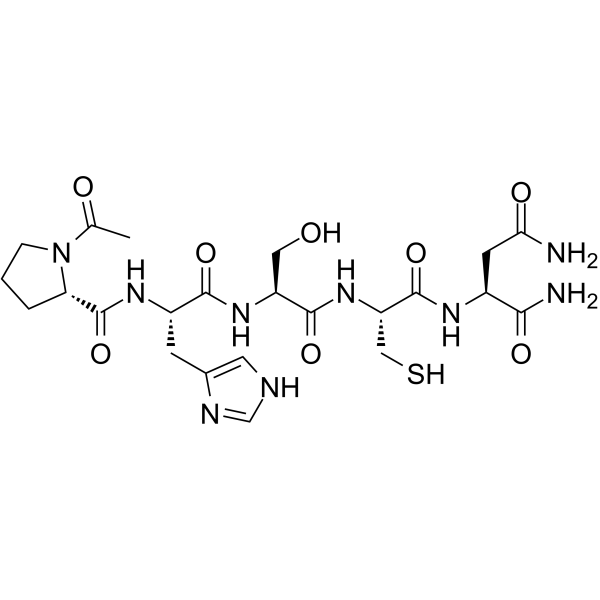
    N-Acetyloxytocin is isolated and characterized in the neurointermediate lobe of the rat pituitary (NIL) and their presence in several brain areas of the rat .
    N-Acetyloxytocin
  • HY-N0073A

    Insecticide Others
    Spirostan-3-ol is a useful tool to keep bees away from areas recently treated with toxic insecticides .
    Spirostan-3-ol
  • HY-N7646

    Others Others
    Curculigoside B, a phenolic glycoside isolated from Curculigo orchioides, enhances the osteoblast proliferation, decreases the area of bone resorption pit, osteoclastic formation and TRAP activity. Antiosteoporotic and antioxidative activities .
    Curculigoside B
  • HY-N8760

    Aminopeptidase Inflammation/Immunology
    Batatasin IV is an LTA4H inhibitor with anti-inflammatory activity. Batatasin IV is also a natural product that can be obtained from Dioscorea batatus. Batatasin IV can be used in research in the area of inflammation .
    Batatasin IV
  • HY-103502
    CGP7930
    1 Publications Verification

    GABA Receptor Neurological Disease
    CGP7930 (3-(3’,5’-Di-tert-butyl-4’-hydroxy) phenyl-2, 2-dimethylpropanol) is a positive metabotropic GABAB receptor allosteric modulator. CGP7930 enhances the inhibitory effect of l-baclofen on the oscillatory activity of cultured cortical neurons .
    CGP7930
  • HY-123193S

    Pro-diazepam-d5 dihydrobromide

    Isotope-Labeled Compounds Drug Intermediate Neurological Disease
    Avizafone-d5 dihydrobromide is the deuterium labeled Avizafone dihydrobromide . Avizafone (Pro-diazepam) dihydrobromide, a pro-drug of Diazepam, is an anticonvulsant agent. Avizafone dihydrobromide can be used as an antidote of nerve agent poisoning. In vivo, Avizafone is rapidly hydrolyzed by aminopeptidase to produce lysine and diazepam. Avizafone dihydrobromide has research areas including neurological disease, such as epilepsy.
    Avizafone-d5 dihydrobromide
  • HY-151352

    Bacterial Infection
    DHDPS-IN-1 (compound 8) is a DHDPS inhibitor (IC50: 39 μM). DHDPS-IN-1 can be used in the area of antibacterial and herbicidal .
    DHDPS-IN-1

Inquiry Online

Your information is safe with us. * Required Fields.

Salutation


Country or Region *

Applicant Name *


Organization Name *

Department *


Email Address *


Product Name *

Cat. No.


Requested quantity *

Phone Number *


Remarks

Inquiry Online

Inquiry Information

Product Name:
Cat. No.:
Quantity:
MCE Japan Authorized Agent: