
1. Search Result
Search Result
Results for "

bactericidal effects

" in MedChemExpress (MCE) Product Catalog:

58

Inhibitors & Agonists

1

Fluorescent Dyes

4

Biochemical Assay Reagents

7

Peptides

12

Natural
Products

4

Isotope-Labeled Compounds

1

GMP Molecules

Cat. No. Product Name Target Research Areas Chemical Structure
  • HY-B0956
    Paromomycin sulfate
    4 Publications Verification

    Aminosidine sulfate

    Antibiotic Parasite Bacterial Infection
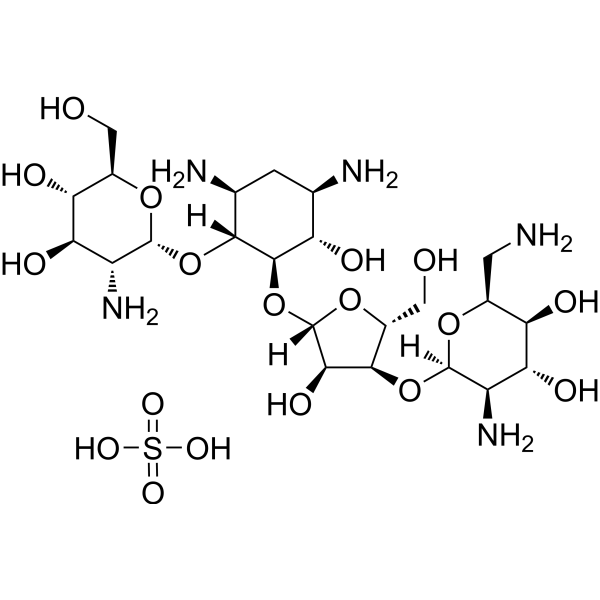
    Paromomycin (Aminosidine) sulfate, a neomycin (HY-B0470) derivative, is a broad spectrum aminoglycoside antibiotic with amebicidal and bactericidal effects. Paromomycin sulfate prematures termination of translation of mRNA and inhibits protein synthesis by specifically binds to the RNA oligonucleotide at the A site of bacterial 30S ribosomes. Paromomycin sulfate can be used for the research of bacterial and parasitic infections .
    Paromomycin sulfate
  • HY-B1327
    Chlortetracycline hydrochloride
    Maximum Cited Publications
    7 Publications Verification

    7-Chlorotetracycline hydrochloride

    Bacterial Antibiotic Parasite Infection Inflammation/Immunology
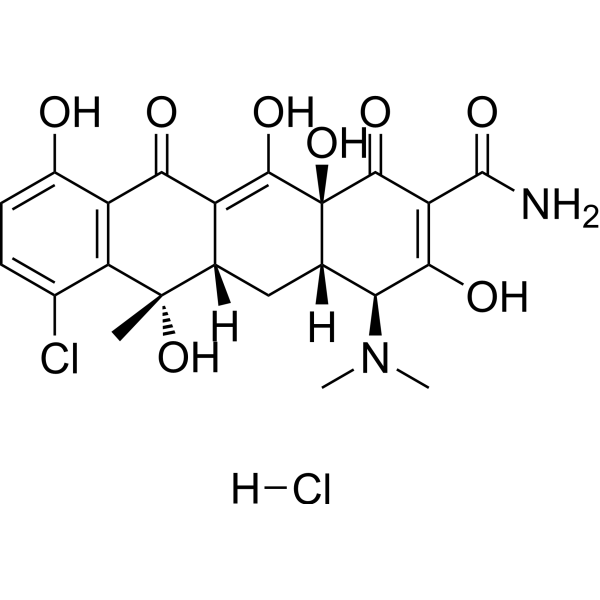
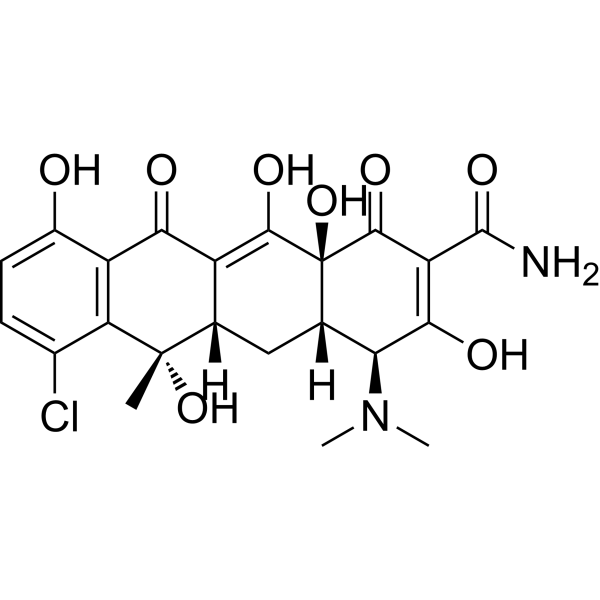
    Chlortetracycline hydrochloride (7-Chlorotetracycline hydrochloride) is an orally active, effective and selectively methanogenic bacteria inhibitor with bactericidal effects. Chlortetracycline hydrochloride is also a antibiotic that acts by inhibiting bacterial protein synthesis. Additionally, Chlortetracycline hydrochloride is a specific and potent calcium ionophore antibiotic, inhibiting binding of aminoacyl-tRNA to ribosomes .
    Chlortetracycline hydrochloride
  • HY-B1190
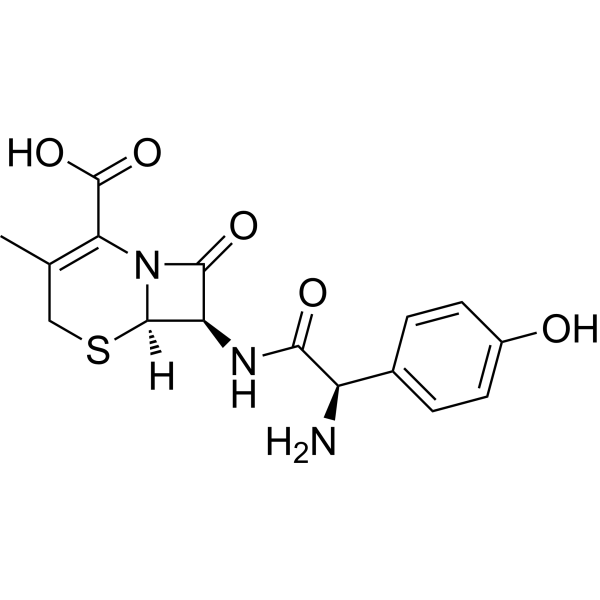
    Cefadroxil
    5 Publications Verification

    BL-S 578

    Bacterial Antibiotic EAAT Infection Neurological Disease
    Cefadroxil is an orally active broad-spectrum cephalosporin antibiotic. Cefadroxil inhibits bacterial cell wall synthesis and enhances the expression of glutamate transporter-1. Cefadroxil is dependent on the intestinal peptide transporter PepT1 for small intestinal absorption. Cefadroxil has inhibitory and bactericidal activity against a variety of Gram-positive and Gram-negative bacteria and has analgesic effects on neuropathic pain .
    Cefadroxil
  • HY-164036

    Antibiotic Bacterial Infection
    Lolamicin is an orally effective inhibitor that specifically targets the Gram-negative bacteria lipoprotein transport system LolCDE complex. It selectively inhibits the transmembrane transport of outer membrane lipoproteins by competitively binding to lipoprotein binding sites. Lolamicin destroys the integrity of the bacterial outer membrane, leading to cell death, and has both bactericidal and antibacterial activity. It has significant effects on multidrug-resistant Enterobacteriaceae pathogens (such as Escherichia coli and Klebsiella pneumoniae). Lolamicin can be used to inhibit the study of acute pneumonia, sepsis and other infections caused by Gram-negative bacteria .
    Lolamicin
  • HY-13707

    Stannsoporfin; SnMP

    Heme Oxygenase (HO) Dengue Virus Bacterial Infection Metabolic Disease Cancer
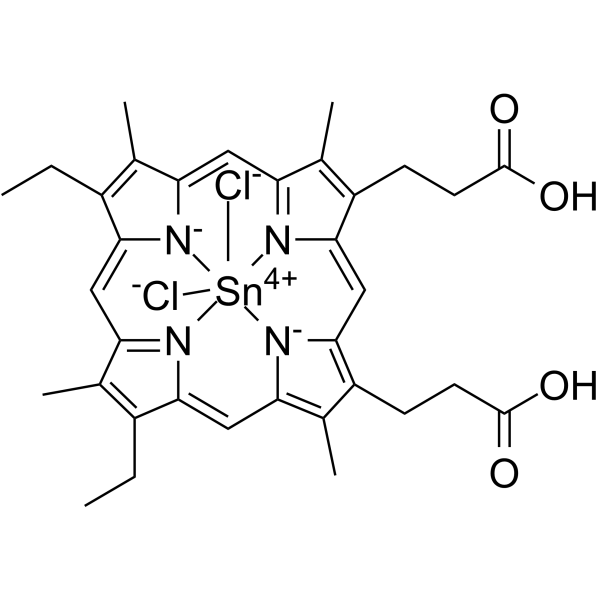
    Tin(IV) mesoporphyrin IX dichloride (Stannsoporfin) is an orally active heme oxygenase (HO) inhibitor. Tin(IV) mesoporphyrin IX dichloride increases DENV RNA replication. Tin(IV) mesoporphyrin IX dichloride enhances the bactericidal activity of the SPaO regimen against chronic Mycobacterium tuberculosis (Mtb)-infected mice. Tin(IV) mesoporphyrin IX dichloride exhibits antitumor effects. Tin(IV) mesoporphyrin IX dichloride is being developed to prevent the development of jaundice in infants with hyperbilirubinemia .
    Tin(IV) mesoporphyrin IX dichloride
  • HY-N12257
    Antimycin A2
    2 Publications Verification

    Cytochrome P450 Reactive Oxygen Species (ROS) Apoptosis Infection Cancer
    Antimycin A2 is a selective inhibitor of the cytochrome b-c1 complex in the mitochondrial electron transport chain. Antimycin A2 disrupts mitochondrial membrane potential and produces reactive oxygen species (ROS) by inhibiting electron transfer between cytochrome b and c. Antimycin A2 has bactericidal and piscicidal activity, as well as tumor cell growth inhibitory effects, and can induce S-phase cell cycle arrest and apoptosis in HeLa cells. Antimycin A2 is suitable for research of cervical cancer and fisheries management. Antimycin A2 can be naturally isolated from the fermentation products of Streptomyces sp. strains .
    Antimycin A2
  • HY-B1327A

    7-Chlorotetracycline

    Bacterial Antibiotic Parasite Infection Inflammation/Immunology
    Chlortetracycline (7-Chlorotetracycline) is an orally active, effective and selectively methanogenic bacteria inhibitor with bactericidal effects. Chlortetracycline is also a antibiotic that acts by inhibiting bacterial protein synthesis. Additionally, Chlortetracycline is a specific and potent calcium ionophore antibiotic, inhibiting binding of aminoacyl-tRNA to ribosomes .
    Chlortetracycline
  • HY-B0330D
    (R)-Ofloxacin
    1 Publications Verification

    Dextrofloxacin

    Bacterial Antibiotic Infection
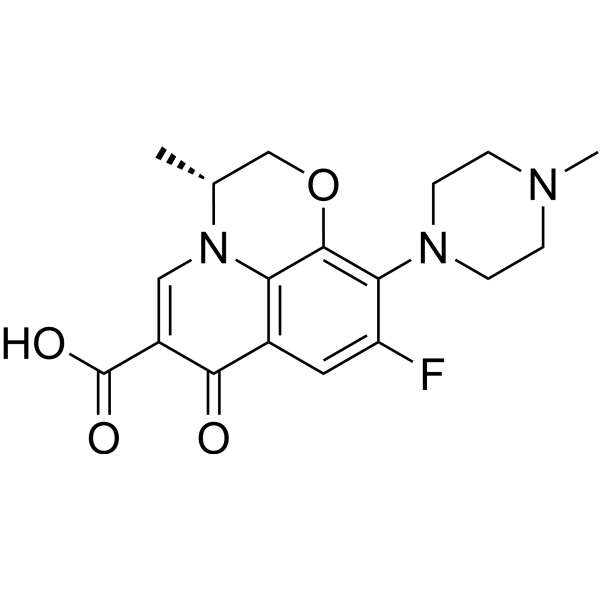
    (R)-Ofloxacin is the dextrorotatory enantiomer of Ofloxacin (HY-B0125) and is an orally effective fluoroquinolone antibiotic. (R)-Ofloxacin can inhibit the activity of bacterial DNA topoisomerase II, interfere with bacterial DNA replication and repair, and exert a bactericidal effect. (R)-Ofloxacin has a broad-spectrum antibacterial activity and has inhibitory effects on both Gram-negative and Gram-positive bacteria .
    (R)-Ofloxacin
  • HY-B0455

    SC47111A hydrochloride; NY-198 hydrochloride

    Antibiotic Bacterial Topoisomerase Reactive Oxygen Species (ROS) Apoptosis Infection Endocrinology Cancer
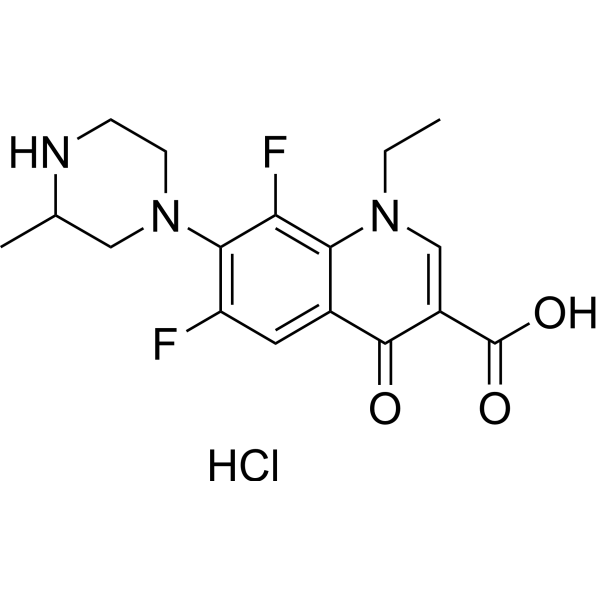
    Lomefloxacin hydrochloride (NY-198 hydrochloride) is an orally active difluoroquinolone antibiotic. Lomefloxacin hydrochloride prevents DNA supercoiling and replication by inhibiting bacterial topoisomerase II. Lomefloxacin hydrochloride induces ROS production and Apoptosis. Lomefloxacin hydrochloride has broad-spectrum bactericidal activity against Gram-positive and Gram-negative bacteria. Lomefloxacin hydrochloride has anticancer effects against melanoma. Lomefloxacin hydrochloride can be used in the study of systemic bacterial infections (such as Salmonella typhimurium infections), skin and melanoma .
    Lomefloxacin hydrochloride
  • HY-NP009

    Bacterial Infection Neurological Disease
    α-Lactalbumin is a globular whey protein that exists in milk. α-Lactalbumin binds Ca 2+, Mg 2+, Mn 2+, Na +, K + and Zn 2+ ions; among these, Ca 2+ binding enhances protein stability, while Zn 2+ binding reduces stability and induces aggregation. α-Lactalbumin forms amyloid fibrils, amorphous aggregates, nanoparticles and nanotubes depending on external conditions. α-Lactalbumin exhibits bactericidal and antiviral activities. α-Lactalbumin has anxiolytic and antidepressant activities, and its effects are enhanced under stress conditions .
    α-Lactalbumin
  • HY-N7102
    Ceftiofur
    4 Publications Verification

    Antibiotic Bacterial NF-κB p38 MAPK TNF Receptor Interleukin Related Infection
    Ceftiofur is a cell wall synthesis inhibitor that targets bacterial penicillin-binding proteins (PBPs) and has anti-inflammatory effects in endotoxemia. Ceftiofur exerts bactericidal effects by inhibiting the synthesis of bacterial cell wall peptidoglycan, leading to bacterial cell lysis. Ceftiofur also inhibits the activation of NF-κB and MAPKs, thereby reducing the secretion of pro-inflammatory cytokines such as TNF-α, IL-1β, and IL-6 .
    Ceftiofur
  • HY-B0898
    Ceftiofur sodium
    4 Publications Verification

    sodium ceftiofur

    Antibiotic Bacterial NF-κB p38 MAPK TNF Receptor Interleukin Related Infection
    Ceftiofur sodium is a cell wall synthesis inhibitor that targets bacterial penicillin-binding proteins (PBPs) and has anti-inflammatory effects in endotoxemia. Ceftiofur sodium exerts bactericidal effects by inhibiting the synthesis of bacterial cell wall peptidoglycan, leading to bacterial cell lysis. Ceftiofur sodium also inhibits the activation of NF-κB and MAPKs, thereby reducing the secretion of pro-inflammatory cytokines such as TNF-α, IL-1β, and IL-6 .
    Ceftiofur sodium
  • HY-141633

    Bacterial Infection
    Sucrose monolaurate is a glycolipid surfactant . Sucrose monolaurate interacts with bacterial DNA, disrupts cell membrane permeability, and exerts excellent inhibitory and bactericidal effects against a variety of foodborne pathogens (especially Gram-positive bacteria). Sucrose monolaurate significantly reduces liquid surface tension, and acts as a synergist for chlorine-based disinfectants in food cleaning and disinfection to improve the removal efficiency of pathogens on the surface of agricultural products .
    Sucrose monolaurate
  • HY-N4247

    Bombesin Receptor Bacterial Apoptosis Reactive Oxygen Species (ROS) PI3K Akt GSK-3 MMP mTOR NF-κB LXR Infection Cardiovascular Disease Neurological Disease Inflammation/Immunology Cancer
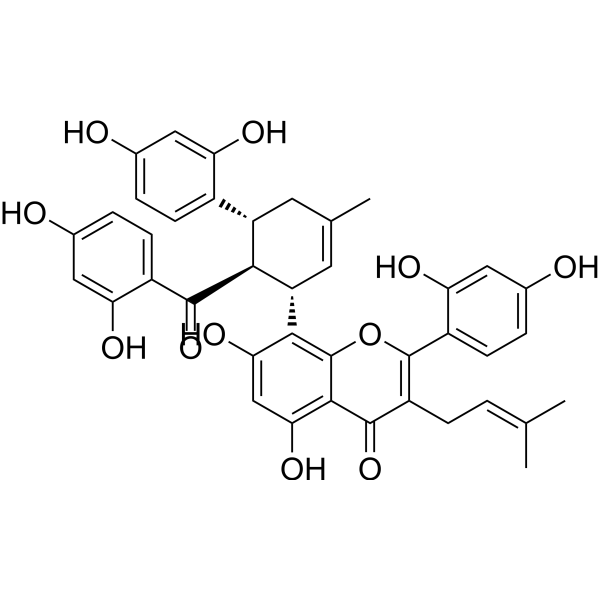
    Kuwanon G is a flavonoid compound and an antagonist of the bombesin receptor. Kuwanon G has multiple activities such as bactericidal, anti-tumor, anti-inflammatory, antioxidant, anti-atherosclerotic, and neuroprotective effects. Kuwanon G exhibits strong antibacterial activity against oral pathogens, especially cariogenic bacteria and periodontal pathogens. Kuwanon G can induce apoptosis and inhibit proliferation, migration, and invasion of tumor cells. Kuwanon G can be used in the research of diseases such as gastric cancer and atherosclerosis .
    Kuwanon G
  • HY-P5255

    Bacterial Infection Inflammation/Immunology
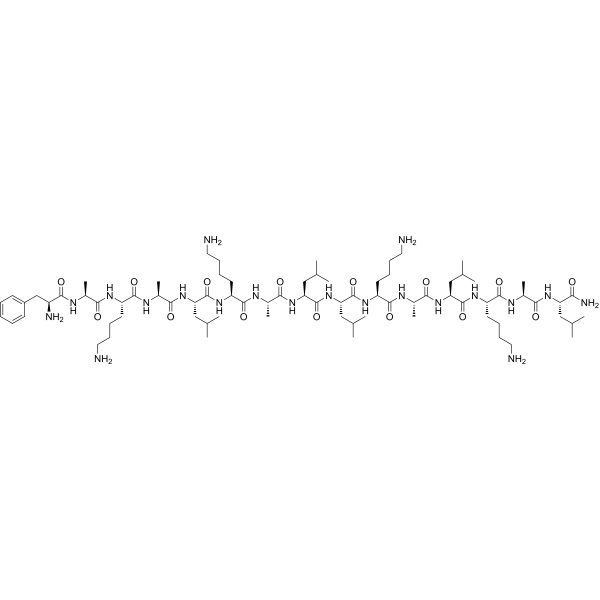
    Oligopeptide-10 is a bioactive peptide with antimicrobial activity. Oligopeptide-10 exhibits broad-spectrum bactericidal effects against Gram-positive bacteria including Propionibacterium acnes and Staphylococcus aureus. Oligopeptide-10 targets lipoteichoic acid (LTA) on the surface of bacterial cell membranes, induces bacterial osmotic imbalance by disrupting the integrity of bacterial membranes, and reduces the release of pro-inflammatory cytokines induced by bacteria. Oligopeptide-10 possesses skin-protective activity. Oligopeptide-10 can be applied in research related to acne vulgaris, dandruff, seborrheic dermatitis, and tinea pedis .
    Oligopeptide-10
  • HY-18257

    Antibiotic Bacterial Dengue Virus Amyloid-β HIV Integrase Infection Neurological Disease Inflammation/Immunology
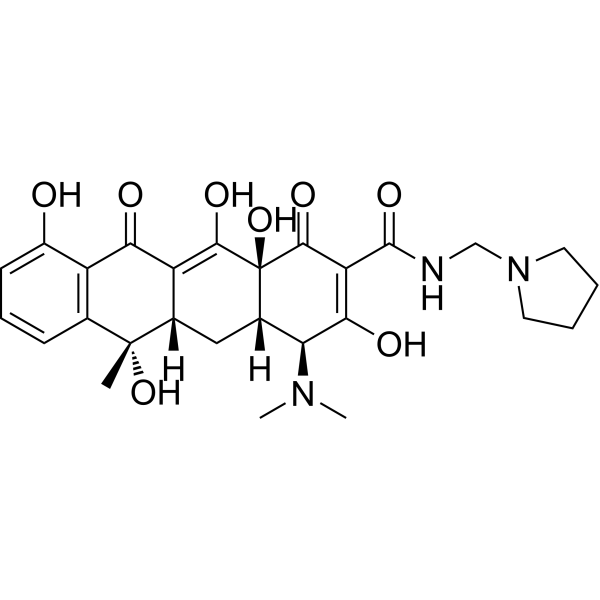
    Rolitetracycline is a highly soluble, broad-spectrum antibiotic derived from tetracycline. Rolitetracycline binds to and stabilizes bovine serum albumin, and also inhibits HIV-1 integrase, blocks Aβ fibril formation and suppresses dengue virus proliferation. Rolitetracycline mediates the inhibition of Aβ fibrils via a specific three-dimensional pharmacophore conformation, and exerts bacteriostatic and bactericidal activities. Rolitetracycline acts synergistically with Penicillin G (HY-N7139) or Cephalothin (HY-B1275A) to alter the effects on microbial growth. Rolitetracycline serves as an important tool compound for the study of bacterial infections (urinary tract infections, sepsis), HIV-1 and dengue virus infections, as well as Alzheimer's disease .
    Rolitetracycline
  • HY-W250308A

    Epsilon-polylysine hydrochloride (MV 2000-5000); ε-Polylysine hydrochloride (MV 2000-5000); ε-PL hydrochloride (MV 2000-5000)

    Bacterial Fungal Reactive Oxygen Species (ROS) Infection
    ε-Poly-L-lysine (Epsilon-polylysine; ε-Polylysine) hydrochloride (MV 2000-5000) is a polycationic antibacterial agent with broad-spectrum activity against Gram-positive bacteria, Gram-negative bacteria, fungi, yeasts and specific bacteriophages. ε-Poly-L-lysine hydrochloride (MV 2000-5000) exerts bactericidal effects through mechanisms such as disrupting microbial membranes, inducing ROS production, inhibiting metabolism and spore germination. ε-Poly-L-lysine hydrochloride (MV 2000-5000) also regulates the expression of multiple key genes including sodA, oxyR and recA. ε-Poly-L-lysine hydrochloride (MV 2000-5000) exhibits properties such as low eukaryotic cytotoxicity, thermal stability and pH stability, and supports tissue regeneration and anti-tumor applications. ε-Poly-L-lysine hydrochloride (MV 2000-5000) can be applied in research fields including bacterial and fungal infections, diabetic ulcers, and methicillin-resistant Staphylococcus aureus infections .
    ε-Poly-L-lysine hydrochloride (MV 2000-5000)
  • HY-108004

    Septefril; Decametoxin

    Bacterial Fungal Infection
    Decamethoxine (Septefril) is a cationic gemini surfactant. Decamethoxine exhibits strong bactericidal and fungicidal effects. Decamethoxine modifies the permeability of the microbial cell membrane, resulting in the destruction and death of diverse microorganisms .
    Decamethoxine
  • HY-B1190A
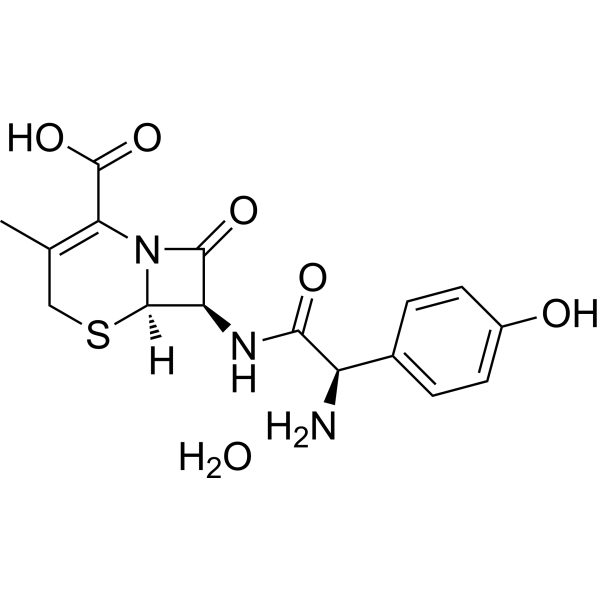
    Cefadroxil hydrate
    5 Publications Verification

    BL-S 578 hydrate

    Bacterial Antibiotic EAAT Infection Neurological Disease
    Cefadroxil hydrate is an orally active broad-spectrum cephalosporin antibiotic. Cefadroxil hydrate inhibits bacterial cell wall synthesis and enhances the expression of glutamate transporter-1. Cefadroxil hydrate is dependent on the intestinal peptide transporter PepT1 for small intestinal absorption. Cefadroxil hydrate has inhibitory and bactericidal activity against a variety of Gram-positive and Gram-negative bacteria and has analgesic effects on neuropathic pain .
    Cefadroxil hydrate
  • HY-B0455A

    SC47111A; NY-198

    Bacterial Antibiotic Topoisomerase Reactive Oxygen Species (ROS) Apoptosis Infection
    Lomefloxacin (SC47111A) is an orally active difluoroquinolone antibiotic. Lomefloxacin prevents DNA supercoiling and replication by inhibiting bacterial topoisomerase II. Lomefloxacin induces ROS production and Apoptosis. Lomefloxacin has broad-spectrum bactericidal activity against Gram-positive and Gram-negative bacteria. Lomefloxacin has anticancer effects against melanoma. Lomefloxacin can be used in the study of systemic bacterial infections (such as Salmonella typhimurium infections), skin and melanoma .
    Lomefloxacin
  • HY-N2902

    Reactive Oxygen Species (ROS) Cancer
    Artocarpin is an orally active apoptosis inducer. Artocarpin targets NF-κB, Erk1/2, p38 MAPK, AktS473, p53, Akt 1 kinase and Akt 2 kinase. Artocarpin induces reactive oxygen species (ROS) production, mediates p53-dependent and p53-independent apoptotic signaling pathways, induces G1-phase cell cycle arrest, and triggers autophagic cell death. Artocarpin exerts cytotoxic and bactericidal effects on cancer cells, reduces bacterial load, and exhibits anti-inflammatory, analgesic and anti-angiogenic activities .
    Artocarpin
  • HY-P11085

    Bacterial Infection
    WLBU2 is a engineered cationic antimicrobial peptide (eCAP) that overcomes the environmental sensitivity of natural antimicrobial peptides (AMPs). WLBU2 exhibits rapid bactericidal effect, with the MIC values of ≤ 10 μM against both Gram-negative and Gram-positive bacteria including MRSA, vancomycin-resistant enterococci, K. pneumoniae, E.aerogenes, E. cloacae, Escherichia coli, et, al. WLBU2 prevents P. aeruginosa biofilm growth and retains its activity in an environment rich in mucus, low pH and high salt concentrations without negative effects on human airway epithelial cells. WLBU2 can be used for the studies of cystic fibrosis (CF) and Pseudomonas aeruginosa infections .
    WLBU2
  • HY-N11857

    Antibiotic Bacterial Infection
    Gentamicin C2 is an aminoglycoside antibiotic with broad-spectrum bactericidal activity, selectively binding to the bacterial 16S rRNA A-site. Gentamicin C2 interferes with protein synthesis initiation and translation fidelity to exert bactericidal effects. Gentamicin C2 can be used for the research of bacterial infections .
    Gentamicin C2
  • HY-N10116A

    Interleukin Related IFNAR Calcium Channel Bacterial CCR Infection Cancer
    Calamenene is a sesquiterpene compound . Calamenene promotes dendritic cell maturation, upregulates CD1a, CD80, CD83, CD86, HLA-DR and CCR7 on the cell surface, reduces endocytic activity, enhances T cell-stimulating capacity, drives Th1 polarization through the secretion of IL-12, induces IFN-γ production, decreases IL-4 generation, and triggers intracellular Ca 2+ mobilization as well as dendritic cell migration towards MIP-3β. Calamenene exerts bacteriostatic and bactericidal growth-inhibitory effects against pathogenic *Vibrio harveyi*. Calamenene can be used in studies related to cancer and bacterial infections .
    Calamenene
  • HY-P2302

    Antibiotic Bacterial Fungal Infection Inflammation/Immunology Cancer
    Defensin HNP-3 human is an α-defensin stored in the azurophilic granules of human neutrophils. Defensin HNP-3 human exerts broad-spectrum bactericidal, antifungal and antiviral activities mainly by forming bacterial membrane pores, and acts as a chemoattractant for monocytes and T cells. Defensin HNP-3 human maintains epithelial integrity to support periodontal tissue homeostasis, and exerts concentration-dependent effects on epithelial cell proliferation, adhesion and bacterial adhesion. Defensin HNP-3 human targets solid tumors and leukemia by inducing single-strand DNA breaks and membrane permeabilization in tumor cells via electrostatic binding and pore formation. Defensin HNP-3 human is abundant in human tongue squamous cell carcinoma and neutrophils infiltrating oral squamous cell carcinoma. Defensin HNP-3 human can be applied to research related to periodontitis and human tongue squamous cell carcinoma .
    Defensin HNP-3 human
  • HY-B0026
    Ceftiofur hydrochloride
    4 Publications Verification

    Antibiotic Bacterial NF-κB p38 MAPK TNF Receptor Interleukin Related Infection
    Ceftiofur hydrochloride is a cell wall synthesis inhibitor that targets bacterial penicillin-binding proteins (PBPs) and has anti-inflammatory effects in endotoxemia. Ceftiofur hydrochloride exerts bactericidal effects by inhibiting the synthesis of bacterial cell wall peptidoglycan, leading to bacterial cell lysis. Ceftiofur hydrochloride also inhibits the activation of NF-κB and MAPKs, thereby reducing the secretion of pro-inflammatory cytokines such as TNF-α, IL-1β, and IL-6 .
    Ceftiofur hydrochloride
  • HY-B0898R

    sodium ceftiofur (Standard)

    Reference Standards Antibiotic Bacterial NF-κB p38 MAPK TNF Receptor Interleukin Related Infection
    Ceftiofur sodium (Standard) is the analytical standard of Ceftiofur sodium (HY-B0898). This product is intended for research and analytical applications. Ceftiofur sodium is a cell wall synthesis inhibitor that targets bacterial penicillin-binding proteins (PBPs) and has anti-inflammatory effects in endotoxemia. Ceftiofur sodium exerts bactericidal effects by inhibiting the synthesis of bacterial cell wall peptidoglycan, leading to bacterial cell lysis. Ceftiofur sodium also inhibits the activation of NF-κB and MAPKs, thereby reducing the secretion of pro-inflammatory cytokines such as TNF-α, IL-1β, and IL-6 .
    Ceftiofur sodium (Standard)
  • HY-B1190R

    BL-S 578 (Standard)

    Reference Standards Bacterial Antibiotic EAAT Infection Neurological Disease
    Cefadroxil (Standard) is the analytical standard of Cefadroxil (HY-B1190). This product is intended for research and analytical applications. Cefadroxil is an orally active broad-spectrum cephalosporin antibiotic. Cefadroxil inhibits bacterial cell wall synthesis and enhances the expression of glutamate transporter-1. Cefadroxil is dependent on the intestinal peptide transporter PepT1 for small intestinal absorption. Cefadroxil has inhibitory and bactericidal activity against a variety of Gram-positive and Gram-negative bacteria and has analgesic effects on neuropathic pain .
    Cefadroxil (Standard)
  • HY-121076

    Bacterial Infection Inflammation/Immunology Cancer
    Berteroin, a naturally occurring Sulforaphane analog, ia an antimetastatic agent. Berteroin has anti-inflammatory, antitumor and bactericidal effects .
    Berteroin
  • HY-108879

    Bacterial Antibiotic Infection
    Cefotetan disodium is a semisynthetic cephamycin antibiotic that exerts its bactericidal effects by inhibition of cell-wall synthesis .
    Cefotetan disodium
  • HY-B0898S

    Isotope-Labeled Compounds Antibiotic Bacterial NF-κB p38 MAPK TNF Receptor Interleukin Related Infection
    Ceftiofur-d3 sodium is deuterium labeled Ceftiofur sodium (HY-B0898). Ceftiofur sodium is a cell wall synthesis inhibitor that targets bacterial penicillin-binding proteins (PBPs) and has anti-inflammatory effects in endotoxemia. Ceftiofur sodium exerts bactericidal effects by inhibiting the synthesis of bacterial cell wall peptidoglycan, leading to bacterial cell lysis. Ceftiofur sodium also inhibits the activation of NF-κB and MAPKs, thereby reducing the secretion of pro-inflammatory cytokines such as TNF-α, IL-1β, and IL-6 .
    Ceftiofur-d3 sodium
  • HY-B1190S

    BL-S 578-d4 hydrate

    Isotope-Labeled Compounds Bacterial Antibiotic EAAT Infection Neurological Disease
    Cefadroxil-d4 (hydrate) is the deuterium labeled Cefadroxil hydrate (HY-B1190A). Cefadroxil hydrate is an orally active broad-spectrum cephalosporin antibiotic. Cefadroxil hydrate inhibits bacterial cell wall synthesis and enhances the expression of glutamate transporter-1. Cefadroxil hydrate is dependent on the intestinal peptide transporter PepT1 for small intestinal absorption. Cefadroxil hydrate has inhibitory and bactericidal activity against a variety of Gram-positive and Gram-negative bacteria and has analgesic effects on neuropathic pain .
    Cefadroxil-d4 hydrate
  • HY-N4247R

    Reference Standards Bombesin Receptor Bacterial Apoptosis Reactive Oxygen Species (ROS) PI3K Akt GSK-3 MMP mTOR NF-κB LXR Infection Cardiovascular Disease Neurological Disease Inflammation/Immunology Cancer
    Kuwanon G (Standard) is the analytical standard of Kuwanon G (HY-N4247). This product is intended for research and analytical applications. Kuwanon G is a flavonoid compound and an antagonist of the bombesin receptor. Kuwanon G has multiple activities such as bactericidal, anti-tumor, anti-inflammatory, antioxidant, anti-atherosclerotic, and neuroprotective effects. Kuwanon G exhibits strong antibacterial activity against oral pathogens, especially cariogenic bacteria and periodontal pathogens. Kuwanon G can induce apoptosis and inhibit proliferation, migration, and invasion of tumor cells. Kuwanon G can be used in the research of diseases such as gastric cancer and atherosclerosis .
    Kuwanon G (Standard)
  • HY-106095

    Antibiotic Bacterial Penicillin-binding protein (PBP) Infection
    DQ 2556 is a semi-synthetic cephalosporin antibiotic. DQ-2556 exhibits significant activity against both Gram-positive and Gram-negative bacteria, particularly Gram-positive bacteria and Enterobacteriaceae infections. DQ 2556 exerts its bactericidal effect by interfering with cell division. DQ-2556 has a strong affinity for the penicillin-binding proteins (PBPs) of Escherichia coli: PBP1A/1B (IC₅₀ = 0.57-0.73 μg/mL) and PBP3 (IC₅₀ = 0.088 μg/mL). DQ-2556 demonstrates significant in vivo protective effects. DQ-2556 can be used in the development of injectable cephalosporins .
    DQ 2556
  • HY-N6670R

    Reference Standards Antibiotic Raf ERK Ras MEK Bacterial Infection
    Cefotetan (Standard) is the analytical standard of Cefotetan. This product is intended for research and analytical applications. Cefotetan is a semisynthetic cephamycin antibiotic that exerts its bactericidal effects by inhibition of cell-wall synthesis .
    Cefotetan (Standard)
  • HY-P10526

    Bacterial Infection
    CRAMP (1-39) is an antimicrobial peptide. CRAMP (1-39) has shown potent bactericidal effects against multiple strains of Neisseria meningitidis in vitro. CRAMP (1-39) can be used to study drug-resistant bacterial infections .
    CRAMP (1-39)
  • HY-162527

    Bacterial Infection
    Antibacterial agent 216 (Compound 2a) is an antibacterial agent that exhibits significant bactericidal effects when combined with INH and RIF. Antibacterial agent 216 has demonstrated remarkable in vitro anti-tuberculosis activity against Mtb H37Rv and MDR clinical isolates and can be used for tuberculosis research .
    Antibacterial agent 216
  • HY-N7144AR

    Reference Standards TRP Channel PKC PKA Neurological Disease
    Citronellyl acetate (Standard) is the analytical standard of Citronellyl acetate (HY-N7144A). This product is intended for research and analytical applications. Citronellyl acetate is a monoterpene product of the secondary metabolism of plants, with antinociceptive activity. Citronellyl acetate exhibits pro-apoptotic activity in human hepatoma cells. Citronellyl acetate shows fungicidal, larvicidal, bactericidal and repelling/insecticidal effects .
    Citronellyl acetate (Standard)
  • HY-B0276A

    2-Ethylthioisonicotinamide hydrochloride

    Bacterial Infection
    Ethionamide hydrochloride (2-Ethylthioisonicotinamide hydrochloride) is an antituberculosis drug with mycobacterial activity. Ethionamide hydrochloride interferes with the bacterial cell wall synthesis process by inhibiting the synthesis of fatty acids in the bacterial cell wall. Ethionamide hydrochloride may have bacteriostatic or bactericidal effects, depending on the concentration of the drug at the site of infection and the susceptibility of the associated microorganisms. Ethionamide hydrochloride combines with NAD+ to form an adduct, thereby exerting its antibacterial effect .
    Ethionamide hydrochloride
  • HY-B0026R

    Reference Standards Antibiotic Bacterial NF-κB p38 MAPK TNF Receptor Interleukin Related Infection
    Ceftiofur hydrochloride (Standard) is the analytical standard of Ceftiofur hydrochloride (HY-B0026). This product is intended for research and analytical applications. Ceftiofur hydrochloride is a cell wall synthesis inhibitor that targets bacterial penicillin-binding proteins (PBPs) and has anti-inflammatory effects in endotoxemia. Ceftiofur hydrochloride exerts bactericidal effects by inhibiting the synthesis of bacterial cell wall peptidoglycan, leading to bacterial cell lysis. Ceftiofur hydrochloride also inhibits the activation of NF-κB and MAPKs, thereby reducing the secretion of pro-inflammatory cytokines such as TNF-α, IL-1β, and IL-6 .
    Ceftiofur hydrochloride (Standard)
  • HY-N7102R

    Reference Standards Antibiotic Bacterial NF-κB p38 MAPK TNF Receptor Interleukin Related Infection
    Ceftiofur (Standard) is the analytical standard of Ceftiofur (HY-N7102). This product is intended for research and analytical applications. Ceftiofur is a cell wall synthesis inhibitor that targets bacterial penicillin-binding proteins (PBPs) and has anti-inflammatory effects in endotoxemia. Ceftiofur exerts bactericidal effects by inhibiting the synthesis of bacterial cell wall peptidoglycan, leading to bacterial cell lysis. Ceftiofur also inhibits the activation of NF-κB and MAPKs, thereby reducing the secretion of pro-inflammatory cytokines such as TNF-α, IL-1β, and IL-6 .
    Ceftiofur (Standard)
  • HY-B0330DS

    Isotope-Labeled Compounds Bacterial Antibiotic Infection
    (R)-Ofloxacin-d3 is the deuterium labeled (R)-Ofloxacin. (R)-Ofloxacin is the dextrorotatory enantiomer of Ofloxacin (HY-B0125) and is an orally effective fluoroquinolone antibiotic. (R)-Ofloxacin can inhibit the activity of bacterial DNA topoisomerase II, interfere with bacterial DNA replication and repair, and exert a bactericidal effect. (R)-Ofloxacin has a broad-spectrum antibacterial activity and has inhibitory effects on both Gram-negative and Gram-positive bacteria .
    (R)-Ofloxacin-d3
  • HY-N0677AR

    Potassium dehydroandrographolide succinate (Standard)

    Antibiotic Reference Standards Infection Inflammation/Immunology Cancer
    Paromomycin (sulfate) (Standard) is the analytical standard of Paromomycin (sulfate). This product is intended for research and analytical applications. Paromomycin (Aminosidine) sulfate, a neomycin (HY-B0470) derivative, is a broad spectrum aminoglycoside antibiotic with amebicidal and bactericidal effects. Paromomycin sulfate prematures termination of translation of mRNA and inhibits protein synthesis?by specifically binds to the RNA oligonucleotide at the A site of bacterial 30S ribosomes. Paromomycin sulfate can be used for the research of bacterial and parasitic infections .
    Kalii Dehydrographolidi Succinas (Standard)
  • HY-B0956R

    Aminosidine sulfate (Standard)

    Reference Standards Antibiotic Parasite Bacterial Infection
    Paromomycin (sulfate) (Standard) is the analytical standard of Paromomycin (sulfate). This product is intended for research and analytical applications. Paromomycin (Aminosidine) sulfate, a neomycin (HY-B0470) derivative, is a broad spectrum aminoglycoside antibiotic with amebicidal and bactericidal effects. Paromomycin sulfate prematures termination of translation of mRNA and inhibits protein synthesis?by specifically binds to the RNA oligonucleotide at the A site of bacterial 30S ribosomes. Paromomycin sulfate can be used for the research of bacterial and parasitic infections .
    Paromomycin sulfate (Standard)
  • HY-B0330DR

    Dextrofloxacin (Standard)

    Reference Standards Bacterial Antibiotic Infection
    (R)-Ofloxacin (Standard) is the analytical standard of (R)-Ofloxacin (HY-B0330D). (R)-Ofloxacin is the dextrorotatory enantiomer of Ofloxacin (HY-B0125) and is an orally effective fluoroquinolone antibiotic. (R)-Ofloxacin can inhibit the activity of bacterial DNA topoisomerase II, interfere with bacterial DNA replication and repair, and exert a bactericidal effect. (R)-Ofloxacin has a broad-spectrum antibacterial activity and has inhibitory effects on both Gram-negative and Gram-positive bacteria .
    (R)-Ofloxacin (Standard)
  • HY-175016

    Endogenous Metabolite Infection Metabolic Disease
    NADH-IN-3 (Compound C4-1) is a NADH inhibitor with a MIC of 4 μg/mL (13.042 μM) for type II NADH dehydrogenase of Mycobacterium tuberculosis (Mtb). NADH-IN-3 significantly interrupts ATP synthesis, shows potent inhibitory effects against mono (Rifampicin (HY-B0272) and Isoniazid (HY-B0329)) and multi drug-resistant (Mtb) strains and an anti-bactericidal activity against HepG2 cells with low cytotoxicity (SI: 16.52) .
    NADH-IN-3
  • HY-B1190S2

    BL-S 578-13C6

    Isotope-Labeled Compounds Bacterial Antibiotic EAAT Infection Neurological Disease
    Cefadroxil- 13C6 (BL-S 578- 13C6) is 13C labeled Cefadroxil (HY-B1190). Cefadroxil is an orally active broad-spectrum cephalosporin antibiotic. Cefadroxil inhibits bacterial cell wall synthesis and enhances the expression of glutamate transporter-1. Cefadroxil is dependent on the intestinal peptide transporter PepT1 for small intestinal absorption. Cefadroxil has inhibitory and bactericidal activity against a variety of Gram-positive and Gram-negative bacteria and has analgesic effects on neuropathic pain .
    Cefadroxil-13C6
  • HY-B0455R

    SC47111A hydrochloride (Standard); NY-198 hydrochloride (Standard)

    Reference Standards Bacterial Antibiotic Topoisomerase Reactive Oxygen Species (ROS) Apoptosis Infection Endocrinology Cancer
    Lomefloxacin (hydrochloride) (Standard) is the analytical standard of Lomefloxacin hydrochloride (HY-B0455). This product is intended for research and analytical applications. Lomefloxacin hydrochloride (NY-198 hydrochloride) is an orally active difluoroquinolone antibiotic. Lomefloxacin hydrochloride prevents DNA supercoiling and replication by inhibiting bacterial topoisomerase II. Lomefloxacin hydrochloride induces ROS production and Apoptosis. Lomefloxacin hydrochloride has broad-spectrum bactericidal activity against Gram-positive and Gram-negative bacteria. Lomefloxacin hydrochloride has anticancer effects against melanoma. Lomefloxacin hydrochloride can be used in the study of systemic bacterial infections (such as Salmonella typhimurium infections), skin and melanoma .
    Lomefloxacin hydrochloride (Standard)
  • HY-178513

    Bacterial Reactive Oxygen Species (ROS) Infection
    Anti-MRSA agent 38 is a broad-spectrum antibacterial agent (MIC = 0.0625-2 µg/mL). Anti-MRSA agent 38 can inhibit ribosomal protein synthesis. Anti-MRSA agent 38 exerts multiple bactericidal effects by disrupting bacterial membrane structure and inducing ROS accumulation. Anti-MRSA agent 38 can selectively kill tumor cells, such as HGC-27 (IC50 = 0.86 µM), MRC-5 (IC50 = 5.52 µM), and RPC (IC50 = 6.09 µM) cells. Anti-MRSA agent 38 can be used to study infectious diseases such as bacterial infection .
    Anti-MRSA agent 38
  • HY-P11242

    Bacterial NF-κB p38 MAPK JNK ERK TNF Receptor Interleukin Related Infection
    Cm-CATH2 is an antimicrobial peptide discovered from Chelonia mydas. Cm-CATH2 has a potent, broad-spectrum and rapid bactericidal ability by rapidly destroying the integrity of bacterial cell membranes. It shows strong activity against Gram-positive bacteria (such as VREF, Staphylococcus aureus), Gram-negative bacteria (such as Escherichia coli, Klebsiella pneumoniae), and fungi (such as Candida albicans) with MICs ranges from 1.17 to 18.75 μg/mL. Cm-CATH2 is also effective against various aquatic pathogenic bacteria. Cm-CATH2 not only inhibits biofilm formation but can also remove the formed biofilms. Cm-CATH2 has immunomodulatory functions and chemotactic effects on immune cells, and can inhibit the production of pro-inflammatory cytokines by macrophages stimulated by LPS (HY-D1056). Cm-CATH2 prevents the activation of NF-κB by inhibiting the degradation of IκBα, and also inhibits the phosphorylation of MAPK signaling pathways (p38, JNK, ERK). Cm-CATH2 demonstrates strong anti-infective ability in mouse peritonitis models and pneumonia models .
    Cm-CATH2

Inquiry Online

Your information is safe with us. * Required Fields.

Salutation


Country or Region *

Applicant Name *


Organization Name *

Department *


Email Address *


Product Name *

Cat. No.


Requested quantity *

Phone Number *


Remarks

Inquiry Online

Inquiry Information

Product Name:
Cat. No.:
Quantity:
MCE Japan Authorized Agent:

