
1. Search Result
Search Result
Results for "

binding properties

" in MedChemExpress (MCE) Product Catalog:

167

Inhibitors & Agonists

12

Screening Libraries

3

Fluorescent Dye

15

Biochemical Assay Reagents

19

Peptides

2

Inhibitory Antibodies

18

Natural
Products

16

Isotope-Labeled Compounds

4

Click Chemistry

5

Oligonucleotides

Cat. No. Product Name Target Research Areas Chemical Structure
  • HY-13756
    Tacrolimus
    Maximum Cited Publications
    101 Publications Verification

    FK506; Fujimycin; FR900506

    Phosphatase FKBP Bacterial Autophagy Antibiotic Infection Inflammation/Immunology Cancer
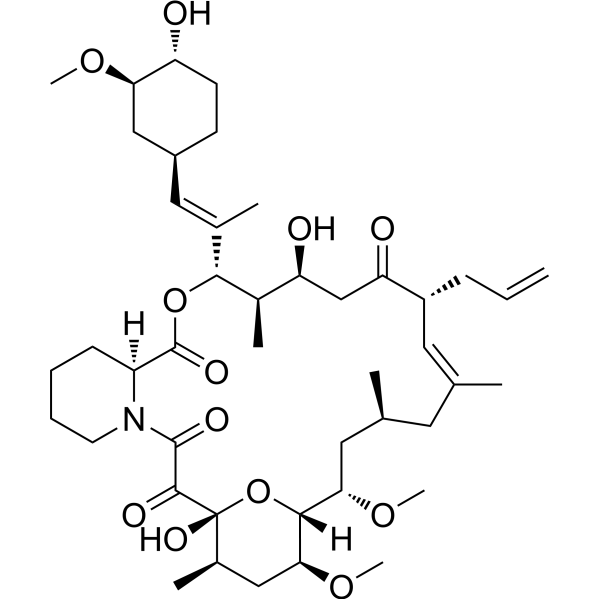
    Tacrolimus (FK506), a macrocyclic lactone, binds to FK506 binding protein (FKBP) to form a complex. Tacrolimus inhibits calcineurin phosphatase, which inhibits T-lymphocyte signal transduction and IL-2 transcription. Immunosuppressive properties .
    Tacrolimus
  • HY-17412
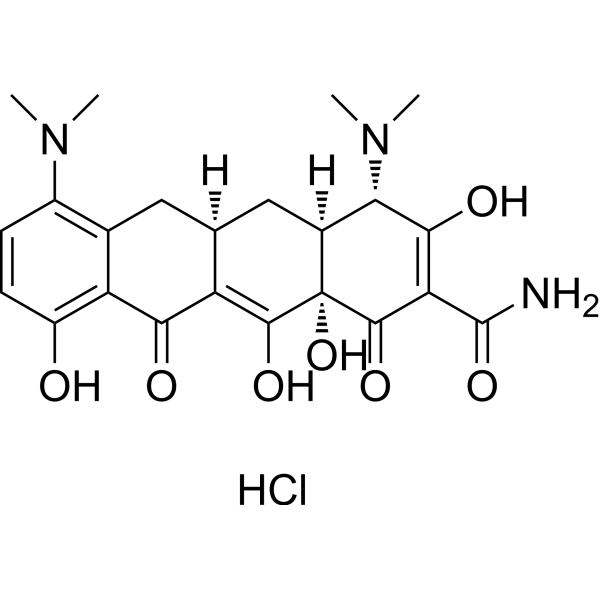
    Minocycline hydrochloride
    60+ Cited Publications

    Bacterial Antibiotic HIF/HIF Prolyl-Hydroxylase Apoptosis MDM-2/p53 Potassium Channel Calcium Channel Infection Cardiovascular Disease Neurological Disease Metabolic Disease Inflammation/Immunology Cancer
    Minocycline hydrochloride is an orally active, potent and BBB-penetrated semi-synthetic tetracycline antibiotic. Minocycline hydrochloride is a hypoxia-inducible factor (HIF)-1α inhibitor. Minocycline hydrochloride shows anti-cancer, anti-inflammatory, and glutamate antagonist effects. Minocycline hydrochloride reduces glutamate neurotransmission and shows neuroprotective properties and antidepressant effects. Minocycline hydrochloride inhibits bacterial protein synthesis through binding with the 30S subunit of the bacterial ribosome, resulting in a bacteriostatic effect .
    Minocycline hydrochloride
  • HY-P1932

    Somatostatin Receptor Neurological Disease Inflammation/Immunology Endocrinology
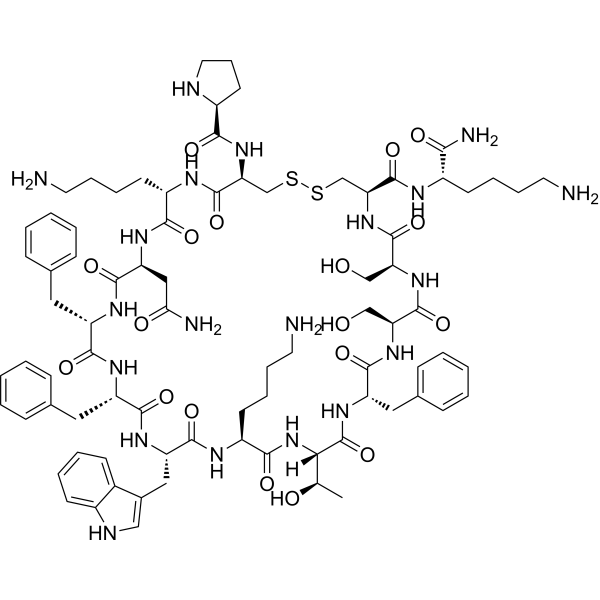
    Cortistatin-14 is a neuropeptide that shares structural similarities with somatostatin, working by binding to somatostatin receptors (sst1-sst5). Cortistatin-14 (TFA) has anticonvulsant, neuroprotective effects, and significant anti-inflammatory properties .
    Cortistatin-14
  • HY-P2995
    Hemoglobin
    4 Publications Verification

    Biochemical Assay Reagents Heme Oxygenase (HO) Others
    Hemoglobin is a iron-containing protein in red blood cells with oxygen binding properties. Hemoglobin is an inducer of HO-1. Hemoglobin consits of heme, which binds to oxygen. Hemoglobin also transports other gases, such as carbon dioxide, nitric oxide, hydrogen sulfide and sulfide. Hemoglobin absorbs unneeded oxygen in tissues, as an antioxidant .
    Hemoglobin
  • HY-N0153
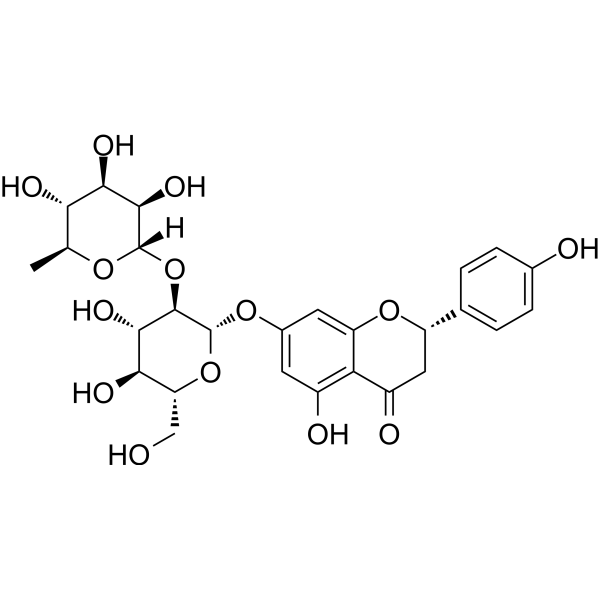
    Naringin
    20+ Cited Publications

    Naringoside

    Cytochrome P450 Autophagy Mitophagy Endogenous Metabolite Inflammation/Immunology Cancer
    Naringin is a major flavanone glycoside obtained from tomatoes, grapefruits, and many other citrus fruits. Naringin exhibits biological properties such as antioxidant, anti-inflammatory, and antiapoptotic activities. Naringin also inhibits proliferation and invasion and induces apoptosis in human osteosarcoma cells by inhibiting zinc finger E-box binding homeobox 1 (Zeb1) .
    Naringin
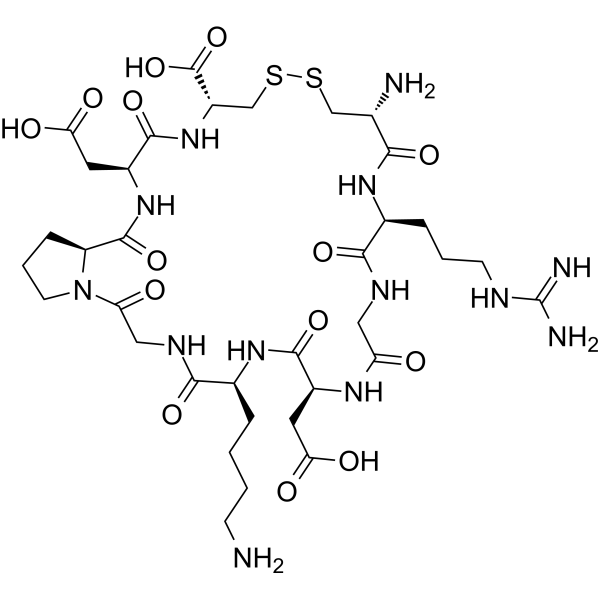
  • HY-P0122
    iRGD peptide
    Maximum Cited Publications
    6 Publications Verification

    c(CRGDKGPDC)

    Integrin Cancer
    iRGD peptide is a 9-amino acid cyclic peptide, triggers tissue penetration of agents by first binding to αv-integrins, then proteolytically cleaved in the tumor to produce CRGDK/R to interact with neuropilin-1, and has tumor-targeting and tumor-penetrating properties.
    iRGD peptide
  • HY-D0838

    Biochemical Assay Reagents Others
    Dodecyltrimethylammonium bromide (DTAB) is a surfactant. Dodecyltrimethylammonium bromide interacts with DNA and changes the mechanical properties of DNA on binding and the specific binding parameters of the interaction .
    Dodecyltrimethylammonium bromide
  • HY-13756A
    Tacrolimus monohydrate
    Maximum Cited Publications
    101 Publications Verification

    FK506 monohydrate; Fujimycin monohydrate; FR900506 monohydrate

    Phosphatase FKBP Autophagy Bacterial Antibiotic Infection Inflammation/Immunology Cancer
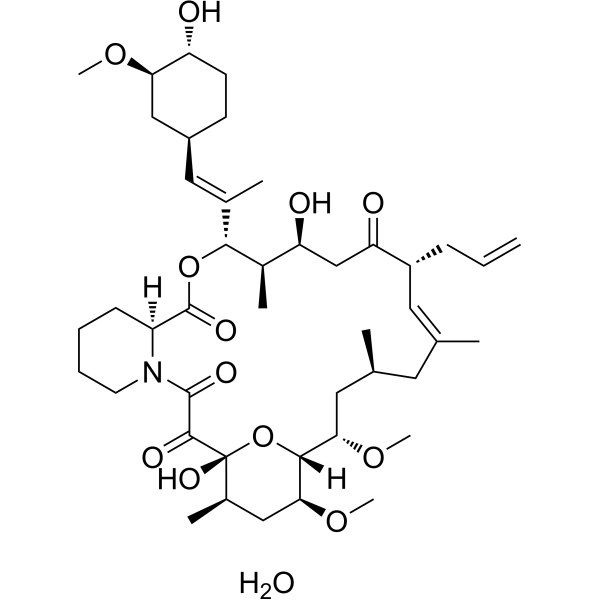
    Tacrolimus monohydrate (FK506 monohydrate), a macrocyclic lactone, binds to FK506 binding protein (FKBP) to form a complex and inhibits calcineurin phosphatase, which inhibits T-lymphocyte signal transduction and IL-2 transcription. Immunosuppressive properties .
    Tacrolimus monohydrate
  • HY-17412A
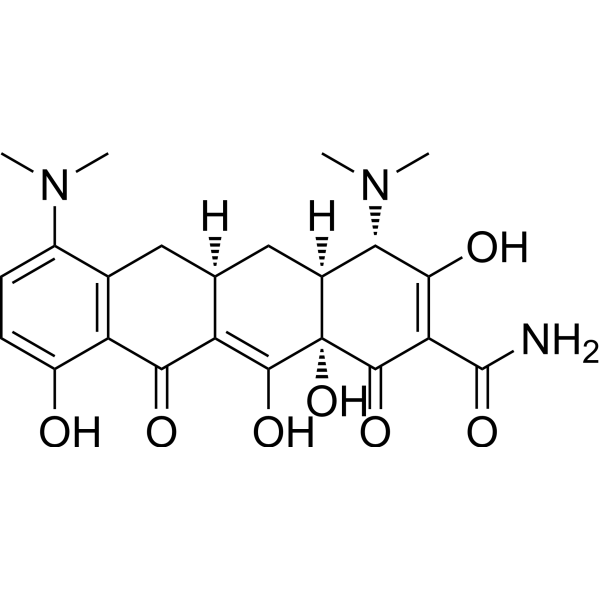
    Minocycline
    60+ Cited Publications

    Antibiotic Bacterial HIF/HIF Prolyl-Hydroxylase Apoptosis MDM-2/p53 Potassium Channel Calcium Channel Infection Cardiovascular Disease Neurological Disease Metabolic Disease Inflammation/Immunology Cancer
    Minocycline is an orally active, potent and BBB-penetrated semi-synthetic tetracycline antibiotic. Minocycline is a hypoxia-inducible factor (HIF)-1α inhibitor. Minocycline shows anti-cancer, anti-inflammatory, and glutamate antagonist effects. Minocycline reduces glutamate neurotransmission and shows neuroprotective properties and antidepressant effects. Minocycline inhibits bacterial protein synthesis through binding with the 30S subunit of the bacterial ribosome, resulting in a bacteriostatic effect .
    Minocycline
  • HY-104086
    Cucurbit[7]uril
    2 Publications Verification

    CB7; Carrier CB7

    Biochemical Assay Reagents Others
    Cucurbit[7]uril is a cyclic organic molecule consisting of seven glycoluril units linked by methylene bridges. It has a rigid barrel-like structure with two identical inlets at both ends to selectively encapsulate guest molecules of appropriate size, shape, and polarity. Cucurbit[7]uril is known for its high binding affinity for a variety of organic and inorganic guests, including drugs, amino acids, peptides, and metal ions. This property makes them promising candidates for various applications in areas such as drug delivery, catalysis, and sensing.
    Cucurbit[7]uril
  • HY-B0278
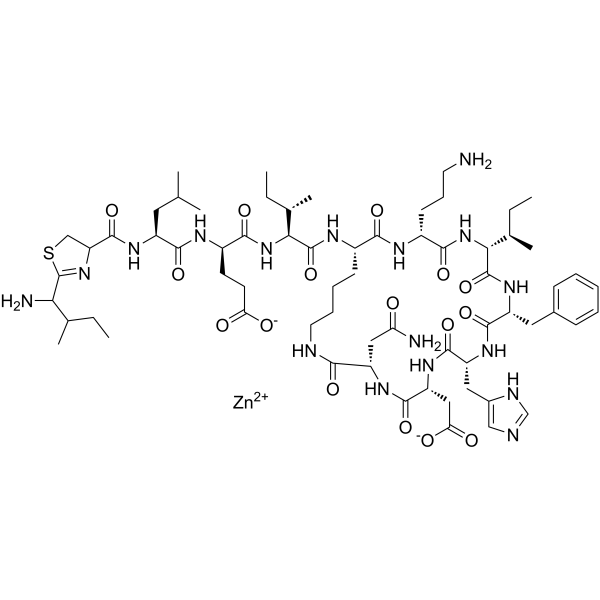
    Bacitracin Zinc
    1 Publications Verification

    Zinc bacitracin

    Environmental Pollutants Antibiotic Bacterial Infection
    Bacitracin Zinc is a complex formed by the binding of Bacitracin (HY-107193) with zinc ions. Bacitracin Zinc is an orally active polypeptide antibiotic with bactericidal properties. Bacitracin Zinc can cause DNA and deoxyribose damage, as well as improve the gut microbiota of broiler and beef cattle .
    Bacitracin Zinc
  • HY-P1315

    Glycylglycyl-L-tyrosyl-L-arginine

    Cathepsin Others
    Papain inhibitor (Glycylglycyl-L-tyrosyl-L-arginine) is a competitive papain-targeting enzyme inhibitor with a Ki of 9 μM. Papain inhibitor binds directly to the substrate binding site of papain, inhibiting substrate hydrolysis by the enzyme. Papain inhibitor functions as a component of an electrochemical probe for the detection of papain .
    Papain inhibitor
  • HY-13756S
    Tacrolimus-13C,d2
    1 Publications Verification

    FK506-13C,d2; Fujimycin-13C,d2; FR900506-13C,d2

    Phosphatase FKBP Bacterial Autophagy Antibiotic Infection Inflammation/Immunology Cancer
    Tacrolimus- 13C,d2 is a 13C-labeled and deuterium labeled Tacrolimus. Tacrolimus (FK506), a macrocyclic lactone, binds to FK506 binding protein (FKBP) to form a complex. Tacrolimus inhibits calcineurin phosphatase, which inhibits T-lymphocyte signal transduction and IL-2 transcription. Immunosuppressive properties .
    Tacrolimus-13C,d2
  • HY-12404
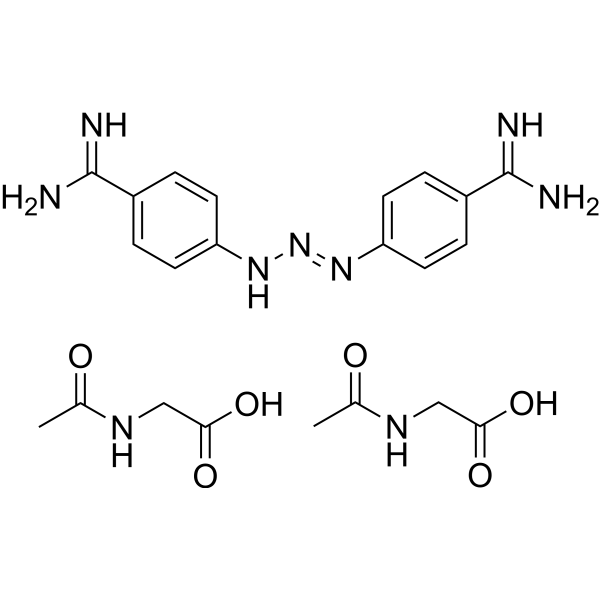
    Diminazene aceturate
    10+ Cited Publications

    Diminazene diaceturate

    Parasite Angiotensin-converting Enzyme (ACE) Infection Inflammation/Immunology
    Diminazene aceturate (Diminazene diaceturate) is an anti-trypanosome agent for livestock. The main biochemical mechanism of the trypanocidal actions of Diminazene aceturate is by binding to trypanosomal kinetoplast DNA (kDNA) in a non-intercalative manner through specific interaction with sites rich in adenine-thymine base pairs. Diminazene aceturate is also an angiotensin-converting enzyme 2 (ACE2) activator and has strong and potent anti-inflammatory properties .
    Diminazene aceturate
  • HY-D1872

    Fluorescent Dye Others
    800CW NHS ester is a near-infrared fluorescent dye active ester that can conjugate with amine-containing small molecules, antibodies, peptides, and other substances to form fluorescent conjugates. 800CW NHS ester exhibits high fluorescence quantum yield and low non-specific binding properties. 800CW NHS ester can be used in biomedical research such as microbial infection imaging, tumor imaging, and biochemical detection .
    800CW NHS ester
  • HY-W127703
    Octadecyl Rhodamine B chloride
    1 Publications Verification

    Fluorescent Dye Biochemical Assay Reagents Others
    Octadecyl Rhodamine B chloride is an amphiphilic fluorescent probe with both membrane-binding ability and fluorescent properties, which easily forms aggregates in aqueous phase leading to self-quenching. Octadecyl Rhodamine B chloride can be used for cell membrane staining and further applied in membrane biology research. The maximum absorption/emission wavelengths of Octadecyl Rhodamine B chloride monomer in Triton X-100 are 565 nm/585 nm; the absorption peaks of aggregates in water are blue-shifted to 524 nm and 574 nm, with significantly quenched fluorescence .
    Octadecyl Rhodamine B chloride
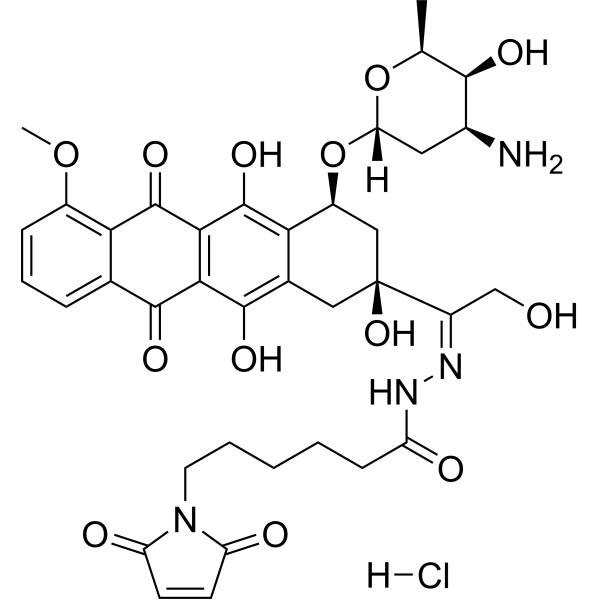
  • HY-16261B
    MC-DOXHZN hydrochloride
    5 Publications Verification

    (E/Z)-Aldoxorubicin hydrochloride; Doxorubicin(6-maleimidocaproyl)hydrazone hydrochloride

    ADC Payload Topoisomerase Cancer
    MC-DOXHZN ((E/Z)-Aldoxorubicin; Doxorubicin(6-maleimidocaproyl)hydrazone) hydrochloride is an albumin-binding proagent of Doxorubicin (HY-15142A) (DNA topoisomerase II inhibitor), with acid-sensitive properties. MC-DOXHZN hydrochloride can be used to synthesize ADC .
    MC-DOXHZN hydrochloride
  • HY-P0185
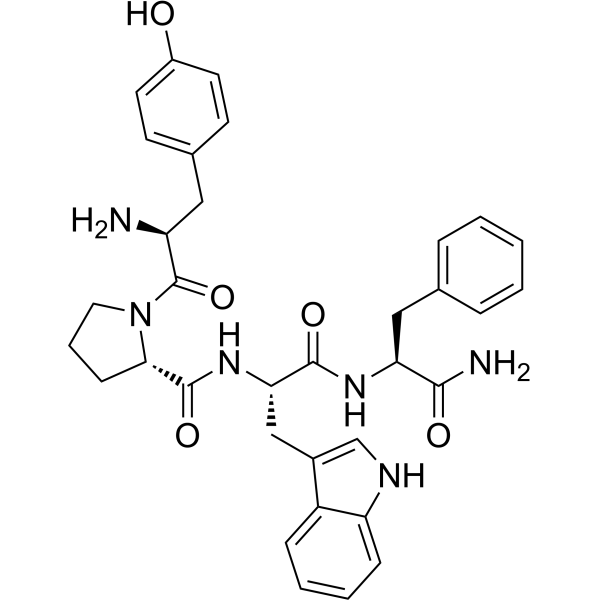
    Endomorphin 1
    3 Publications Verification

    Opioid Receptor Neurological Disease
    Endomorphin 1, a high affinity, highly selective agonist of the μ-opioid receptor (Ki: 1.11 nM), displays reasonable affinities for kappa3 binding sites, with Ki value between 20 and 30 nM. Endomorphin 1 has antinociceptive properties .
    Endomorphin 1
  • HY-105042

    Selanc; TP-7

    GABA Receptor Neurological Disease
    Selank (Selanc; TP-7) is a GABAA receptor modulator with anxiolytic activity. Selank allosterically modulates the specific binding of GABA to GABAA receptors and alters the affinity of endogenous ligands for these receptors. Selank reduces elevated anxiety levels, attenuates stress-induced exacerbation of anxiety, and produces a synergistic anxiolytic effect with diazepam. Selank can be used in the research of anxiety disorders .
    Selank
  • HY-W115727B

    PAM,Anion,Mw 18 million

    Biochemical Assay Reagents Others
    Polyacrylamide,Anion,Mw 18 million (PAM,Anion,Mw 18 million) is a multifunctional high molecular weight anionic polyacrylamide copolymer. The anionic properties of Polyacrylamide,Anion,Mw 18 million enable it to be used as a flocculant to achieve charge neutralization and aggregation, while its high molecular weight properties provide viscoelastic properties for fluid applications. Polyacrylamide series materials can maintain enzyme activity in enzyme immobilization, act as drug carriers to achieve controlled release, serve as smart materials responding to temperature/pH stimuli, and be used for in vitro toxin adsorption and soft tissue filling through mechanisms such as physical entrapment, covalent binding or chemical crosslinking. Polyacrylamide finds applications in biomedical engineering, environmental management and industrial applications .
    Polyacrylamide,Anion,Mw 18 million
  • HY-119323
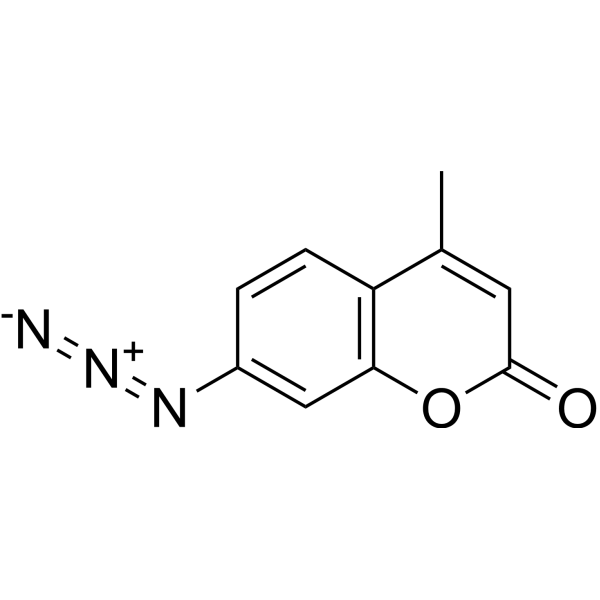
    7-Azido-4-methylcoumarin
    1 Publications Verification

    Fluorescent Dye Others
    7-Azido-4-methylcoumarin is a selective coumarin-based fluorescent probe for hydrogen sulfide (H2S). In the presence of H2S, the aromatic azido group of 7-Azido-4-methylcoumarin is selectively reduced to produce the fluorescently active 7-amino-4-methylcoumarin (AMC). 7-Azido-4-methylcoumarin binds to the coumarin/phenol-binding site of BSA, the aglycone-binding site of UGT1A6, and the substrate-binding site of SULT1A1, respectively. 7-Azido-4-methylcoumarin retains its fluorescent properties after covalent binding, acts as a fluorescent H2S probe, and does not react with cysteine, homocysteine or glutathione (Ex/Em = 340/445 nm) .
    7-Azido-4-methylcoumarin
  • HY-N2587

    Integrin Apoptosis Cancer
    Irigenin is a is a lead compound, and mediates its anti-metastatic effect by specifically and selectively blocking α9β1 and α4β1 integrins binding sites on C-C loop of Extra Domain A (EDA). Irigenin shows anti-cancer properties. It sensitizes TRAIL-induced apoptosis via enhancing pro-apoptotic molecules in gastric cancer cells .
    Irigenin
  • HY-154644

    Environmental Pollutants Biochemical Assay Reagents Cancer
    Soya Lecithin is a phospholipid mixture that can be used as a drug delivery vehicle and is a pharmaceutical excipient. Soya Lecithin can form a lipid bilayer structure through self-assembly, and its binding properties are amphiphilic (hydrophilic head and hydrophobic tail), encapsulating hydrophobic drugs. Soya Lecithin forms stable nanoliposomes or microemulsions, improves the solubility and cellular uptake efficiency of poorly soluble drugs (such as Curcumin (HY-N0005)), and exerts activities such as enhancing drug delivery and regulating cell proliferation .
    Soya Lecithin
  • HY-130000

    STP0404

    HIV Integrase HIV Infection
    Pirmitegravir is a potent and first-in-class inhibitor of allosteric integrase (ALLINI) that targets LEDGF/p75 binding site. Pirmitegravir displays picomolar IC50 in human PBMCs with a >24,000 therapeutic index against HIV-1. Pirmitegravir harbors outstanding anti-virus and safety properties .
    Pirmitegravir
  • HY-P2460

    Bacterial Fungal Interleukin Related TNF Receptor Infection Inflammation/Immunology
    SMAP‑29 is a cathelicidin antimicrobial peptide with LPS‑binding and anti‑inflammatory properties. SMAP‑29 exerts broad‑spectrum antimicrobial activity against bacteria, fungi and multidrug‑resistant isolates. SMAP‑29 kills pathogens by permeabilizing bacterial membranes, inducing depolarization and cell lysis, and also inhibits inflammatory cytokines while reducing lethality in septic shock and pneumonia models. SMAP-29 can be used for research on bacterial infections, drug-resistant infections, septic shock .
    SMAP-29
  • HY-119437
    FLTX1
    2 Publications Verification

    Estrogen Receptor/ERR Cancer
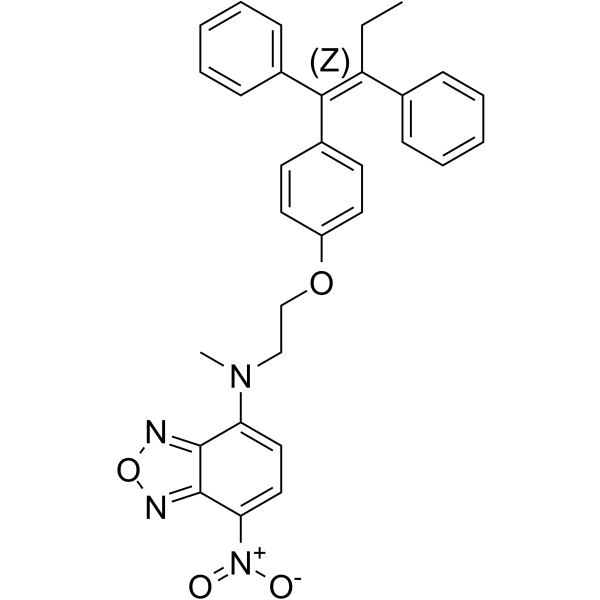
    FLTX1 is a fluorescent Tamoxifen derivative that can specifically label intracellular Tamoxifen-binding sites (estrogen receptors) under permeabilized and non-permeabilized conditions. FLTX1 exhibits the potent antiestrogenic properties of Tamoxifen in breast cancer cells. FLTX1 is devoid of the estrogenic agonistic effect on the uterus .
    FLTX1
  • HY-13756R

    FK506 (Standard); Fujimycin (Standard); FR900506 (Standard)

    Reference Standards Phosphatase FKBP Bacterial Autophagy Antibiotic Infection Inflammation/Immunology Cancer
    Tacrolimus (Standard) is the analytical standard of Tacrolimus. This product is intended for research and analytical applications. Tacrolimus (FK506), a macrocyclic lactone, binds to FK506 binding protein (FKBP) to form a complex. Tacrolimus inhibits calcineurin phosphatase, which inhibits T-lymphocyte signal transduction and IL-2 transcription. Immunosuppressive properties .
    Tacrolimus (Standard)
  • HY-162865

    FGFR Cancer
    FGFR2-IN-3 is an inhibitor of fibroblast growth factor receptor 2 (FGFR2). FGFR2-IN-3 has good binding properties, forming key interactions and inducing conformational changes in FGFR2. FGFR2-IN-3 can be used for research on tumors .
    FGFR2-IN-3
  • HY-16261A

    (E/Z)-Aldoxorubicin; Doxorubicin(6-maleimidocaproyl)hydrazone

    ADC Payload Topoisomerase Cancer
    MC-DOXHZN ((E/Z)-Aldoxorubicin; Doxorubicin(6-maleimidocaproyl)hydrazone) is an albumin-binding proagent of Doxorubicin (HY-15142A) (DNA topoisomerase II inhibitor), with acid-sensitive properties. MC-DOXHZN can be used to synthesize ADC .
    MC-DOXHZN
  • HY-157322

    Fluorescent Dye Infection
    SAV13 is an inhibitor of SaeR. SAV13 is an analogue of HR3744. SAV13 inhibits SaeR-DNA probe binding and has antivirulence properties .
    SAV13
  • HY-D1190

    RAR/RXR Others
    DC271 is a RAR agonist and synthetic retinoid that binds to the retinoid-binding site of cellular retinoic acid-binding protein II (CRBP-II). DC271 exhibits solvatochromic fluorescence properties: it produces intense blue-shifted emission in nonpolar environments and weak red-shifted emission in polar environments, and its severe fluorescence quenching in aqueous solutions can be reversed by embedding in the hydrophobic retinoid-binding protein pocket. DC271 enables direct detection of the binding between unlabeled compounds and related retinoid-binding proteins via fluorescence competition assays (Ex/Em = 355 nm/460 nm) .
    DC271
  • HY-N10616
    Pseudobaptigenin
    1 Publications Verification

    Others Metabolic Disease
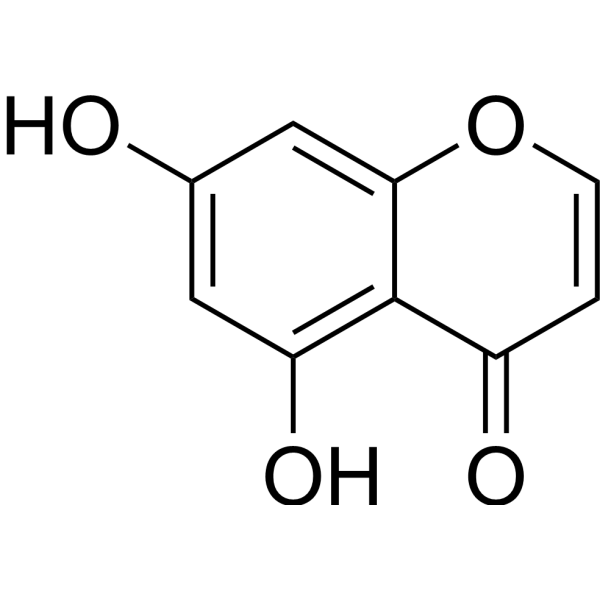
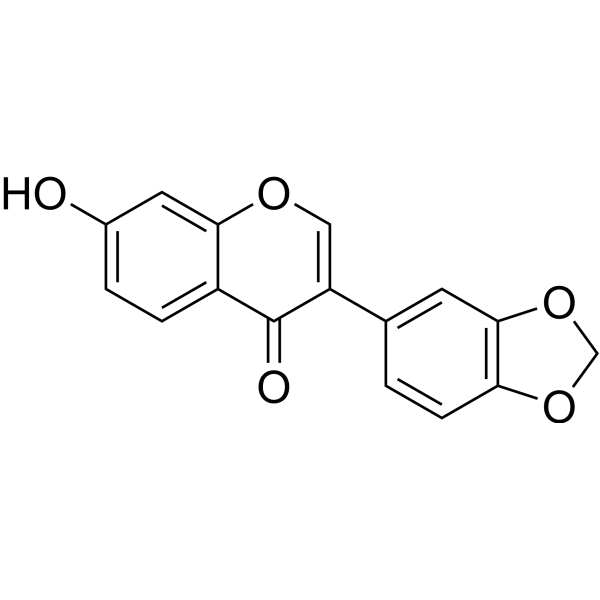
    Pseudobaptigenin is a flavonoid. Pseudobaptigenin shows very good anticataract activity. Pseudobaptigenin has good binding affinity for the inhibition of glycation against γ-crystallin protein. Pseudobaptigenin also has good ADMET (Absorption, Distribution, Metabolism, Excretion and Toxicity) property .
    Pseudobaptigenin
  • HY-118667
    Dehydroergosterol
    1 Publications Verification

    Liposome Others
    Dehydroergosterolis a naturally occurring fluorescent sterol analog (Ex/Em=325/375 nm), which mimics the properties of cholesterol in cell membranes. DehydroergosterolEasily conjugated by cholesterol-binding proteins for real-time imaging in live cells. DehydroergosterolThe sterol environment and intracellular sterol transport in vivo can be probed/elucidated in real time .
    Dehydroergosterol
  • HY-N0153R
    Naringin (Standard)
    20+ Cited Publications

    Naringoside (Standard)

    Endogenous Metabolite Cytochrome P450 Mitophagy Autophagy Reference Standards Inflammation/Immunology Cancer
    Naringin is a major flavanone glycoside obtained from tomatoes, grapefruits, and many other citrus fruits. Naringin exhibits biological properties such as antioxidant, anti-inflammatory, and antiapoptotic activities. Naringin also inhibits proliferation and invasion and induces apoptosis in human osteosarcoma cells by inhibiting zinc finger E-box binding homeobox 1 (Zeb1) .
    Naringin (Standard)
  • HY-13756S2

    FK506-d3; Fujimycin-d3; FR900506-d3

    Isotope-Labeled Compounds Autophagy FKBP Bacterial Antibiotic Phosphatase Infection Inflammation/Immunology Cancer
    Tacrolimus-d3 (FK506-d3) is deuterium labeled Tacrolimus. Tacrolimus (FK506), a macrocyclic lactone, binds to FK506 binding protein (FKBP) to form a complex. Tacrolimus inhibits calcineurin phosphatase, which inhibits T-lymphocyte signal transduction and IL-2 transcription. Immunosuppressive properties .
    Tacrolimus-d3
  • HY-113667

    Transmembrane Glycoprotein Cardiovascular Disease Neurological Disease
    ASN04885796 (compound IV) is an GPR17 activator with an EC50 of 2.27 nM for GPR17 induced GTPγS binding. ASN04885796 has neuroprotective property and can be used for research of neurological diseases .
    ASN04885796
  • HY-P2995A

    Biochemical Assay Reagents Others
    Hemoglobin porcine is an oxygen-transporting protein present in the blood of domestic pigs, and also an oxygen carrier with higher oxygen affinity than human hemoglobin. Hemoglobin porcine exhibits cooperative oxygen-binding properties, with weaker heme-heme interactions than those of human hemoglobin .
    Hemoglobin porcine
  • HY-153847

    Biochemical Assay Reagents Others
    RNA Aptamer Mango Ⅱ (sodium) has an exceptionally high affinity to TO1-biotin (a thiazole orange derivative fluorophore), and can be used to visualize RNA expression or localization in live cells. Compared to the original Mango I aptamer, RNA Aptamer Mango Ⅱ (sodium) has markedly improved fluorescent properties, binding affinities, and salt dependencies.
    RNA Aptamer Mango ΙΙ sodium
  • HY-103304

    Others Neurological Disease
    CGRP antagonist 4 is an antagonist of calcitonin gene-related peptide (CGRP) receptor. CGRP antagonist 4 shows the highest affinity for CGRP receptors in the human brain. CGRP antagonist 4 can be used to study the binding properties of non-peptide calcitonin gene-related peptide (CGRP) receptor antagonist (gepants) in rat, pig and human menes .
    SB 268262
  • HY-164725

    Radionuclide-Drug Conjugates (RDCs) FAP Cancer
    FAPI-mFS is an irreversible fibroblast activation protein (FAP) inhibitor, that enhances the uptake and retention time in cancer cells through its covalent binding property for FAP. FAPI-mFS can be used for cancer imaging the therapy, when labeled with radioactive 68Ga or 177Lu . FAPI-mFS can be used for the synthesis/research of Radionuclide-Drug Conjugates (RDCs).
    FAPI-mFS
  • HY-P2995B

    Biochemical Assay Reagents Heme Oxygenase (HO) Others
    Mouse Hemoglobin is a hemoglobin derived from mouse. Hemoglobin is a iron-containing protein in red blood cells with oxygen binding properties. Hemoglobin is an inducer of HO-1. Hemoglobin consits of heme, which binds to oxygen. Hemoglobin also transports other gases, such as carbon dioxide, nitric oxide, hydrogen sulfide and sulfide. Hemoglobin absorbs unneeded oxygen in tissues, as an antioxidant .
    Mouse Hemoglobin
  • HY-121900

    PPAR Metabolic Disease Endocrinology
    LT175, a dual PPARα/γ ligand, is an orally active partial agonist against PPARγ(hPPARα:EC50=0.22 μm; mPPARα:EC50=0.26 μm; hPPARγ:EC50=0.48 μm). LT175 interacts with PPARγ and affects the recruitment of the coregulators cyclic-AMP response element-binding protein-binding protein and nuclear corepressor 1 (NCoR1). LT175 interacts with PPARγ in a hydrophobic region called “diphenyl pocket”. LT175 has potent insulin-sensitizing effects and reduced adipogenic properties .
    LT175
  • HY-N7437

    Opioid Receptor DNA/RNA Synthesis Neurological Disease Inflammation/Immunology
    Akuammidine, isolated from the seeds of Picralima nitida, shows a preference for μ-opioid binding sites with Ki values of 0.6, 2.4 and 8.6 μM at μ-, σ- and κ-opioid binding sites, respectively. Akuammidine possesses anti-inflammatory and anti-asthmatic properties .
    Akuammidine
  • HY-158125

    PSMA Cancer
    PSMA binder-2 is a ligand for PSMA and can be used to synthesize Ac-PSMA-trillium. Ac-PSMA-trillium is a suitable PSMA-targeting compound with improved PSMA binding properties and pharmacokinetic properties. PSMA ligands have different biological applications after being modified with different radioactive isotopes. If labeled with 111In, it can be used as DOTA chelating agent and imaging agent. Or labeled with 225Ac as a Macropa chelator for targeted radionuclide therapy (TRT) in the study of metastatic castration-resistant prostate cancer (mCRPC) .
    PSMA binder-2
  • HY-P2516

    Tau Protein Neurological Disease
    Tau Peptide (275-305) (Repeat 2 domain) is the Alzheimer's Tau fragment R2, corresponding to the second repeat unit of the microtubule-binding domain, which is believed to be pivotal to the biochemical properties of full tau protein. Tau Peptide (275-305) specifically coordinates with group IIB metal ions (Zn²⁺, Cd²⁺, Hg²⁺), which can induce their conformational changes and significantly promote their pathological accumulation. Tau Peptide (275-305) can be used to study the role of heavy metals in neurodegenerative diseases .
    Tau Peptide (275-305) (Repeat 2 domain)
  • HY-178794

    PGE synthase Inflammation/Immunology
    AGU661 is a Microsomal prostaglandin E2 synthase 1 (mPGES-1) inhibitor with an IC50 of 0.22  nM. AGU661 lowers PGE2 formation in human pro-inflammatory M1 macrophages and activated monocytes without affecting other lipid mediator pathways. AGU661 has unfavorable physicochemical properties with poor metabolic stability and strong plasma protein binding tendencies. AGU661 into PLGA-based NPs significantly enhances its bioactivity. AGU661 can be used for inflammatory disorders research .
    AGU661
  • HY-14319B

    nAChR Neurological Disease
    Sazetidine A dihydrochloride is a potent ligand for the α4β2 nAChR, with high binding affinity and selectivity for this subtype. Sazetidine A dihydrochloride exhibits favorable pharmacological properties and may contribute to research targeting nicotinic receptor-related diseases. Sazetidine A dihydrochloride has been mentioned in studies investigating the binding affinity of various analogs, highlighting its importance in understanding the nAChR ligand subtype selectivity .
    Sazetidine A dihydrochloride
  • HY-118124

    Endogenous Metabolite Others
    2-Iodoestradiol is a potent human sex hormone binding globulin (SHBG) ligand with a remarkably high affinity for SHBG. 2-Iodoestradiol exhibits competition for the same binding site as dihydrotestosterone in binding to human SHBG. The binding affinity constant of 2-Iodoestradiol at physiological pH and 37 degrees Celsius is 2.4 x 10(9) M-1, exceeding that for SHBG. 2-Iodoestradiol has been shown to bind to serum albumin, but with lower affinity. The radioisotope 125I-derivative of 2-Iodoestradiol has been used to study the binding properties of human SHBG, demonstrating its potential application in biological research .
    2-Iodoestradiol
  • HY-P0185A
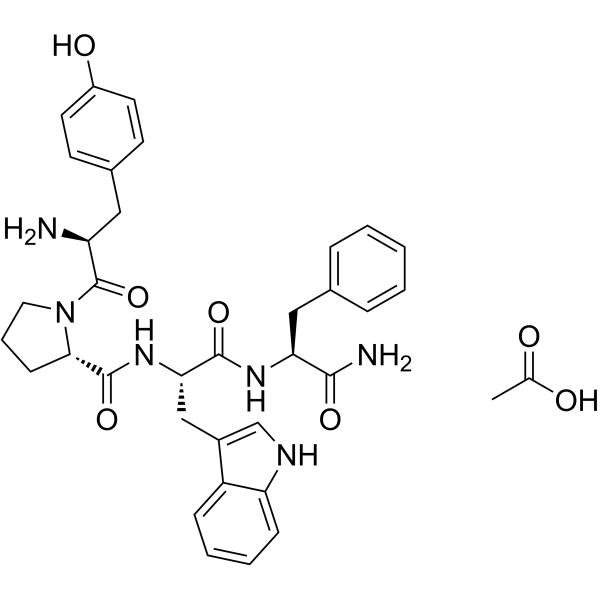
    Endomorphin 1 acetate
    3 Publications Verification

    Opioid Receptor Neurological Disease
    Endomorphin 1 acetate, a high affinity, highly selective agonist of the μ-opioid receptor (Ki: 1.11 nM), displays reasonable affinities for kappa3 binding sites, with Ki value between 20 and 30 nM. Endomorphin 1 acetate has antinociceptive properties .
    Endomorphin 1 acetate
  • HY-145857

    HSP Apoptosis Cancer
    GRP78-IN-1 exhibits several interactions with GRP78 residues with binding energy of -8.07 kcal/mol. GRP78-IN-1 shows the potent cytotoxic, anti-proliferative in cancer cells. GRP78-IN-1 exhibits promising apoptosis in breast cancer cells and stalls wound healing properties .
    GRP78-IN-1

Inquiry Online

Your information is safe with us. * Required Fields.

Salutation


Country or Region *

Applicant Name *


Organization Name *

Department *


Email Address *


Product Name *

Cat. No.


Requested quantity *

Phone Number *


Remarks

Inquiry Online

Inquiry Information

Product Name:
Cat. No.:
Quantity:
MCE Japan Authorized Agent: