
Search Result
Results for "
bladder cancer
" in MedChemExpress (MCE) Product Catalog:
7
Biochemical Assay Reagents
9
Isotope-Labeled Compounds
| Cat. No. |
Product Name |
Target |
Research Areas |
Chemical Structure |
-
- HY-B1247
-
|
PPIX
|
Endogenous Metabolite
|
Others
|
|
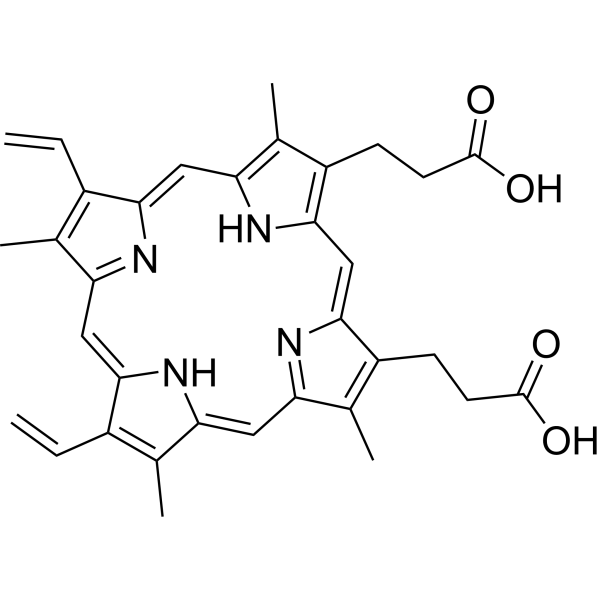
Protoporphyrin IX is a final intermediate in the heme biosynthetic pathway, which acts as a radiation sensitizer enhancing ROS generation even in a hypoxic state and inducing DNA damage. Protoporphyrin IX also acts as a photo sensitizer undergoing photobleaching that occurs through direct degradation by light irradiation. Protoporphyrin IX is formed and accumulated following 5-aminolevulinic acid (5-ALA) (HY-W000450) administration in the tumor cells of rats. Protoporphyrin IX causes selective improvement of basal cell carcinoma when activated red fluorescence of a peak wavelength at 405 nm. Protoporphyrin IX is promising for research of sonodynamic and photodynamic agents for a wide range of cancers, such as bladder cancer and nodular basal cell carcinoma .
|
-
-
- HY-16993
-
|
|
Apoptosis
WDR5
|
Cancer
|
|
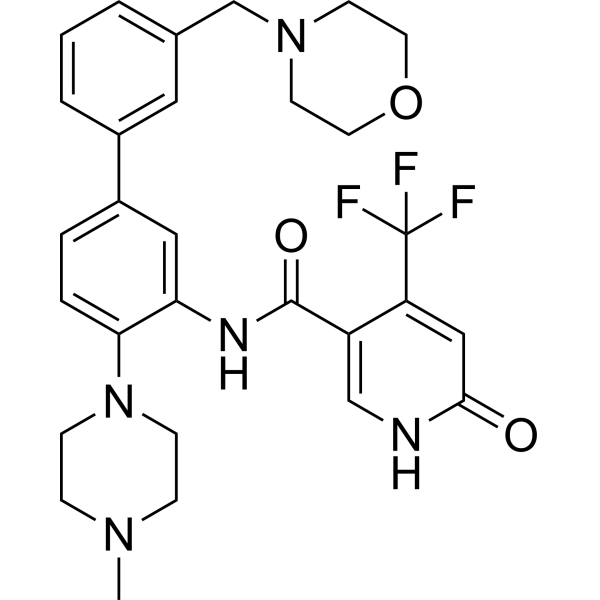
OICR-9429, a chemical probe, is high affinity WD repeat domain 5 (WDR5) inhibitor, competitively blocks WDR5 interaction with MLL protein via binding the central peptide-binding pocket of WDR5. OICR-9429 can suppress histone H3K4 trimethylation and can be used for the research of various cancers including non-MLL-rearranged leukaemia, colon, pancreatic, prostate cancer and bladder cancer (BCa) .
|
-
-
- HY-N6973
-
Boldine
1 Publications Verification
|
RANKL/RANK
Apoptosis
|
Inflammation/Immunology
Cancer
|
|
Boldine is an apomorphine isoquinoline alkaloid extracted from the root of the pheasant pepper (Litsea cubeba). Boldine is an oral effective antioxidant, anti-inflammatory, antitumor agent, and can inhibit osteoclast formation. Boldine induces apoptosis of human bladder cancer cells by regulating ERK, AKT and GSK-3β. Boldine ameliorates bone destruction by down-regulating the OPG/RANKL/RANK signaling pathway. It can be used in rheumatoid arthritis research .
|
-
-
- HY-B0860
-
Diuron
2 Publications Verification
|
Environmental Pollutants
Reactive Oxygen Species (ROS)
Herbicide
MDM-2/p53
|
Cancer
|
|
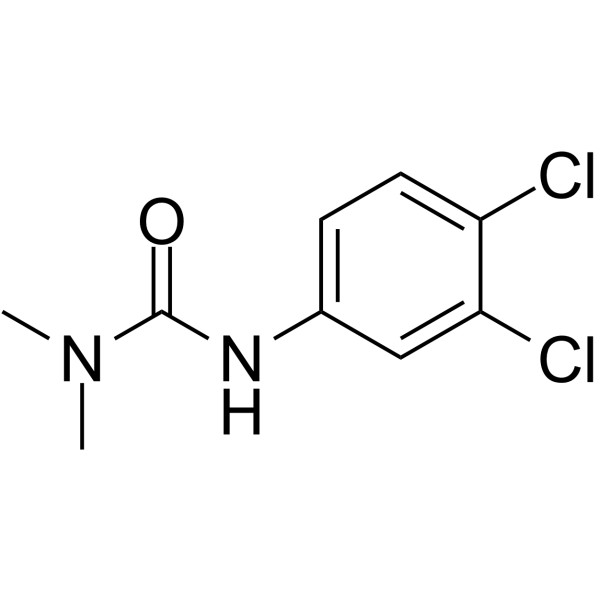
Diuron is an orally active phenylurea herbicide. Diuron inhibits photosynthesis in plants by blocking the formation of ATP and NADH. Diuron increases the production of ROS. Diuron increases expression of p53 in certain cell lines. Diuron has herbicidal activity against annual and perennial broadleaf weeds and grass weeds. Diuron promotes DMBA/BBN-induced bladder cancer. Diuron can be used in breast cancer research .
|
-
-
- HY-W755252
-
|
BBN
|
DNA Alkylator/Crosslinker
|
Cancer
|
|
N-Butyl-N-(4-hydroxybutyl)nitrosamine is a potent mutagen that can cause high-level of mutagenesis specifically in the epithelial cells (urothelial) of the urinary bladder. N-Butyl-N-(4-hydroxybutyl)nitrosamine is used to induce bladder cancer in rodents .
|
-
-
- HY-W014839
-
|
Sodium cyclamate; Cyclohexylsulfamic acid sodium
|
Environmental Pollutants
Necroptosis
Apoptosis
|
Metabolic Disease
Cancer
|
|
Cyclamic acid sodium (Sodium cyclamate) is a commonly used sweetener. Cyclamic acid sodium is toxic to osteoblasts and can inhibit cell proliferation, induce apoptosis and reduce cell mineralization. Cyclamic acid sodium causes focal necrosis of bladder organs in rats in vitro, which can promote bladder cancer, but some studies have shown that low doses of Cyclamic acid sodium have no carcinogenic effect. In addition, Cyclamic acid sodium has no effect on insulin and glucagon secretion induced by arginine .
|
-
-
- HY-108719
-
|
|
Insulin Receptor
Akt
|
Metabolic Disease
Cancer
|
|
Insulin glargine is a long-acting insulin analog. Insulin glargine has the effect of lowering blood sugar and can be used in the research of diabetes. In addition, high doses of Insulin glargine can promote the proliferation of bladder cancer cells .
|
-
-
- HY-N2420
-
-
-
- HY-119024
-
|
|
SHP1
STAT
|
Cancer
|
|
BCI-137 is a Argonaute 2 (AGO2) inhibitor. By inhibiting AGO2 function, reducing PTPN6/SHP-1 protein levels and enhancing STAT1 phosphorylation, BCI-137 restores the sensitivity of tumor cells to IFN-γ. BCI-137 effectively enhances the recruitment, activation and cytotoxicity of CD8 + T cells. BCI-137 exerts a synergistic effect with anti-PD-1 antibodies and significantly reduces tumor volume in preclinical mouse models. BCI-137 exhibits favorable safety profiles and does not cause significant weight loss or death in mice. BCI-137 can be used in research related to bladder cancer, colorectal cancer, melanoma and other related fields .
|
-
-
- HY-129046C
-
|
Ribonuclease B, Bovine Pancreas
|
Endonuclease
DNA/RNA Synthesis
|
Endocrinology
Cancer
|
|
RNase A (Bovine pancreatic RNase) is a widely used Endonuclease in DNA purification by specifically hydrolyzing cytosine or uracil residues of RNA. RNase A degrades the RNA in the RNA/DNA duplex. RNase A catalyses the breakdown of 3',5'-phosphodiester linkages of single stranded RNA. RNase A family members in organisms are tightly involved in various physiological and pathological processes including cell growth and development, proliferation, differentiation and migration. Dysregulation of RNase A activity or expression level is closely related to pancreatic, ovarian, bladder and thyroid cancer. RNase A has tumor cell-killing ability. RNase B, Bovine Pancreas (Ribonuclease B, Bovine Pancreas) is the N-glycosylated form of RNase A. RNase B, Bovine Pancreas can promote the folding of polypeptide chains and play a role similar to molecular chaperones .
|
-
-
- HY-N0800
-
|
(-)-Protosappanin B
|
Apoptosis
|
Cancer
|
|
Protosappanin B is a phenolic compound extracted from Caesalpinia sappan. Anti-cancer activity . Protosappanin B induces apoptosis and causes G1 cell cycle arrest in human bladder cancer cells .
|
-
-
- HY-N1366
-
|
Methylumbelliferone
|
Apoptosis
Bacterial
|
Infection
Cancer
|
|
Herniarin is a natural coumarin occurs in some flowering plants with anticancer effects. Herniarin results in a significant decrease in cell viability by inducing apoptosis in MCF-7 cells. Herniarin also has anti-dermatophytic activity. Herniarin can be used for the study of bladder cancer and breast cancer .
|
-
-
- HY-W013272
-
|
HFT
|
Androgen Receptor
Drug Metabolite
Akt
PI3K
Gap Junction Protein
Integrin
|
Cancer
|
|
Hydroxyflutamide (HFT) is the active metabolite of Flutamide (HY-B0022) and exhibits oral activity. Hydroxyflutamide is a potent androgen receptor antagonist with an IC50 of 700 nM. Hydroxyflutamide can affect embryonic development and reproductive tract development in mice. Additionally, Hydroxyflutamide can enhance the efficacy of Bacillus Calmette-Guérin (BCG) to better inhibit the progression of bladder cancer. Hydroxyflutamide can be used in research related to tumors and reproductive diseases .
|
-
-
- HY-13299
-
MK-8033
3 Publications Verification
|
c-Met/HGFR
|
Cancer
|
|
MK-8033 is an orally active ATP competitive c-Met/Ron dual inhibitor (IC50s: 1 nM (c-Met),7 nM (Ron)), with preferential binding to the activated kinase conformation. MK-8033 can be used in the research of cancers, such as breast and bladder cancers, non-small cell lung cancers (NSCLCs) .
|
-
-
- HY-N5084
-
|
|
TRP Channel
HDAC
p38 MAPK
JNK
ERK
NF-κB
TNF Receptor
Interleukin Related
|
Neurological Disease
Inflammation/Immunology
Cancer
|
|
Pinocembrin 7-O-[3''-O-galloyl-4'',6''-hexahydroxydiphenoyl]-β-D-glucoside is a TRPV1 antagonist and HDAC7 inhibitor. Pinocembrin 7-O-[3''-O-galloyl-4'',6''-hexahydroxydiphenoyl]-β-D-glucoside blocks TRPV1-mediated calcium influx, suppresses phosphorylation of p65, IκBα, p38, JNK, and ERK1/2, inhibiting NF-κB and MAPK signaling cascades. Pinocembrin 7-O-[3''-O-galloyl-4'',6''-hexahydroxydiphenoyl]-β-D-glucoside reduces production and gene expression of pro-inflammatory cytokines IL-1β, IL-6, and TNF-α. Pinocembrin 7-O-[3''-O-galloyl-4'',6''-hexahydroxydiphenoyl]-β-D-glucoside exhibits potent analgesic activity, elevates thermal pain threshold and mechanical pain threshold in murine models. Pinocembrin 7-O-[3''-O-galloyl-4'',6''-hexahydroxydiphenoyl]-β-D-glucoside restores CD8 + T cell infiltration into bladder cancer tumors and improves bladder cancer immunotherapy efficacy. Pinocembrin 7-O-[3''-O-galloyl-4'',6''-hexahydroxydiphenoyl]-β-D-glucoside can be used for the researches of painand bladder cancer .
|
-
-
- HY-134990
-
|
|
Apoptosis
|
Cancer
|
|
Hematoporphyrin monomethyl ether, second generation of porphyrin-related photosensitizer, is characterized by its single form, high yield of singlet oxygen, high selectivity, and low toxicity, which has been widely used in the diagnosis and research of various tumors, including lung cancer, bladder cancer, and nevus flammeus and brain glioma .
|
-
-
- HY-145722
-
|
OGX-427 sodium
|
HSP
|
Cancer
|
|
Apatorsen (OGX-427) sodium is a 2'-methoxyethyl-modified antisense oligonucleotide and also a Hsp27 inhibitor. Apatorsen sodium reduces Hsp27 mRNA and protein levels, impairs stress-induced cytoprotective functions, induces cell apoptosis, inhibits tumor growth and prevents metastasis. Apatorsen sodium is applicable to research related to non-small cell lung cancer, castration-resistant prostate cancer, breast cancer, ovarian cancer and bladder cancer .
|
-
-
- HY-N2877
-
|
|
Potassium Channel
Sodium Channel
Na+/K+ ATPase
Calcium Channel
Apoptosis
|
Neurological Disease
Cancer
|
|
Annonacin is an acetylgenin that is toxic by inhibiting the pathway of the mitochondrial complex. Annonacin increases tau phosphorylation in R406W +/+ mice. Annonacin acts as an inhibitor of the sodium/potassium and sarcoplasmic reticulum (SERCA) ATPase pumps. Annonacin has significant killing effect on ovarian cancer cell, cervical cancer cell, breast cancer cell, bladder cancer cell and skin cancer cell. Annonacin induces apoptosis through Bax and Caspase-3-related pathways .
|
-
-
- HY-115718
-
PZ703b
4 Publications Verification
|
PROTACs
Bcl-2 Family
|
Cancer
|
|
PZ703b is a Bcl-xl PROTAC degrader that induces apoptosis and inhibits cancer cell proliferation. PZ703b can be used for the research of bladder cancer research .
|
-
-
- HY-120692
-
|
|
JAK
STAT
Apoptosis
|
Cancer
|
|
Cyclanoline chloride is an alkaloid. Cyclanoline chloride can be isolated from Fangji. Cyclanoline (chloride) inhibits the phosphorylation of JAK2 and STAT3, and induces Apoptosis. Cyclanoline chloride suppresses tumor growth in subcutaneous bladder cancer xenograft models of nude mice. Cyclanoline chloride reverses cisplatin resistance in bladder cancer cells and enhances the efficacy of Cisplatin (HY-17394). Cyclanoline chloride can be used for research related to bladder cancer .
|
-
-
- HY-119198
-
|
|
Apoptosis
Histone Methyltransferase
|
Cancer
|
|
NSC745885 an effective anti-tumor agent, shows selective toxicity against multiple cancer cell lines but not normal cells. NSC745885 is an effective down-regulator of EZH2 via proteasome-mediated degradation. NSC745885 provides possibilities for the study of advanced bladder and oral squamous cell carcinoma (OSCC) cancers .
|
-
-
- HY-P99899
-
|
PR-1498487
|
ADC Antibody
|
Cancer
|
|
Samrotamab (PR-1498487) is a humanized IgG1-κ chimeric antibody targeting LRRC15. Samrotamab markedly reduces bladder cancer cells viability and inhibits clonogenic growth, migratory and invasive capabilities. Samrotamab significantly increases LRRC15 mRNA level while suppressing SCG5 mRNA expression. Samrotamab can be used for synthesis of ADC ABBV-085 .
|
-
-
- HY-129046D
-
|
Ribonuclease A, Recombinant
|
Endonuclease
DNA/RNA Synthesis
|
Endocrinology
Cancer
|
|
RNase A (Bovine pancreatic RNase) is a widely used Endonuclease in DNA purification by specifically hydrolyzing cytosine or uracil residues of RNA. RNase A degrades the RNA in the RNA/DNA duplex. RNase A catalyses the breakdown of 3',5'-phosphodiester linkages of single stranded RNA. RNase A family members in organisms are tightly involved in various physiological and pathological processes including cell growth and development, proliferation, differentiation and migration. Dysregulation of RNase A activity or expression level is closely related to pancreatic, ovarian, bladder and thyroid cancer. RNase A has tumor cell-killing ability. RNase A, Recombinant (Ribonuclease A, Recombinant) is a recombinant form of RNase A .
|
-
-
- HY-N2571
-
|
|
Reverse Transcriptase
HIV
Opioid Receptor
|
Infection
Neurological Disease
Cancer
|
|
Corydine is a HIV-1 reverse transcriptase inhibitor and μ-opioid receptor (MOR) agonist, with an IC50 of 356.7 μg/mL against HIV-1 reverse transcriptase, an EC50 of 0.51 μM for MOR, and a Ki of 2.82 μM for MOR. Corydine produces antinociceptive effects by inhibiting acetic acid-induced writhing behavior in a MOR-dependent manner. Corydine inhibits the proliferation of cancer cells, mitogen-stimulated lymphocytes and IL-2-dependent cells. Corydine can be used in studies related to human immunodeficiency virus infection, visceral pain, leukemia, melanoma, bladder cancer and colon adenocarcinoma .
|
-
-
- HY-164315
-
|
|
Ras
PERK
|
Cancer
|
|
KRAS G12C inhibitor 67 (Example 35) is an orally active KRAS G12C inhibitor. KRAS G12C inhibitor 67 inhibits pERK and active KRas. KRAS G12C inhibitor 67 selectively inhibits the growth of various KRAS G12C mutant tumor cell lines. KRAS G12C inhibitor 67 exhibits anticancer activity against esophageal cancer, bladder cancer, colorectal cancer, lung cancer, and pancreatic cancer .
|
-
-
- HY-153728
-
WM-586
1 Publications Verification
|
WDR5
|
Cancer
|
|
WM-586 is a covalent WDR5 inhibitor. WM-586 specifically decreases WDR5 and MYC interaction with an IC50 of 101 nM. WM-586 is used in research on a variety of cancers including neuroblastoma, breast cancer, bladder cancer and colorectal cancer .
|
-
-
- HY-124805
-
|
|
HSP
|
Cancer
|
|
MAL3-101 is a potent HSP70 allosteric inhibitor. MAL3-101 inhibits HSP70 ATPase activity by blocking Hsp40 co-chaperone interaction. MAL3-101 can be used for researching muscle invasive bladder cancer (MIBC) .
|
-
-
- HY-115565
-
|
|
CDK
Apoptosis
|
Cancer
|
|
CGP-74514 (Compound 13) is a highly selective cyclin-dependent kinase 1 (CDK1) inhibitor (IC50=25 nM). CGP-74514 inhibits CDK1/cyclin B complex activity, arrests the cell cycle at G2/M phase and induces tumor cell apoptosis. CGP-74514 is promising for research of bladder cancer .
|
-
-
- HY-N2384
-
|
|
Parasite
DNA/RNA Synthesis
Apoptosis
|
Infection
Cancer
|
|
Febrifugine is a quinazolinone alkaloid that inhibits P. falciparum and has antimalarial activity. Febrifugine inhibits bladder cancer by inhibiting DNA synthesis, inducing apoptosis, and reducing steroids .
|
-
-
- HY-12703
-
|
|
c-Myc
Autophagy
|
Cancer
|
|
KSI-3716 is a potent c-Myc inhibitor that blocks c-MYC/MAX binding to target gene promoters. KSI-3716 is an effective intravesical chemotherapy agent for bladder cancer .
|
-
-
- HY-B0541
-
|
Cyclohexylsulfamic acid; Cyclamate
|
Environmental Pollutants
Apoptosis
Necroptosis
|
Metabolic Disease
Cancer
|
|
Cyclamic acid (Cyclamate) is a commonly used sweetener. Cyclamic acid sodium is toxic to osteoblasts and can inhibit cell proliferation, induce apoptosis and reduce cell mineralization. Cyclamic acid sodium causes focal necrosis of bladder organs in rats in vitro, which can promote bladder cancer, but some studies have shown that low doses of Cyclamic acid sodium have no carcinogenic effect. In addition, Cyclamic acid sodium has no effect on insulin and glucagon secretion induced by arginine .
|
-
-
- HY-N6872
-
|
|
JNK
Akt
Apoptosis
Autophagy
Reactive Oxygen Species (ROS)
|
Cancer
|
|
Actein, a triterpene glycoside, shows an inhibitory effect on cancer cells, which is isolated from the rhizomes of Cimicifuga foetida. Actein suppresses cell proliferation, induces autophagy and apoptosis through promoting ROS/JNK activation, and blunting AKT pathway in bladder cancer. Actein has little toxicity in vivo .
|
-
-
- HY-145722A
-
|
OGX-427
|
HSP
|
Cancer
|
|
Apatorsen is a 2'-methoxyethyl-modified antisense oligonucleotide and also a Hsp27 inhibitor. Apatorsen reduces Hsp27 mRNA and protein levels, impairs stress-induced cytoprotective functions, induces cell apoptosis, inhibits tumor growth and prevents metastasis. Apatorsen is applicable to research related to non-small cell lung cancer, castration-resistant prostate cancer, breast cancer, ovarian cancer and bladder cancer .
|
-
-
- HY-171030
-
|
|
Reactive Oxygen Species (ROS)
|
Cancer
|
|
Pro-GA is a γ-glutamyl cyclotransferase (GGCT) inhibitor. Pro-GA inhibits the enzymatic activity of GGCT, disrupts glutathione homeostasis, induces the production of mitochondrial ROS, and upregulates the expression of p21, p27 and p16 in cells. Pro-GA inhibits the growth of cancer cells, induces cell cycle arrest and cellular senescence. Pro-GA exerts anti-tumor effects in breast cancer xenograft mouse models. Pro-GA can be used in research related to bladder cancer and breast cancer .
|
-
-
- HY-B1247R
-
|
PPIX (Standard)
|
Reference Standards
Endogenous Metabolite
|
Others
|
|
Protoporphyrin IX (Standard) is the analytical standard of Protoporphyrin IX. This product is intended for research and analytical applications. Protoporphyrin IX is a final intermediate in the heme biosynthetic pathway, which acts as a radiation sensitizer enhancing ROS generation even in a hypoxic state and inducing DNA damage. Protoporphyrin IX also acts as a photo sensitizer undergoing photobleaching that occurs through direct degradation by light irradiation. Protoporphyrin IX is formed and accumulated following 5-aminolevulinic acid (5-ALA) (HY-W000450) administration in the tumor cells of rats. Protoporphyrin IX causes selective improvement of basal cell carcinoma when activated red fluorescence of a peak wavelength at 405 nm. Protoporphyrin IX is promising for research of sonodynamic and photodynamic agents for a wide range of cancers, such as bladder cancer and nodular basal cell carcinoma .
|
-
-
- HY-N2384A
-
|
|
Parasite
DNA/RNA Synthesis
Apoptosis
|
Infection
Cancer
|
|
Febrifugine dihydrochloride is a quinazolinone alkaloid that inhibits P. falciparum and has antimalarial activity. Febrifugine dihydrochloride inhibits bladder cancer by inhibiting DNA synthesis, inducing apoptosis, and reducing steroids .
|
-
-
- HY-N7707
-
-
-
- HY-114244
-
USL311
1 Publications Verification
|
CXCR
|
Cancer
|
|
USL311 is an orally active CXCR4 inhibitor. USL311 blocks the activity of the CXCR4 receptor. USL311 is applicable to research related to various cancers including breast cancer, bladder cancer, colon cancer, rectal cancer, liver cancer and glioblastoma .
|
-
-
- HY-N5106
-
|
|
Apoptosis
|
Cancer
|
|
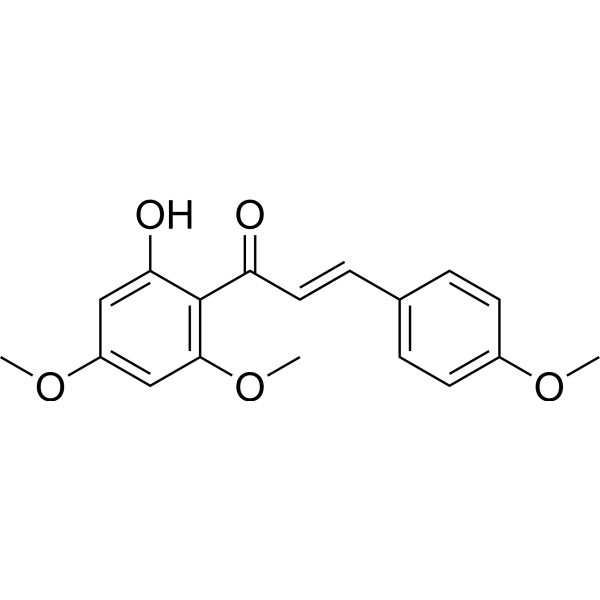
(E)-Flavokawain A, a chalcone extracted from Kava, has anticarcinogenic effect. (E)-Flavokawain A induces apoptosis in bladder cancer cells by involvement of bax protein-dependent and mitochondria-dependent apoptotic pathway and suppresses tumor growth in mice .
|
-
-
- HY-150308
-
|
|
PPAR
|
Cancer
|
|
SR10221, a noncovalent inverse agonist of PPARγ, represses downstream PPARγ target genes leading to growth inhibition in bladder cancer cell lines .
|
-
-
- HY-109690
-
|
|
Endogenous Metabolite
|
Cancer
|
|
1-(2-Amino-3-hydroxyphenyl)ethanone is the kynuridine metabolite, which could be extracted from rat liver mitochondrium. 1-(2-Amino-3-hydroxyphenyl)ethanone is associated with tryptophan metabolism disturbances, and can be used in bladder cancer, leukemia and anemia researches .
|
-
-
- HY-129046H
-
|
|
DNA/RNA Synthesis
Endonuclease
|
Endocrinology
Cancer
|
|
RNase A (Bovine pancreatic RNase) is a widely used Endonuclease in DNA purification by specifically hydrolyzing cytosine or uracil residues of RNA. RNase A degrades the RNA in the RNA/DNA duplex. RNase A catalyses the breakdown of 3',5'-phosphodiester linkages of single stranded RNA. RNase A family members in organisms are tightly involved in various physiological and pathological processes including cell growth and development, proliferation, differentiation and migration. Dysregulation of RNase A activity or expression level is closely related to pancreatic, ovarian, bladder and thyroid cancer. RNase A has tumor cell-killing ability. RNase A, Recombinant (Protease & DNase free, animal free) is recombinant RNase A that does not contain protease and DNase and does not contain animal components .
|
-
-
- HY-B1247A
-
|
PPIX disodium
|
Endogenous Metabolite
|
Cancer
|
|
Protoporphyrin IX disodium is a final intermediate in the heme biosynthetic pathway, which acts as a radiation sensitizer enhancing ROS generation even in a hypoxic state and inducing DNA damage. Protoporphyrin IX disodium also acts as a photo sensitizer undergoing photobleaching that occurs through direct degradation by light irradiation. Protoporphyrin IX disodium is formed and accumulated following 5-aminolevulinic acid (5-ALA) (HY-W000450) administration in the tumor cells of rats. Protoporphyrin IX disodium causes selective improvement of basal cell carcinoma when activated red fluorescence of a peak wavelength at 405 nm. Protoporphyrin IX disodium is promising for research of sonodynamic and photodynamic agents for a wide range of cancers, such as bladder cancer and nodular basal cell carcinoma .
|
-
-
- HY-145944
-
|
|
Apoptosis
|
Cancer
|
|
ASR-488 activates the mRNA-binding protein CPEB1, induces apoptosis and inhibits bladder cancer growth .
|
-
-
- HY-W010482S
-
|
|
Isotope-Labeled Compounds
|
Cancer
|
|
3-Ethylaniline-d5 is the deuterium labeled 3-Ethylaniline (HY-W010482). 3-Ethylaniline is metabolized in vivo to electrophilic intermediates that covalently bind to DNA and that adducts are formed in the DNA of bladder. 3-Ethylaniline can be used for the research of bladder cancer .
|
-
-
- HY-118976
-
|
CGP-74514A
|
CDK
Apoptosis
|
Cancer
|
|
CGP-74514 hydrochloride is a highly selective cyclin-dependent kinase 1 (CDK1) inhibitor (IC50: 25 nM). CGP-74514 hydrochloride inhibits CDK1/cyclin B complex activity, arrests the cell cycle at G2/M phase and induces tumor cell apoptosis. CGP-74514 hydrochloride is promising for research of bladder cancer .
|
-
-
- HY-118160
-
|
NSC 73233
|
NO Synthase
Drug Derivative
IKK
NF-κB
HDAC
Reactive Oxygen Species (ROS)
AMPK
mTOR
PI3K
Akt
Autophagy
Apoptosis
|
Cardiovascular Disease
Infection
Neurological Disease
Inflammation/Immunology
Cancer
|
|
PPM-18 (NSC 73233) is a Vitamin K (HY-B2172) analog. PPM-18 prevents LPS-induced IκBα degradation, thereby inhibiting NF-κB activation and nuclear translocation of NF-κB. PPM-18 inhibits LPS-induced nitrite production and iNOS expression. PPM-18 inhibits HDAC6. PPM-18 induces ROS accumulation, activates AMPK, inhibits the mTORC1 and PI3K/AKT pathways, initiates Autophagy, and induces Apoptosis. PPM-18 suppresses seizures in zebrafish and mouse epilepsy models. PPM-18 prevents LPS-induced lethal toxicity and delayed hypotension. PPM-18 exhibits anticancer activity against leukemia and bladder cancer. PPM-18 can be used in research related to septic shock, bladder cancer and atherosclerosis .
|
-
-
- HY-N1366S
-
|
7-Methoxycoumarin-d3; Methyl umbelliferyl ether-d3
|
Isotope-Labeled Compounds
Apoptosis
Bacterial
|
Infection
Cancer
|
|
Herniarin-d3 is the deuterium labeled Herniarin (HY-N1366). Herniarin is a natural coumarin occurs in some flowering plants with anticancer effects. Herniarin results in a significant decrease in cell viability by inducing apoptosis in MCF-7 cells. Herniarin also has anti-dermatophytic activity. Herniarin can be used for the study of bladder cancer and breast cancer .
|
-
-
- HY-B0510CR
-
|
|
Reference Standards
Antifolate
Bacterial
Antibiotic
|
Infection
Cancer
|
|
Actein (Standard) is the analytical standard of Actein. This product is intended for research and analytical applications. Actein, a triterpene glycoside, shows an inhibitory effect on cancer cells, which is isolated from the rhizomes of Cimicifuga foetida. Actein suppresses cell proliferation, induces autophagy and apoptosis through promoting ROS/JNK activation, and blunting AKT pathway in bladder cancer. Actein has little toxicity in vivo .
|
-
-
- HY-147714
-
|
|
FGFR
VEGFR
|
Cancer
|
|
FGFR3-IN-2 (compound 18b) is a potent and selective FGFR3 inhibitor, with IC50s of 4.1 nM and 570 nM for FGFR3 and VEGFR2, respectively. FGFR3-IN-2 can be used for the research of bladder cancer .
|
-
- HY-N15742
-
|
|
Ferroptosis
Reactive Oxygen Species (ROS)
p38 MAPK
|
Cancer
|
|
Talaroconvolutin A is a ferroptosis inducer. Talaroconvolutin A induces ferroptosis by increasing reactive oxygen species (ROS) levels rather than the GPX4 pathway. Talaroconvolutin A downregulates the expression of the channel protein solute carrier family 7 member 11 (SLC7A11) and upregulates arachidonic acid lipoxygenase 3 (ALOXE3). Talaroconvolutin A inhibits the growth of colorectal cancer cells HCT116 and bladder cancer cells SW480 with IC50 values of 1.22 μM and 1.4 μM, respectively. Talaroconvolutin A can be used in the study of colorectal cancer and bladder cancer [1] [2] [3].
|
-
- HY-126566
-
|
|
Fungal
HDAC
Apoptosis
|
Infection
Cancer
|
|
Trichostatin C is an inhibitor for histone deacetylase (HDAC), induces apoptosis and arrests cell cycle at G2/M phase, and exhibits anticancer activity against lung cancer and urothelial bladder cancer . Trichostatin C induces differentation of Friend leukemic cells . Trichostatin C exhibits antifungal activity .
|
-
- HY-149292
-
|
|
Casein Kinase
|
Cancer
|
|
SR-4133 is a potent and highly CK1ε selective inhibitor with an IC50 of 58 nM. SR-4133 binds to the ATP-binding site of CK1ε. SR-4133 displays nanomolar growth inhibition of bladder cancer cells, and inhibits the phosphorylation of 4E-BP1 .
|
-
- HY-13299A
-
|
|
c-Met/HGFR
|
Cancer
|
|
MK-8033 hydrochloride is an orally active ATP competitive c-Met/Ron dual inhibitor (IC50s: 1 nM (c-Met),7 nM (Ron)), with preferential binding to the activated kinase conformation. MK-8033 hydrochloride can be used in the research of cancers, such as breast and bladder cancers, non-small cell lung cancers (NSCLCs) .
|
-
- HY-110359
-
|
|
CDK
Apoptosis
|
Cancer
|
|
CGP-74514 dihydrochloride is a highly selective cyclin-dependent kinase 1 (CDK1) inhibitor (IC50=25 nM). CGP-74514 dihydrochloride inhibits CDK1/cyclin B complex activity, arrests the cell cycle at G2/M phase and induces tumor cell apoptosis. CGP-74514 dihydrochloride is promising for research of bladder cancer .
|
-
- HY-N2420R
-
-
- HY-151137
-
|
|
mTOR
HSP
Apoptosis
Autophagy
|
Cancer
|
|
HSP90/mTOR-IN-1 is a potent and orally active Hsp90 and mTOR inhibitor with IC50 values of 69 nM and 29 nM, respectively. HSP90/mTOR-IN-1 suppresses the proliferation of SW780 cells through the over-activation of the PI3K/AKT/mTOR pathway. HSP90/mTOR-IN-1 induces apoptosis and autophagy via selective Hsp90 and mTOR inhibition. HSP90/mTOR-IN-1 also has considerable in vivo anti-tumor activity. HSP90/mTOR-IN-1 can be used for researching bladder cancer .
|
-
- HY-174086
-
|
|
Glutathione Peroxidase
Ferroptosis
ROS Kinase
PROTACs
|
Cancer
|
|
PROTAC GPX4 degrader-4 is a GPX4 PROTAC degrader (DC50: 5.32 nM). PROTAC GPX4 degrader-4 inhibits the activity of RT4, T24, and J82 cancer cells (IC50 values are 0.09, 2.97, and 7.58 μM, respectively). PROTAC GPX4 degrader-4 increases lipid ROS levels and induces ferroptosis in T24 and RT4 cells. PROTAC GPX4 degrader-4 has antitumor activity in T24 tumor-bearing BALB/c nude mouse model. PROTAC GPX4 degrader-4 can be used for bladder cancer research. (Pink: target protein ligand (HY-N0193); blue: E3 ligase ligand (HY-1035960); black: linker (HY-W013907); E3 ligase ligand + linker (HY-174087)) .
|
-
- HY-174981
-
|
|
PROTACs
FGFR
ATP Synthase
|
Cancer
|
|
LC-MF-4 is a selective FGFR3 PROTAC degrader with a DC50 of 30.89 nM in KMS-11 cells. LC-MF-4 inhibits the metabolic function of FGFR3-TACC3 fusion positive cancers with reduction of ATP synthesis and inhibition of mitochondrial biogenesis genes. LC-MF-4 has potent antitumor activity in the Ba/F3-FGFR3-TACC3 xenograft mice model. LC-MF-4 can be used for FGFR3-altered cancers like bladder cancer and urothelial carcinoma (UC) research . Pink: FGFR3 ligand (HY-175414); Blue: VHL ligase ligand (HY-125905); Black: linker (HY-Y1224)
|
-
- HY-113636
-
-
- HY-115718A
-
|
|
PROTACs
Bcl-2 Family
|
Cancer
|
|
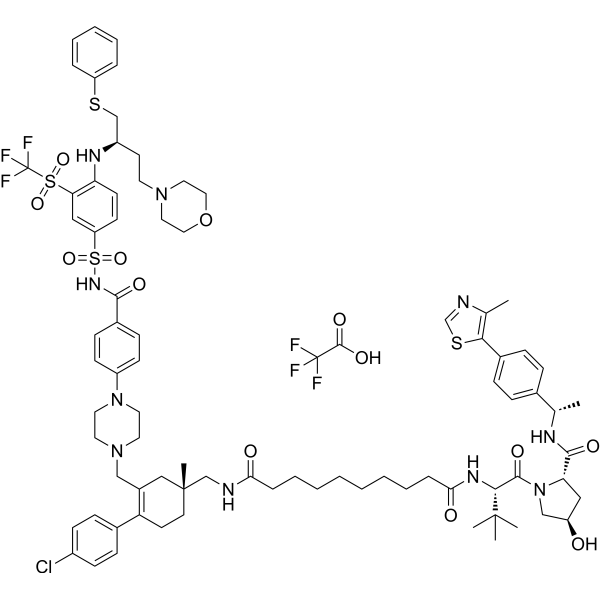
PZ703b TFA is a Bcl-xl PROTAC degradation agent that induces apoptosis and inhibits cancer cell proliferation for bladder cancer research .
|
-
- HY-160188
-
|
|
PPAR
|
Cancer
|
|
BAY-9683 is an orally active covalent PPARG inverse agonist. BAY-9683 can be used in the study of diseases with overactive PPARG, such as luminal bladder cancer .
|
-
- HY-147713
-
|
|
FGFR
|
Cancer
|
|
FGFR3-IN-1 (compound 1) is a fibroblast growth factor receptor (FGFR) inhibitor, with IC50s of 40 nM, 5.1 nM, and 12 nM for FGFR1, 2, and 3, respectively. FGFR3-IN-1 can be used for the research of bladder cancer .
|
-
- HY-115718B
-
|
|
PROTACs
Apoptosis
Bcl-2 Family
|
Cancer
|
|
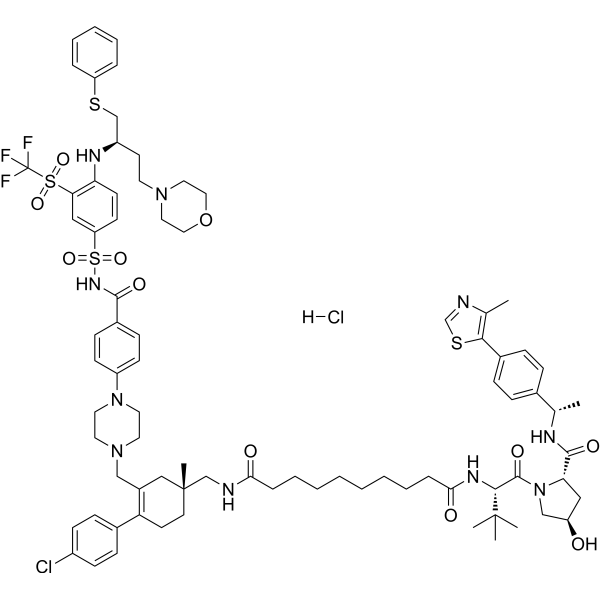
PZ703b hydrochloride is a Bcl-xl PROTAC degrader that induces apoptosis and inhibits cancer cell proliferation. PZ703b hydrochloride can be used for the research of bladder cancer research .
|
-
- HY-147715
-
|
|
FGFR
|
Cancer
|
|
FGFR3-IN-3 (compound 40a) is a potent and pan-FGFR inhibitor, with IC50s of 2.1 nM, 3.1 nM, 4.3 nM and 74 nM for FGFR1, 2, 3, and 4, respectively. FGFR3-IN-3 can be used for the research of bladder cancer .
|
-
- HY-111575
-
|
|
Epigenetic Reader Domain
|
Cancer
|
|
DCB29 is a selective inhibitor of the BPTF bromodomain, with an IC50 value of 13.2 μM. DCB29 can be used for the study of the BPTF-related diseases (such as bladder cancer, colorectal cancer, melanoma, leukemia, and other cancers) .
|
-
- HY-163323
-
|
|
Aldose Reductase
|
Cancer
|
|
AKR1C3-IN-12 (compound 2j) is an aldo-keto reductase 1C3 (AKR1C3) inhibitor with an IC50 of 27 nM. AKR1C3-IN-12 enhances the efficacy of Gemcitabine and Cisplatin in bladder cancer .
|
-
- HY-173473
-
|
|
Reactive Oxygen Species (ROS)
Apoptosis
Ferroptosis
|
Cancer
|
|
Anticancer agent 272 (Compound 2) is an anticancer agent. Anticancer agent 272 has significant anti-bladder cancer cell (T-24) activity (IC50: 2.81 μM). Anticancer agent 272 consumes glutathione (GSH) through Fenton-like reaction, produces reactive oxygen species (ROS) and hydroxyl radicals (?OH), and induces apoptosis and ferroptosis. Anticancer agent 272 can enhance chemodynamic therapy (CDT) and promote tumor cell death through mitochondrial dysfunction and autophagy. Anticancer agent 272 has potential in the study of bladder cancer .
|
-
- HY-146406
-
|
|
Apoptosis
|
Cancer
|
|
Anticancer agent 52 is a potent anticancer agent. Anticancer agent 52 shows in vitro cytotoxicity. Anticancer agent 52 induces apoptosis. Anticancer agent 52 shows antitumor effect. Anticancer agent 52 has the potential for the research of bladder cancer .
|
-
- HY-161341
-
|
|
Photosensitizer
|
Cancer
|
|
β-Glucuronidase responsive conjugate 1 (compound 3) is a well-balanced photosensitizer which has photodynamic activity. β-Glucuronidase responsive conjugate 1 inhibits T-24 cell viability and growth with an IC50 of 0.2 μM. β-Glucuronidase responsive conjugate 1 can used to study bladder cancers .
|
-
- HY-141649
-
-
- HY-160161
-
|
|
PPAR
|
Cancer
|
|
BAY-5094 is a PPAR gamma (PPARG) inverse agonist. BAY-5094 has oral activity. BAY-5094 can be used in the research of luminal bladder cancer .
|
-
- HY-N0800R
-
|
(-)-Protosappanin B (Standard)
|
Reference Standards
Apoptosis
|
Cancer
|
|
Protosappanin B (Standard) is the analytical standard of Protosappanin B. This product is intended for research and analytical applications. Protosappanin B is a phenolic compound extracted from Caesalpinia sappan. Anti-cancer activity . Protosappanin B induces apoptosis and causes G1 cell cycle arrest in human bladder cancer cells .
|
-
- HY-177375
-
|
|
MDM-2/p53
|
Cancer
|
|
dsP53-285 saRNA is a small activating RNA (saRNA) that readily activates wild-type p53 expression by targeting its promoter. dsP53-285 saRNA suppresses bladder cancer cells growth and metastasis .
|
-
- HY-173280
-
|
CHNQD-01228
|
Arf Family GTPase
BMX Kinase
|
Cancer
|
|
Brefeldin A 4-O-nicotinate (CHNQD-01228) is a dual inhibitor of Arf1 and BMX proteins. The IC50 value for the proliferation of T24 cells is 0.22 μM. It can also dose-dependently inhibit the migration and colony formation of T24 cells, induce G1 phase arrest and trigger Apoptosis. Brefeldin A 4-O-nicotinate exerts its anti-cancer activity by targeting the BMX protein to inhibit the AKT/p-AKT and STAT3/p-STAT3 signaling pathways, as well as by inhibiting the Arf1 protein to eliminate bladder cancer stem cells and activate anti-tumor immunity. Brefeldin A 4-O-nicotinate can be used in the research related to bladder cancer .
|
-
- HY-W014839S
-
|
Sodium cyclamate-d11; Cyclohexylsulfamic acid-d11 sodium
|
Isotope-Labeled Compounds
Necroptosis
Apoptosis
|
Metabolic Disease
Cancer
|
|
Cyclamic acid-d11 (Sodium cyclamate-d11) sodiumis deuterium labeled Cyclamic acid (sodium). Cyclamic acid sodium (Sodium cyclamate) is a commonly used sweetener. Cyclamic acid sodium is toxic to osteoblasts and can inhibit cell proliferation, induce apoptosis and reduce cell mineralization. Cyclamic acid sodium causes focal necrosis of bladder organs in rats in vitro, which can promote bladder cancer, but some studies have shown that low doses of Cyclamic acid sodium have no carcinogenic effect. In addition, Cyclamic acid sodium has no effect on insulin and glucagon secretion induced by arginine .
|
-
- HY-W014839S1
-
|
Sodium cyclamate-d4; Cyclohexylsulfamic acid-d4 sodium
|
Isotope-Labeled Compounds
Apoptosis
Necroptosis
|
Metabolic Disease
Cancer
|
|
Cyclamic acid-d4 (Sodium cyclamate-d4) sodium is the deuterium labeled Cyclamic acid sodium (HY-W014839). Cyclamic acid sodium (Sodium cyclamate) is a commonly used sweetener. Cyclamic acid sodium is toxic to osteoblasts and can inhibit cell proliferation, induce apoptosis and reduce cell mineralization. Cyclamic acid sodium causes focal necrosis of bladder organs in rats in vitro, which can promote bladder cancer, but some studies have shown that low doses of Cyclamic acid sodium have no carcinogenic effect. In addition, Cyclamic acid sodium has no effect on insulin and glucagon secretion induced by arginine .
|
-
- HY-N6872R
-
|
|
Reference Standards
JNK
Akt
Apoptosis
Autophagy
Reactive Oxygen Species (ROS)
|
Cancer
|
|
Actein (Standard) is the analytical standard of Actein. This product is intended for research and analytical applications. Actein, a triterpene glycoside, shows an inhibitory effect on cancer cells, which is isolated from the rhizomes of Cimicifuga foetida. Actein suppresses cell proliferation, induces autophagy and apoptosis through promoting ROS/JNK activation, and blunting AKT pathway in bladder cancer. Actein has little toxicity in vivo .
|
-
- HY-172702A
-
|
|
Liposome
|
Cancer
|
|
DSPE-PEG3400-NYZL1 is a PEG compound which composed of DSPE and a NYZL1 peptide. NYZL1 can specifically bind to bladder cancer tissues and cells. DSPE-PEG3400-NYZL1 can be used for drug delivery .
|
-
- HY-181752
-
|
|
FGFR
TNK1
Apoptosis
Caspase
|
Cancer
|
|
FGFR3-IN-12 is a selective fibroblast growth factor receptor 3 (FGFR3) inhibitor with an IC50 of 6.8 nM. FGFR3-IN-12 shows an IC50 of 19.2 nM against FGFR3 V555M and an IC50 of 16.9 nM against TNK1 (Thirty-eight Negative Kinase 1). FGFR3-IN-12 inhibits cancer cells proliferation and induces caspase-mediated apoptosis. FGFR3-IN-12 exhibits antitumor activity in bladder cancer xenografts mice models. FGFR3-IN-12 can be used for the research of cancer, such as bladder cancer .
|
-
- HY-180630
-
|
|
CDK
|
Cancer
|
|
CDK2-IN-54 (Formula I) is a CDK2 inhibitor. CDK2-IN-54 can be used in cancer research such as triple-negative breast cancer, ovarian cancer, bladder cancer, and uterine cancer .
|
-
- HY-181489
-
|
|
SARS-CoV
|
Infection
Cancer
|
|
SARS-CoV-2 3CLpro-IN-35 is a SARS-CoV-2 3CLpro inhibitor with an IC50 of 0.15 μM. SARS-CoV-2 3CLpro-IN-35 inhibits the proliferation of bladder cancer cells, exerts anti-SARS-CoV-2 activity, and exhibits low cytotoxicity in fibroblasts. SARS-CoV-2 3CLpro-IN-35 is applicable to research related to SARS-CoV-2 infection and bladder cancer .
|
-
- HY-181353
-
|
|
Glycosidase
|
Metabolic Disease
Cancer
|
|
α-Glucosidase-IN-112 is an α-glucosidase inhibitor with an IC50 of 2.03 μM and a Ki of 0.44 μM. α-Glucosidase-IN-112 exerts antioxidant effects by scavenging ABTS + free radicals. α-Glucosidase-IN-112 exerts antiproliferative effects by inhibiting the proliferation of bladder cancer cells. α-Glucosidase-IN-112 can be used in research related to type 2 diabetes and bladder cancer .
|
-
- HY-183312
-
|
|
ATP Synthase
Reactive Oxygen Species (ROS)
Bcl-2 Family
Apoptosis
Ferroptosis
|
Cancer
|
|
Antitumor agent-217 is a dual mitochondria-targeted anticancer agent. Antitumor agent-217 exhibits potent and selective antiproliferative activity against bladder cancer cell line J82 (IC50 = 6.3 μM), and inhibits colony formation and migration of J82 cells. Antitumor agent-217 accumulates in mitochondria, alters mitochondrial morphology, reduces ATP production, increases ROS generation and decreases mitochondrial membrane potential. Antitumor agent-217 induces apoptosis (Apoptosis) and ferroptosis (Ferroptosis) in bladder cancer cells. Antitumor agent-217 can be used for the research of bladder cancer .
|
-
- HY-N19220
-
|
|
Bacterial
Endogenous Metabolite
Antibiotic
|
Infection
Cancer
|
|
Radiclonic acid acts as an antibacterial agent, anticancer agent, and root growth promoter. Radiclonic acid is isolable from fungi of the genus Penicillium. Radiclonic acid exhibits antibacterial activity against MRSA with a MIC of 3.13 μg/mL. Radiclonic acid shows anticancer activity against esophageal cancer, bladder cancer, and liver cancer. Radiclonic acid promotes root growth in Chinese cabbage seedlings. Radiclonic acid is inactive against pancreatic cancer and cervical cancer. Radiclonic acid can be used in research related to Staphylococcus aureus infection, bladder cancer, esophageal cancer, and liver cancer .
|
-
- HY-181271
-
|
|
IKK
Autophagy
|
Cancer
|
|
IKKε-IN-1 is a IKKε inhibitor. IKKε-IN-1 reduces cell viability, inhibits colony formation and cell migration. IKKε-IN-1 induces autophagy (Autophagy) in cancer cells. IKKε-IN-1 can be used in the research of cancers including colorectal cancer, hepatocellular carcinoma, bladder cancer, breast cancer, lung cancer, and cervical cancer .
|
-
- HY-183297
-
|
|
CDK
|
Cancer
|
|
CDK4-IN-5 is a potent, orally active and selective CDK4 inhibitor. CDK4-IN-5 suppresses CDK4 expression and downregulates the CDK4/CyclinD1 complex. CDK4-IN-5 induces G0/G1 phase cell cycle arrest in bladder cancer cells via CyclinD1 expression suppression. CDK4-IN-5 selectively exerts activity against bladder cancer cells. CDK4-IN-5 can be used for the research of bladder cancer .
|
-
- HY-108719R
-
|
|
Reference Standards
Insulin Receptor
Akt
|
Metabolic Disease
Cancer
|
|
Insulin glargine (Standard) is the analytical standard of Insulin glargine (HY-108719). This product is intended for research and analytical applications. Insulin glargine is a long-acting insulin analog. Insulin glargine has the effect of lowering blood sugar and can be used in the research of diabetes. In addition, high doses of Insulin glargine can promote the proliferation of bladder cancer cells .
|
-
- HY-N18236
-
|
|
Histone Demethylase
|
Cancer
|
|
3β-Acetoxyl-atractylenolide I is a LSD1 inhibitor with an IC50 of 57 μM. 3β-Acetoxyl-atractylenolide I blocks tumor growth, metastasis and invasion. 3β-Acetoxyl-atractylenolide I is used in the research of various cancers including prostate cancer, breast cancer, neuroblastoma, gastric cancer, colon cancer, bladder cancer, esophageal cancer, acute myeloid leukemia and retinoblastoma .
|
-
- HY-149035
-
|
|
Others
|
Cancer
|
|
PAA4 is a methide carbon-centered polynuclear Au(I) clusters. PAA4 shows antiproliferative activity. PAA4 increases the expression of pH2AX in a time dependent manner. PAA4 shows anti-tumor effect in orthotopic bladder cancer mouse model .
|
-
- HY-181031
-
|
|
FGFR
Apoptosis
Akt
p38 MAPK
|
Cancer
|
|
FGFR-IN-24 (Compound 8r) is a FGFR inhibitor. FGFR-IN-24 potently inhibits FGFR1/2/3 with IC50 values of 10.0, 6.9, and 30.2 nM, respectively. FGFR-IN-24 exhibits superior inhibitory activity toward FGFR1 V561M, FGFR2 V564F, and FGFR2 N549K mutations with IC50 values of 6.8, 0.7, and 0.8 nM, respectively. FGFR-IN-24 induces Apoptosis. FGFR-IN-24 efficiently suppresses the phosphorylation of FGFR2 and its downstream signaling mediators (AKT and MAPK). FGFR-IN-24 demonstrates favorable antitumor efficacy in an RT112/84 bladder cancer xenograft model .
|
-
- HY-D3182
-
|
|
Fluorescent Dye
Aldehyde Dehydrogenase (ALDH)
|
Cancer
|
|
AldeRed 588-A is a fluorescent labeling reagent and a substrate for aldehyde dehydrogenase (ALDH). AldeRed 588-A is metabolized by functionally active ALDH enzymes, thereby specifically labeling viable ALDH bright cell populations with red-shifted fluorescence. AldeRed 588-A supports one-step isolation and sorting of ALDH-expressing cells (including normal stem cells and cancer stem cells), and can be used in combination with green fluorophores for multicolor experimental applications. AldeRed 588-A is widely applicable to research related to various cancers such as bladder cancer, breast cancer, and head and neck cancer .
|
-
- HY-N0565AG
-
|
|
Apoptosis
MMP
Akt
PI3K
|
Infection
Neurological Disease
Inflammation/Immunology
Cancer
|
|
Doxycycline hydrochloride GMP is Doxycycline (hydrochloride) (HY-N0565A) produced by using GMP guidelines. GMP small molecules works appropriately as an auxiliary reagent for cell therapy manufacture. Doxycycline hydrochloride is an orally active highly lipophilic, tissue-permeable MMP inhibitor with broad-spectrum antibacterial activity. Doxycycline hydrochloride is also a semi-synthetic antibiotic with chelating properties, which blocks bacterial protein synthesis and inhibits extracellular matrix degradation through interactions with zinc and calcium atoms. Doxycycline hydrochloride also inhibits mitochondrial biogenesis, translation, and the expression of respiratory chain proteins. Doxycycline hydrochloride induces apoptosis, inhibits autophagy and EMT, downregulates stem cell markers, and activates the PI3K-AKT pathway, thereby effectively inhibiting the viability and proliferation of cancer cells such as breast cancer cells. Doxycycline hydrochloride also promotes the survival and self-renewal of embryonic stem cells and neural stem cells, and reduces the frequency of medium changes in culture. Doxycycline hydrochloride has been applied in studies related to breast cancer, prostate cancer, bladder cancer, and other cancers .
|
-
- HY-P992321
-
|
|
TNF Receptor
NF-κB
STAT
|
Cancer
|
|
BAY-356, a potent TWEAK receptor agonist, is an aglycosylated anti-TWEAK receptor antibody. BAY-356 triggers TWEAKR hyperactivation, activates NFκB and STAT1 pathways, and undergoes TWEAKR-dependent internalization. BAY-356 can be used for the research of colorectal cancer, bladder cancer, non-small cell lung cancer and pancreatic cancer[1][2].
|
-
- HY-181906
-
|
|
PROTACs
Reactive Oxygen Species (ROS)
CDK
|
Cancer
|
|
ZnPc-PEG2-VH032 is a VHL-pathway-dependent photodegradation targeting chimera (PDTAC) and cytotoxic agent. ZnPc-PEG2-VH032 (HY-120217) binds to the VHL ligand domain, and then specifically degrades VHL under light irradiation, a process independent of non-specific ROS-mediated protein damage. ZnPc-PEG2-VH032 uses Zinc phthalocyanine (HY-19204) as a photosensitizer, and generates ROS via type I and type II photodynamic pathways under 680 nm LED irradiation. On one hand, it targets and degrades the bound VHL protein through ROS; on the other hand, it exerts direct photodynamic cytotoxicity. Meanwhile, the degradation of VHL downregulates the phosphorylation level of CDK2/4, induces cell cycle arrest in tumor cells, further enhances the sensitivity of tumor cells to oxidative damage caused by ROS, and achieves a synergistic anti-tumor effect. ZnPc-PEG2-VH032 exerts significant in vivo efficacy in an orthotopic mouse model of non-muscle invasive bladder cancer (NMIBC) .
|
-
- HY-N15348
-
|
|
Others
|
Cancer
|
|
Aphidicolins B32 is a diterpenoid compound discovered in the marine fungus Botryotinia fuckeliana, exhibiting cytotoxic activity against human bladder cancer cells. It inhibits the proliferation of T24 cells in the G0/G1 phase, with an IC50 of 27.6 μM. Aphidicolins B32 holds potential for research in the field of cancer therapy .
|
-
- HY-W409652
-
|
|
CDK
EGFR
HDAC
|
Cancer
|
|
CLK1/4-IN-2 is a selective CLK1/4 inhibitor, with an IC50 of 7 nM against CLK1 and an IC50 of 2.3 nM against CLK4. CLK1/4-IN-2 induces protein depletion in cancer cells and exhibits anticancer activity. CLK1/4-IN-2 can be used in research related to breast cancer, monocytic leukemia, bladder cancer, mammary adenocarcinoma and hepatocellular carcinoma .
|
-
- HY-172702
-
|
|
Liposome
|
Cancer
|
|
DSPE-PEG2000-NYZL1 is a PEG compound which composed of DSPE and a NYZL1 peptide. NYZL1 can specifically bind to bladder cancer tissues and cells. DSPE-PEG2000-NYZL1 can be used for drug delivery .
|
-
- HY-172701
-
|
|
Liposome
|
Cancer
|
|
DSPE-PEG1000-NYZL1 is a PEG compound which composed of DSPE and a NYZL1 peptide. NYZL1 can specifically bind to bladder cancer tissues and cells. DSPE-PEG1000-NYZL1 can be used for drug delivery .
|
-
- HY-172703
-
|
|
Liposome
|
Cancer
|
|
DSPE-PEG5000-NYZL1 is a PEG compound which composed of DSPE and a NYZL1 peptide. NYZL1 can specifically bind to bladder cancer tissues and cells. DSPE-PEG5000-NYZL1 can be used for drug delivery .
|
-
- HY-N1366R
-
|
Methylumbelliferone (Standard)
|
Reference Standards
Apoptosis
Bacterial
|
Cancer
|
|
Herniarin (Standard) (Methylumbelliferone (Standard)) is the analytical standard of Herniarin (HY-N1366). This product is intended for research and analytical applications. Herniarin is a natural coumarin occurs in some flowering plants with anticancer effects. Herniarin results in a significant decrease in cell viability by inducing apoptosis in MCF-7 cells. Herniarin also has anti-dermatophytic activity. Herniarin can be used for the study of bladder cancer and breast cancer.
|
-
- HY-160160
-
|
|
PPAR
|
Cancer
|
|
BAY-5516 is a inverse-agonist o PPARG, with the IC50 value of 6.1±3.6 nM that has anti-tumor effect .
|
-
- HY-135564
-
|
|
Phosphatase
Phospholipase
HIV Protease
ERK
Autophagy
|
Infection
Cancer
|
|
RK-682 hemicalcium is the hemicalcium salt form of RK-682 (HY-135564A). RK-682 hemicalcium is the inhibitor for protein tyrosine phosphatase (PTPase), heparanase, phospholipase A2 and HIV-1 protease. RK-682 hemicalcium inhibits the dephosphorylation of CD45 (IC50 is 54 μM) and VHR (IC50 is 2.0 μM), and thereby inhibits the ERK signaling pathway. RK-682 hemicalcium inhibits the cell viability of cancer cell MGH-U3, T24 and UROtsa with IC50s of 78.2, 43.2 and 145 nM, respectively, arrests the cell cycle at G1/S phase, inhibits the cell migration and autophagy in MGH-U3 and T24 [2] .
|
-
- HY-B0063
-
|
ST1481
|
Topoisomerase
|
Cancer
|
|
Gimatecan (ST1481) is a potent topoisomerase I inhibitor. Gimatecan is an orally bioavailable camptothecin analogue with antitumor activity .
|
-
- HY-135564A
-
|
|
Phosphatase
Phospholipase
HIV Protease
ERK
Autophagy
|
Infection
Cancer
|
|
RK-682 is the inhibitor for protein tyrosine phosphatase (PTPase), heparanase, phospholipase A2 and HIV-1 protease. RK-682 inhibits the dephosphorylation of CD45 (IC50 is 54 μM) and VHR (IC50 is 2.0 μM), and thereby inhibits the ERK signaling pathway. RK-682 inhibits the cell viability of cancer cell MGH-U3, T24 and UROtsa with IC50s of 78.2, 43.2 and 145 nM, respectively, arrests the cell cycle at G1/S phase, inhibits the cell migration and autophagy in MGH-U3 and T24 .
|
-
- HY-179531
-
|
|
Autophagy
Ferroptosis
ROS Kinase
|
Cancer
|
|
DHODH-IN-33 is a selective dihydroorotate dehydrogenase (DHODH) inhibitor with potent activity against A549 (IC50 = 5.22 μM) and 5637 (IC50 = 3.03 μM). DHODH-IN-33 induces autophagy-dependent ferroptosis (mitochondrial dysfunction, lipid peroxidation, and ROS accumulation) with no notable toxicity in vivo. DHODH-IN-33 exerts anti-cancer effect by promoting the autophagy-dependent degradation of DHODH. DHODH-IN-33 can be used for non-small cell lung cancer and bladder cancer .
|
-
- HY-12041
-
SP600125
Maximum Cited Publications
584 Publications Verification
|
JNK
Autophagy
Apoptosis
Ferroptosis
|
Cancer
|
|
SP600125 is an orally active, reversible, and ATP-competitive JNK inhibitor with IC50s of 40, 40 and 90 nM for JNK1, JNK2 and JNK3, respectively. SP600125 is a potent ferroptosis inhibitor. SP600125 induces the transformation of bladder cancer cells from autophagy to apoptosis .
|
-
- HY-N5106R
-
|
|
Reference Standards
Apoptosis
|
Cancer
|
|
(E)-Flavokawain A (Standard) is the analytical standard of (E)-Flavokawain A. This product is intended for research and analytical applications. (E)-Flavokawain A, a chalcone extracted from Kava, has anticarcinogenic effect. (E)-Flavokawain A induces apoptosis in bladder cancer cells by involvement of bax protein-dependent and mitochondria-dependent apoptotic pathway and suppresses tumor growth in mice .
|
-
- HY-P991217
-
|
|
Transmembrane Glycoprotein
|
Cancer
|
|
EU-103 is a humanized monoclonal antibody targeting V-Set And Immunoglobulin Domain Containing 4 (VSIG4) with a KD value ranging from 10 −7 and 10 −9. EU-103 blocks the interaction between VSIG4 and CD8+ T cells, promotes the conversion of M2 macrophages into M1 macrophages, induces the proliferation of CD8+ T cells and the secretion of pro-inflammatory cytokines, thereby inhibiting tumor growth. EU-103 is promising for research of cancers, such as bladder cancer, breast cancer, and colon cancer .
|
-
- HY-W854659
-
|
Ce6 trisodium
|
Photosensitizer
|
Cancer
|
|
Chlorin e6 Ce6 (trisodium) is a water-soluble derivative of chlorophyll, belonging to the chlorin class of photosensitizers with an absorption wavelength range of 600-670 nm. Chlorin e6 trisodium emits characteristic red fluorescence upon light excitation, enabling real-time identification of tumor boundaries and progression. Chlorin e6 trisodium can be used for the study of photodynamic therapy (PDT) of cancers (bladder cancer) and fluorescence diagnosis of neoplastic lesions .
|
-
- HY-P991525
-
|
|
TNF Receptor
|
Cancer
|
|
2141-V11 is an anti-CD40 agonist antibody with enhanced binding to FcγRIIB. 2141-V11 results in effective tumor-specific T-cell responses in vivo. 2141-V11 can be used for the study of BCG-unresponsive non-muscle invasive bladder cancer .
|
-
- HY-173404
-
|
|
STING
Interleukin Related
IFNAR
TNF Receptor
CXCR
|
Inflammation/Immunology
Cancer
|
|
VB-85247 is a STING agonist. VB-85247 induces upregulation of inflammatory cytokines IFNα/β, TNFα, IL6, and CXCL10, as well as maturation and activation of dendritic cells by activating the STING pathway. VB-85247 can achieve regression of intrabladder tumors and can be used in bladder cancer research .
|
-
- HY-177995
-
|
Monoisoamyl meso-2,3-dimercaptosuccinic acid
|
Reactive Oxygen Species (ROS)
SOD
|
Neurological Disease
Cancer
|
|
MiADMSA (Monoisoamyl meso-2,3-dimercaptosuccinic acid) is an orally active thiol chelator that can effectively remove heavy metals such as arsenic and lead from the body of animals. Arsenic binds with two vicinal sulfhydryl groups available in MiADMSA leading to marked reduction in body arsenic burden and also marked reduction in various oxidative stress parameters and antioxidant enzymes like-ROS, nitrite, TBARS, GSH, SOD and catalase. MiADMSA attenuates urinary bladder carcinogenesis, protects against oxidative stress, ameliorates copper-induced histopathology, reverses neurotoxicity, and is safe in animals. MiADMSA can be used in studies of bladder cancer, arsenic, and lead-induced developmental neurotoxicity .
|
-
- HY-169406
-
|
|
Glycosidase
|
Cancer
|
|
α-Glucosidase-IN-76 (Compound 4r) is an inhibitor for α-glucosidase with an IC50 of 5.44 μM. α-Glucosidase-IN-76 scavenges ABTS+ free radicals with a TEAC value of 0.49. α-Glucosidase-IN-76 inhibits the proliferation of T24 bladder cancer cell with IC50 of 1.74 μM .
|
-
- HY-E70860
-
|
|
SGK
|
Cancer
|
|
SGK2 belongs to the SGK family of AGC kinases, which includes SGK1, SGK2, and SGK3 gene. SGK2 upregulation promotes the progression of metastasis in bladder, kidney, and colon cancers. SGK2 Recombinant Human Active Protein Kinase is a recombinant SGK2 protein that can be used to study SGK2-related functions .
|
-
- HY-12964
-
|
|
TAM Receptor
|
Cancer
|
|
SGI-7079 is a selective, ATP-competitive, orally active inhibitor of the receptor tyrosine kinase Axl. SGI-7079 blocks Axl-mediated signaling pathways such as NF-κB activation and MMP-9 expression, thereby inhibiting tumor cell proliferation, migration and invasion. SGI-7079 is mainly used in the research of malignant tumors such as inflammatory breast cancer and bladder cancer, as well as in combination with immunization (used in combination with PD-1 therapy)[1][2][3].
|
-
- HY-16322
-
|
YM-529
|
P2X Receptor
Apoptosis
Farnesyl Transferase
|
Metabolic Disease
Cancer
|
|
Minodronic acid (YM-529) is an FPP synthase inhibitor with an IC50 of 3 nM, and also an antagonist of P2X2/3 receptors with an IC50 of 62.7 μM. Minodronic acid induces tumor cell apoptosis and inhibits cell growth. Minodronic acid also suppresses bone resorption. Minodronic acid can be used in research related to osteoporosis and cancer .
|
-
- HY-P992361
-
|
|
Transmembrane Glycoprotein
|
Cancer
|
|
HB0030 is a TIGIT inhibitor with antibody-dependent cellular cytotoxicity (ADCC) and complement-dependent cytotoxicity (CDC) activities. HB0030 enhances the expression of activation markers in natural killer (NK) cells, promotes the killing of regulatory T cells (Tregs), and reduces the proportion of FoxP3 + Treg in tumor-infiltrating lymphocytes. The combination of HB0030 with the anti-PD-L1/VEGF bispecific antibody HB0025 further enhances tumor suppression efficacy. HB0030 can be used in studies related to colorectal cancer, pancreatic adenocarcinoma, hepatocellular carcinoma, bladder cancer, breast cancer, non-small cell lung cancer, and advanced solid tumors .
|
-
- HY-B0860S
-
|
|
Isotope-Labeled Compounds
Herbicide
Reactive Oxygen Species (ROS)
MDM-2/p53
|
Cancer
|
|
Diuron-d6 is the deuterium labeled Diuron (HY-B0860). Diuron is an orally active phenylurea herbicide. Diuron inhibits photosynthesis in plants by blocking the formation of ATP and NADH. Diuron increases the production of ROS. Diuron increases expression of p53 in certain cell lines. Diuron has herbicidal activity against annual and perennial broadleaf weeds and grass weeds. Diuron promotes DMBA/BBN-induced bladder cancer. Diuron can be used in breast cancer research .
|
-
- HY-Y1117
-
-
- HY-108932R
-
|
Gemcitabine 5′-phosphate (Standard)
|
Reference Standards
Apoptosis
|
Cancer
|
|
Gemcitabine monophosphate (Standard) is the analytical standard of Gemcitabine monophosphate (HY-108932). This product is intended for research and analytical applications. Gemcitabine monophosphate (Gemcitabine 5′-phosphate) is one of the active intermediates of Gemcitabine (HY-17026). Gemcitabine monophosphate has a synergistic anti-cancer effect and can be delivered by formulating it into nanoparticles .
|
-
- HY-108932
-
|
Gemcitabine 5′-phosphate
|
Apoptosis
|
Cancer
|
|
Gemcitabine monophosphate (Gemcitabine 5′-phosphate) is one of the active intermediates of Gemcitabine (HY-17026). Gemcitabine monophosphate has a synergistic anti-cancer effect and can be delivered by formulating it into nanoparticles .
|
-
- HY-108932A
-
|
Gemcitabine 5′-phosphate disodium
|
Apoptosis
|
Cancer
|
|
Gemcitabine monophosphate (Gemcitabine 5′-phosphate) is one of the active intermediates of Gemcitabine (HY-17026). Gemcitabine monophosphate has a synergistic anti-cancer effect and can be delivered by formulating it into nanoparticles .
|
-
- HY-12041R
-
|
|
JNK
Autophagy
Apoptosis
Ferroptosis
|
Cancer
|
|
SP600125 (Standard) is the analytical standard of SP600125. This product is intended for research and analytical applications. SP600125 is an orally active, reversible, and ATP-competitive JNK inhibitor with IC50s of 40, 40 and 90 nM for JNK1, JNK2 and JNK3, respectively. SP600125 is a potent ferroptosis inhibitor. SP600125 induces the transformation of bladder cancer cells from autophagy to apoptosis .
|
-
- HY-182747
-
|
|
HDAC
Autophagy
Apoptosis
|
Cancer
|
|
HDAC6-IN-79 is a HDAC6 inhibitor with an IC50 of 98.40 nM, and it also exhibits inhibitory activity against other HDAC subtypes (HDAC1: 639.0 nM, HDAC2: 798.9 nM, HDAC8: 865.7 nM, HDAC4: 1187 nM). HDAC6-IN-79 induces acetylation of α-tubulin and histone H3, reduces the viability of cancer cells, activates the autophagy pathway and induces apoptosis. HDAC6-IN-79 can be used for research related to urothelial carcinoma (bladder cancer) .
|
-
- HY-B0860R
-
|
|
Herbicide
Reference Standards
Reactive Oxygen Species (ROS)
MDM-2/p53
|
Cancer
|
|
Diuron (Standard) is the analytical standard of Diuron (HY-B0860). This product is intended for research and analytical applications. Diuron is an orally active phenylurea herbicide. Diuron inhibits photosynthesis in plants by blocking the formation of ATP and NADH. Diuron increases the production of ROS. Diuron increases expression of p53 in certain cell lines. Diuron has herbicidal activity against annual and perennial broadleaf weeds and grass weeds. Diuron promotes DMBA/BBN-induced bladder cancer. Diuron can be used in breast cancer research .
|
-
- HY-P99884
-
|
PF-06801591
|
PD-1/PD-L1
|
Inflammation/Immunology
Cancer
|
|
Sasanlimab is a humanized IgG4 isotype anti-PD-1 antibody. Sasanlimab blocks PD-1 interaction with PD-L1/PD-L2, reverses PD-1-mediated inhibitory T-cell signaling, augments T-cell proliferation and cytokine production. Sasanlimab inhibits colon adenocarcinoma tumor growth, and accelerates graft-versus-host disease incidence via enhanced T-cell activity. Sasanlimab can be used for the research of cancer, such as bladder cancer and colon adenocarcinoma .
|
-
- HY-176489
-
|
|
PROTACs
Ras
|
Cancer
|
|
PROTAC pan-KRAS degrader-1 is a pan-KRAS PROTAC degrader for degrading different KRAS mutation types, such as G12D, G12C, G12V, and G13D. PROTAC pan-KRAS degrader-1 potently degrades KRAS mutation (G12D) in AGS cells, with a DC50 of 1.1 nM, Dmax of 95%. PROTAC pan-KRAS degrader-1 can be used to search diseases caused by KRAS mutation or amplification, especially cancers such as breast cancer, bladder cancer, gastric cancer, etc . Pink: pan-KRAS ligand (HY-176490); Blue: VHL ligase ligand (HY-170353); Black: linker (HY-176491);
|
-
- HY-100345
-
|
|
TRP Channel
|
Neurological Disease
Cancer
|
|
AMTB hydrochloride is a selective TRPM8 channel blocker. AMTB hydrochloride inhibits icilin-induced TRPM8 channel activation with a pIC50 of 6.23. AMTB hydrochloride can be used for the research of the overactive bladder and painful bladder syndrome. AMTB hydrochloride is a non-selective inhibitor of voltage-gated sodium channels (NaV) .
|
-
- HY-W008923
-
|
|
MMP
Parasite
Bacterial
Antibiotic
Apoptosis
Akt
PI3K
|
Infection
Neurological Disease
Inflammation/Immunology
Cancer
|
|
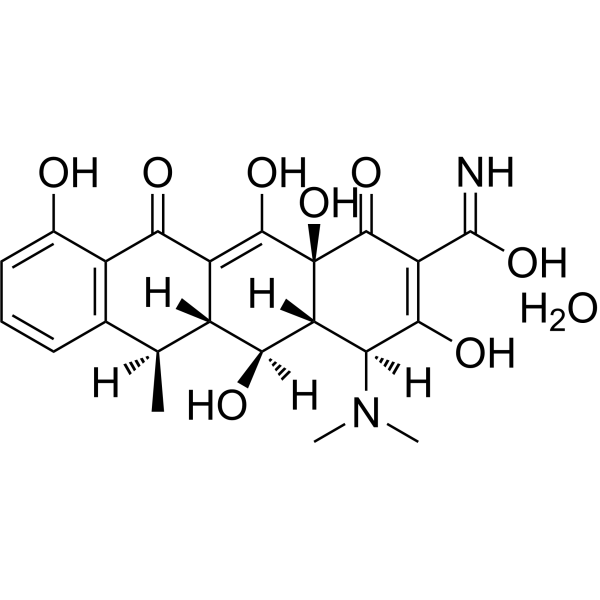
Doxycycline monohydrate is an orally active highly lipophilic, tissue-permeable MMP inhibitor with broad-spectrum antibacterial activity. Doxycycline monohydrate is also a semi-synthetic antibiotic with chelating properties, which blocks bacterial protein synthesis and inhibits extracellular matrix degradation through interactions with zinc and calcium atoms. Doxycycline monohydrate also inhibits mitochondrial biogenesis, translation, and the expression of respiratory chain proteins. Doxycycline monohydrate induces apoptosis, inhibits autophagy and EMT, downregulates stem cell markers, and activates the PI3K-AKT pathway, thereby effectively inhibiting the viability and proliferation of cancer cells such as breast cancer cells. Doxycycline monohydrate also promotes the survival and self-renewal of embryonic stem cells and neural stem cells, and reduces the frequency of medium changes in culture. Doxycycline monohydrate has been applied in studies related to breast cancer, prostate cancer, bladder cancer, and other cancers .
|
-
- HY-150510A
-
|
|
Histone Methyltransferase
|
Neurological Disease
Cancer
|
|
MS8511 (hydrochloride) is a selective G9a/GLP covalent irreversible inhibitor by targeting a cysteine residue at the substrate binding site, with IC50 values of 100 nM (G9a) and 140 nM (GLP), and Kd values of 44 nM (G9a) and 46 nM (GLP). MS8511 (hydrochloride) reduces the cellular H3K9me2 level and enhances antiproliferation activity. MS8511 (hydrochloride) can be used for the research of several types of cancers including brain, breast, ovarian, lung, bladder, melanoma, colorectal cancer, and other disease such as Alzheimer’s disease (AD), sickle cell disease, Prader−Willi syndrome (PWS) .
|
-
- HY-150510
-
|
|
Histone Methyltransferase
|
Neurological Disease
Cancer
|
|
MS8511 is a selective G9a/GLP covalent irreversible inhibitor by targeting a cysteine residue at the substrate binding site, with IC50 values of 100 nM (G9a) and 140 nM (GLP), and Kd values of 44 nM (G9a) and 46 nM (GLP). MS8511 reduces the cellular H3K9me2 level and enhances antiproliferation activity. MS8511 can be used for the research of several types of cancers including brain, breast, ovarian, lung, bladder, melanoma, colorectal cancer, and other disease such as Alzheimer’s disease (AD), sickle cell disease, Prader−Willi syndrome (PWS) .
|
-
- HY-N1372A
-
|
|
HIV
FAK
Apoptosis
Autophagy
|
Infection
Cancer
|
|
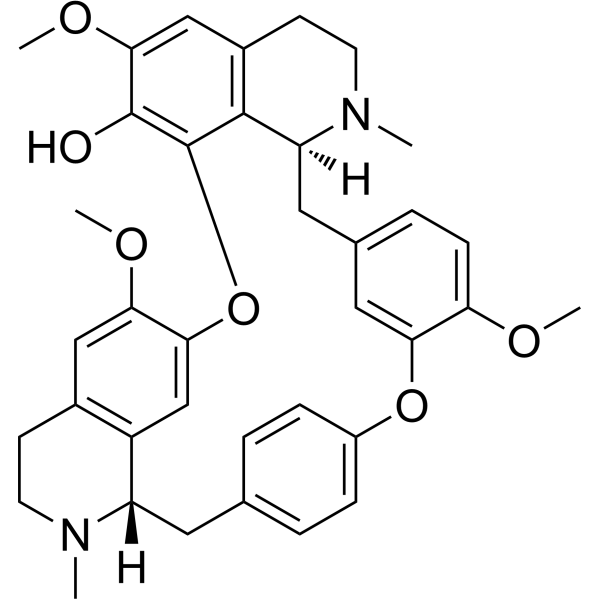
Fangchinoline is isolated from Stephania tetrandra with extensive biological activities, such as enhancing immunity, anti-inflammatory sterilization and anti-atherosclerosis. Fangchinoline, a novel HIV-1 inhibitor, inhibits HIV-1 replication by impairing gp160 proteolytic processing . Fangchinoline targets Focal adhesion kinase (FAK) and suppresses FAK-mediated signaling pathway in tumor cells which highly expressed FAK . Fangchinoline induces apoptosis and adaptive autophagy in bladder cancer .
|
-
- HY-A0033
-
|
UK-88525
|
mAChR
p38 MAPK
Akt
|
Neurological Disease
Metabolic Disease
Cancer
|
|
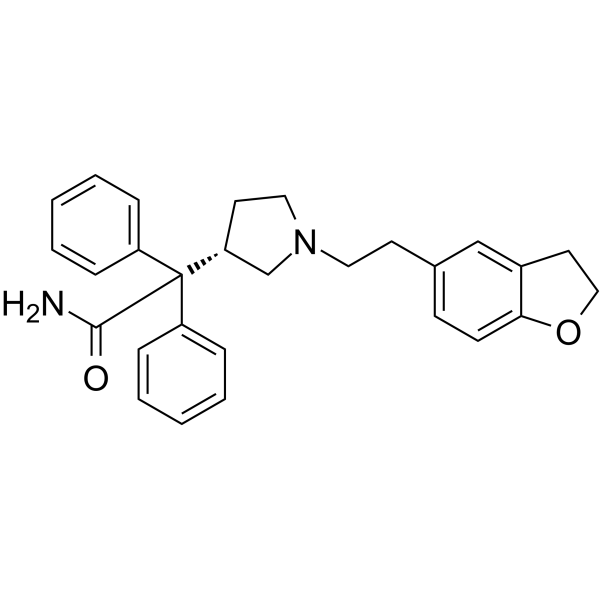
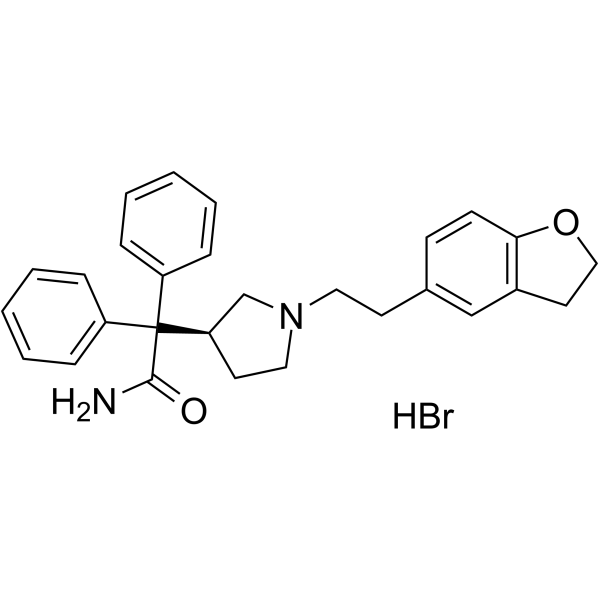
Darifenacin (UK-88525) is a selective and orally active M3 muscarinic receptor (M3R) antagonist with a pKi of 8.9. Darifenacin binds >20-fold more specifically to M3R than to other muscarinic receptors. Darifenacin can be used in the study of urinary incontinence and other symptoms of overactive bladder. Darifenacin inhibits tumor growth in colorectal cancer cells and has anti-tumor effects .
|
-
- HY-129878
-
|
AD-41
|
Endogenous Metabolite
|
Cancer
|
|
N-Trifluoroacetyladriamycin (AD-41) is a chemotherapeutic compound with antitumor activity. N-Trifluoroacetyladriamycin exhibits the highest fluorescence and radioactivity levels in the small intestine and liver, indicating its significant accumulation in these tissues. N-Trifluoroacetyladriamycin also shows significant accumulation in the kidney, spleen, large intestine, lung, and heart. N-Trifluoroacetyladriamycin is a metabolite of Valrubicin, which is used to inhibit bladder cancer. The presence of N-Trifluoroacetyladriamycin and its derivatives may be related to the biotransformation of the compound and its antitumor mechanism .
|
-
- HY-B0567
-
|
|
Potassium Channel
nAChR
Apoptosis
Bacterial
Parasite
|
Infection
Cancer
|
|
Dequalinium chloride is an Apamin (HY-P0256)-sensitive potassium channel selective blocker. Dequalinium chloride is a cationic, lipophilic mitochondrial poison. Dequalinium chloride is also an antagonist pf α7 nAChR, and an anti-microbial antiseptic agent with a broad bactericidal and fungicidal activity .
|
-
- HY-149036
-
-
- HY-148838
-
|
|
c-Myc
|
Cancer
|
|
c-Myc inhibitor 8 (compound 56) is a c-Myc inhibitor. c-Myc inhibitor 8 effectively inhibits cell viability of a variety of cancer cells. c-Myc inhibitor 8 inhibits human prostate and lung cancer growth in mouse models. c-Myc inhibitor 8 can be used for cancer research .
|
-
- HY-146358
-
|
|
Microtubule/Tubulin
|
Cancer
|
|
Anticancer agent 49 (compound 69) is a broad spectrum anticancer agent. Anticancer agent 49 inhibits tubulin polymerization. Anticancer agent 49 shows antiproliferative activity. Anticancer agent 49 has the potential for the research of solid and hematological tumors .
|
-
- HY-B0567R
-
|
|
Reference Standards
Potassium Channel
nAChR
Apoptosis
Bacterial
Parasite
|
Infection
Cancer
|
|
Dequalinium (Chloride) (Standard) is the analytical standard of Dequalinium (Chloride). This product is intended for research and analytical applications. Dequalinium chloride is an Apamin (HY-P0256)-sensitive potassium channel selective blocker. Dequalinium chloride is a cationic, lipophilic mitochondrial poison. Dequalinium chloride is also an antagonist pf α7 nAChR, and an anti-microbial antiseptic agent with a broad bactericidal and fungicidal activity .
|
-
- HY-N0565C
-
|
|
MMP
Parasite
Bacterial
Antibiotic
Apoptosis
Akt
PI3K
|
Infection
Neurological Disease
Inflammation/Immunology
Cancer
|
|
Doxycycline calcium is an orally active highly lipophilic, tissue-permeable MMP inhibitor with broad-spectrum antibacterial activity. Doxycycline calcium is also a semi-synthetic antibiotic with chelating properties, which blocks bacterial protein synthesis and inhibits extracellular matrix degradation through interactions with zinc and calcium atoms. Doxycycline calcium also inhibits mitochondrial biogenesis, translation, and the expression of respiratory chain proteins. Doxycycline calcium induces apoptosis, inhibits autophagy and EMT, downregulates stem cell markers, and activates the PI3K-AKT pathway, thereby effectively inhibiting the viability and proliferation of cancer cells such as breast cancer cells. Doxycycline calcium also promotes the survival and self-renewal of embryonic stem cells and neural stem cells, and reduces the frequency of medium changes in culture. Doxycycline calcium has been applied in studies related to breast cancer, prostate cancer, bladder cancer, and other cancers .
|
-
- HY-W008923R
-
|
|
Reference Standards
MMP
Parasite
Bacterial
Antibiotic
Apoptosis
Akt
PI3K
|
Infection
Neurological Disease
Inflammation/Immunology
Cancer
|
|
Doxycycline monohydrate (Standard) is the analytical standard of Doxycycline monohydrate (HY-W008923). Doxycycline monohydrate is an orally active highly lipophilic, tissue-permeable MMP inhibitor with broad-spectrum antibacterial activity. Doxycycline monohydrate is also a semi-synthetic antibiotic with chelating properties, which blocks bacterial protein synthesis and inhibits extracellular matrix degradation through interactions with zinc and calcium atoms. Doxycycline monohydrate also inhibits mitochondrial biogenesis, translation, and the expression of respiratory chain proteins. Doxycycline monohydrate induces apoptosis, inhibits autophagy and EMT, downregulates stem cell markers, and activates the PI3K-AKT pathway, thereby effectively inhibiting the viability and proliferation of cancer cells such as breast cancer cells. Doxycycline monohydrate also promotes the survival and self-renewal of embryonic stem cells and neural stem cells, and reduces the frequency of medium changes in culture. Doxycycline monohydrate has been applied in studies related to breast cancer, prostate cancer, bladder cancer, and other cancers .
|
-
- HY-122888
-
|
|
PI3K
FGFR
Autophagy
CDK
Reactive Oxygen Species (ROS)
|
Cancer
|
|
MPT0L145 is a PIK3C3/FGFR inhibitor, with a Kd value of 0.53 nM for PIK3C3. MPT0L145 decreases the phosphorylation of FGFR1, FGFR3 and their downstream proteins (FRS2, ERK and Akt). MPT0L145 induces G0/G1 cell cycle arrest and decreased protein levels of cyclin E. MPT0L145 promotes mitochondrial dysfunction, ROS production, and DNA damage. MPT0L145 is an autophagy inhibitor. MPT0L145 significantly sensitizes cancer cells to targeted or chemotherapeutic agents. MPT0L145 can be used for cancer research, such as bladder cancer and NSCLC .
|
-
- HY-159607
-
|
|
PROTACs
SWI/SNF Complex
|
Cancer
|
|
PRT3789 is a selective SMARCA2 PROTAC degrader (DC50 in HeLa cell: 0.72 nM for SMARCA2, 14 nM for SMARCA4). PRT3789 forms a stable ternary complex with Von Hippel-Lindau (VHL) E3 ligase, induces polyubiquitination at SMARCA2-specific lysine residues, and drives proteasome-dependent SMARCA2 degradation. PRT3789 disrupts SWI/SNF chromatin remodeling complex integrity, induces dissociation of specific subunits, suppresses oncogenic gene expression, reduces chromatin accessibility, and upregulates antigen processing/presentation-related gene expression. PRT3789 induces synthetic lethality, inhibits proliferation and colony formation, and drives tumor growth inhibition and regression in SMARCA4-deficient contexts. PRT3789 can be used for the research of SMARCA4-mutated solid tumors, non-small cell lung cancer, endometrial cancer, colorectal cancer, bladder cancer, esophageal cancer, ovarian cancer, and gastric cancer .
|
-
- HY-A0012
-
|
UK-88525 hydrobromide
|
mAChR
p38 MAPK
Akt
|
Neurological Disease
Metabolic Disease
Cancer
|
|
Darifenacin (UK-88525) hydrobromide is a selective and orally active M3 muscarinic receptor (M3R) antagonist with a pKi of 8.9. Darifenacin hydrobromide binds >20-fold more specifically to M3R than to other muscarinic receptors. Darifenacin hydrobromide can be used in the study of urinary incontinence and other symptoms of overactive bladder. Darifenacin hydrobromide inhibits tumor growth in colorectal cancer cells and has anti-tumor effects .
|
-
- HY-12041G
-
|
|
JNK
Autophagy
Apoptosis
Ferroptosis
|
Cancer
|
|
SP600125 (GMP) is SP600125 (HY-12041) produced by using GMP guidelines. GMP small molecules works appropriately as an auxiliary reagent for cell therapy manufacture. SP600125 is an orally active, reversible, and ATP-competitive JNK inhibitor with IC50s of 40, 40 and 90 nM for JNK1, JNK2 and JNK3, respectively. SP600125 is a potent ferroptosis inhibitor. SP600125 induces the transformation of bladder cancer cells from autophagy to apoptosis .
|
-
- HY-N0565AR
-
|
|
Reference Standards
MMP
Parasite
Bacterial
Antibiotic
Apoptosis
Akt
PI3K
|
Infection
Neurological Disease
Inflammation/Immunology
Cancer
|
|
Doxycycline hydrochloride (Standard) is the analytical standard of Doxycycline hydrochloride (HY-N0565A). This product is intended for research and analytical applications. Doxycycline hydrochloride is an orally active highly lipophilic, tissue-permeable MMP inhibitor with broad-spectrum antibacterial activity. Doxycycline hydrochloride is also a semi-synthetic antibiotic with chelating properties, which blocks bacterial protein synthesis and inhibits extracellular matrix degradation through interactions with zinc and calcium atoms. Doxycycline hydrochloride also inhibits mitochondrial biogenesis, translation, and the expression of respiratory chain proteins. Doxycycline hydrochloride induces apoptosis, inhibits autophagy and EMT, downregulates stem cell markers, and activates the PI3K-AKT pathway, thereby effectively inhibiting the viability and proliferation of cancer cells such as breast cancer cells. Doxycycline hydrochloride also promotes the survival and self-renewal of embryonic stem cells and neural stem cells, and reduces the frequency of medium changes in culture. Doxycycline hydrochloride has been applied in studies related to breast cancer, prostate cancer, bladder cancer, and other cancers .
|
-
- HY-N0565AS
-
|
|
Isotope-Labeled Compounds
MMP
Parasite
Bacterial
Antibiotic
Apoptosis
Akt
PI3K
|
Infection
Neurological Disease
Inflammation/Immunology
Cancer
|
|
Doxycycline-d3 hydrochloride is deuterium labeled Doxycycline hydrochloride (HY-N0565A). Doxycycline hydrochloride is an orally active highly lipophilic, tissue-permeable MMP inhibitor with broad-spectrum antibacterial activity. Doxycycline hydrochloride is also a semi-synthetic antibiotic with chelating properties, which blocks bacterial protein synthesis and inhibits extracellular matrix degradation through interactions with zinc and calcium atoms. Doxycycline hydrochloride also inhibits mitochondrial biogenesis, translation, and the expression of respiratory chain proteins. Doxycycline hydrochloride induces apoptosis, inhibits autophagy and EMT, downregulates stem cell markers, and activates the PI3K-AKT pathway, thereby effectively inhibiting the viability and proliferation of cancer cells such as breast cancer cells. Doxycycline hydrochloride also promotes the survival and self-renewal of embryonic stem cells and neural stem cells, and reduces the frequency of medium changes in culture. Doxycycline hydrochloride has been applied in studies related to breast cancer, prostate cancer, bladder cancer, and other cancers .
|
-
- HY-N0565S3
-
|
|
Isotope-Labeled Compounds
MMP
Parasite
Bacterial
Antibiotic
Apoptosis
Akt
PI3K
|
Infection
Neurological Disease
Inflammation/Immunology
Cancer
|
|
Doxycycline- 13C,d3 is 13C and deuterium labeled Doxycycline (HY-N0565). Doxycycline is an orally active highly lipophilic, tissue-permeable MMP inhibitor with broad-spectrum antibacterial activity. Doxycycline is also a semi-synthetic antibiotic with chelating properties, which blocks bacterial protein synthesis and inhibits extracellular matrix degradation through interactions with zinc and calcium atoms. Doxycycline also inhibits mitochondrial biogenesis, translation, and the expression of respiratory chain proteins. Doxycycline induces apoptosis, inhibits autophagy and EMT, downregulates stem cell markers, and activates the PI3K-AKT pathway, thereby effectively inhibiting the viability and proliferation of cancer cells such as breast cancer cells. Doxycycline also promotes the survival and self-renewal of embryonic stem cells and neural stem cells, and reduces the frequency of medium changes in culture. Doxycycline has been applied in studies related to breast cancer, prostate cancer, bladder cancer, and other cancers .
|
-
- HY-N0565R
-
|
|
Reference Standards
MMP
Parasite
Bacterial
Antibiotic
Apoptosis
Akt
PI3K
|
Infection
Neurological Disease
Inflammation/Immunology
Cancer
|
|
Doxycycline (Standard) is the analytical standard of Doxycycline (HY-N0565). This product is intended for research and analytical applications. Doxycycline is an orally active highly lipophilic, tissue-permeable MMP inhibitor with broad-spectrum antibacterial activity. Doxycycline is also a semi-synthetic antibiotic with chelating properties, which blocks bacterial protein synthesis and inhibits extracellular matrix degradation through interactions with zinc and calcium atoms. Doxycycline also inhibits mitochondrial biogenesis, translation, and the expression of respiratory chain proteins. Doxycycline induces apoptosis, inhibits autophagy and EMT, downregulates stem cell markers, and activates the PI3K-AKT pathway, thereby effectively inhibiting the viability and proliferation of cancer cells such as breast cancer cells. Doxycycline also promotes the survival and self-renewal of embryonic stem cells and neural stem cells, and reduces the frequency of medium changes in culture. Doxycycline has been applied in studies related to breast cancer, prostate cancer, bladder cancer, and other cancers .
|
-
- HY-146357
-
|
|
Microtubule/Tubulin
|
Cancer
|
|
Anticancer agent 48 (compound 48) is a broad spectrum anticancer agent. Anticancer agent 48 inhibits tubulin polymerization. Anticancer agent 48 shows antiproliferative activity. Anticancer agent 48 shows antitumor activity in vivo. Anticancer agent 48 has the potential for the research of solid and hematological tumors .
|
-
- HY-156632
-
|
KIN-3248
|
FGFR
|
Cancer
|
|
Resigratinib (KIN-3248) is an irreversible and orally active covalent inhibitor of FGFR1-4 that effectively inhibits wild-type and drug-resistant mutations (such as FGFR2 V565F, FGFR3 V555M). Resigratinib covalently binds to the Cys492 site of FGFR, blocks the FGFR signaling pathway, inhibits tumor cell proliferation and induces apoptosis. Resigratinib can be used for the study of FGFR2/3-driven solid tumors (such as cholangiocarcinoma and bladder cancer) .
|
-
- HY-160218
-
|
|
MAP4K
|
Cancer
|
|
HPK1-IN-42 (compound 185) ia a HPK1 inhibitor with the IC50 50 of 0.24 nM .
|
-
- HY-N0565S1
-
|
|
Isotope-Labeled Compounds
MMP
Parasite
Bacterial
Antibiotic
Apoptosis
Akt
PI3K
|
Infection
Neurological Disease
Inflammation/Immunology
Cancer
|
|
Doxycycline-d3 hyclate (major) is the deuterium labeled Doxycycline hyclate (HY-N0565B). Doxycycline hyclate is an orally active highly lipophilic, tissue-permeable MMP inhibitor with broad-spectrum antibacterial activity. Doxycycline hyclate is also a semi-synthetic antibiotic with chelating properties, which blocks bacterial protein synthesis and inhibits extracellular matrix degradation through interactions with zinc and calcium atoms. Doxycycline hyclate also inhibits mitochondrial biogenesis, translation, and the expression of respiratory chain proteins. Doxycycline hyclate induces apoptosis, inhibits autophagy and EMT, downregulates stem cell markers, and activates the PI3K-AKT pathway, thereby effectively inhibiting the viability and proliferation of cancer cells such as breast cancer cells. Doxycycline hyclate also promotes the survival and self-renewal of embryonic stem cells and neural stem cells, and reduces the frequency of medium changes in culture. Doxycycline hyclate has been applied in studies related to breast cancer, prostate cancer, bladder cancer, and other cancers .
|
-
- HY-N0565BR
-
|
Doxycycline (hydrochloride hemiethanolate hemihydrate) (Standard); WC2031 (Standard)
|
Reference Standards
MMP
Parasite
Bacterial
Antibiotic
Apoptosis
Akt
PI3K
|
Infection
Neurological Disease
Inflammation/Immunology
Cancer
|
|
Doxycycline hyclate (Standard) is the analytical standard of Doxycycline hyclate (HY-N0565B). This product is intended for research and analytical applications. Doxycycline hyclate is an orally active highly lipophilic, tissue-permeable MMP inhibitor with broad-spectrum antibacterial activity. Doxycycline hyclate is also a semi-synthetic antibiotic with chelating properties, which blocks bacterial protein synthesis and inhibits extracellular matrix degradation through interactions with zinc and calcium atoms. Doxycycline hyclate also inhibits mitochondrial biogenesis, translation, and the expression of respiratory chain proteins. Doxycycline hyclate induces apoptosis, inhibits autophagy and EMT, downregulates stem cell markers, and activates the PI3K-AKT pathway, thereby effectively inhibiting the viability and proliferation of cancer cells such as breast cancer cells. Doxycycline hyclate also promotes the survival and self-renewal of embryonic stem cells and neural stem cells, and reduces the frequency of medium changes in culture. Doxycycline hyclate has been applied in studies related to breast cancer, prostate cancer, bladder cancer, and other cancers .
|
-
- HY-101064
-
|
N-FMOC-leucine; NPC 15199; NSC 334290
|
PPAR
Calcium Channel
Lipase
|
Metabolic Disease
Inflammation/Immunology
|
|
Fmoc-Leucine (N-FMOC-leucine) is an anti-inflammatory agent that not only promotes extracellular Ca 2+ influx but also facilitates intracellular Ca 2+ release. Fmoc-Leucine is a selective ligand for PPARγ (Ki = 15 μM), exhibiting insulin-sensitizing effects but with weak fatogenic activity. Fmoc-Leucine exhibits unique self-assembly properties and can form transient gels, stable gels, or crystals/2D sheets through different pathways. Fmoc-Leucine can be used in the research of diabetes, colitis, and bladder cancer .
|
-
- HY-N1372AR
-
|
|
Reference Standards
HIV
FAK
Apoptosis
Autophagy
|
Infection
Cancer
|
|
Fangchinoline (Standard) is the analytical standard of Fangchinoline. This product is intended for research and analytical applications. Fangchinoline is isolated from Stephania tetrandra with extensive biological activities, such as enhancing immunity, anti-inflammatory sterilization and anti-atherosclerosis. Fangchinoline, a novel HIV-1 inhibitor, inhibits HIV-1 replication by impairing gp160 proteolytic processing . Fangchinoline targets Focal adhesion kinase (FAK) and suppresses FAK-mediated signaling pathway in tumor cells which highly expressed FAK . Fangchinoline induces apoptosis and adaptive autophagy in bladder cancer .
|
-
- HY-129046
-
|
Ribonuclease A; EC 4.6.1.18; RNase A
|
Endonuclease
DNA/RNA Synthesis
|
Others
|
|
RNase A (Bovine pancreatic RNase) is a widely used Endonuclease in DNA purification by specifically hydrolyzing cytosine or uracil residues of RNA. RNase A degrades the RNA in the RNA/DNA duplex. RNase A catalyses the breakdown of 3',5'-phosphodiester linkages of single stranded RNA. RNase A family members in organisms are tightly involved in various physiological and pathological processes including cell growth and development, proliferation, differentiation and migration. Dysregulation of RNase A activity or expression level is closely related to pancreatic, ovarian, bladder and thyroid cancer. RNase A has tumor cell-killing ability .
|
-
- HY-W013272R
-
|
HFT (Standard)
|
Reference Standards
Androgen Receptor
Drug Metabolite
Akt
PI3K
Gap Junction Protein
Integrin
|
Cancer
|
|
Hydroxyflutamide (Standard) (HFT (Standard)) is the analytical standard of Hydroxyflutamide (HY-W013272). This product is intended for research and analytical applications. Hydroxyflutamide (HFT) is the active metabolite of Flutamide (HY-B0022) and exhibits oral activity. Hydroxyflutamide is a potent androgen receptor antagonist with an IC50 of 700 nM. Hydroxyflutamide can affect embryonic development and reproductive tract development in mice. Additionally, Hydroxyflutamide can enhance the efficacy of Bacillus Calmette-Guérin (BCG) to better inhibit the progression of bladder cancer. Hydroxyflutamide can be used in research related to tumors and reproductive diseases .
|
-
- HY-A0012R
-
|
UK-88525 hydrobromide (Standard)
|
Reference Standards
mAChR
p38 MAPK
Akt
|
Neurological Disease
Metabolic Disease
Cancer
|
|
Darifenacin (hydrobromide) (Standard) is the analytical standard of Darifenacin (hydrobromide). This product is intended for research and analytical applications. Darifenacin (hydrobromide) is a selective and orally active M3 muscarinic receptor (M3R) antagonist with a pKi of 8.9. Darifenacin (hydrobromide) binds >20-fold more specifically to M3R than to other muscarinic receptors. Darifenacin (hydrobromide) can be used in the study of urinary incontinence and other symptoms of overactive bladder. Darifenacin (hydrobromide) inhibits tumor growth in colorectal cancer cells and has anti-tumor effects .
|
-
- HY-121659
-
|
|
PSMA
|
Cancer
|
|
DCFBC is a prostate-specific membrane antigen (PSMA) inhibitor that can be used for small animal positron emission tomography (PET) imaging. DCFBC labeled with F 18 ([18F]DCFBC) can images in severe combined immunodeficient mice. [18F]DCFBC uptake is higher in PIP tumors, but almost absent in FLU tumors. [18F]DCFBC uptake is also high in the kidney and bladder, but the radioactivity washout time is shorter than that in PIP tumors. Indicating that [18F]DCFBC can specifically localize to PSMA+ expressing tumors and is applicable to the study of prostate cancer .
|
-
- HY-W014394R
-
|
|
TRP Channel
Reference Standards
Parasite
|
Cardiovascular Disease
|
|
Protoporphyrin IX (Standard) is the analytical standard of Protoporphyrin IX. This product is intended for research and analytical applications. Protoporphyrin IX is a final intermediate in the heme biosynthetic pathway, which acts as a radiation sensitizer enhancing ROS generation even in a hypoxic state and inducing DNA damage. Protoporphyrin IX also acts as a photo sensitizer undergoing photobleaching that occurs through direct degradation by light irradiation. Protoporphyrin IX is formed and accumulated following 5-aminolevulinic acid (5-ALA) (HY-W000450) administration in the tumor cells of rats. Protoporphyrin IX causes selective improvement of basal cell carcinoma when activated red fluorescence of a peak wavelength at 405 nm. Protoporphyrin IX is promising for research of sonodynamic and photodynamic agents for a wide range of cancers, such as bladder cancer and nodular basal cell carcinoma .
|
-
- HY-165740
-
|
Disialoganglioside GD2
|
Apoptosis
|
Cancer
|
|
Ganglioside GD2 (Disialoganglioside GD2) is a tumor-associated antigen. Ganglioside GD2 shows limited expression in normal tissues but is overexpressed in multiple tumor types, and thus can serve as a target in cancer. Ganglioside GD2 is associated with tumor development and malignant phenotypes, and its mechanism of action relies on enhancing cell proliferation, motility, migration, adhesion and invasion, with specific effects depending on the tumor type .
|
-
- HY-169318
-
-
- HY-169317
-
-
- HY-129046I
-
|
|
DNA/RNA Synthesis
Endonuclease
|
Endocrinology
Cancer
|
|
RNase A (Bovine pancreatic RNase) is a widely used Endonuclease in DNA purification by specifically hydrolyzing cytosine or uracil residues of RNA. RNase A degrades the RNA in the RNA/DNA duplex. RNase A catalyses the breakdown of 3',5'-phosphodiester linkages of single stranded RNA. RNase A family members in organisms are tightly involved in various physiological and pathological processes including cell growth and development, proliferation, differentiation and migration. Dysregulation of RNase A activity or expression level is closely related to pancreatic, ovarian, bladder and thyroid cancer. RNase A has tumor cell-killing ability. RNase A, Recombinant (animal free) is recombinant RNase A with no animal-derived components .
|
-
- HY-157486
-
|
|
Epigenetic Reader Domain
|
Cancer
|
|
KMI169 is a potent and selective inhibitor targeting lysine methyl-transferase (KMT9) (IC50 = 0.05 μM, Kd = 0.025 μM). KMI169 functions as a bi-substrate inhibitor targeting the cofactor S-5’-adenosyl-L-methionine (SAM) and substrate binding pockets of KMT9. KMI169 can downregulate target genes involved in cell cycle regulation and impair proliferation of tumor cells by inhibiting KMT9. KMI169 is a valuable tool to probe cellular KMT9 functions and can be research for combating diseases including prostate, lung, colon, and invasive bladder cancer .
|
-
- HY-145029
-
|
|
Syk
JAK
|
Cancer
|
|
SYK/JAK-IN-1 is a dual Syk/Jak2 kinase inhibitor. SYK/JAK-IN-1 is applicable to cancer-related research .
|
-
- HY-129046E
-
|
Ribonuclease A DNase & Protease Free, Recombinant
|
Endonuclease
DNA/RNA Synthesis
|
Endocrinology
Cancer
|
|
RNase A (Bovine pancreatic RNase) is a widely used Endonuclease in DNA purification by specifically hydrolyzing cytosine or uracil residues of RNA. RNase A degrades the RNA in the RNA/DNA duplex. RNase A catalyses the breakdown of 3',5'-phosphodiester linkages of single stranded RNA. RNase A family members in organisms are tightly involved in various physiological and pathological processes including cell growth and development, proliferation, differentiation and migration. Dysregulation of RNase A activity or expression level is closely related to pancreatic, ovarian, bladder and thyroid cancer. RNase A has tumor cell-killing ability. RNase A (DNase & Protease Free), Recombinant is recombinant RNase A, which does not contain DNase and protease .
|
-
- HY-17386S1
-
-
- HY-17386R
-
-
- HY-17386
-
-
- HY-17386AR
-
|
BRL 49653 hydrochloride (Standard)
|
PPAR
TRP Channel
Autophagy
Ferroptosis
Apoptosis
Reference Standards
|
Neurological Disease
Metabolic Disease
Inflammation/Immunology
Cancer
|
|
Rosiglitazone (hydrochloride) (Standard) is the analytical standard of Rosiglitazone (hydrochloride). This product is intended for research and analytical applications. Rosiglitazone (BRL 49653) hydrochloride is an orally active selective PPARγ agonist (EC50: 60 nM, Kd: 40 nM). Rosiglitazone hydrochloride is a TRPC5 activator (EC50: 30 μM) and TRPM3 inhibitor. Rosiglitazone hydrochloride can be used in the research of obesity and diabetes, senescence, ovarian cancer .
|
-
- HY-17386B
-
-
- HY-17386A
-
-
- HY-137605
-
|
|
Transmembrane Glycoprotein
|
Cancer
|
|
WSF1-IN-1 (compound 136), an orally active WSF1 inhibitor, can be used in the study for WSF1 (Wolfram syndrome) related tumors, with IC50 values of 0.33 μM and >27 μM in HepG2 parental and HepG2 WFS1 KO cell lines, respectively .
|
-
- HY-129046B
-
|
Ribonuclease A DNase & Protease Free
|
Endonuclease
DNA/RNA Synthesis
|
Others
Endocrinology
Cancer
|
|
RNase A (Bovine pancreatic RNase) is a widely used Endonuclease in DNA purification by specifically hydrolyzing cytosine or uracil residues of RNA. RNase A degrades the RNA in the RNA/DNA duplex. RNase A catalyses the breakdown of 3',5'-phosphodiester linkages of single stranded RNA. RNase A family members in organisms are tightly involved in various physiological and pathological processes including cell growth and development, proliferation, differentiation and migration. Dysregulation of RNase A activity or expression level is closely related to pancreatic, ovarian, bladder and thyroid cancer. RNase A has tumor cell-killing ability. RNase A, Bovine Pancreas (DNase & Protease Free) is RNase A derived from bovine pancreas and does not contain DNase or protease .
|
-
- HY-110353
-
|
|
Toll-like Receptor (TLR)
|
Inflammation/Immunology
Cancer
|
|
CU-T12-9 is a specific TLR1/2 agonist with EC50 of 52.9 nM in HEK-Blue hTLR2 SEAP assay. CU-T12-9 activates both the innate and the adaptive immune systems. CU-T12-9 selectively activates the TLR1/2 heterodimer, not TLR2/6. CU-T12-9 signals through NF-κB and invokes an elevation of the downstream effectors TNF-α, IL-10, and iNOS .
|
-
- HY-113289
-
|
|
Akt
Androgen Receptor
Bacterial
Drug Metabolite
HSV
|
Infection
Cardiovascular Disease
Neurological Disease
Cancer
|
|
Brassicasterol is a metabolite of Ergosterol and has cardiovascular protective effects. Brassicasterol exerts anticancer effects in prostate cancer through dual targeting of AKT and androgen receptor signaling pathways. Brassicasterol inhibits HSV-1 (IC50=1.2 μM) and Mycobacterium tuberculosis. Brassicasterol also inhibits sterol δ 24-reductase, slowing the progression of atherosclerosis. Brassicasterol is also a cerebrospinal fluid biomarker for Alzheimer's disease .
|
-
- HY-113289R
-
-
- HY-159642
-
|
TYRA-300
|
FGFR
ERK
|
Metabolic Disease
Cancer
|
|
Dabogratinib (TYRA-300) is an orally active, selective FGFR3 inhibitor with an IC50 of 11 nM. Dabogratinib exhibits antitumor activity against urothelial carcinoma and solid tumors. Dabogratinib downregulates the FGFR3 and ERK1/2 signaling pathways, and induces tumor growth inhibition and regression in FGFR3-altered xenograft models. Dabogratinib promotes chondrocyte proliferation and differentiation, drives endochondral bone formation and overall body growth, partially restores long bone proportions, and improves craniofacial and spinal morphology. Dabogratinib can be used for the research of metastatic urothelial carcinoma, achondroplasia and hypochondroplasia .
|
-
- HY-W017113
-
|
|
Environmental Pollutants
Endogenous Metabolite
|
Metabolic Disease
|
|
2-Mercaptobenzothiazole is an activator of the aryl hydrocarbon receptor (AhR) , inhibiting thyroid hormone synthesis and dopamine beta-hydroxylase activity . 2-Mercaptobenzothiazole promotes bladder cancer cell invasion by altering the conformation of the AhR ligand binding domain (LBD), activating AhR transcription, and upregulating the mRNA and protein expression of target genes CYP1A1 and CYP1B1 . 2-Mercaptobenzothiazole inhibits thyroid peroxidase (TPO) with an IC50 value of 11.5 μM, induces histological changes such as follicular cell hypertrophy in Xenopus laevis tadpoles, delaying metamorphosis . 2-Mercaptobenzothiazole increases chromosomal aberrations and sister chromatid exchanges (SCEs) in Chinese hamster ovary (CHO) cells, and enhances carcinogenicity in F344/N rats . 2-Mercaptobenzothiazole inhibits norepinephrine synthesis in mice and completely blocks the conversion of exogenous dopamine to norepinephrine in rat cardiomyocytes .
|
-
- HY-N19113
-
|
|
Endogenous Metabolite
|
Infection
Cancer
|
|
Emindole SB is an anticancer agent. Emindole SB can be isolated from Penicillium species. Emindole SB exerts anticancer effects against ovarian cancer, breast cancer and lymphoma. Emindole SB shows no toxicity to Caenorhabditis elegans. Emindole SB can be used in studies related to ovarian cancer, lymphoma and breast cancer .
|
-
- HY-N2593
-
|
|
Carnitine Palmitoyltransferase (CPT)
Reactive Oxygen Species (ROS)
Autophagy
Apoptosis
NF-κB
PI3K
Akt
MMP
Keap1-Nrf2
|
Metabolic Disease
Inflammation/Immunology
Cancer
|
|
Isorhapontigenin is an orally active dietary polyphenol. Isorhapontigenin acts as a potent antioxidant that reduces the production of reactive oxygen species (ROS). Isorhapontigenin promotes the binding of JUN to the AP-1 site on the SESN2 promoter, induces SESN2 transcription, triggers MAPK8-dependent JUN activation, and upregulates the expression of PPAR-α, PGC-1α and CPT-1A to facilitate fatty acid oxidation. Isorhapontigenin induces autophagy, apoptosis and preadipocyte differentiation; it inhibits tumor growth, cell invasion, NF-κB transcriptional activity, the PI3K/Akt signaling pathway, STAT1 phosphorylation and MMP-2 expression. Isorhapontigenin alleviates oxidative stress, inflammatory cytokine release and triglyceride accumulation; it increases intracellular ATP levels and promotes Nrf2 nuclear translocation. Isorhapontigenin improves insulin sensitivity in adipose tissue and glucose tolerance, and reduces postprandial blood glucose, insulin and free fatty acid levels. Isorhapontigenin is applicable to research on bladder cancer, liver injury, chronic obstructive pulmonary disease, acute lung injury and type 2 diabetes .
|
-
- HY-N2593R
-
|
|
Reference Standards
Carnitine Palmitoyltransferase (CPT)
Reactive Oxygen Species (ROS)
Autophagy
Apoptosis
NF-κB
PI3K
Akt
MMP
Keap1-Nrf2
|
Inflammation/Immunology
Cancer
|
|
Isorhapontigenin (Standard) is the analytical standard of Isorhapontigenin (HY-N2593). This product is intended for research and analytical applications. Isorhapontigenin is an orally active dietary polyphenol. Isorhapontigenin acts as a potent antioxidant that reduces the production of reactive oxygen species (ROS). Isorhapontigenin promotes the binding of JUN to the AP-1 site on the SESN2 promoter, induces SESN2 transcription, triggers MAPK8-dependent JUN activation, and upregulates the expression of PPAR-α, PGC-1α and CPT-1A to facilitate fatty acid oxidation. Isorhapontigenin induces autophagy, apoptosis and preadipocyte differentiation; it inhibits tumor growth, cell invasion, NF-κB transcriptional activity, the PI3K/Akt signaling pathway, STAT1 phosphorylation and MMP-2 expression. Isorhapontigenin alleviates oxidative stress, inflammatory cytokine release and triglyceride accumulation; it increases intracellular ATP levels and promotes Nrf2 nuclear translocation. Isorhapontigenin improves insulin sensitivity in adipose tissue and glucose tolerance, and reduces postprandial blood glucose, insulin and free fatty acid levels. Isorhapontigenin is applicable to research on bladder cancer, liver injury, chronic obstructive pulmonary disease, acute lung injury and type 2 diabetes.
|
-
- HY-W150695
-
|
N-(Naphthalen-1-yl)acetamide
|
Bacterial
|
Infection
|
|
1-Acetamidonaphthalene (N-(Naphthalen-1-yl)acetamide) is a degradation product of Digitoxigenin (HY-B2151). 1-Acetamidonaphthalene is weakly mutagenic to Salmonella typhimurium TA98 with metabolic activation. 1-Acetamidonaphthalene can be used for the research of bacterial infection .
|
-
- HY-N0469R
-
|
|
Reference Standards
Endogenous Metabolite
Virus Protease
HSV
|
Infection
Metabolic Disease
Inflammation/Immunology
|
L-Lysine (Standard) is the analytical standard of L-Lysine. This product is intended for research and analytical applications. L-lysine is an essential amino acid for humans with orally activity. L-lysine can inhibit the occurrence of HSV infections and is used in herpes research. L-lysine increases calcium absorption, reduces diabetes-related diseases, improves gut health, and alleviates pancreatic inflammation. L-lysine can be used in research on metabolism, infection, and inflammation .
IC50 & Target:L-lysine (150 mg/kg) promotes, but not initiates, bladder cancer. The administration of L-lysine to rats submitted to colovesical cystoplasty accelerates the development of transitional metaplasia of the intestinal epithelium .
L-lysine (10 mg/kg) treatment attenuates pancreatic tissue injury induced by L-arginine by inhibiting the release of the inflammatory cytokine IL-6 and enhance antioxidant activity .
In Vivo:L-lysine (10?mg/kg, p.o., pre-treated or post-treated, administration duration 15 days) treatment attenuates pancreatic tissue injury induced by L-arginine by inhibiting the release of the inflammatory cytokine IL-6 and enhance antioxidant activity in acute pancreatitis mice model .
L-lysine (5 or 10?mg/kg, p.o., 45 days) ameliorates sepsis-induced acute lung injury in a lipopolysaccharide (HY-D1056)-induced mouse model .
|
-
| Cat. No. |
Product Name |
Type |
-
- HY-D3182
-
|
|
Fluorescent Dyes
|
|
AldeRed 588-A is a fluorescent labeling reagent and a substrate for aldehyde dehydrogenase (ALDH). AldeRed 588-A is metabolized by functionally active ALDH enzymes, thereby specifically labeling viable ALDH bright cell populations with red-shifted fluorescence. AldeRed 588-A supports one-step isolation and sorting of ALDH-expressing cells (including normal stem cells and cancer stem cells), and can be used in combination with green fluorophores for multicolor experimental applications. AldeRed 588-A is widely applicable to research related to various cancers such as bladder cancer, breast cancer, and head and neck cancer .
|
-
- HY-N0565AG
-
|
|
Fluorescent Dyes
|
|
Doxycycline hydrochloride GMP is Doxycycline (hydrochloride) (HY-N0565A) produced by using GMP guidelines. GMP small molecules works appropriately as an auxiliary reagent for cell therapy manufacture. Doxycycline hydrochloride is an orally active highly lipophilic, tissue-permeable MMP inhibitor with broad-spectrum antibacterial activity. Doxycycline hydrochloride is also a semi-synthetic antibiotic with chelating properties, which blocks bacterial protein synthesis and inhibits extracellular matrix degradation through interactions with zinc and calcium atoms. Doxycycline hydrochloride also inhibits mitochondrial biogenesis, translation, and the expression of respiratory chain proteins. Doxycycline hydrochloride induces apoptosis, inhibits autophagy and EMT, downregulates stem cell markers, and activates the PI3K-AKT pathway, thereby effectively inhibiting the viability and proliferation of cancer cells such as breast cancer cells. Doxycycline hydrochloride also promotes the survival and self-renewal of embryonic stem cells and neural stem cells, and reduces the frequency of medium changes in culture. Doxycycline hydrochloride has been applied in studies related to breast cancer, prostate cancer, bladder cancer, and other cancers .
|
-
- HY-12041G
-
|
|
Fluorescent Dyes
|
|
SP600125 (GMP) is SP600125 (HY-12041) produced by using GMP guidelines. GMP small molecules works appropriately as an auxiliary reagent for cell therapy manufacture. SP600125 is an orally active, reversible, and ATP-competitive JNK inhibitor with IC50s of 40, 40 and 90 nM for JNK1, JNK2 and JNK3, respectively. SP600125 is a potent ferroptosis inhibitor. SP600125 induces the transformation of bladder cancer cells from autophagy to apoptosis .
|
| Cat. No. |
Product Name |
Type |
-
- HY-W854659
-
|
Ce6 trisodium
|
Biochemical Assay Reagents
|
|
Chlorin e6 Ce6 (trisodium) is a water-soluble derivative of chlorophyll, belonging to the chlorin class of photosensitizers with an absorption wavelength range of 600-670 nm. Chlorin e6 trisodium emits characteristic red fluorescence upon light excitation, enabling real-time identification of tumor boundaries and progression. Chlorin e6 trisodium can be used for the study of photodynamic therapy (PDT) of cancers (bladder cancer) and fluorescence diagnosis of neoplastic lesions .
|
-
- HY-172702A
-
|
|
Biochemical Assay Reagents
|
|
DSPE-PEG3400-NYZL1 is a PEG compound which composed of DSPE and a NYZL1 peptide. NYZL1 can specifically bind to bladder cancer tissues and cells. DSPE-PEG3400-NYZL1 can be used for drug delivery .
|
-
- HY-N0565AG
-
|
|
Biochemical Assay Reagents
|
|
Doxycycline hydrochloride GMP is Doxycycline (hydrochloride) (HY-N0565A) produced by using GMP guidelines. GMP small molecules works appropriately as an auxiliary reagent for cell therapy manufacture. Doxycycline hydrochloride is an orally active highly lipophilic, tissue-permeable MMP inhibitor with broad-spectrum antibacterial activity. Doxycycline hydrochloride is also a semi-synthetic antibiotic with chelating properties, which blocks bacterial protein synthesis and inhibits extracellular matrix degradation through interactions with zinc and calcium atoms. Doxycycline hydrochloride also inhibits mitochondrial biogenesis, translation, and the expression of respiratory chain proteins. Doxycycline hydrochloride induces apoptosis, inhibits autophagy and EMT, downregulates stem cell markers, and activates the PI3K-AKT pathway, thereby effectively inhibiting the viability and proliferation of cancer cells such as breast cancer cells. Doxycycline hydrochloride also promotes the survival and self-renewal of embryonic stem cells and neural stem cells, and reduces the frequency of medium changes in culture. Doxycycline hydrochloride has been applied in studies related to breast cancer, prostate cancer, bladder cancer, and other cancers .
|
-
- HY-172702
-
|
|
Biochemical Assay Reagents
|
|
DSPE-PEG2000-NYZL1 is a PEG compound which composed of DSPE and a NYZL1 peptide. NYZL1 can specifically bind to bladder cancer tissues and cells. DSPE-PEG2000-NYZL1 can be used for drug delivery .
|
-
- HY-172701
-
|
|
Biochemical Assay Reagents
|
|
DSPE-PEG1000-NYZL1 is a PEG compound which composed of DSPE and a NYZL1 peptide. NYZL1 can specifically bind to bladder cancer tissues and cells. DSPE-PEG1000-NYZL1 can be used for drug delivery .
|
-
- HY-172703
-
|
|
Biochemical Assay Reagents
|
|
DSPE-PEG5000-NYZL1 is a PEG compound which composed of DSPE and a NYZL1 peptide. NYZL1 can specifically bind to bladder cancer tissues and cells. DSPE-PEG5000-NYZL1 can be used for drug delivery .
|
-
- HY-12041G
-
|
|
Biochemical Assay Reagents
|
|
SP600125 (GMP) is SP600125 (HY-12041) produced by using GMP guidelines. GMP small molecules works appropriately as an auxiliary reagent for cell therapy manufacture. SP600125 is an orally active, reversible, and ATP-competitive JNK inhibitor with IC50s of 40, 40 and 90 nM for JNK1, JNK2 and JNK3, respectively. SP600125 is a potent ferroptosis inhibitor. SP600125 induces the transformation of bladder cancer cells from autophagy to apoptosis .
|
| Cat. No. |
Product Name |
Target |
Research Area |
-
- HY-108719
-
|
|
Insulin Receptor
Akt
|
Metabolic Disease
Cancer
|
|
Insulin glargine is a long-acting insulin analog. Insulin glargine has the effect of lowering blood sugar and can be used in the research of diabetes. In addition, high doses of Insulin glargine can promote the proliferation of bladder cancer cells .
|
-
- HY-108719R
-
|
|
Reference Standards
Insulin Receptor
Akt
|
Metabolic Disease
Cancer
|
|
Insulin glargine (Standard) is the analytical standard of Insulin glargine (HY-108719). This product is intended for research and analytical applications. Insulin glargine is a long-acting insulin analog. Insulin glargine has the effect of lowering blood sugar and can be used in the research of diabetes. In addition, high doses of Insulin glargine can promote the proliferation of bladder cancer cells .
|
-
- HY-P11129
-
|
|
Peptides
|
Cancer
|
MAGE-A4 (286-294) is a polypeptide derived from the 286th to 294th amino acids of the MAGE-A4 protein. MAGE-A4 (286-294) binds HLA-A*02 with an affinity of 560.08 nM and an IC50 of 8.52 nM. MAGE-A4 (286-294) can be detected in various types of cancers (such as esophageal cancer, lung squamous cell carcinoma, bladder cancer). MAGE-A4 (286-294) can be used to produce CAR-T cells and to develop CAR-T cell therapy .
|
-
- HY-K6122
-
|
|
|
MCE Human Bladder Cancer Organoid Kit contains human bladder cancer organoid basal medium and culture supplement. This product can be used to efficiently construct Human Bladder Cancer organoid.
|
| Cat. No. |
Product Name |
Target |
Research Area |
Image |
-
- HY-P99899
-
|
PR-1498487
|
ADC Antibody
|
Cancer
|
|
Samrotamab (PR-1498487) is a humanized IgG1-κ chimeric antibody targeting LRRC15. Samrotamab markedly reduces bladder cancer cells viability and inhibits clonogenic growth, migratory and invasive capabilities. Samrotamab significantly increases LRRC15 mRNA level while suppressing SCG5 mRNA expression. Samrotamab can be used for synthesis of ADC ABBV-085 .
|
-
(5)
-
- HY-P99884
-
|
PF-06801591
|
PD-1/PD-L1
|
Inflammation/Immunology
Cancer
|
|
Sasanlimab is a humanized IgG4 isotype anti-PD-1 antibody. Sasanlimab blocks PD-1 interaction with PD-L1/PD-L2, reverses PD-1-mediated inhibitory T-cell signaling, augments T-cell proliferation and cytokine production. Sasanlimab inhibits colon adenocarcinoma tumor growth, and accelerates graft-versus-host disease incidence via enhanced T-cell activity. Sasanlimab can be used for the research of cancer, such as bladder cancer and colon adenocarcinoma .
|
-
(5)
-
- HY-P991525
-
|
|
TNF Receptor
|
Cancer
|
|
2141-V11 is an anti-CD40 agonist antibody with enhanced binding to FcγRIIB. 2141-V11 results in effective tumor-specific T-cell responses in vivo. 2141-V11 can be used for the study of BCG-unresponsive non-muscle invasive bladder cancer .
|
-
(5)
-
- HY-P991217
-
|
|
Transmembrane Glycoprotein
|
Cancer
|
|
EU-103 is a humanized monoclonal antibody targeting V-Set And Immunoglobulin Domain Containing 4 (VSIG4) with a KD value ranging from 10 −7 and 10 −9. EU-103 blocks the interaction between VSIG4 and CD8+ T cells, promotes the conversion of M2 macrophages into M1 macrophages, induces the proliferation of CD8+ T cells and the secretion of pro-inflammatory cytokines, thereby inhibiting tumor growth. EU-103 is promising for research of cancers, such as bladder cancer, breast cancer, and colon cancer .
|
-
(5)
-
- HY-P992321
-
|
|
TNF Receptor
NF-κB
STAT
|
Cancer
|
|
BAY-356, a potent TWEAK receptor agonist, is an aglycosylated anti-TWEAK receptor antibody. BAY-356 triggers TWEAKR hyperactivation, activates NFκB and STAT1 pathways, and undergoes TWEAKR-dependent internalization. BAY-356 can be used for the research of colorectal cancer, bladder cancer, non-small cell lung cancer and pancreatic cancer[1][2].
|
-
(5)
-
- HY-P992361
-
|
|
Transmembrane Glycoprotein
|
Cancer
|
|
HB0030 is a TIGIT inhibitor with antibody-dependent cellular cytotoxicity (ADCC) and complement-dependent cytotoxicity (CDC) activities. HB0030 enhances the expression of activation markers in natural killer (NK) cells, promotes the killing of regulatory T cells (Tregs), and reduces the proportion of FoxP3 + Treg in tumor-infiltrating lymphocytes. The combination of HB0030 with the anti-PD-L1/VEGF bispecific antibody HB0025 further enhances tumor suppression efficacy. HB0030 can be used in studies related to colorectal cancer, pancreatic adenocarcinoma, hepatocellular carcinoma, bladder cancer, breast cancer, non-small cell lung cancer, and advanced solid tumors .
|
-
(5)
| Cat. No. |
Product Name |
Category |
Target |
Chemical Structure |
-
- HY-B1247
-
-
-
- HY-N6973
-
-
-
- HY-N1372A
-
-
-
- HY-113289
-
-
-
- HY-N2593
-
|
|
Structural Classification
Stilbenes
Classification of Application Fields
Gnetum cleistostachyum C. Y. Cheng
Phenols
Polyphenols
Gnetaceae
Plants
Inflammation/Immunology
Disease Research Fields
Source Classification
|
Carnitine Palmitoyltransferase (CPT)
Reactive Oxygen Species (ROS)
Autophagy
Apoptosis
NF-κB
PI3K
Akt
MMP
Keap1-Nrf2
|
|
Isorhapontigenin is an orally active dietary polyphenol. Isorhapontigenin acts as a potent antioxidant that reduces the production of reactive oxygen species (ROS). Isorhapontigenin promotes the binding of JUN to the AP-1 site on the SESN2 promoter, induces SESN2 transcription, triggers MAPK8-dependent JUN activation, and upregulates the expression of PPAR-α, PGC-1α and CPT-1A to facilitate fatty acid oxidation. Isorhapontigenin induces autophagy, apoptosis and preadipocyte differentiation; it inhibits tumor growth, cell invasion, NF-κB transcriptional activity, the PI3K/Akt signaling pathway, STAT1 phosphorylation and MMP-2 expression. Isorhapontigenin alleviates oxidative stress, inflammatory cytokine release and triglyceride accumulation; it increases intracellular ATP levels and promotes Nrf2 nuclear translocation. Isorhapontigenin improves insulin sensitivity in adipose tissue and glucose tolerance, and reduces postprandial blood glucose, insulin and free fatty acid levels. Isorhapontigenin is applicable to research on bladder cancer, liver injury, chronic obstructive pulmonary disease, acute lung injury and type 2 diabetes .
|
-
-
- HY-W017113
-
|
|
Structural Classification
Natural Products
Classification of Application Fields
Metabolic Disease
Endogenous metabolite
Disease Research Fields
Source Classification
|
Environmental Pollutants
Endogenous Metabolite
|
|
2-Mercaptobenzothiazole is an activator of the aryl hydrocarbon receptor (AhR) , inhibiting thyroid hormone synthesis and dopamine beta-hydroxylase activity . 2-Mercaptobenzothiazole promotes bladder cancer cell invasion by altering the conformation of the AhR ligand binding domain (LBD), activating AhR transcription, and upregulating the mRNA and protein expression of target genes CYP1A1 and CYP1B1 . 2-Mercaptobenzothiazole inhibits thyroid peroxidase (TPO) with an IC50 value of 11.5 μM, induces histological changes such as follicular cell hypertrophy in Xenopus laevis tadpoles, delaying metamorphosis . 2-Mercaptobenzothiazole increases chromosomal aberrations and sister chromatid exchanges (SCEs) in Chinese hamster ovary (CHO) cells, and enhances carcinogenicity in F344/N rats . 2-Mercaptobenzothiazole inhibits norepinephrine synthesis in mice and completely blocks the conversion of exogenous dopamine to norepinephrine in rat cardiomyocytes .
|
-
-
- HY-N2420
-
-
-
- HY-N0800
-
-
-
- HY-Y1117
-
-
-
- HY-N1366
-
-
-
- HY-N5084
-
|
|
Structural Classification
Flavonoids
Classification of Application Fields
Flavonones
Other Diseases
Phenols
Polyphenols
Saxifragaceae
Plants
Penthorum chinense Pursh
Disease Research Fields
Source Classification
|
TRP Channel
HDAC
p38 MAPK
JNK
ERK
NF-κB
TNF Receptor
Interleukin Related
|
|
Pinocembrin 7-O-[3''-O-galloyl-4'',6''-hexahydroxydiphenoyl]-β-D-glucoside is a TRPV1 antagonist and HDAC7 inhibitor. Pinocembrin 7-O-[3''-O-galloyl-4'',6''-hexahydroxydiphenoyl]-β-D-glucoside blocks TRPV1-mediated calcium influx, suppresses phosphorylation of p65, IκBα, p38, JNK, and ERK1/2, inhibiting NF-κB and MAPK signaling cascades. Pinocembrin 7-O-[3''-O-galloyl-4'',6''-hexahydroxydiphenoyl]-β-D-glucoside reduces production and gene expression of pro-inflammatory cytokines IL-1β, IL-6, and TNF-α. Pinocembrin 7-O-[3''-O-galloyl-4'',6''-hexahydroxydiphenoyl]-β-D-glucoside exhibits potent analgesic activity, elevates thermal pain threshold and mechanical pain threshold in murine models. Pinocembrin 7-O-[3''-O-galloyl-4'',6''-hexahydroxydiphenoyl]-β-D-glucoside restores CD8 + T cell infiltration into bladder cancer tumors and improves bladder cancer immunotherapy efficacy. Pinocembrin 7-O-[3''-O-galloyl-4'',6''-hexahydroxydiphenoyl]-β-D-glucoside can be used for the researches of painand bladder cancer .
|
-
-
- HY-N2877
-
-
-
- HY-120692
-
-
-
- HY-N2571
-
-
-
- HY-N2384
-
-
-
- HY-N6872
-
-
-
- HY-B1247R
-
|
PPIX (Standard)
|
Structural Classification
Human Gut Microbiota Metabolites
Microorganisms
Ketones, Aldehydes, Acids
Endogenous metabolite
Source Classification
|
Reference Standards
Endogenous Metabolite
|
|
Protoporphyrin IX (Standard) is the analytical standard of Protoporphyrin IX. This product is intended for research and analytical applications. Protoporphyrin IX is a final intermediate in the heme biosynthetic pathway, which acts as a radiation sensitizer enhancing ROS generation even in a hypoxic state and inducing DNA damage. Protoporphyrin IX also acts as a photo sensitizer undergoing photobleaching that occurs through direct degradation by light irradiation. Protoporphyrin IX is formed and accumulated following 5-aminolevulinic acid (5-ALA) (HY-W000450) administration in the tumor cells of rats. Protoporphyrin IX causes selective improvement of basal cell carcinoma when activated red fluorescence of a peak wavelength at 405 nm. Protoporphyrin IX is promising for research of sonodynamic and photodynamic agents for a wide range of cancers, such as bladder cancer and nodular basal cell carcinoma .
|
-
-
- HY-N2384A
-
-
-
- HY-N0469R
-
|
|
Structural Classification
Microorganisms
Disease markers
Endocrine diseases
Amino acids
Nervous System Disorder
Endogenous metabolite
Source Classification
|
Reference Standards
Endogenous Metabolite
Virus Protease
HSV
|
L-Lysine (Standard) is the analytical standard of L-Lysine. This product is intended for research and analytical applications. L-lysine is an essential amino acid for humans with orally activity. L-lysine can inhibit the occurrence of HSV infections and is used in herpes research. L-lysine increases calcium absorption, reduces diabetes-related diseases, improves gut health, and alleviates pancreatic inflammation. L-lysine can be used in research on metabolism, infection, and inflammation .
IC50 & Target:L-lysine (150 mg/kg) promotes, but not initiates, bladder cancer. The administration of L-lysine to rats submitted to colovesical cystoplasty accelerates the development of transitional metaplasia of the intestinal epithelium .
L-lysine (10 mg/kg) treatment attenuates pancreatic tissue injury induced by L-arginine by inhibiting the release of the inflammatory cytokine IL-6 and enhance antioxidant activity .
In Vivo:L-lysine (10?mg/kg, p.o., pre-treated or post-treated, administration duration 15 days) treatment attenuates pancreatic tissue injury induced by L-arginine by inhibiting the release of the inflammatory cytokine IL-6 and enhance antioxidant activity in acute pancreatitis mice model .
L-lysine (5 or 10?mg/kg, p.o., 45 days) ameliorates sepsis-induced acute lung injury in a lipopolysaccharide (HY-D1056)-induced mouse model .
|
-
-
- HY-N5106
-
-
-
- HY-N15742
-
|
|
Monophenols
Microorganisms
Phenols
Source Classification
|
Ferroptosis
Reactive Oxygen Species (ROS)
p38 MAPK
|
|
Talaroconvolutin A is a ferroptosis inducer. Talaroconvolutin A induces ferroptosis by increasing reactive oxygen species (ROS) levels rather than the GPX4 pathway. Talaroconvolutin A downregulates the expression of the channel protein solute carrier family 7 member 11 (SLC7A11) and upregulates arachidonic acid lipoxygenase 3 (ALOXE3). Talaroconvolutin A inhibits the growth of colorectal cancer cells HCT116 and bladder cancer cells SW480 with IC50 values of 1.22 μM and 1.4 μM, respectively. Talaroconvolutin A can be used in the study of colorectal cancer and bladder cancer [1] [2] [3].
|
-
-
- HY-126566
-
|
|
Natural Products
Microorganisms
Source Classification
|
Fungal
HDAC
Apoptosis
|
|
Trichostatin C is an inhibitor for histone deacetylase (HDAC), induces apoptosis and arrests cell cycle at G2/M phase, and exhibits anticancer activity against lung cancer and urothelial bladder cancer . Trichostatin C induces differentation of Friend leukemic cells . Trichostatin C exhibits antifungal activity .
|
-
-
- HY-N2420R
-
-
-
- HY-113636
-
-
-
- HY-N1372AR
-
-
-
- HY-113289R
-
-
-
- HY-N0800R
-
-
-
- HY-N6872R
-
-
-
- HY-N1366R
-
|
Methylumbelliferone (Standard)
|
Structural Classification
other families
Coumarins
Phenylpropanoids
Plants
Source Classification
|
Reference Standards
Apoptosis
Bacterial
|
|
Herniarin (Standard) (Methylumbelliferone (Standard)) is the analytical standard of Herniarin (HY-N1366). This product is intended for research and analytical applications. Herniarin is a natural coumarin occurs in some flowering plants with anticancer effects. Herniarin results in a significant decrease in cell viability by inducing apoptosis in MCF-7 cells. Herniarin also has anti-dermatophytic activity. Herniarin can be used for the study of bladder cancer and breast cancer.
|
-
-
- HY-N5106R
-
-
-
- HY-149036
-
-
-
- HY-W014394R
-
|
|
Structural Classification
Monophenols
other families
Phenols
Plants
Source Classification
|
TRP Channel
Reference Standards
Parasite
|
|
Protoporphyrin IX (Standard) is the analytical standard of Protoporphyrin IX. This product is intended for research and analytical applications. Protoporphyrin IX is a final intermediate in the heme biosynthetic pathway, which acts as a radiation sensitizer enhancing ROS generation even in a hypoxic state and inducing DNA damage. Protoporphyrin IX also acts as a photo sensitizer undergoing photobleaching that occurs through direct degradation by light irradiation. Protoporphyrin IX is formed and accumulated following 5-aminolevulinic acid (5-ALA) (HY-W000450) administration in the tumor cells of rats. Protoporphyrin IX causes selective improvement of basal cell carcinoma when activated red fluorescence of a peak wavelength at 405 nm. Protoporphyrin IX is promising for research of sonodynamic and photodynamic agents for a wide range of cancers, such as bladder cancer and nodular basal cell carcinoma .
|
-
-
- HY-N2593R
-
|
|
Structural Classification
Stilbenes
Gnetum cleistostachyum C. Y. Cheng
Phenols
Polyphenols
Gnetaceae
Plants
Source Classification
|
Reference Standards
Carnitine Palmitoyltransferase (CPT)
Reactive Oxygen Species (ROS)
Autophagy
Apoptosis
NF-κB
PI3K
Akt
MMP
Keap1-Nrf2
|
|
Isorhapontigenin (Standard) is the analytical standard of Isorhapontigenin (HY-N2593). This product is intended for research and analytical applications. Isorhapontigenin is an orally active dietary polyphenol. Isorhapontigenin acts as a potent antioxidant that reduces the production of reactive oxygen species (ROS). Isorhapontigenin promotes the binding of JUN to the AP-1 site on the SESN2 promoter, induces SESN2 transcription, triggers MAPK8-dependent JUN activation, and upregulates the expression of PPAR-α, PGC-1α and CPT-1A to facilitate fatty acid oxidation. Isorhapontigenin induces autophagy, apoptosis and preadipocyte differentiation; it inhibits tumor growth, cell invasion, NF-κB transcriptional activity, the PI3K/Akt signaling pathway, STAT1 phosphorylation and MMP-2 expression. Isorhapontigenin alleviates oxidative stress, inflammatory cytokine release and triglyceride accumulation; it increases intracellular ATP levels and promotes Nrf2 nuclear translocation. Isorhapontigenin improves insulin sensitivity in adipose tissue and glucose tolerance, and reduces postprandial blood glucose, insulin and free fatty acid levels. Isorhapontigenin is applicable to research on bladder cancer, liver injury, chronic obstructive pulmonary disease, acute lung injury and type 2 diabetes.
|
-
-
- HY-N19220
-
|
|
Structural Classification
Microorganisms
Lipid
Source Classification
|
Bacterial
Endogenous Metabolite
Antibiotic
|
|
Radiclonic acid acts as an antibacterial agent, anticancer agent, and root growth promoter. Radiclonic acid is isolable from fungi of the genus Penicillium. Radiclonic acid exhibits antibacterial activity against MRSA with a MIC of 3.13 μg/mL. Radiclonic acid shows anticancer activity against esophageal cancer, bladder cancer, and liver cancer. Radiclonic acid promotes root growth in Chinese cabbage seedlings. Radiclonic acid is inactive against pancreatic cancer and cervical cancer. Radiclonic acid can be used in research related to Staphylococcus aureus infection, bladder cancer, esophageal cancer, and liver cancer .
|
-
-
- HY-N18236
-
-
-
- HY-N15348
-
|
|
Microorganisms
Terpenoids
Diterpenoids
Source Classification
|
Others
|
|
Aphidicolins B32 is a diterpenoid compound discovered in the marine fungus Botryotinia fuckeliana, exhibiting cytotoxic activity against human bladder cancer cells. It inhibits the proliferation of T24 cells in the G0/G1 phase, with an IC50 of 27.6 μM. Aphidicolins B32 holds potential for research in the field of cancer therapy .
|
-
-
- HY-N19113
-
-
| Cat. No. |
Product Name |
Chemical Structure |
-
- HY-N0565S1
-
|
|
|
Doxycycline-d3 hyclate (major) is the deuterium labeled Doxycycline hyclate (HY-N0565B). Doxycycline hyclate is an orally active highly lipophilic, tissue-permeable MMP inhibitor with broad-spectrum antibacterial activity. Doxycycline hyclate is also a semi-synthetic antibiotic with chelating properties, which blocks bacterial protein synthesis and inhibits extracellular matrix degradation through interactions with zinc and calcium atoms. Doxycycline hyclate also inhibits mitochondrial biogenesis, translation, and the expression of respiratory chain proteins. Doxycycline hyclate induces apoptosis, inhibits autophagy and EMT, downregulates stem cell markers, and activates the PI3K-AKT pathway, thereby effectively inhibiting the viability and proliferation of cancer cells such as breast cancer cells. Doxycycline hyclate also promotes the survival and self-renewal of embryonic stem cells and neural stem cells, and reduces the frequency of medium changes in culture. Doxycycline hyclate has been applied in studies related to breast cancer, prostate cancer, bladder cancer, and other cancers .
|
-
-
- HY-17386S1
-
|
|
|
Rosiglitazone-d4 is deuterated labeled Rosiglitazone (HY-17386). Rosiglitazone (BRL 49653) is an orally active selective PPARγ agonist (EC50: 60 nM, Kd: 40 nM). Rosiglitazone is an TRPC5 activator (EC50: 30 μM) and TRPM3 inhibitor. Rosiglitazone can be used in the research of obesity and diabetes, senescence, ovarian cancer .
|
-
-
- HY-B0860S
-
|
|
|
Diuron-d6 is the deuterium labeled Diuron (HY-B0860). Diuron is an orally active phenylurea herbicide. Diuron inhibits photosynthesis in plants by blocking the formation of ATP and NADH. Diuron increases the production of ROS. Diuron increases expression of p53 in certain cell lines. Diuron has herbicidal activity against annual and perennial broadleaf weeds and grass weeds. Diuron promotes DMBA/BBN-induced bladder cancer. Diuron can be used in breast cancer research .
|
-
-
- HY-N0565AS
-
|
|
|
Doxycycline-d3 hydrochloride is deuterium labeled Doxycycline hydrochloride (HY-N0565A). Doxycycline hydrochloride is an orally active highly lipophilic, tissue-permeable MMP inhibitor with broad-spectrum antibacterial activity. Doxycycline hydrochloride is also a semi-synthetic antibiotic with chelating properties, which blocks bacterial protein synthesis and inhibits extracellular matrix degradation through interactions with zinc and calcium atoms. Doxycycline hydrochloride also inhibits mitochondrial biogenesis, translation, and the expression of respiratory chain proteins. Doxycycline hydrochloride induces apoptosis, inhibits autophagy and EMT, downregulates stem cell markers, and activates the PI3K-AKT pathway, thereby effectively inhibiting the viability and proliferation of cancer cells such as breast cancer cells. Doxycycline hydrochloride also promotes the survival and self-renewal of embryonic stem cells and neural stem cells, and reduces the frequency of medium changes in culture. Doxycycline hydrochloride has been applied in studies related to breast cancer, prostate cancer, bladder cancer, and other cancers .
|
-
-
- HY-N0565S3
-
|
|
|
Doxycycline- 13C,d3 is 13C and deuterium labeled Doxycycline (HY-N0565). Doxycycline is an orally active highly lipophilic, tissue-permeable MMP inhibitor with broad-spectrum antibacterial activity. Doxycycline is also a semi-synthetic antibiotic with chelating properties, which blocks bacterial protein synthesis and inhibits extracellular matrix degradation through interactions with zinc and calcium atoms. Doxycycline also inhibits mitochondrial biogenesis, translation, and the expression of respiratory chain proteins. Doxycycline induces apoptosis, inhibits autophagy and EMT, downregulates stem cell markers, and activates the PI3K-AKT pathway, thereby effectively inhibiting the viability and proliferation of cancer cells such as breast cancer cells. Doxycycline also promotes the survival and self-renewal of embryonic stem cells and neural stem cells, and reduces the frequency of medium changes in culture. Doxycycline has been applied in studies related to breast cancer, prostate cancer, bladder cancer, and other cancers .
|
-
-
- HY-W010482S
-
|
|
|
3-Ethylaniline-d5 is the deuterium labeled 3-Ethylaniline (HY-W010482). 3-Ethylaniline is metabolized in vivo to electrophilic intermediates that covalently bind to DNA and that adducts are formed in the DNA of bladder. 3-Ethylaniline can be used for the research of bladder cancer .
|
-
-
- HY-N1366S
-
|
|
|
Herniarin-d3 is the deuterium labeled Herniarin (HY-N1366). Herniarin is a natural coumarin occurs in some flowering plants with anticancer effects. Herniarin results in a significant decrease in cell viability by inducing apoptosis in MCF-7 cells. Herniarin also has anti-dermatophytic activity. Herniarin can be used for the study of bladder cancer and breast cancer .
|
-
-
- HY-W014839S
-
|
|
|
Cyclamic acid-d11 (Sodium cyclamate-d11) sodiumis deuterium labeled Cyclamic acid (sodium). Cyclamic acid sodium (Sodium cyclamate) is a commonly used sweetener. Cyclamic acid sodium is toxic to osteoblasts and can inhibit cell proliferation, induce apoptosis and reduce cell mineralization. Cyclamic acid sodium causes focal necrosis of bladder organs in rats in vitro, which can promote bladder cancer, but some studies have shown that low doses of Cyclamic acid sodium have no carcinogenic effect. In addition, Cyclamic acid sodium has no effect on insulin and glucagon secretion induced by arginine .
|
-
-
- HY-W014839S1
-
|
|
|
Cyclamic acid-d4 (Sodium cyclamate-d4) sodium is the deuterium labeled Cyclamic acid sodium (HY-W014839). Cyclamic acid sodium (Sodium cyclamate) is a commonly used sweetener. Cyclamic acid sodium is toxic to osteoblasts and can inhibit cell proliferation, induce apoptosis and reduce cell mineralization. Cyclamic acid sodium causes focal necrosis of bladder organs in rats in vitro, which can promote bladder cancer, but some studies have shown that low doses of Cyclamic acid sodium have no carcinogenic effect. In addition, Cyclamic acid sodium has no effect on insulin and glucagon secretion induced by arginine .
|
-
| Cat. No. |
Product Name |
|
Classification |
-
- HY-113289
-
|
|
|
Cholesterol
|
|
Brassicasterol is a metabolite of Ergosterol and has cardiovascular protective effects. Brassicasterol exerts anticancer effects in prostate cancer through dual targeting of AKT and androgen receptor signaling pathways. Brassicasterol inhibits HSV-1 (IC50=1.2 μM) and Mycobacterium tuberculosis. Brassicasterol also inhibits sterol δ 24-reductase, slowing the progression of atherosclerosis. Brassicasterol is also a cerebrospinal fluid biomarker for Alzheimer's disease .
|
-
- HY-W014839
-
|
Sodium cyclamate; Cyclohexylsulfamic acid sodium
|
|
Sweetening Agents
|
|
Cyclamic acid sodium (Sodium cyclamate) is a commonly used sweetener. Cyclamic acid sodium is toxic to osteoblasts and can inhibit cell proliferation, induce apoptosis and reduce cell mineralization. Cyclamic acid sodium causes focal necrosis of bladder organs in rats in vitro, which can promote bladder cancer, but some studies have shown that low doses of Cyclamic acid sodium have no carcinogenic effect. In addition, Cyclamic acid sodium has no effect on insulin and glucagon secretion induced by arginine .
|
-
- HY-145722
-
|
OGX-427 sodium
|
|
Antisense Oligonucleotides
|
|
Apatorsen (OGX-427) sodium is a 2'-methoxyethyl-modified antisense oligonucleotide and also a Hsp27 inhibitor. Apatorsen sodium reduces Hsp27 mRNA and protein levels, impairs stress-induced cytoprotective functions, induces cell apoptosis, inhibits tumor growth and prevents metastasis. Apatorsen sodium is applicable to research related to non-small cell lung cancer, castration-resistant prostate cancer, breast cancer, ovarian cancer and bladder cancer .
|
-
- HY-145722A
-
|
OGX-427
|
|
Antisense Oligonucleotides
|
|
Apatorsen is a 2'-methoxyethyl-modified antisense oligonucleotide and also a Hsp27 inhibitor. Apatorsen reduces Hsp27 mRNA and protein levels, impairs stress-induced cytoprotective functions, induces cell apoptosis, inhibits tumor growth and prevents metastasis. Apatorsen is applicable to research related to non-small cell lung cancer, castration-resistant prostate cancer, breast cancer, ovarian cancer and bladder cancer .
|
-
- HY-177375
-
|
|
|
saRNAs
|
|
dsP53-285 saRNA is a small activating RNA (saRNA) that readily activates wild-type p53 expression by targeting its promoter. dsP53-285 saRNA suppresses bladder cancer cells growth and metastasis .
|
-
- HY-172702A
-
|
|
|
Pegylated Lipids
|
|
DSPE-PEG3400-NYZL1 is a PEG compound which composed of DSPE and a NYZL1 peptide. NYZL1 can specifically bind to bladder cancer tissues and cells. DSPE-PEG3400-NYZL1 can be used for drug delivery .
|
-
- HY-172702
-
|
|
|
Pegylated Lipids
|
|
DSPE-PEG2000-NYZL1 is a PEG compound which composed of DSPE and a NYZL1 peptide. NYZL1 can specifically bind to bladder cancer tissues and cells. DSPE-PEG2000-NYZL1 can be used for drug delivery .
|
-
- HY-172701
-
|
|
|
Pegylated Lipids
|
|
DSPE-PEG1000-NYZL1 is a PEG compound which composed of DSPE and a NYZL1 peptide. NYZL1 can specifically bind to bladder cancer tissues and cells. DSPE-PEG1000-NYZL1 can be used for drug delivery .
|
-
- HY-172703
-
|
|
|
Pegylated Lipids
|
|
DSPE-PEG5000-NYZL1 is a PEG compound which composed of DSPE and a NYZL1 peptide. NYZL1 can specifically bind to bladder cancer tissues and cells. DSPE-PEG5000-NYZL1 can be used for drug delivery .
|
| Cat. No. |
Product Name |
Target |
Research Areas |
Chemical Structure |
-
- HY-N0565AG
-
|
|
Apoptosis
MMP
Akt
PI3K
|
Infection
Neurological Disease
Inflammation/Immunology
Cancer
|
|
Doxycycline hydrochloride GMP is Doxycycline (hydrochloride) (HY-N0565A) produced by using GMP guidelines. GMP small molecules works appropriately as an auxiliary reagent for cell therapy manufacture. Doxycycline hydrochloride is an orally active highly lipophilic, tissue-permeable MMP inhibitor with broad-spectrum antibacterial activity. Doxycycline hydrochloride is also a semi-synthetic antibiotic with chelating properties, which blocks bacterial protein synthesis and inhibits extracellular matrix degradation through interactions with zinc and calcium atoms. Doxycycline hydrochloride also inhibits mitochondrial biogenesis, translation, and the expression of respiratory chain proteins. Doxycycline hydrochloride induces apoptosis, inhibits autophagy and EMT, downregulates stem cell markers, and activates the PI3K-AKT pathway, thereby effectively inhibiting the viability and proliferation of cancer cells such as breast cancer cells. Doxycycline hydrochloride also promotes the survival and self-renewal of embryonic stem cells and neural stem cells, and reduces the frequency of medium changes in culture. Doxycycline hydrochloride has been applied in studies related to breast cancer, prostate cancer, bladder cancer, and other cancers .
|
-
-
- HY-12041G
-
|
|
JNK
Autophagy
Apoptosis
Ferroptosis
|
Cancer
|
|
SP600125 (GMP) is SP600125 (HY-12041) produced by using GMP guidelines. GMP small molecules works appropriately as an auxiliary reagent for cell therapy manufacture. SP600125 is an orally active, reversible, and ATP-competitive JNK inhibitor with IC50s of 40, 40 and 90 nM for JNK1, JNK2 and JNK3, respectively. SP600125 is a potent ferroptosis inhibitor. SP600125 induces the transformation of bladder cancer cells from autophagy to apoptosis .
|
-
Your information is safe with us. * Required Fields.
Inquiry Information
- Product Name:
- Cat. No.:
- Quantity:
- MCE Japan Authorized Agent:

