
1. Search Result
Search Result
Pathways Recommended: Cell Cycle/DNA Damage
Results for "

brain damage

" in MedChemExpress (MCE) Product Catalog:

168

Inhibitors & Agonists

7

Fluorescent Dye

3

Biochemical Assay Reagents

10

Peptides

1

MCE Kits

2

Inhibitory Antibodies

50

Natural
Products

9

Isotope-Labeled Compounds

2

Click Chemistry

2

Oligonucleotides

Cat. No. Product Name Target Research Areas Chemical Structure
  • HY-128868A
    FITC-Dextran (MW 4000)
    Maximum Cited Publications
    90 Publications Verification

    Fluorescent Dye Others
    FITC-Dextran (MW 4000) is a fluorescent probe for fluorescein isothiocyanate (FITC) dextran (Ex=495 nm; Em=525 nm). FITC-Dextran (MW 4000) can be used as a marker to reveal heat shock-induced cell damage and to study the early and late stages of apoptosis. FITC-Dextran (MW 4000) can also be used for cell permeability studies, such as blood-brain barrier permeability and determination of the extent of blood-brain barrier disruption .
    FITC-Dextran (MW 4000)
  • HY-128868
    FITC-Dextran (MW 10000)
    Maximum Cited Publications
    90 Publications Verification

    Fluorescent Dye Others
    FITC-Dextran (MW 10000) is a fluorescent probe for fluorescein isothiocyanate (FITC) dextran (Ex=495 nm; Em=525 nm). FITC-Dextran (MW 10000) can be used as a marker to reveal heat shock-induced cell damage and to study the early and late stages of apoptosis. FITC-Dextran (MW 10000) can also be used for cell permeability studies, such as blood-brain barrier permeability and determination of the extent of blood-brain barrier disruption .
    FITC-Dextran (MW 10000)
  • HY-128868D
    FITC-Dextran (MW 40000)
    10+ Cited Publications

    Fluorescent Dye Others
    FITC-Dextran (MW 40000) is a fluorescent probe for fluorescein isothiocyanate (FITC) dextran (Ex=495 nm; Em=525 nm). FITC-Dextran (MW 40000) can be used as a marker to reveal heat shock-induced cell damage and to study the early and late stages of apoptosis. FITC-Dextran (MW 40000) can also be used for cell permeability studies, such as blood-brain barrier permeability and determination of the extent of blood-brain barrier disruption .
    FITC-Dextran (MW 40000)
  • HY-110281

    Endogenous Metabolite Cardiovascular Disease Neurological Disease
    Dehydroascorbic acid is an oxidized form of vitamin C that can cross the blood-brain barrier (BBB). Dehydroascorbic acid clears cytotoxic reactive oxygen species (ROS) produced after ischemic stroke by converting to ascorbic acid (AA), thereby reducing neuronal and glial cell damage and stabilizing cerebral microvascular NO signaling to maintain perfusion in the ischemic area. Dehydroascorbic acid can be used in research on ischemic stroke .
    Dehydroascorbic acid
  • HY-128868B
    FITC-Dextran (MW 3000-5000)
    2 Publications Verification

    Biochemical Assay Reagents Others
    FITC-Dextran (MW 3000-5000) is a fluorescent probe for fluorescein isothiocyanate (FITC) dextran (Ex=495 nm; Em=525 nm). FITC-Dextran (MW 3000-5000) can be used as a marker to reveal heat shock-induced cell damage and to study the early and late stages of apoptosis. FITC-Dextran (MW 3000-5000) can also be used for cell permeability studies, such as blood-brain barrier permeability and determination of the extent of blood-brain barrier disruption . Storage: protect from light.
    FITC-Dextran (MW 3000-5000)
  • HY-111475
    Mitochondrial fusion promoter M1
    2 Publications Verification

    Mitochondrial Metabolism Cardiovascular Disease
    Mitochondrial fusion promoter M1 is a mitochondrial dynamic modulator. Mitochondrial fusion promoter M1 preserves the mitochondrial function and promotes cellular respiration. Mitochondrial fusion promoter M1 alleviates cardiac and brain damage in rats with cardiac ischemia/reperfusion injury .
    Mitochondrial fusion promoter M1
  • HY-B1614
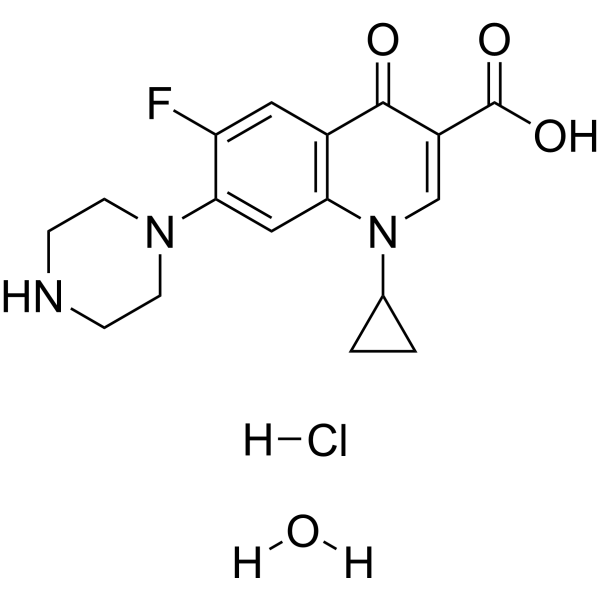
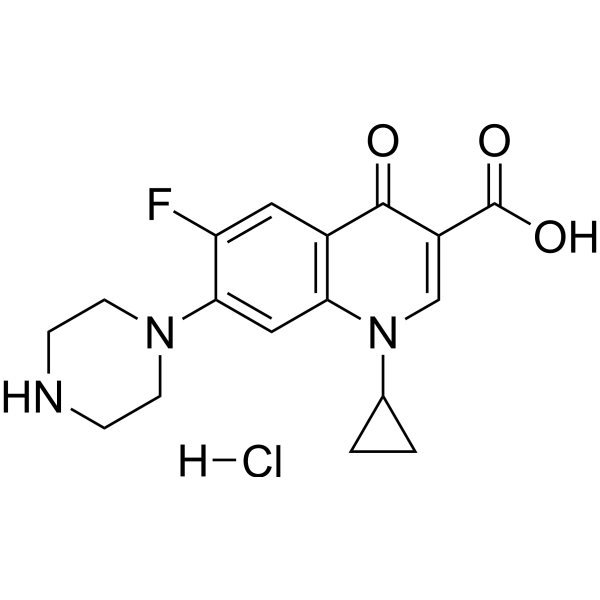
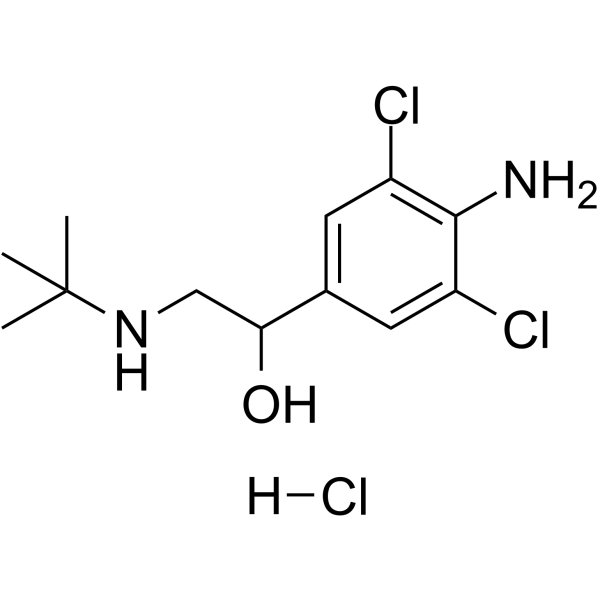
    Clenbuterol hydrochloride
    Maximum Cited Publications
    6 Publications Verification

    NAB-365 hydrochloride

    Adrenergic Receptor Metabolic Disease Inflammation/Immunology Endocrinology
    Clenbuterol (NAB-365) hydrochloride, a selective β2-adrenergic agonist, enhances skeletal muscle strength and hypertrophy. Clenbuterol hydrochloride induces growth factor mRNA, activates astrocytes, and protects rat brain tissue against ischemic damage .
    Clenbuterol hydrochloride
  • HY-W019894
    Manganese chloride
    1 Publications Verification

    Manganese dichloride

    Biochemical Assay Reagents Apoptosis mTOR Cardiovascular Disease Neurological Disease
    Manganese chloride is an orally active MRI liver contrast agent. Manganese chloride induces Apoptosis and activates the mTOR signaling pathway. Manganese chloride induces cognitive impairment, promotes hematopoietic recovery, and reduces radiation-induced bone marrow and brain damage. It can be used for the study of renal impairment .
    Manganese chloride
  • HY-128868G
    FITC-Dextran (MW 150000)
    4 Publications Verification

    Fluorescent Dye Others
    FITC-Dextran (MW 150000) is a fluorescent probe for fluorescein isothiocyanate (FITC) dextran (Ex=491 nm; Em=518 nm). FITC-Dextran (MW 150000) can be used as a marker to reveal heat shock-induced cell damage and to study the early and late stages of apoptosis. FITC-Dextran (MW 150000) can be used in perfusion studies in animals or in fluorescence microlymphography, to study processes that affect the permeability of the blood brain barrier (BBB) . FITC-Dextran (MW 150000) can be used as fluorescent probe to study cell permeability .
    FITC-Dextran (MW 150000)
  • HY-B0762
    Acetyl-L-carnitine hydrochloride
    2 Publications Verification

    O-Acetyl-L-carnitine hydrochloride; ALCAR hydrochloride

    Caspase Apoptosis Neurological Disease
    Acetyl-L-carnitine (O-Acetyl-L-carnitine; ALCAR) hydrochloride is an orally active mitochondrial energy metabolism regulator and neuroprotectant that can penetrate the blood-brain barrier. Acetyl-L-carnitine hydrochloride selectively enters cells and the brain through the organic cation transporter OCTN2. Acetyl-L-carnitine hydrochloride can participate in fatty acid β-oxidation, promote acetylcholine synthesis, regulate mitochondrial function and inhibit oxidative stress as an acetyl donor. Acetyl-L-carnitine hydrochloride exerts its activity by enhancing energy metabolism, protecting neurons and improving synaptic plasticity. Acetyl-L-carnitine hydrochloride is mainly used in the study of neurodegenerative diseases and metabolic disorder-related diseases such as neonatal hypoxic-ischemic brain damage, Alzheimer's disease, and depression .
    Acetyl-L-carnitine hydrochloride
  • HY-D0186
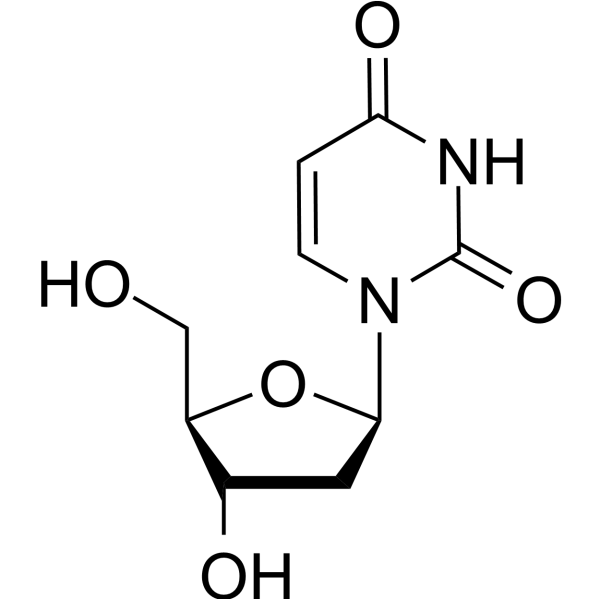
    2'-Deoxyuridine
    3 Publications Verification

    Endogenous Metabolite Thymidylate Synthase Infection
    2’-deoxyuridine is a brain-penetrant pyrimidines nucleotide that is associated with nervous system diseases. 2'-Deoxyuridine could increase chromosome breakage and results in a decreased thymidylate synthetase activity. 2'-Deoxyuridine is a precursor in the synthesis of Edoxudine (HY-B1011) and also an analogue of 5-ethynyl-2'-deoxyuridine, EdU (HY-118411). 2’-deoxyuridine reduces microglial activation and improve oxidative stress damage by modulating glycolytic metabolism on the Aβ25-35-induced brain injury, which is promising for research of Alzheimer’s disease (AD) .
    2'-Deoxyuridine
  • HY-B1410

    MP-328

    Biochemical Assay Reagents Others Cancer
    Ioversol (MP-328) is a nonionic iodinated contrast medium (CM) that is used during a CT scan or x-ray in animal experiment. Ioversol does not damage the blood-brain barrier (BBB) in animal .
    Ioversol
  • HY-W011956

    Drug Metabolite Endogenous Metabolite Neurological Disease Metabolic Disease
    6-Hydroxymelatonin is the main metabolite of melatonin (HY-B0075) after being metabolized by CYP1A2 and can cross the blood-brain barrier. 6-Hydroxymelatonin has strong free radical scavenging ability and antioxidant activity, and can alleviate oxidative damage caused by various neurotoxins. 6-Hydroxymelatonin can cause oxidative DNA damage in the presence of copper ions through a "non-quinone" type redox cycling mechanism .
    6-Hydroxymelatonin
  • HY-113218
    Acetyl-L-carnitine
    2 Publications Verification

    O-Acetyl-L-carnitine; ALCAR

    Caspase Apoptosis Neurological Disease
    Acetyl-L-carnitine (O-Acetyl-L-carnitine; ALCAR) is an orally active mitochondrial energy metabolism regulator and neuroprotectant that can penetrate the blood-brain barrier. Acetyl-L-carnitine selectively enters cells and the brain through the organic cation transporter OCTN2. Acetyl-L-carnitine can participate in fatty acid β-oxidation, promote acetylcholine synthesis, regulate mitochondrial function and inhibit oxidative stress as an acetyl donor. Acetyl-L-carnitine exerts its activity by enhancing energy metabolism, protecting neurons and improving synaptic plasticity. Acetyl-L-carnitine is mainly used in the study of neurodegenerative diseases and metabolic disorder-related diseases such as neonatal hypoxic-ischemic brain damage, Alzheimer's disease, and depression .
    Acetyl-L-carnitine
  • HY-103530
    CGP35348
    2 Publications Verification

    GABA Receptor Neurological Disease
    CGP 35348 is a selective, brain penetrant, centrally active GABAB receptor antagonist with an EC50 of 34 μM. CGP 35348 shows affinity for the GABAB receptor only . CGP 35348 has a potential to improve neuromuscular coordination and spatial learning in albino mouse following neonatal brain damage .
    CGP35348
  • HY-111954

    Erinacine A

    Apoptosis JNK NF-κB Histone Acetyltransferase NO Synthase Bcl-2 Family p38 MAPK Caspase Neurological Disease Inflammation/Immunology Cancer
    (+)-Erinacin A (Erinacine A) is a cyanoditerpenoid isolated from Hericium erinaceus with anticancer, anti-inflammatory and neuroprotective activities. (+)-Erinacin A can induce cancer cell death by activating extrinsic and intrinsic apoptosis pathways. (+)-Erinacin A can also inhibit the expression of NO synthase (iNOS) and the production of nitrotyrosine to exert inflammatory and neuroprotective effects, thereby reducing ischemic brain damage .
    (+)-Erinacin A
  • HY-N7046

    Silibinin B

    Amyloid-β Apoptosis JNK p38 MAPK Neurological Disease Cancer
    Silybin B (Silibinin B) is an orally active amyloid-β aggregation inhibitor and ATR pathway activator that can cross the blood-brain barrier. Silybin B inhibits Aβ fibril formation and promotes amorphous aggregate formation, while activating the ATR-mediated DNA damage repair pathway and inhibiting JNK/p38 MAPK signaling. Silybin B can reduce Cisplatin (HY-17394)-induced neuronal DNA damage and apoptosis. Silybin B has anti-oxidative stress, cell cycle regulation and neuroprotective activities. Silybin B is mainly used in the study of Alzheimer's disease and Cisplatin chemotherapy-related neurotoxicity .
    Silybin B
  • HY-P99797

    JR-141

    Transferrin Receptor Neurological Disease
    Pabinafusp alfa (JR-141) is a transferrin receptor-targeting antibody consisting of Iduronate 2-sulfatase (HY-P76399) and an anti-human transferrin receptor antibody. Pabinafusp alfa is blood-brain permeable and prevents heparan sulfate (HS) deposition in the central nervous system of mucopolysaccharidosis II (MPS II) mice. Pabinafusp alfa improves learning and prevents central nervous system neuronal damage in mice .
    Pabinafusp alfa
  • HY-113167

    DL-2-phosphoglyceric acid

    ACSL Family Endogenous Metabolite Ferroptosis Glutathione Peroxidase Reactive Oxygen Species (ROS) Metabolic Disease
    2-Phosphoglyceric acid (DL-2-phosphoglyceric acid) is a glycolytic substrate that is catalyzed by enolase to form phosphoenolpyruvate ester (PEP). 2-Phosphoglyceric acid inhibits the ferroptosis pathway by down-regulating ACSL4 and up-regulating GPX4, and has significant neuroprotective effects. 2-Phosphoglyceric acid reflects the overall metabolic state and flux of the cell .
    2-Phosphoglyceric acid
  • HY-124379
    TPCK
    1 Publications Verification

    L-1-Tosylamido-2-phenylethyl chloromethyl ketone; L-TPCK

    Ser/Thr Protease HPV Apoptosis PDK-1 Infection Neurological Disease Inflammation/Immunology Cancer
    TPCK (L-1-Tosylamido-2-phenylethyl chloromethyl ketone; L-TPCK) is an effective serine protease inhibitor and also a blocker of the PDK1/Akt pathway. TPCK can modify the E7 protein in actively keratinocyte cells. TPCK can induce cellular apoptosis, suppress tumor growth, reduce hypoxic-ischemic brain injury in rat pups, and affect vascular permeability in inflamed rats .
    TPCK
  • HY-174406

    Myosin PDGFR Reactive Oxygen Species (ROS) Ferroptosis Akt mTOR ERK Cancer
    MT-125 is a specific and well-tolerated inhibitor of non-muscle myosin IIA (Ki,NMIIA = 2.7 μM) and IIB (EC50 = 1.7 μM). MT-125 can pass through the blood-brain barrier. MT-125 induces ferroptosis and DNA damage by increasing the levels of reactive oxygen species (ROS) within tumor cells. MT-125 can enhance the PDGFR signaling pathway. MT-125 can be used for research on glioblastoma.
    MT-125
  • HY-W250122
    Glutamic acid sodium salt
    1 Publications Verification

    Monosodium glutamate

    Biochemical Assay Reagents Reactive Oxygen Species (ROS) Mitochondrial Metabolism Apoptosis HSP Bcl-2 Family Neurological Disease Metabolic Disease Inflammation/Immunology
    Glutamic acid sodium salt (Monosodium glutamate) is an orally active food flavor enhancer. Glutamic acid sodium salt causes ROS generation, mitochondrial dysfunction, and Apoptosis. Glutamic acid sodium salt upregulates CHOP, Grp78, and Bcl-2. Glutamic acid sodium salt impairs cognition, induces depressive-like behavior, induces hyperalgesia, and induces obesity and insulin resistance. Glutamic acid sodium salt can be used to study neurotoxicity (e.g., brain damage, cognitive impairment), metabolic disorders (e.g., obesity, insulin resistance), hepatotoxicity, and renal toxicity, as well as pain-related disorders .
    Glutamic acid sodium salt
  • HY-111940

    Raf p38 MAPK ERK Inflammation/Immunology
    LUT014 is a topical inhibitor targeting BRAF that cannot pass through the blood-brain barrier. LUT014 inhibits BRAF kinase and abnormally activates the MAPK/ERK signaling pathway, promoting the proliferation of epidermal keratinocytes, repairing skin barrier damage caused by radiation damage, and alleviating inflammatory responses. LUT014 is independent of RAS signaling and accelerates the repair and regeneration of damaged skin cells. LUT014 can be used to study radiation dermatitis, especially skin damage caused by breast cancer radiotherapy .
    LUT014
  • HY-N0859

    Schizanhenol; Gomisin-K3

    UGT Cholinesterase (ChE) Tau Protein SOD Sirtuin Neurological Disease Inflammation/Immunology Cancer
    Schisanhenol (Schizanhenol), a lignan, is an orally active antioxidant. Schisanhenol reduces AChE activity, increases SIRT1 and PGC-1α expression, and decreases phosphorylated Tau (Ser 396) levels. Schisanhenol increases SOD and glutathione peroxidase activity, decreases malondialdehyde (MDA) content, and inhibits UGT2B7 activitY. Schisanhenol attenuates ox-LDL-induced apoptosis, intracellular reactive oxygen species generation, and cytotoxicity in endothelial cells. Schisanhenol inhibits LDL oxidation, brain mitochondrial and membrane peroxidative damage, and brain mitochondrial swelling and disintegration. Schisanhenol can be used for the research of Alzheimer’s disease, atherosclerosis, brain ischemia, and age-related brain deterioration .
    Schisanhenol
  • HY-DY1016

    Fluorescent Dye Others
    FITC-Dextran (MW 10000) (solution) is a fluorescent probe for fluorescein isothiocyanate (FITC) dextran (Ex=495 nm; Em=525 nm). FITC-Dextran (MW 10000) can be used as a marker to reveal heat shock-induced cell damage and to study the early and late stages of apoptosis. FITC-Dextran (MW 10000) can also be used for cell permeability studies, such as blood-brain barrier permeability and determination of the extent of blood-brain barrier disruption .
    Solvent and Concentration: Sterile water: 2 mM
    FITC-Dextran (MW 10000) (solution)
  • HY-B1189

    Dicrotalic acid; 3-Hydroxy-3-methylglutaric acid

    HMG-CoA Reductase (HMGCR) Autophagy Endogenous Metabolite Cardiovascular Disease Metabolic Disease
    Meglutol is a lipid-lowering agent. Meglutol can reduces cholesterol, triglycerides, serum β-lipoprotein, and phospholipids, and inhibits the activity of HMG-CoA reductase (a rate-limiting enzyme in cholesterol biosynthesis). Meglutol can induce significant lipid oxidative damage in brain tissue. It is promising for research in the field of cardiovascular diseases and metabolic diseases .
    Meglutol
  • HY-N8157
    4'-O-Methylpyridoxine
    1 Publications Verification

    Others Cardiovascular Disease Neurological Disease
    4'-O-Methylpyridoxine is an orally active antivitamin B6 compound found in Ginkgo biloba seeds and leaves. 4'-O-Methylpyridoxine inhibits pyridoxal kinase. 4'-O-Methylpyridoxine reduces brain pyridoxal-5'-phosphate (PLP) levels, decreases gamma-aminobutyric acid/glutamate (GABA/Glu) ratio. 4'-O-Methylpyridoxine increases plasma levels of pyridoxal-5'-phosphate and pyridoxal. 4'-O-Methylpyridoxine induces hyperactivity, convulsions, pathological tissue changes, organ damage in rodent brain and heart .
    4'-O-Methylpyridoxine
  • HY-N6784

    ATP Synthase Bacterial Apoptosis Antibiotic Infection Neurological Disease
    Oligomycin B is an antibiotic that acts as a non-selective inhibitor of ATP Synthase. Oligomycin B increases mitochondrial membrane potential. Oligomycin B induces apoptosis and necrosis. Oligomycin B impairs the motility of Plasmopara viticola zoospores and induces their lysis. Oligomycin B inhibits Magnaporthe oryzae (wheat blast fungus) and suppresses the development of wheat blast. Oligomycin B reduces hyphal growth and spore germination of Botrytis cinerea, and protects Arabidopsis thaliana against Botrytis cinerea infection. Oligomycin B exacerbates cytotoxic brain edema in rats with cerebral cortical contusion, increases intracranial pressure and brain water content, and aggravates mitochondrial damage in these rats. Oligomycin B is used in studies related to grape downy mildew, traumatic brain injury, wheat blast, and gray mold .
    Oligomycin B
  • HY-B0762S

    O-Acetyl-L-carnitine-d3 hydrochloride

    Isotope-Labeled Compounds Caspase Apoptosis Neurological Disease
    Acetyl-L-carnitine-d3 (O-Acetyl-L-carnitine-d3) hydrochloride is the deuterium labeled Acetyl-L-carnitine hydrochloride (HY-B0762). Acetyl-L-carnitine (O-Acetyl-L-carnitine; ALCAR) hydrochloride is an orally active mitochondrial energy metabolism regulator and neuroprotectant that can penetrate the blood-brain barrier. Acetyl-L-carnitine hydrochloride selectively enters cells and the brain through the organic cation transporter OCTN2. Acetyl-L-carnitine hydrochloride can participate in fatty acid β-oxidation, promote acetylcholine synthesis, regulate mitochondrial function and inhibit oxidative stress as an acetyl donor. Acetyl-L-carnitine hydrochloride exerts its activity by enhancing energy metabolism, protecting neurons and improving synaptic plasticity. Acetyl-L-carnitine hydrochloride is mainly used in the study of neurodegenerative diseases and metabolic disorder-related diseases such as neonatal hypoxic-ischemic brain damage, Alzheimer's disease, and depression .
    Acetyl-L-carnitine-d3 hydrochloride
  • HY-B1589A
    Carbinoxamine maleate salt
    1 Publications Verification

    Histamine Receptor Influenza Virus Infection Inflammation/Immunology
    Carbinoxamine maleate salt is a blood-brain barrier-permeable histamine H1 receptor antagonist. Carbinoxamine maleate salt blocks the action of histamine on H1 receptors, reducing symptoms such as sneezing, rhinitis, rhinorrhea, erythema, pruritus and urticaria. Carbinoxamine maleate salt inhibits influenza virus entry into cells via endocytosis, targets the early stage of the viral life cycle, and simultaneously reduces viral replication levels in the lungs, alleviating pathological damage and inflammatory responses in lung tissues. Carbinoxamine maleate salt can be used in research on allergic rhinitis, influenza, etc.
    Carbinoxamine maleate salt
  • HY-W035091
    Tetrachloroauric acid
    1 Publications Verification

    Biochemical Assay Reagents Cardiovascular Disease Neurological Disease
    Tetrachloroauric acid is an Au (III) compound and bilayer disruptor that can be used to damage red blood cells. Tetrachloroauric acid specifically disrupts the bilayer structure of representative phospholipids (dimyristoylphosphatidylcholine and dimyristoylphosphatidylethanolamine) in human red blood cell membranes, and induces morphological changes in intact human red blood cells. Tetrachloroauric acid causes downregulation of MT I-II and GFAP expression in the mouse brain following chronic treatment. Tetrachloroauric acid is being used in studies related to neurotoxicity and hematotoxicity, including analyses of human red blood cells and molecular models of red blood cell membranes, as well as immunohistochemical evaluation of the mouse brain .
    Tetrachloroauric acid
  • HY-142035
    N-Propargylglycine
    1 Publications Verification

    Mitochondrial Metabolism Neurological Disease Metabolic Disease Inflammation/Immunology Cancer
    N-Propargylglycine is a brain-penetrant and orally active PRODH inhibitor. N-Propargylglycine covalently modifies enzyme-bound FAD and active site lysine, causing enzyme structural distortion, protein decay, and irreversible inhibition of proline and 4-hydroxyproline catabolism. N-Propargylglycine induces UPRmt, upregulates mitochondrial chaperones and YME1L1, enhances mitochondrial proteostasis, blocks astrocytic L-proline consumption, and abolishes L-proline’s ATP-maintaining and viability-protective effects. N-Propargylglycine stimulates neural processes, increases brain proline, hydroxyproline, and sarcosine levels, partially normalizes Huntington’s disease whole brain transcriptomes. N-Propargylglycine reduces hyperoxaluria, prevents calcium oxalate stone formation, reduces kidney tubular damage, and restores weight and survival in Grhpr knockout mice. N-Propargylglycine can be used for the research of breast cancer, neurodegenerative disorders, Huntington’s disease, and primary hyperoxaluria type 2 .
    N-Propargylglycine
  • HY-N0307

    Bcl-2 Family NF-κB DNA/RNA Synthesis Apoptosis Cardiovascular Disease Neurological Disease
    Ciwujianoside B is an orally active, blood-brain barrier penetrable radioprotective agent and memory enhancer. Ciwujianoside B reduces radiation-induced DNA damage, cell cycle arrest and apoptosis, downregulates NF-κB and the Bax/Bcl-2 ratio, and enhances the proliferative capacity of bone marrow cells. Ciwujianoside B enhances object recognition memory in normal mice and induces dendritic extension in primary cultured cortical neurons. Ciwujianoside B can be used in studies related to hematopoietic system radiation injury and memory enhancement .
    Ciwujianoside B
  • HY-101310

    iGluR EAAT Bcl-2 Family Caspase Cardiovascular Disease Neurological Disease Inflammation/Immunology
    SYM 2081 is a kainate receptor agonist. SYM 2081 is a substrate of EAAT1 (Km of 54 μM). SYM 2081 inhibits EAAT2-mediated glutamate transport (Kb is 3.4 μM in Xenopus oocytes), modulates Apoptotic signaling pathways (increases Bcl-2 and decreases Bax/caspase-3 expression). SYM 2081 exhibits neuroprotective activity. SYM 2081 can be used in the study of hypoxic-ischemic brain damage and inflammatory or neuropathic pain .
    SYM 2081
  • HY-126411

    Lipase ATP Synthase Others
    Peonidin-3-O-galactoside chloride is an anthocyanin with antioxidant properties and blood-brain barrier permeability. Peonidin-3-O-galactoside chloride inhibits pancreatic lipase, with an IC50 value of 23.2 μg/mL against porcine pancreatic lipase. Peonidin-3-O-galactoside chloride mediates neuroprotection, regulates glucose metabolism, protects cells from high glucose-induced damage, promotes glucose uptake and increases ATP production. Peonidin-3-O-galactoside (chloride) can be used in the research of obesity and neurodegenerative diseases .
    Peonidin-3-O-galactoside chloride
  • HY-W002199

    6:2 FTOH; 1H,1H,2H,2H-Perfluoro-1-octanol; 2-(Perfluorohexyl)ethanol

    Bacterial Apoptosis ERK TNF Receptor Infection Neurological Disease
    6:2 Fluorotelomer alcohol (6:2 FTOH) is an orally active, blood-brain barrier-permeable modulator of cyclin D1 and ETS1. 6:2 Fluorotelomer alcohol downregulates cyclin D1 expression, upregulates ETS1 via the TNF-α/ERK 1/2 pathway, impairs mitochondrial membrane potential and respiratory function, increases reactive oxygen species levels, disrupts calcium homeostasis and activates endoplasmic reticulum stress markers, and induces cell proliferation inhibition and endothelial-mesenchymal transition. Furthermore, 6:2 Fluorotelomer alcohol induces morphological abnormalities in zebrafish embryos and liver developmental damage, while disrupting the brain immune microenvironment in mice, causing systemic toxicity and delayed pup maturation in CD-1 mice. 6:2 Fluorotelomer alcohol also induces cortical neuron apoptosis, glial cell activation, synaptic abnormalities, colonic barrier damage, intestinal dysbiosis and autism spectrum disorder-like symptoms in mice. 6:2 Fluorotelomer alcohol shows no mutagenic, clastogenic, primary skin/eye irritation or skin sensitizing effects, exhibits no selective reproductive toxicity in CD-1 mice, and is classified as GHS Category 4 for acute oral toxicity. 6:2 Fluorotelomer alcohol can be used in studies of neurodevelopmental disorders and autism spectrum disorders .
    6:2 Fluorotelomer alcohol
  • HY-139192
    Brophenexin
    3 Publications Verification

    NMDAR/TRPM4-IN-2

    iGluR TRP Channel ERK Neurological Disease
    Brophenexin (compound 8) is a potent NMDAR/TRPM4 interaction interface inhibitor. Brophenexin shows neuroprotective activity. Brophenexin prevents NMDA-induced cell death and mitochondrial dysfunction in hippocampal neurons, with an IC50 of 2.1 μM. Brophenexin protects mice from MCAO-induced brain damage and NMDA-induced retinal ganglion cell loss .
    Brophenexin
  • HY-129056

    Thrombin NF-κB AP-1 Cardiovascular Disease Neurological Disease
    Melagatran is a reversible, selective, orally active direct inhibitor of thrombin with a Ki of 2 nM. Melagatran binds directly to the active site of thrombin, inhibiting thrombin-mediated conversion of fibrinogen to fibrin. Melagatran reduces the DNA binding activity of NF-κB and AP-1. Melagatran reduces fibrin deposition in organs, alleviates ischemic brain damage, and reduces the size of advanced atherosclerotic lesions. Melagatran can be used in the study of cardiovascular disease (coronary thrombosis, atherosclerosis) and ischemic brain damage .
    Melagatran
  • HY-N2125

    5-HT Receptor iGluR Caspase Interleukin Related TNF Receptor SOD NF-κB Neurological Disease Inflammation/Immunology
    Parishin C is a brain-penetrant major bioactive component found in Gastrodia elata Blume. Parishin C is a 5-HT1A receptor agonist with an EC50 of 34 nM. Parishin C has antipsychotic and neuroprotective effects. Parishin C protects against Aβ-induced long-term potentiation damage and NMDA receptor current impairment. Parishin C reduces oxidative stress, pro-inflammatory cytokine levels, caspase activity, brain water content, and cerebral infarct volume; increases antioxidant enzyme activity and BDNF levels; improves nerve function and histopathological brain damage. Parishin C attenuates phencyclidine-induced immobility time increases, sociability deficits, and visual recognition memory impairment. Parishin C can be used for the research of ischemic stroke, Alzheimer's disease, and schizophrenia-like psychosis .
    Parishin C
  • HY-138668

    TRP Channel Neurological Disease
    JW-65 is a selective TRPC3 channel inhibitor with favorable blood-brain barrier penetration. JW-65 directly binds to human TRPC3 protein and modulates calcium signaling to reduce seizure susceptibility. JW-65 reduces seizure incidence, severity, and duration while prolonging seizure latency in multiple seizure models. JW-65 alleviates Aβ‑induced neuronal damage. JW-65 serves as a valuable tool for research on epilepsy, seizure disorders, and Alzheimer’s disease .
    JW-65
  • HY-121156A

    LF 16-0687 hydrochloride; XY-2405 hydrochloride

    Bradykinin Receptor Neurological Disease
    Anatibant (LF 16-0687; XY-2405) hydrochloride is a selective non-peptide bradykinin B2 receptor antagonist. Anatibant hydrochloride binds to the human, rat and guinea-pig recombinant B2 receptor with Ki values of 0.67 nM, 1.74 nM and 1.37 nM, respectively. Anatibant hydrochloride crosses the blood-brain barrier (BBB). Anatibant hydrochloride can be used in research on brain damage diseases .
    Anatibant hydrochloride
  • HY-139427

    β-Methylglutaconic acid

    GABA Receptor Cardiovascular Disease Neurological Disease Metabolic Disease
    3-Methylglutaconic acid is the major metabolites accumulating in 3-Methylglutaconic aciduria (MGTA). 3-Methylglutaconic acid can induce lipid oxidative damage and protein oxidative. 3-Methylglutaconic acid decreases the non-enzymatic antioxidant defenses in cerebral cortex supernatants to elicit oxidative stress in the cerebral cortex. 3-Methylglutaconic acid can be used for brain damage disease research .
    3-Methylglutaconic acid
  • HY-125039
    N-Acetyl lysyltyrosylcysteine amide
    2 Publications Verification

    Glutathione Peroxidase Cardiovascular Disease Neurological Disease
    N-Acetyl lysyltyrosylcysteine amide is a potent, reversible, specific, and non-toxic tripeptide inhibitor of myeloperoxidase (MPO). N-Acetyl lysyltyrosylcysteine amide effectively inhibits MPO generation of toxic oxidants in vivo. N-Acetyl lysyltyrosylcysteine amide reduces neuronal damage and preserves brain tissue and neurological function in the stroked brain. N-Acetyl lysyltyrosylcysteine amide inhibits MPO-dependent hypochlorous acid (HOCl) generation, protein nitration, and LDL oxidation .
    N-Acetyl lysyltyrosylcysteine amide
  • HY-114883

    L-Homocarnosine

    GABA Receptor Endogenous Metabolite Neurological Disease Inflammation/Immunology
    Homocarnosine is a dipeptide of γ-aminobutyric acid (GABA) and histidine unique to brain. Homocarnosine is an inhibitory neuromodulator synthesized in the neuron from GABA and exhibiting anticonvulsant effects .Homocarnosine has antioxidant and anti-inflammatory actions, prevention of DNA damage, and inhibition of advanced glycation end-product formation .
    Homocarnosine
  • HY-164496

    DNA/RNA Synthesis Cancer
    KL-50 is a selective toxin toward tumors that lack the DNA repair protein O 6-methylguanine-DNA-methyltransferase (MGMT), which reverses the formation of O 6-alkylguanine lesions. KL-50 activates DNA damage response pathways and cycle arrest in MGMT-cells, independent of mismatch repair (MMR). KL-50 is promising for research of brain tumors that lack the DNA repair protein MGMT .
    KL-50
  • HY-139192A
    Brophenexin free base
    3 Publications Verification

    NMDAR/TRPM4-IN-2 free base

    iGluR TRP Channel ERK Neurological Disease
    Brophenexin free base (compound 8) is a potent NMDAR/TRPM4 interaction interface inhibitor. Brophenexin free base shows neuroprotective activity. Brophenexin free base prevents NMDA-induced cell death and mitochondrial dysfunction in hippocampal neurons, with an IC50 of 2.1 μM. Brophenexin free base protects mice from MCAO-induced brain damage and NMDA-induced retinal ganglion cell loss .
    Brophenexin free base
  • HY-114883A

    L-Homocarnosine TFA

    GABA Receptor Endogenous Metabolite Neurological Disease
    Homocarnosine TFA is a dipeptide of γ-aminobutyric acid (GABA) and histidine unique to brain. Homocarnosine TFA is an inhibitory neuromodulator synthesized in the neuron from GABA and exhibiting anticonvulsant effects . Homocarnosine TFA has antioxidant and anti-inflammatory actions, prevention of DNA damage, and inhibition of advanced glycation end-product formation .
    Homocarnosine TFA
  • HY-DY1018

    Fluorescent Dye Others
    FITC-Dextran (MW 4000) (solution) is a fluorescent probe for fluorescein isothiocyanate (FITC) dextran (Ex=495 nm; Em=525 nm). FITC-Dextran (MW 4000) can be used as a marker to reveal heat shock-induced cell damage and to study the early and late stages of apoptosis. FITC-Dextran (MW 4000) can also be used for cell permeability studies, such as blood-brain barrier permeability and determination of the extent of blood-brain barrier disruption .
    Solvent and Concentration: Sterile water: 2 mM
    FITC-Dextran (MW 4000) (solution)
  • HY-B0762S1

    O-Acetyl-L-carnitine-d3-1 hydrochloride

    Isotope-Labeled Compounds Caspase Apoptosis Neurological Disease
    Acetyl-L-carnitine-d3-1 (O-Acetyl-L-carnitine-d3-1) hydrochloride is the deuterium labeled Acetyl-L-carnitine hydrochloride (HY-B0762). Acetyl-L-carnitine (O-Acetyl-L-carnitine; ALCAR) hydrochloride is an orally active mitochondrial energy metabolism regulator and neuroprotectant that can penetrate the blood-brain barrier. Acetyl-L-carnitine hydrochloride selectively enters cells and the brain through the organic cation transporter OCTN2. Acetyl-L-carnitine hydrochloride can participate in fatty acid β-oxidation, promote acetylcholine synthesis, regulate mitochondrial function and inhibit oxidative stress as an acetyl donor. Acetyl-L-carnitine hydrochloride exerts its activity by enhancing energy metabolism, protecting neurons and improving synaptic plasticity. Acetyl-L-carnitine hydrochloride is mainly used in the study of neurodegenerative diseases and metabolic disorder-related diseases such as neonatal hypoxic-ischemic brain damage, Alzheimer's disease, and depression .
    Acetyl-L-carnitine-d3-1 hydrochloride
  • HY-P10862

    Exosomes Virus Protease Infection Cancer
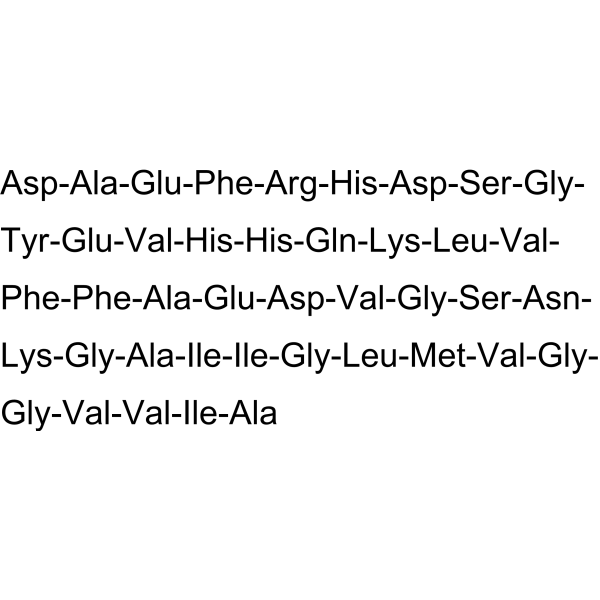
    AH-D peptide is a brain-penetrant antiviral agent disrupting highly curved lipid membranes. AH-D peptide exhibits broad-spectrum antiviral activity against ZIKV, Dengue virus, Chikungunya virus, yellow fever virus and Japanese encephalitis virus, with
    IC50
    values of 11.9, 12.5, 35.7, 206 and 136 nM, respectively. AH-D peptide reduces the viral load in the brain, suppresses inflammation, protects neurons, and does not damage the blood brain barrier. AH-D peptide restores antitumor immunity by decreasing circulating PD-L1 + exosomes, reducing intratumoral immunosuppressive cells (regulatory T cells, myeloid-derived suppressor cells), and enhancing T cell function. AH-D peptide inhibits membrane-enveloped viruses and cancer cell metastasis in vivo. AH-D peptide exhibits no immunogenicity and has negligible effects on normal tissues. AH-D peptide can be used for research in Zika virus and other mosquito-borne viruses, cancer immunotherapy and metastasis .
    AH-D peptide

Inquiry Online

Your information is safe with us. * Required Fields.

Salutation


Country or Region *

Applicant Name *


Organization Name *

Department *


Email Address *


Product Name *

Cat. No.


Requested quantity *

Phone Number *


Remarks

Inquiry Online

Inquiry Information

Product Name:
Cat. No.:
Quantity:
MCE Japan Authorized Agent:

