


62 Results for "

cationic peptides

" in MedChemExpress (MCE) Product Catalog:
Products (62)

62 Results for "cationic peptides" in MCE Product Catalog:

135
135 Publications Verification
Cat. No.: HY-P1410
CAS No.: 1209500-46-8
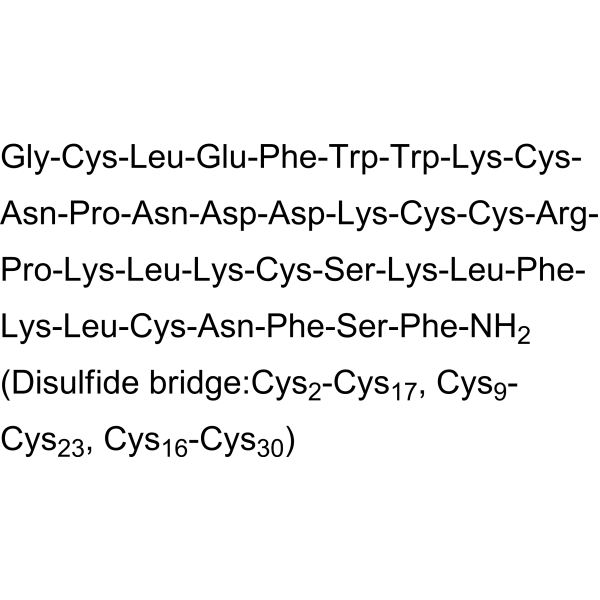
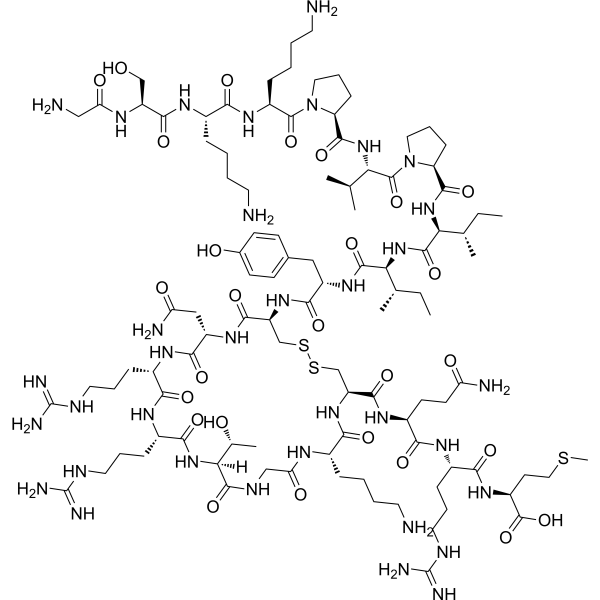
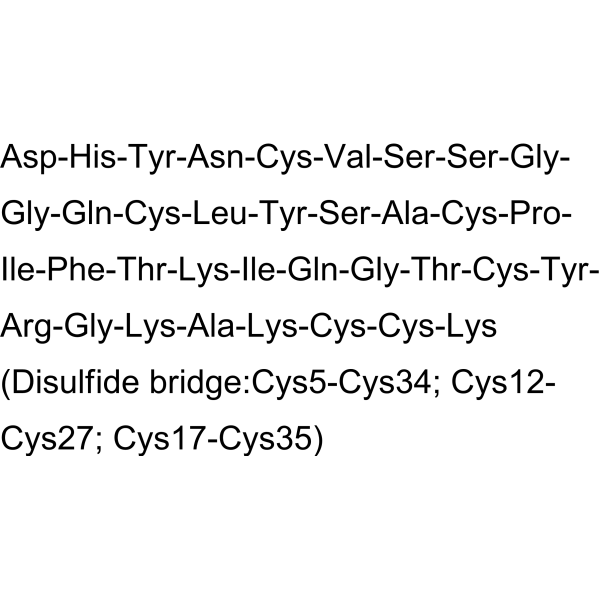
GsMTx4 is a spider venom peptide that selectively inhibits cationic-permeable mechanosensitive channels (MSCs) belonging to the Piezo and TRP channel families. GsMTx4 also blocks cation-selective stretch-activated channels (SACs) , attenuates lysophosphatidylcholine (LPC)-induced astrocyte toxicity and microglial reactivity. GsMTx4 is an important pharmacological tool for identifying the role of these excitatory MSCs in normal physiology and pathology .
loading...
    loading...
135
135 Publications Verification
Cat. No.: HY-P1410A
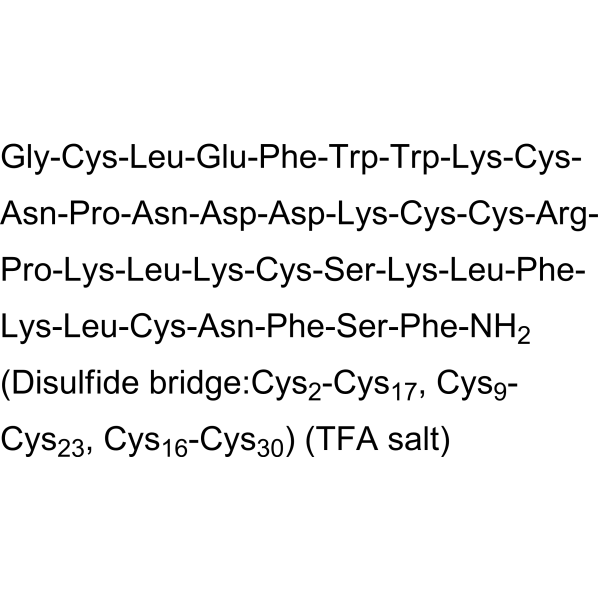
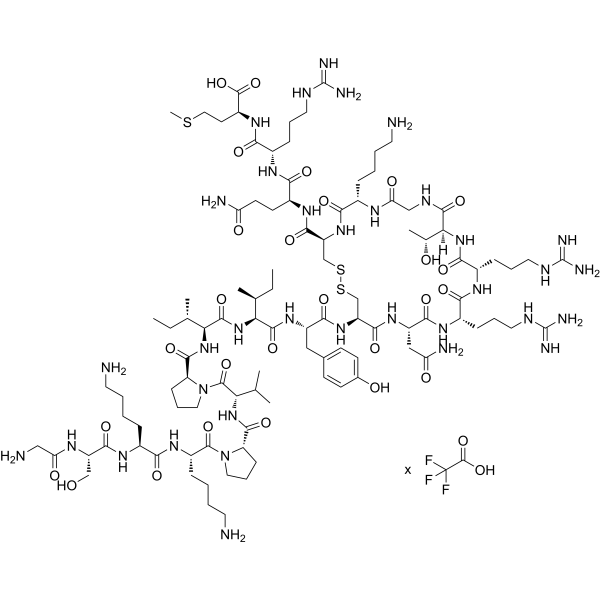
GsMTx4 TFA is a spider venom peptide that selectively inhibits cationic-permeable mechanosensitive channels (MSCs) belonging to the Piezo and TRP channel families. GsMTx4 TFA also blocks cation-selective stretch-activated channels (SACs) , attenuates lysophosphatidylcholine (LPC)-induced astrocyte toxicity and microglial reactivity. GsMTx4 TFA is an important pharmacological tool for identifying the role of these excitatory MSCs in normal physiology and pathology .
loading...
    loading...
3
3 Cited Publications
Cat. No.: HY-P1649
CAS No.: 1179330-52-9
Synonyms: NAB741
Target:  

Bacterial Antibiotic

Research Areas:  

Infection

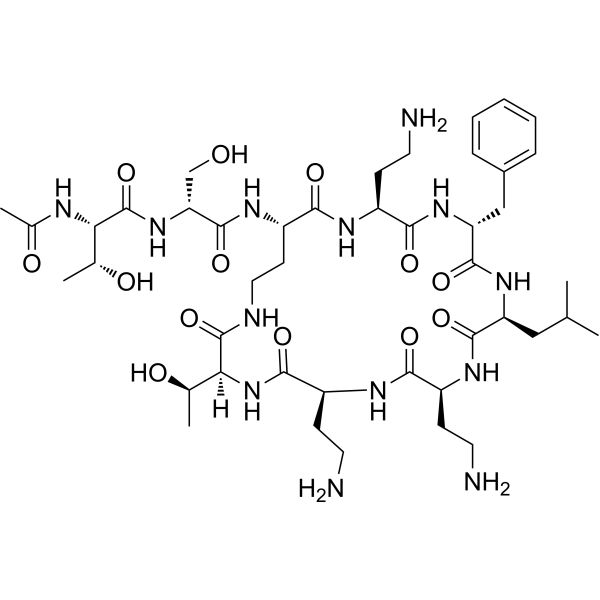
SPR741 (NAB741) is a cationic peptide derived from polymyxin B and is a potentiator molecule. SPR741 increases the permeability of the outer membrane of Gram-negative bacteria and is used to treat severe Gram-negative bacteria infections. SPR741 inhibits multidrug-resistant Gram-negative bacteria. The spectrum of activity of the antibiotic can be widened when used in combination with SPR741 .
loading...
    loading...
3
3 Cited Publications
Cat. No.: HY-P1649B
Synonyms: NAB741 acetate
Target:  

Bacterial Antibiotic

Research Areas:  

Infection

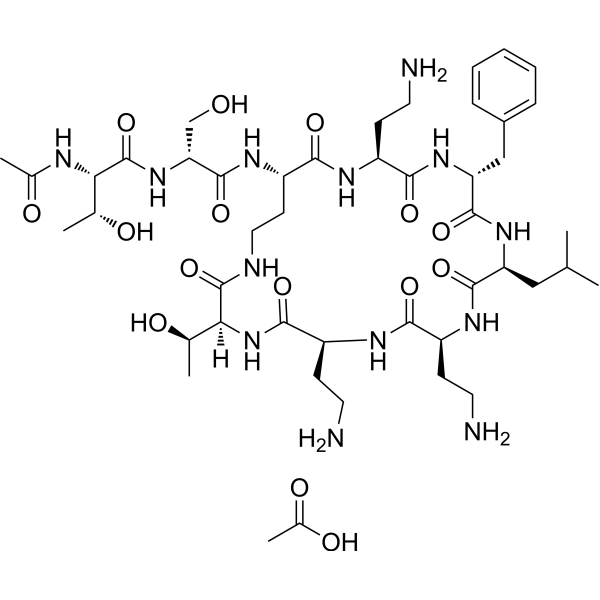
SPR741 acetate (NAB741 acetate) is a cationic peptide derived from polymyxin B and is a potentiator molecule. SPR741 acetate increases the permeability of the outer membrane of Gram-negative bacteria and is used to treat severe Gram-negative bacteria infections. SPR741 acetate inhibits multidrug-resistant Gram-negative bacteria. The spectrum of activity of the antibiotic can be widened when used in combination with SPR741 acetate .
loading...
    loading...
2
2 Cited Publications
Cat. No.: HY-P5712
CAS No.: 113-73-5
Synonyms: Gramicidin soviet
Research Areas:  

Infection

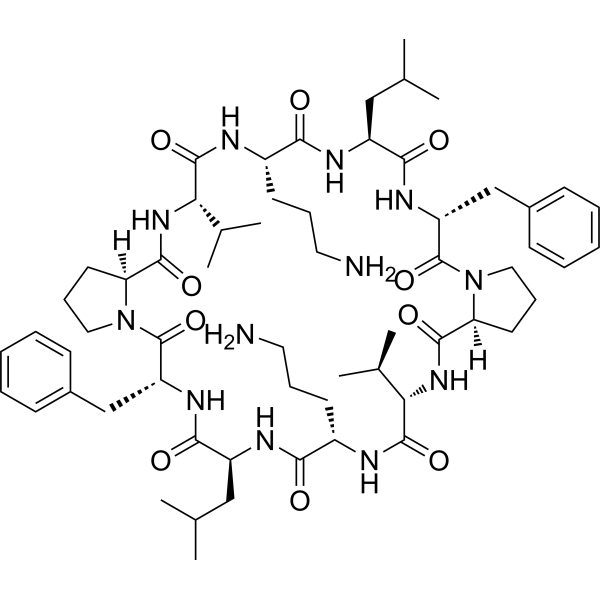
Gramicidin S (Gramicidin soviet) is a cationic cyclic peptide antibiotic that selectively targets bacterial cell membranes and has anticancer activity. Gramicidin S also exerts antibacterial activity by destroying membrane integrity and interfering with membrane protein function. Gramicidin S inserts into the phospholipid bilayer through hydrophobic amino acid residues, specifically binds to negatively charged membrane lipids and disrupts membrane structure, thereby inhibiting cell division and cell wall synthesis, and ultimately causing bacterial death. Gramicidin S also inhibits ion channels, with IC50s of 41 μM, 24 μM, and 3 μM for Na +/K +-ATPase, tobacco leaf plasma membrane Mg 2+/K +-ATPase, and rat heart plasma membrane Ca 2+-ATPase, respectively .
loading...
    loading...
2
2 Cited Publications
Cat. No.: HY-105048
CAS No.: 204248-78-2
Purity:  98.64%
Target:  

Bacterial

Research Areas:  

Infection

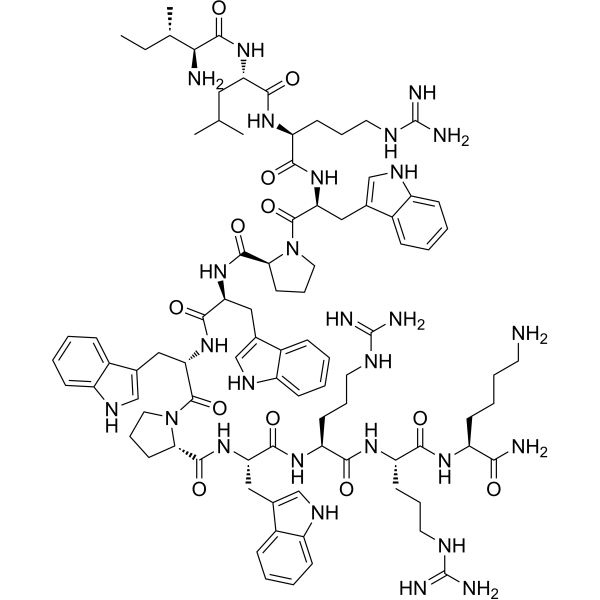
Omiganan is a cationic antimicrobial peptide. Omiganan as an analogue of indolicidin shows activity against gram-positive and gram-negative bacteria but also Candida spp. isolates. Omiganan can be used for the research of alcohol nose and acne .
loading...
    loading...
1
1 Cited Publications
Cat. No.: HY-126437A
CAS No.: 26124-78-7
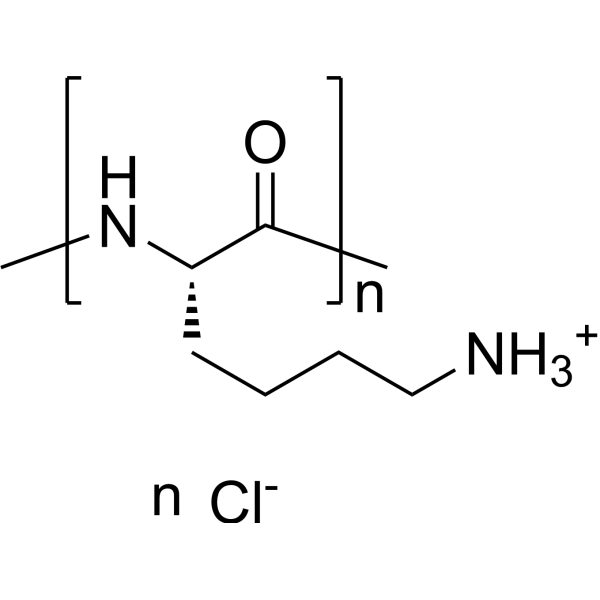
Poly-L-lysine hydrochloride is a nonspecific attachment factor for cells useful in promoting cell adhesion to solid substrates by enhancing electrostatic interaction between negatively charged ions of the cell membrane and the culture surface. Poly-L-lysine hydrochloride is a strong-attraction regulator that promotes liquid-liquid phase separation (LLPS) at low concentrations but suppresses LLPS at high concentrations. Antibacterial cationic peptide. .
loading...
    loading...
1
1 Cited Publications
Cat. No.: HY-K2016

MCE Protein Transfection Reagent is a cationic lipid mixture for complexation with proteins, peptides, antibodies and other biologically active molecules to allow their direct intracellular delivery.

loading...
    loading...
Cat. No.: HY-Y1703
CAS No.: 148893-10-1
Research Areas:  

Others

HATU is a third-generation uronium salt peptide coupling reagent. HATU increases the rate of peptide coupling reactions, activates amino acids, promotes peptide bond formation in both solution-phase and solid-phase synthesis, and also facilitates peptide assembly, fragment coupling, and linear peptide cyclization. HATU can promote the N-acylation of chitosan to generate amide-linked cationic derivatives with a controllable degree of substitution. HATU is commonly used in amine acylation reactions .
loading...
    loading...
Cat. No.: HY-P4121
CAS No.: 1898254-09-5
Target:  

Potassium Channel

Research Areas:  

Inflammation/Immunology Cancer

L17E is an attenuated cationic amphiphilic lytic (ACAL) peptide that can be used to deliver a variety of macromolecules, including proteins, antibodies, and DNA nanostructures. L17E inserts and cleaves the membrane structure through electrostatic interaction, enabling intracellular escape. The efficiency of L17E-mediated delivery is strongly correlated with the expression level of KCNN4 (the gene encoding the calcium-activated potassium channel KCa3.1). L17E also promotes the cellular uptake of macromolecules by inducing micropinocytosis. L17E can be further optimized and improved through dimerization strategies and in combination with other delivery systems, such as nuclear localization signal peptides and cell membrane-coated nanoparticles .
loading...
    loading...
Cat. No.: HY-P5284
CAS No.: 1613231-49-4
Target:  

Inhibitory Antibodies

Research Areas:  

Others

RALA peptide is a cationic amphiphilic delivery agent targeting cell membranes, which forms nanoparticles through electrostatic interactions with anionic drugs. RALA peptide has pH-responsive binding properties, which can enhance the α-helical conformation in an acidic environment and destroy the endosomal membrane, promote the release of drugs into the cytoplasm, and exert efficient intracellular delivery activity. RALA peptide can be used in cancer research (enhancing the activity of bisphosphonates against prostate cancer and breast cancer cells) and bone tissue engineering (promoting osteoblast collagen deposition and extracellular matrix mineralization) .
loading...
    loading...
Cat. No.: HY-P5601
CAS No.: 214542-43-5
Target:  

Bacterial Fungal

Research Areas:  

Infection

Thanatin is an inducible cationic antimicrobial peptide. Thanatin is a pathogen-inducible single-disulfide-bond-containing β-hairpin AMP. Thanatin displays broad-spectrum activity against both Gram-negative and Gram-positive bacteria as well as against various species of fungi with MICs of 0.3-40 µM, 0.6-40 µM and 0.6-20 µM, respectively. Thanatin has the property of competitive replacement of divalent cations from bacterial outer membrane (OM), leading to OM disruption .
loading...
    loading...
Cat. No.: HY-P5601A
Target:  

Bacterial Fungal

Research Areas:  

Infection

Thanatin TFA is an inducible cationic antimicrobial peptide. Thanatin TFA s a pathogen-inducible single-disulfide-bond-containing β-hairpin AMP. Thanatin TFA displays broad-spectrum activity against both Gram-negative and Gram-positive bacteria as well as against various species of fungi with MICs of 0.3-40 µM, 0.6-40 µM and 0.6-20 µM, respectively. Thanatin TFA has the property of competitive replacement of divalent cations from bacterial outer membrane (OM), leading to OM disruption .
loading...
    loading...
Cat. No.: HY-170422
CAS No.: 1246303-07-0
Synonyms: Lysyl-DOPG
Target:  

Bacterial

Research Areas:  

Infection

18:1 Lysyl PG (Lysyl-DOPG) is a cationic phospholipid contains a lysine group and a DOPG. 18:1 Lysyl PG inhibits cationic antimicrobial peptide-induced membrane permeabilization. 18:1 Lysyl PG can be used for the research of infection .
loading...
    loading...
Cat. No.: HY-P11460
Target:  

Drug Derivative

Research Areas:  

Infection

Vectofusin-1 is a histidine-rich cationic amphipathic peptide derived from the LAH4 (HY-P0311) peptide family, and also acts as a Viral entry enhancer. Vectofusin-1 promotes the adhesion and fusion of retroviral/lentiviral vectors with cell membranes during viral entry, thereby improving transduction efficiency. Vectofusin-1 potently enhances lentiviral transduction of cells .
loading...
    loading...
Cat. No.: HY-P2315
CAS No.: 452274-53-2
Synonyms: HβD-1
Target:  

Antibiotic Bacterial

Research Areas:  

Infection

Human β-defensin-1 (HβD-1) is a cysteine-rich cationic skin-antimicrobial peptide (SAP) produced by all epithelial surfaces, but also by circulatory cells and cells of the reproductive tract. Human β-defensin-1 has antimicrobial activities against a broad-sperm bacteria .
loading...
    loading...
Cat. No.: HY-P5557
CAS No.: 1429184-62-2
Target:  

Bacterial Necroptosis

Research Areas:  

Infection Inflammation/Immunology

TP4 (Nile tilapia piscidin) is an orally active amphipathic α-helical cationic antimicrobial peptide. TP4 (Nile tilapia piscidin) exerts broad-spectrum bactericidal activity against Gram-positive and Gram-negative bacteria by disrupting cell membrane structures, and also exhibits certain hemolytic activity. TP4 (Nile tilapia piscidin) regulates the innate immune system and enhances the expression of lysozymes, cytokines and antioxidant enzymes to resist bacterial infection. TP4 (Nile tilapia piscidin) also stimulates the proliferation of keratinocytes and fibroblasts, and significantly promotes the healing of wounds infected with MRSA. TP4 (Nile tilapia piscidin) can be used in research related to bacterial infection, peritonitis, wound healing and other fields .
loading...
    loading...
Cat. No.: HY-P1271
CAS No.: 142211-96-9
Synonyms: Catestatin (cattle)
Target:  

nAChR

Research Areas:  

Cardiovascular Disease

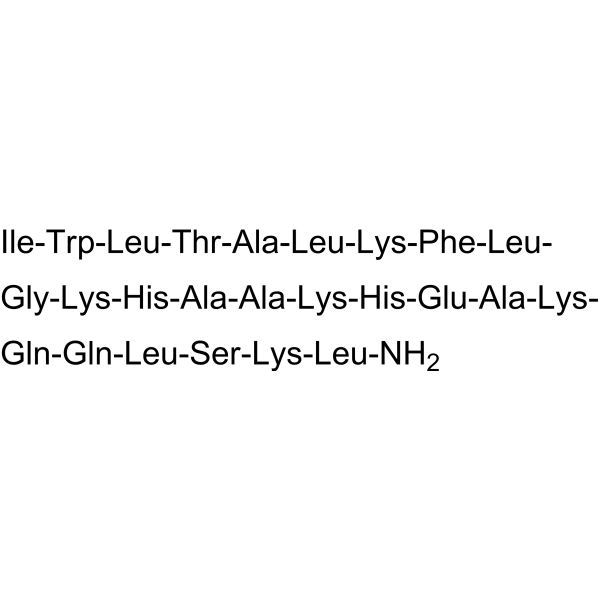
Catestatin is a 21-amino acid residue, cationic and hydrophobic peptide. Catestatin is an endogenous peptide that regulates cardiac function and blood pressure . Catestatin is a non-competitive nicotinic antagonist acting through nicotinic acetylcholine receptors (nAChRs) to inhibit catecholamine release .
loading...
    loading...
Cat. No.: HY-P11085
CAS No.: 847061-43-2
Target:  

Bacterial

Research Areas:  

Infection

WLBU2 is a engineered cationic antimicrobial peptide (eCAP) that overcomes the environmental sensitivity of natural antimicrobial peptides (AMPs). WLBU2 exhibits rapid bactericidal effect, with the MIC values of ≤ 10 μM against both Gram-negative and Gram-positive bacteria including MRSA, vancomycin-resistant enterococci, K. pneumoniae, E.aerogenes, E. cloacae, Escherichia coli, et, al. WLBU2 prevents P. aeruginosa biofilm growth and retains its activity in an environment rich in mucus, low pH and high salt concentrations without negative effects on human airway epithelial cells. WLBU2 can be used for the studies of cystic fibrosis (CF) and Pseudomonas aeruginosa infections .
loading...
    loading...
Cat. No.: HY-139201H
CAS No.: 27964-99-4
Synonyms: PDLHB (MW ≥300000)
Poly-D-lysine hydrobromide (MW ≥300000) (PDLHB (MW ≥300000)) is a cationic polymer and cell adhesion promoter. Poly-D-lysine hydrobromide (MW ≥300000) serves as a substrate coating to support the adhesion and proliferation of rat dorsal root ganglion satellite glial cells in vitro. Poly-D-lysine hydrobromide (MW ≥300000) promotes the adhesion and immobilization of cells on plastic culture dishes. Poly-D-lysine hydrobromide is also known as a calcium-sensing receptor (CaSR) agonist peptide .
loading...
    loading...

