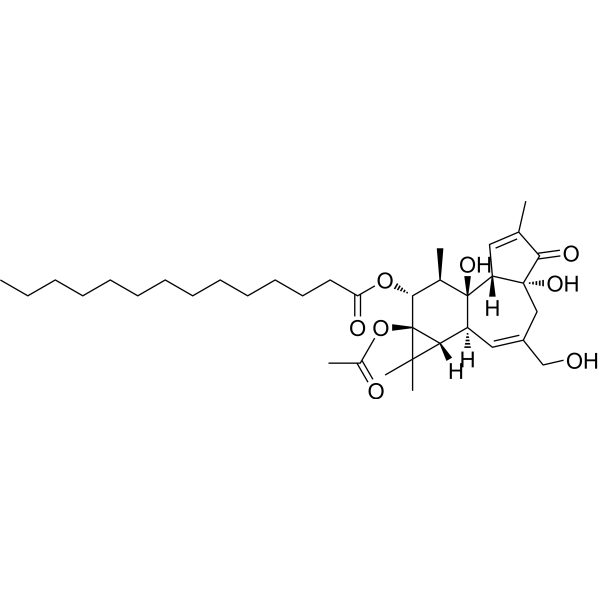
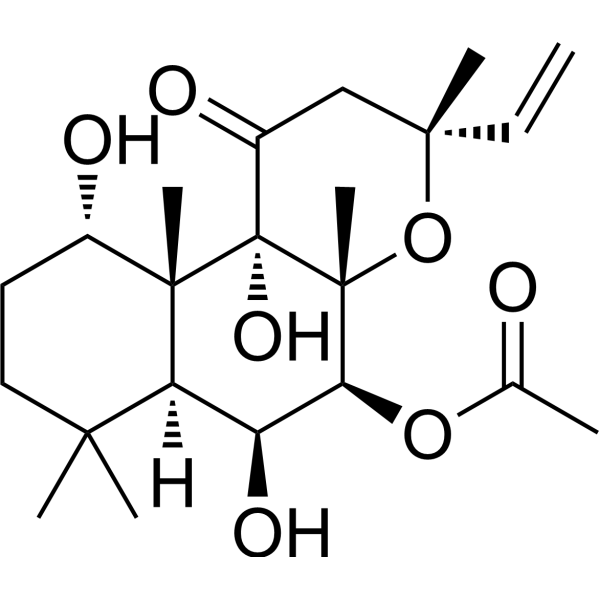
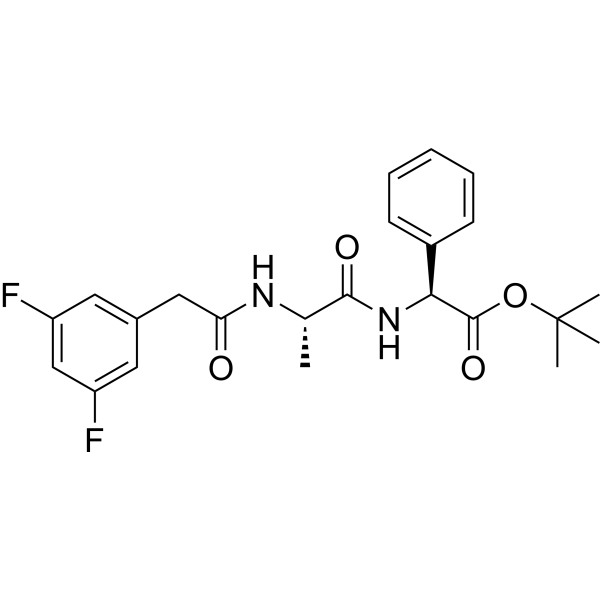
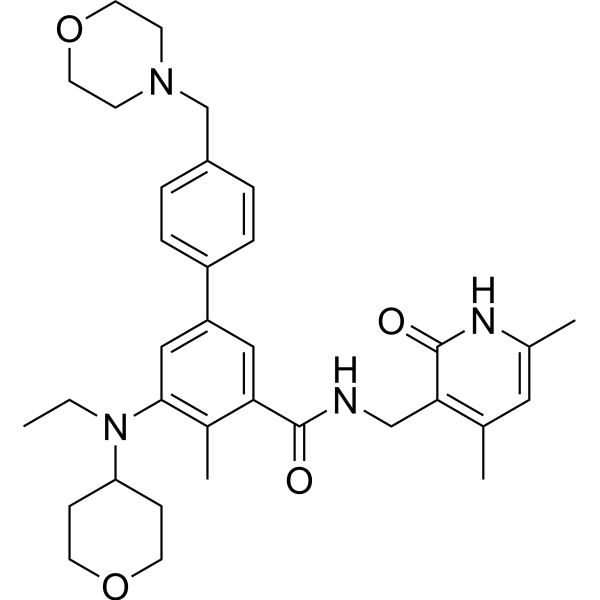

1. Search Result
Search Result
Pathways Recommended: Stem Cell/Wnt Cell Cycle/DNA Damage
Results for "

cell differentiation inducer

" in MedChemExpress (MCE) Product Catalog:

327

Inhibitors & Agonists

5

Screening Libraries

6

Fluorescent Dye

11

Biochemical Assay Reagents

12

Peptides

11

Inhibitory Antibodies

76

Natural
Products

11

Isotope-Labeled Compounds

16

Oligonucleotides

6

GMP Molecules

Cat. No. Product Name Target Research Areas Chemical Structure
  • HY-15398
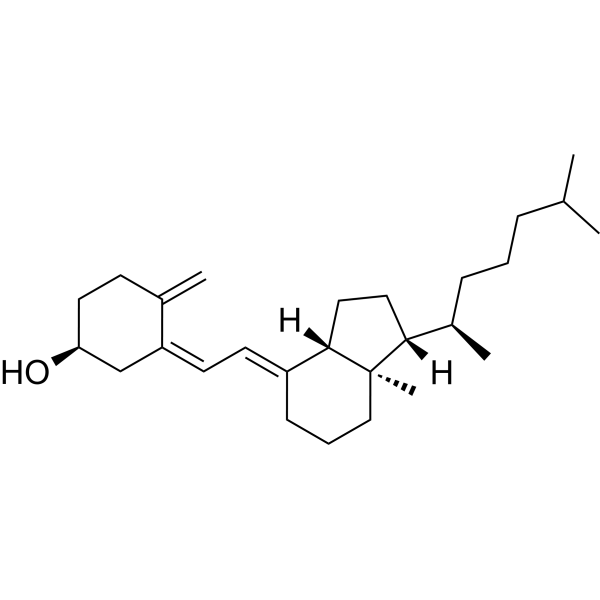
    Vitamin D3
    20+ Cited Publications

    Cholecalciferol; Colecalciferol

    Environmental Pollutants Endogenous Metabolite Bacterial VD/VDR Metabolic Disease Cancer
    Vitamin D3 (Cholecalciferol; Colecalciferol) is a naturally occuring form of vitamin D. Vitamin D3 induces cell differentiation and prevents proliferation of cancer cells.
    Vitamin D3
  • HY-12273
    DMH-1
    10+ Cited Publications

    TGF-β Receptor Organoid Microtubule/Tubulin Cardiovascular Disease Neurological Disease
    DMH-1 (GMP) is GMP grade DMH-1 (HY-12273). DMH-1 is a selective BMP inhibitor. DMH-1 upregulates the expression of SOX1. DMH-1 increases cardiomyocyte progenitor cells and promotes the differentiation of mouse embryonic stem cells into cardiomyocytes. DMH-1 induces the differentiation of hiPSC-derived neural progenitor cells into β3-tubulin-positive neurons .
    DMH-1
  • HY-12323
    ISX-9
    10+ Cited Publications

    Isoxazole 9

    Calcium Channel Neurological Disease
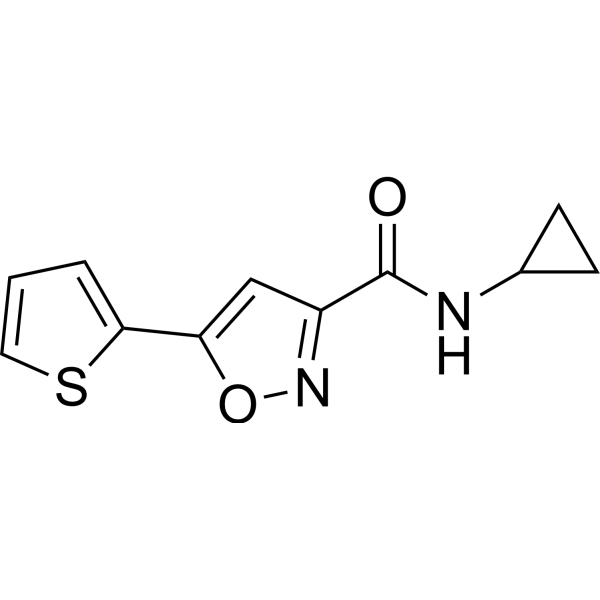
    ISX-9 (Isoxazole 9) is a potent inducer of adult neural stem cell differentiation. ISX-9 activates Ca 2+ influx through both voltage-gated Ca 2+ channels and NMDA receptors and increases neuroD expression. ISX-9 also induces cardiomyogenic differentiation of Notch-activated epicardium-derived cells (NECs) .
    ISX-9
  • HY-19700
    trans-Zeatin
    3 Publications Verification

    Environmental Pollutants Endogenous Metabolite MEK ERK Others
    trans-Zeatin is a plant cytokinin, which plays an important role in cell growth, differentiation, and division; trans-Zeatin also inhibits UV-induced MEK/ERK activation.
    trans-Zeatin
  • HY-173158

    PROTACs Histone Acetyltransferase Cancer
    AUR1545 is a selective KAT2A/KAT2B ((GCN5/PCAF)) PROTAC degrader that induces monocyte differentiation and inhibits the growth of acute myeloid leukemia cells. AUR1545 inhibits cell growth, induces epithelial differentiation and suppresses tumor growth in small cell lung cancer models. AUR1545 inhibits cell growth and induces differentiation in neuroendocrine prostate cancer cells and primary patient-derived organoids. AUR1545 is applicable to research related to acute myeloid leukemia, small cell lung cancer and neuroendocrine prostate cancer .
    AUR1545
  • HY-15650
    SGC0946
    10+ Cited Publications

    Histone Methyltransferase Cancer
    SGC0946 is a selective DOT1L inhibitor with an IC50 value of 0.3 nM. By inhibiting DOT1L, SGC0946 can induce G1 phase arrest, suppress cell self-renewal and metastatic potential, and induce cell differentiation in cancer cells. SGC0946 can be used in the research of tumors such as leukemia and breast cancer, and also serves as a probe to further investigate the cellular mechanisms of DOT1L in normal and diseased cells .
    SGC0946
  • HY-15398S3

    Cholecalciferol-d3; Colecalciferol-d3

    Isotope-Labeled Compounds Bacterial Endogenous Metabolite VD/VDR Metabolic Disease Cancer
    Vitamin D3-d3 is the deuterium labeled Vitamin D3. Vitamin D3 (Cholecalciferol; Colecalciferol) is a naturally occuring form of vitamin D. Vitamin D3 induces cell differentiation and prevents proliferation of cancer cells.
    Vitamin D3-d3
  • HY-N8278
    Dermatan sulphate sodium
    1 Publications Verification

    Thrombin Cardiovascular Disease Inflammation/Immunology
    Dermatan sulphate sodium is an oral active glycosaminoglycan and thrombin inactivator with antithrombotic activity. It selectively catalyzes the heparin cofactor II-mediated inactivation of thrombin without interacting with antithrombin III. Dermatan sulphate sodium promotes stem cell differentiation, exhibits high bioavailability, and alleviates pulmonary fibrosis injury induced by Bleomycin (HY-108345). Dermatan sulphate sodium can be used in research related to cardiovascular diseases, inflammation, and stem cell differentiation .
    Dermatan sulphate sodium
  • HY-122808

    mGluR NF-κB AP-1 Metabolic Disease
    (-)-Camphoric acid is the less active enantiomer of Camphoric acid. Camphoric acid induces glutamate receptor expression. Camphoric acid also significantly induces the activation of NF-κB and AP-1. Camphoric acid significantly stimulates the differentiation of mouse osteoblastic MC3T3-E1 subclone 4 cells. Camphoric acid has weak regulatory function towards glutamate receptors. Camphoric acid can induce mRNA expression of glutamate signaling molecules and activate transcription factors, thereby stimulating osteoblast differentiation .
    (-)-Camphoric acid
  • HY-15398S

    Isotope-Labeled Compounds VD/VDR Endogenous Metabolite Bacterial Metabolic Disease Cancer
    Vitamin D3-d7 is the deuterium labeled Vitamin D3. Vitamin D3 (Cholecalciferol) is a naturally occuring form of vitamin D. Vitamin D3 induces cell differentiation and prevents proliferation of cancer cells .
    Vitamin D3-d7
  • HY-112483
    QX77
    5 Publications Verification

    Autophagy Cancer
    QX77 is a chaperone-mediated autophagy (CMA) activator and upregulates LAMP2A expression in vitro. QX77 induces Rab11 upregulation, rescues Rab11 down-regulation and trafficking deficiency in cystinotic cells . QX77 can impede self-renewal and promote differentiation of ES cells .
    QX77
  • HY-N0840
    Bruceantin
    2 Publications Verification

    (-)-Bruceantin; NCI165563; NSC165563

    c-Myc Caspase Mitochondrial Metabolism Apoptosis Parasite Infection Cancer
    Bruceantin ((-)-Bruceantin) is a quassinoid found in B. javanica. Bruceantin activates caspase signaling pathway, causes the mitochondrial dysfunction, inhibits cell proliferation, induces cell differentiation and apoptosis. Bruceantin exhibits anti-leukemia and antiprotozoal activities .
    Bruceantin
  • HY-134771
    YM-341619
    1 Publications Verification

    AS1617612

    STAT Inflammation/Immunology
    YM-341619 (AS1617612) is a potent and orally active STAT6 inhibitor with an IC50 of 0.70 nM. YM-341619 inhibits Th2 differentiation in mouse spleen T cells induced by IL-4 (IC50=0.28 nM) without affecting Th1 cell differentiation . YM-341619 is a promising compound for the the research of allergic diseases, such as allergic asthma .
    YM-341619
  • HY-15611

    CRM1 Cancer
    KPT-185 is an orally bioavailable and selective inhibitor of CRM1 and displays potent antiproliferative properties at submicromolar concentrations (IC50=100-500 nM), induces apoptosis, cell-cycle arrest, and myeloid differentiation in AML cell lines and patient blasts .
    KPT-185
  • HY-20019
    L-165041
    2 Publications Verification

    PPAR Metabolic Disease
    L-165041 is a cell permeable PPARδ agonist, with Kis of 6 nM and appr 730 nM for PPARδ and PPARγ, respectively, and induces adipocyte differentiation in NIH-PPARδ cells.
    L-165041
  • HY-12346

    NSC 12407; BRD-K4477

    Quinone Reductase Others
    FH1 (NSC 12407) is a NQO2 inhibitor with hepatoprotective effects. FH1 enhances hepatocyte function and promotes differentiation of induced pluripotent stem (iPS)-derived hepatocytes to a more mature phenotype and maturation of well-differentiated hepatocyte-like cell (iHeps) cultures. FH1 protects against Acetaminophen (HY-66005)-induced hepatotoxicity in both embryos and adult zebrafish .
    FH1
  • HY-103073
    Mesendogen
    1 Publications Verification

    TRP Channel Others
    Mesendogen is a TRPM6 inhibitor. Mesendogen enhances the mesoderm and definitive endoderm (DE) differentiations of human embryonic stem cells (hESCs) and human induced pluripotent stem cells (hiPSCs). Mesendogen can be used for the research of magnesium homeostasis during early embryonic cell development .
    Mesendogen
  • HY-119443

    Phosphatase Metabolic Disease
    Neridronate is an aminobisphosphonate. Neridronate induces osteoblast differentiation, enhances alkaline phosphatase activity and mineralized nodule formation. Neridronate inhibits endothelial cell proliferation, fibroblast growth factor-2-induced capillary-like tube formation, and angiogenesis. Neridronate can be used for osteogenesis imperfecta and Paget’s disease of bone .
    Neridronate
  • HY-15398A

    5,6-trans-Cholecalciferol; 5,6-trans-Colecalciferol; Cholecalciferol EP Impurity A

    VD/VDR Metabolic Disease
    5,6-trans-Vitamin D3 (5,6-trans-Cholecalciferol;5,6-trans-Colecalciferol) is a photoproduct of vitamin D3 . Vitamin D3 is a naturally occuring form of vitamin D. Vitamin D3 induces cell differentiation and prevents proliferation of cancer cells.
    5,6-trans-Vitamin D3
  • HY-15331

    Cholecalciferol-d6; Colecalciferol-d6

    Isotope-Labeled Compounds Bacterial Endogenous Metabolite VD/VDR Metabolic Disease
    Vitamin D3-d6 (Cholecalciferol-d6 ) is the deuterium labeled Vitamin D3 (HY-15398) . Vitamin D3 (Cholecalciferol; Colecalciferol) is a naturally occuring form of vitamin D. Vitamin D3 induces cell differentiation and prevents proliferation of cancer cells.
    Vitamin D3-d6
  • HY-124284

    HMBA

    Apoptosis p38 MAPK Akt NF-κB Notch Bcl-2 Family MDM-2/p53 Epigenetic Reader Domain Neurological Disease Metabolic Disease Cancer
    Hexamethylene bisacetamide (HMBA) is a differentiation inducer and selective bromine domain inhibitor that can differentiate across the blood-brain barrier. Hexamethylene bisacetamide can induce tumor cell differentiation and inhibit cell proliferation, showing antitumor activity. Hexamethylene bisacetamide induces apoptosis by Notch1, Bcl-2 and p53 signaling pathways. In addition, Hexamethylene bisacetamide improves the obesity phenotype of mice .
    Hexamethylene bisacetamide
  • HY-10591
    Neuropathiazol
    1 Publications Verification

    TGF-β Receptor Neurological Disease
    Neuropathiazol, a neuronal differentiation inducer, selectively induces neuronal differentiation of multipotent hippocampal neural progenitor cells .
    Neuropathiazol
  • HY-N1403

    Apoptosis Cardiovascular Disease Metabolic Disease Inflammation/Immunology Cancer
    Tigogenin is a steroidal sapogenins. Tigogenin can inhibit adipocytic differentiation and induce osteoblastic differentiation in mouse bone marrow stromal cells. Tigogenin can inhibit cells proliferation and induce apoptosis. Tigogenin can be used for the researches of cancer, inflammation, immunology, metabolic and cardiovascular disease, such as mammary gland carcinoma, rheumatoid arthritis, osteoporosis and atherosclerosis .
    Tigogenin
  • HY-141677

    Histone Demethylase Cancer
    INCB059872 is a potent, orally active, selective and irreversible Lysine-Specific Demethylase 1 (LSD1) inhibitor that achieves inhibitory activity through the formation of covalent FAD-adducts. INCB059872 can inhibit cell proliferation and induce cell differentiation by upregulating the expression of myeloid differentiation markers CD86 and CD11b. INCB059872 can be used for the research of myeloid leukemia .
    INCB059872
  • HY-15398R

    Cholecalciferol (Standard); Colecalciferol (Standard)

    Reference Standards VD/VDR Endogenous Metabolite Bacterial Metabolic Disease Cancer
    Vitamin D3 (Standard) is the analytical standard of Vitamin D3. This product is intended for research and analytical applications. Vitamin D3 (Cholecalciferol; Colecalciferol) is a naturally occuring form of vitamin D. Vitamin D3 induces cell differentiation and prevents proliferation of cancer cells.
    Vitamin D3 (Standard)
  • HY-19700S

    MEK ERK Endogenous Metabolite Others
    trans-Zeatin-d5 is deuterium labeled trans-Zeatin. trans-Zeatin is a plant cytokinin, which plays an important role in cell growth, differentiation, and division; trans-Zeatin also inhibits UV-induced MEK/ERK activation.
    trans-Zeatin-d5
  • HY-W011220
    Ciglitazone
    1 Publications Verification

    ADD-3878; U-63287

    PPAR Cardiovascular Disease Cancer
    Ciglitazone is a potent and selective PPARγ agonist (EC50=3 μM). Ciglitazone inhibits proliferation and differentiation of th17 cells. Ciglitazone is a hypoglycemic agent orally active in the obese-hyperglycemic animal models. Ciglitazone induces apoptosis accompanied by activation of p38 MAPK and nuclear translocation of apoptosis inducing factor (AIF) in opossum kidney (OK) renal epithelial cells .
    Ciglitazone
  • HY-125677

    Caspase Reactive Oxygen Species (ROS) Apoptosis Cancer
    SHetA2 is a derivative of heteroarotinoid, that exhibits cytotoxicity in cancer cells with IC50 of 0.37–4.6 μM. SHetA2 regulates cancer cells differentiation, induces apoptosis through the intrinsic mitochondrial pathway, and arrest cell cycle at G2 phase. SHetA2 exhibits good pharmacokinetic characteristics and antitumor efficacy in mice. SHetA2 is orally active .
    SHetA2
  • HY-13973A
    GSK-3 inhibitor 1
    1 Publications Verification

    GSK-3 Metabolic Disease
    GSK-3 inhibitor 1 (compound core 3) is a GSK-3 inhibitor that induces stem/progenitor cell self-renewal (e.g. induces stem/progenitor cell proliferation while maintaining the ability to differentiate into tissue cells in the progeny) .
    GSK-3 inhibitor 1
  • HY-N2785

    Wnt Metabolic Disease
    Desmethylicaritin is a phytoestrogenic molecule, has inducible effect on directional differentiation of embryonic stem cells into cardiomyocytes. Desmethylicaritin also suppresses adipogenesis via Wnt/β-catenin signaling pathway .
    Desmethylicaritin
  • HY-W008956

    Microtubule/Tubulin DNA/RNA Synthesis Cardiovascular Disease Inflammation/Immunology
    Myoseverin is a microtubule-binding molecule and angiogenesis inhibitor. Myoseverin can induce the reversible fission of multinucleated myotubes into mononucleated fragments. In addition, Myoseverin exerts anti-angiogenic effects by inhibiting endothelial cell function and endothelial progenitor cell differentiation .
    Myoseverin
  • HY-12273G

    Organoid TGF-β Receptor Microtubule/Tubulin Cardiovascular Disease Neurological Disease
    DMH-1 (GMP) is GMP grade DMH-1 (HY-12273). DMH-1 (GMP) is a selective BMP inhibitor. DMH-1 (GMP) upregulates the expression of SOX1. DMH-1 (GMP) increases cardiomyocyte progenitor cells and promotes the differentiation of mouse embryonic stem cells into cardiomyocytes. DMH-1 (GMP) induces the differentiation of hiPSC-derived neural progenitor cells into β3-tubulin-positive neurons .
    DMH-1
  • HY-N2045
    Musk ketone
    1 Publications Verification

    Environmental Pollutants Apoptosis Akt Cytochrome P450 PI3K Neurological Disease
    Musk ketone is a widely used artificial fragrance. Musk ketone is also a cytochrome P450 enzyme inducer. Musk ketone shows mutagenic and comutagenic effects in Hep G2 cells and induces neural stem cell proliferation and differentiation in cerebral ischemia via activation of the PI3K/Akt signaling pathway. In the brain, musk ketone is neuroprotective against stroke injury through inhibition of cell apoptosis .
    Musk ketone
  • HY-141677A

    Histone Demethylase Cancer
    INCB059872 dihydrochloride is a potent, orally active, selective and irreversible Lysine-Specific Demethylase 1 (LSD1) inhibitor that achieves inhibitory activity through the formation of covalent FAD-adducts. INCB059872 dihydrochloride can inhibit cell proliferation and induce cell differentiation by upregulating the expression of myeloid differentiation markers CD86 and CD11b. INCB059872 dihydrochloride can be used for the research of myeloid leukemia .
    INCB059872 dihydrochloride
  • HY-149132

    DDA

    LXR Cancer
    Dendrogenin A (DDA) is a ligand for liver X receptor (LXR), that induces the expression of sodium/iodine symporter, and increases iodine uptake. Dendrogenin A induces cell differentiation of MCF-7, and reactivates the function of lactating cells. Dendrogenin A induces the expressions of the TSH receptor, thyroid peroxidase, and thyroglobulin, and affects thyroid hormone generation. Dendrogenin A exhibits cytotoxicity in cancer cell B-CPAP and 8505c with IC50 of 4.1 and 6.2 µM. Dendrogenin A arrests the cell cycle at G0/G1 phase .
    Dendrogenin A
  • HY-128431

    Reactive Oxygen Species (ROS) Neurological Disease Metabolic Disease
    Arochlor 1254 is a polychlorinated biphenyl (PCB) mixture with biphenyl and 54% chlorine. Aroclor 1254 reduced cell viability and induced overproduction of intracellular reactive oxygen species in a dose-dependent manner. Arochlor 1254 exposure reduces calcium homeostasis, osteoblast differentiation and bone formation .
    Arochlor 1254
  • HY-N9359

    Apoptosis Cardiovascular Disease
    Toddaculin is a natural coumarin that can induce differentiation and apoptosis in leukemic cells. Toddaculin suppresses excess osteoclast activity and enhances osteoblast differentiation and mineralization. Toddaculin also exhibits anti-inflammatory activity .
    Toddaculin
  • HY-N3619
    Conophylline
    1 Publications Verification

    Apoptosis Neurological Disease Endocrinology
    Conophylline is a vinca alkaloid extracted from leaves of a tropical plant Ervatamia microphylla. Conophylline is a differentiation inducer of for pancreatic cells. Conophylline suppresses HSC and induces apoptosis .
    Conophylline
  • HY-122041
    Ethacridine
    2 Publications Verification

    Apoptosis Poly(ADP-ribose) Glycohydrolase (PARG) Cancer
    Ethacridine is a poly(ADP-ribose) glycohydrolase (PARG) inhibitor and an activator of the transcriptional coactivator. Ethacridine induces thyroid cancer cells apoptosis and promotes differentiation in thyroid follicular cells .
    Ethacridine
  • HY-127130

    Bcl-2 Family Apoptosis Fungal Antibiotic Infection Cancer
    Spicamycin, an adenine nucleoside antibiotic with antifungal and antitumor activities. Spicamycin is also a potent inducer of differentiation of myeloid leukemia cells. Spicamycin induces apoptosis in NB4 cells via down-regulation of Bcl-2 expression and modulation of PML protein .
    Spicamycin
  • HY-145491

    ERK NF-κB CCR Inflammation/Immunology
    Resolvin D5 is an anti-inflammatory and analgesic agent produced in M2 macrophages. Resolvin D5 alleviates Paclitaxel (HY-B0015)-induced mechanical allodynia and inflammatory pain by activating the GPR32 receptor, with gender specificity (effective only in male mice) and independence from TRPV1 or TRPA1 channels. Resolvin D5 attenuates LPS-induced ERK phosphorylation and NF-κB nuclear translocation, downregulates proinflammatory mediators such as IL-6 and CCL5, inhibits Th17 cell differentiation and osteoclastogenesis, promotes regulatory T cell differentiation, and shows no cytotoxicity to human monocytes. The level of Resolvin D5 is elevated in arthritic SKG mice, but Resolvin D5 has no effect on dendritic cell differentiation or M1 macrophage polarization, nor does it prevent ZyA-induced arthritis progression. Resolvin D5 is suitable for research related to chemotherapy-induced peripheral neuropathy, inflammatory pain and rheumatoid arthritis .
    Resolvin D5
  • HY-134557

    GSK-3 Cancer
    GS87 is a highly specific and potent GSK3 inhibitor with IC50s of 415nM and 521nM for GSK3α and GSK3β, respectively. GS87 induces differentiation of acute myeloid leukemia (AML) cell lines by effectively activating GSK3-dependent signaling components including MAPK signaling. GS87 modulates key GSK3 target proteins involved in cell proliferation and differentiation more effectively than Lithium and SB415285 (SB). GS87 has the potential for acting as a differentiation agent for non-promyelocytic AML research .
    GS87
  • HY-161050

    HDAC Apoptosis Cancer
    YSR734 (Compound 21) is a covalent HDAC inhibitor with IC50 values of 110 nM, 154 nM, and 143 nM for HDAC1, HDAC2, and HDAC3, respectively. YSR734 can induce apoptosis in leukemia cells. YSR734 can induce myoblast differentiation and is used in the study of Duchenne muscular dystrophy .
    YSR734
  • HY-120048

    NOD-like Receptor (NLR) Inflammation/Immunology
    NBC19 is an NLRP3 inflammasome inhibitor with an IC50 of 60 nM in differentiated THP1 cells. NBC19 inhibits nigericin- and ATP-induced IL-1β release with IC50s of 80 nM and 850 nM, respectively .
    NBC19
  • HY-167692

    STAT Others
    JI069 is a novel JAK-STAT inhibitor that demonstrates potent activity in suppressing Th1, Th2, and Th17 differentiation while promoting iTreg differentiation. JI069 effectively inhibits STAT3 activation as well as the activation of other STATs, including STAT1, STAT5, and STAT6. JI069 has shown significant therapeutic potential in alleviating symptoms of collagen-induced arthritis in mice while inhibiting cytokine production from T cells and the phosphorylation of STAT3 in synovial cells.
    JI069
  • HY-P5156

    Potassium Channel Neurological Disease
    BDS-I known as blood depressing substance, is a marine toxin which can be extracted from Anemonia sulcata. BDS-I is a specific inhibitor of Potassium Channel, targeting to Kv3.4. BDS-I inhibits Aβ1-42-induced enhancement of KV3.4 activity, caspase-3 activation, and abnormal nuclear morphology of NGF-differentiated PC-12 cells. BDS-I reverts the Aβ peptide-induced cell death .
    BDS-I
  • HY-12323G

    Isoxazole 9

    Calcium Channel Cardiovascular Disease Neurological Disease
    ISX-9 (Isoxazole 9) is a potent inducer of adult neural stem cell differentiation.
    ISX-9
  • HY-W128159

    Hemoglobin Cancer
    N-Acetyl-2-pyrrolidone (No.20) is an N-acetylated amide. N-Acetyl-2-pyrrolidone can induce the differentiation of mouse erythroleukemia cells and has the activity of stimulating proliferation. N-Acetyl-2-pyrrolidone can be used in the research of leukemia differentiation therapy .
    N-Acetyl-2-pyrrolidone
  • HY-Y0943

    Drug Metabolite Cancer
    Aldehyde Dehydrogenase Isobutyramide is an orally active liver alcohol dehydrogenase (LADH2) inhibitor. Isobutyramide inhibits ethanol metabolism and enhances differentiation-related gene expression, inducing cell cycle arrest and significantly reducing the growth rate of prostate cancer cells (LNCaP). Isobutyramide is promising for research of advanced prostate cancer .
    Isobutyramide
  • HY-N7338

    Others Cancer
    Yadanziolide C is a quassinoid with antiproliferative and differentiation-inducing properties in promyelocytic HL-60 cells .
    Yadanziolide C

Inquiry Online

Your information is safe with us. * Required Fields.

Salutation


Country or Region *

Applicant Name *


Organization Name *

Department *


Email Address *


Product Name *

Cat. No.


Requested quantity *

Phone Number *


Remarks

Inquiry Online

Inquiry Information

Product Name:
Cat. No.:
Quantity:
MCE Japan Authorized Agent:

