
Search Result
Results for "
cell membrane integrity
" in MedChemExpress (MCE) Product Catalog:
6
Biochemical Assay Reagents
9
Isotope-Labeled Compounds
| Cat. No. |
Product Name |
Target |
Research Areas |
Chemical Structure |
-
- HY-B0221
-
Amphotericin B
Maximum Cited Publications
26 Publications Verification
|
Fungal
Antibiotic
Bacterial
Parasite
|
Infection
Cancer
|
|
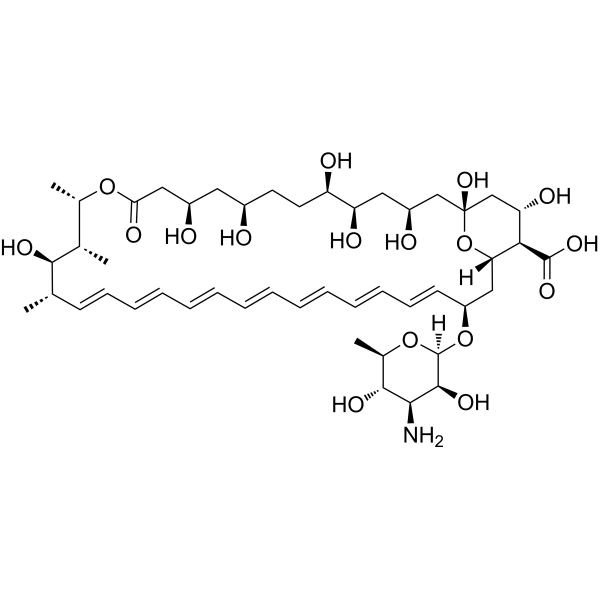
Amphotericin B is a polyene antifungal agent against a wide variety of fungal pathogens. It binds irreversibly to ergosterol, resulting in disruption of membrane integrity and ultimately cell death.
|
-
-
- HY-N5034
-
|
Monoaminoethyl phosphate; NSC 254167; O-Phosphoethanolamine
|
Endogenous Metabolite
|
Neurological Disease
Metabolic Disease
Cancer
|
|
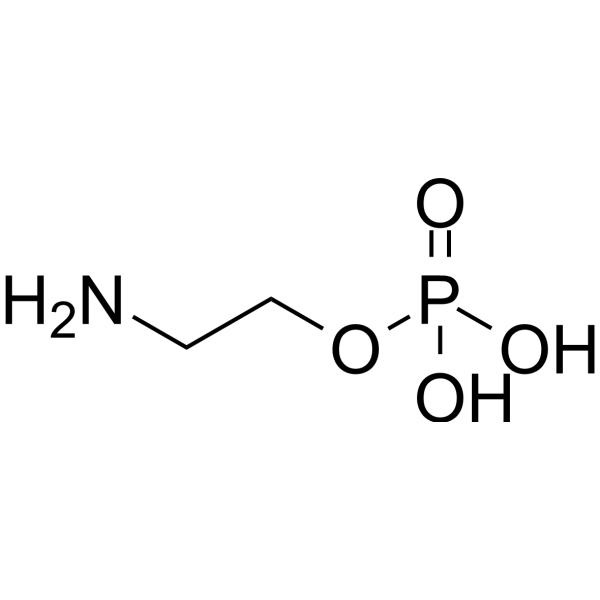
Phosphorylethanolamine (Monoaminoethyl phosphate) is a membrane phospholipid and an important precursor of Phosphatidylcholine (HY-B2233B). It is found in most animal tissues and various human extracranial tumors, playing a critical role in membrane integrity, cell division, mitochondrial respiratory function, and more. Studies have shown that changes in the abundance of Phosphorylethanolamine are associated with Alzheimer's disease and Parkinson's disease. Lowering the ratio of Phosphorylethanolamine to Phosphatidylcholine in the liver can improve insulin signaling. Phosphorylethanolamine holds promise for research in the fields of cancer, neurodegenerative disorders, and metabolic diseases .
|
-
-
- HY-D0970
-
|
Direct Blue 14; Trypan Blue
|
Fluorescent Dye
|
Others
|
|
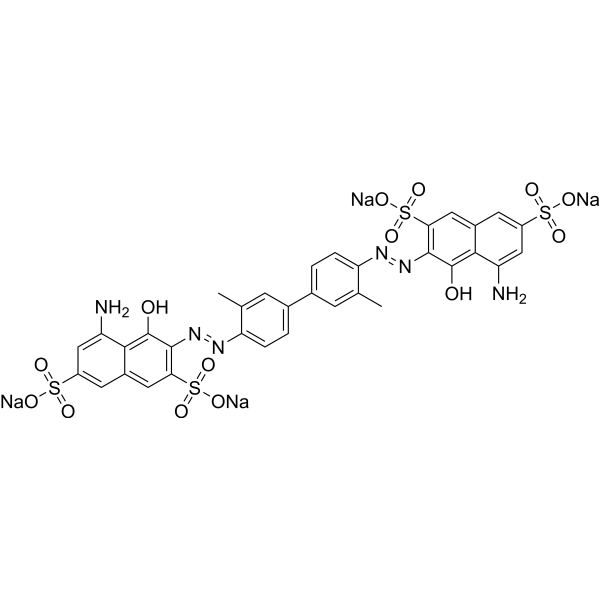
Diphenyl Blue (Trypan Blue) is a cell active dye, the most commonly used dye for the identification of dead cells, of en used to test cell membrane integrity and cell viability. Diphenyl Blue staining is one of the methods for tissue and cell culture. When cells are deactivated or have incomplete cell membranes, Diphenyl Blue can stain them Blue. Normal living cells with intact cell membranes reject Diphenyl blue and do not stain them blue. However, macrophages are capable of phagocytosis of Diphenyl Blue, so it can be used as a living stain for macrophages .
|
-
-
- HY-164036
-
|
|
Antibiotic
Bacterial
|
Infection
|
|
Lolamicin is an orally effective inhibitor that specifically targets the Gram-negative bacteria lipoprotein transport system LolCDE complex. It selectively inhibits the transmembrane transport of outer membrane lipoproteins by competitively binding to lipoprotein binding sites. Lolamicin destroys the integrity of the bacterial outer membrane, leading to cell death, and has both bactericidal and antibacterial activity. It has significant effects on multidrug-resistant Enterobacteriaceae pathogens (such as Escherichia coli and Klebsiella pneumoniae). Lolamicin can be used to inhibit the study of acute pneumonia, sepsis and other infections caused by Gram-negative bacteria .
|
-
-
- HY-170430
-
|
|
Molecular Glues
E1/E2/E3 Enzyme
|
Cancer
|
|
HGC652 is a molecular glue degrader targeting TRIM21 with a TRIM21-dependent nuclear membrane disruption effect. HGC652 binds to the PRY-SPRY domain of TRIM21 with high affinity (Ka=0.061 μM), mediates the interaction between TRIM21 and NUP98, and redirects E3 ligase activity. By triggering the polyubiquitination and proteasomal degradation of nucleoporins (such as NUP155 and GLE1), HGC652 disrupts nuclear membrane integrity, alters nuclear morphology, induces genomic instability, and thereby induces cancer cell death .
|
-
-
- HY-W250118
-
|
|
Liposome
Autophagy
|
Neurological Disease
Metabolic Disease
|
|
Cephalin form bovine brain is an orally active phospholipid widely present in organisms.Cephalin form bovine brain participates in the formation of autophagosome membrane as a lipid anchor of autophagy-related protein Atg8/LC3. Cephalin form bovine brain enhances Autophagic flux, promotes cell differentiation, regulates lipid droplet fusion, delays aging, and also affects lipid metabolism and membrane integrity .
|
-
-
- HY-B1228
-
|
Vistamycin sulfate
|
Antibiotic
PDI
|
Infection
|
|
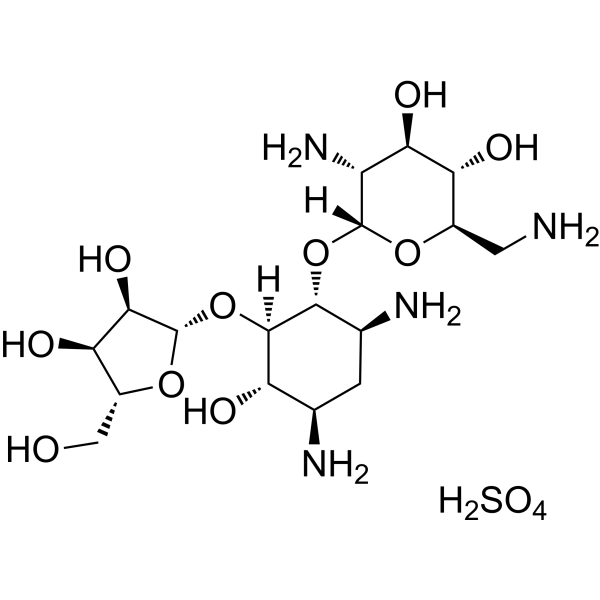
Ribostamycin sulfate (Vistamycin sulfate) is a broad-spectrum aminoglycoside Antibiotic with bactericidal activity against Gram-positive cocci, Gram-negative cocci, bacilli, and drug-resistant strains. Ribostamycin sulfate also acts as an inhibitor of protein disulfide isomerase (PDI), with a binding constant KD of 319 μM for bovine PDI. Ribostamycin sulfate targets bacterial 16S ribosomal RNA and the 30S ribosomal subunit, causing translational misreading and thereby inhibiting bacterial protein synthesis. Ribostamycin sulfate disrupts the integrity of bacterial cell membranes, induces membrane pore formation, and leads to bacterial death. Ribostamycin sulfate can be used in studies related to bacterial infections .
|
-
-
- HY-N8015
-
Octanal
1 Publications Verification
|
Environmental Pollutants
Endogenous Metabolite
Fungal
Bacterial
|
Infection
Cancer
|
|
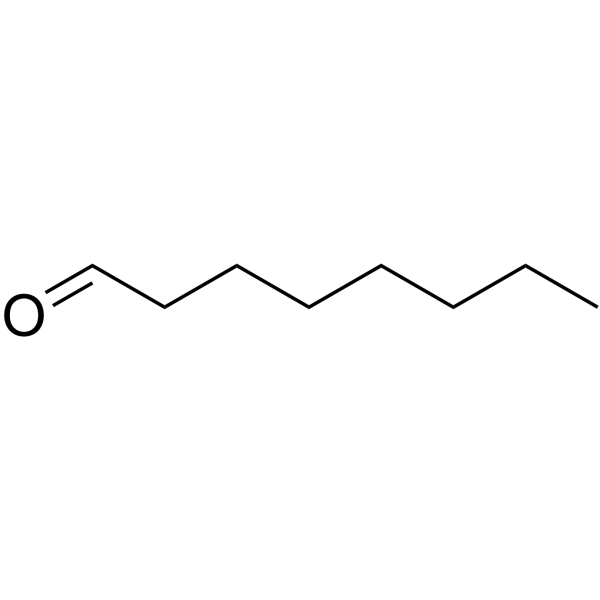
Octanal is a fragrant aldehyde with antioxidant and antibacterial activity. Its antifungal effect against G. citri-aurantii may be related to the disruption of cell membrane integrity and the leakage of cellular components. Additionally, Octanal exhibits cytotoxicity towards HeLa cells, with an IC50 value of 3.5 μg/mL .
|
-
-
- HY-W015551
-
|
(E)-Dec-2-enal
|
Bacterial
Reactive Oxygen Species (ROS)
|
Infection
|
|
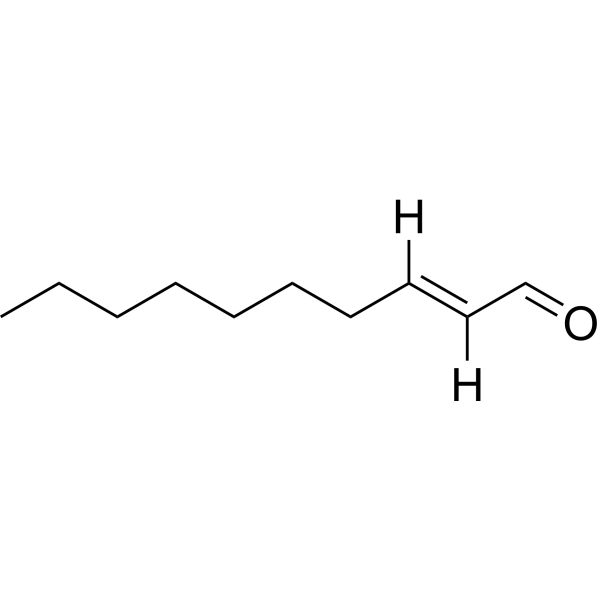
trans-2-Decenal ((E)-Dec-2-enal) acts as a urease inhibitor and antibacterial agent against Helicobacter pylori, with an IC50 of 9.484 μg/mL against Helicobacter pylori urease. trans-2-Decenal reduces the urease activity of Helicobacter pylori, and possesses antibacterial, bactericidal, anti-biofilm and anti-migratory activities. It alters the morphology of Helicobacter pylori, induces bacterial rupture, inhibits biofilm formation, reduces the number of mature biofilms and impairs the migratory capacity of Helicobacter pylori. trans-2-Decenal disrupts the cell wall integrity of Phytophthora capsici, damages membrane integrity and permeability, triggers intracellular reactive oxygen species (ROS) accumulation, decreases glutathione levels and disrupts the mitochondrial membrane potential of Phytophthora capsici. trans-2-Decenal is applicable to studies related to Helicobacter pylori and plant diseases induced by and Phytophthora capsici .
|
-
-
- HY-B1597
-
|
Benzyldimethylhexadecylammonium chloride
|
Bacterial
|
Infection
Inflammation/Immunology
|
|
Cetalkonium chloride is an ammonium antiseptic agent used in many topical agents for infections of mouth, throat and eye. Cetalkonium chloride acts as anti-inflammatory amphiphilic agent. Cetalkonium chloride is a cationic surfactant, that improves the precorneal residence time and bioavailability of drugs. Cetalkonium chloride interacts with the negative charges on the bacterial cell membrane, disrupts the integrity of the cell membrane, causes leakage of cell contents and ultimately leading to bacterial death .
|
-
-
- HY-P5712
-
|
Gramicidin soviet
|
Antibiotic
Bacterial
Na+/K+ ATPase
|
Infection
|
|
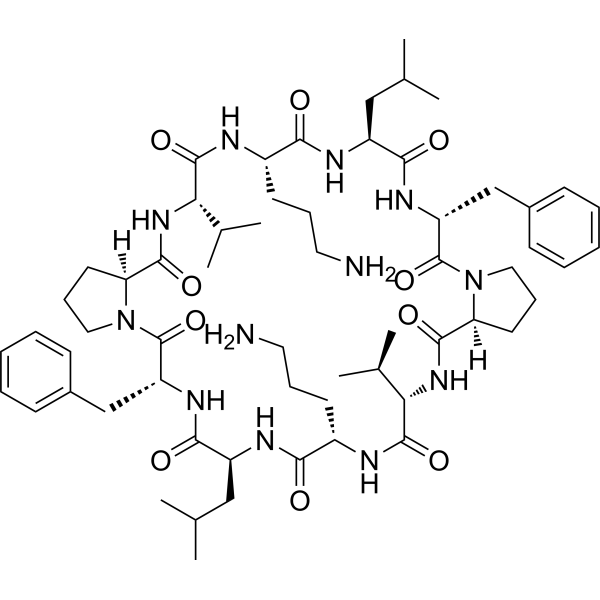
Gramicidin S (Gramicidin soviet) is a cationic cyclic peptide antibiotic that selectively targets bacterial cell membranes and has anticancer activity. Gramicidin S also exerts antibacterial activity by destroying membrane integrity and interfering with membrane protein function. Gramicidin S inserts into the phospholipid bilayer through hydrophobic amino acid residues, specifically binds to negatively charged membrane lipids and disrupts membrane structure, thereby inhibiting cell division and cell wall synthesis, and ultimately causing bacterial death. Gramicidin S also inhibits ion channels, with IC50s of 41 μM, 24 μM, and 3 μM for Na +/K +-ATPase, tobacco leaf plasma membrane Mg 2+/K +-ATPase, and rat heart plasma membrane Ca 2+-ATPase, respectively .
|
-
-
- HY-12638
-
|
DDM
|
Environmental Pollutants
Fungal
Parasite
Bacterial
|
Infection
|
|
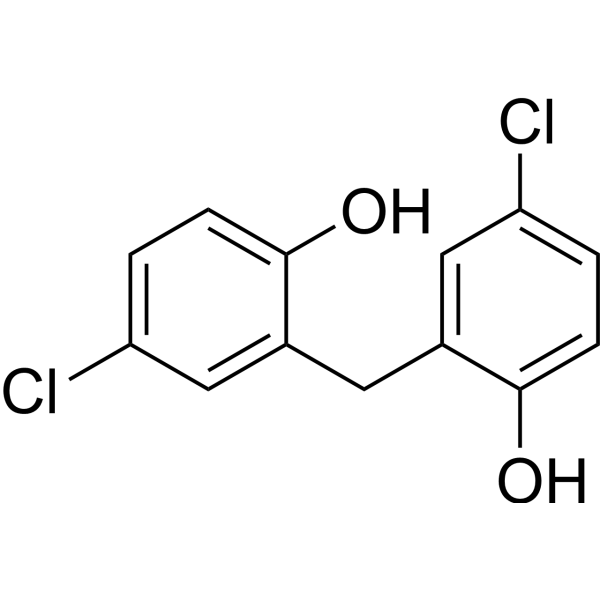
Dichlorophen is a chlorophenol antimicrobial agent that can destroy the integrity of microbial cell membranes and interfere with the activity of metabolic enzymes. Dichlorophen can covalently bind to the thiol groups of microbial proteins and has broad-spectrum antibacterial, antifungal and anthelmintic activity. Dichlorophen can be used as an antimicrobial agent in the study of drug-resistant bacterial infections .
|
-
-
- HY-B0859
-
MCPA
1 Publications Verification
|
Environmental Pollutants
Cytochrome P450
Herbicide
|
Metabolic Disease
|
|
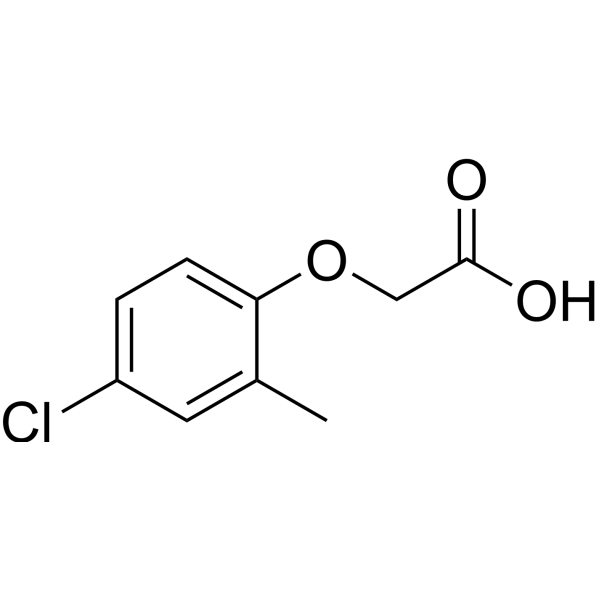
MCPA is an orally active phenoxyacetic acid herbicide. MCPA interferes with membrane integrity, energy metabolism (decreases ATP levels), and redox balance in plant cells. MCPA increases hepatic cytochrome P-450 levels and increases aniline hydroxylase and 7-ethoxycoumarin O-deethylase activities. MCPA can be used to control broadleaf weeds .
|
-
-
- HY-119847
-
|
BAY-W-6341
|
Fungal
|
Infection
|
|
Abafungin (BAY-W-6341) is a broad-spectrum fungicidal arylguanidine compound and a selective inhibitor of sterol-C-24-methyltransferase. Abafungin blocks the transmethylation reaction at the C-24 position of the sterol side chain during the ergosterol biosynthesis pathway. Abafungin directly disrupts fungal cell membrane integrity, and diminishes fungal viability independent of the fungal growth state. Abafungin can be applied to the research of fungal infections, particularly dermatomycoses .
|
-
-
- HY-D1098
-
|
|
Fluorescent Dye
|
Others
|
|
SYBR Green II is a fluorescent nucleic acid dye that mainly binds single-stranded nucleotides. SYBR Green II is sensitive to oligonucleotides or larger nucleic acid polymers in a variety of cells and gels. SYBR Green II can be used to study cell structure, membrane integrity or function, and cell cycle distribution. Wavelength 484/515 nm .
|
-
-
- HY-23155
-
|
2-PE ITC
|
Fungal
|
Infection
|
|
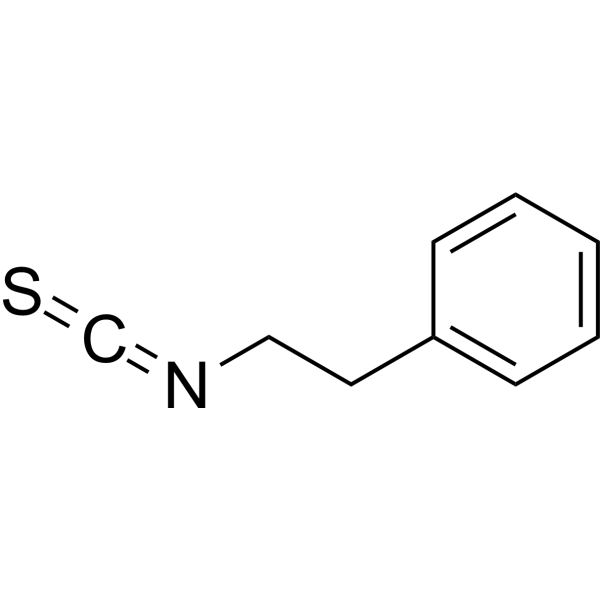
2-Phenylethyl isothiocyanate is a potent antifungal agent. 2-Phenylethyl isothiocyanate significantly inhibited spore germination and mycelial growth of Alternaria alternata, with a MIC (minimum inhibitory concentration) of 1.22 mM. The antifungal effect of 2-Phenylethyl isothiocyanate against Alternaria alternate might be via reduction in toxin content and breakdown of cell membrane integrity .
|
-
-
- HY-112959
-
|
TD-6424
|
Antibiotic
Bacterial
|
Infection
|
|
Telavancin (TD-6424) is a semisynthetic lipoglycopeptide vancomycin-derivative, is a novel antimicrobial agent developed by Theravance for overcoming resistant Gram-positive bacterial infections, specifically methicillin-resistant Staphylococcus aureus (MRSA). Telavancin disrupts cell membrane integrity, can be used for research of complicated skin and skin structure infections (cSSSIs) caused by Gram-positive bacteria .
|
-
-
- HY-D0917
-
|
|
DNA Stain
|
Cancer
|
|
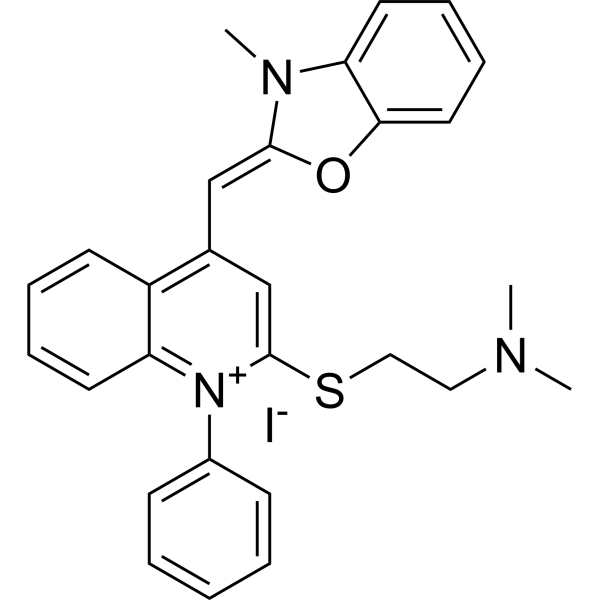
NIR-Red Dead Cell-1 Dye is a DNA-binding fluorescent dye for non-living cells (Ex/Em=515 nm/531 nm). NIR-Red Dead Cell-1 Dye can intercalate into base pairs of double-stranded DNA and produce stronger fluorescence. NIR-Red Dead Cell-1 Dye is suitable for necrotic cells or late apoptotic cells with damaged cell membranes, showing green fluorescence under fluorescence microscopy or flow cytometry. NIR-Red Dead Cell-1 Dye can be used to distinguish live cells from dead cells and distinguish cell membrane integrity. NIR-Red Dead Cell-1 Dye can be attached to the surface of Feraheme (FH) nanoparticles (NPs) to obtain fluorescent dye-functionalized NPs for drug delivery studies .
|
-
-
- HY-127032
-
|
Polidronium chloride
|
Biochemical Assay Reagents
|
Infection
|
|
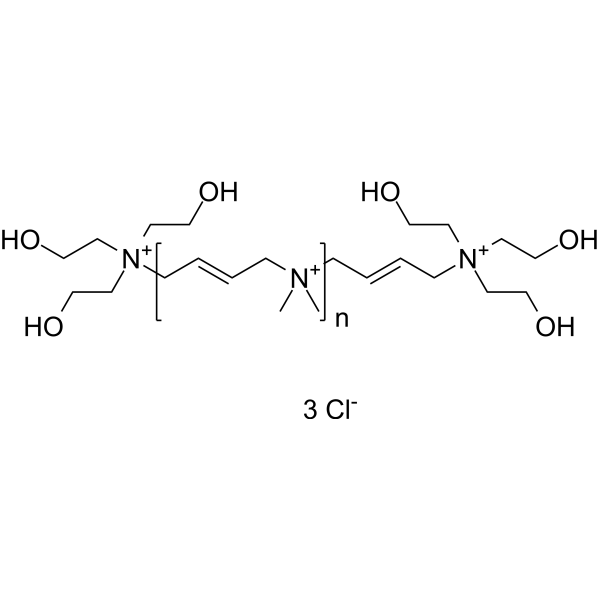
Polyquaternium-1 (Polidronium chloride; PQ-1) is an antimicrobial preservative and an activator of NF-κB. Polyquaternium-1 targets bacterial cell membranes, commonly used in ophthalmic surgery. Polyquaternium-1 adsorbs to the surface of microbial membranes through its polycationic properties, destroying membrane integrity and inducing potassium ion leakage, leading to bacterial death. Polyquaternium-1 exerts antimicrobial effects at a concentration of 0.001% and has low toxicity to mammalian cells. Polyquaternium-1 can be used to prepare products such as glaucoma eye drops (Travoprost preparations containing PQ-1), artificial tears, and contact lens solutions to reduce the ocular surface toxicity of traditional preservatives such as benzalkonium chloride (HY-B2232) .
|
-
-
- HY-P5255
-
|
|
Bacterial
|
Infection
Inflammation/Immunology
|
|
Oligopeptide-10 is a bioactive peptide with antimicrobial activity. Oligopeptide-10 exhibits broad-spectrum bactericidal effects against Gram-positive bacteria including Propionibacterium acnes and Staphylococcus aureus. Oligopeptide-10 targets lipoteichoic acid (LTA) on the surface of bacterial cell membranes, induces bacterial osmotic imbalance by disrupting the integrity of bacterial membranes, and reduces the release of pro-inflammatory cytokines induced by bacteria. Oligopeptide-10 possesses skin-protective activity. Oligopeptide-10 can be applied in research related to acne vulgaris, dandruff, seborrheic dermatitis, and tinea pedis .
|
-
-
- HY-A0248B
-
|
|
Antibiotic
Bacterial
|
Infection
|
|
Polymyxin B2 is a polypeptide antibiotic that has antibacterial activity, particularly against gram-negative bacteria. Polymyxin B2 kills the bacteria by binding to lipopolysaccharide molecules on the bacterial cell membrane, disrupting the integrity of the cell membrane and causing the cell contents to leak. Polymyxin B2 can be used in antibiotic development and treatment of drug-resistant strains .
|
-
-
- HY-131131
-
|
|
Fluorescent Dye
|
Others
|
|
5-CFDA-AM is a cell-permeable esterase substrate that can be used as an active probe to measure enzyme activity and cell membrane integrity. 5-CFDA-AM is electroneutral and can enter the cell at a lower concentration than CFDA, where it is hydrolysed by intracellular esterases to produce carboxyfluorescein, which contains an additional negative charge and can be better retained in the cell. 5-CFDA-AM can be used to detect cell viability .
|
-
-
- HY-Y1832
-
|
3-Methoxysalicylaldehyde
|
Fungal
|
Infection
Cancer
|
|
o-Vanillin (2-Vanillin) is a nature product, could be extracted from Vanilla planifolia, Pinus koraiensis fruit. o-Vanillin is a potent antifungal agent. o-Vanillin inhibits the growth of mycelia by disrupting the integrity of cell walls and cell membranes. o-Vanillin inhibits Doxorubicin (HY-15142A)- and 4-hydroperoxycyclophosphamide-induced NF-κB activation .
|
-
-
- HY-158976
-
|
Lactated ringer's solution (LRS)
|
Biochemical Assay Reagents
Collagen
HSP
|
Inflammation/Immunology
|
|
Sodium lactate ringer's solution (Lactated ringer's solution (LRS)) is an isotonic crystal intravenous injection and arthroscopic irrigation solution containing racemic sodium lactate and electrolytes such as sodium, potassium, calcium and chloride (130 mEq sodium/L, 274 mOsm/L), which can be used as a cell integrity protectant. Sodium lactate ringer's solution maintains the integrity of human meniscus cells, ensures that they retain normal cell morphology, membrane regularity, size and density, and does not alter the mRNA expression levels of α1 (I) procollagen, α1 (II) procollagen, aggrecan or HSP70. Sodium lactate ringer's solution can be applied to studies related to extracellular fluid deficiency and meniscus tears .
|
-
-
- HY-P1632
-
|
|
Bacterial
|
Infection
Cancer
|
|
Tachyplesin I is a β-hairpin antimicrobial peptide that contains 17 amino acid residues. Tachyplesin I exhibits cytotoxic properties against various human tumor cell lines acting primarily by impairing the integrity of the outer cell membrane .
|
-
-
- HY-P3512
-
|
IB-367
|
Bacterial
Fungal
Parasite
|
Infection
Cancer
|
|
Iseganan is an anti-microbial peptide that is active against both Gram-positive and Gram-negative bacteria and fungi. Iseganan kills a broad-spectrum of bacteria and fungi by attaching to and destroying the integrity of the lipid cell membranes. Iseganan can be used for oral mucositis research .
|
-
-
- HY-134174A
-
|
16:0-18:1 PA
|
Biochemical Assay Reagents
|
|
|
1-Palmitoyl-2-oleoyl-sn-glycero-3-phosphate sodium (16:0-18:1 PA) is a phospholipid with activities in regulating biological membrane fluidity and participating in cell signal transduction. 1-Palmitoyl-2-oleoyl-sn-glycero-3-phosphate sodium can be used to study the effects on the activity of chloroplast envelope monogalactosyldiacylglycerol (MGDG) synthase. 1-Palmitoyl-2-oleoyl-sn-glycero-3-phosphate sodium plays an important role in cell membrane integrity and function.
|
-
-
- HY-W392026
-
|
PHMGH
|
Antibiotic
Bacterial
Fungal
|
Infection
|
|
Polyhexamethyleneguanidine (PHMGH) hydrochloride is a positively charged polymer with broad-spectrum antimicrobial activity. It exerts its antibacterial effects by binding to the cell membranes of bacteria and fungi, disrupting membrane integrity. Polyhexamethyleneguanidine hydrochloride can be applied in studies related to disinfection, water treatment, pesticides, and other fields [2]
|
-
-
- HY-134963
-
|
|
PKC
|
Cancer
|
|
SBI-0087702 promots the cytoplasmic localization of ATF2 in melanoma cells. SBI-0087702-induced translocation of ATF2 to the mitochondria results in increased apoptosis due to loss of mitochondrial membrane integrity. SBI-0087702 also inhibits growth and motility of melanoma cells. SBI-0087702 was shown to inhibit ATF2 phosphorylation on Thr52 by PKCε .
|
-
-
- HY-P2302
-
|
|
Antibiotic
Bacterial
Fungal
|
Infection
Inflammation/Immunology
Cancer
|
|
Defensin HNP-3 human is an α-defensin stored in the azurophilic granules of human neutrophils. Defensin HNP-3 human exerts broad-spectrum bactericidal, antifungal and antiviral activities mainly by forming bacterial membrane pores, and acts as a chemoattractant for monocytes and T cells. Defensin HNP-3 human maintains epithelial integrity to support periodontal tissue homeostasis, and exerts concentration-dependent effects on epithelial cell proliferation, adhesion and bacterial adhesion. Defensin HNP-3 human targets solid tumors and leukemia by inducing single-strand DNA breaks and membrane permeabilization in tumor cells via electrostatic binding and pore formation. Defensin HNP-3 human is abundant in human tongue squamous cell carcinoma and neutrophils infiltrating oral squamous cell carcinoma. Defensin HNP-3 human can be applied to research related to periodontitis and human tongue squamous cell carcinoma .
|
-
-
- HY-D1098A
-
|
|
Fluorescent Dye
|
Others
|
|
SYBR Green II (Ionic form) is a fluorescent nucleic acid dye that mainly binds single-stranded nucleotides. SYBR Green II is sensitive to oligonucleotides or larger nucleic acid polymers in a variety of cells and gels. SYBR Green II can be used to study cell structure, membrane integrity or function, and cell cycle distribution. Wavelength 484/515 nm .
|
-
-
- HY-103658
-
|
Miramistin
|
Bacterial
|
Infection
|
|
Myramistin (Miramistin) is an antibacterial agent targeting bacterial cell membrane. Myramistin can bind to the negatively charged surface of bacteria through its cationic properties, disrupt the integrity of the bacterial cell membrane, inhibit bacterial metabolism and growth, and induce cell death, thus exerting antibacterial activity .
|
-
-
- HY-125654A
-
|
|
Bacterial
|
Infection
|
|
Olanexidine hydrochloride is a monobiguanide compound with bactericidal activity. Olanexidine probably binds to the cell membrane, destroys membrane integrity. Olanexidine hydrochloride is active against a wide range of bacteria, including Gram-positive and Gram-negative bacteria. Olanexidine exhibits the bactericidal concentration of 109 μg/mL for Gram-positive bacilli .
|
-
-
- HY-N8015S
-
|
|
Isotope-Labeled Compounds
Bacterial
Endogenous Metabolite
Fungal
|
Infection
Cancer
|
|
Octanal-d16 is the deuterium labeled Octanal. Octanal is a fragrant aldehyde with antioxidant and antibacterial activity. Its antifungal effect against G. citri-aurantii may be related to the disruption of cell membrane integrity and the leakage of cellular components. Additionally, Octanal exhibits cytotoxicity towards HeLa cells, with an IC50 value of 3.5 μg/mL .
|
-
-
- HY-P5057A
-
|
|
Fluorescent Dye
Bacterial
|
Infection
|
|
5-FAM-LL-37 TFA is the TFA salt form of 5-FAM-LL-37 (HY-P5057). 5-FAM-LL-37 TFA is a LL-37 peptide labeled with fluorescein, which retains the antibacterial and immunomodulatory activities of LL-37. 5-FAM-LL-37 TFA binds to the bacterial cell membrane, destroys the integrity of the membrane, and exhibits board-spectrum antibacterial efficacy .
|
-
-
- HY-P11074
-
|
|
Bacterial
|
Infection
|
|
Sakacin P is an antimicrobial peptide that targets Gram-positive bacteria (such as Listeria monocytogenes) and belongs to Class IIa bacteriocin. Sakacin P has almost no antimicrobial activity against Gram-negative bacteria. Sakacin P exerts its antimicrobial activity by interacting with bacterial cell membranes and destroying membrane integrity. Sakacin P can be used for the study of Listeria contamination and antimicrobial drugs in the food industry.
|
-
-
- HY-23155S
-
|
2-PE ITC-d5
|
Fungal
|
Infection
|
|
2-Phenylethyl isothiocyanate-d5 isothiocyanate-d5 is the deuterium labeled 2-Phenylethyl isothiocyanate[1]. 2-Phenylethyl isothiocyanate is a potent antifungal agent. 2-Phenylethyl isothiocyanate significantly inhibited spore germination and mycelial growth of Alternaria alternata, with a MIC (minimum inhibitory concentration) of 1.22 mM. The antifungal effect of 2-Phenylethyl isothiocyanate against Alternaria alternata might be via reduction in toxin content and breakdown of cell membrane integrity[2][3].
|
-
-
- HY-B0859S1
-
|
|
Isotope-Labeled Compounds
Herbicide
Cytochrome P450
|
Metabolic Disease
|
|
MCPA-d3 is the deuterium labeled MCPA (HY-B0859). MCPA is an orally active phenoxyacetic acid herbicide. MCPA interferes with membrane integrity, energy metabolism (decreases ATP levels), and redox balance in plant cells. MCPA increases hepatic cytochrome P-450 levels and increases aniline hydroxylase and 7-ethoxycoumarin O-deethylase activities. MCPA can be used to control broadleaf weeds .
|
-
-
- HY-P5286
-
|
|
Bacterial
|
Infection
Cancer
|
|
BMAP-27 is an antimicrobial peptide capable of disrupting the membrane integrity of microorganisms. Due to its membrane permeability, MAP-27 has inhibitory activity against both bacteria and cancer cells .
|
-
-
- HY-156252
-
|
|
Fungal
|
Infection
|
|
Antifungal agent 75 (compound 6r) is a potent antifungal agent against Candida albicans. Antifungal agent 75 significantly inhibits the formation of C. albicans biofilm, increases the permeability of the cell membrane, reduces the ergosterol level of the cell membrane, damages the membrane structure, and destroys the integrity of the cell structure to exert excellent antifungal activity .
|
-
-
- HY-171796
-
|
|
Fungal
|
Infection
|
|
Bromomonilicin is a selective fungal cell membrane inhibitor. Bromomonilicin exerts antifungal activity by disrupting fungal cell membrane integrity. Bromomonilicin is promising for research of plant pathogenic fungal infections (e.g., Monilinia fructicola-induced brown rot) and superficial mycoses (e.g., dermatophyte infections) .
|
-
-
- HY-157620
-
|
|
Endogenous Metabolite
|
Metabolic Disease
|
|
18:0 Lyso PS sodium is a bioactive molecule with the activity of promoting cell signaling. 18:0 Lyso PS sodium plays an important role in regulating the fluidity and integrity of cell membranes. 18:0 Lyso PS sodium is widely used in lipidomics research to analyze lipid metabolism in cells.
|
-
-
- HY-B0221R
-
|
|
Reference Standards
Fungal
Antibiotic
Bacterial
Parasite
|
Infection
Cancer
|
|
Amphotericin B (Standard) is the analytical standard of Amphotericin B. This product is intended for research and analytical applications. Amphotericin B is a polyene antifungal agent against a wide variety of fungal pathogens. It binds irreversibly to ergosterol, resulting in disruption of membrane integrity and ultimately cell death.
|
-
-
- HY-177849
-
|
Amphotericin B liposome
|
Liposome
Fungal
Antibiotic
|
Infection
|
|
Liposomal Amphotericin B is a liposome-encapsulated form of Amphotericin B (HY-B0221). Amphotericin B is a polyene antifungal agent against a wide variety of fungal pathogens. Amphotericin B binds irreversibly to ergosterol, resulting in disruption of membrane integrity and ultimately cell death. Liposomal Amphotericin B can significantly reduce the toxicity of Amphotericin B.
|
-
-
- HY-23155R
-
|
2-PE ITC (Standard)
|
Fungal
Reference Standards
|
Infection
|
|
2-Phenylethyl isothiocyanate (Standard) is the analytical standard of 2-Phenylethyl isothiocyanate. This product is intended for research and analytical applications. 2-Phenylethyl isothiocyanate is a potent antifungal agent. 2-Phenylethyl isothiocyanate significantly inhibited spore germination and mycelial growth of Alternaria alternata, with a MIC (minimum inhibitory concentration) of 1.22 mM. The antifungal effect of 2-Phenylethyl isothiocyanate against Alternaria alternate might be via reduction in toxin content and breakdown of cell membrane integrity .
|
-
-
- HY-162687
-
|
|
Fungal
|
Infection
|
|
Antibacterial agent 232 (compound Y41) is a potent antibacterial agent. Antibacterial agent 232 disrupts the cell membrane integrity by inducing cell peroxidation .
|
-
-
- HY-169202
-
|
|
Fungal
|
Infection
|
|
Antifungal agent 118 (compund C22) inhibits the hyphal growth of V. mali by inducing oxidative damage and disrupting the integrity of the cell membrane .
|
-
-
- HY-P991273
-
|
|
Antibiotic
Bacterial
|
Infection
|
|
MP196 is a cationic hexapeptide antibiotic targeting the bacterial cytoplasmic membrane, which exerts rapid bactericidal activity by disrupting membrane integrity, inhibiting cell respiration and cell wall synthesis. MP196 is promising for research of drug-resistant bacterial infections .
|
-
-
- HY-151284
-
|
|
Bacterial
Fungal
|
Infection
|
|
Antifungal agent 38 is a geterocyclic disulfide, an antifungal and antibacterial agent. Antifungal agent 38 induces the shrinkage of hyphae, disrupts the integrity of the plasma membrane, and causes the damage and leakage of cell contents .
|
-
-
- HY-149353
-
|
|
Bacterial
|
Infection
|
|
Antibacterial agent 145 (compound 1b) is an antibacterial agent depending on bacterial iron uptake pathway. Antibacterial agent 145 disrupts cytoplasmic membrane integrity and inhibits cell metabolism but exhibits low cytotoxic effects to normal cells .
|
-
- HY-A0248C
-
|
|
Antibiotic
Bacterial
|
Infection
|
|
Polymyxin B2 Sulfate is a polypeptide antibiotic that has antibacterial activity, particularly against gram-negative bacteria. Polymyxin B2 Sulfate kills the bacteria by binding to lipopolysaccharide molecules on the bacterial cell membrane, disrupting the integrity of the cell membrane and causing the cell contents to leak. Polymyxin B2 Sulfate can be used in antibiotic development and treatment of drug-resistant strains .
|
-
- HY-P1632A
-
|
|
Bacterial
|
Infection
Cancer
|
|
Tachyplesin I TFA is a β-hairpin antimicrobial peptide that contains 17 amino acid residues. Tachyplesin I TFA exhibits cytotoxic properties against various human tumor cell lines acting primarily by impairing the integrity of the outer cell membrane .
|
-
- HY-W553514
-
|
|
Biochemical Assay Reagents
|
|
|
DL-α-Phosphatidylcholine, distearoyl is a synthetic form of phosphatidylcholine that has the activity of spontaneously forming bilayer membranes in aqueous environments. DL-α-Phosphatidylcholine, distearoyl is an important component of biological membranes and provides support for the integrity of cell structures. DL-α-Phosphatidylcholine, distearoyl plays a key role in the preparation of compound delivery systems to improve the solubility and biocompatibility of compounds.
|
-
- HY-161504
-
|
|
Fungal
Succinate Dehydrogenase
|
Infection
|
|
SDH-IN-14 (Compound Z2) is an inhibitor of succinate dehydrogenase (SDH). SDH-IN-14 has antifungal activity (EC50=2.7 μg/mL) against B.cinerea. SDH-IN-14 acts by disrupting the integrity of the cell wall and cell membrane .
|
-
- HY-P10653
-
|
|
HCV
HIV
|
Infection
|
|
C5A is a microbicidal peptide, anti-hepatitis C virus (HCV), and anti-HIV agent. C5A disrupts the membrane integrity of the HIV virion as well as the integrity of the conical capsid core that surrounds the viral genome. C5A inhibits in vitro infectivity of a broad range of primary HIV isolates in various primary target cells. C5A protects mice against vaginal and rectal HIV challenges .
|
-
- HY-173238
-
|
|
Bacterial
Reactive Oxygen Species (ROS)
|
Infection
|
|
Antibacterial Agent 273 (Compound 15e) is a membrane-targeting antimicrobial agent that disrupts bacterial cell membranes, exhibiting a MIC of 4 μg/mL against Staphylococcus aureus. By compromising membrane integrity, it induces leakage of intracellular nucleic acids and proteins, suppresses bacterial metabolic activity, and triggers the accumulation of reactive oxygen species (ROS). Antibacterial Agent 273 is suitable for research on infections caused by Staphylococcus aureus .
|
-
- HY-B1597R
-
|
Benzyldimethylhexadecylammonium chloride (Standard)
|
Reference Standards
Bacterial
|
Infection
Inflammation/Immunology
|
|
Cetalkonium (chloride) (Standard) is the analytical standard of Cetalkonium (chloride). This product is intended for research and analytical applications. Cetalkonium chloride is an ammonium antiseptic agent used in many topical agents for infections of mouth, throat and eye. Cetalkonium chloride acts as anti-inflammatory amphiphilic agent. Cetalkonium chloride is a cationic surfactant, that improves the precorneal residence time and bioavailability of drugs. Cetalkonium chloride interacts with the negative charges on the bacterial cell membrane, disrupts the integrity of the cell membrane, causes leakage of cell contents and ultimately leading to bacterial death .
|
-
- HY-168881
-
|
|
Bacterial
|
Infection
|
|
Antibacterial agent 262 (compound A23) is a potent antibacterial agent. Antibacterial agent 262 inhibits Xanthomonas oryzae pv oryzae activity. Antibacterial agent 262 inhibits the formation of Xanthomonas oryzae pv oryzae biofilms, disrupting the integrity of bacterial cell membranes .
|
-
- HY-P2098
-
|
|
Antibiotic
Bacterial
Fungal
|
Infection
|
|
Alamethicin F 50 is an antibiotic. Alamethicin F 50 is composed of membrane-active peptide, containing 75% Alamethicin F 50/5 and 10% Alamethicin F 50/7. Alamethicin F 50 is exhibits antifungal and antibacterial activity by disrupting the integrity of microbial cell membranes, resulting in leakage of cell contents and death of the microorganisms. Alamethicin F 50 is able to reduce the surface tension of water, which can be used as a surfactant or detergent .
|
-
- HY-161856
-
|
|
mTOR
Fungal
|
Others
|
|
Antifungal agent 106 (Compound Z31) is a benzoic acid derivative and a potential fungicide against Monilinia fructicola. Antifungal agent 106 exhibits antifungal activity with an EC50 value of 11.8 mg/L. It affects hyphal growth by disrupting cell membrane integrity, leading to increased membrane permeability and release of intracellular electrolytes. Antifungal agent 106 can be used in research related to brown rot of stone fruits .
|
-
- HY-P11095
-
|
|
Bacterial
Fungal
|
Infection
|
|
Pelteobagrin is a broad-spectrum antimicrobial peptide targeting Gram-positive bacteria, Gram-negative bacteria, and fungi (MIC=2-16 μg/mL). Pelteobagrin exerts bactericidal activity via non-competitive disruption of cell wall and cytoplasmic membrane integrity. Pelteobagrin is promising for research of infectious diseases .
|
-
- HY-P991235
-
|
BMS-986186
|
EGFR
Caspase
|
Cancer
|
|
FS102 is a selective Fc fragment with antigen binding (Fcab) that targets HER2 with a KD value of 0.8 nM. FS102 induces the degradation of HER2, activates Caspase 3/7 and disrupts the integrity of the cell membrane, triggering apoptosis of tumor cells. FS102 is promising for research of cancers such as breast cancer, gastric cancer, and colorectal cancer .
|
-
- HY-172804
-
|
|
Succinate Dehydrogenase
Fungal
Apoptosis
|
Infection
|
|
SDH-IN-26 (Compound C3) is a succinate dehydrogenase (SDH) inhibitor. SDH-IN-26 exhibits significant inhibitory activity against multiple phytopathogenic fungi, such as Rhizoctonia solani and Botrytis cinerea, with an EC50 value of 0.270 μg/mL against Rhizoctonia solani. SDH-IN-26 damages the integrity of the fungal cell membrane, increases membrane permeability, disrupts cell structure, and reduces the number of mitochondria, thus affecting the normal growth of mycelia. SDH-IN-26 leads to a decrease in mitochondrial membrane potential, and induces cell apoptosis. SDH-IN-26 is promising for research of plant diseases caused by fungi .
|
-
- HY-N8015R
-
|
|
Reference Standards
Endogenous Metabolite
Bacterial
Fungal
|
Infection
Cancer
|
|
Octanal (Standard) is the analytical standard of Octanal. This product is intended for research and analytical applications. Octanal is a fragrant aldehyde with antioxidant and antibacterial activity. Its antifungal effect against G. citri-aurantii may be related to the disruption of cell membrane integrity and the leakage of cellular components. Additionally, Octanal exhibits cytotoxicity towards HeLa cells, with an IC50 value of 3.5 μg/mL .
|
-
- HY-N8015S2
-
|
|
Bacterial
Isotope-Labeled Compounds
Endogenous Metabolite
Fungal
|
Infection
Cancer
|
|
Octanal-d4 is deuterated labeled Octanal (HY-N8015). Octanal is a fragrant aldehyde with antioxidant and antibacterial activity. Its antifungal effect against G. citri-aurantii may be related to the disruption of cell membrane integrity and the leakage of cellular components. Additionally, Octanal exhibits cytotoxicity towards HeLa cells, with an IC50 value of 3.5 μg/mL .
|
-
- HY-179250
-
|
|
Fungal
|
Infection
|
|
LEX-SQ01 (Compound D10) is an antifungal agent. LEX-SQ01 shows an EC50 of 1.6 μM for C. capsici. LEX-SQ01 can disrupt the cell membrane integrity of fungal. LEX-SQ01 can be used for the research of infection in crops .
|
-
- HY-144632
-
|
|
Fungal
|
Infection
|
|
Antifungal agent 22 (compound D16) is a potential and orally active antifungal agent for CM (cryptococcal meningitis), with an IC50 of 0.5 μg/mL. Antifungal agent 22 can penetrate the blood-brain barrier and kill the C. neoformans H99 cells by destroying the integrity of fungal cell membranes. Antifungal agent 22 shows selective anti-Cryptococcus activity with good metabolic stability and low cytotoxicity .
|
-
- HY-168258
-
|
|
Bacterial
|
Infection
|
|
Antibiofilm agent-13 (compound 14b) is a potent antibacterial agent that displays a broad-spectrum antimicrobial activity. Antibiofilm agent-13 could disintegrate the integrity of bacterial cell membranes by destroying transmembrane potential and enhancing membrane permeability, and causing the generation of intracellular ROS and the leakage of DNA and proteins, ultimately leading to bacterial death. Antibiofilm agent-13 inhibits both Gram-positive bacteria (MIC of 0.5-1 μg/mL) and Gram-negative bacteria (MIC of 1-32 μg/mL) .
|
-
- HY-P11220
-
|
|
Bacterial
Interleukin Related
|
Infection
|
|
Hs02 is a cationic amphiphilic antibacterial peptide derived from human proteins, and it is the membrane-active module of the core chimeric peptide Chim2. Hs02 exhibits broad-spectrum and potent antibacterial activity against various human pathogenic bacteria with the MIC for Staphylococcus aureus and Escherichia coli of as low as 2 μM, and the MBC is 2-4 μM. Hs02 primarily kills bacteria by disrupting the integrity of the bacterial cell membrane, and it has a relatively low selectivity for eukaryotic cell membranes. Hs02 induces the release of IL-12 but does not induce the release of IL-6, indicating its potential for pro-inflammatory or immune activation. Hs02 can be used in antibacterial and immunomodulatory research .
|
-
- HY-161404
-
|
|
Bacterial
|
Infection
|
|
Antibacterial agent 202 (compound 45c) is a low cytotoxicity bacterial inhibitor with good activity against Gram-negative bacteria, including Escherichia coli, Klebsiella pneumonia, especially Pseudomonas aeruginosa, (MIC (minimum inhibitory concentration)=7.8-31.25 μM). Antibacterial agent 202 can exert antibacterial activity by destroying the integrity of cell membranes and can be used in the research of bacterial infections .
|
-
- HY-162488
-
|
|
Fungal
|
Infection
|
|
Laccase-IN-3 (Compound 2b) is a laccase inhibitor (IC50 = 1.02= μM) with significant antifungal activity. Laccase-IN-3 shows superior inhibitory effect on Botryosphaeria dothidea (EC50 = 0.17 mg/L). Laccase-IN-3 effectively blocks the catalytic function of laccase by binding to its active center. Laccase-IN-3 also disrupts pathogen cell membrane integrity and increases ROS .
|
-
- HY-179059
-
|
|
Bacterial
Reactive Oxygen Species (ROS)
|
Infection
|
|
Anti-MRSA agent 40 (Compound 7-8) is a potent agent against Methicillin-resistant Staphylococcus aureus (MRSA). Anti-MRSA agent 40 exhibits significant antibacterial activity against MRSA2 and S. aureus ATCC 29213, with its MIC values being 1 μg/mL. Anti-MRSA agent 40 causes depolarization of the cell membrane, damages membrane integrity, and simultaneously increases the level of ROS within MRSA2, ultimately leading to cell lysis and death. Anti-MRSA agent 40 shows significant efficacy in the MRSA2 skin abscess model. Anti-MRSA agent 40 can be used for research on anti-MRSA infections .
|
-
- HY-12638R
-
|
DDM (Standard)
|
Reference Standards
Bacterial
Fungal
Parasite
|
Infection
|
|
Dichlorophen (Standard) is the analytical standard of Dichlorophen (HY-12638). This product is intended for research and analytical applications. Dichlorophen is a chlorophenol antimicrobial agent that can destroy the integrity of microbial cell membranes and interfere with the activity of metabolic enzymes. Dichlorophen can covalently bind to the thiol groups of microbial proteins and has broad-spectrum antibacterial, antifungal and anthelmintic activity. Dichlorophen can be used as an antimicrobial agent in the study of drug-resistant bacterial infections .
|
-
- HY-173318
-
|
|
Bacterial
|
Infection
|
|
Anti-MRSA agent 25 (Compound 10c) is an antibacterial agent with a MIC of 0.25 μg/mL against methicillin-resistant Staphylococcus aureus (MRSA). Anti-MRSA agent 25 exerts its antibacterial activity by inhibiting biofilm formation, disrupting the cell wall (interacting with peptidoglycan and lipoteichoic acids), acting on the cell membrane (causing depolarization, increasing permeability, and disrupting integrity), reducing metabolic activity, interfering with cellular redox homeostasis, and binding to DNA. Anti-MRSA agent 25 is expected to be used in the research of the anti-infection field .
|
-
- HY-W713900
-
|
|
Isotope-Labeled Compounds
Herbicide
Cytochrome P450
|
Metabolic Disease
|
|
MCPA-d3-1 is the deuterium labeled MCPA (HY-B0859). MCPA is an orally active phenoxyacetic acid herbicide. MCPA interferes with membrane integrity, energy metabolism (decreases ATP levels), and redox balance in plant cells. MCPA increases hepatic cytochrome P-450 levels and increases aniline hydroxylase and 7-ethoxycoumarin O-deethylase activities. MCPA can be used to control broadleaf weeds .
|
-
- HY-174394S
-
|
|
Isotope-Labeled Compounds
Fungal
Cytochrome P450
|
Infection
|
|
CYP51-IN-25 is a orally active broad spectrum antifungal agent with the MIC80 of 0.00625-0.05 μg/mL. is a CYP51-IN-25 is a deuterated compound with antibiotic properties. CYP51-IN-25 can inhibit the fungal CYP51 enzyme, block ergosterol synthesis, and disrupt cell membrane integrity. CYP51-IN-25 can be used for research on fungal infections.
|
-
- HY-B0859S
-
|
4-Chloro-2-Methylphenoxyacetic acid-13C8
|
Isotope-Labeled Compounds
Herbicide
Cytochrome P450
|
Metabolic Disease
|
|
MCPA- 13C8 is the 13C-labeled MCPA (HY-B0859). MCPA is an orally active phenoxyacetic acid herbicide. MCPA interferes with membrane integrity, energy metabolism (decreases ATP levels), and redox balance in plant cells. MCPA increases hepatic cytochrome P-450 levels and increases aniline hydroxylase and 7-ethoxycoumarin O-deethylase activities. MCPA can be used to control broadleaf weeds .
|
-
- HY-B0859R
-
|
|
Herbicide
Reference Standards
Cytochrome P450
|
Metabolic Disease
|
|
MCPA (Standard) is the analytical standard of MCPA (HY-B0859). This product is intended for research and analytical applications. MCPA is an orally active phenoxyacetic acid herbicide. MCPA interferes with membrane integrity, energy metabolism (decreases ATP levels), and redox balance in plant cells. MCPA increases hepatic cytochrome P-450 levels and increases aniline hydroxylase and 7-ethoxycoumarin O-deethylase activities. MCPA can be used to control broadleaf weeds .
|
-
- HY-178340
-
|
|
Cytochrome P450
Fungal
Reactive Oxygen Species (ROS)
|
Infection
|
|
Antifungal agent 137 (Compound 4S) is an antifungal agent. Antifungal agent 137 inhibits Phomopsis sp. (PS), with an EC50 of 0.15 μg/mL. Antifungal agent 137 inhibits lanosterol 14α-demethylase (CYP51), with an IC50 of 5.00 μg/mL. Antifungal agent 137 disrupts the morphology of PS mycelia, impairs cell membrane integrity, and induces an increase in intracellular ROS levels, triggering oxidative stress. Antifungal agent 137 can be used for the study of fungal infection .
|
-
- HY-161988
-
|
|
Bacterial
|
Infection
Inflammation/Immunology
|
|
Antimicrobial agent-34 (compound 4h) is an antibacterial agent (MIC = 1–4 μg/mL), with a clogP value of 9.14. Antimicrobial agent-34 has good plasma stability (HC50 of 131.1 μg/mL) and good membrane selectivity (HC50/MIC is 65.6), with rapid sterilization capability. Antimicrobial agent-34 destroys the integrity of bacterial cell membranes, induces an increase in intracellular reactive oxygen species, and leaks protein and DNA, ultimately leading to bacterial death. Antimicrobial agent-34 demonstrates significant in vivo antibacterial potency in a mouse sepsis model infected with Staphylococcus aureus ATCC43300 .
|
-
- HY-183340
-
|
|
Bacterial
|
Infection
|
|
Antibacterial agent 341 is an anti-bacterial agent. Antibacterial agent 341 shows broad-spectrum Gram-positive antibacterial activity. Antibacterial agent 341 targets phosphatidylglycerol (PG) and cardiolipin (CL) in bacterial cell membranes, induces sustained depolarization of membranes, and disrupts the cell membrane integrity. Antibacterial agent 341 exhibits anti-infection activity against S. aureus-induced subcutaneous abscesses in mice .
|
-
- HY-183751
-
|
|
Bacterial
Reactive Oxygen Species (ROS)
|
Infection
|
|
Antibacterial agent 346 (Compound H14d) is a broad-spectrum Antibacterial agent and BsFtsZ inhibitor, with an IC50 of 69.67 μg/mL against BsFtsZ. Antibacterial agent 346 selectively binds to phosphatidylglycerol, disrupts membrane integrity, increases permeability, triggers depolarization and causes intracellular protein leakage. Antibacterial agent 346 induces intracellular ROS accumulation, which in turn triggers oxidative stress and cell death. Antibacterial agent 346 eradicates mature biofilms formed by Gram-positive and Gram-negative bacteria. Antibacterial agent 346 exhibits antibacterial activity against methicillin-resistant Staphylococcus aureus and Acinetobacter baumannii. Antibacterial agent 346 can be used in the research of bacterial infections .
|
-
- HY-180144
-
|
|
Fungal
|
Infection
|
|
Antifungal agent 142 (Compound B1) is a broad-spectrum antifungal agent. Antifungal agent 142 can enhance cell membrane permeability and disrupt membrane integrity, hindering normal mycelial growth. Antifungal agent 142 can be used as agricultural fungicide .
|
-
- HY-103658R
-
|
Miramistin (Standard)
|
Reference Standards
Bacterial
|
Infection
|
|
Myramistin (Standard) is the analytical standard of Myramistin (HY-103658). This product is intended for research and analytical applications. Myramistin (Miramistin) is an antibacterial agent targeting bacterial cell membrane. Myramistin can bind to the negatively charged surface of bacteria through its cationic properties, disrupt the integrity of the bacterial cell membrane, inhibit bacterial metabolism and growth, and induce cell death, thus exerting antibacterial activity .
|
-
- HY-181492
-
|
|
Fungal
|
Infection
Inflammation/Immunology
|
|
Antifungal agent 155 hydrochloride is an antifungal agent. Antifungal agent 155 hydrochloride induces bent, twisted, abnormally swollen hyphae, compromises fungal hyphal plasma membrane integrity, and triggers fungal cell death. Antifungal agent 155 hydrochloride can be used for the research of fusarium keratitis .
|
-
- HY-W724344
-
|
Benzyldimethylhexadecylammonium-d5 chloride
|
Isotope-Labeled Compounds
Bacterial
|
Infection
Inflammation/Immunology
|
|
Cetalkonium-d5 chloride (Benzyldimethylhexadecylammonium-d5 chloride) is the deuterium labeled Cetalkonium chloride (HY-B1597). Cetalkonium chloride is an ammonium antiseptic agent used in many topical agents for infections of mouth, throat and eye. Cetalkonium chloride acts as anti-inflammatory amphiphilic agent. Cetalkonium chloride is a cationic surfactant, that improves the precorneal residence time and bioavailability of drugs. Cetalkonium chloride interacts with the negative charges on the bacterial cell membrane, disrupts the integrity of the cell membrane, causes leakage of cell contents and ultimately leading to bacterial death .
|
-
- HY-P11398
-
|
|
Bacterial
HIV
Fungal
DNA Alkylator/Crosslinker
|
Infection
Cancer
|
|
Tachyplesin II is a broad-spectrum cationic antimicrobial peptide. Tachyplesin II has significant inhibitory effects on Gram-positive bacteria, Gram-negative bacteria, and some fungi. Tachyplesin II binds to bacterial membrane lipopolysaccharides through its positive charge, disrupting membrane integrity and causing leakage of cellular contents. Tachyplesin II can bind to DNA grooves, inhibiting microbial replication, and also suppressing HIV-1 replication and the proliferation of liver cancer cells .
|
-
- HY-B0859A
-
|
|
Herbicide
Cytochrome P450
|
Metabolic Disease
|
|
MCPA sodium is an orally active phenoxyacetic acid herbicide. MCPA sodium interferes with membrane integrity, energy metabolism (decreases ATP levels), and redox balance in plant cells. MCPA sodium increases hepatic cytochrome P-450 levels and increases aniline hydroxylase and 7-ethoxycoumarin O-deethylase activities. MCPA sodium can be used to control broadleaf weeds .
|
-
- HY-179438
-
|
|
Bacterial
|
Cancer
|
|
Antibacterial agent 302 is an antibacterial agent. Antibacterial agent 302 shows a potent and broad-spectrum antibacterial activity. Antibacterial agent 302 has no significant hemolytic toxicity and cytotoxicity, and a low tendency to induce resistance. Antibacterial agent 302 exerts its antibacterial mechanism by disrupting the integrity of the bacterial cell membranes. Antibacterial agent 302 can be used for the study of bacterial keratitis .
|
-
- HY-183275
-
|
|
DNA/RNA Synthesis
Bacterial
Reactive Oxygen Species (ROS)
|
Infection
|
|
Antibacterial agent 340 is a DNA gyrase inhibitor. Antibacterial agent 340 exhibits broad-spectrum bactericidal activity against Gram-positive and Gram-negative bacteria. Antibacterial agent 340 disrupts bacterial cell membrane integrity, induces reactive oxygen species (ROS) accumulation, and inhibits and eradicates bacterial biofilms. Antibacterial agent 340 can be used for the research of bacterial infections .
|
-
- HY-P11582
-
|
|
Bacterial
|
Infection
|
|
CyLip-20 is a cyclic lipopeptide antimicrobial peptide that targets Gram-positive and Gram-negative bacteria. CyLip-20 exhibits low hemolytic activity and mild in vivo toxicity. CyLip-20 disrupts the integrity of bacterial outer membrane, inner membrane and cytoplasmic membrane by binding to bacterial lipopolysaccharide (LPS), triggering membrane permeabilization, depolarization and leakage of intracellular contents, and inhibits bacterial biofilm formation. In animal models, CyLip-20 reduces the bacterial load in skin wounds of mice infected with MRSA, promotes wound healing, decreases the levels of inflammatory cytokines and reduces inflammatory cell infiltration. CyLip-20 can be used in research related to MRSA skin wound infections .
|
-
- HY-180191
-
|
|
Bacterial
Reactive Oxygen Species (ROS)
DNA/RNA Synthesis
|
Infection
|
|
Anti-MRSA agent 42 (Compound 6d) is an anti-methicillin-resistant Staphylococcus aureus (MRSA) agent. Anti-MRSA agent 42 shows strong inhibitory effects on MRSA standard strains and 11 clinical isolates with MIC values of 0.25-0.5 μg/mL. Anti-MRSA agent 42 has low hemolytic activity and minimal cytotoxicity toward mammalian cells. Anti-MRSA agent 42 can suppress biofilm formation, compromise the cell wall, and disrupt the cytoplasmic membrane, which are accompanied by membrane depolarization, enhanced permeability, and loss of membrane integrity. Anti-MRSA agent 42 can induce ROS production and bind to DNA grooves, interfering with nucleic acid function. Anti-MRSA agent 42 can be used for the research of MRSA infection .
|
-
- HY-P11607
-
|
|
Bacterial
|
Infection
|
|
CyLip-10 is a microbial-derived cyclic-lipid antimicrobial peptide. CyLip-10 has broad-spectrum antimicrobial efficacy, low hemolytic activity, and excellent stability. CyLip-10 can disrupt membrane integrity, inhibit biofilm formation and induce membrane permeabilization and bacterial cell death. CyLip-10 reduces bacterial load, promotes wound healing, and alleviates inflammatory responses in a mouse Methicillin (HY-121544)-resistant Staphylococcus aureus skin wound infection model. CyLip-10 can be used for the bacterial infection .
|
-
- HY-170974
-
|
|
Fungal
|
Infection
|
|
SDH-IN-20 (compound A19) is an antifungal agent. SDH-IN-20 against Verticillium dahlia, R. solani with EC50s of less than 3.0 μg/mL, 2.87 μg/mL. SDH-IN-20 exerts its highly antifungal effects by acting as an effective succinate dehydrogenase (SDH) inhibitor with an IC50 of 29.33 μM. SDH-IN-20 adversely impacts the integrity of cell membranes and mycelial morphologies of R. solani .
|
-
- HY-W077245
-
|
BCDMH
|
Environmental Pollutants
Bacterial
|
Others
|
|
Bromochloro-5,5-dimethylhydantoin is a bactericidal agent and membrane-disrupting agent. Bromochloro-5,5-dimethylhydantoin disrupts bacterial cell membranes, alters membrane structure and permeability, and induces leakage of soluble proteins and ions from bacterial cells. Bromochloro-5,5-dimethylhydoin exhibits bactericidal activity against bacteria .
|
-
- HY-180125A
-
|
|
Bacterial
Reactive Oxygen Species (ROS)
|
Infection
|
|
Antibacterial agent 307 hydrochloride is an antibacterial agent. Antibacterial agent 307 hydrochloride shows MICs of 1-4 μg/mL against Gram-positive bacteria, moderate activity against Gram-negative bacteria, low hemolytic toxicity, and excellent plasma stability. Antibacterial agent 307 hydrochloride compromises bacterial membrane integrity via increased permeability and depolarization, induces endogenous ROS accumulation, causes cytoplasmic protein and nucleic acid leakage, and drives rapid bacterial cell death. Antibacterial agent 307 hydrochloride can be used for the research of bacterial infection .
|
-
- HY-180125
-
|
|
Bacterial
Reactive Oxygen Species (ROS)
|
Infection
|
|
Antibacterial agent 307 is an antibacterial agent. Antibacterial agent 307 shows MICs of 1-4 μg/mL against Gram-positive bacteria, moderate activity against Gram-negative bacteria, low hemolytic toxicity, and excellent plasma stability. Antibacterial agent 307 compromises bacterial membrane integrity via increased permeability and depolarization, induces endogenous ROS accumulation, causes cytoplasmic protein and nucleic acid leakage, and drives rapid bacterial cell death. Antibacterial agent 307 can be used for the research of bacterial infection .
|
-
- HY-P11766
-
|
GALA-cholesterol
|
Biochemical Assay Reagents
|
Cancer
|
|
GALA-chol is a cholesterol-conjugated pH-responsive fusion peptide that can serve as a delivery adjuvant. GALA-chol enhances the endocytosis of siRNA RET/PTC1-SQ nanoparticles, inhibits cell viability, and undergoes pH-responsive charge conversion in the acidic lysosomal environment, thereby promoting lysosomal escape of small extracellular vesicle (sEV) cargo. GALA-chol anchors to the sEV membrane and maintains the structural integrity and intrinsic homing activity of sEVs. GALA-chol can be used in studies related to adjuvant delivery .
|
-
- HY-180115
-
|
|
Bacterial
MMP
|
Infection
|
|
LP07 is an antibacterial agent targeting Pseudomonas aeruginosa with MIC values for both wild-type and efflux pump-deficient P. aeruginosa PA14 of both 8 μg/mL. LP07 exerts its antibacterial effect by directly disrupting the structural integrity of the bacterial cell membrane. LP07 moderately inhibits MMP-17 and MMP-19, but has no significant inhibitory effect on other MMP subtypes. LP07 does not inhibit the activity of LpxC enzyme. LP07 can be used for research on Pseudomonas aeruginosa infections .
|
-
- HY-N17760
-
|
|
Fungal
|
Others
|
|
(25RS)-Schidigera-saponin E1 is a steroidal saponin with anti-yeast activity, which can be isolated from the stems of Yucca schidigera (Mojave yucca). (25RS)-Schidigera-saponin E1 exerts weak anti-yeast activity by affecting the integrity of microbial cell membranes, with a MIC≥100 μg/mL against some food spoilage yeasts. (25RS)-Schidigera-saponin E1 can be used in the field of food preservation to extend the shelf life of foods containing cooked rice, beans, fermented condiments, etc.
|
-
- HY-159481
-
|
|
Succinate Dehydrogenase
Fungal
|
Infection
Inflammation/Immunology
|
|
SDH-IN-17 (compound C32), a hydrazide-containing flavonol derivative, is a potent succinate dehydrogenase (SDH) inhibitor with an IC50 of 8.42 μM. SDH-IN-17 can occupy the active site and form strong interactions with the key residues of SDH. SDH-IN-17 exhibits antifungal activity against Rhizoctonia solani (EC50=0.170 μg/mL). SDH-IN-17 disrupts the normal growth of hyphae by affecting the structural integrity of the cell membrane and cellular respiration. SDH-IN-17 has the potential for plant disease control research .
|
-
- HY-W015551R
-
|
(E)-Dec-2-enal (Standard)
|
Biochemical Assay Reagents
Reference Standards
|
Infection
|
|
trans-2-Decenal ((E)-Dec-2-enal)) Standard is the analytical standard of trans-2-Decenal (HY-W015551). This product is intended for research and analytical applications. trans-2-Decenal ((E)-Dec-2-enal) acts as a urease inhibitor and antibacterial agent against Helicobacter pylori, with an IC50 of 9.484 μg/mL against Helicobacter pylori urease. trans-2-Decenal reduces the urease activity of Helicobacter pylori, and possesses antibacterial, bactericidal, anti-biofilm and anti-migratory activities. It alters the morphology of Helicobacter pylori, induces bacterial rupture, inhibits biofilm formation, reduces the number of mature biofilms and impairs the migratory capacity of Helicobacter pylori. trans-2-Decenal disrupts the cell wall integrity of Phytophthora capsici, damages membrane integrity and permeability, triggers intracellular reactive oxygen species (ROS) accumulation, decreases glutathione levels and disrupts the mitochondrial membrane potential of Phytophthora capsici. trans-2-Decenal is applicable to studies related to Helicobacter pylori and plant diseases induced by and Phytophthora capsici.
|
-
- HY-W015551S
-
|
(E)-Dec-2-enal-d2
|
Biochemical Assay Reagents
Isotope-Labeled Compounds
|
Infection
|
|
trans-2-Decenal-d2 ((E)-Dec-2-enal-d2) is deuterated labeled trans-2-Decenal (HY-W015551). trans-2-Decenal ((E)-Dec-2-enal) acts as a urease inhibitor and antibacterial agent against Helicobacter pylori, with an IC50 of 9.484 μg/mL against Helicobacter pylori urease. trans-2-Decenal reduces the urease activity of Helicobacter pylori, and possesses antibacterial, bactericidal, anti-biofilm and anti-migratory activities. It alters the morphology of Helicobacter pylori, induces bacterial rupture, inhibits biofilm formation, reduces the number of mature biofilms and impairs the migratory capacity of Helicobacter pylori. trans-2-Decenal disrupts the cell wall integrity of Phytophthora capsici, damages membrane integrity and permeability, triggers intracellular reactive oxygen species (ROS) accumulation, decreases glutathione levels and disrupts the mitochondrial membrane potential of Phytophthora capsici. trans-2-Decenal is applicable to studies related to Helicobacter pylori and plant diseases induced by and Phytophthora capsici .
|
-
- HY-161935
-
|
|
Bacterial
|
Infection
Inflammation/Immunology
|
|
6-(12-Tridecene-1-yl)-2,4-Dihydroxy benzoic acid (Compound 2) exhibits antibacterial activity against methicillin-resistant Staphylococcus aureus (MRSA) and Vancomycin enterococci (VRE). 6-(12-Tridecene-1-yl)-2,4-Dihydroxy benzoic acid interfers with the integrity and function of the bacterial cell membrane, and affects metabolism in MRSA. 6-(12-Tridecene-1-yl)-2,4-Dihydroxy benzoic acid exhibits anti-inflammatory and anti-infective efficacy, and promotes angiogenesis in mice .
|
-
- HY-183781
-
|
|
RIP kinase
Necroptosis
|
Inflammation/Immunology
|
|
RIPK1-IN-41 is an orally active RIPK1 inhibitor with an IC50 of 92 nM and a KD of 106.8 nM. RIPK1-IN-41 reduces the phosphorylation level of RIPK1, inhibits necrosome formation, blocks the activation of RIPK3 and MLKL, maintains mitochondrial and lysosomal functions, preserves cell membrane integrity, and suppresses necroptosis. RIPK1-IN-41 alleviates hypothermia and multi-organ damage in a mouse model of systemic inflammatory response syndrome induced by mTNF-α. RIPK1-IN-41 is applicable to research related to systemic inflammatory response syndrome .
|
-
- HY-P10352
-
|
|
Bacterial
|
Infection
|
|
Pediocin PA 1 is a class IIa bacteriocin that specifically binds to membrane proteins of susceptible Gram-positive bacteria (such as Listeria monocytogenes) to form voltage-independent hydrophilic pores, leading to dissipation of proton motive force, ATP depletion and cell death. Pediocin PA 1 shows no significant activity against intact Gram-negative bacteria, strains carrying immunity genes and obligate anaerobic commensal gut microbiota, and its bactericidal function depends on the integrity of disulfide bonds, with activity lost upon reduction. Pediocin PA 1 can be used not only as a food biopreservative but also for research on listeriosis .
|
-
- HY-136855
-
|
|
Sirtuin
AMPK
PGC-1α
Apoptosis
Reactive Oxygen Species (ROS)
|
Metabolic Disease
|
|
MitoPBN is a AMPK/SIRT3/PGC-1α axis modulator, reactive oxygen species scavenger and mitochondrial function enhancer. MitoPBN increases the phosphorylation level of AMPK, restores SIRT3 expression and reverses the down-regulation of PGC-1α, thereby promoting mitochondrial biogenesis. MitoPBN regulates glucose metabolism, reduces blood glucose by inhibiting hepatic gluconeogenesis and increasing hepatic glucose uptake, while scavenging mitochondrial superoxide anion/hydrogen peroxide, maintaining membrane potential and increasing ATP production. MitoPBN also reduces cell apoptosis, improves sperm motility, survival rate and membrane integrity, but may induce reductive stress in cryopreserved sperm at high concentrations. MitoPBN is widely applicable to research related to diabetes and type 2 diabetes .
|
-
- HY-W160358
-
|
|
SARS-CoV
Virus Protease
Fungal
Apoptosis
Reactive Oxygen Species (ROS)
ATP Synthase
Glutathione Peroxidase
SOD
p38 MAPK
|
Infection
Cancer
|
|
2,5-Dimethylcyclohexanol, a volatile organic compound, is a fatty acid that can be isolated from Amphora sp.. 2,5-Dimethylcyclohexanol has significant antineoplastic and antiviral activities with inhibition of SARS-CoV-2 Mpro. 2,5-Dimethylcyclohexanol also has potent antifungal activity against Pseudogymnoascus destructans. 2,5-Dimethylcyclohexanol compromises cell wall and membrane integrity while perturbing energy metabolism, increases the levels of ROS, ATP, Superoxide anion and GSH, and decreases CAT and SOD activities. And 2,5-Dimethylcyclohexanol alters virulence ribosomal genes expression, and disrupts the MAPK signaling pathways, inducing fungal cell apoptosis .
|
-
- HY-P10352A
-
|
|
Bacterial
|
Infection
|
|
Pediocin PA-1 TFA is a class IIa bacteriocin that specifically binds to membrane proteins of susceptible Gram-positive bacteria (such as Listeria monocytogenes) to form voltage-independent hydrophilic pores, leading to dissipation of proton motive force, ATP depletion and cell death. Pediocin PA-1 TFA shows no significant activity against intact Gram-negative bacteria, strains carrying immunity genes and obligate anaerobic commensal gut microbiota, and its bactericidal function depends on the integrity of disulfide bonds, with activity lost upon reduction. Pediocin PA-1 TFA can be used not only as a food biopreservative but also for research on listeriosis .
|
-
- HY-W342467
-
|
D821
|
Bacterial
|
Infection
|
|
Dioctyldimethylammonium chloride (D821), a quaternary ammonium salt, is a bactericide. Dioctyldimethylammonium chloride exerts bactericidal activity via disruption of membrane integrity, and intracellular lysate leakage. Dioctyldimethylammonium chloride also can be used as a petroleum additive, antistatic agent, softening agent, rare metal flotation agent, and corrosion inhibitor .
|
-
- HY-P4744
-
|
|
Formyl Peptide Receptor (FPR)
Bacterial
|
Infection
Cancer
|
|
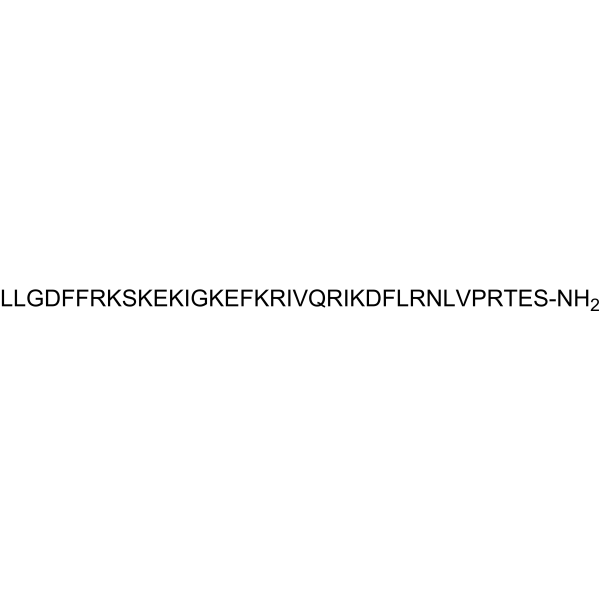
LL-37 amide is a selective agonist of formyl peptide receptor-like FPRL1, effectively inhibiting periodontal pathogens (ED99=8.5-8.7 μg/mL). LL-37 amide exerts its bactericidal effect by activating FPRL1-mediated immune cell chemotaxis and disrupting bacterial cell membrane integrity. It can also regulate inflammatory responses (inhibiting the release of factors such as TNF-α) and promote angiogenesis. Amidation modification reduces its sensitivity to serum inhibition and improves its stability. LL-37 amide possesses key activities in bactericidal action, immunomodulation, and wound healing, and is mainly used in research on infection-related diseases such as periodontal disease and deep tissue injuries (pressure ulcers), and wound healing .
|
-
- HY-P4744A
-
|
|
Formyl Peptide Receptor (FPR)
Bacterial
|
Infection
Cancer
|
|
LL-37 amide TFA is a selective agonist of formyl peptide receptor-like FPRL1, effectively inhibiting periodontal pathogens (ED99=8.5-8.7 μg/mL). LL-37 amide TFA exerts its bactericidal effect by activating FPRL1-mediated immune cell chemotaxis and disrupting bacterial cell membrane integrity. It can also regulate inflammatory responses (inhibiting the release of factors such as TNF-α) and promote angiogenesis. Amidation modification reduces its sensitivity to serum inhibition and improves its stability. LL-37 amide TFA possesses key activities in bactericidal action, immunomodulation, and wound healing, and is mainly used in research on infection-related diseases such as periodontal disease and deep tissue injuries (pressure ulcers), and wound healing .
|
-
- HY-130743
-
|
Bis-eugenol; Dehydrodieugenol
|
Parasite
|
Infection
|
|
Dieugenol is a neolignan that has been found in N. leucantha and has antioxidative and antiprotozoal activities. It inhibits the formation of thiobarbituric acid reactive substances (TBARS) and scavenges superoxide anions, but not hydroxyl radicals, in cell-free assays. It has anti-trypanosomal activity against T. cruzi amastigotes and trypomastigotes (IC50s=15.1 and 11.5 μM, respectively) but is cytotoxic to NCTC L-929 fibroblasts with a 50% cytotoxic concentration (CC50) value of 58.2 μM.2 Dieugenol (15 μM) disrupts the integrity of the T. cruzi trypomastigote plasma membrane but does not induce the production of reactive oxygen species (ROS) in trypomastigotes or LPS-stimulated and unstimulated isolated mouse peritoneal macrophages.
|
-
- HY-156786
-
|
|
Reactive Oxygen Species (ROS)
Influenza Virus
SARS-CoV
HSV
|
Infection
|
|
TLD-1433 is the fourth-generation ruthenium (II) based photodynamic compound (PDC). TLD-1433 is activated by green light (525 ± 25 nm) and efficiently generates ROS to achieve pathogen inactivation. After photoinactivation, TLD-1433 significantly induces lipid peroxidation of the cell membrane, which can directly damage the integrity of the viral envelope. TLD-1433 has ID50 for enveloped viruses (such as H1N1 influenza virus, coronavirus OC43, HSV-1, Zika virus) is as low as nanomolar level; for non-enveloped viruses (such as adenovirus Ad5, mammalian rotavirus MRV), a concentration of micro-molar level is required for inactivation. TLD-1433 has antigen retention property and can be used for the preparation of inactivated vaccines .
|
-
- HY-W134163
-
|
trans-2-Octenal
|
Fungal
Reactive Oxygen Species (ROS)
Mitochondrial Metabolism
Phosphatase
Pyruvate Kinase
|
Infection
|
|
(E)-2-Octenal is an Antifungal agent. (E)-2-Octenal disrupts cell membrane integrity and causes ROS accumulation. (E)-2-Octenal decreases the activities of phosphofructokinase and pyruvate kinase. (E)-2-Octenal inhibits Neofusicoccum parvum growth by disrupting mitochondrial energy metabolism. (E)-2-Octenal suppresses the growth of a Prochloraz (HY-B0845)-resistant Penicillium italicum strain. (E)-2-octenal exerts a broad-spectrum and potent inhibitory effect on various fungi, including Sclerotium rolfsii, Metarhizium anisopliae sensu lato, and Aspergillus flavus, etc. (E)-2-Octenal can be used for the research of citrus blue mold and mango stem-end rot .
|
-
- HY-N0853A
-
|
Alisol A 24-monoacetate; Alisol A monoacetate
|
AMPK
Carnitine Palmitoyltransferase (CPT)
Acyltransferase
Fatty Acid Synthase (FASN)
Acetyl-CoA Carboxylase
Bcl-2 Family
PPAR
Nuclear Factor of activated T Cells (NFAT)
PI3K
Akt
PKA
ERK
Apoptosis
Autophagy
|
Cardiovascular Disease
Infection
Neurological Disease
Metabolic Disease
Endocrinology
|
|
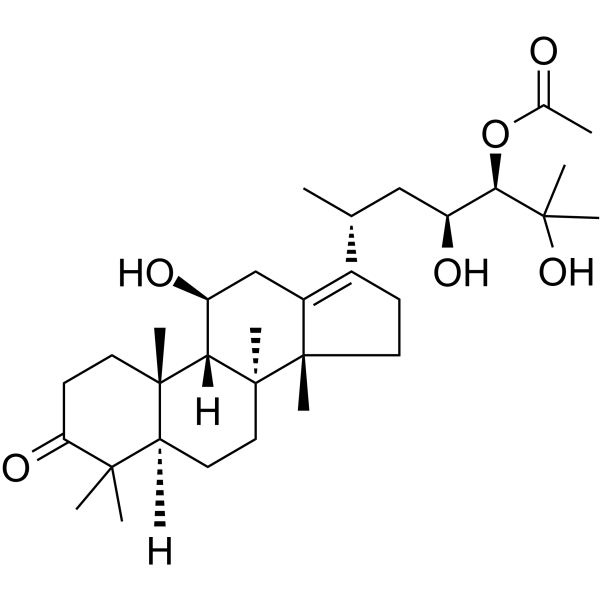
Alisol A 24-acetate (Alisol A monoacetate) is an orally active derivative of protostane-type tetracyclic triterpenoid. Alisol A 24-acetate upregulates the expression of adiponectin, AMPKα, CPT1, and ACOX1; downregulates the expression of SREBP-1c, ACC, FAS, Bcl-2, Bcl-xl, PPAR-γ, perilipin A, and NFATc1; inhibits the activity of PI3K/Akt/mTOR and HMGR; and activates the PKA and ERK signaling pathways. Alisol A 24-acetate regulates cell apoptosis (apoptosis), autophagy (Autophagy, hepatic lipid accumulation, inflammatory response, neuroprotection, MRSA membrane integrity, and osteoclast differentiation. Alisol A 24-acetate can be used in research related to non-alcoholic fatty liver disease, nephrotoxicity, obesity, global cerebral ischemia-reperfusion injury, bacterial infection, and osteoporosis .
|
-
- HY-183333
-
|
|
Fungal
|
Infection
|
|
CHNQD-02204 is a potent and selective antifungal agent with in vitro activity against Candida albicans, with a MIC of 0.025 μg/mL. CHNQD-02204 inhibits ergosterol biosynthesis, disrupts the membrane integrity and biofilm formation of Candida albicans, and suppresses the morphological transition of Candida albicans from yeast to hyphal form. CHNQD-02204 can be used in studies related to candidal infections .
|
-
- HY-182022
-
|
|
Bacterial
Reactive Oxygen Species (ROS)
Drug Derivative
DNA/RNA Synthesis
|
Infection
|
|
ZLWH-67 is a β-Carboline derivative and Antibacterial agent. ZLWH-67 inhibits DNA synthesis, suppresses biofilm formation, and increases reactive oxygen species (ROS) levels. ZLWH-67 exhibits potent in vitro antibacterial activity against MRSA (MIC = 0.5-4 μg/mL), S. epidermidis (MIC = 4 μg/mL), E. faecalis (MIC = 4-8 μg/mL), and S. pneumoniae (MIC = 16 μg/mL). ZLWH-67 displays anti-MRSA effects in murine skin and pneumonia infection models .
|
-
- HY-P11242
-
|
|
Bacterial
NF-κB
p38 MAPK
JNK
ERK
TNF Receptor
Interleukin Related
|
Infection
|
Cm-CATH2 is an antimicrobial peptide discovered from Chelonia mydas. Cm-CATH2 has a potent, broad-spectrum and rapid bactericidal ability by rapidly destroying the integrity of bacterial cell membranes. It shows strong activity against Gram-positive bacteria (such as VREF, Staphylococcus aureus), Gram-negative bacteria (such as Escherichia coli, Klebsiella pneumoniae), and fungi (such as Candida albicans) with MICs ranges from 1.17 to 18.75 μg/mL. Cm-CATH2 is also effective against various aquatic pathogenic bacteria. Cm-CATH2 not only inhibits biofilm formation but can also remove the formed biofilms. Cm-CATH2 has immunomodulatory functions and chemotactic effects on immune cells, and can inhibit the production of pro-inflammatory cytokines by macrophages stimulated by LPS (HY-D1056). Cm-CATH2 prevents the activation of NF-κB by inhibiting the degradation of IκBα, and also inhibits the phosphorylation of MAPK signaling pathways (p38, JNK, ERK). Cm-CATH2 demonstrates strong anti-infective ability in mouse peritonitis models and pneumonia models .
|
-
| Cat. No. |
Product Name |
Type |
-
- HY-D0970
-
|
Direct Blue 14; Trypan Blue
|
Fluorescent Dyes
|
|
Diphenyl Blue (Trypan Blue) is a cell active dye, the most commonly used dye for the identification of dead cells, of en used to test cell membrane integrity and cell viability. Diphenyl Blue staining is one of the methods for tissue and cell culture. When cells are deactivated or have incomplete cell membranes, Diphenyl Blue can stain them Blue. Normal living cells with intact cell membranes reject Diphenyl blue and do not stain them blue. However, macrophages are capable of phagocytosis of Diphenyl Blue, so it can be used as a living stain for macrophages .
|
-
- HY-D1098
-
|
|
Fluorescent Dyes
|
|
SYBR Green II is a fluorescent nucleic acid dye that mainly binds single-stranded nucleotides. SYBR Green II is sensitive to oligonucleotides or larger nucleic acid polymers in a variety of cells and gels. SYBR Green II can be used to study cell structure, membrane integrity or function, and cell cycle distribution. Wavelength 484/515 nm .
|
-
- HY-D0917
-
|
|
Fluorescent Dyes
|
|
NIR-Red Dead Cell-1 Dye is a DNA-binding fluorescent dye for non-living cells (Ex/Em=515 nm/531 nm). NIR-Red Dead Cell-1 Dye can intercalate into base pairs of double-stranded DNA and produce stronger fluorescence. NIR-Red Dead Cell-1 Dye is suitable for necrotic cells or late apoptotic cells with damaged cell membranes, showing green fluorescence under fluorescence microscopy or flow cytometry. NIR-Red Dead Cell-1 Dye can be used to distinguish live cells from dead cells and distinguish cell membrane integrity. NIR-Red Dead Cell-1 Dye can be attached to the surface of Feraheme (FH) nanoparticles (NPs) to obtain fluorescent dye-functionalized NPs for drug delivery studies .
|
-
- HY-131131
-
|
|
Fluorescent Dyes
|
|
5-CFDA-AM is a cell-permeable esterase substrate that can be used as an active probe to measure enzyme activity and cell membrane integrity. 5-CFDA-AM is electroneutral and can enter the cell at a lower concentration than CFDA, where it is hydrolysed by intracellular esterases to produce carboxyfluorescein, which contains an additional negative charge and can be better retained in the cell. 5-CFDA-AM can be used to detect cell viability .
|
-
- HY-D1098A
-
|
|
Fluorescent Dyes
|
|
SYBR Green II (Ionic form) is a fluorescent nucleic acid dye that mainly binds single-stranded nucleotides. SYBR Green II is sensitive to oligonucleotides or larger nucleic acid polymers in a variety of cells and gels. SYBR Green II can be used to study cell structure, membrane integrity or function, and cell cycle distribution. Wavelength 484/515 nm .
|
| Cat. No. |
Product Name |
Type |
-
- HY-W250118
-
|
|
Biochemical Assay Reagents
|
|
Cephalin form bovine brain is an orally active phospholipid widely present in organisms.Cephalin form bovine brain participates in the formation of autophagosome membrane as a lipid anchor of autophagy-related protein Atg8/LC3. Cephalin form bovine brain enhances Autophagic flux, promotes cell differentiation, regulates lipid droplet fusion, delays aging, and also affects lipid metabolism and membrane integrity .
|
-
- HY-W015551
-
|
(E)-Dec-2-enal
|
Biochemical Assay Reagents
|
|
trans-2-Decenal ((E)-Dec-2-enal) acts as a urease inhibitor and antibacterial agent against Helicobacter pylori, with an IC50 of 9.484 μg/mL against Helicobacter pylori urease. trans-2-Decenal reduces the urease activity of Helicobacter pylori, and possesses antibacterial, bactericidal, anti-biofilm and anti-migratory activities. It alters the morphology of Helicobacter pylori, induces bacterial rupture, inhibits biofilm formation, reduces the number of mature biofilms and impairs the migratory capacity of Helicobacter pylori. trans-2-Decenal disrupts the cell wall integrity of Phytophthora capsici, damages membrane integrity and permeability, triggers intracellular reactive oxygen species (ROS) accumulation, decreases glutathione levels and disrupts the mitochondrial membrane potential of Phytophthora capsici. trans-2-Decenal is applicable to studies related to Helicobacter pylori and plant diseases induced by and Phytophthora capsici .
|
-
- HY-158976
-
|
Lactated ringer's solution (LRS)
|
Biochemical Assay Reagents
|
|
Sodium lactate ringer's solution (Lactated ringer's solution (LRS)) is an isotonic crystal intravenous injection and arthroscopic irrigation solution containing racemic sodium lactate and electrolytes such as sodium, potassium, calcium and chloride (130 mEq sodium/L, 274 mOsm/L), which can be used as a cell integrity protectant. Sodium lactate ringer's solution maintains the integrity of human meniscus cells, ensures that they retain normal cell morphology, membrane regularity, size and density, and does not alter the mRNA expression levels of α1 (I) procollagen, α1 (II) procollagen, aggrecan or HSP70. Sodium lactate ringer's solution can be applied to studies related to extracellular fluid deficiency and meniscus tears .
|
-
- HY-134174A
-
|
16:0-18:1 PA
|
Biochemical Assay Reagents
|
|
1-Palmitoyl-2-oleoyl-sn-glycero-3-phosphate sodium (16:0-18:1 PA) is a phospholipid with activities in regulating biological membrane fluidity and participating in cell signal transduction. 1-Palmitoyl-2-oleoyl-sn-glycero-3-phosphate sodium can be used to study the effects on the activity of chloroplast envelope monogalactosyldiacylglycerol (MGDG) synthase. 1-Palmitoyl-2-oleoyl-sn-glycero-3-phosphate sodium plays an important role in cell membrane integrity and function.
|
-
- HY-W553514
-
|
|
Biochemical Assay Reagents
|
|
DL-α-Phosphatidylcholine, distearoyl is a synthetic form of phosphatidylcholine that has the activity of spontaneously forming bilayer membranes in aqueous environments. DL-α-Phosphatidylcholine, distearoyl is an important component of biological membranes and provides support for the integrity of cell structures. DL-α-Phosphatidylcholine, distearoyl plays a key role in the preparation of compound delivery systems to improve the solubility and biocompatibility of compounds.
|
-
- HY-W015551R
-
|
(E)-Dec-2-enal (Standard)
|
Biochemical Assay Reagents
|
|
trans-2-Decenal ((E)-Dec-2-enal)) Standard is the analytical standard of trans-2-Decenal (HY-W015551). This product is intended for research and analytical applications. trans-2-Decenal ((E)-Dec-2-enal) acts as a urease inhibitor and antibacterial agent against Helicobacter pylori, with an IC50 of 9.484 μg/mL against Helicobacter pylori urease. trans-2-Decenal reduces the urease activity of Helicobacter pylori, and possesses antibacterial, bactericidal, anti-biofilm and anti-migratory activities. It alters the morphology of Helicobacter pylori, induces bacterial rupture, inhibits biofilm formation, reduces the number of mature biofilms and impairs the migratory capacity of Helicobacter pylori. trans-2-Decenal disrupts the cell wall integrity of Phytophthora capsici, damages membrane integrity and permeability, triggers intracellular reactive oxygen species (ROS) accumulation, decreases glutathione levels and disrupts the mitochondrial membrane potential of Phytophthora capsici. trans-2-Decenal is applicable to studies related to Helicobacter pylori and plant diseases induced by and Phytophthora capsici.
|
| Cat. No. |
Product Name |
Target |
Research Area |
-
- HY-P4744
-
|
|
Formyl Peptide Receptor (FPR)
Bacterial
|
Infection
Cancer
|
|
LL-37 amide is a selective agonist of formyl peptide receptor-like FPRL1, effectively inhibiting periodontal pathogens (ED99=8.5-8.7 μg/mL). LL-37 amide exerts its bactericidal effect by activating FPRL1-mediated immune cell chemotaxis and disrupting bacterial cell membrane integrity. It can also regulate inflammatory responses (inhibiting the release of factors such as TNF-α) and promote angiogenesis. Amidation modification reduces its sensitivity to serum inhibition and improves its stability. LL-37 amide possesses key activities in bactericidal action, immunomodulation, and wound healing, and is mainly used in research on infection-related diseases such as periodontal disease and deep tissue injuries (pressure ulcers), and wound healing .
|
-
- HY-P5712
-
|
Gramicidin soviet
|
Antibiotic
Bacterial
Na+/K+ ATPase
|
Infection
|
|
Gramicidin S (Gramicidin soviet) is a cationic cyclic peptide antibiotic that selectively targets bacterial cell membranes and has anticancer activity. Gramicidin S also exerts antibacterial activity by destroying membrane integrity and interfering with membrane protein function. Gramicidin S inserts into the phospholipid bilayer through hydrophobic amino acid residues, specifically binds to negatively charged membrane lipids and disrupts membrane structure, thereby inhibiting cell division and cell wall synthesis, and ultimately causing bacterial death. Gramicidin S also inhibits ion channels, with IC50s of 41 μM, 24 μM, and 3 μM for Na +/K +-ATPase, tobacco leaf plasma membrane Mg 2+/K +-ATPase, and rat heart plasma membrane Ca 2+-ATPase, respectively .
|
-
- HY-P10352A
-
|
|
Bacterial
|
Infection
|
|
Pediocin PA-1 TFA is a class IIa bacteriocin that specifically binds to membrane proteins of susceptible Gram-positive bacteria (such as Listeria monocytogenes) to form voltage-independent hydrophilic pores, leading to dissipation of proton motive force, ATP depletion and cell death. Pediocin PA-1 TFA shows no significant activity against intact Gram-negative bacteria, strains carrying immunity genes and obligate anaerobic commensal gut microbiota, and its bactericidal function depends on the integrity of disulfide bonds, with activity lost upon reduction. Pediocin PA-1 TFA can be used not only as a food biopreservative but also for research on listeriosis .
|
-
- HY-P5255
-
|
|
Bacterial
|
Infection
Inflammation/Immunology
|
|
Oligopeptide-10 is a bioactive peptide with antimicrobial activity. Oligopeptide-10 exhibits broad-spectrum bactericidal effects against Gram-positive bacteria including Propionibacterium acnes and Staphylococcus aureus. Oligopeptide-10 targets lipoteichoic acid (LTA) on the surface of bacterial cell membranes, induces bacterial osmotic imbalance by disrupting the integrity of bacterial membranes, and reduces the release of pro-inflammatory cytokines induced by bacteria. Oligopeptide-10 possesses skin-protective activity. Oligopeptide-10 can be applied in research related to acne vulgaris, dandruff, seborrheic dermatitis, and tinea pedis .
|
-
- HY-A0248B
-
|
|
Antibiotic
Bacterial
|
Infection
|
|
Polymyxin B2 is a polypeptide antibiotic that has antibacterial activity, particularly against gram-negative bacteria. Polymyxin B2 kills the bacteria by binding to lipopolysaccharide molecules on the bacterial cell membrane, disrupting the integrity of the cell membrane and causing the cell contents to leak. Polymyxin B2 can be used in antibiotic development and treatment of drug-resistant strains .
|
-
- HY-P10352
-
|
|
Bacterial
|
Infection
|
|
Pediocin PA 1 is a class IIa bacteriocin that specifically binds to membrane proteins of susceptible Gram-positive bacteria (such as Listeria monocytogenes) to form voltage-independent hydrophilic pores, leading to dissipation of proton motive force, ATP depletion and cell death. Pediocin PA 1 shows no significant activity against intact Gram-negative bacteria, strains carrying immunity genes and obligate anaerobic commensal gut microbiota, and its bactericidal function depends on the integrity of disulfide bonds, with activity lost upon reduction. Pediocin PA 1 can be used not only as a food biopreservative but also for research on listeriosis .
|
-
- HY-P1632
-
|
|
Bacterial
|
Infection
Cancer
|
|
Tachyplesin I is a β-hairpin antimicrobial peptide that contains 17 amino acid residues. Tachyplesin I exhibits cytotoxic properties against various human tumor cell lines acting primarily by impairing the integrity of the outer cell membrane .
|
-
- HY-P3512
-
|
IB-367
|
Bacterial
Fungal
Parasite
|
Infection
Cancer
|
|
Iseganan is an anti-microbial peptide that is active against both Gram-positive and Gram-negative bacteria and fungi. Iseganan kills a broad-spectrum of bacteria and fungi by attaching to and destroying the integrity of the lipid cell membranes. Iseganan can be used for oral mucositis research .
|
-
- HY-P4744A
-
|
|
Formyl Peptide Receptor (FPR)
Bacterial
|
Infection
Cancer
|
|
LL-37 amide TFA is a selective agonist of formyl peptide receptor-like FPRL1, effectively inhibiting periodontal pathogens (ED99=8.5-8.7 μg/mL). LL-37 amide TFA exerts its bactericidal effect by activating FPRL1-mediated immune cell chemotaxis and disrupting bacterial cell membrane integrity. It can also regulate inflammatory responses (inhibiting the release of factors such as TNF-α) and promote angiogenesis. Amidation modification reduces its sensitivity to serum inhibition and improves its stability. LL-37 amide TFA possesses key activities in bactericidal action, immunomodulation, and wound healing, and is mainly used in research on infection-related diseases such as periodontal disease and deep tissue injuries (pressure ulcers), and wound healing .
|
-
- HY-P2302
-
|
|
Antibiotic
Bacterial
Fungal
|
Infection
Inflammation/Immunology
Cancer
|
|
Defensin HNP-3 human is an α-defensin stored in the azurophilic granules of human neutrophils. Defensin HNP-3 human exerts broad-spectrum bactericidal, antifungal and antiviral activities mainly by forming bacterial membrane pores, and acts as a chemoattractant for monocytes and T cells. Defensin HNP-3 human maintains epithelial integrity to support periodontal tissue homeostasis, and exerts concentration-dependent effects on epithelial cell proliferation, adhesion and bacterial adhesion. Defensin HNP-3 human targets solid tumors and leukemia by inducing single-strand DNA breaks and membrane permeabilization in tumor cells via electrostatic binding and pore formation. Defensin HNP-3 human is abundant in human tongue squamous cell carcinoma and neutrophils infiltrating oral squamous cell carcinoma. Defensin HNP-3 human can be applied to research related to periodontitis and human tongue squamous cell carcinoma .
|
-
- HY-P5057A
-
|
|
Fluorescent Dye
Bacterial
|
Infection
|
|
5-FAM-LL-37 TFA is the TFA salt form of 5-FAM-LL-37 (HY-P5057). 5-FAM-LL-37 TFA is a LL-37 peptide labeled with fluorescein, which retains the antibacterial and immunomodulatory activities of LL-37. 5-FAM-LL-37 TFA binds to the bacterial cell membrane, destroys the integrity of the membrane, and exhibits board-spectrum antibacterial efficacy .
|
-
- HY-P11074
-
|
|
Bacterial
|
Infection
|
|
Sakacin P is an antimicrobial peptide that targets Gram-positive bacteria (such as Listeria monocytogenes) and belongs to Class IIa bacteriocin. Sakacin P has almost no antimicrobial activity against Gram-negative bacteria. Sakacin P exerts its antimicrobial activity by interacting with bacterial cell membranes and destroying membrane integrity. Sakacin P can be used for the study of Listeria contamination and antimicrobial drugs in the food industry.
|
-
- HY-P5286
-
|
|
Bacterial
|
Infection
Cancer
|
|
BMAP-27 is an antimicrobial peptide capable of disrupting the membrane integrity of microorganisms. Due to its membrane permeability, MAP-27 has inhibitory activity against both bacteria and cancer cells .
|
-
- HY-P1632A
-
|
|
Bacterial
|
Infection
Cancer
|
|
Tachyplesin I TFA is a β-hairpin antimicrobial peptide that contains 17 amino acid residues. Tachyplesin I TFA exhibits cytotoxic properties against various human tumor cell lines acting primarily by impairing the integrity of the outer cell membrane .
|
-
- HY-P10653
-
|
|
HCV
HIV
|
Infection
|
|
C5A is a microbicidal peptide, anti-hepatitis C virus (HCV), and anti-HIV agent. C5A disrupts the membrane integrity of the HIV virion as well as the integrity of the conical capsid core that surrounds the viral genome. C5A inhibits in vitro infectivity of a broad range of primary HIV isolates in various primary target cells. C5A protects mice against vaginal and rectal HIV challenges .
|
-
- HY-P2098
-
|
|
Antibiotic
Bacterial
Fungal
|
Infection
|
|
Alamethicin F 50 is an antibiotic. Alamethicin F 50 is composed of membrane-active peptide, containing 75% Alamethicin F 50/5 and 10% Alamethicin F 50/7. Alamethicin F 50 is exhibits antifungal and antibacterial activity by disrupting the integrity of microbial cell membranes, resulting in leakage of cell contents and death of the microorganisms. Alamethicin F 50 is able to reduce the surface tension of water, which can be used as a surfactant or detergent .
|
-
- HY-P11095
-
|
|
Bacterial
Fungal
|
Infection
|
|
Pelteobagrin is a broad-spectrum antimicrobial peptide targeting Gram-positive bacteria, Gram-negative bacteria, and fungi (MIC=2-16 μg/mL). Pelteobagrin exerts bactericidal activity via non-competitive disruption of cell wall and cytoplasmic membrane integrity. Pelteobagrin is promising for research of infectious diseases .
|
-
- HY-P11220
-
|
|
Bacterial
Interleukin Related
|
Infection
|
|
Hs02 is a cationic amphiphilic antibacterial peptide derived from human proteins, and it is the membrane-active module of the core chimeric peptide Chim2. Hs02 exhibits broad-spectrum and potent antibacterial activity against various human pathogenic bacteria with the MIC for Staphylococcus aureus and Escherichia coli of as low as 2 μM, and the MBC is 2-4 μM. Hs02 primarily kills bacteria by disrupting the integrity of the bacterial cell membrane, and it has a relatively low selectivity for eukaryotic cell membranes. Hs02 induces the release of IL-12 but does not induce the release of IL-6, indicating its potential for pro-inflammatory or immune activation. Hs02 can be used in antibacterial and immunomodulatory research .
|
-
- HY-P11242
-
|
|
Bacterial
NF-κB
p38 MAPK
JNK
ERK
TNF Receptor
Interleukin Related
|
Infection
|
Cm-CATH2 is an antimicrobial peptide discovered from Chelonia mydas. Cm-CATH2 has a potent, broad-spectrum and rapid bactericidal ability by rapidly destroying the integrity of bacterial cell membranes. It shows strong activity against Gram-positive bacteria (such as VREF, Staphylococcus aureus), Gram-negative bacteria (such as Escherichia coli, Klebsiella pneumoniae), and fungi (such as Candida albicans) with MICs ranges from 1.17 to 18.75 μg/mL. Cm-CATH2 is also effective against various aquatic pathogenic bacteria. Cm-CATH2 not only inhibits biofilm formation but can also remove the formed biofilms. Cm-CATH2 has immunomodulatory functions and chemotactic effects on immune cells, and can inhibit the production of pro-inflammatory cytokines by macrophages stimulated by LPS (HY-D1056). Cm-CATH2 prevents the activation of NF-κB by inhibiting the degradation of IκBα, and also inhibits the phosphorylation of MAPK signaling pathways (p38, JNK, ERK). Cm-CATH2 demonstrates strong anti-infective ability in mouse peritonitis models and pneumonia models .
|
-
- HY-P11398
-
|
|
Bacterial
HIV
Fungal
DNA Alkylator/Crosslinker
|
Infection
Cancer
|
|
Tachyplesin II is a broad-spectrum cationic antimicrobial peptide. Tachyplesin II has significant inhibitory effects on Gram-positive bacteria, Gram-negative bacteria, and some fungi. Tachyplesin II binds to bacterial membrane lipopolysaccharides through its positive charge, disrupting membrane integrity and causing leakage of cellular contents. Tachyplesin II can bind to DNA grooves, inhibiting microbial replication, and also suppressing HIV-1 replication and the proliferation of liver cancer cells .
|
-
- HY-P11582
-
|
|
Bacterial
|
Infection
|
|
CyLip-20 is a cyclic lipopeptide antimicrobial peptide that targets Gram-positive and Gram-negative bacteria. CyLip-20 exhibits low hemolytic activity and mild in vivo toxicity. CyLip-20 disrupts the integrity of bacterial outer membrane, inner membrane and cytoplasmic membrane by binding to bacterial lipopolysaccharide (LPS), triggering membrane permeabilization, depolarization and leakage of intracellular contents, and inhibits bacterial biofilm formation. In animal models, CyLip-20 reduces the bacterial load in skin wounds of mice infected with MRSA, promotes wound healing, decreases the levels of inflammatory cytokines and reduces inflammatory cell infiltration. CyLip-20 can be used in research related to MRSA skin wound infections .
|
-
- HY-P11607
-
|
|
Bacterial
|
Infection
|
|
CyLip-10 is a microbial-derived cyclic-lipid antimicrobial peptide. CyLip-10 has broad-spectrum antimicrobial efficacy, low hemolytic activity, and excellent stability. CyLip-10 can disrupt membrane integrity, inhibit biofilm formation and induce membrane permeabilization and bacterial cell death. CyLip-10 reduces bacterial load, promotes wound healing, and alleviates inflammatory responses in a mouse Methicillin (HY-121544)-resistant Staphylococcus aureus skin wound infection model. CyLip-10 can be used for the bacterial infection .
|
-
- HY-P11766
-
|
GALA-cholesterol
|
Biochemical Assay Reagents
|
Cancer
|
|
GALA-chol is a cholesterol-conjugated pH-responsive fusion peptide that can serve as a delivery adjuvant. GALA-chol enhances the endocytosis of siRNA RET/PTC1-SQ nanoparticles, inhibits cell viability, and undergoes pH-responsive charge conversion in the acidic lysosomal environment, thereby promoting lysosomal escape of small extracellular vesicle (sEV) cargo. GALA-chol anchors to the sEV membrane and maintains the structural integrity and intrinsic homing activity of sEVs. GALA-chol can be used in studies related to adjuvant delivery .
|
| Cat. No. |
Product Name |
Target |
Research Area |
Image |
-
- HY-P991273
-
|
|
Antibiotic
Bacterial
|
Infection
|
|
MP196 is a cationic hexapeptide antibiotic targeting the bacterial cytoplasmic membrane, which exerts rapid bactericidal activity by disrupting membrane integrity, inhibiting cell respiration and cell wall synthesis. MP196 is promising for research of drug-resistant bacterial infections .
|
-
(5)
-
- HY-P991235
-
|
BMS-986186
|
EGFR
Caspase
|
Cancer
|
|
FS102 is a selective Fc fragment with antigen binding (Fcab) that targets HER2 with a KD value of 0.8 nM. FS102 induces the degradation of HER2, activates Caspase 3/7 and disrupts the integrity of the cell membrane, triggering apoptosis of tumor cells. FS102 is promising for research of cancers such as breast cancer, gastric cancer, and colorectal cancer .
|
-
(5)
| Cat. No. |
Product Name |
Category |
Target |
Chemical Structure |
-
- HY-B0221
-
-
-
- HY-N5034
-
|
Monoaminoethyl phosphate; NSC 254167; O-Phosphoethanolamine
|
Natural Products
Immune System Disorder
Microorganisms
Classification of Application Fields
Disease markers
Metabolic Disease
Endogenous metabolite
Disease Research Fields
|
Endogenous Metabolite
|
|
Phosphorylethanolamine (Monoaminoethyl phosphate) is a membrane phospholipid and an important precursor of Phosphatidylcholine (HY-B2233B). It is found in most animal tissues and various human extracranial tumors, playing a critical role in membrane integrity, cell division, mitochondrial respiratory function, and more. Studies have shown that changes in the abundance of Phosphorylethanolamine are associated with Alzheimer's disease and Parkinson's disease. Lowering the ratio of Phosphorylethanolamine to Phosphatidylcholine in the liver can improve insulin signaling. Phosphorylethanolamine holds promise for research in the fields of cancer, neurodegenerative disorders, and metabolic diseases .
|
-
-
- HY-B1228
-
-
-
- HY-N8015
-
-
-
- HY-W015551
-
|
(E)-Dec-2-enal
|
Structural Classification
Natural Products
Vaccinium vitis-idaea L.
Ericaceae
Plants
Source Classification
|
Bacterial
Reactive Oxygen Species (ROS)
|
|
trans-2-Decenal ((E)-Dec-2-enal) acts as a urease inhibitor and antibacterial agent against Helicobacter pylori, with an IC50 of 9.484 μg/mL against Helicobacter pylori urease. trans-2-Decenal reduces the urease activity of Helicobacter pylori, and possesses antibacterial, bactericidal, anti-biofilm and anti-migratory activities. It alters the morphology of Helicobacter pylori, induces bacterial rupture, inhibits biofilm formation, reduces the number of mature biofilms and impairs the migratory capacity of Helicobacter pylori. trans-2-Decenal disrupts the cell wall integrity of Phytophthora capsici, damages membrane integrity and permeability, triggers intracellular reactive oxygen species (ROS) accumulation, decreases glutathione levels and disrupts the mitochondrial membrane potential of Phytophthora capsici. trans-2-Decenal is applicable to studies related to Helicobacter pylori and plant diseases induced by and Phytophthora capsici .
|
-
-
- HY-N0853A
-
|
Alisol A 24-monoacetate; Alisol A monoacetate
|
Triterpenes
Structural Classification
Alisma plantago-aquatica Linn.
Classification of Application Fields
Terpenoids
Other Diseases
Alismataceae
Plants
Disease Research Fields
Source Classification
|
AMPK
Carnitine Palmitoyltransferase (CPT)
Acyltransferase
Fatty Acid Synthase (FASN)
Acetyl-CoA Carboxylase
Bcl-2 Family
PPAR
Nuclear Factor of activated T Cells (NFAT)
PI3K
Akt
PKA
ERK
Apoptosis
Autophagy
|
|
Alisol A 24-acetate (Alisol A monoacetate) is an orally active derivative of protostane-type tetracyclic triterpenoid. Alisol A 24-acetate upregulates the expression of adiponectin, AMPKα, CPT1, and ACOX1; downregulates the expression of SREBP-1c, ACC, FAS, Bcl-2, Bcl-xl, PPAR-γ, perilipin A, and NFATc1; inhibits the activity of PI3K/Akt/mTOR and HMGR; and activates the PKA and ERK signaling pathways. Alisol A 24-acetate regulates cell apoptosis (apoptosis), autophagy (Autophagy, hepatic lipid accumulation, inflammatory response, neuroprotection, MRSA membrane integrity, and osteoclast differentiation. Alisol A 24-acetate can be used in research related to non-alcoholic fatty liver disease, nephrotoxicity, obesity, global cerebral ischemia-reperfusion injury, bacterial infection, and osteoporosis .
|
-
-
- HY-W134163
-
-
-
- HY-B0221R
-
-
-
- HY-N8015R
-
-
-
- HY-W015551R
-
|
(E)-Dec-2-enal (Standard)
|
Structural Classification
Natural Products
Vaccinium vitis-idaea L.
Ericaceae
Plants
Source Classification
|
Biochemical Assay Reagents
Reference Standards
|
|
trans-2-Decenal ((E)-Dec-2-enal)) Standard is the analytical standard of trans-2-Decenal (HY-W015551). This product is intended for research and analytical applications. trans-2-Decenal ((E)-Dec-2-enal) acts as a urease inhibitor and antibacterial agent against Helicobacter pylori, with an IC50 of 9.484 μg/mL against Helicobacter pylori urease. trans-2-Decenal reduces the urease activity of Helicobacter pylori, and possesses antibacterial, bactericidal, anti-biofilm and anti-migratory activities. It alters the morphology of Helicobacter pylori, induces bacterial rupture, inhibits biofilm formation, reduces the number of mature biofilms and impairs the migratory capacity of Helicobacter pylori. trans-2-Decenal disrupts the cell wall integrity of Phytophthora capsici, damages membrane integrity and permeability, triggers intracellular reactive oxygen species (ROS) accumulation, decreases glutathione levels and disrupts the mitochondrial membrane potential of Phytophthora capsici. trans-2-Decenal is applicable to studies related to Helicobacter pylori and plant diseases induced by and Phytophthora capsici.
|
-
-
- HY-161935
-
|
|
Lysimachia tengyuehensis Hand.-Mazz.
Antibiotics
Plants
Primulaceae
Other Antibiotics
Source Classification
|
Bacterial
|
|
6-(12-Tridecene-1-yl)-2,4-Dihydroxy benzoic acid (Compound 2) exhibits antibacterial activity against methicillin-resistant Staphylococcus aureus (MRSA) and Vancomycin enterococci (VRE). 6-(12-Tridecene-1-yl)-2,4-Dihydroxy benzoic acid interfers with the integrity and function of the bacterial cell membrane, and affects metabolism in MRSA. 6-(12-Tridecene-1-yl)-2,4-Dihydroxy benzoic acid exhibits anti-inflammatory and anti-infective efficacy, and promotes angiogenesis in mice .
|
-
-
- HY-W160358
-
|
|
Structural Classification
Natural Products
Cyperus esculentus L.
Cyperaceae
Plants
Source Classification
|
SARS-CoV
Virus Protease
Fungal
Apoptosis
Reactive Oxygen Species (ROS)
ATP Synthase
Glutathione Peroxidase
SOD
p38 MAPK
|
|
2,5-Dimethylcyclohexanol, a volatile organic compound, is a fatty acid that can be isolated from Amphora sp.. 2,5-Dimethylcyclohexanol has significant antineoplastic and antiviral activities with inhibition of SARS-CoV-2 Mpro. 2,5-Dimethylcyclohexanol also has potent antifungal activity against Pseudogymnoascus destructans. 2,5-Dimethylcyclohexanol compromises cell wall and membrane integrity while perturbing energy metabolism, increases the levels of ROS, ATP, Superoxide anion and GSH, and decreases CAT and SOD activities. And 2,5-Dimethylcyclohexanol alters virulence ribosomal genes expression, and disrupts the MAPK signaling pathways, inducing fungal cell apoptosis .
|
-
-
- HY-N17760
-
-
| Cat. No. |
Product Name |
Chemical Structure |
-
- HY-N8015S
-
|
|
|
Octanal-d16 is the deuterium labeled Octanal. Octanal is a fragrant aldehyde with antioxidant and antibacterial activity. Its antifungal effect against G. citri-aurantii may be related to the disruption of cell membrane integrity and the leakage of cellular components. Additionally, Octanal exhibits cytotoxicity towards HeLa cells, with an IC50 value of 3.5 μg/mL .
|
-
-
- HY-23155S
-
|
|
|
2-Phenylethyl isothiocyanate-d5 isothiocyanate-d5 is the deuterium labeled 2-Phenylethyl isothiocyanate[1]. 2-Phenylethyl isothiocyanate is a potent antifungal agent. 2-Phenylethyl isothiocyanate significantly inhibited spore germination and mycelial growth of Alternaria alternata, with a MIC (minimum inhibitory concentration) of 1.22 mM. The antifungal effect of 2-Phenylethyl isothiocyanate against Alternaria alternata might be via reduction in toxin content and breakdown of cell membrane integrity[2][3].
|
-
-
- HY-B0859S1
-
|
|
|
MCPA-d3 is the deuterium labeled MCPA (HY-B0859). MCPA is an orally active phenoxyacetic acid herbicide. MCPA interferes with membrane integrity, energy metabolism (decreases ATP levels), and redox balance in plant cells. MCPA increases hepatic cytochrome P-450 levels and increases aniline hydroxylase and 7-ethoxycoumarin O-deethylase activities. MCPA can be used to control broadleaf weeds .
|
-
-
- HY-N8015S2
-
|
|
|
Octanal-d4 is deuterated labeled Octanal (HY-N8015). Octanal is a fragrant aldehyde with antioxidant and antibacterial activity. Its antifungal effect against G. citri-aurantii may be related to the disruption of cell membrane integrity and the leakage of cellular components. Additionally, Octanal exhibits cytotoxicity towards HeLa cells, with an IC50 value of 3.5 μg/mL .
|
-
-
- HY-W713900
-
|
|
|
MCPA-d3-1 is the deuterium labeled MCPA (HY-B0859). MCPA is an orally active phenoxyacetic acid herbicide. MCPA interferes with membrane integrity, energy metabolism (decreases ATP levels), and redox balance in plant cells. MCPA increases hepatic cytochrome P-450 levels and increases aniline hydroxylase and 7-ethoxycoumarin O-deethylase activities. MCPA can be used to control broadleaf weeds .
|
-
-
- HY-174394S
-
|
|
|
CYP51-IN-25 is a orally active broad spectrum antifungal agent with the MIC80 of 0.00625-0.05 μg/mL. is a CYP51-IN-25 is a deuterated compound with antibiotic properties. CYP51-IN-25 can inhibit the fungal CYP51 enzyme, block ergosterol synthesis, and disrupt cell membrane integrity. CYP51-IN-25 can be used for research on fungal infections.
|
-
-
- HY-B0859S
-
|
|
|
MCPA- 13C8 is the 13C-labeled MCPA (HY-B0859). MCPA is an orally active phenoxyacetic acid herbicide. MCPA interferes with membrane integrity, energy metabolism (decreases ATP levels), and redox balance in plant cells. MCPA increases hepatic cytochrome P-450 levels and increases aniline hydroxylase and 7-ethoxycoumarin O-deethylase activities. MCPA can be used to control broadleaf weeds .
|
-
-
- HY-W015551S
-
|
|
|
trans-2-Decenal-d2 ((E)-Dec-2-enal-d2) is deuterated labeled trans-2-Decenal (HY-W015551). trans-2-Decenal ((E)-Dec-2-enal) acts as a urease inhibitor and antibacterial agent against Helicobacter pylori, with an IC50 of 9.484 μg/mL against Helicobacter pylori urease. trans-2-Decenal reduces the urease activity of Helicobacter pylori, and possesses antibacterial, bactericidal, anti-biofilm and anti-migratory activities. It alters the morphology of Helicobacter pylori, induces bacterial rupture, inhibits biofilm formation, reduces the number of mature biofilms and impairs the migratory capacity of Helicobacter pylori. trans-2-Decenal disrupts the cell wall integrity of Phytophthora capsici, damages membrane integrity and permeability, triggers intracellular reactive oxygen species (ROS) accumulation, decreases glutathione levels and disrupts the mitochondrial membrane potential of Phytophthora capsici. trans-2-Decenal is applicable to studies related to Helicobacter pylori and plant diseases induced by and Phytophthora capsici .
|
-
-
- HY-W724344
-
|
|
|
Cetalkonium-d5 chloride (Benzyldimethylhexadecylammonium-d5 chloride) is the deuterium labeled Cetalkonium chloride (HY-B1597). Cetalkonium chloride is an ammonium antiseptic agent used in many topical agents for infections of mouth, throat and eye. Cetalkonium chloride acts as anti-inflammatory amphiphilic agent. Cetalkonium chloride is a cationic surfactant, that improves the precorneal residence time and bioavailability of drugs. Cetalkonium chloride interacts with the negative charges on the bacterial cell membrane, disrupts the integrity of the cell membrane, causes leakage of cell contents and ultimately leading to bacterial death .
|
-
| Cat. No. |
Product Name |
|
Classification |
-
- HY-W250118
-
|
|
|
Phospholipids
|
|
Cephalin form bovine brain is an orally active phospholipid widely present in organisms.Cephalin form bovine brain participates in the formation of autophagosome membrane as a lipid anchor of autophagy-related protein Atg8/LC3. Cephalin form bovine brain enhances Autophagic flux, promotes cell differentiation, regulates lipid droplet fusion, delays aging, and also affects lipid metabolism and membrane integrity .
|
-
- HY-134174A
-
|
16:0-18:1 PA
|
|
Phospholipids
|
|
1-Palmitoyl-2-oleoyl-sn-glycero-3-phosphate sodium (16:0-18:1 PA) is a phospholipid with activities in regulating biological membrane fluidity and participating in cell signal transduction. 1-Palmitoyl-2-oleoyl-sn-glycero-3-phosphate sodium can be used to study the effects on the activity of chloroplast envelope monogalactosyldiacylglycerol (MGDG) synthase. 1-Palmitoyl-2-oleoyl-sn-glycero-3-phosphate sodium plays an important role in cell membrane integrity and function.
|
-
- HY-157620
-
|
|
|
Phospholipids
|
|
18:0 Lyso PS sodium is a bioactive molecule with the activity of promoting cell signaling. 18:0 Lyso PS sodium plays an important role in regulating the fluidity and integrity of cell membranes. 18:0 Lyso PS sodium is widely used in lipidomics research to analyze lipid metabolism in cells.
|
-
- HY-177849
-
|
Amphotericin B liposome
|
|
Liposome
|
|
Liposomal Amphotericin B is a liposome-encapsulated form of Amphotericin B (HY-B0221). Amphotericin B is a polyene antifungal agent against a wide variety of fungal pathogens. Amphotericin B binds irreversibly to ergosterol, resulting in disruption of membrane integrity and ultimately cell death. Liposomal Amphotericin B can significantly reduce the toxicity of Amphotericin B.
|
Your information is safe with us. * Required Fields.
Inquiry Information
- Product Name:
- Cat. No.:
- Quantity:
- MCE Japan Authorized Agent:

