


293 Results for "

central disease

" in MedChemExpress (MCE) Product Catalog:
Products (293)

293 Results for "central disease" in MCE Product Catalog:

28
28 Publications Verification
Cat. No.: HY-W018746
CAS No.: 139-33-3
Synonyms: Ethylenediaminetetraacetic acid disodium
EDTA disodium salt, also known as ethylenediaminetetraacetic acid disodium, belongs to the chelating agent category, which is formed by chelating a central metal ion with four carboxylate groups and two amine groups. This compound, with its ability to bind and chelate metal ions such as calcium, magnesium and iron, is commonly used in a variety of applications, including industrial, medical and research settings. It is used as a preservative in food and beverage, as a stabilizer in medicine, as a chelating agent in water treatment, and as a reagent in biochemical and biomedical research. In addition, EDTA disodium salt has been studied for potential research effects such as improving heavy metal poisoning and cardiovascular disease.
loading...
    loading...
19
19 Cited Publications
Cat. No.: HY-16900
CAS No.: 61413-54-5
Synonyms: (R,S)-Rolipram; (±)-Rolipram; ZK 62711
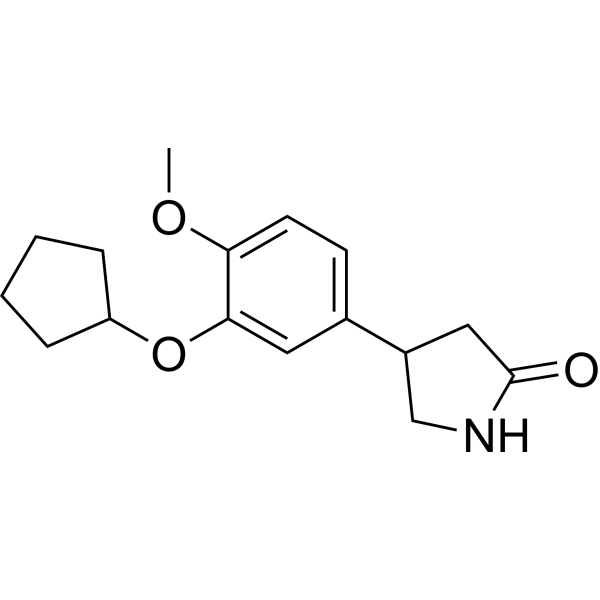
Rolipram is a PDE4 inhibitor, with blood-brain barrier permeability, that reverses β-amyloid-induced learning and memory impairment in rats. Rolipram elevates intracellular cAMP and clevels and regulates the cAMP/CREB signaling pathway, thereby alleviating neuroinflammation and apoptotic responses. Rolipram promotes neuronal differentiation of human bone marrow mesenchymal stem cells and inhibits Methamphetamine- and morphine-induced hyperlocomotion in mice. Rolipram also reduces the viability of glioblastoma stem-like cells and enhances Bevacizumab (HY-P9906)-induced cell death. Rolipram inhibits the expression of proinflammatory cytokines and enhances central noradrenergic transmission. Rolipram is mainly used in studies related to various central nervous system diseases including Alzheimer's disease, major depressive disorder, glioblastoma multiforme, and multiple sclerosis .
loading...
    loading...
5
5 Cited Publications
Cat. No.: HY-B0520A
CAS No.: 132-17-2
Synonyms: Benzatropine mesylate; Benzotropine mesylate; Benztropine methanesulfonate
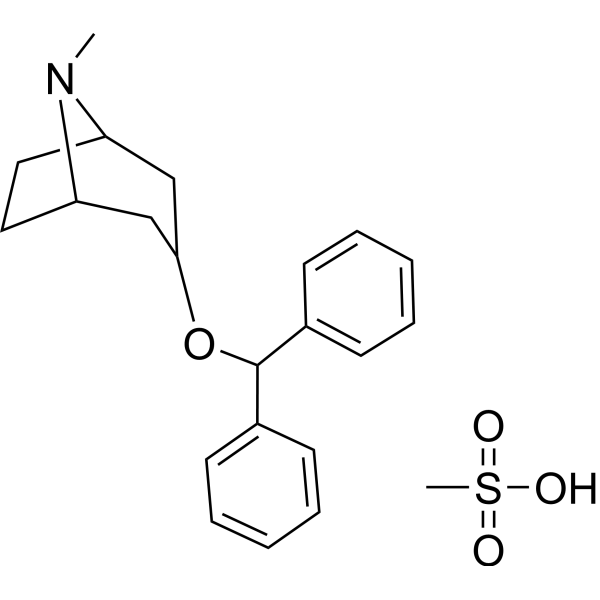
Benztropine mesylate (Benzatropine mesylate) is an orally active and BBB-permeable centrally acting anticholinergic agent that can be used for Parkinson's disease research. Benztropine mesylate is an anti-histamine agent and a dopamine re-uptake inhibitor. Benztropine mesylate is also a human D2 dopamine receptor allosteric antagonist. Benztropine mesylate also has anti-CSCs (cancer stem cells) effects .
loading...
    loading...
5
5 Cited Publications
Cat. No.: HY-B0520
CAS No.: 86-13-5
Synonyms: Benzatropine; Benzotropine
Research Areas:  

Cancer

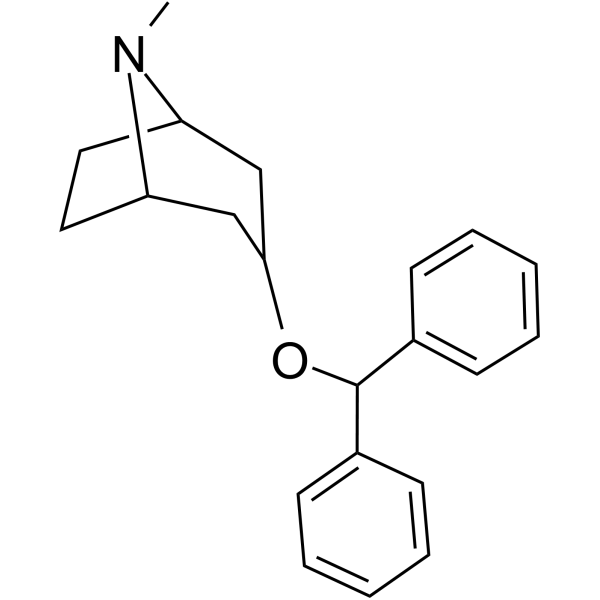
Benztropine (Benzatropine; Benzotropine) is an orally active and BBB-permeable centrally acting anticholinergic agent that can be used for Parkinson's disease research . Benztropine is an anti-histamine agent and a dopamine re-uptake inhibitor. Benztropine is also a human D2 dopamine receptor allosteric antagonist. Benztropine mesylate also has anti-CSCs (cancer stem cells) effects .
loading...
    loading...
3
3 Cited Publications
Cat. No.: HY-16100
CAS No.: 1291779-76-4
Research Areas:  

Metabolic Disease Cancer

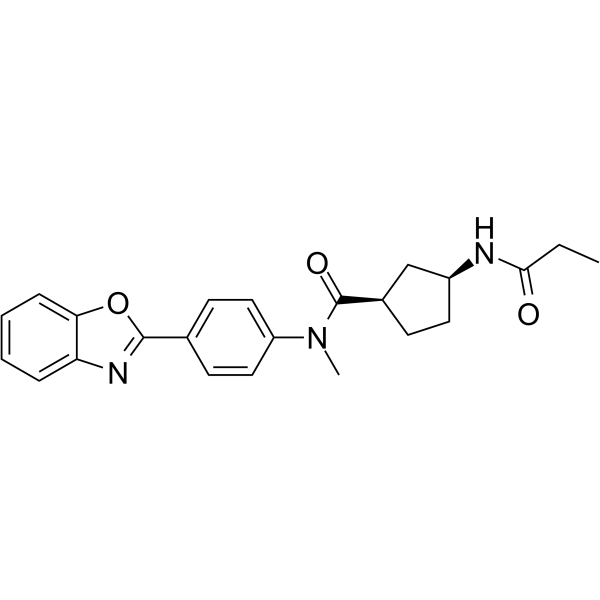
BI 99179, a chemical probe, is a potent and selective type I fatty acid synthase (FAS) inhibitor with an IC50 of 79 nM. BI 99179 is a tool compound suitable for the in vivo validation of FAS as a target for lipid metabolism related diseases. BI 99179 exhibits significant exposure (both peripheral and central) upon oral administration in rats .
loading...
    loading...
3
3 Cited Publications
Cat. No.: HY-108831
CAS No.: 189261-10-7
Purity:  99.10%
Natalizumab (AN100226; BG00002) is a humanized monoclonal IgG4 antibody inhibitor that selectively targets α4 integrin (CD49d). It blocks the interaction of integrins such as α4β1 (VLA-4) with vascular cell adhesion molecule VCAM-1, intercellular adhesion molecule ICAM-1, and fibronectin by competitively binding to the α4 subunit. Natalizumab inhibits the adhesion, retention, and transendothelial migration of immune cells (such as CD4 + T cells), reducing the infiltration of inflammatory cells into the central nervous system or lesion sites, thus exerting anti-inflammatory and immunomodulatory activity. Natalizumab is used in the study of relapsing-remitting multiple sclerosis (RRMS) and also has applications in the study of autoimmune or inflammation-related diseases such as Crohn's disease, B-cell lymphoma, and non-infectious uveitis. Natalizumab can also prevent lymphocytes from entering the central nervous system, thereby preventing acute demyelinating relapses .
loading...
    loading...
3
3 Cited Publications
Cat. No.: HY-B0061
CAS No.: 112457-95-1
Synonyms: SM-3997 citrate
Target:  

5-HT Receptor

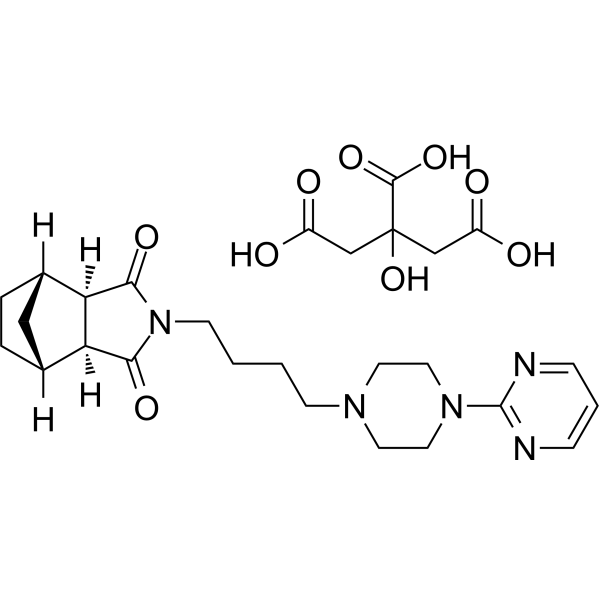
Tandospirone (SM-3997) citrate is a potent and selective 5-HT1A receptor partial agonist, with a Ki of 27 nM. Tandospirone citrate has anxiolytic and antidepressant activities. Tandospirone citrate can be used for the research of the central nervous system disorders and the underlying mechanisms .
loading...
    loading...
3
3 Cited Publications
Cat. No.: HY-14558
CAS No.: 87760-53-0
Purity:  99.41%
Synonyms: SM-3997
Target:  

5-HT Receptor

Research Areas:  

Neurological Disease

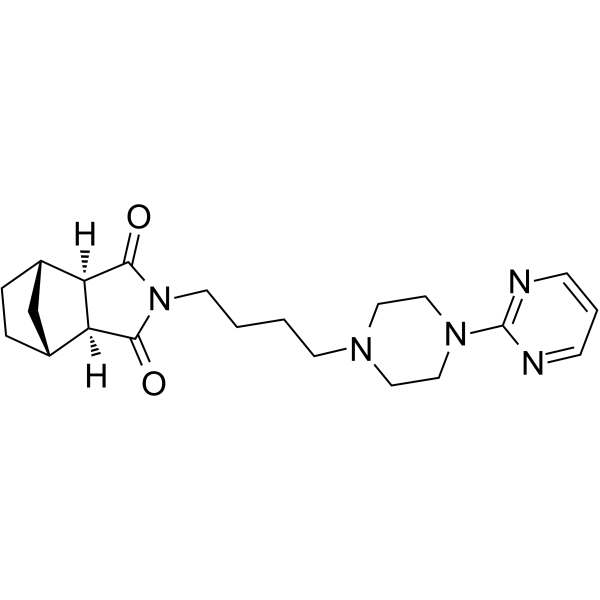
Tandospirone (SM-3997) is a potent and selective 5-HT1A receptor partial agonist, with a Ki of 27 nM. Tandospirone has anxiolytic and antidepressant activities. Tandospirone can be used for the research of the central nervous system disorders and the underlying mechanisms .
loading...
    loading...
3
3 Cited Publications
Cat. No.: HY-108831A
CAS No.: 189261-10-7
Purity:  98.72%
Synonyms: AN100226; BG00002
Natalizumab (Anti-CD49d) (AN100226; BG00002) Solution is a humanized monoclonal IgG4 antibody inhibitor that selectively targets α4 integrin (CD49d), blocking the interaction of integrins such as α4β1 (VLA-4) with vascular cell adhesion molecule VCAM-1, intercellular adhesion molecule ICAM-1, and fibronectin by competitively binding to the α4 subunit. Natalizumab solution inhibits the adhesion, retention, and transendothelial migration of immune cells (such as CD4 + T cells), reducing the infiltration of inflammatory cells into the central nervous system or lesion sites, thereby exerting anti-inflammatory and immunomodulatory activity. Natalizumab (Anti-CD49d) solution is used in the study of relapsing-remitting multiple sclerosis (RRMS) and is also applied in the research of autoimmune or inflammation-related diseases such as Crohn's disease, B-cell lymphoma, and non-infectious uveitis. Natalizumab (Anti-CD49d) can also prevent lymphocytes from entering the central nervous system, thus preventing acute demyelinating relapses .
loading...
    loading...
2
2 Cited Publications
Cat. No.: HY-N6608
CAS No.: 57-47-6
Synonyms: Eserine
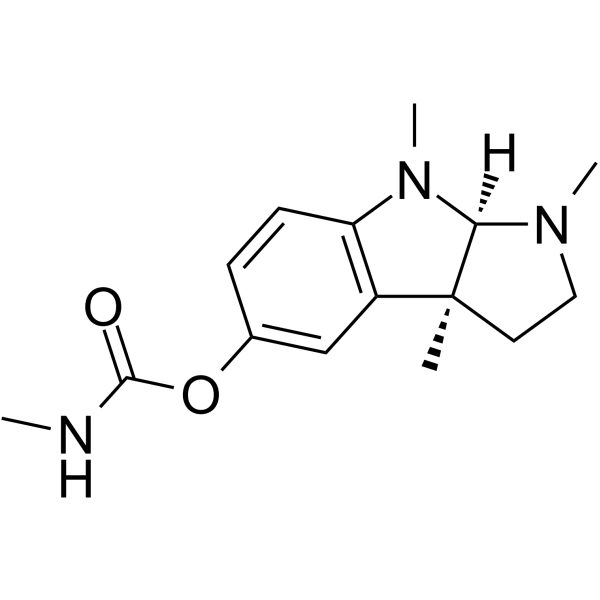
Physostigmine (Eserine) is a reversible acetylcholinesterase (AChE) inhibitor. Physostigmine can crosses the blood-brain barrier and stimulates central cholinergic neurotransmission. Physostigmine can reverse memory deficits in transgenic mice with Alzheimer's disease. Physostigmine is also an antidote for anticholinergic poisoning .
loading...
    loading...
2
2 Cited Publications
Cat. No.: HY-B1266
CAS No.: 57-64-7
Synonyms: Eserine salicylate
Target:  

Cholinesterase (ChE)

Research Areas:  

Neurological Disease

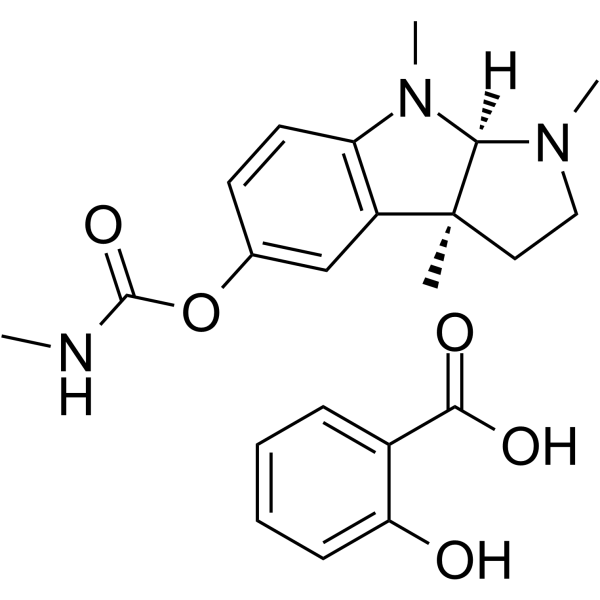
Physostigmine salicylate (Eserine salicylate) is a reversible acetylcholinesterase (AChE) inhibitor. Physostigmine salicylate crosses the blood-brain barrier and stimulates central cholinergic neurotransmission. Physostigmine salicylate can reverse memory deficits in transgenic mice with Alzheimer's disease. Physostigmine salicylate is also an antidote for anticholinergic poisoning .
loading...
    loading...
2
2 Cited Publications
Cat. No.: HY-N2320
CAS No.: 64-47-1
Synonyms: Eserine hemisulfate
Target:  

Cholinesterase (ChE)

Research Areas:  

Neurological Disease

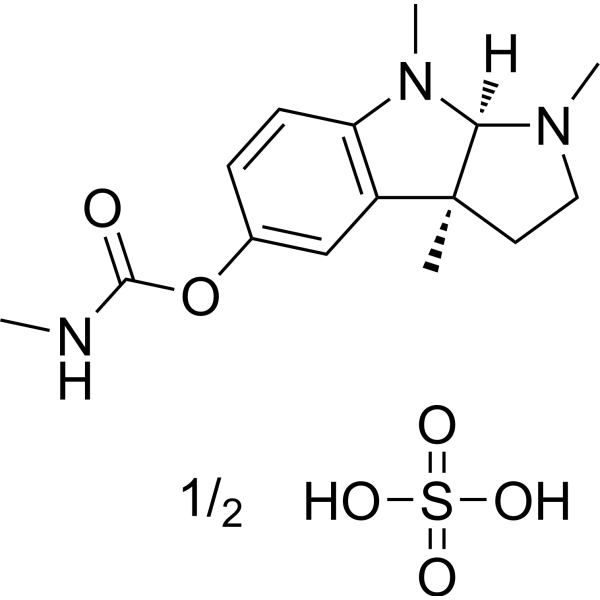
Physostigmine hemisulfate (Eserine hemisulfate) is a reversible acetylcholinesterase (AChE) inhibitor. Physostigmine hemisulfate can crosses the blood-brain barrier and stimulates central cholinergic neurotransmission. Physostigmine hemisulfate can reverse memory deficits in transgenic mice with Alzheimer's disease. Physostigmine hemisulfate is also an antidote for anticholinergic poisoning .
loading...
    loading...
2
2 Cited Publications
Cat. No.: HY-P1333
CAS No.: 80448-90-4
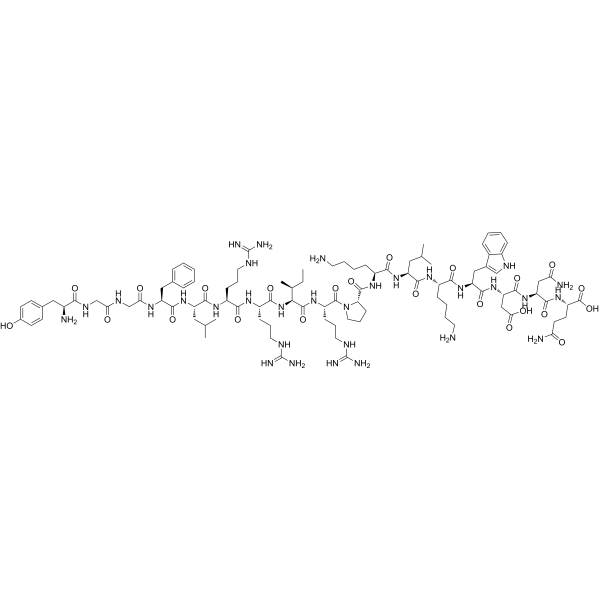
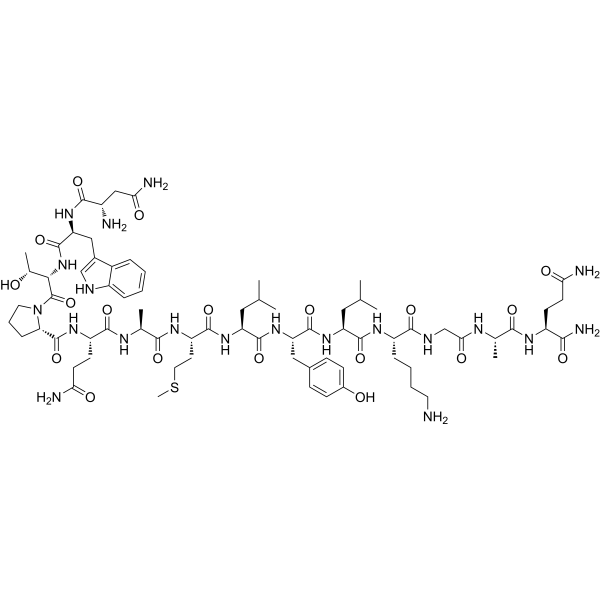
Dynorphin A is an endogenous opioid peptide involved in inhibitory neurotransmission in the central nervous system (CNS). Dynorphin A is a highy potent kappa opioid receptor (KOR) agonist, and is also an agonist for other opioid receptors, such as mu (MOR) and delta (DOR). Dynorphin A can induce neuronal death, and can be used in the research of neurological disease .
loading...
    loading...
2
2 Cited Publications
Cat. No.: HY-B0900
CAS No.: 104-46-1
Synonyms: Anise camphor; p-Propenylanisole; Isoestragole
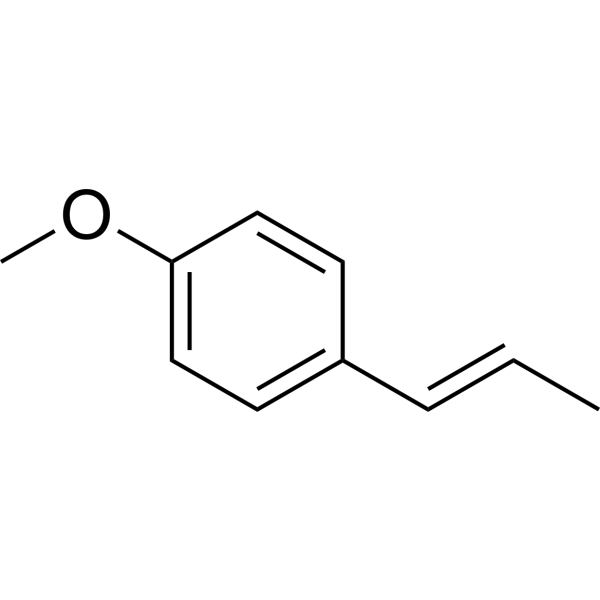
Anethole is a type of orally active aromatic compound that is widely found in nature and used as a flavoring agent. Anethole possesses anticancer, anti-inflammatory, antioxidant, antibacterial, antifungal, anesthetic, estrogenic, central nervous system depressant, hypnotic, insecticidal, and gastroprotective effects. Anethole can be used in the study of oxidative stress-related skin diseases and prostate cancer .
loading...
    loading...
2
2 Cited Publications
Cat. No.: HY-13010
CAS No.: 248281-84-7
Purity:  99.46%
Synonyms: ABR-215062
Target:  

NF-κB Apoptosis

Research Areas:  

Inflammation/Immunology

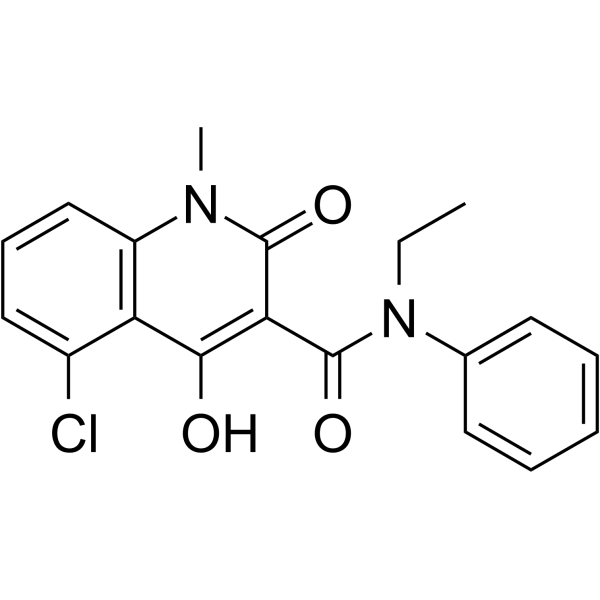
Laquinimod (ABR-215062), an orally available carboxamide derivative, is a potent immunomodulator which prevents neurodegeneration and inflammation in the central nervous system. Laquinimod reduces astrocytic NF-κB activation to protect from Cuprizone-induced demyelination. Laquinimod has the potential for relapsing remitting (RR) and chronic progressive (CP) forms of multiple sclerosis (MS; RRMS or CPMS) as well as neurodegenerative diseases research .
loading...
    loading...
2
2 Cited Publications
Cat. No.: HY-P4911A
Target:  

CXCR

Research Areas:  

Cardiovascular Disease

SDF-1α (human) TFA is a mononuclear cells chemoattractant that can bind to CXCR4. SDF-1α plays a central role in stem cell homing, retention, survival, proliferation, cardiomyocyte repair, angiogenesis and ventricular remodelling following myocardial infarction. SDF-1α (human) TFA can be used in cardiovascular disease research .
loading...
    loading...
2
2 Cited Publications
Cat. No.: HY-19667A
CAS No.: 2922280-85-9
Synonyms: DPC 333 formate
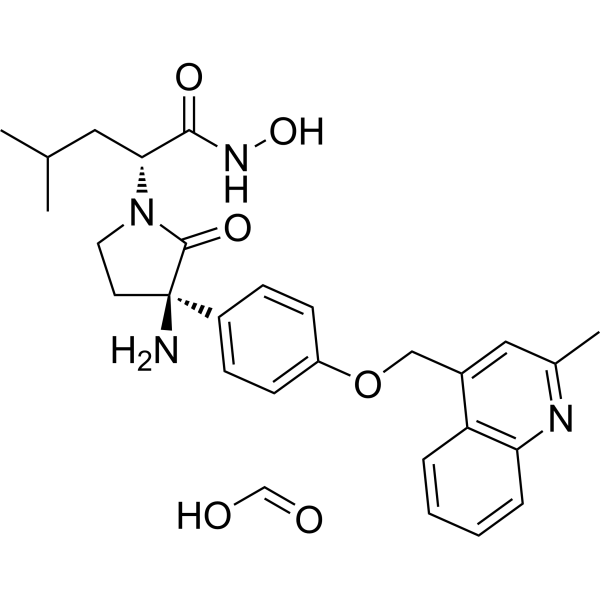
BMS-561392 formate (DPC 333 formate) is a selective ADAM17(TACE) inhibitor. BMS-561392 formate inhibits TNF-α secretion by regulating signaling pathways such as p44 MAPK and NF-κB. BMS-561392 formate also affects the survival of central nervous system-related cells including oligodendrocytes and microglia. BMS-561392 formate promotes microglial apoptosis, enlarges the injury area and exacerbates astrogliosis in a mouse spinal cord injury model. BMS-561392 formate can be used in research related to spinal cord injury and inflammatory diseases .
loading...
    loading...
2
2 Cited Publications
Cat. No.: HY-P1723
CAS No.: 1370290-58-6
Synonyms: Neuropeptide Q
Spexin (Neuropeptide Q) is a selective agonist of galanin receptors GAL2 and GAL3, and is a conserved peptide that functions as a neurotransmitter/neuromodulator and endocrine factor. Spexin can function through both central and peripheral actions. Spexin upregulates Beclin 1 to inhibit ferroptosis induced by excessive autophagy, reduces the uptake of long-chain fatty acids by adipocytes, and regulates energy metabolism by increasing lipid oxidation (e.g., reducing the respiratory exchange ratio in rodents). Spexin improves cardiac function in the Doxorubicin hydrochloride (HY-15142)-induced cardiotoxicity model, protects mitochondrial membrane potential, and reduces iron accumulation and lipid peroxidation. Spexin can be used to study obesity and its related metabolic disorders, cardiovascular diseases (e.g., cardioprotection), and side effects of tumor chemotherapy .
loading...
    loading...
1
1 Cited Publications
Cat. No.: HY-113498
CAS No.: 85187-10-6
Purity:  ≥98.0%
Sphingomyelin is a eukaryotic sphingolipid and one of the major constituents of cell membranes and particularly abundant in the myelin sheath that surrounds neuronal axons. Sphingomyelin plays an important role in cell processes, the regulation of inflammatory responses, and signal transduction. Sphingomyelin metabolism is associated with various central nervous system diseases and Niemann–Pick disease .
loading...
    loading...
1
1 Cited Publications
Cat. No.: HY-111263
CAS No.: 868592-56-7
Purity:  99.11%
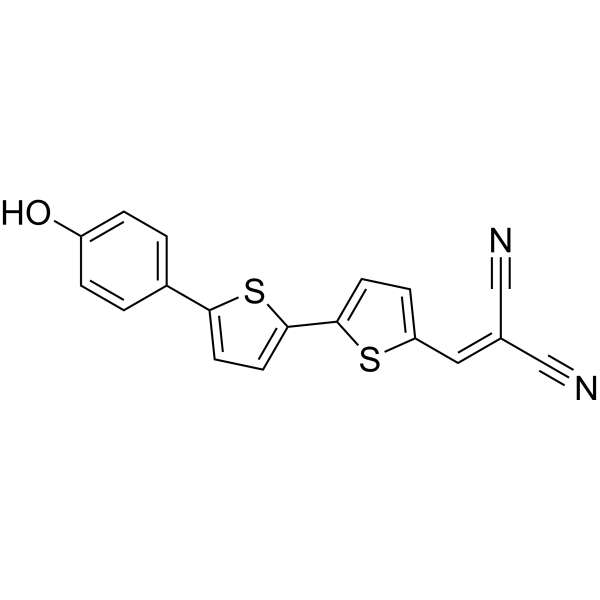
NIAD-4 is a blood-brain barrier permeable fluorophore for optical imaging of amyloid-β () in the central nervous system (CNS) for Alzheimer’s disease (AD). NIAD-4 binds to the same Aβ site with the binding affinity (Ki) of 10 nM .
loading...
    loading...

