Search Result
Results for "
cerebral infarction
" in MedChemExpress (MCE) Product Catalog:
1
Isotope-Labeled Compounds
| Cat. No. |
Product Name |
Target |
Research Areas |
Chemical Structure |
-
- HY-100611
-
-
-
- HY-76569
-
|
PNU-200577; 5-Hydroxymethyl Tolterodine
|
mAChR
|
Neurological Disease
Cancer
|
|
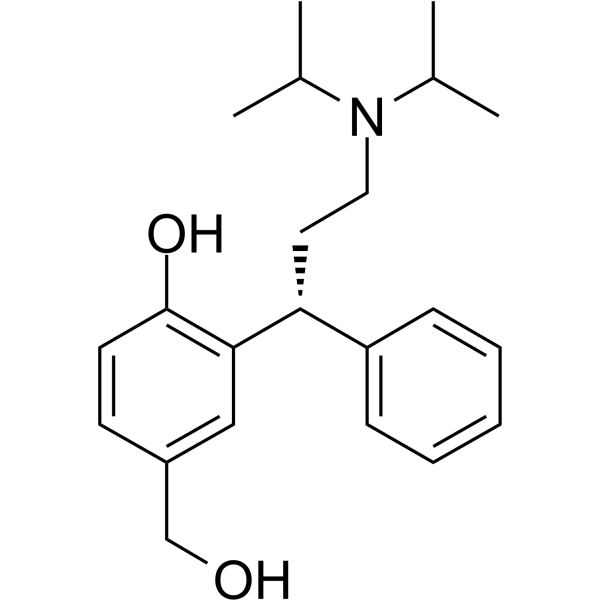
Desfesoterodine (PNU-200577) is a potent and selective muscarinic receptor (mAChR) antagonist with a KB and a pA2 of 0.84 nM and 9.14, respectively . Desfesoterodine is a major pharmacologically active metabolite of Tolterodine (PNU-200583; HY-A0024) and Fesoterodine (HY-70053) . Desfesoterodine improves cerebral infarction induced detrusor overactivity in rats .
|
-
-
- HY-N0353
-
|
(+)-Curdione
|
Ferroptosis
Apoptosis
Reactive Oxygen Species (ROS)
Autophagy
Glutathione Peroxidase
Keap1-Nrf2
Heme Oxygenase (HO)
TGF-β Receptor
Indoleamine 2,3-Dioxygenase (IDO)
|
Cardiovascular Disease
Neurological Disease
Cancer
|
|
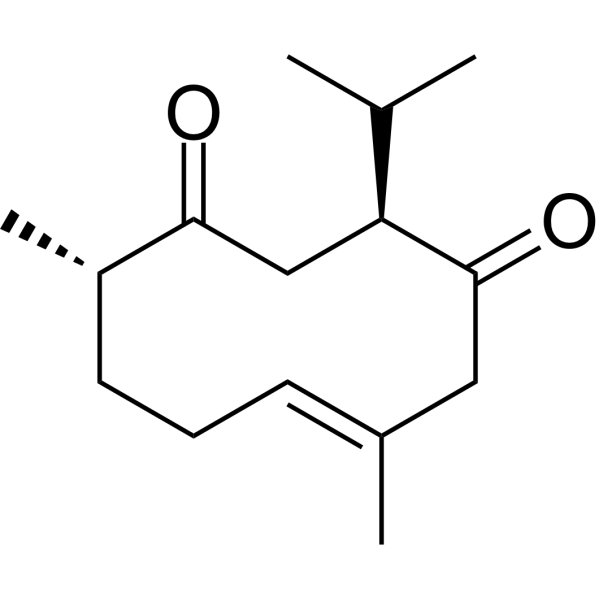
Curdione ((+)-Curdione) is an orally active sesquiterpenoid. Curdione inhibits platelet aggregation. Curdione induces ferroptosis in colorectal cancer via m6A methylation mediated by METTL14 and YTHDF2. Curdione inhibits ferroptosis in Isoproterenol (HY-B0468)-induced myocardial infarction by regulating the Keap1/Trx1/GPX4 signaling pathway, suppressing oxidative stress (ROS) and apoptosis. Curdione ameliorates Doxorubicin (HY-15142)-induced cardiotoxicity by inhibiting oxidative stress (ROS) and activating the Nrf2/HO-1 pathway. Curdione ameliorates sepsis-induced lung injury by inhibiting platelet-mediated neutrophil extracellular trap formation. Curdione ameliorates Bleomycin (HY-17565A)-induced pulmonary fibrosis by inhibiting TGF-β-induced fibroblast-to-myofibroblast differentiation. Curdione exhibits neuroprotective effects against focal cerebral ischemia-reperfusion injury in rats. Curdione exerts antiproliferative effects against human uterine leiomyosarcoma by targeting IDO1. Curdione protects vascular endothelial cells and atherosclerosis by regulating DNMT1-mediated ERBB4 promoter methylation. Curdione inhibits inducible prostaglandin E2 production (IC50 = 1.1 μM) and cyclooxygenase 2 expression .
|
-
-
- HY-P10275
-
|
|
Apoptosis
|
Neurological Disease
|
|
Tat-NTS peptide is a cell-penetrating peptide with neuroprotective effects. Tat-NTS peptide can specifically inhibit the nuclear translocation of ANXA1 and reduce neuronal apoptosis in ischemic areas. Moreover, Tat-NTS peptide can reduce the volume of cerebral ischemic infarction and can be used in the research of ischemic stroke .
|
-
-
- HY-120380
-
|
|
MOFs
PARP
|
Neurological Disease
|
|
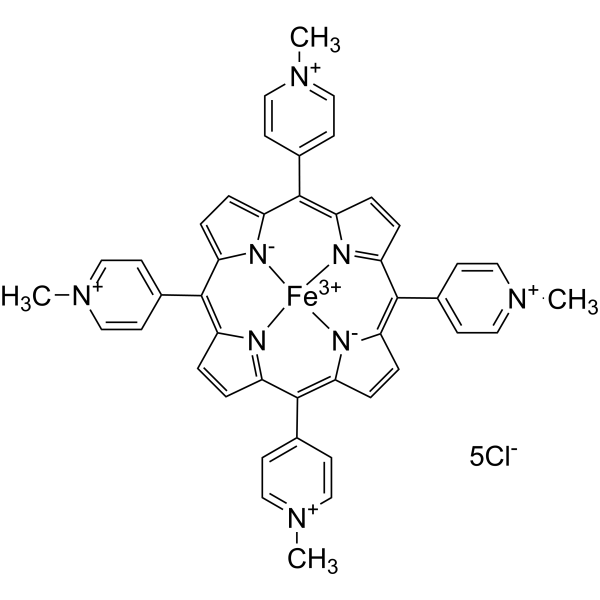
FeTMPyP is an orally active poly (ADP-ribose) polymerase (PARP) inhibitor. FeTMPyP inhibits cell death, nitrotyrosine formation, and depolarization of mitochondrial transmembrane potential. FeTMPyP reduces homocysteine-induced nitrosative stress and partially restores TFEB protein and mRNA levels. FeTMPyP improves functional and behavioral deficits caused by chronic constriction injury in rats. FeTMPyP alleviates acute cerebral infarction in a rat model of middle cerebral artery occlusion with mild hyperglycemia. FeTMPyP can be used in studies related to neuropathic pain, renal aging, ischemic penumbra, and hyperglycemic stroke .
|
-
-
- HY-17352
-
|
Ro 61-1790; VML 588; AXV-034343
|
Endothelin Receptor
|
Cardiovascular Disease
|
|
Clazosentan (Ro 61-1790) is a selective endothelin A (ETA) receptor antagonist. Clazosentan inhibits ET-1-mediated vasoconstriction. Clazosentan prevents cerebral vasospasm, vasospasm-related cerebral infarction .
|
-
-
- HY-N10424
-
|
|
Na+/K+ ATPase
Apoptosis
Interleukin Related
NO Synthase
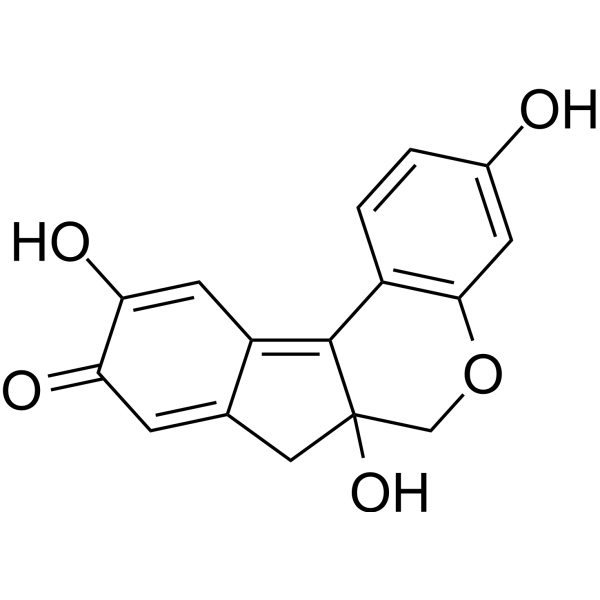
Bacterial
Parasite
|
Cardiovascular Disease
Infection
Neurological Disease
Inflammation/Immunology
|
|
Brazilein is a compound with anti-inflammatory and neuroprotective activities, with an IC50 of 500 μM against guinea pig Na +,K +-ATPase. Brazilein reduces iNOS mRNA expression, thereby inhibiting nitric oxide production in immune cells. Brazilein suppresses inflammatory responses by reducing the mRNA expression of TNF-α and IL-6, but has no effect on IL-1β expression. Brazilein reduces the cerebral infarction volume and improves the neurological function scores of rats with cerebral ischemia-reperfusion injury. Brazilein induces apoptosis of splenic lymphocytes in mice. Brazilein inhibits humoral immune responses in mice, and causes thymus and spleen atrophy as well as body weight loss in mice. Brazilein also possesses antimalarial and antibacterial activities. Brazilein is also a red dye. Brazilein can be used in studies related to the infection, nervous system, cardiovascular system and inflammatory diseases .
|
-
-
- HY-B0877
-
|
SQ-18566
|
Smo
Caspase
RAR/RXR
CDK
|
Cardiovascular Disease
Neurological Disease
Inflammation/Immunology
|
|
Halcinonide (SQ-18566) is an orally active Smoothened (Smo) agonist. Halcinonide activates the Hedgehog signaling pathway by binding to Smo and promoting its internalization and expression, thereby activating Gli transcription factors. Halcinonide not only stimulates cell proliferation, increases the expression of cyclin D2/CDK6 and inhibits the degradation of caspase-3, but also suppresses Bcl-2/Bax-mediated apoptosis, oxidative stress and inflammatory responses. Halcinonide activates RxRγ to upregulate the expression of myelin genes, thereby reducing cerebral infarction and improving behavioral deficits. Halcinonide has been used in studies related to multiple sclerosis and ischemic stroke .
|
-
-
- HY-P6437A
-
|
|
Dynamin
|
Cardiovascular Disease
Neurological Disease
|
|
Drp1 peptide inhibitor P110 (Compound P110) TFA is a selective Drp1 peptide inhibitor with neuroprotective properties. Drp1 peptide inhibitor P110 TFA can inhibit the activation of Drp1, prevent MPTP (HY-15608)-induced Drp1 mitochondrial translocation, and alleviate MPTP-induced dopaminergic neuron loss, dopaminergic nerve terminal damage, and behavioral deficits, and can be used in the study of Alzheimer's disease. Additionally, Drp1 peptide inhibitor P110 TFA can reduce mitochondrial damage and organ injury in animal models of Huntington's disease, cerebral ischemic injury, and myocardial infarction .
|
-
-
- HY-P6437
-
|
|
Dynamin
|
Cardiovascular Disease
Neurological Disease
|
|
Drp1 peptide inhibitor P110 (Compound P110) is a selective Drp1 peptide inhibitor with neuroprotective properties. Drp1 peptide inhibitor P110 can inhibit the activation of Drp1, prevent MPTP-induced Drp1 mitochondrial translocation, and alleviate MPTP-induced dopaminergic neuron loss, dopaminergic nerve terminal damage, and behavioral deficits, and can be used in the study of Alzheimer's disease. Additionally, Drp1 peptide inhibitor P110 can reduce mitochondrial damage and organ injury in animal models of Huntington's disease, cerebral ischemic injury, and myocardial infarction .
|
-
-
- HY-103479
-
|
|
Acyltransferase
|
Cardiovascular Disease
Neurological Disease
Metabolic Disease
Cancer
|
|
GOAT-IN-1 is an inhibitor of ghrelin O-acyltransferase (GOAT), which could be useful for the prophylaxis or treatment of obesity, diabetes, hyperlipidemia, metabolic, non-alcoholic fatty liver, steatohepatitis, sarcopenia, appetite control, alcohol/narcotic dependence, Alzheimer’s disease, Parkinson’s disease, cerebrovascular dementia, cerebral apoplexy, cerebral infarction, cardic disease, some kind of tumors.
|
-
-
- HY-133712
-
|
Tunodafil
|
Phosphodiesterase (PDE)
|
Neurological Disease
|
|
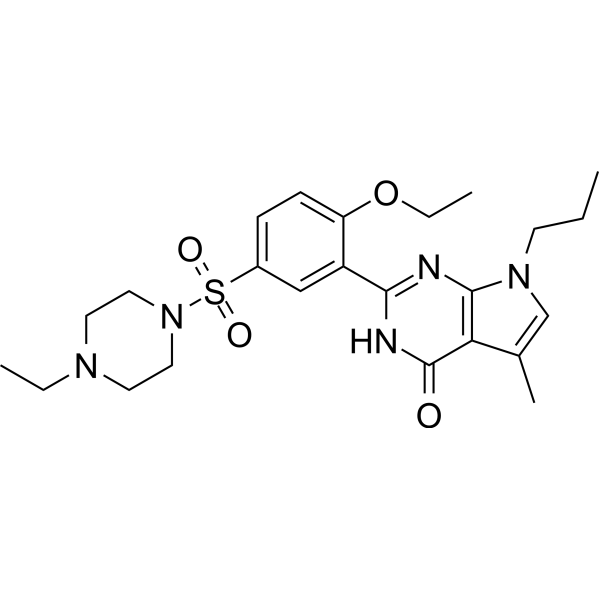
Yonkenafil (Tunodafil), a novel phosphodiesterase 5 (PDE5) inhibitor, is effective in reducing cerebral infarction, neurological deficits, edema, and neuronal damage in the infarcted area. Yonkenafil may improve cognitive function by modulating neurogenesis and has a potential therapeutic effect on Alzheimer's disease .
|
-
-
- HY-123669
-
|
|
P2Y Receptor
Drug Metabolite
|
Cardiovascular Disease
|
|
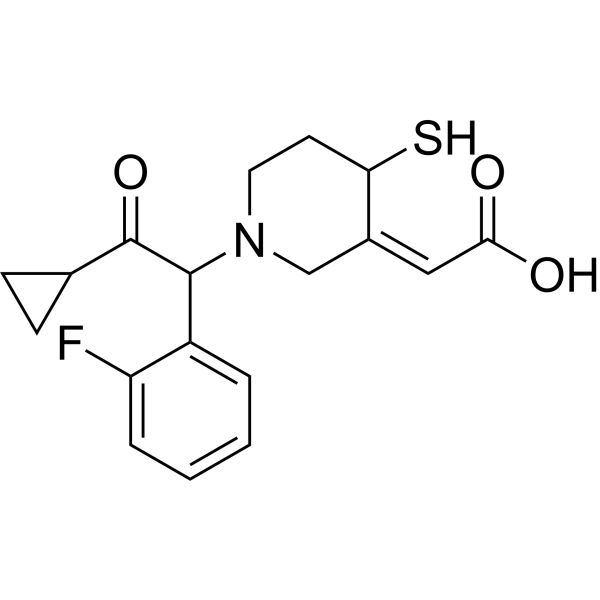
R-138727, the major active metabolite of Prasugrel (HY-15284), is a highly potent and selective irreversible antagonist of the P2Y12 receptor, with an IC50 of 2.5 μM. R-138727 covalently binds to the P2Y12 receptor on the platelet surface, blocking adenosine diphosphate-mediated platelet activation and aggregation. R-138727 can be used to study stroke, cerebral infarction and neurological deficits.
|
-
-
- HY-N2439
-
|
|
Environmental Pollutants
Pyroptosis
SOD
Quinone Reductase
Keap1-Nrf2
NF-κB
|
Cardiovascular Disease
|
|
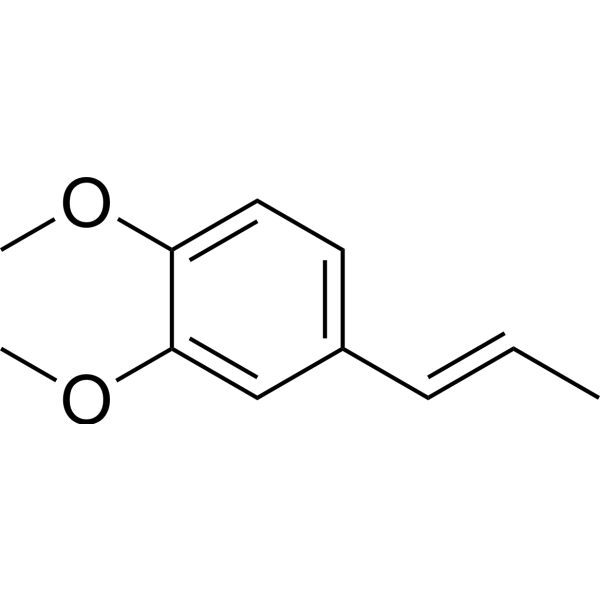
Methyl isoeugenol is an orally active, blood-brain barrier-permeable isoeugenol-type eugenol analog. Methyl isoeugenol promotes the nuclear translocation of Nrf2, upregulates the expressions of HO-1, NQO1 and SOD, and reduces the expression level of MDA. Methyl isoeugenol decreases the nuclear translocation of NF-κB. Methyl isoeugenol inhibits NLRP3 inflammasome-mediated pyroptosis. Methyl isoeugenol reduces cerebral infarction volume and regulates the M1/M2 phenotypic balance of microglia. Methyl isoeugenol can be used for the research of cerebral ischemia-reperfusion injury .
|
-
-
- HY-113898
-
|
|
Angiotensin-converting Enzyme (ACE)
Toll-like Receptor (TLR)
Interleukin Related
|
Cardiovascular Disease
Neurological Disease
|
|
Ganoderic acid K is a triterpenoid compound. Ganoderic acid K can be isolated from Ganoderma lucidum. Ganoderic acid K inhibits ACE activity with an IC50 of 2.6×10 -5 M. Ganoderic acid K exhibits direct, high-affinity binding to recombinant MD2 protein, with a Kd value of 0.47 μM. It potently inhibits LPS-induced release of TNF-α and IL-6. It reduces cerebral infarction volume and ameliorates neurological dysfunction in mice with ischemic stroke in the tMCAO model. Ganoderic acid K can be used in studies related to hypertension and ischemic stroke .
|
-
-
- HY-153595
-
|
|
DAPK
|
Cardiovascular Disease
|
DAPK-IN-2 is a DAPK inhibitor. DAPK-IN-2 can be used for the research of cerebral infarction and ischemic diseases .
|
-
-
- HY-19230
-
|
|
Calmodulin
NO Synthase
CaMK
Calcineurin
Proteasome
Caspase
|
Cardiovascular Disease
|
|
DY-9760e is a calmodulin (CaM) inhibitor. DY-9760e selectively inhibits the activity of various calmodulin-dependent enzymes by antagonizing the Ca²⁺/CaM complex, exhibiting the strongest inhibitory activity against nNOS, CaM kinase II, and calcineurin (Ki: 0.9, 1.4, and 2.0 μM, respectively). DY-9760e inhibits excessive nitric oxide production and protein tyrosine nitration, as well as the activation of calpain and caspase-3. DY-9760e reduces infarct size, improves cardiac function, and inhibits oxidative stress and cell death. DY-9760e can be used in research on the treatment of myocardial infarction, cerebral ischemia, and other diseases .
|
-
-
- HY-17352A
-
|
Ro 61-1790 disodium; VML 588 disodium; AXV-034343 disodium
|
Endothelin Receptor
|
Cardiovascular Disease
|
|
Clazosentan disodium (Ro 61-1790) is a selective endothelin A (ETA) receptor antagonist. Clazosentan disodium inhibits ET-1-mediated vasoconstriction. Clazosentan disodium prevents cerebral vasospasm, vasospasm-related cerebral infarction .
|
-
-
- HY-17352R
-
|
Ro 61-1790 (Standard); VML 588 (Standard); AXV-034343 (Standard)
|
Endothelin Receptor
Reference Standards
|
Cardiovascular Disease
|
|
Clazosentan (Standard) is the analytical standard of Clazosentan. This product is intended for research and analytical applications. Clazosentan (Ro 61-1790) is a selective endothelin A (ETA) receptor antagonist. Clazosentan inhibits ET-1-mediated vasoconstriction. Clazosentan prevents cerebral vasospasm, vasospasm-related cerebral infarction .
|
-
-
- HY-19248
-
|
|
Integrin
|
Cardiovascular Disease
Neurological Disease
|
|
ME-3277 is a potent GPIIb/IIIa antagonist. ME-3277 reduces cerebral infarction without enhancing intracranial hemorrhage in photothrombotic occlusion of rabbit middle cerebral artery (MCA). ME-3277 can be used for the acute cerebral infarction research .
|
-
-
- HY-P99886
-
|
h5G1. 1-SC
|
Complement System
Apoptosis
|
Cardiovascular Disease
Neurological Disease
|
|
Pexelizumab (h5G1. 1-SC) is a humanized scFv monoclonal antibody directed against the C5 complement component. Pexelizumab inhibits apoptosis and leukocyte infiltration. Pexelizumab can be used for the research of cerebral IR injury and myocardial infarction .
|
-
-
- HY-76569R
-
|
PNU-200577 (Standard); 5-Hydroxymethyl Tolterodine (Standard)
|
Reference Standards
mAChR
|
Neurological Disease
|
|
Desfesoterodine (Standard) is the analytical standard of Desfesoterodine. This product is intended for research and analytical applications. Desfesoterodine (PNU-200577) is a potent and selective muscarinic receptor (mAChR) antagonist with a KB and a pA2 of 0.84 nM and 9.14, respectively . Desfesoterodine is a major pharmacologically active metabolite of Tolterodine (PNU-200583; HY-A0024) and Fesoterodine (HY-70053) . Desfesoterodine improves cerebral infarction induced detrusor overactivity in rats .
|
-
-
- HY-P11314
-
|
|
Amyloid-β
|
Cardiovascular Disease
Neurological Disease
|
|
ABri, 34 amino acids long, is an Amyloid subunit with certain degree of N- and C-terminal heterogeneity and no sequence identity to any known amyloid protein. ABri is devoid of glycine, methionine, proline, aspartic acid, tryptophane, tyrosine and glutamine, featuring pyroglutamate at its N-terminus. ABri can be used for cerebral hemorrhages, ischemic infarction and Alzheimer disease research .
|
-
-
- HY-174260
-
|
|
NO Synthase
COX
Caspase
MDM-2/p53
|
Neurological Disease
|
|
Neuroprotective agent 11 (Compound 1a) is an orally active polyphenol compound with significant protective effects against cerebral ischemia. The main activities of Neuroprotective agent 11 include inhibiting neuronal inflammation and apoptosis, reducing cerebral infarction volume, and improving behavioral symptoms of cerebral ischemic mice. Neuroprotective agent 11 exerts its regulatory mechanism by downregulating the expression of inflammatory factors (iNOS、COX-2) and apoptotic proteins (cleaved-Caspase3, p53). Neuroprotective agent 11 can be used in the study of cerebral ischemia-related diseases (such as ischemic stroke) .
|
-
-
- HY-125095
-
|
Tunodafil hydrochloride
|
Phosphodiesterase (PDE)
|
Cardiovascular Disease
Neurological Disease
|
|
Yonkenafil (Tunodafil) hydrochloride, a novel phosphodiesterase 5 (PDE5) inhibitor, is effective in reducing cerebral infarction, neurological deficits, edema, and neuronal damage in the infarcted area. Yonkenafil (Tunodafil) hydrochloride may improve cognitive function by modulating neurogenesis and has a potential therapeutic effect on Alzheimer's disease .
|
-
-
- HY-175027
-
|
|
RIP kinase
Ferroptosis
|
Neurological Disease
|
|
RIPK1-IN-33 is a blood-brain barrier-permeable and orally active RIPK1 inhibitor, with an IC50 of 0.115 μM. RIPK1-IN-33 demonstrates remarkable anti-ferroptosis activity, radical scavenging capacity (IC50 = 123.3 μM), and anti-lipid peroxidation effects (IC50 = 9.72 μM). RIPK1-IN-33 markedly reduces cerebral infarction volume and improves neurological function scores in transient middle cerebral artery occlusion (tMCAO) model. RIPK1-IN-33 can be used for the study of ischemic stroke .
|
-
-
- HY-76569S1
-
|
PNU-200577-d14; 5-Hydroxymethyl Tolterodine-d14
|
mAChR
Isotope-Labeled Compounds
|
Neurological Disease
|
|
(R)-Hydroxytolterodine-d14 is deuterated labeled Desfesoterodine (HY-76569). Desfesoterodine (PNU-200577) is a potent and selective muscarinic receptor (mAChR) antagonist with a KB and a pA2 of 0.84 nM and 9.14, respectively . Desfesoterodine is a major pharmacologically active metabolite of Tolterodine (PNU-200583; HY-A0024) and Fesoterodine (HY-70053) . Desfesoterodine improves cerebral infarction induced detrusor overactivity in rats .
|
-
-
- HY-157936
-
|
|
iGluR
|
Neurological Disease
|
|
GluN2B-NMDAR antagonist-2 (compound S-58) is a potent, selective and cross the blood-brain barrier NMDAR-GluN2B antagonist with an IC50 value of 74.01, nM. GluN2B-NMDAR antagonist-2 shows mild cytotoxicity. GluN2B-NMDAR antagonist-2 decreases the cerebral infarction rates and neurologic deficit scores. GluN2B-NMDAR antagonist-2 has the potential for the research of stroke .
|
-
-
- HY-174126
-
|
|
P2Y Receptor
|
Cardiovascular Disease
|
|
P2Y1 antagonist 2 (Compound 19) is a P2Y1 receptor antagonist (IC50: 0.49 μM). P2Y1 antagonist 2 has significant antiplatelet aggregation activity and exerts its effects by inhibiting P2Y1 receptor. P2Y1 antagonist 2 can upregulate nuclear Nrf2 protein levels, exhibit neuroprotective effects, and resist oxidative stress damage. P2Y1 antagonist 2 can effectively reduce cerebral infarction area and improve neurobehavioral function, and can be used in the study of ischemic stroke .
|
-
-
- HY-N0353R
-
|
(+)-Curdione (Standard)
|
Reference Standards
Ferroptosis
Apoptosis
Reactive Oxygen Species (ROS)
Autophagy
Glutathione Peroxidase
Keap1-Nrf2
Heme Oxygenase (HO)
TGF-β Receptor
Indoleamine 2,3-Dioxygenase (IDO)
|
Others
|
|
Curdione (Standard) is the analytical standard of Curdione. This product is intended for research and analytical applications. Curdione ((+)-Curdione) is an orally active sesquiterpenoid. Curdione inhibits platelet aggregation. Curdione induces ferroptosis in colorectal cancer via m6A methylation mediated by METTL14 and YTHDF2. Curdione inhibits ferroptosis in Isoproterenol (HY-B0468)-induced myocardial infarction by regulating the Keap1/Trx1/GPX4 signaling pathway, suppressing oxidative stress (ROS) and apoptosis. Curdione ameliorates Doxorubicin (HY-15142)-induced cardiotoxicity by inhibiting oxidative stress (ROS) and activating the Nrf2/HO-1 pathway. Curdione ameliorates sepsis-induced lung injury by inhibiting platelet-mediated neutrophil extracellular trap formation. Curdione ameliorates Bleomycin (HY-17565A)-induced pulmonary fibrosis by inhibiting TGF-β-induced fibroblast-to-myofibroblast differentiation. Curdione exhibits neuroprotective effects against focal cerebral ischemia-reperfusion injury in rats. Curdione exerts antiproliferative effects against human uterine leiomyosarcoma by targeting IDO1. Curdione protects vascular endothelial cells and atherosclerosis by regulating DNMT1-mediated ERBB4 promoter methylation. Curdione inhibits inducible prostaglandin E2 production (IC50 = 1.1 μM) and cyclooxygenase 2 expression .
|
-
-
- HY-125404
-
-
-
- HY-165572
-
-
-
- HY-180370
-
|
NitroSynapsin; YQW-036; NMI-6979
|
iGluR
Drug Derivative
|
Cardiovascular Disease
Neurological Disease
|
|
Nitromemantine (NitroSynapsin) is a nitrate derivative of Memantine (HY-B0591) and is a dual-functional NMDAR antagonist. Nitromemantine exhibits significant efficacy in rodent models of cerebral infarction through a dual mechanism of blocking channels and regulating receptors via NO/redox regulation. Nitromemantine can target ischemic neurons under hypoxic conditions and enhance its activity. Nitromemantine inhibits the current induced by NMDA, with its IC50 being 2.4 μM. Nitromemantine can be used for the study of cerebral ischemic stroke .
|
-
-
- HY-103479R
-
|
|
Reference Standards
Acyltransferase
|
Cardiovascular Disease
Neurological Disease
Metabolic Disease
Cancer
|
|
GOAT-IN-1 (Standard) is the analytical standard of GOAT-IN-1 (HY-103479). This product is intended for research and analytical applications. GOAT-IN-1 is an inhibitor of ghrelin O-acyltransferase (GOAT), which could be useful for the prophylaxis or treatment of obesity, diabetes, hyperlipidemia, metabolic, non-alcoholic fatty liver, steatohepatitis, sarcopenia, appetite control, alcohol/narcotic dependence, Alzheimer’s disease, Parkinson’s disease, cerebrovascular dementia, cerebral apoplexy, cerebral infarction, cardic disease, some kind of tumors.
|
-
-
- HY-182295
-
|
|
Reactive Oxygen Species (ROS)
Apoptosis
MMP
Bacterial
Parasite
|
Cardiovascular Disease
Infection
Neurological Disease
|
|
Negundoside is an iridoid glycoside compound. Negundoside exhibits hepatoprotective effects, reduces ROS, lipid peroxidation and intracellular calcium ion levels, and prevents the decrease of mitochondrial membrane potential (MMP) and apoptosis (apoptosis). Negundoside has neuroprotective effects, improves behavioral deficits, alleviates oxidative damage, and ameliorates cerebral infarction. Negundoside also possesses antibacterial and antiparasitic activities .
|
-
-
- HY-100611R
-
|
|
Chloride Channel
Reference Standards
|
Inflammation/Immunology
Cancer
|
|
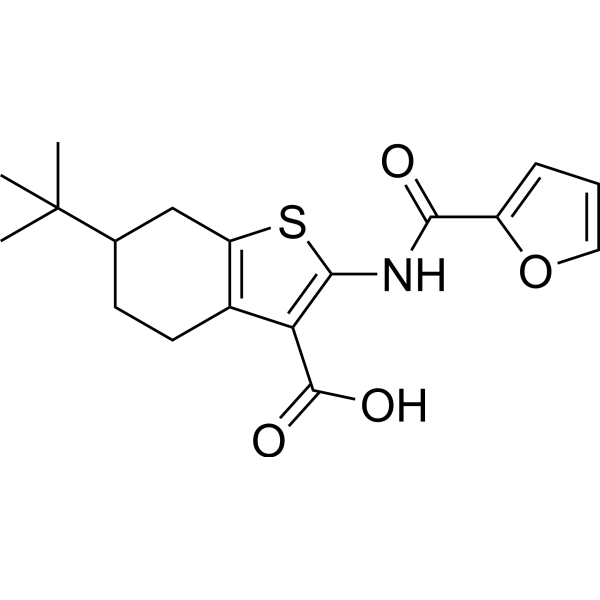
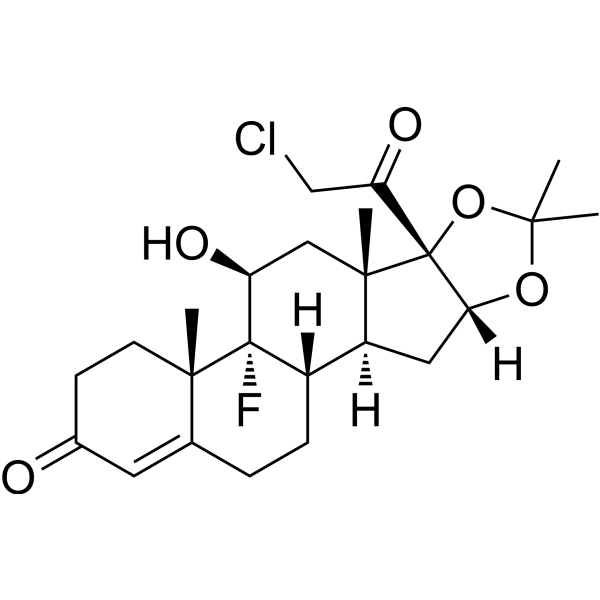
CaCCinh-A01 (Standard) is the analytical standard of CaCCinh-A01 (HY-100611). This product is intended for research and analytical applications. CaCCinh-A01 is an inhibitor of both TMEM16A and calcium-activated chloride channel (CaCC) with IC50s of 2.1 and 10 μM, respectively.
|
-
-
- HY-180828
-
|
|
NO Synthase
|
Cardiovascular Disease
Neurological Disease
|
|
iNOs-IN-8 (Compound 13h) is an efficient and highly selective inducible nitric oxide synthase (iNOS) inhibitor, with an IC50 of 238 nM. iNOs-IN-8 exhibits significant neuroprotective effects in oxygen-glucose deprivation/reoxygenation (OGD/R) and hydrogen peroxide-induced neuronal and endothelial cell damage. iNOs-IN-8 significantly reduces the volume of cerebral infarction and improves neurological function in rat models. iNOs-IN-8 can be used for the study of ischemic stroke .
|
-
-
- HY-105854A
-
|
|
Ras
MEK
ERK
PI3K
Akt
MMP
Keap1-Nrf2
Heme Oxygenase (HO)
Reactive Oxygen Species (ROS)
Apoptosis
|
Cardiovascular Disease
Neurological Disease
Inflammation/Immunology
Cancer
|
|
Pipoxolan is an orally active smooth muscle relaxant, anti-inflammatory agent and anticancer agent. Pipoxolan modulates PI3K/AKT signaling pathways, and reduces the levels of Ras/MEK/p-ERK, MMP-2 and MMP-9. Pipoxolan inhibits pro-inflammatory transcription factor pathways, activates Nrf2/HO-1, and suppresses the production of pro-inflammatory mediators. Pipoxolan induces ROS generation, endogenous mitochondrial Apoptosis, and G0/G1 cell cycle arrest. Pipoxolan reduces cerebral infarction size and inhibits intimal hyperplasia. Pipoxolan can be used in research related to cerebral ischemia, intimal hyperplasia, oral squamous cell carcinoma, leukemia and lung cancer .
|
-
-
- HY-180197
-
|
|
PKC
iGluR
Reactive Oxygen Species (ROS)
|
Cardiovascular Disease
Neurological Disease
|
|
PICK1 PDZ-IN-1 (Compound 6b) is a selective and brain-penetrant protein interacting with C kinase 1 (PICK1) PDZ domain inhibitor with a Ki of 27.73 μM. PICK1 PDZ-IN-1 can competitively inhibit the interaction between PICK1 and the GluA2 subunit of AMPA receptors. PICK1 PDZ-IN-1 can increase the survival rate of HT22 cells and primary cortical neuron cells induced by glutamate and inhibit ROS production. PICK1 PDZ-IN-1 exhibits neuroprotective effect and reduces the area of cerebral infarction. PICK1 PDZ-IN-1 can be used for the research of ischemic stroke .
|
-
| Cat. No. |
Product Name |
Target |
Research Area |
-
- HY-P10275
-
|
|
Apoptosis
|
Neurological Disease
|
|
Tat-NTS peptide is a cell-penetrating peptide with neuroprotective effects. Tat-NTS peptide can specifically inhibit the nuclear translocation of ANXA1 and reduce neuronal apoptosis in ischemic areas. Moreover, Tat-NTS peptide can reduce the volume of cerebral ischemic infarction and can be used in the research of ischemic stroke .
|
-
- HY-P6437A
-
|
|
Dynamin
|
Cardiovascular Disease
Neurological Disease
|
|
Drp1 peptide inhibitor P110 (Compound P110) TFA is a selective Drp1 peptide inhibitor with neuroprotective properties. Drp1 peptide inhibitor P110 TFA can inhibit the activation of Drp1, prevent MPTP (HY-15608)-induced Drp1 mitochondrial translocation, and alleviate MPTP-induced dopaminergic neuron loss, dopaminergic nerve terminal damage, and behavioral deficits, and can be used in the study of Alzheimer's disease. Additionally, Drp1 peptide inhibitor P110 TFA can reduce mitochondrial damage and organ injury in animal models of Huntington's disease, cerebral ischemic injury, and myocardial infarction .
|
-
- HY-P6437
-
|
|
Dynamin
|
Cardiovascular Disease
Neurological Disease
|
|
Drp1 peptide inhibitor P110 (Compound P110) is a selective Drp1 peptide inhibitor with neuroprotective properties. Drp1 peptide inhibitor P110 can inhibit the activation of Drp1, prevent MPTP-induced Drp1 mitochondrial translocation, and alleviate MPTP-induced dopaminergic neuron loss, dopaminergic nerve terminal damage, and behavioral deficits, and can be used in the study of Alzheimer's disease. Additionally, Drp1 peptide inhibitor P110 can reduce mitochondrial damage and organ injury in animal models of Huntington's disease, cerebral ischemic injury, and myocardial infarction .
|
-
- HY-P11314
-
|
|
Amyloid-β
|
Cardiovascular Disease
Neurological Disease
|
|
ABri, 34 amino acids long, is an Amyloid subunit with certain degree of N- and C-terminal heterogeneity and no sequence identity to any known amyloid protein. ABri is devoid of glycine, methionine, proline, aspartic acid, tryptophane, tyrosine and glutamine, featuring pyroglutamate at its N-terminus. ABri can be used for cerebral hemorrhages, ischemic infarction and Alzheimer disease research .
|
| Cat. No. |
Product Name |
Target |
Research Area |
Image |
| Cat. No. |
Product Name |
Category |
Target |
Chemical Structure |
| Cat. No. |
Product Name |
Chemical Structure |
-
- HY-76569S1
-
|
|
|
(R)-Hydroxytolterodine-d14 is deuterated labeled Desfesoterodine (HY-76569). Desfesoterodine (PNU-200577) is a potent and selective muscarinic receptor (mAChR) antagonist with a KB and a pA2 of 0.84 nM and 9.14, respectively . Desfesoterodine is a major pharmacologically active metabolite of Tolterodine (PNU-200583; HY-A0024) and Fesoterodine (HY-70053) . Desfesoterodine improves cerebral infarction induced detrusor overactivity in rats .
|
-
Your information is safe with us. * Required Fields.
Inquiry Information
- Product Name:
- Cat. No.:
- Quantity:
- MCE Japan Authorized Agent:

