Search Result
Results for "
cerebral stroke
" in MedChemExpress (MCE) Product Catalog:
3
Isotope-Labeled Compounds
| Cat. No. |
Product Name |
Target |
Research Areas |
Chemical Structure |
-
- HY-17412
-
-
-
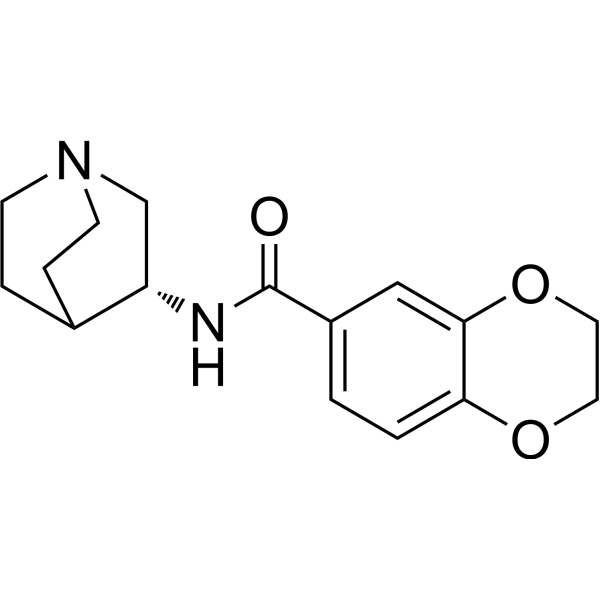
- HY-110281
-
|
|
Endogenous Metabolite
|
Cardiovascular Disease
Neurological Disease
|
|
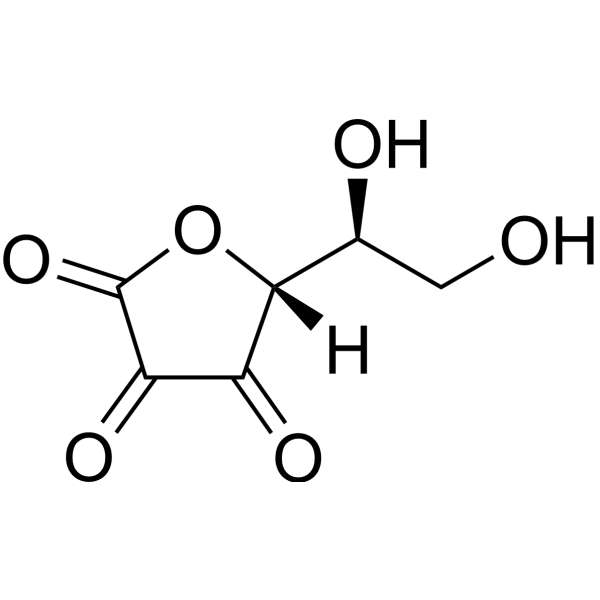
Dehydroascorbic acid is an oxidized form of vitamin C that can cross the blood-brain barrier (BBB). Dehydroascorbic acid clears cytotoxic reactive oxygen species (ROS) produced after ischemic stroke by converting to ascorbic acid (AA), thereby reducing neuronal and glial cell damage and stabilizing cerebral microvascular NO signaling to maintain perfusion in the ischemic area. Dehydroascorbic acid can be used in research on ischemic stroke .
|
-
-
- HY-B0647
-
Butylphthalide
Maximum Cited Publications
11 Publications Verification
3-n-Butylphthalide; 3-Butylphthalide
|
p38 MAPK
|
Neurological Disease
|
|
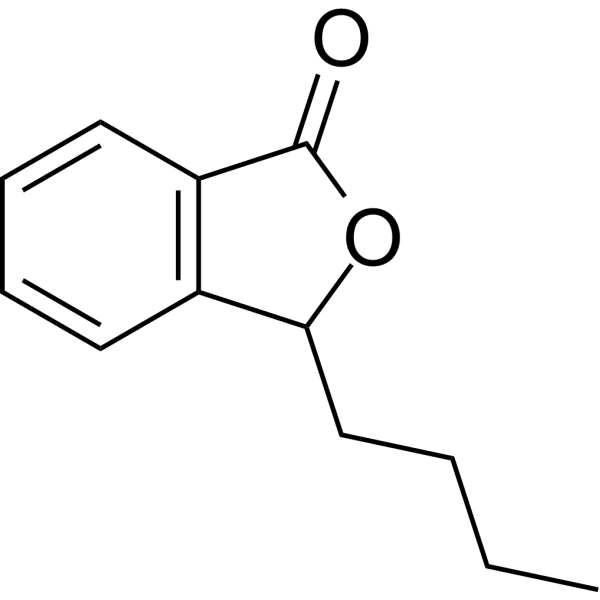
Butylphthalide (3-n-Butylphthalide) is an active molecule against cerebral ischemia. It was originally isolated from celery species and has been shown to be effective in stroke animal models.
|
-
-
- HY-17412A
-
-
-
- HY-14668
-
|
AEGR-733 mesylate; BMS-201038 mesylate
|
Microsomal Triglyceride Transfer Protein (MTP)
mTOR
LDLR
Autophagy
Apoptosis
|
Cardiovascular Disease
Neurological Disease
Metabolic Disease
Cancer
|
|
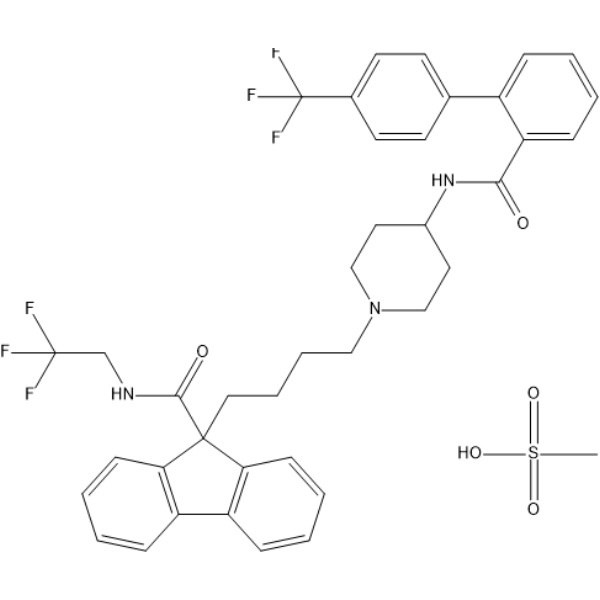
Lomitapide (AEGR-733; BMS-201038) mesylate is an orally active microsomal triglyceride transfer protein (MTP) inhibitor and a selective mTORC1 inhibitor with lipid-lowering activity and BBB permeability. Lomitapide mesylate significantly reduces plasma LDL levels by blocking the assembly and secretion of very-low-density lipoprotein (VLDL). Lomitapide mesylate inhibits mTORC1 in an ATP-dependent manner, thereby inducing AMPK-independent autophagic cell death and suppressing cancer cell growth and apoptosis. Lomitapide mesylate also enhances tumor infiltration of CD8 + T cells. In addition, Lomitapide mesylate inhibits HDAC, improves endothelial function, effectively alleviates vascular inflammation and oxidative stress, and exerts neuroprotective effects in a cerebral ischemia/reperfusion injury model. Lomitapide mesylate can be used in research on related diseases such as colorectal cancer, breast cancer, melanoma, ischemic stroke, and familial hypercholesterolemia .
|
-
-
- HY-B1065
-
|
α-N-Acetyl-L-glutamine; N2-Acetylglutamine
|
Keap1-Nrf2
Akt
ASK1
Apoptosis
|
Neurological Disease
|
|
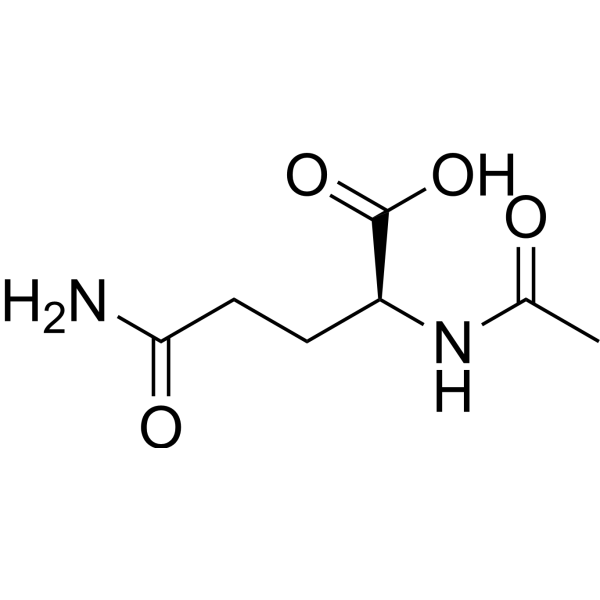
Aceglutamide (α-N-Acetyl-L-glutamine; N2-Acetylglutamine) is a neuroprotectant that can penetrate the blood-brain barrier. Aceglutamide can enhance the antioxidant systems of glutathione (GSH), thioredoxin (Trx) and Nrf2. Aceglutamide also inhibits ASK1 and TRAF1, activates the Akt/Bcl-2 anti-apoptotic pathway, enhances the activity of antioxidant enzymes and reduces oxidative damage. Aceglutamide can improve neurological deficits after cerebral ischemia, reduce infarct volume, and inhibit neuronal apoptosis, especially substantia nigra dopaminergic neurons. Aceglutamide can reduce cerebral ischemia/reperfusion injury, improve motor dysfunction, and is used in ischemic stroke-related research .
|
-
-
- HY-N12060
-
|
|
Bcl-2 Family
Caspase
Apoptosis
Autophagy
Reactive Oxygen Species (ROS)
Akt
JNK
ERK
|
Cardiovascular Disease
Neurological Disease
|
|
Ginkgo biloba extract is a natural product that can be isolated from Ginkgo biloba leaves . Ginkgo biloba extract alleviates oxidative stress-induced neuronal apoptosis (Apoptosis) by stabilizing mitochondrial function, regulating Bcl-2 family proteins and inhibiting caspase activation. Ginkgo biloba extract alleviates testicular injury by upregulating SKP2 and inhibiting Beclin1-independent autophagy (Autophagy) . Ginkgo biloba extract alleviates various types of neuronal damage in animal models. Ginkgo biloba extract reduces behavioral sensitization in rats. Ginkgo biloba extract counteracts Aβ-induced neurotoxicity by blocking a series of Aβ-triggered events, including glucose uptake, ROS accumulation, AKT activation, mitochondrial dysfunction, JNK and ERK 1/2 pathways, and apoptosis, and also interferes with the formation of Aβ oligomers. Ginkgo biloba extract is applicable to research related to cerebral hypoperfusion, testicular injury, Alzheimer's disease, Parkinson's disease, multi-infarct dementia, stroke, traumatic brain injury and amyotrophic lateral sclerosis .
|
-
-
- HY-P10275
-
|
|
Apoptosis
|
Neurological Disease
|
|
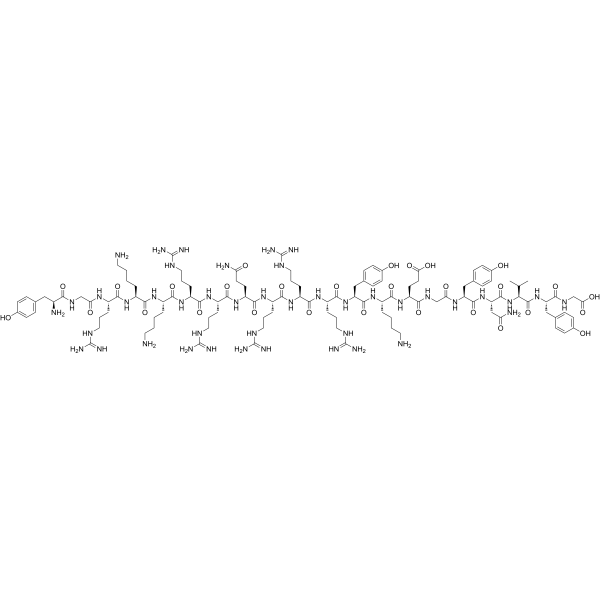
Tat-NTS peptide is a cell-penetrating peptide with neuroprotective effects. Tat-NTS peptide can specifically inhibit the nuclear translocation of ANXA1 and reduce neuronal apoptosis in ischemic areas. Moreover, Tat-NTS peptide can reduce the volume of cerebral ischemic infarction and can be used in the research of ischemic stroke .
|
-
-
- HY-162596
-
|
BA-1049 free base
|
ROCK
|
Neurological Disease
|
|
NRL-1049 (BA-1049 (free base)) is an orally available and selective ROCK2 inhibitor with IC50 values of 0.59 µM for ROCK2 and 26 µM for ROCK1, respectively. NRL-1049 modulates ROCK signaling, preserves blood-brain barrier integrity, reduces edema, seizures and hemorrhage, and alleviates cerebral cavernous malformation lesion burden. NRL-1049 can be used for the study of acute brain injury, ischemic stroke, and cerebral cavernous malformations .
|
-
-
- HY-120380
-
|
|
MOFs
PARP
|
Neurological Disease
|
|
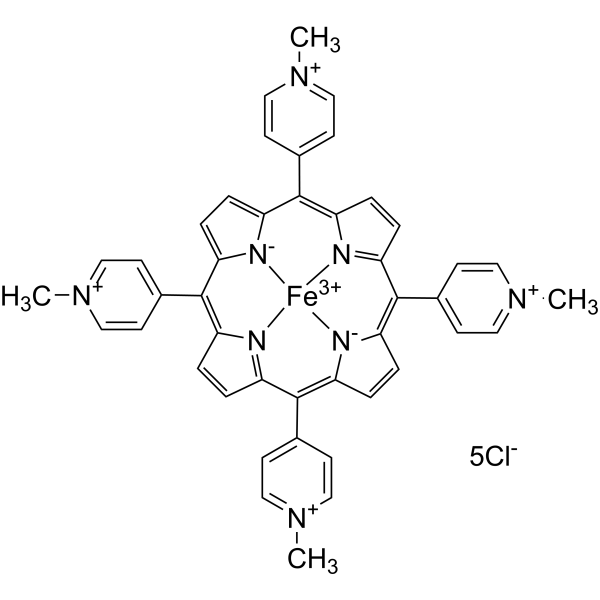
FeTMPyP is an orally active poly (ADP-ribose) polymerase (PARP) inhibitor. FeTMPyP inhibits cell death, nitrotyrosine formation, and depolarization of mitochondrial transmembrane potential. FeTMPyP reduces homocysteine-induced nitrosative stress and partially restores TFEB protein and mRNA levels. FeTMPyP improves functional and behavioral deficits caused by chronic constriction injury in rats. FeTMPyP alleviates acute cerebral infarction in a rat model of middle cerebral artery occlusion with mild hyperglycemia. FeTMPyP can be used in studies related to neuropathic pain, renal aging, ischemic penumbra, and hyperglycemic stroke .
|
-
-
- HY-N0546
-
|
Nuezhenoside
|
CaSR
RIP kinase
Mixed Lineage Kinase
TGF-beta/Smad
|
Cardiovascular Disease
Neurological Disease
Metabolic Disease
Endocrinology
|
|
Ligustroflavone is an orally active flavonoid compound. Ligustroflavone can be extracted from Ligustrum lucidum. Ligustroflavone antagonizes the calcium-sensing receptor (CaSR), inhibits the RIPK1/RIPK3/MLKL pathway, and downregulates TGF-β/Smad signaling. Ligustroflavone regulates calcium metabolism, protects bone tissue, reduces cerebral ischemic injury, and inhibits liver fibrosis. Ligustroflavone can be used in the study of diabetic osteoporosis, ischemic stroke, and liver fibrosis .
|
-
-
- HY-P5883
-
|
tatM2NX
|
TRP Channel
|
Cardiovascular Disease
Neurological Disease
|
|
TAT-M2NX (tatM2NX) is a selective inhibitor targeting human TRPM2 channels and exerts inhibitory effects on ischemic stroke. TAT-M2NX reduces H2O2-induced calcium influx via TRPM2 channels. After traumatic brain injury in mice, TAT-M2NX preserves hippocampal long-term potentiation, improves memory function, and reduces infarct volume after middle cerebral artery occlusion, but it shows no effect on female mice. TAT-M2NX can be used in studies related to traumatic brain injury and ischemic stroke .
|
-
-
- HY-N0392
-
|
|
Toll-like Receptor (TLR)
PI3K
Akt
NF-κB
MDM-2/p53
Caspase
MEK
Bcl-2 Family
p38 MAPK
Mitophagy
Reactive Oxygen Species (ROS)
Apoptosis
Calcium Channel
|
Cardiovascular Disease
Infection
Neurological Disease
|
|
Polygalasaponin F is an orally active triterpenoid saponin monomer. Polygalasaponin F downregulates the expression of Bax, p53, caspase-3, NF-κB p65 and MEK1; restores and upregulates the expression of Bcl-2; activates the PI3K/Akt signaling pathway; inhibits the phosphorylation of p38 MAPK, nuclear translocation of NF-κB, TLR4-mediated signaling pathway, mitophagy (Mitophagy) and ROS production; enhances cell viability and suppresses apoptosis (Apoptosis). Polygalasaponin F maintains mitochondrial function, alleviates Ca 2+ overload, upregulates pCREB and BDNF, preserves cell viability and inhibits the release of inflammatory cytokines. Polygalasaponin F alleviates lung injury induced by influenza A H1N1 and cerebral ischemia-reperfusion injury. Polygalasaponin F is applicable to researches related to Parkinson's disease, cerebral ischemia, pneumonia induced by influenza A H1N1, stroke and Alzheimer's disease .
|
-
-
- HY-B0877
-
|
SQ-18566
|
Smo
Caspase
RAR/RXR
CDK
|
Cardiovascular Disease
Neurological Disease
Inflammation/Immunology
|
|
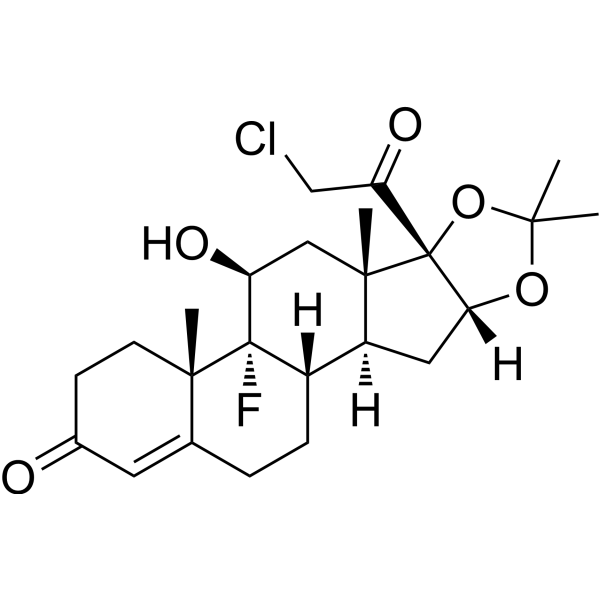
Halcinonide (SQ-18566) is an orally active Smoothened (Smo) agonist. Halcinonide activates the Hedgehog signaling pathway by binding to Smo and promoting its internalization and expression, thereby activating Gli transcription factors. Halcinonide not only stimulates cell proliferation, increases the expression of cyclin D2/CDK6 and inhibits the degradation of caspase-3, but also suppresses Bcl-2/Bax-mediated apoptosis, oxidative stress and inflammatory responses. Halcinonide activates RxRγ to upregulate the expression of myelin genes, thereby reducing cerebral infarction and improving behavioral deficits. Halcinonide has been used in studies related to multiple sclerosis and ischemic stroke .
|
-
-
- HY-N3847
-
|
Eriodictyol 7-O-β-D-glucoside
|
Keap1-Nrf2
|
Neurological Disease
|
|
Eriodictyol-7-O-glucoside (Eriodictyol 7-O-β-D-glucoside), a flavonoid, is an Nrf2 activator. Eriodictyol-7-O-glucoside exhibits significant scavenging effects on both hydroxyl radicals and superoxide anions, with IC50 values of 0.28 mM and 0.30 mM, respectively. Eriodictyol-7-O-glucoside increases the nuclear localization of Nrf2 and induces the expression of the Nrf2/ARE-dependent genes. Eriodictyol-7-O-glucoside provides protection against oxygen and glucose deprivation (OGD)-induced oxidative insult. Eriodictyol-7-O-glucoside demonstrates neuroprotective efficacy in a rat model of focal cerebral ischemia (MCAO). Eriodictyol-7-O-glucoside can be used for the study of stroke .
|
-
-
- HY-121833
-
|
|
Trk Receptor
Akt
ERK
|
Neurological Disease
Cancer
|
|
Gambogic amide is a potent and selective agonist of TrkA and also induces its tyrosine phosphorylation and activation of downstream signaling, including Akt and MAPK. Gambogic amide specifically interacts with the cytoplasmic juxtamembrane domain of the TrkA receptor and triggers its dimerization, leading to activation. Gambogic amide has neuroprotective activity preventing glutamate-induced neuronal cell death. Gambogic amide has improved efficacy in a transient middle cerebral artery occlusion model of stroke and could be used to study neurodegenerative diseases and stroke .
|
-
-
- HY-N1910
-
|
|
SARS-CoV
Virus Protease
Succinate Receptor 1
ERK
|
Infection
Neurological Disease
|
|
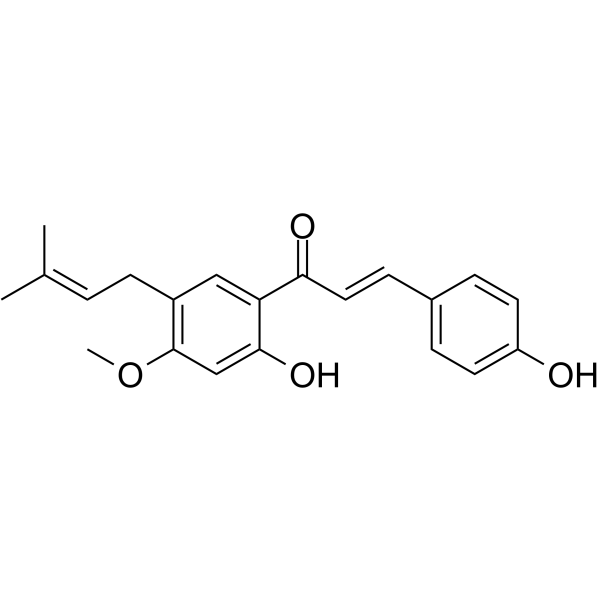
4'-O-Methylbavachalcone is an orally active prenylated flavonoid that inhibits the activity of SARS-CoV papain-like protease (PLpro), with an IC50 of 10.1 μM and a Ki of 4.6 μM. 4'-O-Methylbavachalcone inhibits poly (ADP-ribose) polymerase-mediated cell death (parthanatos), reduces cerebral infarct volume, binds to the orthosteric site of SUCNR1, blocks the interaction between succinate and SUCNR1, inhibits SUCNR1 activity, blocks the nuclear translocation of NFATc4, suppresses the activation of the ERK1/2 signaling pathway, inhibits cardiomyocyte hypertrophy and restores the expression of α-actinin. 4'-O-Methylbavachalcone can be used in studies related to ischemic stroke, SARS-CoV and cardiomyocyte hypertrophy .
|
-
-
- HY-N2125
-
|
|
5-HT Receptor
iGluR
Caspase
Interleukin Related
TNF Receptor
SOD
NF-κB
|
Neurological Disease
Inflammation/Immunology
|
|
Parishin C is a brain-penetrant major bioactive component found in Gastrodia elata Blume. Parishin C is a 5-HT1A receptor agonist with an EC50 of 34 nM. Parishin C has antipsychotic and neuroprotective effects. Parishin C protects against Aβ-induced long-term potentiation damage and NMDA receptor current impairment. Parishin C reduces oxidative stress, pro-inflammatory cytokine levels, caspase activity, brain water content, and cerebral infarct volume; increases antioxidant enzyme activity and BDNF levels; improves nerve function and histopathological brain damage. Parishin C attenuates phencyclidine-induced immobility time increases, sociability deficits, and visual recognition memory impairment. Parishin C can be used for the research of ischemic stroke, Alzheimer's disease, and schizophrenia-like psychosis .
|
-
-
- HY-11095
-
|
|
mGluR
CaSR
PI3K
Akt
mTOR
Autophagy
Apoptosis
Bcl-2 Family
Caspase
|
Cardiovascular Disease
Neurological Disease
|
|
NPS 2390 is an allosteric antagonist of calcium-sensing receptor (CaSR) and mGluR1/5. NPS 2390 inhibits the PI3K/Akt/mTOR signaling pathway, reduces hypoxia-induced intracellular calcium elevation, decreases the expression of autophagy (autophagy) proteins, regulates the expression of phenotypic marker proteins, and inhibits the proliferation of pulmonary artery smooth muscle cells. NPS 2390 attenuates the endogenous apoptosis (apoptosis) pathway, increases the expression level of Bcl-2, downregulates the expression levels of Bax, cytochrome c and caspase-3, alleviates cerebral edema and improves neurological function in rat models. NPS 2390 can be used in studies related to hypoxic pulmonary hypertension, traumatic brain injury, stroke and pain .
|
-
-
- HY-P2259
-
|
|
iGluR
HIV Integrase
Adenosine Receptor
|
Cardiovascular Disease
Neurological Disease
|
|
TAT-GluA2 3Y is a blood-brain barrier-permeable AMPA receptor inhibitory peptide that crosses cell membranes via the HIV-1 TAT protein domain. TAT-GluA2 3Y blocks the endocytosis of AMPA receptors, including the internalization of GluA1/GluA2 subunits, by disrupting interactions with the AP2, Brag2 and Syt3-GluA2 complexes, while also inhibiting long-term depression. TAT-GluA2 3Y blocks hypoxia-mediated AMPAR internalization, alleviates A1R-induced persistent synaptic inhibition, and reduces cerebral ischemic volume, neurological deficits and spatial memory deficits. TAT-GluA2 3Y blocks the effect of NLRP3 deficiency on fear generalization, inhibits amphetamine-induced behavioral/neurochemical sensitization, weakens the unconditioned stimulus-conditioned stimulus association of morphine, and promotes the extinction of morphine CPP. TAT-GluA2 3Y can be used in studies related to fear generalization, ischemic stroke, hypoxia, drug addiction and opioid addiction .
|
-
-
- HY-N2045
-
|
|
Environmental Pollutants
Apoptosis
Akt
Cytochrome P450
PI3K
|
Neurological Disease
|
|
Musk ketone is a widely used artificial fragrance. Musk ketone is also a cytochrome P450 enzyme inducer. Musk ketone shows mutagenic and comutagenic effects in Hep G2 cells and induces neural stem cell proliferation and differentiation in cerebral ischemia via activation of the PI3K/Akt signaling pathway. In the brain, musk ketone is neuroprotective against stroke injury through inhibition of cell apoptosis .
|
-
-
- HY-101318
-
|
β-FNA hydrochloride
|
Opioid Receptor
p38 MAPK
STAT
NF-κB
NO Synthase
Toll-like Receptor (TLR)
|
Cardiovascular Disease
Neurological Disease
|
|
β-Funaltrexamine (β-FNA) hydrochloride is a blood-brain barrier-permeable, selective and irreversible μ-opioid receptor antagonist with immunomodulatory, anti-inflammatory and neuroprotective activities. β-Funaltrexamine hydrochloride inhibits p38 MAPK and TLR4 signaling by blocking μ-opioid receptors, and reduces the transcriptional activities of NF-κB, AP-1, CREB and Stat. Furthermore, β-Funaltrexamine hydrochloride inhibits iNOS activation and pro-inflammatory microglial polarization, converting microglia to an anti-inflammatory phenotype, thereby downregulating neuroinflammation and ameliorating neuronal degeneration. β-Funaltrexamine hydrochloride is widely applicable to research related to stroke, cerebral ischemia/reperfusion injury and neurodegenerative diseases .
|
-
-
- HY-103435
-
|
Terrestrin A
|
Deubiquitinase
TNF Receptor
E1/E2/E3 Enzyme
Keap1-Nrf2
|
Inflammation/Immunology
Cancer
|
|
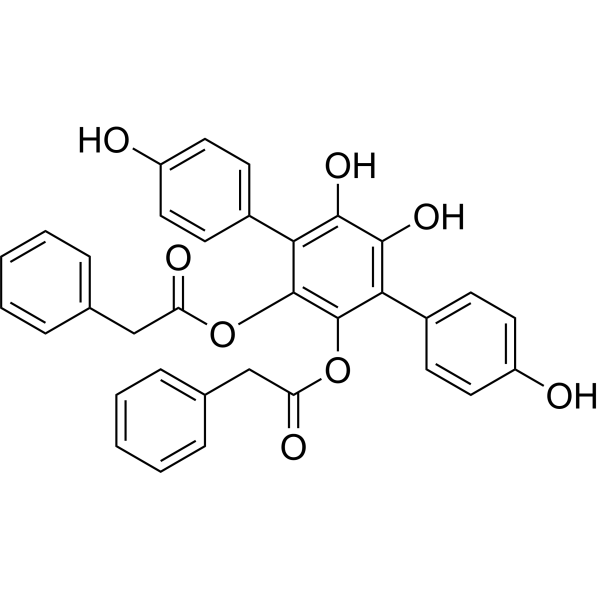
Vialinin A (Terrestrin A) is a p-terphenyl compound that can be derived from a Chinese edible mushroom. Vialinin A is an inhibitor of ubiquitin-specific peptidase 4 (USP4) and has anti-inflammatory and antioxidant properties. Vialinin A can alleviate cerebral ischaemia-reperfusion injury-induced neurological deficits and neuronal apoptosis. Vialinin A promotes activation of Keap1-Nrf2-ARE signaling pathway and increases the protein degradation of Keap1. Vialinin A possesses various pharmacological activities in cancer, Kawasaki disease, asthma, and pathological scarring. Vialinin A is a potent inhibitor of TNF-α, USP4, USP5, and sentrin/SUMO-specific protease 1 (SENP1). Vialinin A can be studied in reseach for autoimmune diseases, cancer and ischaemic stroke .
|
-
-
- HY-161104
-
|
|
Potassium Channel
Apoptosis
|
Cardiovascular Disease
Neurological Disease
|
|
Kv2.1-IN-1 is an orally active and blood-brain barrier penetrant Kv2.1 inhibitor with an IC50 of 0.07 μM. Kv2.1-IN-1 exhibits a selectivity >130 fold over other K +, Na +, and Ca 2+ ion channels. Kv2.1-IN-1 decreases the apoptosis of HEK293 cells induced by H2O2. Kv2.1-IN-1 produces significant neuroprotection efficacy in middle cerebral artery occlusion (MCAO) rat. Kv2.1-IN-1 can be used for the study of ischemic stroke .
|
-
-
- HY-132280
-
|
U 74006F free base
|
Reactive Oxygen Species (ROS)
SARS-CoV
Virus Protease
|
Neurological Disease
Inflammation/Immunology
|
|
Tirilazad (U 74006F free base) is a neuroprotective agent. Tirilazad can also bind tightly to the main protease of the COVID-19 virus and exert anti-SARS-CoV-2 activity. Tirilazad scavenges hydroxyl and lipid peroxyl free radicals and maintains the levels of endogenous antioxidants. Tirilazad reduces cerebral infarct volume and improves neurobehavioral scores in animal models of focal ischemia. Tirilazad can be used in research related to ischemic stroke and subarachnoid hemorrhage .
|
-
-
- HY-123669
-
|
|
P2Y Receptor
Drug Metabolite
|
Cardiovascular Disease
|
|
R-138727, the major active metabolite of Prasugrel (HY-15284), is a highly potent and selective irreversible antagonist of the P2Y12 receptor, with an IC50 of 2.5 μM. R-138727 covalently binds to the P2Y12 receptor on the platelet surface, blocking adenosine diphosphate-mediated platelet activation and aggregation. R-138727 can be used to study stroke, cerebral infarction and neurological deficits.
|
-
-
- HY-143333
-
-
-
- HY-162359
-
|
|
IRAK
|
Neurological Disease
Inflammation/Immunology
|
|
BIO-7488 is an orally active, selective and blood-brain barrier permeable IRAK4 inhibitor, with an IC50 value of 0.5 nM. BIO-7488 inhibits the production of pro-inflammatory cytokines (IL-1β, TNFα, IL-6) and demonstrates anti-inflammatory effects in both LPS (HY-D1056) and distal hypoxic-middle cerebral artery occlusion (DH-MCAO) ischemic stroke model. BIO-7488 can be used for the study of neuroinflammatory-related diseases, particularly ischemic stroke .
|
-
-
- HY-W392413
-
|
|
Drug Derivative
Reactive Oxygen Species (ROS)
|
Cardiovascular Disease
Neurological Disease
Metabolic Disease
Inflammation/Immunology
|
|
Glutathione monoethyl ester is a glutathione derivative that can be transported into cells and hydrolyzed into glutathione. Glutathione monoethyl ester downregulates the gene expression of TEN1 and CTC1 while upregulating TERT expression. Glutathione monoethyl ester enhances telomerase activity, promotes proliferation and differentiation in aged bone marrow stromal cells, while elevating glutathione levels and reducing oxidative stress, protein aggregation and cell death in motor neuronal cells. Glutathione monoethyl ester confers broad multi-organ protection against cerebral ischemia, renal injury, liver damage, and pancreatitis. Glutathione monoethyl ester can be used for the research of amyotrophic lateral sclerosis, stroke, acute renal failure, liver injury, and acute pancreatitis .
|
-
-
- HY-P11315
-
-
-
- HY-108335
-
|
619C89; BW 619C89
|
Sodium Channel
Calcium Channel
|
Neurological Disease
|
|
Sipatrigine (619C89), a neuroprotective agent, is a glutamate release inhibitor, voltage-dependent sodium channel and calcium channel inhibitor, penetrating the central nervous system. Has the potential in the study for focal cerebral ischemia and stroke .
|
-
-
- HY-170790
-
|
|
TRP Channel
|
Neurological Disease
|
|
HZS60 is a NMDAR/TRPM4 inhibitor with brain permeability that can improve cerebral ischemia. HZS60 has significant neuroprotective effects on primary neuronal ischemic damage caused by NMDA and oxygen-glucose deprivation/reoxygenation. HZS60 exhibits good pharmacokinetic characteristics and can inhibit cerebral ischemia-reperfusion injury. HZS60 can be used as a potential inhibitor of ischemic stroke .
|
-
-
- HY-107203
-
|
HWA 285
|
Phosphodiesterase (PDE)
Adenosine Receptor
|
Cardiovascular Disease
Neurological Disease
Cancer
|
|
Propentofylline (HWA 285) is an orally active and brain-penetrant phosphodiesterase inhibitor. Propentofylline blocks adenosine reuptake and prevents cyclic nucleotide degradation. Propentofylline can be used for the research of primary degenerative (Alzheimer's) dementia, vascular dementia, cerebral ischemia, acute stroke, and learning and memory disorders .
|
-
-
- HY-113898
-
|
|
Angiotensin-converting Enzyme (ACE)
Toll-like Receptor (TLR)
Interleukin Related
|
Cardiovascular Disease
Neurological Disease
|
|
Ganoderic acid K is a triterpenoid compound. Ganoderic acid K can be isolated from Ganoderma lucidum. Ganoderic acid K inhibits ACE activity with an IC50 of 2.6×10 -5 M. Ganoderic acid K exhibits direct, high-affinity binding to recombinant MD2 protein, with a Kd value of 0.47 μM. It potently inhibits LPS-induced release of TNF-α and IL-6. It reduces cerebral infarction volume and ameliorates neurological dysfunction in mice with ischemic stroke in the tMCAO model. Ganoderic acid K can be used in studies related to hypertension and ischemic stroke .
|
-
-
- HY-124304
-
|
LOE-908
|
TRP Channel
SARS-CoV
|
Neurological Disease
|
|
Pinokalant is a broad-spectrum and non-selectivecation channel inhibitor. Pinokalant significantly reduces cortical infarct volume. Pinokalant o improves the metabolic and electrophysiologic status of the ischemic penumbra. Pinokalant reduces lesion size on magnetic resonance images in the acute phase following middle cerebral artery occlusion in rats. Pinokalant has the potential for the research of stroke. Pinokalant also shows anti-SARS-CoV-2 activity .
|
-
-
- HY-129674
-
|
|
nAChR
|
Neurological Disease
|
|
PHA 568487 free base is a selective alpha 7 nicotinic acetylcholine receptor (α-7 nAchR) agonist. PHA 568487 free base reduces neuroinflammation .
|
-
-
- HY-126049
-
|
(S)-(-)-Oxiracetam; (S)-ISF2522
|
Apoptosis
|
Neurological Disease
|
|
(S)-oxiracetam (S-ORC) is an inhibitor targeting apoptosis. S-ORC reduces brain infarct size and lessens neurological dysfunction in middle cerebral artery occlusion/reperfusion (MCAO/R) models. S-ORC prevents neuronal apoptosis via activating PI3K/Akt/GSK3β signaling pathway via α7 nAChR after ischemic stroke. S-ORC can prevent neuronal death after ischemic stroke .
|
-
-
- HY-10679
-
|
|
Phosphodiesterase (PDE)
|
Neurological Disease
|
|
PF-03049423 (Compound PF-5) free base is a potent and highly selective phosphodiesterase-5A inhibitor with an IC50 of about 0.2 nM for rat and human platelet enzyme. PF-03049423 free base can be used for the research of acute ischaemic stroke .
|
-
-
- HY-178393
-
|
|
TRP Channel
|
Neurological Disease
Metabolic Disease
|
|
TRPM2-IN-2 is a potent and selective TRPM2 inhibitor (IC50 = 0.66 μM) with minimal activity against TRPM8 and TRPV1 (IC50 >10 μM). TRPM2-IN-2 exhibits robust neuroprotective effects in both in vitro oxygen-glucose deprivation/reperfusion (OGD/R) model and in vivo transient middle cerebral artery occlusion (tMCAO) mouse model. TRPM2-IN-2 can be used for ischemic stroke research .
|
-
-
- HY-100206
-
|
|
AMPK
|
Neurological Disease
|
|
5α-Androstane-3β,5,6β-triol is a neuroprotectant. 5α-Androstane-3β,5,6β-triol can remarkably reverse intracellular acidification and alleviate neuronal injury through the inhibition of AMPK signaling. 5α-Androstane-3β,5,6β-triol remarkably reduced the infarct volume and attenuated neurologic impairment in acute ischemic stroke models of middle cerebral artery occlusion in vivo .
|
-
-
- HY-N0546R
-
|
Nuezhenoside (Standard)
|
Reference Standards
CaSR
RIP kinase
Mixed Lineage Kinase
TGF-beta/Smad
|
Cardiovascular Disease
Neurological Disease
Metabolic Disease
Endocrinology
|
|
Ligustroflavone (Standard) is the analytical standard of Ligustroflavone (HY-N0546). This product is intended for research and analytical applications. Ligustroflavone is an orally active flavonoid compound. Ligustroflavone can be extracted from Ligustrum lucidum. Ligustroflavone antagonizes the calcium-sensing receptor (CaSR), inhibits the RIPK1/RIPK3/MLKL pathway, and downregulates TGF-β/Smad signaling. Ligustroflavone regulates calcium metabolism, protects bone tissue, reduces cerebral ischemic injury, and inhibits liver fibrosis. Ligustroflavone can be used in the study of diabetic osteoporosis, ischemic stroke, and liver fibrosis .
|
-
-
- HY-178464
-
|
|
RIP kinase
Mixed Lineage Kinase
Necroptosis
|
Neurological Disease
Inflammation/Immunology
|
|
RIPK1-IN-34 is a selective, brain-penetrant RIPK1 inhibitor (IC50 = 126.70 nM) with almost no inhibitory effect on RIPK3 (IC50 > 10, 000 nM). RIPK1-IN-34 offers substantial neuroprotection by inhibiting the phosphorylation of RIPK1, RIPK3, and mixed lineage kinase domain-like pseudokinase (MLKL) within the necroptosis pathway. RIPK1-IN-34 shows the neuroprotective effect in a rat middle cerebral artery occlusion (MCAO) model. RIPK1-IN-34 can be used for the study of anti-acute ischemic stroke (AIS) .
|
-
-
- HY-114659
-
-
-
- HY-119513
-
|
|
Others
|
Neurological Disease
|
|
Nizofenone is a neuroprotective agent which protects neurons from death following cerebral ischemia or anoxia. Nizofenone can be used in the research of acute neurological conditions, such as stroke .
|
-
-
- HY-B0647S1
-
|
3-n-Butylphthalide-d3; 3-Butylphthalide-d3
|
Isotope-Labeled Compounds
|
Neurological Disease
|
|
Butylphthalide-d3 is the deuterium labeled Butylphthalide. Butylphthalide(3-n-Butylphthalide), an anti-cerebral-ischemia agent, is first isolated from the seeds of celery and showes efficacy in animal models of stroke.
|
-
-
- HY-174260
-
|
|
NO Synthase
COX
Caspase
MDM-2/p53
|
Neurological Disease
|
|
Neuroprotective agent 11 (Compound 1a) is an orally active polyphenol compound with significant protective effects against cerebral ischemia. The main activities of Neuroprotective agent 11 include inhibiting neuronal inflammation and apoptosis, reducing cerebral infarction volume, and improving behavioral symptoms of cerebral ischemic mice. Neuroprotective agent 11 exerts its regulatory mechanism by downregulating the expression of inflammatory factors (iNOS、COX-2) and apoptotic proteins (cleaved-Caspase3, p53). Neuroprotective agent 11 can be used in the study of cerebral ischemia-related diseases (such as ischemic stroke) .
|
-
-
- HY-N7387R
-
|
3-Dehydrocholic acid (Standard)
|
Reference Standards
Endogenous Metabolite
|
Metabolic Disease
|
|
Butylphthalide (Standard) is the analytical standard of Butylphthalide. This product is intended for research and analytical applications. Butylphthalide (3-n-Butylphthalide) is an active molecule against cerebral ischemia. It was originally isolated from celery species and has been shown to be effective in stroke animal models.
|
-
-
- HY-B0647R
-
|
3-n-Butylphthalide (Standard); 3-Butylphthalide (Standard)
|
Reference Standards
Others
|
Neurological Disease
|
|
Butylphthalide (Standard) is the analytical standard of Butylphthalide. This product is intended for research and analytical applications. Butylphthalide (3-n-Butylphthalide) is an active molecule against cerebral ischemia. It was originally isolated from celery species and has been shown to be effective in stroke animal models.
|
-
-
- HY-W744643
-
|
3-n-Butylphthalide-d9; 3-Butylphthalide-d9
|
Isotope-Labeled Compounds
Others
|
Neurological Disease
|
|
Butylphthalide-d9 (3-n-Butylphthalide-d9) is deuterium labeled Butylphthalide. Butylphthalide (3-n-Butylphthalide) is an active molecule against cerebral ischemia. It was originally isolated from celery species and has been shown to be effective in stroke animal models .
|
-
-
- HY-175027
-
|
|
RIP kinase
Ferroptosis
|
Neurological Disease
|
|
RIPK1-IN-33 is a blood-brain barrier-permeable and orally active RIPK1 inhibitor, with an IC50 of 0.115 μM. RIPK1-IN-33 demonstrates remarkable anti-ferroptosis activity, radical scavenging capacity (IC50 = 123.3 μM), and anti-lipid peroxidation effects (IC50 = 9.72 μM). RIPK1-IN-33 markedly reduces cerebral infarction volume and improves neurological function scores in transient middle cerebral artery occlusion (tMCAO) model. RIPK1-IN-33 can be used for the study of ischemic stroke .
|
-
- HY-100458
-
|
|
NO Synthase
|
Neurological Disease
|
|
SCR-4026 is a neuroprotective agent with blood-brain barrier penetration ability. SCR-4026 exerts neuroprotective effects by disrupting the interaction between neuronal nNOS and PSD9, with an IC50 of 6.3 μM. SCR-4026 alleviates N-methyl-D-aspartate (NMDA)-induced excitotoxic damage in primary cortical neurons, and also protects neurons in the oxygen-glucose deprivation (OGD) model. SCR-4026 can reduce the cerebral infarct volume in the rat middle cerebral artery occlusion (MCAO) reperfusion model. SCR-4026 can be used for the study of stroke .
|
-
- HY-107203S
-
|
HWA 285-d6
|
Isotope-Labeled Compounds
Phosphodiesterase (PDE)
Adenosine Receptor
|
Neurological Disease
Cancer
|
|
Propentofylline-d6 (HWA 285-d6) is the deuterium labeled Propentofylline. Propentofylline is an orally active and brain-penetrant phosphodiesterase inhibitor. Propentofylline blocks adenosine reuptake and prevents cyclic nucleotide degradation. Propentofylline can be used for the research of primary degenerative (Alzheimer's) dementia, vascular dementia, cerebral ischemia, acute stroke, and learning and memory disorders .
|
-
- HY-10679A
-
|
|
Phosphodiesterase (PDE)
|
Neurological Disease
|
|
PF-03049423 (Compound PF-5) is a potent and highly selective phosphodiesterase-5A inhibitor with an IC50 of about 0.2 nM for rat and human platelet enzyme. PF-03049423 can be used for the research of acute ischaemic stroke .
|
-
- HY-172455
-
|
|
Potassium Channel
|
Neurological Disease
|
|
TREK inhibitor-3 (Cpd8l) is a selective and BBB-permeable TREK-1 inhibitor with an IC50 of 0.81 μM. TREK inhibitor-3 has neuroprotective effects, which can significantly reduce the death of cortical neurons induced by oxygen-glucose deprivation/reoxygenation (OGD/R) and improve brain injury in mice models of middle cerebral artery occlusion/reperfusion (MCAO/R). TREK inhibitor-3 can be used in the research of ischemic stroke .
|
-
- HY-P5947
-
|
|
HIV
|
Neurological Disease
|
|
Tat-HA-NR2B9 contains a fragment of the cellmembrane transduction domain of HIV-1 Tat, a influenza virus hemagglutinin (HA) epitope-tag, and the C-terminal 9 amino acids of NR2B (NR2B9c). Tat-HA-NR2B9 reduces infarct size and improves neurological functions in ischemia-induced cerebral injury in the rats
|
-
- HY-161705
-
|
|
Apoptosis
|
Neurological Disease
|
|
Anti-apoptotic agent 1 (Compound B4) exhibits neuroprotective activity and good pharmacokinetic properties. Anti-apoptotic agent 1 inhibits apoptosis, prevents stroke recurrence in photothrombotic rat model .
|
-
- HY-B1065R
-
|
α-N-Acetyl-L-glutamine (Standard); N2-Acetylglutamine (Standard)
|
Reference Standards
Keap1-Nrf2
Akt
ASK1
Apoptosis
|
Neurological Disease
|
|
Aceglutamide (α-N-Acetyl-L-glutamine; N2-Acetylglutamine) (Standard) is the analytical standard of Aceglutamide (HY-B1065). This product is intended for research and analytical applications. Aceglutamide (α-N-Acetyl-L-glutamine; N2-Acetylglutamine) is a neuroprotectant that can penetrate the blood-brain barrier. Aceglutamide can enhance the antioxidant systems of glutathione (GSH), thioredoxin (Trx) and Nrf2. Aceglutamide also inhibits ASK1 and TRAF1, activates the Akt/Bcl-2 anti-apoptotic pathway, enhances the activity of antioxidant enzymes and reduces oxidative damage. Aceglutamide can improve neurological deficits after cerebral ischemia, reduce infarct volume, and inhibit neuronal apoptosis, especially substantia nigra dopaminergic neurons. Aceglutamide can reduce cerebral ischemia/reperfusion injury, improve motor dysfunction, and is used in ischemic stroke-related research .
|
-
- HY-157936
-
|
|
iGluR
|
Neurological Disease
|
|
GluN2B-NMDAR antagonist-2 (compound S-58) is a potent, selective and cross the blood-brain barrier NMDAR-GluN2B antagonist with an IC50 value of 74.01, nM. GluN2B-NMDAR antagonist-2 shows mild cytotoxicity. GluN2B-NMDAR antagonist-2 decreases the cerebral infarction rates and neurologic deficit scores. GluN2B-NMDAR antagonist-2 has the potential for the research of stroke .
|
-
- HY-132280R
-
|
U 74006F free base (Standard)
|
Reference Standards
Reactive Oxygen Species (ROS)
SARS-CoV
Virus Protease
|
Neurological Disease
Inflammation/Immunology
|
|
Tirilazad (U 74006F free base) Standard is the analytical standard of Tirilazad (HY-132280). This product is intended for research and analytical applications. Tirilazad (U 74006F free base) is a neuroprotective agent. Tirilazad can also bind tightly to the main protease of the COVID-19 virus and exert anti-SARS-CoV-2 activity. Tirilazad scavenges hydroxyl and lipid peroxyl free radicals and maintains the levels of endogenous antioxidants. Tirilazad reduces cerebral infarct volume and improves neurobehavioral scores in animal models of focal ischemia. Tirilazad can be used in research related to ischemic stroke and subarachnoid hemorrhage .
|
-
- HY-135167
-
|
|
CaMK
|
Neurological Disease
|
|
HOCPCA is a compound with neuroprotective activity that improves sensorimotor function in mice after experimental stroke. HOCPCA selectively binds to the CaMKIIα hub domain, modulates signaling of different CaMKII pools, and alleviates abnormal CaMKII signaling after cerebral ischemia. HOCPCA promotes hippocampal neuronal activity and enhances working memory. HOCPCA also normalizes Thr286 autophosphorylation in the cytoplasm after ischemia and downregulates ischemia-specific expression of active CaMKII enzymatic cleavage fragments. HOCPCA binds to the GHB binding site with 27-fold higher affinity than GHB and has good blood-brain barrier penetration ability .
|
-
- HY-174126
-
|
|
P2Y Receptor
|
Cardiovascular Disease
|
|
P2Y1 antagonist 2 (Compound 19) is a P2Y1 receptor antagonist (IC50: 0.49 μM). P2Y1 antagonist 2 has significant antiplatelet aggregation activity and exerts its effects by inhibiting P2Y1 receptor. P2Y1 antagonist 2 can upregulate nuclear Nrf2 protein levels, exhibit neuroprotective effects, and resist oxidative stress damage. P2Y1 antagonist 2 can effectively reduce cerebral infarction area and improve neurobehavioral function, and can be used in the study of ischemic stroke .
|
-
- HY-N0392R
-
|
|
Reference Standards
Toll-like Receptor (TLR)
PI3K
Akt
NF-κB
|
Inflammation/Immunology
Cancer
|
|
Polygalasaponin F (Standard) is the analytical standard of Polygalasaponin F. This product is intended for research and analytical applications. Polygalasaponin F is an orally active triterpenoid saponin monomer. Polygalasaponin F downregulates the expression of Bax, p53, caspase-3, NF-κB p65 and MEK1; restores and upregulates the expression of Bcl-2; activates the PI3K/Akt signaling pathway; inhibits the phosphorylation of p38 MAPK, nuclear translocation of NF-κB, TLR4-mediated signaling pathway, mitophagy (Mitophagy) and ROS production; enhances cell viability and suppresses apoptosis (Apoptosis). Polygalasaponin F maintains mitochondrial function, alleviates Ca 2+ overload, upregulates pCREB and BDNF, preserves cell viability and inhibits the release of inflammatory cytokines. Polygalasaponin F alleviates lung injury induced by influenza A H1N1 and cerebral ischemia-reperfusion injury. Polygalasaponin F is applicable to researches related to Parkinson's disease, cerebral ischemia, pneumonia induced by influenza A H1N1, stroke and Alzheimer's disease.
|
-
- HY-N2125R
-
|
|
Reference Standards
5-HT Receptor
iGluR
Caspase
Interleukin Related
TNF Receptor
SOD
NF-κB
|
Neurological Disease
Inflammation/Immunology
|
|
Parishin C (Standard) is the analytical standard of Parishin C (HY-N2125). This product is intended for research and analytical applications. Parishin C is a brain-penetrant major bioactive component found in Gastrodia elata Blume. Parishin C is a 5-HT1A receptor agonist with an EC50 of 34 nM. Parishin C has antipsychotic and neuroprotective effects. Parishin C protects against Aβ-induced long-term potentiation damage and NMDA receptor current impairment. Parishin C reduces oxidative stress, pro-inflammatory cytokine levels, caspase activity, brain water content, and cerebral infarct volume; increases antioxidant enzyme activity and BDNF levels; improves nerve function and histopathological brain damage. Parishin C attenuates phencyclidine-induced immobility time increases, sociability deficits, and visual recognition memory impairment. Parishin C can be used for the research of ischemic stroke, Alzheimer's disease, and schizophrenia-like psychosis .
|
-
- HY-107666
-
-
- HY-130398
-
|
|
α-synuclein
|
Neurological Disease
|
|
Aerophobin-2 is a bromine compound, which can be isolated from sponge Verongia aerophoba. Aerophobin-2 inhibits aggregation of α-synuclein (α-syn) and phosphorylated α-synuclein (pSyn), exhibits neuroprotective efficacy .
|
-
- HY-180806
-
|
|
RIP kinase
Apoptosis
|
Cardiovascular Disease
Neurological Disease
|
|
RIPK1-IN-39 (compound 2) is a potent and selective RIPK1 inhibitor (IC50 = 69.40 nM) exhibiting >100-fold selectivity over RIPK3 (IC50 = 6946 nM). RIPK1-IN-39 protects HT-22 and HT-29 cells from necroptosis by inhibiting the phosphorylation and activation of the RIPK1-RIPK3-MLKL pathway. RIPK1-IN-39 demonstrates neuroprotective effects in a rat model of middle cerebral artery occlusion (MCAO). RIPK1-IN-39 can be used for acute ischemic stroke (AIS) research .
|
-
- HY-181549
-
|
|
Phosphodiesterase (PDE)
|
Cardiovascular Disease
Neurological Disease
|
|
PDE4-IN-32 (Compound B05) is a selective, blood-brain barrier permeable PDE4B and PDE4D inhibitor with IC50 values of 13.7 nM and 23.8 nM, respectively. PDE4-IN-32 promotes the recovery of motor and cognitive function in MCAO/R mouse models. PDE4-IN-32 reduces cerebral edema. PDE4-IN-32 can be used for the research of ischemic stroke .
|
-
- HY-180370
-
|
NitroSynapsin; YQW-036; NMI-6979
|
iGluR
Drug Derivative
|
Cardiovascular Disease
Neurological Disease
|
|
Nitromemantine (NitroSynapsin) is a nitrate derivative of Memantine (HY-B0591) and is a dual-functional NMDAR antagonist. Nitromemantine exhibits significant efficacy in rodent models of cerebral infarction through a dual mechanism of blocking channels and regulating receptors via NO/redox regulation. Nitromemantine can target ischemic neurons under hypoxic conditions and enhance its activity. Nitromemantine inhibits the current induced by NMDA, with its IC50 being 2.4 μM. Nitromemantine can be used for the study of cerebral ischemic stroke .
|
-
- HY-162596A
-
|
(Rac)-BA-1049
|
ROCK
|
Neurological Disease
|
|
(Rac)-NRL-1049 is the racemic mixture of NRL-1049 (BA-1049 (free base)) (HY-162596). NRL-1049 is an orally available and selective ROCK2 inhibitor with IC50 values of 0.59 µM for ROCK2 and 26 µM for ROCK1, respectively. NRL-1049 modulates ROCK signaling, preserves blood-brain barrier integrity, reduces edema, seizures and hemorrhage, and alleviates cerebral cavernous malformation lesion burden. NRL-1049 can be used for the study of acute brain injury, ischemic stroke, and cerebral cavernous malformations .
|
-
- HY-183654
-
|
|
HIF/HIF Prolyl-Hydroxylase
|
Cardiovascular Disease
Neurological Disease
|
|
Vadadustat prodrug-1 is a near-infrared activated photocaged, blood-brain barrier-permeable neuroprotective prodrug of Vadadustat. Vadadustat prodrug-1 masks the acidic pharmacophore of Vadadustat, and releases active Vadadustat upon irradiation at 650 nm to inhibit PHD2. Vadadustat prodrug-1 reduces cell damage, infarct volume and cerebral edema, and promotes neurological function recovery. Vadadustat prodrug-1 can be used for the research of ischemic stroke .
|
-
- HY-180828
-
|
|
NO Synthase
|
Cardiovascular Disease
Neurological Disease
|
|
iNOs-IN-8 (Compound 13h) is an efficient and highly selective inducible nitric oxide synthase (iNOS) inhibitor, with an IC50 of 238 nM. iNOs-IN-8 exhibits significant neuroprotective effects in oxygen-glucose deprivation/reoxygenation (OGD/R) and hydrogen peroxide-induced neuronal and endothelial cell damage. iNOs-IN-8 significantly reduces the volume of cerebral infarction and improves neurological function in rat models. iNOs-IN-8 can be used for the study of ischemic stroke .
|
-
- HY-182068
-
|
|
iGluR
|
Cardiovascular Disease
Neurological Disease
|
|
NFI23 is a blood-brain barrier-penetrant GluN2B-NMDAR inhibitor, with an IC50 of 1.31 μM and a Ki of 5.98 nM against GluN2B-NMDAR. NFI23 reduces NMDA-induced Ca 2+ influx and ROS production, maintains mitochondrial membrane potential, inhibits neuronal apoptosis, and restores the expression of p-ERK1/2. NFI23 exerts neuroprotective effects against NMDA-induced cytotoxicity and in the rat middle cerebral artery occlusion (MCAO) model. NFI23 can be used for the research of ischemic stroke .
|
-
- HY-182548
-
|
|
GABA Receptor
Sodium Channel
iGluR
|
Cardiovascular Disease
Neurological Disease
|
|
BTS 72664 is a broad-spectrum, non-sedating, orally effective anticonvulsant. Its anticonvulsant effect mainly arises from enhancing GABAA receptor (GABAA receptor)-mediated chloride channel currents, while it exerts weak blocking effects on Na + channels (Ki = 350 μM) and NMDA receptors (NMDA receptor) (IC50 = 43 μM). BTS 72664 prevents the elevation of extracellular glutamate, glycine and serine concentrations in neurons, reduces cerebral infarct size, promotes functional recovery, prevents multiple types of epileptic seizures, and has low sedative potential. BTS 72664 can be used for the research of epilepsy, stroke and migraine .
|
-
- HY-160938
-
|
β-FNA
|
Opioid Receptor
STAT
NF-κB
Toll-like Receptor (TLR)
NO Synthase
p38 MAPK
|
Cardiovascular Disease
Neurological Disease
|
|
β-Funaltrexamine (β-FNA) is a blood-brain barrier-permeable, selective and irreversible μ-opioid receptor antagonist with immunomodulatory, anti-inflammatory and neuroprotective activities. β-Funaltrexamine inhibits p38 MAPK and TLR4 signaling by blocking μ-opioid receptors, and reduces the transcriptional activities of NF-κB, AP-1, CREB and Stat. Furthermore, β-Funaltrexamine inhibits iNOS activation and pro-inflammatory microglial polarization, converting microglia to an anti-inflammatory phenotype, thereby downregulating neuroinflammation and ameliorating neuronal degeneration. β-Funaltrexamine is widely applicable to research related to stroke, cerebral ischemia/reperfusion injury and neurodegenerative diseases .
|
-
- HY-180197
-
|
|
PKC
iGluR
Reactive Oxygen Species (ROS)
|
Cardiovascular Disease
Neurological Disease
|
|
PICK1 PDZ-IN-1 (Compound 6b) is a selective and brain-penetrant protein interacting with C kinase 1 (PICK1) PDZ domain inhibitor with a Ki of 27.73 μM. PICK1 PDZ-IN-1 can competitively inhibit the interaction between PICK1 and the GluA2 subunit of AMPA receptors. PICK1 PDZ-IN-1 can increase the survival rate of HT22 cells and primary cortical neuron cells induced by glutamate and inhibit ROS production. PICK1 PDZ-IN-1 exhibits neuroprotective effect and reduces the area of cerebral infarction. PICK1 PDZ-IN-1 can be used for the research of ischemic stroke .
|
-
- HY-175824
-
|
|
iGluR
NO Synthase
Apoptosis
Reactive Oxygen Species (ROS)
|
Neurological Disease
|
|
PSD-95/nNOS PPI-IN-1 is a inhibitor targeting the PSD-95/nNOS interaction with potential blood-brain barrier penetration. PSD-95/nNOS PPI-IN-1 binds to the PSD-95 PDZ2 domain with high affinity (Ki = 19.45 μM). PSD-95/nNOS PPI-IN-1 inhibits glutamate-induced excitotoxicity by reducing intracellular ROS levels and inhibiting apoptosis. PSD-95/nNOS PPI-IN-1 significantly reduces cerebral infarct volume in rat tMCAO models. PSD-95/nNOS PPI-IN-1 can be used for the study of acute ischemic stroke .
|
-
- HY-P992422
-
|
|
Transmembrane Glycoprotein
|
Neurological Disease
|
|
NG004 is a fully human monoclonal antibody targeting Nogo-A. NG004 reduces retinal Nogo-A levels, blocks the binding of the Nogo-A-receptor complex, and neutralizes the Nogo-A protein. NG004 can be used in studies related to diabetic retinopathy, stroke and acute spinal cord injury .
|
-
| Cat. No. |
Product Name |
Target |
Research Area |
-
- HY-P10275
-
|
|
Apoptosis
|
Neurological Disease
|
|
Tat-NTS peptide is a cell-penetrating peptide with neuroprotective effects. Tat-NTS peptide can specifically inhibit the nuclear translocation of ANXA1 and reduce neuronal apoptosis in ischemic areas. Moreover, Tat-NTS peptide can reduce the volume of cerebral ischemic infarction and can be used in the research of ischemic stroke .
|
-
- HY-P5883
-
|
tatM2NX
|
TRP Channel
|
Cardiovascular Disease
Neurological Disease
|
|
TAT-M2NX (tatM2NX) is a selective inhibitor targeting human TRPM2 channels and exerts inhibitory effects on ischemic stroke. TAT-M2NX reduces H2O2-induced calcium influx via TRPM2 channels. After traumatic brain injury in mice, TAT-M2NX preserves hippocampal long-term potentiation, improves memory function, and reduces infarct volume after middle cerebral artery occlusion, but it shows no effect on female mice. TAT-M2NX can be used in studies related to traumatic brain injury and ischemic stroke .
|
-
- HY-P2259
-
|
|
iGluR
HIV Integrase
Adenosine Receptor
|
Cardiovascular Disease
Neurological Disease
|
|
TAT-GluA2 3Y is a blood-brain barrier-permeable AMPA receptor inhibitory peptide that crosses cell membranes via the HIV-1 TAT protein domain. TAT-GluA2 3Y blocks the endocytosis of AMPA receptors, including the internalization of GluA1/GluA2 subunits, by disrupting interactions with the AP2, Brag2 and Syt3-GluA2 complexes, while also inhibiting long-term depression. TAT-GluA2 3Y blocks hypoxia-mediated AMPAR internalization, alleviates A1R-induced persistent synaptic inhibition, and reduces cerebral ischemic volume, neurological deficits and spatial memory deficits. TAT-GluA2 3Y blocks the effect of NLRP3 deficiency on fear generalization, inhibits amphetamine-induced behavioral/neurochemical sensitization, weakens the unconditioned stimulus-conditioned stimulus association of morphine, and promotes the extinction of morphine CPP. TAT-GluA2 3Y can be used in studies related to fear generalization, ischemic stroke, hypoxia, drug addiction and opioid addiction .
|
-
- HY-P11315
-
-
- HY-P5947
-
|
|
HIV
|
Neurological Disease
|
|
Tat-HA-NR2B9 contains a fragment of the cellmembrane transduction domain of HIV-1 Tat, a influenza virus hemagglutinin (HA) epitope-tag, and the C-terminal 9 amino acids of NR2B (NR2B9c). Tat-HA-NR2B9 reduces infarct size and improves neurological functions in ischemia-induced cerebral injury in the rats
|
-
- HY-175824
-
|
|
iGluR
NO Synthase
Apoptosis
Reactive Oxygen Species (ROS)
|
Neurological Disease
|
|
PSD-95/nNOS PPI-IN-1 is a inhibitor targeting the PSD-95/nNOS interaction with potential blood-brain barrier penetration. PSD-95/nNOS PPI-IN-1 binds to the PSD-95 PDZ2 domain with high affinity (Ki = 19.45 μM). PSD-95/nNOS PPI-IN-1 inhibits glutamate-induced excitotoxicity by reducing intracellular ROS levels and inhibiting apoptosis. PSD-95/nNOS PPI-IN-1 significantly reduces cerebral infarct volume in rat tMCAO models. PSD-95/nNOS PPI-IN-1 can be used for the study of acute ischemic stroke .
|
| Cat. No. |
Product Name |
Target |
Research Area |
Image |
-
- HY-P992422
-
|
|
Transmembrane Glycoprotein
|
Neurological Disease
|
|
NG004 is a fully human monoclonal antibody targeting Nogo-A. NG004 reduces retinal Nogo-A levels, blocks the binding of the Nogo-A-receptor complex, and neutralizes the Nogo-A protein. NG004 can be used in studies related to diabetic retinopathy, stroke and acute spinal cord injury .
|
-
(5)
| Cat. No. |
Product Name |
Category |
Target |
Chemical Structure |
-
- HY-110281
-
-
-
- HY-B0647
-
-
-
- HY-B1065
-
|
α-N-Acetyl-L-glutamine; N2-Acetylglutamine
|
Microorganisms
Ketones, Aldehydes, Acids
Endogenous metabolite
Source Classification
|
Keap1-Nrf2
Akt
ASK1
Apoptosis
|
|
Aceglutamide (α-N-Acetyl-L-glutamine; N2-Acetylglutamine) is a neuroprotectant that can penetrate the blood-brain barrier. Aceglutamide can enhance the antioxidant systems of glutathione (GSH), thioredoxin (Trx) and Nrf2. Aceglutamide also inhibits ASK1 and TRAF1, activates the Akt/Bcl-2 anti-apoptotic pathway, enhances the activity of antioxidant enzymes and reduces oxidative damage. Aceglutamide can improve neurological deficits after cerebral ischemia, reduce infarct volume, and inhibit neuronal apoptosis, especially substantia nigra dopaminergic neurons. Aceglutamide can reduce cerebral ischemia/reperfusion injury, improve motor dysfunction, and is used in ischemic stroke-related research .
|
-
-
- HY-N12060
-
|
|
Structural Classification
Natural Products
Ginkgoaceae
Plants
Ginkgo biloba
Source Classification
|
Bcl-2 Family
Caspase
Apoptosis
Autophagy
Reactive Oxygen Species (ROS)
Akt
JNK
ERK
|
|
Ginkgo biloba extract is a natural product that can be isolated from Ginkgo biloba leaves . Ginkgo biloba extract alleviates oxidative stress-induced neuronal apoptosis (Apoptosis) by stabilizing mitochondrial function, regulating Bcl-2 family proteins and inhibiting caspase activation. Ginkgo biloba extract alleviates testicular injury by upregulating SKP2 and inhibiting Beclin1-independent autophagy (Autophagy) . Ginkgo biloba extract alleviates various types of neuronal damage in animal models. Ginkgo biloba extract reduces behavioral sensitization in rats. Ginkgo biloba extract counteracts Aβ-induced neurotoxicity by blocking a series of Aβ-triggered events, including glucose uptake, ROS accumulation, AKT activation, mitochondrial dysfunction, JNK and ERK 1/2 pathways, and apoptosis, and also interferes with the formation of Aβ oligomers. Ginkgo biloba extract is applicable to research related to cerebral hypoperfusion, testicular injury, Alzheimer's disease, Parkinson's disease, multi-infarct dementia, stroke, traumatic brain injury and amyotrophic lateral sclerosis .
|
-
-
- HY-N0546
-
-
-
- HY-N0392
-
|
|
Triterpenes
Structural Classification
Classification of Application Fields
Terpenoids
Polygalaceae
Polygala japonica Houtt.
Plants
Inflammation/Immunology
Disease Research Fields
Source Classification
|
Toll-like Receptor (TLR)
PI3K
Akt
NF-κB
MDM-2/p53
Caspase
MEK
Bcl-2 Family
p38 MAPK
Mitophagy
Reactive Oxygen Species (ROS)
Apoptosis
Calcium Channel
|
|
Polygalasaponin F is an orally active triterpenoid saponin monomer. Polygalasaponin F downregulates the expression of Bax, p53, caspase-3, NF-κB p65 and MEK1; restores and upregulates the expression of Bcl-2; activates the PI3K/Akt signaling pathway; inhibits the phosphorylation of p38 MAPK, nuclear translocation of NF-κB, TLR4-mediated signaling pathway, mitophagy (Mitophagy) and ROS production; enhances cell viability and suppresses apoptosis (Apoptosis). Polygalasaponin F maintains mitochondrial function, alleviates Ca 2+ overload, upregulates pCREB and BDNF, preserves cell viability and inhibits the release of inflammatory cytokines. Polygalasaponin F alleviates lung injury induced by influenza A H1N1 and cerebral ischemia-reperfusion injury. Polygalasaponin F is applicable to researches related to Parkinson's disease, cerebral ischemia, pneumonia induced by influenza A H1N1, stroke and Alzheimer's disease .
|
-
-
- HY-N3847
-
|
Eriodictyol 7-O-β-D-glucoside
|
Flavonoids
Classification of Application Fields
Labiatae
Flavonones
Phenols
Polyphenols
Metabolic Disease
Plants
Disease Research Fields
Petalostemun purpureum
Source Classification
|
Keap1-Nrf2
|
|
Eriodictyol-7-O-glucoside (Eriodictyol 7-O-β-D-glucoside), a flavonoid, is an Nrf2 activator. Eriodictyol-7-O-glucoside exhibits significant scavenging effects on both hydroxyl radicals and superoxide anions, with IC50 values of 0.28 mM and 0.30 mM, respectively. Eriodictyol-7-O-glucoside increases the nuclear localization of Nrf2 and induces the expression of the Nrf2/ARE-dependent genes. Eriodictyol-7-O-glucoside provides protection against oxygen and glucose deprivation (OGD)-induced oxidative insult. Eriodictyol-7-O-glucoside demonstrates neuroprotective efficacy in a rat model of focal cerebral ischemia (MCAO). Eriodictyol-7-O-glucoside can be used for the study of stroke .
|
-
-
- HY-N1910
-
-
-
- HY-N2125
-
|
|
Structural Classification
Gastrodia elata Bl.
Orchidaceae
Phenols
Plants
Source Classification
|
5-HT Receptor
iGluR
Caspase
Interleukin Related
TNF Receptor
SOD
NF-κB
|
|
Parishin C is a brain-penetrant major bioactive component found in Gastrodia elata Blume. Parishin C is a 5-HT1A receptor agonist with an EC50 of 34 nM. Parishin C has antipsychotic and neuroprotective effects. Parishin C protects against Aβ-induced long-term potentiation damage and NMDA receptor current impairment. Parishin C reduces oxidative stress, pro-inflammatory cytokine levels, caspase activity, brain water content, and cerebral infarct volume; increases antioxidant enzyme activity and BDNF levels; improves nerve function and histopathological brain damage. Parishin C attenuates phencyclidine-induced immobility time increases, sociability deficits, and visual recognition memory impairment. Parishin C can be used for the research of ischemic stroke, Alzheimer's disease, and schizophrenia-like psychosis .
|
-
-
- HY-N0546R
-
-
-
- HY-N7387R
-
-
-
- HY-B0647R
-
-
-
- HY-B1065R
-
|
α-N-Acetyl-L-glutamine (Standard); N2-Acetylglutamine (Standard)
|
Structural Classification
Microorganisms
Ketones, Aldehydes, Acids
Endogenous metabolite
Source Classification
|
Reference Standards
Keap1-Nrf2
Akt
ASK1
Apoptosis
|
|
Aceglutamide (α-N-Acetyl-L-glutamine; N2-Acetylglutamine) (Standard) is the analytical standard of Aceglutamide (HY-B1065). This product is intended for research and analytical applications. Aceglutamide (α-N-Acetyl-L-glutamine; N2-Acetylglutamine) is a neuroprotectant that can penetrate the blood-brain barrier. Aceglutamide can enhance the antioxidant systems of glutathione (GSH), thioredoxin (Trx) and Nrf2. Aceglutamide also inhibits ASK1 and TRAF1, activates the Akt/Bcl-2 anti-apoptotic pathway, enhances the activity of antioxidant enzymes and reduces oxidative damage. Aceglutamide can improve neurological deficits after cerebral ischemia, reduce infarct volume, and inhibit neuronal apoptosis, especially substantia nigra dopaminergic neurons. Aceglutamide can reduce cerebral ischemia/reperfusion injury, improve motor dysfunction, and is used in ischemic stroke-related research .
|
-
-
- HY-N0392R
-
|
|
Triterpenes
Structural Classification
Terpenoids
Polygalaceae
Polygala japonica Houtt.
Plants
Source Classification
|
Reference Standards
Toll-like Receptor (TLR)
PI3K
Akt
NF-κB
|
|
Polygalasaponin F (Standard) is the analytical standard of Polygalasaponin F. This product is intended for research and analytical applications. Polygalasaponin F is an orally active triterpenoid saponin monomer. Polygalasaponin F downregulates the expression of Bax, p53, caspase-3, NF-κB p65 and MEK1; restores and upregulates the expression of Bcl-2; activates the PI3K/Akt signaling pathway; inhibits the phosphorylation of p38 MAPK, nuclear translocation of NF-κB, TLR4-mediated signaling pathway, mitophagy (Mitophagy) and ROS production; enhances cell viability and suppresses apoptosis (Apoptosis). Polygalasaponin F maintains mitochondrial function, alleviates Ca 2+ overload, upregulates pCREB and BDNF, preserves cell viability and inhibits the release of inflammatory cytokines. Polygalasaponin F alleviates lung injury induced by influenza A H1N1 and cerebral ischemia-reperfusion injury. Polygalasaponin F is applicable to researches related to Parkinson's disease, cerebral ischemia, pneumonia induced by influenza A H1N1, stroke and Alzheimer's disease.
|
-
-
- HY-N2125R
-
|
|
Structural Classification
Gastrodia elata Bl.
Orchidaceae
Phenols
Plants
Source Classification
|
Reference Standards
5-HT Receptor
iGluR
Caspase
Interleukin Related
TNF Receptor
SOD
NF-κB
|
|
Parishin C (Standard) is the analytical standard of Parishin C (HY-N2125). This product is intended for research and analytical applications. Parishin C is a brain-penetrant major bioactive component found in Gastrodia elata Blume. Parishin C is a 5-HT1A receptor agonist with an EC50 of 34 nM. Parishin C has antipsychotic and neuroprotective effects. Parishin C protects against Aβ-induced long-term potentiation damage and NMDA receptor current impairment. Parishin C reduces oxidative stress, pro-inflammatory cytokine levels, caspase activity, brain water content, and cerebral infarct volume; increases antioxidant enzyme activity and BDNF levels; improves nerve function and histopathological brain damage. Parishin C attenuates phencyclidine-induced immobility time increases, sociability deficits, and visual recognition memory impairment. Parishin C can be used for the research of ischemic stroke, Alzheimer's disease, and schizophrenia-like psychosis .
|
-
-
- HY-130398
-
-
| Cat. No. |
Product Name |
Chemical Structure |
-
- HY-B0647S1
-
|
|
|
Butylphthalide-d3 is the deuterium labeled Butylphthalide. Butylphthalide(3-n-Butylphthalide), an anti-cerebral-ischemia agent, is first isolated from the seeds of celery and showes efficacy in animal models of stroke.
|
-
-
- HY-W744643
-
|
|
|
Butylphthalide-d9 (3-n-Butylphthalide-d9) is deuterium labeled Butylphthalide. Butylphthalide (3-n-Butylphthalide) is an active molecule against cerebral ischemia. It was originally isolated from celery species and has been shown to be effective in stroke animal models .
|
-
-
- HY-107203S
-
|
|
|
Propentofylline-d6 (HWA 285-d6) is the deuterium labeled Propentofylline. Propentofylline is an orally active and brain-penetrant phosphodiesterase inhibitor. Propentofylline blocks adenosine reuptake and prevents cyclic nucleotide degradation. Propentofylline can be used for the research of primary degenerative (Alzheimer's) dementia, vascular dementia, cerebral ischemia, acute stroke, and learning and memory disorders .
|
-
Your information is safe with us. * Required Fields.
Inquiry Information
- Product Name:
- Cat. No.:
- Quantity:
- MCE Japan Authorized Agent:

