


1. Search Result
Search Result
Results for "

cyclodextrin

" in MedChemExpress (MCE) Product Catalog:

208

Inhibitors & Agonists

32

Biochemical Assay Reagents

189

Peptides

34

Natural
Products

1

Isotope-Labeled Compounds

2

Click Chemistry

5

Oligonucleotides

Cat. No. Product Name Target Research Areas Chemical Structure
  • HY-17031
    SBE-β-CD
    Maximum Cited Publications
    147 Publications Verification

    Sulfobutylether-β-cyclodextrin

    Biochemical Assay Reagents Others
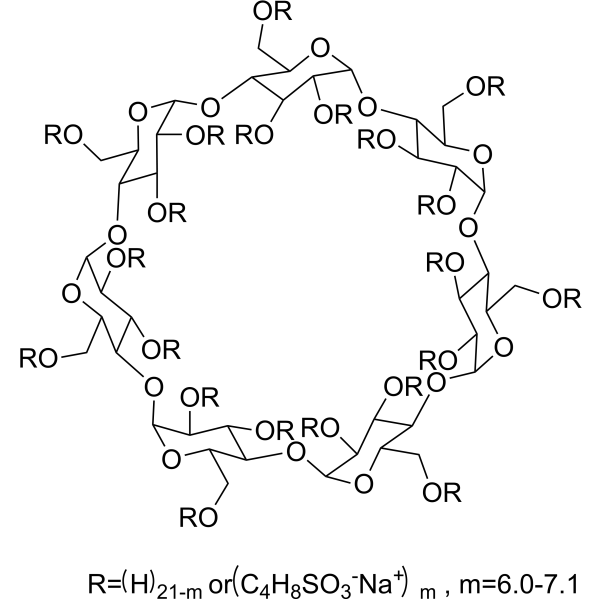
    SBE-β-CD is a sulfobutylether β-cyclodextrin derivative used as an excipient or a formulating agent to increase the solubility of poorly soluble agents .
    SBE-β-CD
  • HY-101461
    Methyl-β-cyclodextrin
    105+ Cited Publications

    Methyl-beta-cyclodextrin

    Environmental Pollutants Biochemical Assay Reagents Cancer
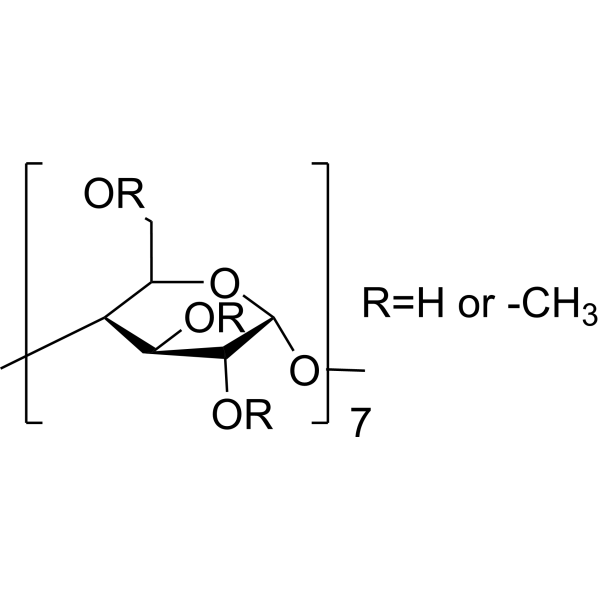
    Methyl-β-cyclodextrin (Methyl-beta-cyclodextrin) is a cyclic heptasaccharide used to deliver hydrophobic agents based on its property of solubilizing non-polar substances. Methyl-β-cyclodextrin is also extensively used as a cholesterol-depleting reagent . Methyl-β-cyclodextrin strongly reduces clathrin-dependent endocytosis . Methyl-β-cyclodextrin blocks cell migrasome formation .
    Methyl-β-cyclodextrin
  • HY-101103
    HP-β-CD
    30+ Cited Publications

    (2-Hydroxypropyl)-β-cyclodextrin

    Biochemical Assay Reagents Cancer
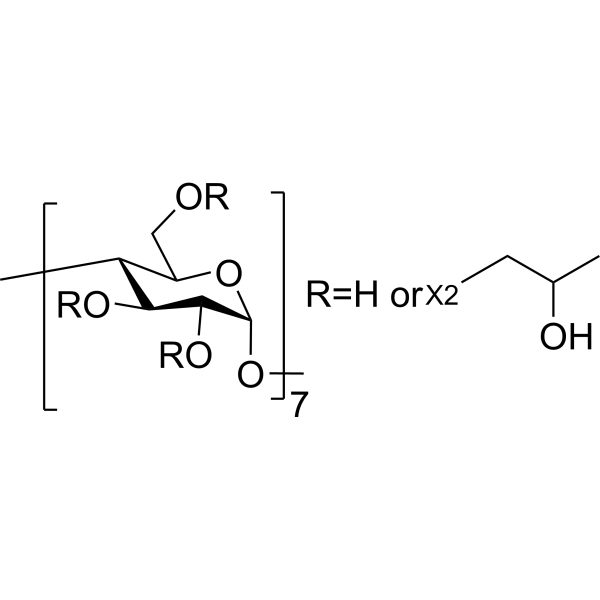
    HP-β-CD ((2-Hydroxypropyl)-β-cyclodextrin) is a widely used drug delivery vehicle to improve the stability and bioavailability.
    HP-β-CD
  • HY-14648C
    Dexamethasone (Water Soluble)
    Maximum Cited Publications
    356 Publications Verification

    Dexamethasone cyclodextrin complex

    Exosomes Glucocorticoid Receptor SARS-CoV Autophagy Complement System Mitophagy Bacterial Antibiotic Infection Inflammation/Immunology Endocrinology Cancer
    Dexamethasone (Hexadecadrol) Water Soluble is a water-soluble form of Dexamethasone (HY-14648). Dexamethasone is a glucocorticoid receptor agonist, apoptosis inducer, and a common disease inducer in experimental animals. It can be used to construct models of muscle atrophy, hypertension, and depression. Dexamethasone can inhibit the production of inflammatory miRNA-155 exosomes in macrophages and significantly reduce the expression of inflammatory factors in neutrophils and monocytes. Dexamethasone also has the potential to be used in COVID-19 research .(Sale size is the weight of dexamethasone)
    Dexamethasone (Water Soluble)
  • HY-W019711
    trans-Cinnamaldehyde
    5+ Cited Publications

    Environmental Pollutants Endogenous Metabolite Others
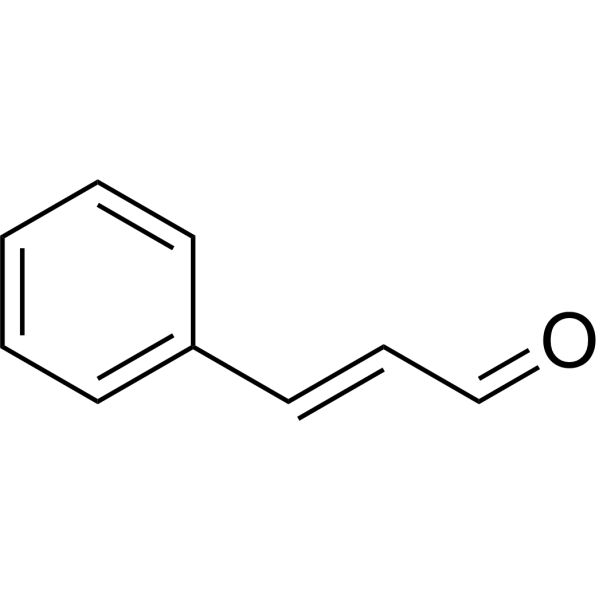
    trans-Cinnamaldehyde can be used to prepare highly polyfunctionalized furan ring by reaction of alkyl isocyanides with dialkyl acetylenedicarboxylate . trans-Cinnamaldehyde can be used to synthesize trans-cinnamaldehyde -β-cyclodextrin complex, an antimicrobial edible coating that increases the shelf life of fresh-cut fruits .
    trans-Cinnamaldehyde
  • HY-N0322A
    Cholesterol (Water Soluble)
    Maximum Cited Publications
    85 Publications Verification

    Liposome Others
    Cholesterol Water Soluble is a major sterol in mammals, constituting 20-25% of the structural composition of the plasma membrane. The plasma membrane is highly permeable to water but relatively impermeable to ions and protons. Cholesterol Water Soluble plays an important role in determining the fluidity and permeability characteristics of membranes and the function of transporters and signaling proteins. Cholesterol Water Soluble is also an endogenous estrogen-related receptor alpha (ERRα) agonist. Cholesterol Water Soluble can be used to study the effects of cholesterol on potassium currents in inner hair cells .
    (Note: This product is a mixture of Cholesterol and Methyl-β-cyclodextrin. The product specifications below only indicate the effective content of Cholesterol.)
    Cholesterol (Water Soluble)
  • HY-107201
    β-Cyclodextrin
    5+ Cited Publications

    Betadex

    Environmental Pollutants Influenza Virus Infection
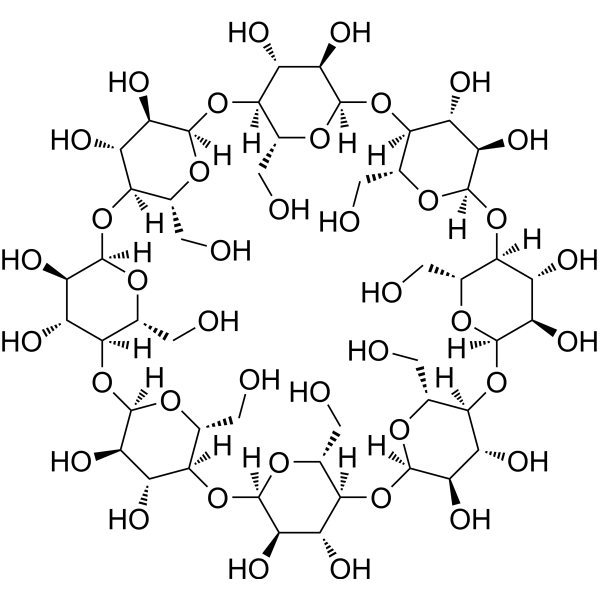
    β-Cyclodextrin is a cyclic polysaccharide composed of seven units of glucose (α-D-glucopyranose) linked by α-(1,4) type bonds. β-Cyclodextrin has often been used to enhance the solubility of agents. β-Cyclodextrin has anti-influenza virus H1N1 activities.
    β-Cyclodextrin
  • HY-100563A
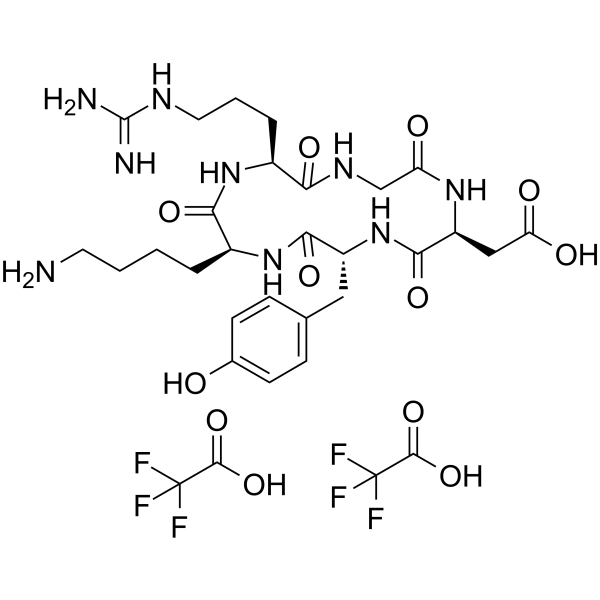
    Cyclo(RGDyK)
    4 Publications Verification

    Integrin Cancer
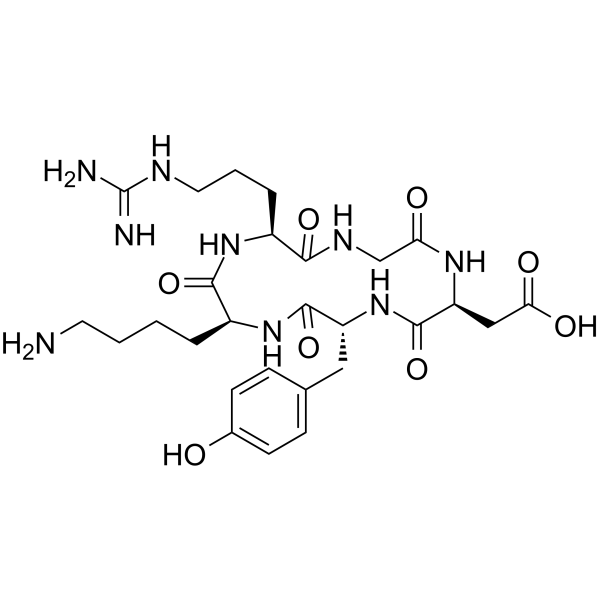
    Cyclo(RGDyK) is a potent and selective αVβ3 integrin inhibitor with an IC50 of 20 nM.
    Cyclo(RGDyK)
  • HY-P1934A

    Fungal Bacterial IFNAR Reactive Oxygen Species (ROS) Infection Inflammation/Immunology Cancer
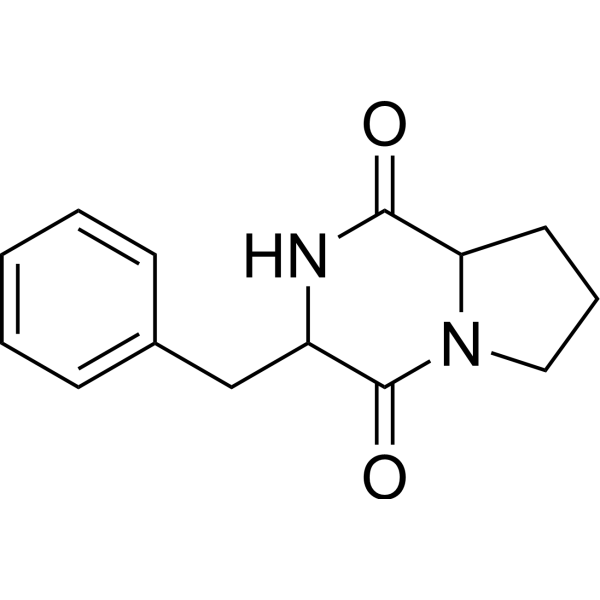
    Cyclo(L-Phe-L-Pro), isolated from Pseudomonas fluorescens and Pseudomonas alcaligenes cell-free culture supernatants is an antifungal cyclic dipeptide . Cyclo(L-Phe-L-Pro) inhibits IFN-β production by interfering with retinoic-acid-inducible gene-I (RIG-I) activation . Cyclo(L-Phe-L-Pro) exhibits free-radical scavenging activity with the IC50 of 24 µM in the DPPH assay .
    Cyclo(L-Phe-L-Pro)
  • HY-137234

    2,6-Di-O-methyl-β-cyclodextrin

    Biochemical Assay Reagents Others
    DM-β-CD (2,6-Di-O-methyl-β-cyclodextrin) is a cyclic molecule consisting of seven glucose units modified with two methyl groups at the 2- and 6-positions. It is usually used as a solubilizer and carrier for poorly soluble drugs in pharmaceutical preparations. Furthermore, it has applications in analytical chemistry, food science, and environmental remediation due to its ability to form clathrates with various guest molecules, such as aromatic compounds, pesticides, and heavy metals.
    DM-β-CD
  • HY-P2300
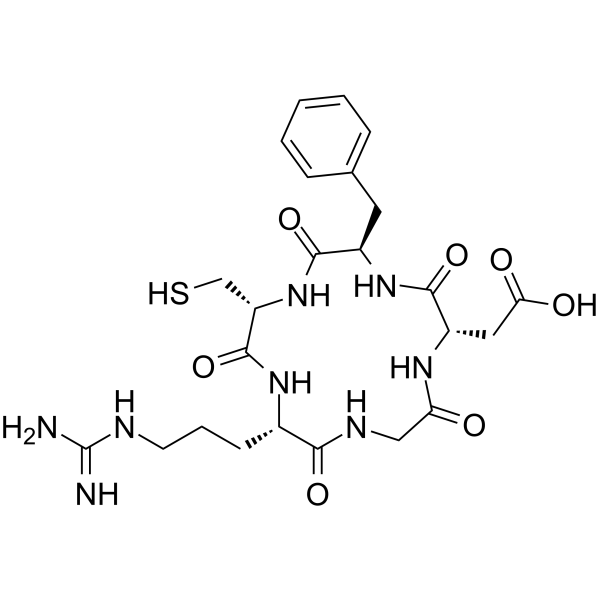
    Cyclo(Arg-Gly-Asp-D-Phe-Cys)
    2 Publications Verification

    Cyclo(RGDfC)

    Integrin Cancer
    Cyclo(Arg-Gly-Asp-D-Phe-Cys) (Cyclo RGDfC), a cyclic RGD peptide which has high affinity to αvβ3, can disrupt cell integrin interactions. Cyclo(Arg-Gly-Asp-D-Phe-Cys) inhibits pluripotent marker expression in embryonic stem cells (ESCs) and the tumorigenic potential of mESCs in vivo. Cyclo(Arg-Gly-Asp-D-Phe-Cys) can be used in the research of tumors .
    Cyclo(Arg-Gly-Asp-D-Phe-Cys)
  • HY-B1513
    α-Cyclodextrin
    2 Publications Verification

    Environmental Pollutants SARS-CoV Microtubule/Tubulin Infection Metabolic Disease Cancer
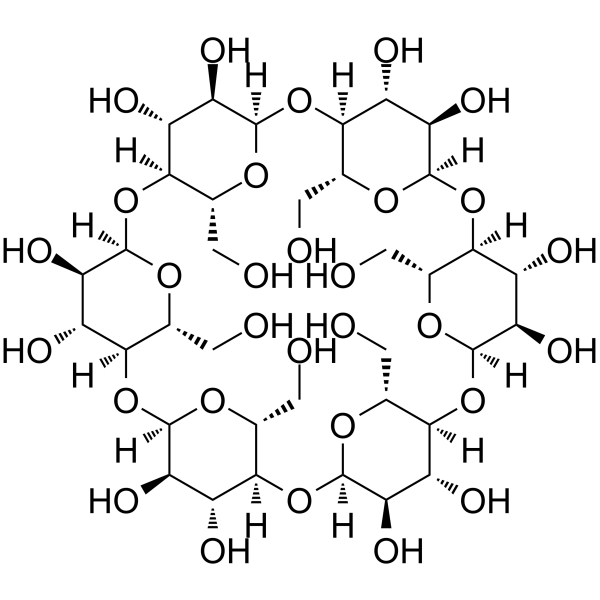
    α-Cyclodextrin (α-CD) is a soluble fiber derived from corn. α-Cyclodextrin can deplete sphingolipids and phospholipids from cell membranes. α-Cyclodextrin interacts with tubulin. α-Cyclodextrin improves defenses against SARS-CoV-2 infection. α-Cyclodextrin enhances the anticancer efficacy of Crcumin (HY-N0005) against breast, lung and cervical cancer. α-Cyclodextrin has beneficial effects on body weight and blood lipids .
    α-Cyclodextrin
  • HY-W040040

    Environmental Pollutants Endogenous Metabolite Metabolic Disease
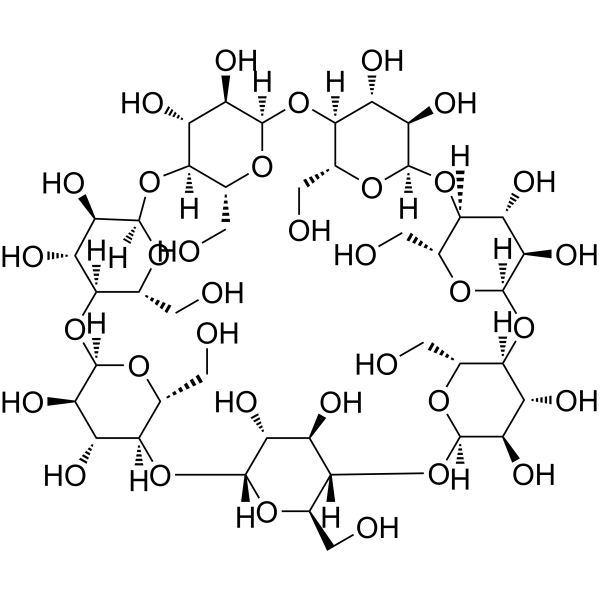
    γ-Cyclodextrin is an orally active cyclic oligosaccharide composed of eight glucose molecules, which can be formed by bacteria digesting starch. γ-Cyclodextrin can form water-soluble inclusion complexes with a variety of poorly soluble compounds and is widely used in fields such as pharmacy and food. In addition, γ-Cyclodextrin has good safety .
    γ-Cyclodextrin
  • HY-W129394

    Biochemical Assay Reagents Others
    6-Amino-6-deoxy-β-cyclodextrin is a cyclodextrin derivative that can be used to prepare other cyclodextrin derivatives. 6-Amino-6-deoxy-β-cyclodextrin can also be used as a chiral selector for chiral separation of α-amino acid derivatives by capillary electrophoresis .
    6-Amino-6-deoxy-β-cyclodextrin
  • HY-P1934
    Cyclo(Phe-Pro)
    5+ Cited Publications

    Cyclo(phenylalanylprolyl); A-64863

    HCV Bacterial Antibiotic Reactive Oxygen Species (ROS) Infection
    Cyclo(Phe-Pro) (Cyclo(phenylalanylprolyl)) is a quorum-sensing molecule of Vibrio vulnificus that specifically interacts with RIG-I, inhibiting RIG-I polyubiquitination, suppressing IRF-3 activation, and reducing type I interferon production. Cyclo(Phe-Pro) enhances susceptibility to HCV and influenza virus and also alleviates plant aluminum toxicity stress. The mechanism of Cyclo(Phe-Pro) involves the regulation of host immune signaling pathways, bacterial virulence gene expression, and plant antioxidant systems, making it a promising candidate for research in viral infections, bacterial virulence regulation, and agricultural stress resistance .
    Cyclo(Phe-Pro)
  • HY-B0079

    Org25969

    Drug Derivative Cardiovascular Disease Neurological Disease Cancer
    Sugammadex sodium is a synthetic γ-cyclodextrin derivative, and acts as a reversal agent for neuromuscular block. Sugammadex sodium shows nephroprotective effect in ischemia-reperfusion injury .
    Sugammadex sodium
  • HY-P1938

    Bacterial Infection Inflammation/Immunology
    Cyclo(L-Pro-L-Val) is an antimicrobial and anti-inflammatory agent. Cyclo(L-Pro-L-Val) has toxic activity against plant pathogens such as R. fascians LMG 3605, and its potency may be comparable to that of Chloramphenicol (HY-B0239). Cyclo(L-Pro-L-Val) can inhibit the phosphorylation of IKKα, IKKβ, NF-κB, etc., and the activation of iNOS and COX-2, thereby exerting anti-inflammatory activity. Cyclo(L-Pro-L-Val) can be used in the research of biopesticides in the agricultural field, as well as in the research of inflammation-related diseases .
    Cyclo(L-Pro-L-Val)
  • HY-101402

    Cyclohistidyl-proline; Histidylproline diketopiperazine

    NF-κB Endogenous Metabolite Neurological Disease Inflammation/Immunology
    Cyclo(his-pro) (Cyclo(histidyl-proline)) is an orally active cyclic dipeptide structurally related to tyreotropin-releasing hormone . Cyclo(his-pro) could inhibit NF-κB nuclear accumulation. Cyclo(his-pro) can cross the brain-blood-barrier and affect diverse inflammatory and stress responses .
    Cyclo(his-pro)
  • HY-P5712
    Gramicidin S
    1 Publications Verification

    Gramicidin soviet

    Antibiotic Bacterial Na+/K+ ATPase Infection
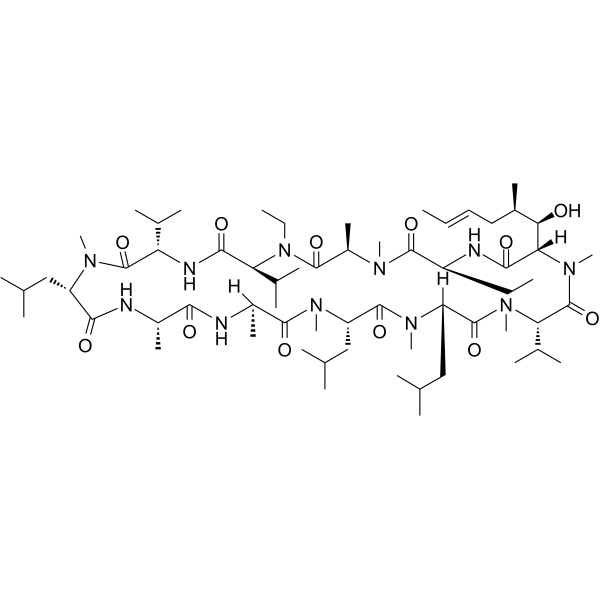
    Gramicidin S (Gramicidin soviet) is a cationic cyclic peptide antibiotic that selectively targets bacterial cell membranes and has anticancer activity. Gramicidin S also exerts antibacterial activity by destroying membrane integrity and interfering with membrane protein function. Gramicidin S inserts into the phospholipid bilayer through hydrophobic amino acid residues, specifically binds to negatively charged membrane lipids and disrupts membrane structure, thereby inhibiting cell division and cell wall synthesis, and ultimately causing bacterial death. Gramicidin S also inhibits ion channels, with IC50s of 41 μM, 24 μM, and 3 μM for Na +/K +-ATPase, tobacco leaf plasma membrane Mg 2+/K +-ATPase, and rat heart plasma membrane Ca 2+-ATPase, respectively .
    Gramicidin S
  • HY-101532

    β-CDN3; 6A-deoxy-6A-azido-β-cyclodextrin

    Biochemical Assay Reagents Others
    6A-Azido-6A-deoxy-β-cyclodextrin (β-CDN3) is a site-specifically modified β-cyclodextrin with a single azido group replacing the hydroxyl group at the C6 position. 6A-Azido-6A-deoxy-β-cyclodextrin forms a host-guest inclusion complex with Dexamethasone (HY-14648), localizing the drug within its hydrophobic cavity, which restricts the rotational mobility of the drug and places Dexamethasone in a less polar environment. 6A-Azido-6A-deoxy-β-cyclodextrin acts as a coupling agent to graft β-cyclodextrin onto thermosensitive nanogels via strain-promoted alkyne-azide cycloaddition (SPAAC). 6A-Azido-6A-deoxy-β-cyclodextrin also serves as a click chemistry reagent. It contains an azide group and undergoes copper-catalyzed azide-alkyne cycloaddition (CuAAc) with molecules bearing an alkyne group. It also undergoes strain-driven alkyne-azide cycloaddition (SPAAC) with molecules containing DBCO or BCN groups .
    6A-Azido-6A-deoxy-β-cyclodextrin
  • HY-B1007
    Butacaine
    2 Publications Verification

    Sodium Channel Neurological Disease
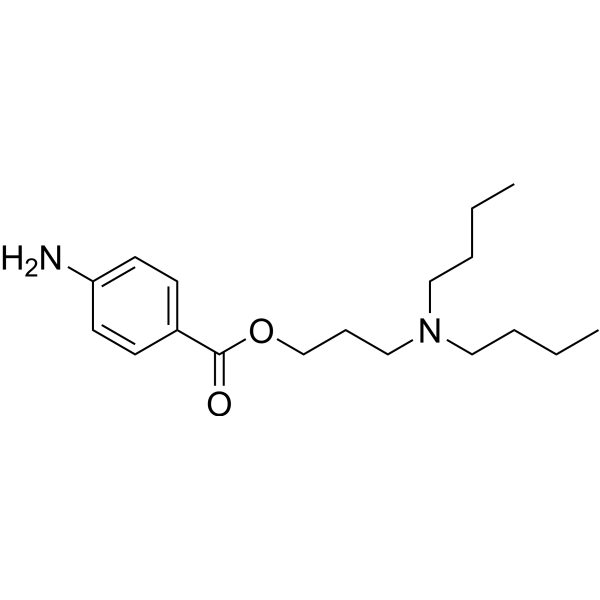
    Butacaine is a reversible nerve conduction blocker. Butacaine acts on the nervous system and nerve fibers, can cause both sensory and motor paralysis. Butacaine inhibits the NavBh currents. Butacaine can form inclusion complexes with α-cyclodextrin (α-CD) and β-cyclodextrin (β-CD). Butacaine is commonly used as a negative control for other local anesthetics .
    Butacaine
  • HY-P10304

    Cyclo(Pro-Arg)

    Fungal Others
    Cyclo(Arg-Pro) (Cyclo(Pro-Arg)) is an inhibitor for chitinase. Cyclo(Arg-Pro) inhibits cell separation of Saccharomyces cerevisiae, without affecting its growth. Cyclo(Arg-Pro) inhibits the morphological change of Candida albicans from yeast form to filamentous form .
    Cyclo(Arg-Pro)
  • HY-18593
    Mal-β-CD
    2 Publications Verification

    6-O-alpha-D-Maltosyl-beta-cyclodextrin

    Biochemical Assay Reagents Others
    Mal-β-CD is a cellular cholesterol modifier which can form soluble inclusion complex with cholesterol.
    Mal-β-CD
  • HY-34643

    Hept-6-ynoic acid

    Drug Intermediate Others
    Hexanoylic acid (Hex-6-ynoic acid) is a drug intermediate. Hexanoylic acid can be functionalized by esterification reaction to paclitaxel (HY-B0015), enabling it to undergo an efficient ring addition reaction with β-cyclodextrin, thereby enhancing its water solubility, stability and targeting properties .
    6-Heptynoic acid
  • HY-P0231
    AZP-531
    2 Publications Verification

    GHSR Metabolic Disease Endocrinology
    AZP-531 is an analogue of unacylated ghrelin designed to improve glycaemic control and reduce weight.
    AZP-531
  • HY-107245
    Segetalin B
    2 Publications Verification

    Estrogen Receptor/ERR Sirtuin RUNX Metabolic Disease
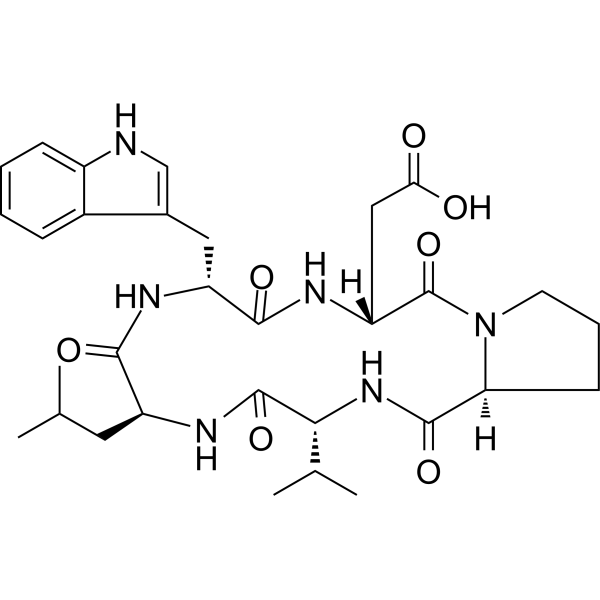
    Segetalin B, an orally active cyclopentapeptide found in Vaccaria segetalis, possesses estrogen-like activity. Segetalin B promotes mineralization of ovariectomized rat-derived bone marrow mesenchymal stem cells (BMSCs) in vitro and increases the level of osteocalcin, BMP-2, ALP, and SIRT1 activity. Segetalin B is promising for research of post-menopausal osteoporosis (PMOP) .
    Segetalin B
  • HY-126810A

    Fungal Infection
    NP213 TFA is a rapidly acting, novel, first-in-class synthetic antimicrobial peptide (AMP), has anti-fungal activities. NP213 TFA targets the fungal cytoplasmic membrane and plays it role via membrane perturbation and disruption. NP213 TFA is effective and well-tolerated in resolving nail fungal infections .
    NP213 TFA
  • HY-126393

    Biochemical Assay Reagents Others
    Carboxymethyl-β-cyclodextrin is a cationic cyclodextrin used as a carrier for drugs. It has been shown to bind nonsteroidal anti-inflammatory drugs (NSAIDs) with high affinity and selectivity.
    Carboxymethyl-β-cyclodextrin
  • HY-166519

    α‐HPCD (MW 1180)

    Biochemical Assay Reagents Others
    (2-Hydroxypropyl)-α-cyclodextrin (MW 1180) is a cyclic oligosaccharide derivative that acts as a solubilizer in various experiments.
    (2-Hydroxypropyl)-α-cyclodextrin (MW 1180)
  • HY-P10426

    HIF/HIF Prolyl-Hydroxylase VEGFR Cancer
    cyclo(CLLFVY) is an inhibitor for hypoxia inducible factor-1 (HIF-1), with IC50 of 19 μM (in U2OS) and 16 μM (in MCF-7). cyclo(CLLFVY) binds to the PAS-B domain of HIF-1α, inhibits HIF-1 dimerization and transcriptional activity. cyclo(CLLFVY) downregulates the expression of hypoxia response genes, such as VEGF and CAIX, exhibits antitumor against the HIF-1 associated cancers .
    cyclo(CLLFVY)
  • HY-P10221A

    HIF/HIF Prolyl-Hydroxylase Cancer
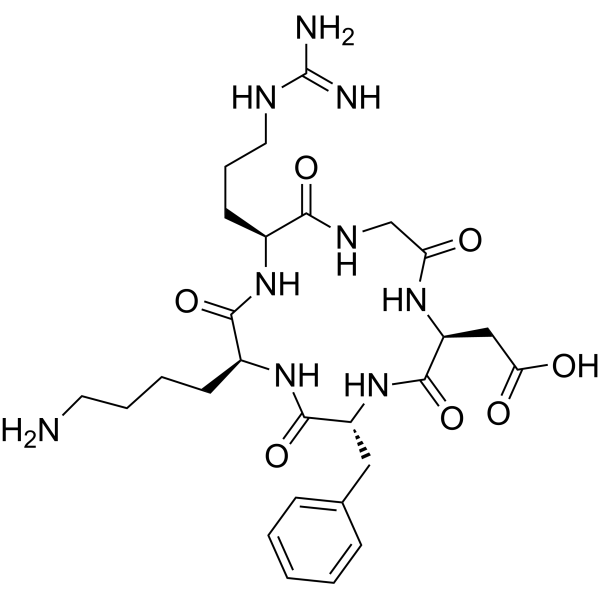
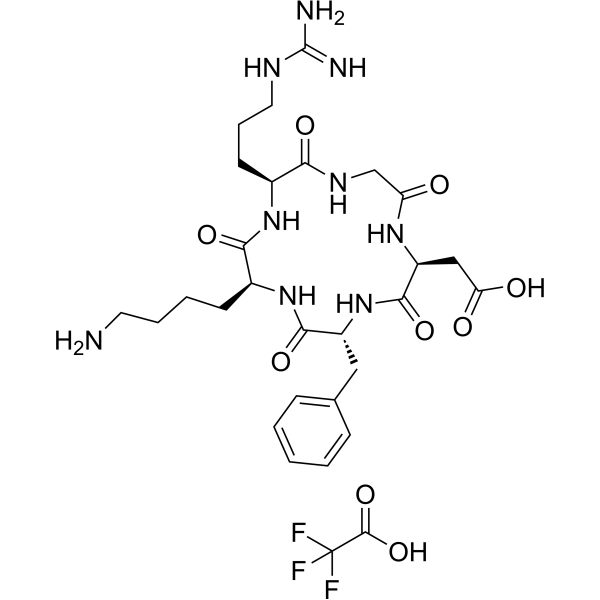
    Cyclo(CKLIIF) TFA is an inhibitor of HIF-1α and HIF-2α. The KD values of Cyclo(CKLIIF) TFA for the PAS-B domains of HIF1-α and HIF2-α are 2.6 μM and 2.2 μM, respectively. Cyclo(CKLIIF) TFA disrupts the protein-protein interaction between HIF-1α and HIF-1β. Cyclo(CKLIIF) TFA can be used in cancer research .
    Cyclo(CKLIIF) TFA
  • HY-101402A

    Cyclohistidyl-proline TFA; Histidylproline diketopiperazine TFA

    NF-κB Endogenous Metabolite Neurological Disease Inflammation/Immunology
    Cyclo(his-pro) TFA (Cyclo(histidyl-proline) TFA) is an orally active cyclic dipeptide structurally related to tyreotropin-releasing hormone . Cyclo(his-pro) TFA could inhibit NF-κB nuclear accumulation. Cyclo(his-pro) TFA can cross the brain-blood-barrier and affect diverse inflammatory and stress responses .
    Cyclo(his-pro) TFA
  • HY-P5314

    EGFR STAT Others
    OK2, a specific inhibitor of the CCN2/EGFR interaction, efficiently blocks CCN2/EGFR interaction through binding to the CT domain of CCN2. OK2 can be used for kidney fibrosis and chronic kidney disease research .
    OK2
  • HY-75564

    Endogenous Metabolite Cancer
    Cyclo(Ala-Gly), a metabolite of a mangrove endophytic fungus, Penicillium thomi, exhibits cytotoxicity against A549, HepG2 and HT29 cells. The IC50 values range from 9.5 to 18.1 μM .
    Cyclo(Ala-Gly)
  • HY-W129395

    6-O-Tosyl-β-cyclodextrin

    Biochemical Assay Reagents Others
    Mono-(6-p-toluenesulfonyl)-β-cyclodextrin is a biochemical reagent that can be used as a biological material or organic compound for life science related research.
    Mono-(6-p-toluenesulfonyl)-β-cyclodextrin
  • HY-133994

    Drug Intermediate Others
    Octakis-(6-bromo-6-deoxy)-γ-cyclodextrin is a perbrominated γ-cyclodextrin at the primary side. Octakis-(6-bromo-6-deoxy)-γ-cyclodextrin is also a commonly used intermediate in the modification of cyclodextrin .
    Octakis-(6-bromo-6-deoxy)-γ-cyclodextrin
  • HY-N9406

    Others Others
    Maltooctaose, a specific-length maltooligosaccharide, can be produced by PFTA (Pyrococcus furiosus) .
    Maltooctaose
  • HY-W001952

    Fluorescent Dye Drug Intermediate Others
    6-Bromo-2-naphthol is an RTP (real-time polymerase chain reaction) probe that forms a 1:1 or 2:1 complex with β-cyclodextrin (β-CD). 6-Bromo-2-naphthol is capable of real-time monitoring of PCR reactions and quantification of specific nucleic acid sequences. RTP probes are a class of small DNA or RNA sequences labeled with fluorescent dyes and quencher molecules, which can be widely used in gene expression analysis, SNP genotyping, and pathogen detection. 6-Bromo-2-naphthol embeds into the cyclodextrin cavity through hydrophobic interactions, inhibits the oxygen quenching effect, and emits a phosphorescent signal at room temperature. 6-Bromo-2-naphthol can also be used as an intermediate for the synthesis of antibacterial azo dyes, and its derivatives show antibacterial activity against Staphylococcus aureus, Escherichia coli and other bacteria .
    6-Bromo-2-naphthol
  • HY-126810

    Fungal Infection
    NP213 is a rapidly acting, novel, first-in-class synthetic antimicrobial peptide (AMP), has anti-fungal activities. NP213 targets the fungal cytoplasmic membrane and plays it role via membrane perturbation and disruption. NP213 is effective and well-tolerated in resolving nail fungal infections .
    NP213
  • HY-P4047

    Drug Derivative Others
    Cyclo(RGDfK(Mal)) is a pentapeptide. Cyclo(RGDfK(Mal)) improves the attachment and infiltration of human pluripotent stem cells. Cyclo(RGDfK(Mal)) can be used for 3D stem cell culture and expansion .
    Cyclo(RGDfK(Mal))
  • HY-W040040A

    Endogenous Metabolite Metabolic Disease
    γ-Cyclodextrin hydrate is an orally active cyclic oligosaccharide composed of eight glucose molecules, which can be formed by bacteria digesting starch. γ-Cyclodextrin hydrate can form water-soluble inclusion complexes with a variety of poorly soluble compounds and is widely used in fields such as pharmacy and food. In addition, γ-Cyclodextrin hydrate has good safety .
    γ-Cyclodextrin hydrate
  • HY-W145581

    Biochemical Assay Reagents Others
    Triacetyl-β-cyclodextrin is a biochemical reagent that can be used as a biological material or organic compound for life science related research.
    Triacetyl-β-cyclodextrin
  • HY-W145571

    3A-Amino-3A-deoxy-(2AS,3AS)-gamma-cyclodextrin

    Drug Derivative Others
    3A-Amino-3A-deoxy-(2AS,3AS)-gamma-cyclodextrin is a derivative of γ-Cyclodextrin (HY-W040040).
    3A-Amino-3A-deoxy-(2AS,3AS)-γ-cyclodextrin
  • HY-W019711R

    Reference Standards Endogenous Metabolite Others
    trans-Cinnamaldehyde (Standard) is the analytical standard of trans-Cinnamaldehyde. This product is intended for research and analytical applications. trans-Cinnamaldehyde can be used to prepare highly polyfunctionalized furan ring by reaction of alkyl isocyanides with dialkyl acetylenedicarboxylate . trans-Cinnamaldehyde can be used to synthesize trans-cinnamaldehyde -β-cyclodextrin complex, an antimicrobial edible coating that increases the shelf life of fresh-cut fruits .
    trans-Cinnamaldehyde (Standard)
  • HY-W549438

    Amino Acid Derivatives Others
    Cyclo(Phe-Phe) is a polypeptide that can be found by peptide screening. Peptide screening is a research tool that pools active peptides primarily by immunoassay. Peptide screening can be used for protein interaction, functional analysis, epitope screening, especially in the field of agent research and development .
    Cyclo(Phe-Phe)
  • HY-P1935

    Biochemical Assay Reagents Cancer
    Cyclo(Ala-Pro) is an anticancer agent that is toxic to cancer cells such as A549, HCT-116 and HepG2 .
    Cyclo(Ala-​Pro)
  • HY-P2092

    Cyclo(Leu-Trp)

    Bacterial Fungal Melatonin Receptor Infection Neurological Disease
    Cyclo(L-leucyl-L-tryptophyl) (Cyclo(-Leu-Trp)) is a cyclic dipeptide that inhibits a various of bacteria and fungi. Cyclo(L-leucyl-L-tryptophyl) is a melatonin receptor agonist and is also used as a bitter ligand .
    Cyclo(L-leucyl-L-tryptophyl)
  • HY-P10222

    HIF/HIF Prolyl-Hydroxylase Cancer
    Cyclo CRLLIF is a dual inhibitor for hypoxia inducible factor (HIF) 1 and 2, which disrupts the interaction of both HIF1-α and HIF2-α with HIF1-β, with affinity for HIF1-α and HIF2-α PAS-B domains KD of 14.5 and 10.2 μM, respectively .
    Cyclo(CRLLIF)
  • HY-P10304C

    Fungal Infection
    Cyclo(Pro-dArg) is an inhibitor of chitinase. Cyclo(Pro-dArg) inhibits the cell separation of Saccharomyces cerevisiae but does not affect its growth. Cyclo(Pro-dArg) inhibits the transition of Candida albicans from yeast to filamentous morphology.
    Cyclo(Pro-dArg)
  • HY-107201A

    Betadex hydrate

    Biochemical Assay Reagents Others
    β-Cyclodextrin hydrate (Betadex hydrate) is a cyclic oligosaccharide composed of seven glucose units, featuring a hydrophobic central cavity and a hydrophilic outer surface. β-Cyclodextrin hydrate is utilized in an immunoassay method that leverages the complex formed by β-Cyclodextrin hydrate with small molecules to enhance the sensitivity of the immunodetection for these small molecules. β-Cyclodextrin hydrate is applicable for research in biosensing and immunoanalysis .
    β-Cyclodextrin hydrate

Inquiry Online

Your information is safe with us. * Required Fields.

Salutation


Country or Region *

Applicant Name *


Organization Name *

Department *


Email Address *


Product Name *

Cat. No.


Requested quantity *

Phone Number *


Remarks

Inquiry Online

Inquiry Information

Product Name:
Cat. No.:
Quantity:
MCE Japan Authorized Agent:

