

1. Search Result
Search Result
Results for "

dementia

" in MedChemExpress (MCE) Product Catalog:

155

Inhibitors & Agonists

1

Screening Libraries

2

Biochemical Assay Reagents

3

Peptides

3

Inhibitory Antibodies

40

Natural
Products

13

Isotope-Labeled Compounds

Cat. No. Product Name Target Research Areas Chemical Structure
  • HY-N0115
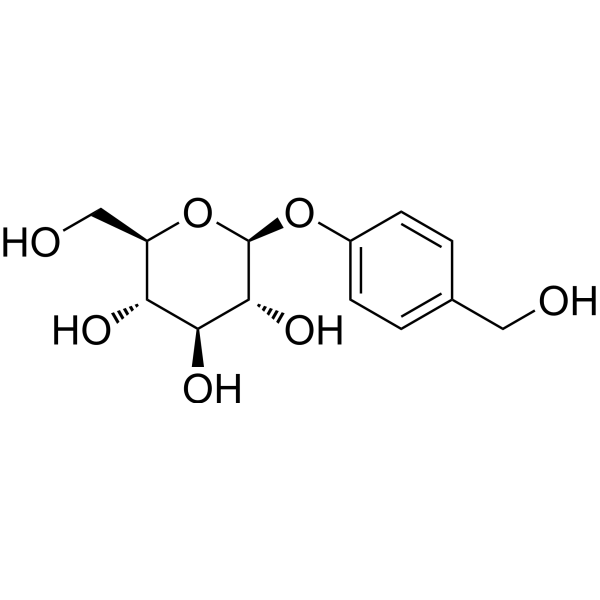
    Gastrodin
    Maximum Cited Publications
    18 Publications Verification

    Gastrodine

    Apoptosis Ferroptosis Cardiovascular Disease Neurological Disease Inflammation/Immunology
    Gastrodin, a main constituent of a Chinese herbal medicine Tianma, has been known to display anti-inflammatory effects. Gastrodin inhibits ethanol-induced hepatocellular apoptosis. Gastrodin inhibits H2O2-induced ferroptosis through its antioxidative effect. Gastrodin can be used for study of dizziness, epilepsy, stroke and dementia .
    Gastrodin
  • HY-17552
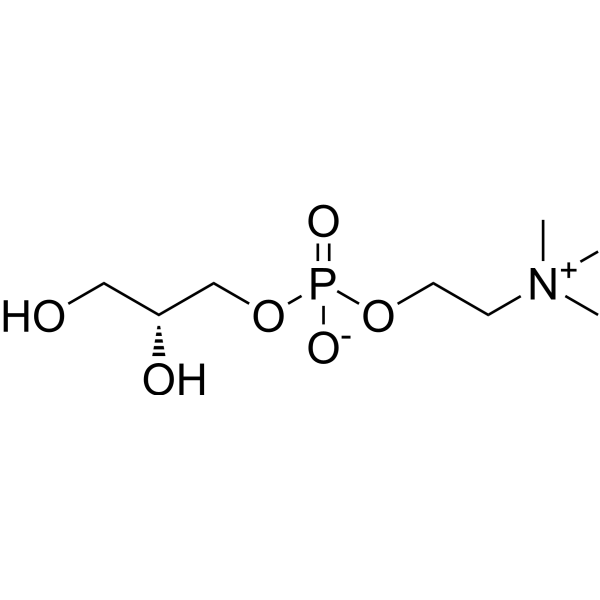
    sn-Glycero-3-phosphocholine
    3 Publications Verification

    Choline Alfoscerate; Alpha-GPC; L-α-GPC

    Cholinesterase (ChE) Endogenous Metabolite Neurological Disease
    sn-Glycero-3-phosphocholine (Choline Alfoscerate) is a precursor in the biosynthesis of brain phospholipids and increases the bioavailability of choline in nervous tissue. sn-Glycero-3-phosphocholine (Choline Alfoscerate) has significant effects on cognitive function with a good safety profile and tolerability, and is effective in the treatment of Alzheimer's disease and dementia .
    sn-Glycero-3-phosphocholine
  • HY-113228
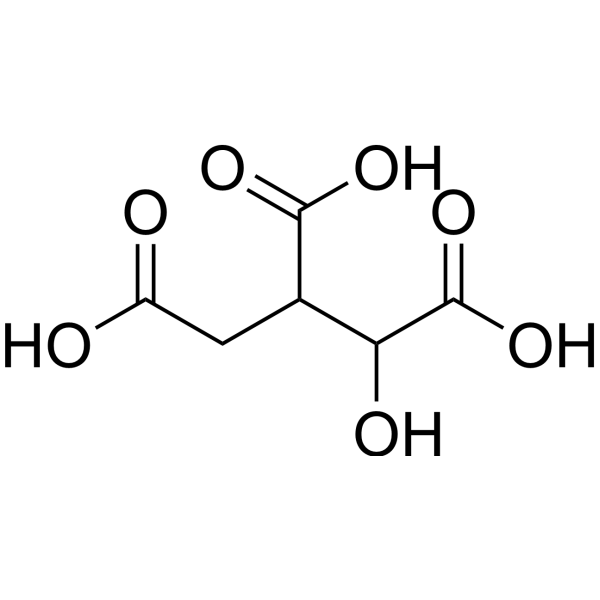
    Isocitric acid
    2 Publications Verification

    Endogenous Metabolite Neurological Disease
    Isocitric acid is an endogenous metabolite present in Saliva and Cellular_Cytoplasm that can be used for the research of Alzheimer's Disease, Lewy Body Dementia and Anoxia .
    Isocitric acid
  • HY-N7109
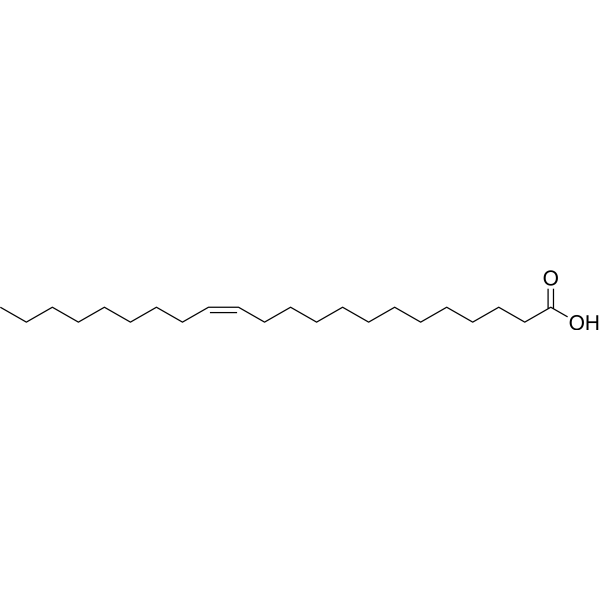
    Erucic acid
    2 Publications Verification

    PI3K Endogenous Metabolite Neurological Disease
    Erucic acid, a monounsaturated fatty acid (MUFA), is isolated from the seed of Raphanus sativus L. Erucic acid can readily cross the blood-brain barrier (BBB), it has been reported to normalize the accumulation of very long-chain fatty acids in the brain. Erucic acid can improve cognitive impairment and be effective against dementia .
    Erucic acid
  • HY-128892
    EN6
    5 Publications Verification

    Autophagy Neurological Disease
    EN6 is a small-molecule in vivo autophagy activator that covalently targets cysteine 277 in the ATP6V1A subunit of the lysosomal v-ATPase. EN6-mediated modification of ATP6V1A uncouples v-ATPase from Rag, leading to inhibition of mTORC1 signalling, increased lysosomal acidification, and activation of autophagy. EN6 also scavenges TDP-43 aggregates (causative agents of frontotemporal dementia) in a lysosome-dependent manner .
    EN6
  • HY-17368
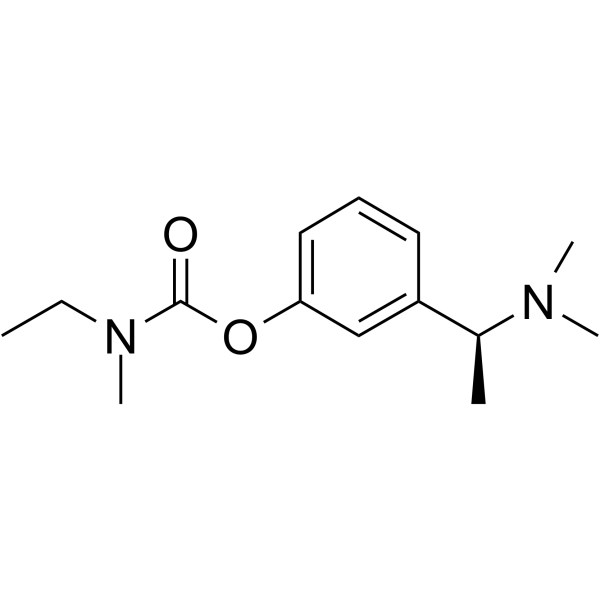
    Rivastigmine
    1 Publications Verification

    ENA 713 free base; SDZ-ENA 713 free base

    Cholinesterase (ChE) Neurological Disease
    Rivastigmine (ENA 713 free base) is an orally active and potent cholinesterase (ChE) inhibitor and inhibits butyrylcholinesterase (BChE) and acetylcholinesteras (AChE) with IC50s of 0.037 μM , 4.15 μM, respectively. Rivastigmine can pass the blood brain barrier (BBB). Rivastigmine is a parasympathomimetic or cholinergic agent used for the research of mild to moderate dementia of the Alzheimer's type and dementia due to Parkinson's disease .
    Rivastigmine
  • HY-B0763
    Ibudilast
    5+ Cited Publications

    KC-404; AV-411; MN-166

    Phosphodiesterase (PDE) Inflammation/Immunology Cancer
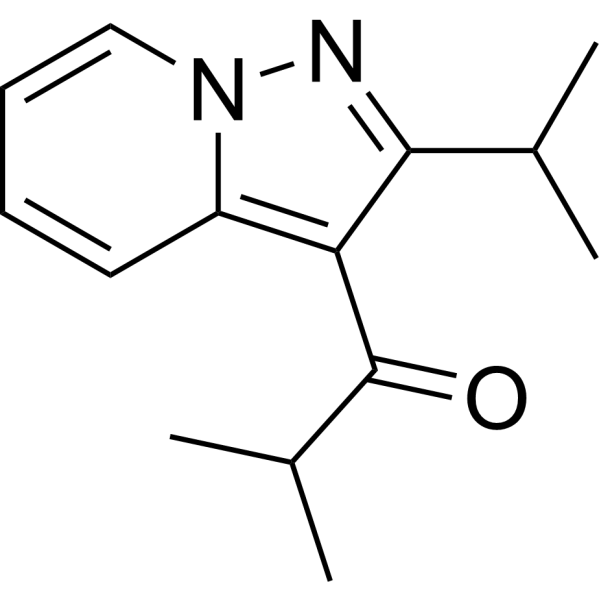
    Ibudilast (KC-404; AV-411; MN-166) is a cyclic AMP phosphodiesterase (PDE) inhibitor. Ibudilast has platelet anti-aggregatory effects. Ibudilast can be used for the research of asthma for its inhibitory effects on tracheal smooth muscle contractility. Ibudilast may be a useful neuroprotective and anti-dementia agent counteracting neurotoxicity in activated microglia .
    Ibudilast
  • HY-W176557

    Aquaporin Neurological Disease
    TGN-073 is a aquaporin 4 (AQP4) modulator, as well as an orally available, blood-brain barrier-permeable agent. TGN-073 increases the uptake and distribution of brain MRI tracers in the brain parenchyma and reduces the levels of insoluble amyloid-β 40 and β 42. TGN-073 can be used in research related to Alzheimer's disease, dementia, traumatic brain injury and pain .
    TGN-073
  • HY-11017
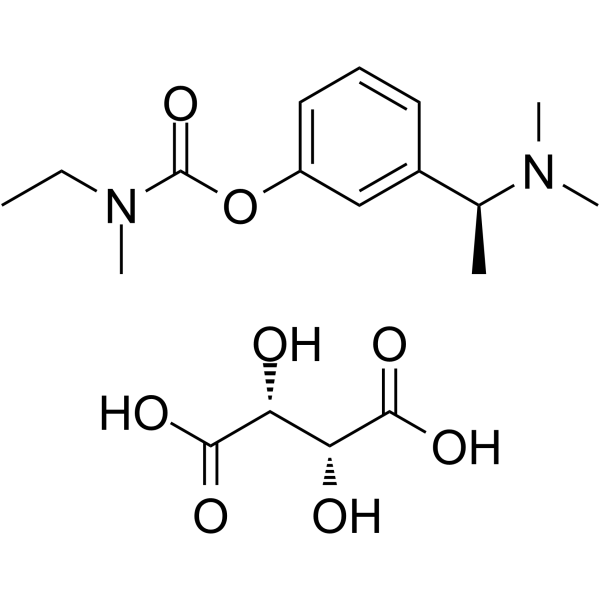
    Rivastigmine tartrate
    1 Publications Verification

    ENA 713; SDZ-ENA 713

    Cholinesterase (ChE) Neurological Disease
    Rivastigmine tartrate (ENA 713; SDZ-ENA 713) is an orally active and potent cholinesterase (ChE) inhibitor and inhibits butyrylcholinesterase (BChE) and acetylcholinesteras (AChE) with IC50s of 0.037 μM, 4.15 μM, respectively. Rivastigmine tartrate can pass the blood brain barrier (BBB). Rivastigmine tartrate is a parasympathomimetic or cholinergic agent used for the research of mild to moderate dementia of the Alzheimer's type and dementia due to Parkinson's disease .
    Rivastigmine tartrate
  • HY-113301
    Hexacosanoic acid
    1 Publications Verification

    Endogenous Metabolite Cardiovascular Disease Neurological Disease
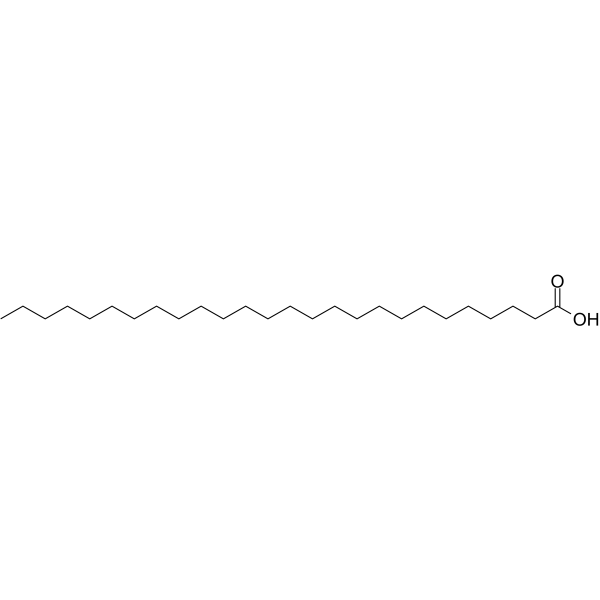
    Hexacosanoic acid is a very long-chain fatty acid. Abnormally elevated levels of Hexacosanoic acid are closely associated with various diseases, such as X-linked adrenoleukodystrophy, adrenomyeloneuropathy, atherosclerosis, and dementia .
    Hexacosanoic acid
  • HY-B1124
    Fipexide
    1 Publications Verification

    Adenylate Cyclase Dopamine Transporter Neurological Disease
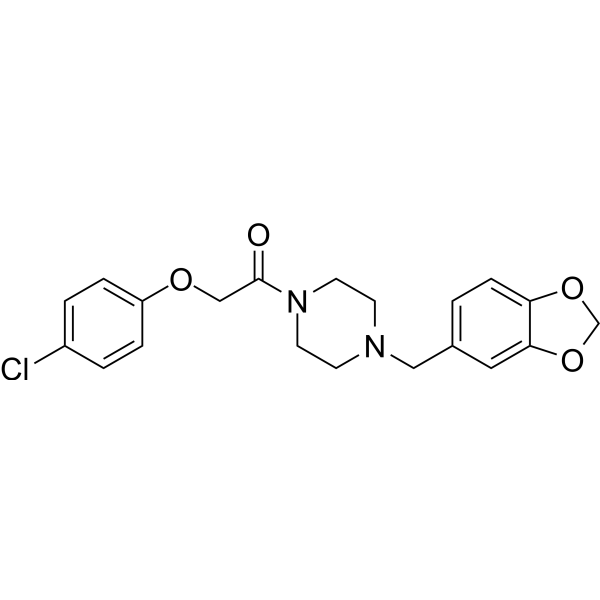
    Fipexide, a parachloro-phenossiacetic acid derivative, is an orally active nootropic agent. Fipexide reduces striatal adenylate cyclase activity. Fipexide has positive effect on cognitive performance by dopaminergic neurotransmission. Fipexide is used for senile dementia research. Fipexide acts as a chemical inducer in callus formation, shoot regeneration and Agrobacterium infection .
    Fipexide
  • HY-162666

    Potassium Channel Neurological Disease
    TMEM175 modulator 1 (compound 47) is a TMEM175 modulator.TMEM175 modulator 1 modulates activity of the lysosomal potassium ion channel TMEM175.TMEM175 modulator 1 can be used for the research of parkinson’s disease, dementia, alzheimer’s disease, l-dopa induced dyskinesia .
    TMEM175 modulator 1
  • HY-160116

    Radionuclide-Drug Conjugates (RDCs) Fluorescent Dye α-synuclein Neurological Disease
    α-Synuclein aggregate binder 1 (Compound C05-05) is a specific binder for α-synuclein aggregates and can inhibit α-synuclein aggregation. α-Synuclein aggregate binder 1 can be used as a fluorescent probe (excitation wavelength 900 nm, detection wavelength 500-550 nm) for optical imaging, and can also inhibit α-synuclein fibril formation by blocking the aggregation process. α-Synuclein aggregate binder 1 can be used for positron emission tomography (PET) imaging after being labeled with 18F. α-Synuclein aggregate binder 1 can be used for visual diagnosis of brain lesions and mechanism research of neurodegenerative diseases such as Parkinson's disease and Lewy body dementia .
    α-Synuclein aggregate binder 1
  • HY-N0464
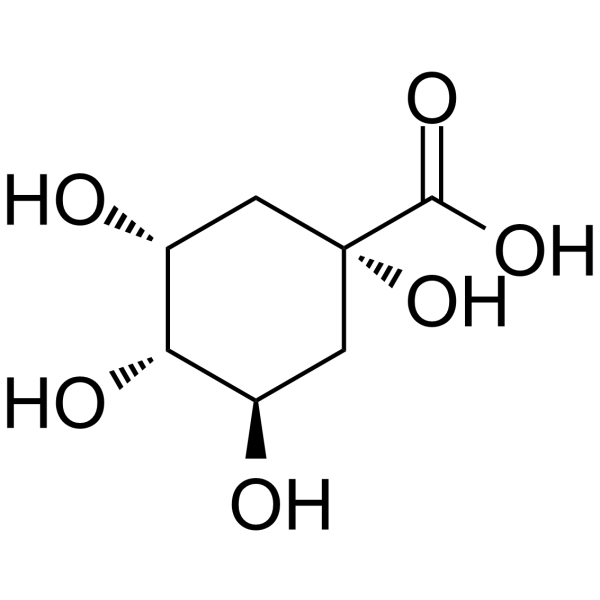
    D-(-)-Quinic acid
    3 Publications Verification

    Endogenous Metabolite Glycosidase Monoamine Oxidase Neurological Disease Metabolic Disease
    D-(-)-Quinic acid scavenges hydrogen peroxide (IC50=87.11 μg/mL) and exhibits antioxidant activity. D-(-)-Quinic acid is the inhibitor for MAO and α-Glucosidase (IC50 =93.75 μg/mL). D-(-)-Quinic acid is orally active .
    D-(-)-Quinic acid
  • HY-N12060

    Bcl-2 Family Caspase Apoptosis Autophagy Reactive Oxygen Species (ROS) Akt JNK ERK Cardiovascular Disease Neurological Disease
    Ginkgo biloba extract is a natural product that can be isolated from Ginkgo biloba leaves . Ginkgo biloba extract alleviates oxidative stress-induced neuronal apoptosis (Apoptosis) by stabilizing mitochondrial function, regulating Bcl-2 family proteins and inhibiting caspase activation. Ginkgo biloba extract alleviates testicular injury by upregulating SKP2 and inhibiting Beclin1-independent autophagy (Autophagy) . Ginkgo biloba extract alleviates various types of neuronal damage in animal models. Ginkgo biloba extract reduces behavioral sensitization in rats. Ginkgo biloba extract counteracts Aβ-induced neurotoxicity by blocking a series of Aβ-triggered events, including glucose uptake, ROS accumulation, AKT activation, mitochondrial dysfunction, JNK and ERK 1/2 pathways, and apoptosis, and also interferes with the formation of Aβ oligomers. Ginkgo biloba extract is applicable to research related to cerebral hypoperfusion, testicular injury, Alzheimer's disease, Parkinson's disease, multi-infarct dementia, stroke, traumatic brain injury and amyotrophic lateral sclerosis .
    Ginkgo biloba extract
  • HY-151527
    PI3K/Akt/CREB activator 1
    4 Publications Verification

    Akt PI3K Epigenetic Reader Domain Neurological Disease
    PI3K/Akt/CREB activator 1 (compound AE-18) is a potent, orally active PI3K/Akt/CREB activator. PI3K/Akt/CREB activator 1 promotes neuronal proliferation, induced differentiation of Neuro-2a cells into a neuron-like morphology, and accelerated the establishment of axon-dendrite polarization of primary hippocampal neurons through upregulating brain-derived neurotrophic factor via the PI3K/Akt/CREB pathway. PI3K/Akt/CREB activator 1 can be used in research of vascular dementia (VaD) .
    PI3K/Akt/CREB activator 1
  • HY-100618
    Hispidin
    1 Publications Verification

    PKC Endogenous Metabolite Ferroptosis Reactive Oxygen Species (ROS) p38 MAPK JAK STAT JNK Akt GSK-3 ERK Keap1-Nrf2 Cardiovascular Disease Metabolic Disease Inflammation/Immunology Cancer
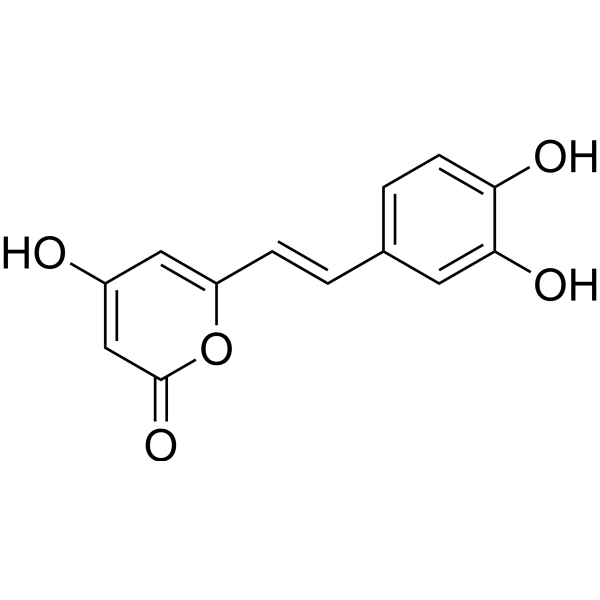
    Hispidin, a PKC inhibitor and a phenolic compound can be found in Phellinus linteus, has been shown to possess strong anti-oxidant, anti-cancer, anti-diabetic, and anti-dementia properties .
    Hispidin
  • HY-P99688
    Latozinemab
    1 Publications Verification

    AL001

    Neurotensin Receptor Neurological Disease Cancer
    Latozinemab (AL001) is a recombinant human anti-Sortilin monoclonal antibody. Latozinemab effectively binds Sortilin with a high affinity and blocks the interaction between progranulin protein (PGRN) and Sortilin receptor. Latozinemab has the potential for progranulin gene (GRN) mutations causative of Frontotemporal dementia (FTD) (FTD-GRN) research .
    Latozinemab
  • HY-N0698

    Endogenous Metabolite α-synuclein Neurological Disease Cancer
    Crocin II is an inhibitor targeting α-synuclein aggregation, with a IC50 of 0.541 μM and a EC50 of 3.63 μM. Crocin II inhibits α-synuclein aggregation and dissociates pre-formed α-synuclein fibrils. Crocin II possesses antioxidant, anticancer and antidepressant activities. Crocin II is applicable to research related to neurological disorders such as Parkinson's disease, dementia with Lewy bodies and multiple system atrophy, as well as cancers .
    Crocin II
  • HY-171844

    iGluR Neurological Disease Inflammation/Immunology
    CX1739 is an orally active, blood-brain barrier permeable, low-efficacy AMPA-glutamate receptor (AMPAR) potentiator. CX1739 enhances excitatory neurotransmission by potentiating glutamate-induced excitatory currents and promoting in vivo long-term potentiation. CX1739 eliminates amphetamine-induced locomotor activity, reverses opioid-, pentobarbital- and ethanol-induced respiratory depression, and exerts pro-cognitive effects in animals. CX1739 impairs motor function recovery and increases the risk of post-injury complications. CX1739 can be used in research related to attention-deficit/hyperactivity disorder, dementia, respiratory depression and spinal cord injury .
    CX1739
  • HY-163575

    TDP-43-IN-2

    Amyloid-β Neurological Disease
    ACI-19626 (TDP-43-IN-2) is a TDP-43 aggregation inhibitor that can be used in the research of neurodegenerative diseases .
    ACI-19626
  • HY-B0428
    Ozagrel
    1 Publications Verification

    OKY-046

    Prostaglandin Receptor Cardiovascular Disease Neurological Disease Inflammation/Immunology
    Ozagrel (OKY-046) is a high selective and orally active thromboxane A2 (TXA2) synthase inhibitor with an IC50 of 11 nM. Ozagrel exerts anti-platelet aggregation, vasodilation and anti-inflammatory effects by inhibiting the production of TXA2 and increasing the production of prostacyclin (PGI2). Ozagrel can be used for the study of ischemic stroke, asthma and thromboembolic diseases .
    Ozagrel
  • HY-N0505

    Monoamine Oxidase Neurological Disease
    Rosiridin inhibits MAO A and MAO B with potential beneficial effect in depression and senile dementia. Rosiridin shows an inhibition of 83.8% against MAO B at 10 μM (pIC50=5.38) .
    Rosiridin
  • HY-147149

    DNA/RNA Synthesis Neurological Disease
    BPN-15477 is a potent SMC (splicing modulator compound) that restores correct splicing of ELP1 (Elongator complex protein 1) exon 20. BPN-15477 corrects splicing of the ELP1 transcript, significantly increases the level of functional protein in vivo in all tissues, including brain. BPN-15477 can be used for frontotemporal dementia research .
    BPN-15477
  • HY-P1707A

    Tau Protein Neurological Disease
    Tau protein (592-597), human TFA is a peptide fragment of human Tau protein. The dysfunction of Tau protein is involved in neurodegeneration and dementia .
    Tau protein (592-597), human TFA
  • HY-113228R

    Reference Standards Endogenous Metabolite Neurological Disease
    Isocitric acid (Standard) is the analytical standard of Isocitric acid (HY-113228). This product is intended for research and analytical applications. Isocitric acid is an endogenous metabolite present in Saliva and Cellular_Cytoplasm that can be used for the research of Alzheimer's Disease, Lewy Body Dementia and Anoxia.
    Isocitric acid (Standard)
  • HY-B0428B
    Ozagrel hydrochloride
    1 Publications Verification

    OKY-046 hydrochloride

    Prostaglandin Receptor Cardiovascular Disease Neurological Disease Inflammation/Immunology
    Ozagrel hydrochloride (OKY-046 hydrochloride) is a high selective and orally active thromboxane A2 (TXA2) synthase inhibitor with an IC50 of 11 nM. Ozagrel hydrochloride exerts anti-platelet aggregation, vasodilation and anti-inflammatory effects by inhibiting the production of TXA2 and increasing the production of prostacyclin (PGI2). Ozagrel hydrochloride can be used for the study of ischemic stroke, asthma and thromboembolic diseases .
    Ozagrel hydrochloride
  • HY-B1124A
    Fipexide hydrochloride
    1 Publications Verification

    Adenylate Cyclase Dopamine Transporter Neurological Disease
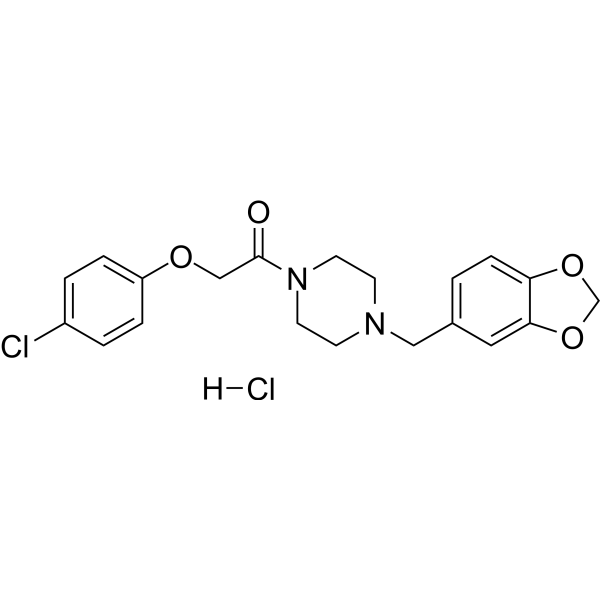
    Fipexide hydrochloride, a parachloro-phenossiacetic acid derivative, is an orally active nootropic agent. Fipexide hydrochloride reduces striatal adenylate cyclase activity. Fipexide hydrochloride has positive effect on cognitive performance by dopaminergic neurotransmission. Fipexide hydrochloride is used for senile dementia research. Fipexide hydrochloride acts as a chemical inducer in callus formation, shoot regeneration and Agrobacterium infection .
    Fipexide hydrochloride
  • HY-103479

    Acyltransferase Cardiovascular Disease Neurological Disease Metabolic Disease Cancer
    GOAT-IN-1 is an inhibitor of ghrelin O-acyltransferase (GOAT), which could be useful for the prophylaxis or treatment of obesity, diabetes, hyperlipidemia, metabolic, non-alcoholic fatty liver, steatohepatitis, sarcopenia, appetite control, alcohol/narcotic dependence, Alzheimer’s disease, Parkinson’s disease, cerebrovascular dementia, cerebral apoplexy, cerebral infarction, cardic disease, some kind of tumors.
    GOAT-IN-1
  • HY-163574
    TDP-43 ligand-1
    1 Publications Verification

    hnRNP Neurological Disease
    TDP-43 ligand-1 is a specific ligand for TDP43, and its Ki value for binding to TDP-43 protein aggregates is 78 nM. TDP-43 ligand-1 can be used in the research of PET imaging probes for TDP-43 proteinopathies.
    TDP-43 ligand-1
  • HY-146134

    Cannabinoid Receptor Neurological Disease Inflammation/Immunology
    PGN36 is a selective cannabinoid CB2 receptor (CB2R) antagonist with Kis of 0.09 µM and >40 µM for CB2R and CB1R, respectively. PGN36 abolishes the increase in collagen type I gene expression by the inducer of bone activity. PGN36 is able to cross the blood-brain barrier. PGN36 can be used for the study of frontotemporal dementia (FTD) .
    PGN36
  • HY-N7699C

    Bacterial Neurological Disease
    D-Pentamannuronic acid, an alginate oligomer, is produced by marine brown algae and by a limited range of Gram negative bacteria. D-Pentamannuronic acid can be used for the research of pain and vascular dementia .
    D-Pentamannuronic acid
  • HY-17552R

    Choline Alfoscerate (Standard); Alpha-GPC (Standard); L-α-GPC (Standard)

    Reference Standards Cholinesterase (ChE) Endogenous Metabolite Neurological Disease
    sn-Glycero-3-phosphocholine (Standard) is the analytical standard of sn-Glycero-3-phosphocholine. This product is intended for research and analytical applications. sn-Glycero-3-phosphocholine (Choline Alfoscerate) is a precursor in the biosynthesis of brain phospholipids and increases the bioavailability of choline in nervous tissue. sn-Glycero-3-phosphocholine (Choline Alfoscerate) has significant effects on cognitive function with a good safety profile and tolerability, and is effective in the treatment of Alzheimer's disease and dementia[1][2].
    sn-Glycero-3-phosphocholine (Standard)
  • HY-146765

    NOD-like Receptor (NLR) Neurological Disease Inflammation/Immunology
    AMS-17 is a potent NLRP3 inhibitor, inhibiting microglia activation in vitro and in vivo. AMS-17 also inhibits cytokines such as caspase-1, TNF-α, IL-1β and inducible nitric oxide synthase (iNOS) in N9 cells. AMS-17 can be used for researching inflammation-associated neurological disorders, such as vascular dementia (VaD) .
    AMS-17
  • HY-153427

    Tau Protein Neurological Disease
    Tau protein aggregation-IN-1 (Compound 0c) is a Tau protein aggregation inhibitor. Tau protein aggregation-IN-1 can be used in the study of protein folding disorders such as Alzheimer's disease, dementia, Parkinson's disease, Huntington's disease and prion-based spongiform encephalopathies .
    Tau protein aggregation-IN-1
  • HY-107203

    HWA 285

    Phosphodiesterase (PDE) Neurological Disease Inflammation/Immunology
    Propentofylline is a xanthine-derivative that inhibits adenosine uptake and blocks phosphodiesterase activity. Propentofylline has neuroprotective, antiproliferative, and anti-inflammatory effects that improve cognition and dementia severity in patients with Alzheimer's disease or vascular dementia.
    Propentofylline
  • HY-133025

    Somatostatin Receptor Neurological Disease
    FK962 is an enhancer of somatostatin release, exerts cognitive-enhancing actions. Anti-dementia properties .
    FK962
  • HY-17368R

    ENA 713 free base(Standard); SDZ-ENA 713 free base(Standard)

    Reference Standards Cholinesterase (ChE) Neurological Disease
    Rivastigmine (Standard) is the analytical standard of Rivastigmine. This product is intended for research and analytical applications. Rivastigmine (ENA 713 free base) is an orally active and potent cholinesterase (ChE) inhibitor and inhibits butyrylcholinesterase (BChE) and acetylcholinesteras (AChE) with IC50s of 0.037 μM , 4.15 μM, respectively. Rivastigmine can pass the blood brain barrier (BBB). Rivastigmine is a parasympathomimetic or cholinergic agent used for the research of mild to moderate dementia of the Alzheimer's type and dementia due to Parkinson's disease .
    Rivastigmine (Standard)
  • HY-W141374

    DNA/RNA Synthesis Neurological Disease
    CB096 is an r(G4C2) exp RNA binder with EC50 values of 19 μM, 20 μM and 33 μM. CB096 selectively interacts with the 5′CGG/3′GGC 1×1 GG internal loop motif of folded r(G4C2) exp RNA, alters motif dynamics and closed base pairs, and rescues disease-related pathways. CB096 can be used for research on inherited amyotrophic lateral sclerosis/frontotemporal dementia (c9ALS/FTD) .
    CB096
  • HY-P2912

    Glutamate Dehydrogenase (GLDH) Biochemical Assay Reagents Neurological Disease
    Glutamate dehydrogenase (NADP) is the catalytic enzyme for glutamate production. Dysfunction of Glutamate dehydrogenase (NADP) may induce various neurodegenerative diseases, such as Parkinson's disease, epilepsy, Alzheimer's disease, schizophrenia, and frontotemporal dementia. Glutamate dehydrogenase (NADP) can be used in research on neurological diseases such as Parkinson's disease, epilepsy, and Alzheimer's disease .
    Glutamate dehydrogenase (NADP)
  • HY-149967

    iGluR Neurological Disease Inflammation/Immunology
    GluN2B-NMDAR antagonist-1 is an orally active GluN2B-NMDAR antagonist. GluN2B-NMDAR antagonist-1 has neuroprotective activity. GluN2B-NMDAR antagonist-1 can be used for research of ischemic injury .
    GluN2B-NMDAR antagonist-1
  • HY-148108

    Cholinesterase (ChE) Neurological Disease
    AChE-IN-27 (compound 8c) is an AChE inhibitor (IC50=0.19 µM). AChE-IN-27 can be used in studies of neurological diseases such as alzheimer's disease, dementia, ataxia and myasthenia gravis .
    AChE-IN-27
  • HY-N7699B

    Bacterial Neurological Disease
    D-Tetramannuronic acid, an alginate oligomer, is produced by marine brown algae and by a limited range of Gram negative bacteria. D-Tetramannuronic acid can be used for the research of pain and vascular dementia .
    D-Tetramannuronic acid
  • HY-N7699F

    Bacterial Neurological Disease
    D-Octamannuronic acid, an alginate oligomer, is produced by marine brown algae and by a limited range of Gram negative bacteria. D-Octamannuronic acid can be used for the research of pain and vascular dementia .
    D-Octamannuronic acid
  • HY-N10781

    Cholinesterase (ChE) Cardiovascular Disease Neurological Disease Cancer
    Isograndifoliol is a selective inhibitor of butyrylcholinesterase (BChE) with an IC50 value of 0.9 μM. And Isograndifoliol moderately inhibits acetylcholinesterase (AChE) with an IC50 value of 342.9 μM. Isograndifoliol also has vasorelaxant effect and anti-tumor effect. Isograndifoliol can be used for research against dementia caused by neurodegenerative diseases .
    Isograndifoliol
  • HY-113745

    Amino acid Transporter Neurological Disease
    LX-6171 is an orally active SLC6A7 inhibitor. LX-6171 can be used to study diseases characterized by cognitive impairment, such as Alzheimer's disease, schizophrenia or vascular dementia .
    LX-6171
  • HY-17555A

    Centrophenoxine

    nAChR iGluR Neurological Disease
    Meclofenoxate (Centrophenoxine) is an ester synthesized from DMAE and pCPA, which has the activity of stimulating memory and improving cognition .
    Meclofenoxate
  • HY-123272

    5-HT Receptor Neurological Disease
    E6801 is a 5-HT6 receptor agonist that improves recognition memory by jointly modulating cholinergic and glutamatergic neurotransmission. E6801 can be used in studies of dementia, depression, obesity, epilepsy, etc .
    E6801
  • HY-175308

    α-synuclein Neurological Disease
    α-Synuclein inhibitor 15 (Compound 1) is an inhibitor targeting the fibrillation growth of α-synuclein (IC50=18 μM). α-Synuclein inhibitor 15 is promising for research of neurodegenerative diseases, such as Parkinson's disease (PD) and Lewy body dementia (LBD) .
    α-Synuclein inhibitor 15
  • HY-106276

    HIV Infection Neurological Disease
    (D-Ala)-Peptide T is an octapeptide derived from gp120. (D-Ala)-Peptide T releases chemokines and prevents HIV-1 GP120-induced neuronal death. (D-Ala)-Peptide T can be used in research on infectious and neurological diseases such as AIDS-related dementia .
    (D-Ala)-Peptide T

Inquiry Online

Your information is safe with us. * Required Fields.

Salutation


Country or Region *

Applicant Name *


Organization Name *

Department *


Email Address *


Product Name *

Cat. No.


Requested quantity *

Phone Number *


Remarks

Inquiry Online

Inquiry Information

Product Name:
Cat. No.:
Quantity:
MCE Japan Authorized Agent:

