From 11:00 pm to 12:00 pm EST ( 8:00 pm to 9:00 pm PST ) on January 6th, the website will be under maintenance. We are sorry for the inconvenience. Please arrange your schedule properly.
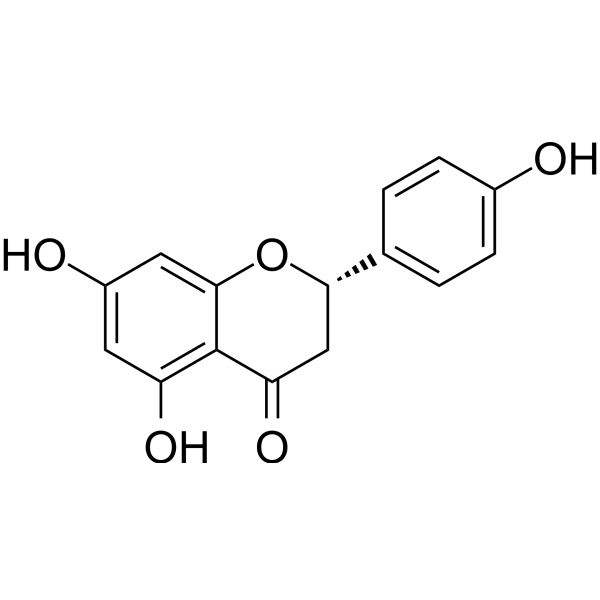
Naringenin is the predominant flavanone in Citrus reticulata Blanco; displays strong anti-inflammatory and antioxidant activities. Naringenin has anti-dengue virus (DENV) activity.
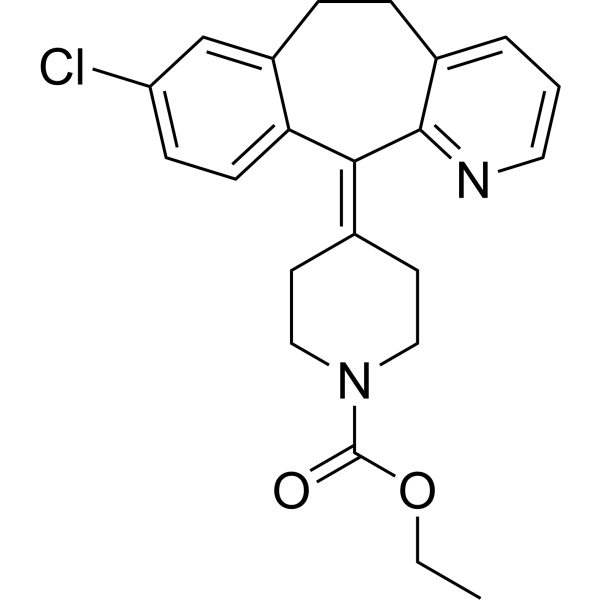
Loratadine (SCH-29851) is a selective inverse peripheral histamine H1-receptor agonist with an IC50 of >32 μM. Loratadine has anti-dengue-virus (DENV) activity. Loratadine can inhibit immunologic release of inflammatory mediators.
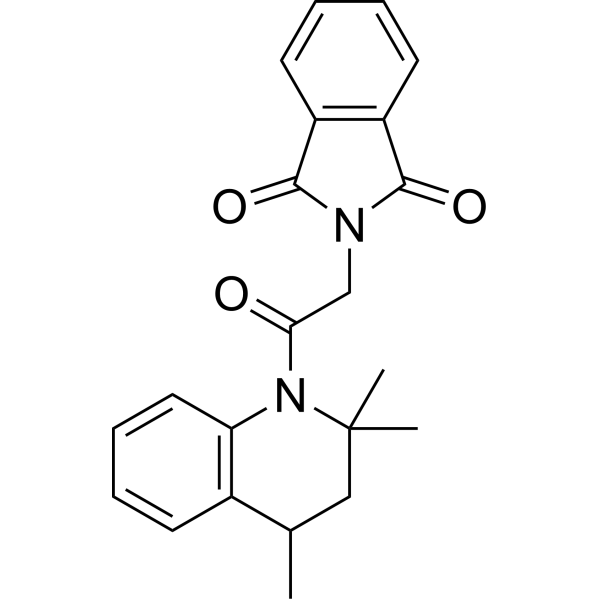
ML-SA1, as a selective TRPML agonist, inhibits Dengue virus 2 (DENV2) and Zika virus (ZIKV) by promoting lysosomal acidification and protease activity. The IC50 value of ML-SA1 against DENV2 RNA and ZIKV RNA is 8.3 μM and 52.99 μM, respectively. ML-SA1 induces autophagy. ML-SA1 can be used for the research of broad-spectrum antiviral .
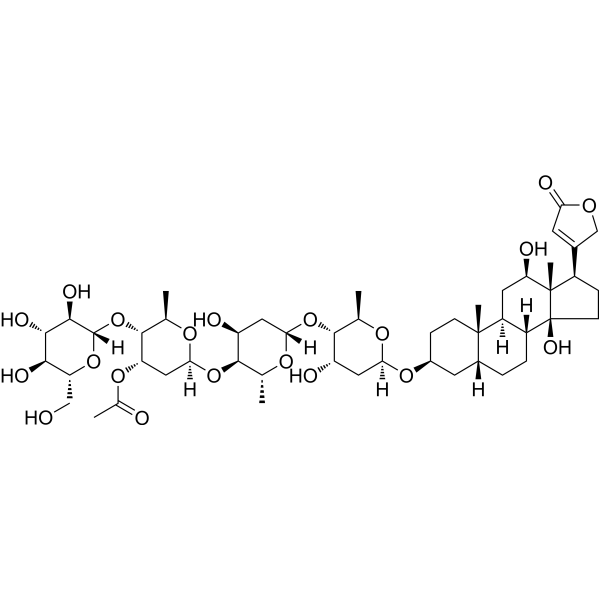
Lanatoside C is a cardiac glycoside, can be used in the treatment of congestive heart failure and cardiac arrhythmia.Lanatoside C has an IC50 of 0.19 μM for dengue virus infection in HuH-7 cells. Lanatoside C can effectively inhibit all four serotypes of dengue virus, flavivirus Kunjin, alphavirus Chikungunya, Sindbis virus and the human enterovirus 71 .
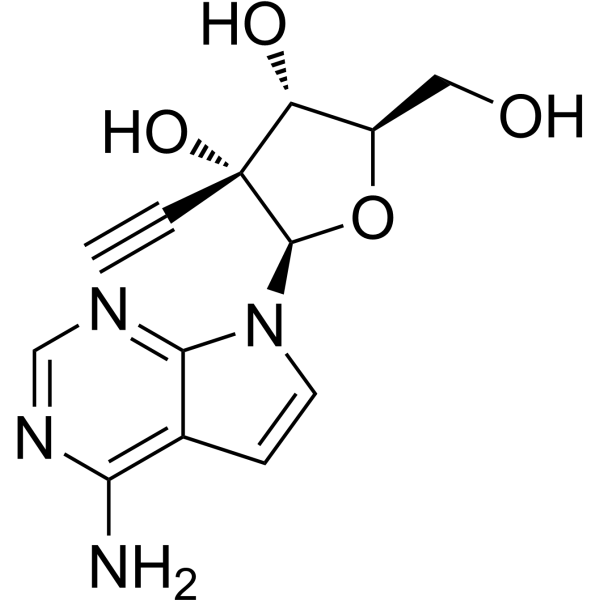
NITD008 is a potent and selective flaviviruse inhibitor which can inhibit Dengue Virus Type 2 (DENV-2) with an EC50 of 0.64 μM. NITD008 is a click chemistry reagent, it contains an Alkyne group and can undergo copper-catalyzed azide-alkyne cycloaddition (CuAAc) with molecules containing Azide groups.
Mosnodenvir (JNJ-1802) is an orally active pan serotype dengue virus (DENV) inhibitor, with EC50 values ranging from 0.057 to 11 nM for four dengue virus (DENV) serotypes. Mosnodenvir blocks viral replication by inhibiting the formation of complexes between two viral proteins, nonstructural protein 3 (NS3) and NS4B, thereby preventing the formation of new viral RNA. Mosnodenvir exhibits picomolar to nanomolar antiviral activity in vitro and has antiviral efficacy in mice and non-human primates .
Anti-Mouse TNF-alpha/TNFSF2 Antibody (XT3.11) is a rat-derived IgG1 antibody inhibitor, targeting to TNF-alpha/TNFSF2. Anti-Mouse TNF-alpha/TNFSF2 Antibody (XT3.11) neutralizes of TNF-alpha. Anti-Mouse TNF-alpha/TNFSF2 Antibody (XT3.11) can be used for the researches of cancer, infection and immunology, such as dengue virus and B16K1 tumor .
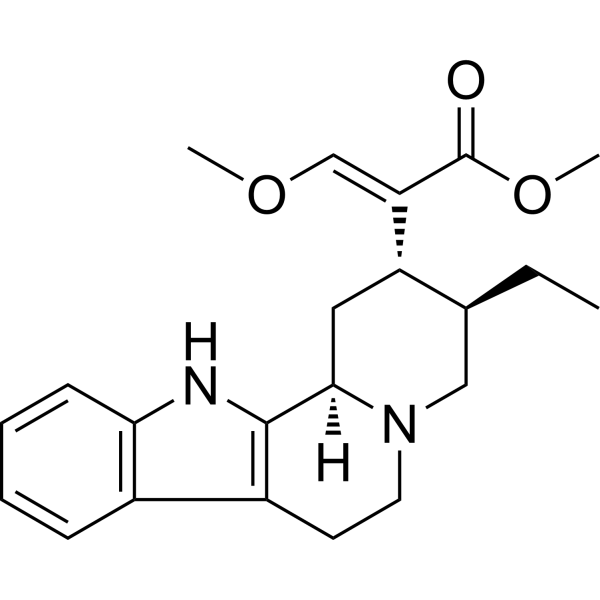
Hirsutine, an indole alkaloid of Uncaria rhynchophylla, exhibits anti-cancer activity. Hirsutine induces apoptosis and is a potent Dengue virus inhibitor exhibiting low cytotoxicity .
Cyclofenil is a selective estrogen receptor modulator and an ovulation-inducing agent. Cyclofenil shows an inhibitory effect on dengue virus replication in Vero cells with an EC50 of 1.62 μM. Cyclofenil has anti-dengue-virus activity .
QL47, a broad-spectrum antiviral agent, inhibits dengue virus and other RNA viruses. QL47 selectively inhibits eukaryotic translation. QL47 is a potent covalent inhibitor of BTK with an IC50 of 7 nM .
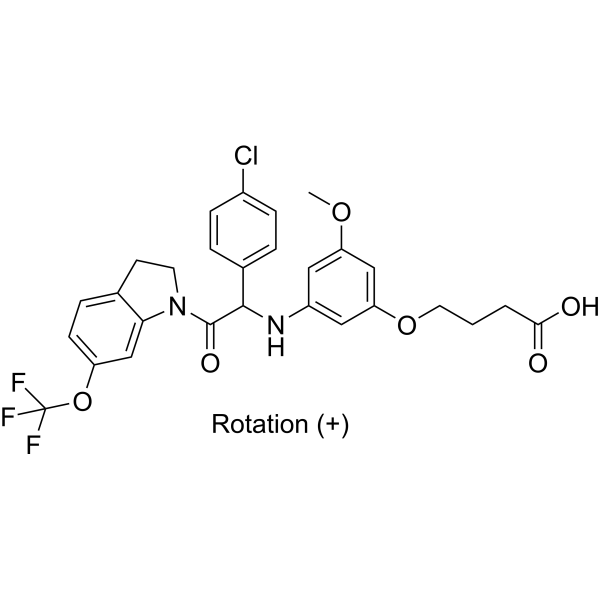
(+)-JNJ-A07 is a highly potent, orally active pan-serotype dengue virus inhibitor targeting the NS3-NS4B interaction. (+)-JNJ-A07 exerts nanomolar to picomolar activity against a panel of 21 clinical isolates. (+)-JNJ-A07 has a favourable pharmacokinetic profile that results in outstanding efficacy against dengue virus infection in mouse infection models .
Rolitetracycline is a highly soluble, broad-spectrum antibiotic derived from tetracycline. Rolitetracycline binds to and stabilizes bovine serum albumin, and also inhibits HIV-1 integrase, blocks Aβ fibril formation and suppresses dengue virus proliferation. Rolitetracycline mediates the inhibition of Aβ fibrils via a specific three-dimensional pharmacophore conformation, and exerts bacteriostatic and bactericidal activities. Rolitetracycline acts synergistically with Penicillin G (HY-N7139) or Cephalothin (HY-B1275A) to alter the effects on microbial growth. Rolitetracycline serves as an important tool compound for the study of bacterial infections (urinary tract infections, sepsis), HIV-1 and dengue virus infections, as well as Alzheimer's disease .
Aminomethyltrioxsalen hydrochloride is a psoralen derivative and nucleic acid intercalator. Aminomethyltrioxsalen hydrochloride can penetrate intact cells and react with nucleic acid secondary structures in vivo without disrupting the tissue structure of natural nucleoproteins. Aminomethyltrioxsalen hydrochloride inactivates viruses by crosslinking nucleic acid pyrimidine residues after exposure to UV-A radiation. Aminomethyltrioxsalen hydrochloride can be used in research related to dengue virus infection .
SN 2 is a potent activator of TRPML3 ion channel with an EC50 of 1.8 μM .
SN 2 also acts as a potent inhibitor of Dengue virus 2 (DENV2) and Zika virus (ZIKV) .
1,8-Dihydroxy-4,5-dinitroanthraquinone (ARDP0006; DHDNE) is a potent inhibitor of serine proteinase NS2B/3, the dengue viral protein. 1,8-Dihydroxy-4,5-dinitroanthraquinone has intermolecular proteinase activity and viral inhibition ability with IC50s of 432 μM and 4.2 μM, respectively. Meanwhile 1,8-Dihydroxy-4,5-dinitroanthraquinone inhibits NS2B/3 cleavage in BHK-21 cells at a dose ranging from 4.2 μM to 432 μM .
Primulin is a versatile fluorescent dye and bioactive compound widely used in analytical, biological, botanical and virological studies. Primulin acts as a versatile stain that labels plant cell walls and differentiates live and dead spermatozoa via distinct fluorescence patterns. Primulin exhibits strong albumin‑binding capacity. Primulin acts as a retrograde axonal tracer in neurobiological investigations. Primulin and its derivatives inhibit HCV NS3, block dengue virus NS3-mediated ATP hydrolysis, and disrupt HCV replicase assembly .
KIN1408 is an agonist of the RIG-1-like receptor (RLR) pathway and exhibits a broad-spectrum antiviral activity. KIN1408 exhibits activity against HCV, influenza A, dengue virus 2, Ebola, Nipah, and Lassa viruses .
HeE1-2Tyr, a pyridobenzothiazole compound, is a flavivirus RNA dependent RNA polymerases (RdRp) inhibitor. HeE1-2Tyr significantly inhibits West Nile, Dengue and SARS-CoV-2 RdRps (IC50 of 27.6 μM) activity in vitro .
QL-X-138 is a potent and selective BTK/MNK dual kinase inhibitor, exhibits covalent binding to BTK and non-covalent binding to MNK. QL-X-138 shows IC50s of 9.4 nM, 107.4 nM and 26 nM for BTK, MNK1 and MNK2 kinases respectively. QL-X-138 also shows anti-dengue virus 2 activity, with an IC50 of 3.5 μM. QL-X-138 can be used for the research of B-cell malignancies .
SP-471P is a potent dengue virus (DENV) protease inhibitor with EC50s of 5.9 μM, 1.4 μM, 5.1 μM and 1.7 μM for DENV1, DENV2, DENV3 and DENV4, respectively and CC50 value over 100 μM. SP-471P can reduce DENV viral RNA synthesis .
NS2B/NS3-IN-2 is a potent dengue virus (DENV) NS2B/NS3 covalent inhibitor with an IC50 of 6.0 nM and Ki of 0.66 µM. NS2B/NS3-IN-2 shows no cytotoxicity and markedly increases the cell survival rate .
KIN101 is a potent RNA viral inhibitor with IC50s of 2 μM, >5 μM for influenza virus and Dengue virus (DNV), respectively. KIN101, an isoflavone agonist of IRF-3 dependent signaling, induces IRF-3 nuclear translocation. KIN101 has broad-spectrum activity against RNA viruses .
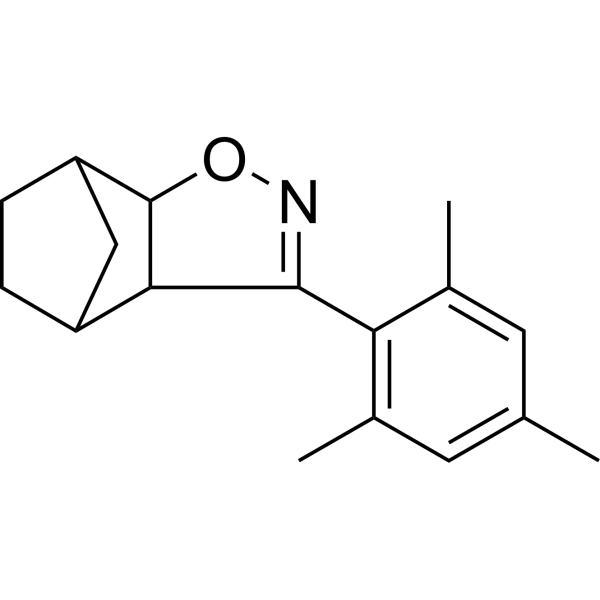
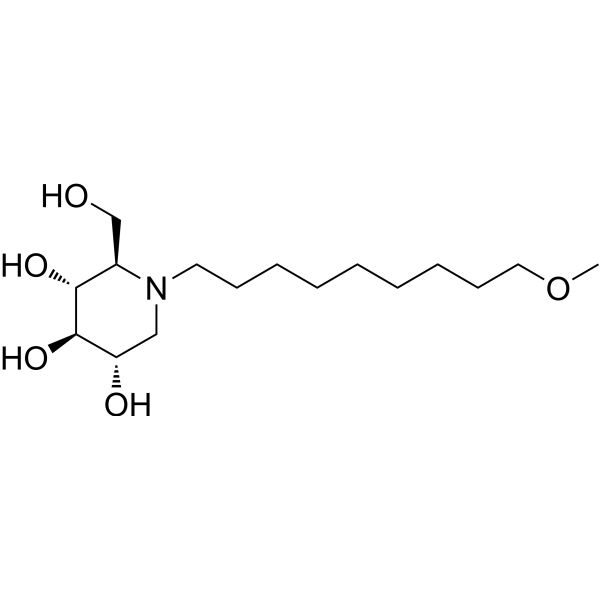
SP187 is a host-targeted iminosugar with activity against filovirus infections in vitro and in vivo. SP187 is active against influenza and dengue in vivo.
BP13944 is a potential small molecule inhibitor discovered by high-throughput screening. It can effectively inhibit the expression of dengue virus (DENV) replicons with an EC50 value of 1.03±0.09 μM. BP13944 can inhibit the replication or viral RNA synthesis of all four serotypes of DENV, but is ineffective against Japanese encephalitis virus. BP13944 may target the DENV NS3 protease, and the E66G amino acid substitution in the NS3 protease region will cause the virus to become resistant to BP13944. BP13944 has no obvious cytotoxicity. As there is currently no effective dengue vaccine and treatment, BP13944, as an effective small molecule inhibitor, may become a potential agent for the treatment of dengue in the future.
Naringenin-d4 is the deuterated version of Naringenin (HY-N0100). Naringenin shows strong anti-inflammatory and antioxidant activities. Naringenin has anti-dengue virus (DENV) activity .
Glabranine, an flavonoid, is isolated from Tephrosia s.p, exerts a inhibitory effect in vitro on the dengue virus .
Glabranine forms interaction with the soluble ectodomain of DENV type 2 (DENV2) E protein .
Loratadine-d5 is the deuterium labeled Loratadine. Loratadine (SCH-29851) is a selective inverse peripheral histamine H1-receptor agonist with an IC50 of >32 μM. Loratadine has anti-dengue-virus (DENV) activity. Loratadine can inhibit immunologic release of inflammatory mediators.
Sinococuline is a potent anti-dengue agent that is effective against all four serotypes of dengue virus (DENV). Sinococuline is also an effective tumor cell growth inhibitor .
Carbonic anhydrase inhibitor 16 (compound 1) is a dengue protease inhibitor with inhibitory activity against carbonic anhydrasehCA I and hCA II (Ki: 28.5 nM, 2.2 nM) .
DV1 is a CXCR4 inhibitor with anti-proteolytic properties that specifically blocks the binding of SDF-1α to its receptor. DV1 inhibits the migration of breast cancer cells and enables the targeted delivery of avidin-PLGA nanoparticles to CXCR4-expressing cancer cells. DV1 not only effectively suppresses the progression of metastatic breast cancer in mouse models, but also preferentially accumulates in brain tumor tissues rather than normal brain tissues, showing potential for inhibiting intracranial tumor metastasis. As a humoral immune stimulant, DV1 induces the production of specific IgG, neutralizing antibodies and cellular immune responses, thereby providing the host with protection against lethal challenges. DV1 has been applied to studies on CXCR4-expressing cancers, glioblastoma, dengue fever and other related diseases .
ZINC03129319 is a dengue virus (DENV) NS2B-NS3 protease inhibitor extracted from patent US20150141521A1, has inhibition constants (Ki1) of 92 μM and Ki3 of 20 μM.
Loratadine (Standard) is the analytical standard of Loratadine. This product is intended for research and analytical applications. Loratadine (SCH-29851) is a selective inverse peripheral histamine H1-receptor agonist with an IC50 of >32 μM. Loratadine has anti-dengue-virus (DENV) activity. Loratadine can inhibit immunologic release of inflammatory mediators.
DENV-IN-7, a flavone analog, is a dengue virus (DENV) inhibitor with an EC50 value of 70 nM. DENV-IN-7 has low toxicity against normal cell and anti-dengue activity .
ST-148 is a novel small molecule compound that has potent inhibitory effects against all four dengue virus serotypes. In the nonlethal AG129 mouse dengue virus infection model, ST-148 significantly reduced viremia and viral load in vital organs and tended to reduce plasma cytokine levels. Compound resistance was associated with the dengue virus capsid (C) gene, and the direct interaction of ST-148 with the C protein was presumed to be achieved through the protein's built-in fluorescence change in the presence of the compound. Therefore, ST-148 appears to interact with the dengue virus C protein and inhibit one or more unique steps of the viral replication cycle.
Virapinib is a macropinocytosis inhibitor with antiviral activity. Virapinib exhibits broad-spectrum antiviral activity against SARS-CoV-2, monkeypox virus, tick-borne encephalitis virus, and Ebola pseudotyped vesicular stomatitis virus, and it enhances Dengue Virus infection. Virapinib blocks viral entry by inhibiting macropinocytosis, reduces syncytium formation in SARS-CoV-2-infected cells, and impairs cellular entry of SARS-CoV-2 variants. Virapinib upregulates the expression of genes related to sterol biosynthesis. Virapinib can be used in studies related to COVID-19, monkeypox, tick-borne encephalitis, and Ebola virus infection .
Anti-West Nile/dengue virus E protein Antibody (E60) is mouse-derived IgG2a κ type antibody inhibitor, targeting to West Nile/dengue virus E protein. Anti-West Nile/dengue virus E protein Antibody (E60) can cross-neutralize West Nile virus (WNV) and dengue virus (DENV) envelope (E) protein. Anti-West Nile/dengue virus E protein Antibody (E60) can be used for the researches of WNV and DENV infection .
HZ-1157 inhibits HCV NS3/4A protease with an IC50 of 1.0 μmol/L. HZ-1157 (4a) has a high dengue virus inhibitory activity (EC50 = 0.15 μM) and is a relatively nontoxic (CC50 > 10 μM) dengue antiviral agent .
ZK-806450 is a compound with antiviral activity. ZK-806450 has a high binding potential to the allosteric binding site of the SARS-CoV-2 3CL protease. ZK-806450 can also specifically and stably bind to the GAG site of the dengue virus envelope protein .
OSL-95II is an antiviral agent. OSL-95II is a potent BVDV and WNV inhibitor. OSL-95II is a better inhibitor of HBV than SP169. OSL-95II inhibits dengue virus production .
Anti-Dengue virus type 2 E protein DIII Antibody (DV2-96) reacts with sites along the lateral ridge of the DIII domain on the E protein of dengue virus serotype 2 (DENV-2). Anti-Dengue virus type 2 E protein DIII Antibody (DV2-96) against DENV-2 new Guinea C (NGC) infection in mice. Recommend Isotype Controls: Mouse IgG2c kappa, Isotype Control (HY-P99981) .
Anti-Dengue virus type 4 E protein DIII Antibody (DV4-E88) reacts with the DIII domain on the E protein of dengue virus serotype 4 (DENV-4). Anti-Dengue virus type 4 E protein DIII Antibody (DV4-E88) neutralizes 1036, TVP-376, and TVP-986 genotype II strains of DENV-4. Recommend Isotype Controls: Mouse IgG2c kappa, Isotype Control (HY-P99981) .
DENV-IN-10 is a potent tetravalent dengue inhibitor, with EC50s of 1.36, 0.87, 0.94, and 0.95 μM against DENV-1-4 serotypes, respectively. DENV-IN-10 is a post-entry replication inhibitor that appears to be specific for cells of primate origin .
GAK inhibitor 2 (Compound 14g) is a potent cyclin G-associated kinase (GAK) inhibitor with an IC50 of 0.024 μM. GAK inhibitor 2 shows antiviral activity with an EC50 of 1.049 μM against dengue virus (DENV) .
SP-471 is a potent dengue virus (DENV) protease inhibitor with IC50 value of 18 μM. SP-471 inhibits both intermolecular and intramolecular protease processes of DENV .
DENV-IN-14 (Compound 3c) is a thiazole hydrazone derivative with anti-dengue virus (DENV) activity with an EC50 of 0.01 μM and the selectivity index (SI) of 200. DENV-IN-14 exhibits rapid plasma clearance and its metabolic stability is limited. DENV-IN-14 can be used for research on dengue fever .
Golgicide A-2 (GCA-2), a Golgicide A (GCA) derivative, is the most active enantiomer of GCA. Golgicide A-2 displays high selectivity and efficiency in killing An. stephensi larvae and can be used for the research of dengue virus related diseases .
JMX0254 is an orally active and potent inhibitor of the dengue virus NS4B protein. JMX0254’s EC50 for DENV-1, DENV-2, and DENV-3 are 0.78 µM, 0.16 µM, and 0.035 µM, respectively. JMX0254 can be used for research on viral infections .
Fluoroneplanocin A-8N (Compound 3a) is an inhibitor targeting SAH hydrolase (IC50 = 1.51 μM) and viral RNA polymerase. Fluoroneplanocin A-8N exhibits broad-spectrum anti-SARS-CoV-2 and dengue virus activity, with EC50 values of 12.2 and 37.4 μM respectively. Fluoroneplanocin A-8N has no cytotoxicity. Fluoroneplanocin A-8N can be used for anti-positive-strand viruses .
DENV-IN-2 is a potent dengue viral replication inhibitor extracted from patent WO2018215315A1, compound 6AB, has an EC50 of 0.016 nM. DENV-IN-2 shows high potent activity against all four serotypes of the Dengue virus with EC50s ranging from 0.013 to 0.029 nM .
Lanatoside C (Standard) is the analytical standard of Lanatoside C. This product is intended for research and analytical applications. Lanatoside C is a cardiac glycoside, can be used in the treatment of congestive heart failure and cardiac arrhythmia.Lanatoside C has an IC50 of 0.19 μM for dengue virus infection in HuH-7 cells. Lanatoside C can effectively inhibit all four serotypes of dengue virus, flavivirus Kunjin, alphavirus Chikungunya, Sindbis virus and the human enterovirus 71 .
NSC-323241 is a potent STT3A-mediated mega protein complex assembly inhibitor. NSC-323241 disrupts he endoplasmic reticulum (ER) mega complex nucleated by STT3A during dengue virus (DENV) and Zika virus (ZIKV) infection. NSC-323241 targets the binding of STT3A subcomplex with viral nonstructural proteins (e.g., NS2B, NS3) and host translocon proteins, disrupting the formation of viral replication microenvironment. NSC-323241 is promising for research of flavivirus infection, such as dengue fever and Zika virus .
RBT-9 prevents progression to severe COVID-19 and organ failure. RBT-9 also has antiviral effects, as demonstrated in several enveloped viruses, including influenza, HCV, dengue, and yellow fever .
NS2B/NS3-IN-9 (Compound 73) is a broad-spectrum, non-competitive anti-Orthoflavivirus lipopeptide inhibitor targeting the NS2B-NS3 protease. NS2B/NS3-IN-9 exhibits IC50 values for Dengue virus DENV2 NS2B-NS3, West Nile virus WNV NS2B-NS3, and Zika virus ZIKV NS2B-NS3 of 2.4, 7.2, and 1.9 μM, respectively. NS2B/NS3-IN-9 also exhibits antiviral activity at the cellular level against DENV2, WNV, and ZIKV, with EC50 values of 4.1, 4.9, and 5.0 μM, respectively. NS2B/NS3-IN-9 has no significant toxicity to cells. NS2B/NS3-IN-9 can be used for the study of anti-Orthoflavivirus .
SDM25N is a Dengue virus (DENV) inhibitor with an EC50 of 1.9 µM. SDM25N inhibits DENV in a cell type-specific manner. SDM25N restricts genomic RNA replication by targeting the viral NS4B protein. SDM25N can be used for DENV infection research .
DN59 is a 33 amino acid peptide that mimics the dengue virus type 2 E stem region. DN59 inhibits all four serotypes of dengue virus (IC50: 2-5 μM) as well as other flaviviruses. N59 causes the release of genomic RNA by interacting directly with viral particles. DN59 has antiviral activity .
DENV-IN-11 (SC27), a sulfonamide chalcone, is a potent DENV inhibitor that targeted viral methyltransferase. DENV-IN-11 reduced DENV2 replicon replication. DENV-IN-11 can be used for dengue infection research .
Ac-EVKKQR-pNA is a competitive chromogenic para-nitroanilide substrate corresponding to the P6-P1 segment amino-terminal to the NS2B-NS3 cleavage site but with a more reactive, hydrolytically cleavable, para-nitroanilide at the P1’ position. Ac-EVKKQR-pNA is promising for research of dengue 2 virus and flavivirus virus infection .
AAK1-IN-6 (Compound 23) is an inhibitor of AP-2-associated protein kinase 1 (AAK1, IC50 = 12 nM) with antiviral activity against the dengue virus (DNEV2, EC50 = 0.24 μM) and Venezuelan equine encephalitis virus (VEEV, EC50 = 0.30 μM). AAK1-IN-6 can be utilized in antiviral research .
Cyclofenil (Standard) is the analytical standard of Cyclofenil. This product is intended for research and analytical applications. Cyclofenil is a selective estrogen receptor modulator and an ovulation-inducing agent. Cyclofenil shows an inhibitory effect on dengue virus replication in Vero cells with an EC50 of 1.62 μM. Cyclofenil has anti-dengue-virus activity .
Antiviral agent 36 (compound 27) is a potent dengue (DENV) and Zika (ZIKV) viruses inhibitor. Antiviral agent 36 inhibits replication of Zika and dengue virus with EC50s of 100 nM, 90 nM, 210 nM, and 120 nM for ZIKV-FLR, ZIKV-HN16, DENV-2, and DENV-3, respectively .
Abz-Gly-Leu-Lys-Arg-Gly-Gly-3-(NO2)Tyr acetate is the acetate salt form of Abz-Gly-Leu-Lys-Arg-Gly-Gly-3-(NO2)Tyr. Abz-Gly-Leu-Lys-Arg-Gly-Gly-3-(NO2)Tyr acetate is the substrate for WNV NS2B NS3 protease, which is utilized for the development of WNV protease substrate peptide selective inhibitor .
Naringenin (Standard) is the analytical standard of Naringenin. This product is intended for research and analytical applications. Naringenin is the predominant flavanone in Citrus reticulata Blanco; displays strong anti-inflammatory and antioxidant activities. Naringenin has anti-dengue virus (DENV) activity.
MLH40 is a peptide inhibitor with activity against Dengue virus (DENV) infection, which is found in the conserved ectodomain region of DENV membrane protein. MLH40 inhibits DENV through its N-terminal loop interaction with DENV envelope protein and altering the dimer conformation .
Loratadine-d4 is the deuterium labeled Loratadine. Loratadine (SCH-29851) is a selective inverse peripheral histamine H1-receptor agonist with an IC50 of >32 μM. Loratadine has anti-dengue-virus (DENV) activity. Loratadine can inhibit immunologic release of inflammatory mediators.
Loratadine-d5-1 is a deuterated labeled Loratadine (HY-17043). Loratadine (SCH-29851) is a selective inverse peripheral histamine H1-receptor agonist with an IC50 of >32 μM. Loratadine has anti-dengue-virus (DENV) activity. Loratadine can inhibit immunologic release of inflammatory mediators.
2A/2B Dengue protease substrate (Ac-RTSKKR-pNA) is a peptide substrate for Dengue NS2B-NS3 protease. 2A/2B Dengue protease substrate is used for Dengue NS2B-NS3 protease substrate peptide selective inhibitor development .
PSCdb01560 is a Dengue virus NS5 RNA-dependent RNA polymerase (RdRp) inhibitor. PSCdb01560 binds stably to the conserved allosteric N-pocket of the polymerase, maintains persistent interactions with key residues Arg729 and Arg737, and induces polymerase structure stabilization. PSCdb01560 can be used for the research of dengue virus infection .
Tetramethylfluthrin is an insecticide with potent activity against Aedes albopictus. Tetramethylfluthrin contributes to rapid Aedes albopictus population reduction when deployed via unmanned aerial vehicle cold mist spray. Tetramethylfluthrin exerts a knock-down effect and exhibits high toxicity to target insects. Tetramethylfluthrin can be used for the research of dengue fever and dengue hemorrhagic fever .
Circulin B is a macrocyclic plant cyclopeptide. Circulin B functions as a plant defense peptide and exhibits antibacterial and anti-HIV activities. Circulin B has high binding affinity for the envelope protein of dengue virus, showing potential anti-dengue virus activity. Circulin B can be used in studies related to dengue virus infection, human immunodeficiency virus infection and microbial infection .
Peridinin is a hydroxylated carotenoid ketone that exhibits inhibitory activity against DENV NS2B/NS3 protease and all dengue virus serotypes (DENV-1, DENV-2, DENV-3, DENV-4). Peridinin inhibits dengue virus production and reduces viral titers. Peridinin is applicable to research related to dengue virus infection .
5-((1H-Indol-3-yl)methylene)imidazolidine-2,4-dione is an inhibitor of dengue virus NS2B-NS3 protease and thrombin. 5-((1H-Indol-3-yl)methylene)imidazolidine-2,4-dione can be used in the research of infectious diseases .
(+)-Mosnodenvir is an isomer of Mosnodenvir (HY-153810). Mosnodenvir (JNJ-1802) is an orally active pan serotype dengue virus (DENV) inhibitor, with EC50 values ranging from 0.057 to 11 nM for four dengue virus (DENV) serotypes. Mosnodenvir blocks viral replication by inhibiting the formation of complexes between two viral proteins, nonstructural protein 3 (NS3) and NS4B, thereby preventing the formation of new viral RNA. Mosnodenvir exhibits picomolar to nanomolar antiviral activity in vitro and has antiviral efficacy in mice and non-human primates .
(Rac)-Modipafant (Standard) is the analytical standard of (Rac)-Modipafant (HY-108908). This product is intended for research and analytical applications. (Rac)-Modipafant (UK-74505) is an orally active, selective, long-acting irreversible platelet activating factor receptor (PAFR) antagonist. (Rac)-Modipafant prevents dengue infection .
Golgicide A-2 (Standard) is the analytical standard of Golgicide A-2 (HY-100540B). This product is intended for research and analytical applications. Golgicide A-2 (GCA-2), a Golgicide A (GCA) derivative, is the most active enantiomer of GCA. Golgicide A-2 displays high selectivity and efficiency in killing An. stephensi larvae and can be used for the research of dengue virus related diseases .
HeE1-2Tyr (Standard) is the analytical standard of HeE1-2Tyr (HY-100749). This product is intended for research and analytical applications. HeE1-2Tyr, a pyridobenzothiazole compound, is a flavivirus RNA dependent RNA polymerases (RdRp) inhibitor. HeE1-2Tyr significantly inhibits West Nile, Dengue and SARS-CoV-2 RdRps (IC50 of 27.6 μM) activity in vitro .
CN-716 dihydrochloride is a reversible covalent flavivirus NS2B·NS3 protease inhibitor with antiviral activity. CN-716 dihydrochloride effectively inhibits the replication of dengue virus (DENV2), West Nile virus (WNV) and Zika virus (ZIKV). The IC50 values of CN-716 dihydrochloride against the proteases of the above three viruses are 0.066 μM, 0.11 μM and 0.25 μM, respectively, while the Ki values against the same proteases are 0.051 μM, 0.082 μM and 0.04 μM, respectively. CN-716 dihydrochloride can be used to study the infection mechanisms of dengue fever, West Nile fever and Zika virus infection .
VGD020 is a highly potent and selective Sec61 translocon inhibitor . VGD020 suppresses the expression of cell surface CD4 by inhibiting signal peptide-dependent co-translational ER translocation, interferes with the initiation of ER translocation of dengue virus polyprotein, and reduces the expression of Sortilin in breast cancer cells. VGD020 exhibits broad anti-flavivirus and anti-HIV activities. VGD020 can be used in research related to dengue virus infection, Zika virus infection, yellow fever virus infection, human immunodeficiency virus infection, and breast cancer .
DENV-IN-15 is a sulfonyl anthranilic acid derivative and a pan-serotype anti-dengue virus (DENV) inhibitor with broad-spectrum anti-RNA virus activity. The EC50 value of DENV-IN-15 against DENV-2 in Huh-7 cells is 0.7 μM. DENV-IN-15 selectively regulates the translation of mRNAs encoding translation-related proteins and containing a 5'-oligopyrimidine tract. DENV-IN-15 reduces the expression of specific ribosomal proteins, thereby inhibiting viral replication. DENV-IN-15 exhibits enhanced membrane permeability, human plasma stability and human liver microsomal metabolic stability. DENV-IN-15 is applicable to research related to dengue virus infection .
ML-SA1 (Standard) is the analytical standard of ML-SA1 (HY-108462). This product is intended for research and analytical applications. ML-SA1, as a selective TRPML agonist, inhibits Dengue virus 2 (DENV2) and Zika virus (ZIKV) by promoting lysosomal acidification and protease activity. The IC50 value of ML-SA1 against DENV2 RNA and ZIKV RNA is 8.3 μM and 52.99 μM, respectively. ML-SA1 induces autophagy. ML-SA1 can be used for the research of broad-spectrum antiviral .
(Z)-γ-Bisabolene is a monocyclic bisabolane-type sesquiterpene hydrocarbon found in the essential oil of Galinsoga parviflora, acting as a mosquito larvicide and oviposition deterrent. (Z)-γ-Bisabolene induces acute toxicity in larvae of six mosquito species. (Z)-γ-Bisabolene deters oviposition in gravid females of six mosquito species. (Z)-γ-Bisabolene can be used for the research of malaria, dengue, japanese encephalitis, zika virus .
SP187 hydrochloride (MON-DNJ hydrochloride; UV4 hydrochloride) is an orally active, host-targeting iminosaccharide against filovirus infection. SP187 hydrochloride inhibits endoplasmic reticulum glucosidase. SP187 hydrochloride exhibits antiviral and Dengue Virus activity in vivo. SP187 hydrochloride can be used in antiviral and dengue research .
ToP-DNJ is a selective endoplasmic reticulum α-glucosidase II (GluII) inhibitor with an IC50 value of 9.0 μM. ToP-DNJ selectively inhibits the two catalytic reactions of GluII, and exhibits stronger activity in the first step of converting di-glycosylated glycans to mono-glycosylated glycans. ToP-DNJ exhibits anti-DENV activity. ToP-DNJ can be used in studies related to dengue virus infection .
RPG-01-132 is a DENV capsid protein PROTAC degrader, with a DC50 of 2.4 μM. RPG-01-132 blocks viral assembly, eliminates viral particles, and interferes with the non-structural functions of capsid protein. RPG-01-132 exhibits significant antiviral activity against all four DENV serotypes and the ST148 (HY-121663)-resistant DENV2 mutant strain. RPG-01-132 is applicable to research related to dengue virus infection .
IRBM-Z-2 is a non-competitive, orally active Zika virus (ZIKV) NS2B-NS3 protease inhibitor, with IC50 values of 0.04 μM and 3.1 μM against the wild-type and I156T mutant strains, respectively. IRBM-Z-2 exhibits broad-spectrum anti-flavivirus potential, with IC50 values of 2.1 μM and 0.09 μM against the NS2B-NS3 proteases of dengue virus 2 (DENV2) and West Nile virus (WNV), respectively. IRBM-Z-1 inhibits ZIKV replication and alleviates virus-induced cytopathic effects. IRBM-Z-1 can be used in studies related to ZIKV infection .
U18666A (Standard) is the analytical standard of U18666A (HY-107433). This product is intended for research and analytical applications. U18666A, an intra-cellular cholesterol transport inhibitor, inhibits replication of Ebola virus, dengue virus, and human hepatitis C virus .
MTase-IN-2 (compound 32) is a potent NS5 methyltransferase inhibitor with IC50s of 2.14 μM and 2.01 μM against the Dengue virus (DENV3) MTase domain and Zika virus (ZIKV) NS5 MTase domain, respectively .
CM-10-18 is a potent and orally active inhibitor of both α-glucosidases I and II in vitro and in animals. CM-10-18 inhibits DENV infection of cultured human cells and reduces the peak viremia of DENV in mice .
ST-148 maleate is a potent and orally active DENV inhibitor. ST-148 maleate shows antiviral efficacy and low cell toxicity. ST-148 alters the interaction between lipid droplets and the C protein, thereby inhibiting viral replication. .
Loratadine-d4-1 (Loratidine-d4-1) is deuterium labeled Loratadine. Loratadine (SCH-29851) is a selective inverse peripheral histamine H1-receptor agonist with an IC50 of >32 μM. Loratadine has anti-dengue-virus (DENV) activity. Loratadine can inhibit immunologic release of inflammatory mediators .
DENV-IN-5 (Compound 4b) is a dengue virus (DENV) inhibitor with EC50s of 1.47, 9.23, 7.08 and 8.91 μM against DENV-I ∼ IV replication, respectively. DENV-IN-5 also inhibits HIV-1IIIB strain with an EC50 of 0.1512 μM .
Loratadine- 13C6 (SCH 29851- 13C6) is 13C labeled Loratadine. Loratadine (SCH-29851) is a selective inverse peripheral histamine H1-receptor agonist with an IC50 of >32 μM. Loratadine has anti-dengue-virus (DENV) activity. Loratadine can inhibit immunologic release of inflammatory mediators.
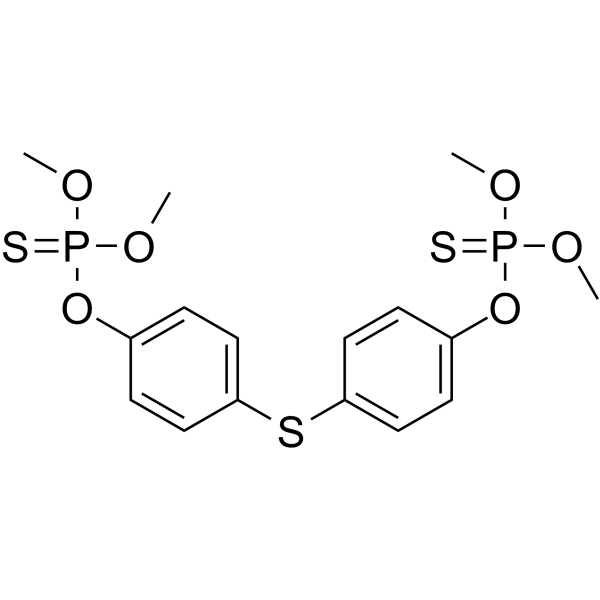
Temephos (Temefos) is an orally active, blood-brain barrier-permeable organophosphate insecticide and AChE inhibitor. By irreversibly inhibiting AChE to induce cholinergic overactivation, Temephos effectively blocks larval development of Aedes aegypti (yellow fever mosquito) and Aedes albopictus (Asian tiger mosquito), and is commonly used in studies related to Dengue Virus, Zika Virus and other relevant pathogens. Temephos exhibits genotoxicity and neurodevelopmental toxicity, and may also cause liver injury, reproductive system abnormalities and cholinergic poisoning symptoms in mammals. Temephos tends to accumulate in adipose tissues and aquatic organisms, and is excreted via feces after metabolism through oxidation and hydrolysis. Note that CYP-mediated metabolic detoxification may reduce the actual larvicidal efficacy of Temephos against some mosquito species. Temephos can be used in research related to dengue fever, Zika virus disease, chikungunya and dracunculiasis .
Nimbin is an orally active intermediate limonoid found in Azadirachta. Nimbin prevents tau aggregation and increases cell viability. Nimbin is effective inhibits the envelope protein of dengue virus. Nimbin has anti-inflammatory, antipyretic, antifungal, antihistamine, antiseptic, antioxidant, anti-cancer and anti-viral properties. Nimbin is promising for research of neurodegenerative diseases and viral infections .
FX-06 (Fibrin-derived peptide Bβ15-42) is a fibrin Bbeta chain-derived peptide. FX-06 binds to VE-cadherin and inhibits leukocyte transmigration and initiates VE-cadherin-mediated signaling. FX-06 can be used in the research of ischemia/reperfusion injury, Dengue shock syndrome (DSS) .
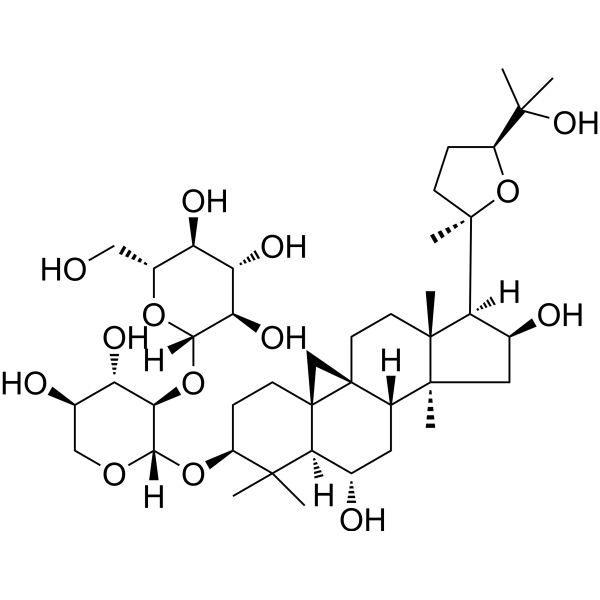
Astragaloside III is a triterpenoid saponin. Astragaloside III can be extracted from Astragalus root. Astragaloside III increases NKG2D and induces TACE phosphorylation. Astragaloside III induces Apoptosis. Astragaloside III has antiviral activity against dengue serotypes 1 and 3. Astragaloside III has anticancer activity against breast and colon cancer .
Temephos-d12 is the deuterium labeled Temephos. Temephos (Temefos) is an orally active, blood-brain barrier-permeable organophosphate insecticide and AChE inhibitor. By irreversibly inhibiting AChE to induce cholinergic overactivation, Temephos effectively blocks larval development of Aedes aegypti (yellow fever mosquito) and Aedes albopictus (Asian tiger mosquito), and is commonly used in studies related to Dengue Virus, Zika Virus and other relevant pathogens. Temephos exhibits genotoxicity and neurodevelopmental toxicity, and may also cause liver injury, reproductive system abnormalities and cholinergic poisoning symptoms in mammals. Temephos tends to accumulate in adipose tissues and aquatic organisms, and is excreted via feces after metabolism through oxidation and hydrolysis. Note that CYP-mediated metabolic detoxification may reduce the actual larvicidal efficacy of Temephos against some mosquito species. Temephos can be used in research related to dengue fever, Zika virus disease, chikungunya and dracunculiasis .
Temephos (Standard) is the analytical standard of Temephos. This product is intended for research and analytical applications. Temephos (Temefos) is an orally active, blood-brain barrier-permeable organophosphate insecticide and AChE inhibitor. By irreversibly inhibiting AChE to induce cholinergic overactivation, Temephos effectively blocks larval development of Aedes aegypti (yellow fever mosquito) and Aedes albopictus (Asian tiger mosquito), and is commonly used in studies related to Dengue Virus, Zika Virus and other relevant pathogens. Temephos exhibits genotoxicity and neurodevelopmental toxicity, and may also cause liver injury, reproductive system abnormalities and cholinergic poisoning symptoms in mammals. Temephos tends to accumulate in adipose tissues and aquatic organisms, and is excreted via feces after metabolism through oxidation and hydrolysis. Note that CYP-mediated metabolic detoxification may reduce the actual larvicidal efficacy of Temephos against some mosquito species. Temephos can be used in research related to dengue fever, Zika virus disease, chikungunya and dracunculiasis .
FGI-106 is a potent and broad-spectrum inhibitor with inhibitory activity against multiple viruses. FGI-106 is active against Ebola, Rift Valley and Dengue Fever viruses with EC50s of 100 nM, 800 nM and 400-900 nM, respectively. FGI-106 also inhibits non-hemorrhagic fever viruses HCV and HIV-1 with EC50s of 200 nM and 150 nM, respectively .
Lactimidomycin is a glutarimide-containing compound isolated from Streptomyces. Lactimidomycin is a potent inhibitor of eukaryotic translation elongation. Lactimidomycin has a potent antiproliferative effect on tumor cell lines and selectively inhibit protein translation. Lactimidomycin inhibits protein synthesis with an IC50 value of 37.82 nM. Lactimidomycin is also a potent and non-toxic inhibitor of dengue virus 2 and other RNA viruses. Anticancer and antiviral activities .
FGI-106 tetrahydrochloride is a potent and broad-spectrum inhibitor with inhibitory activity against multiple viruses. FGI-106 tetrahydrochloride is active against Ebola, Rift Valley and Dengue Fever viruses with EC50s of 100 nM, 800 nM and 400-900 nM, respectively. FGI-106 tetrahydrochloride also inhibits non-hemorrhagic fever viruses HCV and HIV-1 with EC50s of 200 nM and 150 nM, respectively .
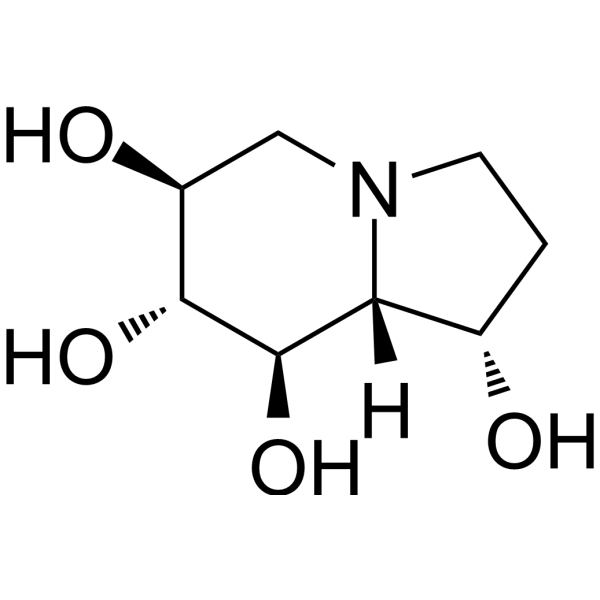
Castanospermine is a natural alkaloid that can be extracted from black beans or the Moreton Bay chestnut tree (Castanospermum australae). Castanospermine is an α/ β-glucosidase inhibitor. Castanospermine has anti-inflammatory, antiviral replication and anti-metastatic effects on prostate cancer. Castanospermine can be used as an immunosuppressant to prevent transplant rejection .
IHVR-19029 is a potent endoplasmic reticulum (ER) α-glucosidases I and II inhibitor, with an IC50 of 0.48 μM for ER a-glucosidase I. IHVR-19029 efficiently blocks the replication of several hemorrhagic fever viruses, such as Dengue virus (DENV), Ebola virus (EBOV) and Rift Valley fever virus. The combination of IHVR-19029 with Favipiravir (HY-14768) improves the antiviral efficacy .
DV-B-120 is a competitive inhibitor for dengue virus (DENV) with IC50s of 5.35, 7.39, 10.49 and 8.58 μM, for DENV-1, DENV-2, DENV-3 and DENV-4, respectively, by inhibiting NS2B-NS3 protease. DV-B-120 exhibits antiviral activity through inhibition of DENV replication .
Lucidone, an anti-inflammatory agent that can be isolated from the fruit of Lindera erythrocarpa Makino. Lucidone inhibits LPS-induced NO and PGE2 production in RAW 264.7 mouse macrophages. Lucidone also decreases TNF-α secretion, iNOS and COX-2 expression. Lucidone prevents NF-κB translocation and inhibits JNK and p38MAPK signals. Lucidone also has inhibitory activity against Dengue virus (DENV) (EC50=25 μM) .
AF03 is a larvicide against Aedes aegypti Vector Larvae with a LC50 of 41.6 μg/mL. AF03 binds stably to the sterol carrier protein-2 (AeSCP-2) of Aedes aegypti, interfering with lipid metabolism in larvae. AF03 can increase acetylcholinesterase (AChE) activity in the zebrafish brain, slightly elevate catalase (CAT) activity in the liver and heart, and increased superoxide dismutase (SOD) activity in the brain. AF03 can be used for the research of arboviruses infection, such as Dengue .
Prochlorperazine dimaleate is an orally active phenothiazine-type dopamine D2 receptor (D2R) antagonist. Prochlorperazine exhibits anti-cancer activity in vitro against various cancer cell lines. Prochlorperazine dimaleate exhibits IC50 values of 6.4 μM, 4.5 μM and 2.3 μM for NOX1, NOX2 and NOX5, respectively. Prochlorperazine dimaleate has antedesmosidic activity against dengue virus (DENV). Prochlorperazine dimaleate can be used for research on nausea, vomiting, migraine, and schizophrenia .
Astragaloside III (Standard) is the analytical standard of Astragaloside III (HY-N0434). This product is intended for research and analytical applications. Astragaloside III is a triterpenoid saponin. Astragaloside III can be extracted from Astragalus root. Astragaloside III increases NKG2D and induces TACE phosphorylation. Astragaloside III induces Apoptosis. Astragaloside III has antiviral activity against dengue serotypes 1 and 3. Astragaloside III has anticancer activity against breast and colon cancer .
EPHA2/A4/GAK-IN-1 (compound 55) is a potent inhibitor of EPHA2/EPHA4 and GAK with KD values of 180.5 nM for EPHA2 and 19.2 nM for GAK, respectively. EPHA2/GAK-IN-1 shows an extrapolated half-life time of 4.6 h in a microsomal stability assay. EPHA2/GAK-IN-1 shows antiviral activity and prevents dengue virus infection of Huh7 liver cells .
(-)-(E)-Guggulsterone ((E)-Guggulsterone) is an orally active natural stereoisomer of Guggulsterone (HY-107738). (-)-(E)-Guggulsterone is an antagonist for the Farnesoid X Receptor (FXR) with an IC50 of 24.06 μM and possesses potent hypolipidemic properties. (-)-(E)-Guggulsterone suppresses dengue virus (DENV) replication by upregulating antiviral interferon responses by inducing HO-1 expression via Nrf2 activation. (-)-(E)-Guggulsterone exhibits antibacterial activities against Bacillus subtilis, Staphylococcus aureus and Pseudomonas aeruginosa. (-)-(E)-Guggulsterone has cardiac protective and antioxidant activities in rats .
Amustaline (S-303) is a compound used for inactivating pathogens in blood components and belongs to the category of nucleic acid-targeted chemical decontaminants. Amustaline has the ability to inactivate viruses and is effective against mosquito-borne viruses such as Chikungunya virus (CHIKV), Dengue virus (DENV), and Zika virus (ZIKV). When combined with glutathione (Glutathione, GSH), which acts as a neutralizer to counteract adverse reactions, Amustaline ensures the stability of red blood cell membranes. Amustaline is mainly used for inactivating pathogens in red blood cell concentrates (RBCC) to reduce the risk of transfusion-transmitted infections (TTI) .
(-)-(E) -guggulsterone (Standard) is the analytical standard for (-)-(E) -guggulsterone ((E)-Guggulsterone) (HY-N7781). (-)-(E)-Guggulsterone is an orally active natural stereoisomer of Guggulsterone (HY-107738). (-)-(E)-Guggulsterone is an antagonist for the Farnesoid X Receptor (FXR) with an IC50 of 24.06 μM and possesses potent hypolipidemic properties. (-)-(E)-Guggulsterone suppresses dengue virus (DENV) replication by upregulating antiviral interferon responses by inducing HO-1 expression via Nrf2 activation. (-)-(E)-Guggulsterone exhibits antibacterial activities against Bacillus subtilis, Staphylococcus aureus and Pseudomonas aeruginosa. (-)-(E)-Guggulsterone has cardiac protective and antioxidant activities in rats.
Rhodiolin, a flavonoid, is an orally active glucose 6-phosphate isomerase (GPI) inhibitor. Rhodiolin inhibits papillary thyroid cancer (PTC) by targeting glycolysis enzyme glucose 6-phosphate isomerase GPI and suppressing PI3K/AKT/mTOR phosphorylation and induce apoptosis. Rhodiolin as a NS2B-NS3 protease inhibitor can disrupt dengue viral replication. Rhodiolin is also a potential candidate for developing anticancer strategies inhibiting CK1ε kinase. Rhodiolin can be used for the study of anti-tumor and anti-viral .
ZX-2401 (Compound 98a) is a 1,3,5-Triazine-based analogue of Purine (HY-34431). ZX-2401 has a significant antiviral activity against viruses of the Flaviviridae family, such as West Nile Virus (WNV), Hepatitis C (HCV), Yellow Fever Virus (YFV), Dengue Virus (DV), Bovine Viral Diarrhea Virus (BVDV) and Banzi Virus (BV) with EC90s of 0.6-10 μg/mL. ZX-2401 significantly reduces virus production with an EC90 of 3.3 mg/mL. ZX-2401 can be used for influenza infections research .
SB2960 is a receptor for activated protein C kinase 1 (RACK1) binder with a human KD of 5.65 μM. SB2960 can promote stress granule (SG) formation and exhibit potent antiviral activity across diverse viral species. SB2960 suppresses viral replication with minimal cytotoxicity by modulating host antiviral immune responses. SB2960 increases the thermal stability of RACK1 and reduces SARS-CoV-2 N protein levels. SB2960 enhances type I interferon (IFN-β) expression and inhibits RIG-I, ISG56, and RANTES expression. SB2960 can be used for the research of virus infection .
Maackiain (DL-Maackiain) is an orally active multi-target inhibitor with anti-tumor activity and neuroprotective effects. Maackiain activates the AMPK, NLRP3 and Nrf2/HO-1 pathways, and inhibits key targets such as NF-κB, mTOR, MAO-B, NFATc1 and PKCδ, thereby precisely regulating processes including apoptosis, autophagy and pyroptosis. Maackiain also effectively inhibits microglial activation, osteoclast formation, and proliferation and invasion of tumor cells, and protects dopaminergic neurons from damage. Maackiain is applicable to the research of various diseases such as Alzheimer's disease, osteoporosis, sepsis and dengue fever 。
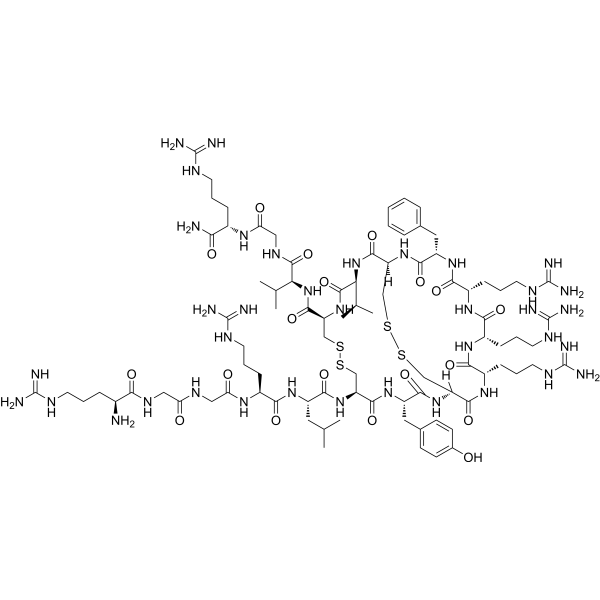
Protegrin-1 is an orally active antibacterial peptide. Protegrin-1 activates ERK, COX2, NFκB, inhibits Apoptosis, and NO production. Protegrin-1 has antibacterial activity against S. aureus, E. faecium, E. coli, P. aeruginosa and K. Pneumoniae, with MBC values between 10 and 20 µM. Protegrin-1 has antiviral activity against dengue NS2B-NS3. Protegrin-1 has anti-inflammatory activity. Protegrin-1 is used in the study of inflammatory diseases and infections .
DENV-IN-4 is a potent DENV inhibitor (DENV EC50=4.79 μM, Vero CC50>100 μM, SI>20.9). DENV-IN-4 can inhibit the expression level of DENV2 with concentration-dependence and reduce RNA-dependent RNA polymerase (RdRp) enzymatic activity. DENV-IN-4 has antiviral effect .
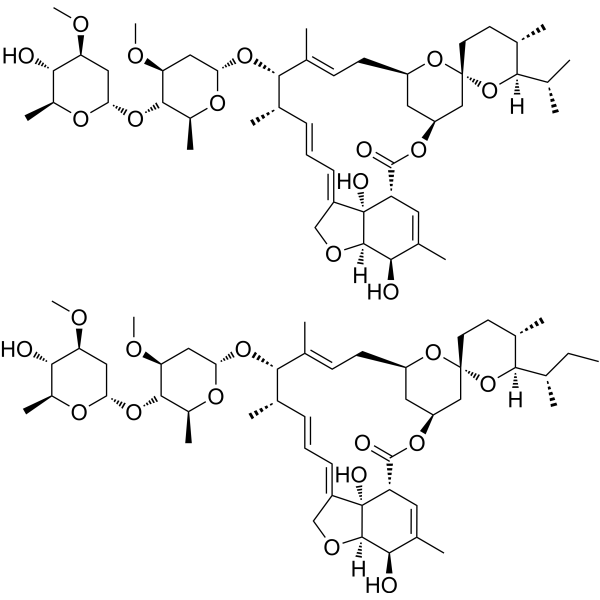
Ivermectin (MK-933) is a broad-spectrum anti-parasite agent. Ivermectin (MK-933) is a specific inhibitor of Impα/β1-mediated nuclear import and has potent antiviral activity towards both HIV-1 and dengue virus. It is a positive allosteric effector of P2X4 and the α7 neuronal nicotinic acetylcholine receptor (nAChRs). Ivermectin also inhibits bovine herpesvirus1 (BoHV-1) replication and inhibits BoHV-1 DNA polymerase nuclear import . Ivermectin is a candidate therapeutic against SARS-CoV-2/COVID-19 .
IRBM-Z-1 is a non-competitive inhibitor of Zika virus (ZIKV) NS2B-NS3 protease, with an IC50 of 1.8 μM. IRBM-Z-1 also exhibits inhibitory activity against the NS2B-NS3 proteases of T156I-mutated dengue virus 2 (DENV2) and West Nile virus (WNV), with IC50 values of 3.9 μM and 4.7 μM, respectively. IRBM-Z-1 inhibits ZIKV replication, attenuates virus-induced cytopathic effects. IRBM-Z-1 is applicable to research related to ZIKV infection .
GNF-2-deg is a PROTAC degrader for dengue virus envelope protein (DENV E protein) with DC50 of 0.83 μM. GNF-2-deg prevents viral entry by inhibiting E-mediated membrane fusion, prevents virion production by protein degradation, and thereby exhibits antiviral activity against DENV 2 with EC90 of 3.5 μM. GNF-2-deg exhibits antiviral activity against ZIKV, JEV, WNV and YFV with EC90 of 1.96-7.79 μM. (Pink: ligand for target protein (HY-161805); Black: linker (HY-42149); Blue: ligand for E3 ligase (HY-23095))
DV1 TFA is a CXCR4 inhibitor with anti-proteolytic properties that specifically blocks the binding of SDF-1α to its receptor. DV1 TFA inhibits the migration of breast cancer cells and enables the targeted delivery of avidin-PLGA nanoparticles to CXCR4-expressing cancer cells. DV1 TFA not only effectively suppresses the progression of metastatic breast cancer in mouse models, but also preferentially accumulates in brain tumor tissues rather than normal brain tissues, showing potential for inhibiting intracranial tumor metastasis. As a humoral immune stimulant, DV1 TFA induces the production of specific IgG, neutralizing antibodies and cellular immune responses, thereby providing the host with protection against lethal challenges. DV1 TFA has been applied to studies on CXCR4-expressing cancers, glioblastoma, dengue fever and other related diseases .
AH-D peptide is a brain-penetrant antiviral agent disrupting highly curved lipid membranes. AH-D peptide exhibits broad-spectrum antiviral activity against ZIKV, Dengue virus, Chikungunya virus, yellow fever virus and Japanese encephalitis virus, with IC50 values of 11.9, 12.5, 35.7, 206 and 136 nM, respectively. AH-D peptide reduces the viral load in the brain, suppresses inflammation, protects neurons, and does not damage the blood brain barrier. AH-D peptide restores antitumor immunity by decreasing circulating PD-L1 + exosomes, reducing intratumoral immunosuppressive cells (regulatory T cells, myeloid-derived suppressor cells), and enhancing T cell function. AH-D peptide inhibits membrane-enveloped viruses and cancer cell metastasis in vivo. AH-D peptide exhibits no immunogenicity and has negligible effects on normal tissues. AH-D peptide can be used for research in Zika virus and other mosquito-borne viruses, cancer immunotherapy and metastasis .
Primulin is a versatile fluorescent dye and bioactive compound widely used in analytical, biological, botanical and virological studies. Primulin acts as a versatile stain that labels plant cell walls and differentiates live and dead spermatozoa via distinct fluorescence patterns. Primulin exhibits strong albumin‑binding capacity. Primulin acts as a retrograde axonal tracer in neurobiological investigations. Primulin and its derivatives inhibit HCV NS3, block dengue virus NS3-mediated ATP hydrolysis, and disrupt HCV replicase assembly .
Protegrin-1 is an orally active antibacterial peptide. Protegrin-1 activates ERK, COX2, NFκB, inhibits Apoptosis, and NO production. Protegrin-1 has antibacterial activity against S. aureus, E. faecium, E. coli, P. aeruginosa and K. Pneumoniae, with MBC values between 10 and 20 µM. Protegrin-1 has antiviral activity against dengue NS2B-NS3. Protegrin-1 has anti-inflammatory activity. Protegrin-1 is used in the study of inflammatory diseases and infections .
FX-06 (Fibrin-derived peptide Bβ15-42) is a fibrin Bbeta chain-derived peptide. FX-06 binds to VE-cadherin and inhibits leukocyte transmigration and initiates VE-cadherin-mediated signaling. FX-06 can be used in the research of ischemia/reperfusion injury, Dengue shock syndrome (DSS) .
DV1 is a CXCR4 inhibitor with anti-proteolytic properties that specifically blocks the binding of SDF-1α to its receptor. DV1 inhibits the migration of breast cancer cells and enables the targeted delivery of avidin-PLGA nanoparticles to CXCR4-expressing cancer cells. DV1 not only effectively suppresses the progression of metastatic breast cancer in mouse models, but also preferentially accumulates in brain tumor tissues rather than normal brain tissues, showing potential for inhibiting intracranial tumor metastasis. As a humoral immune stimulant, DV1 induces the production of specific IgG, neutralizing antibodies and cellular immune responses, thereby providing the host with protection against lethal challenges. DV1 has been applied to studies on CXCR4-expressing cancers, glioblastoma, dengue fever and other related diseases .
AH-D peptide is a brain-penetrant antiviral agent disrupting highly curved lipid membranes. AH-D peptide exhibits broad-spectrum antiviral activity against ZIKV, Dengue virus, Chikungunya virus, yellow fever virus and Japanese encephalitis virus, with IC50 values of 11.9, 12.5, 35.7, 206 and 136 nM, respectively. AH-D peptide reduces the viral load in the brain, suppresses inflammation, protects neurons, and does not damage the blood brain barrier. AH-D peptide restores antitumor immunity by decreasing circulating PD-L1 + exosomes, reducing intratumoral immunosuppressive cells (regulatory T cells, myeloid-derived suppressor cells), and enhancing T cell function. AH-D peptide inhibits membrane-enveloped viruses and cancer cell metastasis in vivo. AH-D peptide exhibits no immunogenicity and has negligible effects on normal tissues. AH-D peptide can be used for research in Zika virus and other mosquito-borne viruses, cancer immunotherapy and metastasis .
DV1 TFA is a CXCR4 inhibitor with anti-proteolytic properties that specifically blocks the binding of SDF-1α to its receptor. DV1 TFA inhibits the migration of breast cancer cells and enables the targeted delivery of avidin-PLGA nanoparticles to CXCR4-expressing cancer cells. DV1 TFA not only effectively suppresses the progression of metastatic breast cancer in mouse models, but also preferentially accumulates in brain tumor tissues rather than normal brain tissues, showing potential for inhibiting intracranial tumor metastasis. As a humoral immune stimulant, DV1 TFA induces the production of specific IgG, neutralizing antibodies and cellular immune responses, thereby providing the host with protection against lethal challenges. DV1 TFA has been applied to studies on CXCR4-expressing cancers, glioblastoma, dengue fever and other related diseases .
DN59 is a 33 amino acid peptide that mimics the dengue virus type 2 E stem region. DN59 inhibits all four serotypes of dengue virus (IC50: 2-5 μM) as well as other flaviviruses. N59 causes the release of genomic RNA by interacting directly with viral particles. DN59 has antiviral activity .
Ac-EVKKQR-pNA is a competitive chromogenic para-nitroanilide substrate corresponding to the P6-P1 segment amino-terminal to the NS2B-NS3 cleavage site but with a more reactive, hydrolytically cleavable, para-nitroanilide at the P1’ position. Ac-EVKKQR-pNA is promising for research of dengue 2 virus and flavivirus virus infection .
Abz-Gly-Leu-Lys-Arg-Gly-Gly-3-(NO2)Tyr acetate is the acetate salt form of Abz-Gly-Leu-Lys-Arg-Gly-Gly-3-(NO2)Tyr. Abz-Gly-Leu-Lys-Arg-Gly-Gly-3-(NO2)Tyr acetate is the substrate for WNV NS2B NS3 protease, which is utilized for the development of WNV protease substrate peptide selective inhibitor .
MLH40 is a peptide inhibitor with activity against Dengue virus (DENV) infection, which is found in the conserved ectodomain region of DENV membrane protein. MLH40 inhibits DENV through its N-terminal loop interaction with DENV envelope protein and altering the dimer conformation .
2A/2B Dengue protease substrate (Ac-RTSKKR-pNA) is a peptide substrate for Dengue NS2B-NS3 protease. 2A/2B Dengue protease substrate is used for Dengue NS2B-NS3 protease substrate peptide selective inhibitor development .
Anti-Mouse TNF-alpha/TNFSF2 Antibody (XT3.11) is a rat-derived IgG1 antibody inhibitor, targeting to TNF-alpha/TNFSF2. Anti-Mouse TNF-alpha/TNFSF2 Antibody (XT3.11) neutralizes of TNF-alpha. Anti-Mouse TNF-alpha/TNFSF2 Antibody (XT3.11) can be used for the researches of cancer, infection and immunology, such as dengue virus and B16K1 tumor .
Anti-West Nile/dengue virus E protein Antibody (E60) is mouse-derived IgG2a κ type antibody inhibitor, targeting to West Nile/dengue virus E protein. Anti-West Nile/dengue virus E protein Antibody (E60) can cross-neutralize West Nile virus (WNV) and dengue virus (DENV) envelope (E) protein. Anti-West Nile/dengue virus E protein Antibody (E60) can be used for the researches of WNV and DENV infection .
Anti-Dengue virus type 2 E protein DIII Antibody (DV2-96) reacts with sites along the lateral ridge of the DIII domain on the E protein of dengue virus serotype 2 (DENV-2). Anti-Dengue virus type 2 E protein DIII Antibody (DV2-96) against DENV-2 new Guinea C (NGC) infection in mice. Recommend Isotype Controls: Mouse IgG2c kappa, Isotype Control (HY-P99981) .
Anti-Dengue virus type 4 E protein DIII Antibody (DV4-E88) reacts with the DIII domain on the E protein of dengue virus serotype 4 (DENV-4). Anti-Dengue virus type 4 E protein DIII Antibody (DV4-E88) neutralizes 1036, TVP-376, and TVP-986 genotype II strains of DENV-4. Recommend Isotype Controls: Mouse IgG2c kappa, Isotype Control (HY-P99981) .
Ivermectin (MK-933) is a broad-spectrum anti-parasite agent. Ivermectin (MK-933) is a specific inhibitor of Impα/β1-mediated nuclear import and has potent antiviral activity towards both HIV-1 and dengue virus. It is a positive allosteric effector of P2X4 and the α7 neuronal nicotinic acetylcholine receptor (nAChRs). Ivermectin also inhibits bovine herpesvirus1 (BoHV-1) replication and inhibits BoHV-1 DNA polymerase nuclear import . Ivermectin is a candidate therapeutic against SARS-CoV-2/COVID-19 .
Naringenin is the predominant flavanone in Citrus reticulata Blanco; displays strong anti-inflammatory and antioxidant activities. Naringenin has anti-dengue virus (DENV) activity.
Castanospermine is a natural alkaloid that can be extracted from black beans or the Moreton Bay chestnut tree (Castanospermum australae). Castanospermine is an α/ β-glucosidase inhibitor. Castanospermine has anti-inflammatory, antiviral replication and anti-metastatic effects on prostate cancer. Castanospermine can be used as an immunosuppressant to prevent transplant rejection .
Lanatoside C is a cardiac glycoside, can be used in the treatment of congestive heart failure and cardiac arrhythmia.Lanatoside C has an IC50 of 0.19 μM for dengue virus infection in HuH-7 cells. Lanatoside C can effectively inhibit all four serotypes of dengue virus, flavivirus Kunjin, alphavirus Chikungunya, Sindbis virus and the human enterovirus 71 .
Hirsutine, an indole alkaloid of Uncaria rhynchophylla, exhibits anti-cancer activity. Hirsutine induces apoptosis and is a potent Dengue virus inhibitor exhibiting low cytotoxicity .
Lactimidomycin is a glutarimide-containing compound isolated from Streptomyces. Lactimidomycin is a potent inhibitor of eukaryotic translation elongation. Lactimidomycin has a potent antiproliferative effect on tumor cell lines and selectively inhibit protein translation. Lactimidomycin inhibits protein synthesis with an IC50 value of 37.82 nM. Lactimidomycin is also a potent and non-toxic inhibitor of dengue virus 2 and other RNA viruses. Anticancer and antiviral activities .
Maackiain (DL-Maackiain) is an orally active multi-target inhibitor with anti-tumor activity and neuroprotective effects. Maackiain activates the AMPK, NLRP3 and Nrf2/HO-1 pathways, and inhibits key targets such as NF-κB, mTOR, MAO-B, NFATc1 and PKCδ, thereby precisely regulating processes including apoptosis, autophagy and pyroptosis. Maackiain also effectively inhibits microglial activation, osteoclast formation, and proliferation and invasion of tumor cells, and protects dopaminergic neurons from damage. Maackiain is applicable to the research of various diseases such as Alzheimer's disease, osteoporosis, sepsis and dengue fever 。
Astragaloside III is a triterpenoid saponin. Astragaloside III can be extracted from Astragalus root. Astragaloside III increases NKG2D and induces TACE phosphorylation. Astragaloside III induces Apoptosis. Astragaloside III has antiviral activity against dengue serotypes 1 and 3. Astragaloside III has anticancer activity against breast and colon cancer .
(-)-(E)-Guggulsterone ((E)-Guggulsterone) is an orally active natural stereoisomer of Guggulsterone (HY-107738). (-)-(E)-Guggulsterone is an antagonist for the Farnesoid X Receptor (FXR) with an IC50 of 24.06 μM and possesses potent hypolipidemic properties. (-)-(E)-Guggulsterone suppresses dengue virus (DENV) replication by upregulating antiviral interferon responses by inducing HO-1 expression via Nrf2 activation. (-)-(E)-Guggulsterone exhibits antibacterial activities against Bacillus subtilis, Staphylococcus aureus and Pseudomonas aeruginosa. (-)-(E)-Guggulsterone has cardiac protective and antioxidant activities in rats .
Glabranine, an flavonoid, is isolated from Tephrosia s.p, exerts a inhibitory effect in vitro on the dengue virus .
Glabranine forms interaction with the soluble ectodomain of DENV type 2 (DENV2) E protein .
Rhodiolin, a flavonoid, is an orally active glucose 6-phosphate isomerase (GPI) inhibitor. Rhodiolin inhibits papillary thyroid cancer (PTC) by targeting glycolysis enzyme glucose 6-phosphate isomerase GPI and suppressing PI3K/AKT/mTOR phosphorylation and induce apoptosis. Rhodiolin as a NS2B-NS3 protease inhibitor can disrupt dengue viral replication. Rhodiolin is also a potential candidate for developing anticancer strategies inhibiting CK1ε kinase. Rhodiolin can be used for the study of anti-tumor and anti-viral .
Sinococuline is a potent anti-dengue agent that is effective against all four serotypes of dengue virus (DENV). Sinococuline is also an effective tumor cell growth inhibitor .
Nimbin is an orally active intermediate limonoid found in Azadirachta. Nimbin prevents tau aggregation and increases cell viability. Nimbin is effective inhibits the envelope protein of dengue virus. Nimbin has anti-inflammatory, antipyretic, antifungal, antihistamine, antiseptic, antioxidant, anti-cancer and anti-viral properties. Nimbin is promising for research of neurodegenerative diseases and viral infections .
Lucidone, an anti-inflammatory agent that can be isolated from the fruit of Lindera erythrocarpa Makino. Lucidone inhibits LPS-induced NO and PGE2 production in RAW 264.7 mouse macrophages. Lucidone also decreases TNF-α secretion, iNOS and COX-2 expression. Lucidone prevents NF-κB translocation and inhibits JNK and p38MAPK signals. Lucidone also has inhibitory activity against Dengue virus (DENV) (EC50=25 μM) .
Castanospermine is a natural alkaloid that can be extracted from black beans or the Moreton Bay chestnut tree (Castanospermum australae). Castanospermine is an α/ β-glucosidase inhibitor. Castanospermine has anti-inflammatory, antiviral replication and anti-metastatic effects on prostate cancer. Castanospermine can be used as an immunosuppressant to prevent transplant rejection .
Lanatoside C (Standard) is the analytical standard of Lanatoside C. This product is intended for research and analytical applications. Lanatoside C is a cardiac glycoside, can be used in the treatment of congestive heart failure and cardiac arrhythmia.Lanatoside C has an IC50 of 0.19 μM for dengue virus infection in HuH-7 cells. Lanatoside C can effectively inhibit all four serotypes of dengue virus, flavivirus Kunjin, alphavirus Chikungunya, Sindbis virus and the human enterovirus 71 .
Naringenin (Standard) is the analytical standard of Naringenin. This product is intended for research and analytical applications. Naringenin is the predominant flavanone in Citrus reticulata Blanco; displays strong anti-inflammatory and antioxidant activities. Naringenin has anti-dengue virus (DENV) activity.
Astragaloside III (Standard) is the analytical standard of Astragaloside III (HY-N0434). This product is intended for research and analytical applications. Astragaloside III is a triterpenoid saponin. Astragaloside III can be extracted from Astragalus root. Astragaloside III increases NKG2D and induces TACE phosphorylation. Astragaloside III induces Apoptosis. Astragaloside III has antiviral activity against dengue serotypes 1 and 3. Astragaloside III has anticancer activity against breast and colon cancer .
(-)-(E) -guggulsterone (Standard) is the analytical standard for (-)-(E) -guggulsterone ((E)-Guggulsterone) (HY-N7781). (-)-(E)-Guggulsterone is an orally active natural stereoisomer of Guggulsterone (HY-107738). (-)-(E)-Guggulsterone is an antagonist for the Farnesoid X Receptor (FXR) with an IC50 of 24.06 μM and possesses potent hypolipidemic properties. (-)-(E)-Guggulsterone suppresses dengue virus (DENV) replication by upregulating antiviral interferon responses by inducing HO-1 expression via Nrf2 activation. (-)-(E)-Guggulsterone exhibits antibacterial activities against Bacillus subtilis, Staphylococcus aureus and Pseudomonas aeruginosa. (-)-(E)-Guggulsterone has cardiac protective and antioxidant activities in rats.
Peridinin is a hydroxylated carotenoid ketone that exhibits inhibitory activity against DENV NS2B/NS3 protease and all dengue virus serotypes (DENV-1, DENV-2, DENV-3, DENV-4). Peridinin inhibits dengue virus production and reduces viral titers. Peridinin is applicable to research related to dengue virus infection .
(Z)-γ-Bisabolene is a monocyclic bisabolane-type sesquiterpene hydrocarbon found in the essential oil of Galinsoga parviflora, acting as a mosquito larvicide and oviposition deterrent. (Z)-γ-Bisabolene induces acute toxicity in larvae of six mosquito species. (Z)-γ-Bisabolene deters oviposition in gravid females of six mosquito species. (Z)-γ-Bisabolene can be used for the research of malaria, dengue, japanese encephalitis, zika virus .
The NS1 protein plays a key role in viral budding, association with cell membranes, and facilitating the assembly of viral RNA into nucleocapsids to form mature viral particles. During entry, NS1 induces genome penetration into the host cytoplasm. NS1 Protein, Dengue virus 2 (HEK293, His) is the recombinant Virus-derived NS1 protein, expressed by HEK293 , with N-His labeled tag.
The NS1 protein plays a key role in viral budding, association with cell membranes, and facilitating the assembly of viral RNA into nucleocapsids to form mature viral particles. During entry, NS1 induces genome penetration into the host cytoplasm. NS1 Protein, Dengue virus 2 (HEK293, C-His) is the recombinant Virus-derived NS1 protein, expressed by HEK293 , with C-His labeled tag.
The NS1 protein plays a key role in viral budding, association with cell membranes, and facilitating the assembly of viral RNA into nucleocapsids to form mature viral particles. During entry, NS1 induces genome penetration into the host cytoplasm. NS1 Protein, Dengue virus 4 (HEK293, His) is the recombinant Virus-derived NS1 protein, expressed by HEK293 , with N-His labeled tag.
The NS1 protein plays a key role in viral budding, association with cell membranes, and facilitating the assembly of viral RNA into nucleocapsids to form mature viral particles. During entry, NS1 induces genome penetration into the host cytoplasm. NS1 Protein, Dengue virus 3 (HEK293, His) is the recombinant Virus-derived NS1 protein, expressed by HEK293 , with N-His labeled tag.
The NS1 protein plays a key role in viral budding, association with cell membranes, and facilitating the assembly of viral RNA into nucleocapsids to form mature viral particles.During entry, NS1 induces genome penetration into the host cytoplasm.NS1 Protein, Dengue virus 1 (HEK293, His) is the recombinant Virus-derived NS1 protein, expressed by HEK293 , with N-His labeled tag.
The NS1 protein plays a key role in viral budding, association with cell membranes, and facilitating the assembly of viral RNA into nucleocapsids to form mature viral particles.During entry, NS1 induces genome penetration into the host cytoplasm.E/Envelope Protein, Dengue virus 1 (101a.a, sf9, His) is the recombinant Virus-derived E/Envelope protein, expressed by Sf9 insect cells , with C-His labeled tag.
NS5 Protein is part of the flavivirus RNA replication complex (RC) composed of viral non-structural proteins and host-cell cofactors. NS5 is the largest flavivirus protein, the most conserved, which act as two domains, the RNA-dependent RNA polymerase (RdRp) and RNA methyltransferase enzyme (MTase). NS5 plays a fundamental role in flavivirus replication, viral RNA methylation, RNA polymerization, and host immune system evasion. NS5 Protein, Dengue virus 2 (His) is the recombinant Virus-derived NS5 protein, expressed by E. coli , with N-His labeled tag.
The NS1 protein plays a key role in viral budding, association with cell membranes, and facilitating the assembly of viral RNA into nucleocapsids to form mature viral particles.During entry, NS1 induces genome penetration into the host cytoplasm.E/Envelope Protein, Dengue virus 4 (395a.a, sf9, His) is the recombinant Virus-derived E/Envelope protein, expressed by Sf9 insect cells , with C-His labeled tag.
The NS1 protein plays a key role in viral budding, association with cell membranes, and facilitating the assembly of viral RNA into nucleocapsids to form mature viral particles.During entry, NS1 induces genome penetration into the host cytoplasm.E/Envelope Protein, Dengue virus 4 (101a.a, HEK293, His) is the recombinant Virus-derived E/Envelope protein, expressed by HEK293 , with C-His labeled tag.
E/Envelope Protein, Dengue virus 2 (102a.a, P.pastoris, His) is the recombinant Virus-derived E/Envelope protein, expressed by P. pastoris, with C-His labeled tag.
The NS1 protein plays a key role in viral budding, association with cell membranes, and facilitating the assembly of viral RNA into nucleocapsids to form mature viral particles. During entry, NS1 induces genome penetration into the host cytoplasm. E/Envelope Protein, Dengue virus 3 (429a.a, HEK293, His) is the recombinant Virus-derived E/Envelope protein, expressed by HEK293 , with C-His labeled tag.
E/Envelope Protein, Dengue virus 2 (103a.a, P.pastoris, His) is the recombinant Virus-derived E/Envelope protein, expressed by P. pastoris, with C-His labeled tag.
The NS1 protein plays a key role in viral budding, association with cell membranes, and facilitating the assembly of viral RNA into nucleocapsids to form mature viral particles.During entry, NS1 induces genome penetration into the host cytoplasm.E/Envelope Protein, Dengue virus 1 (101a.a, HEK293, His) is the recombinant Virus-derived E/Envelope protein, expressed by HEK293 , with C-His labeled tag.
Naringenin-d4 is the deuterated version of Naringenin (HY-N0100). Naringenin shows strong anti-inflammatory and antioxidant activities. Naringenin has anti-dengue virus (DENV) activity .
Loratadine-d5 is the deuterium labeled Loratadine. Loratadine (SCH-29851) is a selective inverse peripheral histamine H1-receptor agonist with an IC50 of >32 μM. Loratadine has anti-dengue-virus (DENV) activity. Loratadine can inhibit immunologic release of inflammatory mediators.
Loratadine-d4 is the deuterium labeled Loratadine. Loratadine (SCH-29851) is a selective inverse peripheral histamine H1-receptor agonist with an IC50 of >32 μM. Loratadine has anti-dengue-virus (DENV) activity. Loratadine can inhibit immunologic release of inflammatory mediators.
Loratadine-d5-1 is a deuterated labeled Loratadine (HY-17043). Loratadine (SCH-29851) is a selective inverse peripheral histamine H1-receptor agonist with an IC50 of >32 μM. Loratadine has anti-dengue-virus (DENV) activity. Loratadine can inhibit immunologic release of inflammatory mediators.
Loratadine-d4-1 (Loratidine-d4-1) is deuterium labeled Loratadine. Loratadine (SCH-29851) is a selective inverse peripheral histamine H1-receptor agonist with an IC50 of >32 μM. Loratadine has anti-dengue-virus (DENV) activity. Loratadine can inhibit immunologic release of inflammatory mediators .
Loratadine- 13C6 (SCH 29851- 13C6) is 13C labeled Loratadine. Loratadine (SCH-29851) is a selective inverse peripheral histamine H1-receptor agonist with an IC50 of >32 μM. Loratadine has anti-dengue-virus (DENV) activity. Loratadine can inhibit immunologic release of inflammatory mediators.
Temephos-d12 is the deuterium labeled Temephos. Temephos (Temefos) is an orally active, blood-brain barrier-permeable organophosphate insecticide and AChE inhibitor. By irreversibly inhibiting AChE to induce cholinergic overactivation, Temephos effectively blocks larval development of Aedes aegypti (yellow fever mosquito) and Aedes albopictus (Asian tiger mosquito), and is commonly used in studies related to Dengue Virus, Zika Virus and other relevant pathogens. Temephos exhibits genotoxicity and neurodevelopmental toxicity, and may also cause liver injury, reproductive system abnormalities and cholinergic poisoning symptoms in mammals. Temephos tends to accumulate in adipose tissues and aquatic organisms, and is excreted via feces after metabolism through oxidation and hydrolysis. Note that CYP-mediated metabolic detoxification may reduce the actual larvicidal efficacy of Temephos against some mosquito species. Temephos can be used in research related to dengue fever, Zika virus disease, chikungunya and dracunculiasis .
NITD008 is a potent and selective flaviviruse inhibitor which can inhibit Dengue Virus Type 2 (DENV-2) with an EC50 of 0.64 μM. NITD008 is a click chemistry reagent, it contains an Alkyne group and can undergo copper-catalyzed azide-alkyne cycloaddition (CuAAc) with molecules containing Azide groups.
EPHA2/A4/GAK-IN-1 (compound 55) is a potent inhibitor of EPHA2/EPHA4 and GAK with KD values of 180.5 nM for EPHA2 and 19.2 nM for GAK, respectively. EPHA2/GAK-IN-1 shows an extrapolated half-life time of 4.6 h in a microsomal stability assay. EPHA2/GAK-IN-1 shows antiviral activity and prevents dengue virus infection of Huh7 liver cells .
Inquiry Online
Your information is safe with us. * Required Fields.
Western blot analysis of extracts from THP-1(lane 2(20μg), Jurkat (lane 3(20μg) and NIH3T3(lane 4(20μg) using FOXO1A (HY-P80132) Rabbit mAb. Proteins were transferred
to a PVDF membrane and blocked with 5% non-fat milk in TBST for 2 hour at room temperature. The primary antibody (1/1000) and Loading control antibody (Beta Actin, HY-P80438, 1/10000) was
used in 5% non-fat milk in TBST at 4°C overnight. Goat Anti-Mouse/Rabbit IgG-HRP Secondary Antibody (1/10000) was used for 1 hour at room temperature.
Western blot analysis of extracts from THP-1(lane 2(20μg), Jurkat (lane 3(20μg) and NIH3T3(lane 4(20μg) using FOXO1A (HY-P80132) Rabbit mAb. Proteins were transferred
to a PVDF membrane and blocked with 5% non-fat milk in TBST for 2 hour at room temperature. The primary antibody (1/1000) and Loading control antibody (Beta Actin, HY-P80438, 1/10000) was
used in 5% non-fat milk in TBST at 4°C overnight. Goat Anti-Mouse/Rabbit IgG-HRP Secondary Antibody (1/10000) was used for 1 hour at room temperature.
Western blot analysis of extracts from THP-1(lane 2(20μg), Jurkat (lane 3(20μg) and NIH3T3(lane 4(20μg) using FOXO1A (HY-P80132) Rabbit mAb. Proteins were transferred
to a PVDF membrane and blocked with 5% non-fat milk in TBST for 2 hour at room temperature. The primary antibody (1/1000) and Loading control antibody (Beta Actin, HY-P80438, 1/10000) was
used in 5% non-fat milk in TBST at 4°C overnight. Goat Anti-Mouse/Rabbit IgG-HRP Secondary Antibody (1/10000) was used for 1 hour at room temperature.
Western blot analysis of extracts from THP-1(lane 2(20μg), Jurkat (lane 3(20μg) and NIH3T3(lane 4(20μg) using FOXO1A (HY-P80132) Rabbit mAb. Proteins were transferred
to a PVDF membrane and blocked with 5% non-fat milk in TBST for 2 hour at room temperature. The primary antibody (1/1000) and Loading control antibody (Beta Actin, HY-P80438, 1/10000) was
MedchemExpress Validation 03
Western blot analysis of extracts from THP-1(lane 2(20μg), Jurkat (lane 3(20μg) and NIH3T3(lane 4(20μg) using FOXO1A (HY-P80132) Rabbit mAb. Proteins were transferred
MedchemExpress Validation 04
Western blot analysis of extracts from THP-1(lane 2(20μg), Jurkat (lane 3(20μg) and NIH3T3(lane 4(20μg) using FOXO1A (HY-P80132) Rabbit mAb. Proteins were transferred
to a PVDF membrane and blocked with 5% non-fat milk in TBST for 2 hour at room temperature. The primary antibody (1/1000) and Loading control antibody (Beta Actin, HY-P80438, 1/10000) was
used in 5% non-fat milk in TBST at 4°C overnight. Goat Anti-Mouse/Rabbit IgG-HRP Secondary Antibody (1/10000) was used for 1 hour at room temperature.
MedchemExpress Validation
Western blot analysis of extracts from THP-1(lane 2(20μg), Jurkat (lane 3(20μg) and NIH3T3(lane 4(20μg) using FOXO1A (HY-P80132) Rabbit mAb. Proteins were transferred
to a PVDF membrane and blocked with 5% non-fat milk in TBST for 2 hour at room temperature. The primary antibody (1/1000) and Loading control antibody (Beta Actin, HY-P80438, 1/10000) was
used in 5% non-fat milk in TBST at 4°C overnight. Goat Anti-Mouse/Rabbit IgG-HRP Secondary Antibody (1/10000) was used for 1 hour at room temperature.
Western blot analysis of extracts from THP-1(lane 2(20μg), Jurkat (lane 3(20μg) and NIH3T3(lane 4(20μg) using FOXO1A (HY-P80132) Rabbit mAb. Proteins were transferred
to a PVDF membrane and blocked with 5% non-fat milk in TBST for 2 hour at room temperature. The primary antibody (1/1000) and Loading control antibody (Beta Actin, HY-P80438, 1/10000) was
used in 5% non-fat milk in TBST at 4°C overnight. Goat Anti-Mouse/Rabbit IgG-HRP Secondary Antibody (1/10000) was used for 1 hour at room temperature.
MedchemExpress Validation
Western blot analysis of extracts from THP-1(lane 2(20μg), Jurkat (lane 3(20μg) and NIH3T3(lane 4(20μg) using FOXO1A (HY-P80132) Rabbit mAb. Proteins were transferred
to a PVDF membrane and blocked with 5% non-fat milk in TBST for 2 hour at room temperature. The primary antibody (1/1000) and Loading control antibody (Beta Actin, HY-P80438, 1/10000) was
used in 5% non-fat milk in TBST at 4°C overnight. Goat Anti-Mouse/Rabbit IgG-HRP Secondary Antibody (1/10000) was used for 1 hour at room temperature.
MedchemExpress Validation
Western blot analysis of extracts from THP-1(lane 2(20μg), Jurkat (lane 3(20μg) and NIH3T3(lane 4(20μg) using FOXO1A (HY-P80132) Rabbit mAb. Proteins were transferred
to a PVDF membrane and blocked with 5% non-fat milk in TBST for 2 hour at room temperature. The primary antibody (1/1000) and Loading control antibody (Beta Actin, HY-P80438, 1/10000) was
used in 5% non-fat milk in TBST at 4°C overnight. Goat Anti-Mouse/Rabbit IgG-HRP Secondary Antibody (1/10000) was used for 1 hour at room temperature.
MedchemExpress Validation
Western blot analysis of extracts from THP-1(lane 2(20μg), Jurkat (lane 3(20μg) and NIH3T3(lane 4(20μg) using FOXO1A (HY-P80132) Rabbit mAb. Proteins were transferred
to a PVDF membrane and blocked with 5% non-fat milk in TBST for 2 hour at room temperature. The primary antibody (1/1000) and Loading control antibody (Beta Actin, HY-P80438, 1/10000) was
used in 5% non-fat milk in TBST at 4°C overnight. Goat Anti-Mouse/Rabbit IgG-HRP Secondary Antibody (1/10000) was used for 1 hour at room temperature.
MedchemExpress Validation
Western blot analysis of extracts from THP-1(lane 2(20μg), Jurkat (lane 3(20μg) and NIH3T3(lane 4(20μg) using FOXO1A (HY-P80132) Rabbit mAb. Proteins were transferred
to a PVDF membrane and blocked with 5% non-fat milk in TBST for 2 hour at room temperature. The primary antibody (1/1000) and Loading control antibody (Beta Actin, HY-P80438, 1/10000) was
used in 5% non-fat milk in TBST at 4°C overnight. Goat Anti-Mouse/Rabbit IgG-HRP Secondary Antibody (1/10000) was used for 1 hour at room temperature.
MedchemExpress Validation
Western blot analysis of extracts from THP-1(lane 2(20μg), Jurkat (lane 3(20μg) and NIH3T3(lane 4(20μg) using FOXO1A (HY-P80132) Rabbit mAb. Proteins were transferred
to a PVDF membrane and blocked with 5% non-fat milk in TBST for 2 hour at room temperature. The primary antibody (1/1000) and Loading control antibody (Beta Actin, HY-P80438, 1/10000) was
used in 5% non-fat milk in TBST at 4°C overnight. Goat Anti-Mouse/Rabbit IgG-HRP Secondary Antibody (1/10000) was used for 1 hour at room temperature.
MedchemExpress Validation
Western blot analysis of extracts from THP-1(lane 2(20μg), Jurkat (lane 3(20μg) and NIH3T3(lane 4(20μg) using FOXO1A (HY-P80132) Rabbit mAb. Proteins were transferred
to a PVDF membrane and blocked with 5% non-fat milk in TBST for 2 hour at room temperature. The primary antibody (1/1000) and Loading control antibody (Beta Actin, HY-P80438, 1/10000) was
used in 5% non-fat milk in TBST at 4°C overnight. Goat Anti-Mouse/Rabbit IgG-HRP Secondary Antibody (1/10000) was used for 1 hour at room temperature.
MedChemExpress values your privacy and your trust is important to us. We use cookies to enhance your website experience. Some cookies are necessary to run the website.
Privacy and Cookie Policy

