1. Search Result
Search Result
Results for "

epinephrine

" in MedChemExpress (MCE) Product Catalog:

50

Inhibitors & Agonists

1

Biochemical Assay Reagents

1

Peptides

10

Natural
Products

10

Isotope-Labeled Compounds

Cat. No. Product Name Target Research Areas Chemical Structure
  • HY-113121
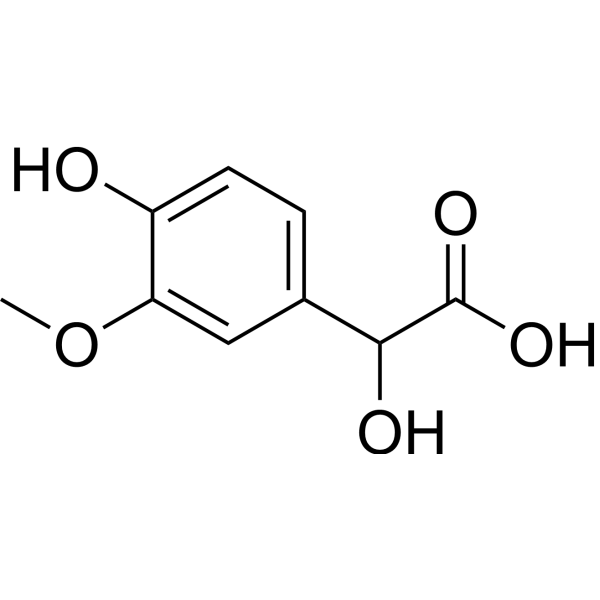
    Vanillylmandelic acid
    2 Publications Verification

    Drug Metabolite Endogenous Metabolite Cardiovascular Disease
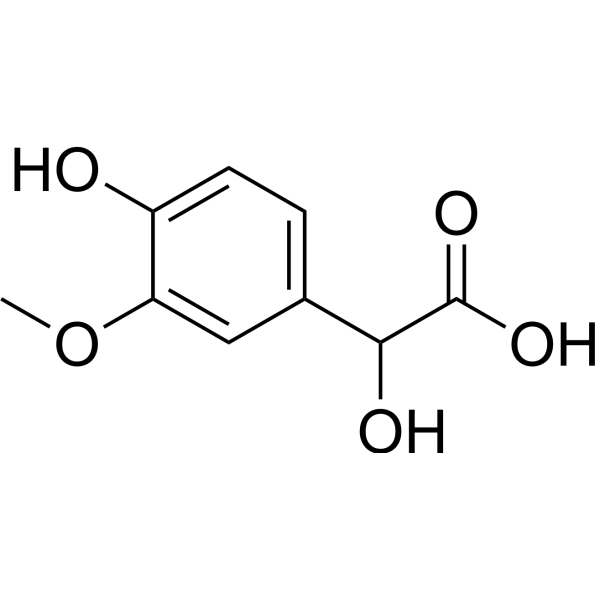
    Vanillylmandelic acid is the endproduct of epinephrine and norepinephrine metabolism. Vanillylmandelic acid can be used as an indication of the disorder in neurotransmitter metabolism as well. Vanillylmandelic acid has antioxidant activity towards DPPH radical with an IC50 value of 33 μM .
    Vanillylmandelic acid
  • HY-128483

    TGF-beta/Smad PI3K NF-κB Akt Apoptosis Dopamine β-hydroxylase mTOR Adrenergic Receptor Cardiovascular Disease Endocrinology Cancer
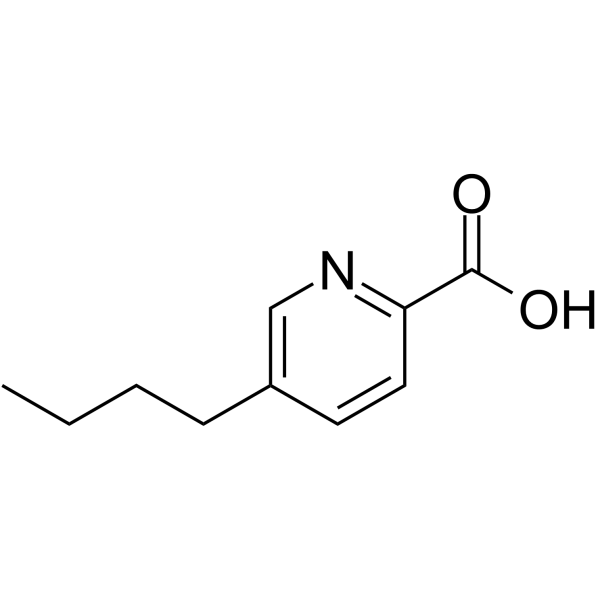
    Fusaric acid is an orally active multi-pathway inhibitor with the activity of inducing oxidative stress and apoptosis. Fusaric acid can chelate divalent metal cations, damage mitochondrial membrane structure, and activate apoptosis-related proteases such as Caspase-3/7, -8, and -9. Fusaric acid also regulates Bax/Bcl-2 protein, inhibits fibrosis-related signaling pathways such as NF-κB, TGF-β1/SMADs, and PI3K/AKT/mTOR, and reduces collagen deposition. Fusaric acid is also a dopamine β-hydroxylase inhibitor, which reduces endogenous levels of norepinephrine and epinephrine in the brain, heart, spleen, and adrenal glands. Fusaric acid can play a role in myocardial fibrosis and improve cardiac hypertrophy in heart disease, and can also be used in the study of esophageal cancer and liver cancer .
    Fusaric acid
  • HY-113299

    Endogenous Metabolite Cancer
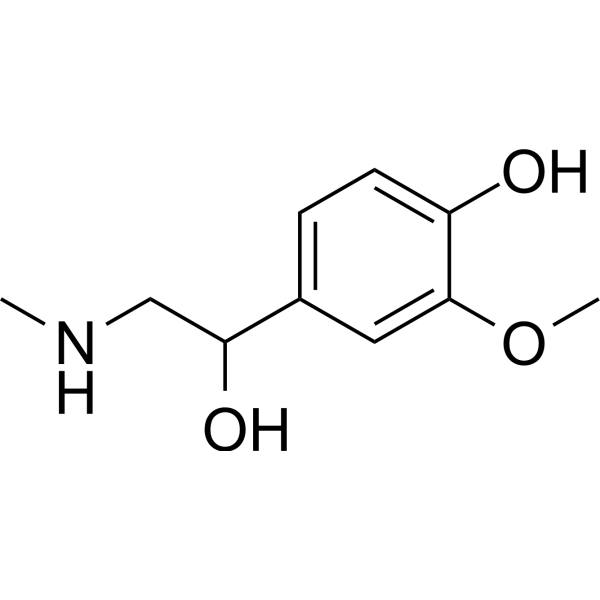
    Metanephrine is the O-methylated metabolite of epinephrine that can be used for the research of diagnosis of pheochromocytoma .
    Metanephrine
  • HY-B1263

    Environmental Pollutants Bacterial Fungal Infection Neurological Disease
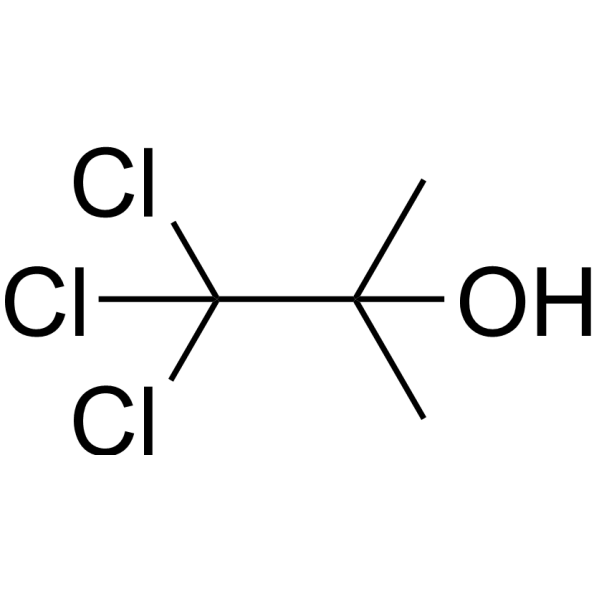
    Chlorobutanol is an orally active and potent inhibitor of platelet aggregation and release and a pharmaceutical preservative with antibacterial activity. Chlorobutanol inhibits thromboxane B2 formation, ATP release, and elevation of cytosolic free calcium caused by collagen, ADP, epinephrine, arachidonic acid and thrombin. Chlorobutanol is active against a wide variety of Gram-positive and Gram-negative bacteria, and several mold spores and fungi. Chlorobutanol is widely used in food and cosmetic industry .
    Chlorobutanol
  • HY-116513

    Adraxone

    Drug Metabolite Cardiovascular Disease Neurological Disease
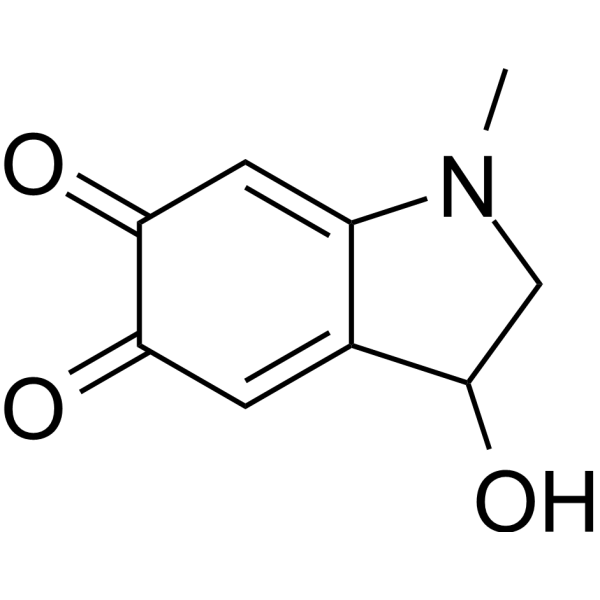
    Adrenochrome (Adraxone) is an oxidation product of Epinephrine. Adrenochrome is a potent coronary constricting agent in the rat heart. Adrenochrome can be used for neurological disorder research .
    Adrenochrome
  • HY-16738A
    Eleclazine hydrochloride
    2 Publications Verification

    GS 6615 hydrochloride

    Sodium Channel Potassium Channel Cardiovascular Disease
    Eleclazine (GS 6615) hydrochloride is a selective cardiac late sodium current inhibitor and a weak inhibitor of potassium current with IC50 value of <1 μM and approximately 14.2 μM, respectively. Eleclazine hydrochloride shows concurrent protection against autonomically induced atrial premature beats, repolarization alternans and heterogeneity, and atrial fibrillation in porcine model. Eleclazine hydrochloride can be used to research cardiac arrhythmias .
    Eleclazine hydrochloride
  • HY-15675

    Glucokinase Metabolic Disease
    AZD1656 is a potent, selective and orally active glucokinase activator with an EC50 of 60 nM. AZD1656 has the potential for type 2 diabetes research .
    AZD1656
  • HY-128380

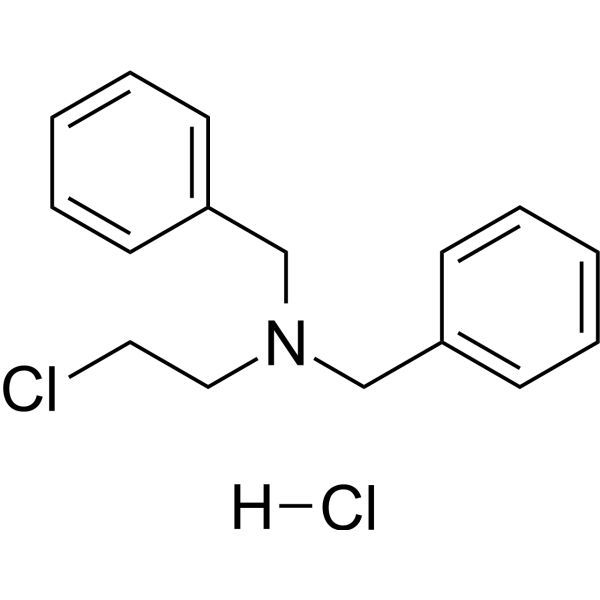
    N-​(2-​Chloroethyl)​dibenzylamine hydrochloride

    Adrenergic Receptor Metabolic Disease
    Dibenamine hydrochloride is a competitive and irreversible adrenergic blocking agent and is known to modify the pharmacological effects of epinephrine. Dibenamine hydrochloride cause a significant increase in the rate of destruction of I-epinephrine in the mouse .
    Dibenamine hydrochloride
  • HY-B0890

    McN-2783-21-98

    PGE synthase Neurological Disease Inflammation/Immunology
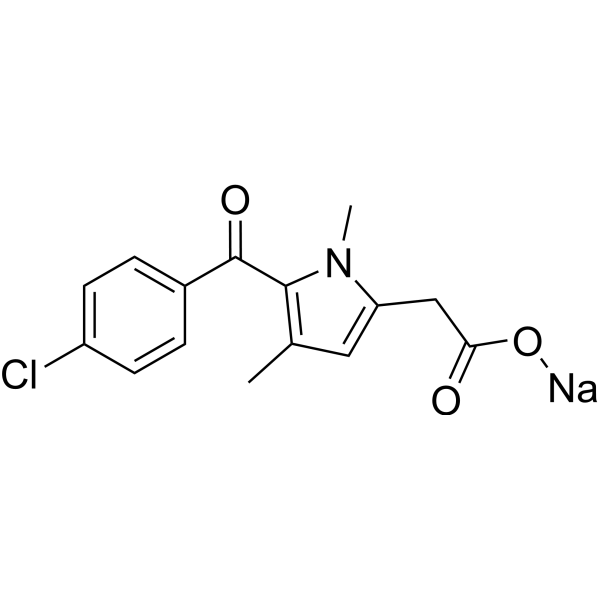
    Zomepirac sodium salt (McN-2783-21-98) is an orally active prostaglandin synthetase inhibitor. Zomepirac sodium salt blocks prostaglandin synthesis and inhibits Collagen (HY-P72147)- or Epinephrine (HY-B0447)-induced platelet aggregation. Zomepirac sodium salt can be used for the research of postoperative pain and osteoarthritis .
    Zomepirac sodium salt
  • HY-18740A

    HL 725

    Phosphodiesterase (PDE) Neurological Disease Metabolic Disease Cancer
    Trequinsin hydrochloride (HL 725) is a PDE inhibitor, CatSper channel activator, and sperm potassium channel modulator. Trequinsin hydrochloride targets PDE3 with an IC50 of <1 nM. Trequinsin hydrochloride enhances currents and elevates intracellular calcium and cGMP levels via direct activation of the CatSper channel, while inhibiting the outward current conductance of sperm potassium channels. Without inducing premature acrosome reaction, Trequinsin hydrochloride significantly enhances sperm hyperactivated motility, forward motility, and the ability to penetrate viscous media. Trequinsin hydrochloride exerts age-specific positive inotropic and positive lusitropic effects on rabbit ventricular papillary muscles. Trequinsin hydrochloride has been used in studies on the mechanisms underlying male infertility (e.g., asthenozoospermia) .
    Trequinsin hydrochloride
  • HY-135115

    3,4-DHPEA-EA

    α-synuclein HDAC Adrenergic Receptor Inflammation/Immunology
    Oleuropein Aglycone (3,4-DHPEA-EA) is a polyphenol and the aglycone form of oleuropein (HY-N0292), formed by enzymatic, acidic or acetylated hydrolysis of oleuropein. Dietary intake of oleuropein Aglycone (50 mg/kg diet) increases the number of neuronal autophagic vesicles, reverses cognitive deficits in the TgCRND8 transgenic mouse model of Alzheimer's disease, and reduces the levels of histone deacetylase 2 (HDAC2) in the cortex and hippocampus. Oleuropein Aglycone increases urinary norepinephrine, interscapular brown adipose tissue epinephrine, and UCP1 protein levels, and reduced plasma leptin levels and total abdominal adipose tissue weight in a rat model of high-fat diet-induced obesity. Oleuropein Aglycone also reduced lung neutrophil infiltration, lipid peroxidation, and IL-1β levels in a mouse model of carrageenan-induced pleurisy.
    Oleuropein Aglycone
  • HY-B1323

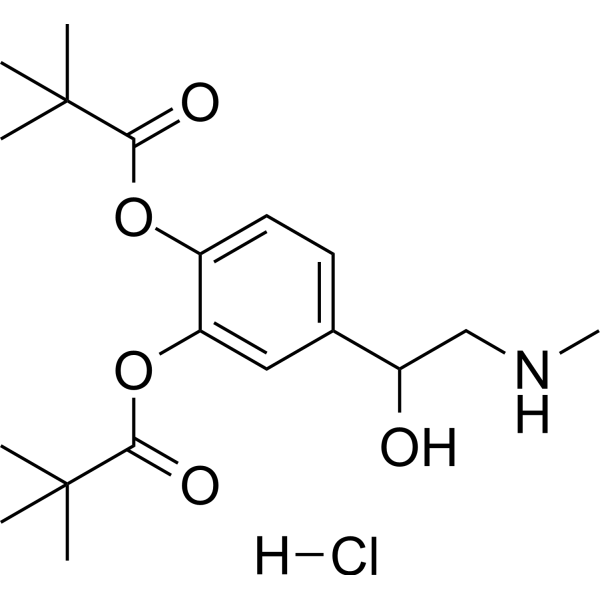
    Dipivefrine hydrochloride

    Endogenous Metabolite Neurological Disease
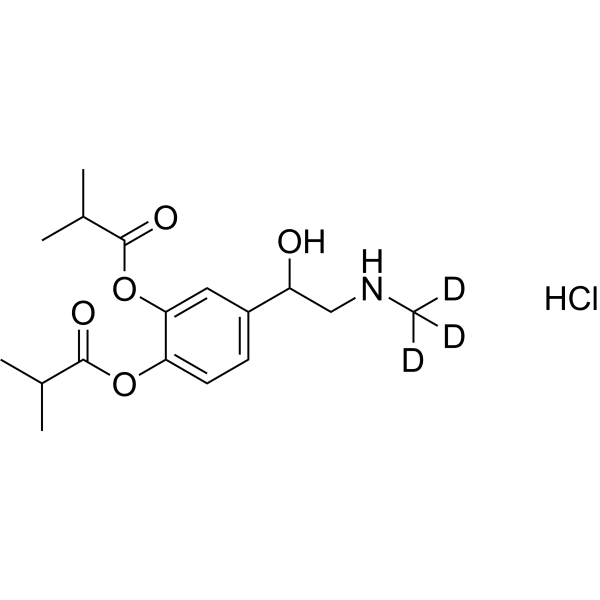
    Dipivefrin hydrochloride (Dipivefrine hydrochloride) is an antiglaucoma proagent that is hydrolyzed to the active compound, epinephrine, by esterases in the cornea .
    Dipivefrin hydrochloride
  • HY-W012206

    SULT Neurological Disease Cancer
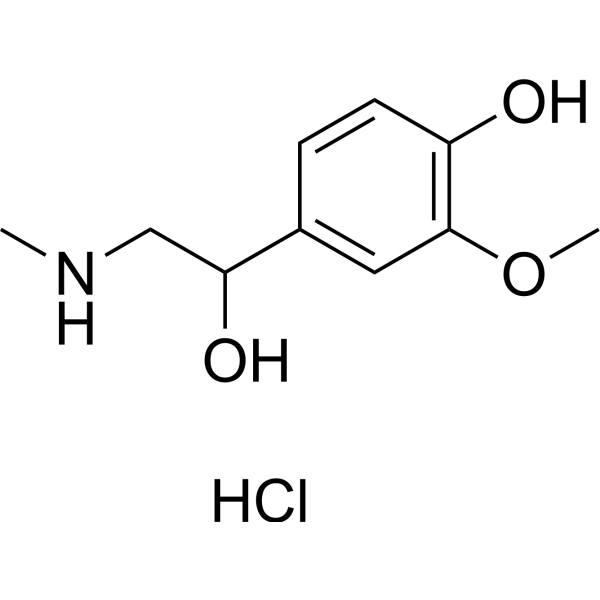
    (Rac)-Metanephrine hydrochloride is a metabolite of epinephrine and a substrate of the sulfotransferase SULT1A3. (Rac)-Metanephrine hydrochloride undergoes sulfonation at its p-hydroxyl group via a reaction catalyzed by SULT1A3. (Rac)-Metanephrine hydrochloride is an isomer of Metanephrine (HY-113299) hydrochloride, and it is applicable to the research of pheochromocytoma .
    (Rac)-Metanephrine hydrochloride
  • HY-Y0123

    Drug Derivative Infection Neurological Disease
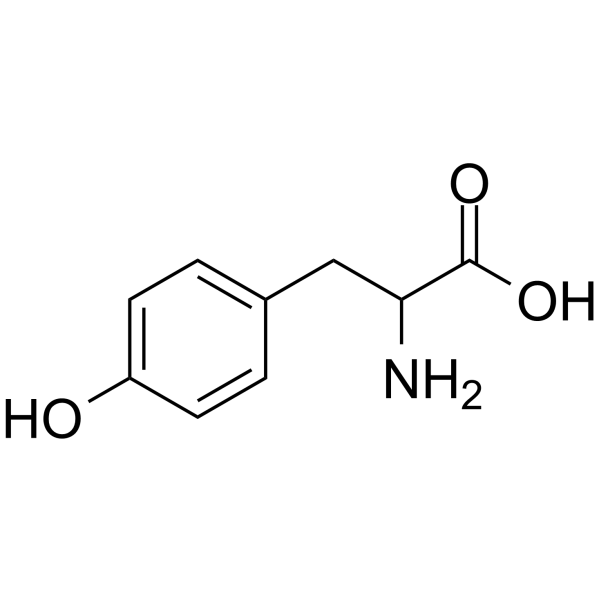
    DL-Tyrosine is an aromatic nonessential amino acid synthesized from the essential amino acid phenylalanine. DL-Tyrosine is a precursor for several important neurotransmitters (epinephrine, norepinephrine, dopamine) .
    DL-Tyrosine
  • HY-Z6449

    Adrenergic Receptor Neurological Disease
    Phenylephrine hydrochlorid is an α1-adrenergic receptor agonist. As a sympathomimetic agent, Phenylephrine hydrochlorid exerts similar effects to epinephrine and ephedrine. Phenylephrine hydrochlorid induces vasoconstriction and increases perfusion pressure .
    Phenylephrone hydrochloride
  • HY-113121S

    Endogenous Metabolite Cardiovascular Disease
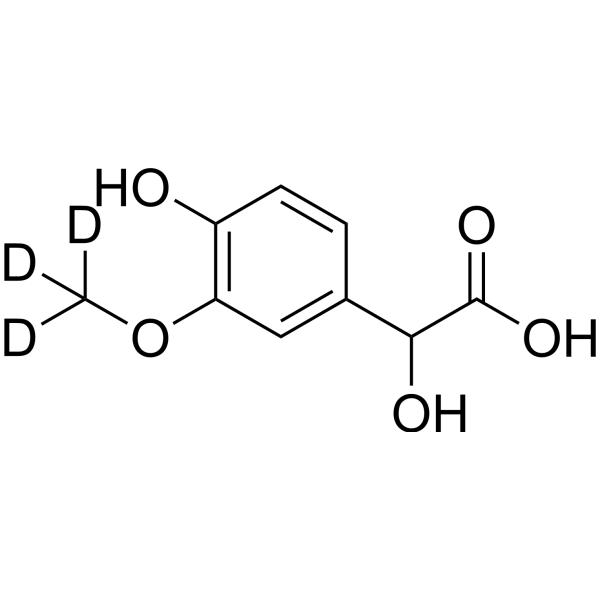
    Vanillylmandelic acid-d3 is the deuterium labeled Vanillylmandelic acid. Vanillylmandelic acid is the endproduct of epinephrine and norepinephrine metabolism. Vanillylmandelic acid can be used as an indication of the disorder in neurotransmitter metabolism as well. Vanillylmandelic acid has antioxidant activity towards DPPH radical with an IC50 value of 33 μM .
    Vanillylmandelic acid-d3
  • HY-Y0123S

    Isotope-Labeled Compounds Neurological Disease
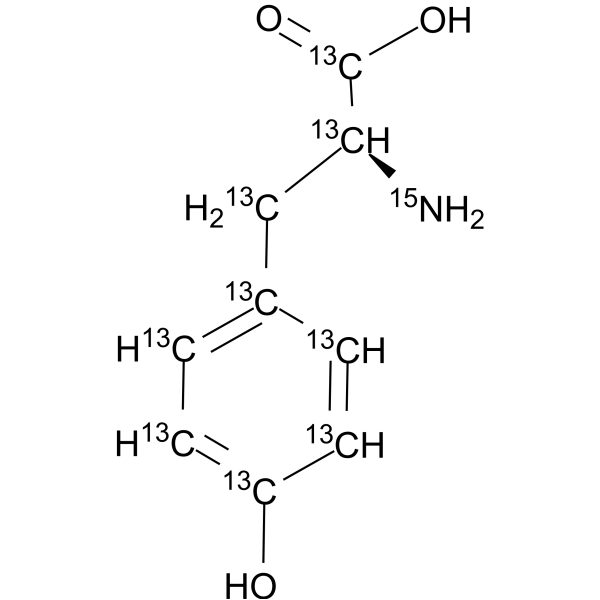
    L-Tyrosine- 13C9, 15N is the 13C- and 15N-labeled L-Tyrosine. L-Tyrosine is an aromatic nonessential amino acid synthesized from the essential amino acid phenylalanine. L-Tyrosine is a precursor for several important neurotransmitters (epinephrine, norepinephrine, dopamine) .
    L-Tyrosine-13C9,15N
  • HY-113121R

    Drug Metabolite Reference Standards Endogenous Metabolite Cardiovascular Disease
    Vanillylmandelic acid (Standard) is the analytical standard of Vanillylmandelic acid. This product is intended for research and analytical applications. Vanillylmandelic acid is the endproduct of epinephrine and norepinephrine metabolism. Vanillylmandelic acid can be used as an indication of the disorder in neurotransmitter metabolism as well. Vanillylmandelic acid has antioxidant activity towards DPPH radical with an IC50 value of 33 μM .
    Vanillylmandelic acid (Standard)
  • HY-E70007

    COMT

    Endogenous Metabolite Neurological Disease
    Catechol O-methyltransferase, porcine liver (COMT), the magnesium-dependent transfer of methyl groups from S-adenosyl methionine to a hydroxyl group on dopamine, converting it to 3-methoxytyramine. Catechol O-methyltransferase has two forms in tissues, a soluble form (S-COMT) and a membrane-bound form (MB-COMT). Catechol O-methyltransferase is to regulate epinephrine, norepinephrine, and dopamine levels in the brain .
    Catechol O-methyltransferase, porcine liver
  • HY-137273

    Somatostatin Receptor MMP Inflammation/Immunology
    Sucrose octasulfate sodium, a derivative of sulfated oligosaccharides, is a matrix metalloproteinase (MMP) inhibitor. Sucrose octasulfate sodium stimulates the release of somatostatin-like immunoreactivity (SLI) from the stomach by acting directly on D cells in the gastric mucosa. Sucrose octasulfate sodium exerts its ulcer-healing effect by releasing endogenous gastric somatostatin. Sucrose octasulfate sodium can be used as a pharmaceutical excipient and significantly improves wound closure in diabetic foot ulcers caused by nerve ischemia and venous leg ulcers. Sucrose octasulfate sodium can be used in the study of chronic wound healing .
    Sucrose octasulfate sodium
  • HY-13458S1

    L-DOPS-13C2,15N hydrochloride; DOPS-13C2,15N hydrochloride; SM5688-13C2,15N hydrochloride

    Adrenergic Receptor Isotope-Labeled Compounds Neurological Disease
    Droxidopa- 13C2, 15N (hydrochloride) is deuterium labeled Droxidopa. Droxidopa(L-DOPS), the mixture of Droxidopa (w/w80%) and Pharmaceutical starch (w/w20%), acts as a proagent to the neurotransmitters norepinephrine (noradrenaline) and epinephrine (adrenaline); Droxidopa(L-DOPS) is capable of crossing the protective blood-brain barrier .
    Droxidopa-13C2,15N hydrochloride
  • HY-143954S

    Drug Metabolite Isotope-Labeled Compounds Others
    Epinephrine impurity 19-d3 (hydrochloride) is the deuterium labeled Epinephrine impurity 19 .
    Epinephrine impurity 19-d3 hydrochloride
  • HY-149389

    Adrenergic Receptor Endocrinology
    PNMT-IN-1 (inhibtor 4) is a specific inhibitor of phenylethanolamine N-methyltransferas (PNMT) with a Ki value of 1.2 nM and a IC50 value of 81 nM. PNMT-IN-1 also inhibits the vitality of DNMT1 and DNMT3b, with the IC50 value of 61 μM and 17 μM, respectively, and has an antagonistic effect on epinephrine.PNMT-IN-1 (inhibtor 4 ) is a second generation inhibitor .
    PNMT-IN-1
  • HY-139483S

    Isotope-Labeled Compounds Others
    Epinephrine Sulfonic acid-d3 is the deuterium labeled Epinephrine Sulfonic acid .
    Epinephrine Sulfonic acid-d3
  • HY-B1323R

    Dipivefrine hydrochloride (Standard)

    Reference Standards Endogenous Metabolite Neurological Disease
    Dipivefrin (hydrochloride) (Standard) is the analytical standard of Dipivefrin (hydrochloride). This product is intended for research and analytical applications. Dipivefrin hydrochloride (Dipivefrine hydrochloride) is an antiglaucoma proagent that is hydrolyzed to the active compound, epinephrine, by esterases in the cornea .
    Dipivefrin hydrochloride (Standard)
  • HY-P3064

    Leiurotoxin I

    Potassium Channel Neurological Disease
    Scyllatoxin (Leiurotoxin I) is a peptide toxin, it can be isolated from the venom of the scorpion (Leiurus quinquestriatus hebraeus). Scyllatoxin is a blocker of small-conductance KCa (SK) channel. Scyllatoxin enhances both norepinephrine (NE) and epinephrine (Epi) release in vivo .
    Scyllatoxin
  • HY-157976

    dinor-PGE1

    Endogenous Metabolite Prostaglandin Receptor Others
    Dinorprostaglandin E1 (dinor-PGE1) is the hepatocyte metabolite of prostaglandin E1 and prostaglandin E. Prostaglandin E1 and prostaglandin E inhibit glucagon, epinephrine, isoproterenol (beta-adrenergic agonist), or epinephrine-stimulated glycogenolysis when co-treated with Isoproterenol (HY-B0468) .
    Dinorprostaglandin E1
  • HY-107915R

    (-)-Cobefrin (Standard); (-)-α-Methylnoradrenaline (Standard); (-)-Nordefrin (Standard)

    Reference Standards Adrenergic Receptor Others
    Levonordefrin (Standard) is the analytical standard of Levonordefrin. This product is intended for research and analytical applications. Levonordefrin ((-)-Cobefrin; (-)-α-Methylnoradrenaline; (-)-Nordefrin) is an α-adrenergic receptor agonist with blood pressure regulatory properties. Levonordefrin is a key metabolite responsible for the hypotensive effect of α-methyldopa. By stimulating central α-adrenergic receptors in the nucleus tractus solitarius region of the medulla oblongata, Levonordefrin induces centrally mediated hypotension and bradycardia. When administered intravenously, Levonordefrin increases mean arterial blood pressure in a dose-dependent manner. Levonordefrin is applicable for research on the pathophysiology of hypertension and drug metabolism .
    Levonordefrin (Standard)
  • HY-W181626A

    DU 21445 hydrochloride

    5-HT Receptor Cardiovascular Disease
    Tiprenolol hydrochloride is a β-adrenoceptor blocker. Tiprenolol hydrochloride abolished ventricular arrhythmias induced by intravenous epinephrine in dogs receiving halothane inhalation .
    Tiprenolol hydrochloride
  • HY-B1323S

    Dipivefrine-d6 hydrochloride

    Isotope-Labeled Compounds Endogenous Metabolite Neurological Disease
    Dipivefrin-d6 (hydrochloride) is deuterium labeled Dipivefrin (hydrochloride). Dipivefrin hydrochloride (Dipivefrine hydrochloride) is an antiglaucoma proagent that is hydrolyzed to the active compound, epinephrine, by esterases in the cornea .
    Dipivefrin-d6 hydrochloride
  • HY-119883

    Adrenergic Receptor Neurological Disease
    A-61603 free base is a potent adrenergic receptor agonist. A-61603 free base reduces carotid artery conductance in anesthetized pigs mediated by α1 and α2 adrenergic receptors (pEC50=7.25). A-61603 free base can be used as a probe to study adrenergic function .
    A-61603 (free base)
  • HY-122221

    Adrenergic Receptor Adenylate Cyclase Cardiovascular Disease
    KUM 32 is a potent antagonist of epinephrine-induced platelet aggregation. KUM 32 is an adenylate cyclase activity inhibitor. KUM 32 binds to the alpha 2 adrenergic receptor of human platelets .
    KUM 32
  • HY-B0890A

    McN-2783-21-98 free acid

    PGE synthase Neurological Disease Inflammation/Immunology
    Zomepirac (McN-2783-21-98 free acid) is an orally active prostaglandin synthetase inhibitor. Zomepirac blocks prostaglandin synthesis and inhibits Collagen (HY-P72147)- or Epinephrine (HY-B0447)-induced platelet aggregation. Zomepirac can be used for the research of postoperative pain and osteoarthritis .
    Zomepirac
  • HY-135488

    Adrenergic Receptor Cardiovascular Disease
    A 131701 is a selective α1a- (Ki: 0.22 nM for human α1a) and α1d-adrenoceptor antagonist. A 131701 antagonizes epinephrine-induced increases in intraurethral pressure (IUP). A 131701 causes transient decreases in mean arterial blood pressure (MABP) and transient tachycardia. A 131701 can be used in the research of spontaneous hypertension .
    A 131701
  • HY-152862

    Drug Intermediate Adrenergic Receptor Inflammation/Immunology
    Dibutepinephrine is an orally active adrenergic prodrug. Dibutepinephrine rapidly alleviates allergic symptoms. Dibutepinephrine can be used for the research of severe allergic reactions .
    Dibutepinephrine
  • HY-B0890R

    McN-2783-21-98 (Standard)

    PGE synthase Reference Standards Neurological Disease Inflammation/Immunology
    Zomepirac sodium salt (Standard) is the analytical standard of Zomepirac sodium salt (HY-B0890). This product is intended for research and analytical applications. Zomepirac sodium salt (McN-2783-21-98) is an orally active prostaglandin synthetase inhibitor. Zomepirac sodium salt blocks prostaglandin synthesis and inhibits Collagen (HY-P72147)- or Epinephrine (HY-B0447)-induced platelet aggregation. Zomepirac sodium salt can be used for the research of postoperative pain and osteoarthritis .
    Zomepirac sodium salt (Standard)
  • HY-121670

    Others Neurological Disease
    Ambenoxan is a central nervous system-acting skeletal muscle relaxant that is effective in mice, rats, rabbits, dogs, and monkeys without loss of the righting reflex. It has no peripheral neuromuscular blocking effects and significantly reduces or eliminates decerebrate rigidity in rabbits, but does not antagonize the effects of strychnine, leptazol, or tremorine. Like other central nervous system depressants, ambenoxan prolongs sleep duration with hexobarbitone, but it has no local anesthetic effects. In anesthetized cats, the agent lowers blood pressure and reduces the pressor response to epinephrine, but has no effect on norepinephrine.
    Ambenoxan
  • HY-121670A

    Adrenergic Receptor Neurological Disease
    Ambenoxan hydrochloride is a central nervous system-acting skeletal muscle relaxant that is effective in mice, rats, rabbits, dogs, and monkeys without loss of the righting reflex. It has no peripheral neuromuscular blocking effects and significantly reduces or eliminates decerebrate rigidity in rabbits, but does not antagonize the effects of strychnine, leptazol, or tremorine. Like other central nervous system depressants, ambenoxan prolongs sleep duration with hexobarbitone, but it has no local anesthetic effects. In anesthetized cats, the agent lowers blood pressure and reduces the pressor response to epinephrine, but has no effect on norepinephrine.
    Ambenoxan hydrochloride
  • HY-128483R

    TGF-beta/Smad PI3K NF-κB Akt Apoptosis Dopamine β-hydroxylase mTOR Adrenergic Receptor Reference Standards Cardiovascular Disease Endocrinology Cancer
    Fusaric acid (Standard) is the analytical standard of Fusaric acid (HY-128483). This product is intended for research and analytical applications. Fusaric acid is an orally active multi-pathway inhibitor with the activity of inducing oxidative stress and apoptosis. Fusaric acid can chelate divalent metal cations, damage mitochondrial membrane structure, and activate apoptosis-related proteases such as Caspase-3/7, -8, and -9. Fusaric acid also regulates Bax/Bcl-2 protein, inhibits fibrosis-related signaling pathways such as NF-κB, TGF-β1/SMADs, and PI3K/AKT/mTOR, and reduces collagen deposition. Fusaric acid is also a dopamine β-hydroxylase inhibitor, which reduces endogenous levels of norepinephrine and epinephrine in the brain, heart, spleen, and adrenal glands. Fusaric acid can play a role in myocardial fibrosis and improve cardiac hypertrophy in heart disease, and can also be used in the study of esophageal cancer and liver cancer .
    Fusaric acid (Standard)
  • HY-W587743

    AMK hydrochloride

    Prostaglandin Receptor PGE synthase COX Reactive Oxygen Species (ROS) Neurological Disease Metabolic Disease
    N1-Acetyl-5-methoxykynuramine (AMK) hydrochloride is an active metabolite of the neurohormone melatonin (HY-B0075). N1-Acetyl-5-methoxykynuramine hydrochloride (200 µM) effectively scavenges singlet oxygen (ROS).1 It also inhibits the production of prostaglandin E2 (PGE2) and prostaglandin D2 (PGD2) induced by epinephrine and arachidonic acid in a concentration- and time-dependent manner, and suppresses the increase in COX-2 levels induced by LPS (HY-D1056) in RAW 264.7 macrophages at a concentration of 500 µM. In a mouse model of Parkinson's disease induced by MPTP (HY-15608), N1-Acetyl-5-methoxykynuramine hydrochloride (20 mg/kg) reduces the increase in lipid peroxidation in the cytosol and mitochondria of the substantia nigra and striatum. N1-Acetyl-5-methoxykynuramine hydrochloride can be used in research on metabolic and neurological diseases
    N1-Acetyl-5-methoxykynuramine hydrochloride
  • HY-135242

    Adrenergic Receptor Endocrinology
    LY87130 free base is an octopamine-N-methyltransferase inhibitor with epinephrine-inhibiting activity. LY87130 free base can significantly reduce the basal level of epinephrine in the hypothalamus after administration. LY87130 free base has no significant effect on the basal levels of norepinephrine, 3,4-dihydroxyphenylacetic acid (DOPAC) and 5-hydroxyindoleacetic acid (5-HIAA) in the hypothalamus .
    LY87130 free base
  • HY-W683409

    1064 Th

    Adrenergic Receptor Cardiovascular Disease Neurological Disease
    Dimorpholamine (1064 Th) is a central nervous system stimulant. Dimorpholamine can increase the excitatory and inhibitory junction potentials at the neuromuscular junctions of crayfish. Dimorpholamine can also exert epinephrine-like pressor effects by promoting the release of catecholamines (mainly epinephrine) from the adrenal medulla. Dimorpholamine can be used in the research of respiratory failure as well as neurological and cardiovascular system diseases .
    Dimorpholamine
  • HY-E70970

    Endogenous Metabolite Neurological Disease
    Catechol-O-methyl Transferase, Porcine (EC 2.1.1.6) is one of several enzymes that degrade catecholamines such as dopamine, epinephrine, and norepinephrine.
    Catechol-O-methyl Transferase, Porcine
  • HY-Y0123S2

    Isotope-Labeled Compounds Neurological Disease
    DL-Tyrosine-d2 is the deuterium labeled DL-Tyrosine. DL-Tyrosine is an aromatic nonessential amino acid synthesized from the essential amino acid phenylalanine. DL-Tyrosine is a precursor for several important neurotransmitters (epinephrine, norepinephrine, dopamine) .
    DL-Tyrosine-d2
  • HY-Y0123S3

    Isotope-Labeled Compounds Neurological Disease
    DL-Tyrosine-d3 is the deuterium labeled DL-Tyrosine. DL-Tyrosine is an aromatic nonessential amino acid synthesized from the essential amino acid phenylalanine. DL-Tyrosine is a precursor for several important neurotransmitters (epinephrine, norepinephrine, dopamine) .
    DL-Tyrosine-d3
  • HY-Y0123S1

    Isotope-Labeled Compounds Neurological Disease
    DL-Tyrosine-d7 is the deuterium labeled DL-Tyrosine. DL-Tyrosine is an aromatic nonessential amino acid synthesized from the essential amino acid phenylalanine. DL-Tyrosine is a precursor for several important neurotransmitters (epinephrine, norepinephrine, dopamine) .
    DL-Tyrosine-d7
  • HY-113121S1

    Isotope-Labeled Compounds Endogenous Metabolite Cardiovascular Disease
    Vanillylmandelic acid-d is the deuterium labeled Vanillylmandelic acid. Vanillylmandelic acid is the endproduct of epinephrine and norepinephrine metabolism. Vanillylmandelic acid can be used as an indication of the disorder in neurotransmitter metabolism as well. Vanillylmandelic acid has antioxidant activity towards DPPH radical with an IC50 value of 33 μM .
    Vanillylmandelic acid-d1
  • HY-Y0123R

    Drug Derivative Reference Standards Infection Neurological Disease
    DL-Tyrosine (Standard) is the analytical standard of DL-Tyrosine (HY-Y0123). This product is intended for research and analytical applications. DL-Tyrosine is an aromatic nonessential amino acid synthesized from the essential amino acid phenylalanine. DL-Tyrosine is a precursor for several important neurotransmitters (epinephrine, norepinephrine, dopamine) .
    DL-Tyrosine (Standard)
  • HY-16738AR

    GS 6615 hydrochloride (Standard)

    Sodium Channel Potassium Channel Reference Standards Cardiovascular Disease
    Eleclazine (hydrochloride) (Standard) is the analytical standard of Eleclazine (hydrochloride). This product is intended for research and analytical applications. Eleclazine (GS 6615) hydrochloride is a selective cardiac late sodium current inhibitor and a weak inhibitor of potassium current with IC50 value of <1 μM and approximately 14.2 μM, respectively. Eleclazine hydrochloride shows concurrent protection against autonomically induced atrial premature beats, repolarization alternans and heterogeneity, and atrial fibrillation in porcine model. Eleclazine hydrochloride can be used to research cardiac arrhythmias .
    Eleclazine hydrochloride (Standard)
  • HY-149310A

    PCSK9 HMG-CoA Reductase (HMGCR) Metabolic Disease
    Dim16 hydrochloride is a dual PCSK9 inhibitor and HMG-CoAR inhibitor, with an IC50 of 0.8 nM against human PCSK9 and an IC50 of 146.8 μM against HMG-CoAR. Dim16 hydrochloride disrupts the PCSK9-LDLR protein-protein interaction, inhibits the catalytic activity of HMG-CoAR, enhances cellular uptake of extracellular LDL, and suppresses PCSK9-induced platelet aggregation. Dim16 hydrochloride can be used in research related to hypercholesterolemia .
    Dim16 hydrochloride

Inquiry Online

Your information is safe with us. * Required Fields.

Salutation


Country or Region *

Applicant Name *


Organization Name *

Department *


Email Address *


Product Name *

Cat. No.


Requested quantity *

Phone Number *


Remarks

Inquiry Online

Inquiry Information

Product Name:
Cat. No.:
Quantity:
MCE Japan Authorized Agent:

