




Search Result
Results for "
fluorescein dye
" in MedChemExpress (MCE) Product Catalog:
3
Biochemical Assay Reagents
| Cat. No. |
Product Name |
Target |
Research Areas |
Chemical Structure |
-
- HY-128868E
-
|
|
Biochemical Assay Reagents
|
Others
|
|
FITC-Dextran (MW 70000) is a compound belonging to the class of fluorescent dyes. It is commonly used in biomedical research as a tracer molecule to label and track cells or other biological matter. FITC-Dextran consists of fluorescein isothiocyanate (FITC) and dextran, a complex carbohydrate derived from starch. The combination of the two creates a stable fluorescent tracer that can be viewed under a microscope or quantified using specialized detection instruments.
|
-
-
- HY-111330
-
|
HPF; 3'-p-(Hydroxyphenyl) fluorescein
|
Fluorescent Dye
Reactive Oxygen Species (ROS)
|
Others
|
|
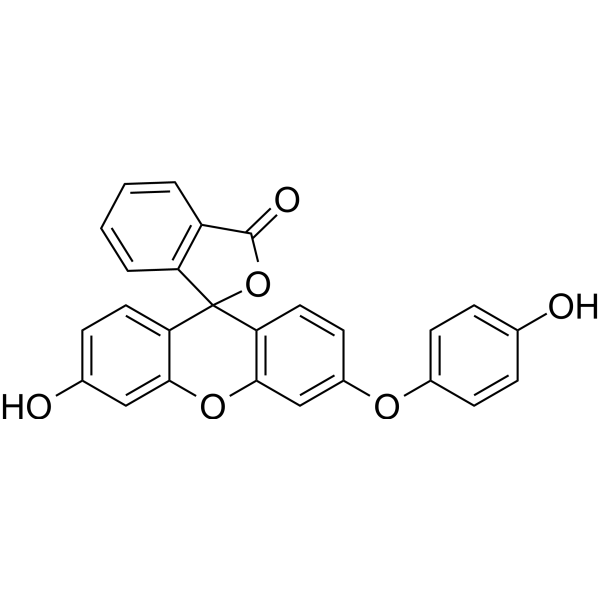
Hydroxyphenyl Fluorescein (HPF) is a stable ROS fluorescent probe dye. Hydroxyphenyl Fluorescein has stronger specificity and stability than H2DCFDA (HY-D0940). Hydroxyphenyl Fluorescein can produce strong green fluorescence through hydroxyl radical reaction with intracellular peroxynitroso. Hydroxyphenyl Fluorescein can be applied for fluorescence microscopy, high-throughput imager, luciferase microplate reader or flow cytometry. Ex/Em=490/515 nm .
|
-
-
- HY-128868I
-
|
|
Biochemical Assay Reagents
|
Others
|
|
FITC-Dextran (MW 2000000) is a compound belonging to the class of fluorescent dyes. It is commonly used in biomedical research as a tracer molecule to label and track cells or other biological matter. FITC-Dextran consists of fluorescein isothiocyanate (FITC) and dextran, a complex carbohydrate derived from starch. The combination of the two creates a stable fluorescent tracer that can be viewed under a microscope or quantified using specialized detection instruments.
|
-
-
- HY-D0214
-
|
|
Influenza Virus
Photosensitizer
Amyloid-β
|
Infection
Neurological Disease
Cancer
|
|
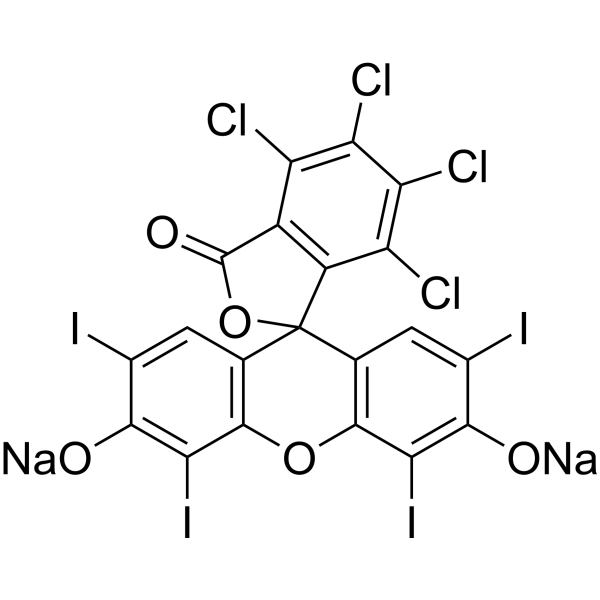
Acid Red 94 sodium, a synthetic fluorescein derivative, is a deep red dye primarily composed of 4,5,6,7-tetrachloro-2,4,5,7-tetraiodo fluorescein. It is widely used as an ophthalmic diagnostic agent to detect dry or damaged cells on the ocular surface. Acid Red 94 sodium exhibits antitumor activity and can inhibit Friend Leukemia Virus (FLV) infection through photodynamic action. Additionally, Acid Red 94 sodium can inhibit Aβ aggregation through light irradiation. Acid Red 94 sodium holds potential for use in cancer, viral infections, and neurodegenerative disease research .
|
-
-
- HY-D0098
-
|
N-(5-fluoresceinyl)maleimide
|
Fluorescent Dye
|
Others
|
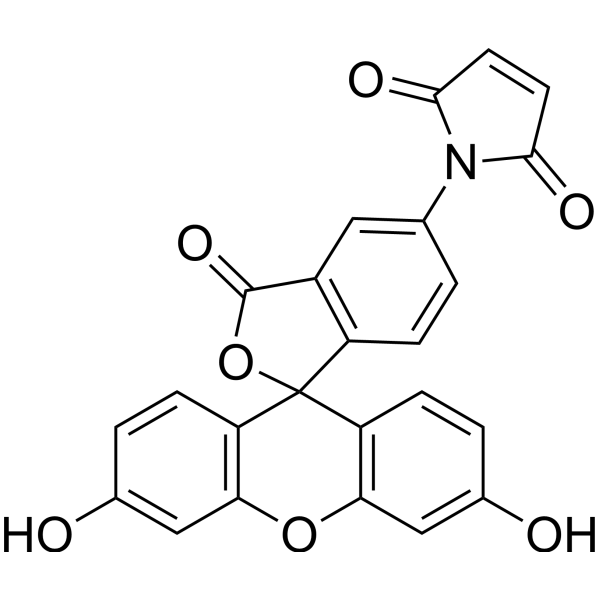
Fluorescein-5-maleimide (N-(5-Fluoresceinyl)maleimide) is a fluorescent dye. Fluorescein-5-maleimide can be used to detect the redox state of thiols in eukaryotic cells. Fluorescein-5-maleimide can label peptides and is used to detect negatively charged nanoparticles. Fluorescein-5-maleimide can also label actin to explore its interaction with cardiac myosin-binding protein C (cMyBP-C), which helps in developing small molecule modulators for heart failure. Fluorescein-5-maleimide can screen mutant proteins that contain cysteine residues. The excitation wavelength of Fluorescein-5-maleimide is 494 nm, and the emission wavelength is 519 nm .
|
-
-
- HY-128868C
-
|
|
Biochemical Assay Reagents
|
Others
|
|
FITC-Dextran (MW 20000) is a compound belonging to the class of fluorescent dyes. It is commonly used in biomedical research as a tracer molecule to label and track cells or other biological matter. FITC-Dextran consists of fluorescein isothiocyanate (FITC) and dextran, a complex carbohydrate derived from starch. The combination of the two creates a stable fluorescent tracer that can be viewed under a microscope or quantified using specialized detection instruments.
|
-
-
- HY-128868H
-
|
|
Biochemical Assay Reagents
|
Others
|
|
FITC-Dextran (MW 500000) is a compound belonging to the class of fluorescent dyes. It is commonly used in biomedical research as a tracer molecule to label and track cells or other biological matter. FITC-Dextran consists of fluorescein isothiocyanate (FITC) and dextran, a complex carbohydrate derived from starch. The combination of the two creates a stable fluorescent tracer that can be viewed under a microscope or quantified using specialized detection instruments.
|
-
-
- HY-D0722
-
|
5-(6)-Carboxyfluorescein diacetate; CFDA
|
Fluorescent Dye
|
Others
|
|
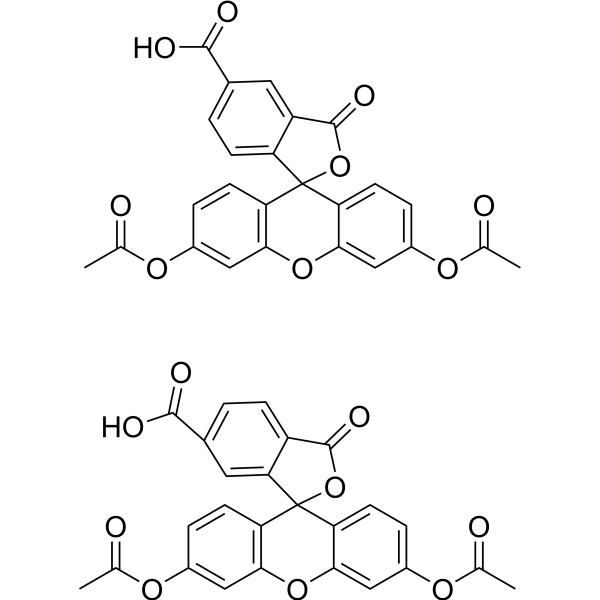
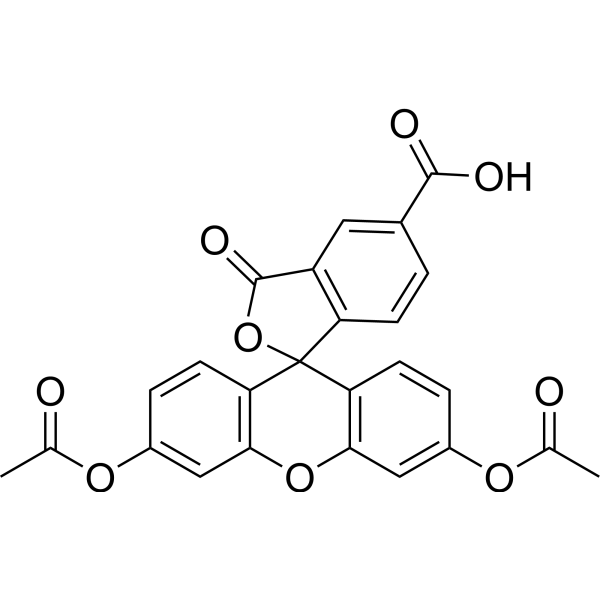
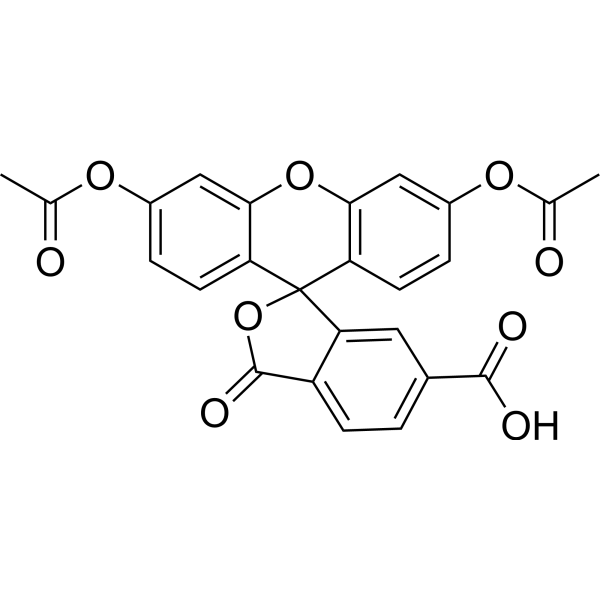
5(6)-CFDA is a common aliphatic luciferin-line organism. CFDA conducts free diffusion into cells, and then it is hydrolyzed into carboxyl fluorescein (CF) by intracellular non-specific lipase. CF containing portion contains an additional negative charge so that it is better retained in cells, compared to fluorescein dyes .
|
-
-
- HY-15941
-
|
fluorescein 5(6)-isothiocyanate; fluorescein isothiocyanate 5- and 6- isomers
|
Fluorescent Dye
|
Others
|
|
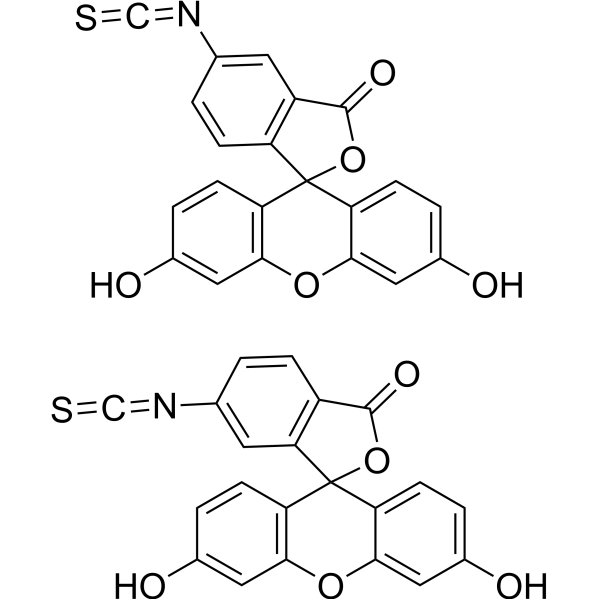
5(6)-FITC (Fluorescein 5(6)-isothiocyanate) is an amine-reactive derivative of a fluorescent dye, characterized by high absorbance and excellent fluorescence quantum yield. The isothiocyanate group of FITC can react with various functional groups on proteins, including amines, thiols, imidazoles, tyrosines and carbonyls, enabling the labeling of proteins such as antibodies and lectins. 5(6)-FITC has a wide range of applications, including flow cytometry, immunofluorescence, protease assays and conjugation. The maximum excitation/emission wavelengths are 492/518 nm .
|
-
-
- HY-D0047
-
5-CFDA
3 Publications Verification
5-Carboxyfluorescein diacetate
|
Fluorescent Dye
|
Others
|
|
5-CFDA is a common aliphatic luciferin-line organism. CFDA conducts free diffusion into cells, and then it is hydrolyzed into carboxyl fluorescein (CF) by intracellular non-specific lipase. CF containing portion contains an additional negative charge so that it is better retained in cells, compared to fluorescein dyes .
|
-
-
- HY-D0721
-
|
6-Carboxyfluorescein diacetate
|
Fluorescent Dye
|
Others
|
|
6-CFDA is a common aliphatic luciferin-line organism. CFDA conducts free diffusion into cells, and then it is hydrolyzed into carboxyl fluorescein (CF) by intracellular non-specific lipase. CF containing portion contains an additional negative charge so that it is better retained in cells, compared to fluorescein dyes .
|
-
-
- HY-W923198
-
|
Methacryloyloxy fluorescein
|
Fluorescent Dye
|
Others
|
|
Fluorescein O-methacrylate (Methacryloyloxy fluorescein) is a pH-responsive fluorescent monomeric dye. Fluorescein O-methacrylate exhibits pH-responsive fluorescence properties: its fluorescence is activated under alkaline conditions and quenched under neutral or acidic conditions; reversible switching of fluorescence is achievable by adjusting the pH of the solution. Fluorescein O-methacrylate can be used as a monomer for the synthesis of amphiphilic fluorescein polymers. These polymers can self-assemble into stable polymer nanoparticles with enhanced aqueous-phase fluorescence, and also enable the conjugation of nanoparticles with amine-containing biomolecules to support sensitive optical detection of biomarkers (Ex/Em = 490/520 nm) .
|
-
-
- HY-128868J
-
|
|
Biochemical Assay Reagents
|
Others
|
|
FITC-Dextran (MW 1000) is a compound that belongs to the class of fluorescent dyes. It is often used as a tracer molecule in biomedical research to label and track cells or other biological substances. FITC-Dextran consists of fluorescein isothiocyanate (FITC) and dextran, a complex carbohydrate extracted from starch. The combination of the two creates a stable fluorescent tracer that can be observed under a microscope or quantified using specialized detection instruments.
|
-
-
- HY-128868F
-
|
|
Biochemical Assay Reagents
|
Others
|
|
FITC-Dextran (MW 110000) is a compound belonging to the class of fluorescent dyes. It is commonly used in biomedical research as a tracer molecule to label and track cells or other biological matter. FITC-Dextran consists of fluorescein isothiocyanate (FITC) and dextran, a complex carbohydrate derived from starch. The combination of the two creates a stable fluorescent tracer that can be viewed under a microscope or quantified using specialized detection instruments.
|
-
-
- HY-W440917
-
|
|
Liposome
|
Others
|
|
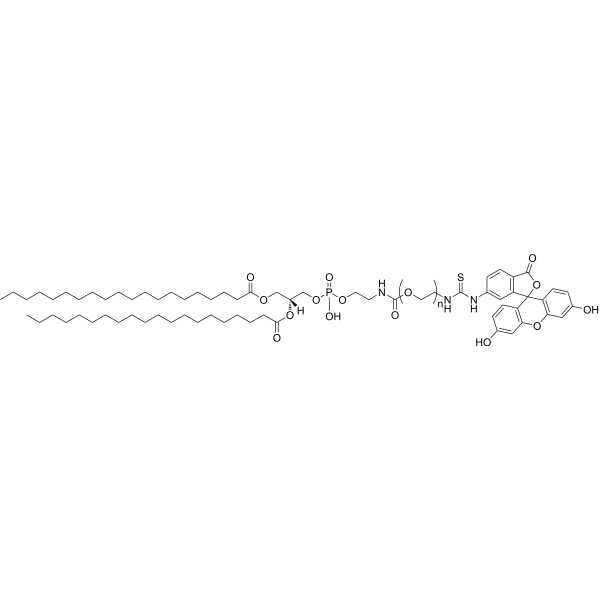
DSPE-PEG5000-FITC is a fluorescein attached PEG lipid. It can be used to prepare liposomes as drug carrier in targeted drug delivery. The polymer is modified with fluorescein (green) dye which can be used for staining cells, tissues, biomarkers, or nanoparticles.
|
-
-
- HY-D0029
-
|
5(6)-AFM; fluoresceinamine mixed isomers
|
Fluorescent Dye
|
Others
|
|
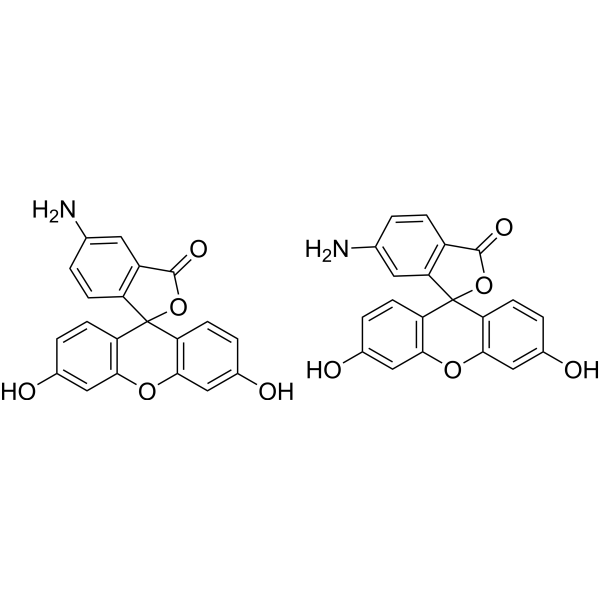
5(6)-Aminofluorescein (5(6)-AFM) is an amino-containing fluorescein dye primarily used for biomolecular labeling, fluorescence imaging, and as a precursor for the synthesis of fluorescent probes (Ex/Em = 495/515 nm).
|
-
-
- HY-D1082
-
|
|
Fluorescent Dye
|
Others
|
|
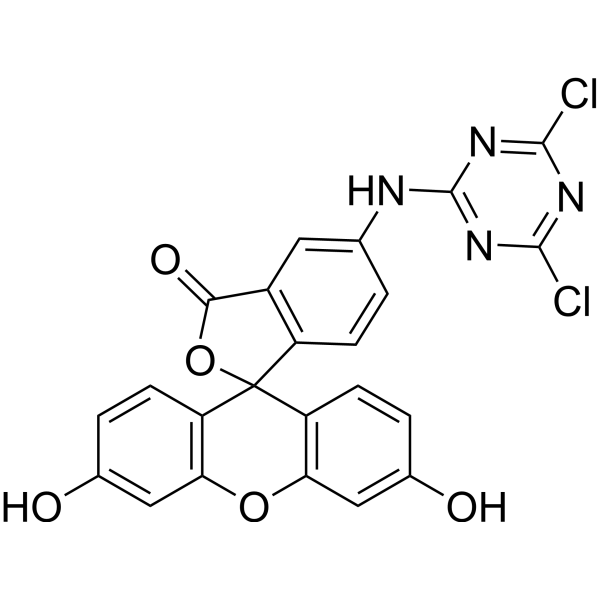
5-DTAF is a fluorescein dye that directly react with polysaccharides and other alcohols in aqueous solution at pH >9. The maximum of the 5-DTAF emission profile is at a wavelength of 518 nm after excitation at 488 nm. 5-DTAF can be used for biomolecular labeling, protein detection, and cell imaging .
|
-
-
- HY-D0214R
-
|
|
Reference Standards
Influenza Virus
|
Others
|
|
Acid Red 94 sodium (Standard) is the analytical standard of Acid Red 94 sodium. This product is intended for research and analytical applications. Acid Red 94 sodium, a synthetic fluorescein derivative, and is a crimson-coloured dye with the principal component being 4,5,6,7-tetrachloro-2,4,5,7-tetraiodo fluorescein. Acid Red 94 sodium has been widely used as an ophthalmic diagnostic agents, and can detect desiccated or damaged cells on the ocular surface. Acid Red 94 sodium exhibits antiviral activities .
|
-
-
- HY-W440916
-
|
|
Liposome
|
Others
|
|
DSPE-PEG3400-FITC is a fluorescein attached PEG lipid. It can be used to prepare liposomes as drug carrier in targeted drug delivery. The polymer is modified with fluorescein (green) dye which can be used for staining cells, tissues, biomarkers, or nanoparticles.
|
-
-
- HY-W110898
-
|
|
Fluorescent Dye
|
Others
|
|
Nile blue chloride is a highly fluorescent and photostable organic dye. Nile blue chloride and fluorescein isothiocyanate (FITC) can be used to construct a ratiometric pH sensitive probe for tracking the pH of the extracellular fluid between cancer cells in realtime. Nile Blue chloride has the potential for the research of nonlinear optics .
|
-
-
- HY-W440915
-
|
|
Liposome
|
Inflammation/Immunology
|
|
DSPE-PEG2000-FITC is a PEG lipid conjugated with fluorescein. FITC is a green dye with a peak absorption at 494 nm and a maximum emission at 520 nm, which is used for staining biological samples or nanoparticles. DSPE-PEG2000-FITC spontaneously forms lipid bilayers or micelles in water and can be used to prepare liposomes for delivering substances such as mRNA vaccines .
|
-
-
- HY-129887
-
|
|
Fluorescent Dye
|
Others
|
|
Fluorescein diphosphate tetraammonium is a fluorescent dye, it can be used as a fluorogenic substrate and generats fluorescein as a fluorescent product .
|
-
-
- HY-D1221
-
|
|
Fluorescent Dye
|
Others
|
|
6-Fluorescein phosphoramidite is a potent fluorescent dye. 6-Fluorescein phosphoramidite can be used to label oligonucleotides .
|
-
-
- HY-D1693
-
|
|
Fluorescent Dye
|
Inflammation/Immunology
Cancer
|
|
FBBBE is used to detect the production of H2O2 by cells. FBBBE can be triggered by intracellular H2O2 and converted to fluorescein, resulting in an increase in intracellular fluorescence (Ex=4480 nm, Em=512 nm) .
|
-
-
- HY-DY1035
-
|
|
Reactive Oxygen Species (ROS)
Fluorescent Dye
|
Others
|
Hydroxyphenyl Fluorescein (HPF) (solution) is a stable ROS fluorescent probe dye. Hydroxyphenyl Fluorescein has stronger specificity and stability than H2DCFDA (HY-D0940). Hydroxyphenyl Fluorescein can produce strong green fluorescence through hydroxyl radical reaction with intracellular peroxynitroso. Hydroxyphenyl Fluorescein can be applied for fluorescence microscopy, high-throughput imager, luciferase microplate reader or flow cytometry. Ex/Em=490/515 nm . Solvent and concentration: DMSO: 10 mM
|
-
-
- HY-P2496
-
|
|
Endothelin Receptor
Fluorescent Dye
NF-κB
COX
Prostaglandin Receptor
Apoptosis
TNF Receptor
Interleukin Related
MMP
|
Cardiovascular Disease
Inflammation/Immunology
Cancer
|
|
Endothelin 1 (swine, human), Alexa Fluor 488-labeled is an Endothelin-1 conjugated with Alexa Fluor 488 (HY-D1304). Endothelin-1 is an endogenous vasoconstrictor and agonist of ETA/ETB receptor. Endothelin 1 (swine, human) exerts effects including promoting mitosis, angiogenesis, tumor invasion and metastasis, and inhibiting apoptosis. Endothelin 1 (swine, human) induces inflammation and oxidative stress by activating the NF-κB pathway. Endothelin 1 (swine, human), Alexa Fluor 488-labeled is specifically designed for fluorescence imaging, flow cytometry or receptor localization studies, and can be used in research related to sepsis, atherosclerosis, systemic inflammatory response syndrome, cancer and congestive heart failure .
|
-
-
- HY-W927359
-
|
|
Fluorescent Dye
|
Others
|
|
Fluorescein hydrazide (3,6-Dihydroxyxanthane) is a fluorescein dye that can be used for the fluorophotometric determination of hydrogen peroxide (H2O2) and other reactive oxygen species (ROS) .
|
-
-
- HY-D1671
-
|
|
Fluorescent Dye
|
Others
|
|
TRITC-DHPE is a rhodamine-labeled glycerophosphate ethanolamine lipid, with head groups marked with bright red fluorescent TRITC dye (λEx/λEm=514/580 nm). TRITC-DHPE can be used for membrane fusion assay to trace lipid processing in intracellular phagocytosis. TRITC-DHPE can serves as an energy transfer receptor for NBD, BODIPY and fluorescein lipid probes .
|
-
-
- HY-W003112
-
|
|
Fluorescent Dye
|
Others
|
|
4-Fluororesorcinol is a precursor used in the preparation of fluorescent dyes or indicators such as fluorescein, coumarin and resorcinol analogues .
|
-
-
- HY-132263
-
|
|
Fluorescent Dye
|
Others
|
|
FAM hydrazide, 5-isomer is a Fluorescein dye linker containing a hydrazide group. Fluorescein is a universal dye. Hydrazide moieties react with aldehydes to form semi-permanent hydrazone bonds.
|
-
-
- HY-151690
-
|
|
Fluorescent Dye
|
Others
|
|
FAM hydrazide, 6-isomer is a hydrazide derivative of fluorescein (FAM). FAM is a xanthene dye, a parent of fluorescein dye series. FAM hydrazide, 6-isomer can be used for the labeling of carbonyl compounds, aldehydes, and ketones .
|
-
-
- HY-132264
-
|
|
Fluorescent Dye
|
Others
|
|
FAM hydrazide, 6-isomer hydrochloride is a hydrazide derivative of fluorescein (FAM). FAM is a xanthene dye, a parent of fluorescein dye series. FAM hydrazide, 6-isomer hydrochloride can be used for the labeling of carbonyl compounds, aldehydes, and ketones .
|
-
-
- HY-D1405
-
-
-
- HY-D1402
-
|
|
Fluorescent Dye
|
Others
|
|
5MP-Fluorescein (compound 3e) is a fluorescein dye base on 5-Methylene pyrrolone (5MP).5-Methylene pyrrolones are highly thiol-specific and tracelessly removable bioconjugation tools .
|
-
-
- HY-D1897
-
|
5′-Tetrachlorofluorescein phosphoramidite
|
Fluorescent Dye
|
Others
|
|
6-TET phosphoramidite (5′-Tetrachlorofluorescein phosphoramidite) is a fluorescent dye that can be used for labeling an oligonucleotide with fluorescein .
|
-
-
- HY-W998662
-
|
|
Fluorescent Dye
|
Others
|
|
Coumarin 343 X carboxylic acid is a blue emitting fluorophore used as a laser dye. The fluorophore can serve as a FRET donor for FAM (fluorescein).
|
-
-
- HY-D0101A
-
|
|
Fluorescent Dye
|
Others
|
|
Fluorescein-diphosphat (ammonium) is a multifunctional dye. Dyes are important tools in biological experiments. They can help researchers observe and analyze cell structures, track biomolecules, evaluate cell functions, distinguish cell types, detect biomolecules, study tissue pathology and monitor microorganisms. Their applications range from basic scientific research to clinical A wide range of diagnostics. Dyes are also widely used in traditional fields such as textile dyeing, as well as in emerging fields such as functional textile processing, food pigments and dye-sensitized solar cells.
|
-
-
- HY-D0037
-
|
|
Fluorescent Dye
|
Others
|
|
5-Bromomethyl-fluorescein is a multifunctional dye. Dyes are important tools in biological experiments. They can help researchers observe and analyze cell structures, track biomolecules, evaluate cell functions, distinguish cell types, detect biomolecules, study tissue pathology and monitor microorganisms. Their applications range from basic scientific research to clinical A wide range of diagnostics. Dyes are also widely used in traditional fields such as textile dyeing, as well as in emerging fields such as functional textile processing, food pigments and dye-sensitized solar cells.
|
-
-
- HY-172268
-
|
|
Fluorescent Dye
|
Others
|
|
R6G phosphoramidite for oligonucleotide synthesis, pure 6-isomer. R6G (rhodamine 6G) is a xanthene dye of the rhodamine family with high fluorescence quantum yield and high molar extinction coefficient. Relative to those of fluorescein, the absorption (518 nm) and emission (542 nm) maxima of 6-R6G are shifted into the long-wave region.
|
-
-
- HY-D1687
-
|
|
Fluorescent Dye
|
Others
|
|
Flubi-2 is a fluorescein-biotin based pH-ratio dye (Ex=480 nm, Em= 520-560 nm) with a pK value of 6.7. Flubi-2 is a hydrolysis product of Flubida-2 (non-fluorescent, membrane permeable). Flubi-2 can be used for pH determination of organelles of the secretory pathway (such as golgi apparatus and endoplasmic reticulum) in living cells .
|
-
-
- HY-P4901
-
-
-
- HY-D0214E
-
|
|
Influenza Virus
Photosensitizer
Amyloid-β
|
Infection
Neurological Disease
Cancer
|
|
Acid Red 94 sodium (80%), a synthetic fluorescein derivative, is a deep red dye primarily composed of 4,5,6,7-tetrachloro-2,4,5,7-tetraiodo fluorescein. Acid Red 94 sodium (80%) is widely used as an ophthalmic diagnostic agent to detect dry or damaged cells on the ocular surface. Acid Red 94 sodium (80%) exhibits antitumor activity and can inhibit Friend Leukemia Virus (FLV) infection through photodynamic action. Additionally, Acid Red 94 sodium (80%) can inhibit Aβ aggregation through light irradiation. Acid Red 94 sodium (80%) holds potential for use in cancer, viral infections, and neurodegenerative disease research .
|
-
-
- HY-DY1088
-
|
N-(5-fluoresceinyl)maleimide (solution)
|
Fluorescent Dye
|
Others
|
Fluorescein-5-maleimide (solution) (N-(5-Fluoresceinyl)maleimide (solution)) is a fluorescent dye. Fluorescein-5-maleimide can be used to detect the redox state of thiols in eukaryotic cells. Fluorescein-5-maleimide can label peptides and is used to detect negatively charged nanoparticles. Fluorescein-5-maleimide can also label actin to explore its interaction with cardiac myosin-binding protein C (cMyBP-C), which helps in developing small molecule modulators for heart failure. Fluorescein-5-maleimide can screen mutant proteins that contain cysteine residues. The excitation wavelength of Fluorescein-5-maleimide is 494 nm, and the emission wavelength is 519 nm .
Solvent and concentration: DMSO: 10 mM
|
-
-
- HY-172728
-
|
|
Fluorescent Dye
|
Others
|
|
Difluorocarboxyfluorescein NHS Ester, 6-isomer is an amine-reactive fluorinated analog of fluorescein that overcomes some of the key limitations of fluorescein, including greater photostability and a lower pKa (pKa ~ 4.7 versus 6.4 for fluorescein), making its fluorescence essentially pH insensitive in the physiological pH range. Although the mixed isomers of Difluorocarboxyfluorescein NHS Ester, is a preferred, routinely used fluorescent dye for labeling proteins, peptides and nucleotides, purification of peptide and nucleotides labeled with 5(6) isomers might be troublesome due to significant signal broadening in HPLC purification. Peptides and nucleotides labeled with a single isomer usually give better resolution in HPLC purification that is often required in the conjugation processes.
|
-
-
- HY-DY1103
-
|
|
Biochemical Assay Reagents
|
Others
|
FITC-Dextran (MW 70000) (solution) is a compound belonging to the class of fluorescent dyes. It is commonly used in biomedical research as a tracer molecule to label and track cells or other biological matter. FITC-Dextran consists of fluorescein isothiocyanate (FITC) and dextran, a complex carbohydrate derived from starch. The combination of the two creates a stable fluorescent tracer that can be viewed under a microscope or quantified using specialized detection instruments. Solvent and concentration: ddH2O: 1 mM
|
-
| Cat. No. |
Product Name |
Type |
-
- HY-128868E
-
|
|
Fluorescent Dyes
|
|
FITC-Dextran (MW 70000) is a compound belonging to the class of fluorescent dyes. It is commonly used in biomedical research as a tracer molecule to label and track cells or other biological matter. FITC-Dextran consists of fluorescein isothiocyanate (FITC) and dextran, a complex carbohydrate derived from starch. The combination of the two creates a stable fluorescent tracer that can be viewed under a microscope or quantified using specialized detection instruments.
|
-
- HY-111330
-
|
HPF; 3'-p-(Hydroxyphenyl) fluorescein
|
Fluorescent Dyes
|
|
Hydroxyphenyl Fluorescein (HPF) is a stable ROS fluorescent probe dye. Hydroxyphenyl Fluorescein has stronger specificity and stability than H2DCFDA (HY-D0940). Hydroxyphenyl Fluorescein can produce strong green fluorescence through hydroxyl radical reaction with intracellular peroxynitroso. Hydroxyphenyl Fluorescein can be applied for fluorescence microscopy, high-throughput imager, luciferase microplate reader or flow cytometry. Ex/Em=490/515 nm .
|
-
- HY-128868I
-
|
|
Fluorescent Dyes
|
|
FITC-Dextran (MW 2000000) is a compound belonging to the class of fluorescent dyes. It is commonly used in biomedical research as a tracer molecule to label and track cells or other biological matter. FITC-Dextran consists of fluorescein isothiocyanate (FITC) and dextran, a complex carbohydrate derived from starch. The combination of the two creates a stable fluorescent tracer that can be viewed under a microscope or quantified using specialized detection instruments.
|
-
- HY-D0214
-
|
|
Fluorescent Dyes
|
|
Acid Red 94 sodium, a synthetic fluorescein derivative, is a deep red dye primarily composed of 4,5,6,7-tetrachloro-2,4,5,7-tetraiodo fluorescein. It is widely used as an ophthalmic diagnostic agent to detect dry or damaged cells on the ocular surface. Acid Red 94 sodium exhibits antitumor activity and can inhibit Friend Leukemia Virus (FLV) infection through photodynamic action. Additionally, Acid Red 94 sodium can inhibit Aβ aggregation through light irradiation. Acid Red 94 sodium holds potential for use in cancer, viral infections, and neurodegenerative disease research .
|
-
- HY-D0098
-
|
N-(5-fluoresceinyl)maleimide
|
Fluorescent Dyes
|
Fluorescein-5-maleimide (N-(5-Fluoresceinyl)maleimide) is a fluorescent dye. Fluorescein-5-maleimide can be used to detect the redox state of thiols in eukaryotic cells. Fluorescein-5-maleimide can label peptides and is used to detect negatively charged nanoparticles. Fluorescein-5-maleimide can also label actin to explore its interaction with cardiac myosin-binding protein C (cMyBP-C), which helps in developing small molecule modulators for heart failure. Fluorescein-5-maleimide can screen mutant proteins that contain cysteine residues. The excitation wavelength of Fluorescein-5-maleimide is 494 nm, and the emission wavelength is 519 nm .
|
-
- HY-128868C
-
|
|
Fluorescent Dyes
|
|
FITC-Dextran (MW 20000) is a compound belonging to the class of fluorescent dyes. It is commonly used in biomedical research as a tracer molecule to label and track cells or other biological matter. FITC-Dextran consists of fluorescein isothiocyanate (FITC) and dextran, a complex carbohydrate derived from starch. The combination of the two creates a stable fluorescent tracer that can be viewed under a microscope or quantified using specialized detection instruments.
|
-
- HY-128868H
-
|
|
Fluorescent Dyes
|
|
FITC-Dextran (MW 500000) is a compound belonging to the class of fluorescent dyes. It is commonly used in biomedical research as a tracer molecule to label and track cells or other biological matter. FITC-Dextran consists of fluorescein isothiocyanate (FITC) and dextran, a complex carbohydrate derived from starch. The combination of the two creates a stable fluorescent tracer that can be viewed under a microscope or quantified using specialized detection instruments.
|
-
- HY-D0722
-
|
5-(6)-Carboxyfluorescein diacetate; CFDA
|
Fluorescent Dyes
|
|
5(6)-CFDA is a common aliphatic luciferin-line organism. CFDA conducts free diffusion into cells, and then it is hydrolyzed into carboxyl fluorescein (CF) by intracellular non-specific lipase. CF containing portion contains an additional negative charge so that it is better retained in cells, compared to fluorescein dyes .
|
-
- HY-15941
-
|
fluorescein 5(6)-isothiocyanate; fluorescein isothiocyanate 5- and 6- isomers
|
Fluorescent Dyes
|
|
5(6)-FITC (Fluorescein 5(6)-isothiocyanate) is an amine-reactive derivative of a fluorescent dye, characterized by high absorbance and excellent fluorescence quantum yield. The isothiocyanate group of FITC can react with various functional groups on proteins, including amines, thiols, imidazoles, tyrosines and carbonyls, enabling the labeling of proteins such as antibodies and lectins. 5(6)-FITC has a wide range of applications, including flow cytometry, immunofluorescence, protease assays and conjugation. The maximum excitation/emission wavelengths are 492/518 nm .
|
-
- HY-D0047
-
5-CFDA
3 Publications Verification
5-Carboxyfluorescein diacetate
|
Fluorescent Dyes
|
|
5-CFDA is a common aliphatic luciferin-line organism. CFDA conducts free diffusion into cells, and then it is hydrolyzed into carboxyl fluorescein (CF) by intracellular non-specific lipase. CF containing portion contains an additional negative charge so that it is better retained in cells, compared to fluorescein dyes .
|
-
- HY-D0721
-
|
6-Carboxyfluorescein diacetate
|
Fluorescent Dyes
|
|
6-CFDA is a common aliphatic luciferin-line organism. CFDA conducts free diffusion into cells, and then it is hydrolyzed into carboxyl fluorescein (CF) by intracellular non-specific lipase. CF containing portion contains an additional negative charge so that it is better retained in cells, compared to fluorescein dyes .
|
-
- HY-W923198
-
|
Methacryloyloxy fluorescein
|
Fluorescent Dyes
|
|
Fluorescein O-methacrylate (Methacryloyloxy fluorescein) is a pH-responsive fluorescent monomeric dye. Fluorescein O-methacrylate exhibits pH-responsive fluorescence properties: its fluorescence is activated under alkaline conditions and quenched under neutral or acidic conditions; reversible switching of fluorescence is achievable by adjusting the pH of the solution. Fluorescein O-methacrylate can be used as a monomer for the synthesis of amphiphilic fluorescein polymers. These polymers can self-assemble into stable polymer nanoparticles with enhanced aqueous-phase fluorescence, and also enable the conjugation of nanoparticles with amine-containing biomolecules to support sensitive optical detection of biomarkers (Ex/Em = 490/520 nm) .
|
-
- HY-128868J
-
|
|
Fluorescent Dyes
|
|
FITC-Dextran (MW 1000) is a compound that belongs to the class of fluorescent dyes. It is often used as a tracer molecule in biomedical research to label and track cells or other biological substances. FITC-Dextran consists of fluorescein isothiocyanate (FITC) and dextran, a complex carbohydrate extracted from starch. The combination of the two creates a stable fluorescent tracer that can be observed under a microscope or quantified using specialized detection instruments.
|
-
- HY-128868F
-
|
|
Fluorescent Dyes
|
|
FITC-Dextran (MW 110000) is a compound belonging to the class of fluorescent dyes. It is commonly used in biomedical research as a tracer molecule to label and track cells or other biological matter. FITC-Dextran consists of fluorescein isothiocyanate (FITC) and dextran, a complex carbohydrate derived from starch. The combination of the two creates a stable fluorescent tracer that can be viewed under a microscope or quantified using specialized detection instruments.
|
-
- HY-D0029
-
|
5(6)-AFM; fluoresceinamine mixed isomers
|
Fluorescent Dyes
|
|
5(6)-Aminofluorescein (5(6)-AFM) is an amino-containing fluorescein dye primarily used for biomolecular labeling, fluorescence imaging, and as a precursor for the synthesis of fluorescent probes (Ex/Em = 495/515 nm).
|
-
- HY-D1082
-
|
|
Fluorescent Dyes
|
|
5-DTAF is a fluorescein dye that directly react with polysaccharides and other alcohols in aqueous solution at pH >9. The maximum of the 5-DTAF emission profile is at a wavelength of 518 nm after excitation at 488 nm. 5-DTAF can be used for biomolecular labeling, protein detection, and cell imaging .
|
-
- HY-D0214R
-
|
|
Fluorescent Dyes
|
|
Acid Red 94 sodium (Standard) is the analytical standard of Acid Red 94 sodium. This product is intended for research and analytical applications. Acid Red 94 sodium, a synthetic fluorescein derivative, and is a crimson-coloured dye with the principal component being 4,5,6,7-tetrachloro-2,4,5,7-tetraiodo fluorescein. Acid Red 94 sodium has been widely used as an ophthalmic diagnostic agents, and can detect desiccated or damaged cells on the ocular surface. Acid Red 94 sodium exhibits antiviral activities .
|
-
- HY-W440916
-
|
|
Fluorescent Dyes
|
|
DSPE-PEG3400-FITC is a fluorescein attached PEG lipid. It can be used to prepare liposomes as drug carrier in targeted drug delivery. The polymer is modified with fluorescein (green) dye which can be used for staining cells, tissues, biomarkers, or nanoparticles.
|
-
- HY-129887
-
|
|
Fluorescent Dyes
|
|
Fluorescein diphosphate tetraammonium is a fluorescent dye, it can be used as a fluorogenic substrate and generats fluorescein as a fluorescent product .
|
-
- HY-D1693
-
|
|
Fluorescent Dyes
|
|
FBBBE is used to detect the production of H2O2 by cells. FBBBE can be triggered by intracellular H2O2 and converted to fluorescein, resulting in an increase in intracellular fluorescence (Ex=4480 nm, Em=512 nm) .
|
-
- HY-DY1035
-
|
|
Fluorescent Dyes
|
Hydroxyphenyl Fluorescein (HPF) (solution) is a stable ROS fluorescent probe dye. Hydroxyphenyl Fluorescein has stronger specificity and stability than H2DCFDA (HY-D0940). Hydroxyphenyl Fluorescein can produce strong green fluorescence through hydroxyl radical reaction with intracellular peroxynitroso. Hydroxyphenyl Fluorescein can be applied for fluorescence microscopy, high-throughput imager, luciferase microplate reader or flow cytometry. Ex/Em=490/515 nm . Solvent and concentration: DMSO: 10 mM
|
-
- HY-W927359
-
|
|
Fluorescent Dyes
|
|
Fluorescein hydrazide (3,6-Dihydroxyxanthane) is a fluorescein dye that can be used for the fluorophotometric determination of hydrogen peroxide (H2O2) and other reactive oxygen species (ROS) .
|
-
- HY-D1671
-
|
|
Fluorescent Dyes
|
|
TRITC-DHPE is a rhodamine-labeled glycerophosphate ethanolamine lipid, with head groups marked with bright red fluorescent TRITC dye (λEx/λEm=514/580 nm). TRITC-DHPE can be used for membrane fusion assay to trace lipid processing in intracellular phagocytosis. TRITC-DHPE can serves as an energy transfer receptor for NBD, BODIPY and fluorescein lipid probes .
|
-
- HY-132263
-
|
|
Fluorescent Dyes
|
|
FAM hydrazide, 5-isomer is a Fluorescein dye linker containing a hydrazide group. Fluorescein is a universal dye. Hydrazide moieties react with aldehydes to form semi-permanent hydrazone bonds.
|
-
- HY-151690
-
|
|
Fluorescent Dyes
|
|
FAM hydrazide, 6-isomer is a hydrazide derivative of fluorescein (FAM). FAM is a xanthene dye, a parent of fluorescein dye series. FAM hydrazide, 6-isomer can be used for the labeling of carbonyl compounds, aldehydes, and ketones .
|
-
- HY-132264
-
|
|
Fluorescent Dyes
|
|
FAM hydrazide, 6-isomer hydrochloride is a hydrazide derivative of fluorescein (FAM). FAM is a xanthene dye, a parent of fluorescein dye series. FAM hydrazide, 6-isomer hydrochloride can be used for the labeling of carbonyl compounds, aldehydes, and ketones .
|
-
- HY-D1405
-
|
|
Fluorescent Dyes
|
|
Br-5MP-Fluorescein is a dye reagent for labeling of peptides and proteins .
|
-
- HY-D1402
-
|
|
Fluorescent Dyes
|
|
5MP-Fluorescein (compound 3e) is a fluorescein dye base on 5-Methylene pyrrolone (5MP).5-Methylene pyrrolones are highly thiol-specific and tracelessly removable bioconjugation tools .
|
-
- HY-D1897
-
|
5′-Tetrachlorofluorescein phosphoramidite
|
Fluorescent Dyes
|
|
6-TET phosphoramidite (5′-Tetrachlorofluorescein phosphoramidite) is a fluorescent dye that can be used for labeling an oligonucleotide with fluorescein .
|
-
- HY-W998662
-
|
|
Fluorescent Dyes
|
|
Coumarin 343 X carboxylic acid is a blue emitting fluorophore used as a laser dye. The fluorophore can serve as a FRET donor for FAM (fluorescein).
|
-
- HY-D0101A
-
|
|
Fluorescent Dyes
|
|
Fluorescein-diphosphat (ammonium) is a multifunctional dye. Dyes are important tools in biological experiments. They can help researchers observe and analyze cell structures, track biomolecules, evaluate cell functions, distinguish cell types, detect biomolecules, study tissue pathology and monitor microorganisms. Their applications range from basic scientific research to clinical A wide range of diagnostics. Dyes are also widely used in traditional fields such as textile dyeing, as well as in emerging fields such as functional textile processing, food pigments and dye-sensitized solar cells.
|
-
- HY-D0037
-
|
|
Fluorescent Dyes
|
|
5-Bromomethyl-fluorescein is a multifunctional dye. Dyes are important tools in biological experiments. They can help researchers observe and analyze cell structures, track biomolecules, evaluate cell functions, distinguish cell types, detect biomolecules, study tissue pathology and monitor microorganisms. Their applications range from basic scientific research to clinical A wide range of diagnostics. Dyes are also widely used in traditional fields such as textile dyeing, as well as in emerging fields such as functional textile processing, food pigments and dye-sensitized solar cells.
|
-
- HY-172268
-
|
|
Fluorescent Dyes
|
|
R6G phosphoramidite for oligonucleotide synthesis, pure 6-isomer. R6G (rhodamine 6G) is a xanthene dye of the rhodamine family with high fluorescence quantum yield and high molar extinction coefficient. Relative to those of fluorescein, the absorption (518 nm) and emission (542 nm) maxima of 6-R6G are shifted into the long-wave region.
|
-
- HY-D1687
-
|
|
Fluorescent Dyes
|
|
Flubi-2 is a fluorescein-biotin based pH-ratio dye (Ex=480 nm, Em= 520-560 nm) with a pK value of 6.7. Flubi-2 is a hydrolysis product of Flubida-2 (non-fluorescent, membrane permeable). Flubi-2 can be used for pH determination of organelles of the secretory pathway (such as golgi apparatus and endoplasmic reticulum) in living cells .
|
-
- HY-D0214E
-
|
|
Fluorescent Dyes
|
|
Acid Red 94 sodium (80%), a synthetic fluorescein derivative, is a deep red dye primarily composed of 4,5,6,7-tetrachloro-2,4,5,7-tetraiodo fluorescein. Acid Red 94 sodium (80%) is widely used as an ophthalmic diagnostic agent to detect dry or damaged cells on the ocular surface. Acid Red 94 sodium (80%) exhibits antitumor activity and can inhibit Friend Leukemia Virus (FLV) infection through photodynamic action. Additionally, Acid Red 94 sodium (80%) can inhibit Aβ aggregation through light irradiation. Acid Red 94 sodium (80%) holds potential for use in cancer, viral infections, and neurodegenerative disease research .
|
-
- HY-DY1088
-
|
N-(5-fluoresceinyl)maleimide (solution)
|
Fluorescent Dyes
|
Fluorescein-5-maleimide (solution) (N-(5-Fluoresceinyl)maleimide (solution)) is a fluorescent dye. Fluorescein-5-maleimide can be used to detect the redox state of thiols in eukaryotic cells. Fluorescein-5-maleimide can label peptides and is used to detect negatively charged nanoparticles. Fluorescein-5-maleimide can also label actin to explore its interaction with cardiac myosin-binding protein C (cMyBP-C), which helps in developing small molecule modulators for heart failure. Fluorescein-5-maleimide can screen mutant proteins that contain cysteine residues. The excitation wavelength of Fluorescein-5-maleimide is 494 nm, and the emission wavelength is 519 nm .
Solvent and concentration: DMSO: 10 mM
|
-
- HY-DY1103
-
|
|
Fluorescent Dyes
|
FITC-Dextran (MW 70000) (solution) is a compound belonging to the class of fluorescent dyes. It is commonly used in biomedical research as a tracer molecule to label and track cells or other biological matter. FITC-Dextran consists of fluorescein isothiocyanate (FITC) and dextran, a complex carbohydrate derived from starch. The combination of the two creates a stable fluorescent tracer that can be viewed under a microscope or quantified using specialized detection instruments. Solvent and concentration: ddH2O: 1 mM
|
| Cat. No. |
Product Name |
Type |
-
- HY-W440917
-
|
|
Biochemical Assay Reagents
|
|
DSPE-PEG5000-FITC is a fluorescein attached PEG lipid. It can be used to prepare liposomes as drug carrier in targeted drug delivery. The polymer is modified with fluorescein (green) dye which can be used for staining cells, tissues, biomarkers, or nanoparticles.
|
-
- HY-W440916
-
|
|
Biochemical Assay Reagents
|
|
DSPE-PEG3400-FITC is a fluorescein attached PEG lipid. It can be used to prepare liposomes as drug carrier in targeted drug delivery. The polymer is modified with fluorescein (green) dye which can be used for staining cells, tissues, biomarkers, or nanoparticles.
|
-
- HY-W440915
-
|
|
Biochemical Assay Reagents
|
|
DSPE-PEG2000-FITC is a PEG lipid conjugated with fluorescein. FITC is a green dye with a peak absorption at 494 nm and a maximum emission at 520 nm, which is used for staining biological samples or nanoparticles. DSPE-PEG2000-FITC spontaneously forms lipid bilayers or micelles in water and can be used to prepare liposomes for delivering substances such as mRNA vaccines .
|
| Cat. No. |
Product Name |
Target |
Research Area |
-
- HY-P2496
-
|
|
Endothelin Receptor
Fluorescent Dye
NF-κB
COX
Prostaglandin Receptor
Apoptosis
TNF Receptor
Interleukin Related
MMP
|
Cardiovascular Disease
Inflammation/Immunology
Cancer
|
|
Endothelin 1 (swine, human), Alexa Fluor 488-labeled is an Endothelin-1 conjugated with Alexa Fluor 488 (HY-D1304). Endothelin-1 is an endogenous vasoconstrictor and agonist of ETA/ETB receptor. Endothelin 1 (swine, human) exerts effects including promoting mitosis, angiogenesis, tumor invasion and metastasis, and inhibiting apoptosis. Endothelin 1 (swine, human) induces inflammation and oxidative stress by activating the NF-κB pathway. Endothelin 1 (swine, human), Alexa Fluor 488-labeled is specifically designed for fluorescence imaging, flow cytometry or receptor localization studies, and can be used in research related to sepsis, atherosclerosis, systemic inflammatory response syndrome, cancer and congestive heart failure .
|
-
- HY-P4901
-
-
- HY-K0902
-
|
|
|
MCE Fluorescein Phalloidin is Phalloidin conjugated to the fluorescent dye Fluorescein. Phalloidin binds F-actins with high selectivity while Fluorescein provides stable and bright green fluorescence.
|
| Cat. No. |
Product Name |
|
Classification |
-
- HY-W440917
-
|
|
|
Pegylated Lipids
Fluorescent Lipids
|
|
DSPE-PEG5000-FITC is a fluorescein attached PEG lipid. It can be used to prepare liposomes as drug carrier in targeted drug delivery. The polymer is modified with fluorescein (green) dye which can be used for staining cells, tissues, biomarkers, or nanoparticles.
|
-
- HY-W440916
-
|
|
|
Pegylated Lipids
Fluorescent Lipids
|
|
DSPE-PEG3400-FITC is a fluorescein attached PEG lipid. It can be used to prepare liposomes as drug carrier in targeted drug delivery. The polymer is modified with fluorescein (green) dye which can be used for staining cells, tissues, biomarkers, or nanoparticles.
|
-
- HY-W440915
-
|
|
|
Pegylated Lipids
Fluorescent Lipids
|
|
DSPE-PEG2000-FITC is a PEG lipid conjugated with fluorescein. FITC is a green dye with a peak absorption at 494 nm and a maximum emission at 520 nm, which is used for staining biological samples or nanoparticles. DSPE-PEG2000-FITC spontaneously forms lipid bilayers or micelles in water and can be used to prepare liposomes for delivering substances such as mRNA vaccines .
|
Your information is safe with us. * Required Fields.
Inquiry Information
- Product Name:
- Cat. No.:
- Quantity:
- MCE Japan Authorized Agent:

